Coffee Equipment
AeroPress Premium Review: Premium Materials, Practical Trade-offs
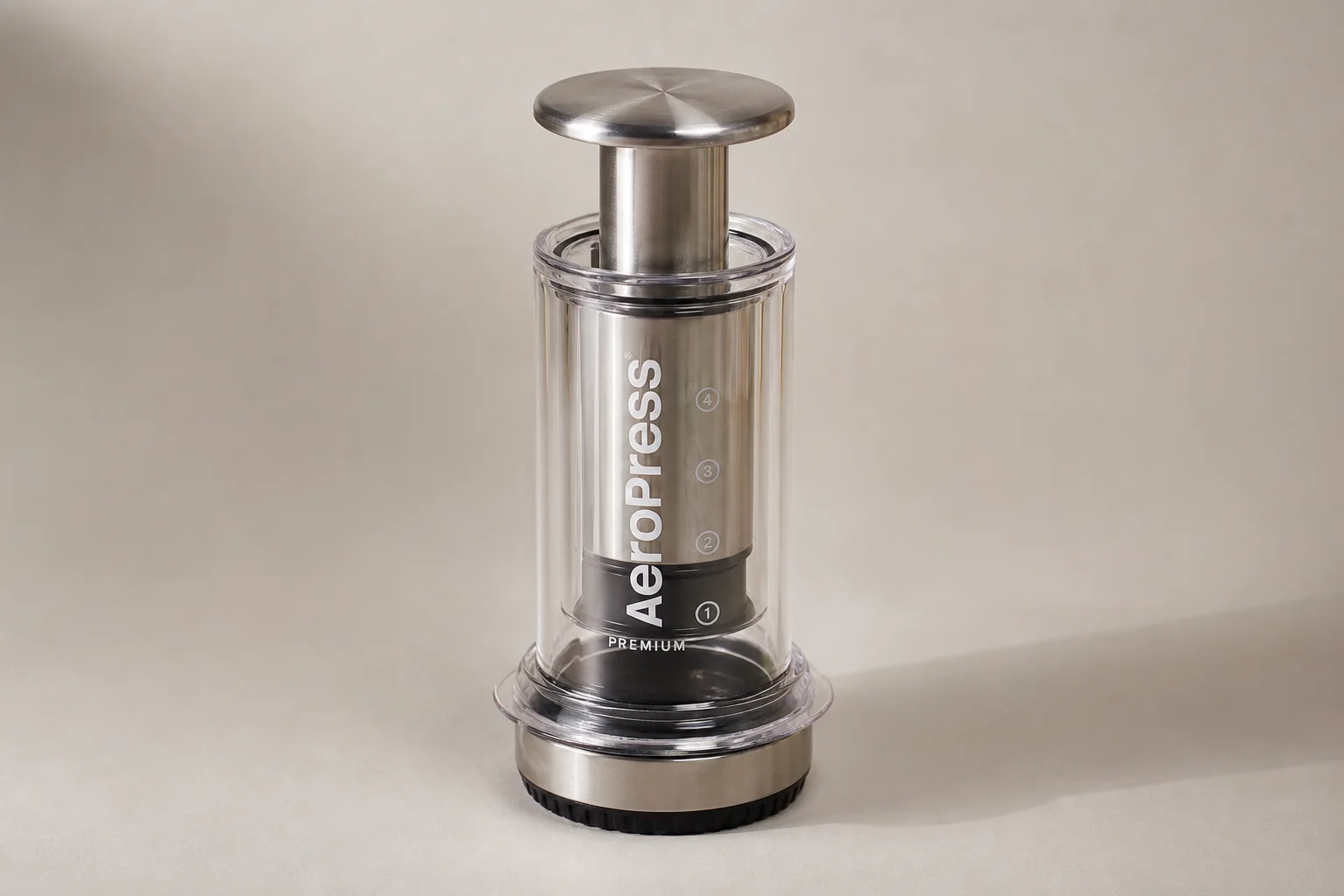
The AeroPress Premium brings glass and metal construction to a beloved brewer, but trades portability and durability for a more refined feel. Here's what changes in the cup and what matters before you buy.
Introduction
The AeroPress Premium arrives at a crossroads. It’s the brewer many enthusiasts have requested for years: the same reliable design, but built from glass and metal instead of plastic. At $150, it costs three times the standard model. The question isn’t whether it makes better coffee, but whether the refined materials justify the price and the practical compromises that come with them.
Build and Materials
The AeroPress Premium swaps the plastic brewing chamber for dual-wall glass, the plastic cap for stainless steel, and the plastic plunger for aluminum with a silicone seal. These changes are immediately noticeable: the brewer feels heavier and more substantial in hand.
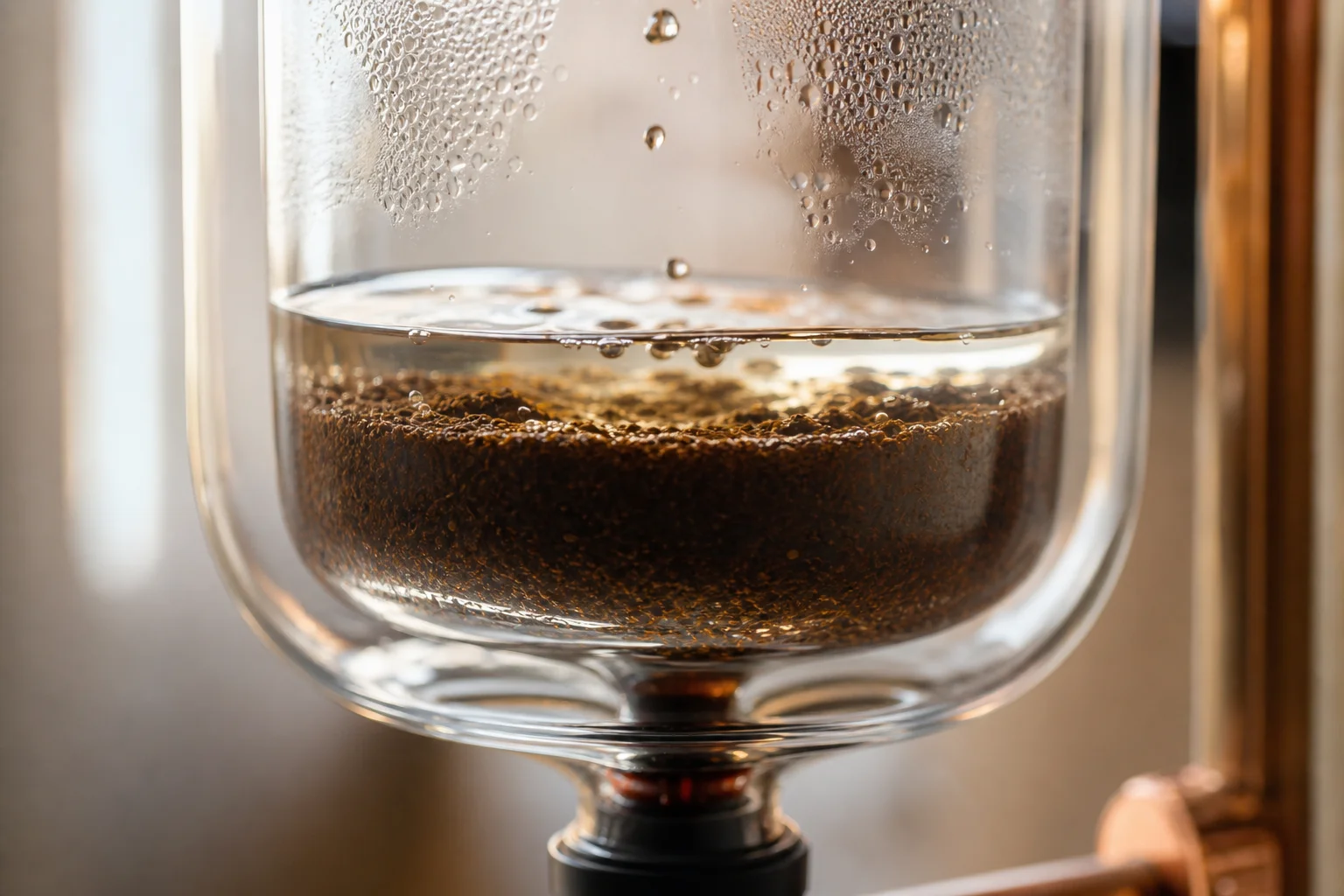
The glass chamber is narrower than the standard AeroPress by about four millimeters, which means the coffee puck becomes slightly narrower and deeper. The overall height increases, and while AeroPress claims 300ml capacity for both models, the Premium’s actual internal volume is closer to 371ml. The stainless steel cap acts as a heat sink, and the metal-on-glass contact during pressing produces a sound some find satisfying and others find unsettling. The glass also introduces fragility: this is no longer a brewer you can casually throw into a bag or travel kit without concern.
Brewing Performance and Temperature
One of the more interesting discoveries in testing is how the Premium’s materials affect brewing temperature. The metal and glass pull more heat from the brewing water initially, causing the brew to start at a lower peak temperature than a standard AeroPress. However, the larger thermal mass of the brewer itself then releases heat back into the water, creating a longer temperature plateau. After about two and a half to three minutes, the Premium actually maintains a higher brewing temperature than a standard AeroPress would at the same point.
This matters most for longer steeping methods. If you favour the Gagnepress technique—a 10-minute or longer steep—the Premium would finish at a higher temperature than a standard model. For typical two-minute brews, the difference is subtle and unlikely to noticeably affect the final cup.
The narrower, deeper puck geometry also produces a slight increase in overall yield across multiple brews, averaging just under a quarter of a percent more. This is measurable but not dramatic, and easily offset by adjusting your grind slightly on a standard AeroPress.
Taste and Blind Comparison
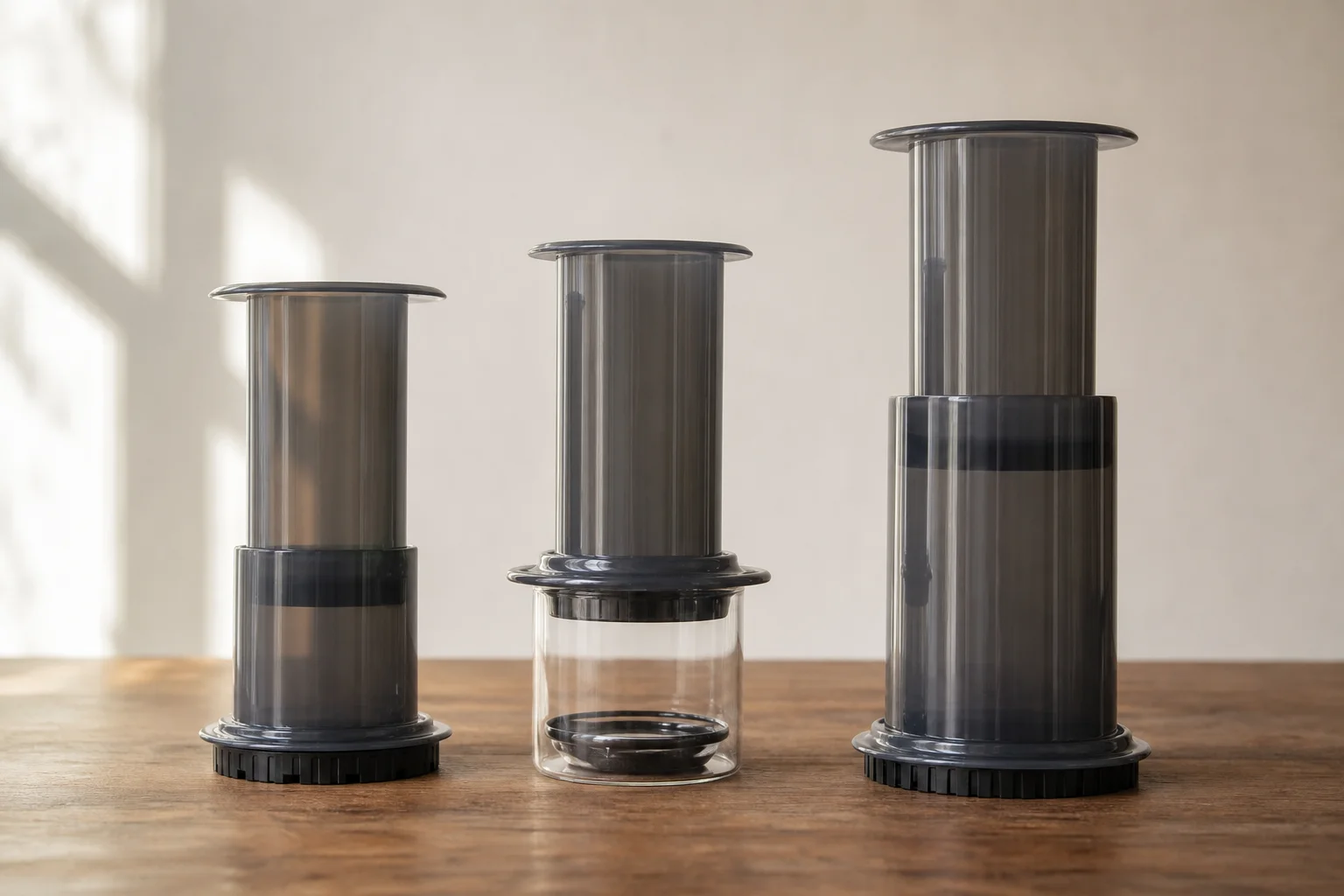
A blind tasting of three brewers—standard AeroPress, AeroPress Premium, and AeroPress XL—revealed no meaningful difference in cup quality. When presented with six unmarked cups (two from each brewer), identifying which was which proved difficult. The Premium did not taste noticeably better or worse than the standard model.
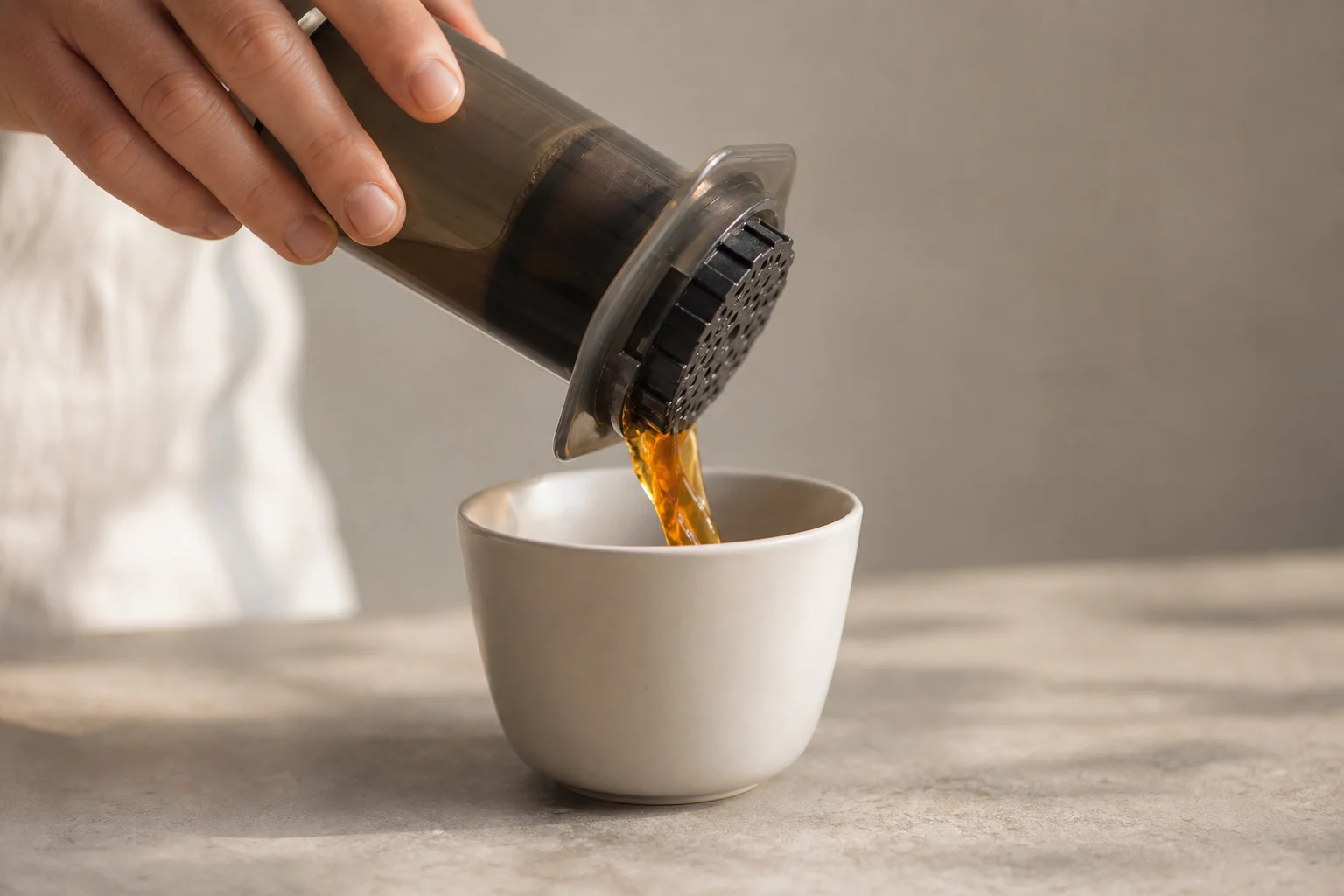
This is the honest takeaway: the Premium makes good coffee, just as the standard AeroPress does. The materials are nicer, the brewer feels more refined, but the coffee itself tastes like coffee from an AeroPress. If you’re buying this expecting a superior cup, you’ll be disappointed. You’re buying a better-feeling brewer, not a better-brewing brewer.
What Changes Beyond the Cup
The Premium’s material choices create unintended consequences. The original AeroPress succeeded partly because it was affordable, lightweight, robust, and portable. You could pack it with a hand grinder and travel anywhere. The Premium loses these qualities. It’s heavier, fragile, and demands more careful handling. The hot glass chamber requires cooling before disposal, and the puck doesn’t eject as cleanly as from a plastic brewer.
For users who want “the AeroPress, but nicer” and plan to keep it on a kitchen counter, these trade-offs may not matter. But they do represent a fundamental shift in what the AeroPress is. If this had been the first AeroPress design, it’s unclear whether it would have achieved the same widespread adoption and loyalty.
Microplastics and Material Choice
The shift to glass and metal partly stems from concerns about microplastics in plastic brewers. The reality is more nuanced than marketing suggests. Modern AeroPress models use Tritan or similar BPA-free plastics with no established evidence of harm from normal use. Microplastics definitions vary widely, and most particles consumed are larger than the size needed to pass through the digestive system. If microplastic reduction is your goal, addressing drinking water and food sources would be far more impactful than switching brewers.
That said, if the idea of plastic in your brewing equipment bothers you, the Premium removes that concern entirely.
Is It Worth the Investment?
At $150, the Premium costs as much as a very good burr grinder or a standard AeroPress plus excellent coffee for months. The coffee quality doesn’t improve. What you gain is a heavier, more refined-feeling brewer that requires more careful handling and loses the portability that made the original AeroPress special.
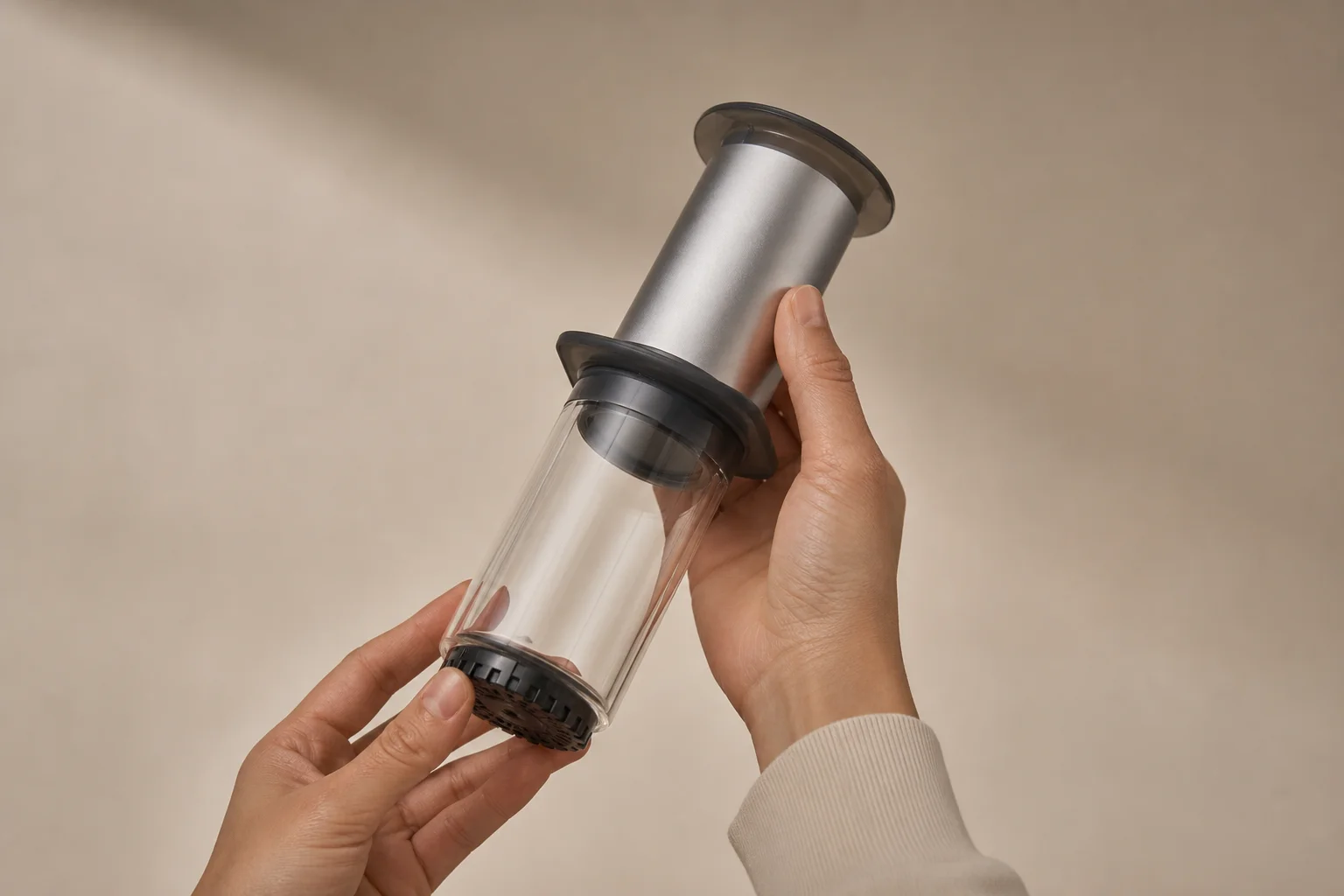
The Premium makes sense if you have the disposable income, value the tactile experience of a metal and glass brewer, and plan to keep it in one place. It doesn’t make sense if you travel with your brewer, prioritize durability, or believe that coffee quality depends on the brewer rather than the beans and technique. For most people, a standard AeroPress paired with investment in a better grinder or higher-quality coffee will deliver more noticeable improvement in the cup.
Conclusion
The AeroPress Premium is a well-executed premium product that delivers exactly what it promises: a more refined version of a beloved brewer. It doesn’t make better coffee, but it feels better in hand and removes plastic from the brewing process. Whether that justifies the price is a personal decision that depends entirely on your priorities and budget.
Product link
View more details for AeroPress Premium
This product is mentioned in the review. Check the specifications, options, and compatibility before buying.
View more details for AeroPress PremiumFurther reading
Related Reviews
Coffee Equipment
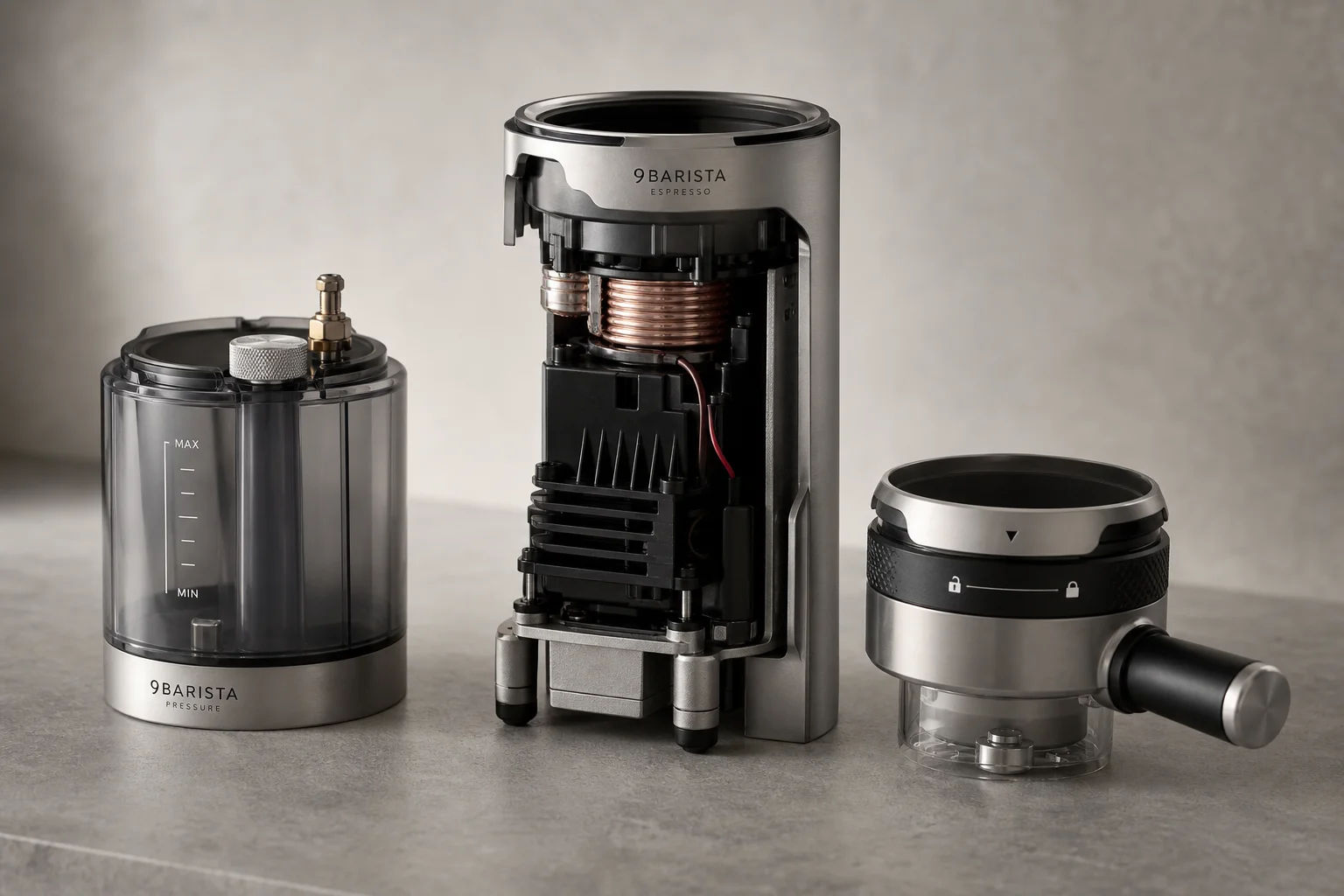
9Barista Espresso Machine Review: Stovetop Espresso for Single-Cup Enthusiasts
A cleverly engineered stovetop espresso maker that generates nine bars of pressure without electricity. Excellent coffee quality, but requires patience and suits solo drinkers only.
Coffee Equipment
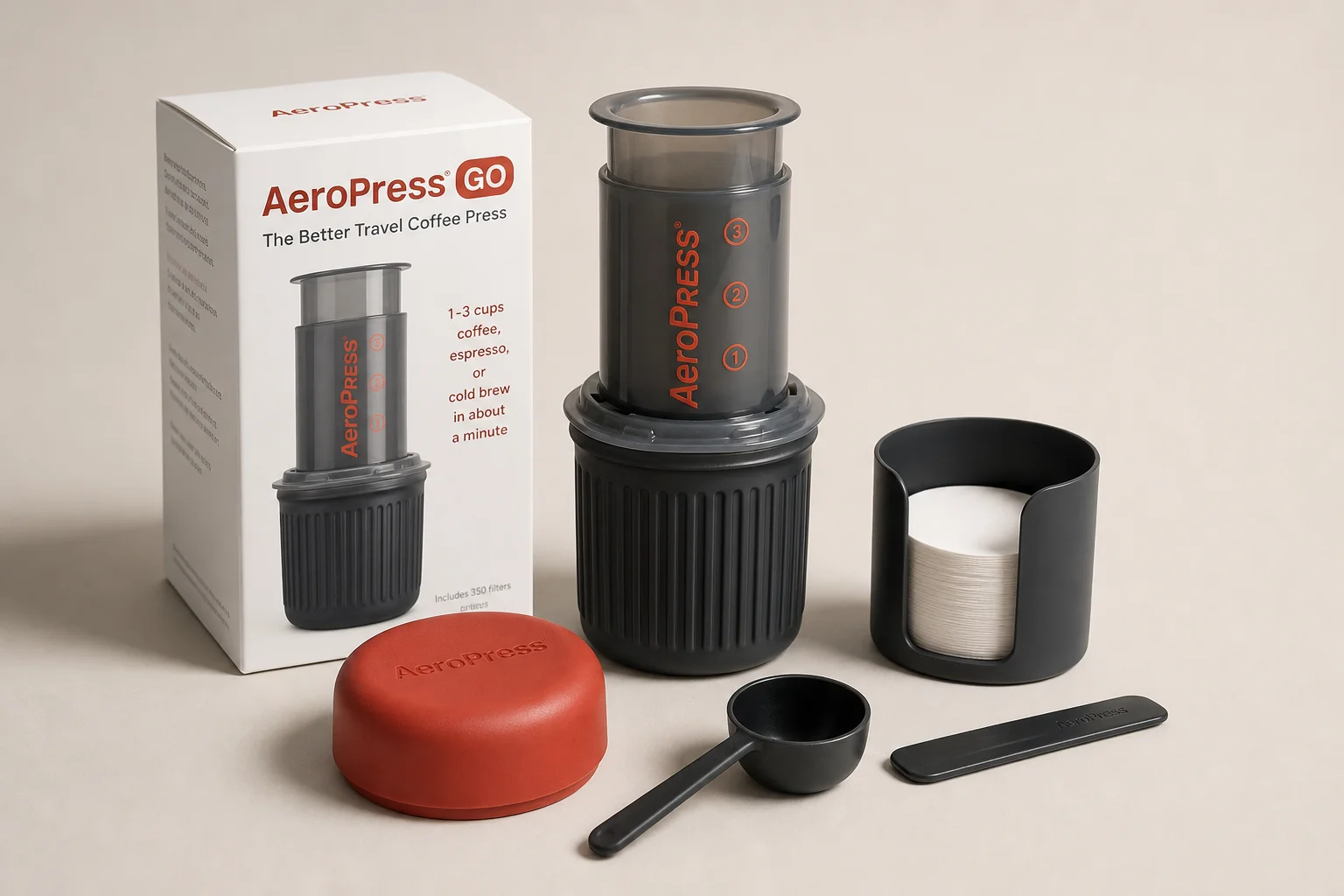
Aeropress Go Review: A Compact Travel Brewer That Solves One Specific Problem
The Aeropress Go shrinks the original design and adds an integrated cup, but it may not address the travel challenges most coffee enthusiasts actually face.
Coffee Equipment
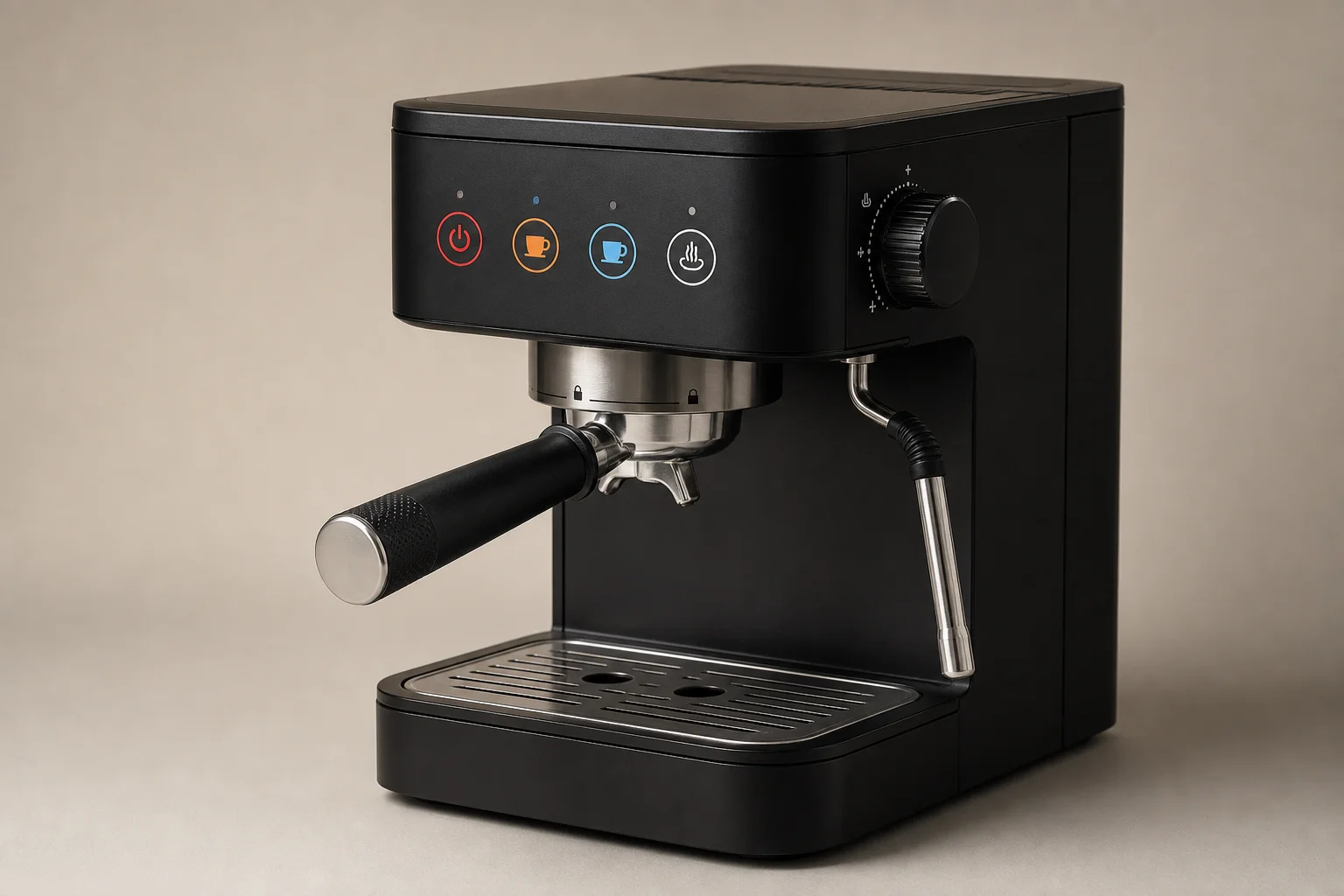
Aldi Manual Espresso Machine Review: Can a £60 Machine Make Good Coffee?
A surprisingly capable budget espresso machine that delivers decent shots with the right technique and grinder, but comes with real trade-offs in durability and user experience.