Aquarium Care
Aquarium Water Treatment: RO/DI Systems and Remineralization Guide
Why tap water harms aquariums, how RO/DI systems work, and the correct way to use pure water for freshwater and saltwater tanks.
Why Tap Water Is Problematic for Aquariums
Filling an aquarium directly from the tap introduces a range of contaminants that stress fish and promote algae growth. Tap water sourced from rivers, lakes, or underground wells often contains nitrates, phosphates, and sulfates. Water treatment plants add chlorine or chloramine for disinfection, both of which are harmful to fish and beneficial bacteria.
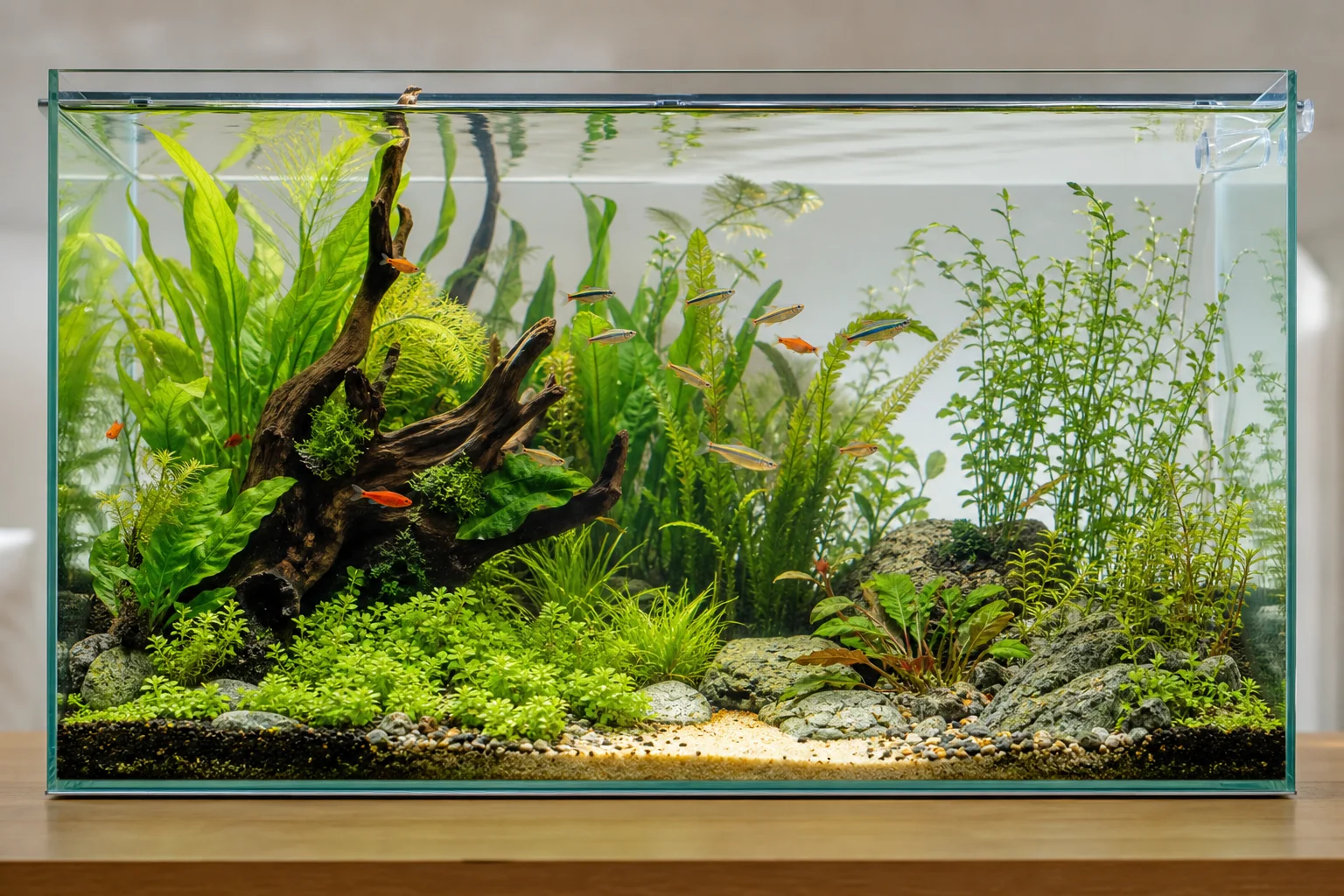
These contaminants accumulate in closed aquarium systems, creating an unstable environment where fish struggle to thrive and algae blooms become difficult to control.
How RO/DI Systems Work
Reverse osmosis (RO) and deionized (DI) water systems produce completely pure water with zero dissolved solids. An RO/DI unit removes chlorine, chloramine, nitrates, phosphates, sulfates, and other contaminants, giving you a blank slate for water parameters.
The Aquatic Life RO/DI Unit is a popular choice, capable of producing around 100 gallons of purified water per day. This pure water is ideal for topping off water lost through evaporation, since evaporation removes only water molecules, not minerals or salts.
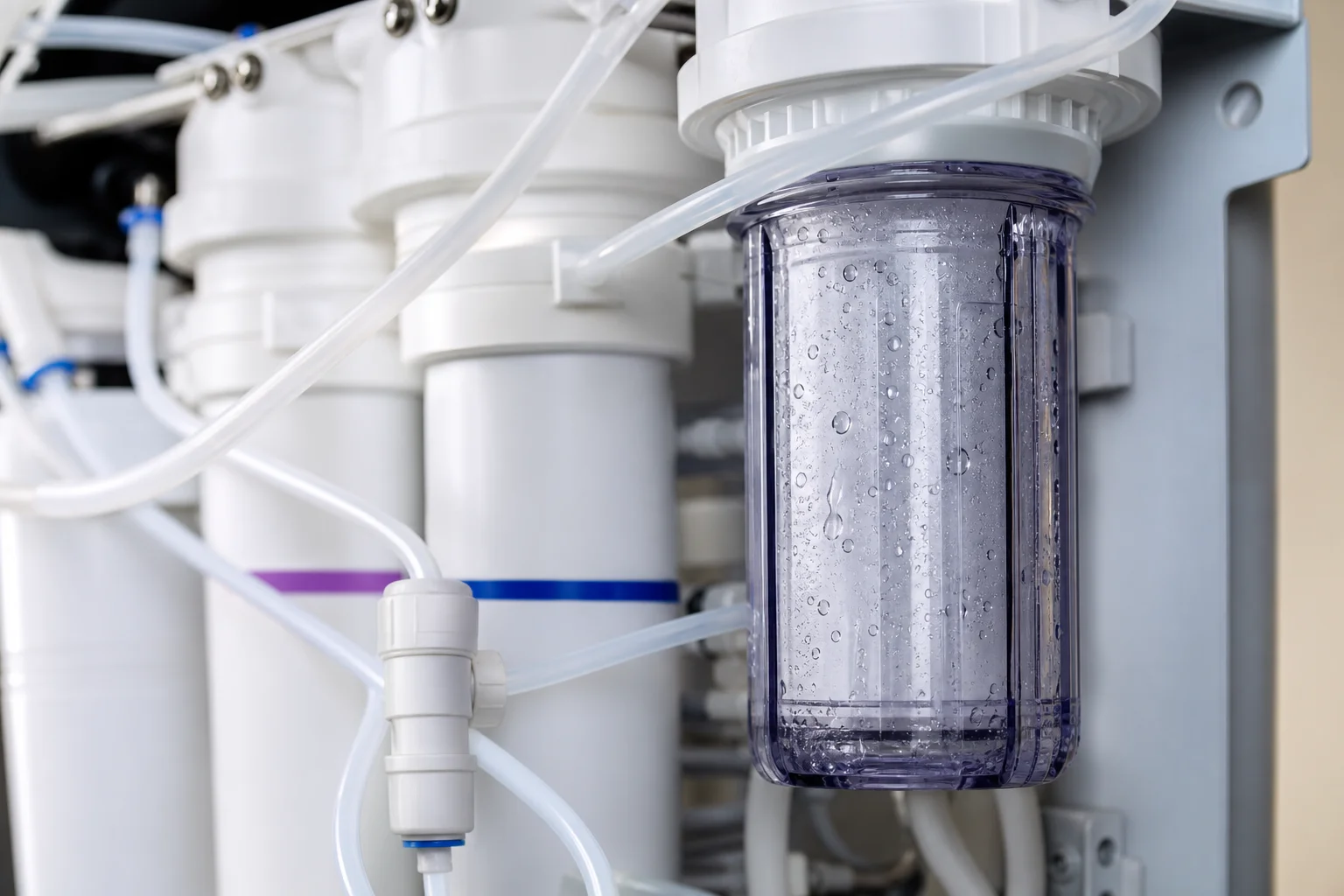
For freshwater aquariums, RO water gives you full control over pH and hardness, allowing you to match your fish’s natural habitat precisely. For saltwater and reef tanks, RO/DI water is essential for adjusting calcium, alkalinity, and magnesium levels to create a stable marine environment.
The Critical Mistake: Using Pure RO Water Directly
Using pure RO water without remineralization can harm freshwater aquariums. Because RO water has zero or near-zero alkalinity and general hardness, it lacks the minerals fish need for osmoregulation. This mineral deficiency stresses fish gills, triggering excess mucus production and breathing issues.
Beneficial nitrifying bacteria also depend on certain minerals to survive and function. In mineral-free water, these bacteria struggle, destabilizing the nitrogen cycle and water quality.
Pure RO water is safe only for topping off water lost through evaporation. For new tank setups or large water changes in freshwater systems, you must first reconstitute or remineralize the water.
Remineralizing RO Water for Freshwater Aquariums
The three key parameters to control are general hardness (GH), carbonate hardness (KH), and pH. You can measure total dissolved solids (TDS) with any TDS meter to verify your water is properly balanced.
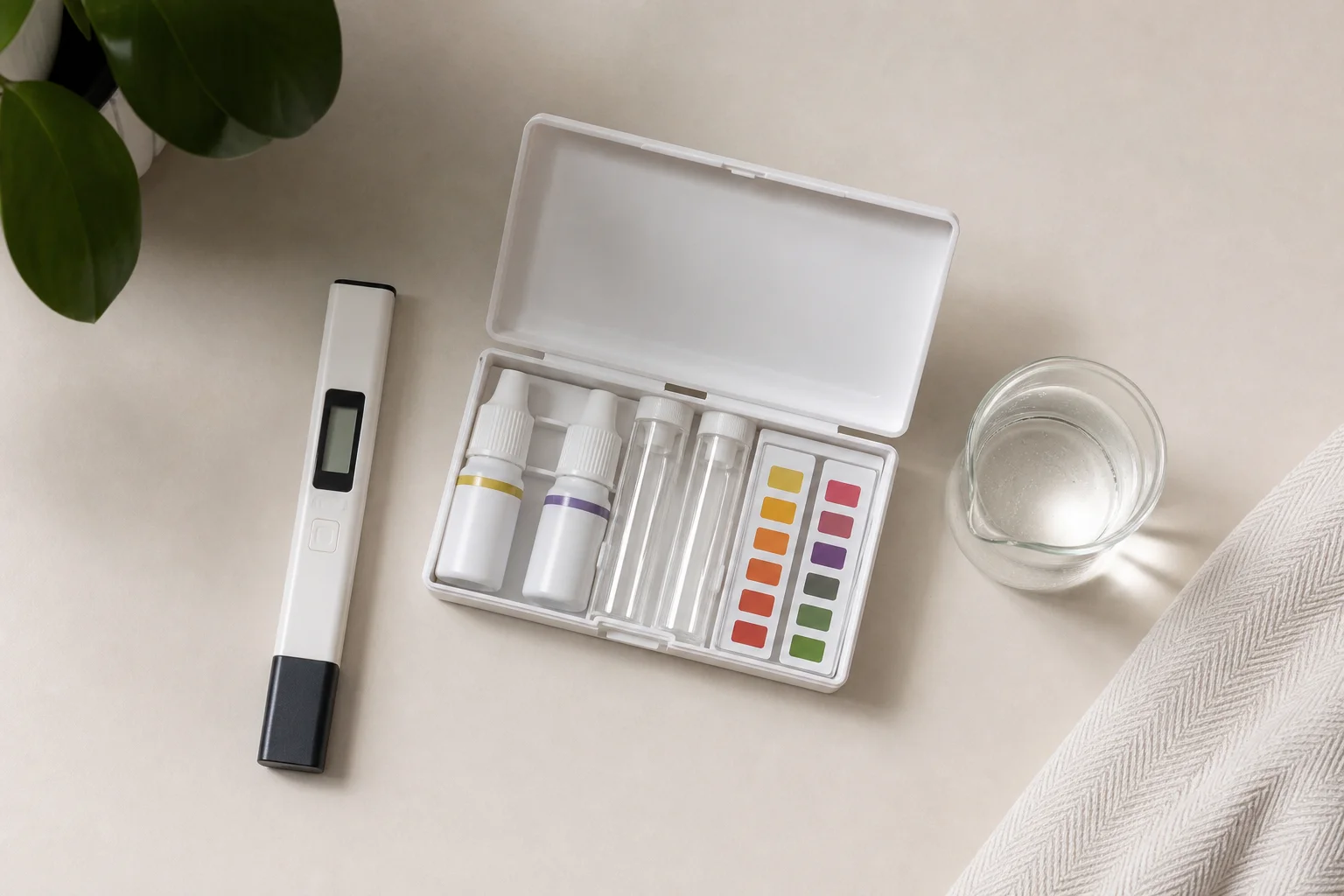
There are two main approaches to making RO water safe for freshwater aquariums.
Mixing RO Water with Tap Water
If your tap water has high general hardness or carbonate hardness but is otherwise acceptable, mixing it with RO water reduces hardness while preserving essential minerals. For example, a 50/50 blend of tap water and RO water roughly halves your GH and KH. Your fish still receive the minerals they need without excess hardness.
Remineralizing Pure RO Water
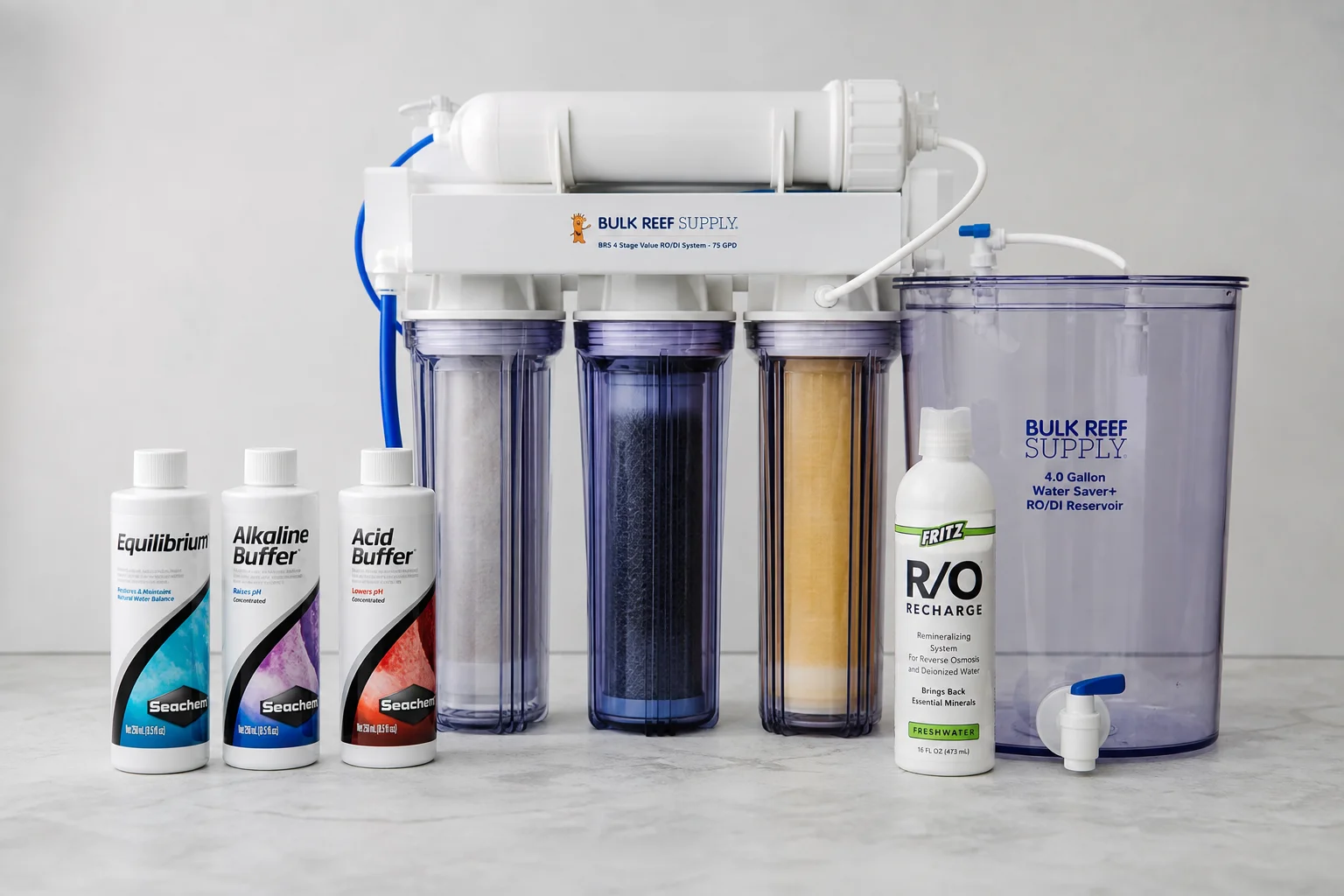
If your tap water is unsuitable due to high nitrates or other parameters, remineralize pure RO water using dedicated products. Seachem Equilibrium adds back general hardness. Seachem Alkaline Buffer and Seachem Acid Buffer let you adjust KH and pH separately for precise control.
For a simpler one-step approach, Fritz R/O Recharge balances both alkalinity and hardness in a single product, making it ideal for aquarists who prefer straightforward dosing.
Using RO/DI Water for Saltwater and Reef Tanks
Saltwater and reef aquariums benefit significantly from RO/DI water. Because you are mixing in reef salts, the risk of mineral deficiency is much lower than in freshwater systems. Pure RO/DI water provides the stable, contaminant-free foundation needed for precise calcium, alkalinity, and magnesium control.
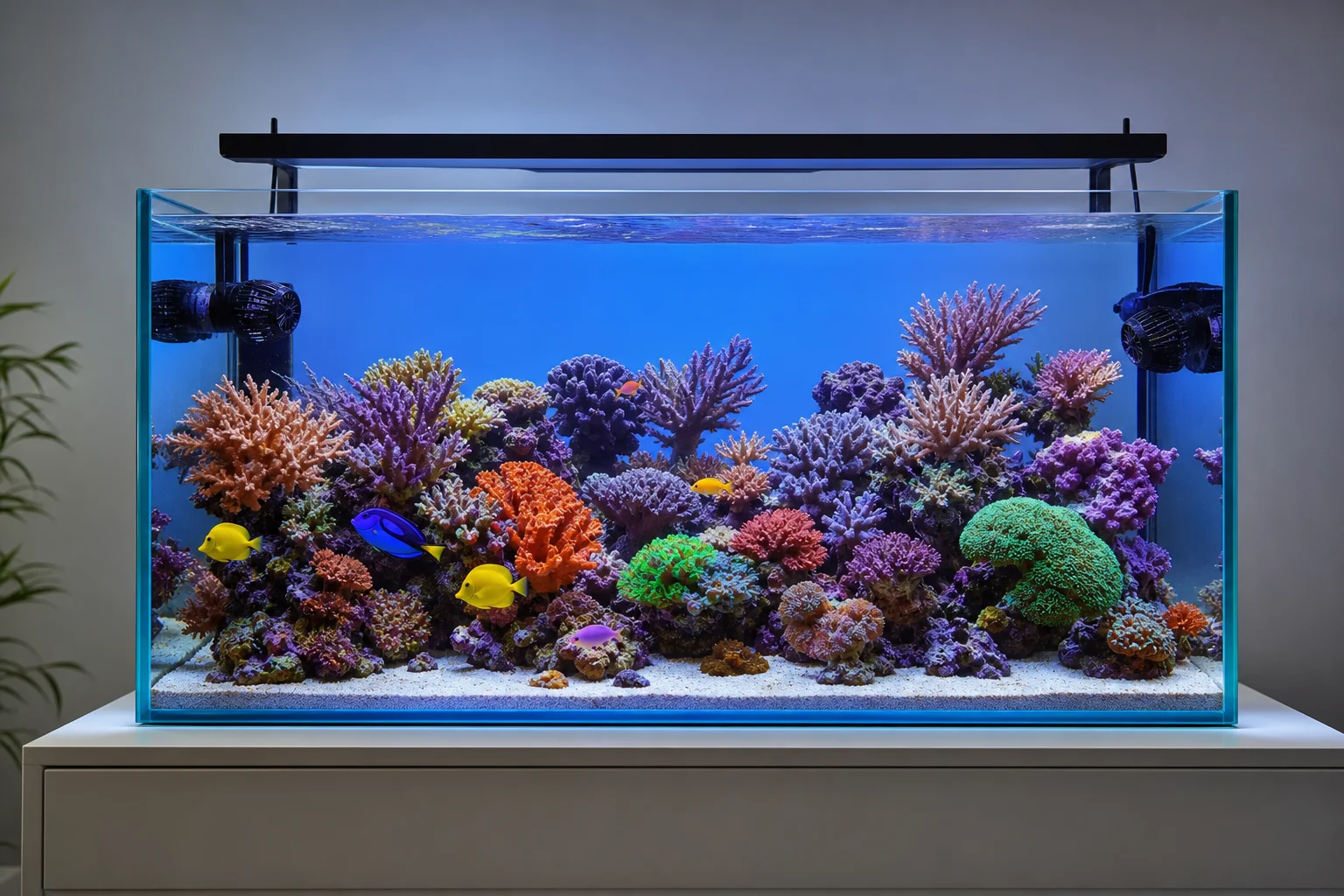
This stability is critical for reef tanks, where corals and other organisms are sensitive to water parameter fluctuations. As long as your RO/DI system is clean and properly maintained, it safely produces the pure water required for a thriving marine environment.
Conclusion
Tap water introduces contaminants that stress fish and fuel algae growth. RO/DI systems remove these contaminants, but pure RO water must be handled correctly. For freshwater aquariums, always remineralize or mix with tap water before large water changes or new setups. For saltwater tanks, RO/DI water is essential and safe when mixed with reef salts. Using the right approach ensures stable water parameters and healthy aquatic life.
Product link
View more details for Aquatic Life RO/DI Unit
This product is mentioned in the review. Check the specifications, options, and compatibility before buying.
View more details for Aquatic Life RO/DI UnitFurther reading
Related Reviews
Aquarium Care
Cichlid Tank pH Stability: Why It Matters and How to Maintain It
Understanding pH fluctuations in cichlid tanks and practical methods to keep water chemistry stable, preventing disease and stress.
Aquarium Filtration
Affordable Aquarium Filter Media: Testing Budget Alternatives to Expensive Biomedia
Can cheap pot scrubbers replace expensive ceramic biomedia in a canister filter? One aquarist tests the theory on a heavily stocked 210-gallon tank.
Aquarium Equipment
Aqua Ultraviolet Advantage Hang-On UV Sterilizer: 8-Watt vs 15-Watt Guide
Two compact UV sterilizers designed for aquarium owners seeking parasite and algae control without complex plumbing or large footprints.