Aquarium Care
Cichlid Tank pH Stability: Why It Matters and How to Maintain It
Understanding pH fluctuations in cichlid tanks and practical methods to keep water chemistry stable, preventing disease and stress.
Introduction
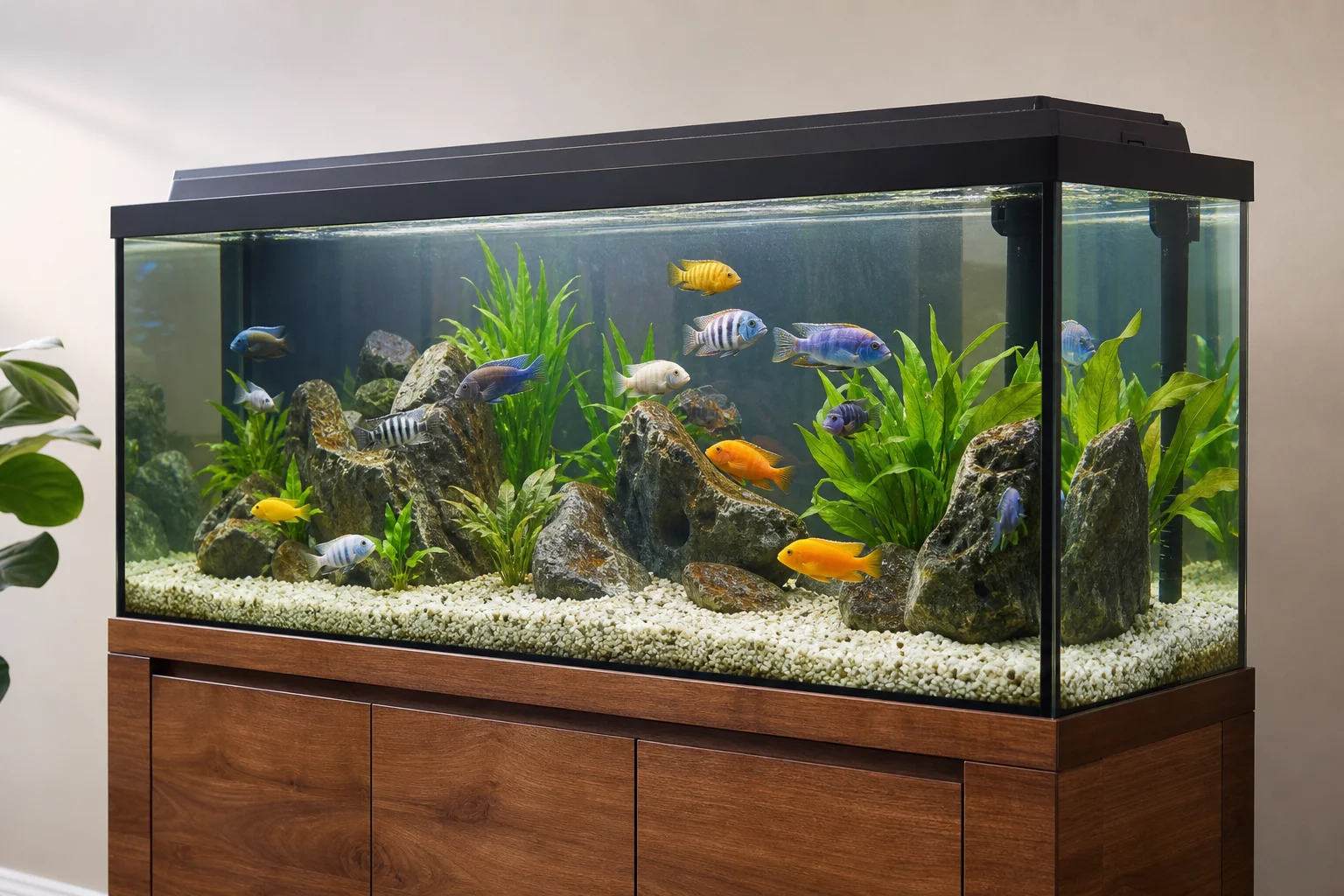
pH stability is one of the most critical factors in maintaining a healthy cichlid tank. Experience shows that approximately 70 percent of disease problems in cichlid aquariums stem from unstable pH levels rather than other causes. Fluctuating pH creates stress that weakens fish immune systems and triggers parasitic infections, rapid breathing, and behavioral issues like excessive rubbing against surfaces. Understanding why pH changes and how to prevent those changes is essential for long-term tank success.
The Role of Substrate in pH Stability
The choice of substrate has a direct impact on water chemistry. When marble gravel was removed from a tank in favor of bare bottom or unsuitable sand, pH became unstable within days. Fish began showing signs of stress: long, stringy feces indicating internal parasites, rapid gill movement, and color fading. The problem persisted even after treatment until the root cause was identified and addressed.
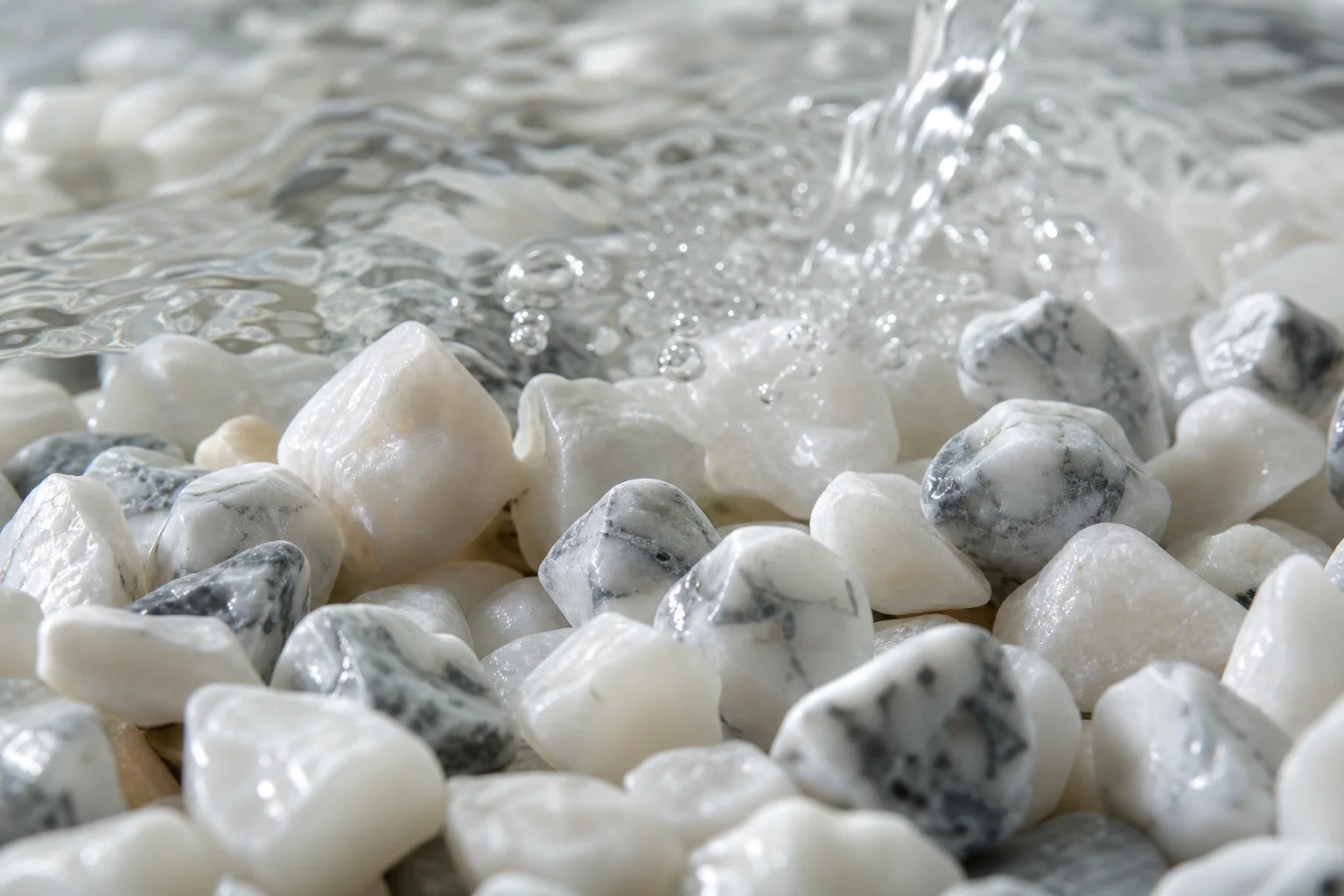
Marble gravel works because it contains calcium carbonate, which slowly dissolves in water and acts as a natural buffer, keeping pH stable. When switching to sand, the same problems returned unless the sand also contained limestone or calcium carbonate. The solution was to create a separate chamber filled with marble gravel and run tank water through it before returning the water to the main tank. This method maintains pH stability even when using sand as the primary substrate. For cichlids, sand is often preferred for its natural appearance and the way it allows fish to exhibit natural behaviors, but only if pH buffering is maintained through additional calcium carbonate sources.
Understanding Nitrification and pH Decline
The biological filtration process, while essential for removing ammonia and nitrite, has a side effect that many aquarists overlook. When beneficial bacteria break down ammonia through nitrification, they produce hydrogen ions (H+) as a byproduct. If the aquarium system lacks sufficient buffering capacity to neutralize these ions, the water gradually becomes more acidic and pH drops.
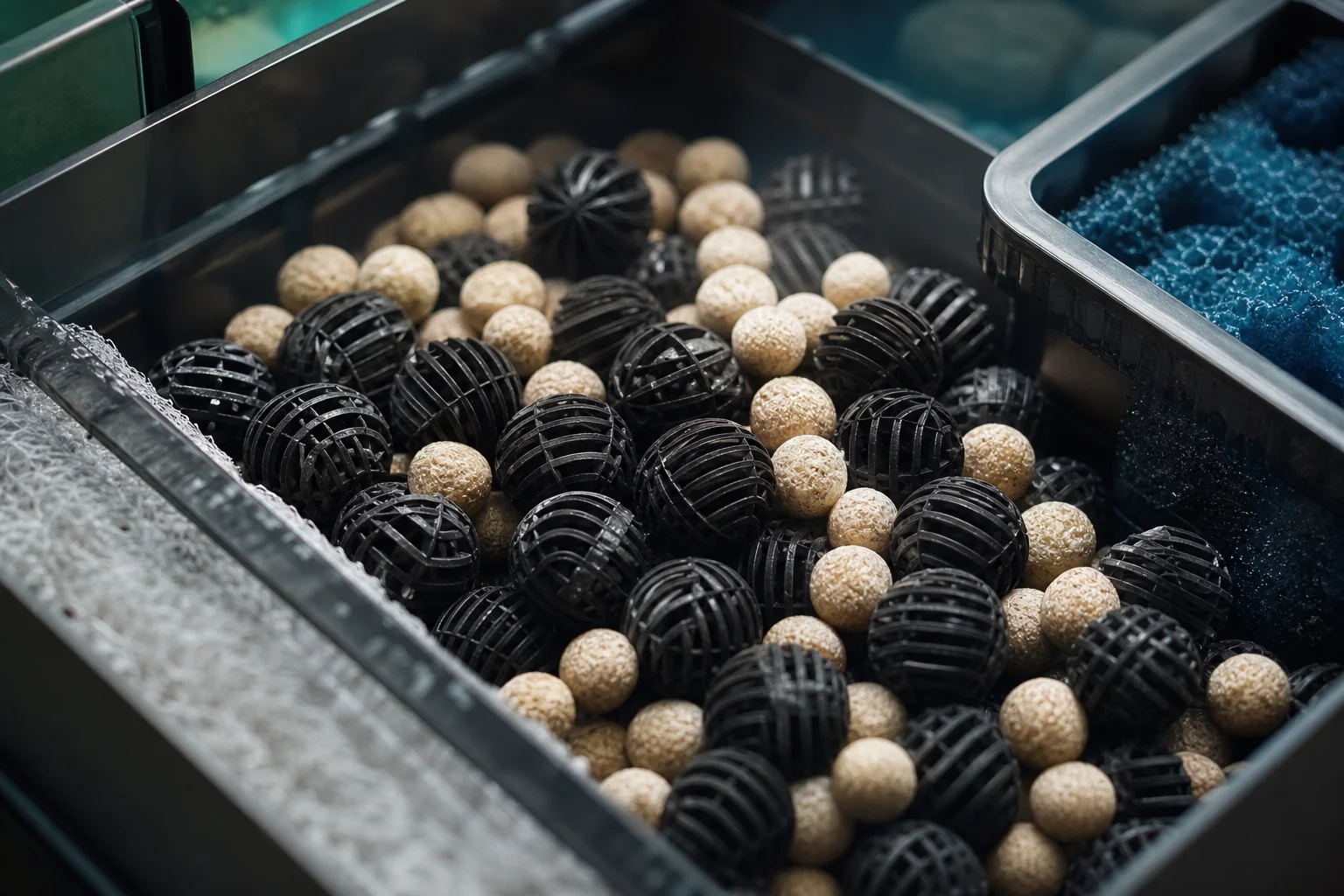
A tank with tap water starting at pH 7.8 may drop to pH 7.5 within a week if no buffer is present. This decline happens because the nitrification process continues 24 hours a day, steadily lowering pH. The solution is to maintain a source of calcium carbonate or limestone in the system at all times. A box of marble gravel placed in the filter or sump ensures that pH remains stable even as nitrification occurs. Without this buffer, pH will continue to decline, creating the unstable conditions that trigger disease and stress.
Testing and Monitoring pH Levels
Accurate pH testing is essential for diagnosing water chemistry problems. The API Master Test Kit includes a high-range pH solution that provides reliable readings. To use it, fill a test bottle with 5 milliliters of tank water, add 5 drops of the high-range pH solution, cap the bottle, shake it thoroughly, and compare the color to the chart provided.
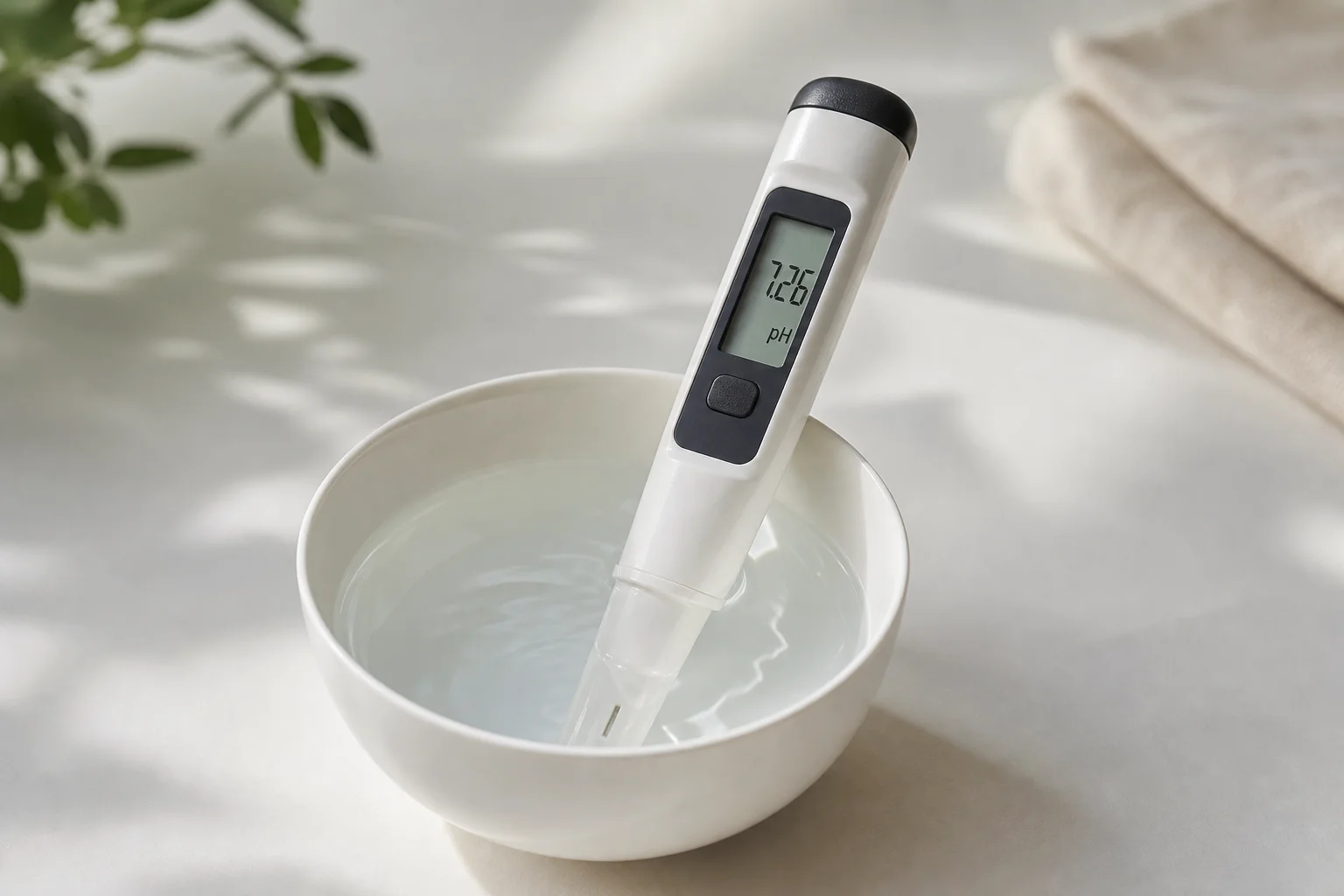
For continuous monitoring, a digital pH meter with a probe offers real-time readings and can track minimum and maximum values over time. A quality meter should be kept with its probe submerged in water at all times; if the probe dries out, it can become damaged and lose accuracy. Most probes have a lifespan of approximately one year before readings begin to drift, though many continue to function beyond that point. When using a digital meter, fill a bowl with fresh tank water and allow the probe to stabilize for 4 to 5 minutes before recording the reading. Both test kits and digital meters should show consistent results when properly maintained.
Maintaining Stable pH for Fish Health
For cichlids, the recommended pH range is 8.0 to 8.4. However, stability is more important than hitting a specific number. A tank where pH varies from 8.2 in the morning to 8.1 in the evening to 7.9 at night is far more stressful to fish than a tank that holds steady at 8.1 throughout the day. Fluctuating pH prevents fish from acclimating and weakens their ability to resist disease.
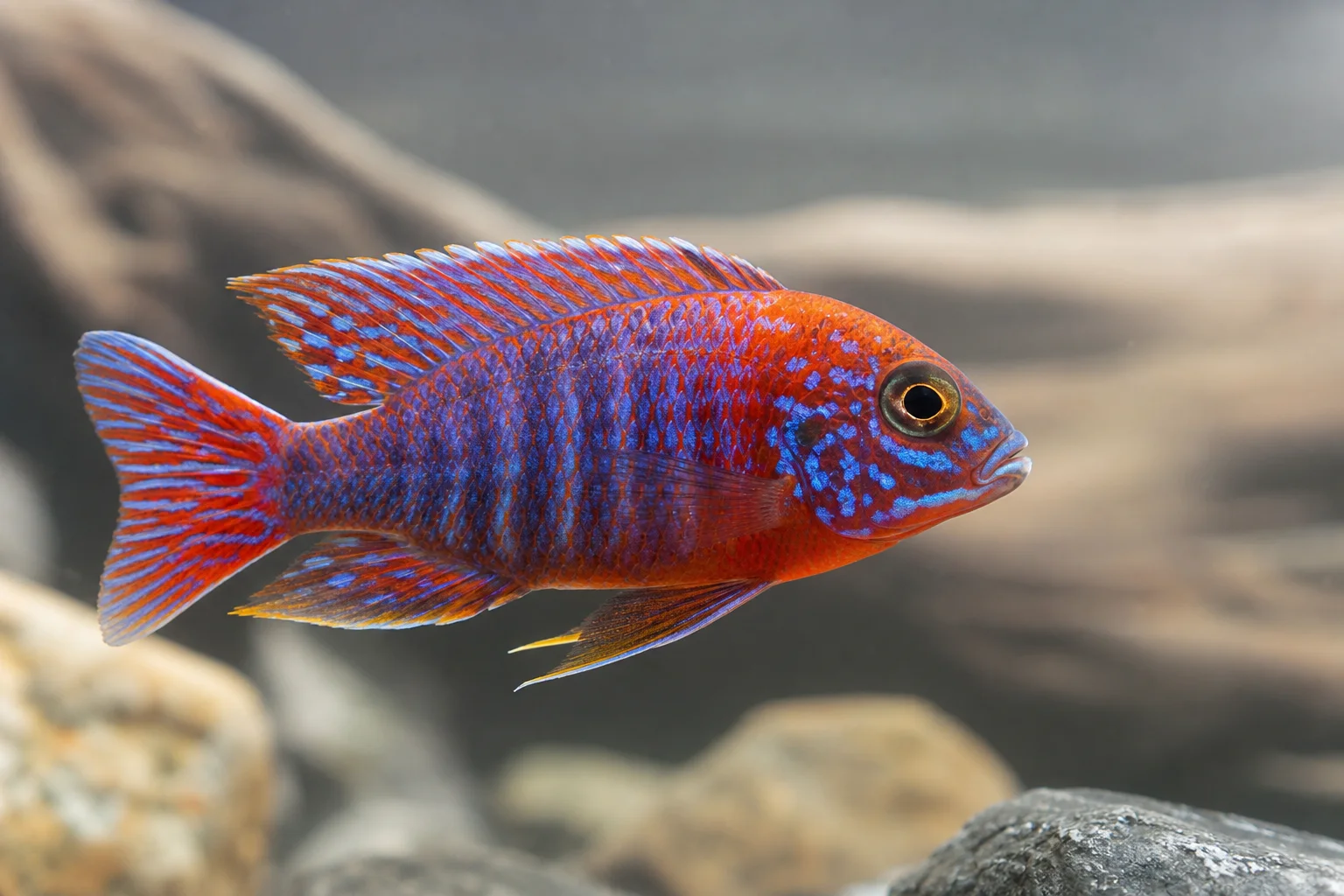
When pH remains stable, approximately 90 percent of common cichlid health problems resolve on their own. Internal and external parasites, fin damage, color loss, and behavioral stress are all symptoms of pH instability. Once pH is locked in place through proper substrate choice, adequate buffering, and regular monitoring, fish thrive. The investment in marble gravel, a test kit, and possibly a digital meter pays dividends in reduced disease, better coloration, and more natural fish behavior. Stable pH is the foundation of a healthy cichlid tank.
Conclusion
pH stability is not a luxury in cichlid keeping; it is a necessity. By understanding how substrate, nitrification, and buffering work together, and by monitoring pH regularly with reliable tools, aquarists can prevent the majority of stress-related disease. A 90-gallon cichlid tank with stable pH, proper filtration, and appropriate substrate will reward the keeper with healthy, vibrant fish for years to come.
Product link
View more details for API Master Test Kit
This product is mentioned in the review. Check the specifications, options, and compatibility before buying.
View more details for API Master Test KitFurther reading
Related Reviews
Aquarium Care
Aquarium Water Treatment: RO/DI Systems and Remineralization Guide
Why tap water harms aquariums, how RO/DI systems work, and the correct way to use pure water for freshwater and saltwater tanks.
Aquarium Filtration
Affordable Aquarium Filter Media: Testing Budget Alternatives to Expensive Biomedia
Can cheap pot scrubbers replace expensive ceramic biomedia in a canister filter? One aquarist tests the theory on a heavily stocked 210-gallon tank.
Aquarium Equipment
Aqua Ultraviolet Advantage Hang-On UV Sterilizer: 8-Watt vs 15-Watt Guide
Two compact UV sterilizers designed for aquarium owners seeking parasite and algae control without complex plumbing or large footprints.