3D Printing
Bambu Lab P1S Firmware Changes: Why This Matters for 3D Printer Ownership
A closer look at recent firmware updates, cloud integration requirements, and what they mean for long-term printer control and reliability.
Introduction
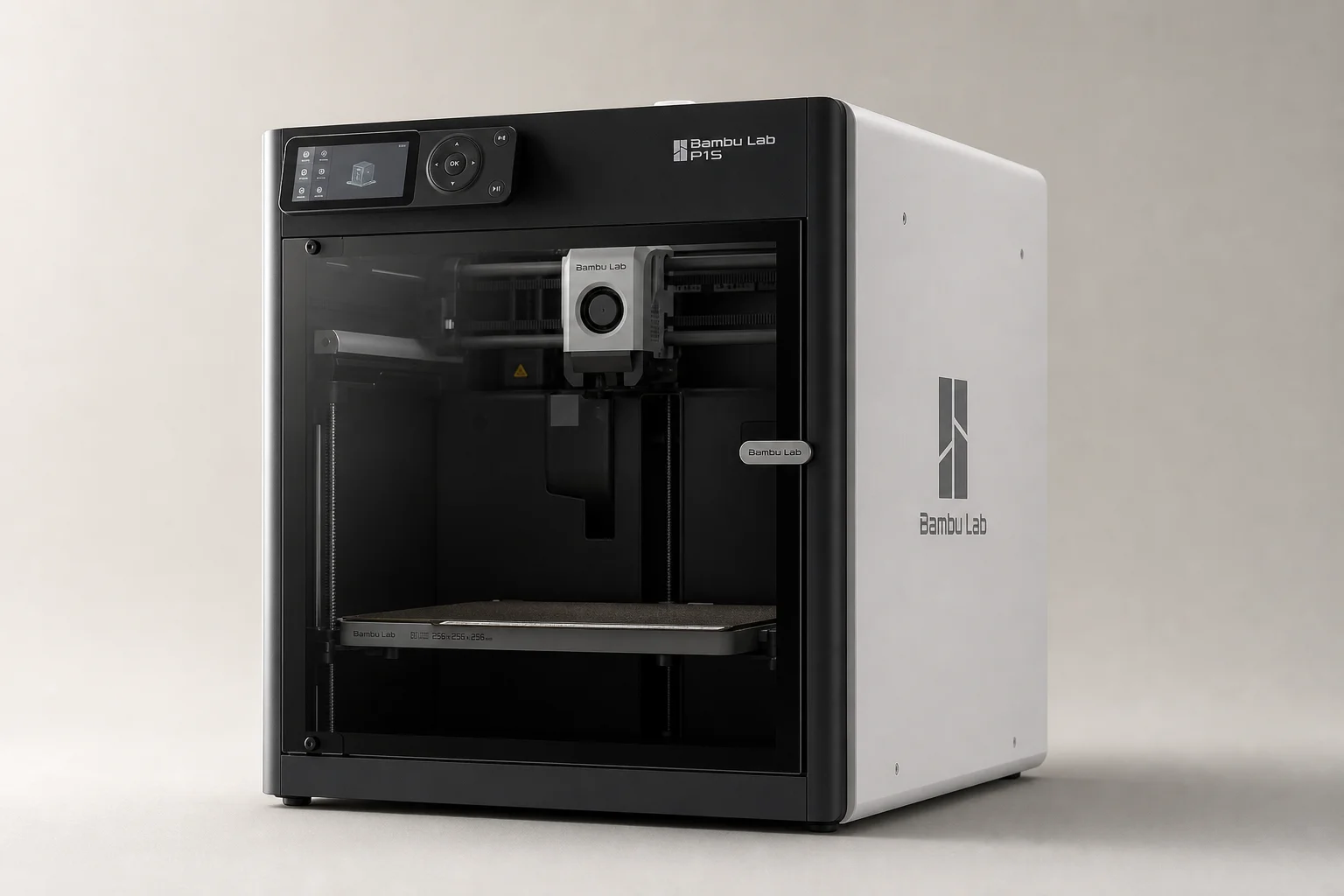
The Bambu Lab P1S has earned a strong reputation for speed, reliability, and print quality. However, recent firmware changes and the company’s response to community concerns have raised important questions about what happens when you buy a printer and then the manufacturer changes its capabilities months later.
The Hardware Strength and Initial Appeal
The Bambu Lab P1S delivers impressive hardware performance. Print speed is notably fast, and the consistency of results is high. For many users, the printer has genuinely changed how they approach 3D printing, offering a balance of reliability and output quality that was harder to find in earlier generations.
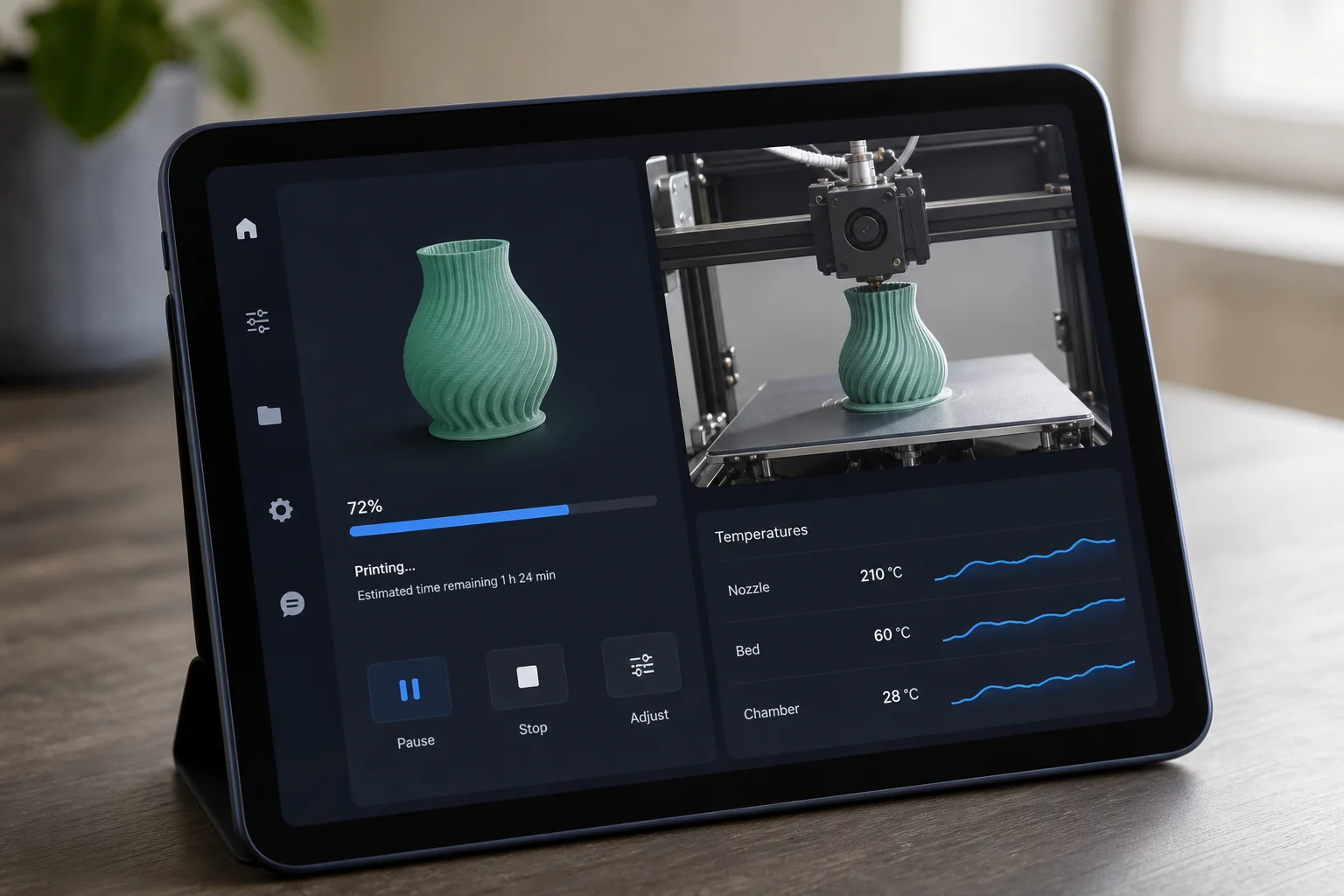
The printer’s design and engineering are solid. Paired with the Automatic Material System (AMS), the overall ecosystem works well for multi-material printing and reduces friction in the workflow. This combination of speed, reliability, and ecosystem integration is what made the P1S appealing to many users in the first place.
The Cloud Integration Problem
The core issue centers on how the printer requires cloud connectivity and app-based setup. When you buy a physical device, the expectation is that you can set it up and use it without mandatory cloud service registration. Requiring users to sign into a cloud service just to begin using a printer they own creates an unnecessary dependency and raises questions about future control and access.
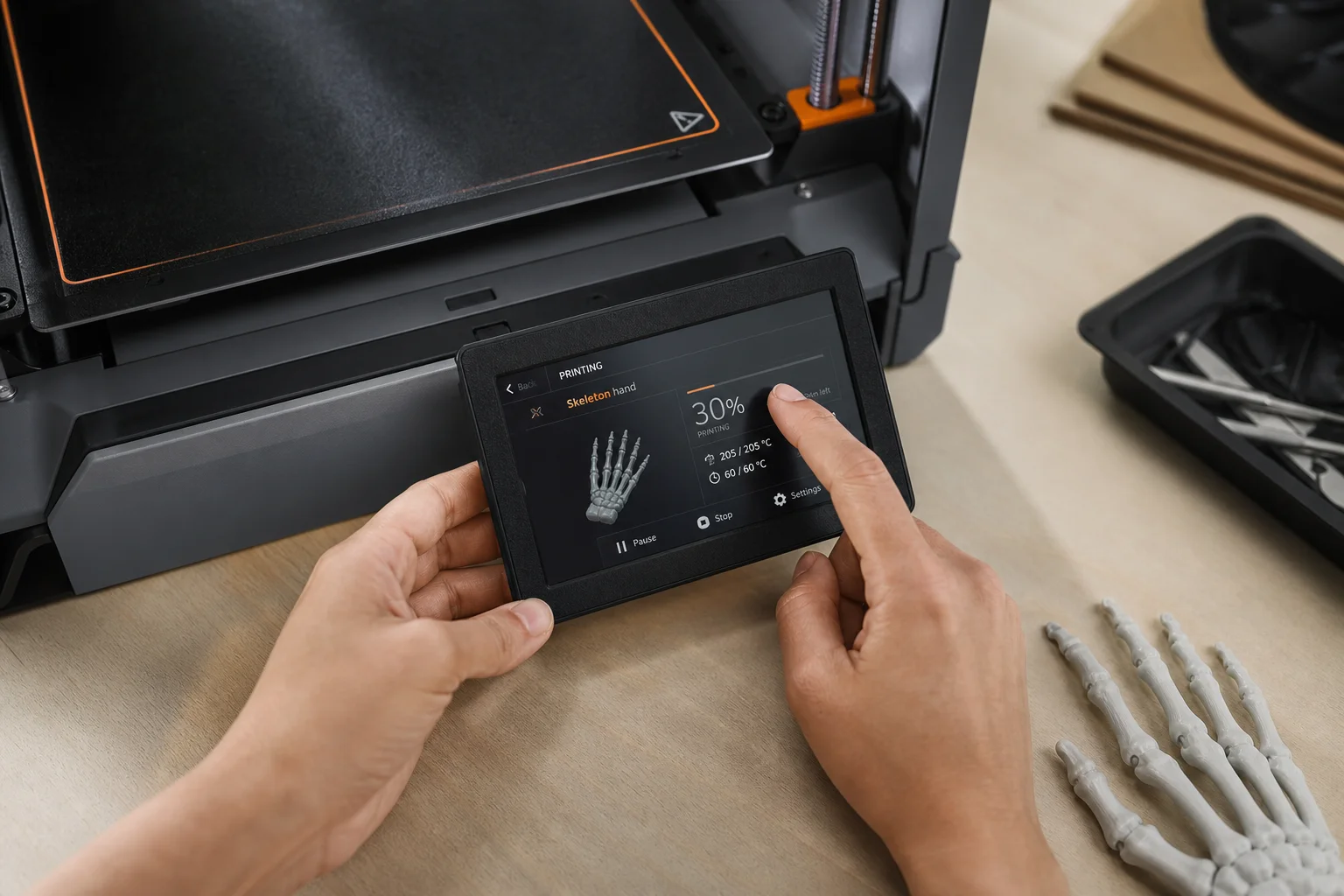
This approach differs from printers that work locally by default, with cloud features as optional additions. The mandatory cloud integration means that if the company’s servers go down, or if the company decides to discontinue the service, users could lose access to features or functionality they relied on at purchase time.
Developer Mode and Local Control
In response to community backlash, Bambu Lab introduced a developer mode that allows more local control over the printer on a local network. This is a step in the right direction, but it does not fully address the underlying concern: users should not need special modes or workarounds to have basic control over hardware they own.
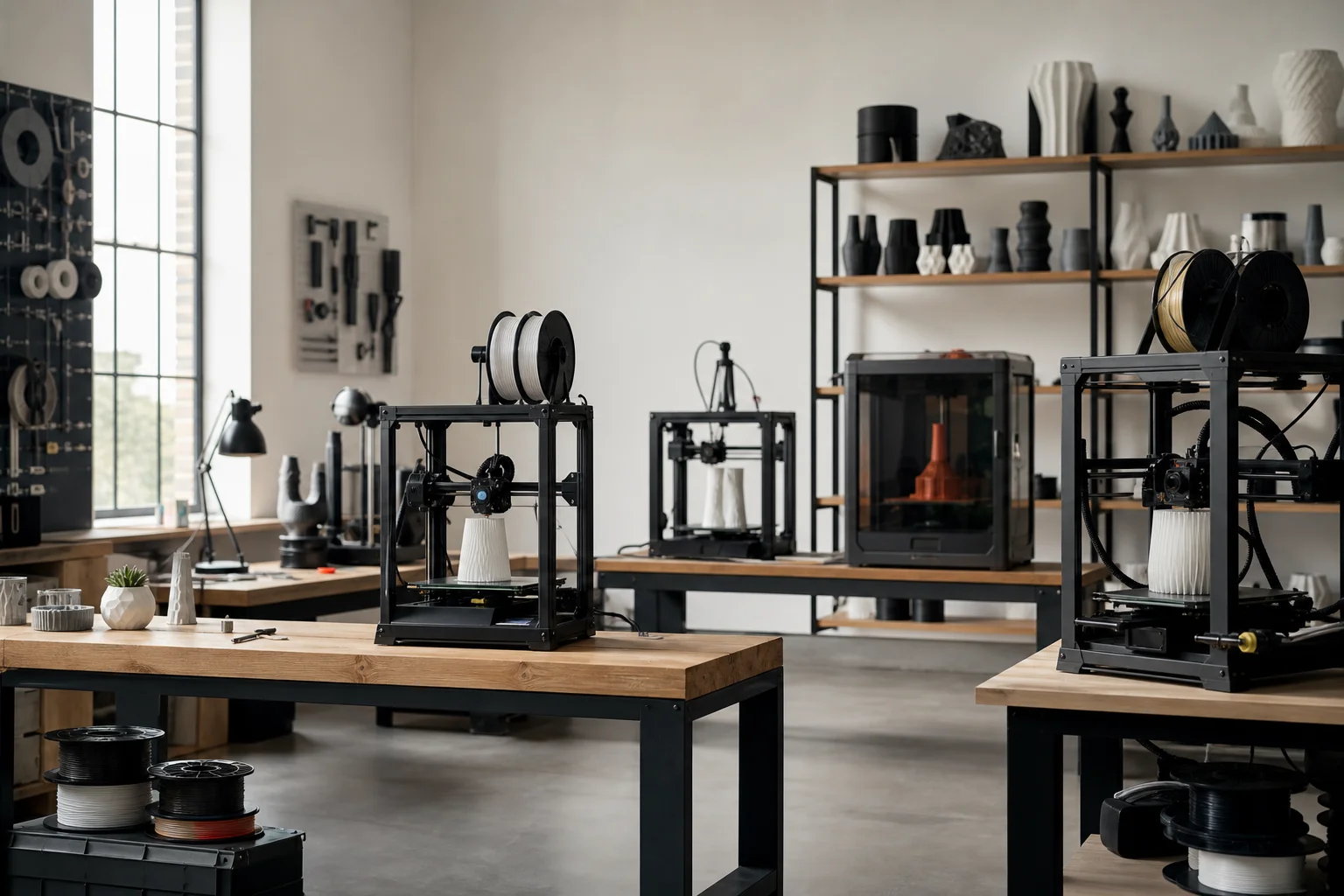
The fact that third-party accessories like the Panda Touch interface work well with the printer shows that users want and benefit from alternative control methods. When a manufacturer discourages or blocks such integrations, it signals a desire for control that may not align with user interests.
The Bigger Picture: Printer Ownership and Control
This situation echoes past controversies in other hardware categories. Printer manufacturers like HP have attempted to lock down ink cartridges and supplies in the name of security. The pattern is familiar: a company claims that restrictions protect the device, security, or quality, but the real effect is to limit user choice and create dependency.
The 3D printing community has historically been built on maker principles: users should have full control over the tools they own. Firmware updates that remove features or capabilities after purchase, or that require workarounds to maintain the level of control users had at purchase time, run counter to those principles.
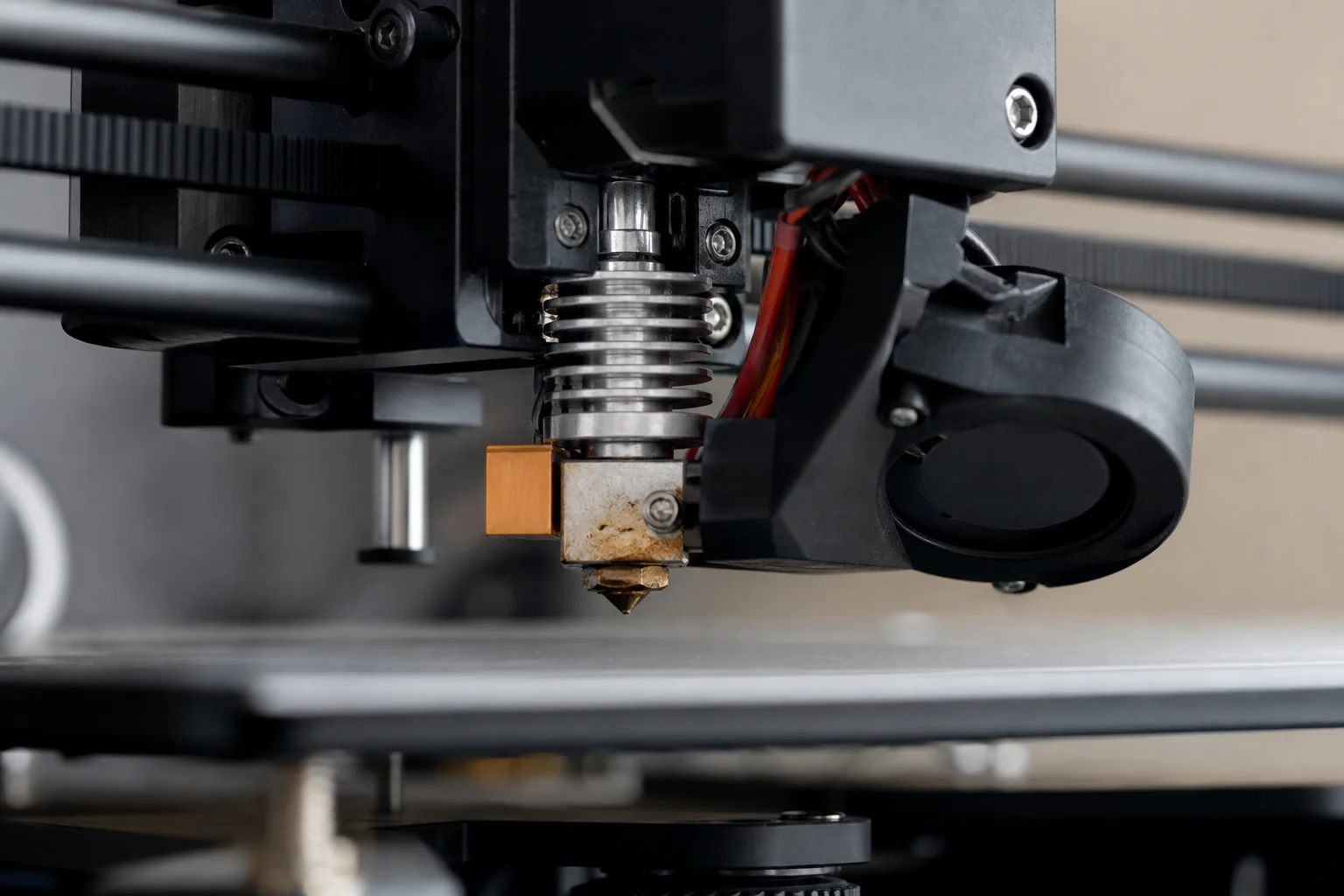
The right approach is local-first design: the printer works fully on a local network without cloud services, and cloud features are optional add-ons for users who want them. This gives users choice and ensures that future changes to cloud services do not affect core functionality.
What Comes Next
For potential buyers, the question is whether Bambu Lab will adjust its approach. If the company demonstrates a more humble response to community concerns and commits to prioritizing local control and user autonomy, that could change the calculus. Until then, the risk is real: you buy a printer today, and months later a firmware update changes what you can do with it.
For current owners, the developer mode provides some mitigation, and third-party tools continue to improve the experience. But the underlying issue remains: the company has shown it is willing to change printer capabilities after purchase, and the community’s ability to push back is limited.
Conclusion
The Bambu Lab P1S is capable hardware, but recent firmware changes and the company’s approach to cloud integration and user control have raised legitimate concerns about long-term ownership and autonomy. Buyers should weigh the printer’s strengths against the risk that future updates could limit functionality or increase dependency on cloud services. For those prioritizing local control and long-term independence, alternative options like the Prusa MK4 may offer more peace of mind, even if they come at a higher price or with a slower print speed.
Product link
View more details for Bambu Lab P1S
This product is mentioned in the review. Check the specifications, options, and compatibility before buying.
View more details for Bambu Lab P1SFurther reading
Related Reviews
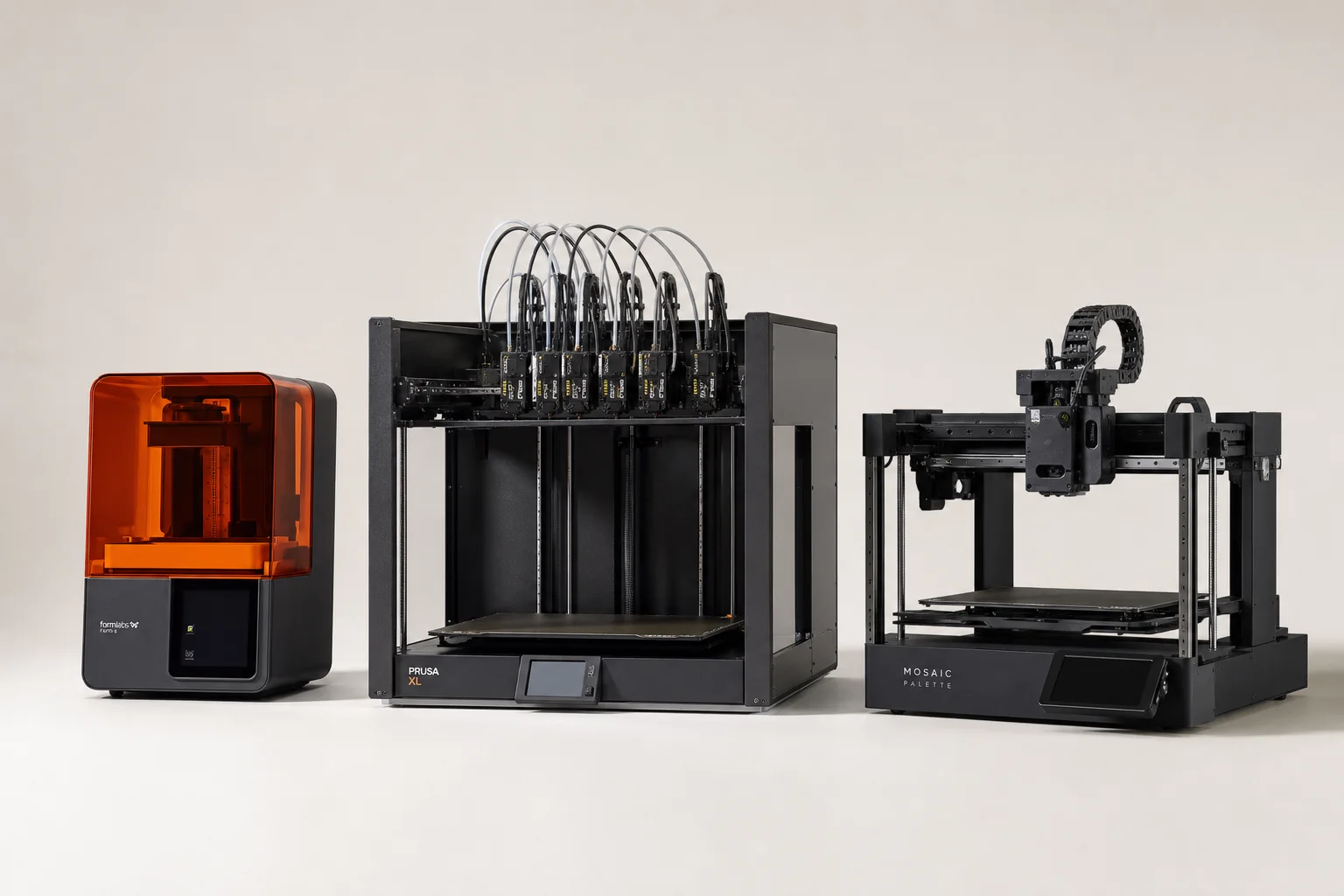
3D Printing
3D Printer Wishlist 2026: Industry Hopes and Manufacturer-Specific Improvements
A comprehensive review of what the 3D printing industry needs in 2026, from universal standards to manufacturer-specific feature requests across leading brands.
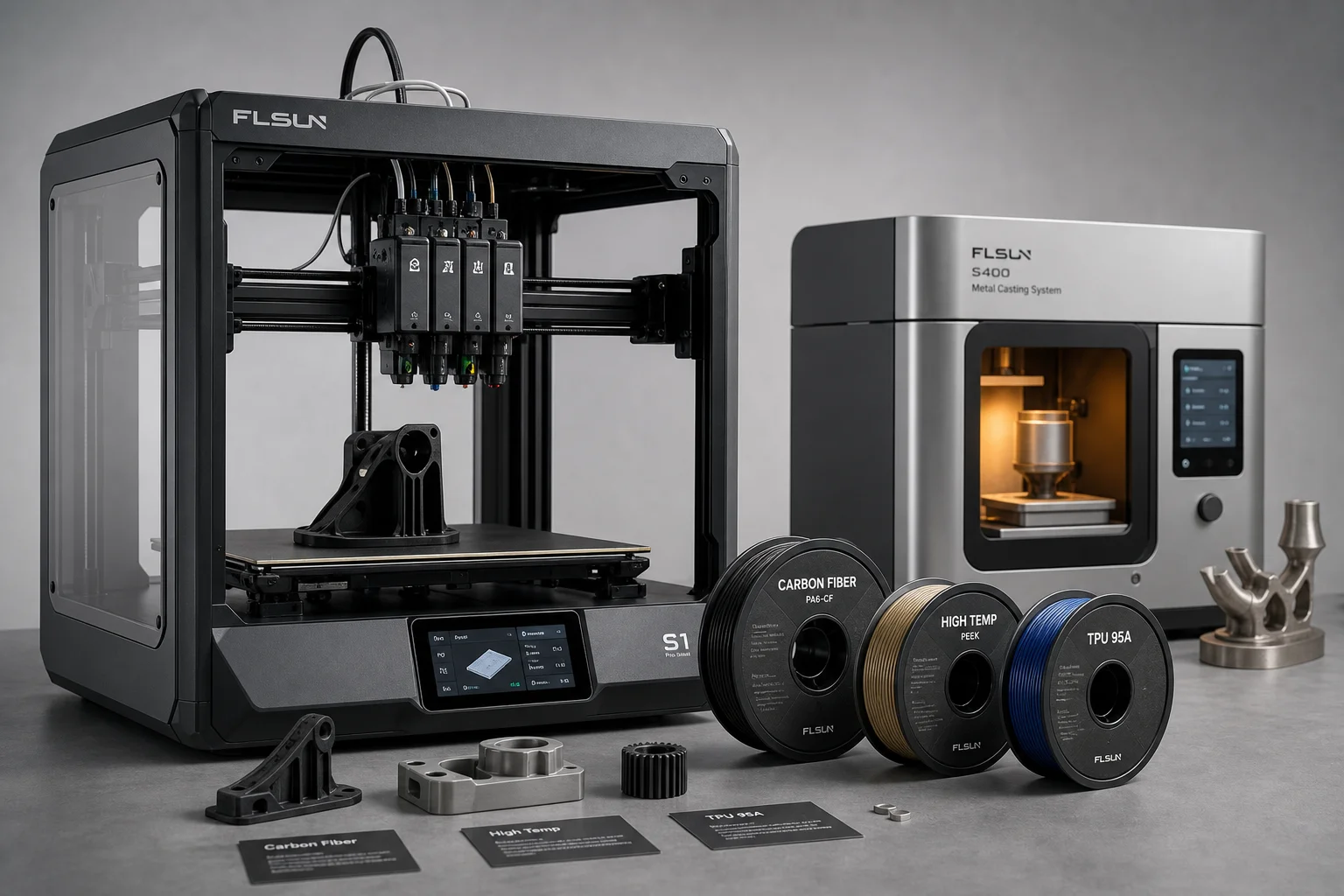
3D Printing
3D Printing Trends 2026: Multi-Material Systems, Stronger Filaments, and Desktop Metal Casting
FormNext 2025 revealed the direction of 3D printing in 2026: accessible multi-material printers, high-strength filaments, and innovative software solutions that bring industrial capabilities to the desktop.
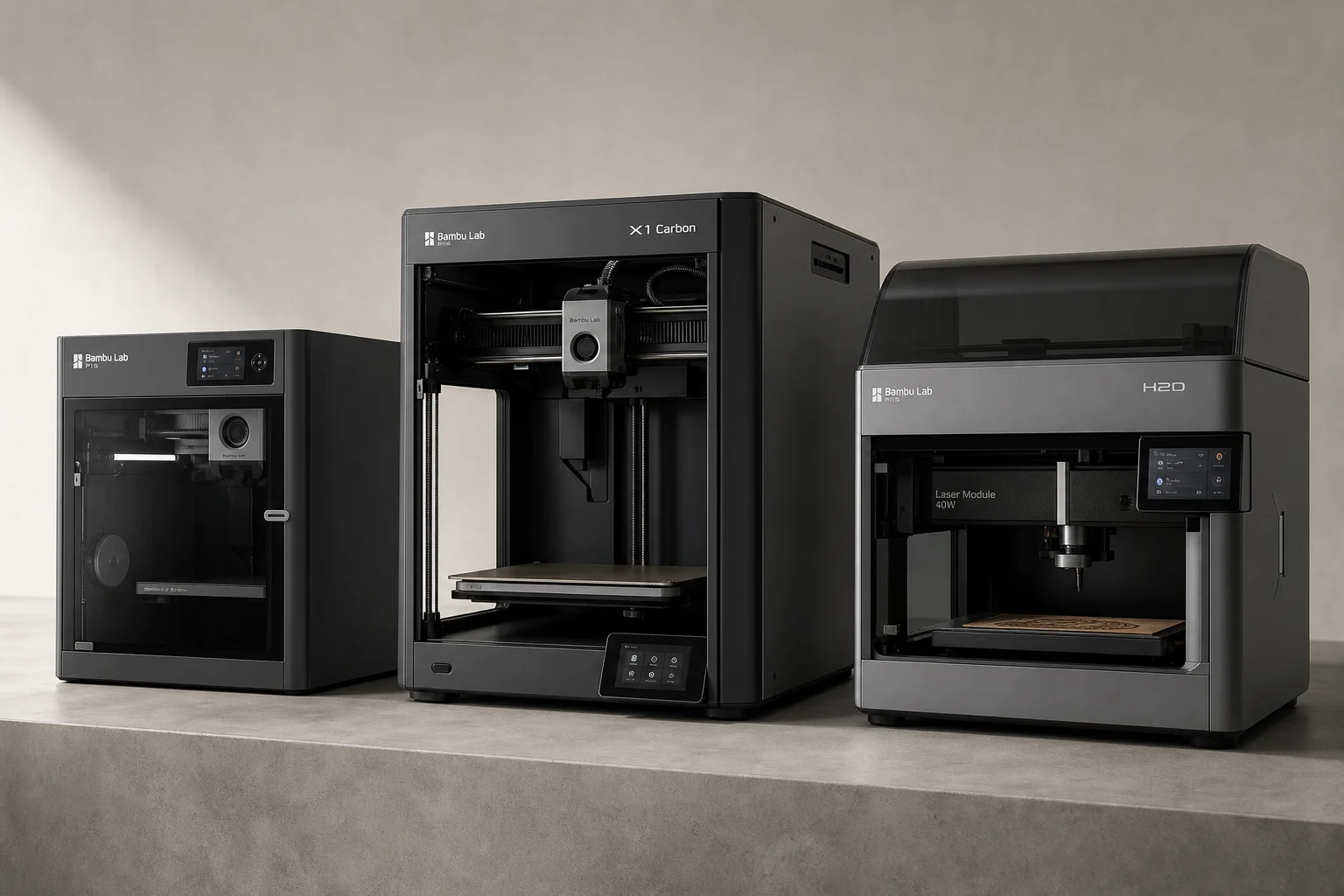
3D Printing
Bambu Lab 3D Printer Lineup 2025: Which Model Fits Your Needs
A comprehensive breakdown of Bambu Lab's current printer lineup, from mid-range workhorse models to flagship multifunction machines, with honest trade-offs for each.