3D Printers
Bambu Lab P1S vs X1 Carbon: Why the Budget Option Wins
After testing both printers side by side, the P1S delivers nearly identical print quality at half the price. Here's what the premium features actually cost you.
Introduction
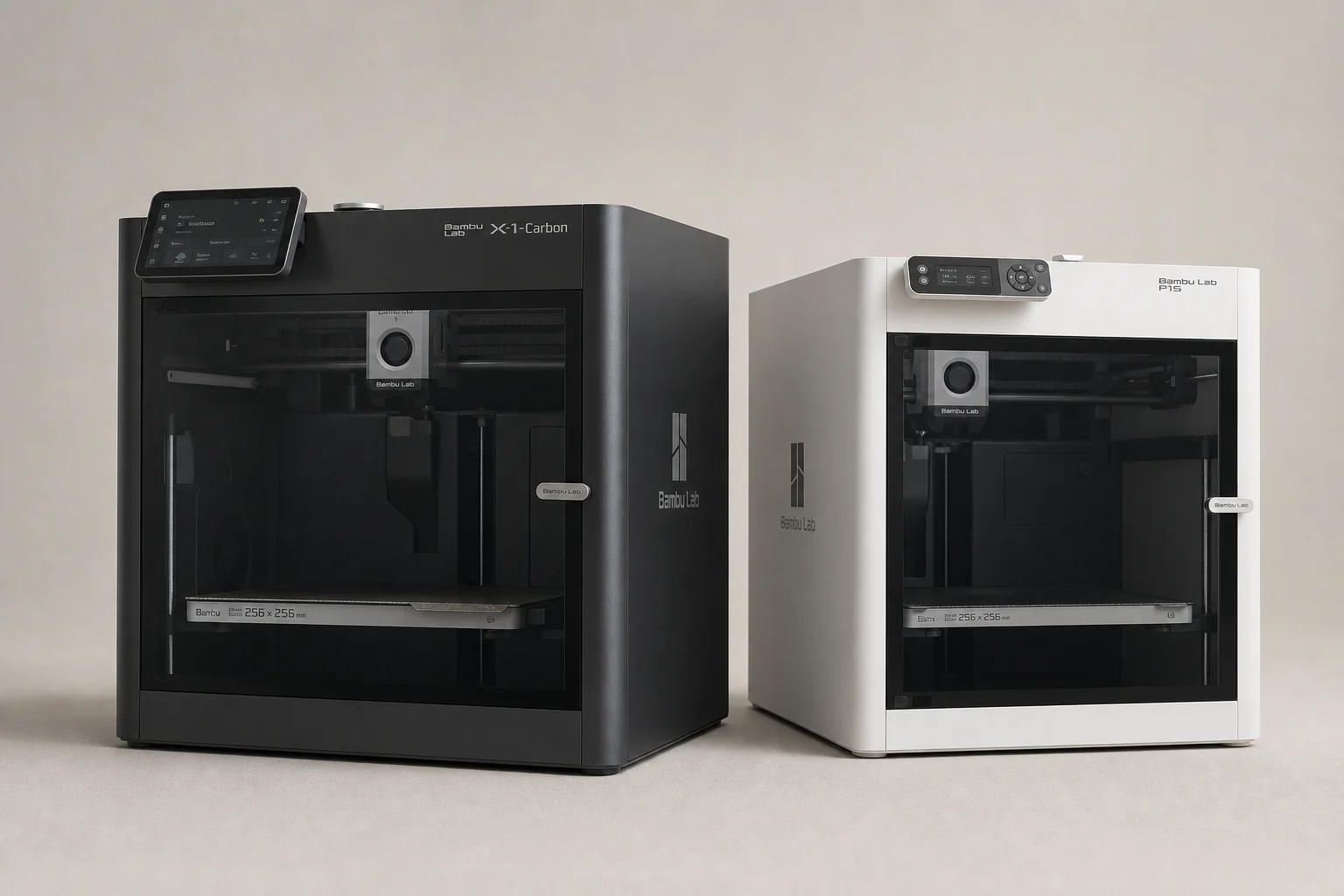
The choice between Bambu Lab’s X1 Carbon and P1S seems straightforward: spend more for premium features, or save money with the budget option. After owning and extensively testing both printers, the answer is clearer than expected. The P1S delivers nearly identical print quality and speed at almost half the price, making the X1 Carbon’s premium features difficult to justify.
Print Quality Comparison
The most important question is whether the X1 Carbon actually prints better. To answer this directly, identical models were printed on both machines and compared side by side.
A Yoda bust from Fotis Mint on MakerWorld showed no visible difference between the two printers. Both produced tons of detail, perfect first layers, and flawless surfaces. The X1 Carbon print and P1S print were essentially identical, with no discernible quality gap.
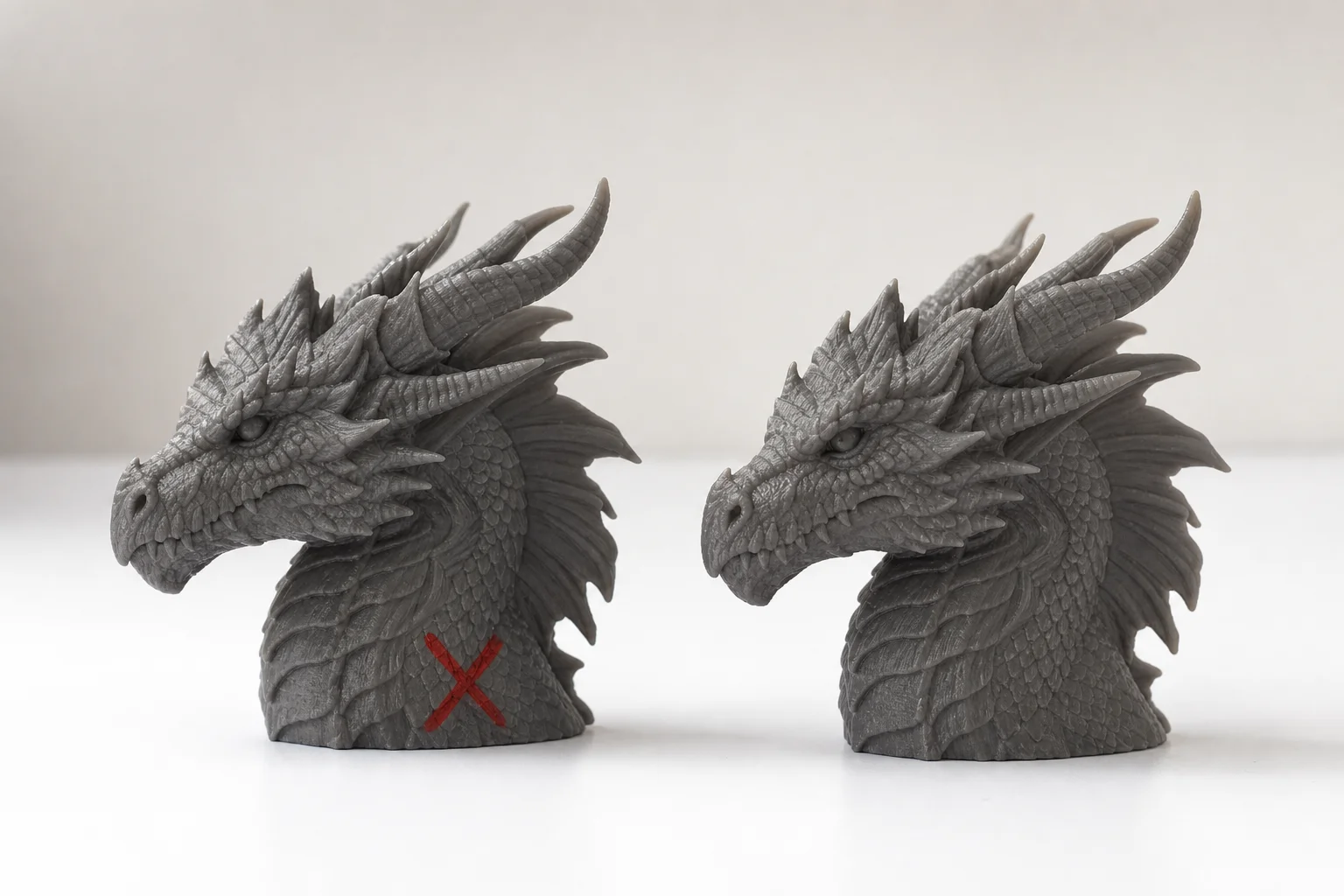
A minimalist bunny model from Saber Design on MakerWorld reinforced this finding. The P1S print matched the X1 Carbon output in every meaningful way. Both showed smooth surfaces, fine detail, and excellent layer adhesion.
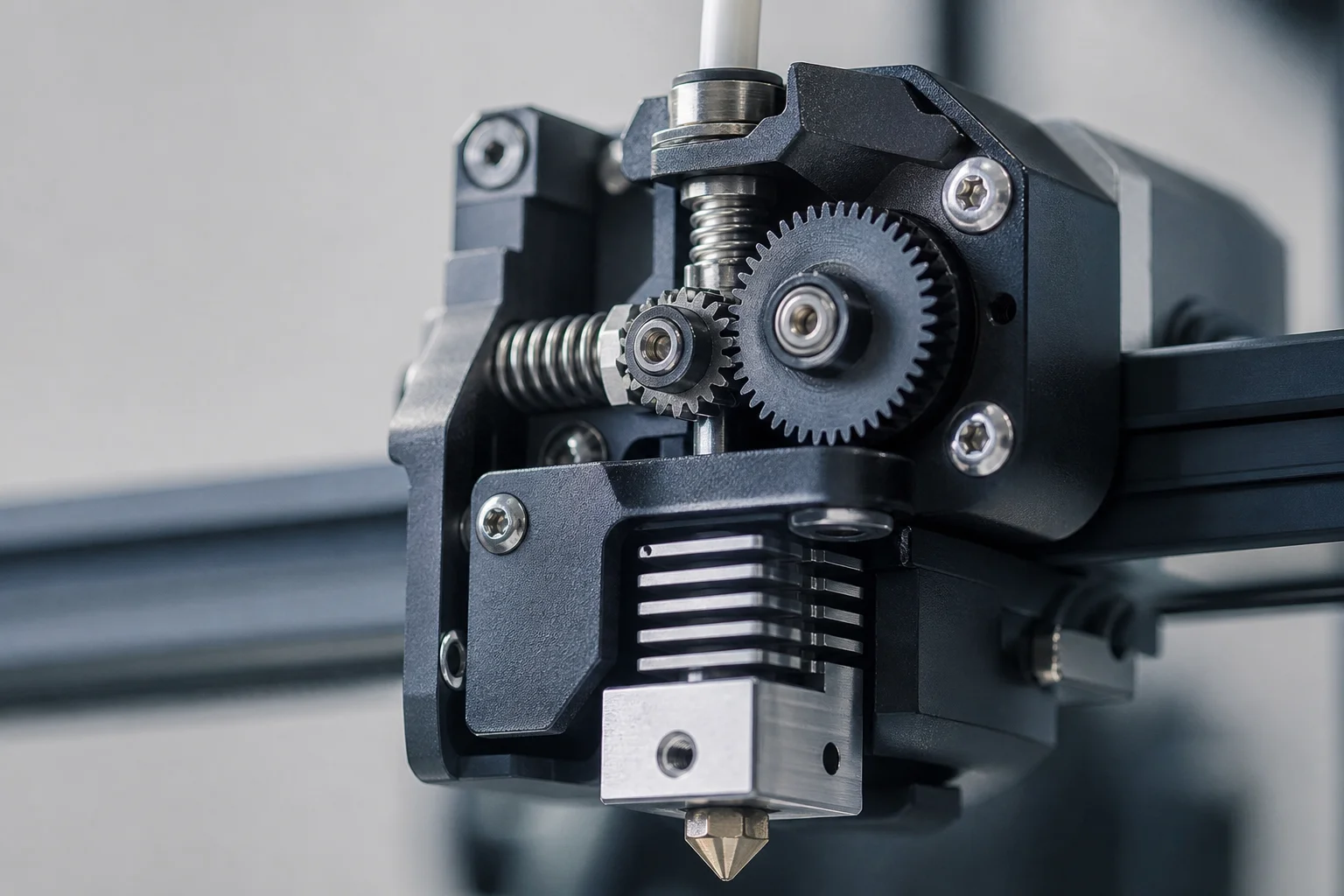
This consistency across multiple prints demonstrates that the P1S is fully capable of matching the X1 Carbon’s output without any compromise in practical print quality.
Premium Features That Don’t Justify the Cost
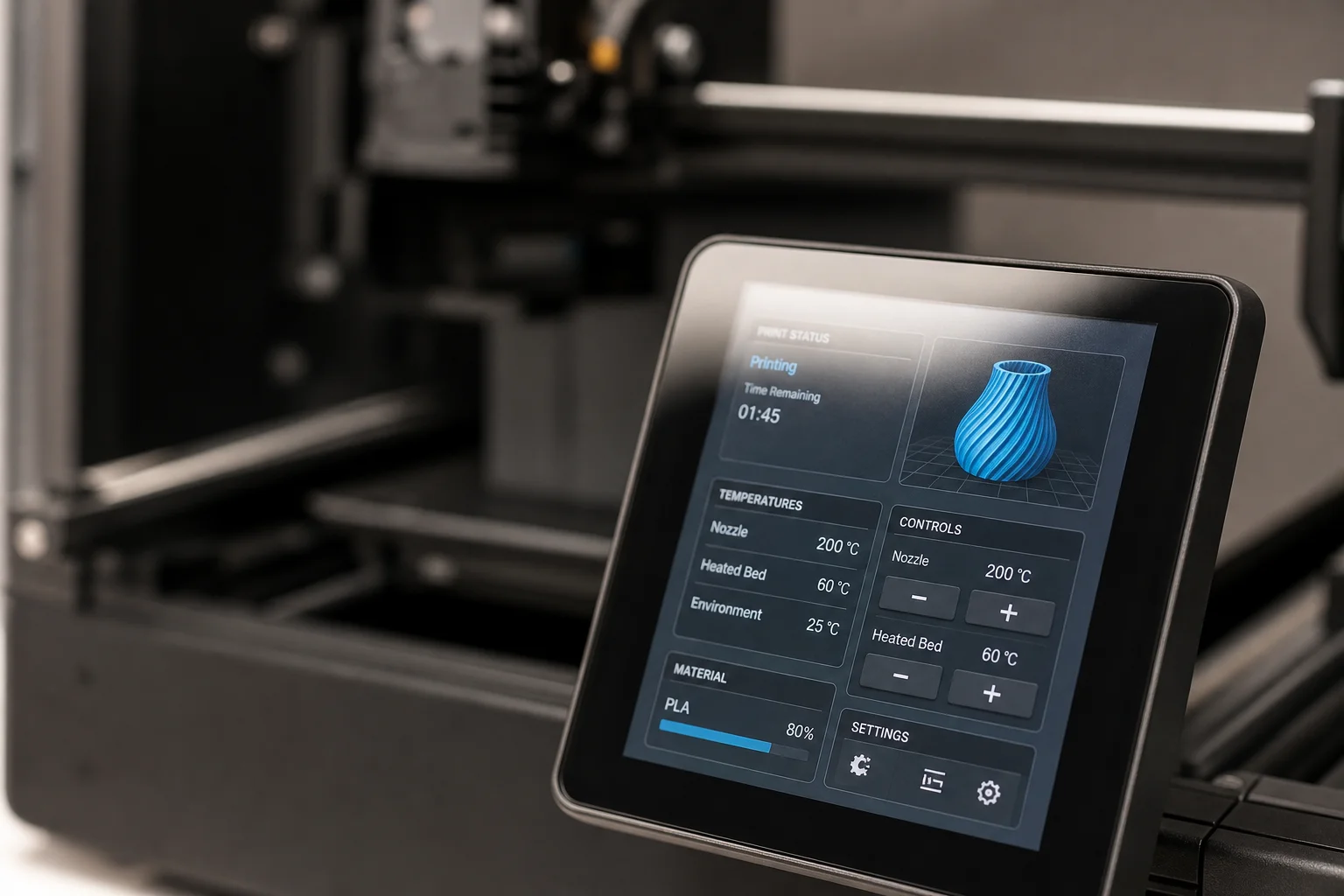
The X1 Carbon includes several features marketed as premium upgrades. The most visible is the larger, higher-quality touchscreen. However, most users control their printers via phone or computer rather than the on-device screen. If a larger display is essential, third-party solutions like the BigTreeTech Panda Touch can add similar functionality to the P1S for far less than the price difference.

The X1 Carbon also features AI spaghetti detection and auto-flow calibration. While these features work well, they rarely impact daily printing. The P1S prints just as well out of the box without automatic flow calibration, and manual calibration through the slicer is straightforward if needed. For a feature that barely affects real-world results, the premium cost is difficult to justify.
Build Quality and Upgrades
The X1 Carbon does offer slightly more premium construction. It includes a metal shell instead of plastic, a hardened hotend, and hardened extruder gears. However, the P1S can be upgraded with Bambu Lab stock parts or third-party components like BigTreeTech hardened extruders and hotends. An air filter upgrade like the Bento Box system can be added to the P1S for significantly less than the price difference between the two printers.
For the cost savings of choosing the P1S, users can afford multiple upgrades that bring it functionally close to the X1 Carbon, while still spending less overall.
The A1 and A1 Mini Alternative
The A1 and A1 Mini offer another consideration in the Bambu Lab lineup. These printers include auto-flow calibration, the same AI features found on the X1 Carbon, but at significantly lower price points than the X1 Carbon. For users specifically interested in those premium features, the A1 and A1 Mini provide better value than the X1 Carbon.
Conclusion
Both the P1S and X1 Carbon are excellent printers capable of producing high-quality results. However, the X1 Carbon’s premium features and build quality do not justify nearly double the price. The P1S delivers nearly identical print quality and speed while costing significantly less upfront and less to upgrade. The touchscreen and AI features are nice to have but not essential for daily printing. If faced with this decision again, the clear choice would be the P1S, with savings directed toward upgrades, additional filament, or even a second printer.
Product link
View more details for Bambu Lab P1S
This product is mentioned in the review. Check the specifications, options, and compatibility before buying.
View more details for Bambu Lab P1SFurther reading
Related Reviews
3D Printers
Bambu Lab H2S Review: Large-Format 3D Printing Without the Dual Extruder
The H2S strips away the H2D's dual-nozzle complexity for a simpler, cheaper large-format printer. Here's what that trade-off means for your prints.
3D Printers
Bambu Lab P2S Review: A Strong Mid-Range 3D Printer Worth Considering
The Bambu Lab P2S brings significant upgrades over its predecessor, including a new touchscreen, improved cooling, and quick-swap nozzles. Here's what real-world use reveals about its strengths and trade-offs.
3D Printers
Best Budget 3D Printers 2026: Five Models for Every Skill Level
Five 3D printers that balance affordability with practical features, from beginner-friendly machines to advanced dual-extruder systems.