3D Printers
Best Budget 3D Printers 2026: Five Models for Every Skill Level
Five 3D printers that balance affordability with practical features, from beginner-friendly machines to advanced dual-extruder systems.
Introduction
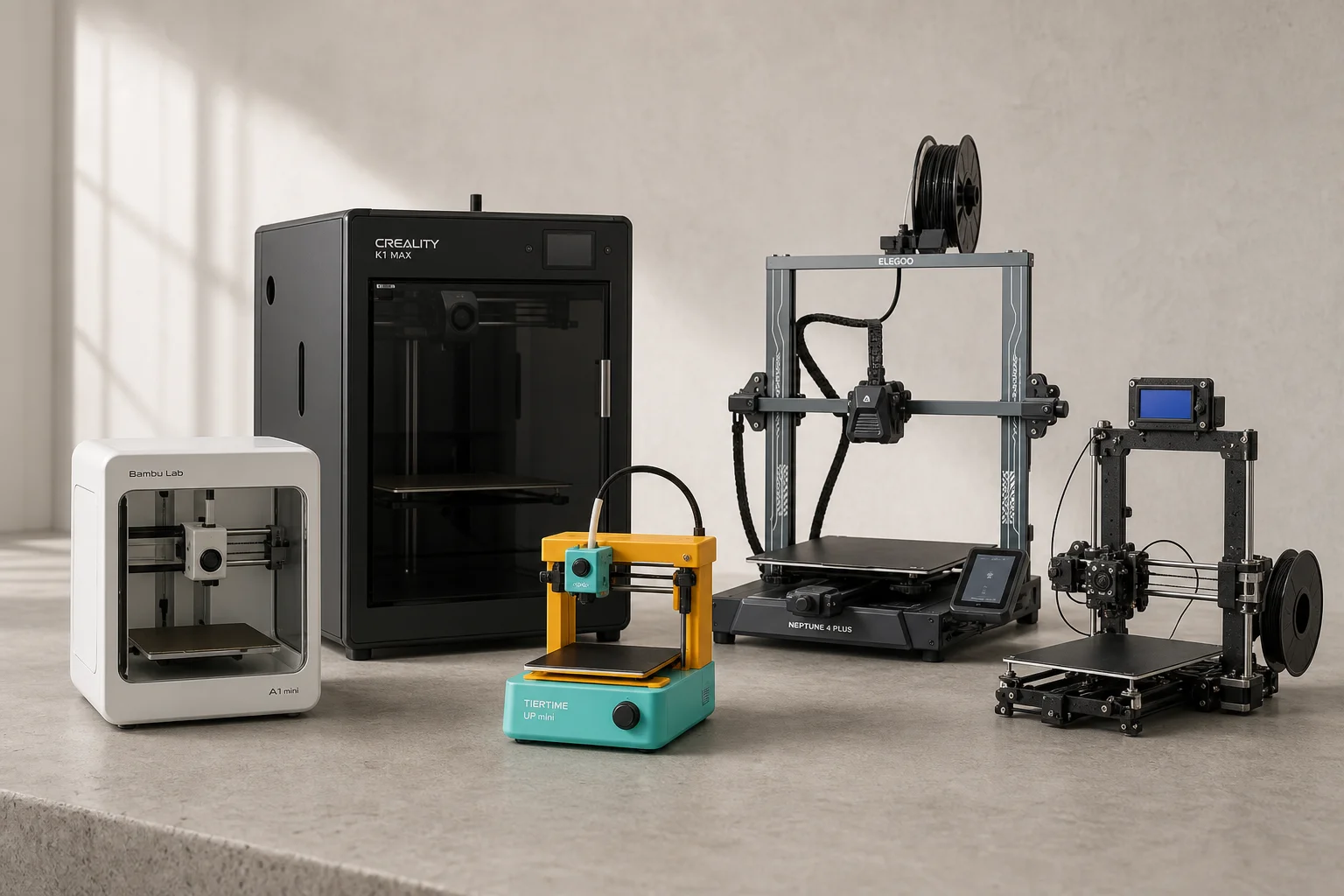
3D printing has become accessible to hobbyists, makers, and families thanks to steady improvements in open-source designs and competitive pricing. The market now offers numerous options that can look similar on paper but deliver different experiences depending on your needs, budget, and technical comfort level.
This guide covers five 3D printers that balance affordability with practical features, each suited to different use cases and skill levels.
Best Overall: Monoprice Maker Select Ultimate
The Monoprice Maker Select Ultimate sets a high bar for budget-friendly 3D printers. Its 20-micron layer resolution is among the best available for fused filament printers, producing smooth sides and excellent detail in finished prints.
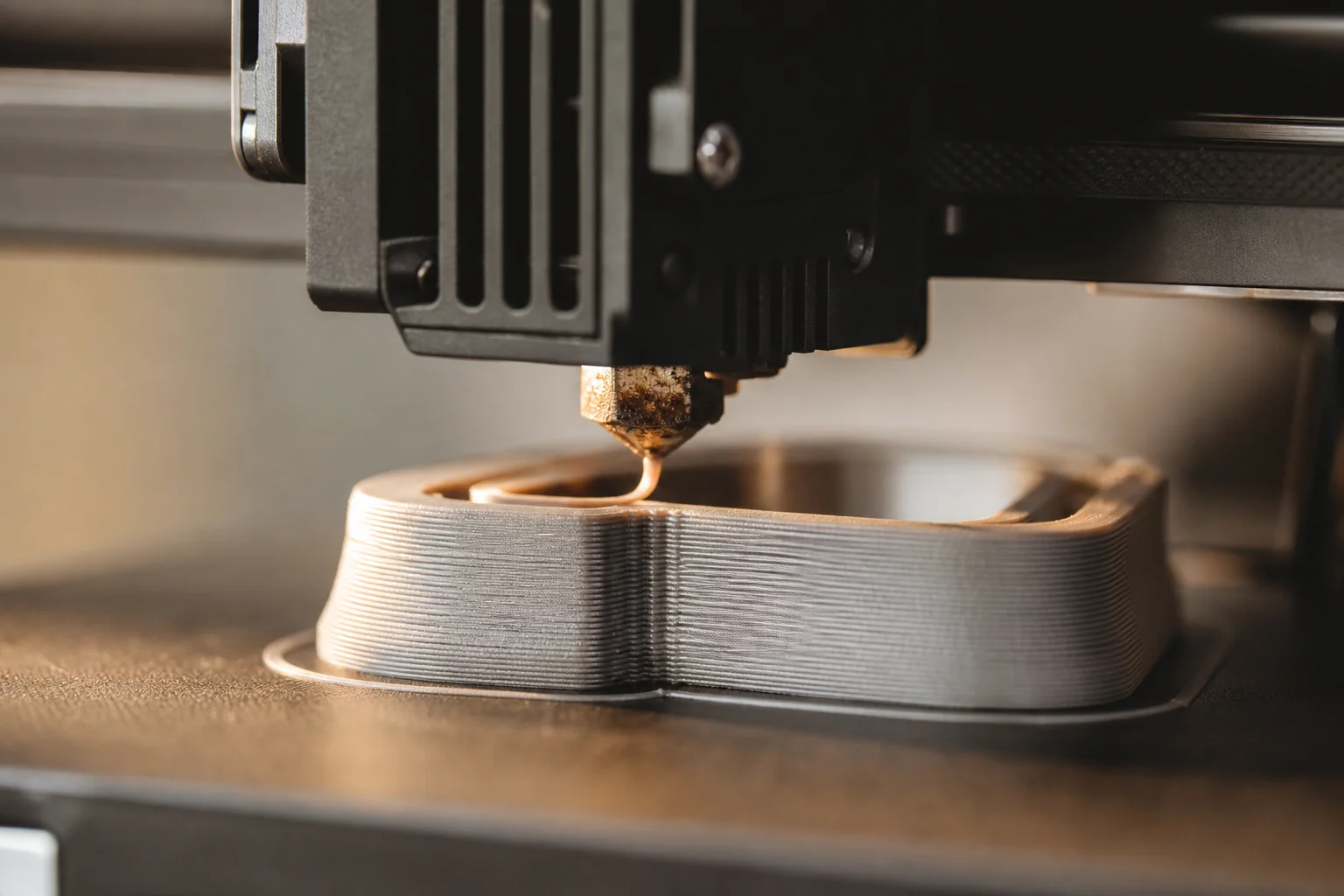
The machine packs features typically found on more expensive models: an all-metal frame, heated build plate, and support for a wide variety of materials. At $649.99, it delivers significant value, and open-box specials often bring the price lower.
The 20-micron layer resolution is the headline feature, delivering up to five times more detail than some competing printers. At the highest quality setting, printed models emerge nearly smooth with minimal burrs or bumps. The print area measures 7.8 inches horizontally and 6.8 inches vertically.
Print speed does suffer with such precise layers. The machine ships at 150mm per second but can reach 300mm per second with adjusted settings, though consistency may decline at higher speeds.
Unlike some competitors, the Ultimate is software-agnostic. You can use your preferred slicing program or control it remotely with a Raspberry Pi and Octoprint. Assembly is straightforward: the printer arrives almost fully assembled, requiring only a wire connection from the frame to the printhead and bed leveling via onscreen instructions.
Best Dual Extruder: QIDI Technology 3DP-QDA16-01
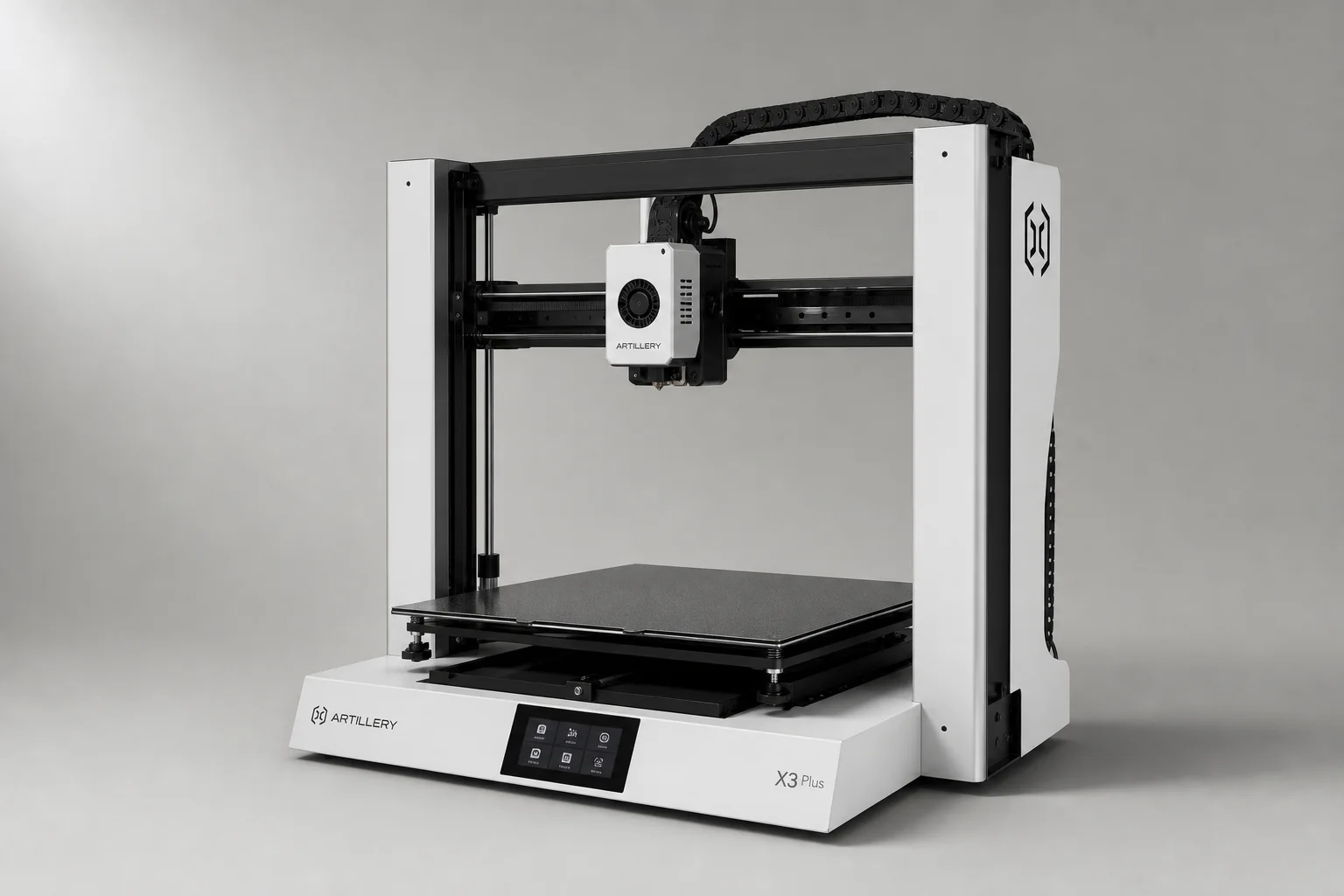
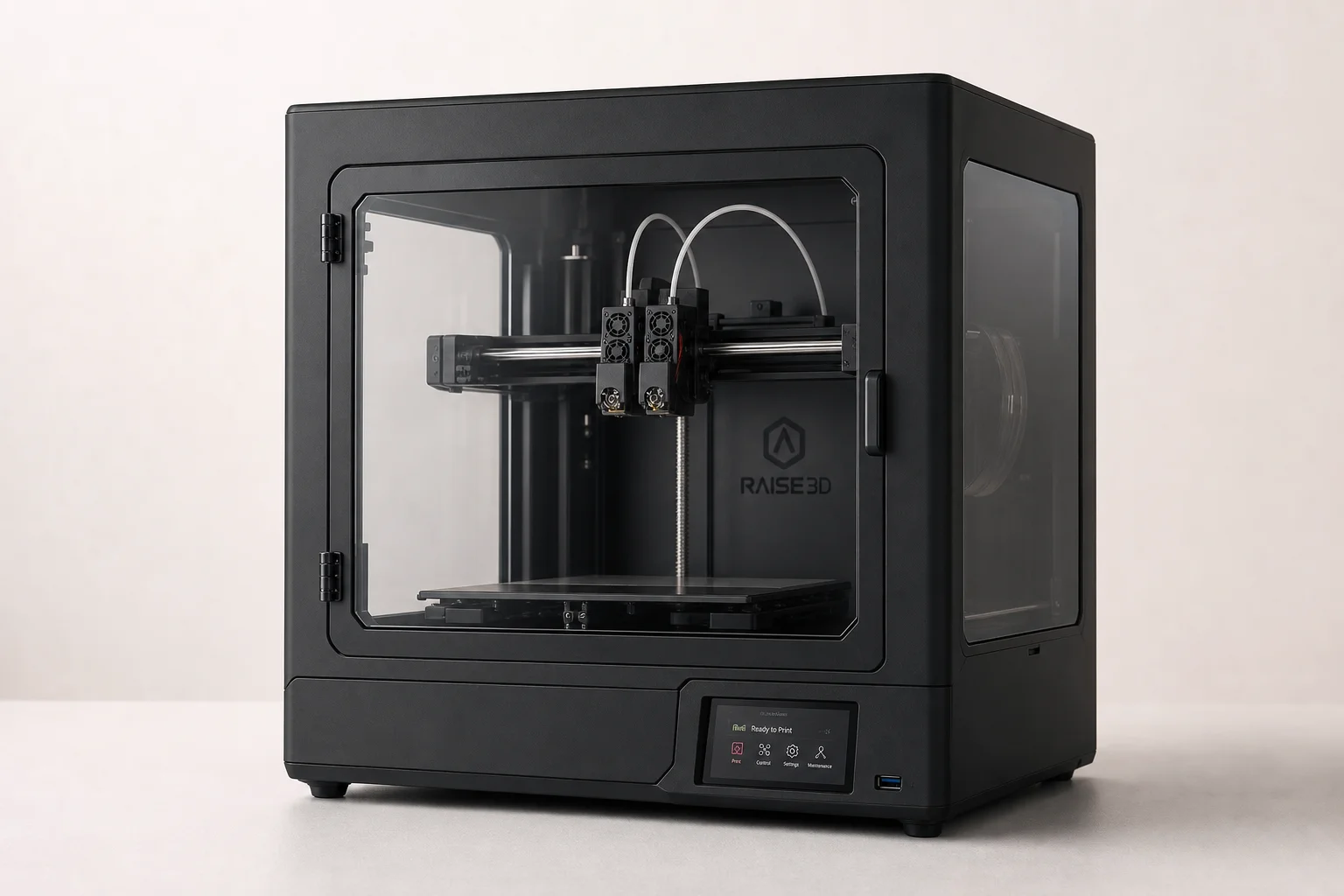
The QIDI Technology 3DP-QDA16-01 takes an older Replicator design and adds high-end improvements including a heated build platform and fully enclosed chassis. The standout feature is its dual-extruder print head, which enables two extruders to work together on a single print with independent settings and timings.
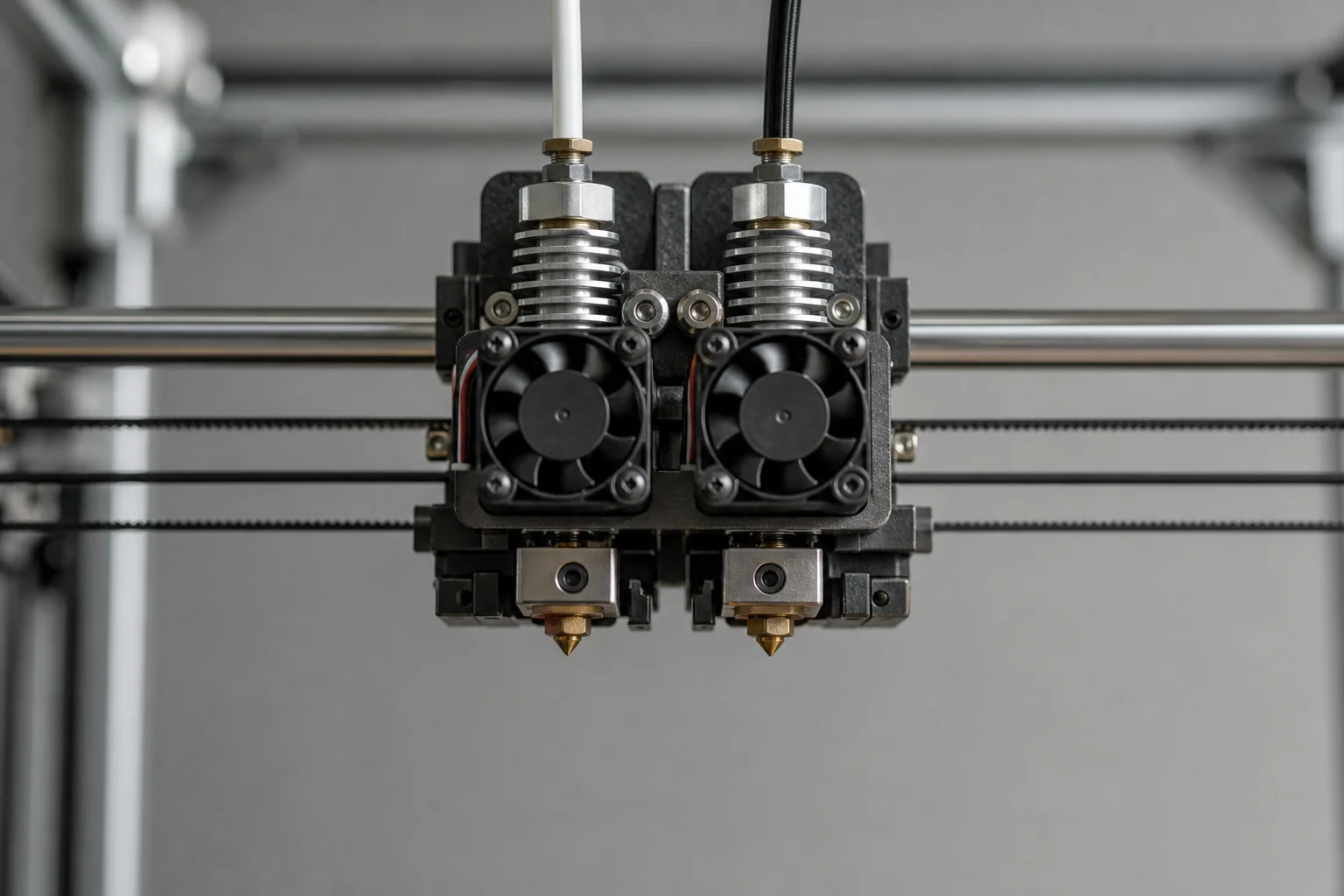
This dual capability opens creative possibilities. You can print in two colors simultaneously, but the real advantage emerges when combining different materials. Print a rigid component inside a flexible one for directional bending, or use dissolvable support material that melts away, eliminating tedious manual cleanup.
Assembly requires some effort but remains manageable. The printer ships with pre-assembled components that need to be connected. Customer support is noted as helpful for setup questions and troubleshooting.
Best for Families: Flashforge Finder
The Flashforge Finder prioritizes ease of setup and everyday use. Its approachable design and intuitive software make it ideal for exploring 3D printing or introducing children to the technology. The machine is difficult to use incorrectly, making it forgiving for beginners.
Setup is straightforward on the first attempt. The Finder includes automatic build-plate leveling before each print and a removable build plate for easy part removal. All hot components are enclosed, eliminating burn risks and preventing accidental contact with melted plastic.
The build area is compact at 5.5 inches horizontally and vertically, but sufficient for smaller projects or multi-piece prints. The 100-micron layer resolution is standard for consumer 3D printers rather than exceptional. The printer works exclusively with PLA, the most common 3D printing filament. If you plan to use other materials, consider alternatives like the Monoprice Select Mini 3D V2.
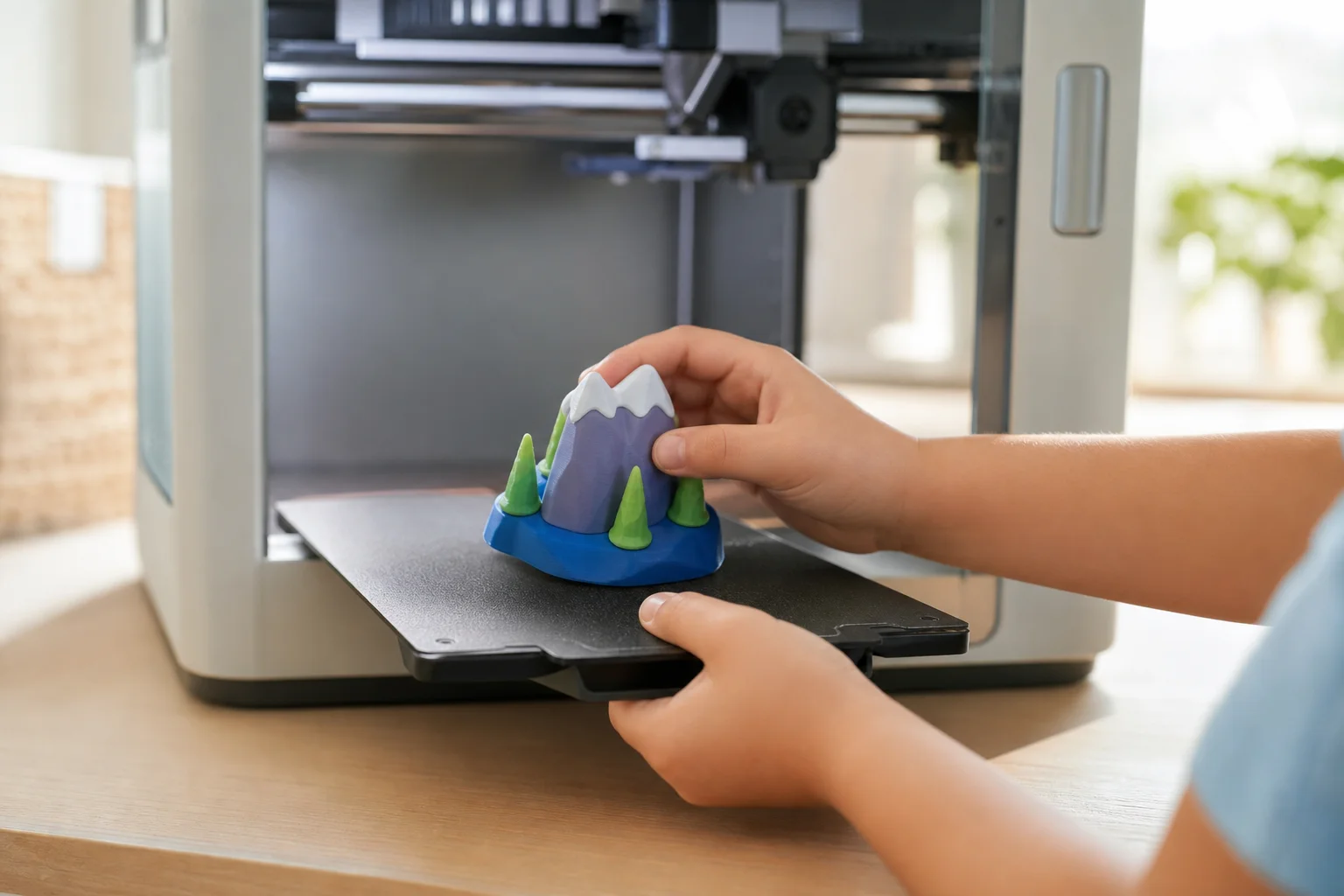
Users consistently praise the Finder as an excellent entry point into 3D printing with minimal risk of failed prints or safety incidents. Many recommend adding an external filament holder, particularly for third-party materials, with designs readily available online.
Best Small Printer: Monoprice Select Mini 3D V2
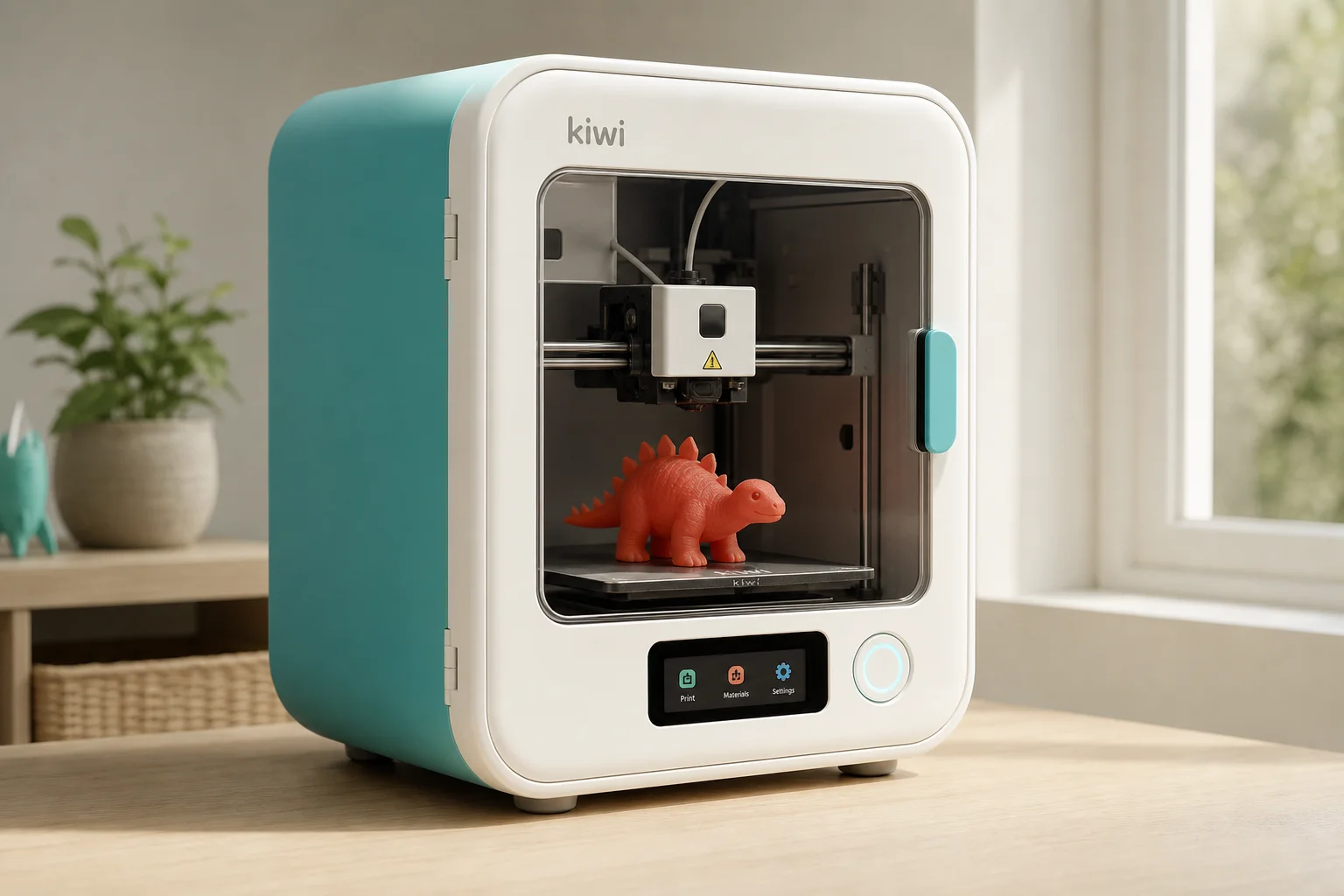
The Monoprice Select Mini 3D V2 suits anyone seeking a compact printer for smaller projects. Its design accommodates a comfortable build size of 4.7 inches vertically and horizontally, adequate for printing replacement parts or small gifts.
The printer excels in convenience. It arrives fully assembled and pre-calibrated, eliminating bed leveling and hardware installation. Despite its compact form, it includes features absent from some high-end competitors: heated build plate, color display, Wi-Fi connectivity, and all-metal chassis.
The primary drawback is speed. At 55mm per second, it prints roughly one-third as fast as the larger Monoprice model and slower than most alternatives. However, the small build plate means projects rarely require multiple days to complete, mitigating the impact of slower speeds.
Best DIY Kit: Anycubic i3 Mega
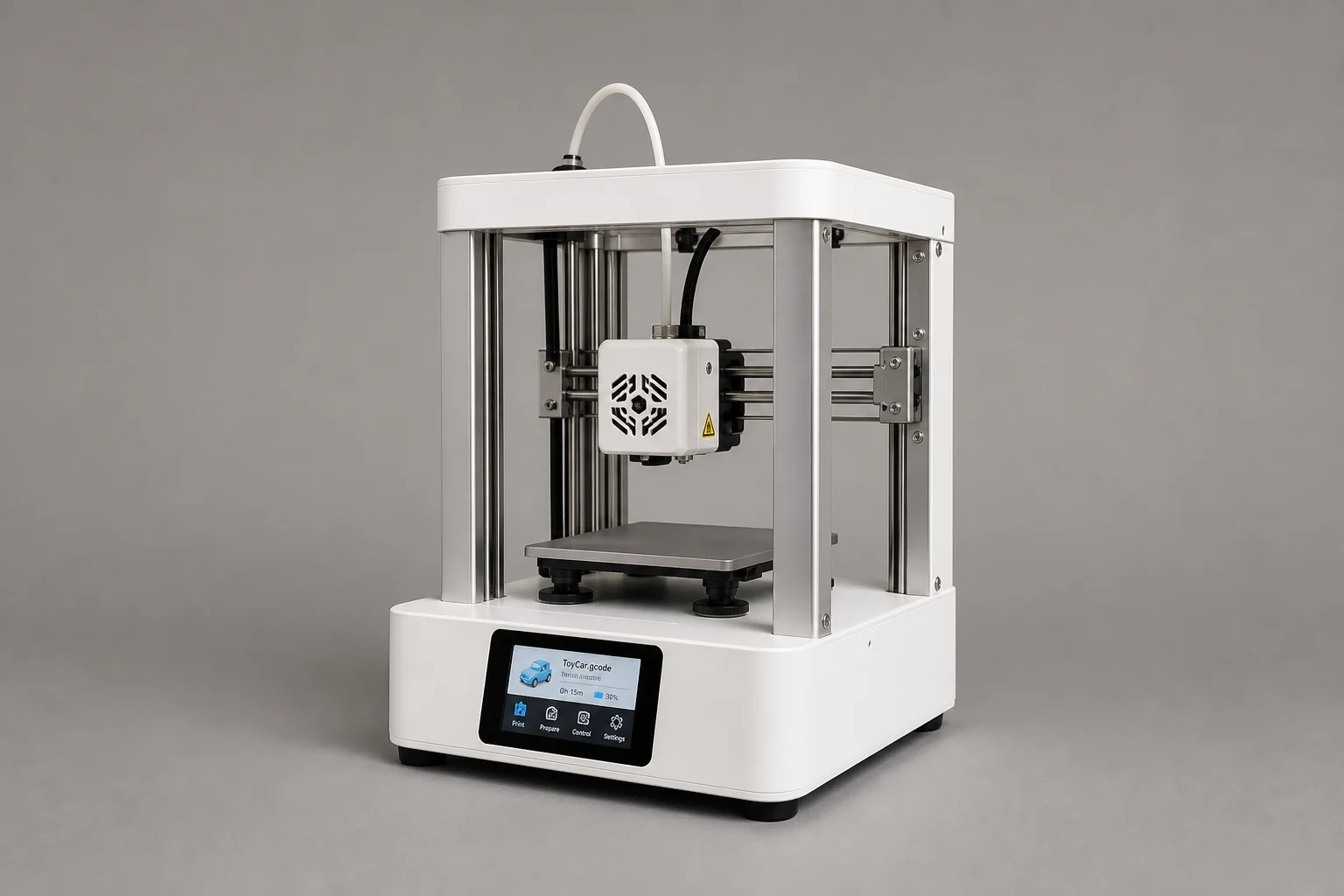
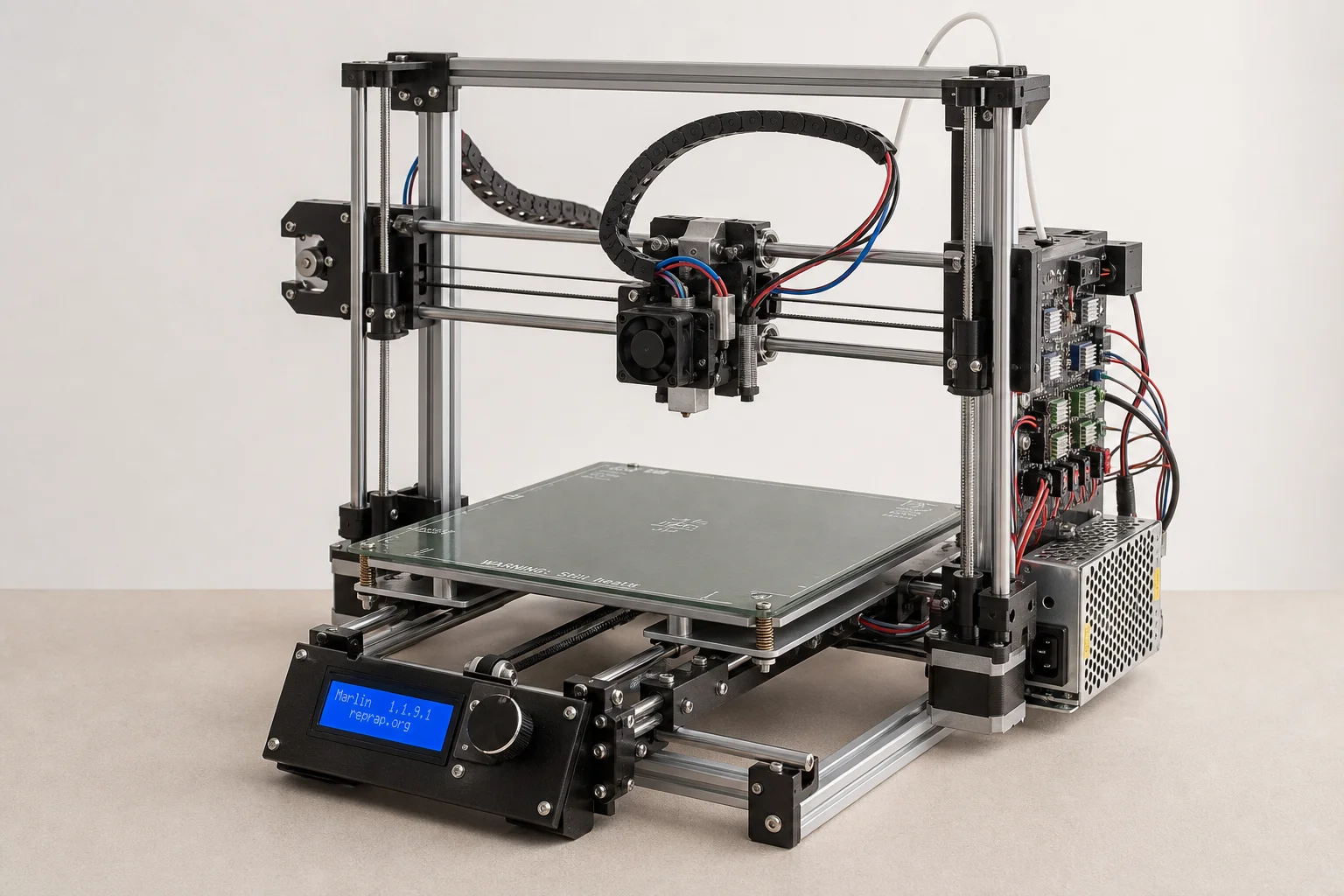
For those willing to invest setup time, dozens of kits based on open-source RepRap designs offer compelling advantages. The Anycubic i3 Mega, based on the popular Prusa i3 design, features a metal frame and extra-large build area exceeding eight inches in every direction.
Building from a kit provides distinct benefits. The open-source design works with the widest range of slicing software, offering extensive room to customize speed and detail settings. Upgrades and replacement parts are readily available, and the community is large and active.
Users report success with various filament types and print resolutions. One documented design consideration: the extruder cord at the top can occasionally come unplugged, though this is easily remedied by printing a retention bracket.
A kit-based printer won’t perform perfectly on the first attempt, but troubleshooting becomes part of the learning experience. As you develop skills and understanding, the machine grows with you, supporting increasingly ambitious projects.
Conclusion
Each of these five 3D printers serves a distinct purpose. Choose the Monoprice Maker Select Ultimate for the best overall balance of quality and features. Select the QIDI Technology for dual-material printing. Pick the Flashforge Finder if you’re introducing family members to 3D printing. Go with the Monoprice Select Mini 3D V2 for compact, convenient printing. And choose the Anycubic i3 Mega if you enjoy hands-on setup and customization. Your choice depends on your budget, intended use, and comfort with assembly and troubleshooting.
Further reading
Related Reviews
3D Printers
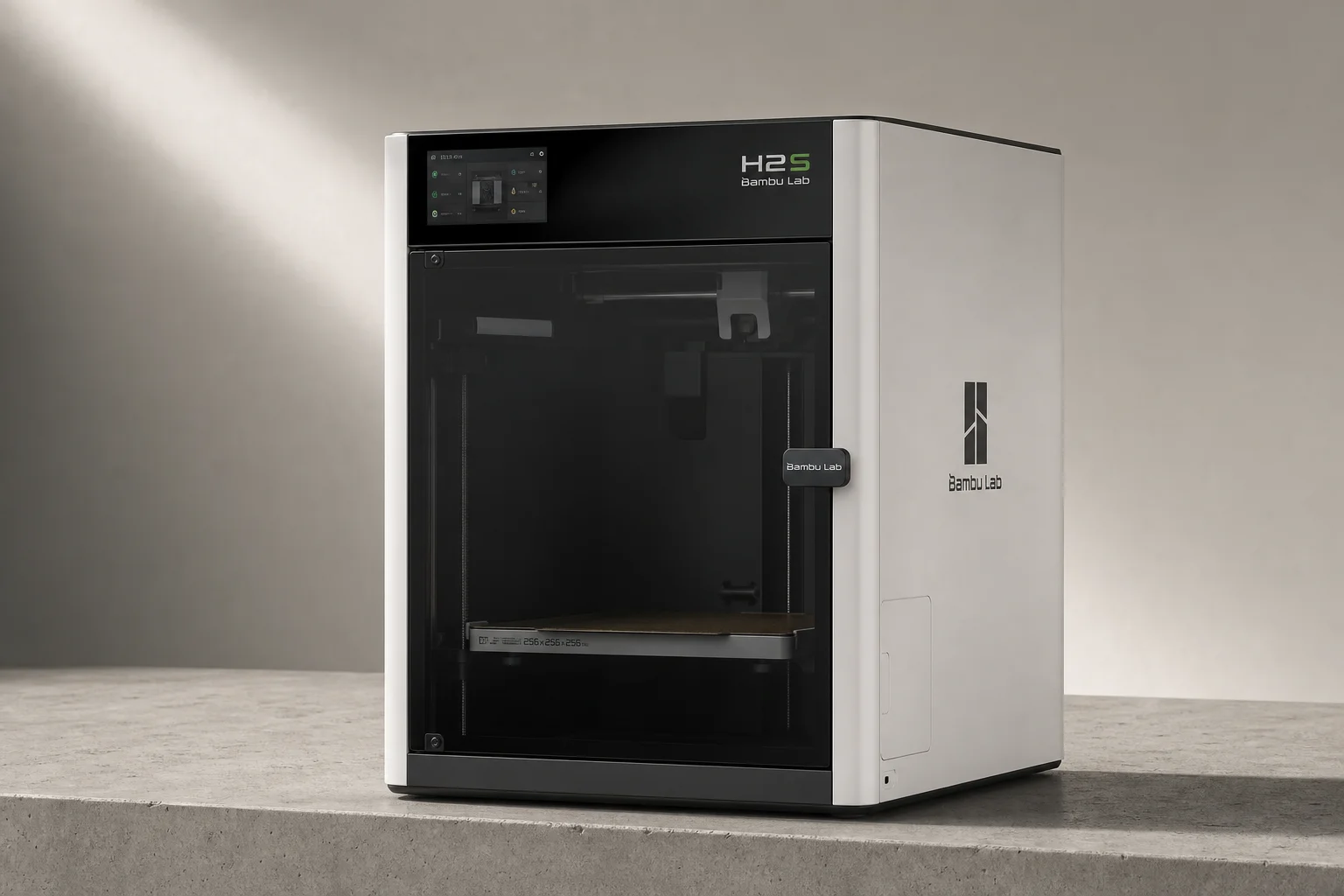
Bambu Lab H2S Review: Large-Format 3D Printing Without the Dual Extruder
The H2S strips away the H2D's dual-nozzle complexity for a simpler, cheaper large-format printer. Here's what that trade-off means for your prints.
3D Printers
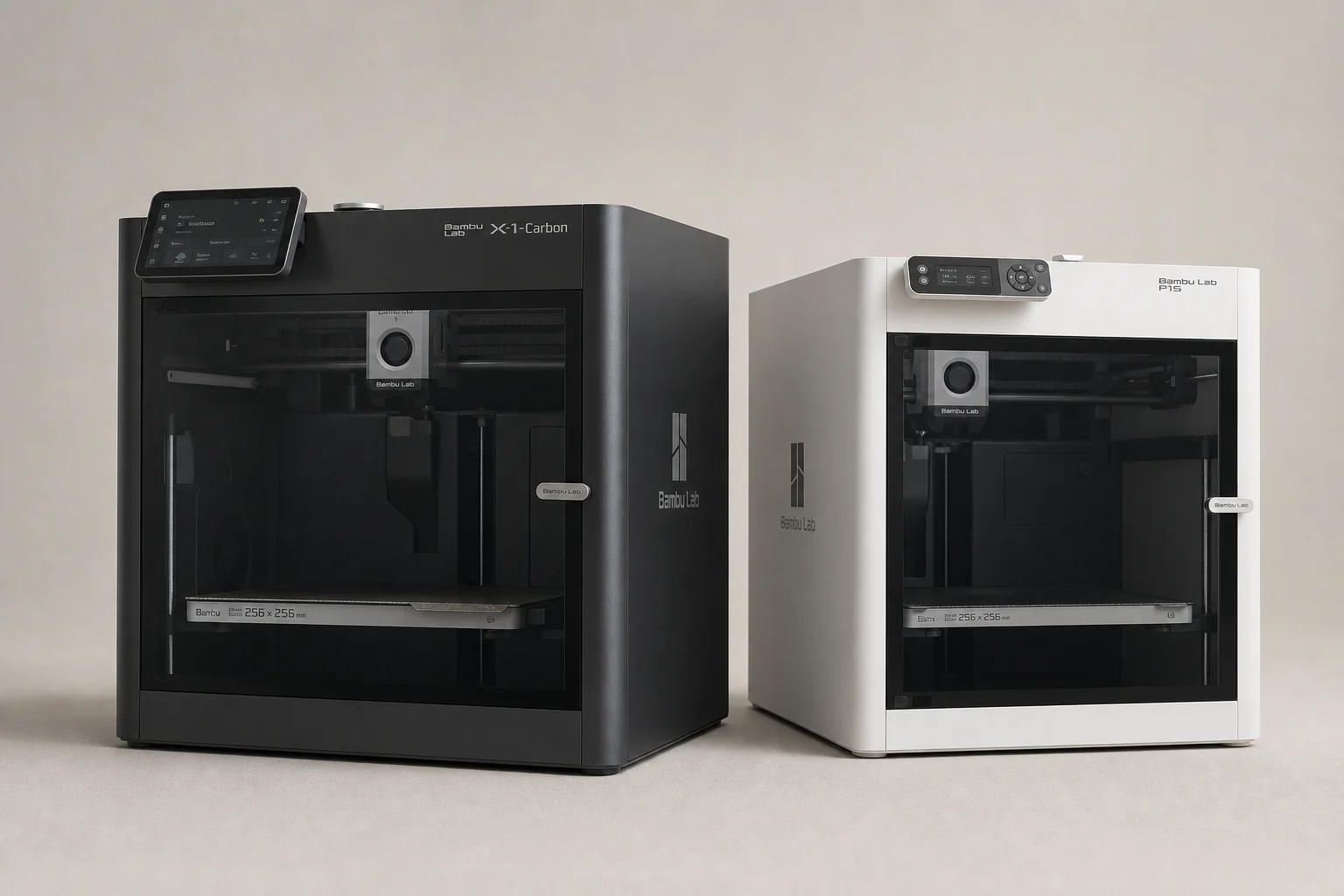
Bambu Lab P1S vs X1 Carbon: Why the Budget Option Wins
After testing both printers side by side, the P1S delivers nearly identical print quality at half the price. Here's what the premium features actually cost you.
3D Printers
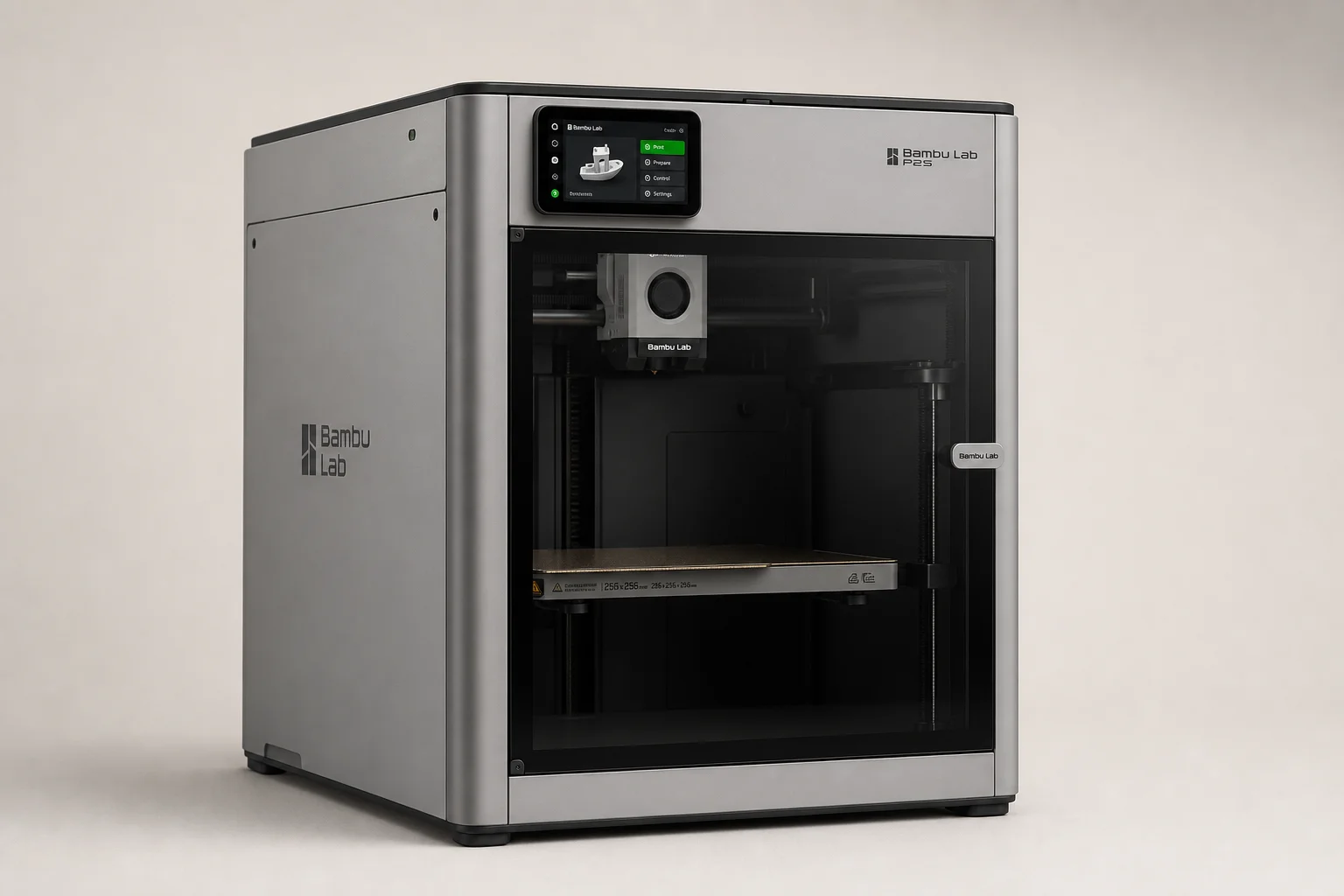
Bambu Lab P2S Review: A Strong Mid-Range 3D Printer Worth Considering
The Bambu Lab P2S brings significant upgrades over its predecessor, including a new touchscreen, improved cooling, and quick-swap nozzles. Here's what real-world use reveals about its strengths and trade-offs.