3D Printing
Best 3D Printers 2025: Six Models for Hobbyists, Professionals, and Businesses
A practical breakdown of six 3D printers across different price points and use cases, from budget-friendly beginner models to professional-grade machines.
Introduction
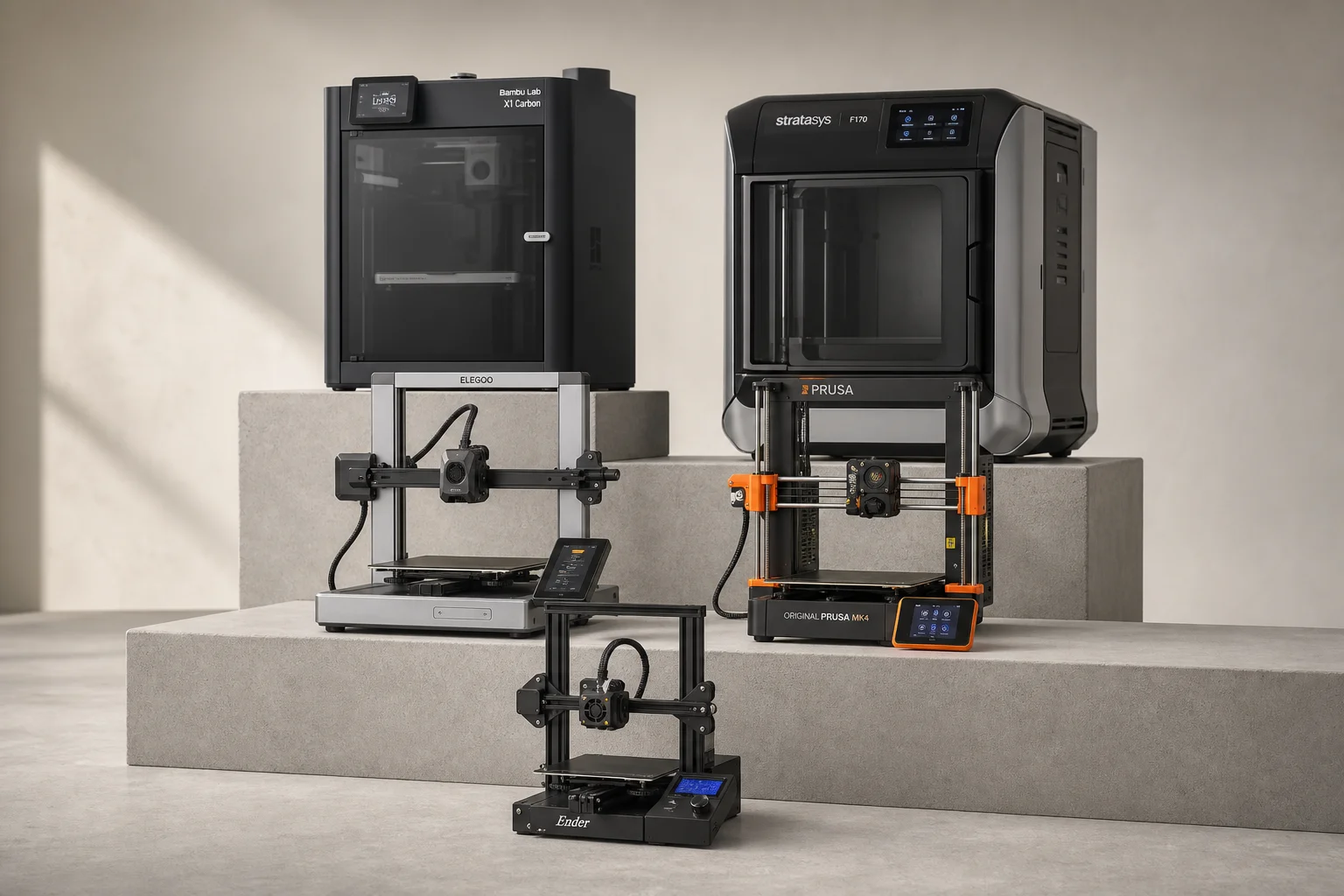
The 3D printing market has evolved dramatically, offering machines that deliver exceptional precision, speed, and detail. Whether you are a hobbyist exploring creative projects, a professional prototyping new designs, or a business owner scaling production, finding the right printer can feel overwhelming. This guide breaks down six standout 3D printers across different price points and capabilities, highlighting their key strengths, trade-offs, and ideal use cases.
Creality Ender 3 V3 SE: Budget-Friendly Beginner Choice
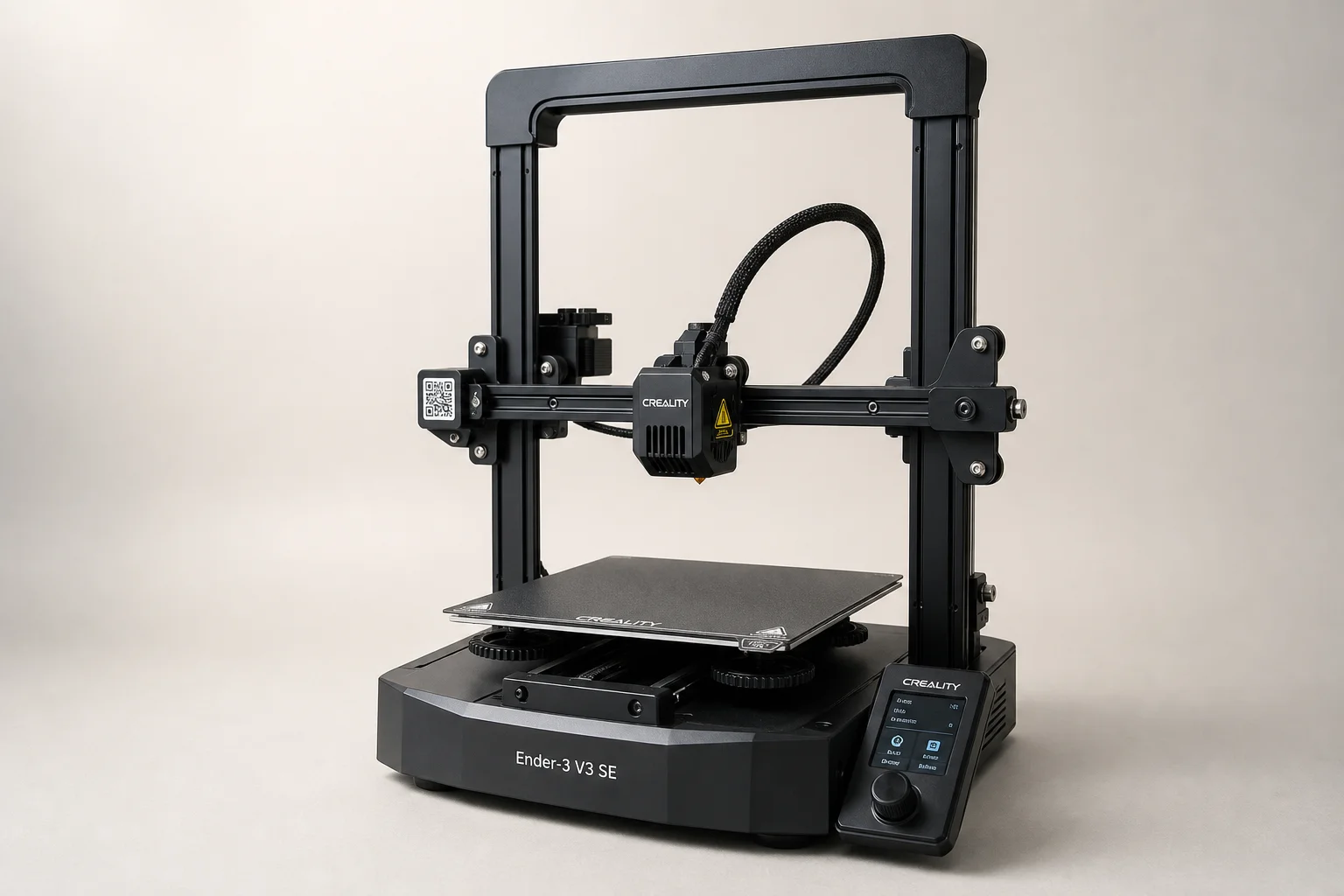
The Creality Ender 3 V3 SE strikes a solid balance between cost and functionality, making it an excellent entry point for newcomers and hobbyists on a budget. The 220 x 220 x 250 mm build volume provides ample space for experimenting with prototypes and household gadgets.
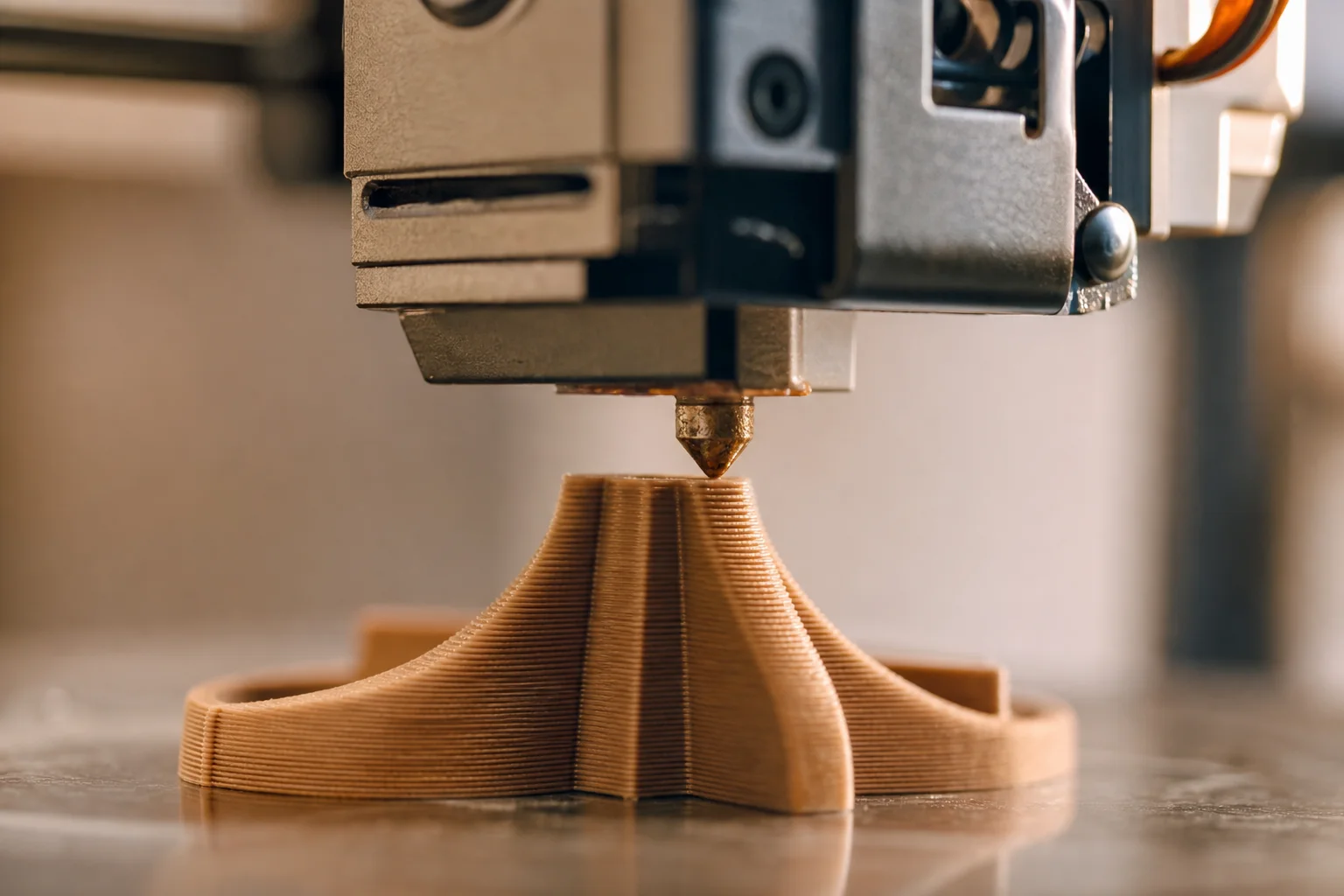
Print quality is impressive, with layer resolutions down to 100 microns delivering smooth, detailed results. The automatic bed leveling and filament loading system eliminate the frustrating trial-and-error setup common in budget printers, getting you printing quickly.
The main trade-offs are the lack of a touchscreen interface, no filament runout sensor (requiring close print monitoring), and no built-in camera for remote monitoring. However, Creality’s extensive upgrade ecosystem helps offset these limitations. For the price, this printer delivers reliable, high-quality output without breaking the bank.
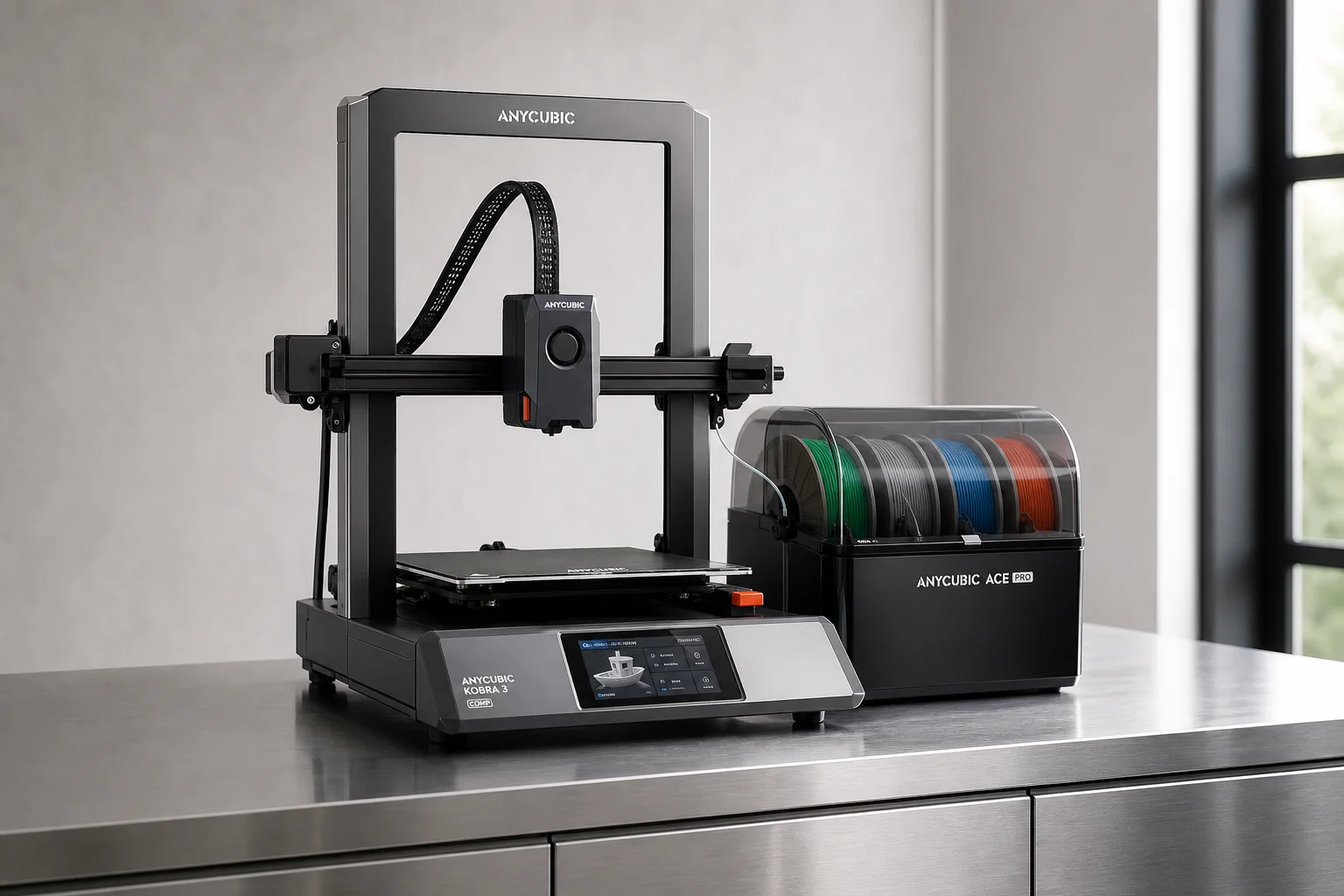
Anycubic Kobra 3 Combo: Multifilament Versatility
The Anycubic Kobra 3 Combo is purpose-built for beginners who want multifilament capabilities at an affordable price. Setup takes less than 10 minutes thanks to its intuitive interface and large touchscreen display. The solid metal frame reduces vibrations, ensuring better print quality even at higher speeds.
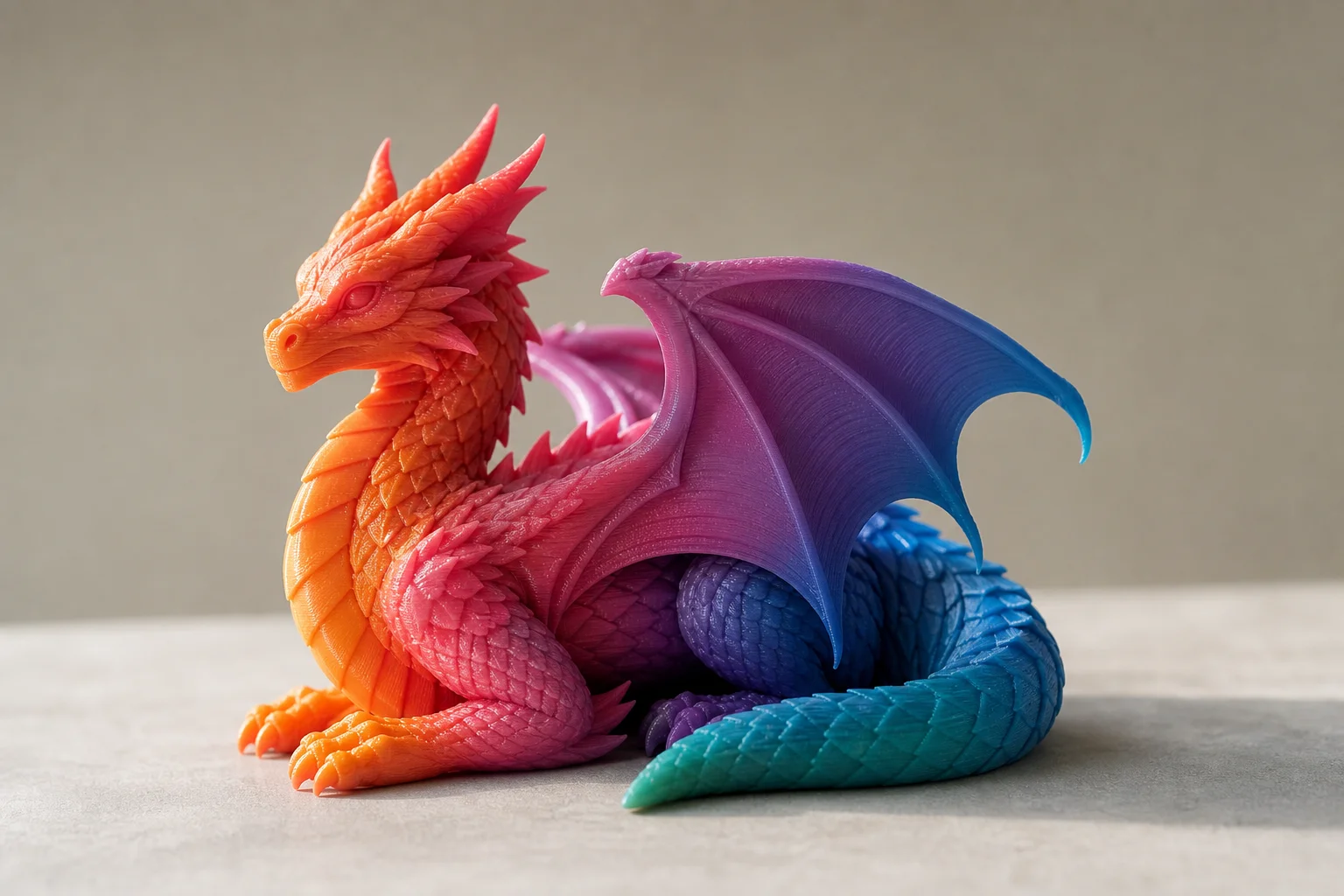
The standout feature is the Anycubic Ace Pro filament box, which allows simultaneous printing with up to four different filaments, perfect for colorful creative projects. Auto bed leveling and a filament runout sensor make the process smooth and hands-off.
The drawbacks include slower multifilament printing compared to single-material jobs, and the open frame design creates occasional filament mess. The lack of an enclosed chamber also makes it less suitable for advanced materials or educational settings where fume control matters.
Creality K1C: High-Speed Performance
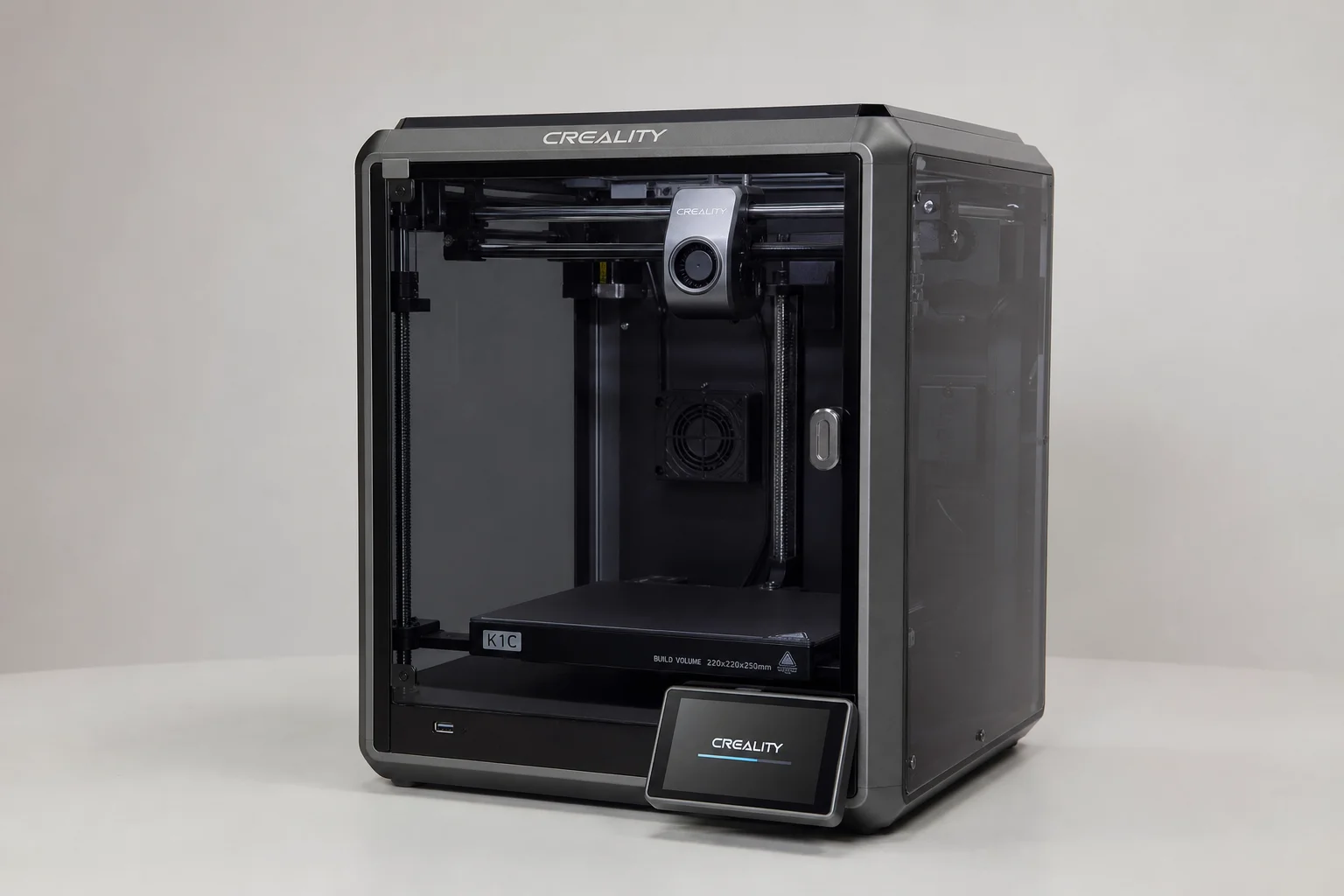
The Creality K1C combines speed, precision, and durability, earning its place among top contenders. With high-speed capabilities, it prints significantly faster than many competitors, making it ideal for rapid prototyping and demanding tasks.
The direct drive extruder and unicorn tri-metal nozzle handle advanced materials like carbon fiber with ease. The AI-enhanced camera requires minimal calibration and monitors prints in real time, recording time-lapses and detecting potential failures early. This is particularly valuable in educational and workshop environments.
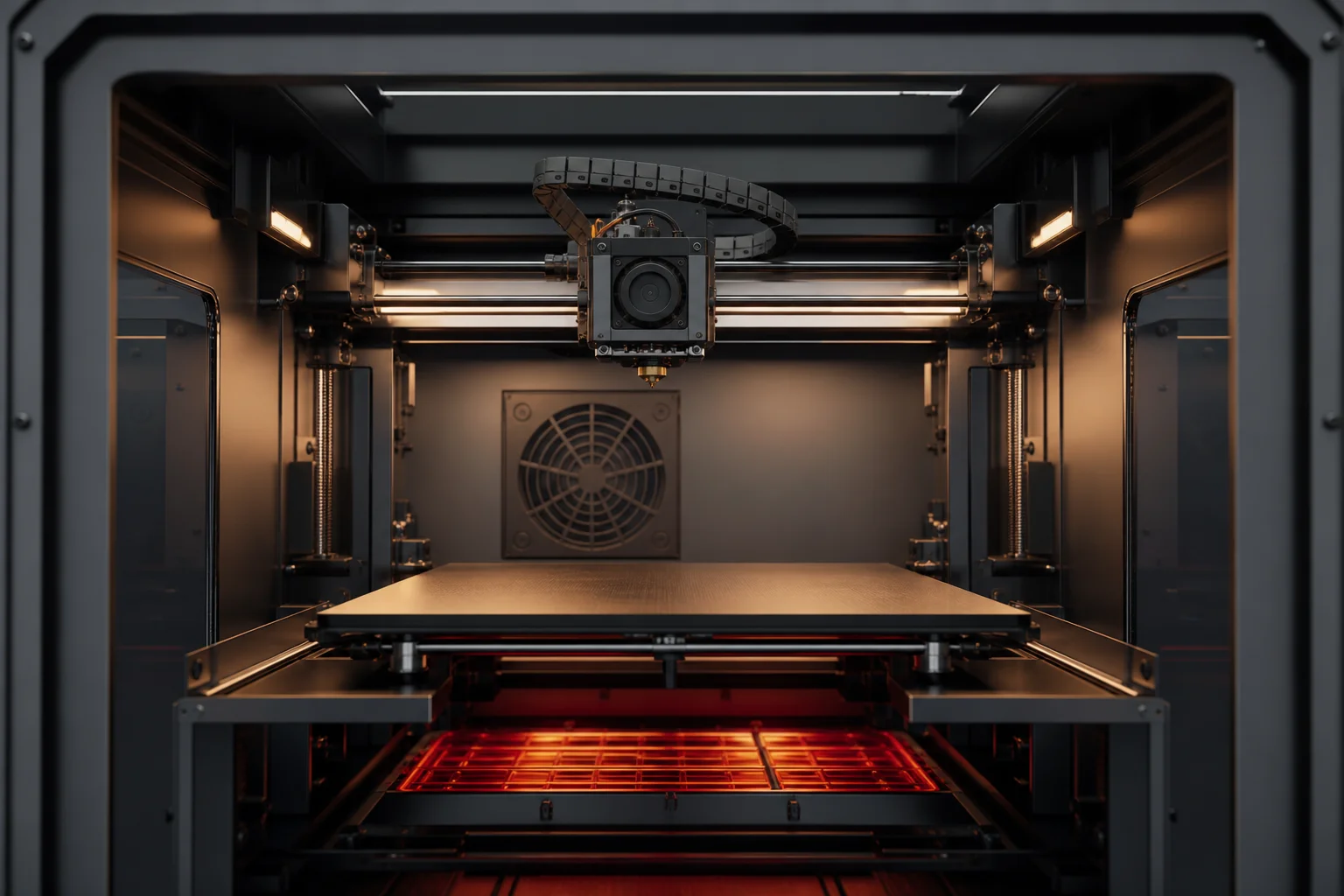
The fully enclosed design maintains consistent temperatures and protects users from fumes, an important consideration for schools and workshops. The hands-free auto leveling system simplifies setup even for beginners.
The trade-off is that print quality may suffer slightly when pushing the machine to maximum speed, especially for fine details. It also lacks multi-filament support, which advanced users might miss.
Prusa MK4S: Versatile Reliability
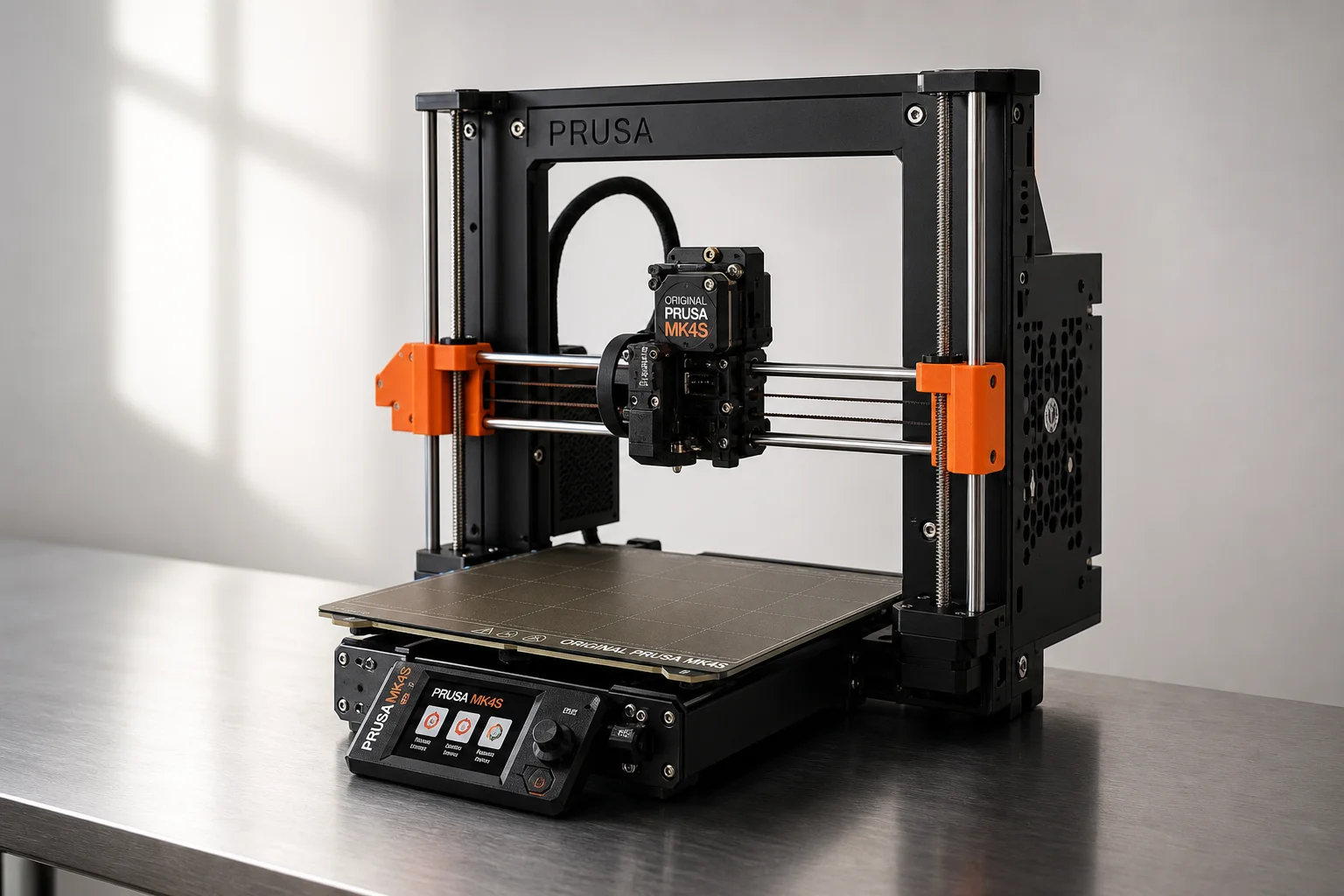
The Prusa MK4S delivers exceptional quality and versatility for those seeking a reliable, adaptable printer. The direct drive extruder with dual gear mechanism handles flexible filaments like TPU effortlessly, ensuring smooth, consistent prints without clogging.
Swappable nozzles make switching between detailed and structural prints straightforward. Speed is another standout, with the MK4S reaching up to 600 mm per second without sacrificing precision. A thicker aluminum frame minimizes vibrations during high-speed jobs, improving overall stability.
Print quality is consistently excellent, as demonstrated by crisp, accurate layers even on complex models like detailed figurines. The machine handles both speed and precision admirably.
The drawbacks include a more complex network connectivity setup involving multiple steps and external programs. Despite premium pricing, it lacks a built-in time-lapse camera, a feature becoming standard in this category. Beginners may find the software setup frustrating.
Formlabs Form 4: Professional-Grade Precision
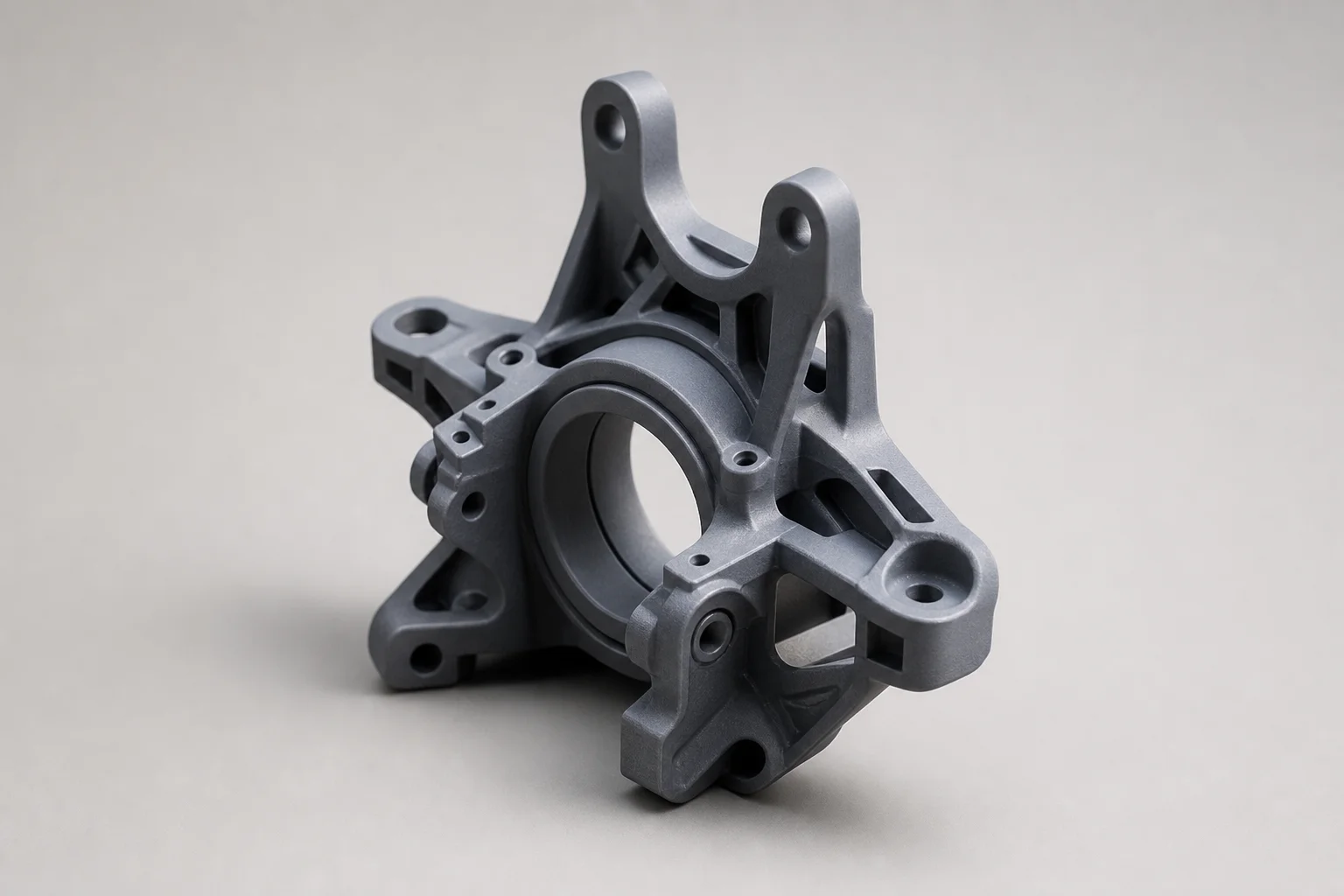
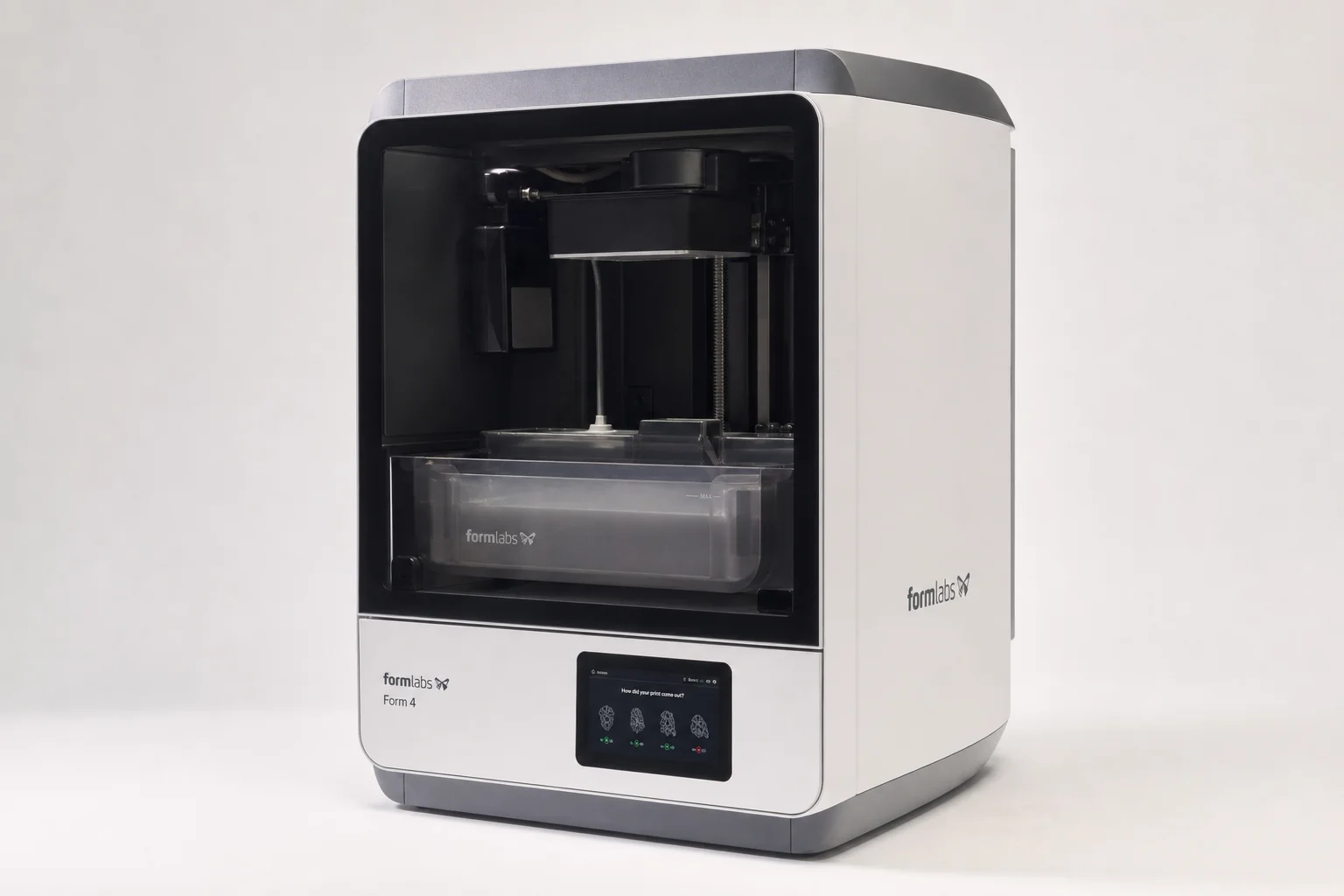
The Formlabs Form 4 is a premium machine designed for professional use, bridging the gap between traditional manufacturing and 3D printing. The masked stereolithography with low-force display print engine ensures fine detail and smooth surface finishes.
Layer resolutions down to 25 microns deliver stunning clarity for intricate details, perfect for small part production. The autofill resin system maintains optimal material levels, streamlining the printing process. Redesigned resin tanks simplify maintenance, and Formlabs has opened compatibility with third-party resins, offering more cost-effective options.
The primary drawbacks are the high initial cost and expensive proprietary materials, making it less appealing for hobbyists. Complex prints may require some support optimization, and while PreForm software is user-friendly, the learning curve can be steep for beginners.
Bambu Lab X1 Carbon: Best Overall 3D Printer
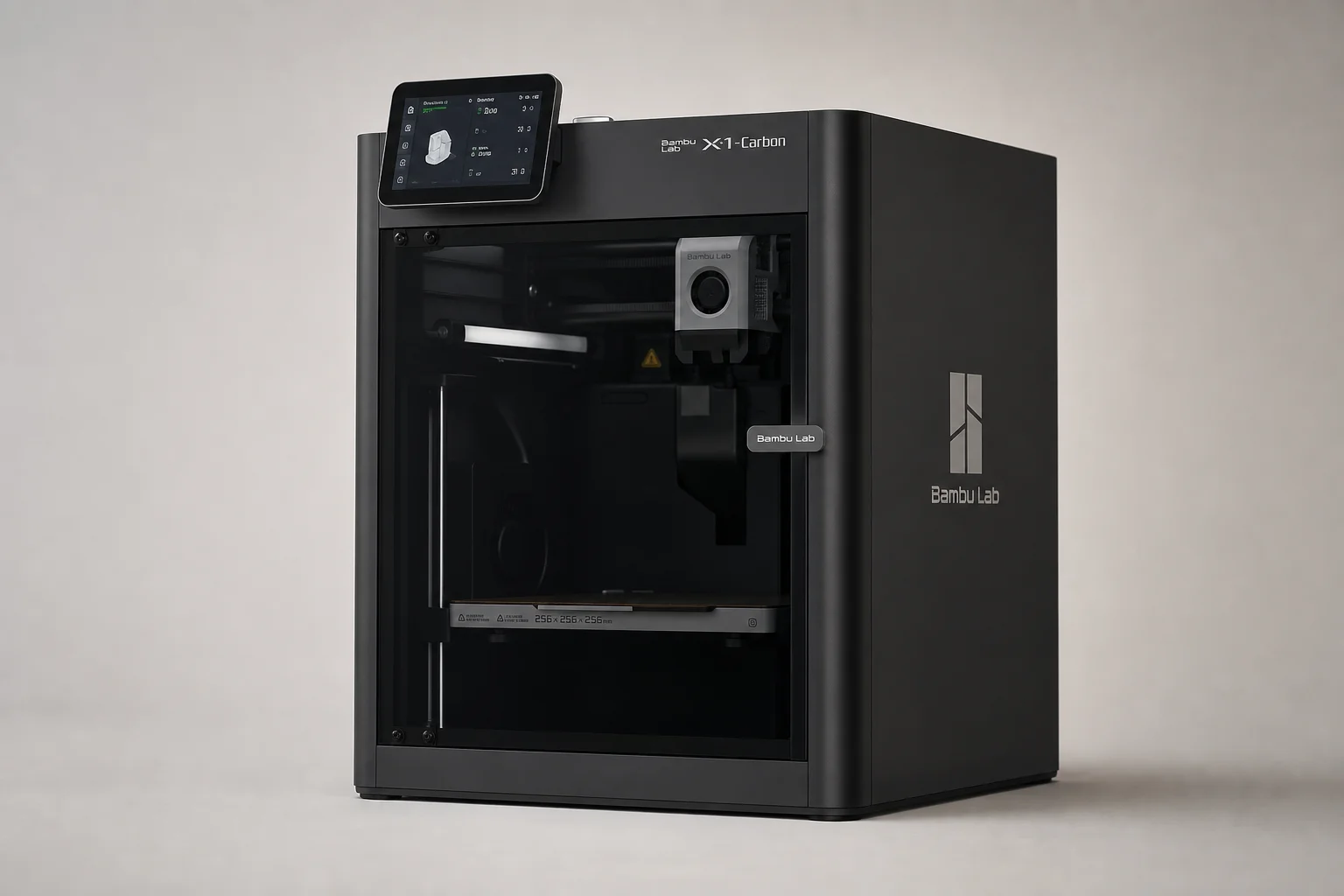
The Bambu Lab X1 Carbon shook up the industry with its high-speed, multimaterial capabilities and has lived up to the hype. With a 256 x 256 x 256 mm build area and speeds that leave competitors behind, it excels at rapid prototyping without compromising print quality.
The fully enclosed design maintains stable temperatures, crucial for tricky materials like carbon fiber-reinforced filament. The automatic material system handles up to four different filaments in a single print seamlessly. Testing revealed impressive results, including a custom GoPro mount using carbon-filled filament with layer heights as fine as 50 microns, smooth surface finish, accurate dimensions, and exceptional durability.
Calibration is straightforward, taking under 10 minutes from unboxing to first print. The machine delivers smooth layers, sharp details, and remarkable durability across a wide range of materials.
The main downside is significant waste filament output. The printer purges materials frequently during filament changes, creating considerable scrap. While competitively priced for its capabilities, it remains a considerable investment.
Conclusion
Choosing the right 3D printer depends on your specific needs and budget. The Creality Ender 3 V3 SE is ideal for budget-conscious beginners, while the Anycubic Kobra 3 Combo suits those wanting multicolor capabilities. The Creality K1C excels for high-speed production, the Prusa MK4S offers versatility and reliability, the Formlabs Form 4 delivers professional-grade precision, and the Bambu Lab X1 Carbon stands as the overall best choice for those seeking speed, multimaterial support, and quality in one package. Evaluate your priorities, consider your budget, and select the printer that aligns with your creative or professional goals.
Further reading
Related Reviews
3D Printing
3D Printer Wishlist 2026: Industry Hopes and Manufacturer-Specific Improvements
A comprehensive review of what the 3D printing industry needs in 2026, from universal standards to manufacturer-specific feature requests across leading brands.
3D Printing
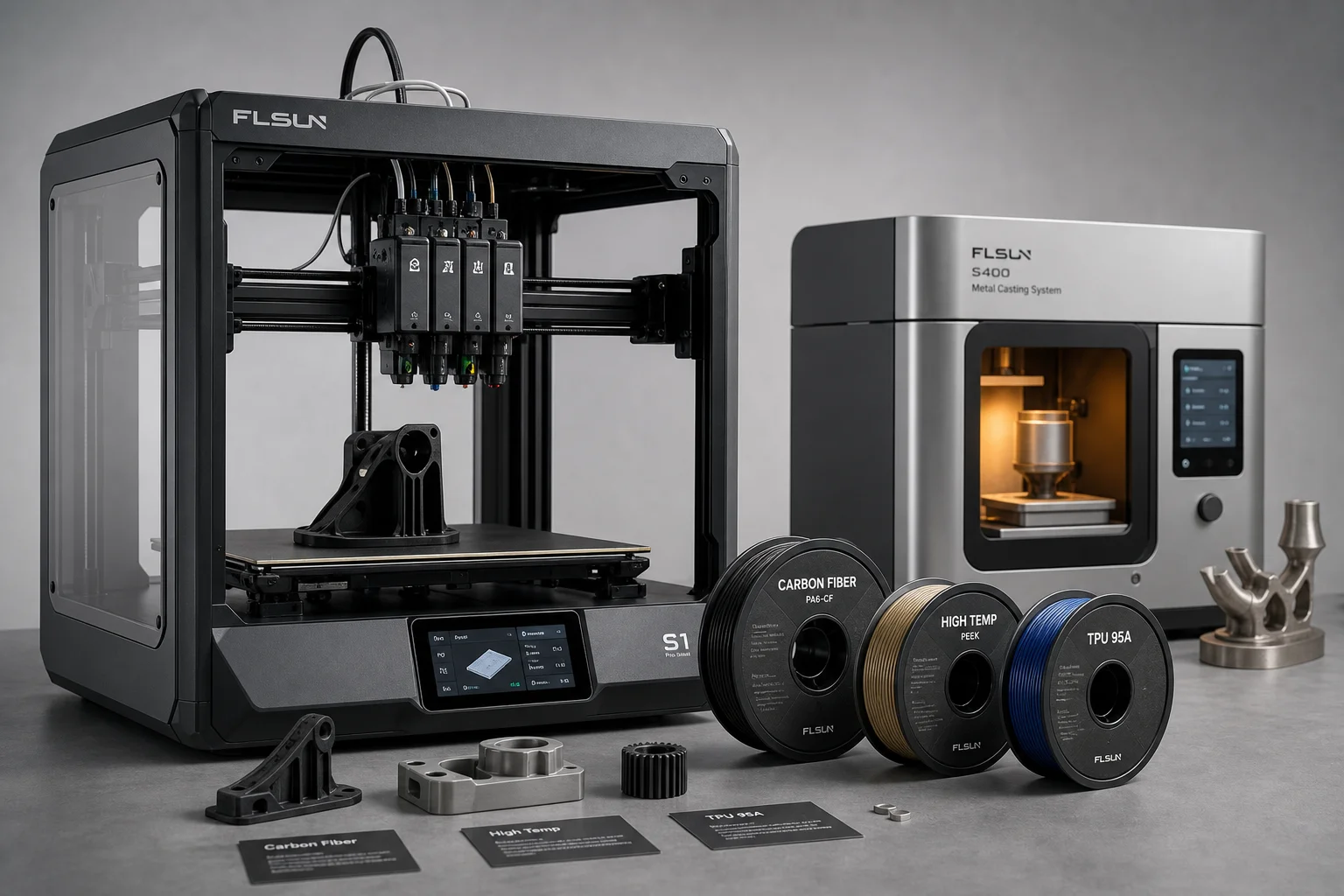
3D Printing Trends 2026: Multi-Material Systems, Stronger Filaments, and Desktop Metal Casting
FormNext 2025 revealed the direction of 3D printing in 2026: accessible multi-material printers, high-strength filaments, and innovative software solutions that bring industrial capabilities to the desktop.
3D Printing
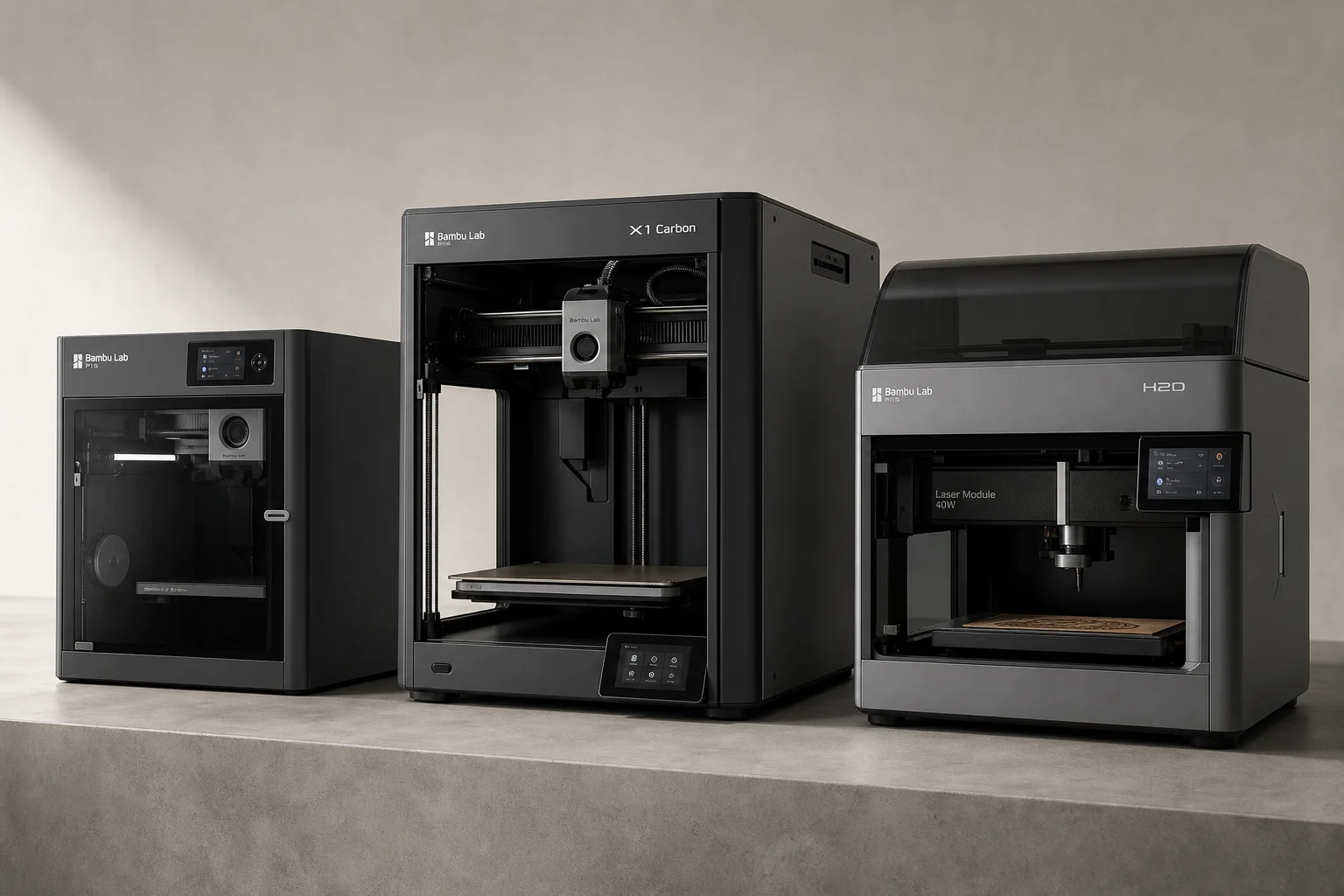
Bambu Lab 3D Printer Lineup 2025: Which Model Fits Your Needs
A comprehensive breakdown of Bambu Lab's current printer lineup, from mid-range workhorse models to flagship multifunction machines, with honest trade-offs for each.