Camera Gear
Best Beginner Camera Setups 2026: Three Practical Sony Builds from Budget to Mid-Range
Three complete camera setups for photography beginners, from secondhand budget options to mid-range builds with better autofocus and video capability.
Introduction
Many beginners assume that buying the newest camera is the path to better photography. In reality, the right setup matters far more than the latest model. The key is choosing a camera with interchangeable lenses, pairing it with a quality lens, and being smart about where you buy. Secondhand markets offer excellent value, and older cameras that were good years ago remain capable today.
Why Buy Secondhand
Purchasing used cameras from the secondhand market is one of the most practical ways to keep costs low. Older models no longer sold in retail stores are often available at a fraction of their original price, and a camera that performed well in the past performs just as well today. When shopping secondhand, pay attention to shutter count to avoid units with excessive use. Beyond that, choose something in good physical condition that appeals to you visually.
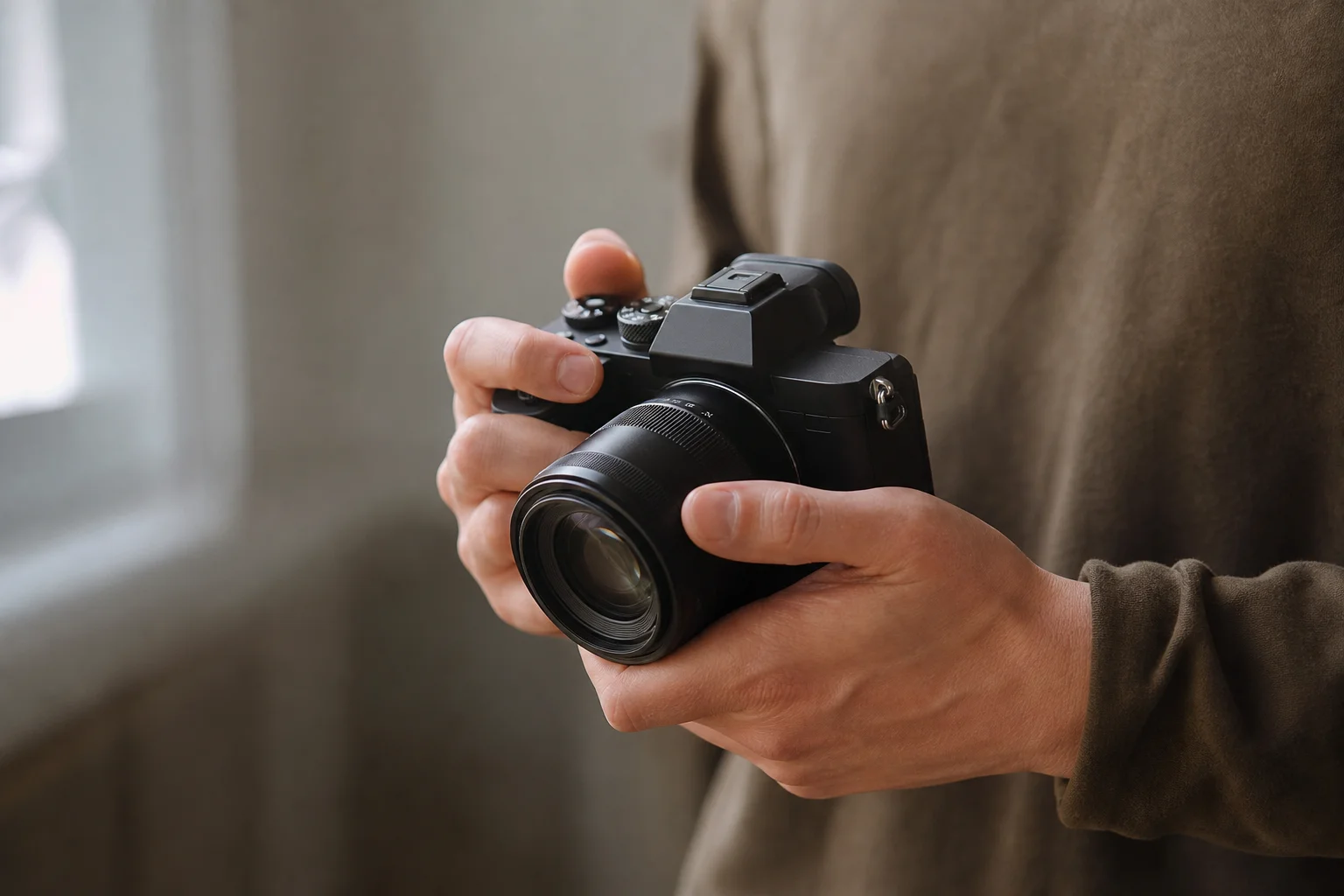
The secondhand approach gives you access to proven, reliable gear without the premium price tag of new releases.
Why Interchangeable Lenses Matter
Investing in a camera with interchangeable lenses gives you far more creative flexibility than a fixed-lens body. Different focal lengths and apertures open up entirely different visual possibilities. This is why the recommendation across all three setups here is to prioritize lens quality over camera body cost. A cheaper camera paired with a better lens will produce noticeably better results than the reverse. The lens is where image quality truly lives.
The Really Budget Setup: Sony A5100
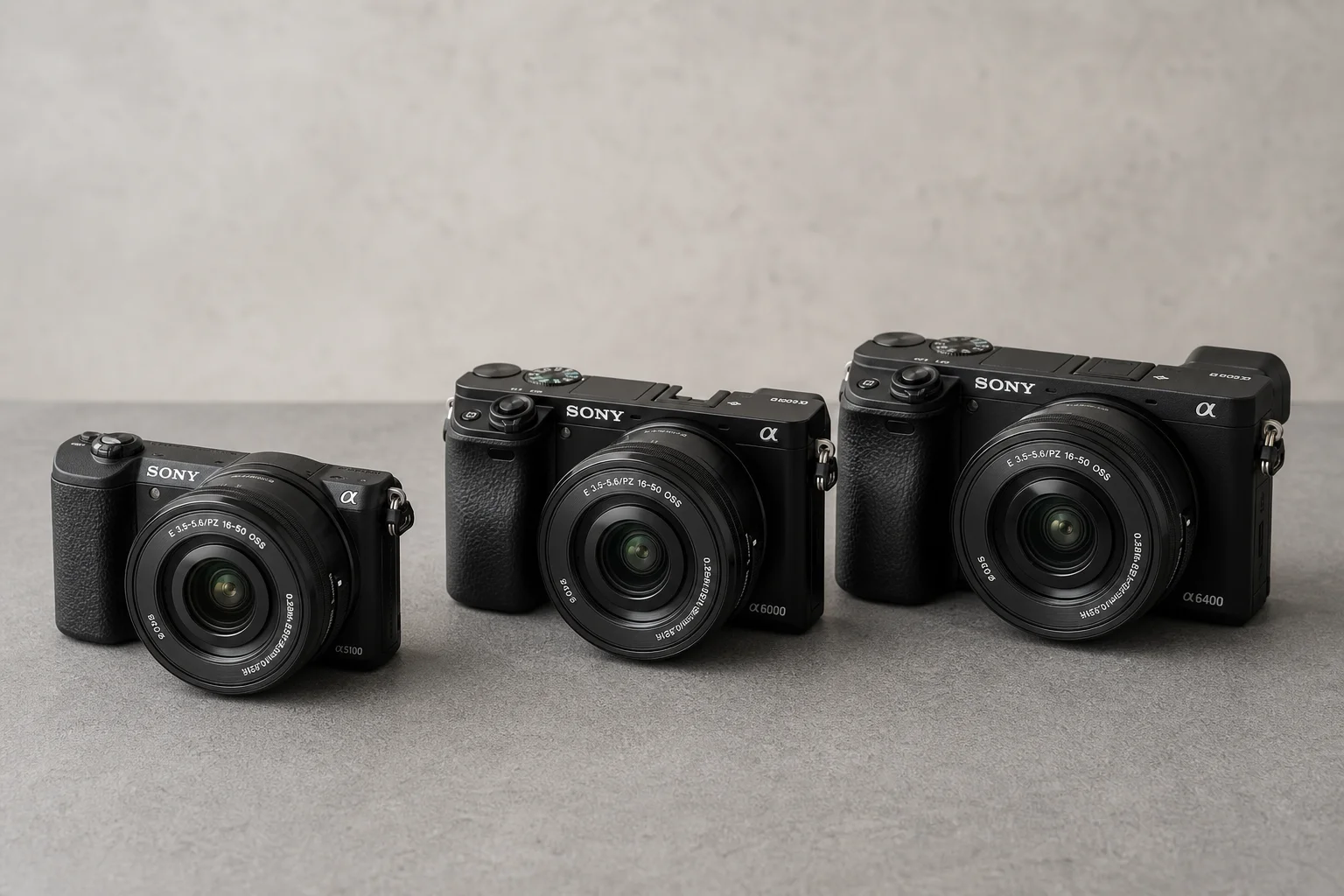
For photographers on the tightest budget, the Sony A5100 is an excellent entry point. Available on the secondhand market for roughly $200 to $300 body-only, this older camera still delivers solid performance. It features a 24-megapixel APS-C sensor, hybrid autofocus, and can shoot six frames per second. ISO ranges from 100 to 25,600, and it records full HD video up to 60 frames per second. A standout feature is the flip-up screen, which is useful for composing shots from unusual angles.
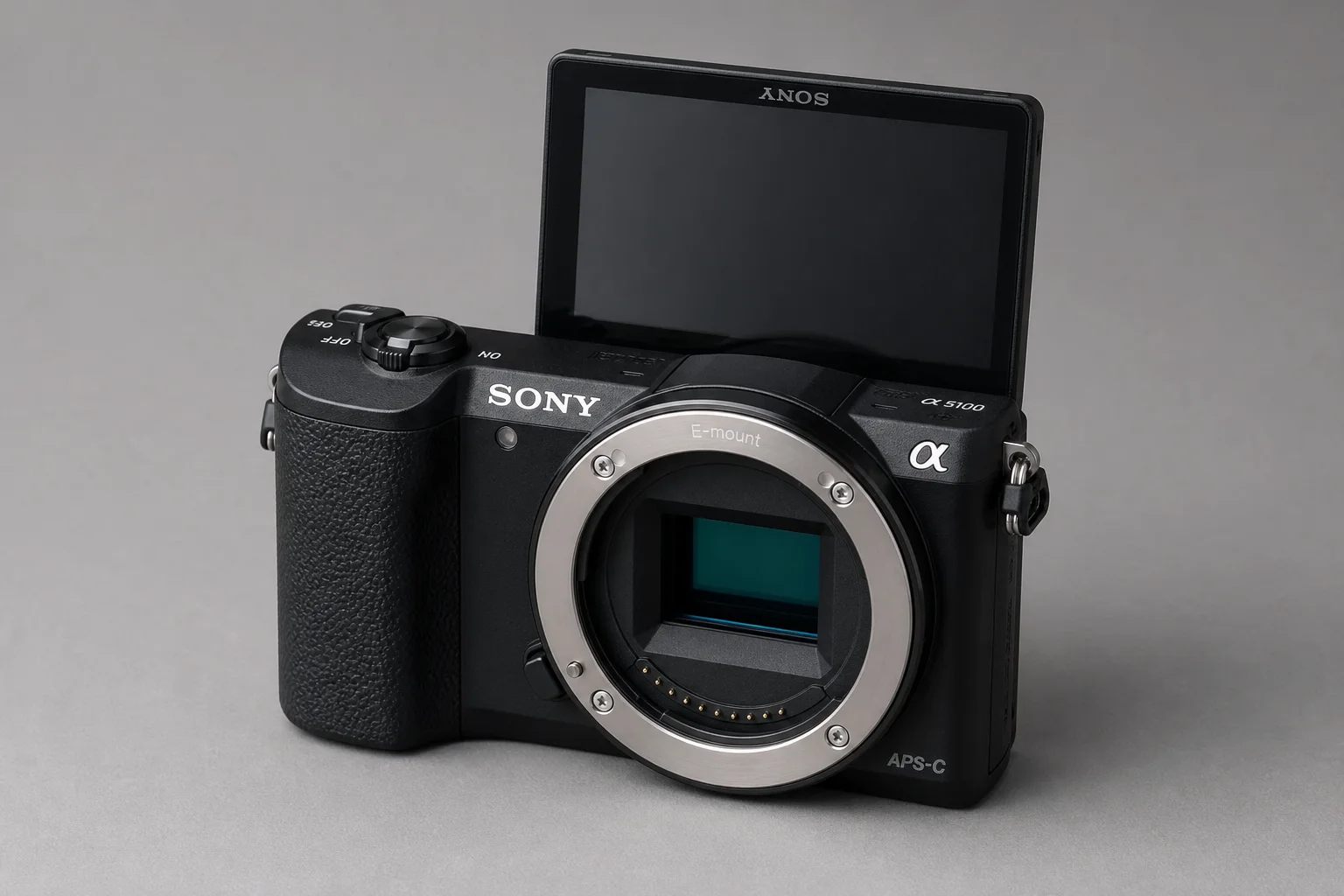
For a lens, pair it with a used Sony kit lens. While kit lenses have a reputation for being mediocre, they are perfectly capable for beginners. They are not as sharp or versatile as premium lenses, but they are a sensible starting point if budget is the primary constraint.
The Pretty Budget Setup: Sony A6000
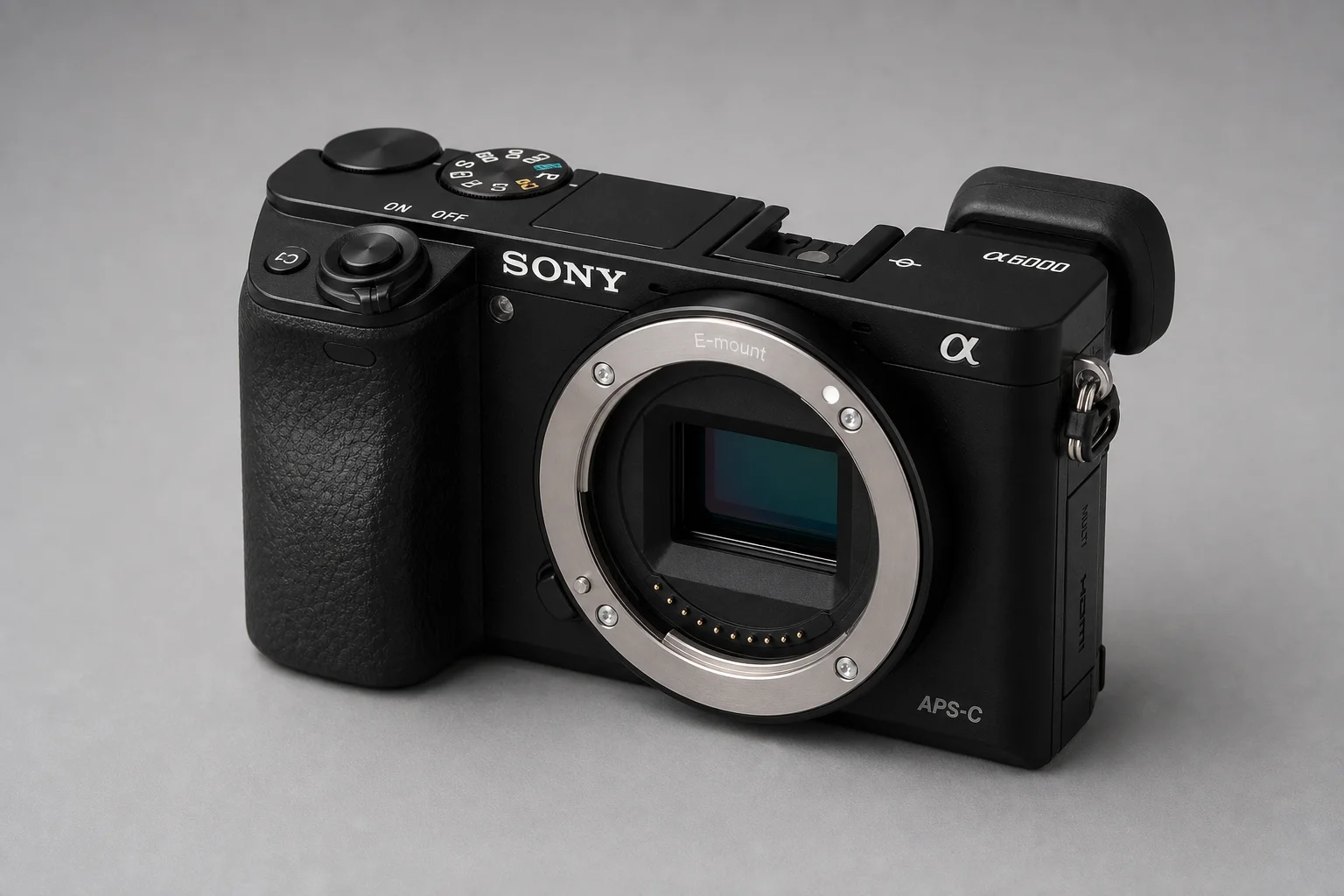
If you can stretch your budget slightly, the Sony A6000 is a significant step up. Priced around $300 to $400 used (or $350 to $450 with a kit lens), it shares the same 24-megapixel APS-C sensor but improves to 11 frames per second shooting speed. The major upgrade is the electronic viewfinder, which lets you compose through the camera rather than relying solely on the rear screen. Using a viewfinder creates a more natural shooting experience and helps with focus precision.
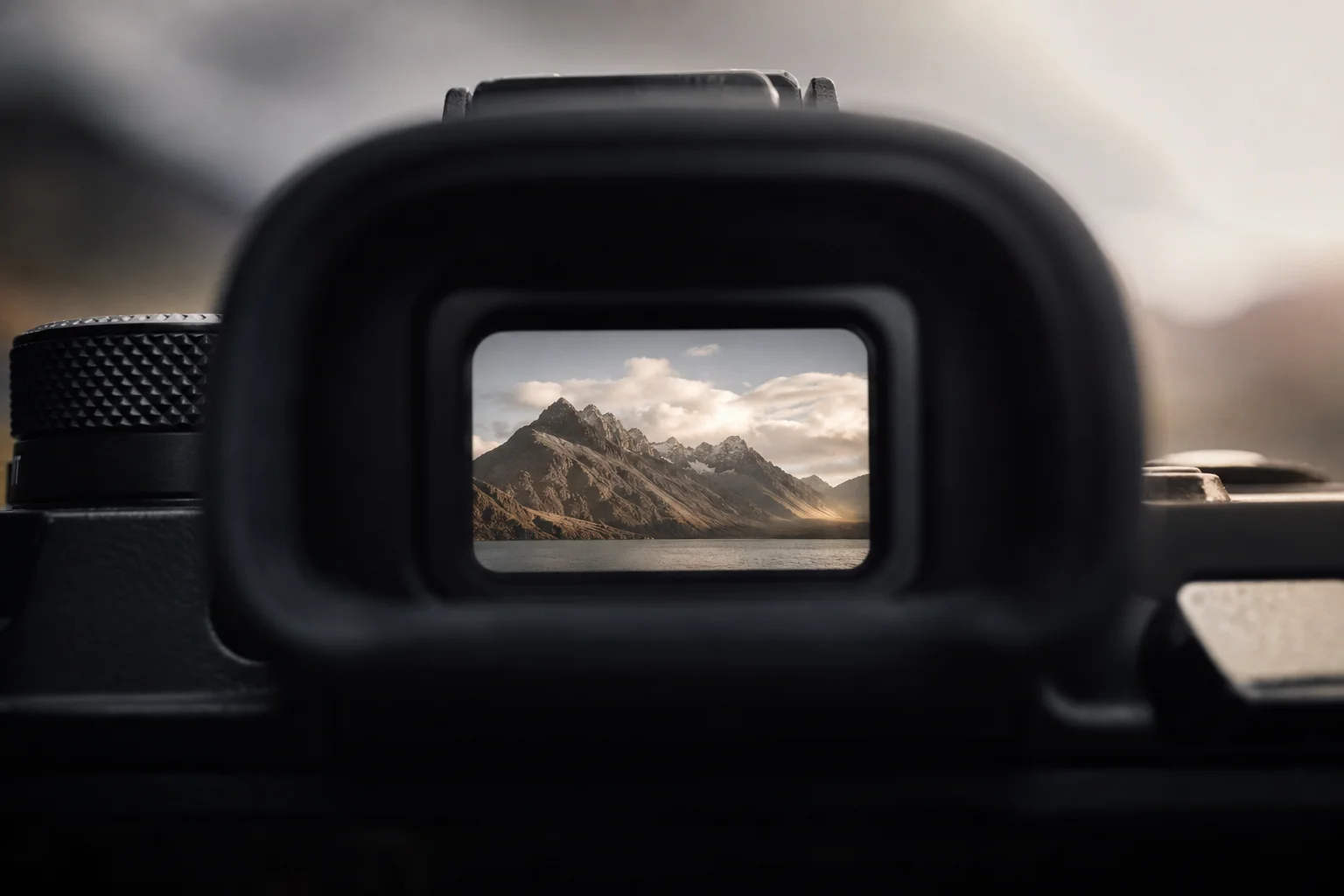
The A6000 also adds a hot shoe for attaching external flashes or microphones, and the ergonomics are noticeably better than the A5100. For video, it still maxes out at full HD 60 frames per second, but that is adequate for most beginners. The Sony E-mount ecosystem is a major advantage here, offering access to a vast selection of both Sony and third-party lenses like Sigma.
The Budget Setup: Sony A6400
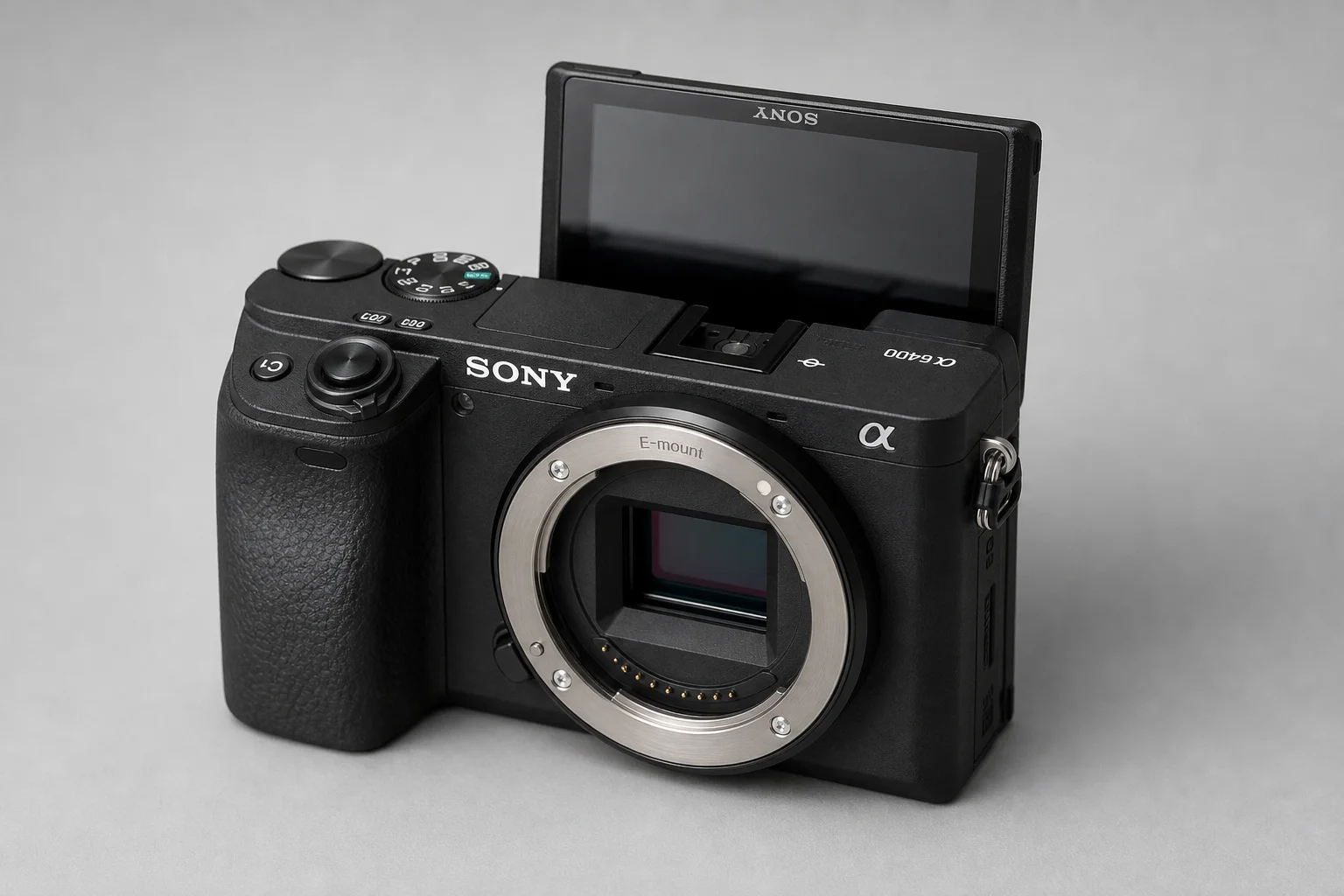
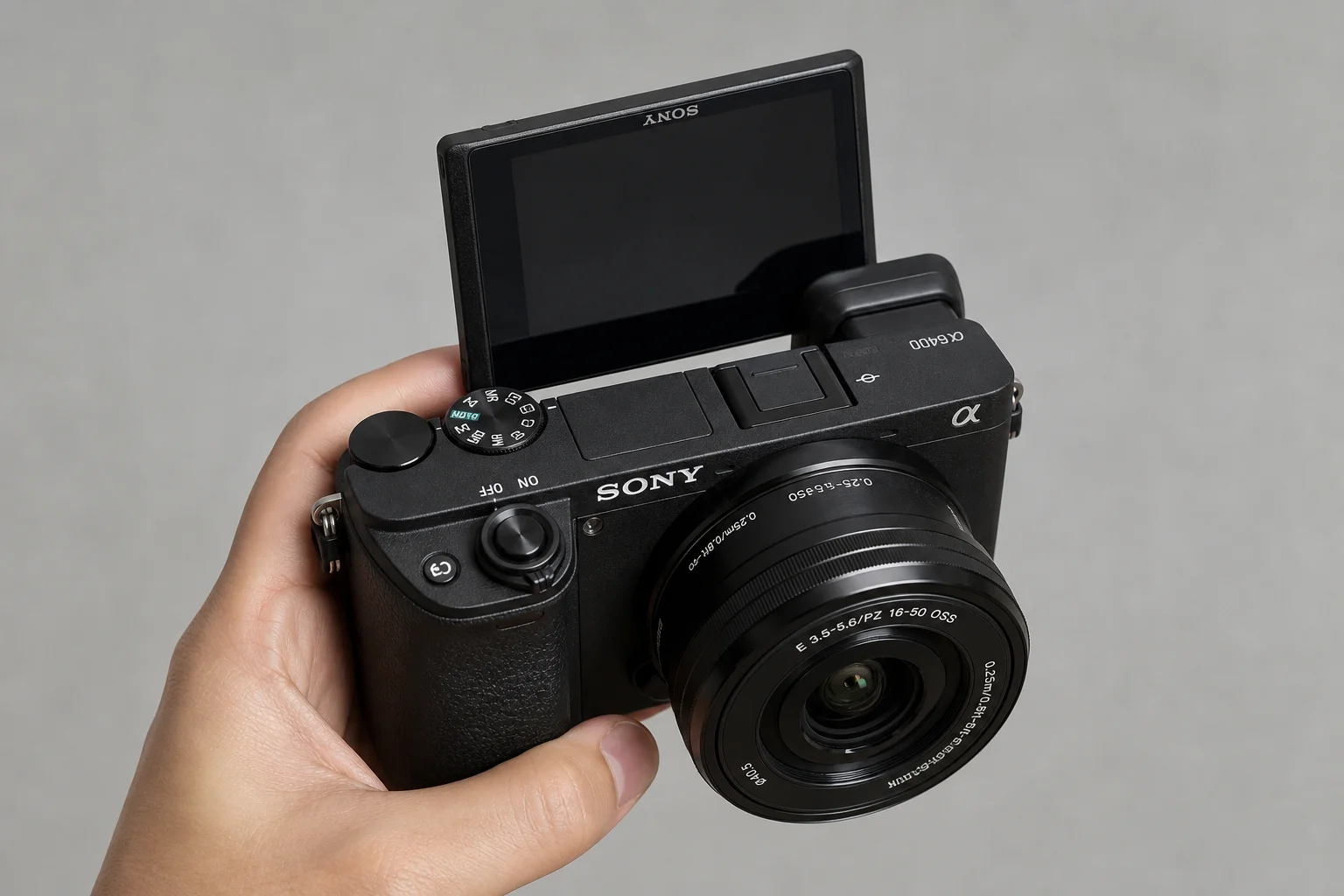
With a bit more budget available, the Sony A6400 represents excellent value for a capable all-rounder. Priced around $600 to $750 used, it is roughly double the cost of the A5100, but the improvements justify the investment. The 24.2-megapixel APS-C sensor is paired with a 425-point autofocus system featuring real-time eye autofocus and tracking, making it far more reliable for fast-moving subjects. It shoots 11 frames per second and can record 4K video at 30 frames per second or full HD at 120 frames per second, which is exceptional for this size and price.
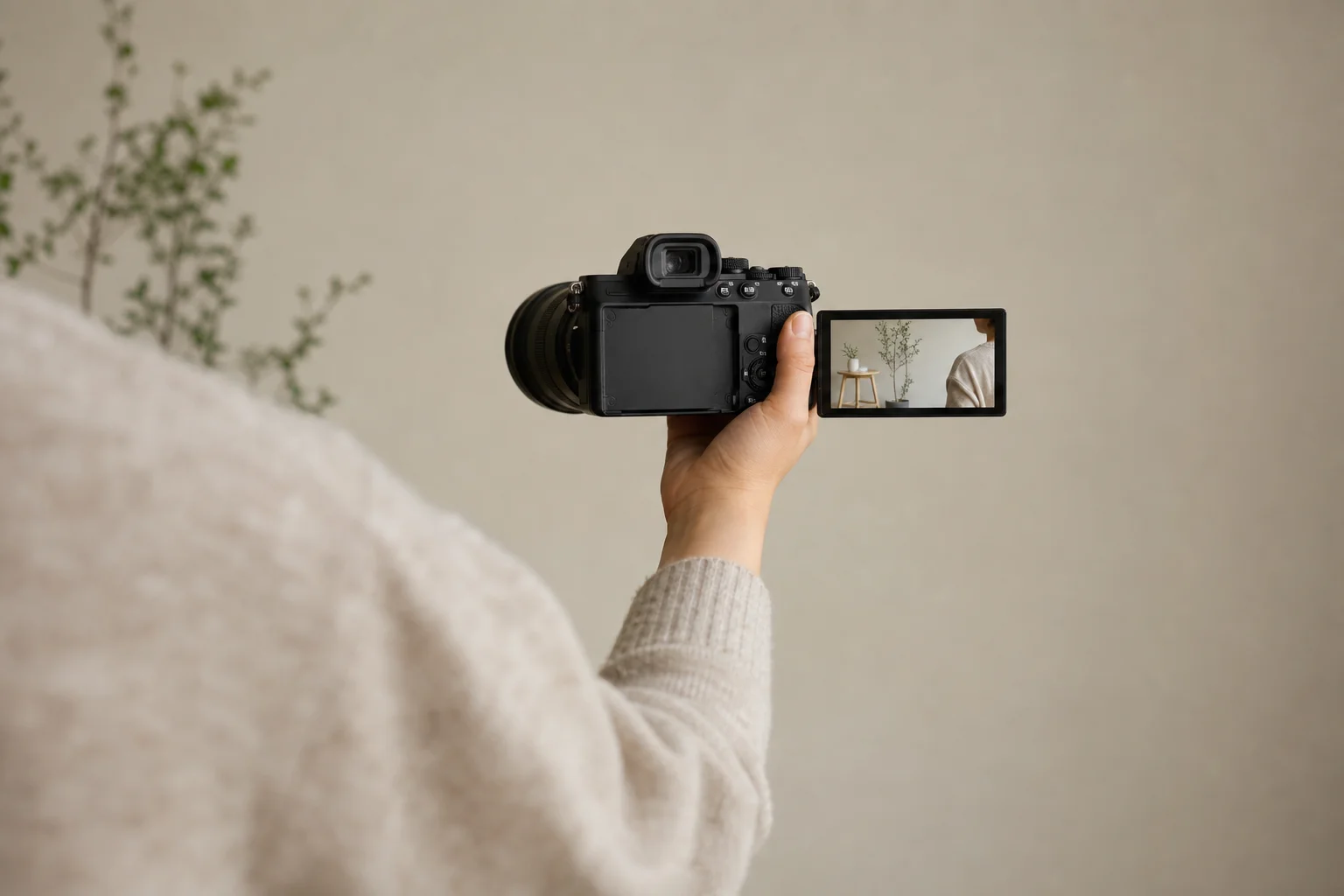
A practical upgrade over the A6300 is the fully articulating flip-out screen, which rotates completely toward the front. This is invaluable if you plan to vlog or shoot self-portraits, as you can see yourself while composing. The A6400 remains compact enough to fit in a palm, yet delivers professional-grade autofocus and video performance.
Lens Recommendations for Each Setup
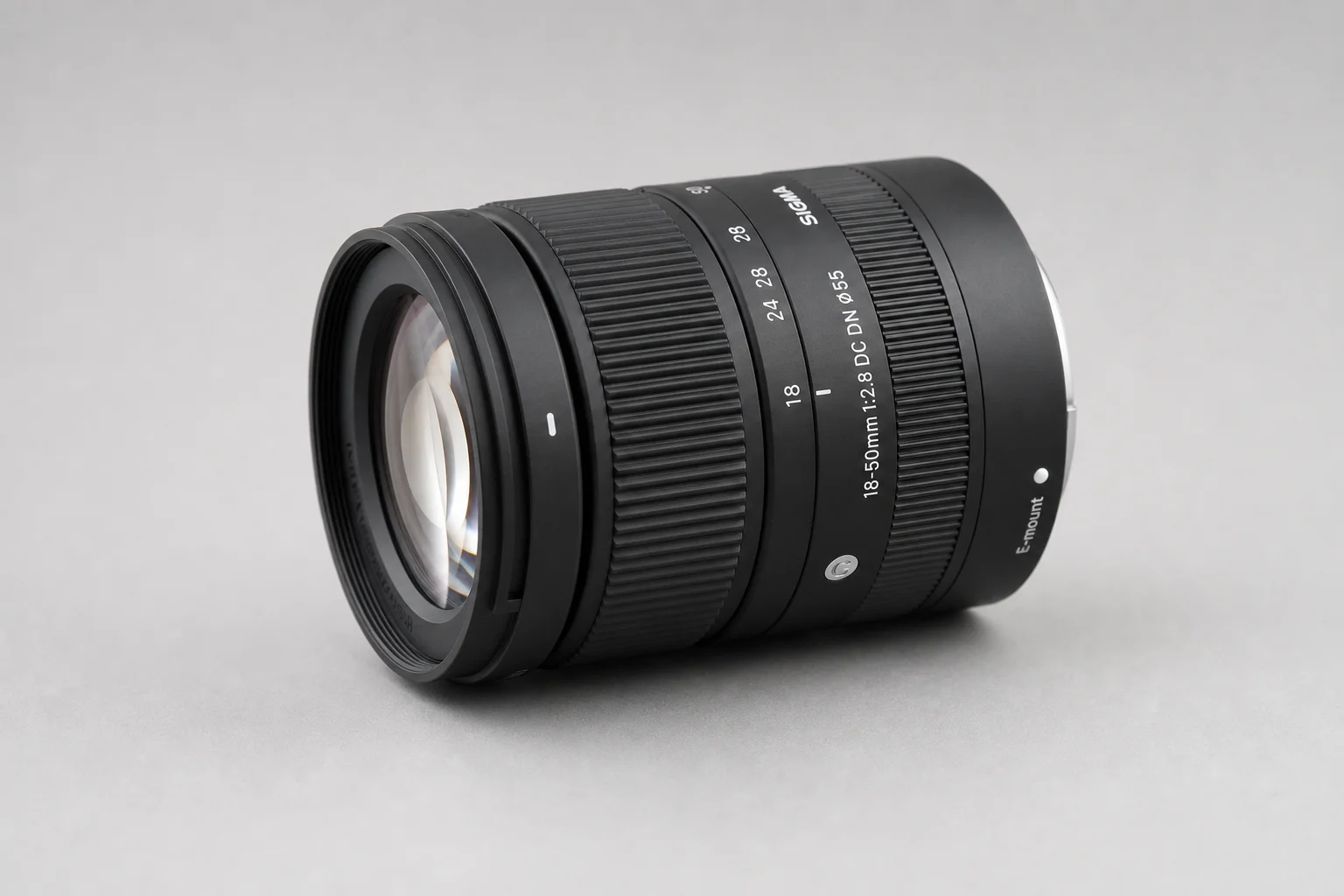
For the A5100 and A6000, a used Sony kit lens is a practical starting point. If you want to upgrade beyond the kit lens, the Sigma 18-50mm f/2.8 is an outstanding choice. This compact lens is remarkably sharp across its entire focal range and offers a wider aperture than most kit lenses, giving you better low-light performance and more creative depth-of-field control. Despite its small size, it delivers noticeable improvements in image quality compared to standard kit glass.
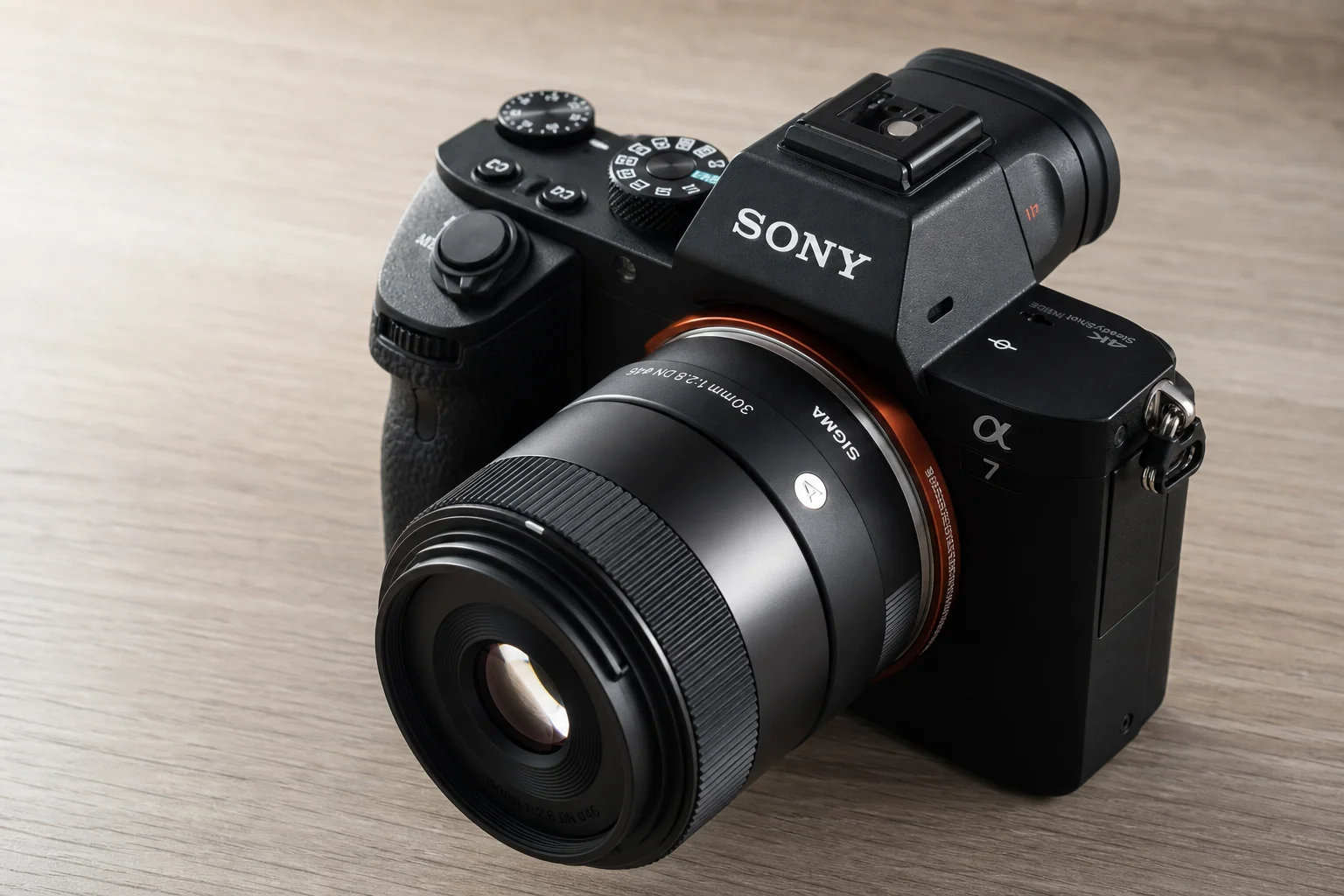
The Sigma 18-50mm f/2.8 pairs particularly well with the A6400, creating a complete, capable setup for under $1,000 used. Remember the core principle: prioritize lens quality over camera body specs. Your lens has far more influence on final image quality than your camera body, especially when you are starting out.
Conclusion
These three setups offer clear progression paths for beginners. Start with the A5100 and kit lens if budget is tight, move to the A6000 if you want a viewfinder and better ergonomics, or invest in the A6400 if you plan to shoot video or need faster autofocus. In all cases, buying secondhand and prioritizing lens quality will give you far better results than chasing the newest camera body. The gear matters less than understanding how to use it well.
Further reading
Related Reviews
Camera Gear
Best Budget Camera 2026: Why the Sony A6400 Stands Out for Beginners
The Sony A6400 delivers genuine value for entry-level photographers. Here's what makes it worth the investment over cheaper alternatives, and which lenses to pair it with.
Camera Gear
Best Mirrorless Cameras for Travel: Five Top Picks for 2025
Five lightweight, powerful mirrorless cameras designed for travel photography and video, from compact vlogging rigs to full-frame performance.
Camera Gear
Building a Custom Street Photography Camera: Sony A7CR with Prime Lens Setup
A practical guide to assembling a discreet, high-resolution street photography camera using the Sony A7CR, FE 40mm lens, and essential accessories.