Camera Gear
Best Budget Camera 2026: Why the Sony A6400 Stands Out for Beginners
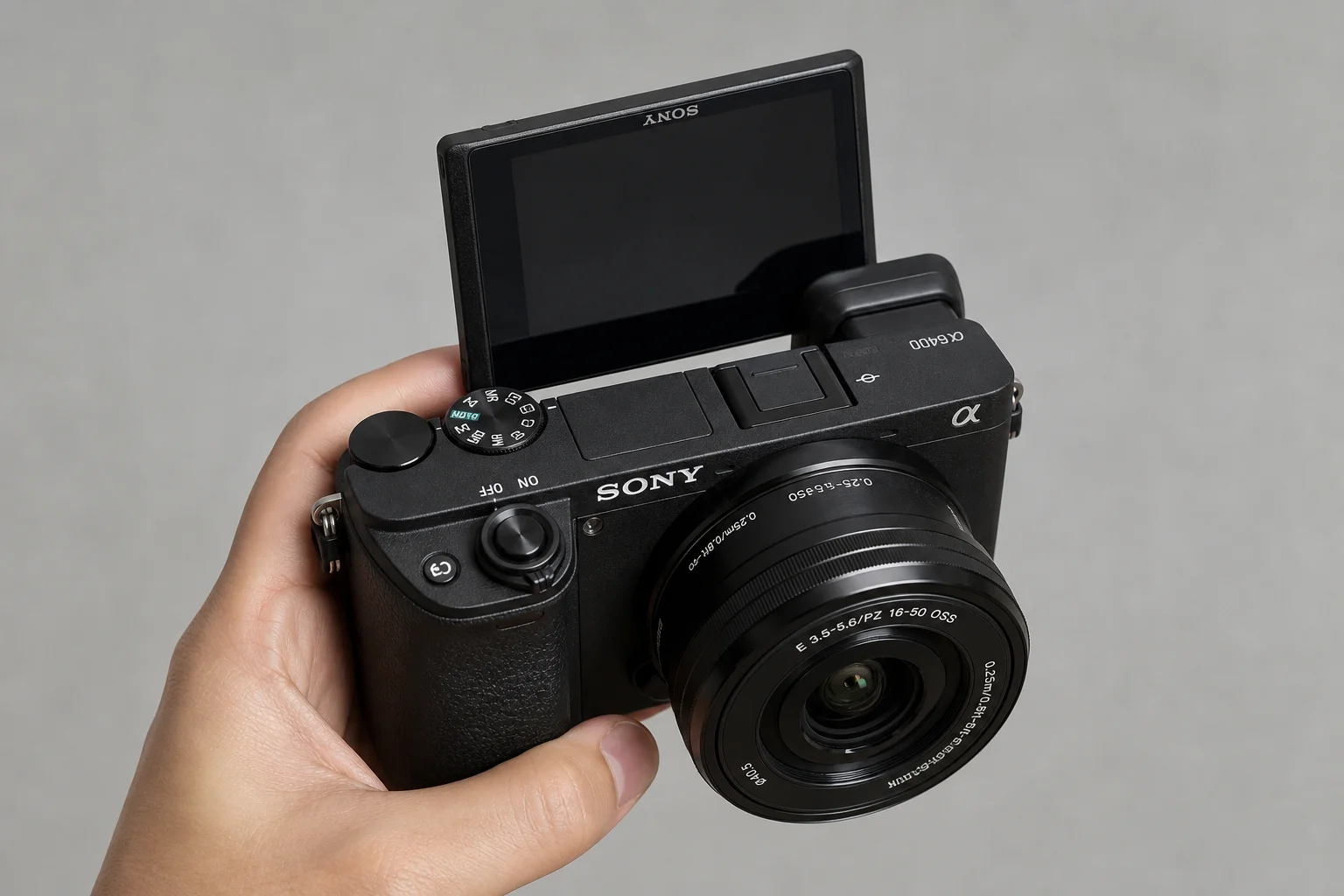
The Sony A6400 delivers genuine value for entry-level photographers. Here's what makes it worth the investment over cheaper alternatives, and which lenses to pair it with.
Introduction
Choosing a budget camera in 2026 is straightforward if you know what actually matters. Most beginners waste money on specifications that don’t translate to better photos. The Sony A6400 stands out because it delivers real value where it counts: autofocus performance, build quality, and access to affordable third-party lenses.
Why the Sony A6400
The Sony A6400 is a 24.2-megapixel APS-C mirrorless camera that has proven itself across a decade of real-world use. It captures 4K video at up to 30 frames per second, or 120 frames per second in full HD for slow-motion work. In photography mode, it shoots at 11 frames per second with continuous autofocus, which is solid for most shooting scenarios.
Image quality is consistent and reliable. The camera produces clean files across its native ISO range of 100 to 32,000, expandable to 102,000. While ISO performance is not exceptional compared to newer flagship models, it is more than adequate for the price point, especially with modern noise-reduction tools in post-processing.

The A6400 weighs approximately 403 grams and is compact enough to fit in a jacket pocket. This size-to-capability ratio is one of the camera’s strongest selling points for photographers who value portability without sacrificing core features.
Autofocus and Viewfinder
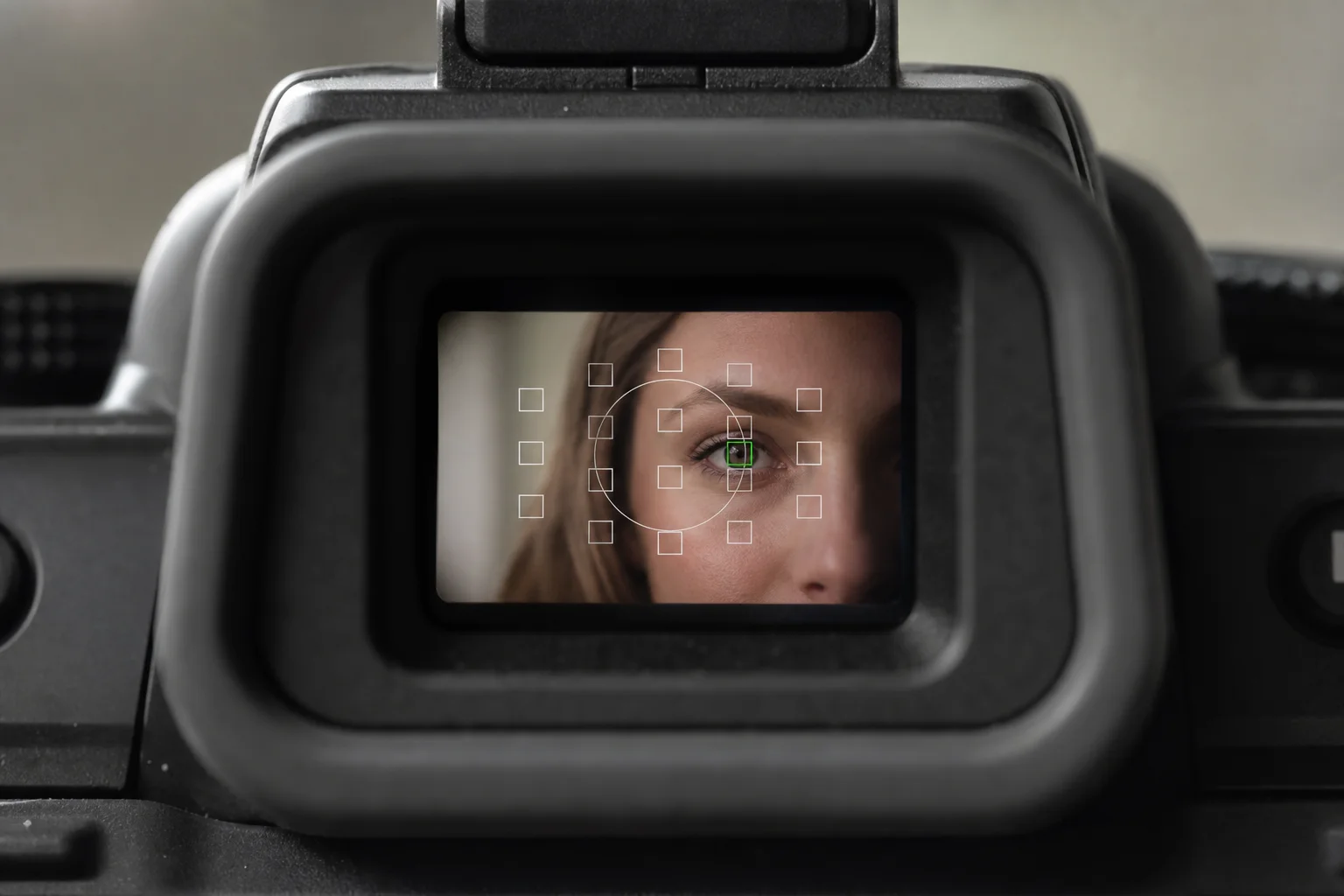
The A6400 includes 425 autofocus points with real-time eye autofocus and real-time tracking. Sony’s autofocus system is industry-leading, and this camera is no exception. The electronic viewfinder is functional and clear, though not as refined as higher-end models. For the price, it is a practical tool for composing and reviewing your frame.
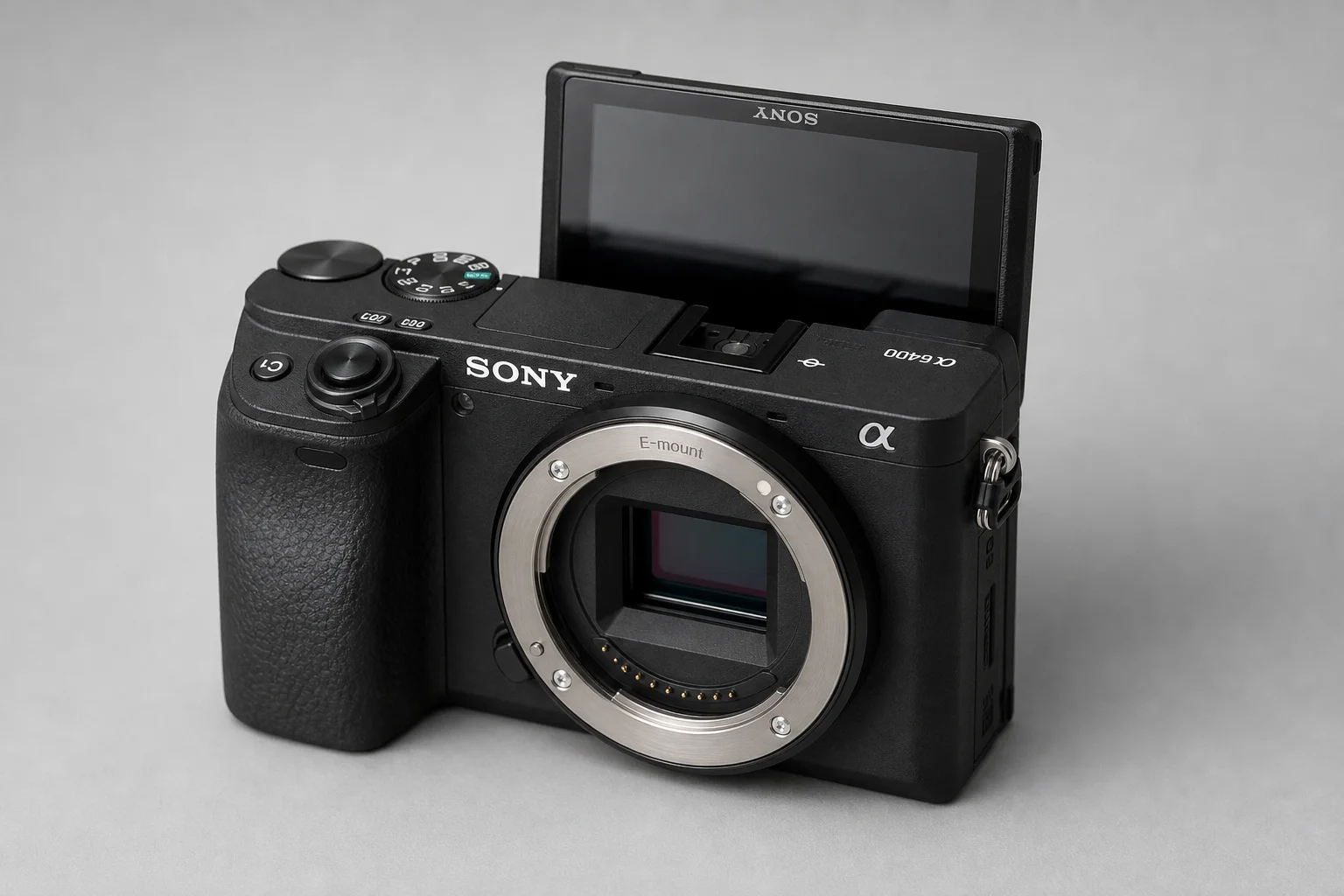
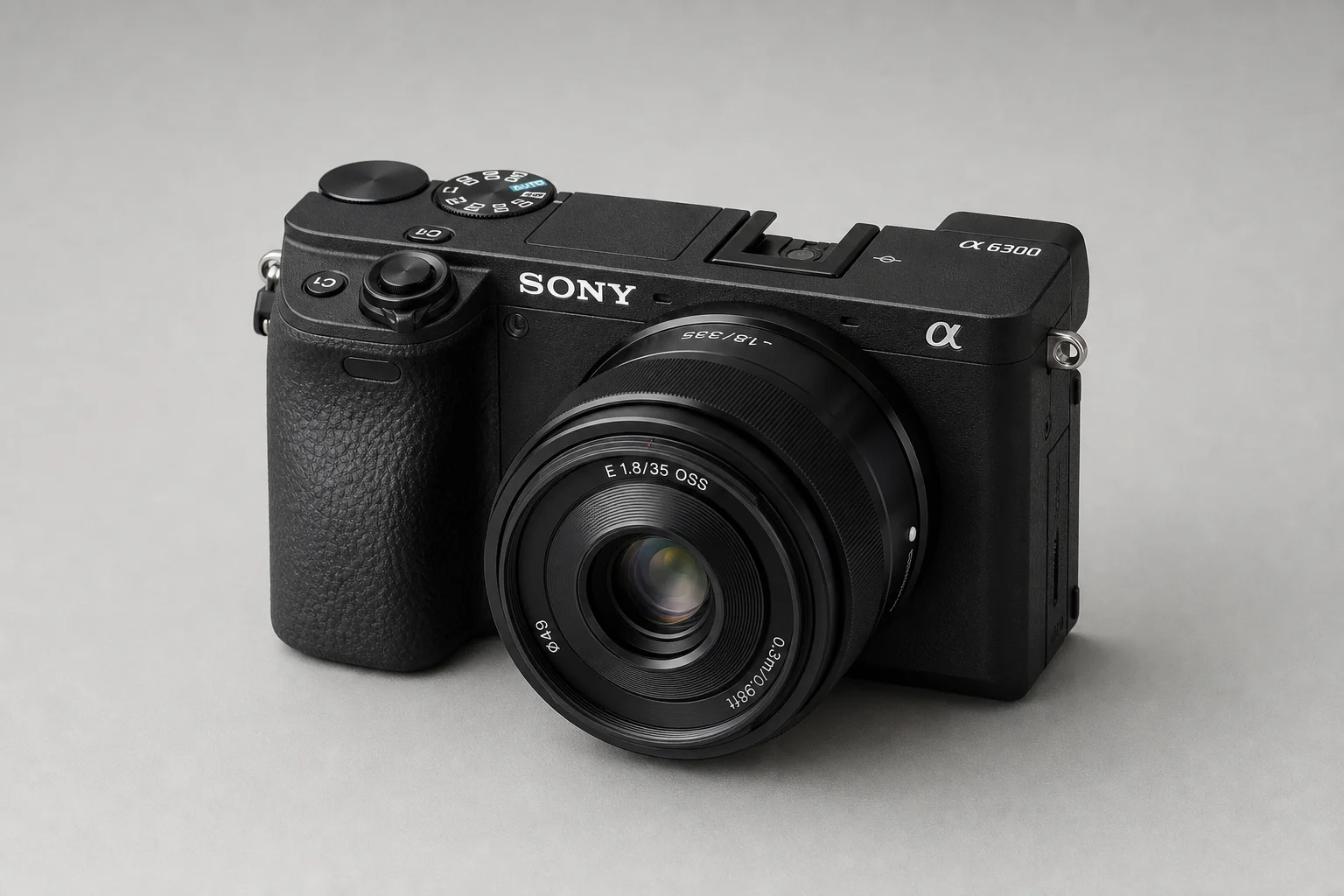
The flip-up screen is a genuine advantage if you plan to film yourself or create content. It allows you to see both the frame and your position in it, which is invaluable for vlogging or self-portrait work. If you do not need this feature, the Sony A6300 offers nearly identical performance with a fixed screen and a lower price.
Comparing Budget Alternatives
If your budget is extremely tight, the Sony A6000 and A6300 are viable options. The A6300 is nearly identical to the A6400 in autofocus and color science, with the main difference being the fixed screen instead of the articulating design. The A6000 is older and less refined, but still capable of producing good photos.
The Sony A6500 sits above the A6400 in the lineup and offers in-body image stabilization, which is useful for video and handheld shooting in low light. However, it costs significantly more and is not necessary for most beginners.
The practical advice: if you can afford the A6400, buy it. The extra features justify the cost. If budget is genuinely limiting, the A6300 is a sensible compromise.
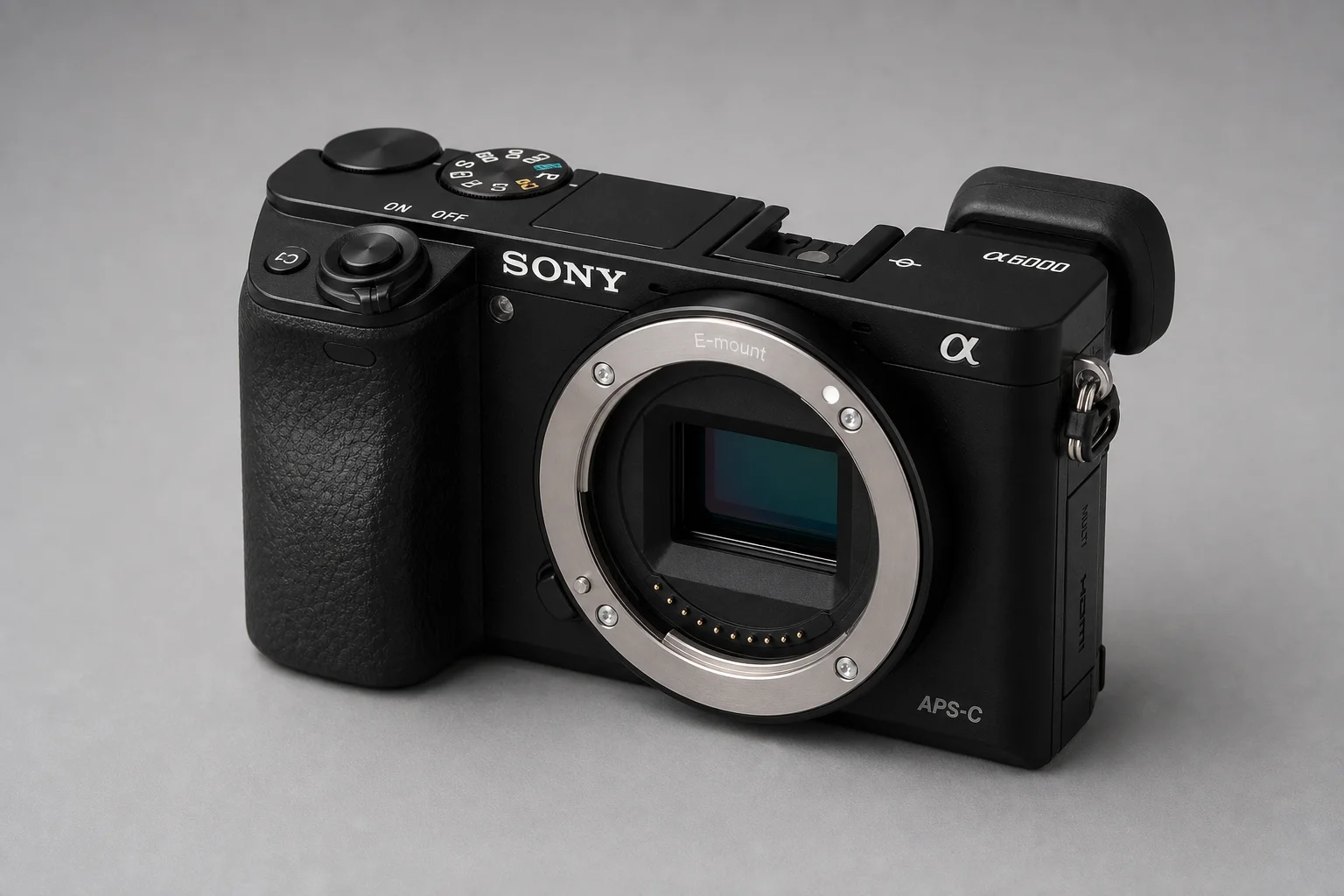
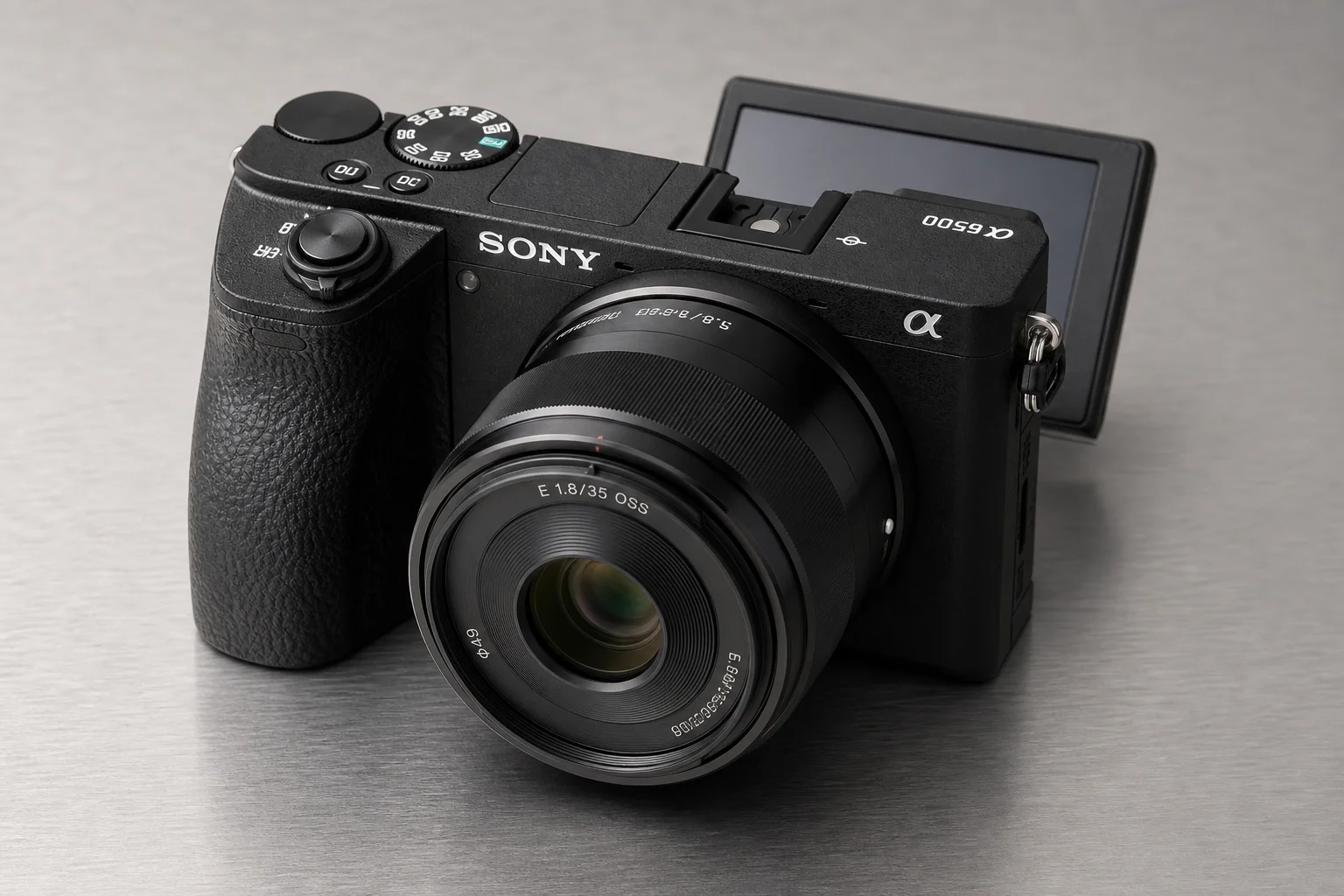
Screen and Usability
The flip-up screen on the A6400 is one of its defining features for content creators. It flips up and out, allowing you to frame yourself while recording or taking photos. This is a small detail that makes a large difference if you plan to create any self-facing content.
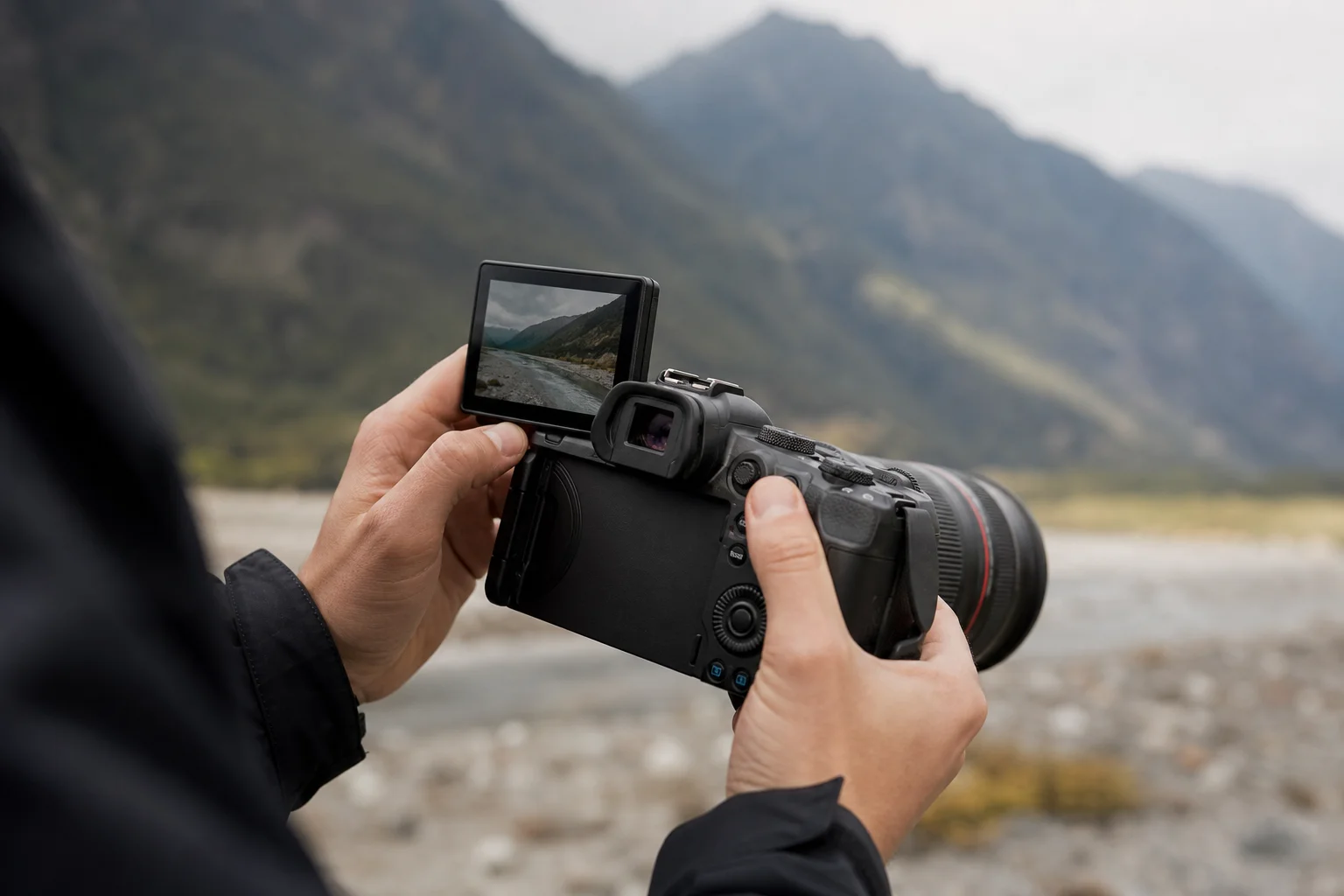
The camera’s overall ergonomics are solid. Controls are logically placed, and the body feels durable despite its light weight. The electronic viewfinder, while not premium, is bright and responsive enough for accurate composition and focus confirmation.
Lens Ecosystem and Recommendations
Sony’s APS-C ecosystem is one of its greatest strengths. You have access to lenses from Sony, Sigma, Tamron, and other manufacturers, giving you far more options than many competing systems at the budget level.
The most important advice: invest in the lens, not the body. A better lens on a modest camera will produce better photos than an expensive camera with a poor lens. If you are buying your first camera, prioritize lens quality over camera features.
For a total budget, the Sony kit lens is available on the secondhand market at low cost. Kit lenses have a poor reputation, but this reputation is undeserved. You can absolutely produce good photos with a kit lens. It is simply not as capable as premium lenses, which is expected at that price point.
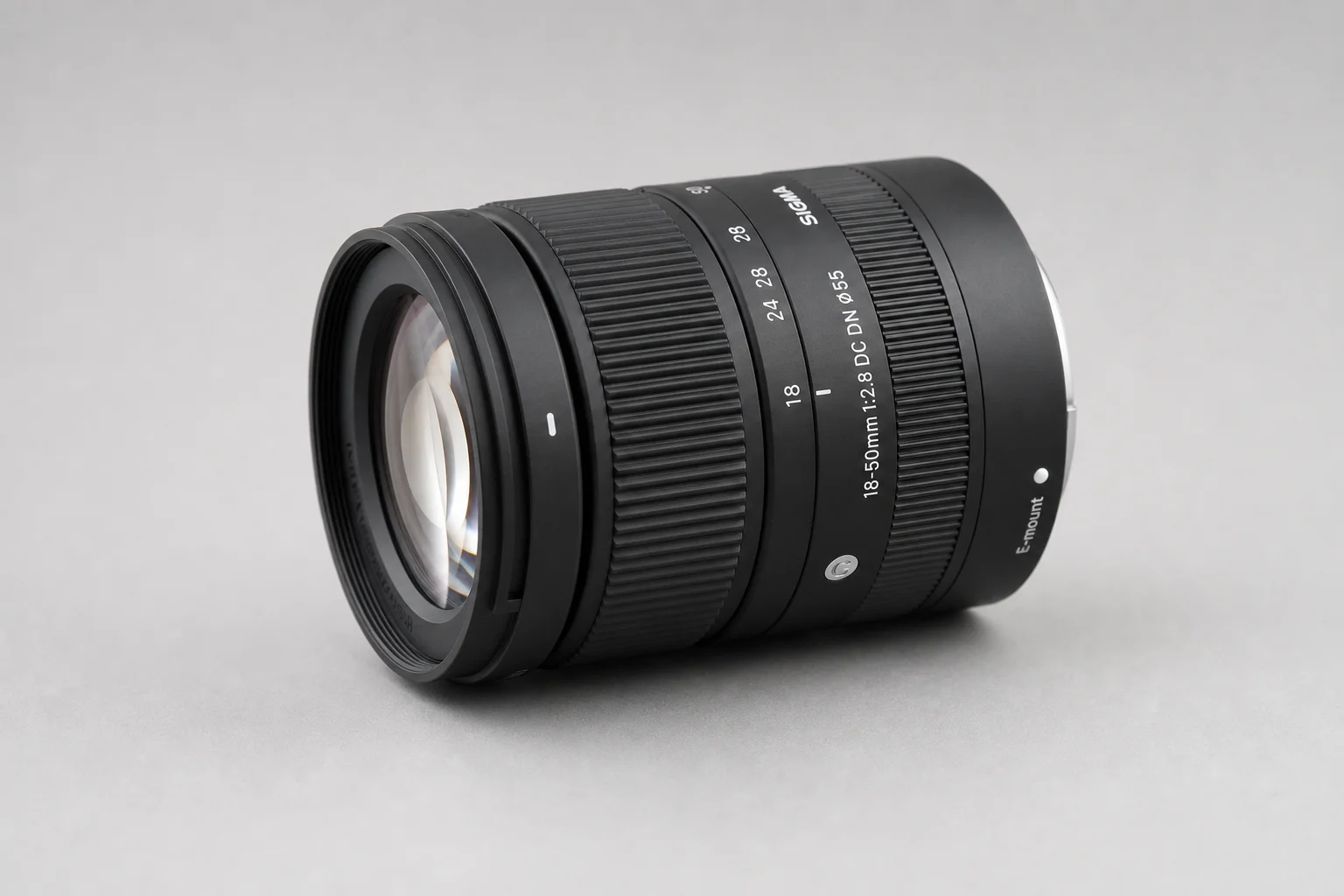
If you have additional budget, the Sigma 18-50mm f/2.8 is excellent value. It covers a useful range from fairly wide angle to moderate telephoto in a single, compact lens. The constant f/2.8 aperture is a significant advantage for low-light work and background separation.
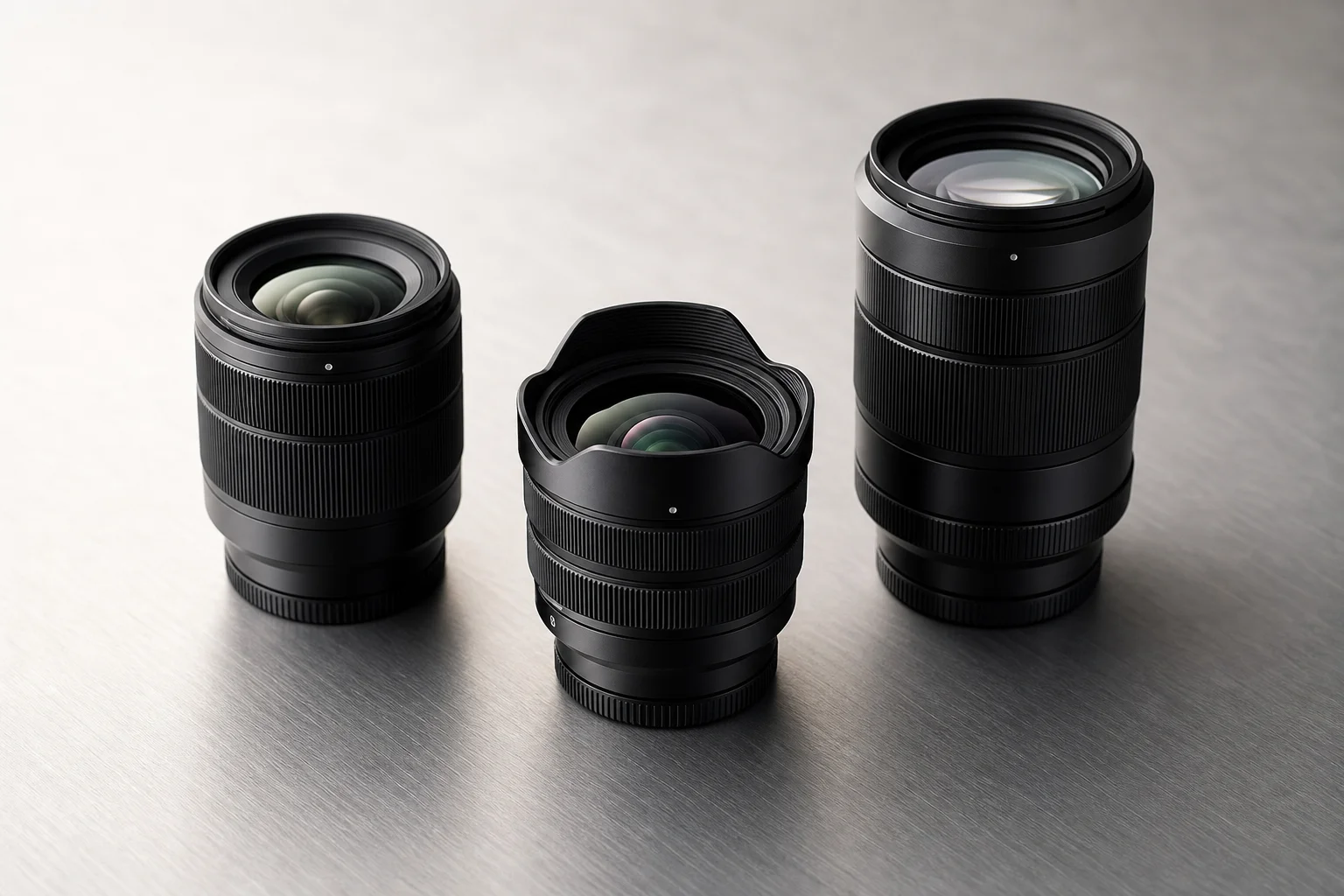
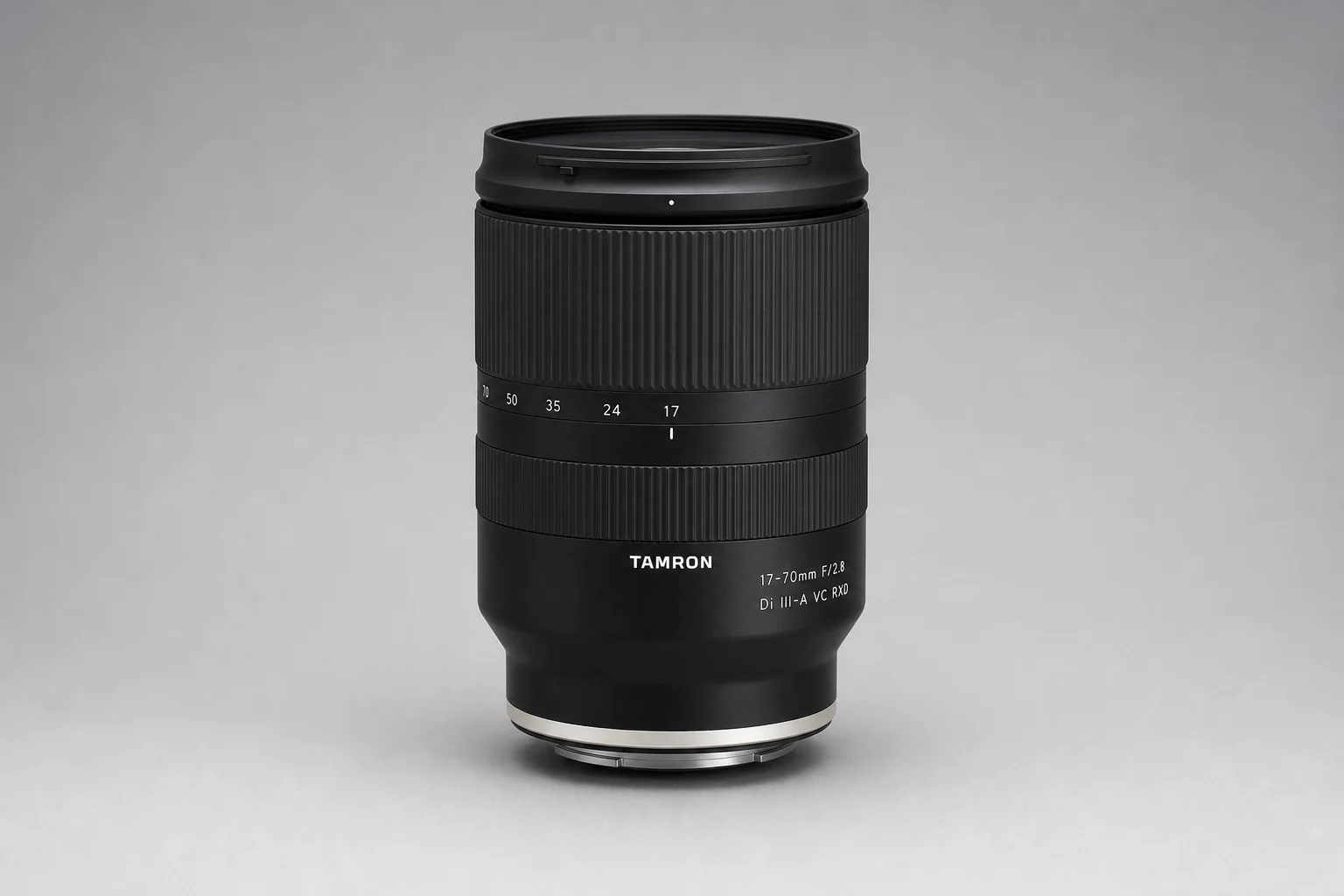
The Tamron 17-70mm f/2.8 is another popular choice that has earned consistent recommendations from the photography community. It offers a wider range than the Sigma, though I have not tested it personally. Both lenses represent strong value for the Sony APS-C system.
When shopping for SD cards, choose V30 or faster. V30 is sufficient for 4K recording on the A6400. Brands like SanDisk, Kingston, Lexar, and Sony are all reliable. Avoid no-name cards to prevent failure during critical shoots.
When buying used, check the shutter count. A lower count indicates less wear and longer remaining lifespan. The secondhand market is an excellent way to save money on both the camera body and lenses.
Conclusion
The Sony A6400 is the best budget camera for beginners in 2026 because it balances capability, size, and price without forcing you to compromise on autofocus or build quality. Pair it with a thoughtful lens choice, and you have a system that will serve you well as your photography skills develop.
Further reading
Related Reviews
Camera Gear
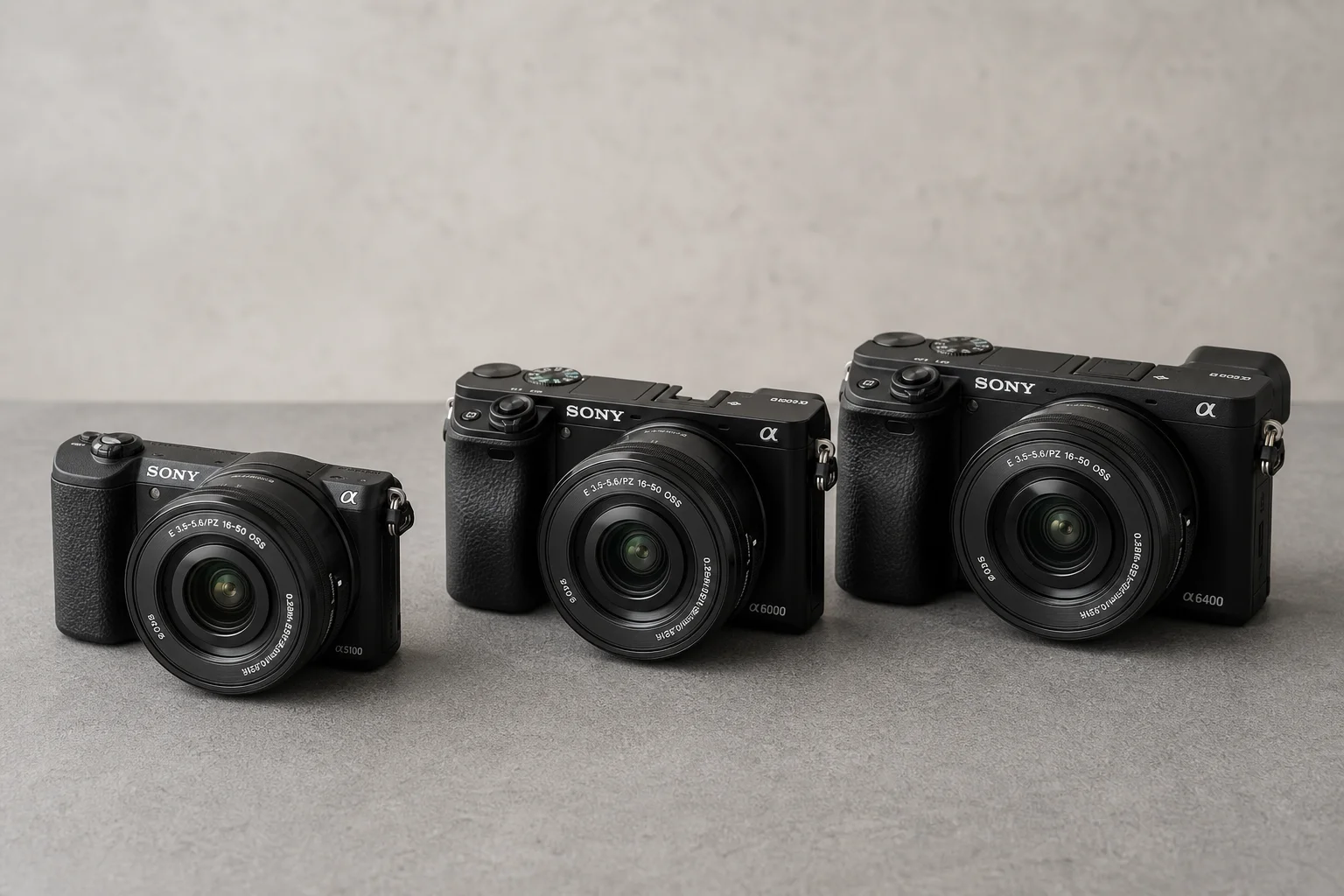
Best Beginner Camera Setups 2026: Three Practical Sony Builds from Budget to Mid-Range
Three complete camera setups for photography beginners, from secondhand budget options to mid-range builds with better autofocus and video capability.
Camera Gear
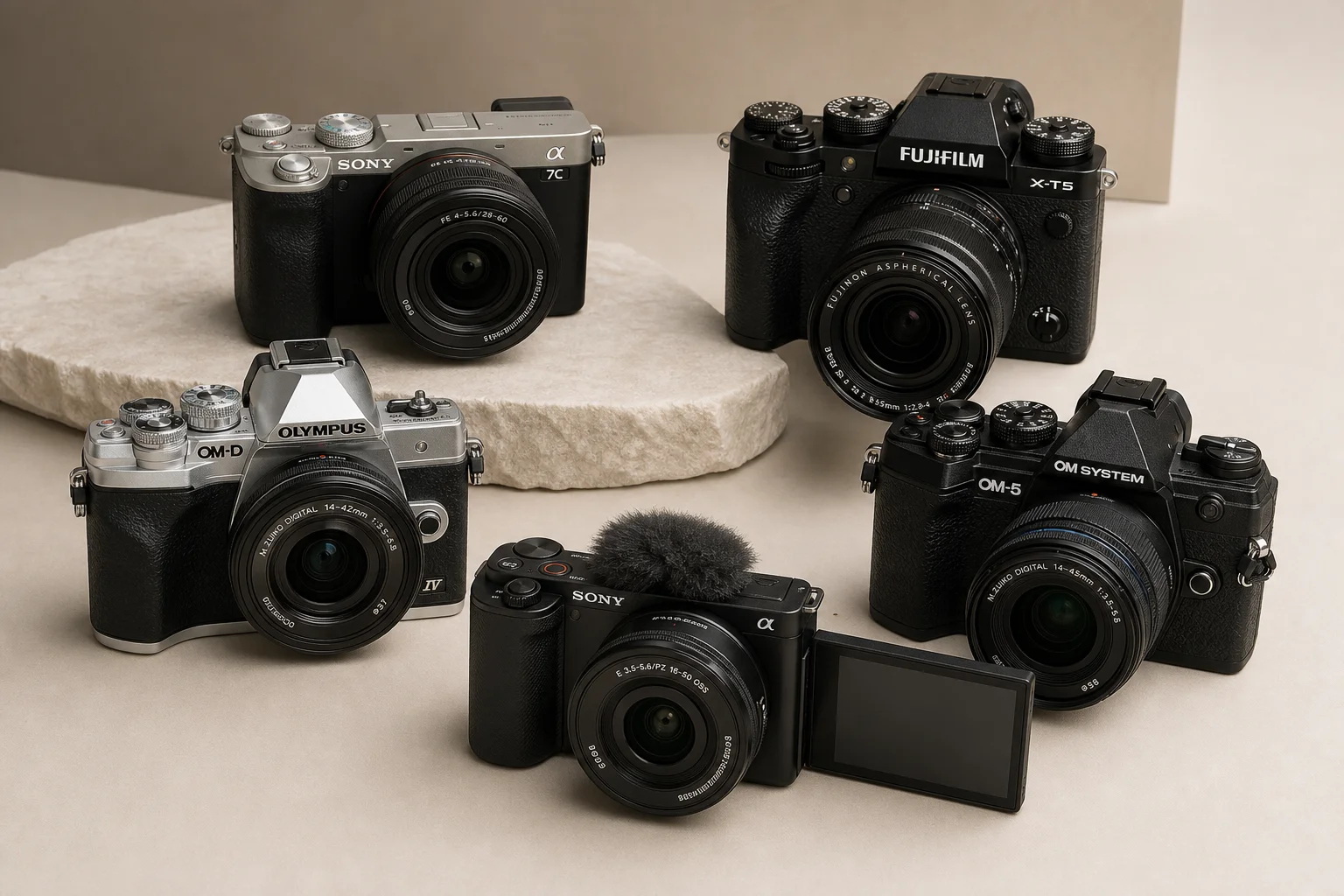
Best Mirrorless Cameras for Travel: Five Top Picks for 2025
Five lightweight, powerful mirrorless cameras designed for travel photography and video, from compact vlogging rigs to full-frame performance.
Camera Gear
Building a Custom Street Photography Camera: Sony A7CR with Prime Lens Setup
A practical guide to assembling a discreet, high-resolution street photography camera using the Sony A7CR, FE 40mm lens, and essential accessories.