Mountain Bikes
Best Budget Full Suspension Mountain Bikes Under $2,000: Six Trail Bikes Tested
A practical comparison of six capable 29-inch trail bikes priced at $1,800 to $2,000, tested on real terrain to help you choose the right entry-level full suspension bike.
Introduction
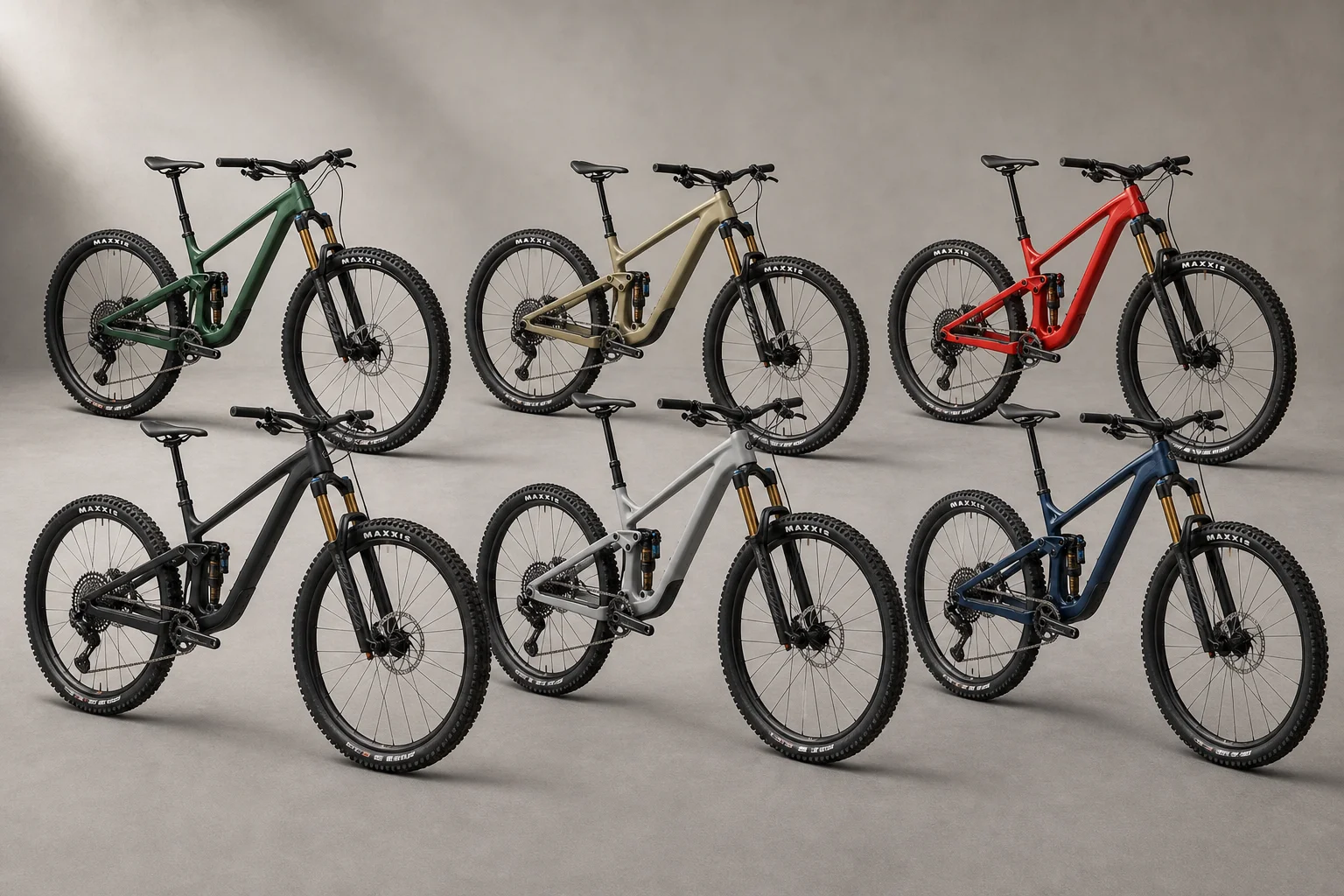
At the $2,000 price point, full suspension mountain bikes have become genuinely capable machines. We tested six 29-inch trail bikes in the 120mm to 140mm rear travel range to see what real-world performance you can expect when buying entry-level.
The two most affordable options are the Giant Stance 29 1 and Norco Fluid FS 3, both at $1,800. The Marin Rift Zone 2 sits at $1,949, while the GT Sensor Sport, Fezzari Abajo Peak, and Vitus Mythique 29 VRX each retail for $2,000. All six bikes came equipped with SRAM 12-speed one-by drivetrains, making them simple and efficient to ride.
Our test focused on how these bikes perform on real terrain near Boise, Idaho, evaluating climbing efficiency, descending capability, braking power, suspension tuning, and overall ride feel. We also identified what upgrades would make the most sense if you had an extra $200 to spend.
GT Sensor Sport: Modern Geometry, Pedaling Efficiency
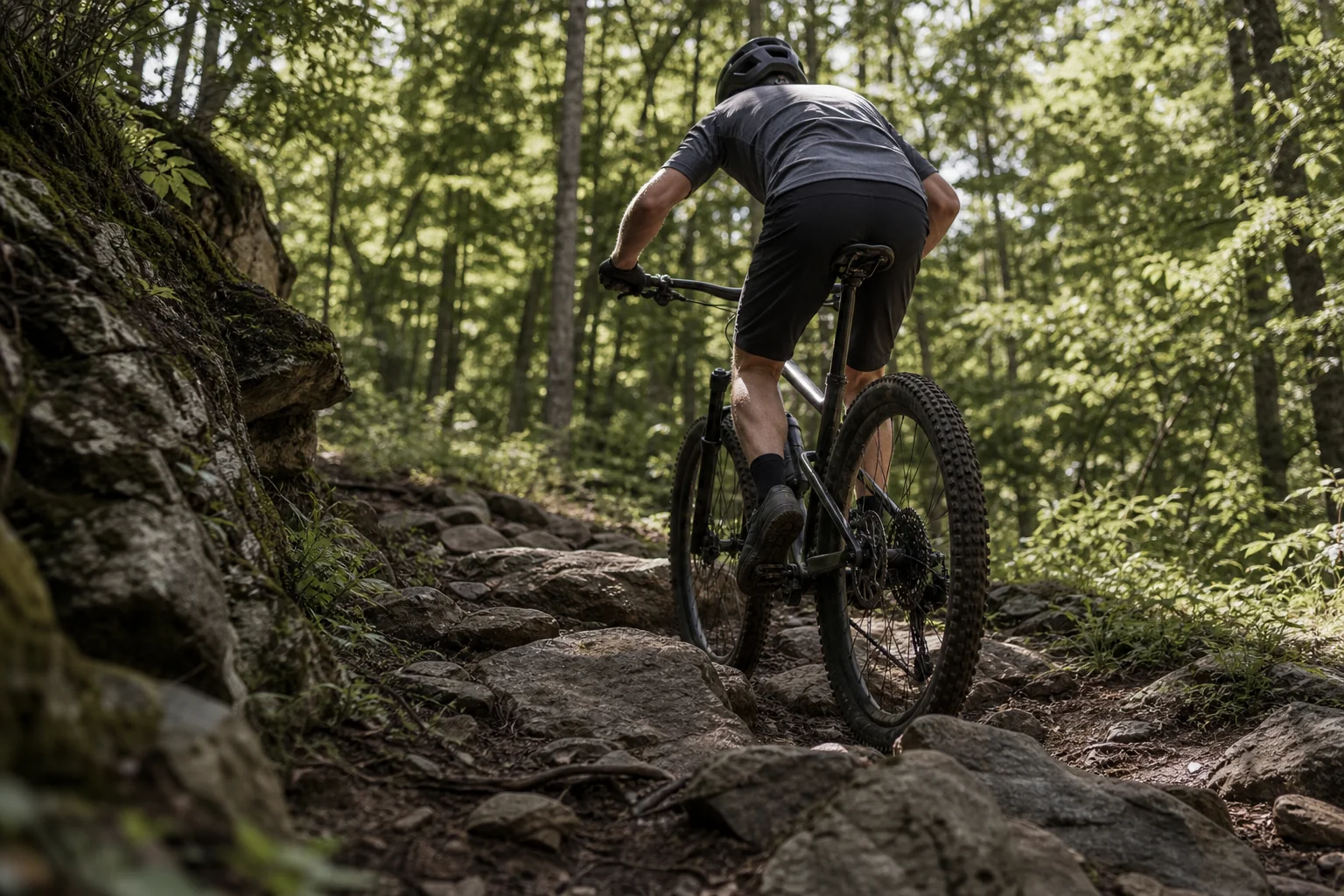
The GT Sensor Sport brings modern trail geometry to the $2,000 price point. With a 450mm reach and 66-degree head angle paired to a 42mm offset RockShox Recon fork, the geometry is competitive with bikes costing significantly more.
The standout strength of the Sensor Sport is its pedaling efficiency. Despite weighing 34 pounds, the bike accelerates well uphill and the rear end stays planted and composed thanks to a laterally stiff design and high-volume X-Fusion Trunnion-mounted shock.
The front end, however, doesn’t match the rear’s performance. The RockShox Recon fork proved to be a below-average performer on this bike, and the Tektro M285 brakes felt underpowered even with 180mm rotors front and rear. The front tire also lacked the grip needed for hard cornering or rough terrain.
The Sensor does include a geometry-adjusting flip chip, giving you options to fine-tune the ride if desired. At this price, the most obvious upgrade would be a dropper seatpost, as the standard post was too short for some riders.
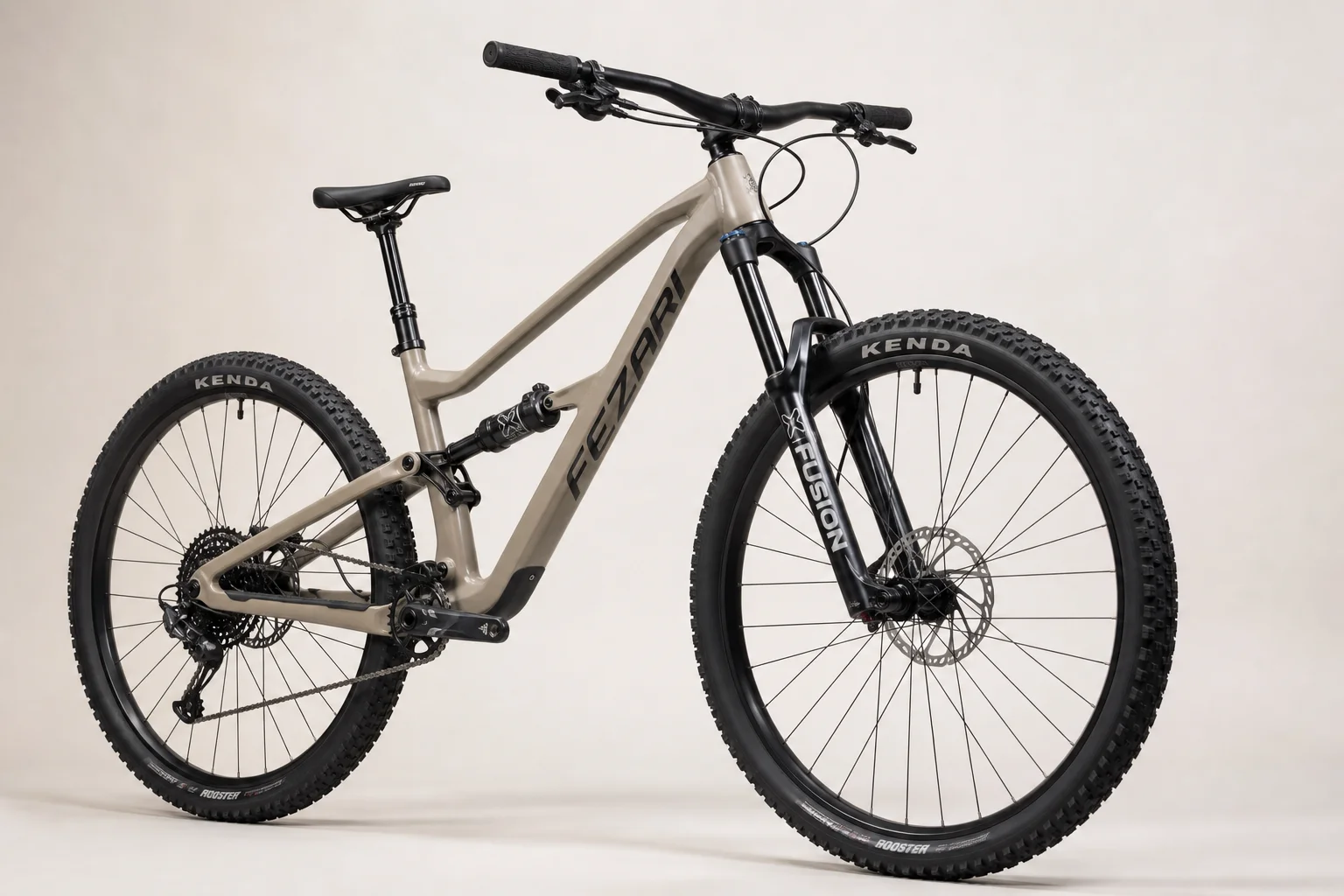
Fezzari Abajo Peak: Tunable Suspension, Chunky Terrain
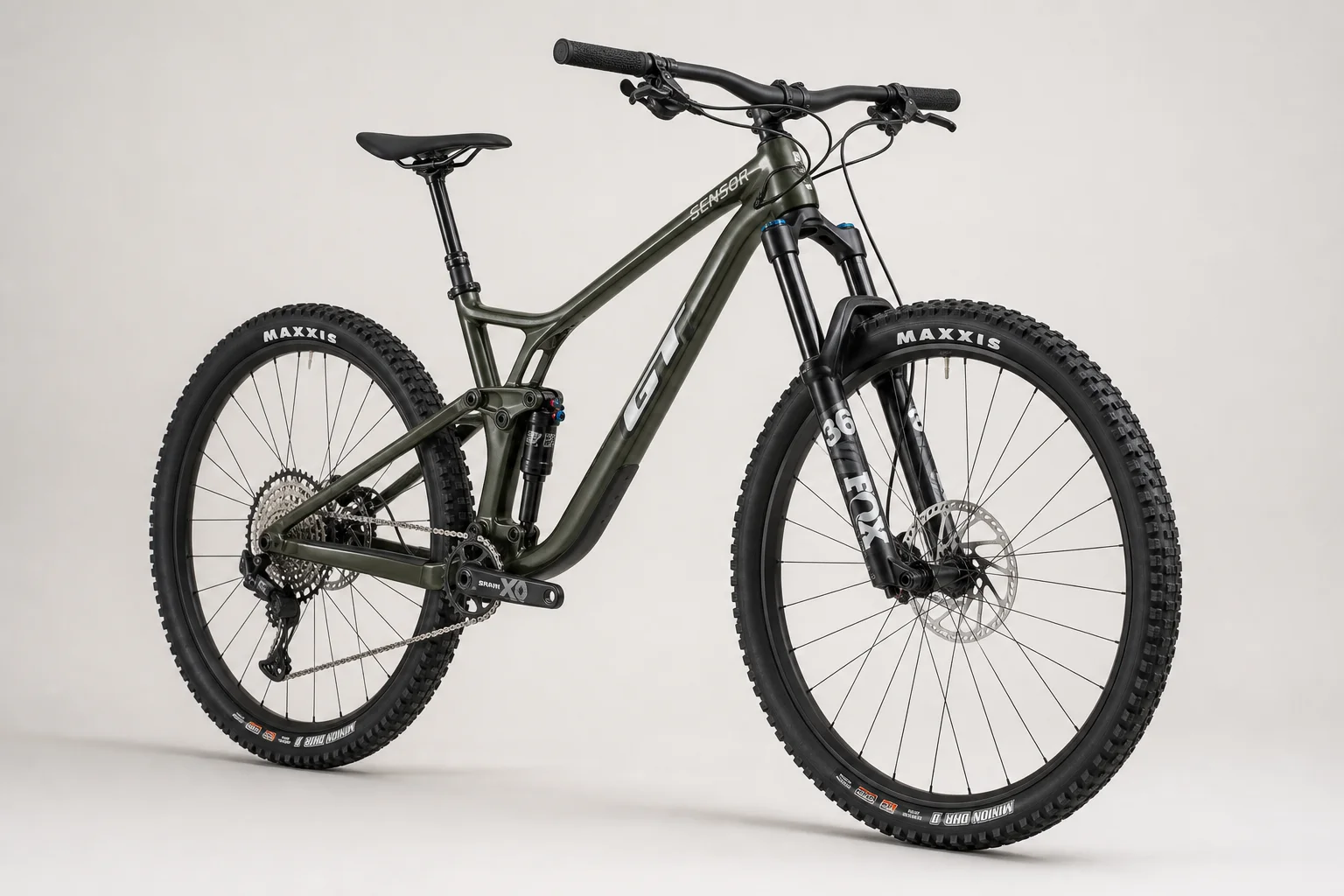
The Fezzari Abajo Peak stands out for its suspension tuning capability. The X-Fusion rear shock offers a usable rebound adjustment range that outperforms every other bike in this test, making it easier to dial in performance for your riding style and weight.
The Abajo Peak features a SRAM NX Eagle drivetrain (the only bike in the test with this higher-level spec), 2.5-inch Maxxis Minion DHF front and 2.4-inch Minion DHR rear tires with EXO casing, and SRAM Level brakes. The 130mm rear and 140mm front travel both use X-Fusion suspension.
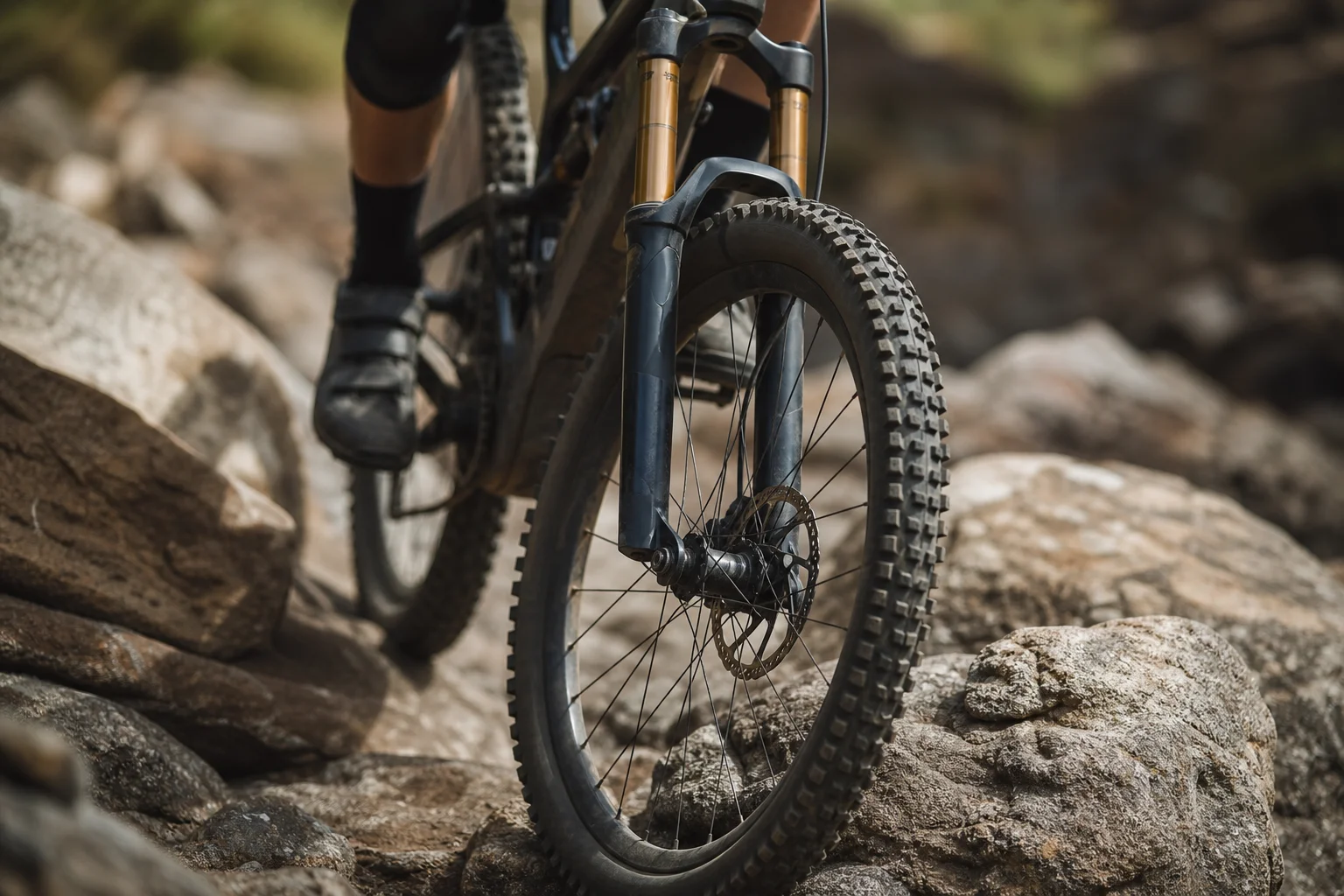
On the trail, the well-tuned suspension delivered some of the best performance on medium and big hits. Riders in areas with chunky or ledge-filled terrain will feel right at home on this bike. Pedaling is relatively neutral with only minor pedal bob.
As a direct-to-consumer mail-order bike, assembly is straightforward and within reach of most riders ready for full suspension. Fezzari offers a 30-day guarantee, a 23-point bike fit guide, and live support after purchase.
Note that the $2,000 price does not include a dropper post. Adding one costs an extra $200, bringing the total to $2,200. At that price, the Abajo Peak becomes an excellent value with components ready to handle harder riding conditions.
Giant Stance 29 1: Lightweight, Playful, Beginner-Friendly
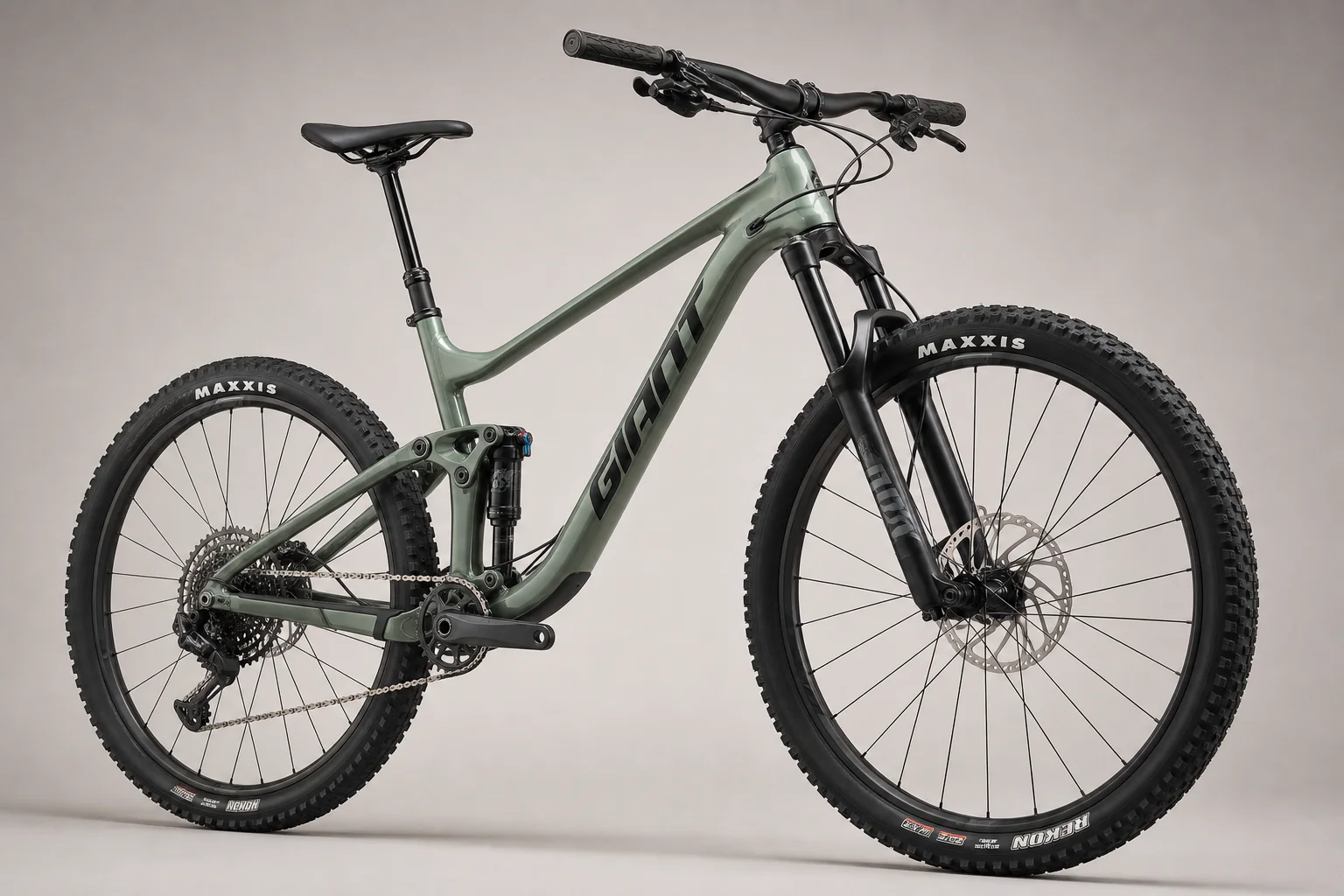
The Giant Stance 29 1 surprised us with its overall capability and fun factor. At $1,800, it’s one of the most affordable options, yet it delivered some of the most enjoyable riding in the test.
The Stance weighs just 31 pounds 2 ounces without pedals, the lightest bike in the group. That low weight, combined with a well-balanced geometry, makes the bike easy to pump, jump, and maneuver. The RockShox Recon fork performed better on the Giant than on the GT, and pedaling felt neutral and efficient.
The bike’s steep 67.5-degree head angle initially concerned us, but on the trail the Stance felt like the definition of a mountain bike. It was surprisingly well-balanced and fun to ride. The Maxxis Forekaster tires with EXO casing rolled fast and cornered predictably.
Larger rocks and bigger hits did push the Stance to its limits, and the Shimano MT201 brakes felt underpowered. Stronger brakes would unlock more confidence on technical descents. A beefier front tire would also help you push harder in the corners.
For aspiring racers or all-around trail riders who value playfulness and efficiency, the Stance is hard to beat at this price. It’s the one bike in the test that had us all saying we’d own it and love it.
Norco Fluid FS 3: Big Tires, Climbing Prowess, Brake Limitations
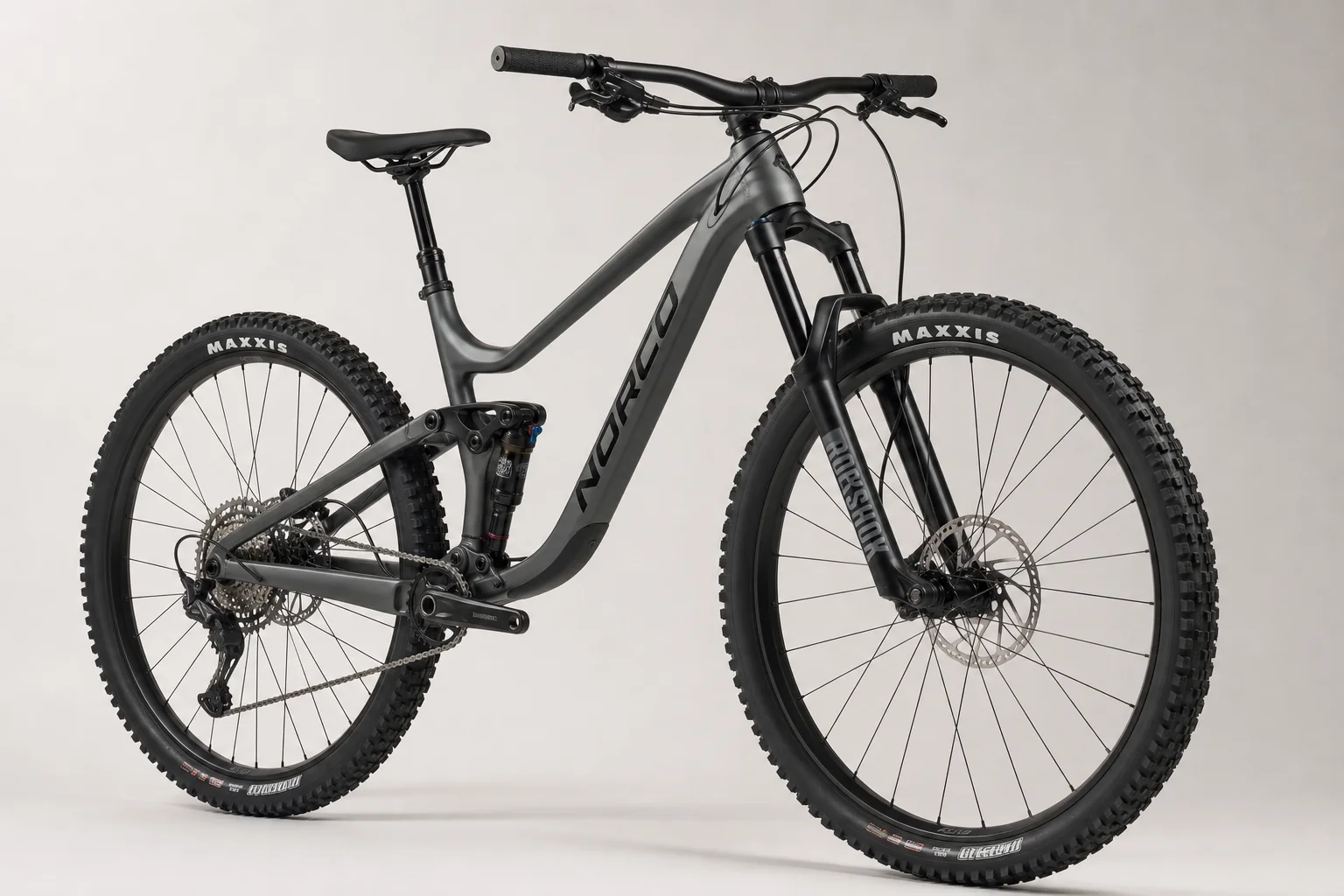
The Norco Fluid FS 3 arrives with massive 29x2.6-inch Goodyear Escape tires, the largest in the test. These tires deliver cackle-worthy cornering control and an awesome ability to climb nearly anything.
The Fluid uses a 120mm rear X-Fusion 02 R shock paired with a 130mm SR-Suntour XCR-34 air fork, SRAM SX Eagle drivetrain, and a 130mm Tranz-X dropper post. At $1,799, the spec looks solid on paper.
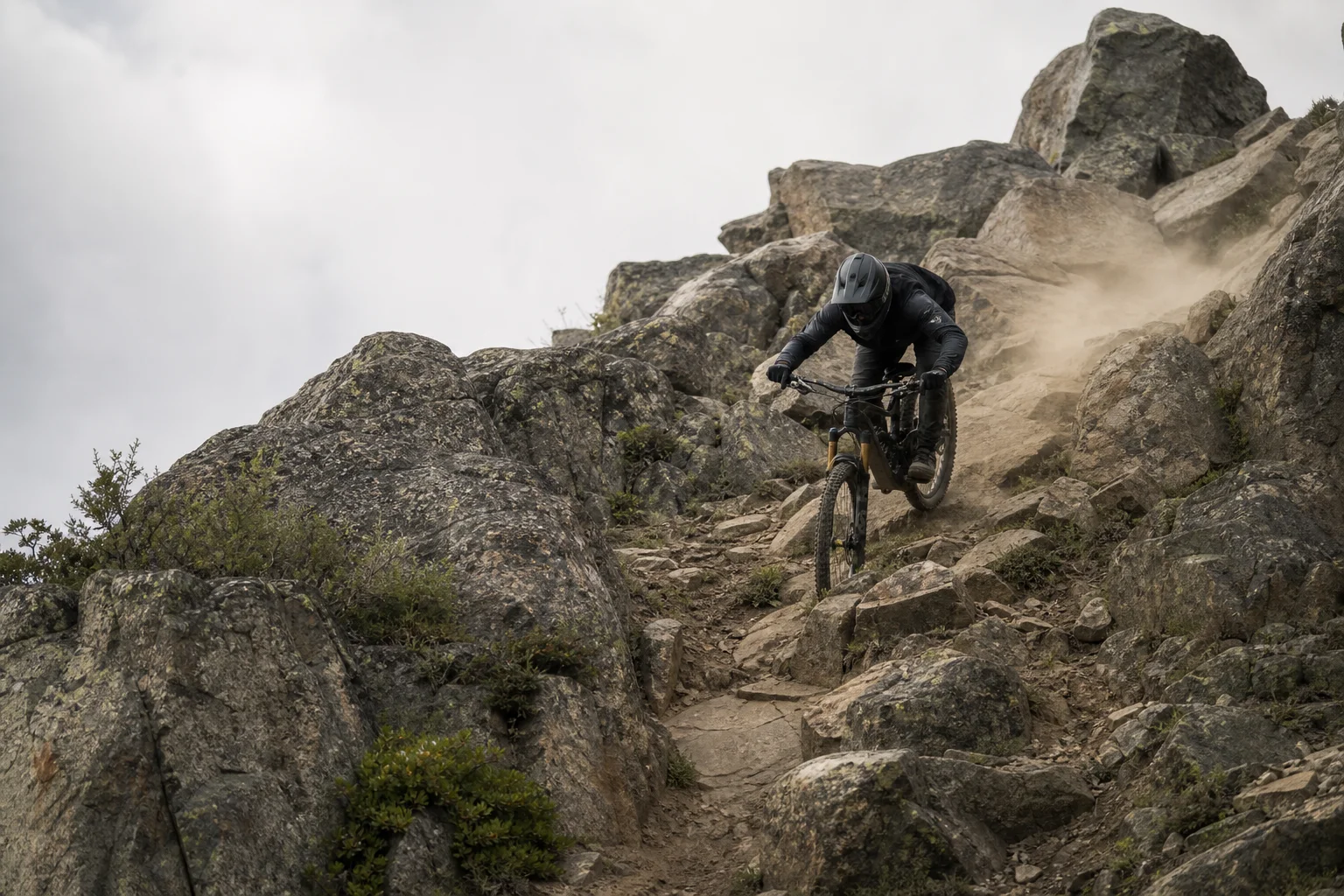
The big tires provide monster-truck-like traction over rocks and obstacles, but they also mask a rather harsh suspension. The real problem, however, is the brakes. The Tektro HD-M275 brakes proved inept at stopping the Fluid, especially with the heavier, larger tires. Even after multiple days of riding and bedding in, they still couldn’t deliver adequate stopping power.
The Fluid’s balanced geometry (440mm reach, 66.5-degree head angle) and climbing ability are genuine strengths. The bike wants to plow through obstacles and climb nearly anything. But without reliable brakes, it’s difficult to recommend as-is.
For $200, upgrading to larger rotors or swapping in Shimano MT501 brakes would get this promising chassis back on track. If you live in rocky, loose-over-hardpack terrain and can address the brake issue, the Fluid could be your trail tamer with traction to spare.
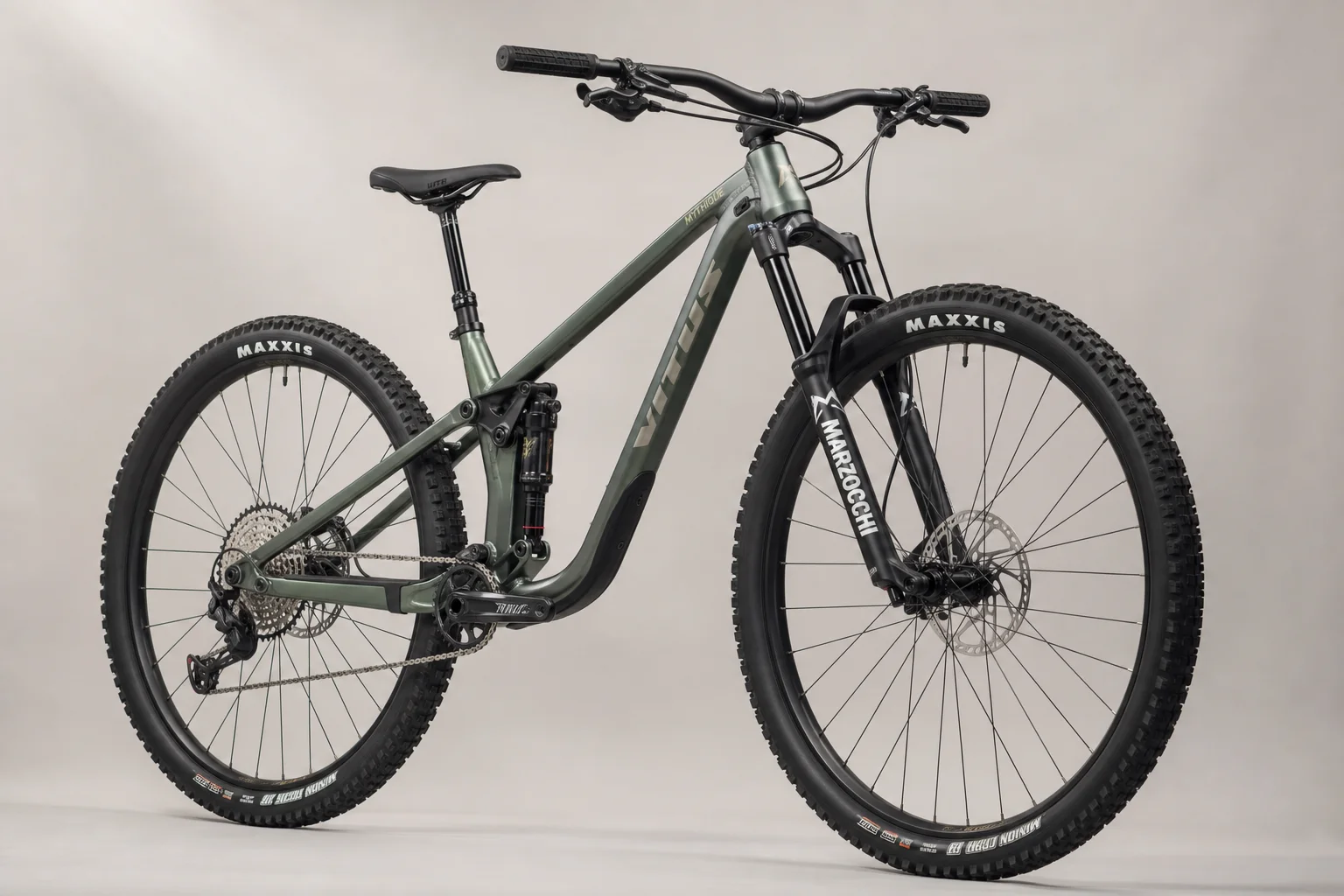
Vitus Mythique 29 VRX: Gravity-Ready, Lift-Park Capable
The Vitus Mythique 29 VRX is the most expensive bike in the test at $1,999, and it delivers the most confidence-inspiring performance for gravity situations. With 140mm travel front and rear, it’s the only bike with equal travel, and it shows.
The Mythique features a Marzocchi Bomber Z2 fork (a visual and performance standout), SRAM SX Eagle drivetrain, Shimano MT-501 brakes with Servowave lever, a 125mm Brand-X dropper, and Schwalbe Magic Mary and Hans Dampf tires. For the price, this spec is fantastic.
The Marzocchi Z2 performed excellently, and the Shimano MT-501 brakes delivered power that stood out against the other bikes in the test. The grippy tires and modern, aggressive geometry (444mm reach, 66-degree head angle) kept cornering sharp while maintaining capability in steep terrain.
The Mythique felt like a top-shelf trail bike despite the budget price. It climbed well thanks to an engaging hub, and the complete package inspired confidence on technical descents. The bike could handle days at a lift-served bike park without feeling out of its depth.
The main limitation is the dropper post’s short drop and shallow insertion depth, which restricted aggressive riding on steep descents. A longer-travel or shallower-insertion dropper would unlock more potential.
As a mail-order bike from Chain Reaction Cycles, you’ll handle your own maintenance and upkeep. During testing, the Vitus developed a loose pivot, which is normal when breaking in a new bike. Having a qualified mechanic do a full check-over after initial miles would be a worthwhile investment.
Marin Rift Zone 2: Aggressive Geometry, Downhill-Ready Tires
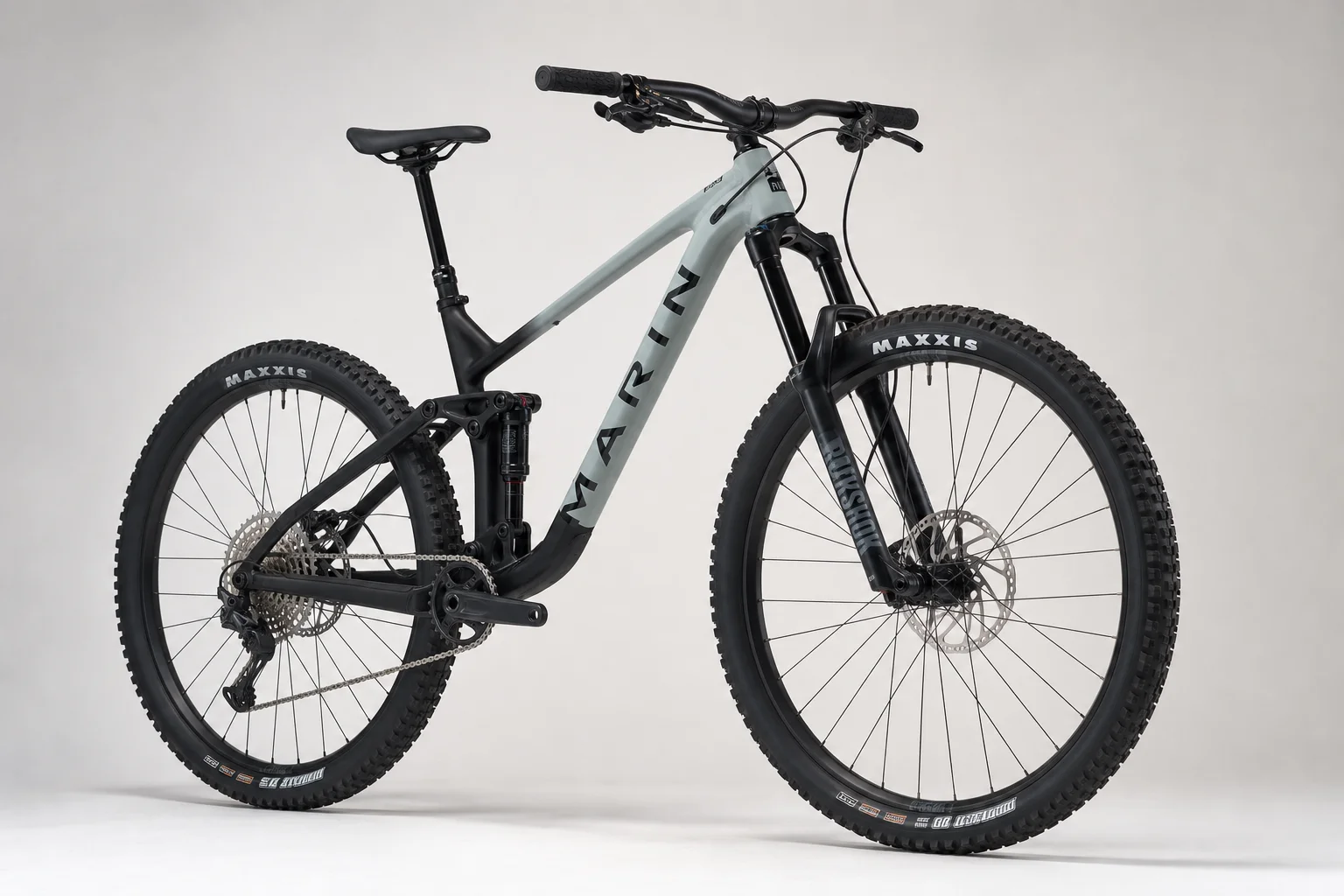
The Marin Rift Zone 2 represents the newest iteration of Marin’s trail bike line, arriving at $1,949 with significantly updated geometry and travel compared to earlier versions.
The Rift Zone now features 125mm front and 130mm rear travel, a 65.5-degree head angle (the most aggressive in the test), and a long 455mm reach on medium. A 35mm stem signals the bike’s party-ready attitude.
The RockShox Deluxe Select shock with Debonair sleeve performs well, and the RockShox Recon fork on the Marin was the best-performing of the three Recons in the test. Shimano MT201 brakes slow the bike, though they’re not the strongest option available.
Marin made an aggressive tire choice with 2.3-inch Vee Flow Snap tires featuring Vee’s Tackee rubber compound. These tires are slow-rolling uphill but excel in rough, fast terrain. The tire profile is squared off, which can get squirrely in hard-packed flat corners, but they hold well in sandy or loamy conditions.
The new geometry, increased travel, and capable suspension combine to make the Rift Zone punch above its weight class on rough, fast descents. The bike is composed through chatter and handles bigger hits well. At 32.5 pounds, it’s the second-lightest bike in the test.
The downside is that the slow-rolling tires make climbing sluggish, and the Shimano MT201 brakes aren’t a match for the bike’s downhill capability. Upgrading to better brakes would be the smart $200 investment. If you found an extra $50, swapping the rear tire for something faster would also improve the bike’s versatility.
Marin has cracked the modern trail code with the Rift Zone 2. Upgrade the brakes, earn your way up, and prepare for class-leading descending on the way down.
Conclusion
At $2,000 or less, entry-level full suspension mountain bikes deliver genuine capability. Each bike in this test has clear strengths and trade-offs. The Giant Stance 29 1 offers the best value and playfulness for beginners. The Fezzari Abajo Peak provides the most tunable suspension for riders who want to dial in performance. The Vitus Mythique 29 VRX delivers the most confidence on descents. The Marin Rift Zone 2 excels when geometry and aggressive tires matter. The GT Sensor Sport offers modern geometry and pedaling efficiency. The Norco Fluid FS 3 climbs exceptionally well but needs brake upgrades.
Your choice depends on your local terrain, riding style, and whether you prefer dealer support or mail-order convenience. All six bikes prove that serious mountain biking doesn’t require a premium budget.
Further reading
Related Reviews
Mountain Bikes
Beginner Mountain Bike Buying Guide: What to Look For in a Trailworthy Hardtail
A practical framework for evaluating beginner mountain bikes, whether new or used, by examining key components that indicate real trail capability.
Mountain Bikes
Best Trail Bikes Under $3,000: Four Strong Options for Serious Riders
Four capable trail bikes tested in real conditions. Each offers solid geometry, reliable components, and genuine value without requiring immediate upgrades.
Mountain Bikes
Old vs New Mountain Bikes: Santa Cruz V10 Gen 4 vs Gen 8
Testing a 2012 Santa Cruz V10 Gen 4 against the latest Gen 8 to see if older downhill bikes can keep up with modern geometry and technology.