Mountain Bikes
Old vs New Mountain Bikes: Santa Cruz V10 Gen 4 vs Gen 8
Testing a 2012 Santa Cruz V10 Gen 4 against the latest Gen 8 to see if older downhill bikes can keep up with modern geometry and technology.
Introduction
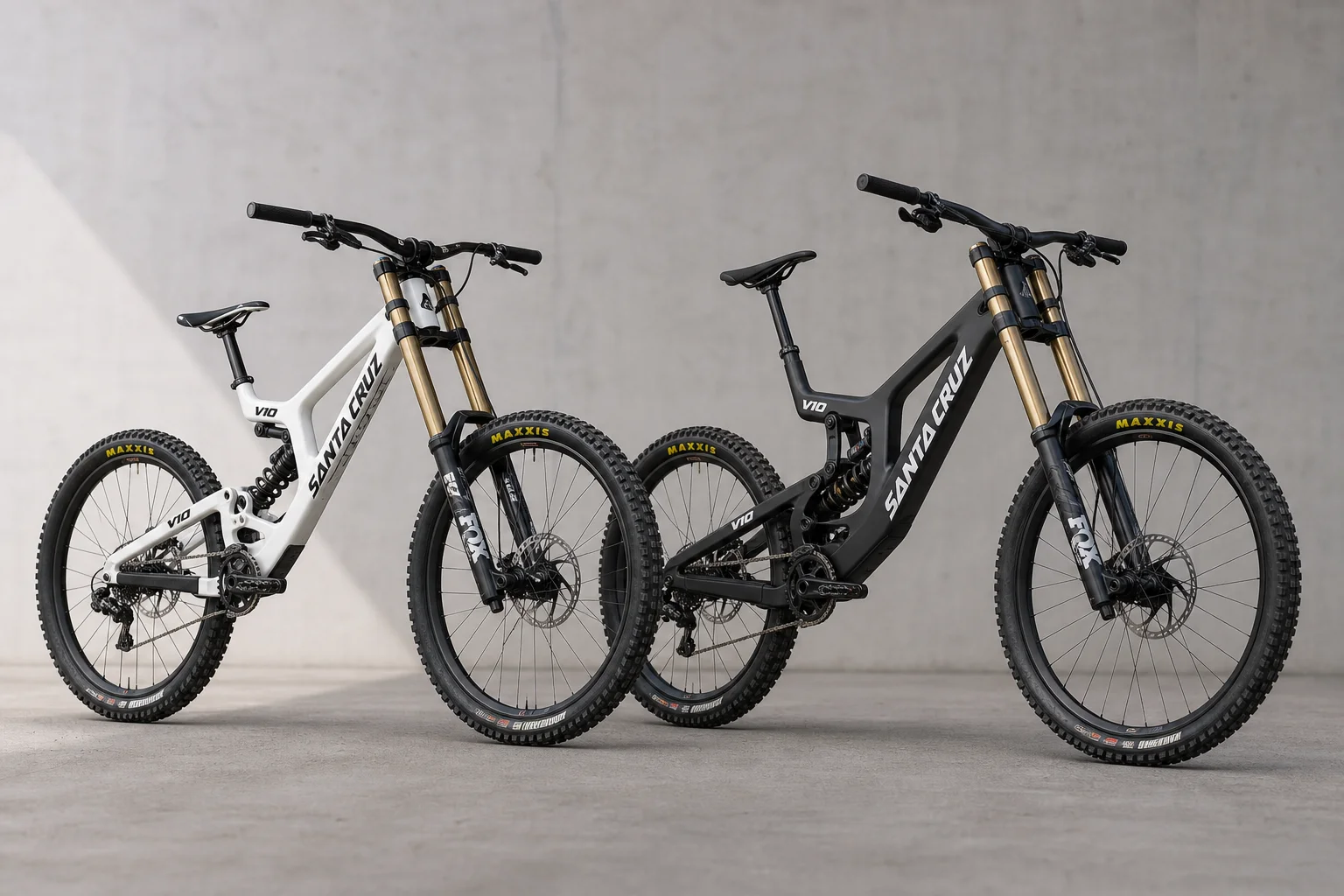
Mountain bike marketing moves fast. A slacker head tube here, frame storage there, and suddenly last year’s model feels outdated. But are new bikes genuinely better, or is that just marketing? To find out, I restored a 2012 Santa Cruz V10 Gen 4, a downhill race bike that is essentially vintage in bike years, and tested it against the latest Gen 8 to see if older geometry and technology can still hang with modern standards.
The Santa Cruz V10 Legacy
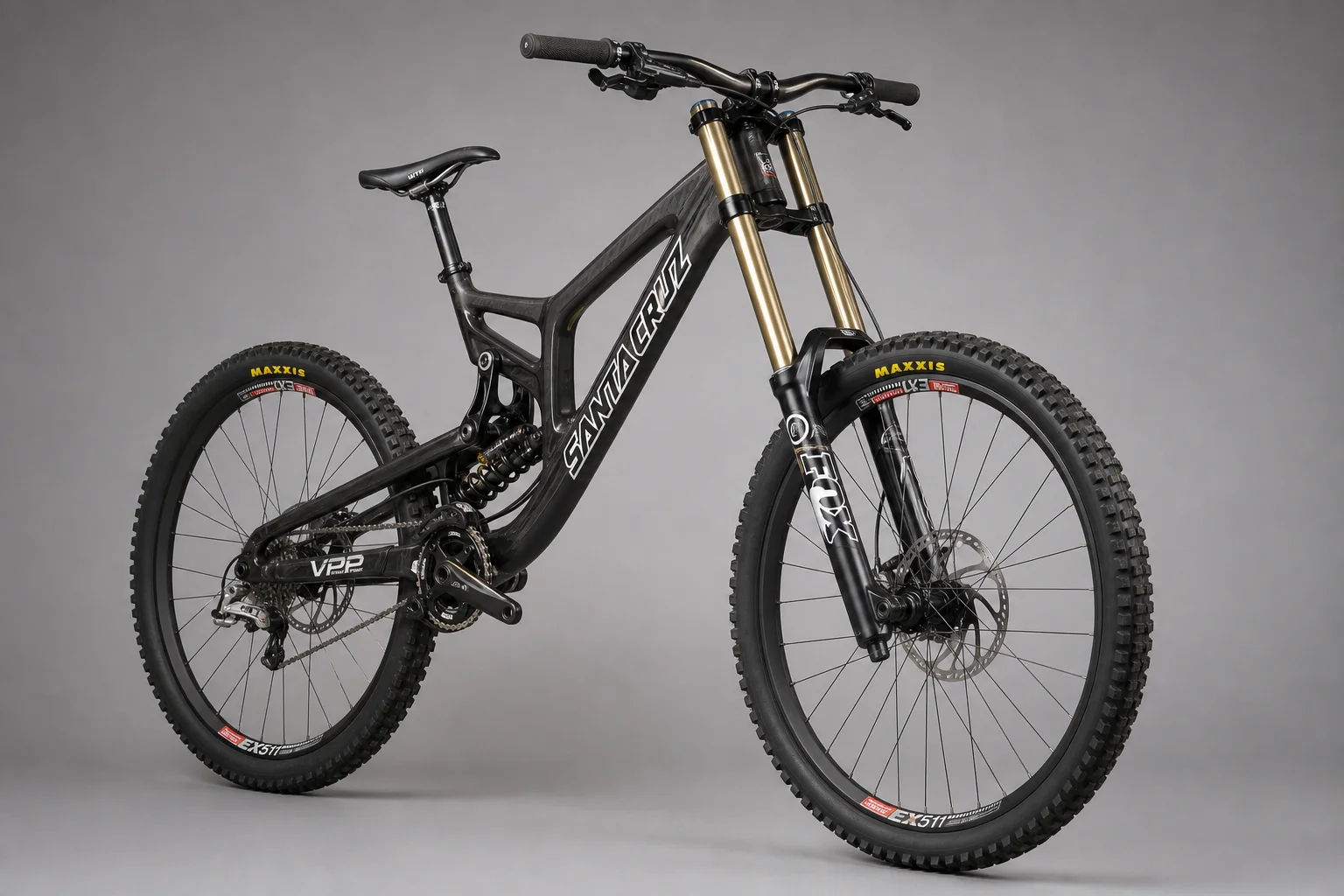
Santa Cruz released the V10 in 2002 as a dedicated downhill race bike. The name refers to the 10th prototype before production. It was the first Santa Cruz to use VPP suspension and came with 255 mm of rear travel, rolling on 26-inch wheels with a 67-degree head tube angle and even a floating brake arm. The bike was a success but heavy and stiff.
By 2011, when the Gen 4 arrived, the frame went carbon in the front triangle, making it one of the first reliable carbon downhill bikes. The geometry was ahead of its time, with a 64-degree head tube angle and adjustable travel from 254 mm to 216 mm via a flip chip in the rear. This was a significant step forward for the platform.
Restoring the Gen 4: Suspension and Drivetrain Setup
After cleaning the bike thoroughly, I assessed what standards it used. The good news: even at 13 years old, the Gen 4 shares some standards with modern bikes. It has an 83 mm ISO bottom bracket, no front derailleur, a 55 mm chain line, a straight steer tube, and a 20x110 Boost through axle. These similarities mean some components can be replaced with 2025 parts if needed.
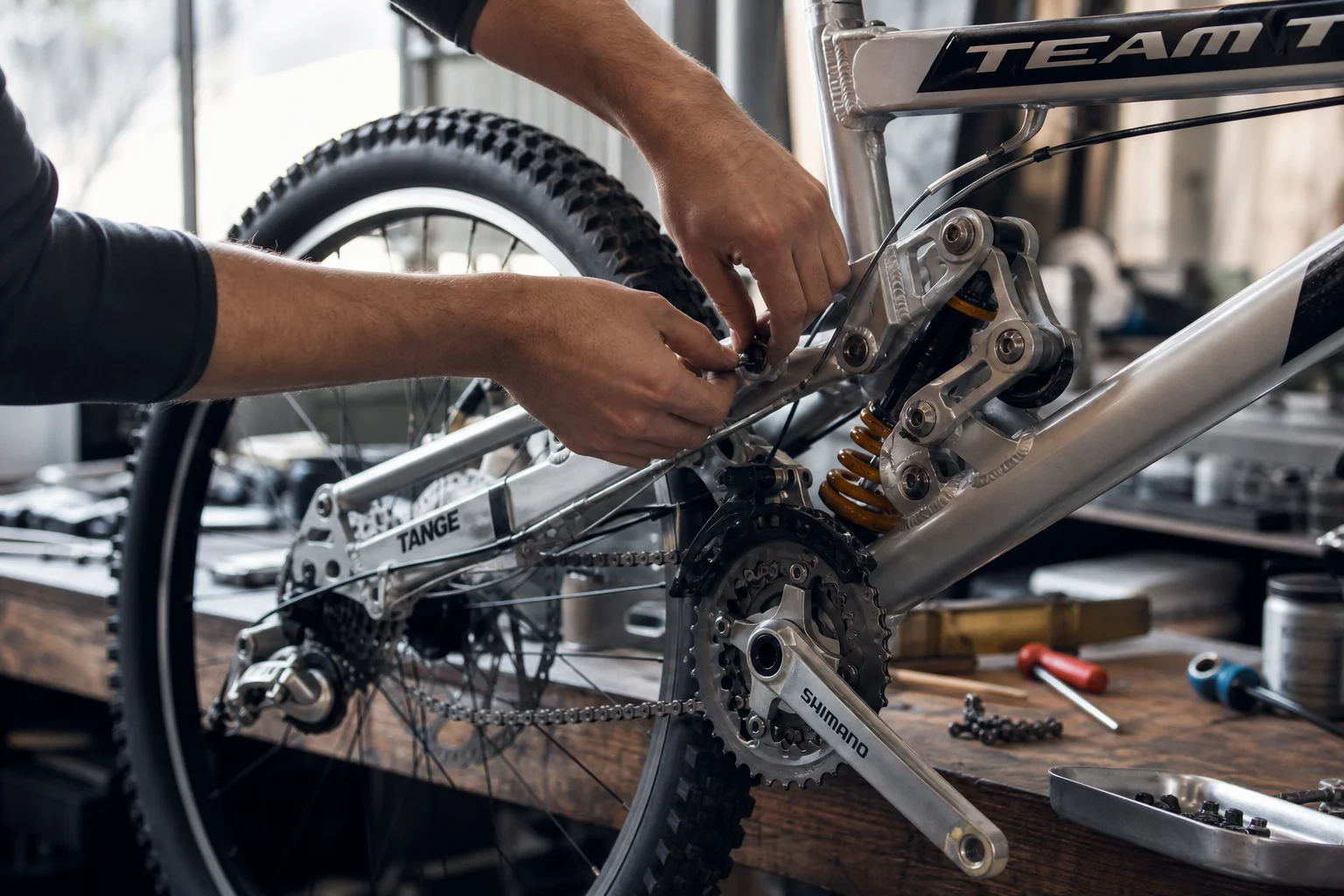
However, several outdated standards emerged. The shock is a 9.5x3-inch size, not metric, though some brands like Fox and DVO still manufacture this size. The rear hub spacing is 12x150, which is 2 mm wider than modern Boost standards and wider than the Super Boost used on current downhill bikes. Most critically, the wheels are 26-inch, which poses significant challenges for finding replacement rims, tires, and forks. The tires are Maxxis Exo casing, which feels thicker than current Exo offerings, and the bike runs tubes front and rear rather than tubeless.
I dialed in the shifting and gave the Shimano Saint brakes a full bleed. These older-generation Saints lack a bleed port on the lever; instead, you access a diaphragm through a small plastic window. The chunky lever blade feels tougher than modern versions, but brake performance matters more than aesthetics on the trail.
The rear shock was extremely soft, almost comically bouncy. Santa Cruz’s website recommended a 450 spring rate, but I stepped up one rate to improve balance. I avoided servicing the fork to prevent opening up the bike unnecessarily, especially since the suspension was serviced and linkage bearings were changed in 2022.
Geometry Comparison: What Changed in 13 Years
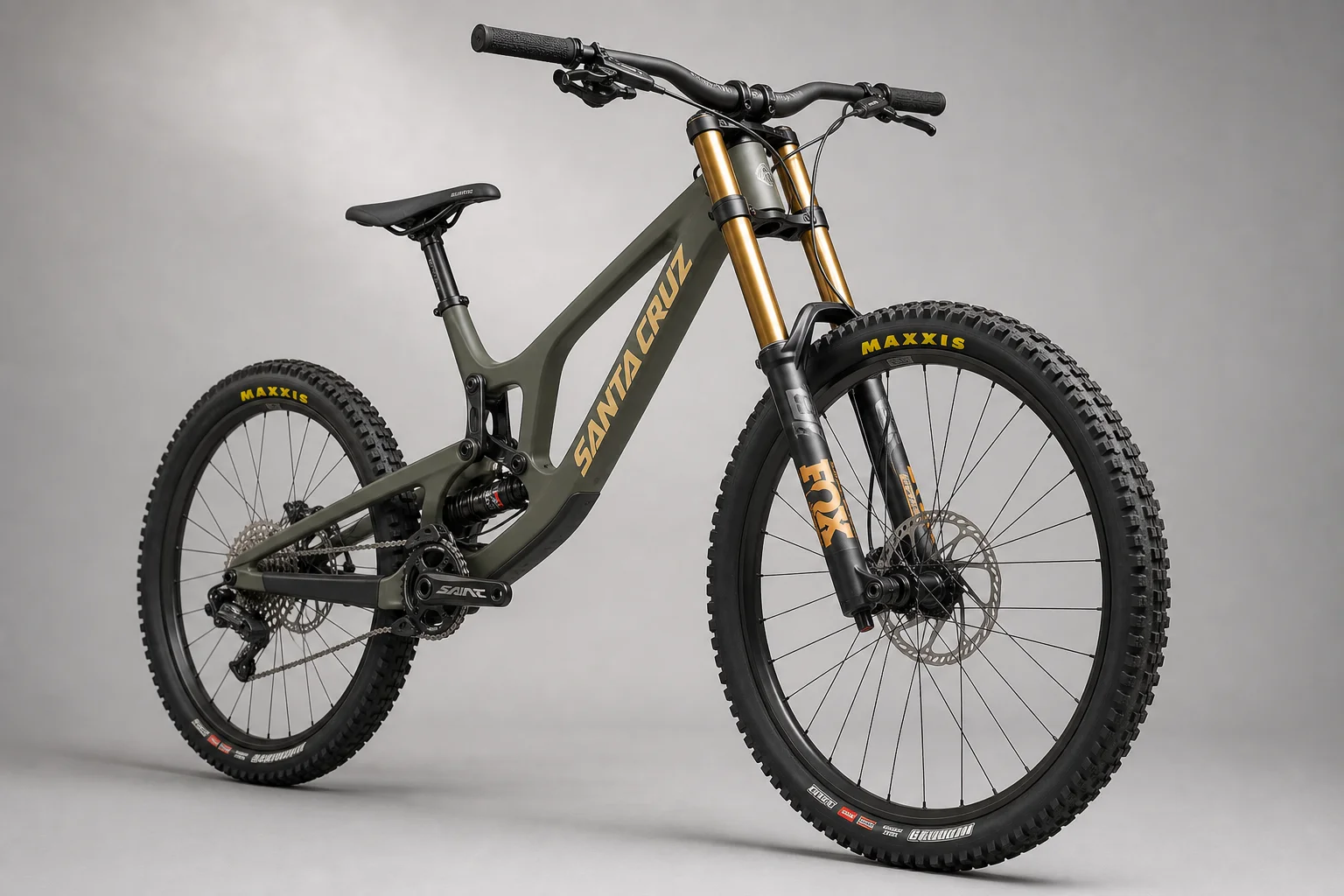
The Gen 8 is a mullet setup with a 29-inch front wheel and 27.5-inch rear, featuring a 62.9-degree head tube angle, 474 mm reach, 77-degree seat tube angle, 353 mm bottom bracket height, 456 mm chain stay, and 300 mm wheelbase.
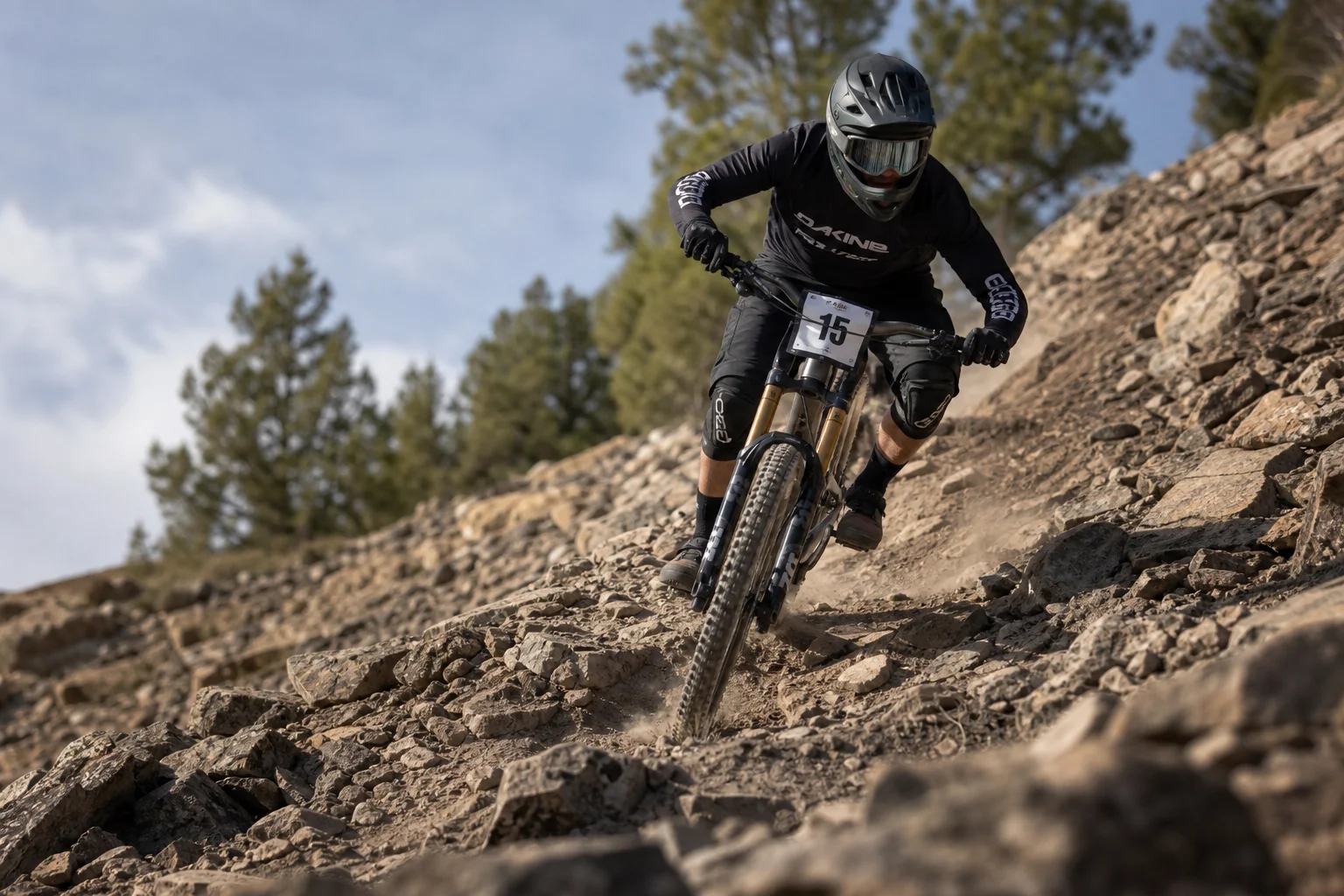
The Gen 4 is a full 26-inch setup with a 64-degree head tube angle, 440 mm reach, 71-degree seat tube angle, 370 mm bottom bracket height, 439 mm chain stay, and shorter wheelbase. The Gen 8 is only one degree slacker but has 30 mm more reach and a 90 mm longer wheelbase. The Gen 4 has a shorter rear end, which might make it more playful, but the 447 mm reach feels noticeably small compared to modern standards. Sitting on the Gen 4 immediately revealed how compact it is, raising doubts about whether it could match the Gen 8’s performance on modern trails.
Brake System Reliability: A Critical Difference
Before testing, I adjusted the rear brake bite point and made sure everything was mechanically sound. This proved essential because older bikes require thorough inspection before riding. Things wear out over time, and safety cannot be compromised.
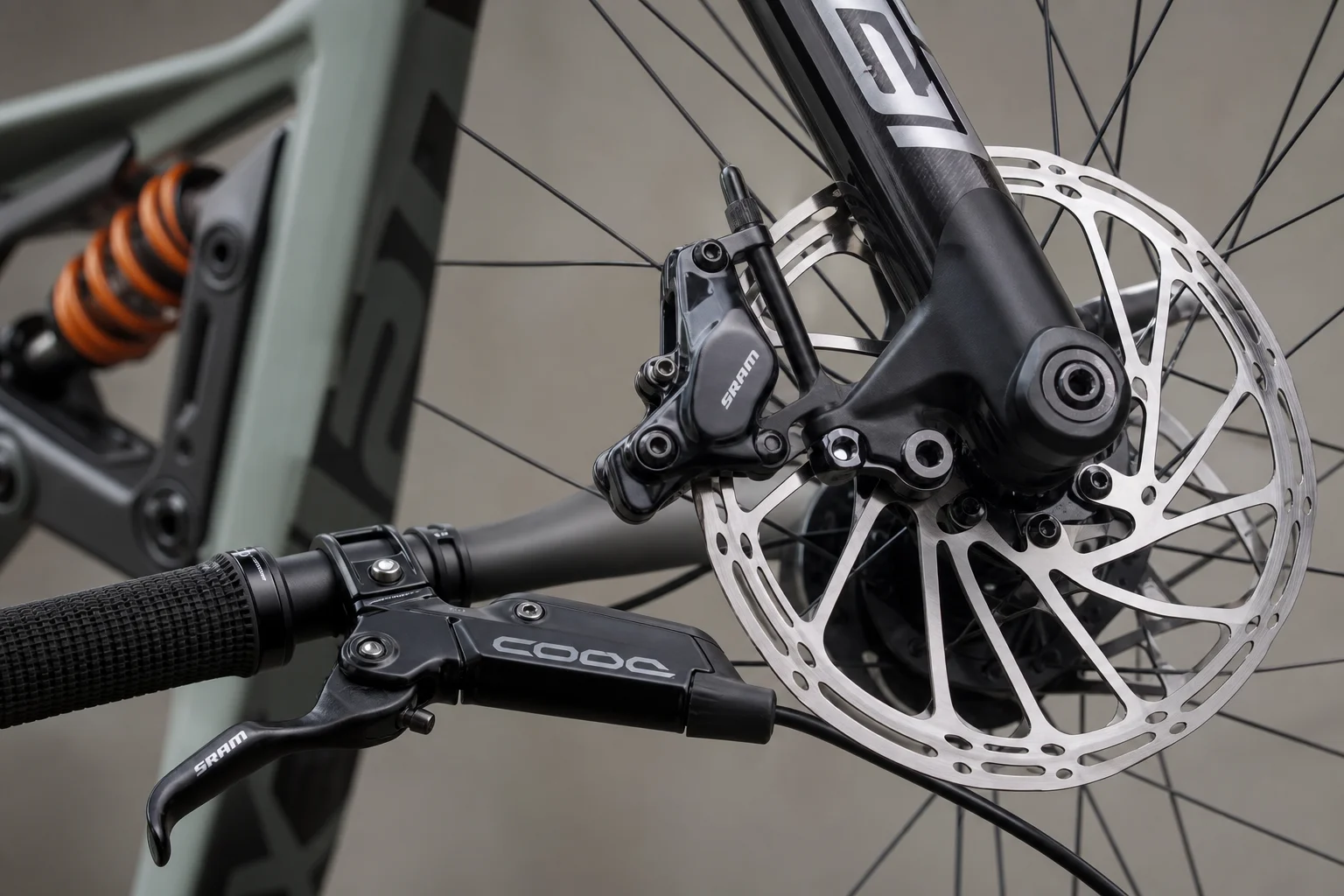
On the first run down DH2, the rear brake failed to pump up properly, forcing me to rely heavily on the front brake through a tricky corner. This resulted in a crash that left my hand bruised and swollen. The brake issue was a stark reminder that older components, even if they look serviceable, may not perform reliably under trail conditions. After adjusting the bite point for a second attempt, the rear tube developed a slow leak at the valve, and the caliper bolt completely fell out mid-run. These failures made it clear that the Gen 4’s brake system was no longer safe to ride.
Real-World Testing: How the Gen 4 Performed
Despite the brake issues, the Gen 4 handled surprisingly well on the trail. The 26-inch wheels were not noticeable during riding, and the frame and suspension worked effectively. The geometry, while compact by modern standards, did not feel as outdated as expected. The higher bottom bracket was noticeable, but grip was good, and the bike’s playful character came through.
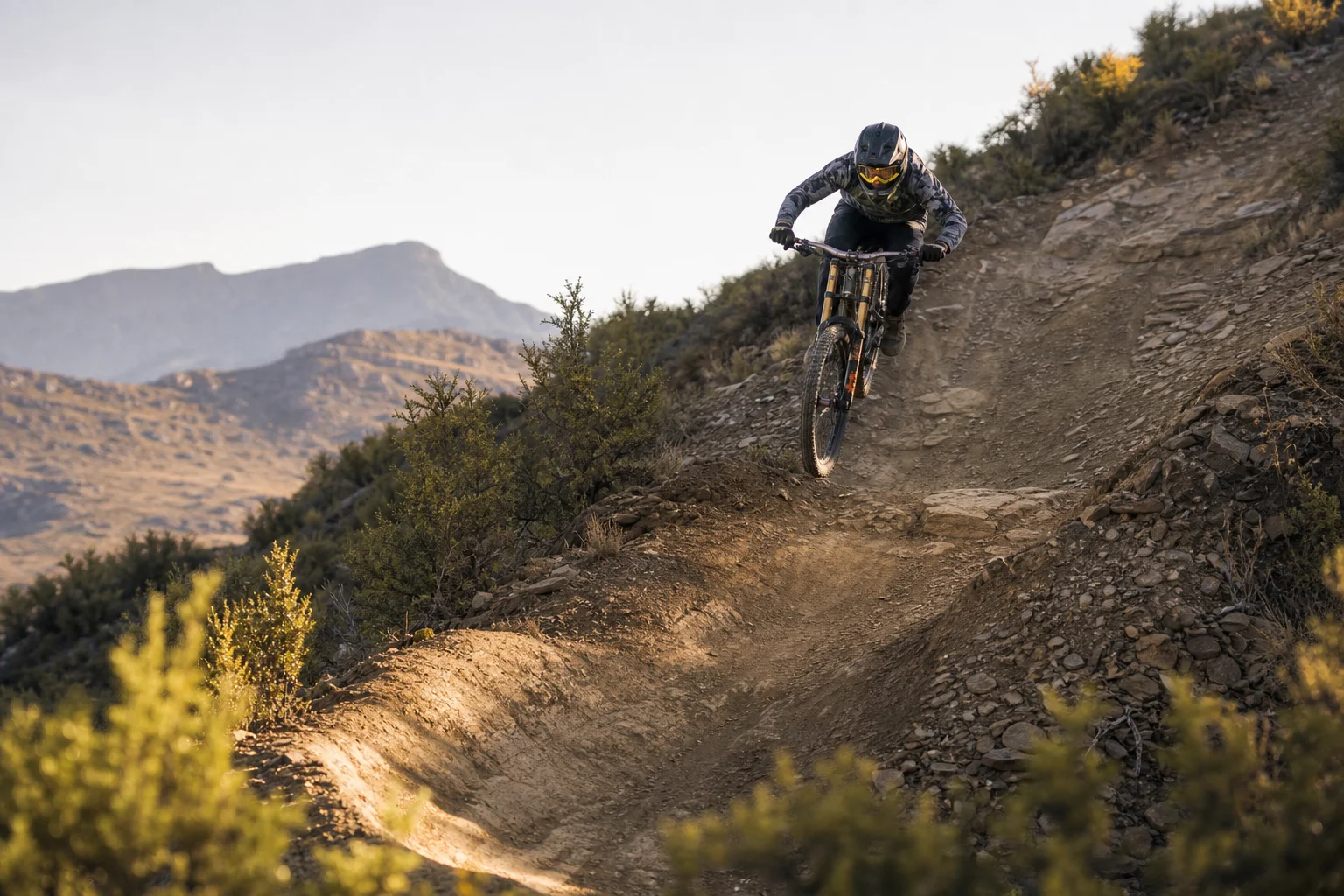
However, the brake failures and component wear made it impossible to complete a full comparison. The Gen 8 felt more composed and confident through technical sections, partly due to its longer reach and wheelbase, but also because all its systems were functioning reliably. The Gen 4 proved that older bikes can still be fun and capable, but they require significant maintenance and carry real reliability risks.
Are Old Mountain Bikes Worth It in 2025?
The answer depends on your expectations and commitment. Treating an older bike as a consumable tool with replaceable parts is realistic, but it requires passion and budget. A 13-year-old bike listed at $1,600 should be viewed like a project car: something you pursue because you love the platform, not because it will be cheaper or more reliable than a newer alternative.
The Gen 4 V10 was genuinely ahead of its time with slack geometry and modern suspension design. As a project bike for someone who specifically wanted a 2012 V10, it could be rewarding. However, the costs add up quickly. New brakes, new tires, new tubes, and regular maintenance are necessary investments. The rear hub spacing, shock size, and wheel diameter create sourcing challenges that a local bike shop cannot easily solve.
If you want a reliable mountain bike, look for something newer, ideally from 2016 or later with moderate use. Avoid well-used 15-year-old bikes unless you are prepared for the restoration work and ongoing maintenance. The Gen 4 proved capable and fun, but the Gen 8’s modern geometry, reliable components, and longer wheelbase make it the better choice for consistent trail performance.
Conclusion
Testing a 2012 Santa Cruz V10 Gen 4 against the modern Gen 8 revealed that older downhill bikes can still deliver engaging ride quality and capable handling. However, component reliability, parts availability, and the cumulative cost of restoration make newer bikes the practical choice for most riders. The Gen 4 remains a fun project bike for enthusiasts, but modern geometry and proven component durability give the Gen 8 a clear advantage on the trail.
Further reading
Related Reviews
Mountain Bikes
Beginner Mountain Bike Buying Guide: What to Look For in a Trailworthy Hardtail
A practical framework for evaluating beginner mountain bikes, whether new or used, by examining key components that indicate real trail capability.
Mountain Bikes
Best Budget Full Suspension Mountain Bikes Under $2,000: Six Trail Bikes Tested
A practical comparison of six capable 29-inch trail bikes priced at $1,800 to $2,000, tested on real terrain to help you choose the right entry-level full suspension bike.
Mountain Bikes
Best Trail Bikes Under $3,000: Four Strong Options for Serious Riders
Four capable trail bikes tested in real conditions. Each offers solid geometry, reliable components, and genuine value without requiring immediate upgrades.