Kitchen Knives
Best Chef's Knives Under $75: Two Reliable Options for Home Cooks
Two sharp, durable chef's knives that handle everyday kitchen tasks with ease. One lighter option and one heavier choice, both tested for real-world performance.
Introduction
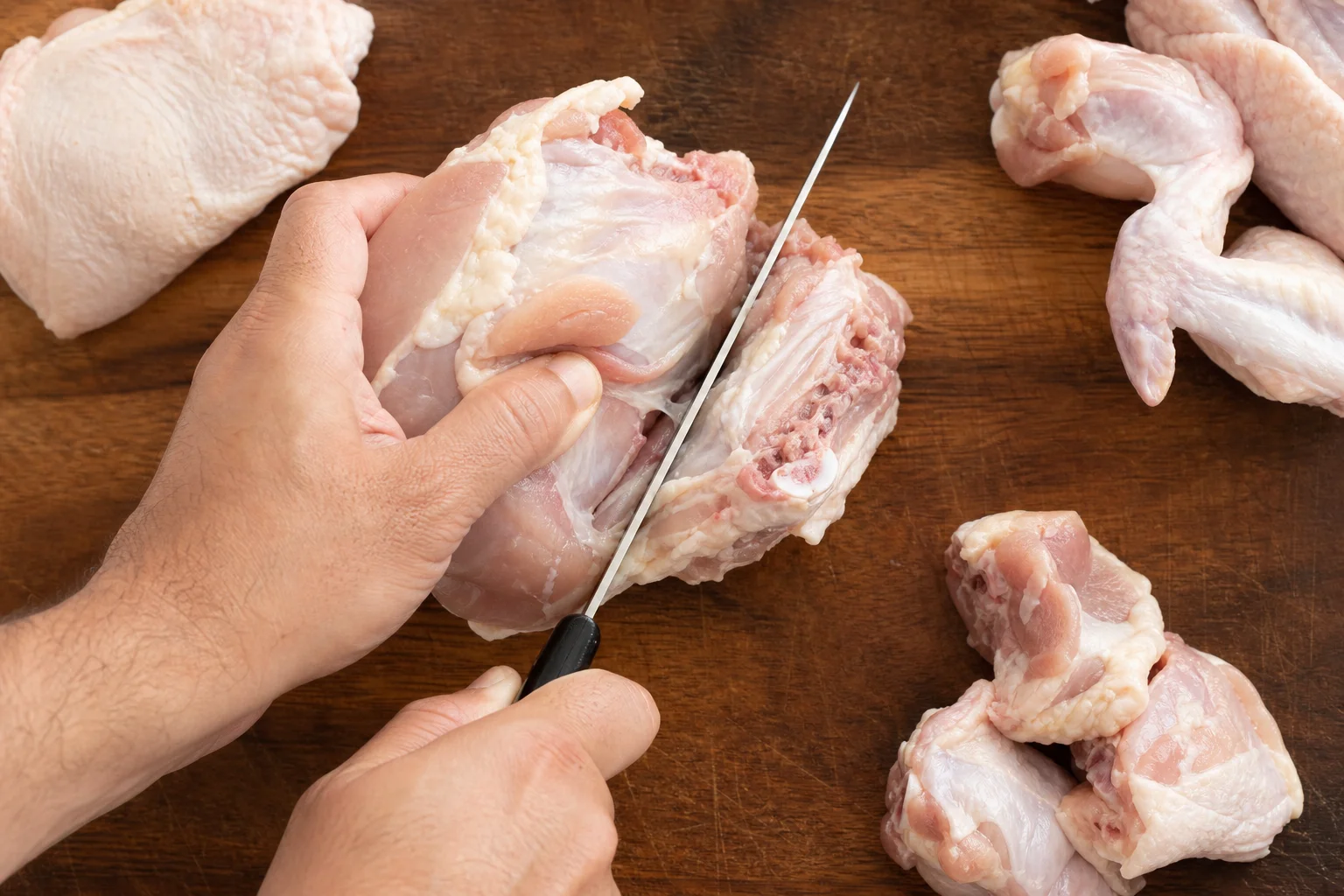
A good chef’s knife is the most important tool in any kitchen. It handles everything from mincing garlic to breaking down a whole chicken, making it the one blade worth investing in if you’re buying just one knife. The best options combine sharp edges, comfortable handles, and reliable durability without breaking the bank.
What Makes a Great Chef’s Knife
Sharpness matters most. A chef’s knife should arrive ready to use straight from the box, since not all home cooks have the equipment or skills to sharpen blades at home. Two factors determine sharpness: the edge angle and how well the blade was sharpened at the factory. The best knives have edge angles between 13 and 16 degrees and arrive with a consistently sharp, smooth edge that glides through onions and tomatoes without crushing them.
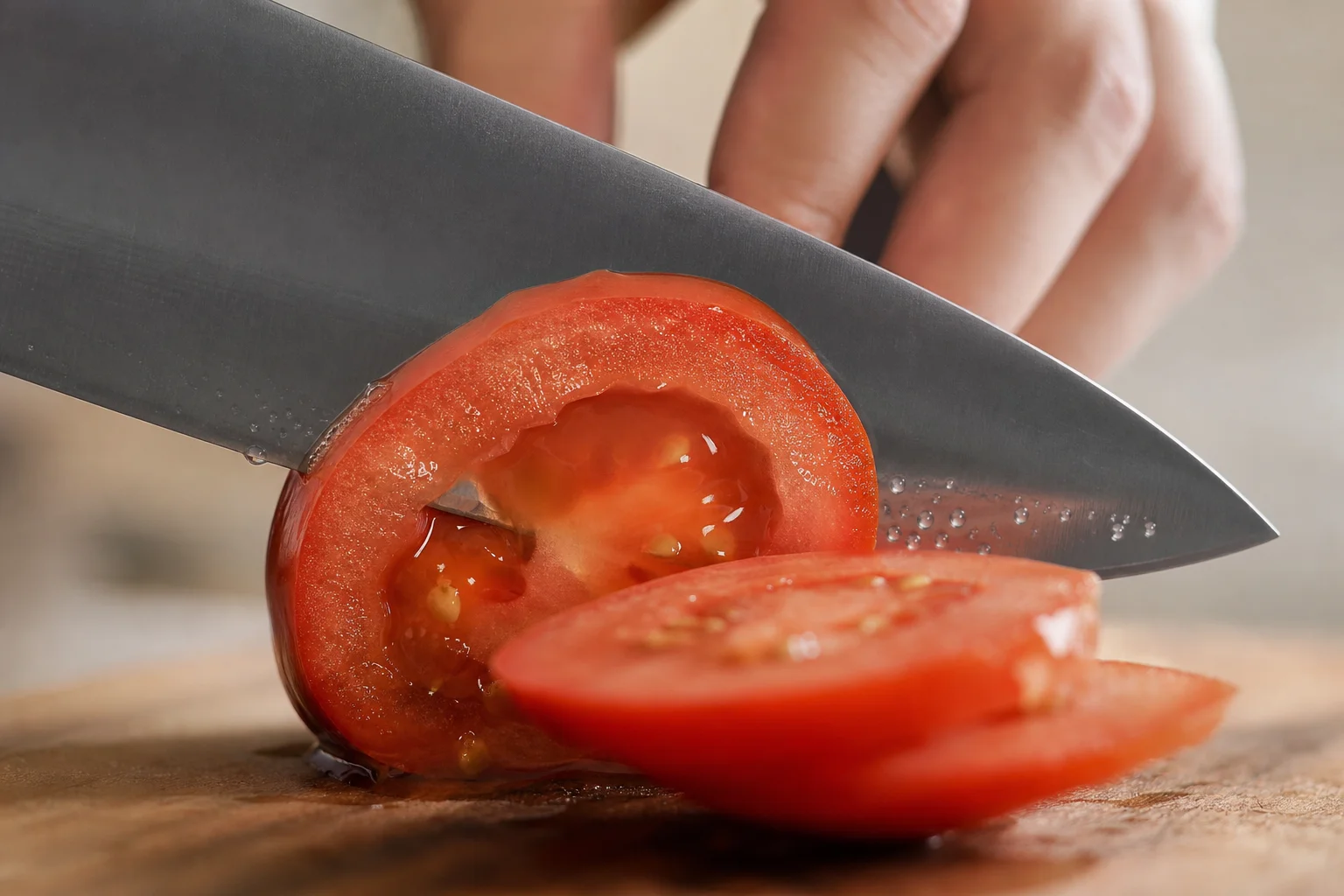
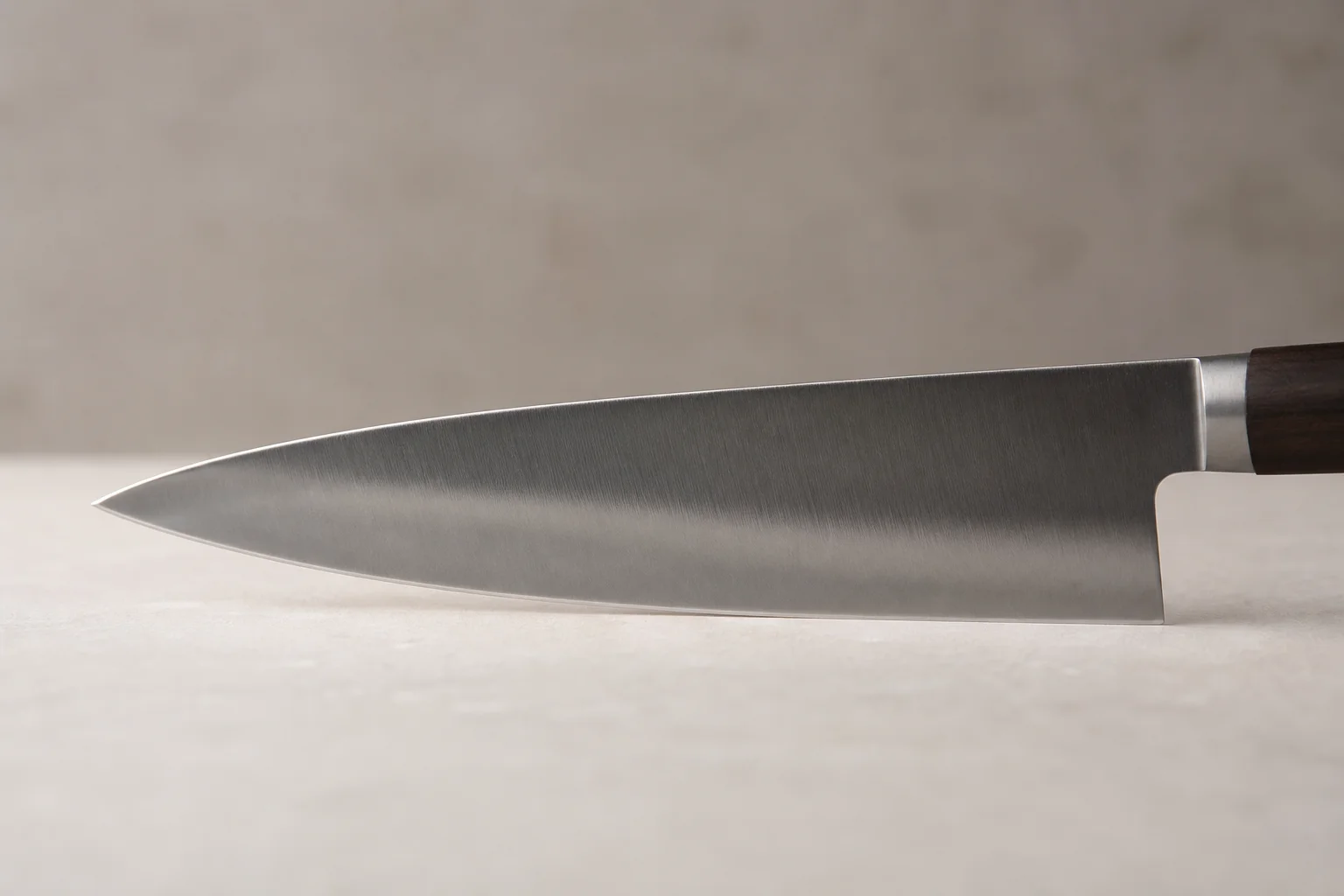
Blade curve is equally important. A gently curved edge lets you rock the blade forward from tip to heel in a natural cutting motion. Exaggerated rounded bellies can force your wrists into awkward angles. The blade height at the heel should be around two inches, giving your fingers enough space to curl under safely without knocking your knuckles on the cutting board.
Key Features to Look For
The spine of the blade deserves attention. Rounded spines are more comfortable to grip than sharp, squared-off edges that dig into your hands. The best spines are relatively thick near the handle to keep the blade rigid and easier to control, then taper quickly toward the tip for precise cuts.
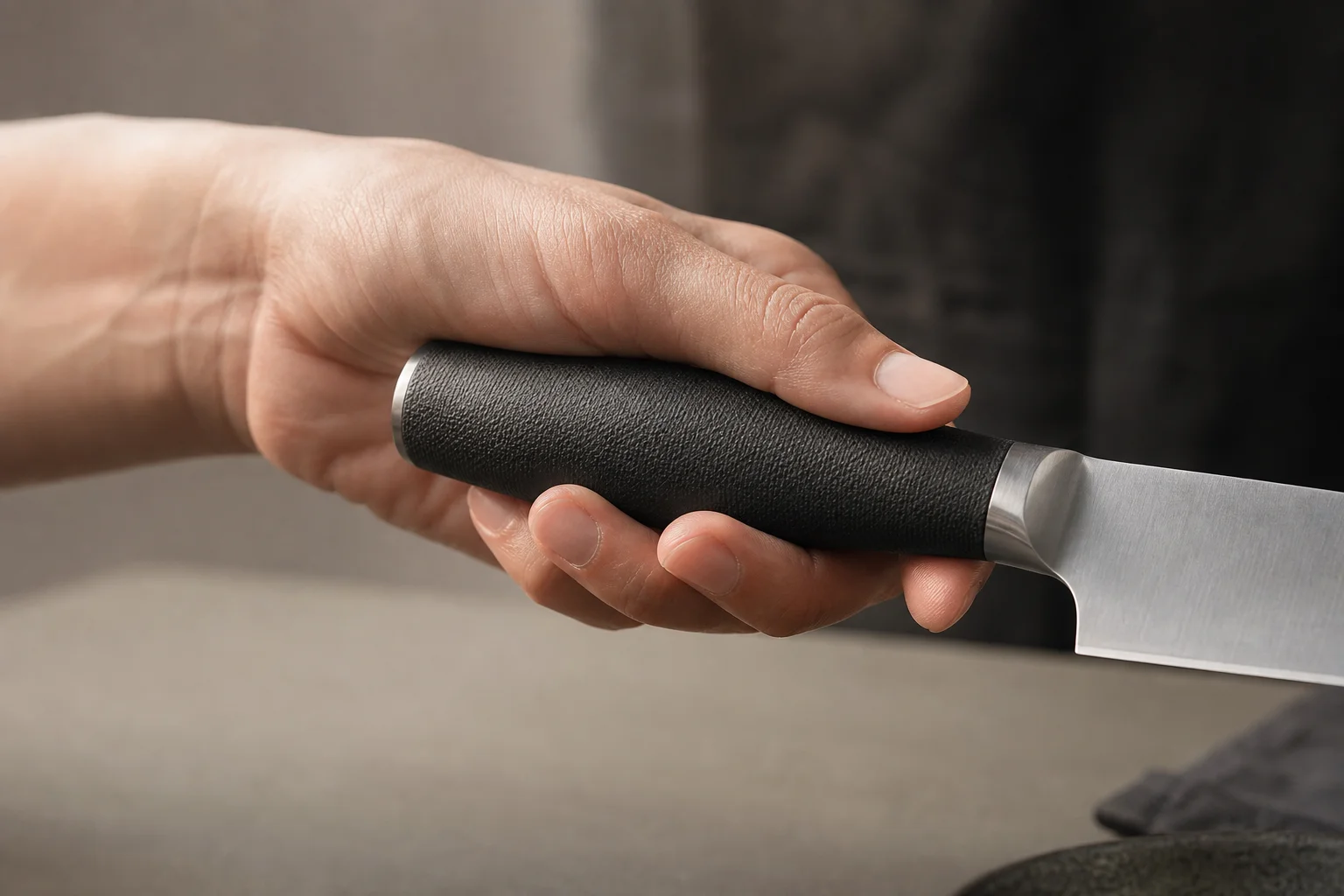
Handle material makes a real difference in daily use. Rubbery, textured materials grip better than smooth finishes, especially when your hands are wet or greasy. The best handles have rounded, soft contours that nestle into your palm instead of biting into it. Weight preference varies by cook, so both lighter and heavier options can work well depending on your comfort and fatigue levels.
Handle Design and Comfort
Comfort during extended use separates good knives from great ones. A handle that feels secure in your hand reduces fatigue and improves control over long cooking sessions. The texture and shape matter as much as the material itself.
Avoid knives with uniformly thick spines from handle to tip, as they can wedge into harder vegetables like butternut squash. Ultra-thin blades under 1.3 millimeters struggle with tasks requiring more power. A dull blade arriving from the factory will mangle food, bruise herbs, and crush onions, so factory sharpness is non-negotiable.
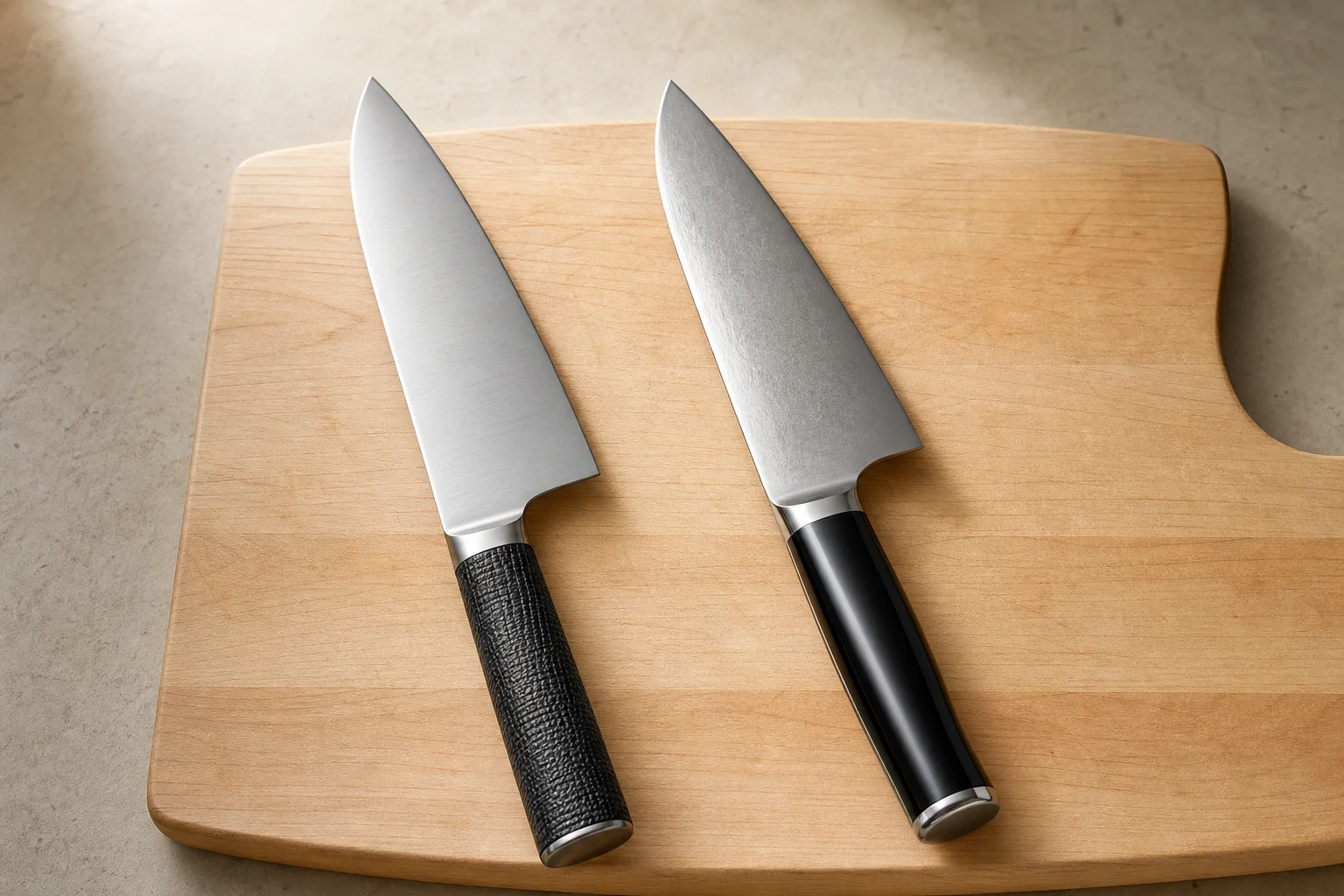
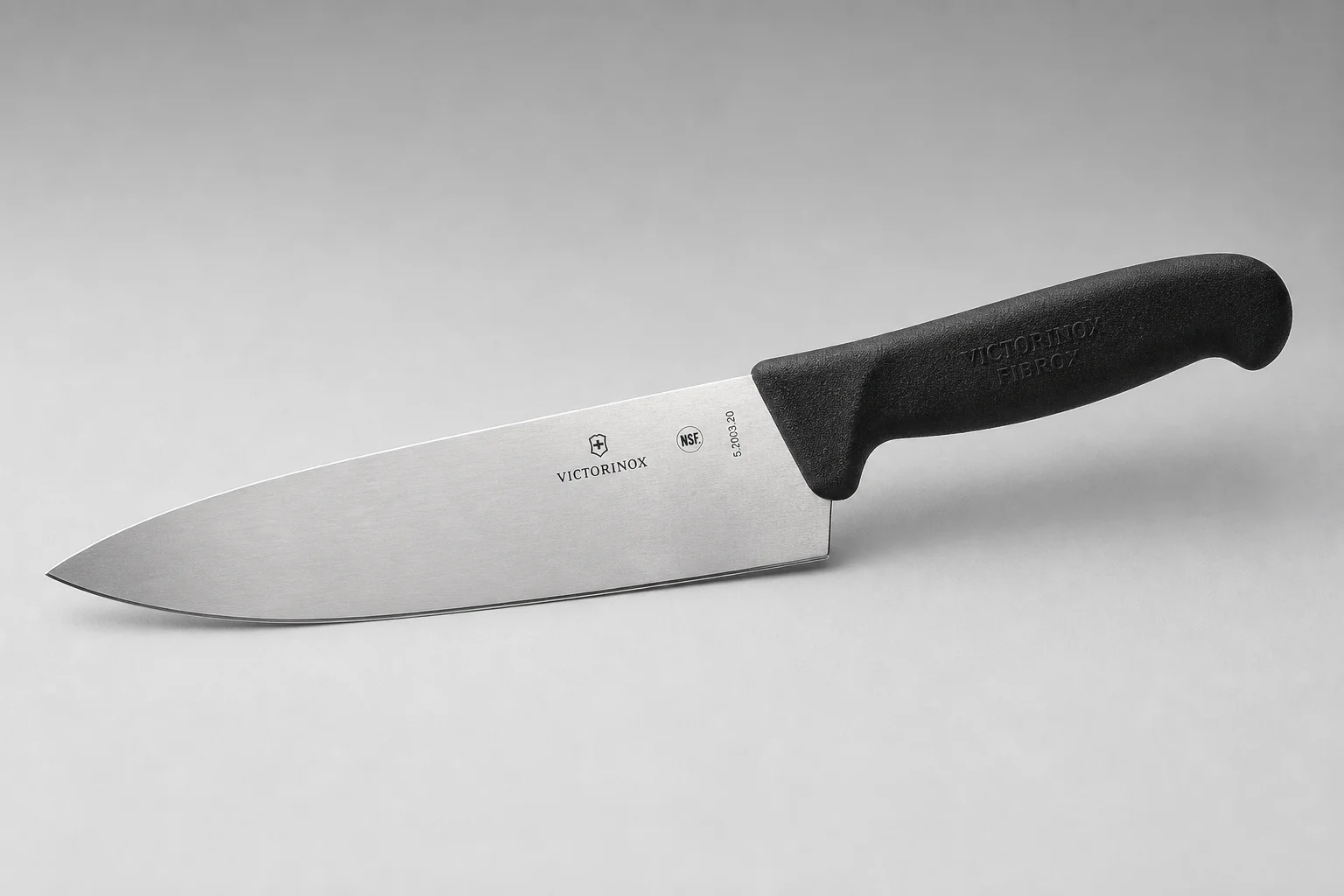
Victorinox Fibrox Pro 8-Inch Chef’s Knife
The Victorinox Fibrox Pro has been a top recommendation for nearly three decades, and testing confirms why. It cuts all types of food effortlessly, stays sharp reliably, and remains comfortable for hands of all sizes. The blade arrives sharp and maintains its edge well. It’s durable, easy to sharpen at home, and well-made throughout. This is the best choice for most home cooks.
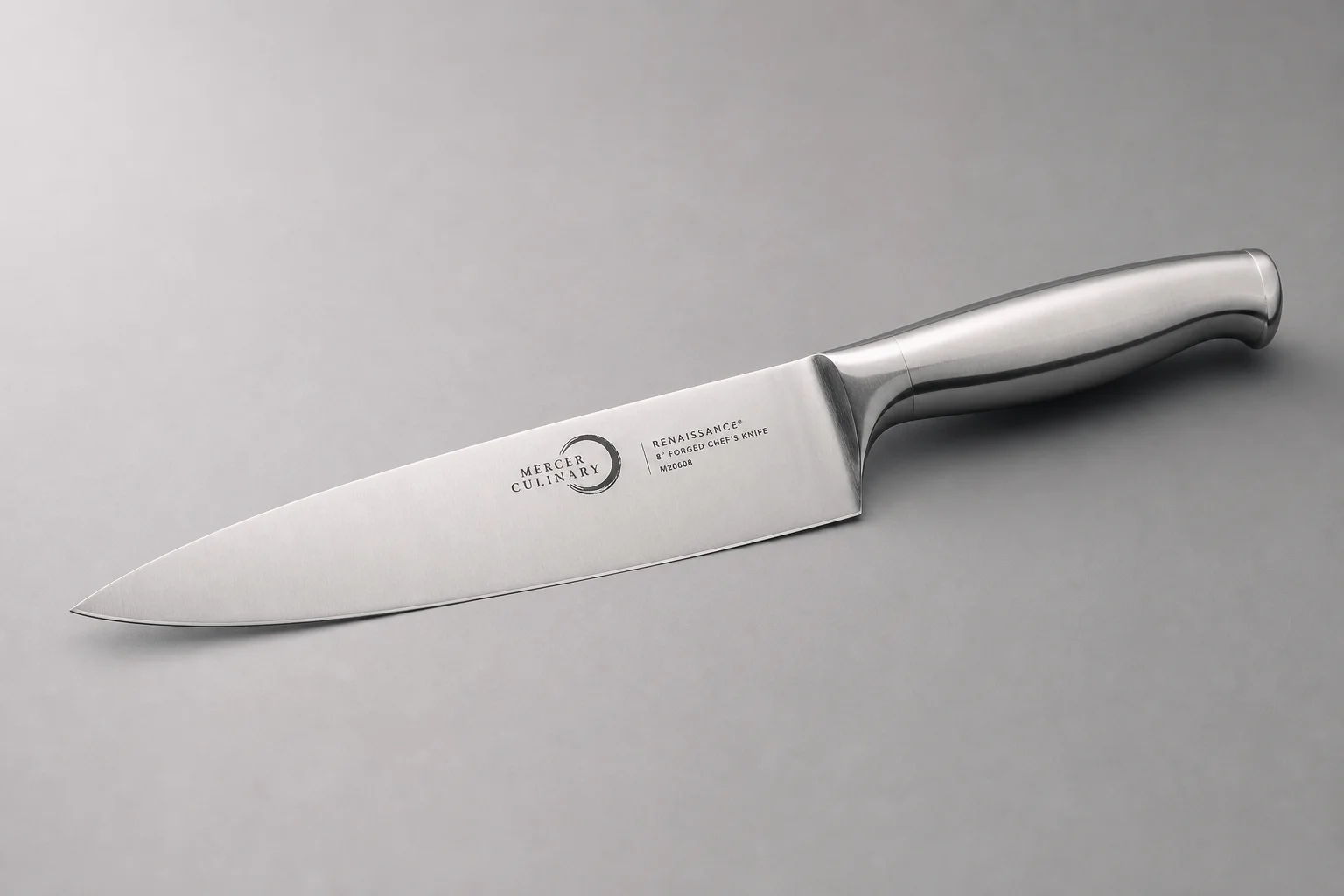
Mercer Culinary Renaissance 8-Inch Forged Chef’s Knife
The Mercer Culinary Renaissance is just as sharp and capable in the kitchen as the Victorinox. It’s an excellent option for cooks who prefer heavier knives and don’t mind a slightly slicker handle. The forged construction and weight give it a solid, well-made feel in hand.
Conclusion
Both knives deliver sharp, reliable performance under $75. Choose the Victorinox for a lighter, versatile blade that works for most cooks. Choose the Mercer if you prefer a heavier knife and want a slightly different handle feel. Either way, you’re getting a kitchen tool that will serve you well for years.
Further reading
Related Reviews
Kitchen Knives
Best Chef's Knives 2026: 27 Popular Options Tested and Ranked
A comprehensive review of 27 chef's knives ranging from $18 to $380, with honest assessments of handle comfort, blade balance, and real-world performance.
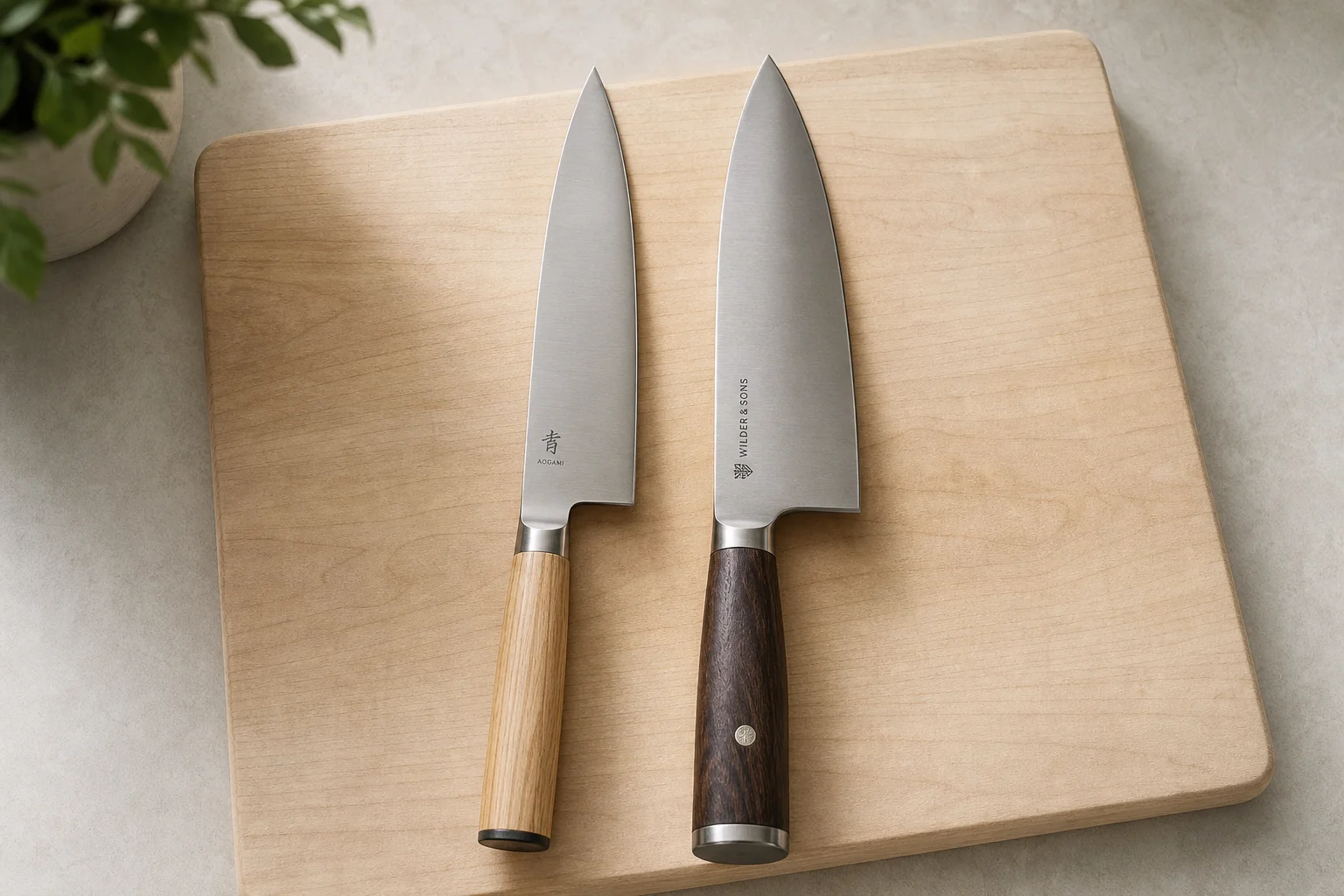
Kitchen Knives
Best Chef's Knives Under $75: Two Tested Recommendations
Two practical 8-inch chef's knives that balance sharpness, comfort, and durability without premium pricing.
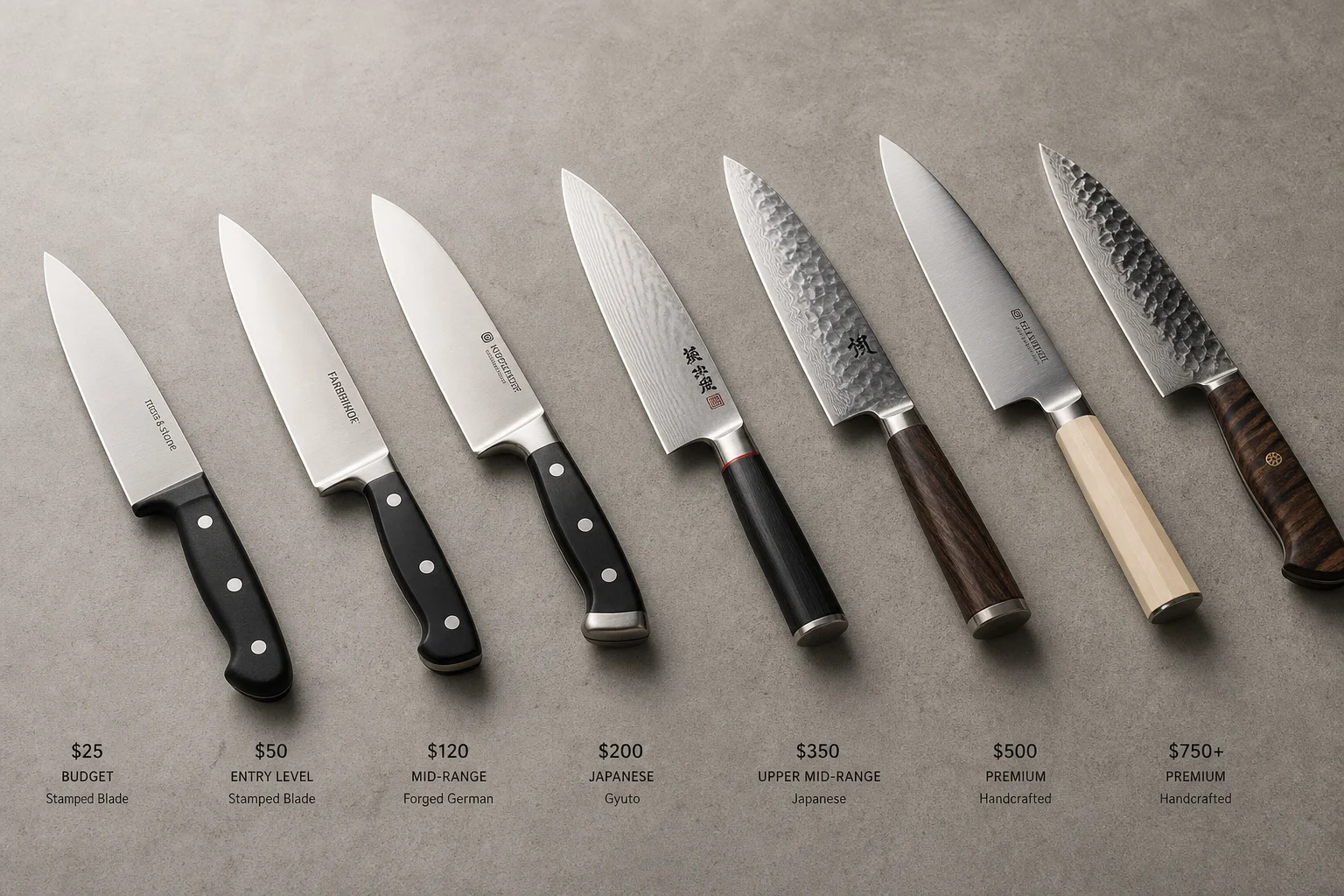
Kitchen Knives
Best Chef's Knives 2026: 27 Options Tested and Ranked
A comprehensive review of 27 chef's knives ranging from $18 to $380, with honest assessments of handle design, balance, blade profile, and real-world performance.