Gaming Headsets
Best Gaming Headsets Under $100: Four Tested Options for Different Priorities
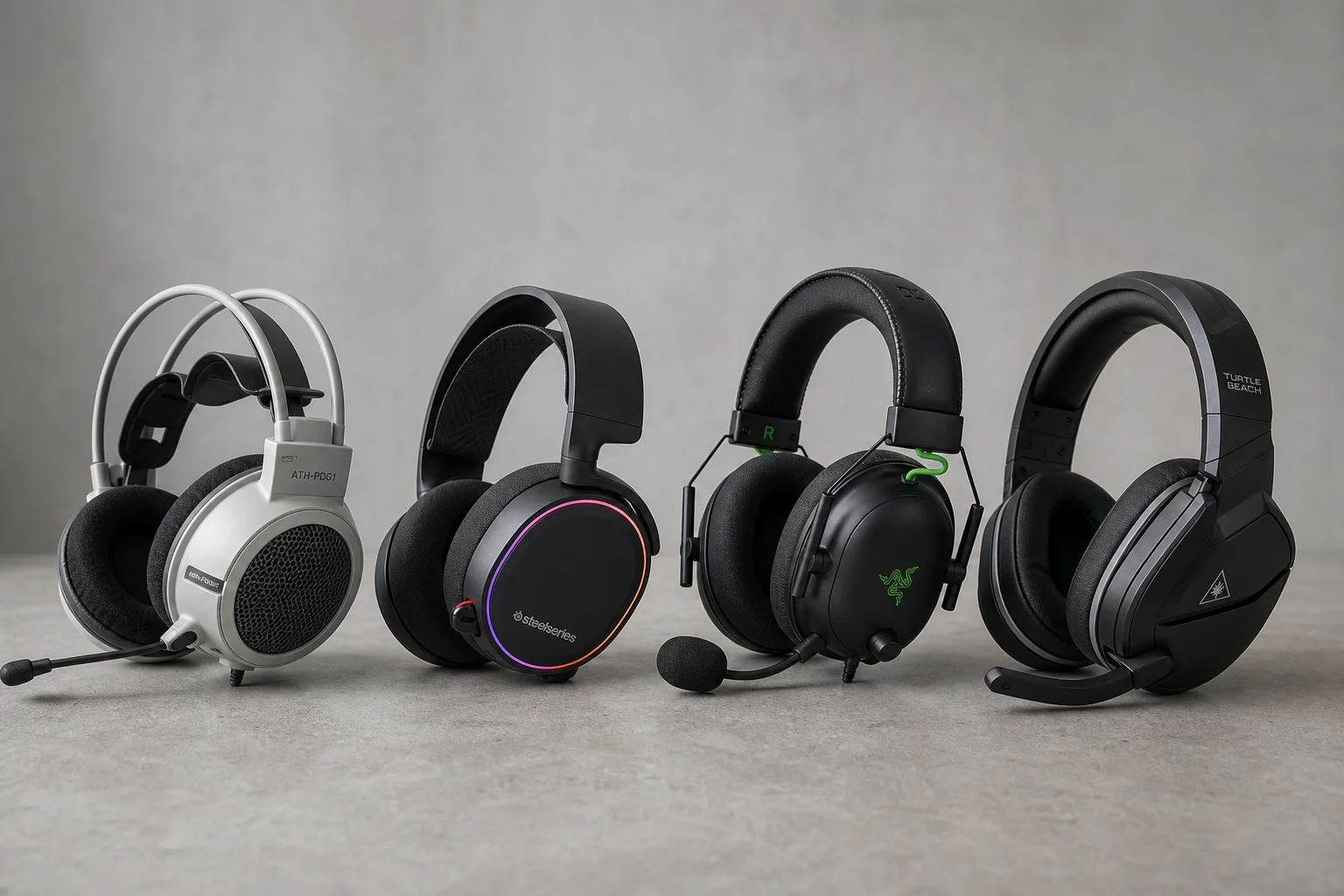
Four gaming headsets tested for comfort, sound quality, and microphone performance. Each has distinct strengths and trade-offs worth understanding before buying.
Introduction
Finding a gaming headset that balances comfort, sound quality, and price is challenging. This roundup covers four popular options under $100, each with distinct strengths and real trade-offs to consider before purchasing.
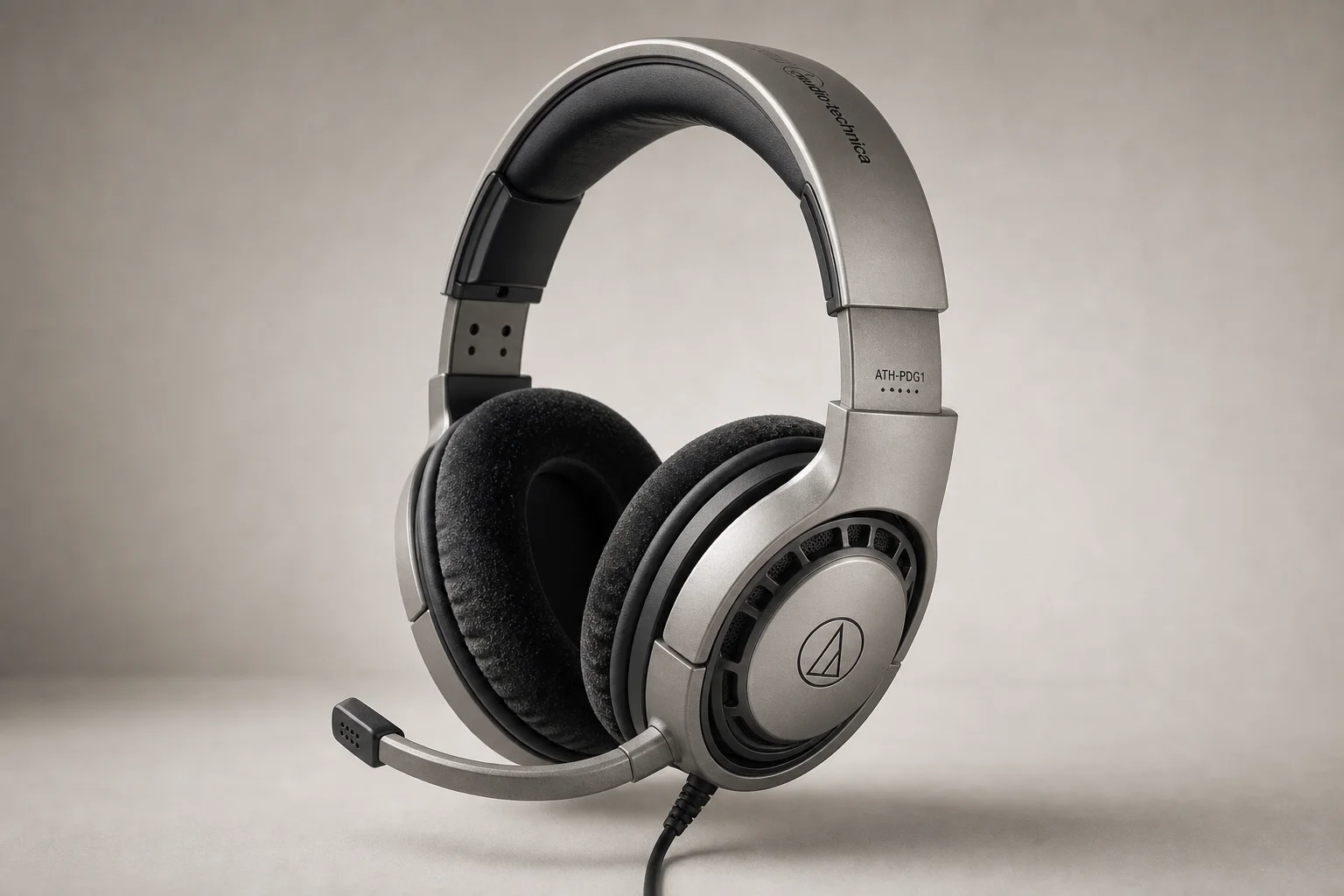
Audio-Technica ATH-PDG1: Budget All-Rounder
The Audio-Technica ATH-PDG1 costs $81.19 and stands out immediately for its retro futurism aesthetic. Build quality is solid, with minimal creaking and consistent headphone adjustment. The velour earpads feel soft and comfortable, though they may irritate sensitive skin.
These headsets are notably lightweight, making them comfortable for extended wear. However, if you have protruding ears, the shallow ear cups may cause your ears to rub against the drivers, which becomes uncomfortable quickly.
The ATH-PDG1 uses analog connections via 3.5mm jacks rather than USB, unlike the other headsets in this comparison. Sound quality is generally good across gaming scenarios, with a decent soundstage for directional audio awareness. The microphone delivers warm tone and clear speech intelligibility. The main drawback is that being open-back, these headsets leak sound into the surrounding room. Additionally, the tiny volume knob is awkward to adjust during use.
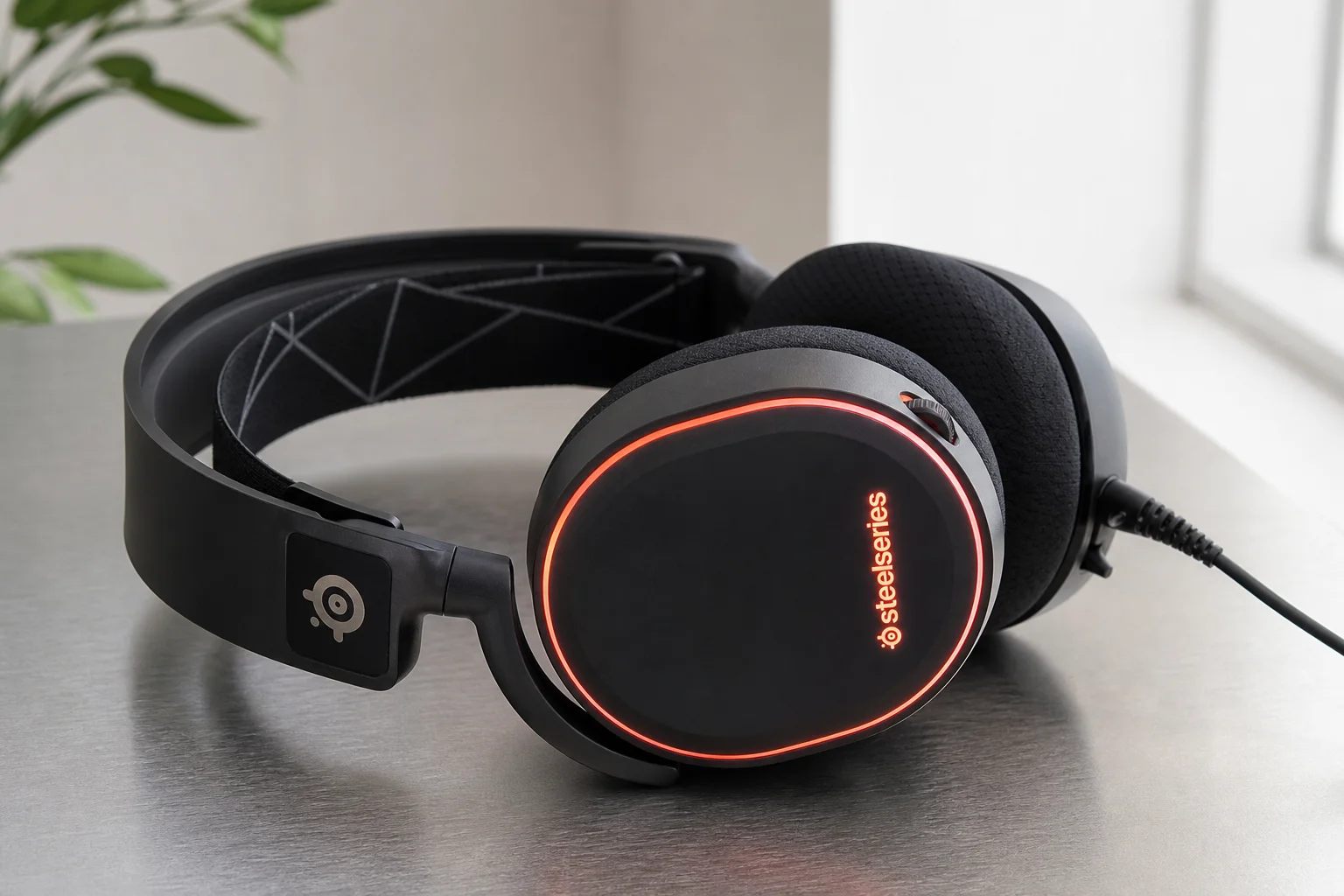
SteelSeries Arctis 5: Balanced Design
The SteelSeries Arctis 5 costs $84.99 and features RGB lighting alongside practical design choices. The foam earpads breathe well, and the adjustable head strap allows you to balance grip strength with comfort effectively.
The retractable microphone is convenient, though the audio quality is not exceptional. The Arctis 5 struggles with a muddy low end and a naturally bright sound signature that makes hearing in-game footsteps more difficult than competing headsets. While the SteelSeries Engine 3 software offers EQ customization, the headset ranks near the bottom of this group for sound quality out of the box.
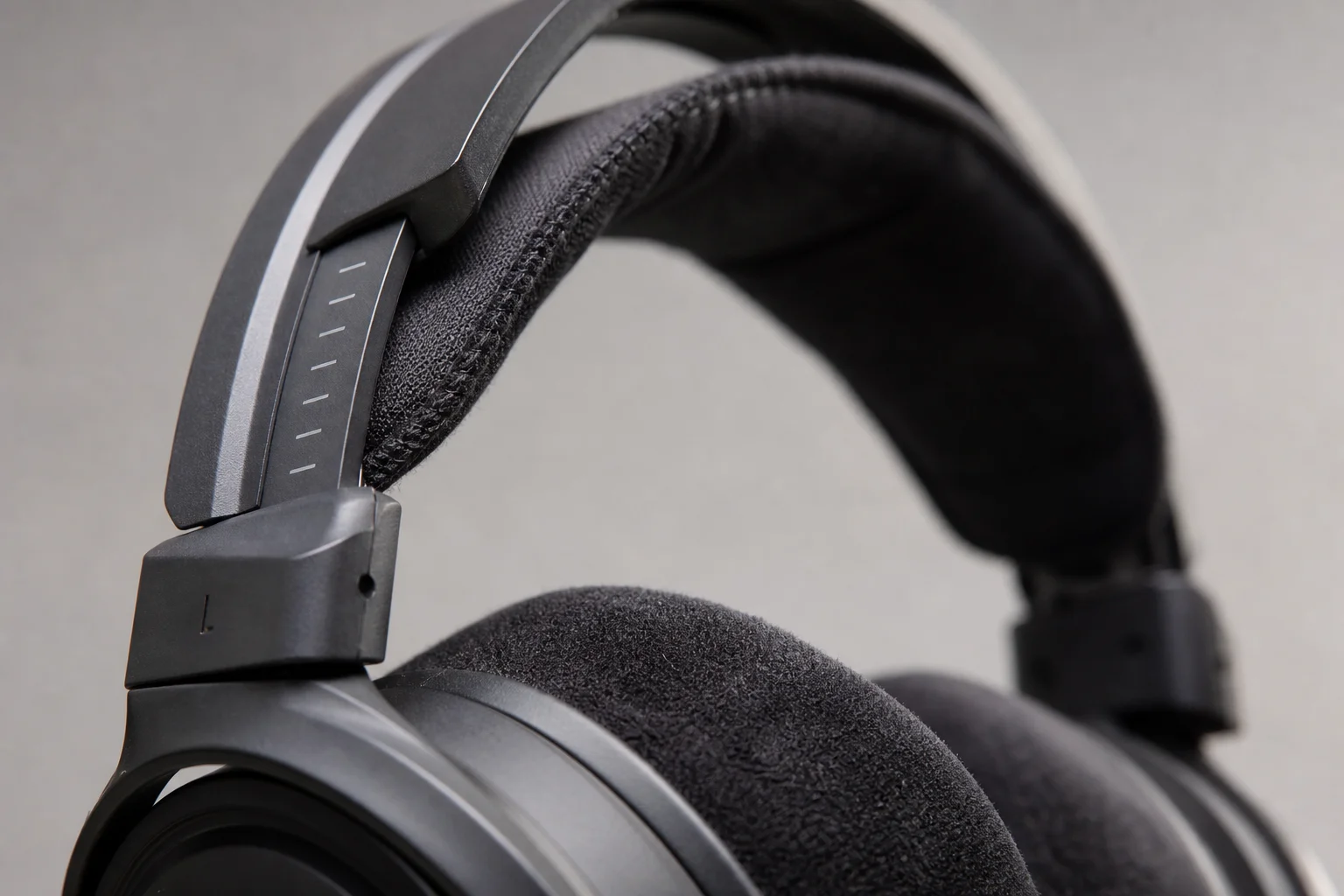
The adjustable suspension design is a genuine comfort advantage, particularly during long gaming sessions. However, the sound profile limitations mean this headset works best if you are willing to spend time with software EQ adjustments.
Razer BlackShark V2: Strong All-Around Performer
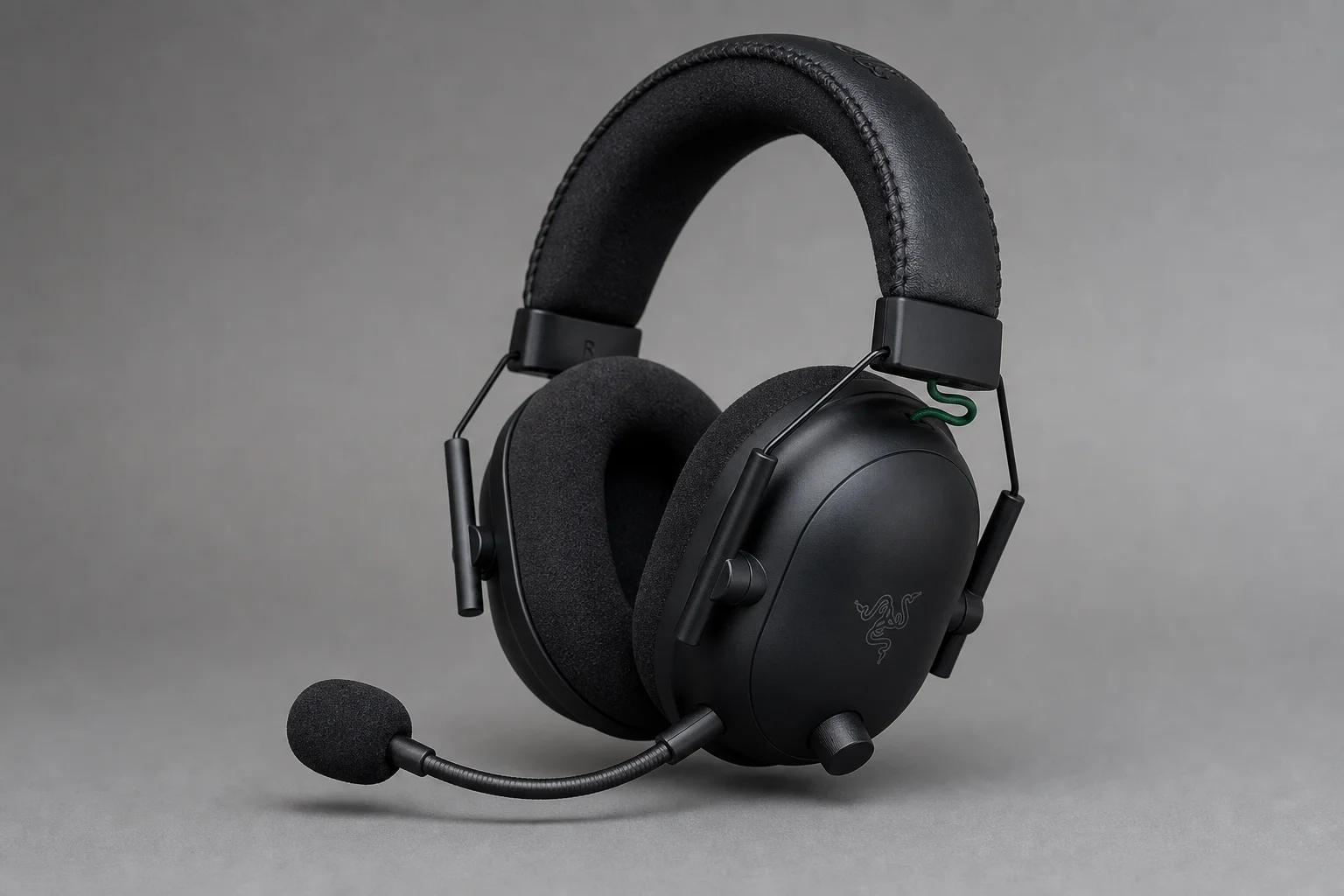
The Razer BlackShark V2 costs $89.99 and delivers strong performance across most metrics. The aviation-inspired design with Razer styling may appeal to some users more than others, but the build quality is excellent throughout.
Foam is used extensively for breathability and comfort, and the clamping force is calibrated to keep the headset secure even during active movement. Razer Synapse software loads automatically when connecting to a PC, providing extensive EQ options without requiring manual installation. The factory tuning is solid, offering the best clarity of the four headsets tested.
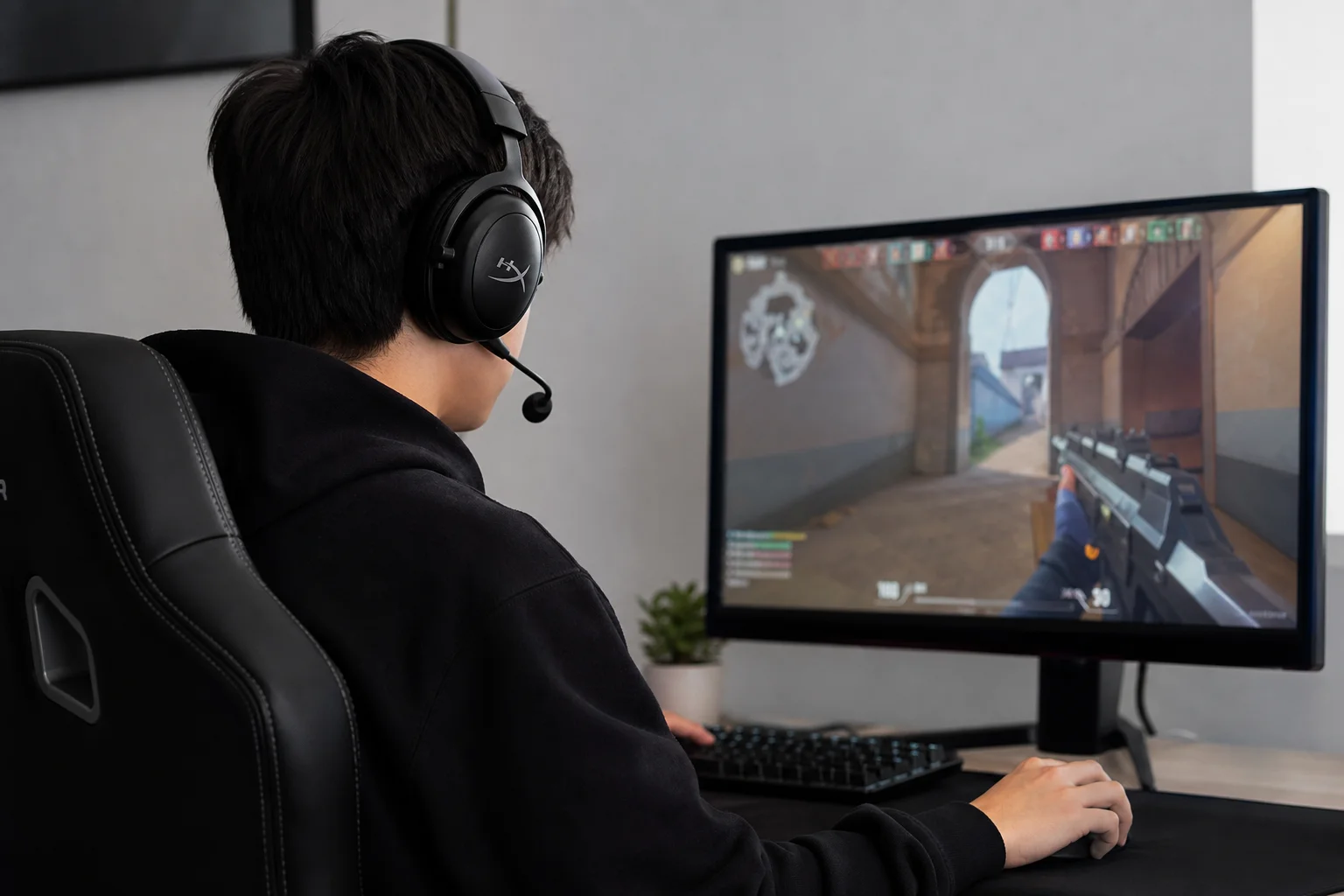
In-game performance is reliable and consistent, with no obvious audio deficiencies. The primary weakness is the microphone, which can sound distant and performs poorly on Discord. Despite this limitation, the microphone remains usable for most gaming communication needs.
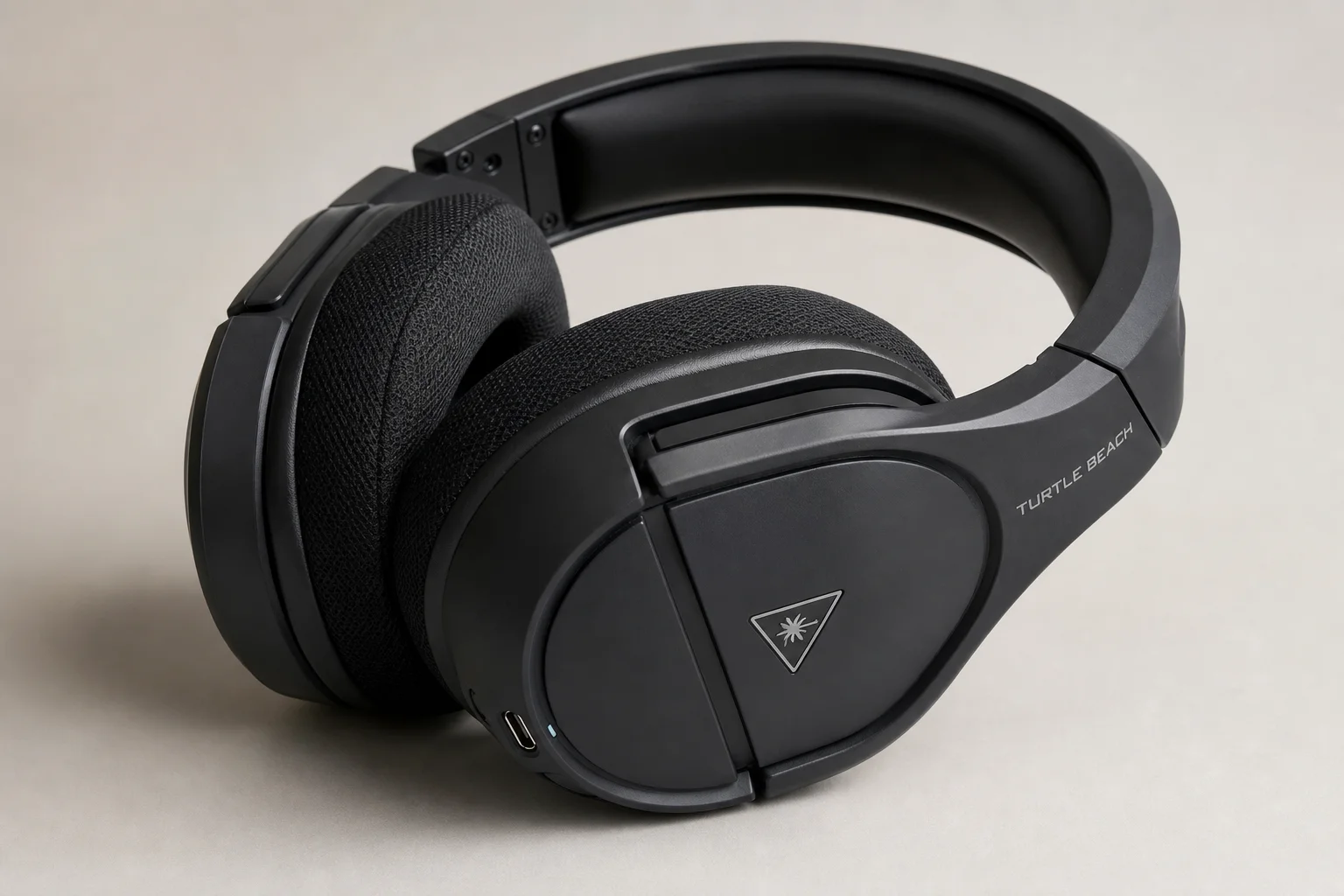
Turtle Beach Stealth 600 Gen 2: Wireless Option
The Turtle Beach Stealth 600 Gen 2 costs $99.95 and offers wireless connectivity, though the design and comfort have significant limitations. The headset appears cheaper than its price suggests, and the included USB-C charging cable is impractically short, making simultaneous charging and use nearly impossible.
Comfort is a major concern. Users with average or larger ears will find these headsets extremely uncomfortable within seconds of wearing them. Anyone without a very small head will experience discomfort after just 15 seconds of wear, even before starting to play.
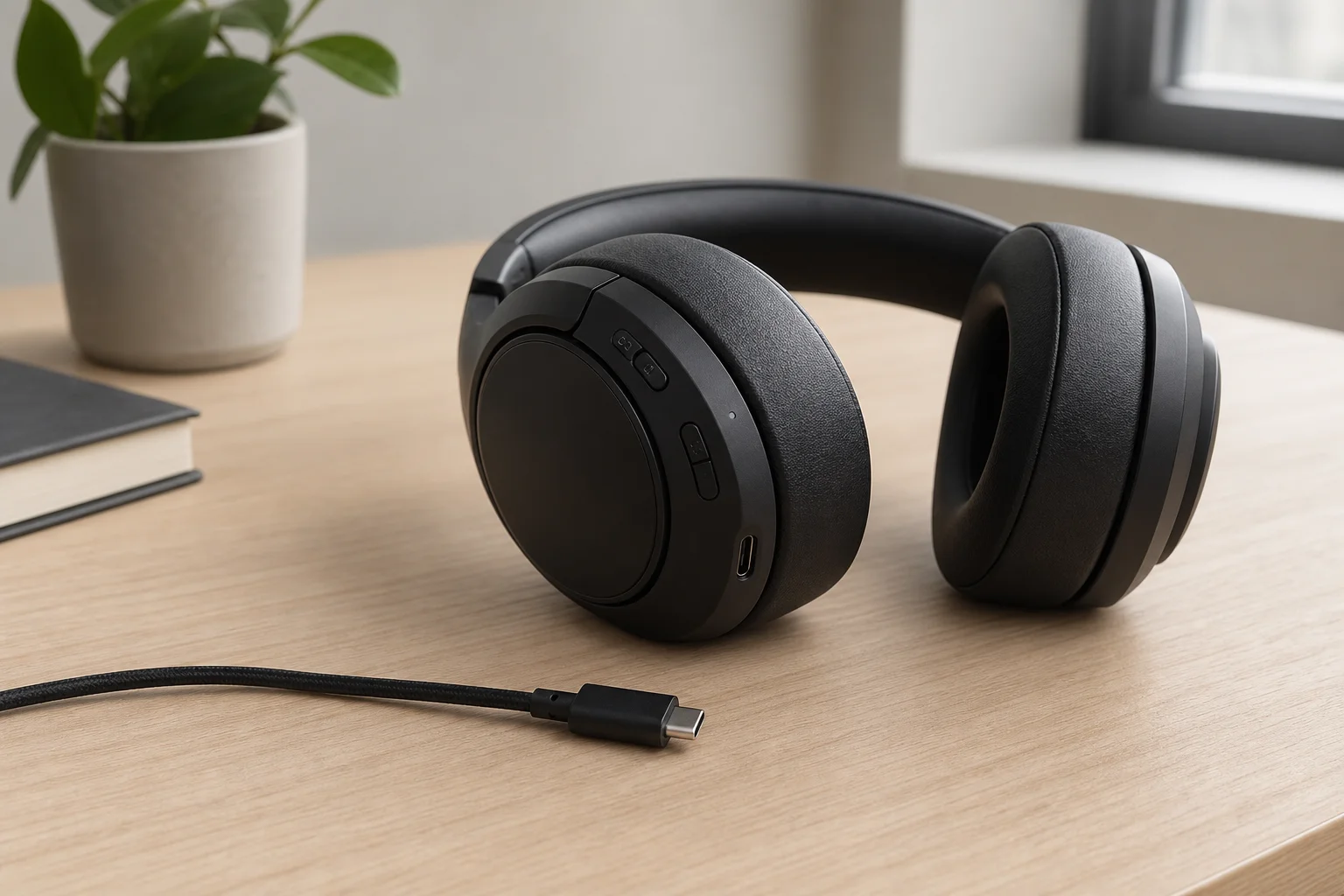
Sound quality presents a mixed picture. The high end is harsh and the low end is muddy, with an exaggerated stereo profile that makes it easy to identify which side a sound originates from but difficult to pinpoint sounds directly ahead. The microphone is clear and the bass is punchy without being overwhelming. Game audio sounds good overall, though the stereo imaging weakness is a notable drawback. During testing, the headset randomly stopped playing audio, which is a reliability concern.
Conclusion
Each headset serves different priorities. The Audio-Technica ATH-PDG1 suits budget-conscious gamers who value comfort and don’t mind open-back sound leakage. The SteelSeries Arctis 5 works best for users willing to customize EQ settings. The Razer BlackShark V2 offers the most balanced performance across sound, comfort, and build quality. The Turtle Beach Stealth 600 Gen 2 appeals only to wireless users with small heads and ears, despite its audio strengths.
Further reading
Related Reviews
Gaming Headsets
Audio Technica ATH-M50x STS Review: Music Headphones Meet Gaming Headset
Audio Technica combined their respected M50x headphones with an integrated microphone to create a hybrid gaming headset. We tested both the USB and XLR versions to see if the formula works.
Gaming Headsets
Best Budget Gaming Headsets Under $35: Six Options Tested and Ranked
Six popular gaming headsets under $35 tested side by side. Find out which delivers the best sound, comfort, and value for your budget.
Automotive Accessories
70mai Dash Cam Comparison: A200 vs A510 vs A810
Three dash cameras from 70mai across different price points reveal how resolution and sensor quality impact real-world footage clarity, especially for number plate visibility and low-light performance.