Gaming Headsets
Audio Technica ATH-M50x STS Review: Music Headphones Meet Gaming Headset
Audio Technica combined their respected M50x headphones with an integrated microphone to create a hybrid gaming headset. We tested both the USB and XLR versions to see if the formula works.
Introduction
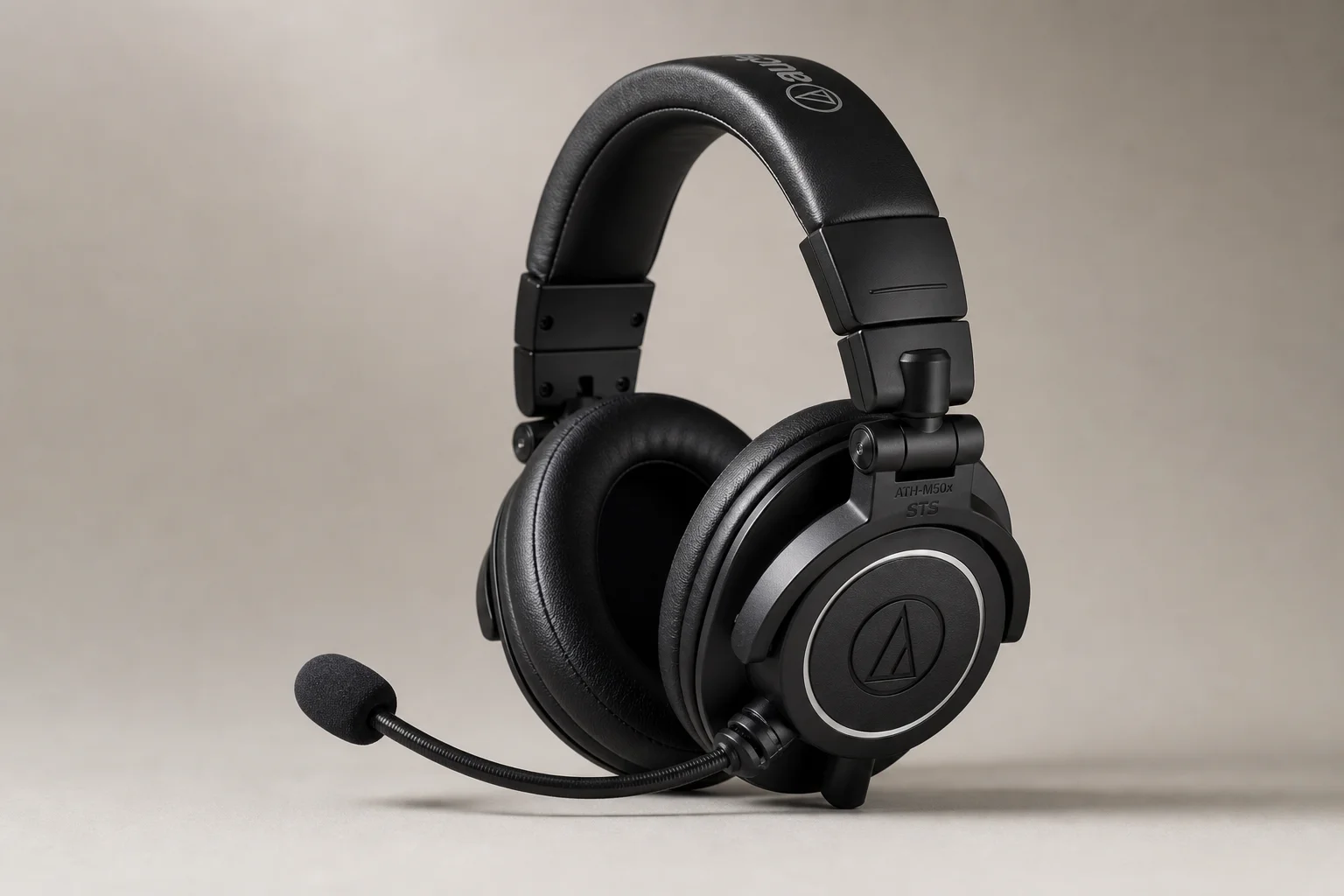
Audio Technica took their well-respected M50x music headphones and added an integrated microphone to create the ATH-M50x STS. The result is a headset that combines proven audio quality with a built-in solution for streaming and gaming. We tested both the USB version and the XLR variant to see whether this approach delivers real value or simply adds unnecessary cost to an already solid headphone.
Design and Build Quality
The ATH-M50x STS is based on the Audio Technica M50x, a headphone that has earned respect across music production, casual listening, and professional environments. The new models maintain the core design: lightweight construction, ratchet adjustment on the sides, and a collapsible portable form factor.
The key addition is the integrated microphone boom with a metal grille design. The microphone includes a dedicated mute switch with a distinct click, and side-mounted buttons for monitor volume control. This allows you to hear yourself through the headphones while speaking, with adjustable sidetone level.
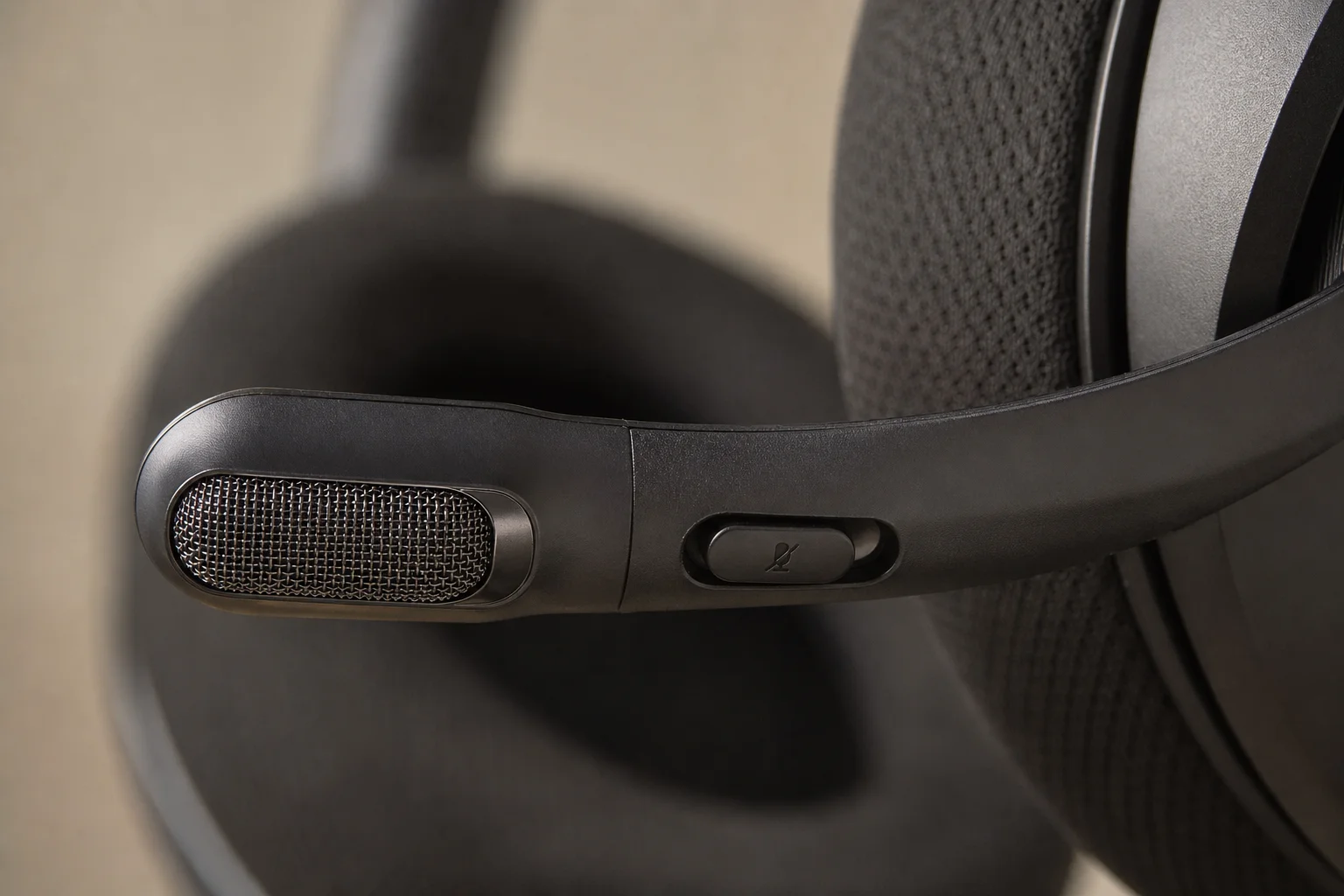
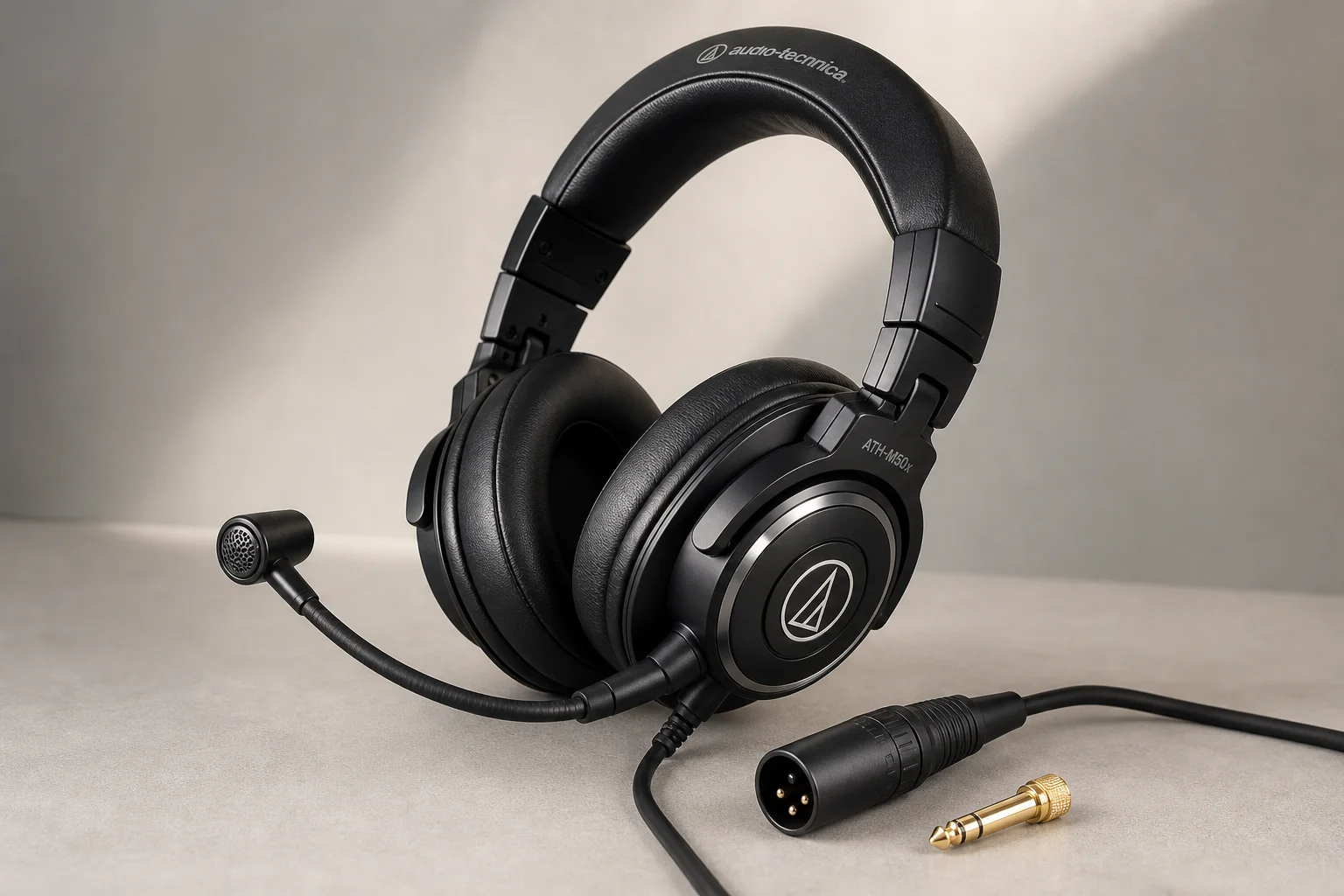
The USB version ships with a permanently attached USB-A cable and a USB-C adapter. This is a notable limitation compared to the original M50x, which uses swappable proprietary connectors. The XLR version includes an XLR connector and a quarter-inch adapter, making it compatible with standard audio interfaces.
Both versions include spare ear pads in breathable nylon material. The headband uses leatherette with minimal padding, and the ear cups come with nylon material on the inside and pleather on the outside. The overall build feels solid, though some users may find the padding light for extended wear sessions.
Microphone Performance
The integrated microphone is a genuine strength of this headset. Raw recordings show clear, detailed voice capture with minimal setup required. The microphone response curve is flat and accurate, with a natural roll-off below 100 Hz that eliminates ambient rumble without affecting speech clarity.

In practical testing, the microphone required only minor volume adjustments to sound professional. The metal grille design gives it a vintage aesthetic while performing well for streaming, content creation, and gaming communication. This is a significant advantage over many gaming headsets that bundle mediocre microphones.
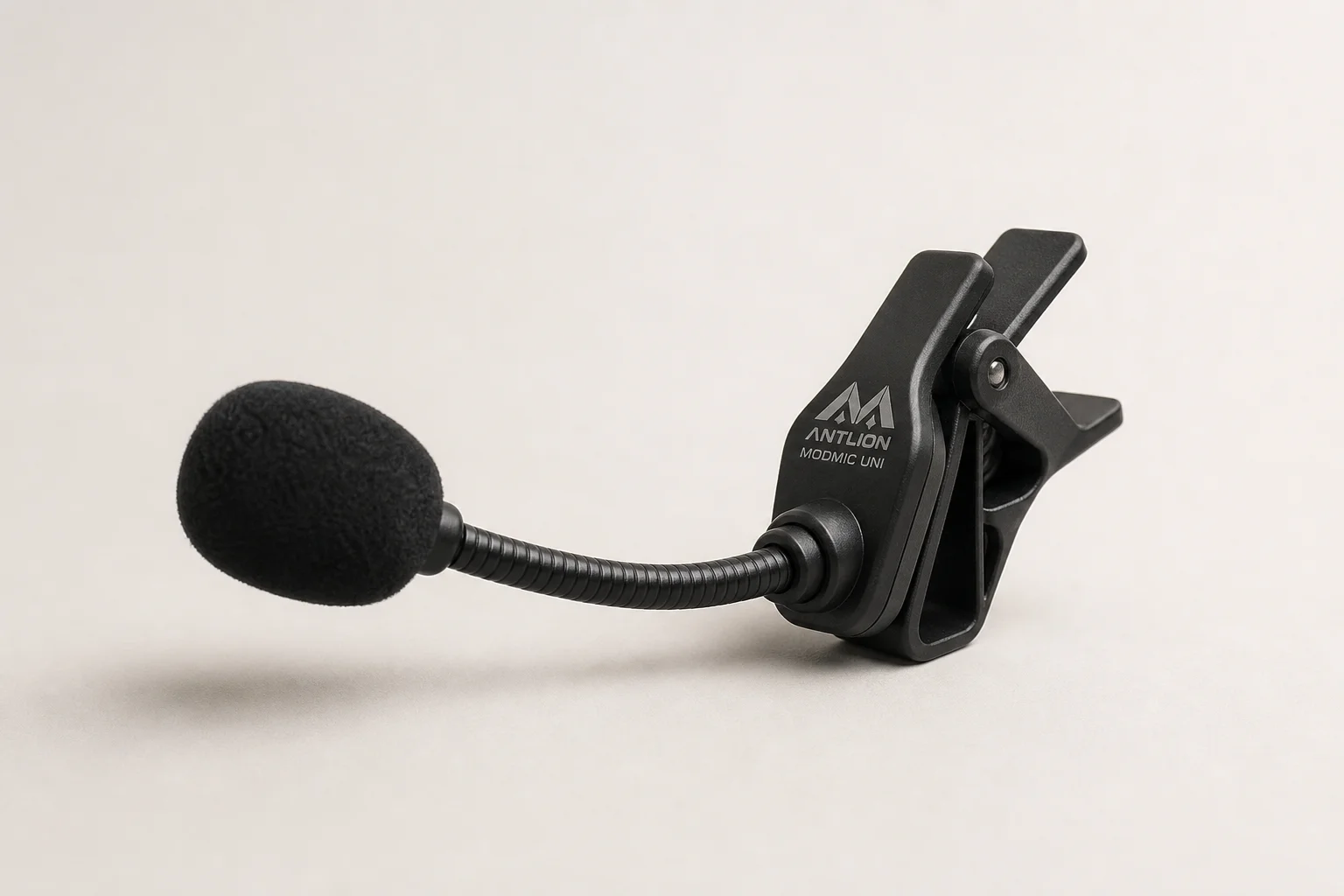
For comparison, adding an Antlion ModMic Uni to a standard headphone costs around 93 dollars. The ATH-M50x STS undercuts that price while offering a fully integrated solution with no additional hardware needed.
Audio Quality and Listening Experience
The headphones themselves sound identical to the standard M50x. They deliver a bass-forward signature with a slight boom in the lower midrange around 300 Hz. This gives them an energetic, fun character that works well for music listening, though they lack the punch and detail some listeners prefer.
The treble response is relaxed, which means these headphones are never fatiguing during long sessions. The upper midrange is slightly recessed, contributing to a perception of lower detail compared to more analytical headphones. However, the majority of music played through them sounds engaging and enjoyable.
The choice of ear pad material affects the sound. The nylon pads emphasize the bass boom, while the included leather pads tighten the low end and reduce some of the boomy character. Neither pad choice dramatically changes the overall signature.
Gaming Performance and Soundstage
As a gaming headset, the ATH-M50x STS performs adequately but not exceptionally. Soundstage and positional audio are decent, though not competitive with open-back headphones or gaming headsets specifically tuned for spatial audio. There is no virtual surround sound, DTS support, or Dolby Atmos processing.
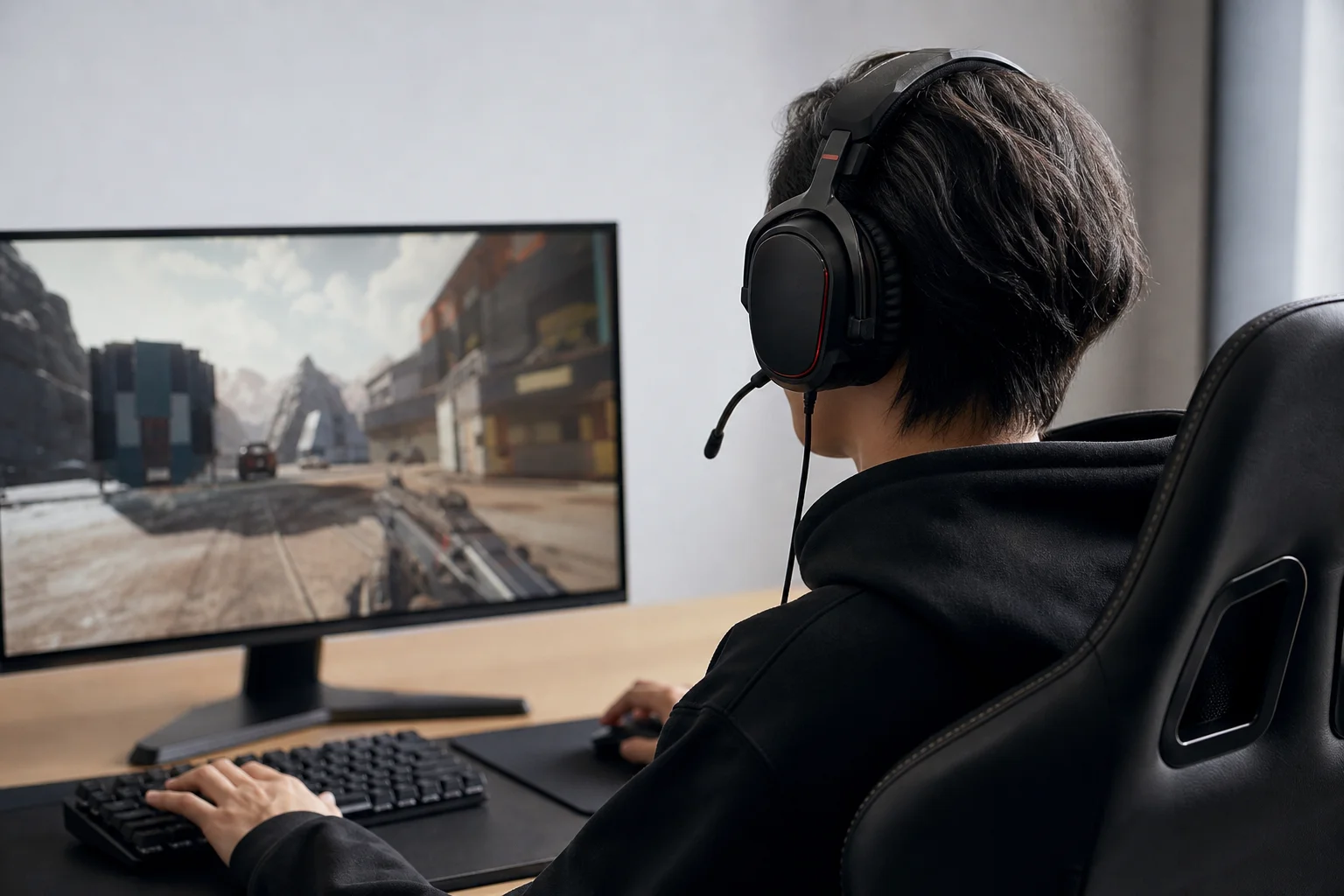
The closed-back design provides moderate isolation from external noise, though without active noise cancellation you will still hear mid-range sounds like voices and ambient noise. For casual gaming and streaming, this is sufficient. For competitive gaming where precise positional audio is critical, a dedicated gaming headset may serve you better.
Technical Measurements
Frequency response analysis reveals the bass-heavy character of these headphones. Using the nylon pads, there is a significant elevation below 300 Hz, creating the bassy, boomy signature users report. The midrange follows the target curve well, and the treble is slightly relaxed with some peaks in the brilliance region.
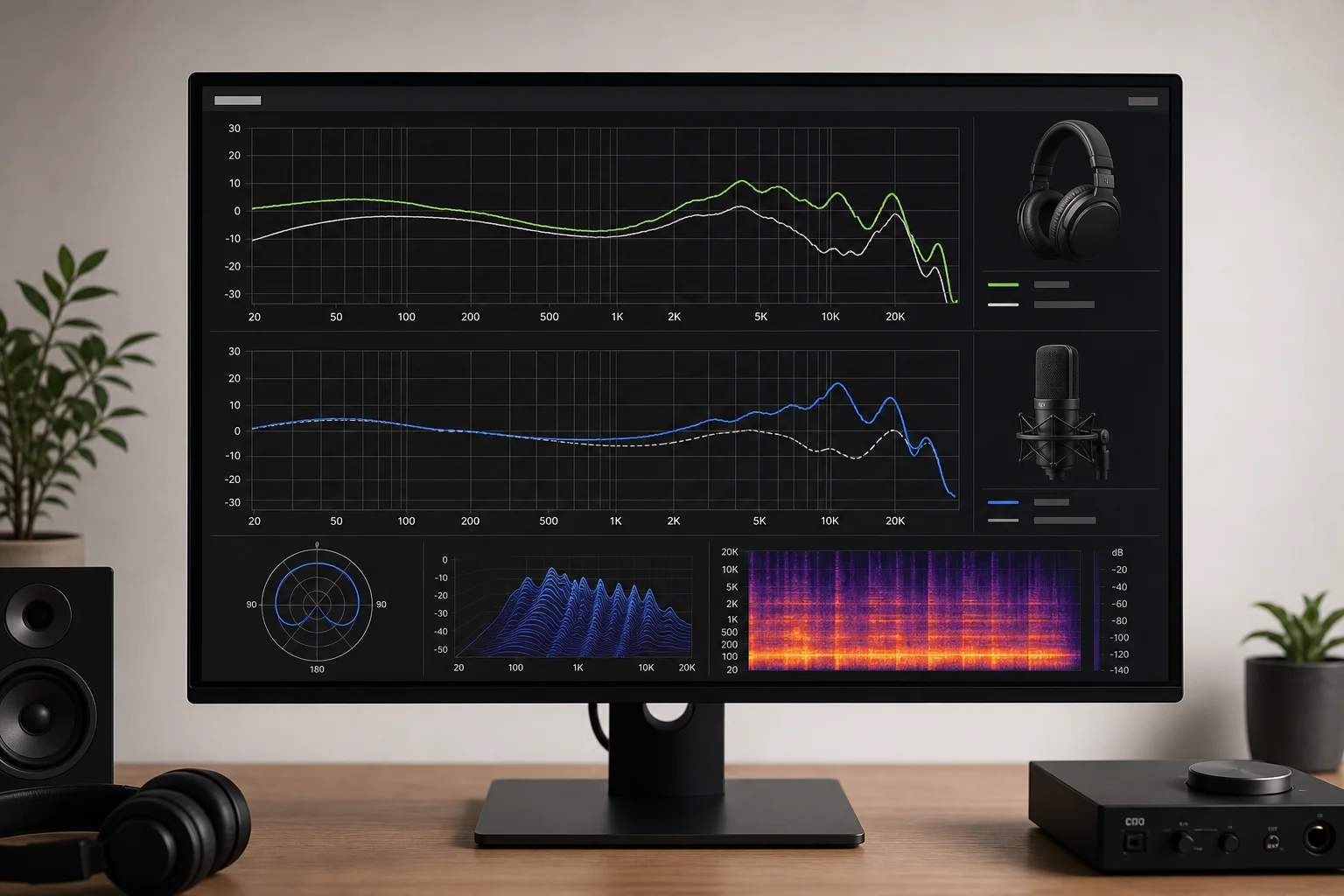
The microphone response is exceptionally clean, showing a flat curve that matches industry standards for voice recording. This explains the strong performance in real-world testing. The isolation chart shows that reduction is primarily in the high-frequency range, with minimal isolation in the midrange where voices and ambient noise live.
Pricing and Value Comparison
The standard Audio Technica M50x costs 169 dollars. The USB version of the STS adds a 60 dollar premium, bringing it to 229 dollars. The XLR version costs 200 dollars, representing a 31 dollar premium.
For that premium, you gain an integrated microphone, sidetone monitoring, and a mute switch. However, you lose the ability to swap cables, which limits versatility. A more flexible approach would have been to include both USB and XLR cables at the same price point.
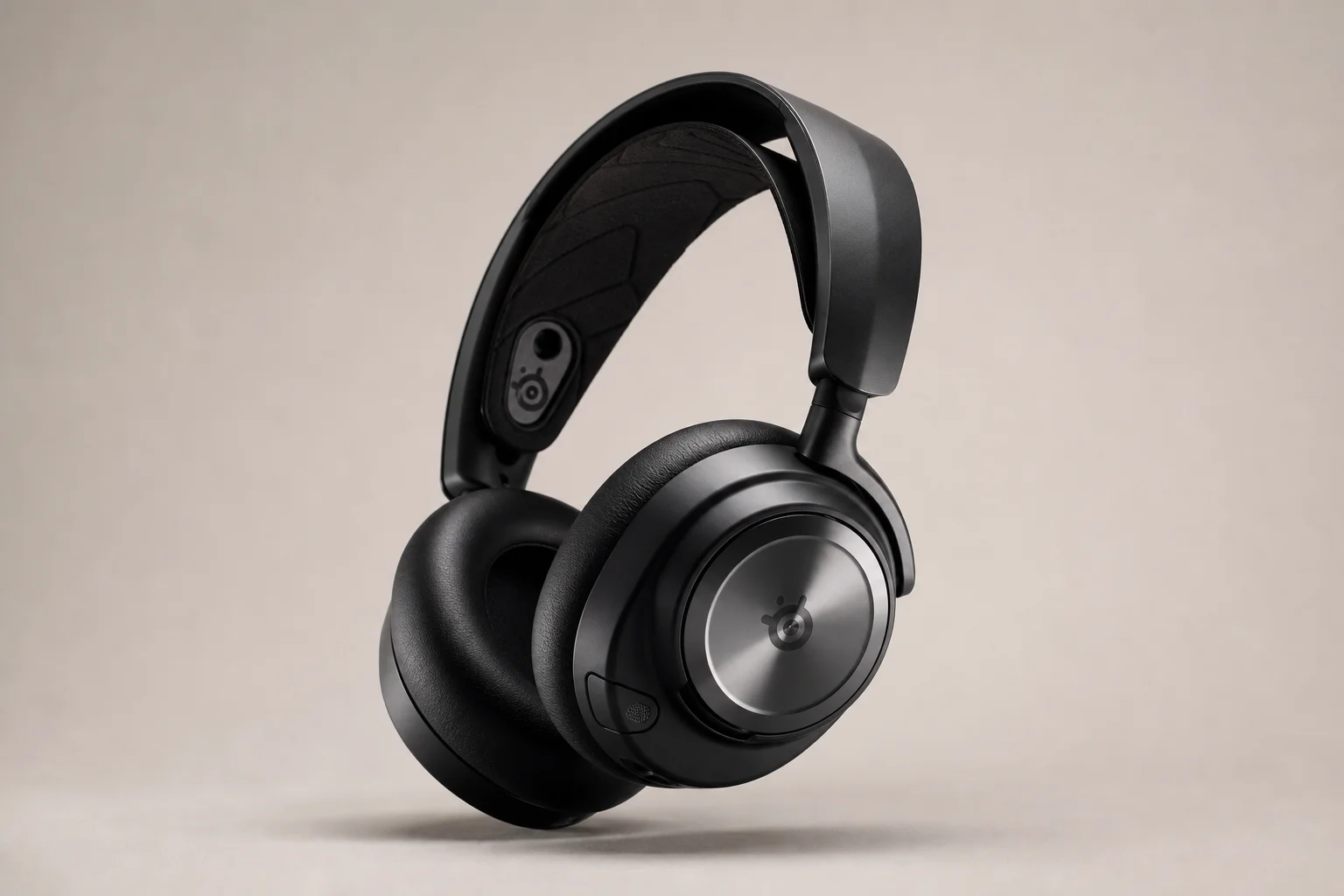
If you want a feature-rich gaming headset with multi-channel support and spatial audio, the SteelSeries Arctis Nova Pro offers more creature comforts at a similar price point, though it may not match the audio quality of the M50x.
Alternatively, buying the standard M50x and adding an Antlion ModMic Uni gives you flexibility and swappable cables, though the total cost is comparable.
Conclusion
Audio Technica has created a solid hybrid headset that prioritizes audio quality and microphone performance. The ATH-M50x STS makes sense for streamers and gamers whose primary concern is good sound in both directions. The microphone is genuinely good, the headphones are proven performers, and the integration is clean.
The main trade-off is versatility. The permanently attached cable and lack of swappable components limit how you can use these headphones. If you value flexibility and don’t mind spending a bit more, the standard M50x with an external microphone offers more options. But if you want a straightforward, all-in-one solution with excellent audio quality, the ATH-M50x STS delivers.
Further reading
Related Reviews
Gaming Headsets
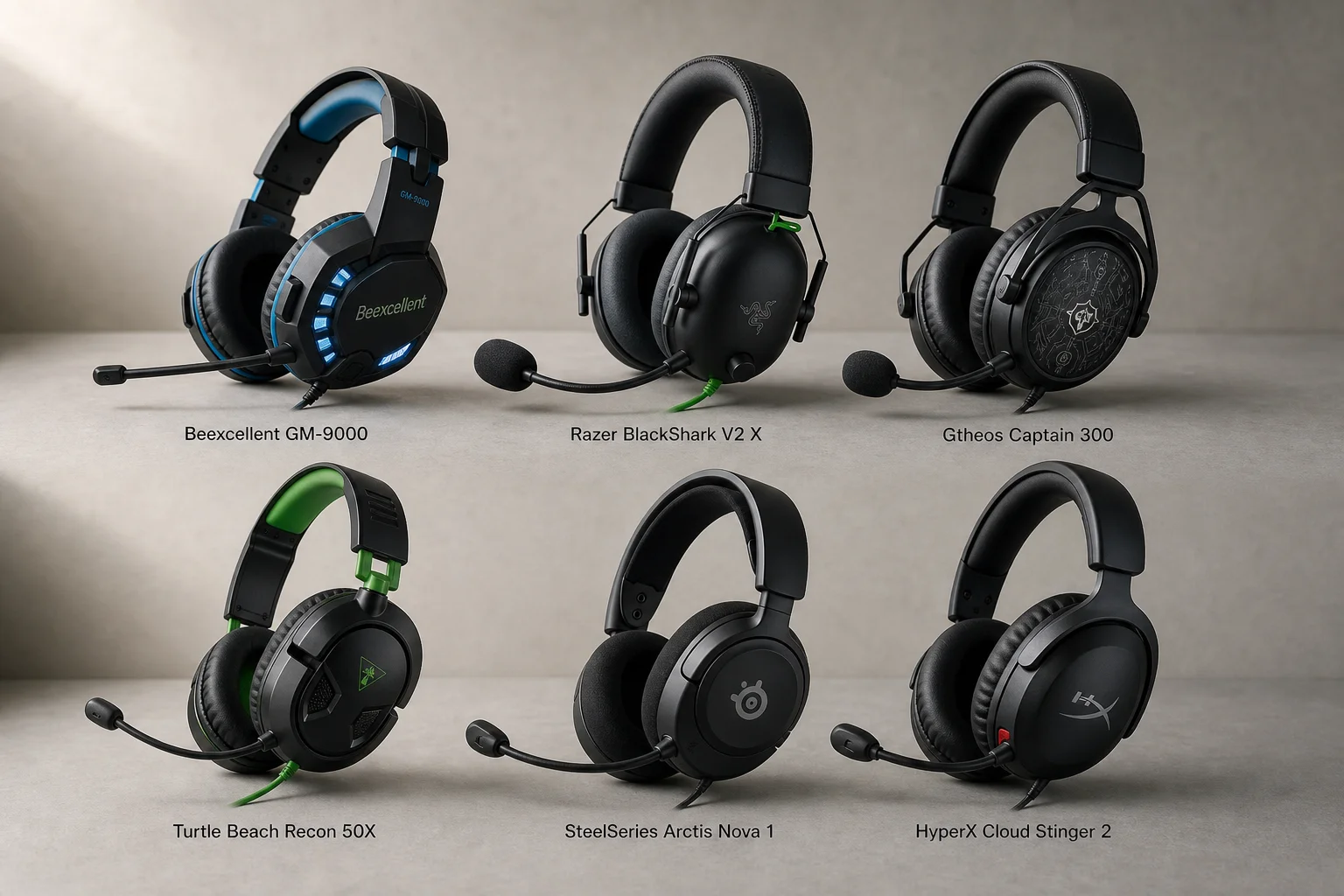
Best Budget Gaming Headsets Under $35: Six Options Tested and Ranked
Six popular gaming headsets under $35 tested side by side. Find out which delivers the best sound, comfort, and value for your budget.
Gaming Headsets
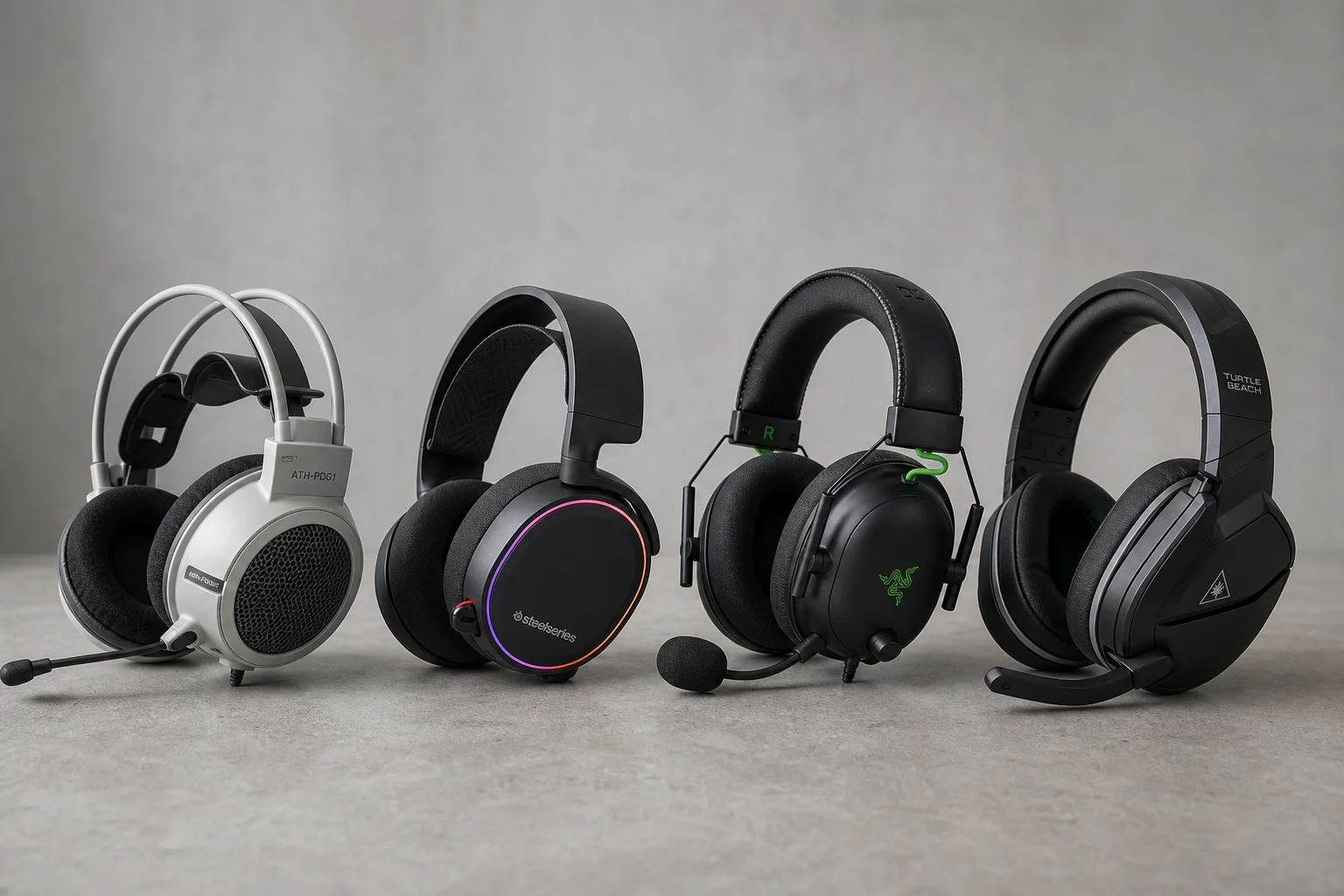
Best Gaming Headsets Under $100: Four Tested Options for Different Priorities
Four gaming headsets tested for comfort, sound quality, and microphone performance. Each has distinct strengths and trade-offs worth understanding before buying.
Headphones
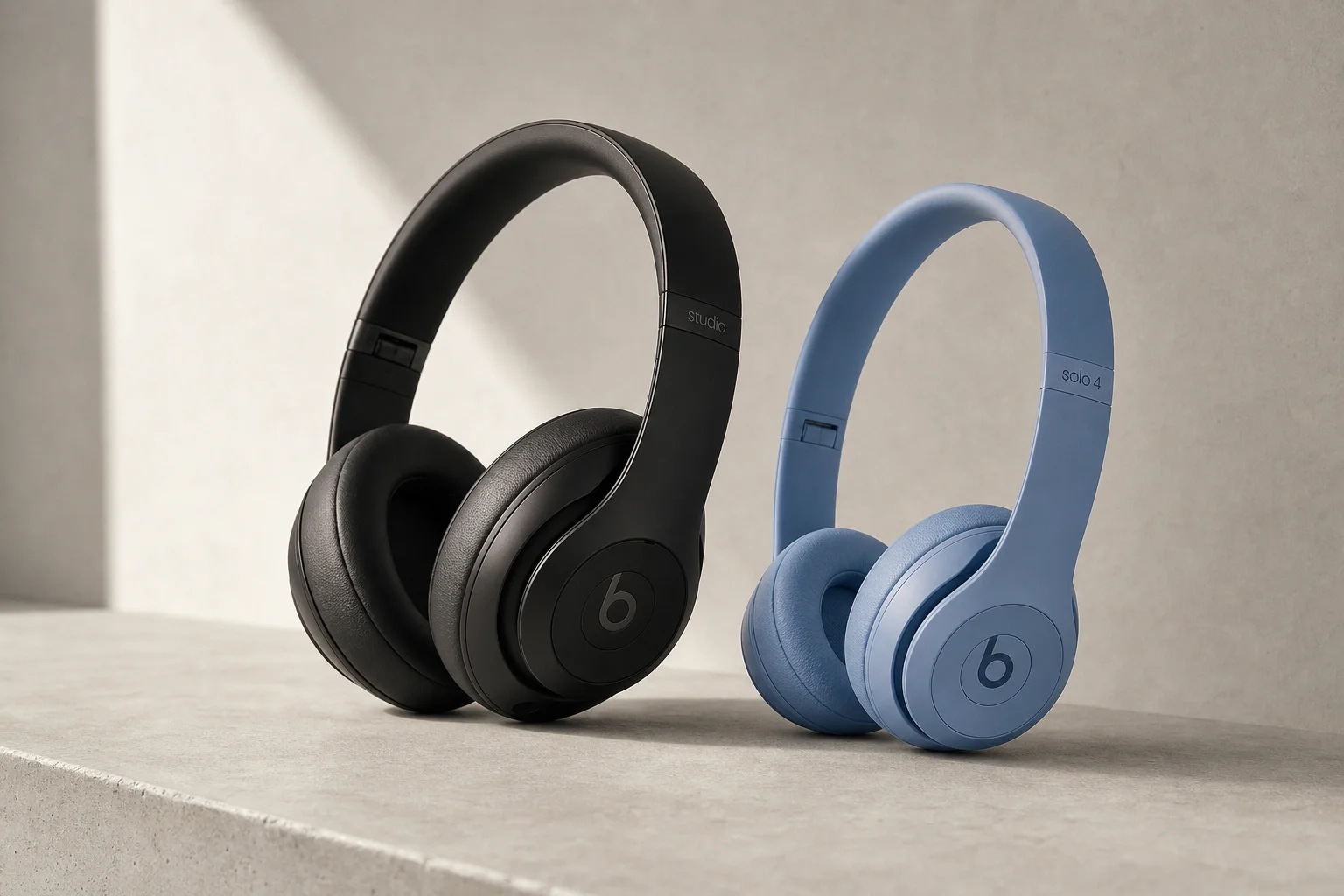
Beats Studio Pro vs Beats Solo 4: Which Headphones Should You Choose?
A detailed comparison of two Beats headphones models: the premium Studio Pro with active noise cancellation versus the more affordable on-ear Solo 4.