Health & Safety
Best Hearing Protection Types: Three Effective Options and How to Use Them
Foam earplugs, earmuffs, and filtered earplugs compared. Learn which hearing protection works best for your needs and how to use each type properly.
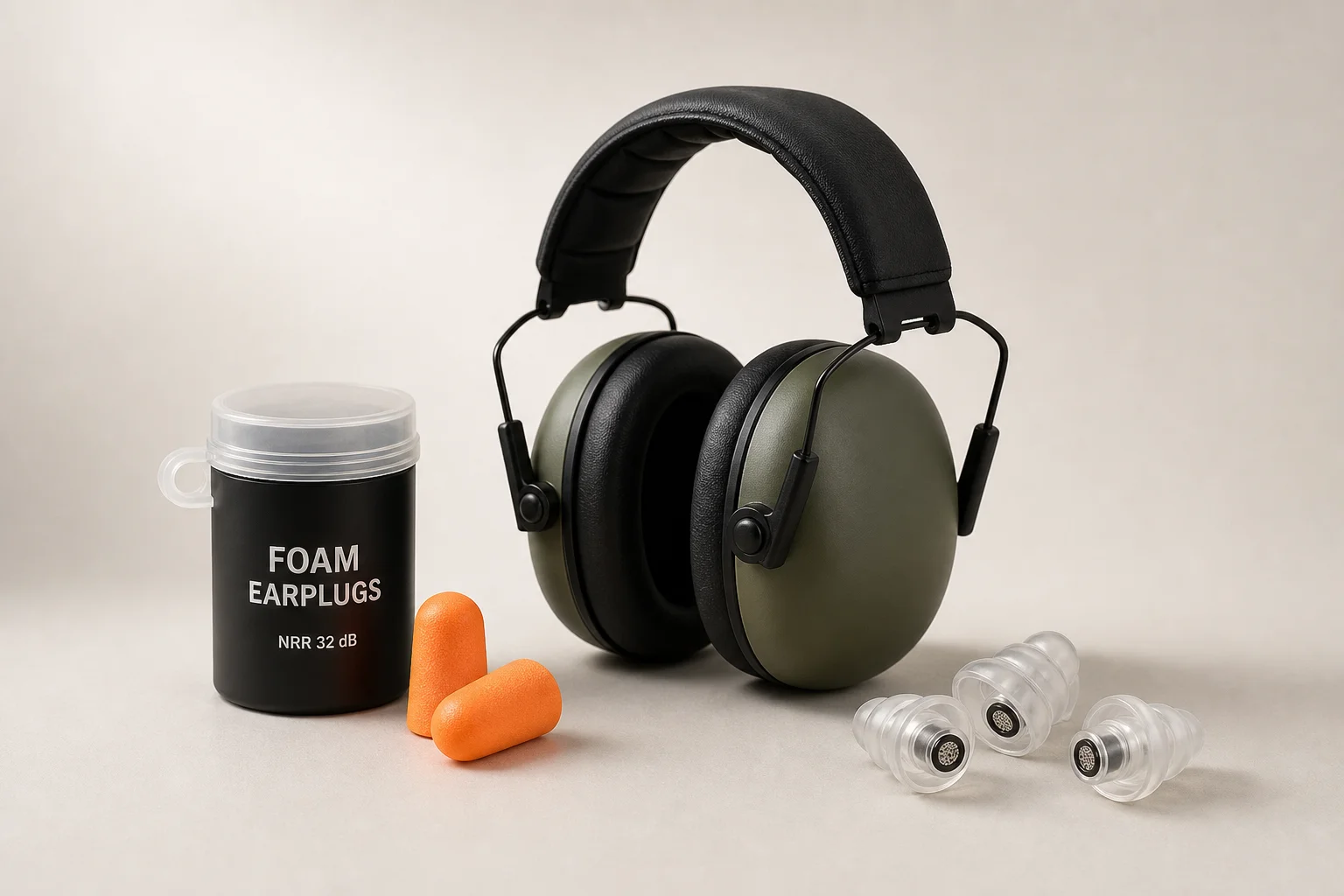
Introduction
Noise-induced hearing loss is preventable, yet millions experience permanent damage from excessive sound exposure. The key is using the right hearing protection correctly. According to the CDC, approximately 12.5 percent of children and adolescents aged 6 to 19 years, and 17 percent of adults aged 20 to 69 years, have suffered permanent hearing damage due to noise exposure. Once the tiny hair cells in your cochlea are damaged, they do not regenerate. This makes proper hearing protection essential whether you work in loud environments, attend concerts, or engage in motorsports.
When comparing hearing protection options, look at the noise reduction rating (NRR) and single number rating. Higher ratings provide more protection, but bigger numbers are not always better if the protection does not suit your lifestyle or activity.
Foam Earplugs: Affordable and Effective
Foam earplugs are among the most common types of hearing protection due to their low cost and effectiveness. You can find quality foam earplugs for less than a dollar per pair, and they typically offer a noise reduction rating between 33 and 38 decibels, which is considered high on the hearing protection scale.
The critical factor with foam earplugs is proper insertion. Roll the earplug between your fingers until it becomes thin, then reach around to the back of your head, lift back on your ear to straighten your ear canal, and insert it about three-quarters of the way in. Hold your finger in place to allow it to expand fully. Simply pushing a foam earplug into your ear without rolling and expanding it will not provide the published noise reduction rating.
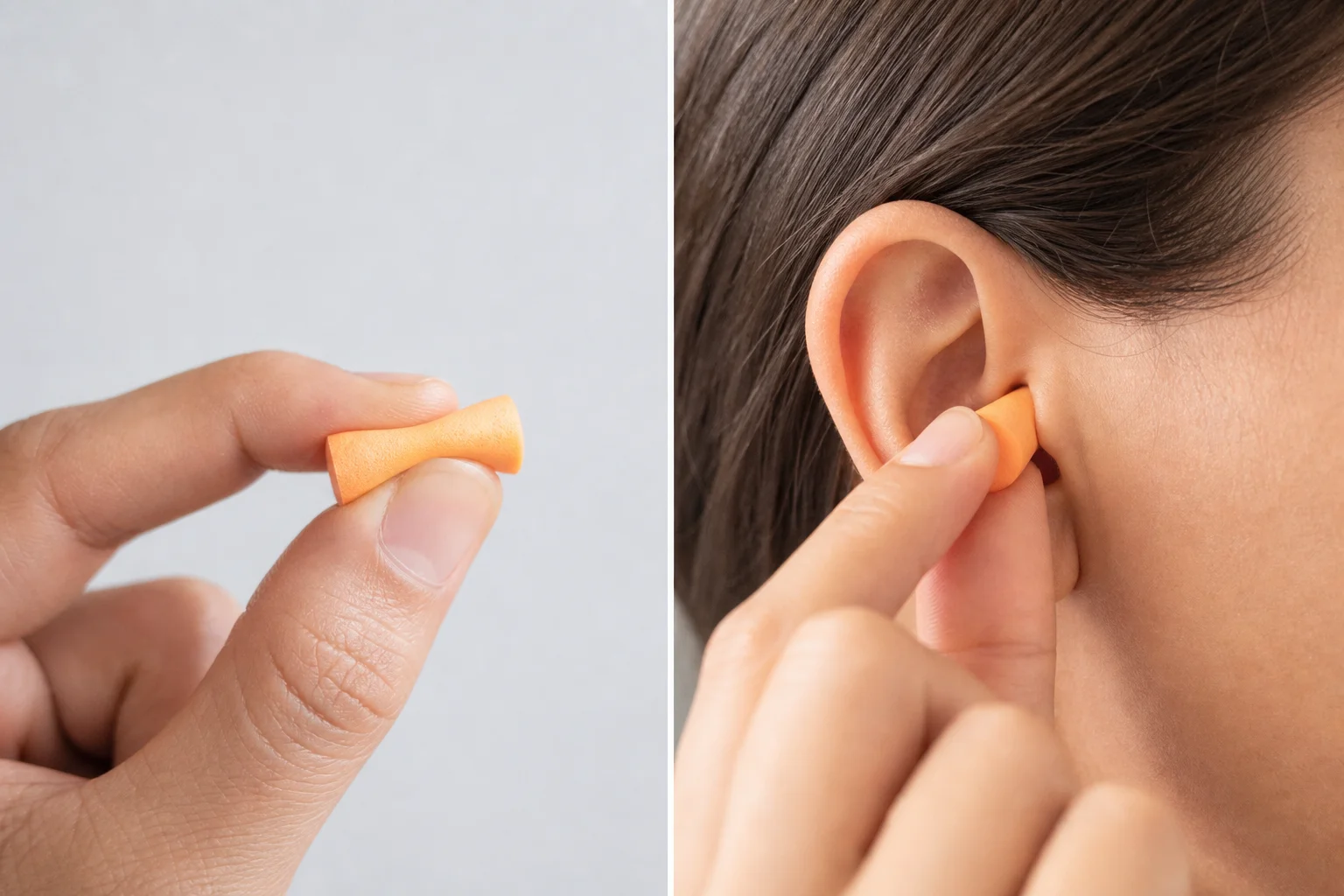
Foam earplugs are single-use only. Once used, they must be discarded and replaced with a fresh pair to maintain full protection. Quality and protection vary significantly between different foam earplug brands. Additionally, foam earplugs severely attenuate sound, making communication difficult and music sound uneven and distorted at concerts.
Earmuffs: Reusable and Durable
Earmuffs offer noise reduction ratings between 20 and 30 decibels and are extremely easy to use. Unlike foam earplugs, earmuffs are reusable and only need replacement when the foam or plastic begins to crack. If you can properly wear headphones like the Bose Quiet Comfort or AirPods Max, you can properly wear earmuff hearing protectors.
Proper fit is essential. The earmuff should seal completely around both ears with no breaks in the seal. However, earmuffs have practical drawbacks. Eyeglasses create breaks in the seal, reducing effectiveness. In warm climates, they become uncomfortable to wear for extended periods. For side sleepers, they are impractical for nighttime use.
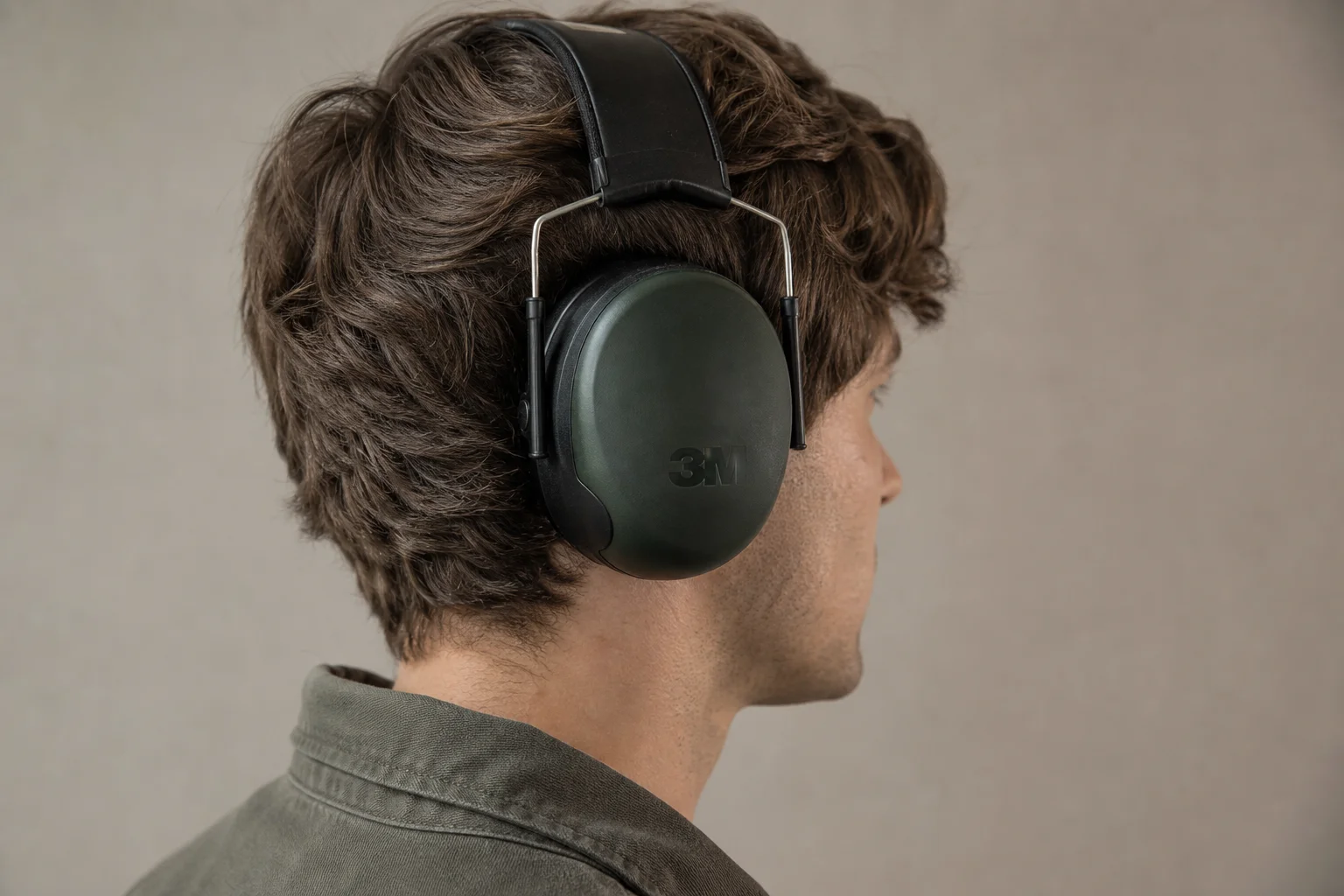
Electronic earmuffs that allow conversation and attenuate sound only when loud noises occur are available, but they typically cost upwards of five hundred dollars. Standard earmuffs also make communication difficult, similar to foam earplugs.
Filtered Earplugs: Customizable Protection
Filtered earplugs are rapidly becoming the most popular hearing protection option. These earplugs use acoustic filters that attenuate loud sound while allowing your ears to breathe. Filters are available in varying degrees of protection depending on your activity.
The Phonak Serenity Choice earplugs feature interchangeable filters designed for different uses. The music filter provides flat attenuation with a single number rating of 17 decibels and a noise reduction rating of 10 decibels, allowing you to enjoy concerts without distortion while reducing volume. Other filters are available for motorsports, hunting, swimming, workplace noise, air travel, and sleep.
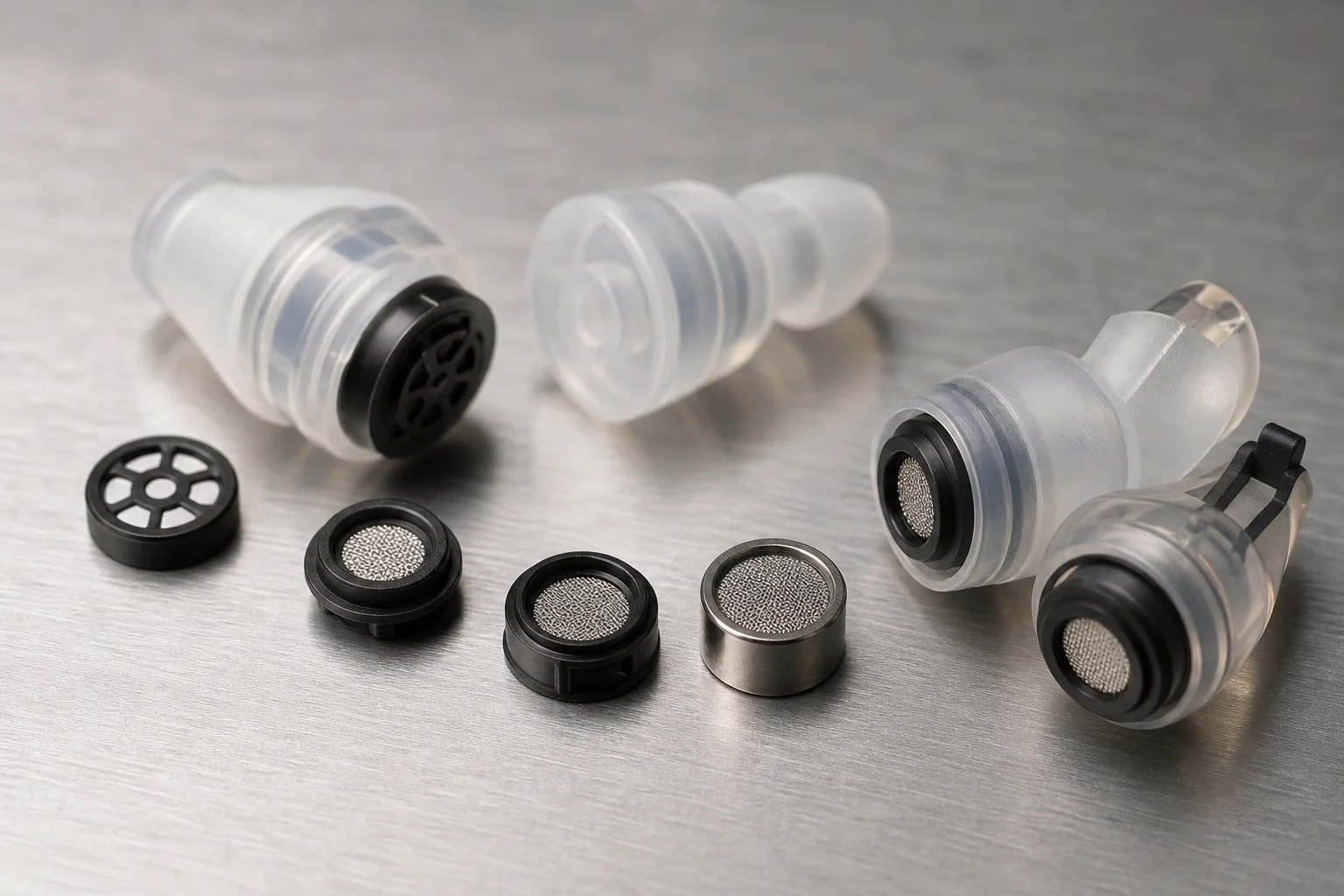
The Serenity Choice comes in small, medium, and large sizes with quick-fit triple flange design. The Serenity Choice Plus uses custom-molded silicone, requiring ear impressions from a hearing care professional. Both options are reusable and extremely comfortable for all-day or all-night wear.
Choosing the Right Protection for Your Activity
The most important factor in hearing protection is actually using it. The second priority is selecting the type that provides appropriate noise reduction for your specific activity while being comfortable enough to wear consistently.
Filtered earplugs typically cost between thirty and fifty dollars depending on the filter model. The Serenity Choice Plus requires professional ear impressions, which adds to the overall cost but provides a custom fit.
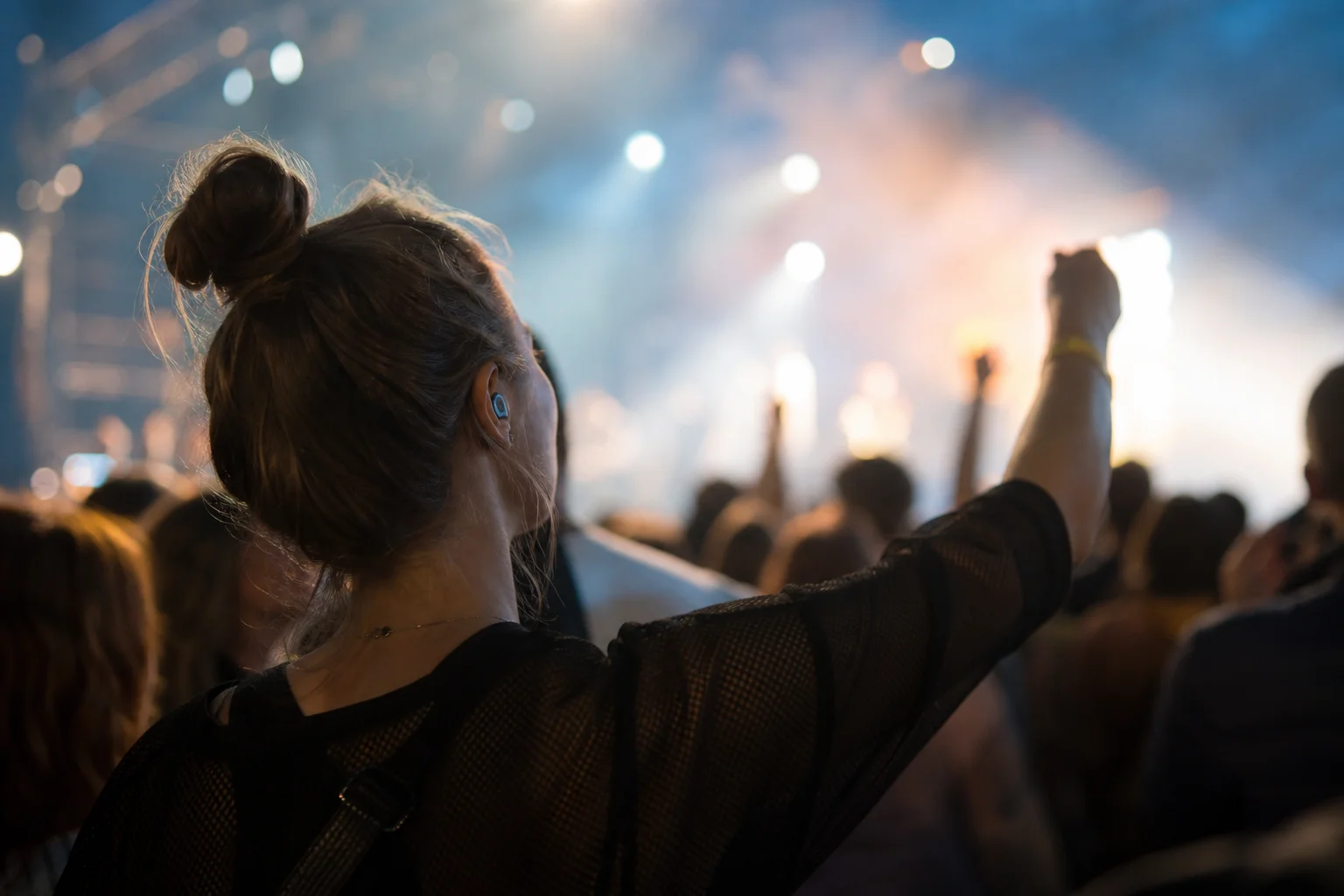
Do not compromise on quality when selecting filtered earplugs. Not all filters are created equally, and investing in a reliable option ensures you receive the protection rating you expect. Whether you choose foam earplugs for occasional use, earmuffs for workplace or workshop environments, or filtered earplugs for regular activities, the key is consistent use and proper insertion or fit.
Conclusion
Noise-induced hearing loss is entirely preventable with the right approach. Understanding the three main types of hearing protection, their noise reduction ratings, and how to use them properly empowers you to protect your hearing in any situation. The next time you find yourself in a loud environment, ensure you have appropriate hearing protection and use it correctly.
Product link
View more details for Phonak Serenity Choice
This product is mentioned in the review. Check the specifications, options, and compatibility before buying.
View more details for Phonak Serenity ChoiceFurther reading
Related Reviews
Automotive Accessories
70mai Dash Cam Comparison: A200 vs A510 vs A810
Three dash cameras from 70mai across different price points reveal how resolution and sensor quality impact real-world footage clarity, especially for number plate visibility and low-light performance.
Cycling Power Meters
Five Affordable Power Meters for Road and Off-Road Cycling
Five practical power meter options under $500 that deliver reliable power measurement without breaking the budget.
Coffee Gear
AliExpress Coffee Gear Review: Five Products Worth Testing
A practical look at five coffee tools from AliExpress, including a sand heater, automatic brewer, latte art printer, espresso machines, and home roaster.