Bikepacking Gear
Best Rear Racks for Bikepacking: Nine Options from Budget to Premium
A practical guide to rear racks designed for off-road use and big tire clearance, with detailed looks at nine models and key accessories to complete your setup.
Introduction
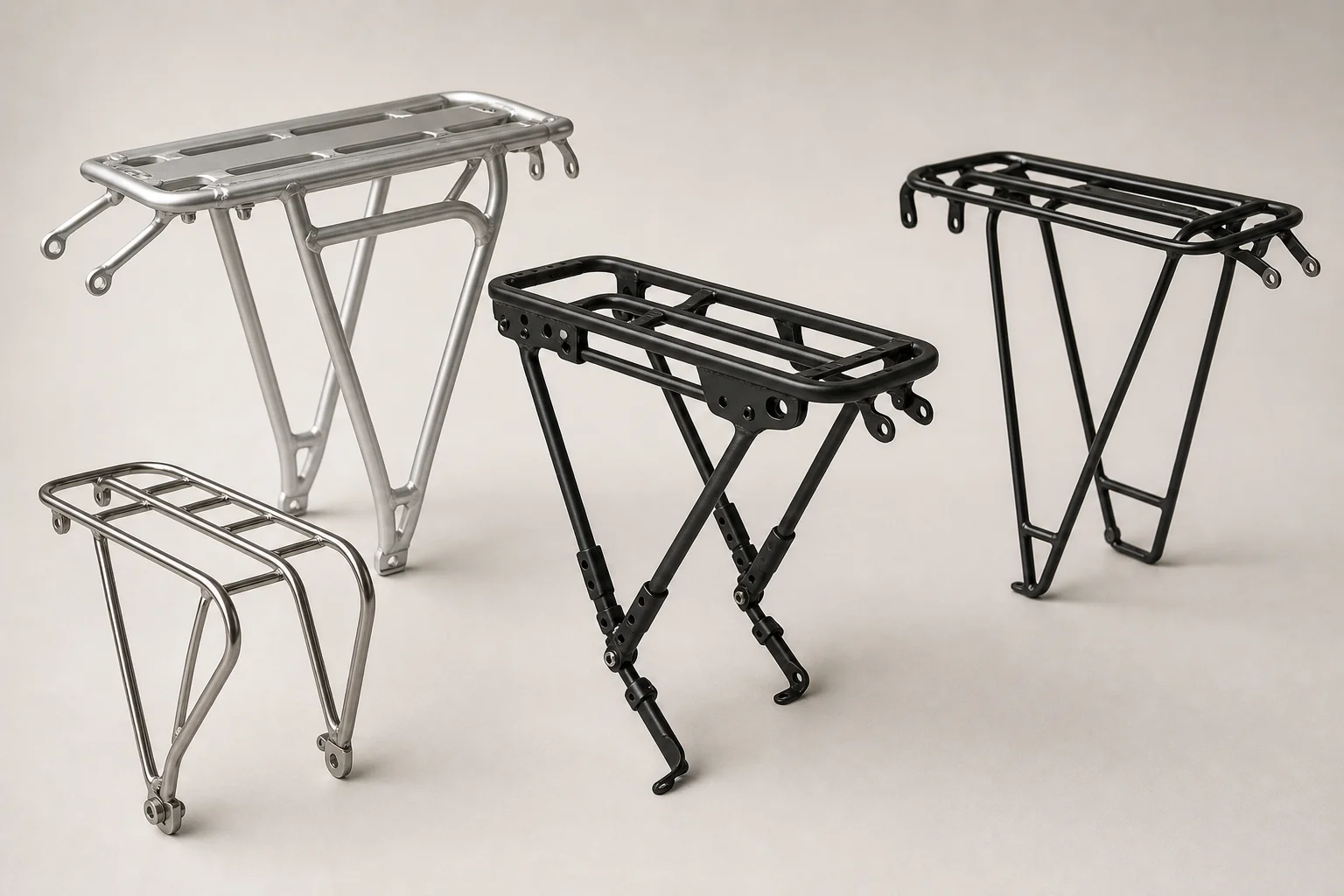
Over the past several years, rear racks have evolved from heavy, overkill designs into purpose-built systems tailored for off-road use and large tire clearance. This shift has made racks a compelling alternative to seat packs for bikepacking trips. While seat packs remain lightweight and easy to install, they come with real trade-offs: the packed weight sits higher on the bike, creating a top-heavy feel; most are not compatible with dropper posts without risking damage; and they place additional stress on dropper systems that may not have enough power to return under load. Rear racks solve these problems by distributing weight lower and further back, freeing up your dropper post travel entirely, and offering genuine versatility for how you carry gear.
Why Rear Racks Matter
Rear racks open up multiple carrying strategies that seat packs simply cannot match. You can use them traditionally with panniers for maximum capacity, pair them with mini panniers for a more reasonable load, or strap a dry bag directly to the platform to maintain full dropper post travel. Many modern racks feature threaded bosses on the sides that accept bottles or cargo cages, expanding your gear space without adding a second bag. The real appeal lies in expandability: you can strap poles to the outside, layer a sheet of Tyvek underneath your dry bag for weather protection, or add extra layers when conditions demand it. This flexibility is why many riders are reaching for racks more often than seat packs.
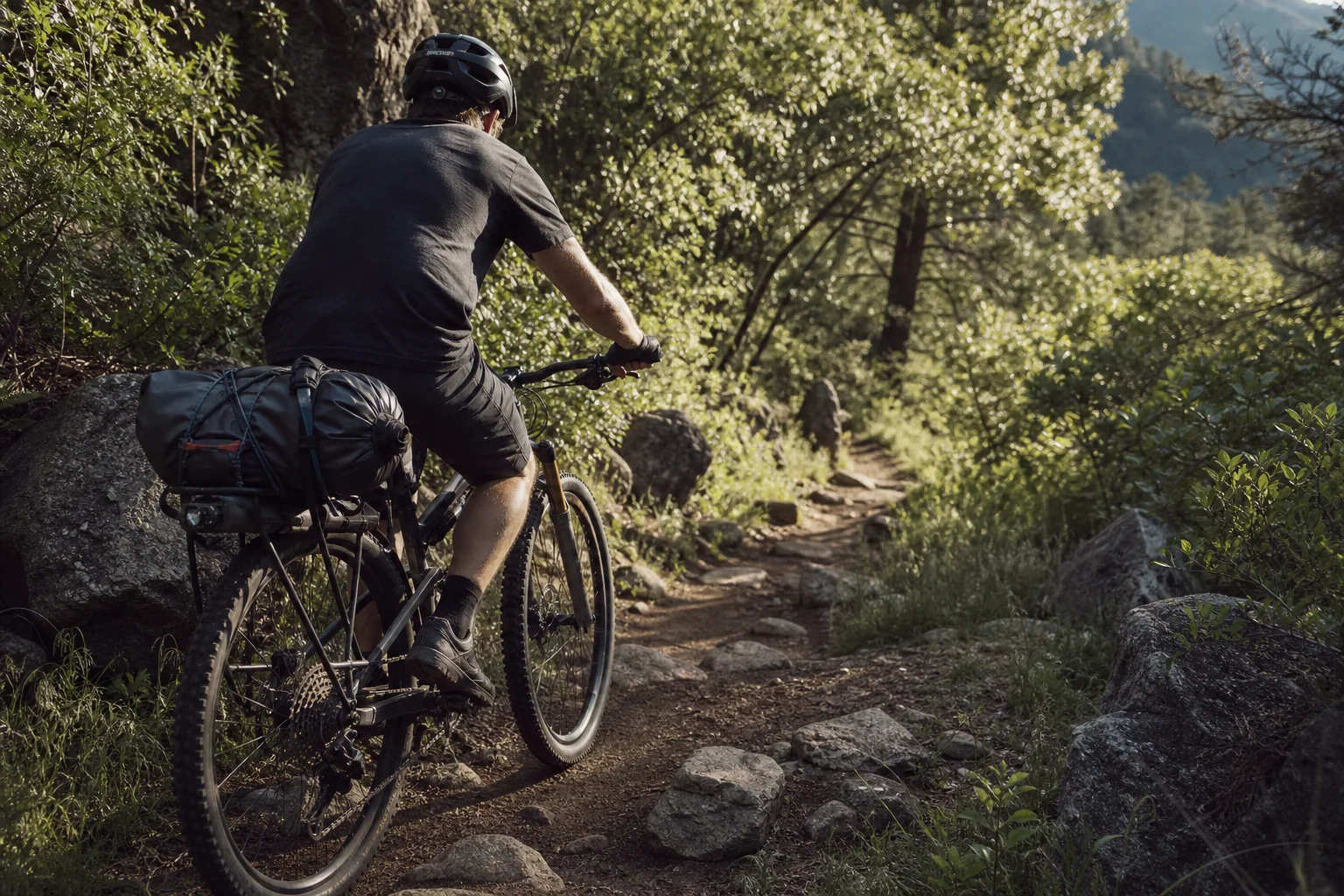
The best racks for off-road use share common traits: they accommodate large tires (29x3 inches or larger), mount securely to standard dropout and seat stay bosses, and weigh under 700 grams. They also work well on full suspension bikes, a critical feature that eliminates many traditional racks from consideration.
Old Man Mountain Elkhorn
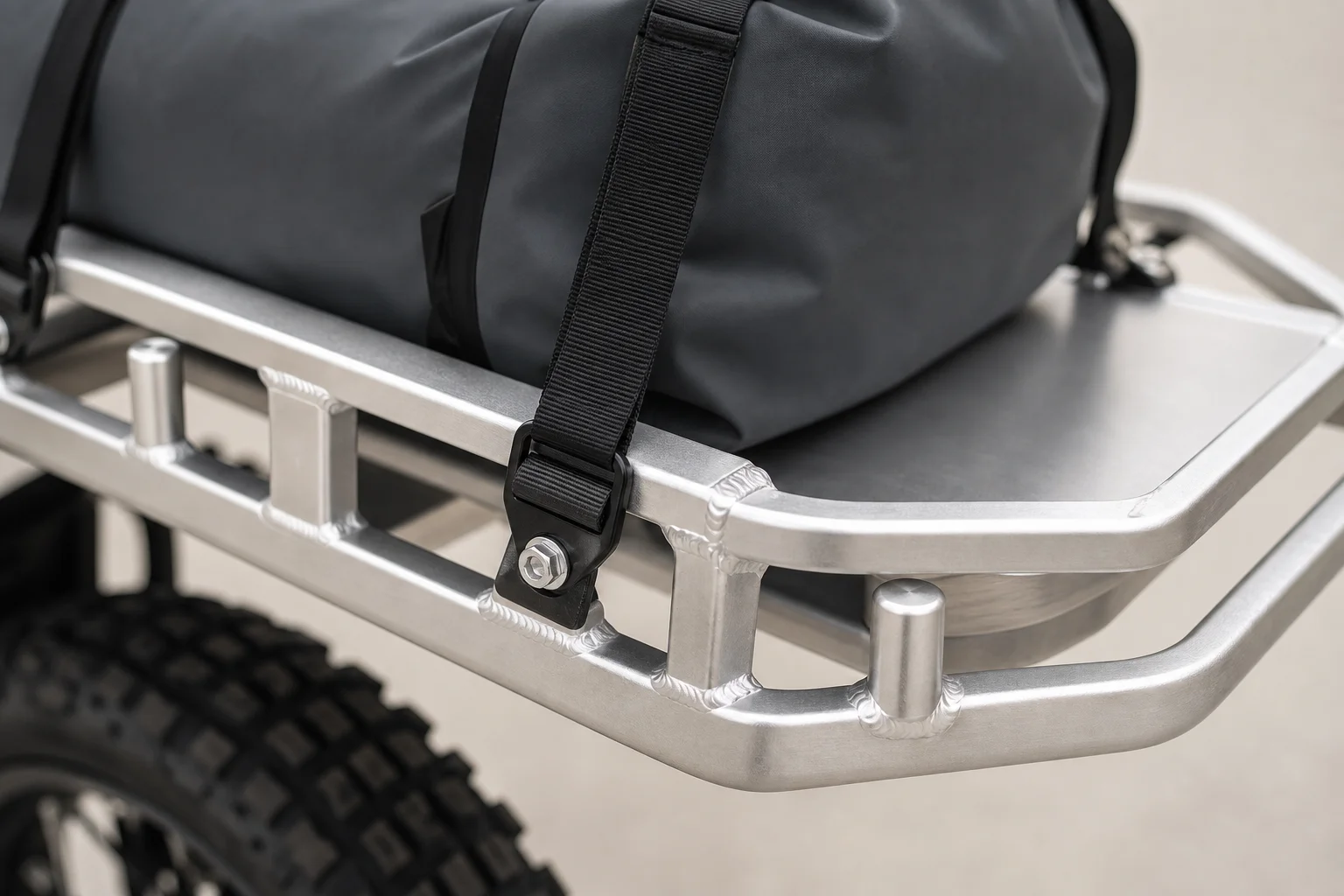
The Elkhorn launched about a year ago and stands out as one of the few racks that work equally well as a rear or front rack. Its welded aluminum construction uses oversized 13mm diameter 6061 aluminum tubing in three main pieces: the platform and two risers. The rack mounts via standard rear dropout and seat stay bosses, or optionally to a seat clamp. Old Man Mountain also offers fit kits with threaded axles on each end, allowing installation on bikes without standard rack mounts. This versatility extends to full suspension bikes through included seat stay adapters.
The Elkhorn comes in two sizes: short (fitting tires up to 27.5x2.8 or 700cx50mm) and tall (for 29x3.25 maximum clearance). The short version weighs just 638 grams and includes three-pack mounts on each side for extra cargo capacity. The full deck on top acts as a fender, protecting your dry bag and rear wheel from mud and spray. When you compress the rear shock on a full suspension bike, the rack moves forward slightly, but the short deck makes this less problematic than on longer racks.
One consideration: if you cut the struts too short during installation, you will need to order replacements, though Old Man Mountain sells these separately. The Elkhorn has a 25-pound capacity, costs 168 USD (plus 80 USD for the fit kit if needed), is made in Taiwan, and comes with a lifetime warranty.
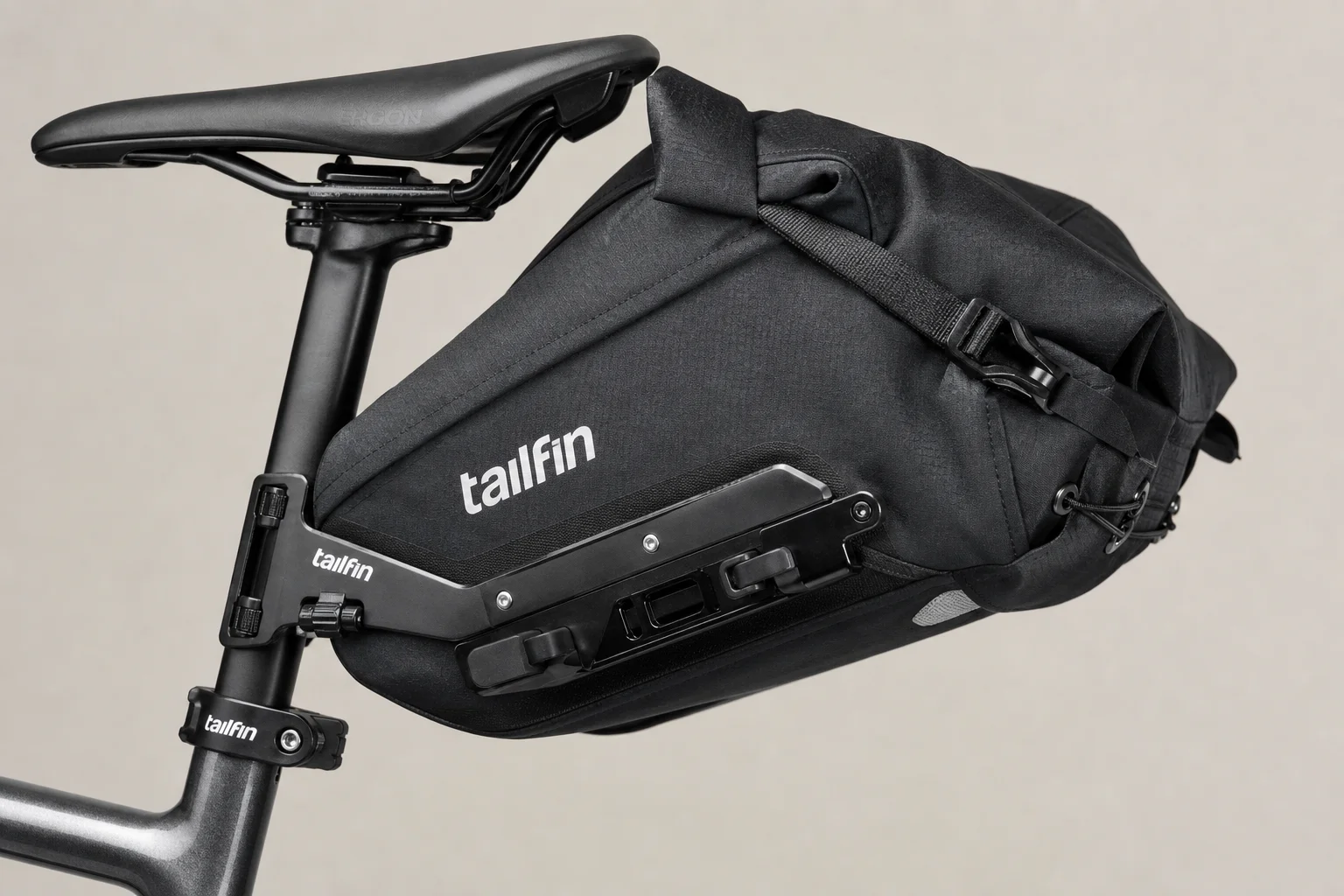
Tailfin AeroPack
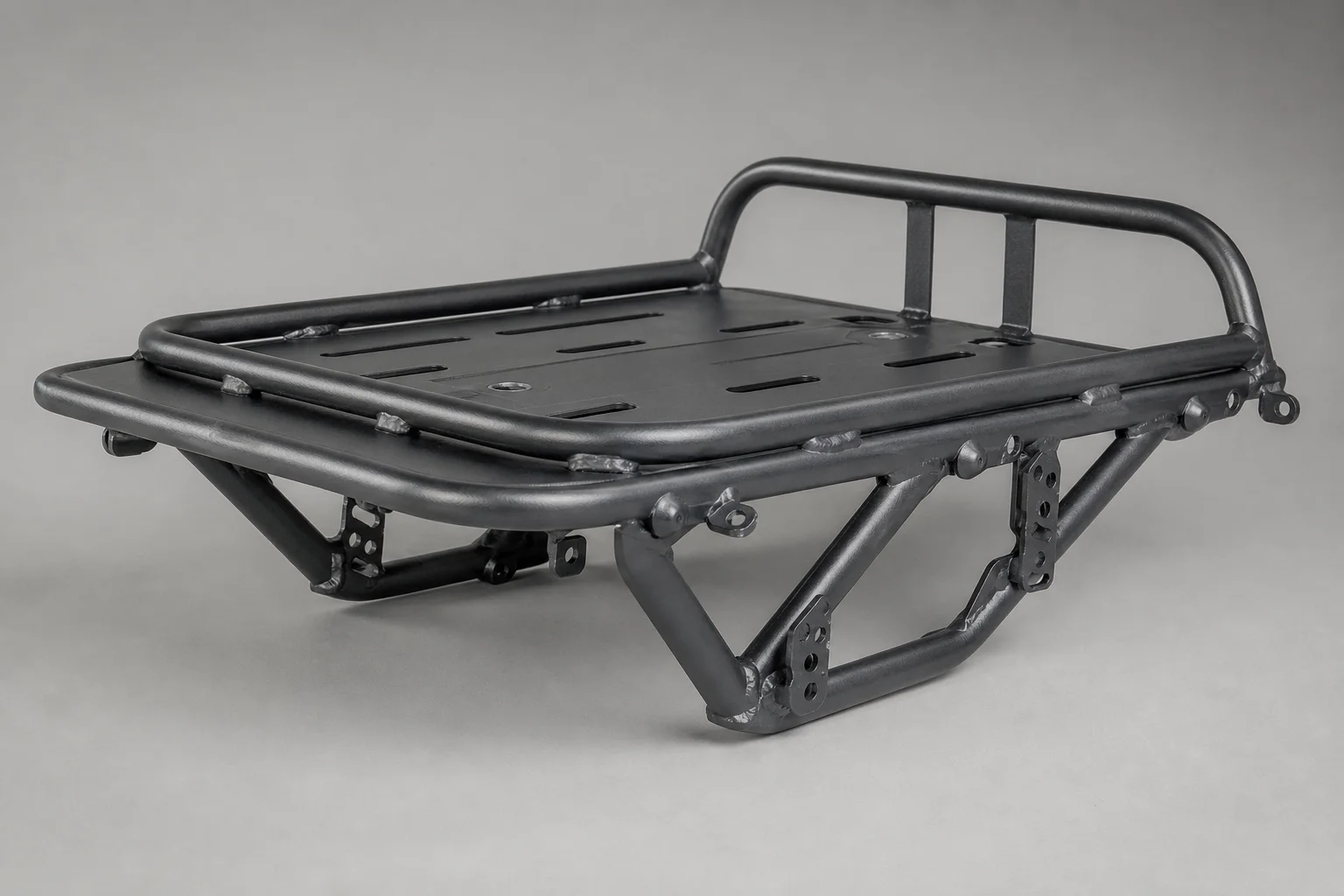
The AeroPack represents Tailfin’s take on the integrated bag-and-rack system. Both the Carbon and Alloy versions combine a purpose-built rack with a permanently attached dry bag, designed to fit tire sizes from 26x4 to 29x3 inches. The system mounts directly to standard rack mounts on your frame, or you can opt for quick-release dropouts compatible with universal axle mounts or frame-specific kits. These quick-release options add cost but dramatically improve ease of installation and bike-to-bike swapping.
The system also mounts to your seat post or seat tube via a seat post connector (included stock). If you need more clearance between the dry bag and your dropper post, or if you are working with a smaller frame, the extended seat post connector is a worthwhile upgrade. The integrated 20-liter dry bag is always ready to load: open it up, stuff your sleep system and belongings inside, roll the top closure, clip the webbing straps, and tighten down. The ease of use encourages frequent deployment, which is the hallmark of a well-designed system.
The AeroPack sits slightly higher than traditional seat pack systems, but this does not translate to noticeable movement on chunky singletrack. The huge dry bag capacity means you always have room for resupply stops before camp. While the system is more expensive than some alternatives (especially with add-ons), and the aesthetic takes some getting used to, it is genuinely ready for any bike, including full suspension and dropper post setups.
The AeroPack starts at 305 USD for the simple alloy direct-mount version and reaches 535 USD with the carbon system and all accessories. It has a 59-pound weight capacity, is made in Taiwan, and comes with a five-year warranty.
Tumbleweed T-Rack
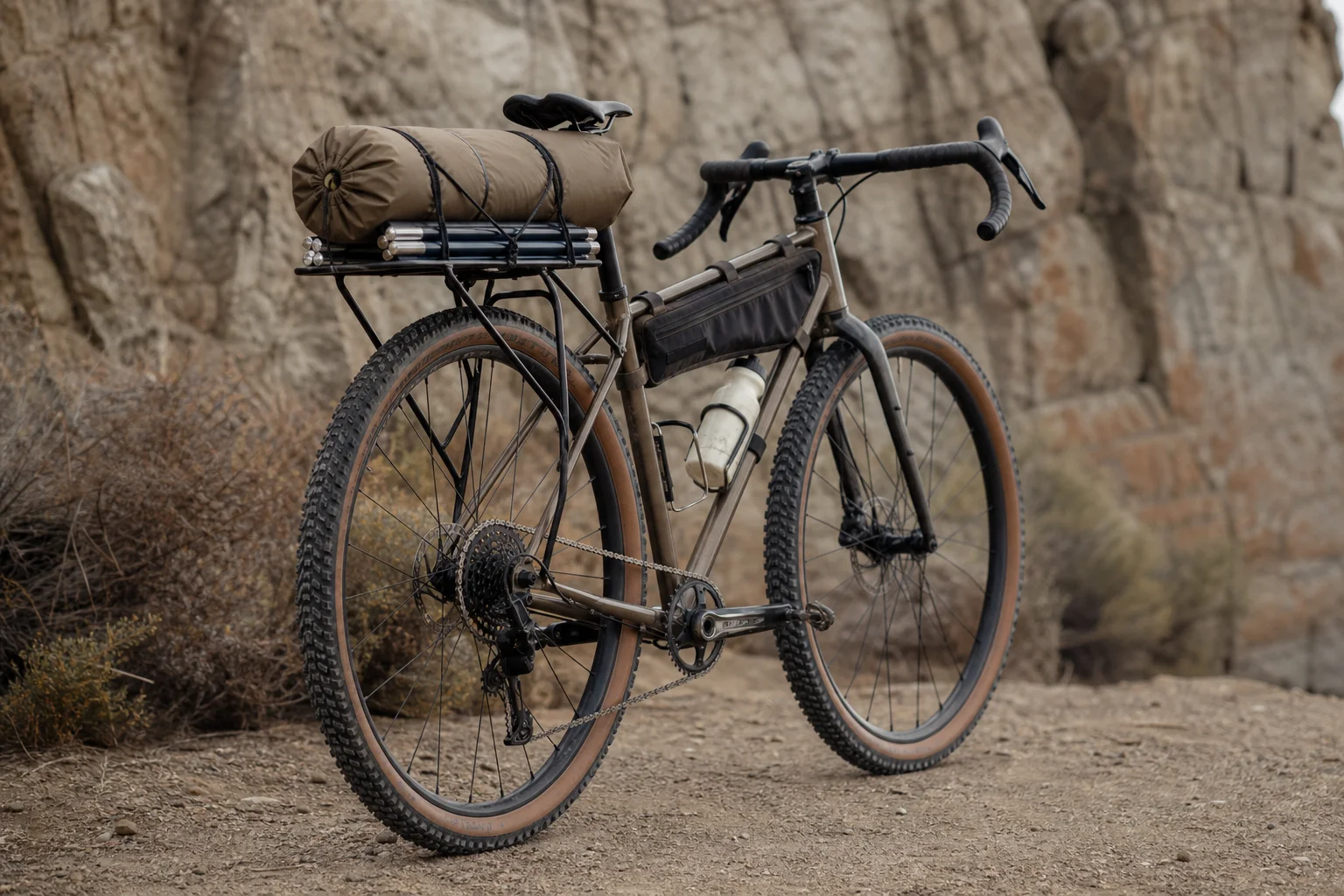
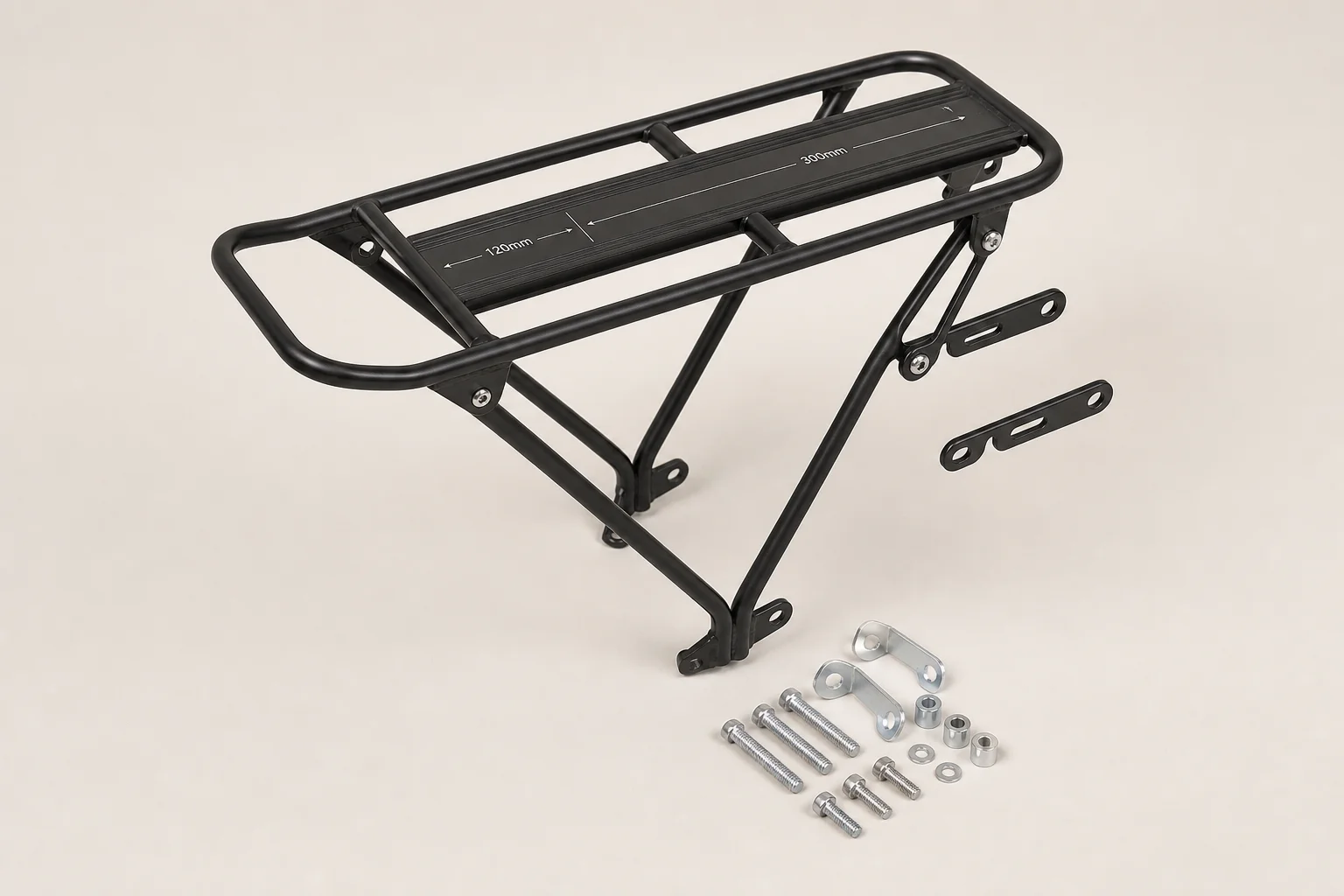
When simplicity and durability are the priority, the T-Rack delivers. This elegant steel rack mounts directly to the brazons near the dropout and also accepts seat stay or seat post clamp mounts. It uses traditional rack mounting hardware with fewer moving parts than more complex designs. The black powder coat finish, three-pack bosses on each side, and dual-purpose front-and-rear capability make it a versatile choice.
The T-Rack comes in two sizes: 355mm and 380mm. Tumbleweed recommends 25 to 50mm clearance between your tire and the platform. The smaller 355mm version works well with 2.2-inch tires on drop bar mountain bikes, while the larger 380mm accommodates up to 29x3.5 or 26x4.75 inches. The 120x300mm top platform excels at holding a long dry bag and tent poles side by side. The rack looks the part and has withstood serious abuse in real-world use.
One limitation: the T-Rack is not designed for panniers, though Tumbleweed offers a mini pannier rack attachment for just 10 USD extra. Adding a full deck would improve tire-to-bag clearance and weather protection, but the current design keeps weight and complexity low. The short version weighs 575 grams, has a 55-pound capacity, costs 130 USD, is made in Taiwan, and comes with a lifetime warranty.
Ortlieb Quick Rack
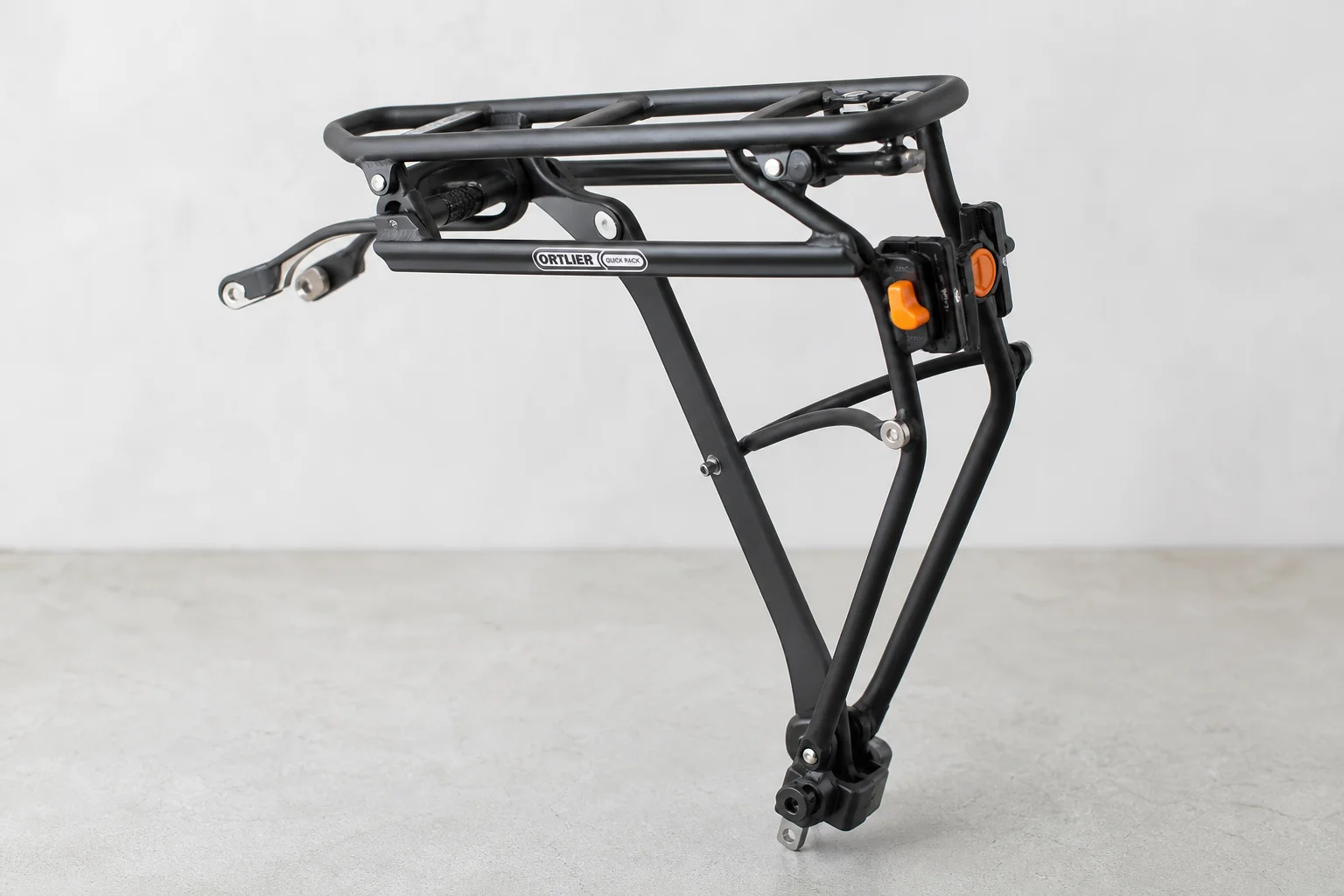
The Quick Rack showcases Ortlieb’s continued innovation in the rack space. Its defining feature is the 5-15 method: 15 seconds for assembly, 5 seconds for disassembly. This makes it ideal if you want to use one rack across multiple bikes. The rack mounts via standard rack mounts or included seat stay adapters, then locks down with levers that secure it to the hardware. A single strut runs from the rack to the seat tube or seat post clamp, attaching to the main triangle of the bike.
Ortlieb claims the Quick Rack works on full suspension bikes, likely due to the quick-locking system at the dropout that allows the rack to rotate freely rather than being fixed. The rack weighs 580 grams with a 44-pound capacity and costs a very inviting 100 USD. The main trade-off is tire clearance: it maxes out at 29x2.35 inches, making it less suitable for riders running larger tires. For those with smaller tire setups, the combination of quick-release convenience and low price makes it compelling.
SimWorks Burrito Rack
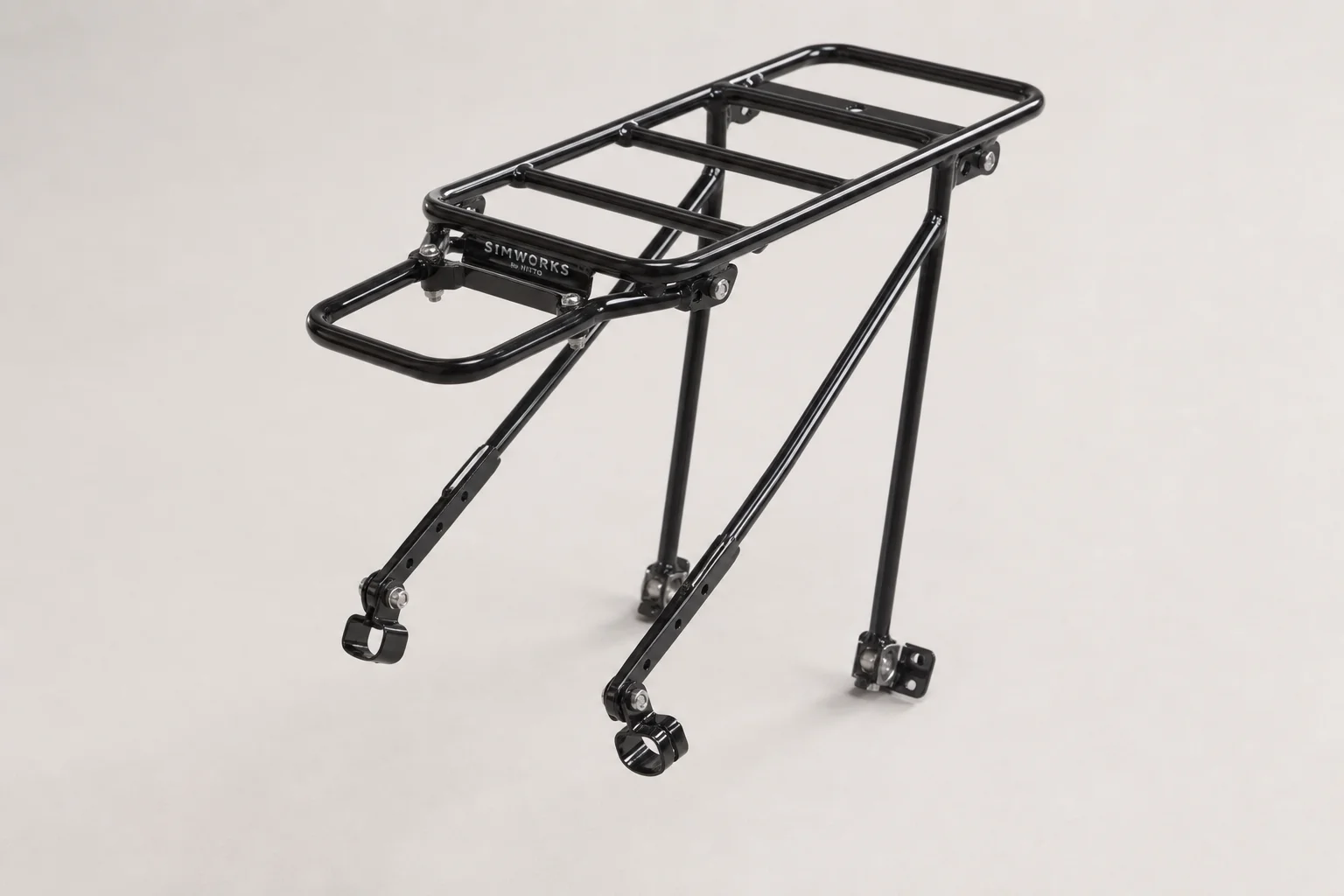
The Burrito Rack is a compact rear bag support made from tubular chromali steel by Nidto in Japan. It attaches to the seat post and both seat stays using adjustable struts that can be eyelet-mounted or connected with included clamps. The Burrito works as a support for a larger saddle-bag-style cargo bag or as a standalone rack for a smaller dry bag. This flexibility makes it useful for riders who want a minimal footprint but still need rear cargo capacity.
The Burrito weighs 410 grams, has a 22-pound capacity, and comes in chrome or black-plated finishes. It costs 200 USD, making it a mid-range option for those seeking a lightweight, purpose-built solution.
Aeroe Spider Rear Rack
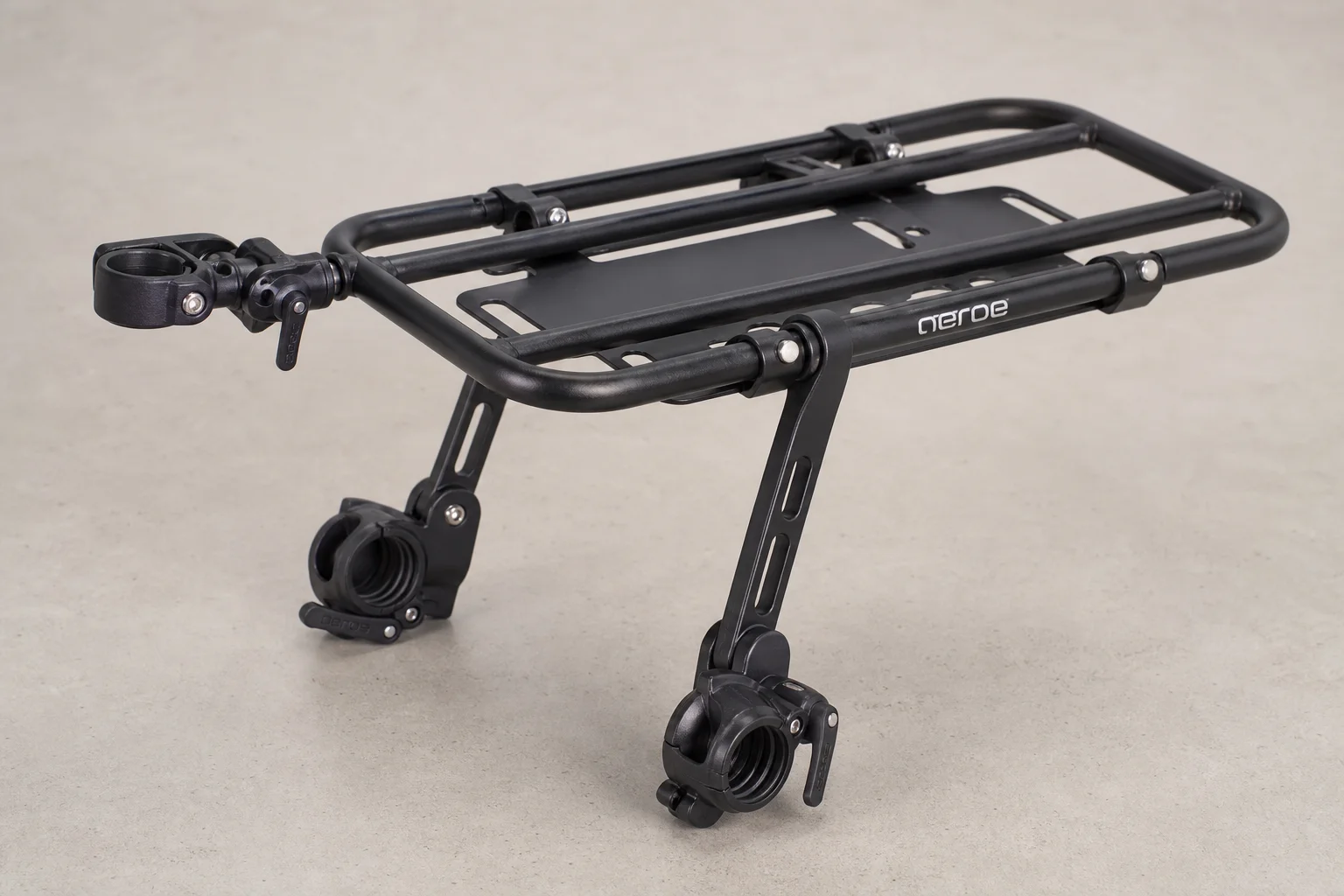
The Spider is a modular rear rack system that can be used with the included cradle to hold any dry bag, tent, or other cargo. It can also integrate into a more complex system using Aeroe’s quick-release gear pods. The quick-release mounting brackets swivel and flex to accommodate different seat stay angles and widths. The main tubing slides up and down via four bolts on each side, creating generous tire clearance above the rear wheel.
The Spider weighs 997 grams, has a 44-pound capacity, and costs 129 USD. The modular design and generous clearance make it a solid choice for riders who want flexibility in how they configure their cargo system.
Tubus Vega Classic and Vega Evo
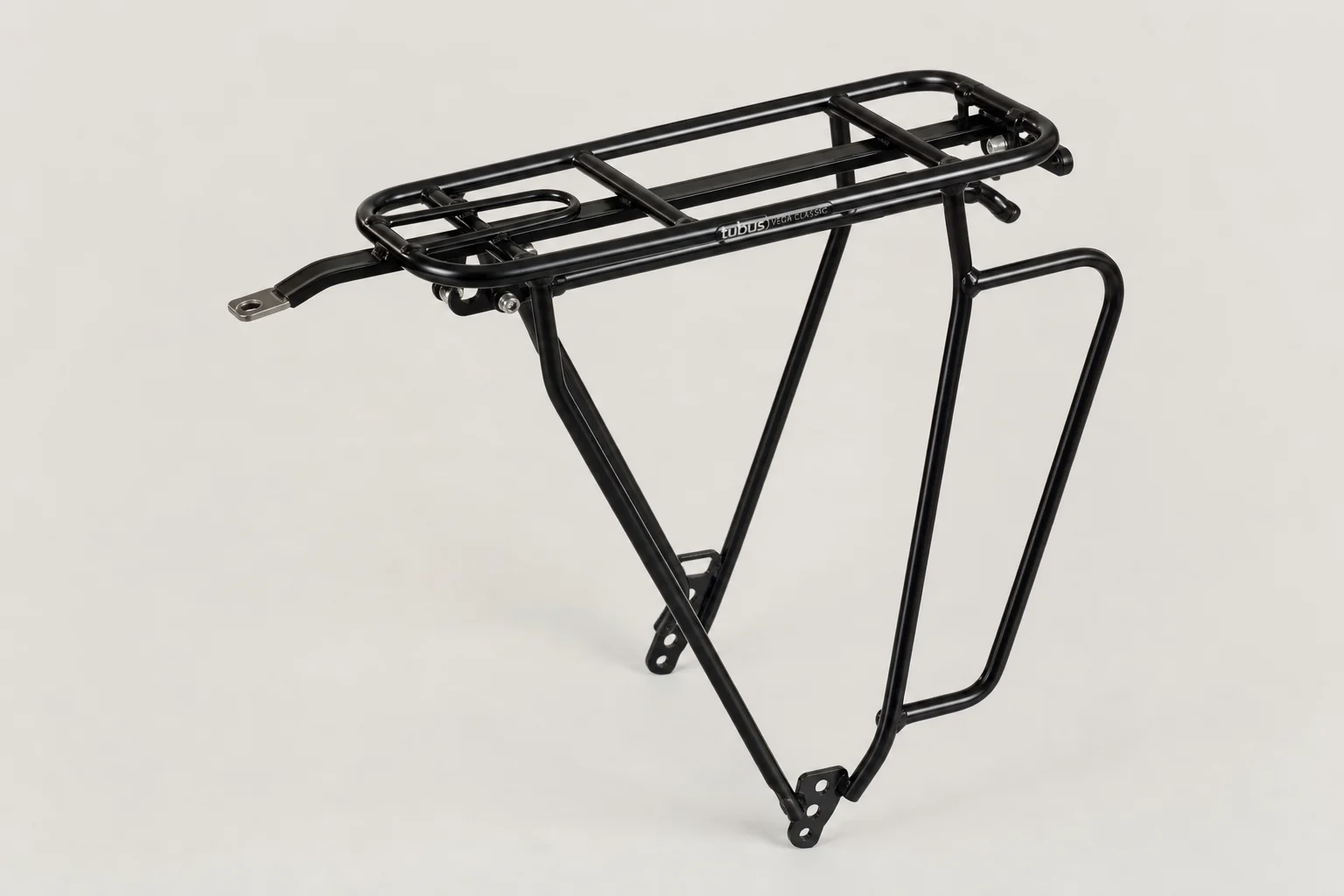
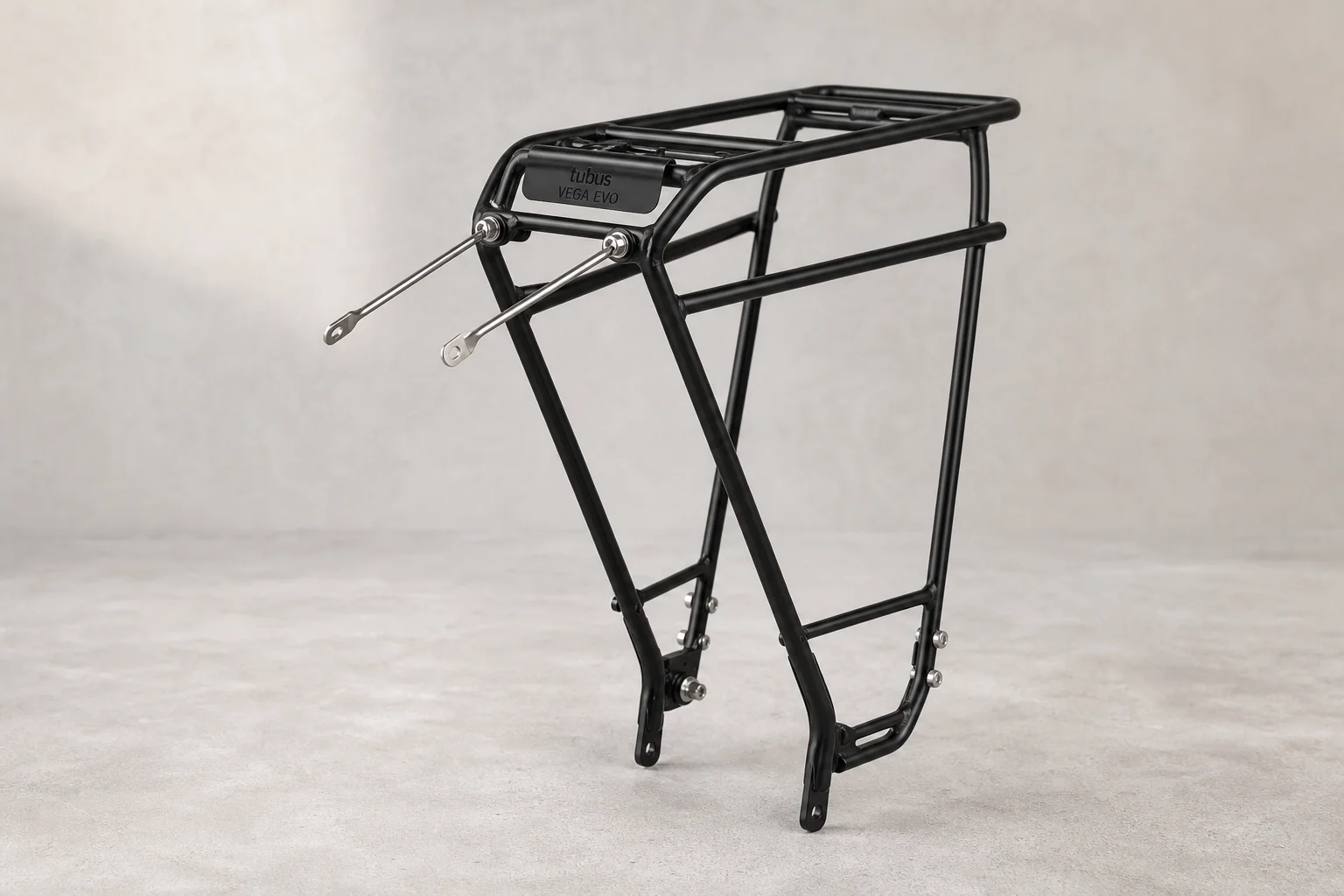
Tubus, a German rack manufacturer with 30 years of experience, offers the Vega in two versions: Classic and Evo. Both are simple rear racks that shed weight by eliminating a second mounting beam while maintaining a 55-pound capacity. They accommodate 29x2.4-inch tires, stand 370mm tall, and fit dropouts spaced 150mm to 180mm wide. Both versions are rated for heavy loads and extended trips, reflecting Tubus’s reputation for durability.
The Vega Classic costs 150 USD and has been used extensively by experienced bikepacking riders who speak highly of its reliability and performance.
Essential Accessories
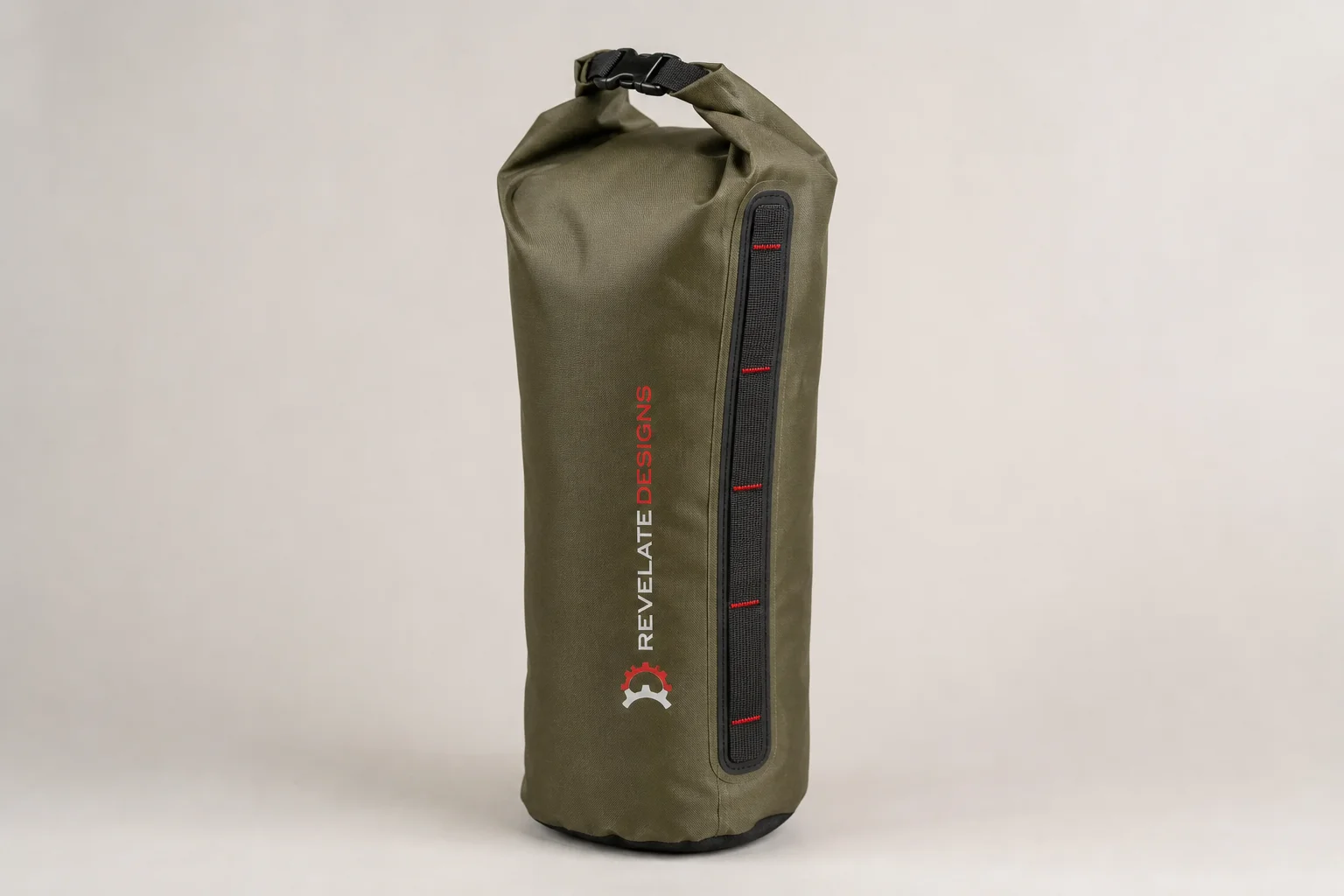
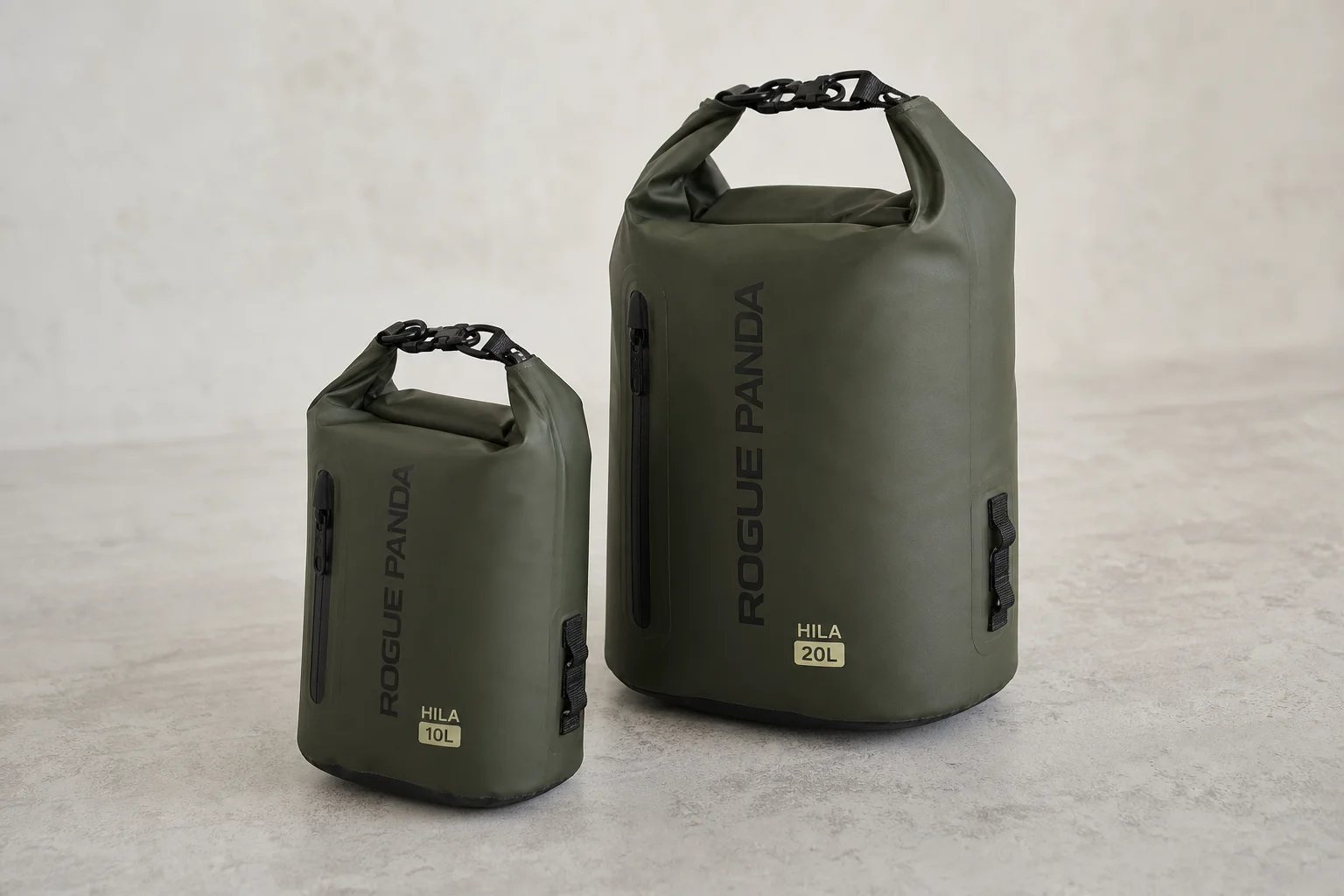
Beyond the rack itself, a few accessories make the system more functional and enjoyable. Long, skinny dry bags work best for rear racks because they fit neatly on the platform without excessive overhang. The Revelate Designs Pronghorn dry bag is a popular choice that fits an entire sleep system (pad, bag, and tent) in a compact footprint. The Rogue Panda Hila dry bag also performs well on rear racks and works equally well with handlebar harness systems.
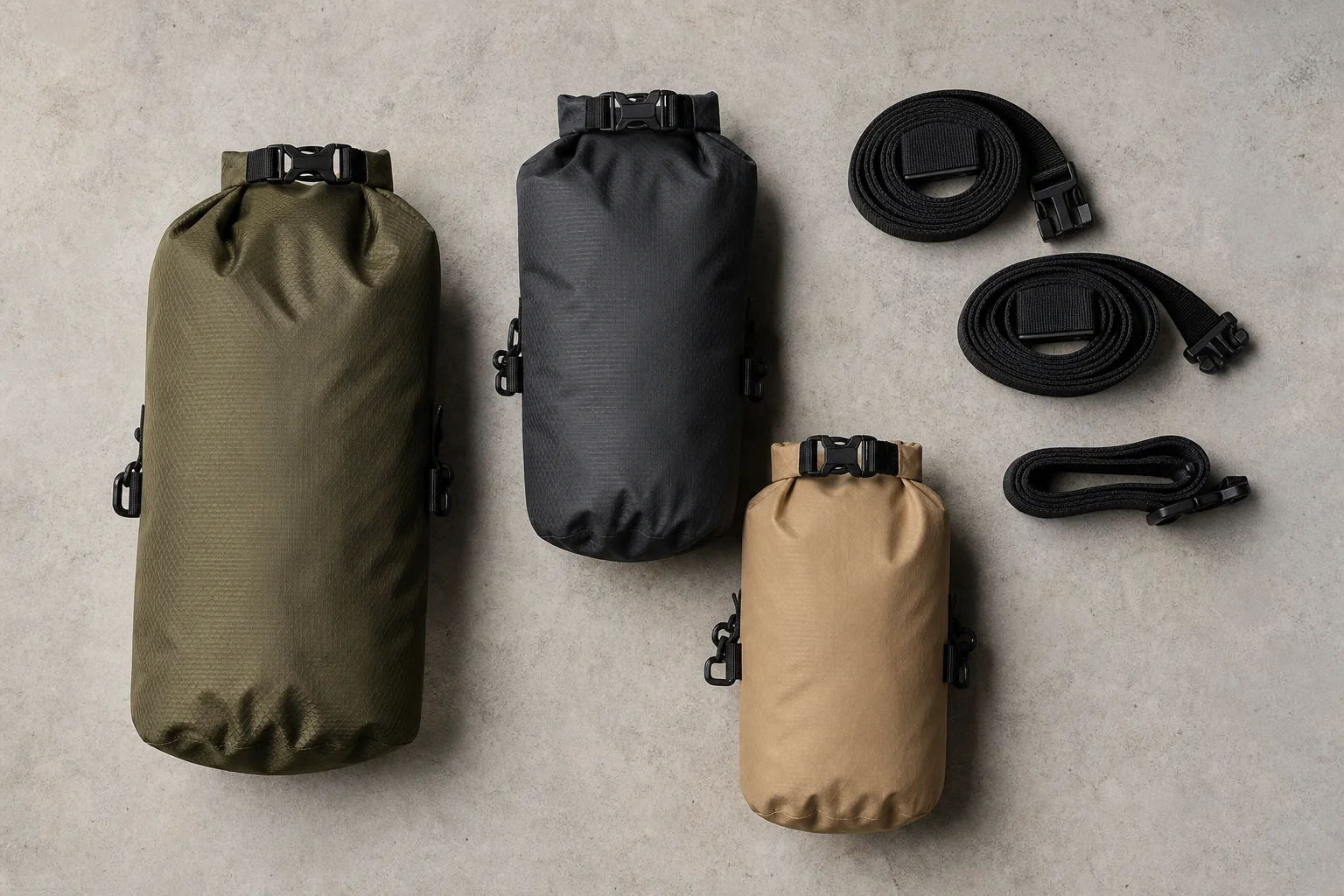
For securing your load, standard straps work fine, but the bikepacking.com Volle strap (available in 20 and 25-inch lengths) provides plenty of extra strap to cinch down your dry bag comfortably. For a more premium option, the Aur strap offers excellent durability and comes in multiple colors.
If your bike lacks standard rack mounts, the Salsa Rack Lock and Post Lock Mount work well for traditional strut-mounting racks. The Rockist Mr. Fusion seat post clamp mount is another aftermarket option that adapts seat post clamps to accept rack mounts.
Conclusion
Rear racks have matured into genuinely practical systems that solve real problems with seat packs: they lower your center of gravity, free up dropper post travel, and offer unmatched flexibility in how you carry gear. Whether you prioritize lightweight construction, quick installation, modular design, or traditional simplicity, there is a rack that fits your needs and budget. Start with a rack that matches your bike’s mounting options and tire size, add a dry bag and straps, and you have a system ready for serious bikepacking adventures.
Further reading
Related Reviews
Bikepacking Gear
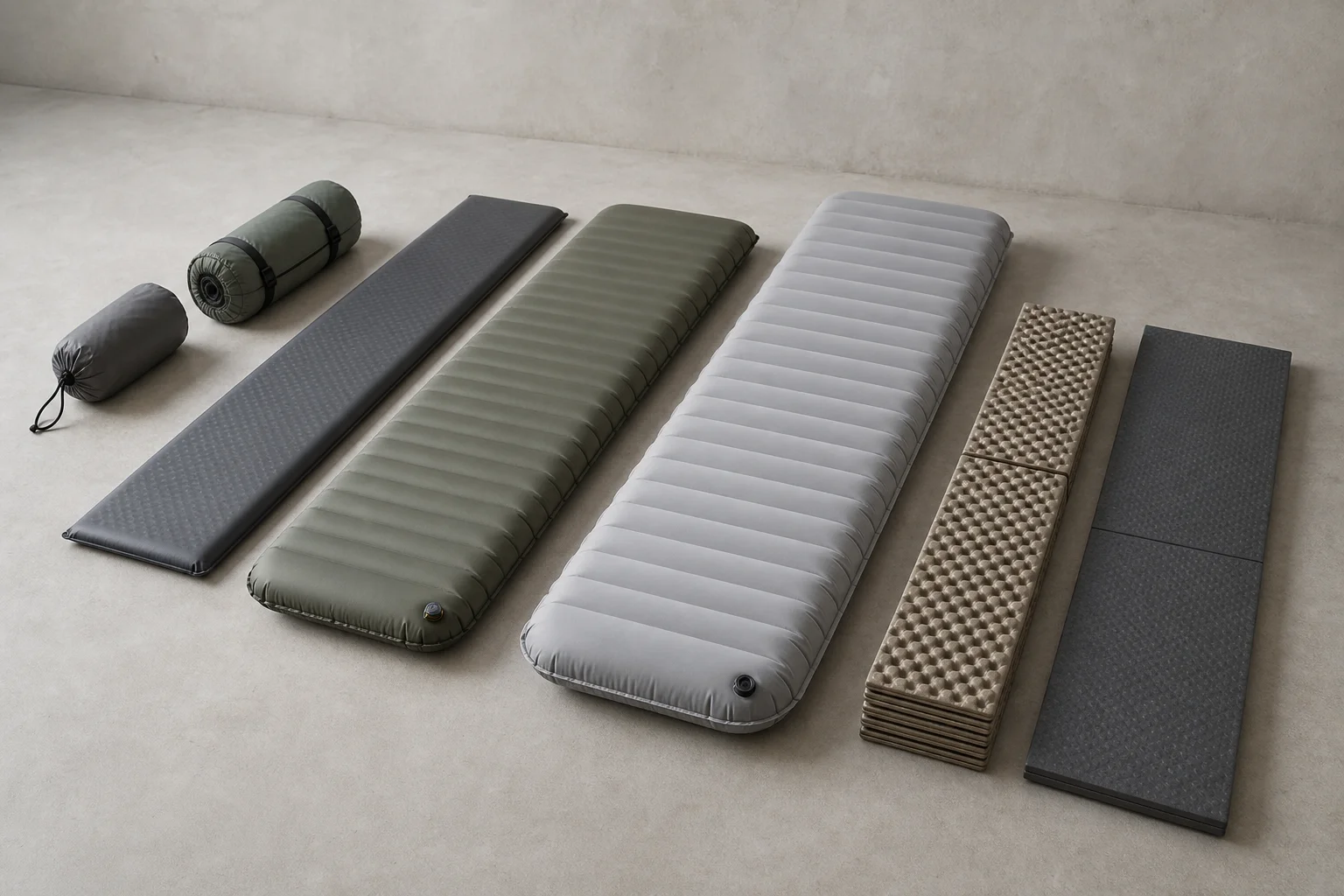
Best Sleeping Pads for Bikepacking: Seven Options Tested in the Field
A practical guide to seven sleeping pads for bikepacking, from ultralight minimalist options to full-length insulated models, with real-world performance notes.
Bikepacking Gear
Essential Bikepacking Gear 2026: Eight Items That Make a Real Difference
Eight practical items that deliver genuine comfort and reliability on bikepacking trips, from lightweight camp seating to satellite communication.
Bikepacking Gear
Why Use a GPS Head Unit for Bikepacking: Navigation, Battery Life, and Durability
Explore the practical advantages of dedicated GPS cycling units over smartphones for bikepacking and off-road adventures, from battery life to durability.