Bikepacking Gear
Best Sleeping Pads for Bikepacking: Seven Options Tested in the Field
A practical guide to seven sleeping pads for bikepacking, from ultralight minimalist options to full-length insulated models, with real-world performance notes.
Introduction
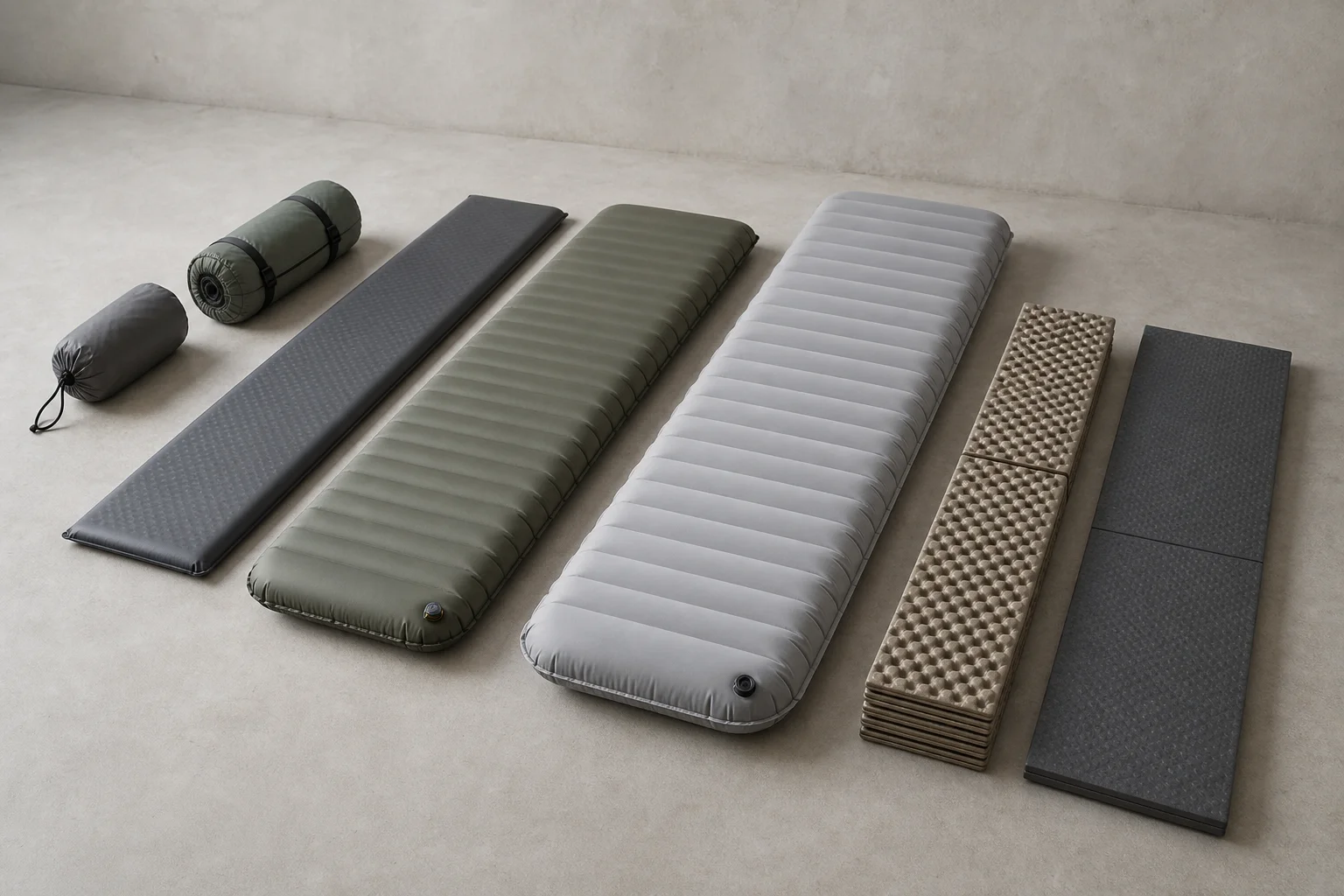
Choosing the right sleeping pad can transform a bikepacking trip from uncomfortable to restful. Over years of testing, certain pads stand out for their balance of weight, packability, insulation, and real-world comfort. This guide covers seven options, from ultralight minimalist choices to full-length insulated models, with honest notes on what works and what doesn’t.
No Pad at All: The Ultralight Trade-Off
The lightest option is no pad at all. In early bikepacking races, skipping the pad was a popular weight-saving move. The appeal is clear: zero weight, zero pack volume, and zero cost.
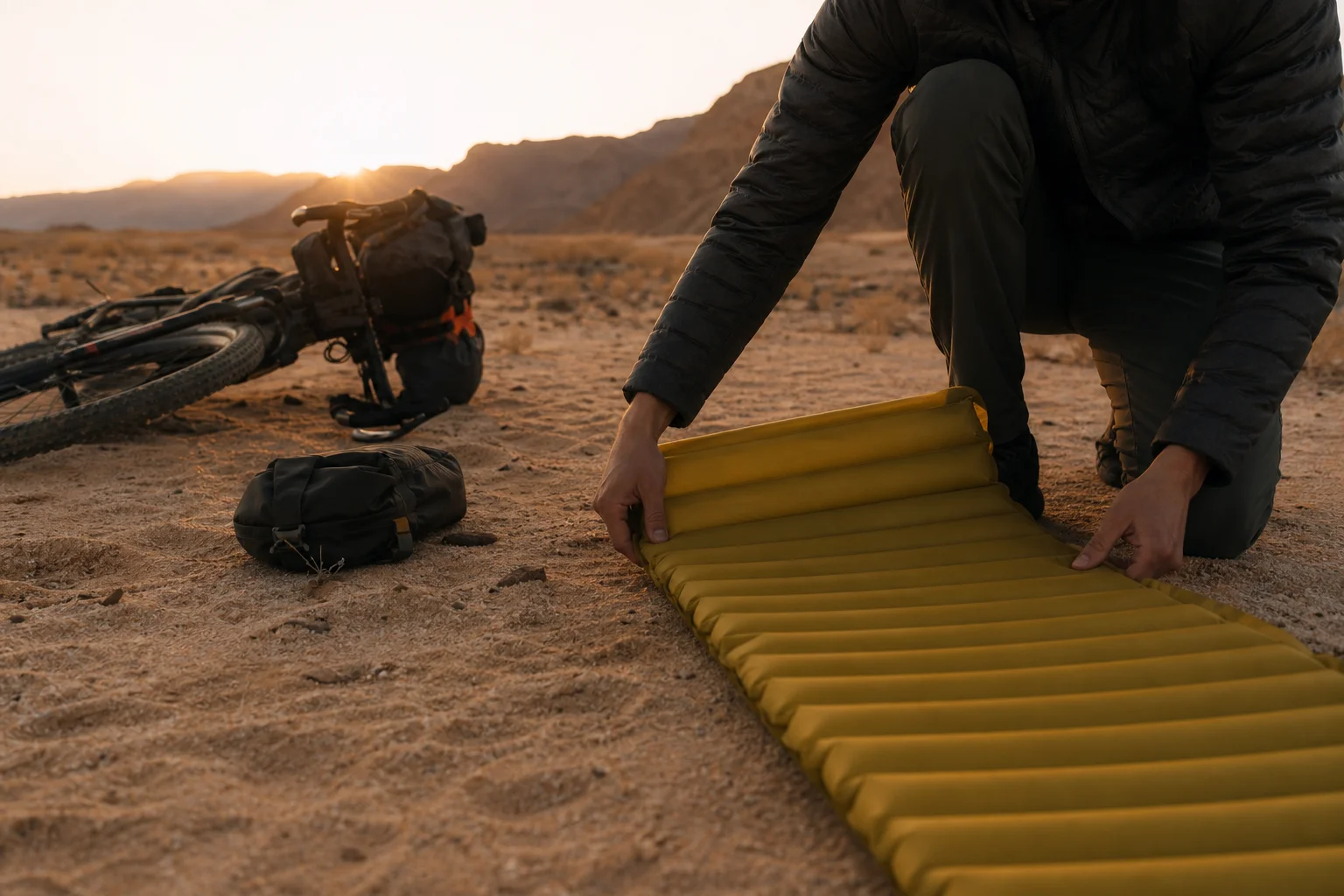
However, this approach comes with real trade-offs. Without a pad, ground contact drains body heat quickly, sleep quality suffers, and recovery between hard riding days becomes harder. While there is a time and place for this strategy, most riders find that the comfort and warmth gains from carrying even a minimal pad outweigh the weight penalty.
Klymit Inertia X Lite: Extreme Ultralight
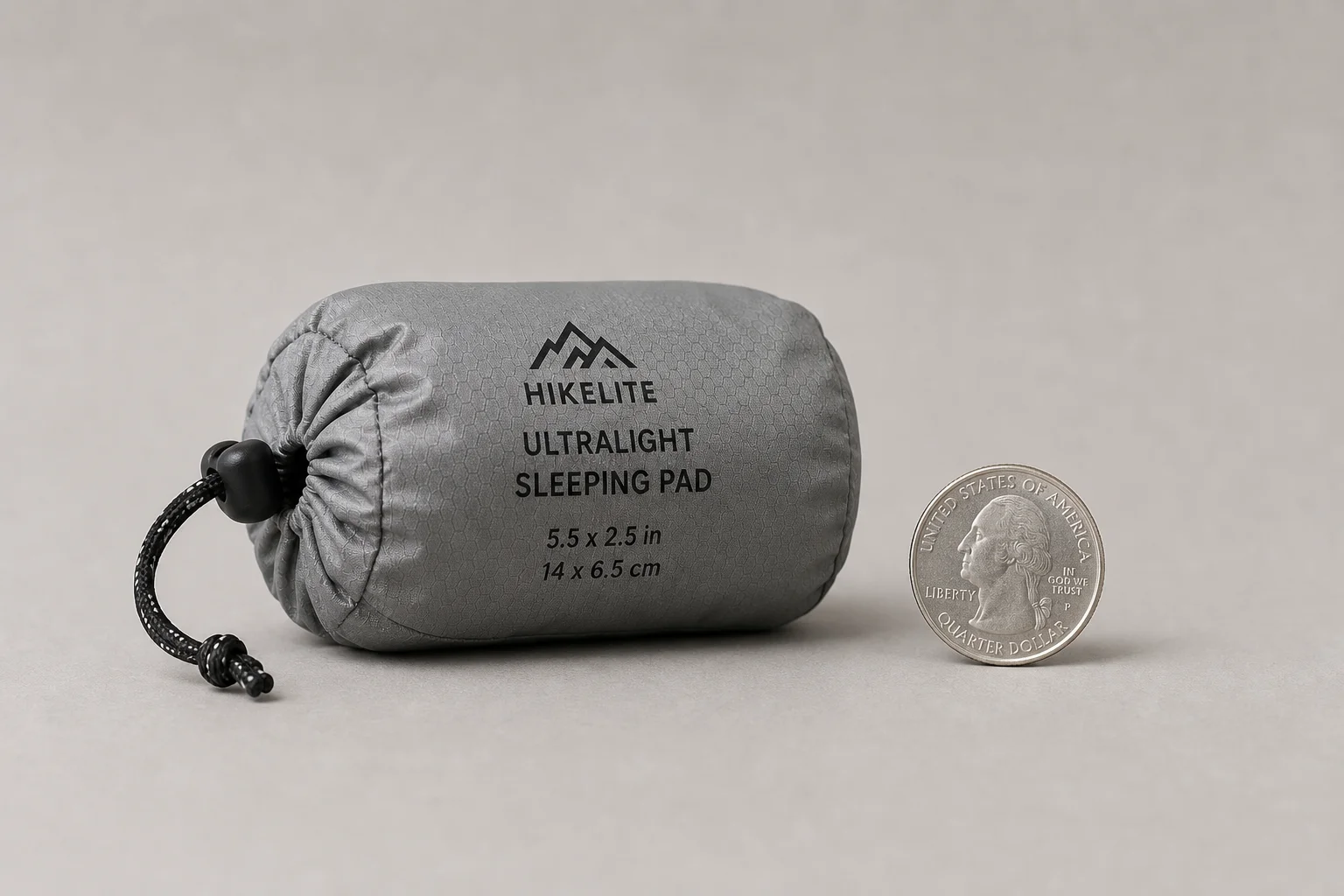
The Klymit Inertia X Lite represents the natural progression toward finding the lightest possible pad. At 182 grams and packing to 5.5 by 2.5 inches (14 by 6 cm), it saves significant weight and space compared to standard pads. Inflated dimensions are 42 by 18 inches (107 by 46 cm), and it inflates with just a few exhales, making it convenient in the field.
The design relies on a thin profile that hardens and maps to your body shape when you lie on it. The pad features holes designed to increase loft when placed under or inside a sleeping bag.
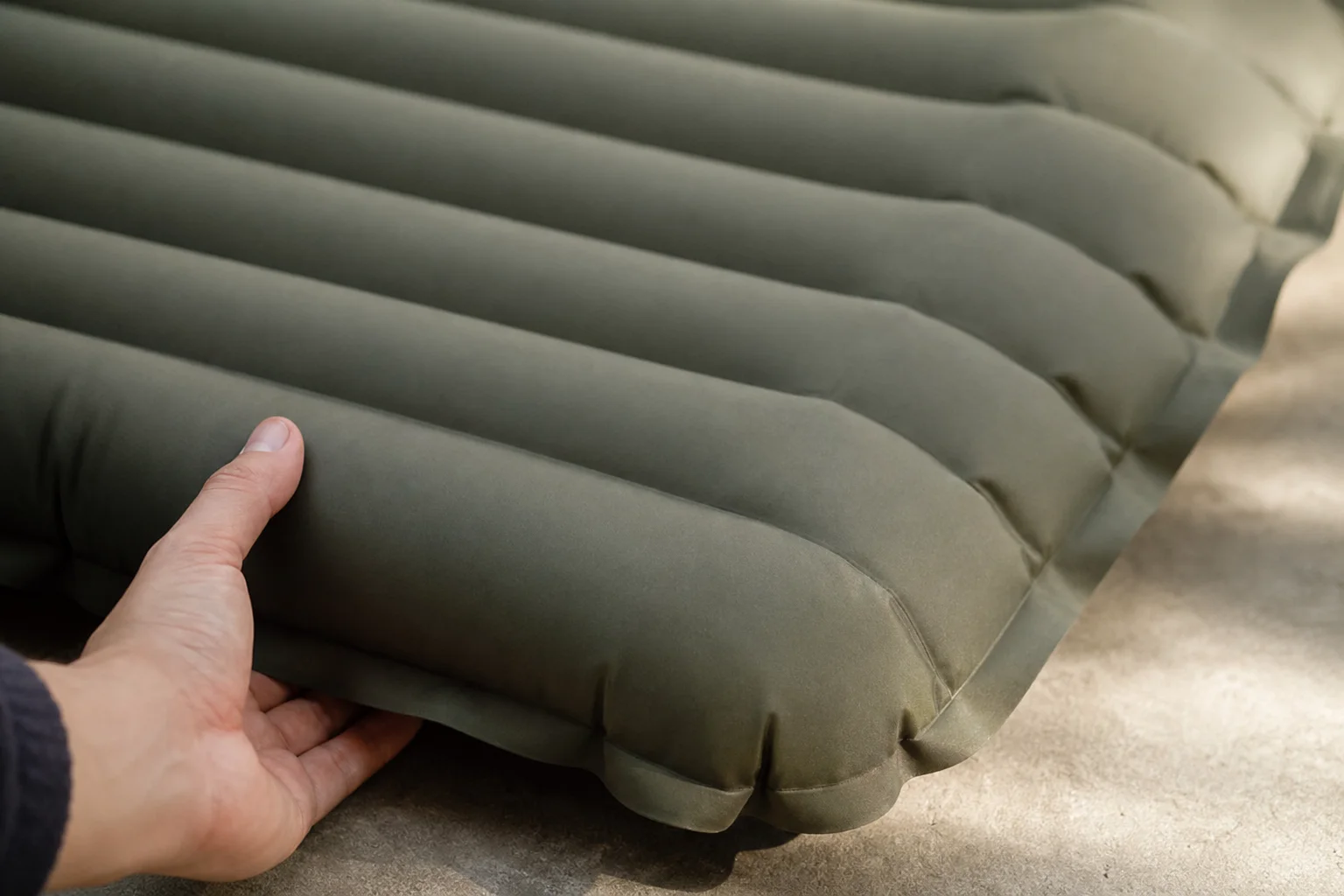
The problem is thickness. At only 1.5 inches (4 cm) of loft, the pad offers minimal ground insulation. Side sleepers or anyone who moves during the night quickly find themselves touching ground or falling off the mapped area entirely. Even in summer conditions, the lack of R-value means you lose heat to the ground. The holes help somewhat, but not enough for most sleepers. This pad works best for ultralight fastpackers willing to accept minimal comfort for maximum weight savings.
Sea to Summit Ultralight Insulated Air Mat: The Backs Sleeper Option
The Sea to Summit Ultralight Insulated Air Mat weighs 370 grams and measures 72 by 21 inches (183 by 53 cm) when inflated, with 2 inches (5 cm) of thickness at the widest points. Its air-sprung cell technology provides a full-length sleeping surface that keeps you relatively warm during summer trips.
The pad’s fabric resists absorbing dust and dirt, which helps prevent punctures and keeps the pad cleaner over time. When sleeping on your back, the pad feels secure and well-supported.
The main drawback appears when you move during the night. Depending on temperature fluctuations or inflation level, your hips can sink into the ground, creating an uncomfortable sag. Side sleepers and restless sleepers will notice this limitation. The pad is also somewhat flimsy compared to more robust designs.
Decathlon Forclaz: Best Budget Option
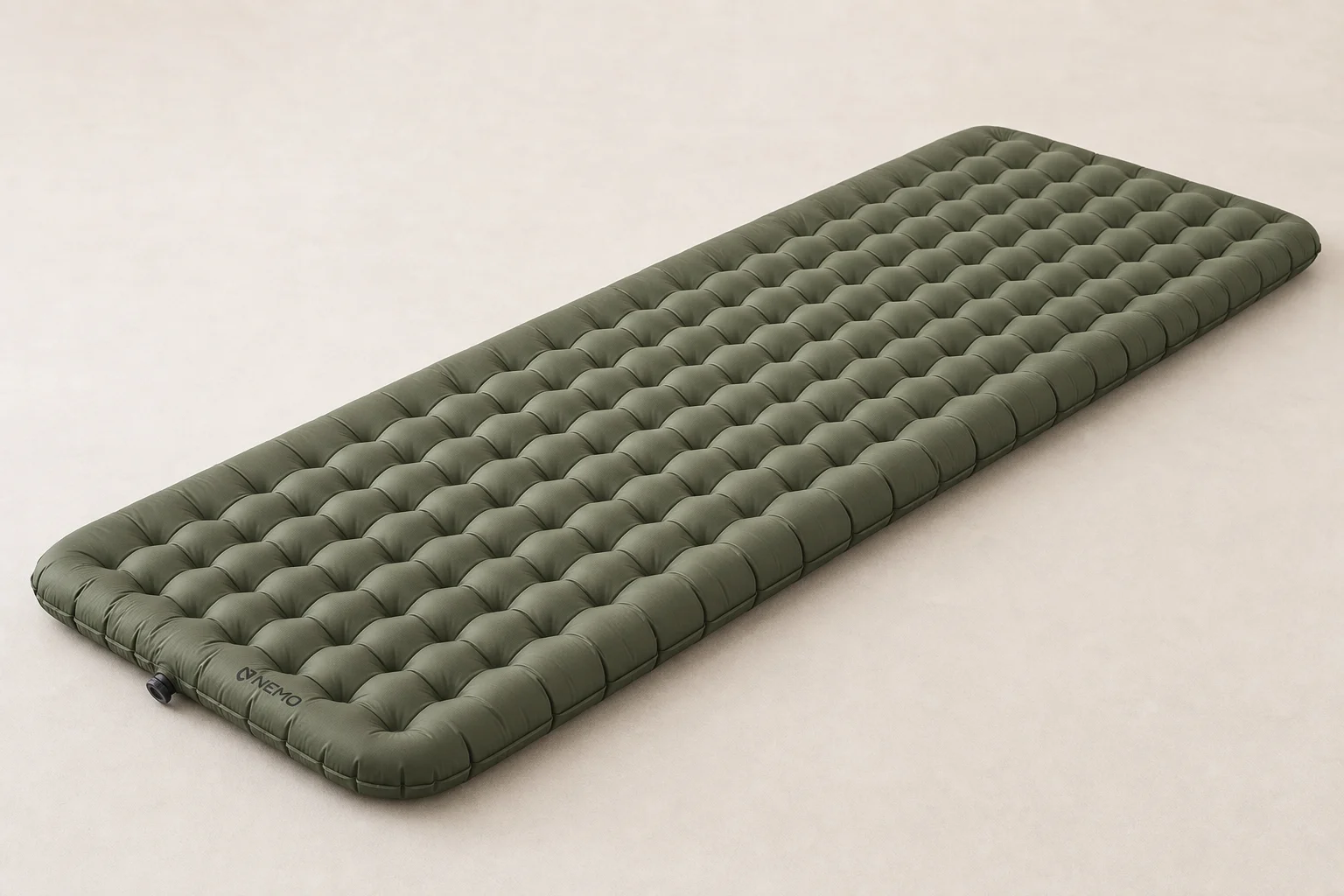
The Decathlon Forclaz has proven durable over two seasons of regular use. At 475 grams, it is bulkier than some alternatives, but it inflates to 70.9 by 20.5 inches (180 by 52 cm) with eight long air channels approximately 2.2 inches (5.5 cm) thick. Sticky spots on the top of the channels help keep you positioned on the pad.
This pad delivers genuine comfort, keeping you centered and providing sufficient thickness throughout the night. The R-value of 1.6 makes it suitable for warmer weather or winter trips to mild climates like Southern Arizona. It packs down exceptionally well for its price point of under 40 USD.
One limitation is that when sleeping on your hip, you may encounter the grooves inside the channels and feel the ground. The intake and outtake valve on the back could be improved. Despite Decathlon discontinuing this model, it remains available from some online retailers and represents excellent value if you can find it.
Therm-a-Rest NeoAir XLite: The Comfort Standard
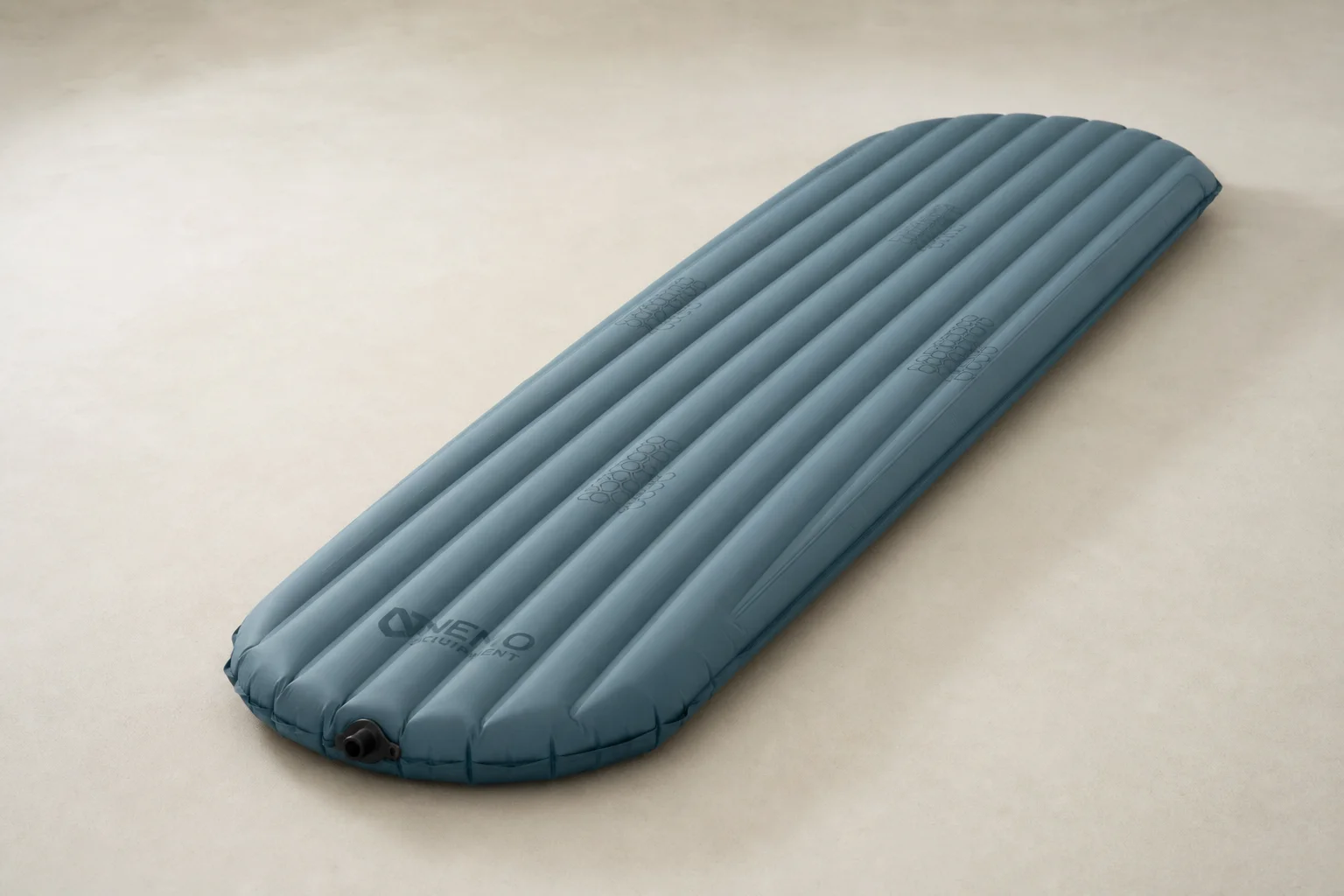
The Therm-a-Rest NeoAir XLite is the standout choice for balanced performance. At 368 grams, it packs well and inflates to 20 by 72 inches (51 by 183 cm). The key strength is thickness: 3 inches (7.6 cm) of loft paired with an R-value of 4.1 provides genuine insulation and comfort.
Paired with a 30-degree sleeping bag, this pad kept the tester warm even when temperatures dipped into the upper 20s Fahrenheit. The pad’s softer outer fabric mimics a sheet, making it comfortable for light sleepers wearing just boxers and a t-shirt. The valve prevents overinflation, and deflating is straightforward.
The pad did sustain one puncture after neglect during inflation, but the provided patch held up permanently. The pad does retain some dirt, but this has not led to further damage. At 209 USD, the price is steep, but the consistent, uninterrupted sleep nights justify the investment for most riders.

Discontinued Pads: Big Agnes Air AXL and Older Therm-a-Rest Models
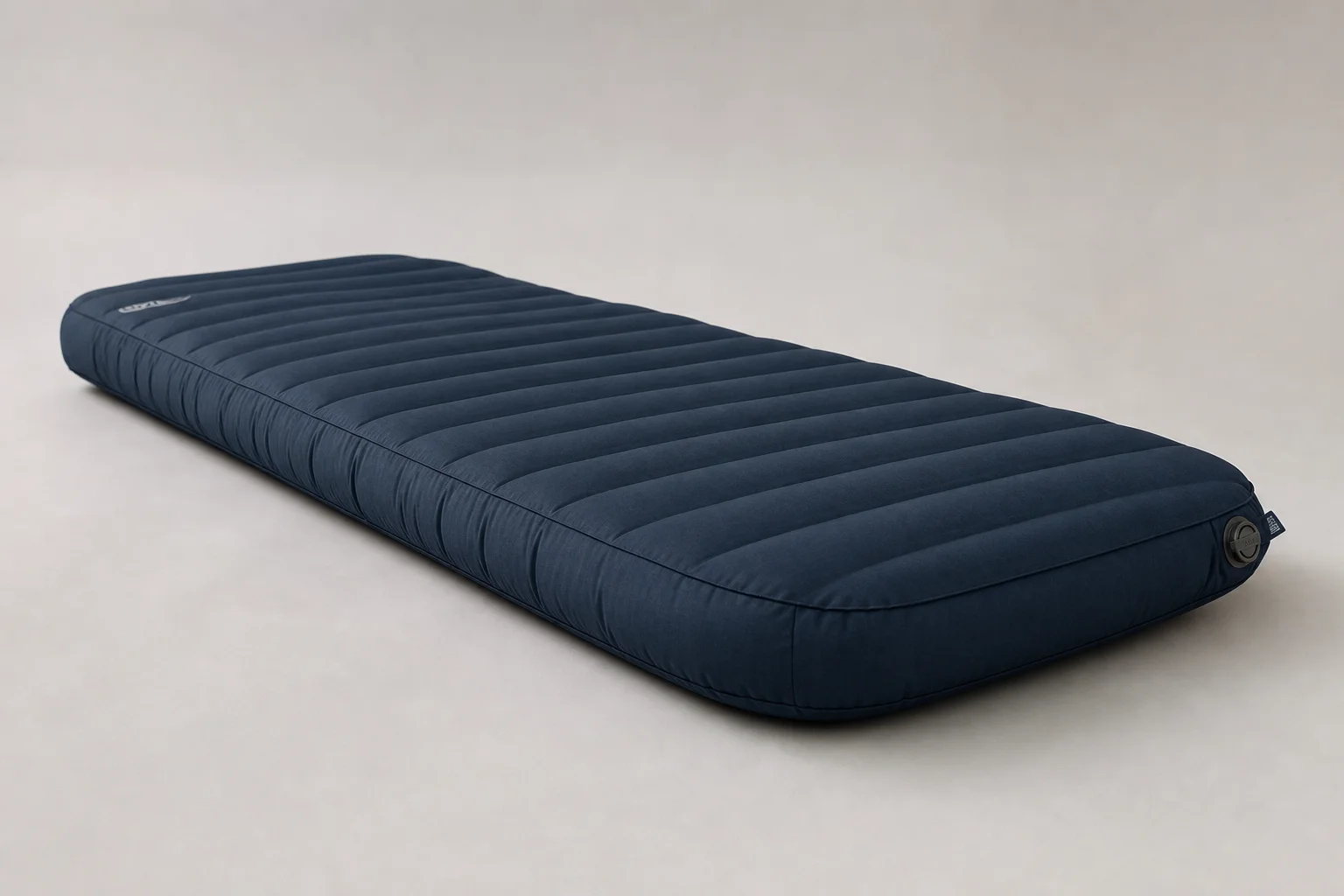
The Big Agnes Air AXL, now discontinued, offered a 9.5 mm thickness that worked well for side sleepers. Despite reports of durability issues from some users, this pad provided adequate comfort during its time in service.
Older Therm-a-Rest self-inflating pads, while likely improved in recent versions, lacked the thickness needed for side sleepers with prominent hip bones. The self-inflating design also sacrifices packability compared to modern air pads.
Foam Pad Alternatives: Big Agnes Twister Cane and Therm-a-Rest Z Lite
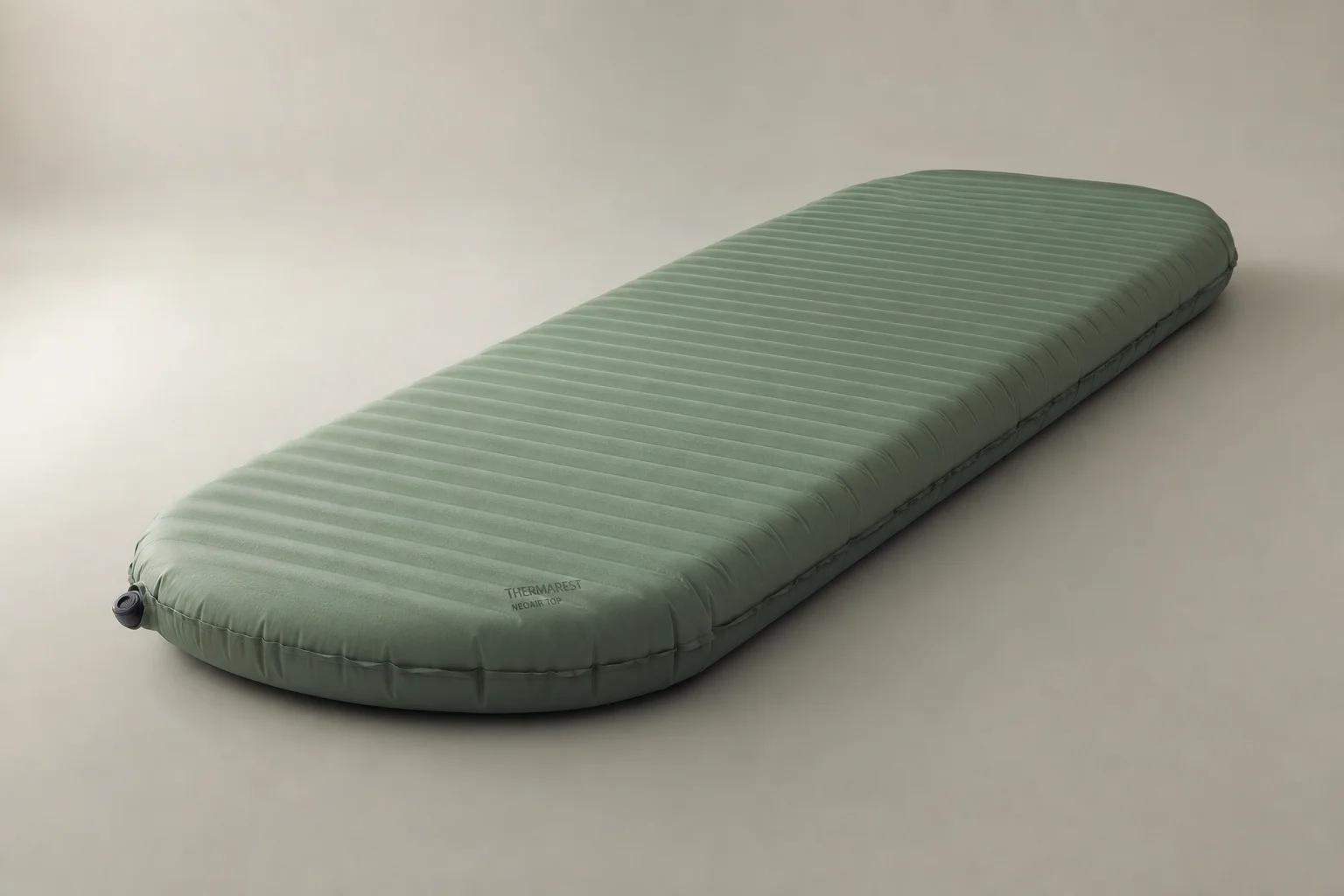
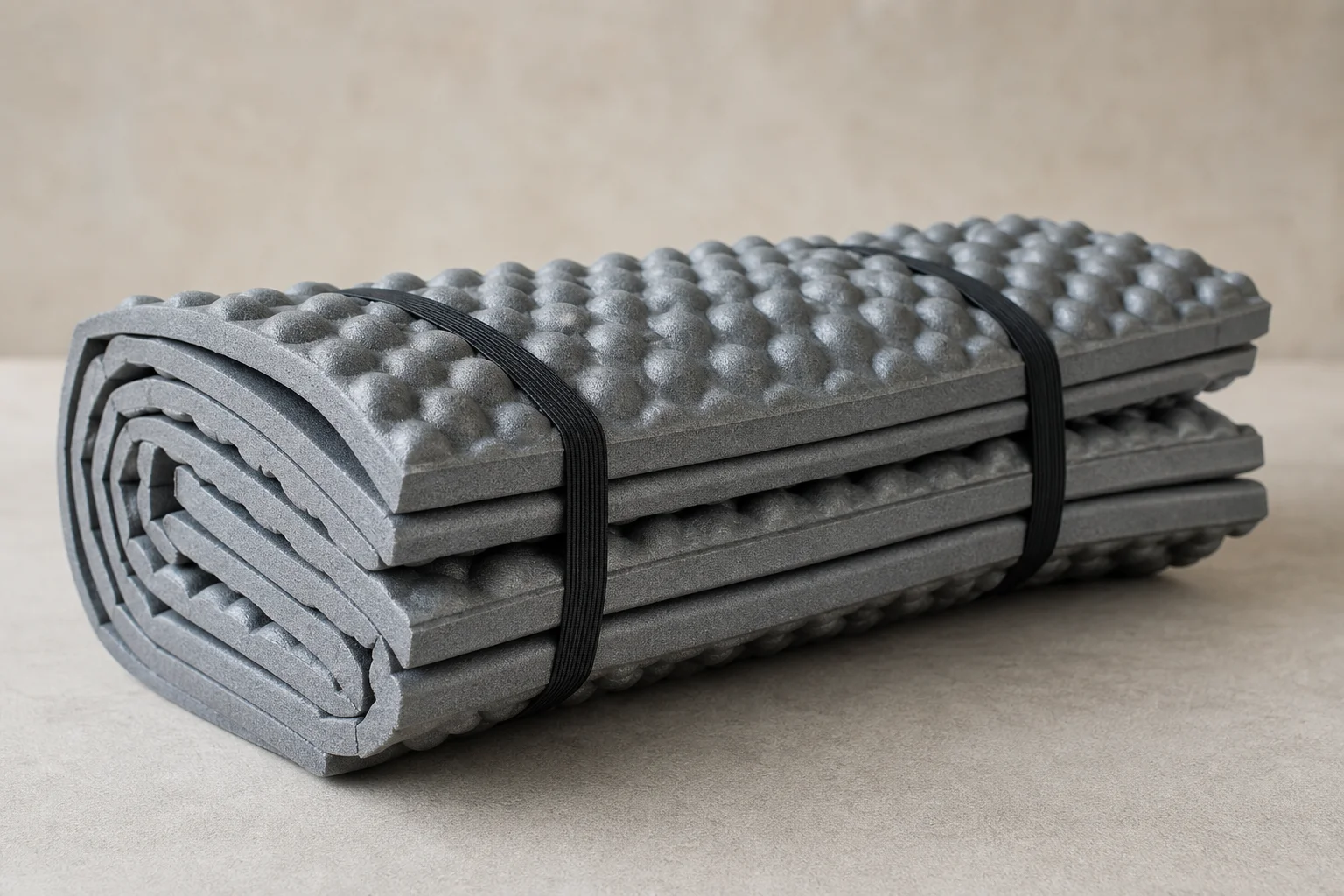
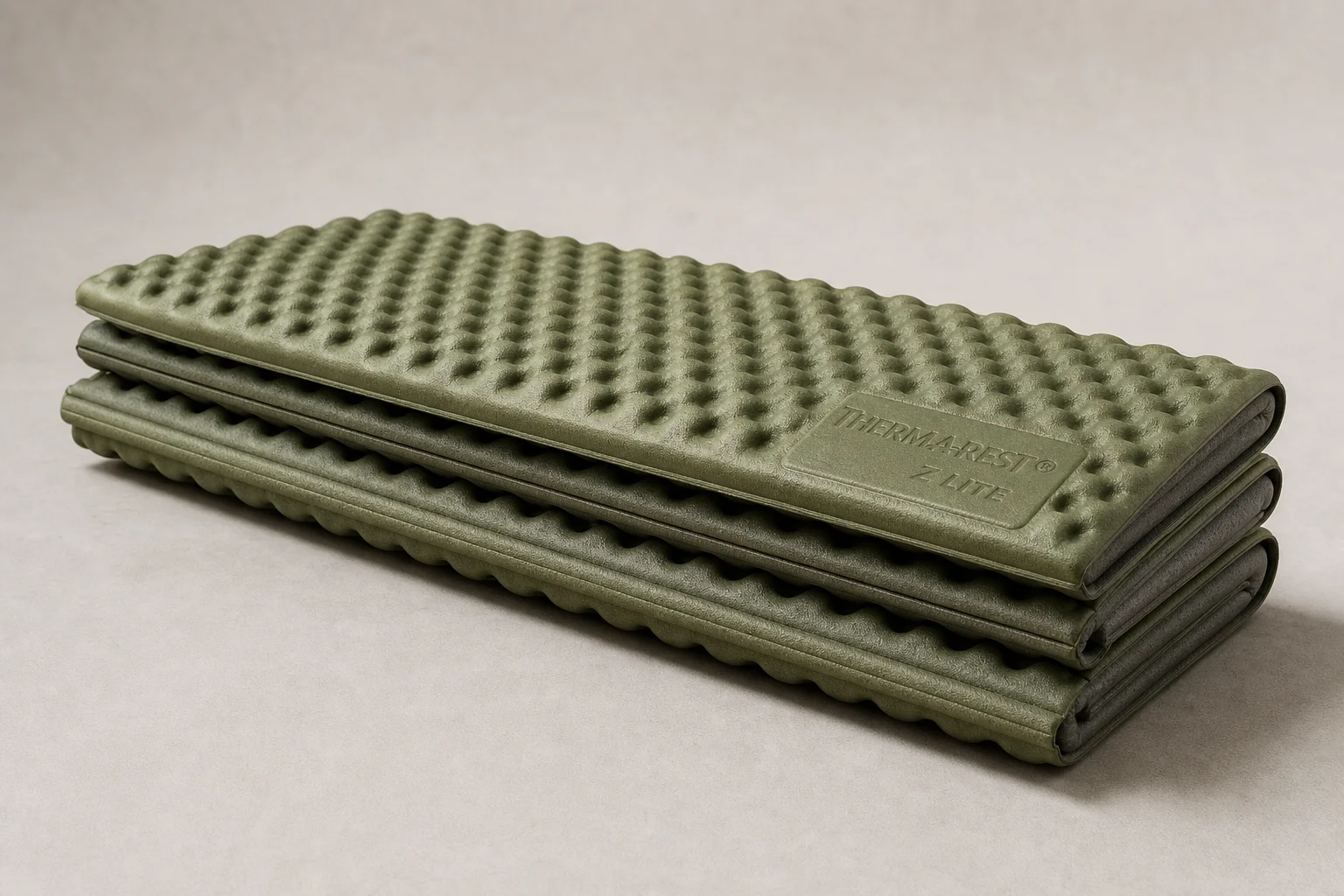
For riders who prefer not to use air pads, foam options exist. The Big Agnes Twister Cane and Therm-a-Rest Z Lite are foam-based alternatives that eliminate inflation concerns and provide straightforward, reliable insulation.
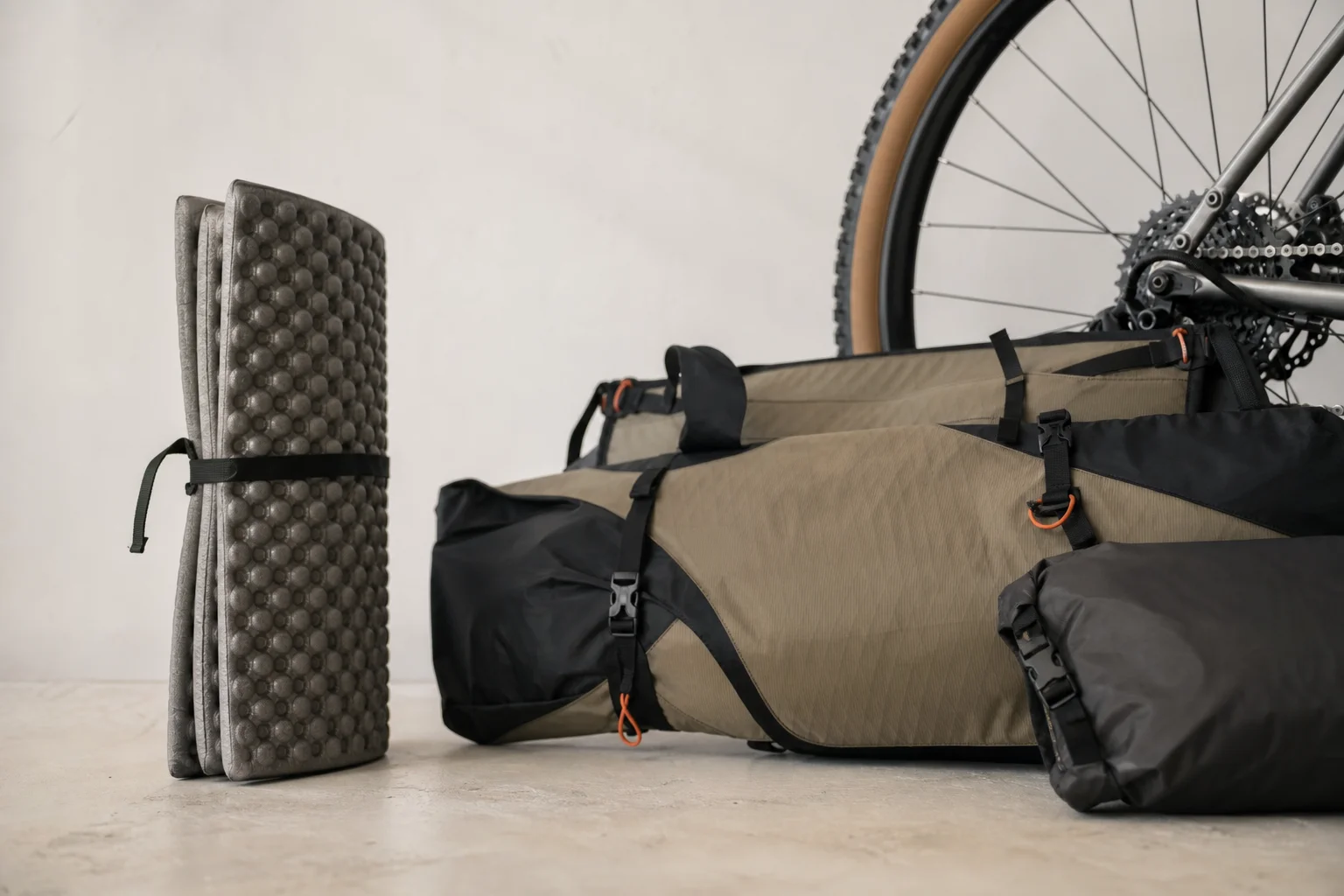
Foam pads sacrifice packability compared to air pads, but they offer durability and simplicity. These options suit riders who prioritize reliability and do not mind the extra bulk.
Conclusion
The best sleeping pad depends on your sleeping style, trip duration, and climate. Side sleepers benefit from thicker pads like the Therm-a-Rest NeoAir XLite, which offers the best overall balance of weight, insulation, and comfort. Budget-conscious riders should seek out the Decathlon Forclaz while it remains available. Ultralight fastpackers may accept the Klymit Inertia X Lite trade-offs. For those who move frequently during the night or sleep on their back, full-length options like the Sea to Summit provide adequate support. Foam pads remain a reliable choice for riders who value simplicity over packability.
Further reading
Related Reviews
Bikepacking Gear
Best Rear Racks for Bikepacking: Nine Options from Budget to Premium
A practical guide to rear racks designed for off-road use and big tire clearance, with detailed looks at nine models and key accessories to complete your setup.
Bikepacking Gear
Essential Bikepacking Gear 2026: Eight Items That Make a Real Difference
Eight practical items that deliver genuine comfort and reliability on bikepacking trips, from lightweight camp seating to satellite communication.
Bikepacking Gear
Why Use a GPS Head Unit for Bikepacking: Navigation, Battery Life, and Durability
Explore the practical advantages of dedicated GPS cycling units over smartphones for bikepacking and off-road adventures, from battery life to durability.