Hiking Footwear
Best Trail Running Shoes for Hiking 2026: Seven Options for Different Trail Needs
Trail running shoes outperform traditional hiking boots for most hikers. Here are seven tested options, from technical terrain specialists to lightweight road-to-trail hybrids.
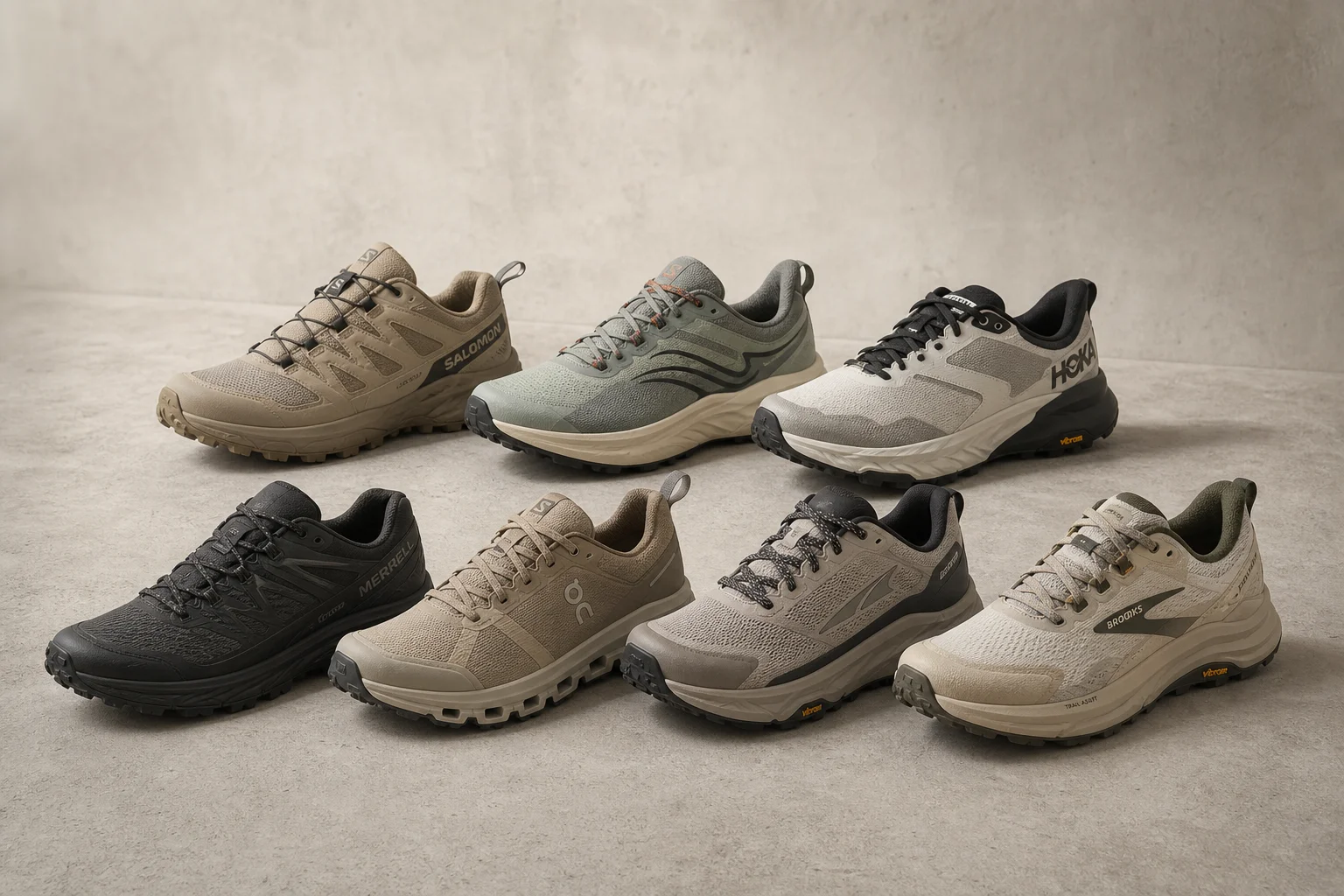
Why Trail Running Shoes Work Better for Hiking
Traditional hiking shoes often feel stiff, heavy, or uncomfortable after extended time on the trail. Trail running shoes have transformed hiking footwear over recent years by combining lighter weight, responsive cushioning, superior grip, and overall comfort that works better for most hikers across varied terrain.
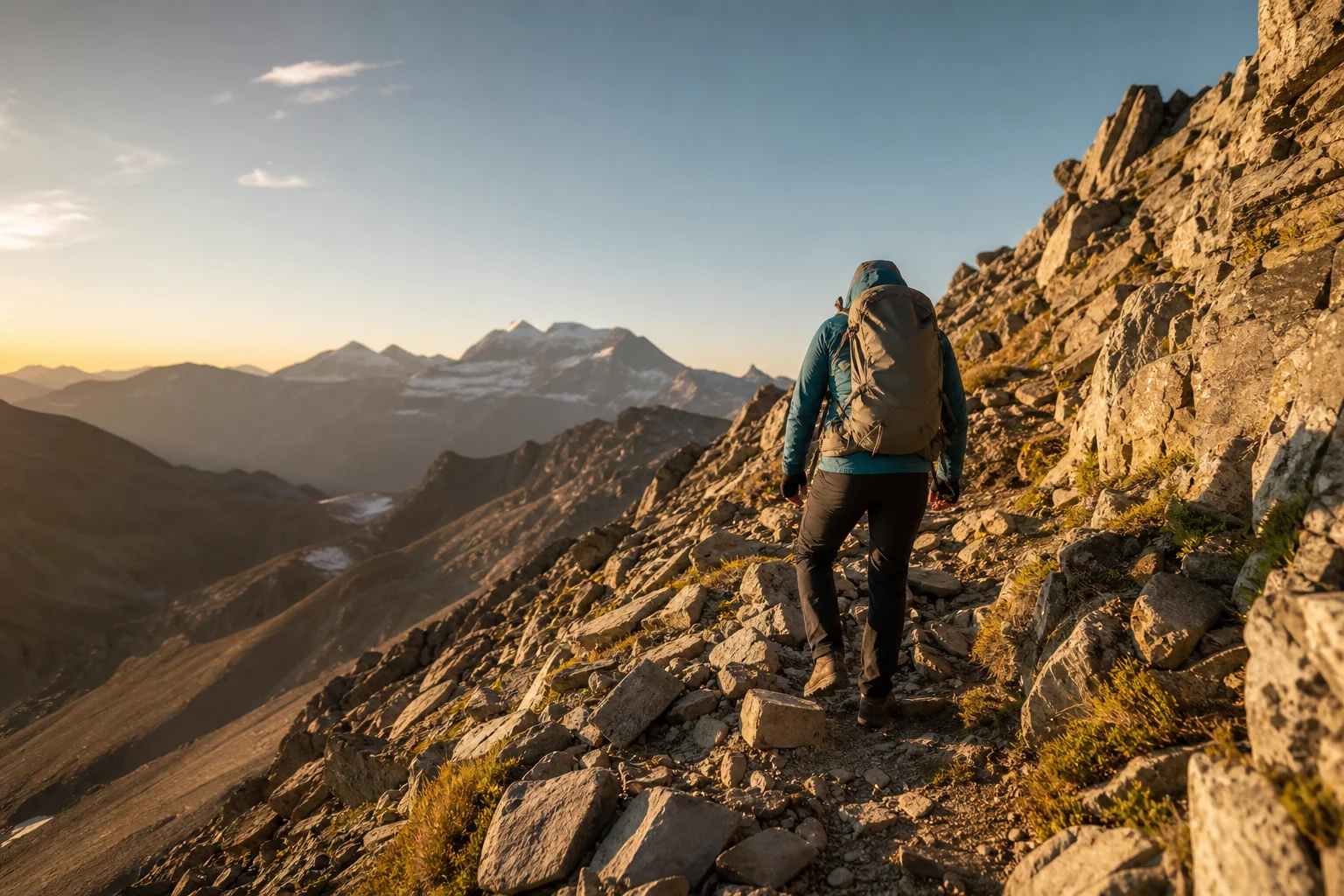
The key advantage is that trail running shoes are engineered for movement and responsiveness rather than rigid support. This means your foot can move naturally while still receiving protection and stability where it matters most. Whether you’re hiking steep elevation gain, navigating technical rocky sections, or covering long distances on easier paths, the right trail running shoe can make the difference between an enjoyable day and sore, fatigued feet.
Best Technical Hiking Shoe: Topo Mountain Racer 4
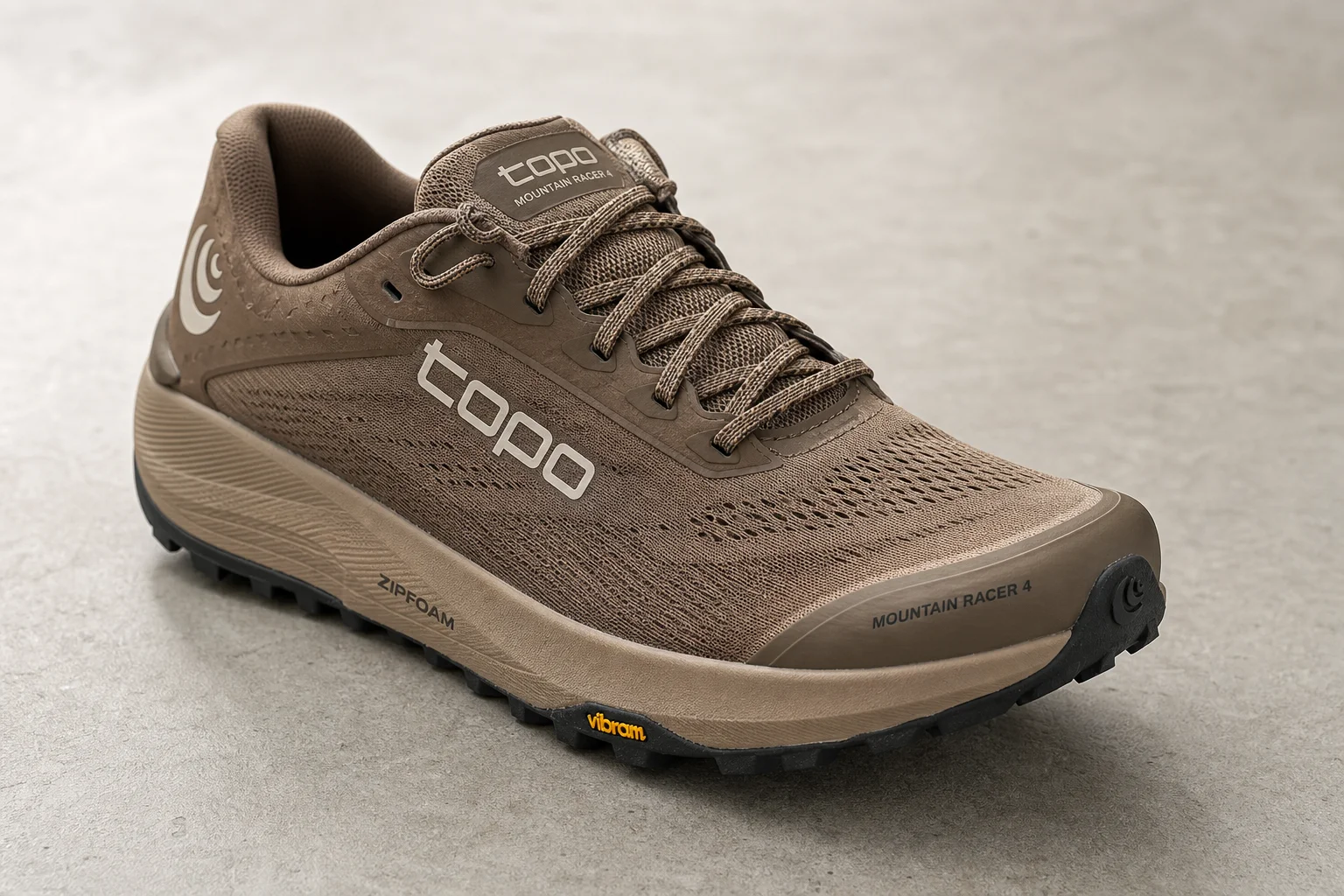
The Topo Mountain Racer 4 stands out as the most capable technical hiking shoe in the trail running market. Its anatomical toe box is designed around how a normal foot actually shapes itself, giving you a wide toe box at the front while maintaining a snug fit through the midfoot and heel. This design keeps your foot locked in place when changing direction or carrying a backpack, while still allowing your toes to spread naturally as you move.
The shoe uses ZipFoam cushioning that strikes a balanced feel underfoot, providing substantial protection for long periods without becoming so soft that it destabilizes the shoe. Underneath, Vibram Megagrip delivers the best wet-surface traction available, with 5-mm lugs that handle deep mud and technical terrain equally well.
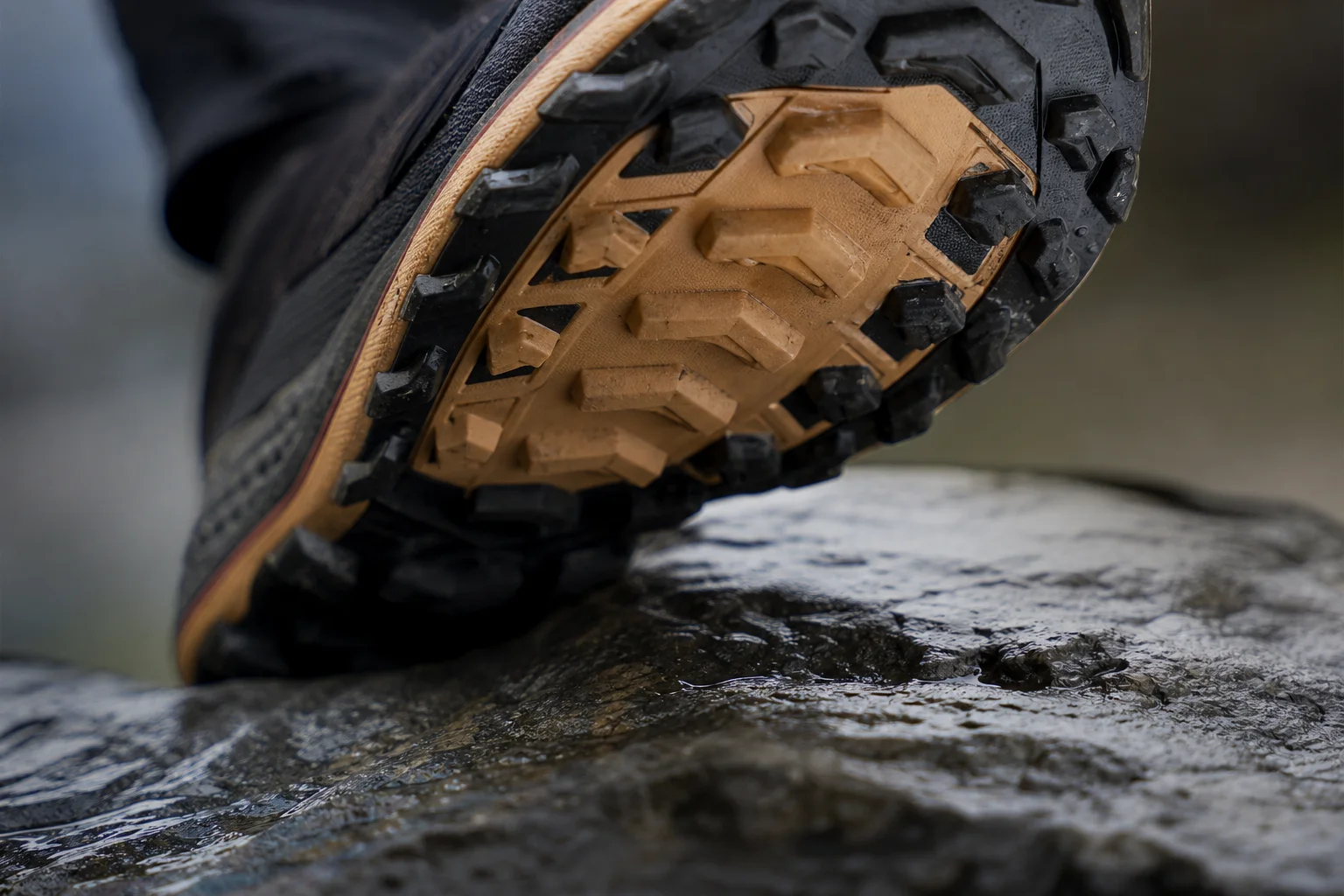
The 5-mm drop (height difference from heel to forefoot) may feel slightly low for some, but it accommodates most hikers comfortably. If you regularly encounter wet rocks, gravel, or highly technical terrain, this shoe covers all aspects of demanding hiking.
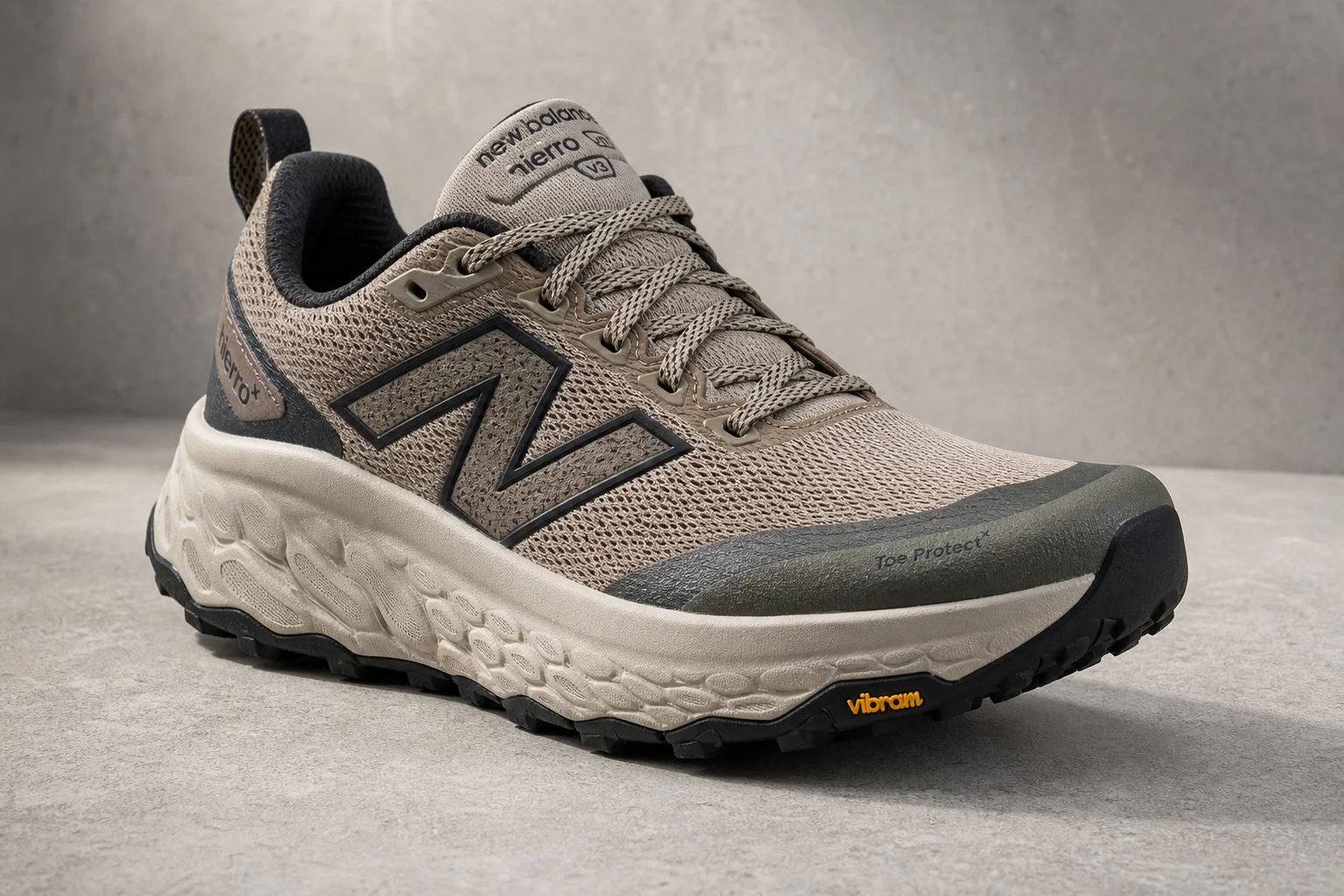
Best Cushioned Hiking Shoe: New Balance Hierro v9
If you prefer more cushioning underfoot, the New Balance Hierro v9 delivers comfort without sacrificing protection. Its Fresh Foam X cushioning is renowned for being soft and responsive, making it ideal for long-distance hiking or spending extended hours on your feet. The 4-mm drop is slightly lower than the Topo, but the increased cushioning provides substantial stiffness and protection in the ball of the foot, particularly beneficial if you have hallux rigidus or forefoot sensitivity.
The shoe also features Vibram Megagrip, though with slightly shallower lugs than the Topo, making it less aggressive on deep muddy trails but still providing adequate traction for most conditions. The normal-width toe box includes a protective toe bumper that adds durability without excessive rigidity, so you’ll still feel obstacles underfoot. Padding around the heel cup adds comfort for all-day wear.
The Hierro v9 is heavier than the Topo, but that weight comes with substantial comfort and protection benefits, making it an excellent choice for hikers prioritizing cushioning and long-distance comfort on easier to moderate trails.
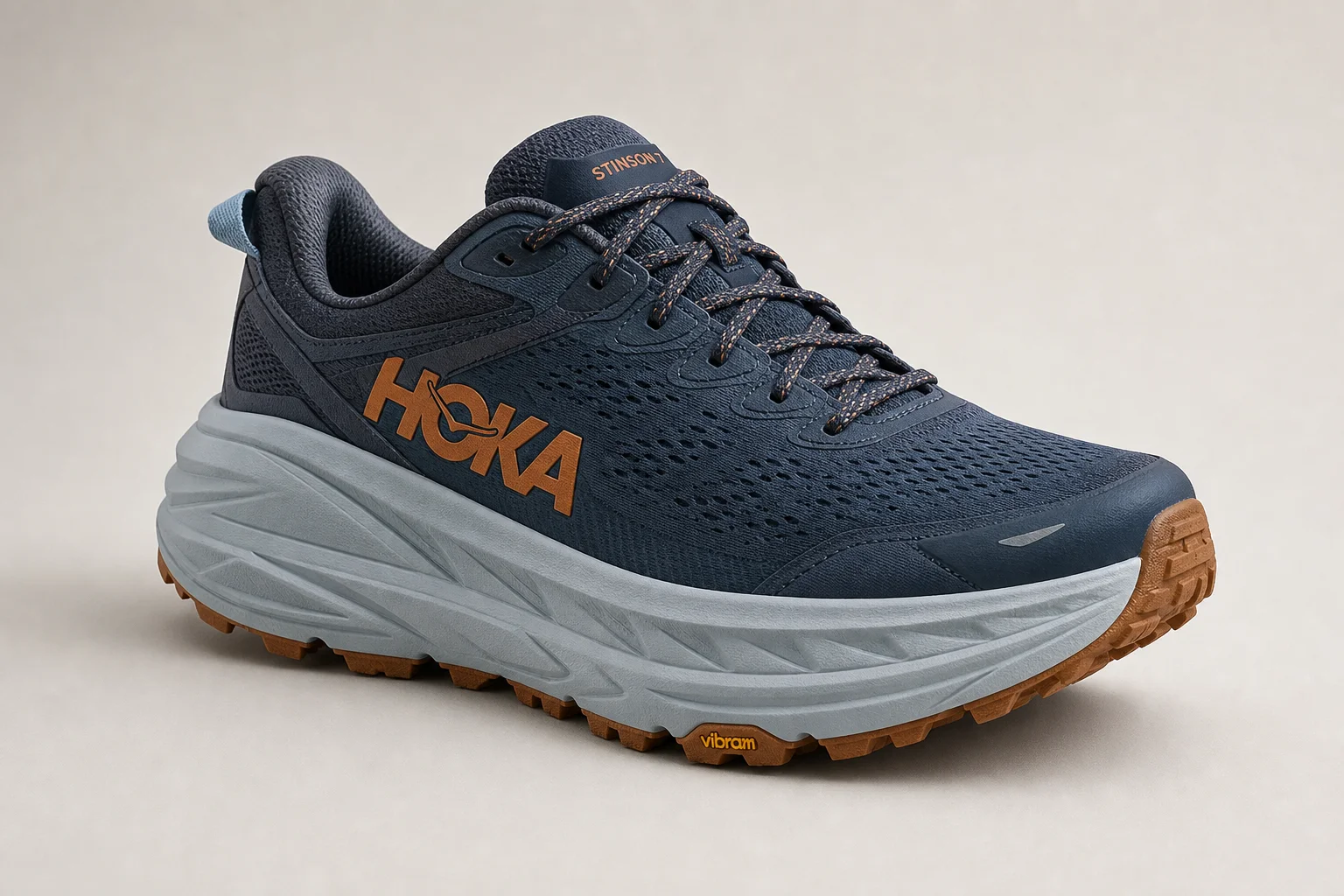
Best Stability Option: Hoka Stinson 7
The Hoka Stinson 7 is built on the same platform as the Hoka Gaviota 5 and Gaviota 6, featuring an H-frame structure integrated into the midsole. This H-frame runs along the outside of the midsole and through the center, providing torsional stability that keeps you centered in the shoe as you move. Rather than rigid arch support pressing upward, this system maintains subtle centering without you consciously noticing it.
The shoe features one of the broadest platforms on the market, increasing ground contact and inherently improving stability. Sidewalls around the heel wrap the midsole up and around the ankle, helping control pronation moments at ground contact. The Stinson 7 has the most generous toe box in the Hoka range, accommodating normal foot widths with good lockdown in the heel and midfoot.
This is a bulky, heavy shoe, so it’s not ideal if you prioritize lightweight hiking. However, if you need substantial stability, heel sensitivity relief, or support for plantar fasciitis or flat feet, the Stinson 7 provides more support than most alternatives on the market.
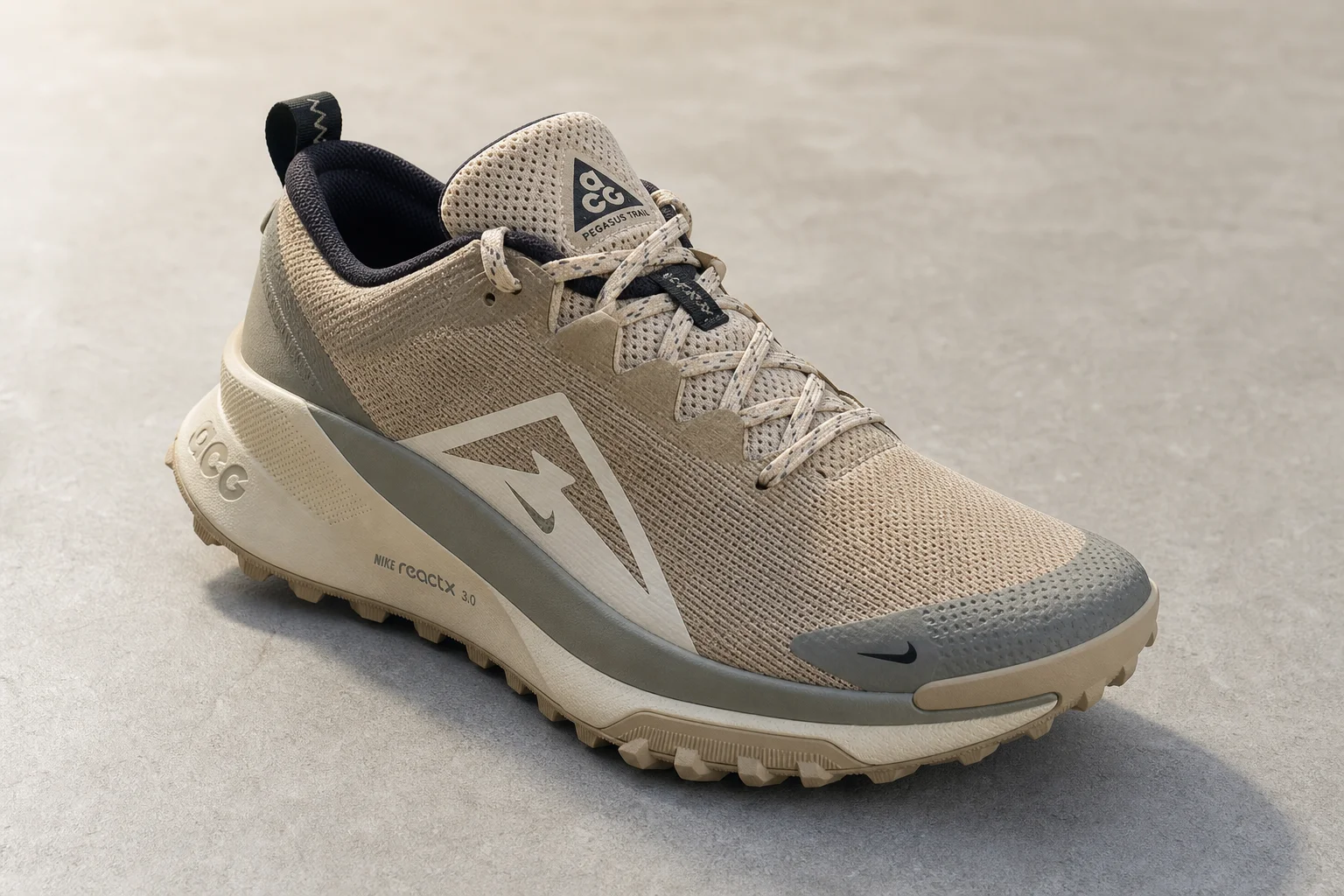
Lightweight Road-to-Trail Option: Nike ACG Pegasus Trail
The Nike ACG Pegasus Trail bridges road and trail with shallower 3.5-mm lugs compared to the Topo’s 5-mm design. This makes it better suited for road-to-trail transitions, forest paths, and moderately difficult trails rather than highly technical terrain. It offers plenty of grip underfoot with Nike’s React X 3.0 Cushlon midsole, which balances softness with quick firmness feedback that aids stability.
The shoe doesn’t have as much cushioning as some alternatives, but this benefit means you feel more ground contact, which helps overall shoe stability despite being a neutral model. One standout feature is the genuinely wide toe box, especially compared to other Nike trail shoes, though the low volume in the toe box means those with broad or large feet should note potential friction on top.
The ACG Pegasus Trail offers great lockdown and is relatively lightweight compared to other models discussed. If you want a versatile shoe for hiking that also works for urban use, this is an excellent choice.
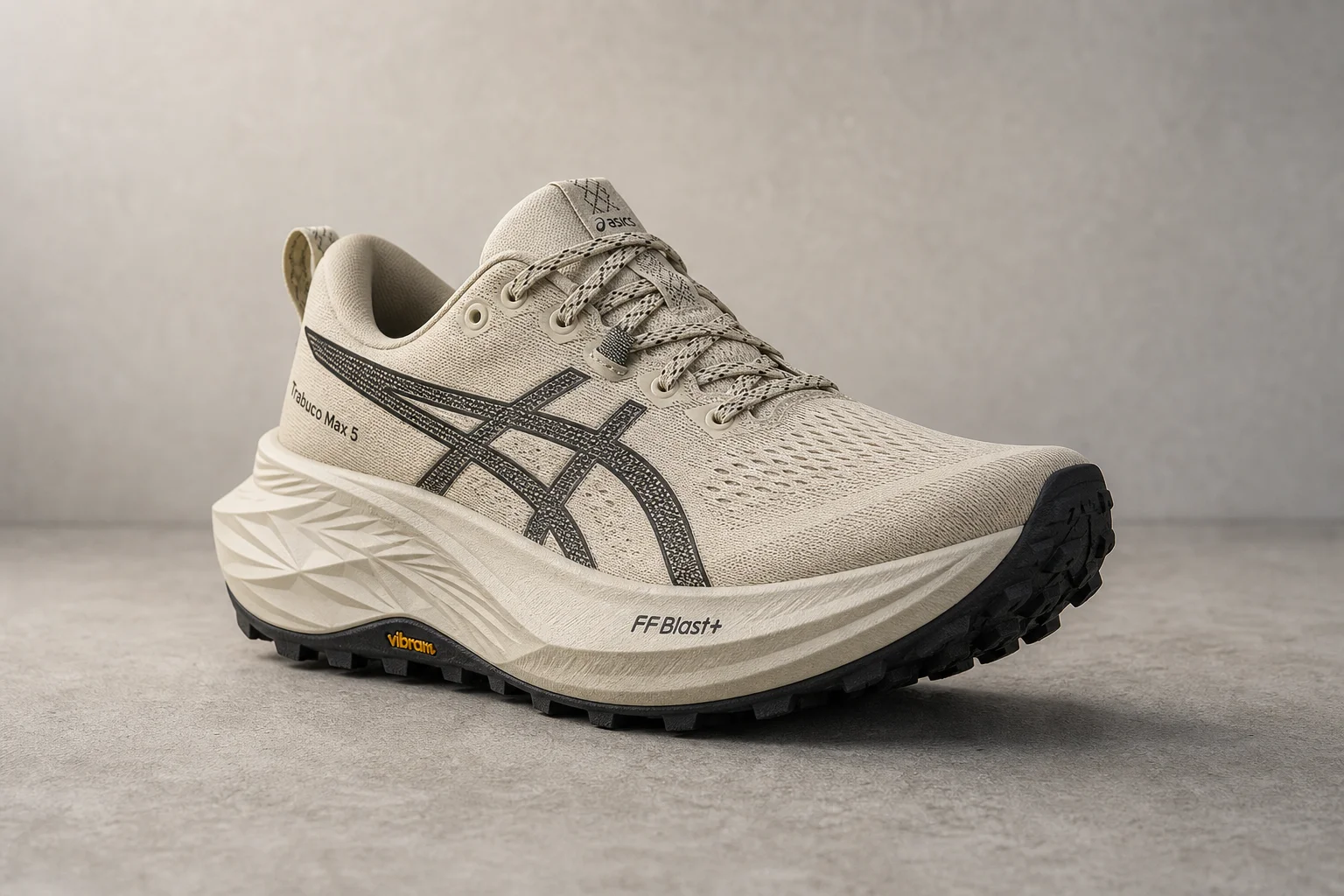
Best Max Cushion Shoe: ASICS Trabuco Max 5
The ASICS Trabuco Max 5 is a max-cushion shoe with a firmer, stiffer platform than softer alternatives. You still get all-day protection from ample cushioning, but the stiffness, especially in the forefoot, provides substantial underfoot protection and stability. Compared to the New Balance Hierro v9, the Trabuco Max 5’s firmer cushioning makes it feel more stable despite similar total cushioning amounts.
The shoe features ASICS Mega Grip, which doesn’t match Vibram Mega Grip’s performance but provides adequate traction for most hiking needs. Lateral sole flare extends the sole wider than your foot sits in the shoe, improving forefoot stability during push-off and downhill sections. The normal-width toe box gives ample toe space with classic lockdown across the shoe.
When choosing between the Hierro v9 and Trabuco Max 5, you’re essentially deciding between a softer platform and a firmer one with a more aggressive forefoot rocker. The rocker helps tilt you forward on flat terrain, reducing calf and Achilles demands. The Trabuco Max 5 is an excellent choice if you want a broad platform with substantial support for long hiking days.
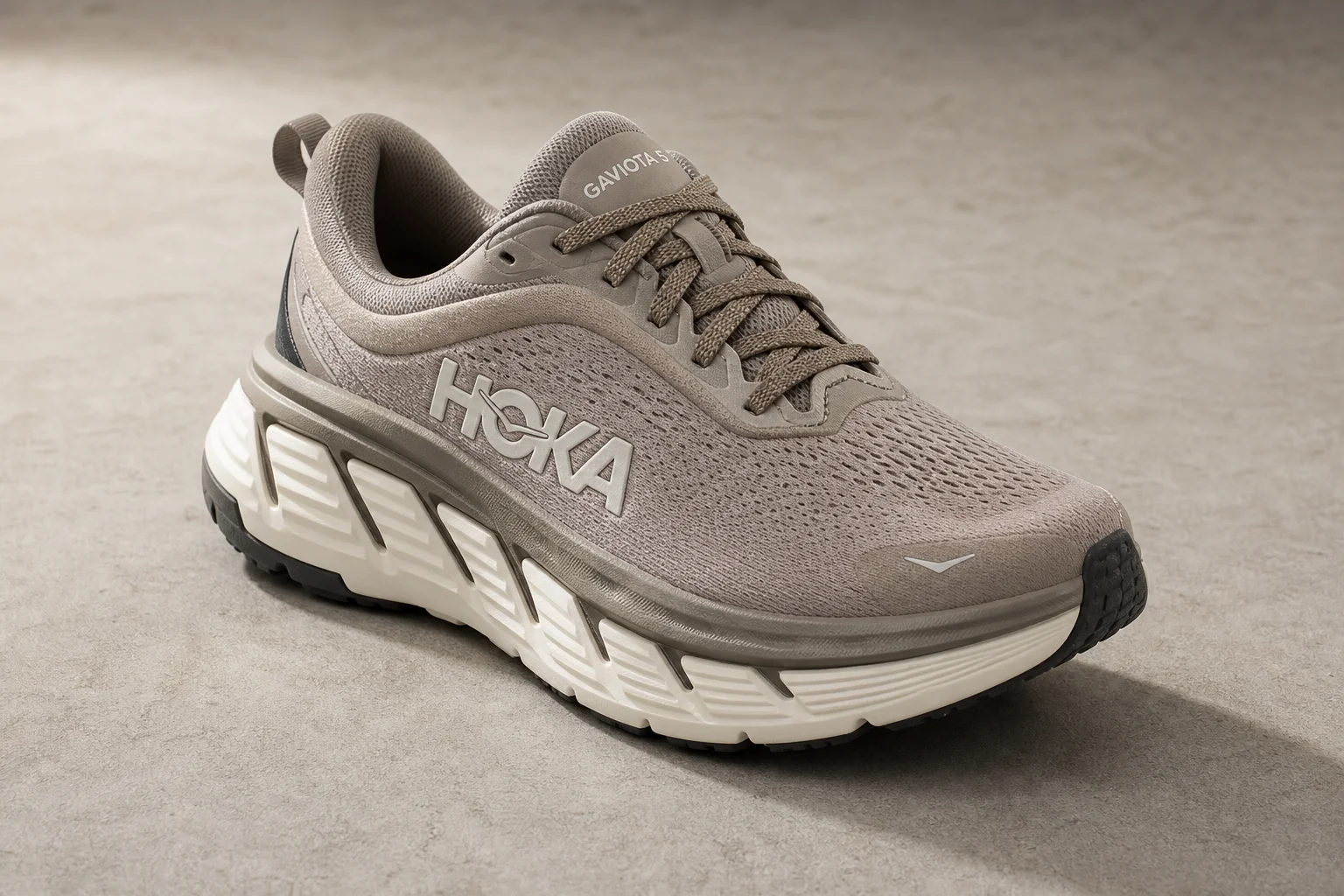
Hoka Gaviota 5 and Gaviota 6
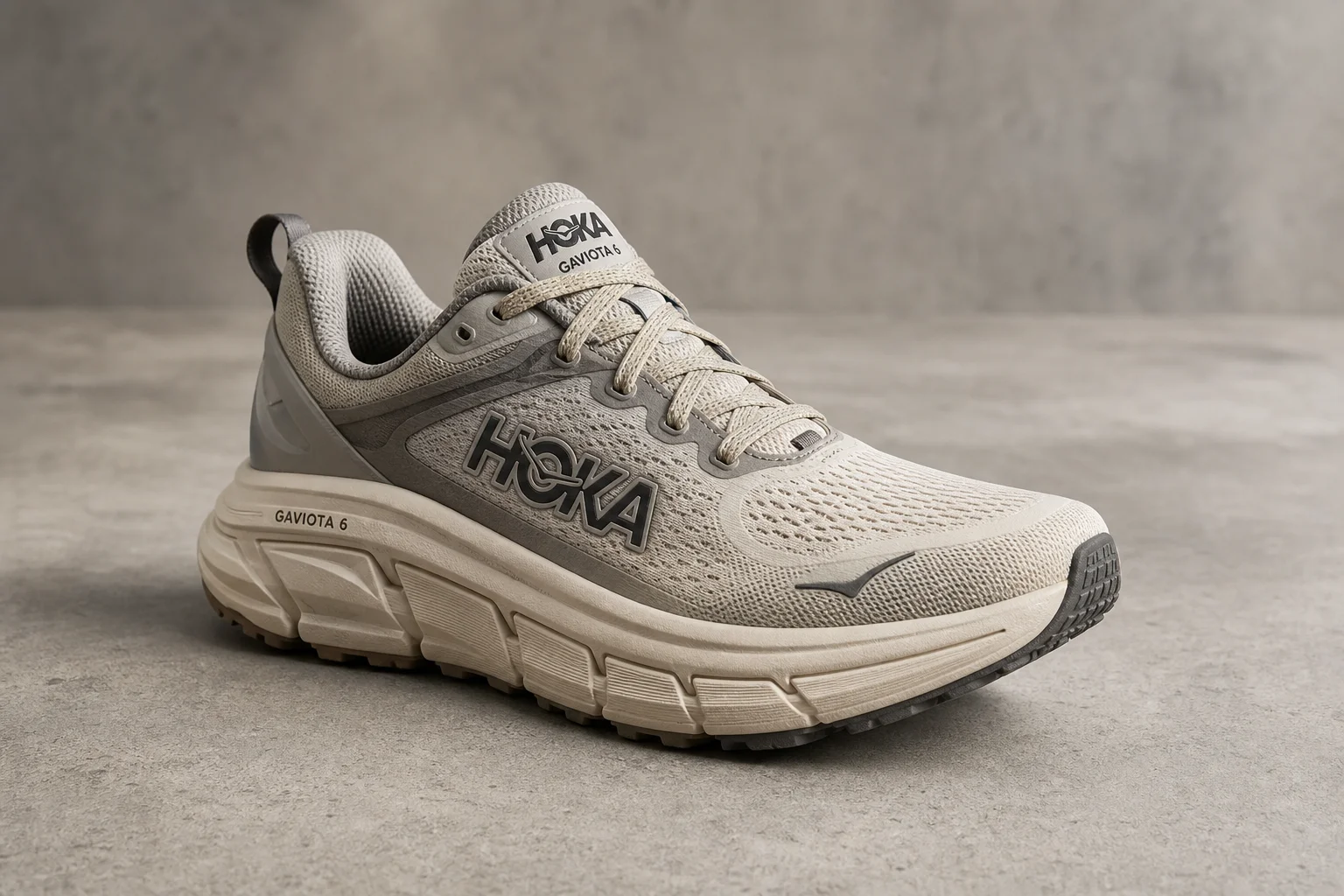
The Hoka Gaviota 5 and Gaviota 6 share the same H-frame stability platform found in the Stinson 7, making them excellent choices for hikers needing torsional stability and pronation control. Both models provide the broad platform and sidewall support characteristic of Hoka’s stability line, though they may feel less bulky than the Stinson 7 depending on your preferences.
Conclusion
Trail running shoes have fundamentally improved hiking comfort and performance compared to traditional hiking boots. The Topo Mountain Racer 4 excels on technical terrain with its grippy Vibram sole and anatomical fit. The New Balance Hierro v9 prioritizes long-distance cushioning and comfort. The Hoka Stinson 7 offers maximum stability for those needing extra support. The Nike ACG Pegasus Trail provides versatility for road-to-trail use. The ASICS Trabuco Max 5 delivers a firmer max-cushion platform for efficient long hikes. The Hoka Gaviota 5 and Gaviota 6 round out the stability-focused options with proven H-frame technology.
Your choice depends on your specific hiking style, terrain preference, and comfort priorities. All these shoes represent significant improvements over traditional hiking footwear in terms of weight, responsiveness, and all-day comfort.
Further reading
Related Reviews
Hiking Footwear
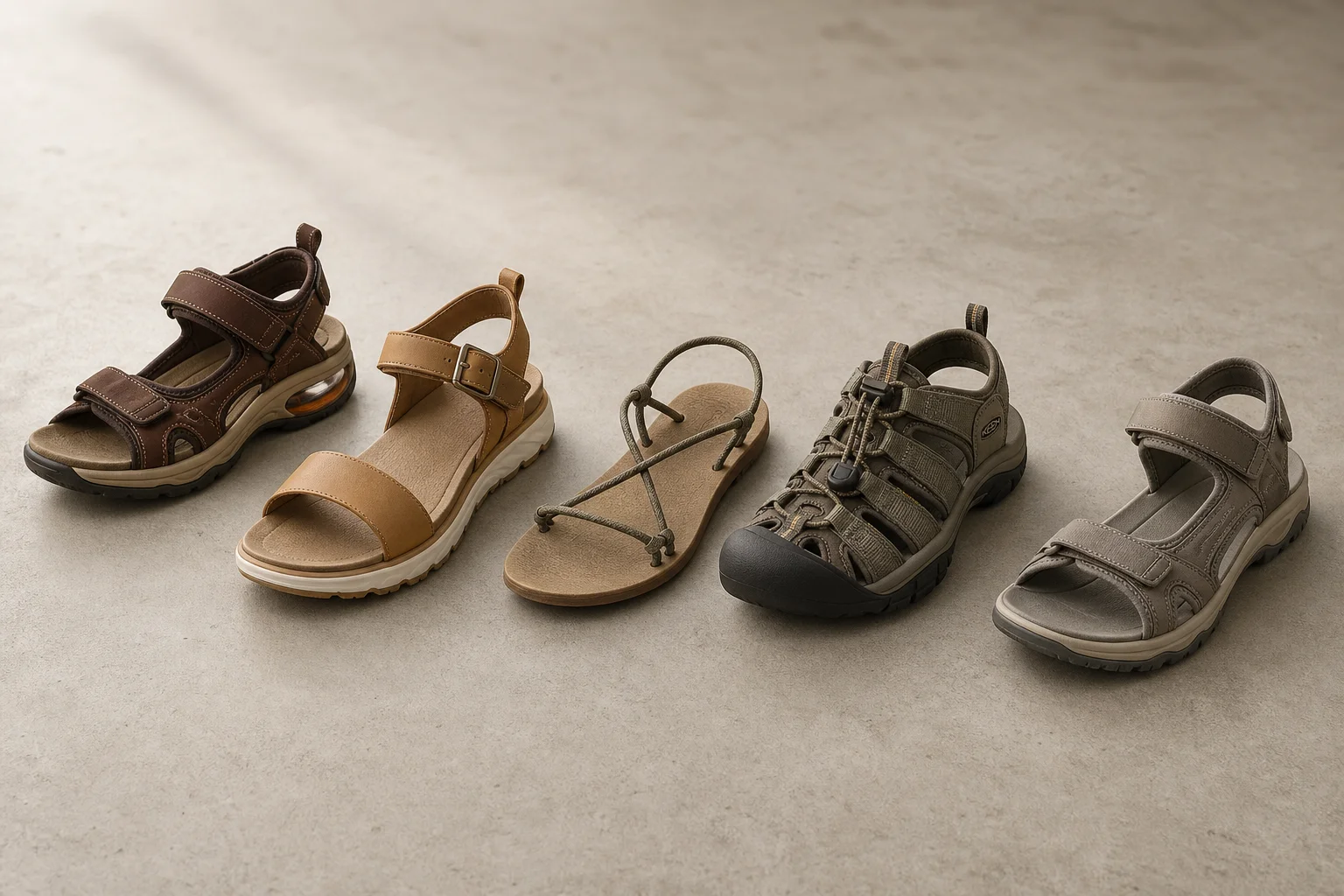
Best Hiking Sandals 2026: Five Options for Different Trail Needs
Five hiking sandals tested for comfort, protection, and versatility. Find the right pair for your hiking style, from minimalist designs to heavy-duty closed-toe options.
Hiking Footwear
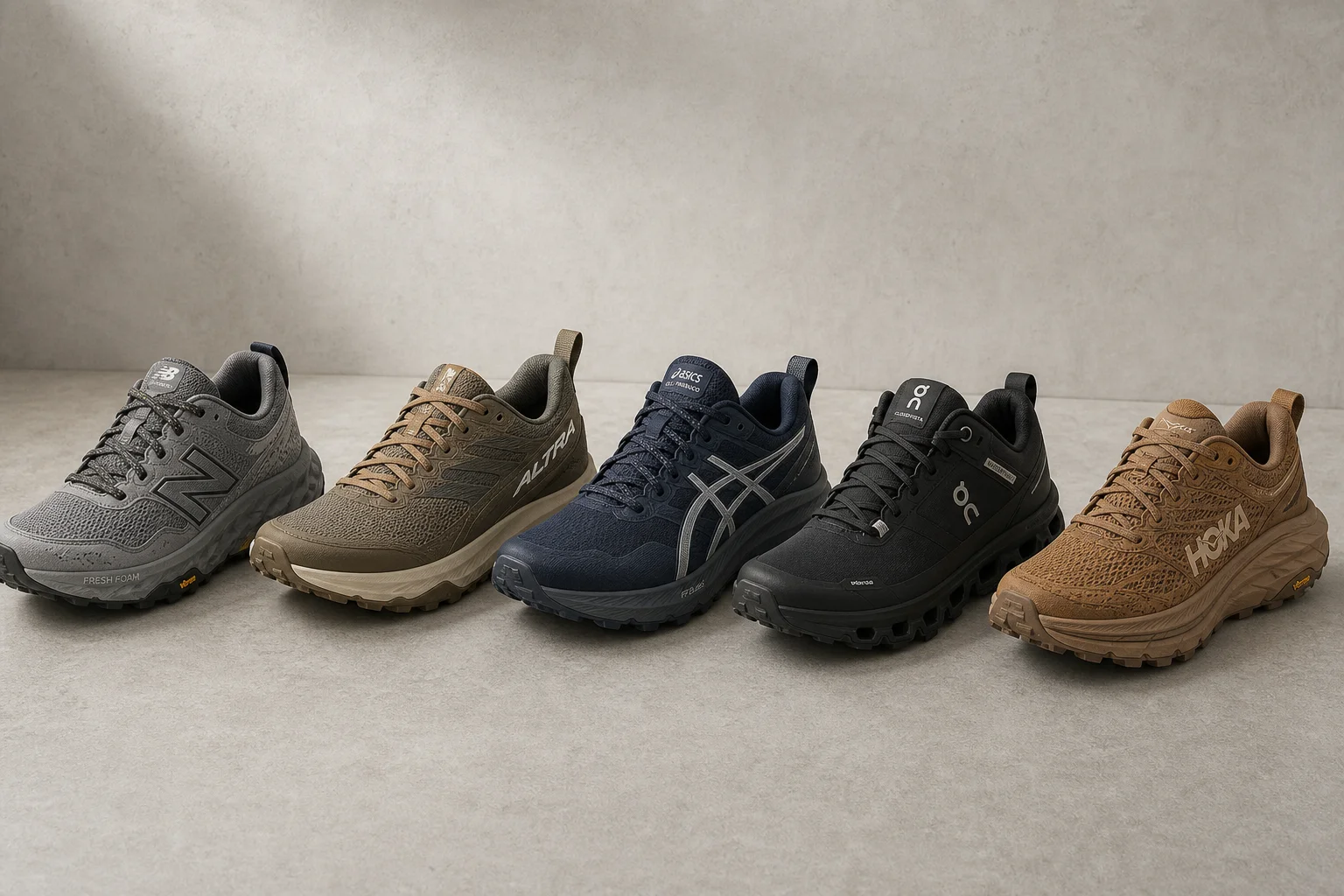
Best Hiking Shoes 2026: Five Options for Different Terrain and Support Needs
A practical guide to five hiking shoes covering max cushioning, zero-drop design, all-around versatility, waterproof protection, and balanced comfort for long-distance trails.
Hiking Footwear
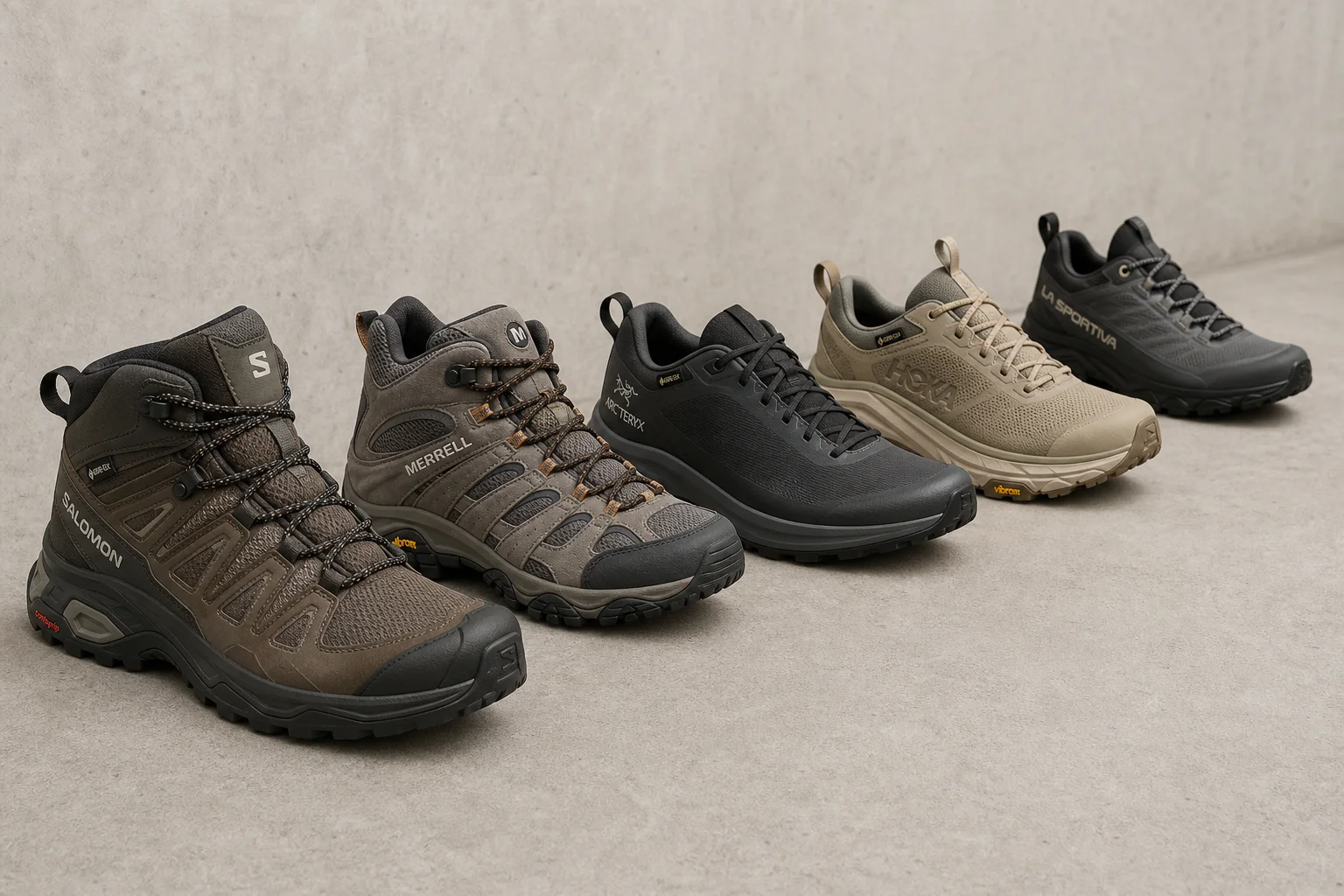
Best Hiking Shoes for Men: Five Tested Options Ranked
A detailed ranking of five hiking shoes tested for comfort, traction, and durability across varied terrain and conditions.