Trail Running Shoes
Best Trail Shoes for Flat Feet: Three Options With Different Support Approaches
Three trail shoes designed to provide arch support and stability for runners and hikers with flat feet, each offering distinct cushioning and support characteristics.
Understanding Flat Feet and Trail Shoe Support
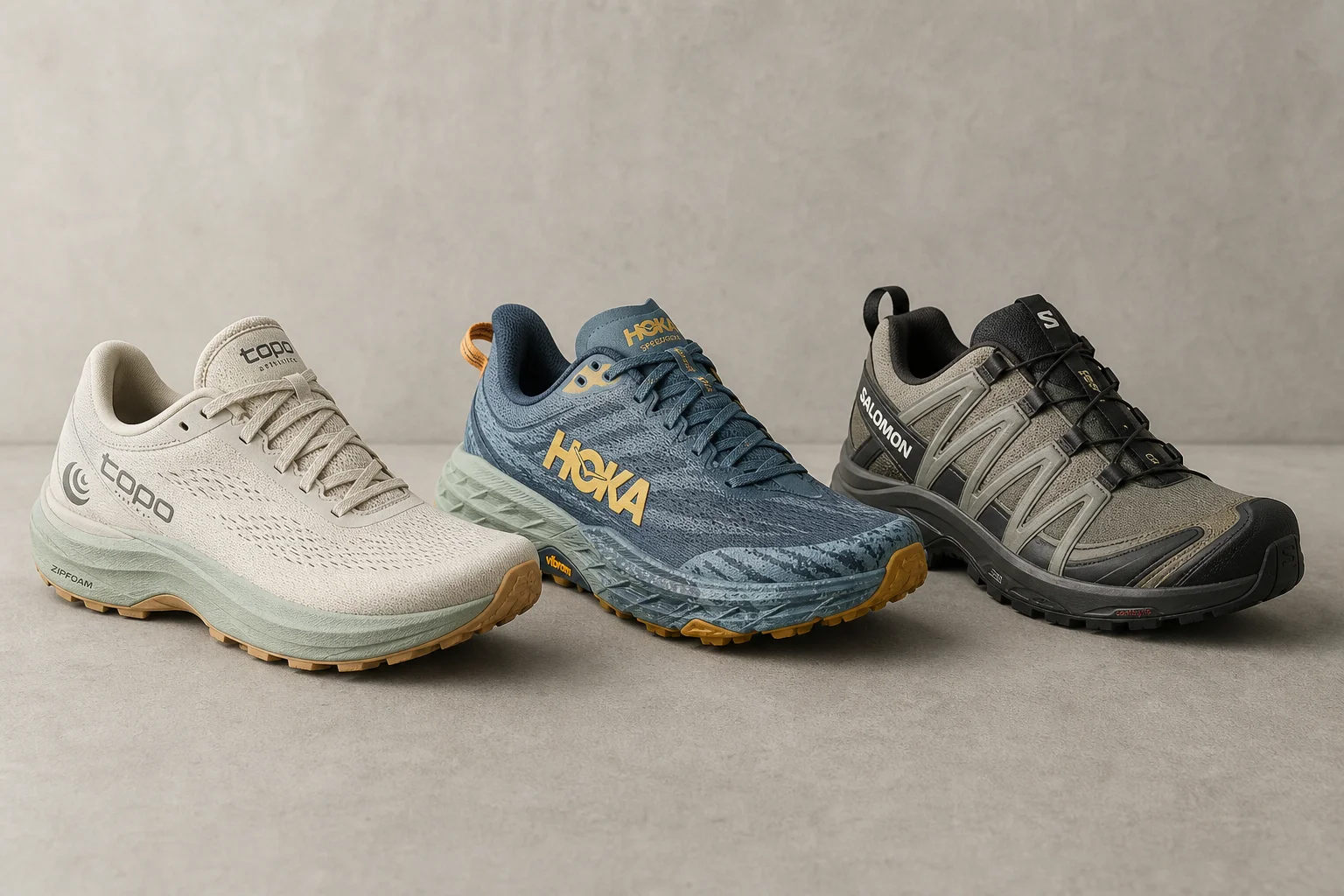
Flat feet do not automatically cause problems, but some runners and hikers experience arch fatigue or discomfort during extended periods on their feet. The right trail shoe can help reduce tension in the muscles that support the arch and provide relief during longer hikes or runs. Three shoes stand out for their approach to arch support and stability: each offers a different balance of cushioning, support structure, and overall design philosophy.
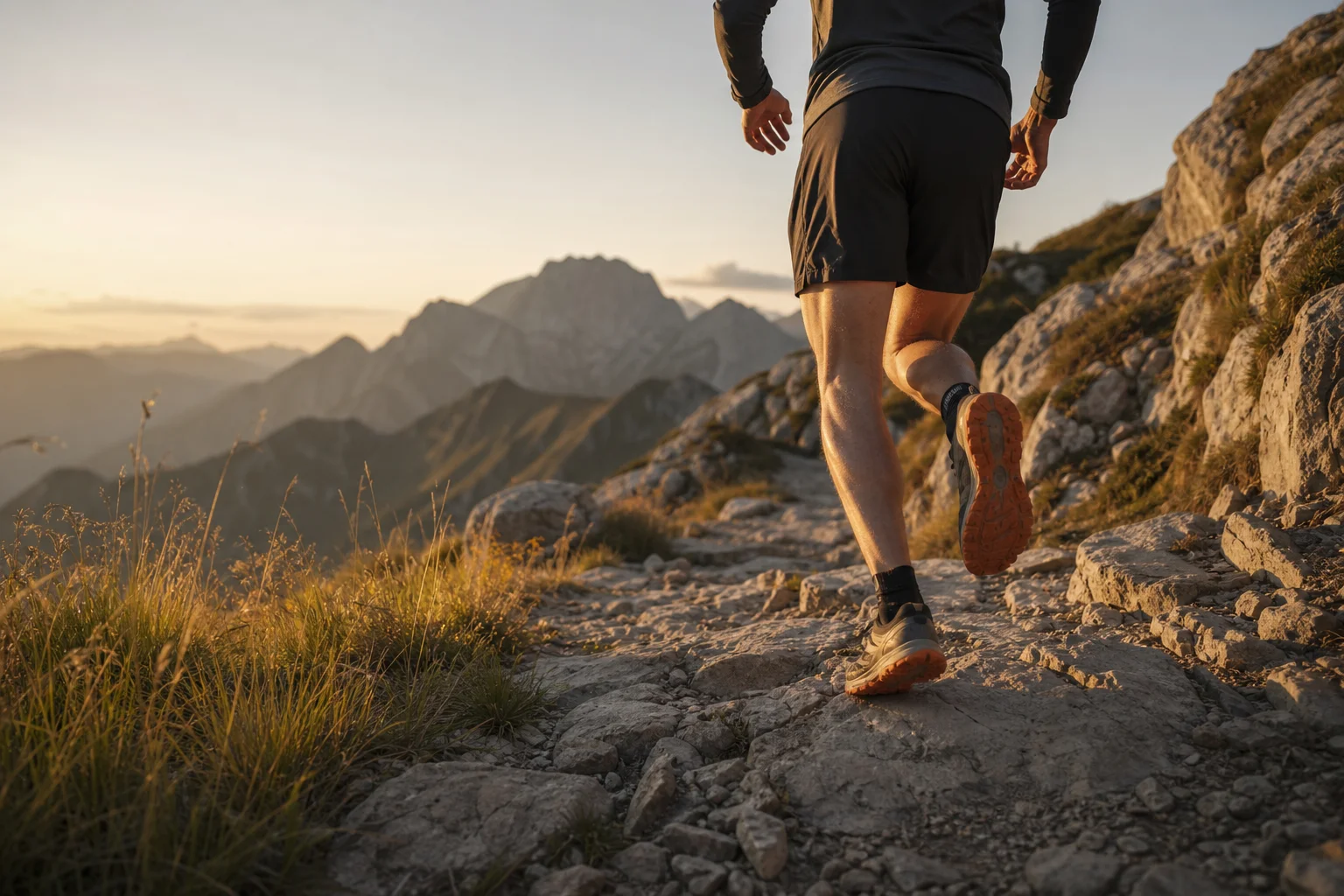
When choosing a trail shoe for flat feet, look for features like medial arch support, torsional stability, and a secure heel fit that prevents excessive foot motion inside the shoe.
Topo Mountain Racer 3: Anatomical Support and Arch Elevation
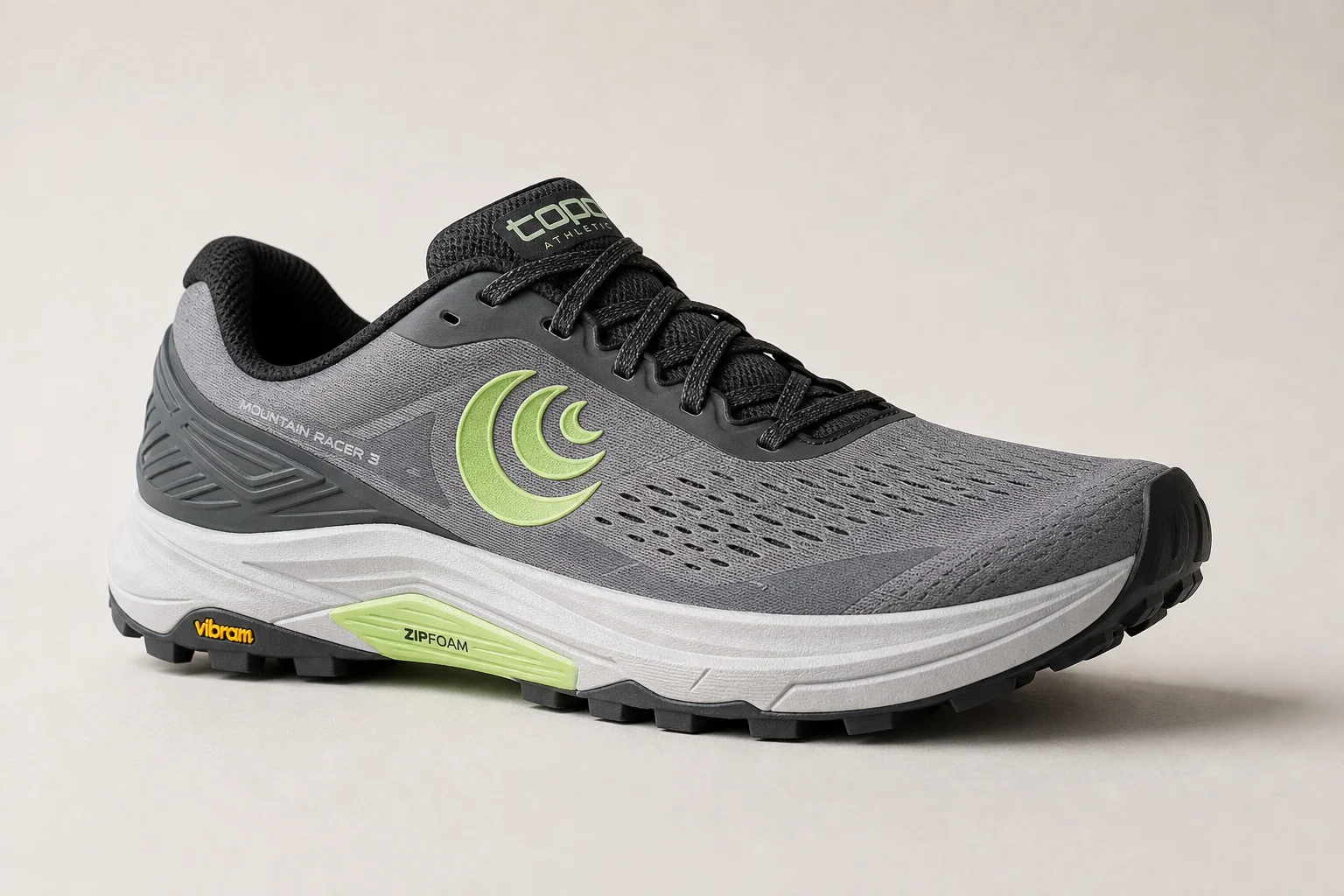
The Topo Mountain Racer 3 uses zip foam cushioning in the midsole, which is soft and bouncy. When you apply pressure, it compresses and springs back, providing responsive feedback underfoot. The shoe features a 5mm drop from heel to forefoot and includes medial arch support underneath the arch of the foot. This built-in support elevates the arch, reducing tension and pressure on the muscles that support it, which can provide relief during long hiking or running sessions.
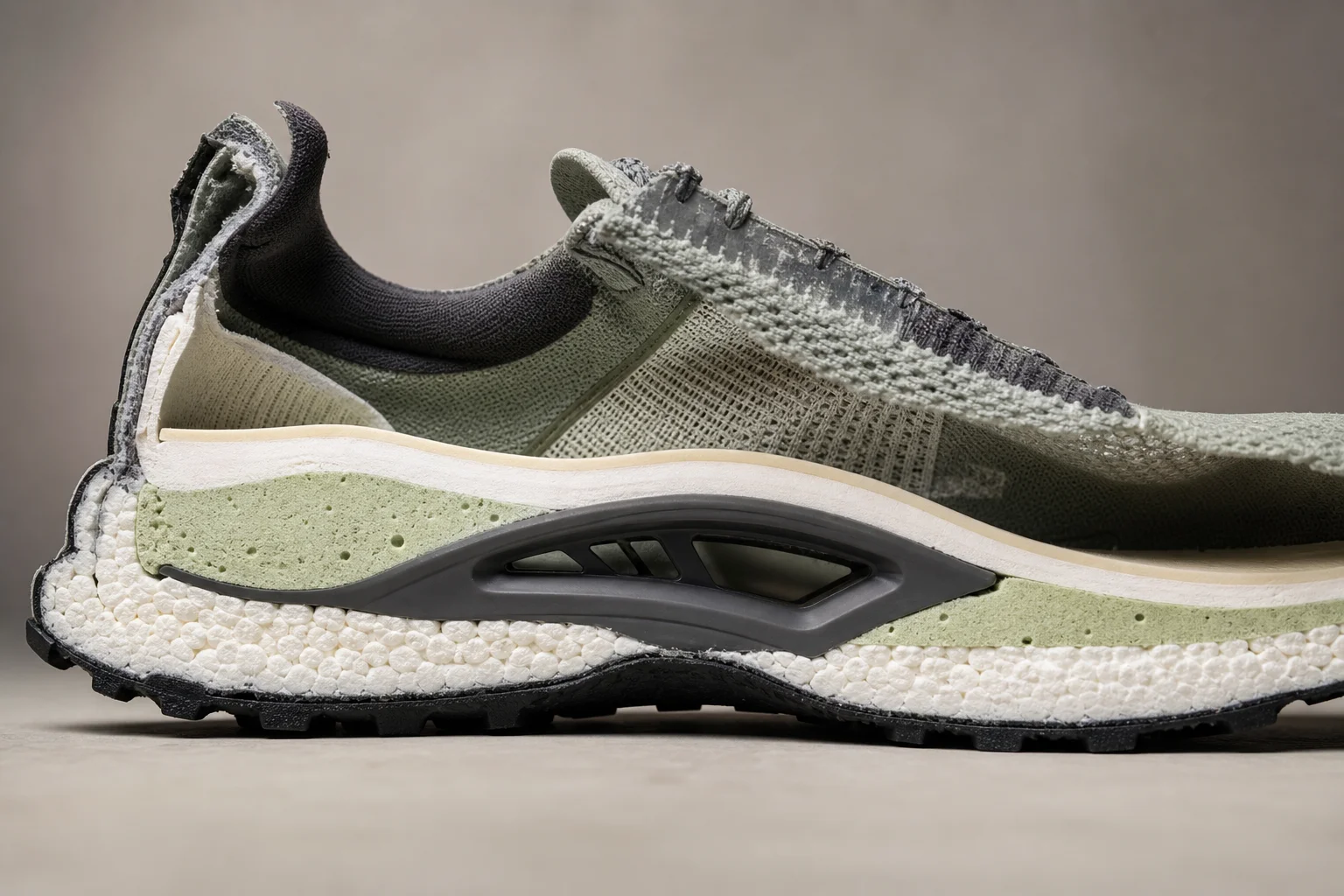
The shoe also has a broad anatomical toolbox design. Unlike some trail shoes, it fits snugly in the heel and midfoot to cradle your foot, then broadens in the forefoot to allow your toes to splay. This design is useful for conditions affecting the ball of the foot. The Vibram MegaGrip outsole with 6mm lugs makes it well-suited for longer distance running, hiking, and technical trails.
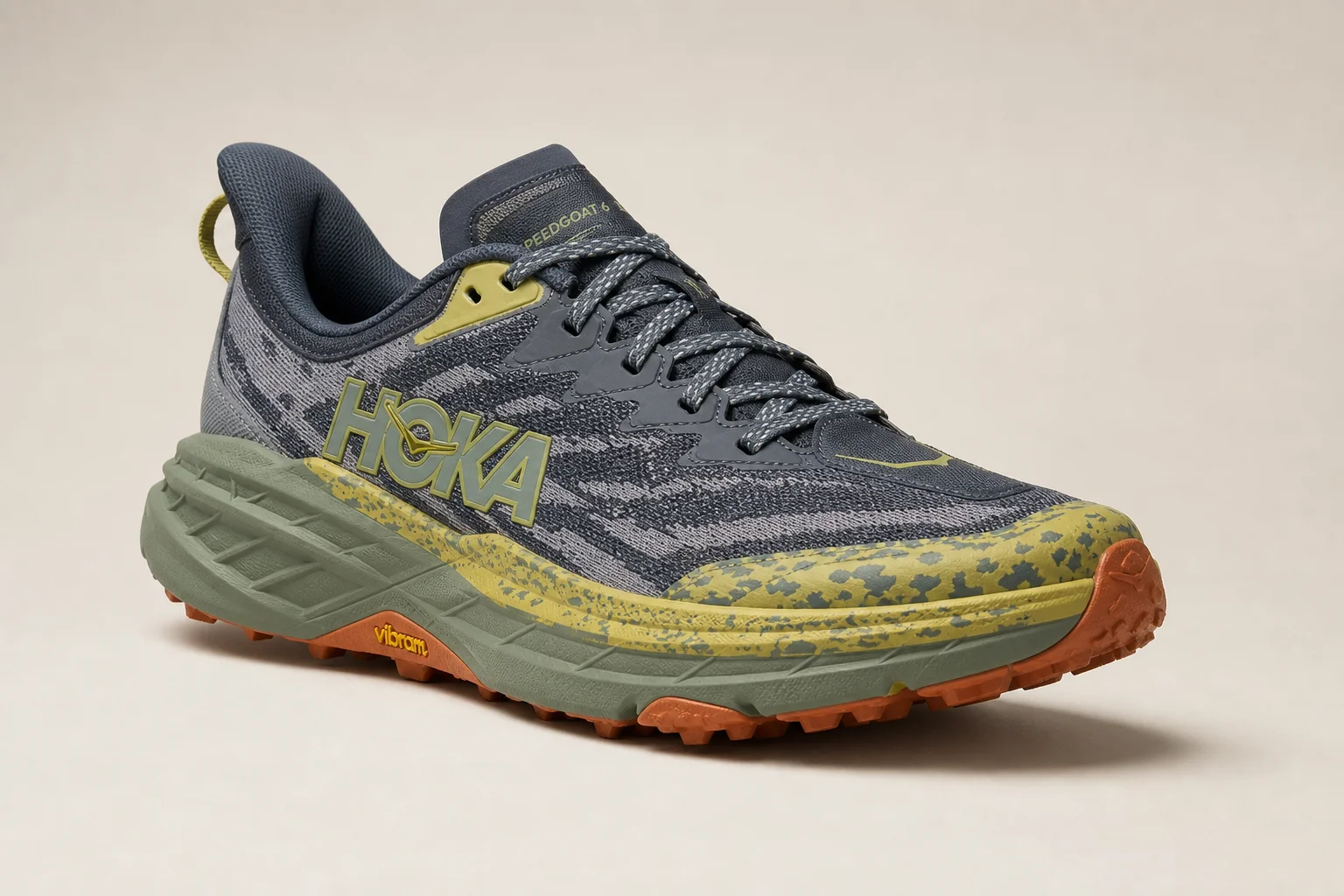
HOKA Speedgoat 6: Maximum Cushioning and Torsional Stability
The HOKA Speedgoat 6 delivers substantial cushioning with 40mm in the rear foot and 35mm in the forefoot, maintaining a 5mm drop. The CMEVA cushioning allows your foot to sink into a supportive platform. While firmer than the Topo’s midsole, it still provides a responsive spring-back feel.
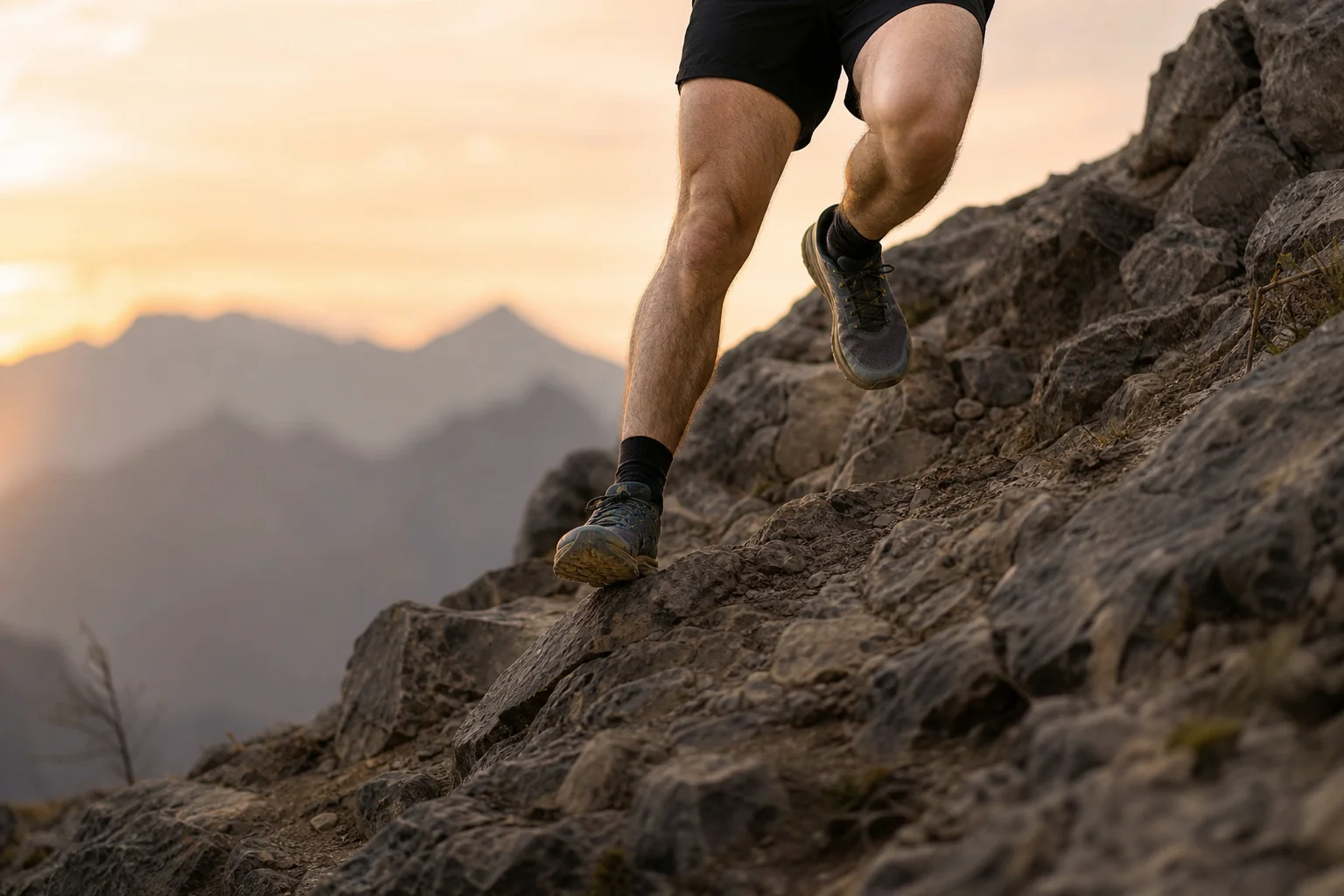
The extra cushioning provides a secondary benefit: torsional stability. The shoe resists twisting and turning, which is valuable when descending at speed or changing direction on technical terrain. Sidewalls between the heel and midfoot on both the inside and outside of the shoe cradle your foot, reducing slide and helping control pronation forces. For runners seeking maximum cushioning in a trail shoe, the HOKA Speedgoat 6 is an excellent choice.
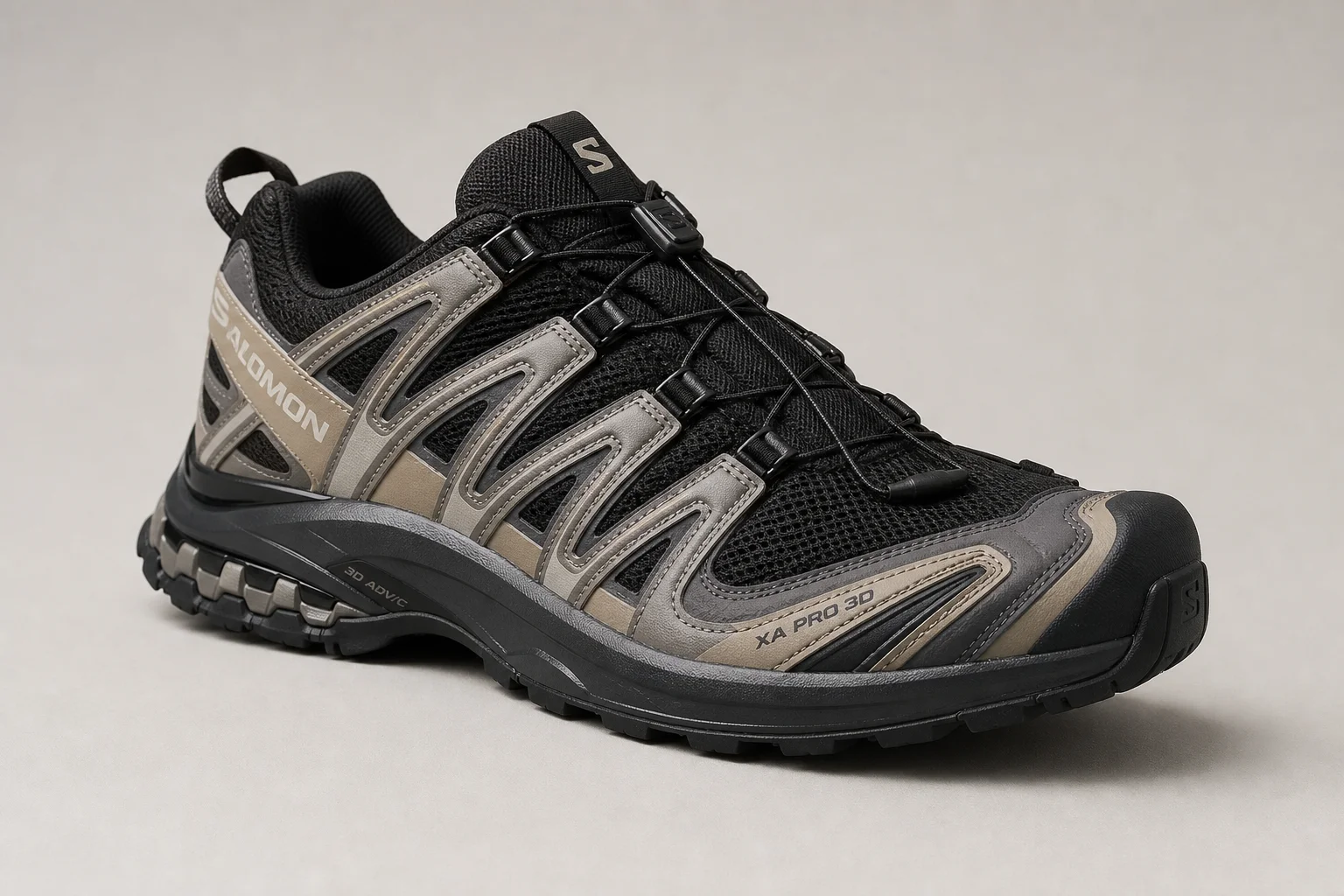
Salomon XA Pro 3D: Maximum Support and Torsional Rigidity
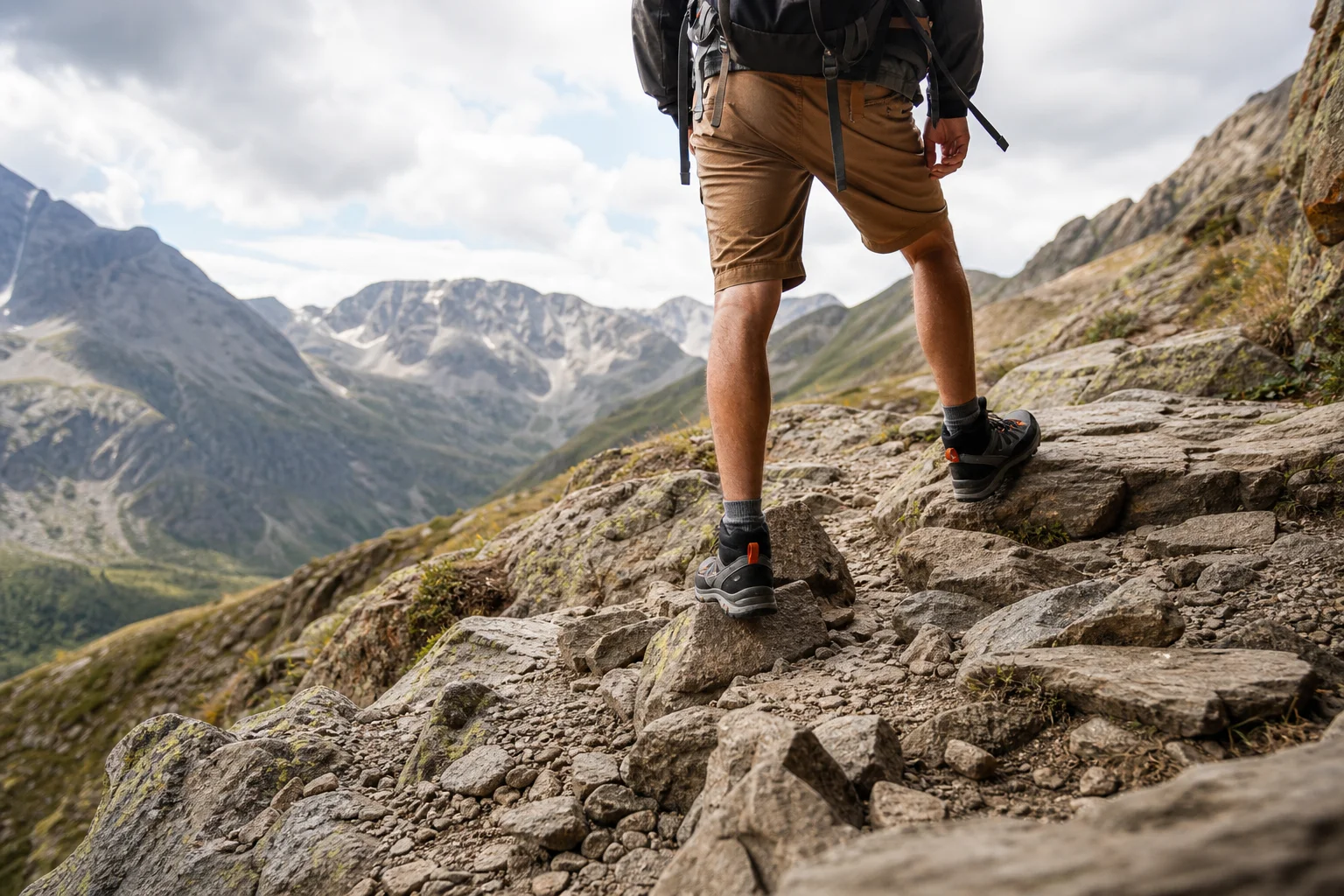
The Salomon XA Pro 3D is a heavily built shoe, weighing 323g, but it delivers excellent benefits for flat feet. It provides outstanding torsional support, resisting bending and twisting. The shoe includes low-level medial arch support under the arch and low-level sidewalls to cradle the heel. A stiff heel counter at the back of the shoe provides additional support when your foot makes contact with the ground, helping control pronation forces associated with flatter feet.
The shoe has a broad forefoot that allows toes to splay and features an 11mm heel drop. The higher drop offloads the forefoot but places extra pressure on the ball of the foot, so runners with forefoot discomfort may find this less comfortable.
Choosing the Right Shoe for Your Needs
The three shoes offer contrasting approaches to supporting flat feet. The Topo Mountain Racer 3 combines a broad anatomical fit with medial arch support. The HOKA Speedgoat 6 prioritizes maximum cushioning and torsional stability. The Salomon XA Pro 3D delivers the most rigid support structure and torsional control. Your choice depends on whether you prioritize responsive cushioning, maximum padding, or maximum structural support.
Conclusion
Flat feet do not require a specific shoe type, but supportive trail shoes can reduce arch fatigue during extended running or hiking. These three options represent different support philosophies, allowing you to choose based on your comfort preferences and the terrain you typically encounter.
Further reading
Related Reviews
Trail Running Shoes
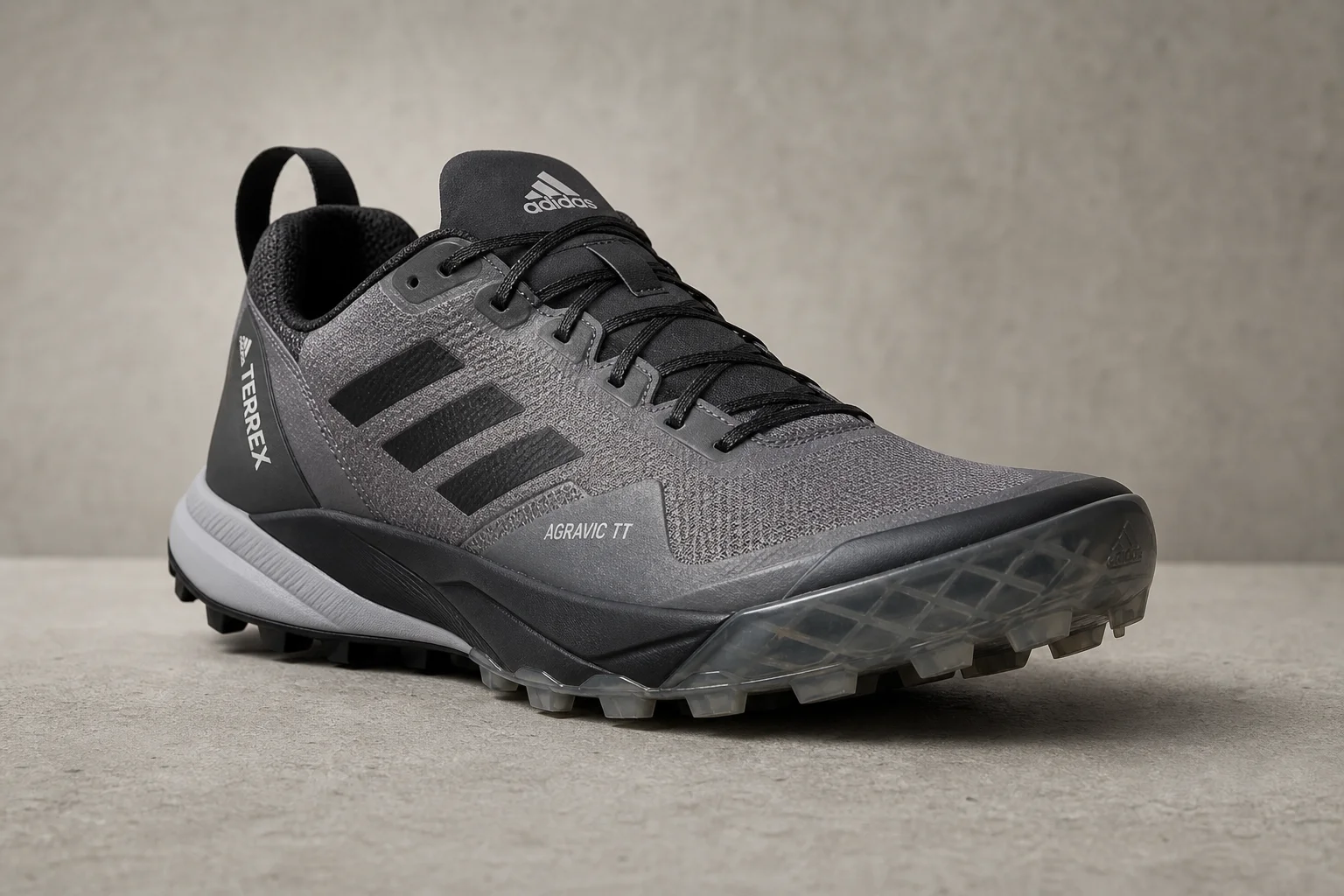
Adidas Terrex Agravic TT Review: A Technical Trail Shoe Built for Rocky Terrain
The Adidas Terrex Agravic TT combines a full-coverage rock plate with a firmer midsole to deliver protection and stability on technical, rocky trails. A capable choice for runners who prioritize underfoot defense over lightweight cushioning.
Trail Running Shoes
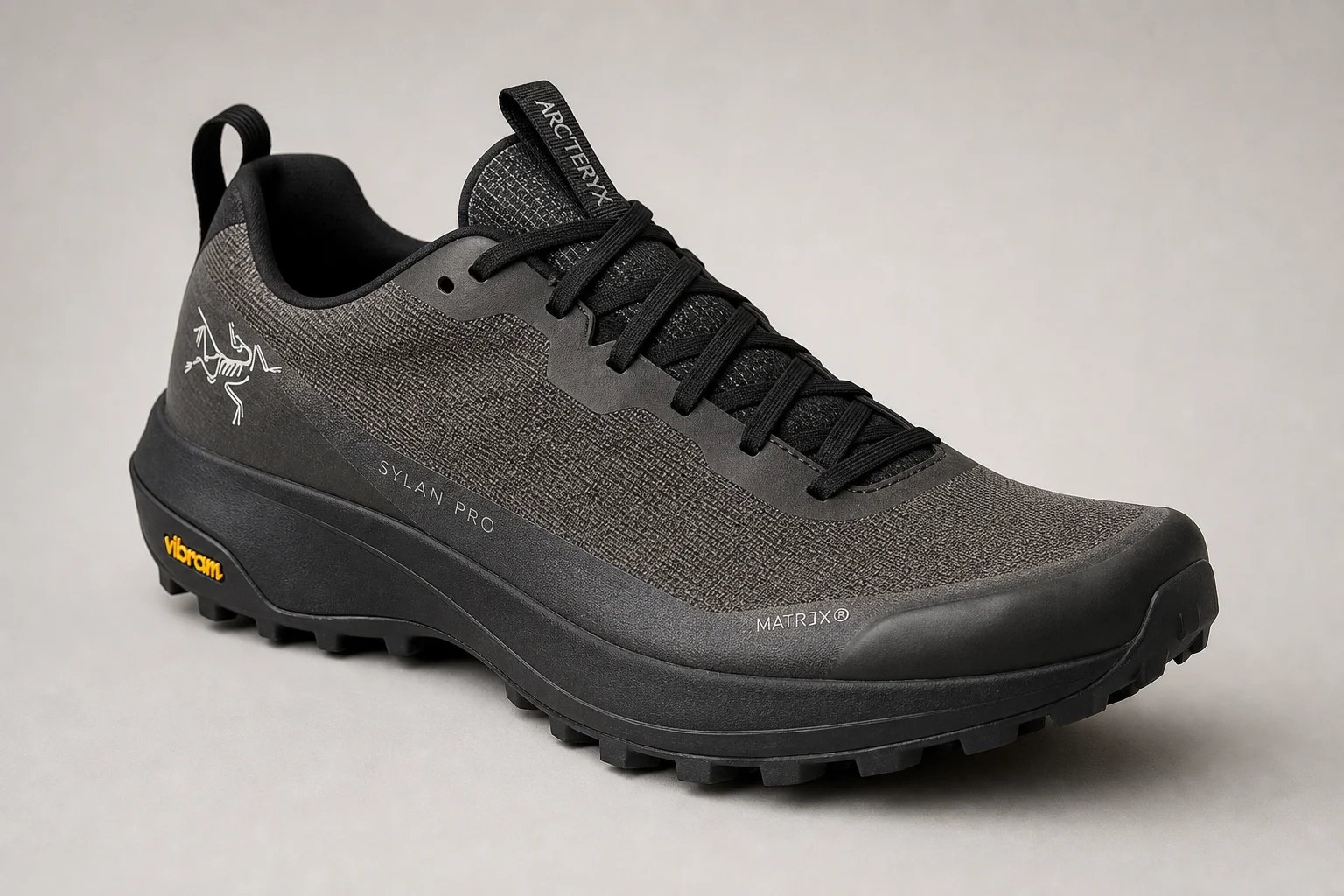
Arc'teryx Sylan Pro Review: A Rocker-Focused Mountain Running Shoe Tested on 20 Miles
The Arc'teryx Sylan Pro brings a pronounced rocker geometry and secure fit to mountain terrain. We tested it on a 20-mile Sawtooth loop to evaluate its climbing efficiency, protection, and handling of technical descents.
Trail Running Shoes
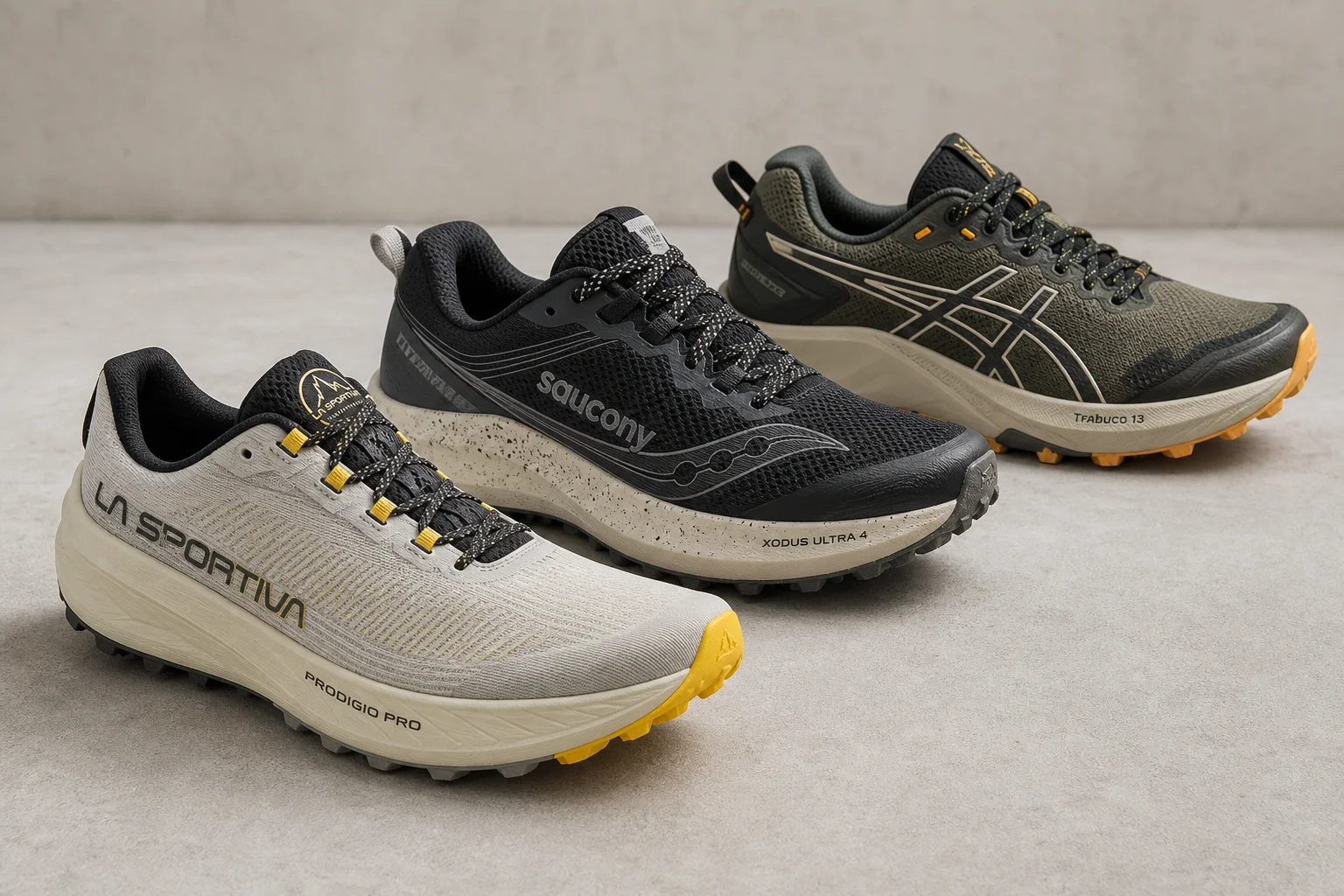
Best All-Mountain Trail Running Shoes: Three Versatile Options for Any Trail
A focused roundup of three all-mountain trail running shoes that handle technical terrain, long distances, and variable conditions with real strengths and practical trade-offs.