Mechanical Keyboards
Budget Hall Effect Keyboards Compared: Can Cheap Alternatives Match Premium Performance?
We tested eight affordable Hall Effect keyboards against the Wooting 80HE to see if budget options deliver on their promises of 8K polling, rapid trigger, and low latency.
Introduction
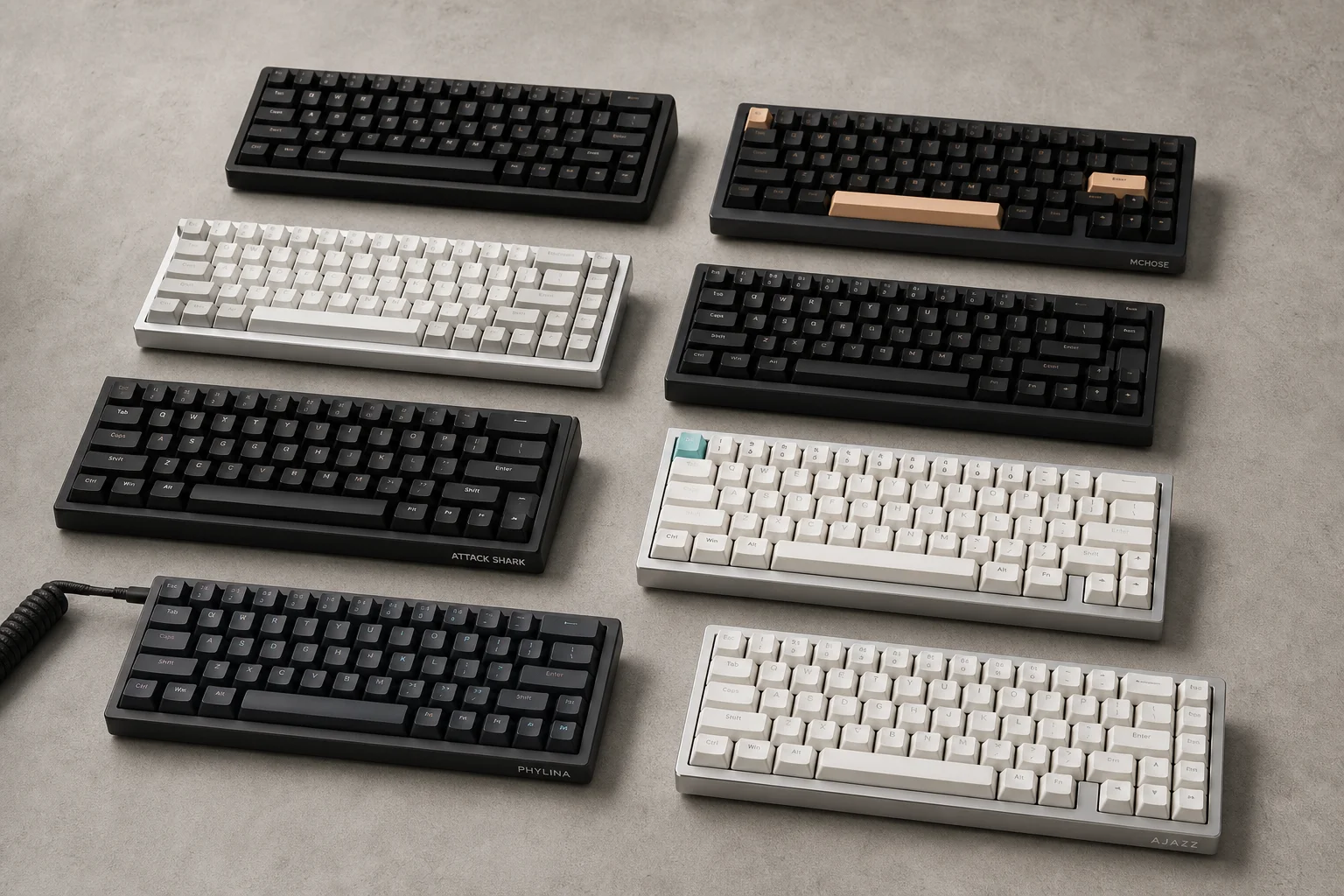
The Wooting 80HE is widely regarded as the benchmark for Hall Effect keyboards, but its price tag exceeds $300 when fully configured. For the same budget, you could purchase three or four complete budget Hall Effect keyboards with keycaps and switches included. The question becomes unavoidable: can any of these affordable alternatives deliver genuine performance, or are they simply marketing hype?
Most budget Hall Effect keyboards claim the same headline features as the Wooting: 8K polling rates, web-based configuration utilities, rapid trigger support, and ultra-low latency. We tested eight of these keyboards to determine which claims hold up under scrutiny and which represent genuine value.
The Budget Hall Effect Landscape
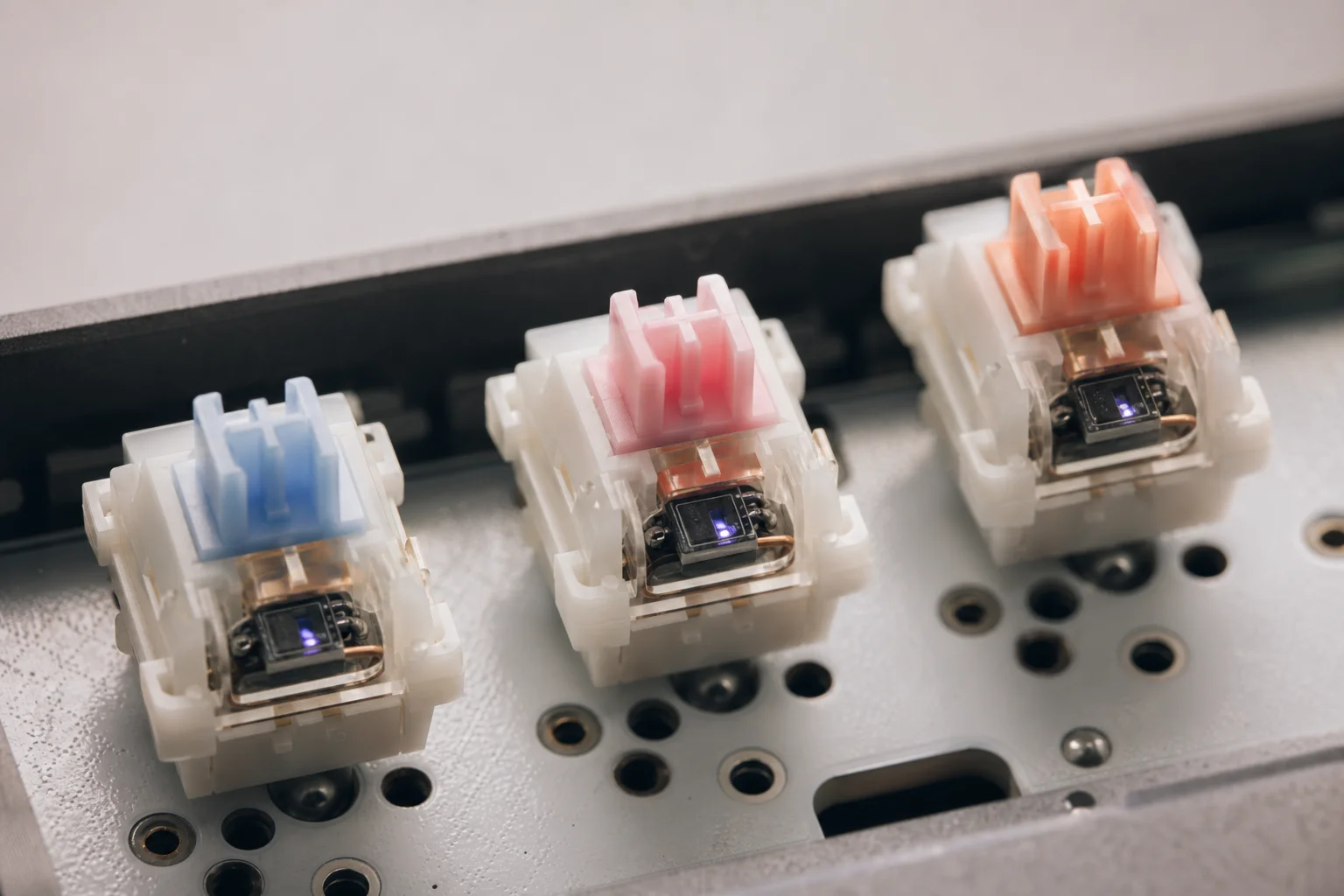
Hall Effect keyboards have become increasingly accessible over the past two years. Brands like MCHOSE, Womier, Drunk Deer, Yunzii, NuPhy, ATK, and Luminkey have all entered the market with products that promise premium features at a fraction of the Wooting’s cost. The specifications sound almost too good to be true at these price points, which is precisely why testing matters.
The core appeal of Hall Effect technology is the ability to customize actuation points per key and enable rapid trigger functionality, which allows a key to re-engage immediately upon release without requiring a full reset. For competitive gaming and typing customization, these features matter. The question is whether budget implementations deliver the same experience as premium alternatives.
The $44 to $69 Range: MCHOSE Ace 60 Pro and Womier M68 HE V2
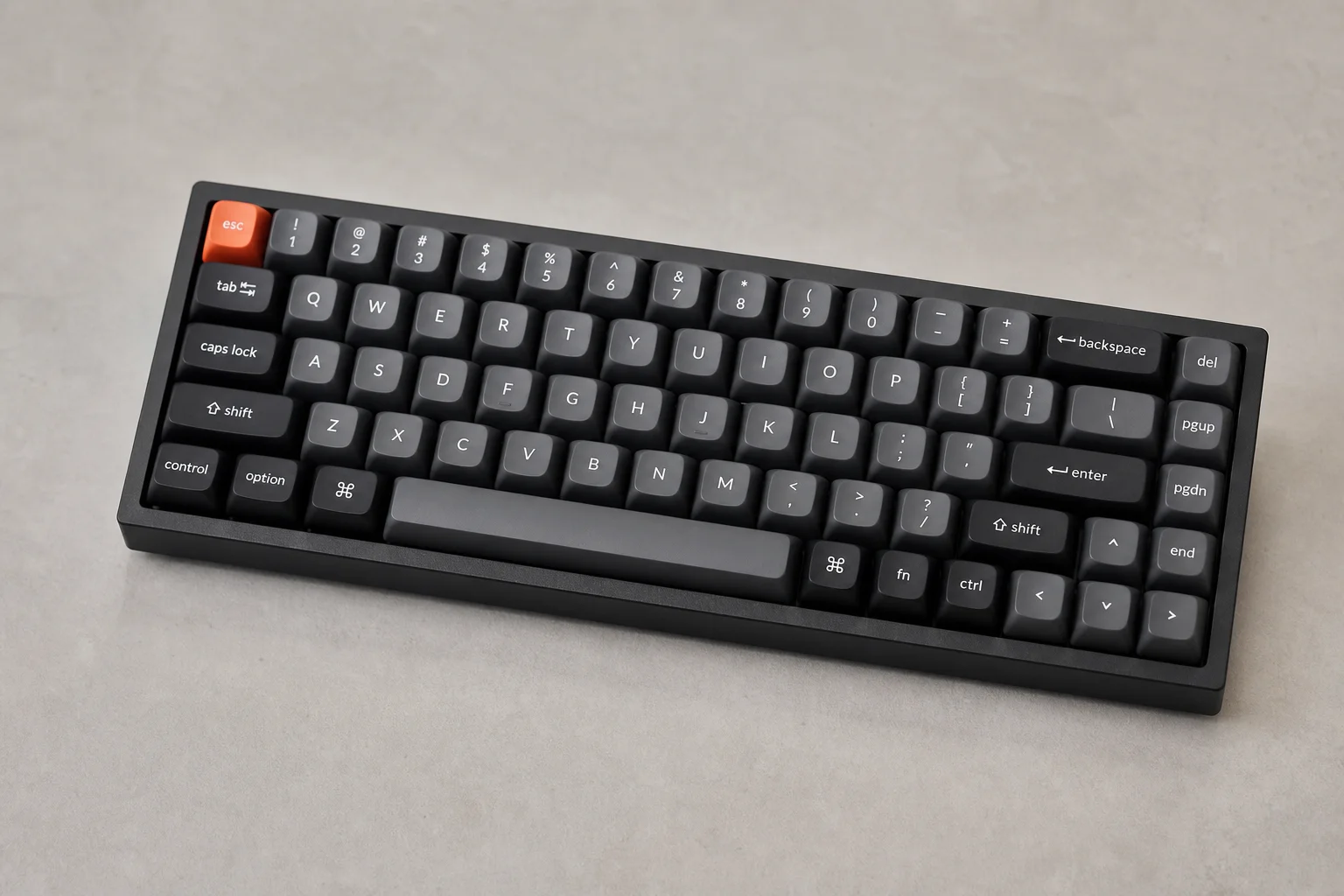
The MCHOSE Ace 60 Pro starts at just $44 USD, with the version tested here featuring upgraded switches at $69. The Womier M68 HE V2 sits at approximately $60. Both keyboards claim 8K polling, web-based utilities, rapid trigger, SOCD (simultaneous opposite cardinal directions), and DKS support.
Testing confirmed that both keyboards achieve genuine 8K polling. The MCHOSE delivers exceptionally clean 8K polling results for a keyboard under $50, while the Womier’s polling is less consistent but still functional. Latency testing revealed a significant gap: the Womier measured 5 milliseconds, which is respectable for a budget keyboard, but the MCHOSE Ace 60 Pro achieved just 1.3 milliseconds, approaching the Wooting 80HE’s performance.
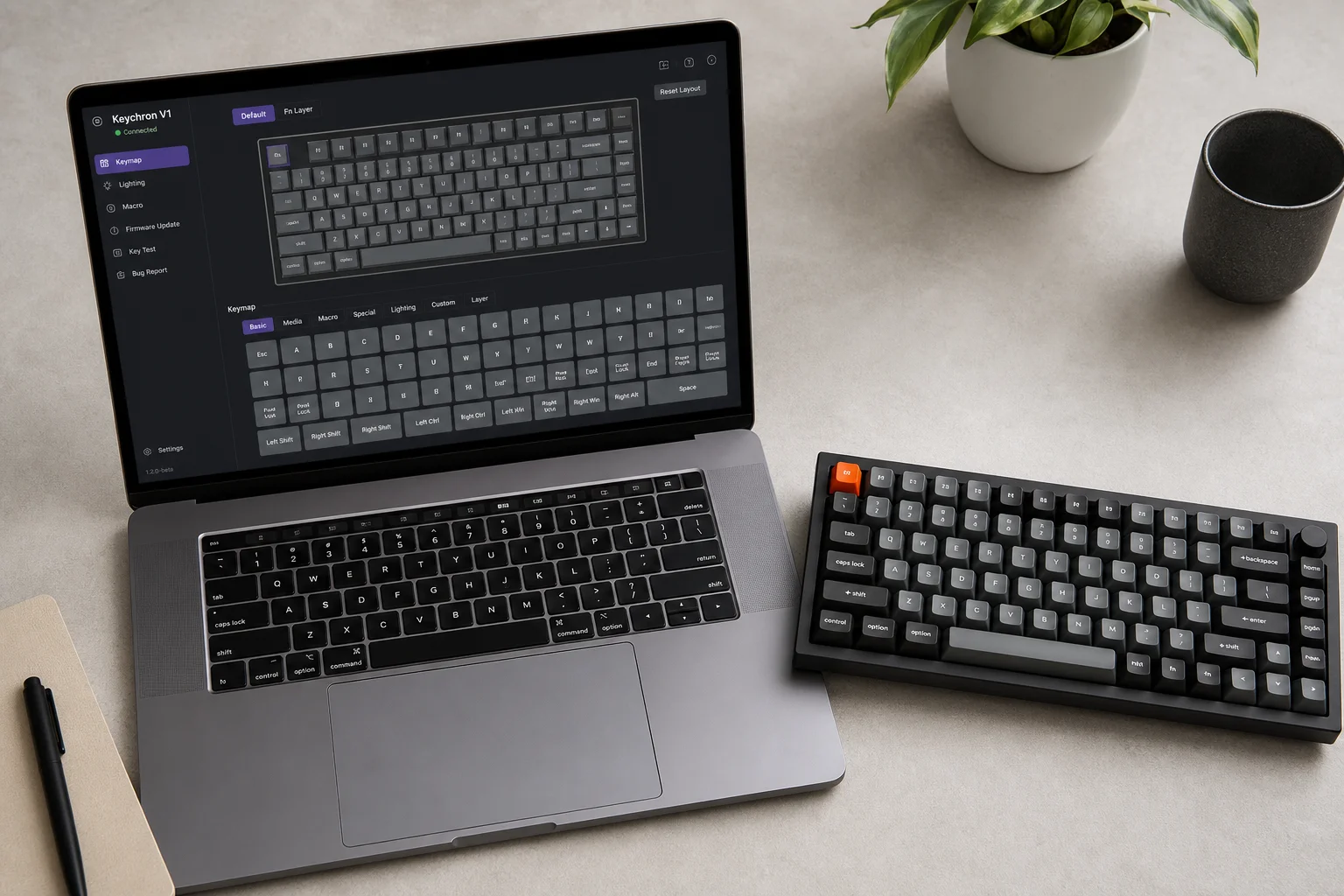
The web utilities differ in quality. Both are basic compared to premium alternatives, but the MCHOSE interface is more user-friendly and mirrors Wooting’s layout and design philosophy. The MCHOSE utility handles profiles correctly and stores settings reliably. The Womier utility functions but has a less intuitive design.
A critical difference emerges in rapid trigger implementation. The MCHOSE Ace 60 Pro supports true rapid trigger with proper actuation point control. The Womier, however, only supports continuous rapid trigger, which behaves differently: when you set an actuation point and release the key slightly, rapid trigger engages. But pressing back in above that actuation point triggers the key again without requiring a full release to reset. This is not how rapid trigger should function and significantly limits the Womier’s gaming utility.
Build quality favors the MCHOSE. Both are plastic, but the Ace 60 Pro uses higher-quality material that feels more solid and produces a more refined sound. The Womier sounds hollow, typical of budget keyboards, though not objectionable for the price.
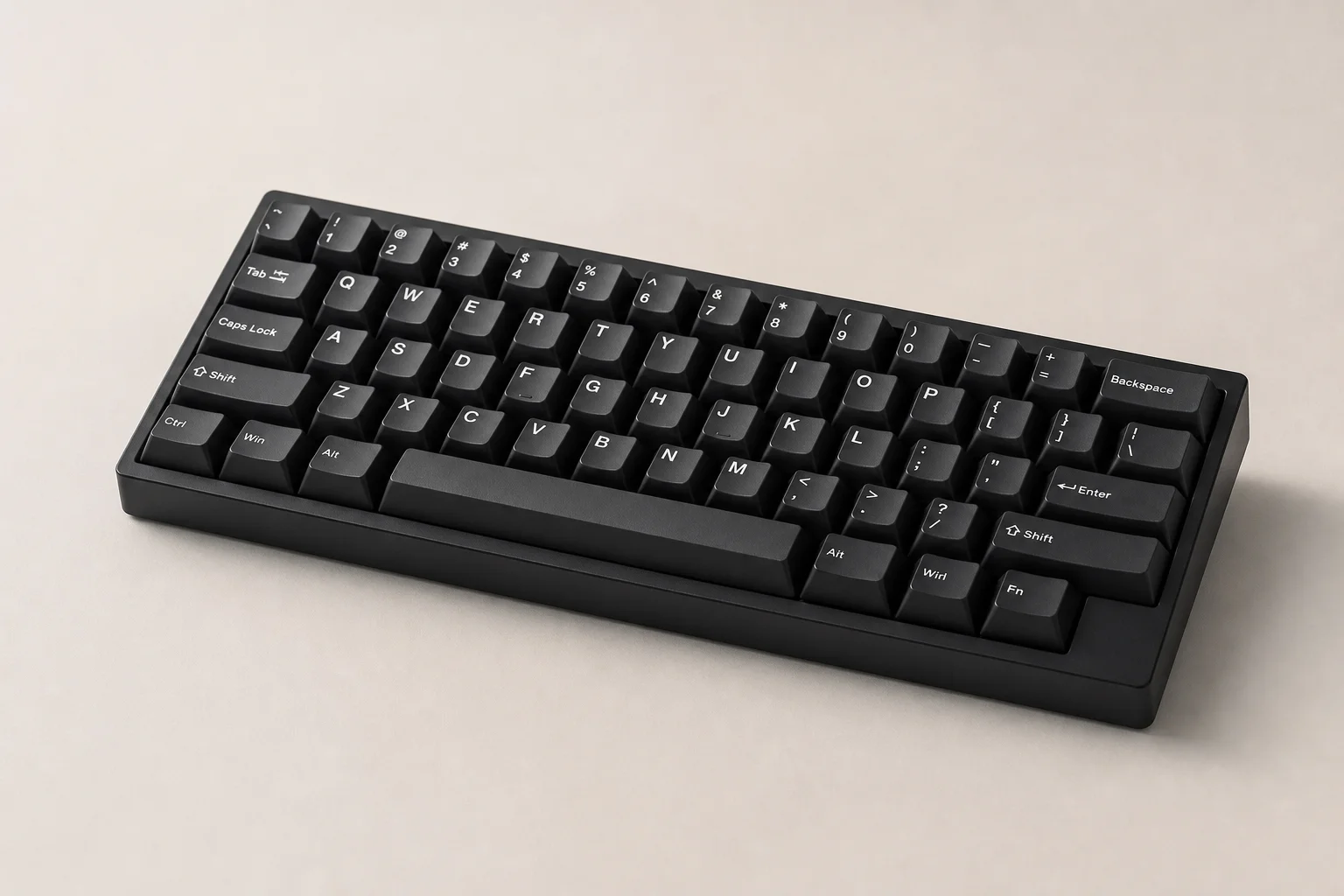
The $90 Range: Drunk Deer G60 and Yunzii RT75
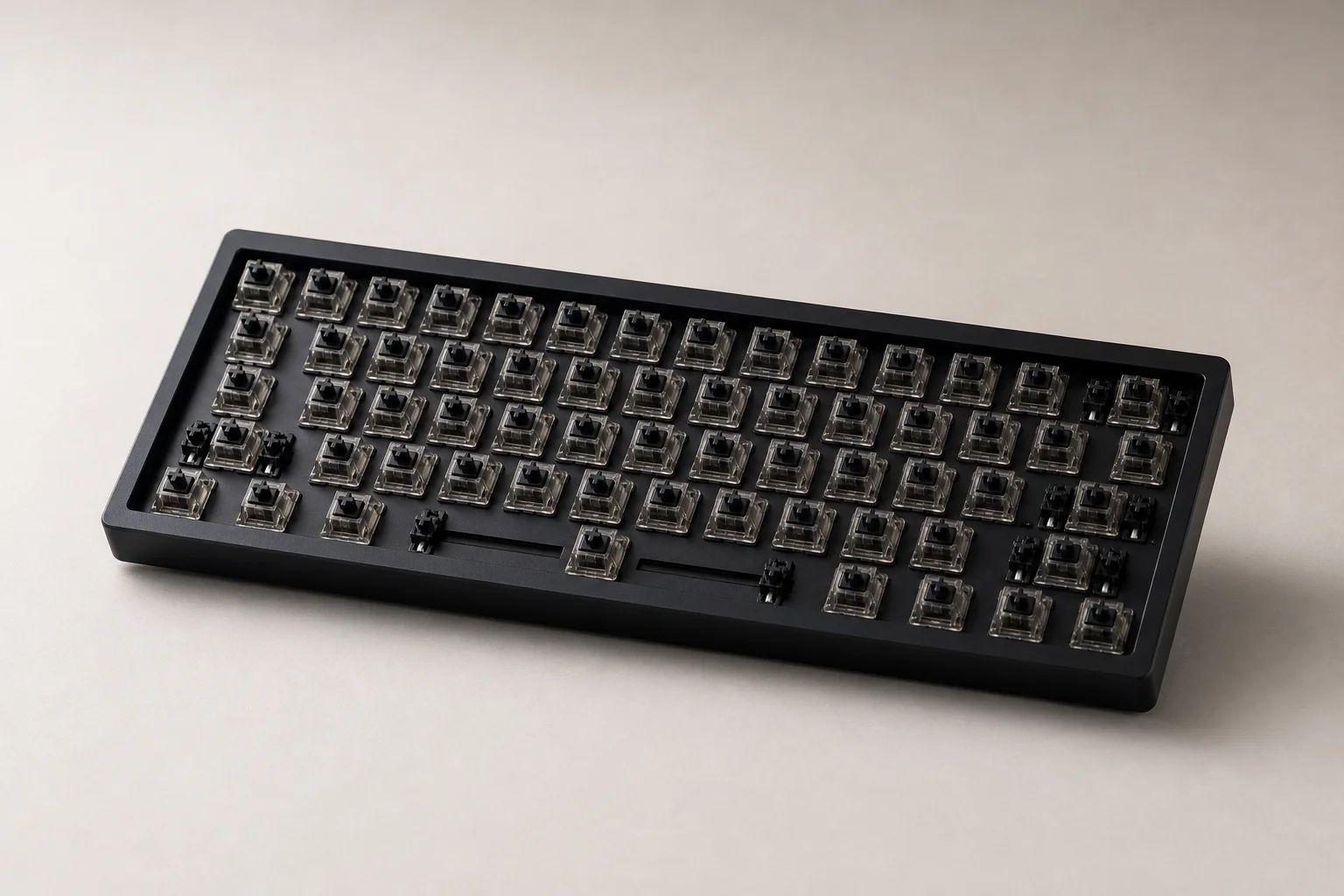
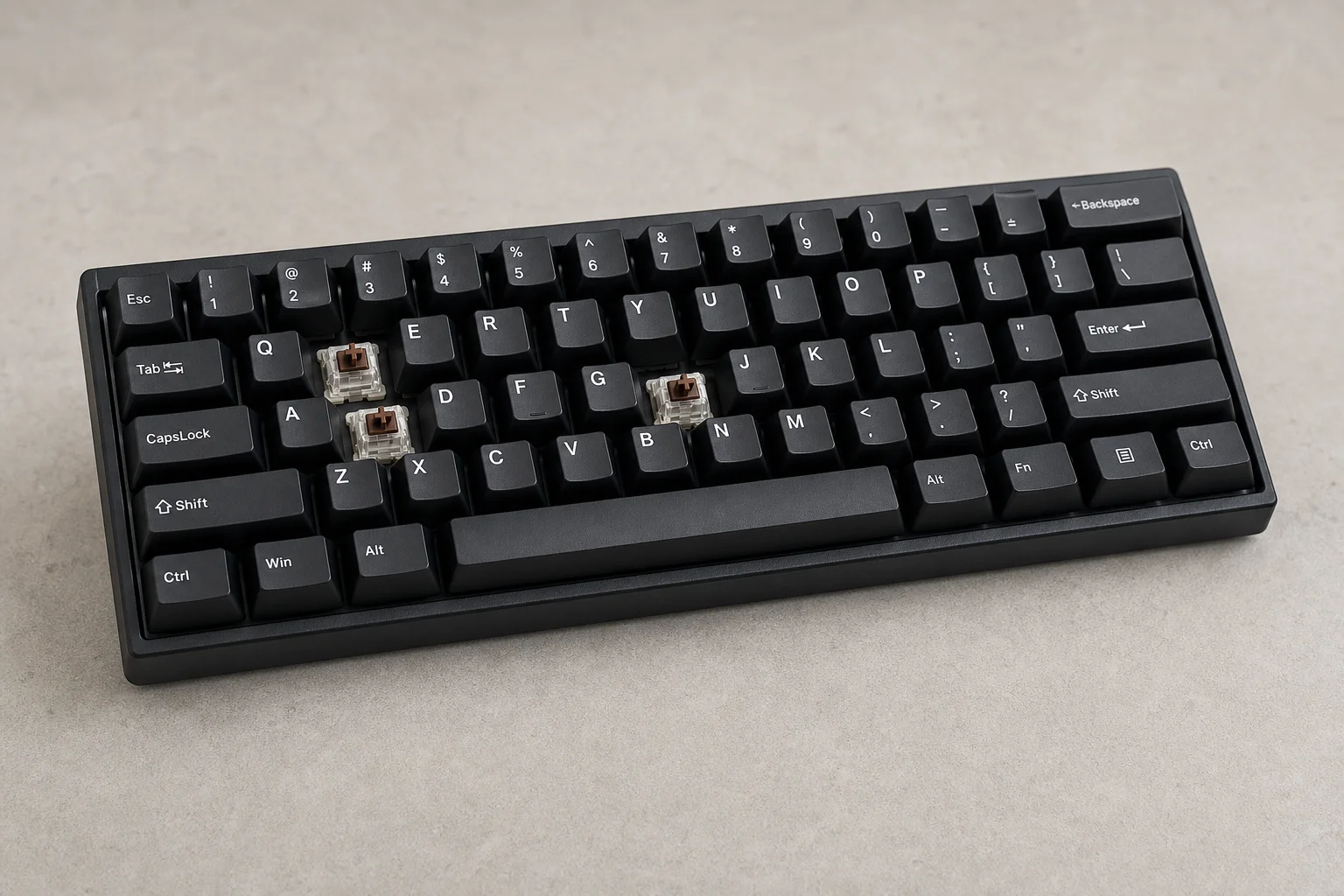
Spending roughly $90 introduces keyboards from Drunk Deer, an early pioneer of affordable Hall Effect alternatives, and Yunzii, a well-known budget mechanical keyboard brand. Both keyboards promised to deliver better value than the cheaper options, but the results were mixed.
The Yunzii RT75 has several drawbacks. Despite claiming a web-based utility, it requires driver installation, which defeats the purpose of a web utility. The interface itself is problematic: it only supports continuous rapid trigger, the same limitation that hampered the Womier. The software is buggy and difficult to navigate, making configuration frustrating. The hardware itself is fine, but the firmware and software make this keyboard difficult to recommend.
The Drunk Deer G60 is more competent. It features a proper web utility and fully functional rapid trigger without the continuous-only limitation. It achieves true 1K polling as advertised and supports working profiles, which are essential for maintaining separate typing and gaming configurations. However, at $90, the value proposition is questionable. The G60 is comparable in build quality to the Womier M68 HE V2, which costs $30 less. The Womier’s only significant drawback is its rapid trigger implementation; if that were fixed, it would be the better choice.
The MCHOSE Ace 60 Pro complicates the G60’s value further. The Ace 60 Pro offers higher build quality, higher polling rate, a more user-friendly utility, and lower latency, all for roughly $20 more than the Womier and $70 less than the G60. The G60’s advantage is functional SOCD, whereas the Ace 60 Pro’s SOCD is currently buggy. This alone does not justify the $90 price tag.
The $100 to $120 Range: Premium Budget Options
Entering three-figure territory brings a noticeable jump in build quality. The NuPhy Halo 65 HE features an aluminum top frame with an ABS base and soft-touch finish. The ATK 68 V2 and Luminkey Magger 68 HE both come with full aluminum cases. All three keyboards offer significantly better construction than the Wooting 80HE’s standard plastic pre-built case, despite costing roughly half the price.
Sound quality is subjective, but the NuPhy Halo 65 HE produces the most refined typing sound among these three, impressive for a pre-built Hall Effect keyboard at this price point.
All three keyboards support 8K polling as advertised. Latency results are solid: the NuPhy and Luminkey measure around 3 milliseconds, while the ATK 68 V2 achieves 1.8 milliseconds, the second-fastest result among all tested keyboards. However, latency differences of 1-2 milliseconds are imperceptible during actual use; software quality and rapid trigger functionality matter far more.
The Luminkey Magger 68 HE is the only keyboard in this group without web-based utility, requiring standalone software instead. The utility is not user-friendly, and SOCD is nearly unusable due to bugs that cause configured keys to stop working. The keyboard does support profile switching via keyboard shortcut, eliminating the need to open the utility repeatedly, but the software experience is frustrating overall.

The ATK 68 V2 offers a clean web utility with a simple layout and minimal bugs. SOCD works as intended. The main limitation is the lack of keyboard shortcuts for profile switching, requiring users to open the browser utility each time they want to switch between typing and gaming profiles.
The NuPhy Halo 65 HE stands out as the most well-rounded option in this price range. It features an excellent web utility that rivals Wooting’s in quality, with a clean design and no significant bugs. It includes a physical toggle switch for quick profile switching between three configurations, eliminating the need to access software. The utility is intuitive, and advanced features like SOCD and macros are accessible. The build quality, typing sound, software, and performance combine to create a keyboard that is difficult to fault at this price point.
The Premium Reference: Wooting 80HE
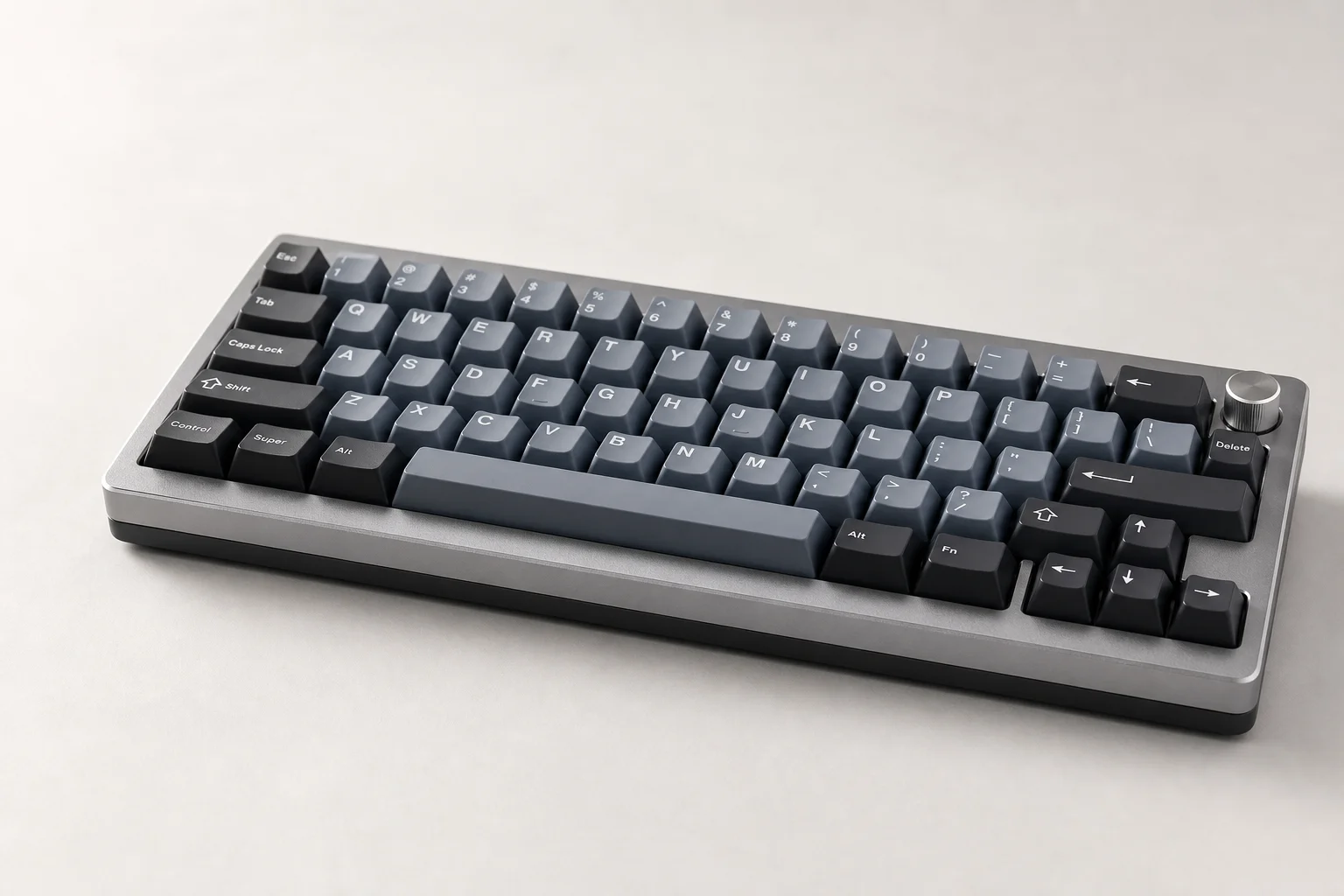
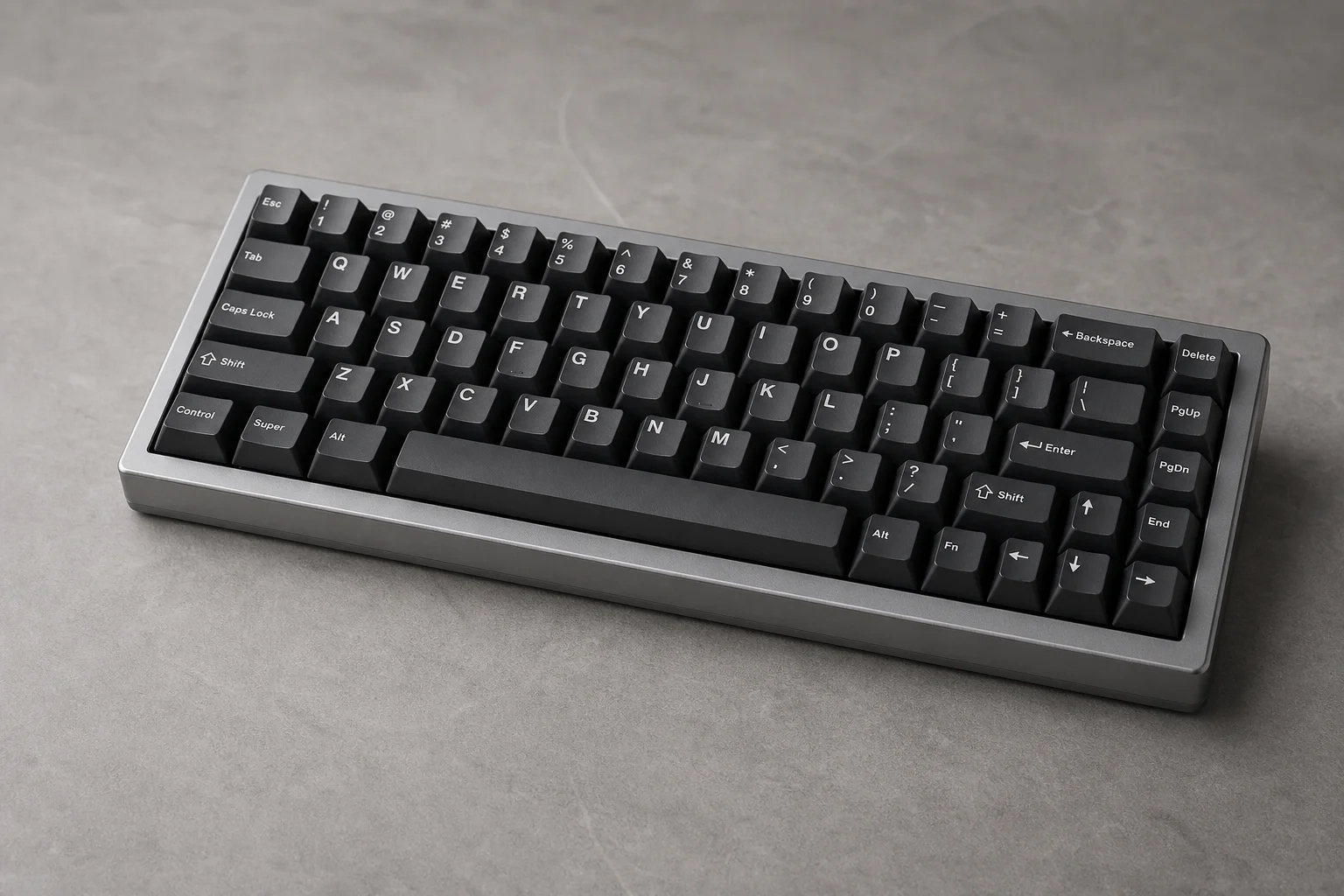
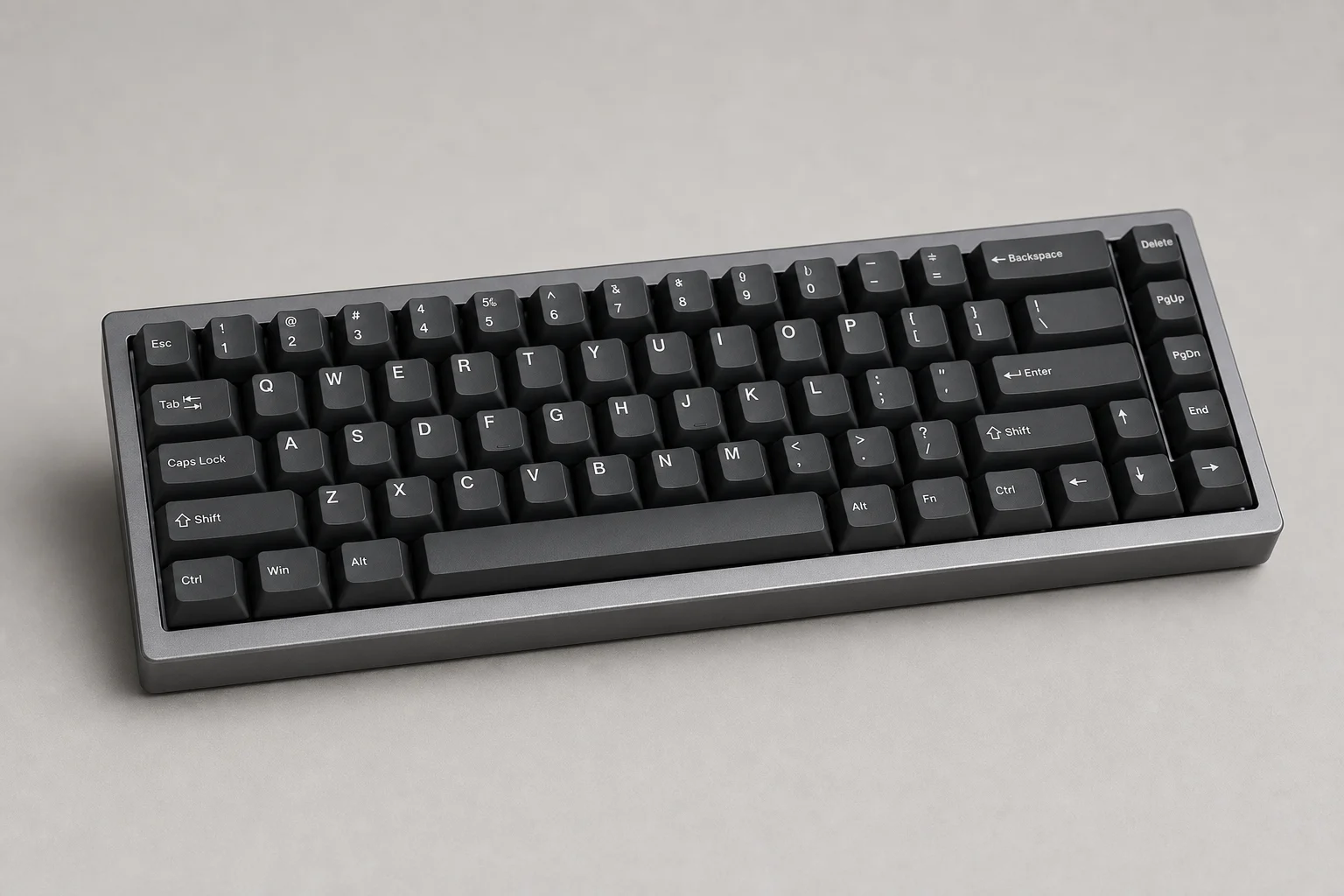
The Wooting 80HE remains the benchmark against which all budget alternatives are measured. At over $300 fully configured, it represents a significant investment. The keyboard delivers exceptional build quality, a polished software experience, and proven performance. However, the gap between the Wooting and the best budget alternatives is smaller than the price difference suggests.
Conclusion
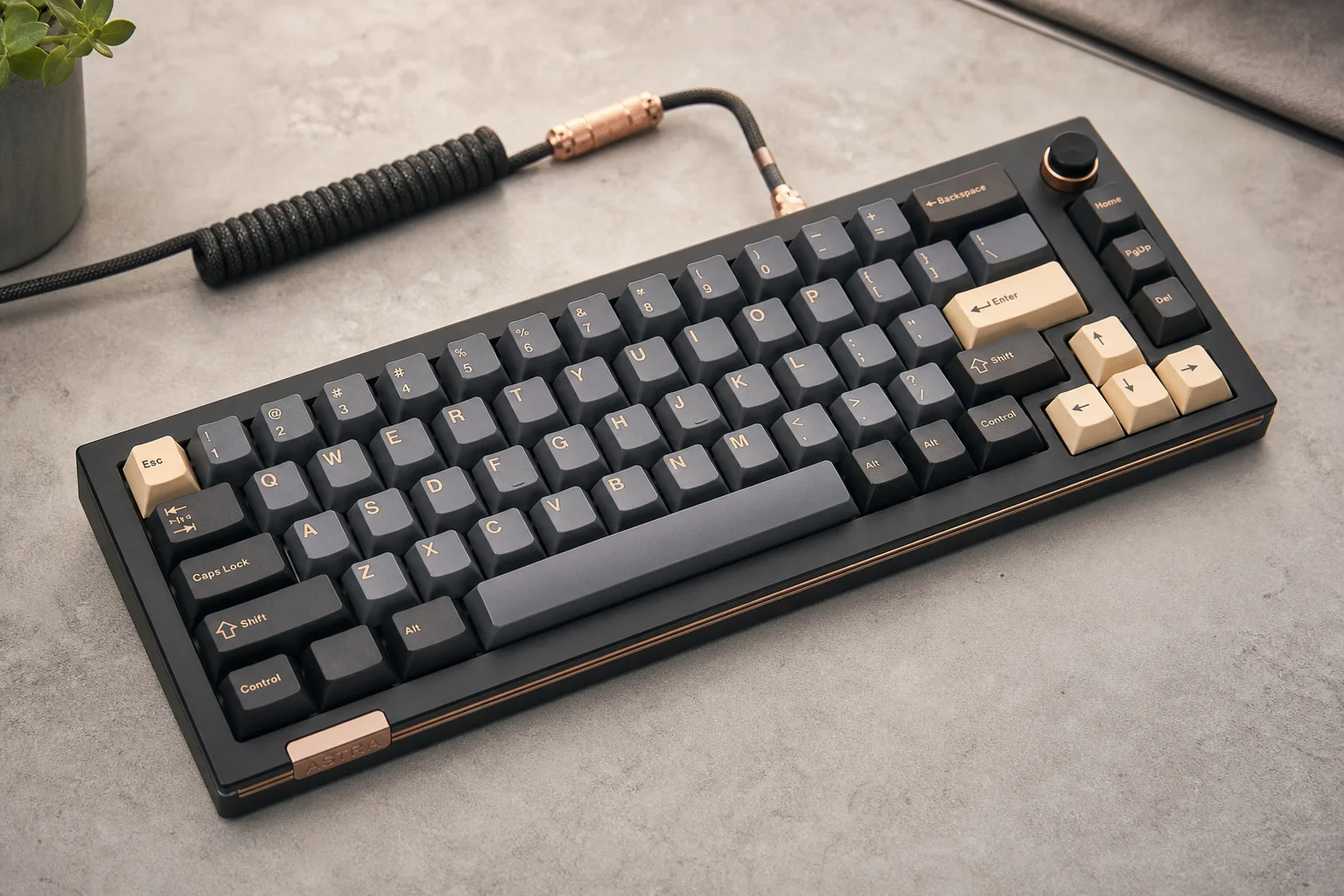
The most surprising finding is that the cheapest keyboard tested, the MCHOSE Ace 60 Pro at $44-$69, delivers the lowest latency among budget options and competes favorably with keyboards costing two to three times more. Its web utility is functional and user-friendly, 8K polling is clean, and rapid trigger works properly. Minor firmware issues with SOCD are likely to be resolved with updates.
For those seeking the best overall experience at a mid-range price, the NuPhy Halo 65 HE at $100-$120 offers exceptional build quality, refined typing sound, and a software experience that approaches premium keyboards. The physical profile toggle is a thoughtful feature that eliminates friction in daily use.
Budget Hall Effect keyboards have matured significantly. While none match the Wooting 80HE’s overall polish, several deliver genuine value and performance that justify their cost. The MCHOSE Ace 60 Pro offers the best value proposition, while the NuPhy Halo 65 HE provides the most complete experience for users willing to spend slightly more.
Further reading
Related Reviews
Mechanical Keyboards
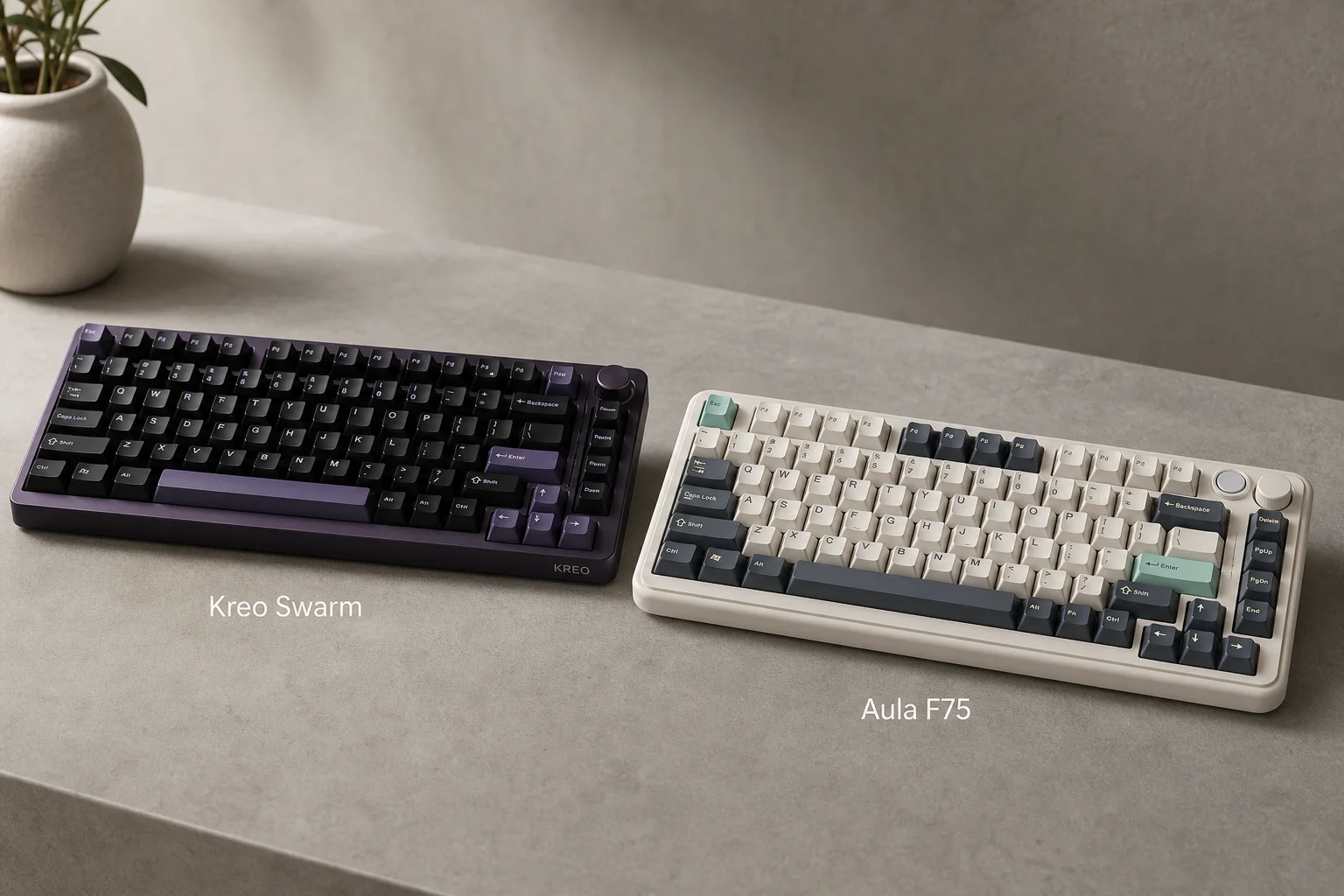
Kreo Swarm vs Aula F75: Which 75% Keyboard Offers Better Value
A detailed comparison of two similarly priced 75% mechanical keyboards, examining design, layout, sound, typing experience, and overall value.
Keyboards
Best Budget Keyboards on Amazon 2026: Six Solid Options Under $150
A practical roundup of six budget-friendly mechanical keyboards available on Amazon, each with real strengths and trade-offs worth considering before purchase.
Keyboards
Budget Hall Effect Keyboards Tested: Six Chinese Models Under $50 Compared
We tested six affordable Hall Effect keyboards priced under $50 to find which delivers the best value. Here's what we learned about build quality, software, and real gaming performance.