Cinema Cameras
Canon EOS C80 Cinema Camera Review: Full-Frame 6K Workhorse for Professional Video
The Canon EOS C80 brings full-frame 6K cinema capability, built-in ND filters, and dual SD card recording to a compact form factor. A capable alternative to the C70 and junior sibling to the C400.
Introduction
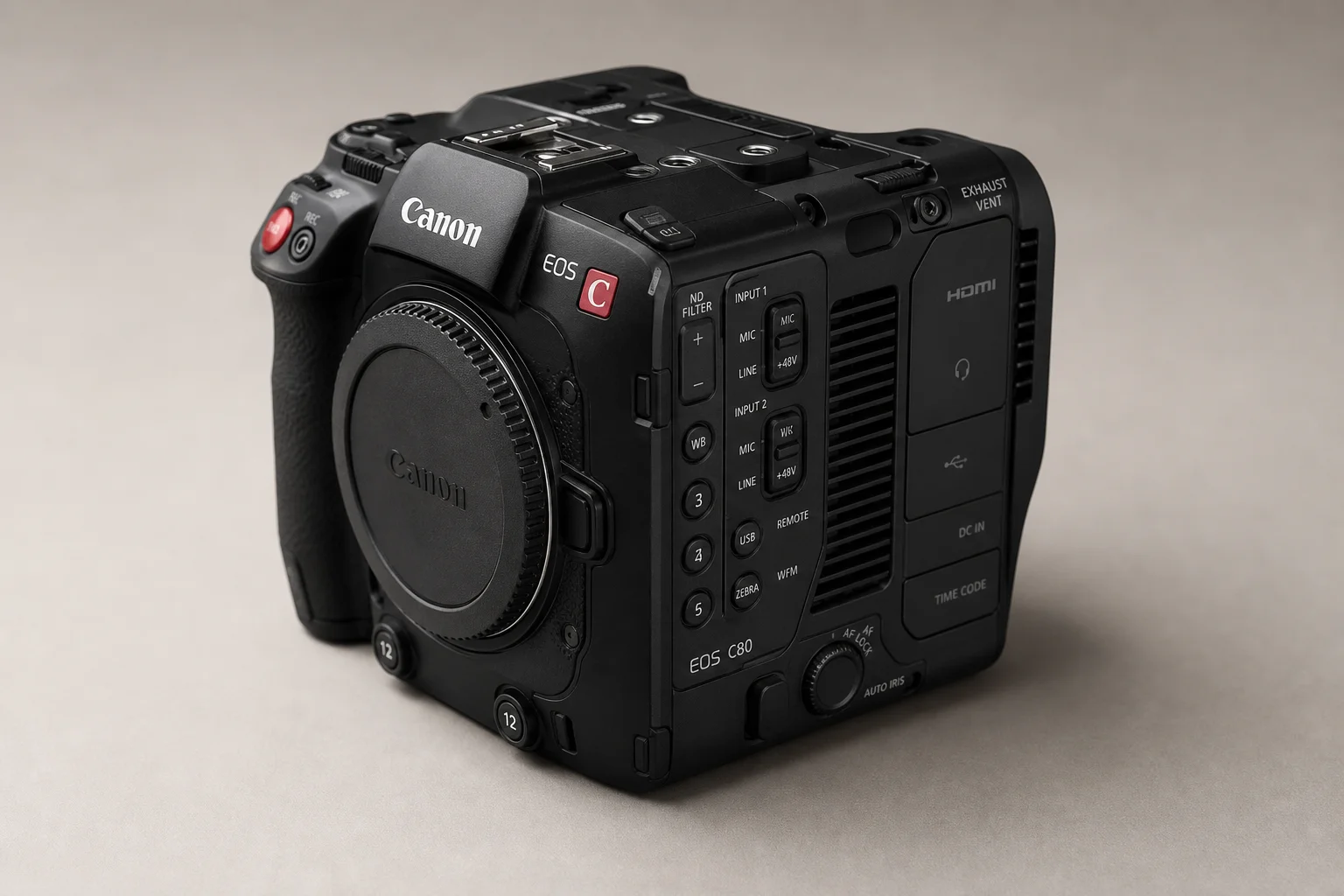
The Canon EOS C80 occupies a unique position in the cinema camera market. It bridges the gap between mirrorless cameras and dedicated cinema equipment, offering full-frame 6K recording in a form factor that borrows from both worlds. Unlike the APS-C C70 it sits alongside, the C80 uses a full-frame sensor and shares core specifications with the higher-end C400, making it a compelling option for professional video production.
Design and Build
The C80 maintains a visual language similar to the C70, but with subtle refinements. The body is slightly taller while keeping nearly identical width and depth, and it carries a modest weight increase. The camera retains the built-in ND filter mechanism introduced on the C70, a feature that proves invaluable for video work. The ND system offers three physical stops (2, 4, and 6 stops) that can be combined via the menu to provide extended options of 8 and 10 stops, eliminating the need for external ND filters in most shooting scenarios.
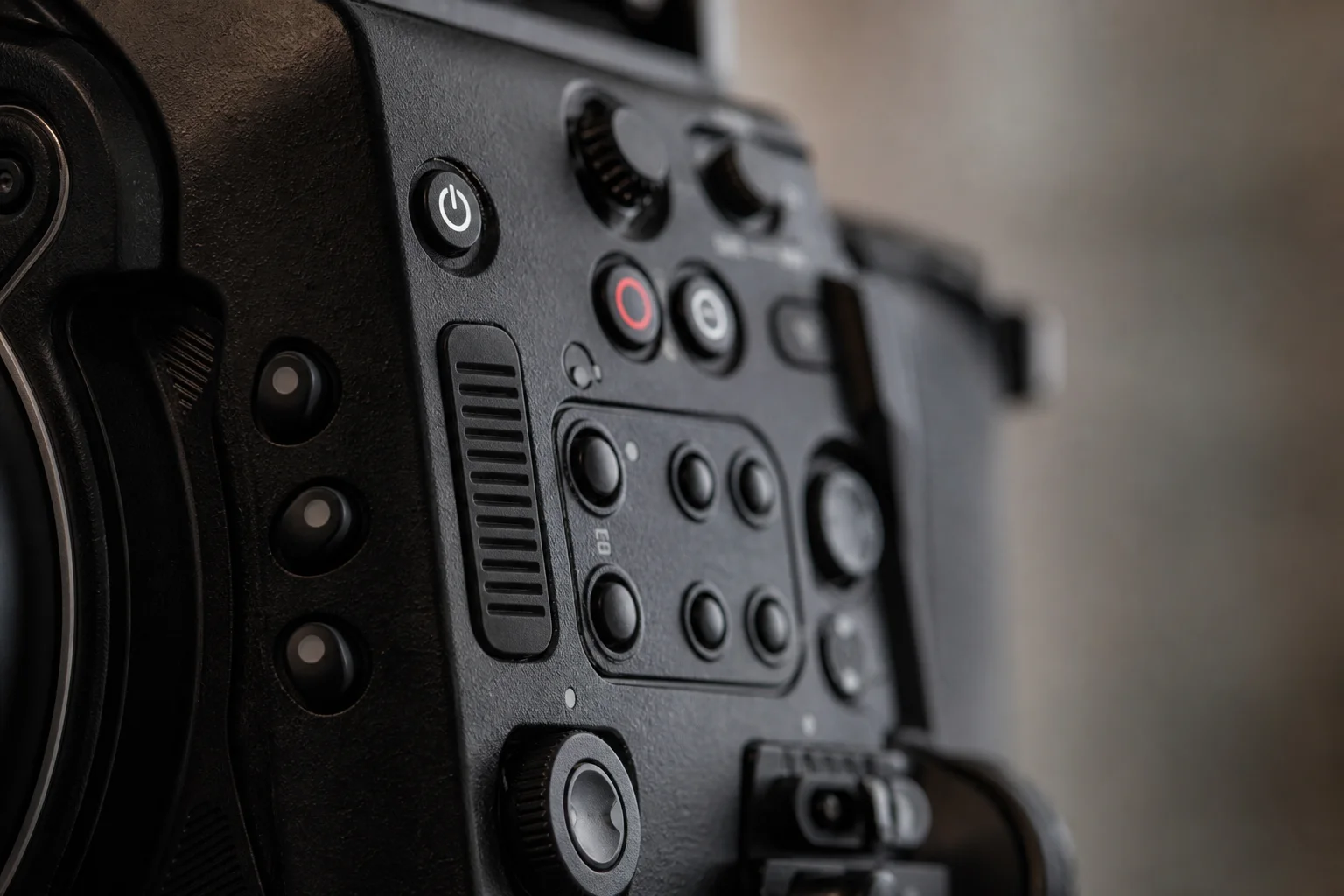
The top plate features a multi-function shoe rather than a standard cold shoe, allowing compatibility with Canon shotgun microphones, third-party XLR adapters, and other accessories. This flexibility is a practical upgrade over the C70’s single cold shoe configuration. The camera includes 13 customizable buttons distributed across the body, with direct access to ND control, white balance, and custom white balance functions.
Sensor and Image Quality
The C80 uses a full-frame CMOS sensor capable of capturing 6K video at up to 30 frames per second internally to SD cards. The sensor delivers approximately 16 stops of dynamic range, matching the C70’s performance. A notable addition is the introduction of three base ISO options, including a new high base ISO of 12,800, providing greater flexibility in bright conditions without sacrificing image quality.
The camera employs Canon’s CMOS technology, which contributes to strong rolling shutter performance. This technical foundation makes the C80 a capable tool for fast-paced production work where sensor artifacts could otherwise become problematic.
Autofocus and Subject Detection
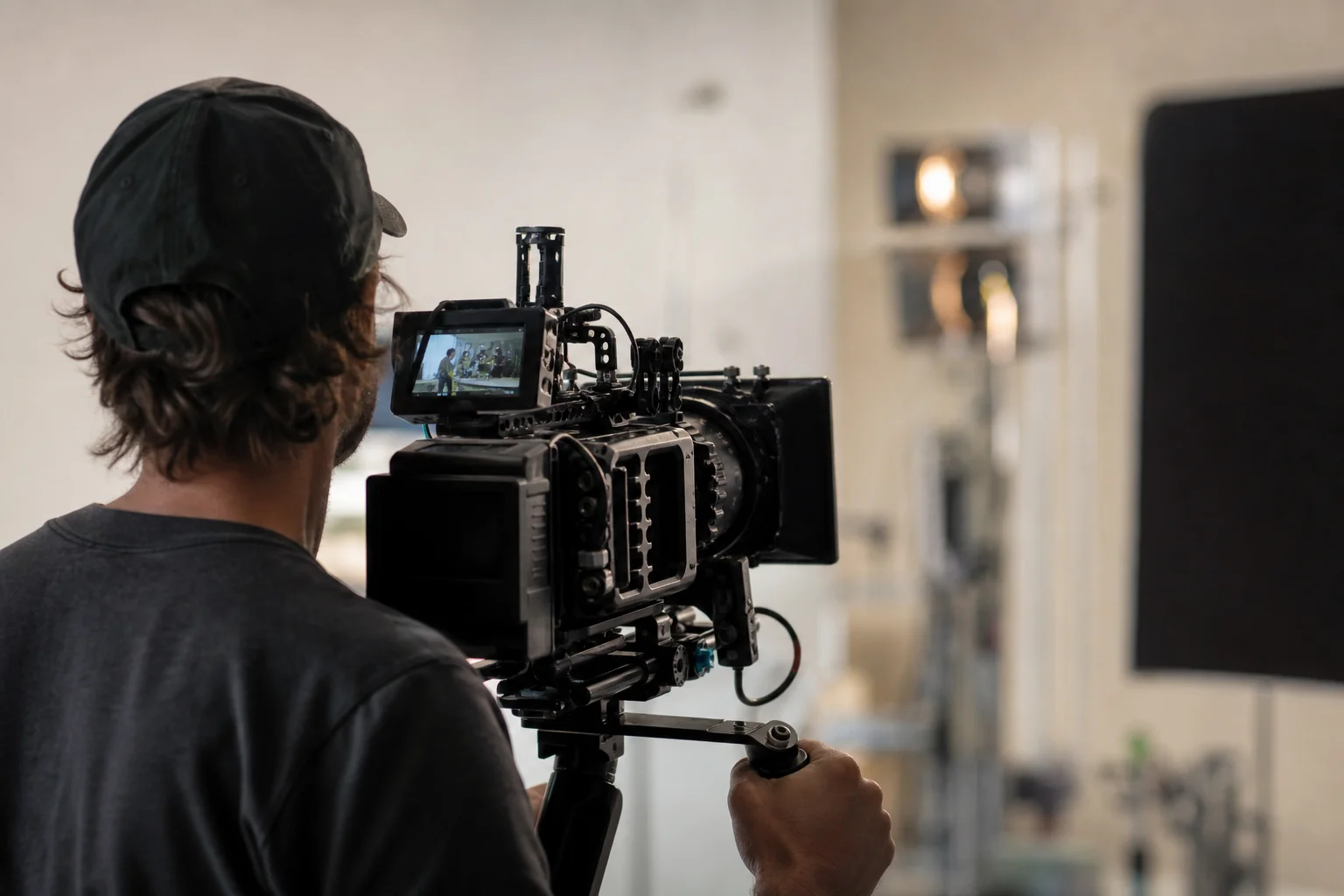
The C80 features Dual Pixel CMOS autofocus with 82 focus points, an improvement over the C70’s two-point system. The camera now includes animal detection for dogs and cats, expanding beyond human face and eye detection. However, real-world testing reveals limitations in subject detection compared to Canon’s mirrorless stills cameras. Face detection works reliably when subjects are large in the frame, but performance degrades when faces are smaller or when the camera attempts to track body detection. The animal detection feature shows promise but requires subjects to be positioned appropriately for reliable operation.
This autofocus performance gap is worth acknowledging for productions that rely heavily on automated focus tracking. Mirrorless cameras from Canon demonstrate superior subject detection in comparable scenarios, suggesting the C80’s focus system is optimized for cinema workflows where manual focus remains the professional standard.
Recording and Storage
The C80 accepts two SD cards simultaneously, enabling continuous 6K raw recording across both cards. This dual-card approach differs from the C400, which uses one SD card and one CF Express card but cannot record to both simultaneously. The ability to span 6K raw across two SD cards provides practical advantages for long-form recording and backup redundancy.
A small window on the card door allows visual confirmation of card presence, a detail borrowed from film camera design. An indicator light on top shows which card is actively recording, simplifying monitoring during operation. The camera can record 6K raw internally at up to 30 frames per second, making it suitable for narrative, documentary, and commercial production.
Connectivity and Audio
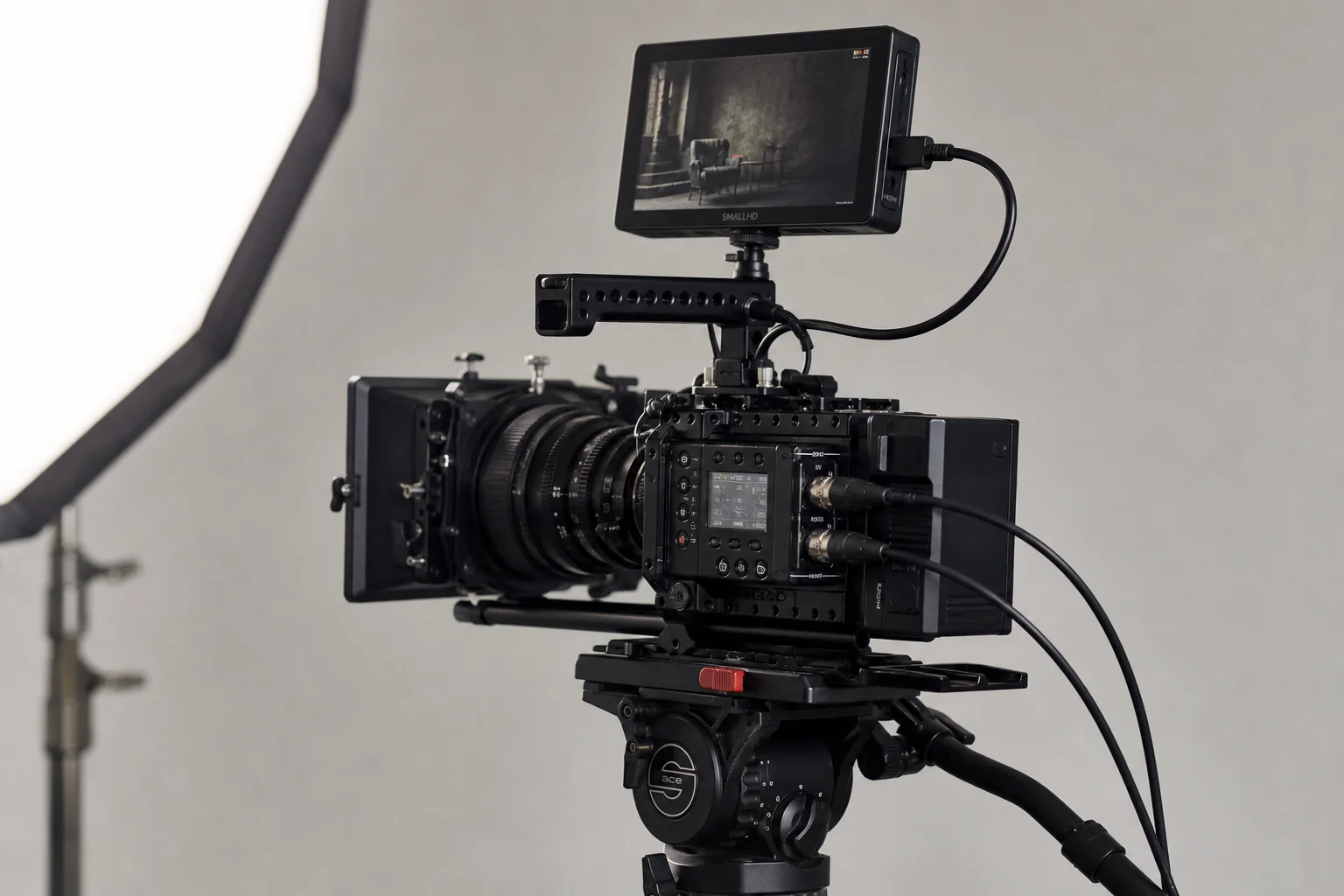
The C80 offers comprehensive connectivity befitting a professional cinema camera. Full-size HDMI output supports external monitoring and recording. New to this model are mini XLR outputs (two of them) alongside three 3.5mm microphone inputs, providing four total audio channels at the back of the camera. This flexibility accommodates wireless microphone systems, line-level inputs, and standard microphone connections without requiring external adapters.
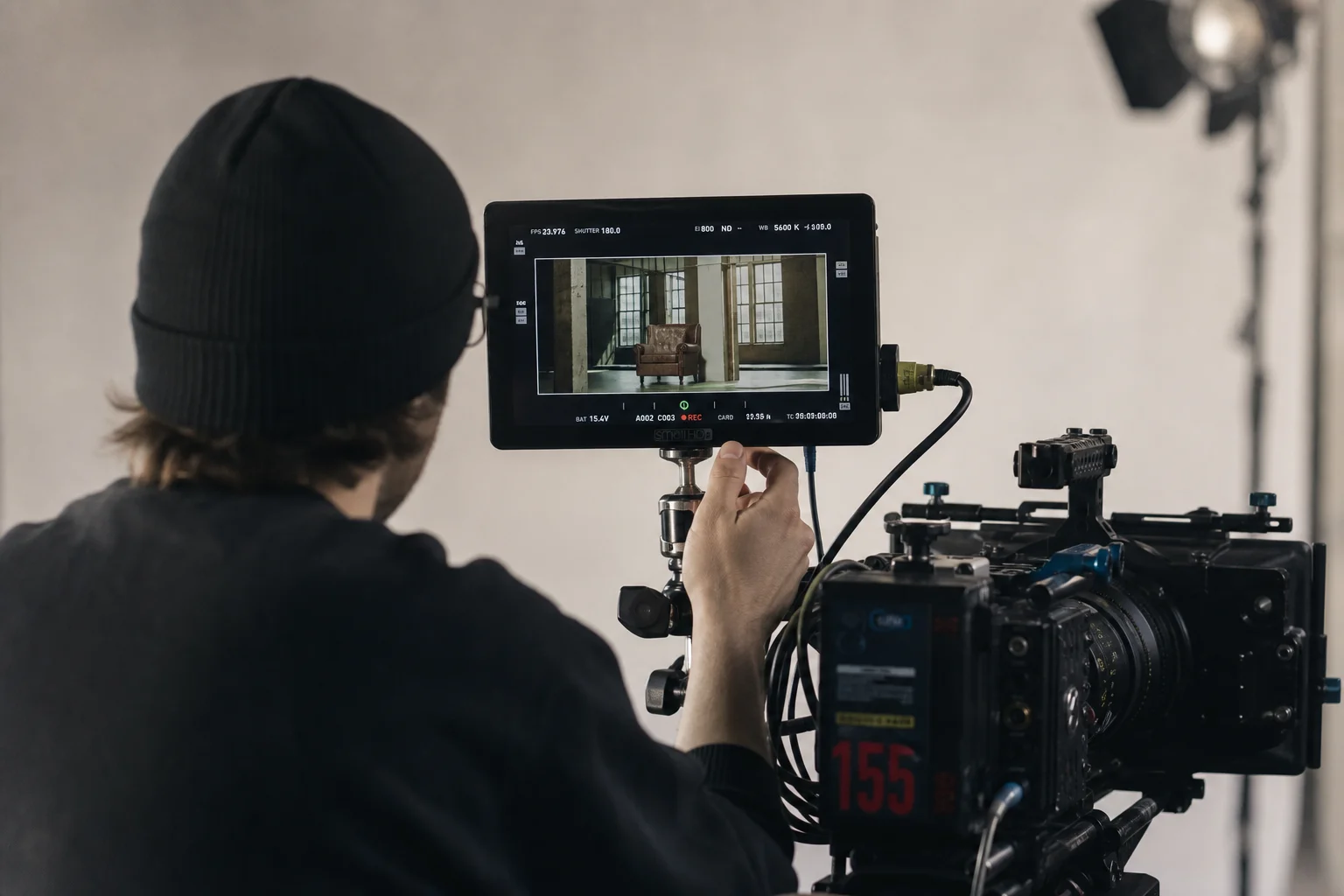
An Ethernet port enables network connectivity, while a standard barrel DC power connector (24V) allows use of third-party power supplies and power banks, eliminating reliance on proprietary batteries. The camera includes an air intake for internal cooling, permitting operation in demanding environments. Port covers are integrated into the design, appearing as part of the camera rather than dangling accessories, a refinement that improves durability and aesthetics.
Conclusion
The Canon EOS C80 delivers professional 6K cinema capability in a form factor that appeals to videographers accustomed to mirrorless cameras. Its full-frame sensor, built-in ND filters, dual SD card recording, and comprehensive audio connectivity address real production needs. The autofocus system has limitations compared to mirrorless stills cameras, but this is unlikely to concern professionals who rely on manual focus for cinema work. For videographers seeking a capable full-frame cinema camera without the cost and complexity of the C400, the C80 represents a thoughtful middle ground.
Product link
View more details for Canon EOS C80
This product is mentioned in the review. Check the specifications, options, and compatibility before buying.
View more details for Canon EOS C80Further reading
Related Reviews
Cinema Cameras
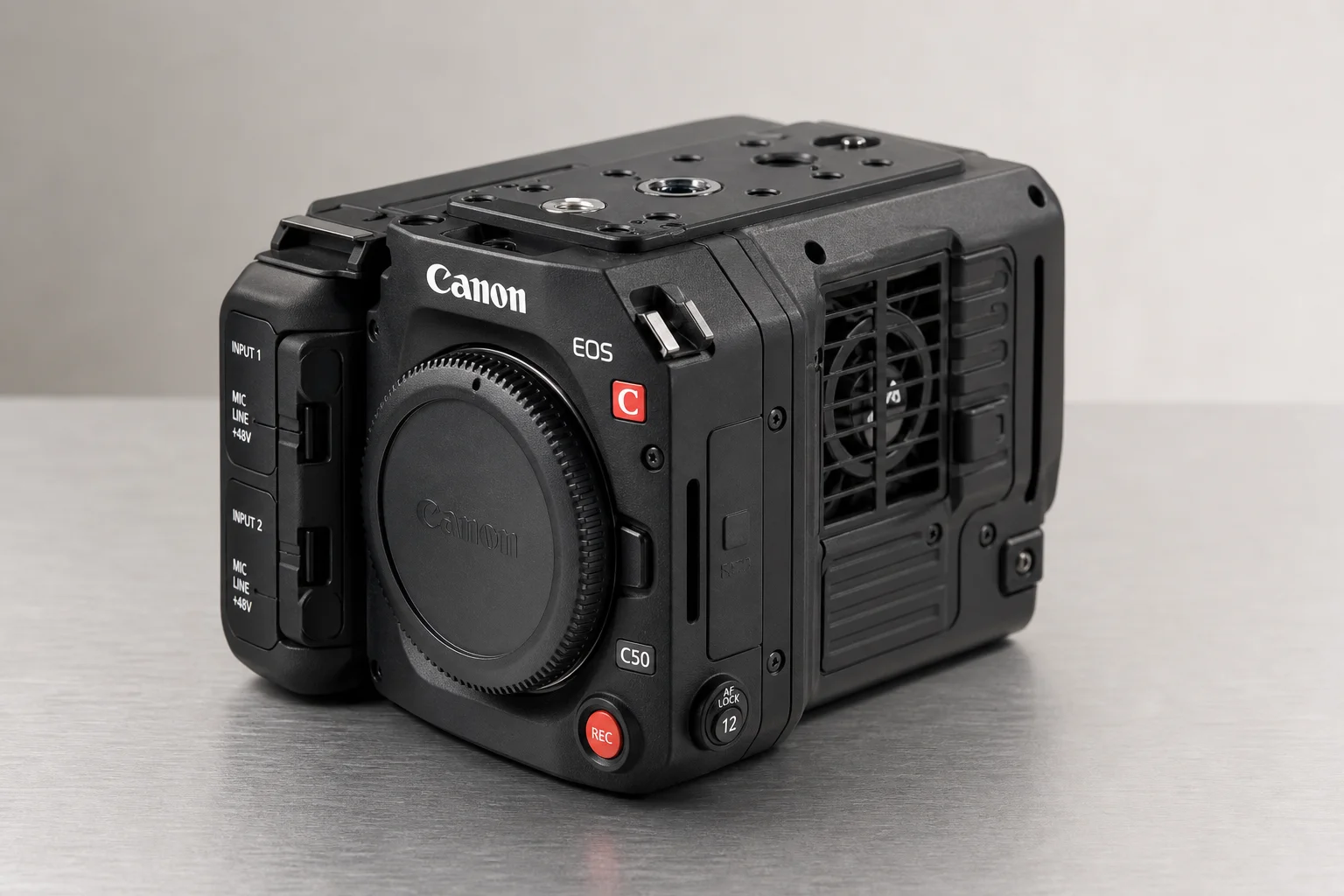
Canon EOS C50 Cinema Camera Review: 7K Open Gate Raw Video in a Compact Form
The Canon EOS C50 brings 7K 60fps raw internal recording and open gate capture to a lightweight cinema camera designed for content creators and small production teams.
Action Cameras
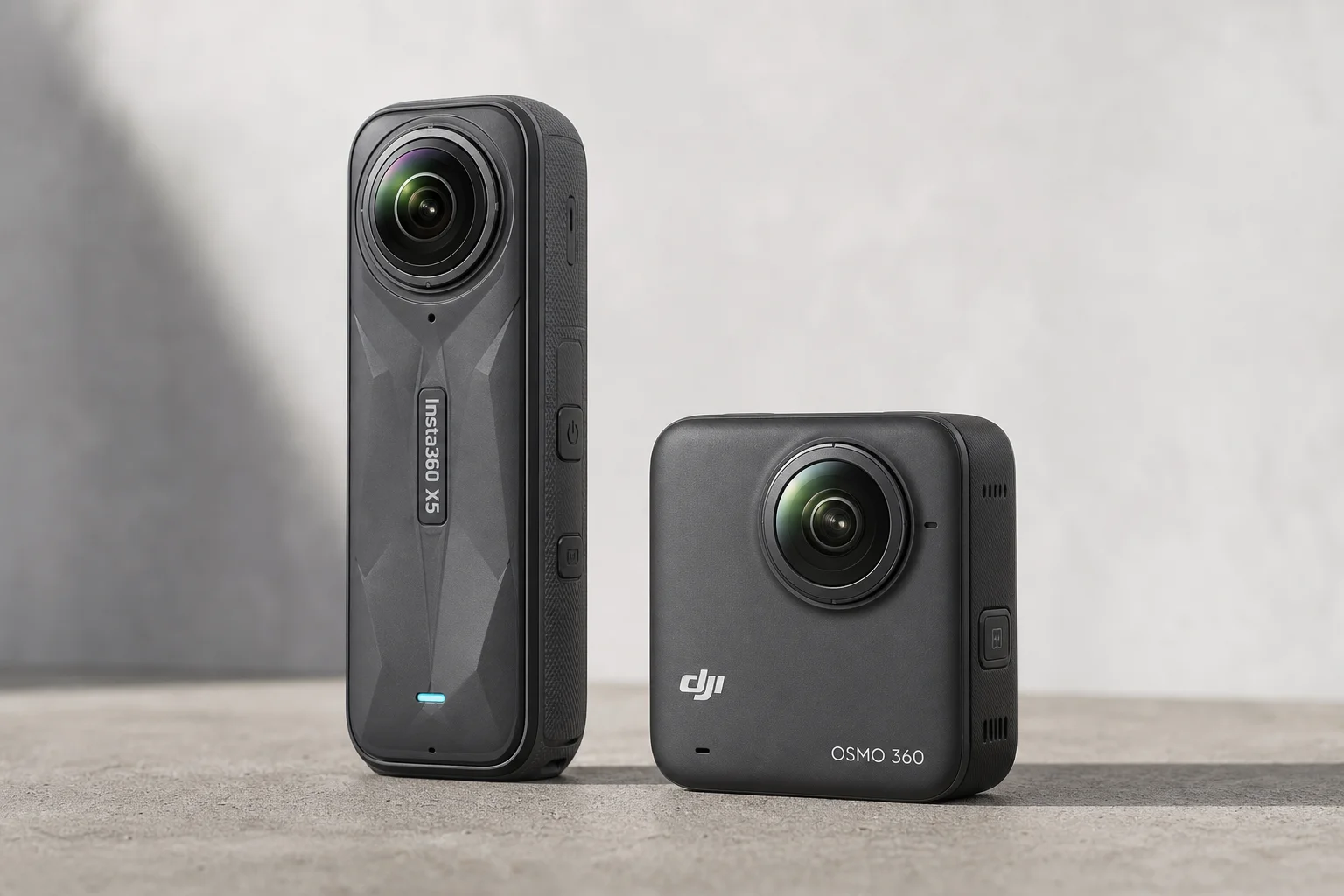
360 Cameras for Adventure Motorcycling: Insta360 X5 vs DJI Osmo 360
Two 360-degree action cameras designed for off-road and adventure riding. A detailed comparison of features, stabilization, and real-world performance for motorcycle touring.
Action Cameras
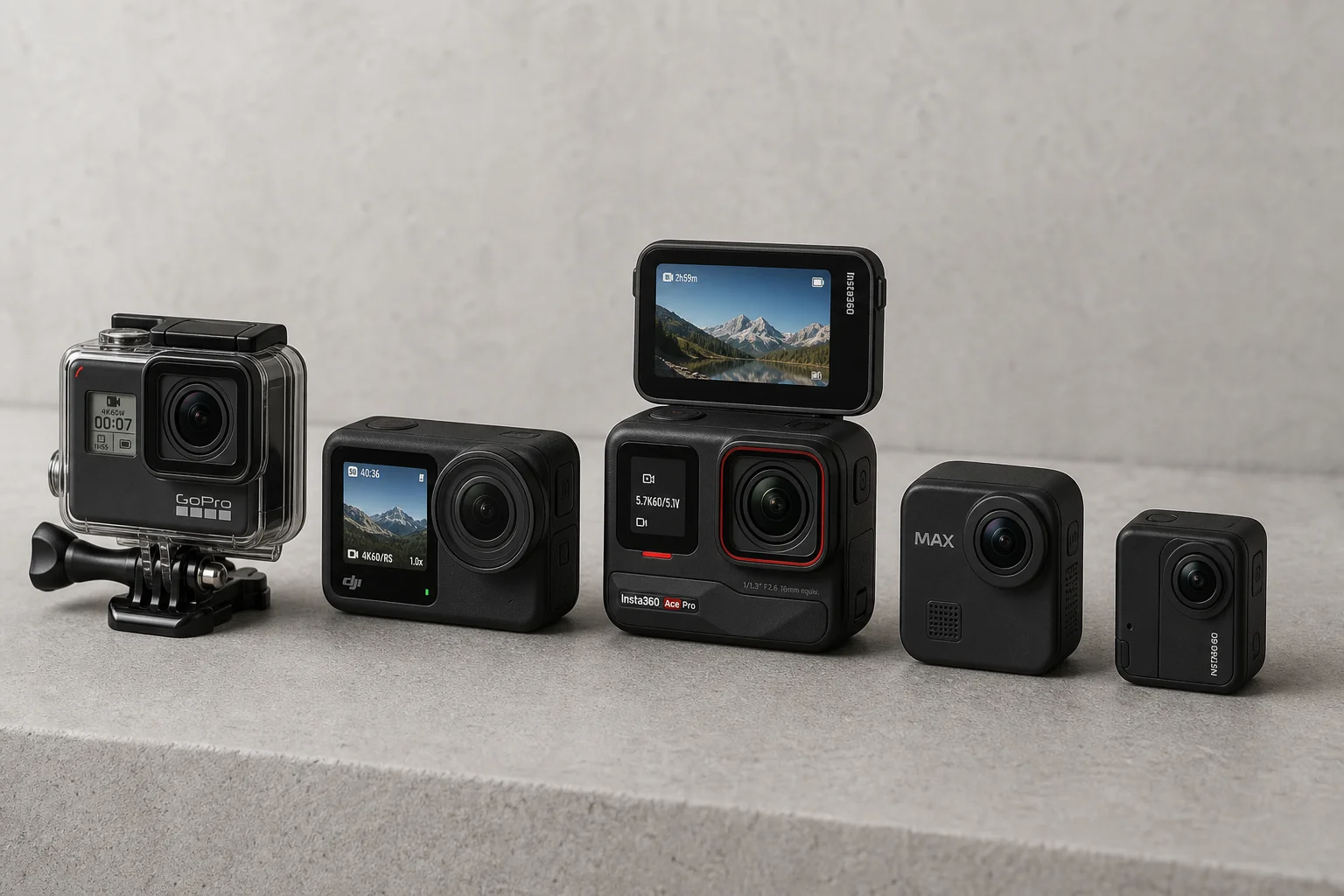
Best Action Cameras 2026: Five Top Picks Ranked
A comprehensive ranking of five action cameras from budget-friendly to premium, covering durability, video quality, stabilization, and low-light performance.