Trail Running Shoes
Cushioned Trail Running Shoes 2025: Eight Options for Comfort-Focused Runners
A comprehensive review of eight cushioned trail shoes for 2025, from versatile hybrids to specialized gravel runners, with detailed fit and performance insights.
Introduction
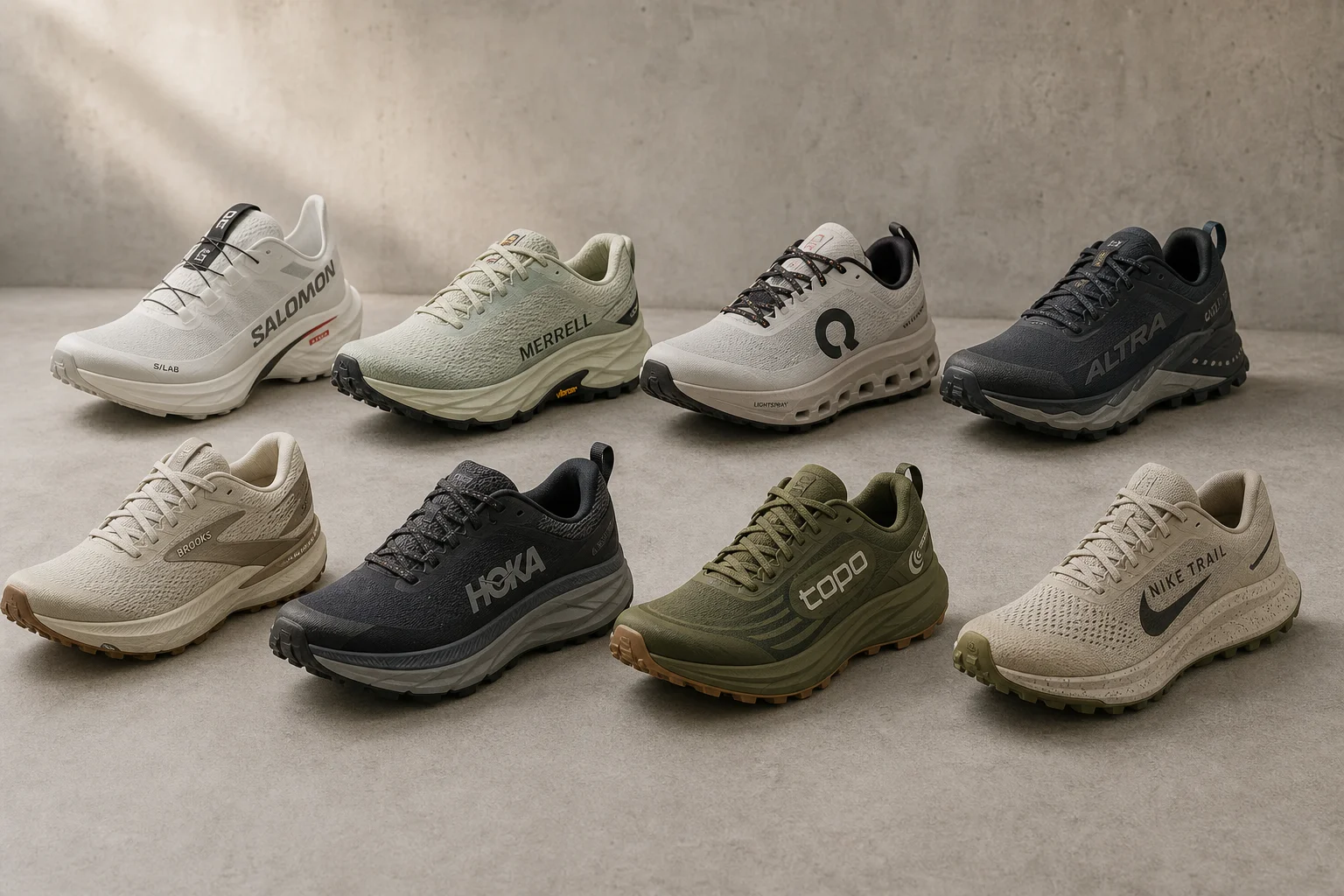
Trail running shoe options have expanded significantly, particularly in the cushioned category. Whether you are seeking a versatile hybrid shoe for mixed terrain, a specialized gravel cruiser, or a natural toe box option, the 2025 lineup offers distinct choices for different running styles and terrain preferences. This review covers eight cushioned trail shoes that arrived after the initial 2025 best cushion roundup, each with clear strengths and specific use cases.
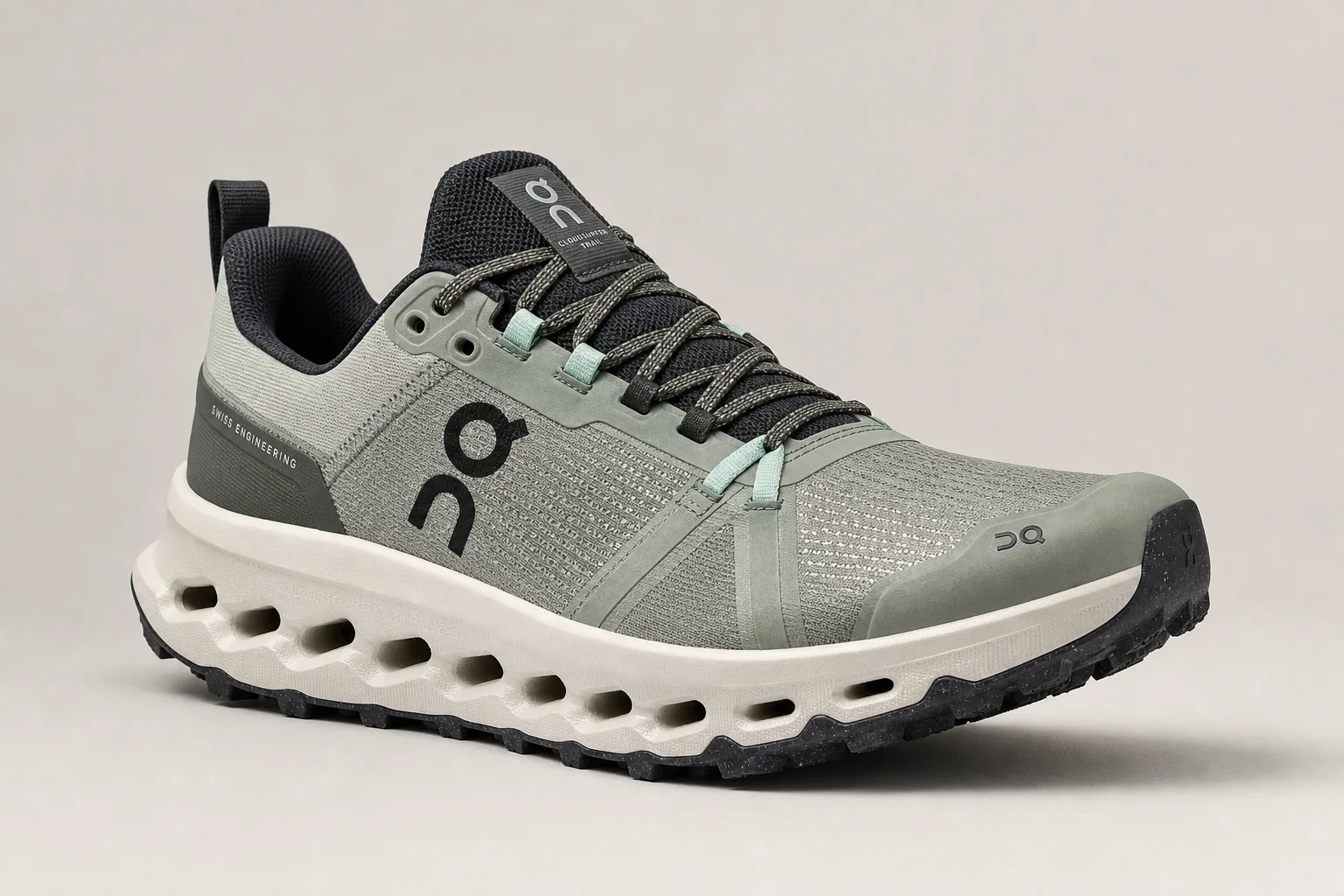
On Cloudsurfer Trail 2
The On Cloudsurfer Trail 2 delivers a distinctive cushioning experience centered directly under the midfoot. The shoe features a full arch contour that extends across the entire foot width, providing consistent support throughout the arch rather than just at the instep. This centered cushioning creates a “surfing” sensation on the foam, though it does result in some heel sinkage on initial contact.
The shoe uses Helion foam, an EVA-Olefin blend that provides bounce without excessive responsiveness, combined with mechanical compression from CloudTec pods. Stack heights measure 39 millimeters at the heel and 31 millimeters at the forefoot. The overall weight is 10.5 ounces (298 grams), slightly heavier than the previous version. Materials feel premium throughout, with thick padding in the tongue and collar that eliminates lace bite concerns. However, this plushness reduces ground feel, making the shoe better suited for gravel paths and rail trails rather than technical terrain. The shallow 1.5-millimeter lugs offer minimal traction on wet, technical single track. This shoe prioritizes comfort over performance and works best for runners seeking a smooth, cushioned ride on easier terrain.
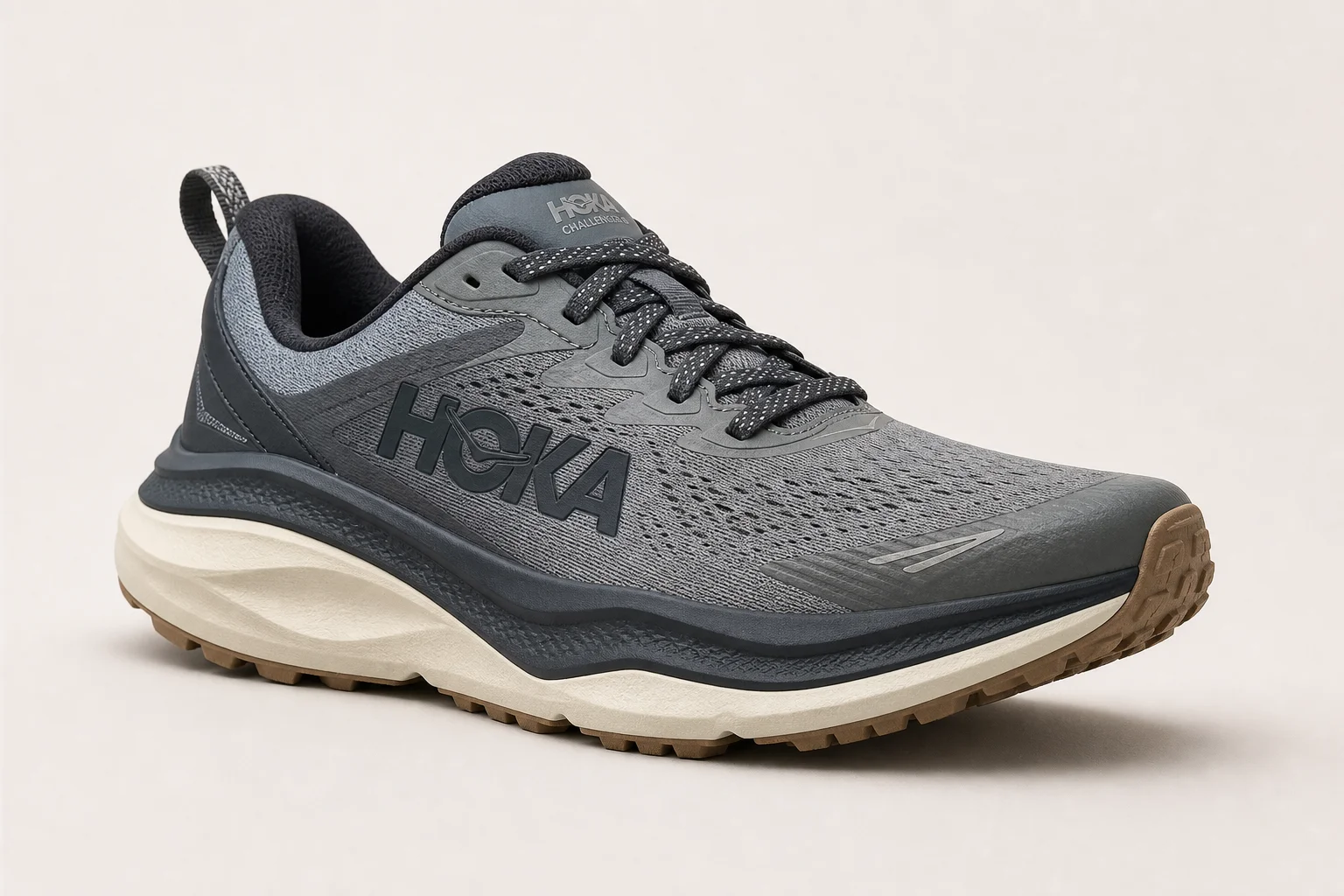
Hoka Challenger 8
The Hoka Challenger 8 presents a heel-oriented design that appeals specifically to heel strikers. The foam orientation concentrates cushioning directly under the heel rather than distributing it across the midfoot. Stack heights reach 43 millimeters at the heel with a 7-millimeter drop, creating a significant heel-to-forefoot differential. The shoe weighs 9.9 ounces (282 grams), making it lighter than the Cloudsurfer.
The heel feels like a stable slab with extreme softness, using Hoka’s compression-molded EVA in one of their softest formulations. The unsoled foam section in the side profile shows the intended landing zone. However, the forefoot can feel surprisingly thin despite the 36-millimeter stack, creating pressure concentration when landing on rocky terrain. The 4-millimeter lugs are more trail-oriented than previous Challenger versions but still modest in depth. This shoe suits cruising runners who land on the heel and want maximum softness, but midfoot and forefoot strikers may experience discomfort. The high stack and heel orientation make it less suitable for technical terrain or runners prioritizing ground feel.
Hoka Speedgoat 2
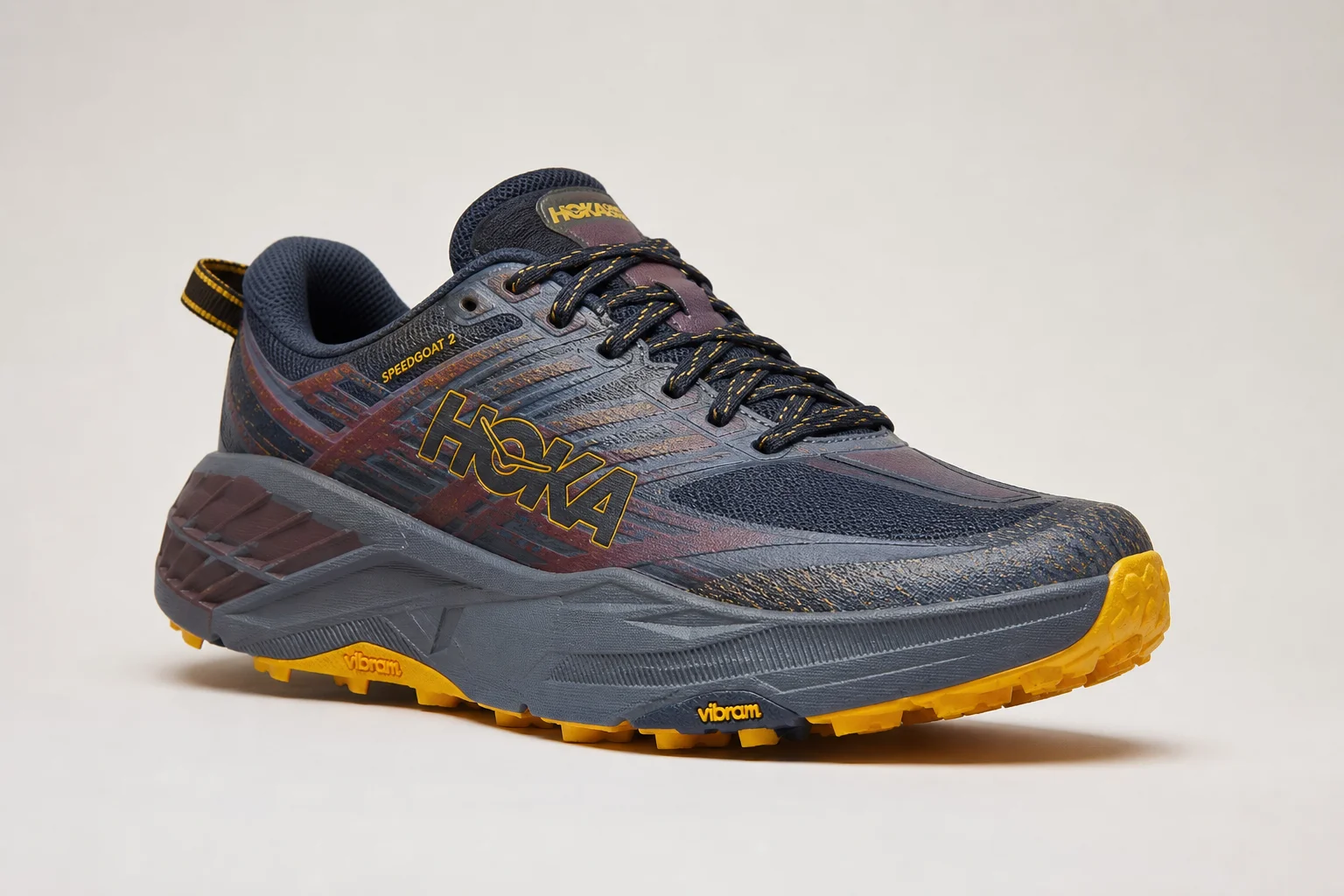
The Hoka Speedgoat 2 remains a capable option despite its age, offering a more traditional trail shoe experience compared to modern high-stack designs. The shoe measures 36 millimeters at the heel and 31 millimeters at the forefoot with a 5-millimeter drop. This relatively modest stack height distinguishes it from current trends toward increasingly cushioned shoes. The Vibram Megagrip outsole with 4-millimeter lugs provides solid multi-directional traction and braking on descents.
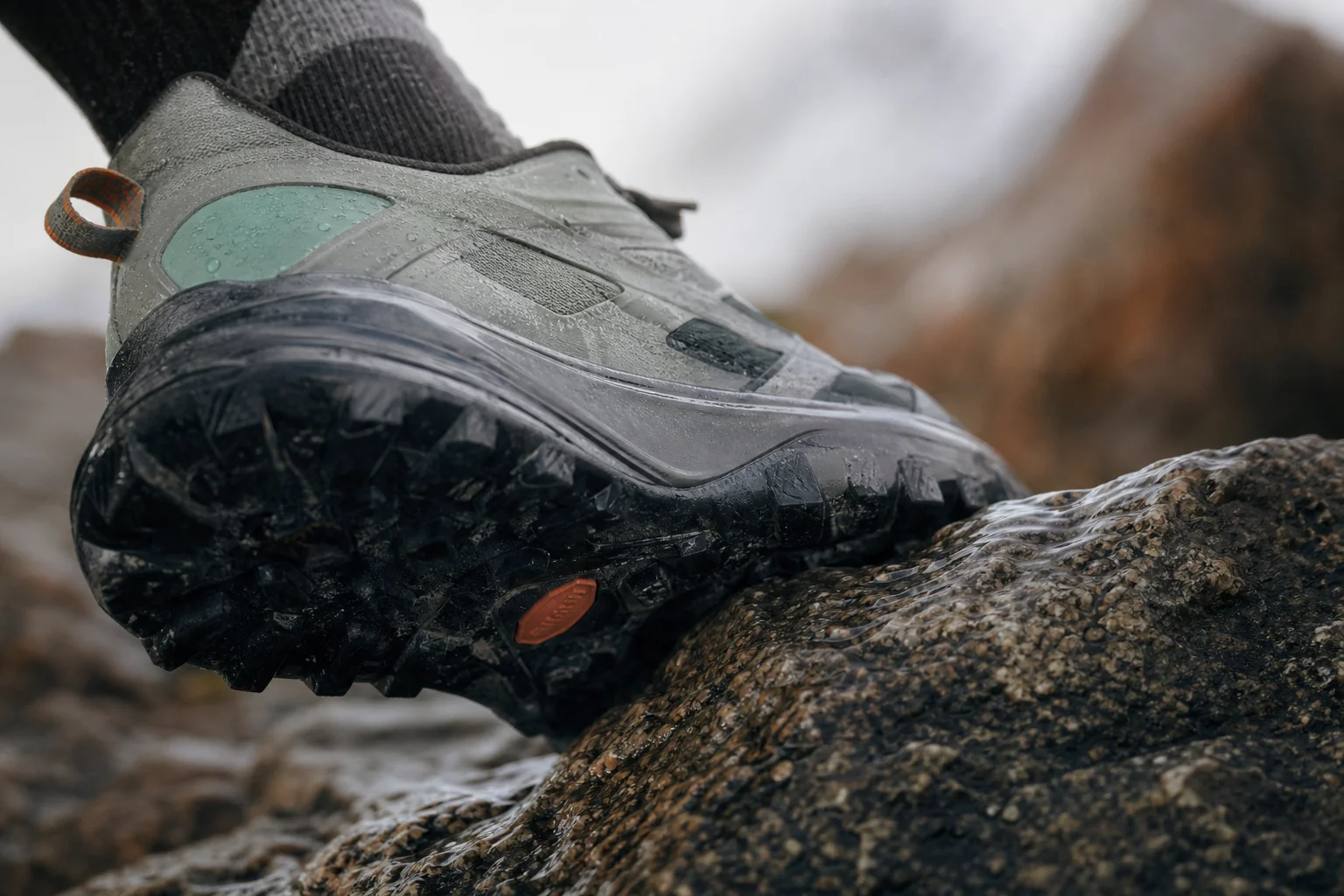
The compression-molded Hoka EVA provides softness without the extreme bounce of newer models, creating a more planted feel underfoot. The wide platform front and back, combined with minimal toe sweep, delivers a solid landing platform rather than an aggressive rocker. Sizing runs true to size in Hoka’s standard fit, though the Speedgoat toe box does narrow toward the front. The shoe comes with both stretchy quick-lace and regular lace options; the bungee setup holds well despite initial concerns. For runners seeking a traditional trail shoe feel with reliable traction and a planted ride, the Speedgoat 2 remains relevant. It works well for those who prefer less bounce and more ground contact than contemporary cushioned options.
Mount to Coast H1
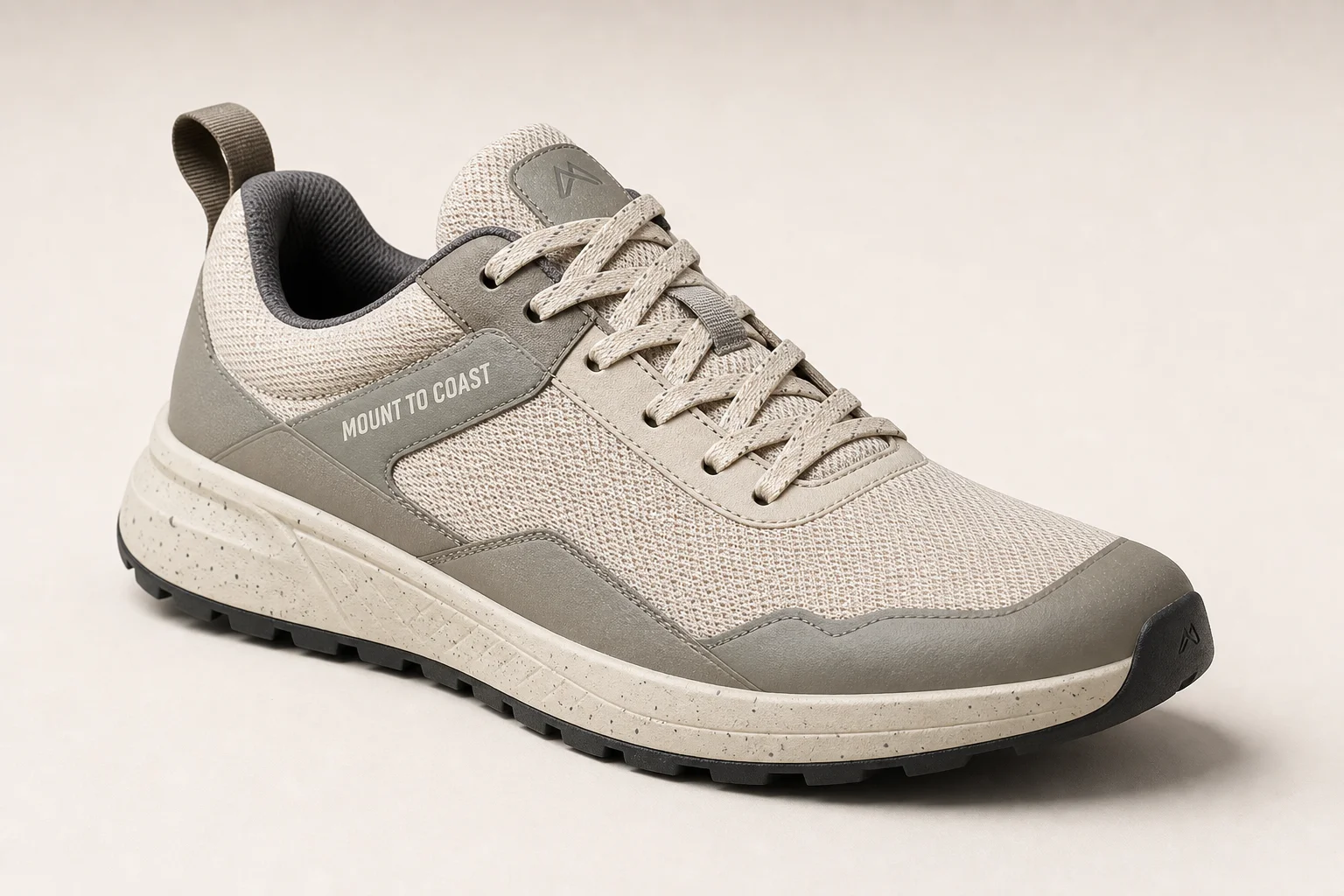
The Mount to Coast H1 functions as a true hybrid shoe, handling gravel, light trails, roads, and mixed terrain with genuine versatility. The shoe weighs just 8.8 ounces (250 grams), making it exceptionally light for its capability range. Stack heights measure 40 millimeters at the heel and 34 millimeters at the forefoot. The H1 excels on moderate grades and twisty terrain with excellent foothold, though some foot slipping occurs on steep descents. Outside of extreme steep terrain, the shoe performs reliably across varied surfaces.

The H1 suits runners seeking a single shoe for mixed weekly runs combining chalk trails, fields, forest sections, back roads, and pavement. Sizing runs roomy throughout except at the very front, where the toe box tapers slightly. A half-size up from true size provides the best fit. The light lugs are not designed for extreme trail terrain but offer sufficient traction for the shoe’s intended use. At USD 160 with a 10% discount available, the H1 delivers exceptional value. This shoe works particularly well for travel, where a single versatile option eliminates the need to pack multiple shoes. The combination of light weight, versatility, and reasonable price makes it compelling for runners with varied terrain needs.
Craft Nordlite Ultra Pro
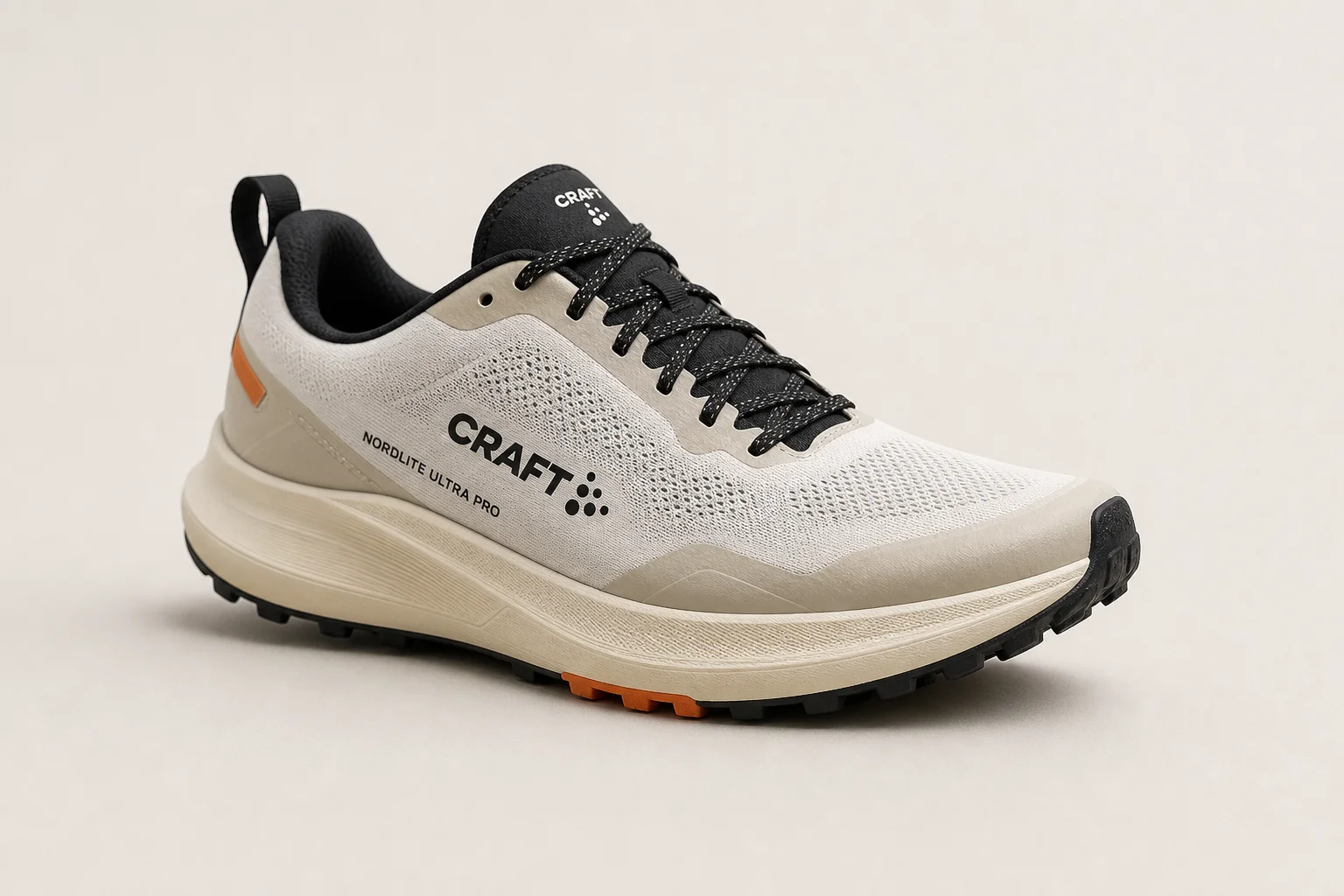
The Craft Nordlite Ultra Pro represents an unplated trail super shoe option, designed for efficient athletes who prefer flexibility over rigid carbon plates. The shoe features a road-shoe-like geometry with CR foam and PEBA in the midsole, creating surprising flexibility despite its performance-oriented design. Stack heights measure 40 millimeters at the heel with a 6-millimeter drop. The shoe weighs 10.2 ounces (288 grams).
The Nordlite Ultra Pro excels on runnable terrain and performed flawlessly during a 50-kilometer race on California terrain with rocky sections and moderate grades. The flexible midsole allows natural foot articulation without restriction, and the solid outsole provides adequate coverage for most conditions. However, missing coverage in certain areas means the shoe leans toward runnable terrain rather than extreme talus fields or sharp exposed rocks. Craft’s tapered toe box has been improved in this model, with less edge compression than previous versions. Sizing up to US 10 provides the best fit. For runners seeking a fast, unplated trail shoe without carbon or nylon-fiberglass plates, the Nordlite Ultra Pro stands as one of the best market options. It suits Western States-style races and efficient athletes who prioritize flexibility and ground feel.
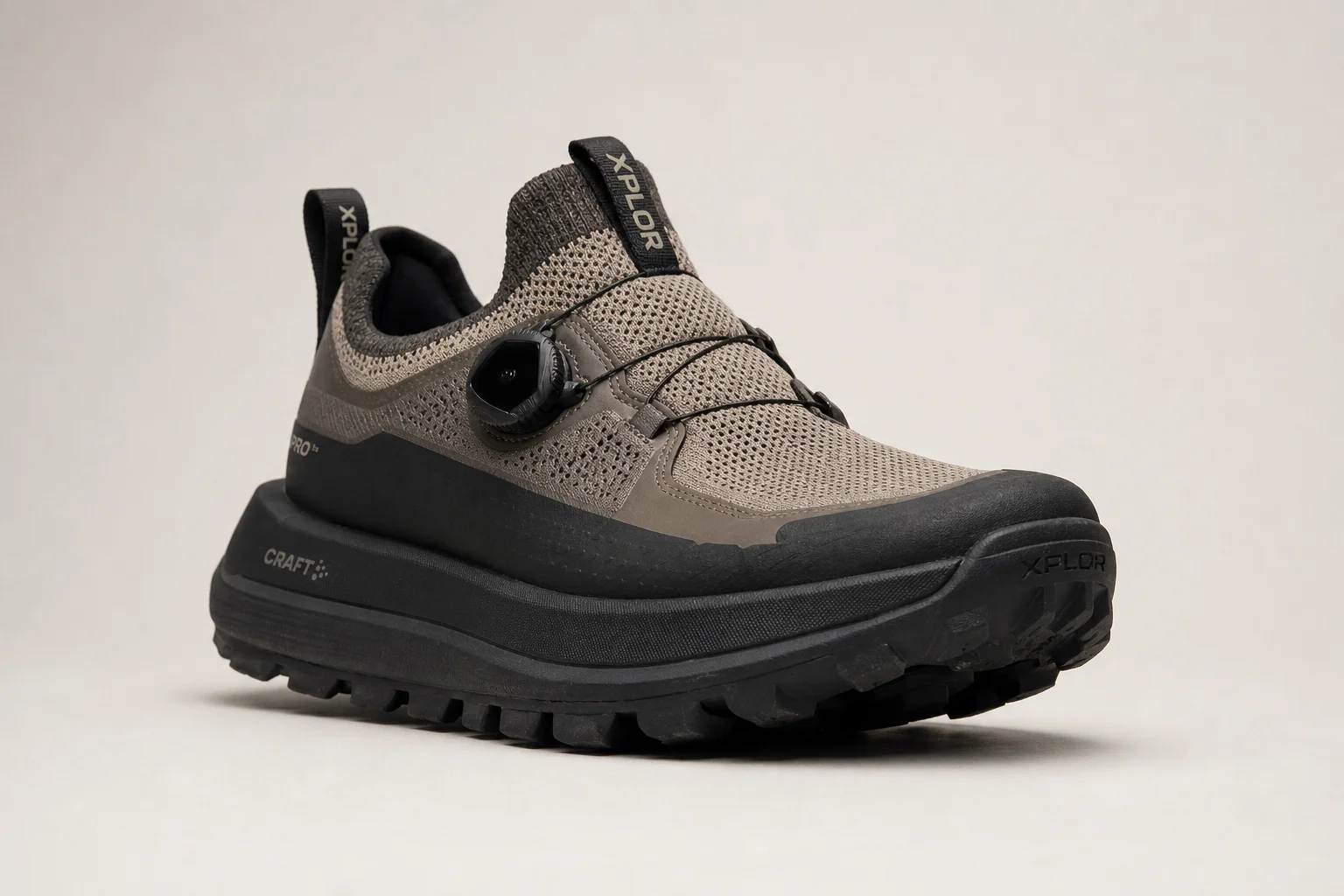
Craft Xplor Pro
The Craft Xplor Pro functions as a massive gravel cruiser with full outsole coverage and substantial cushioning. The shoe weighs 12 ounces (340 grams), making it one of the heaviest options available. The heavy weight stems from the massive outsole, extensive midsole flaring, and comprehensive padding throughout. Stack heights reach 40 millimeters at the heel and 34 millimeters at the forefoot. Everything in the shoe is well-padded, including the integrated knit tongue that transitions into the toe box.
The Xplor Pro suits heavier runners and those seeking a wide, stable platform for gravelly and technical terrain. The shoe’s width and volume exceed the Nordlite Ultra Pro significantly. The integrated knit tongue provides a unique aesthetic and integrated feel. However, the substantial weight makes it less suitable for runners prioritizing speed or efficiency. Sizing runs large; going down a half size from true size may be appropriate. The shoe’s chunky feel and heavy weight are intentional design choices reflecting Craft’s focus on durability and stability. For heavier runners or those seeking a set-and-forget gravel shoe with maximum platform width and cushioning, the Xplor Pro delivers, though the weight penalty is significant.
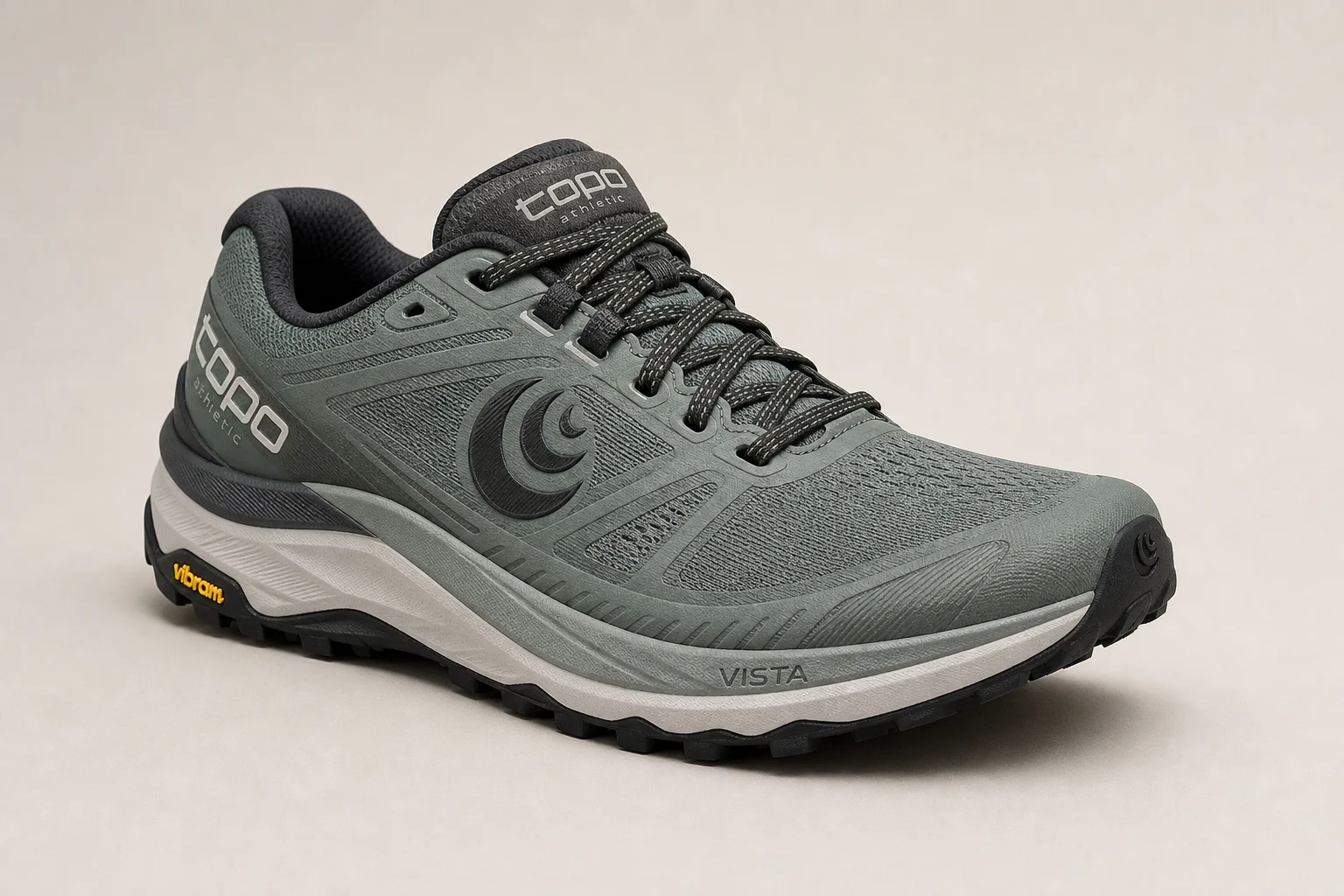
Topo Athletic Vista
The Topo Athletic Vista offers a natural toe box option with substantial cushioning and flexibility. The shoe features Topo’s Zip foam, described as their bounciest and most energetic foam across road and trail models. Stack heights measure 40 millimeters at the heel and 35 millimeters at the forefoot. The shoe weighs 11.8 ounces (334 grams). The FKT beaded TPU insole provides a unique feel, though weight varies depending on filler content between beads.
The Vista’s flexibility at 40-35 millimeters of stack is remarkable, with segmentation in the forefoot allowing natural articulation. The outsole pattern differs from Topo’s traditional designs, offering a different aesthetic and feel. The shoe suits runners who need forefoot space and prefer a softer, squishier feel. Sizing runs spacious; true to size or a half-size down works depending on foot volume. The tongue sits lower than ideal, with a cutout that some runners find problematic, particularly when using lace locks. The shoe’s durability and premium materials reflect Topo’s quality standards. For runners seeking a natural toe box with substantial cushioning and flexibility, the Vista competes directly with the Keen Seek. The softer foam and bouncier feel distinguish it from firmer alternatives.
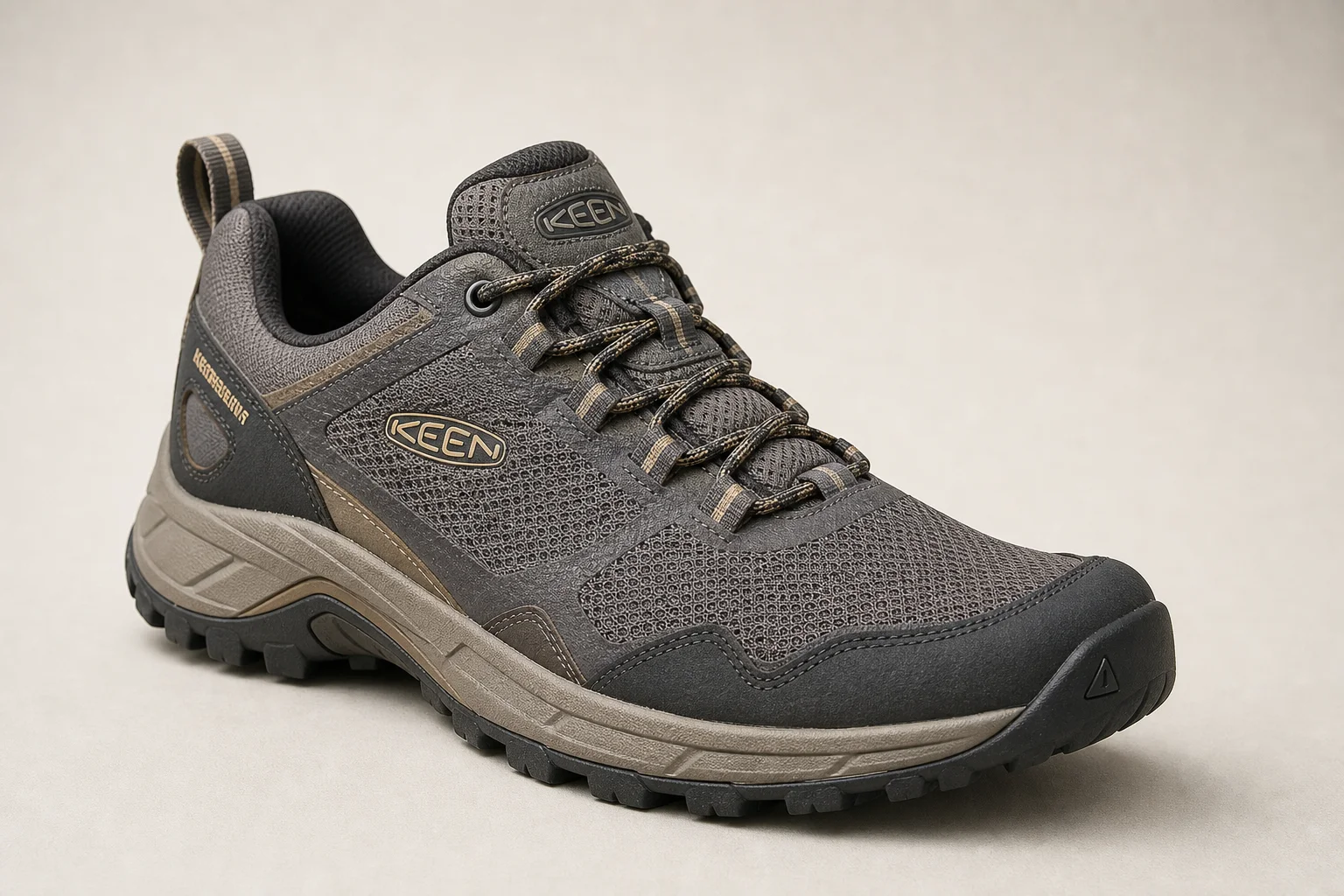
Keen Seek
The Keen Seek presents another natural toe box option, emphasizing durability and sustainability alongside performance. The shoe weighs 11 ounces (312 grams) with stack heights of 39 millimeters at the heel and 33 millimeters at the forefoot. The foam is slightly firmer than the Topo Vista, though both shoes occupy the natural toe box category. Keen rates the outsole at approximately 925 miles until worn flat, reflecting the company’s durability focus.
The Keen Seek features a wide, naturally shaped toe box that is not squared off at the front, providing ample space for toe socks or simply preferring a roomier fit. Sizing runs accurate; a US 9.5 provides approximately seven-eighths of a thumb’s length in front with equal space around the toe box edges. The shoe could potentially size down to US 9 with thin socks. The upper materials feel durable and premium, with a suede-like interior and plant-based Ortholite insole. Keen’s sustainability orientation shows throughout the design, with no compromises on material quality or outsole coverage. The shoe suits daily trail commuting, mixed terrain running, and runners prioritizing durability and natural toe box space. Compared to the Vista, the Keen Seek feels more durable and less bouncy, with a slightly firmer foam and greater emphasis on longevity over maximum softness.
Conclusion
The 2025 cushioned trail shoe landscape offers distinct options for different runner profiles and terrain needs. The On Cloudsurfer Trail 2 and Hoka Challenger 8 prioritize maximum comfort for specific running styles, while the Hoka Speedgoat 2 provides a more traditional trail experience. The Mount to Coast H1 stands out for versatility and value, making it ideal for runners with mixed terrain needs. The Craft Nordlite Ultra Pro and Xplor Pro serve different efficiency levels, with the former suiting performance-focused runners and the latter appealing to heavier runners seeking stability. The Topo Athletic Vista and Keen Seek both offer natural toe box options with different foam characteristics and durability emphases. Selecting the right shoe depends on your terrain, running style, foot volume, and priorities regarding weight, cushioning, and ground feel.
Further reading
Related Reviews
Trail Running Shoes
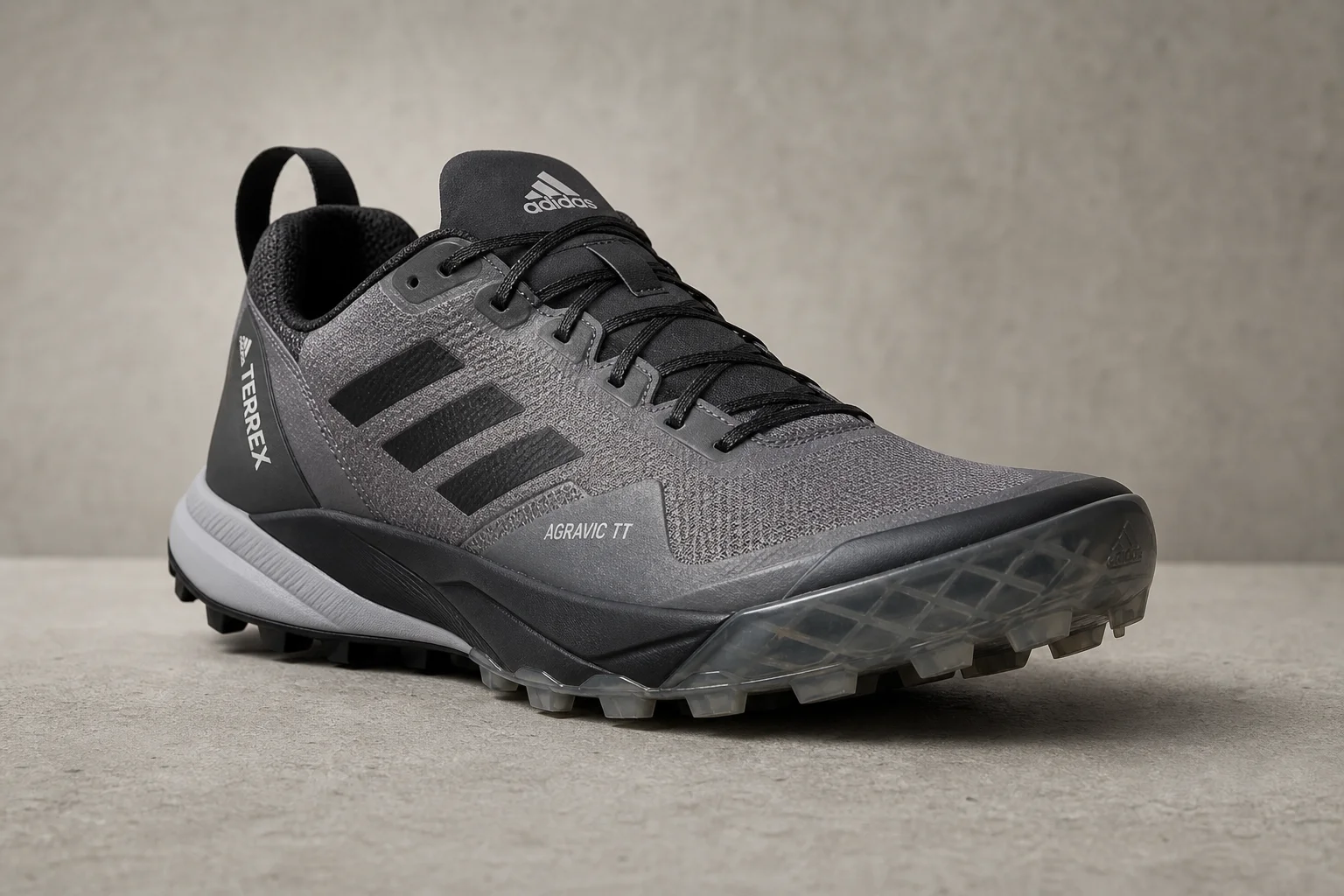
Adidas Terrex Agravic TT Review: A Technical Trail Shoe Built for Rocky Terrain
The Adidas Terrex Agravic TT combines a full-coverage rock plate with a firmer midsole to deliver protection and stability on technical, rocky trails. A capable choice for runners who prioritize underfoot defense over lightweight cushioning.
Trail Running Shoes
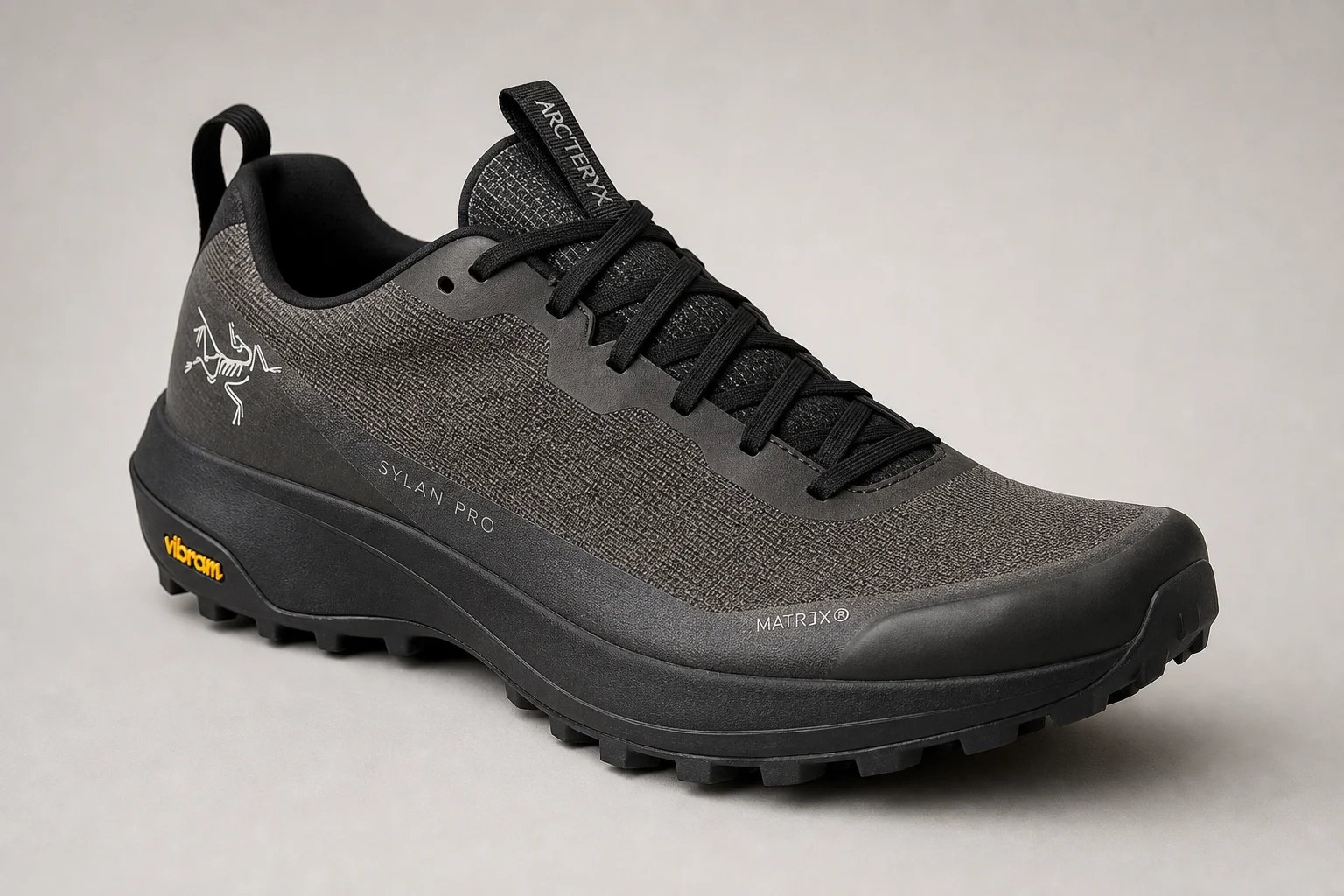
Arc'teryx Sylan Pro Review: A Rocker-Focused Mountain Running Shoe Tested on 20 Miles
The Arc'teryx Sylan Pro brings a pronounced rocker geometry and secure fit to mountain terrain. We tested it on a 20-mile Sawtooth loop to evaluate its climbing efficiency, protection, and handling of technical descents.
Trail Running Shoes
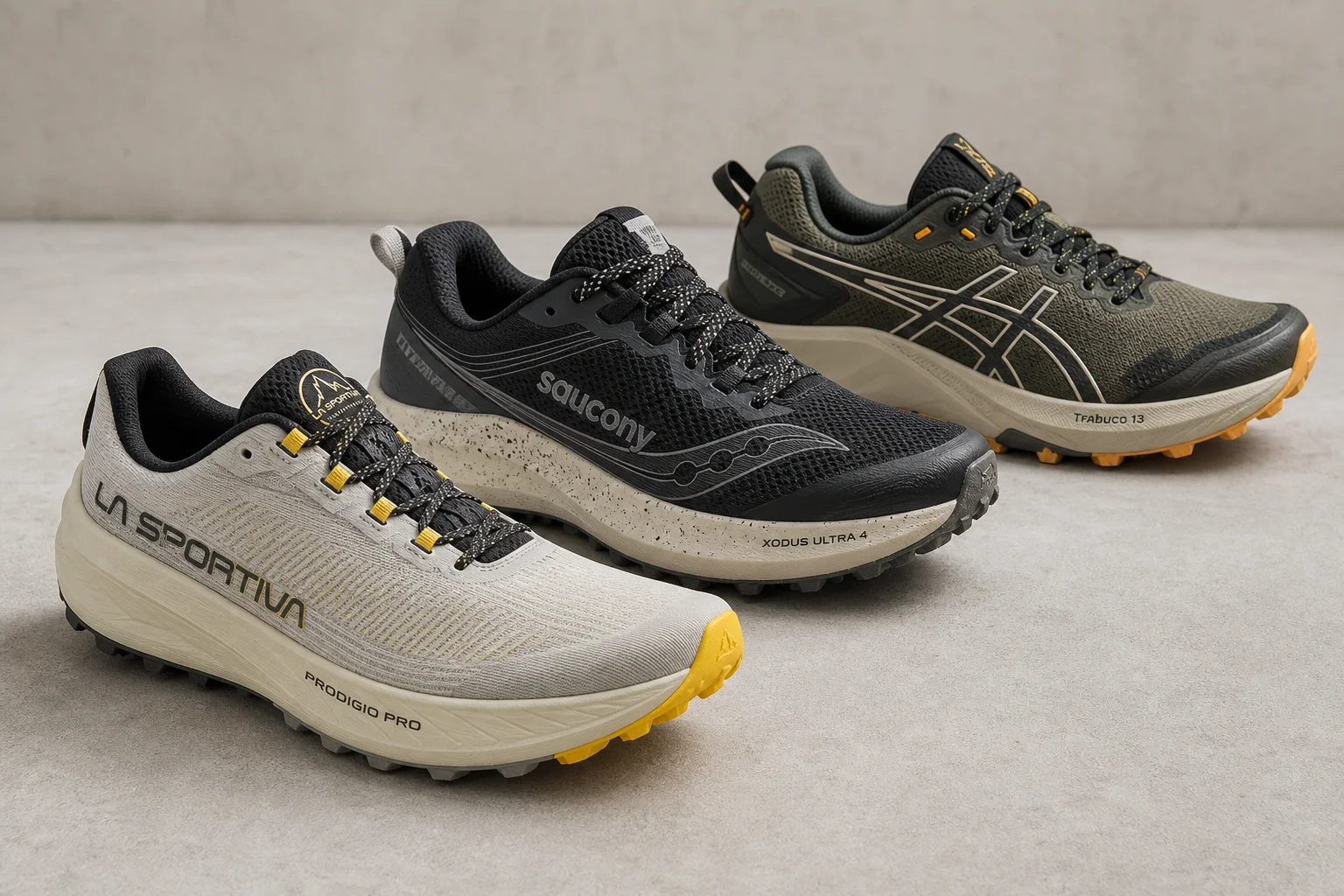
Best All-Mountain Trail Running Shoes: Three Versatile Options for Any Trail
A focused roundup of three all-mountain trail running shoes that handle technical terrain, long distances, and variable conditions with real strengths and practical trade-offs.