Trail Running
How to Choose Trail Running Shoes: A Guide to Shoe Type, Cushioning, and Drop
Learn the three most important factors when selecting trail running shoes: shoe type, cushioning level, and heel-to-toe drop.
Introduction
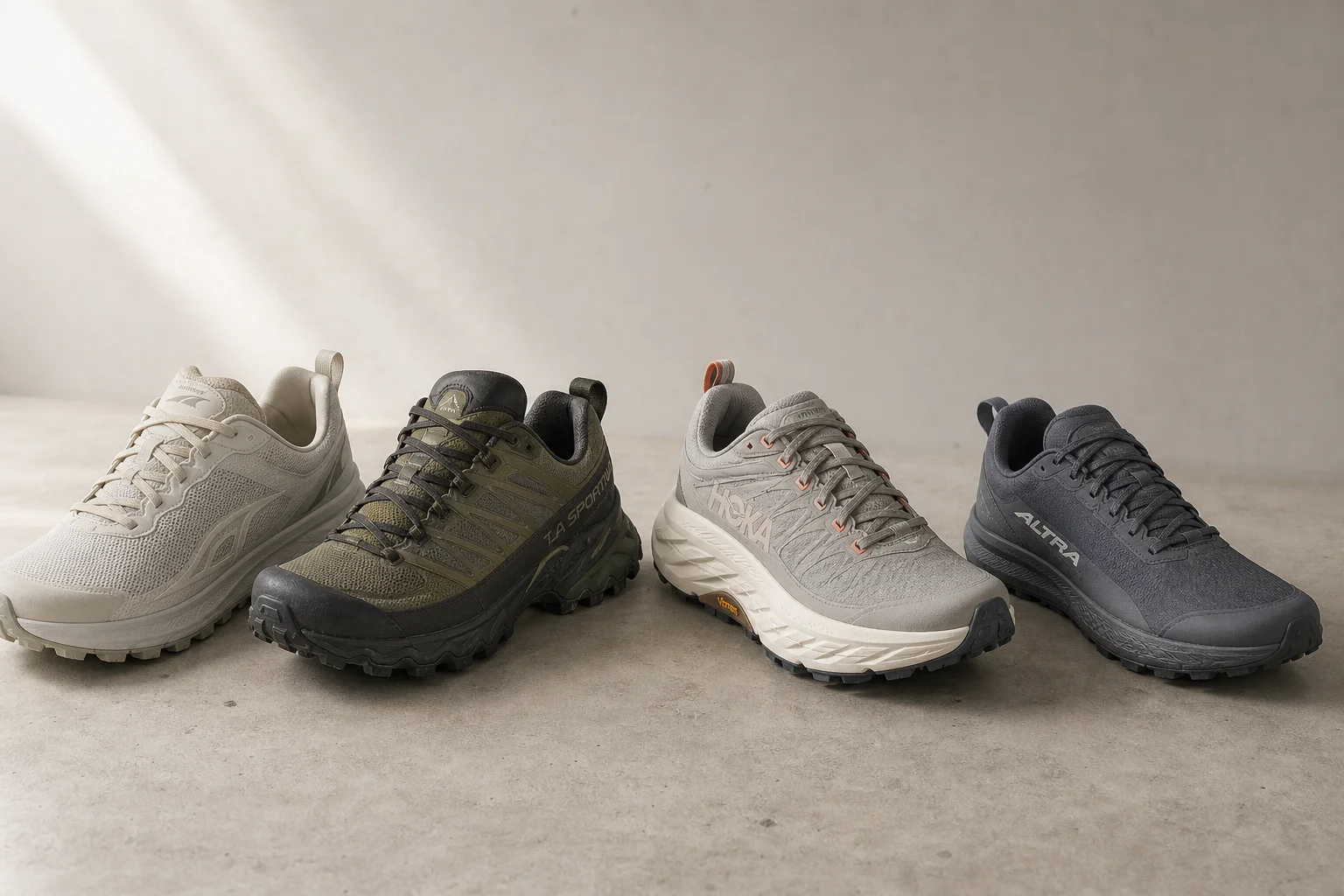
Choosing the right trail running shoe comes down to three key factors: shoe type, cushioning, and heel-to-toe drop. Understanding how each of these elements affects your running experience will help you find the shoe that matches your terrain, distance, and personal preference.
Understanding Shoe Type
Trail running shoes fall into three main categories based on the terrain you’ll encounter. Your choice depends on whether you’re running on packed trails, rougher terrain, or venturing completely off-trail.
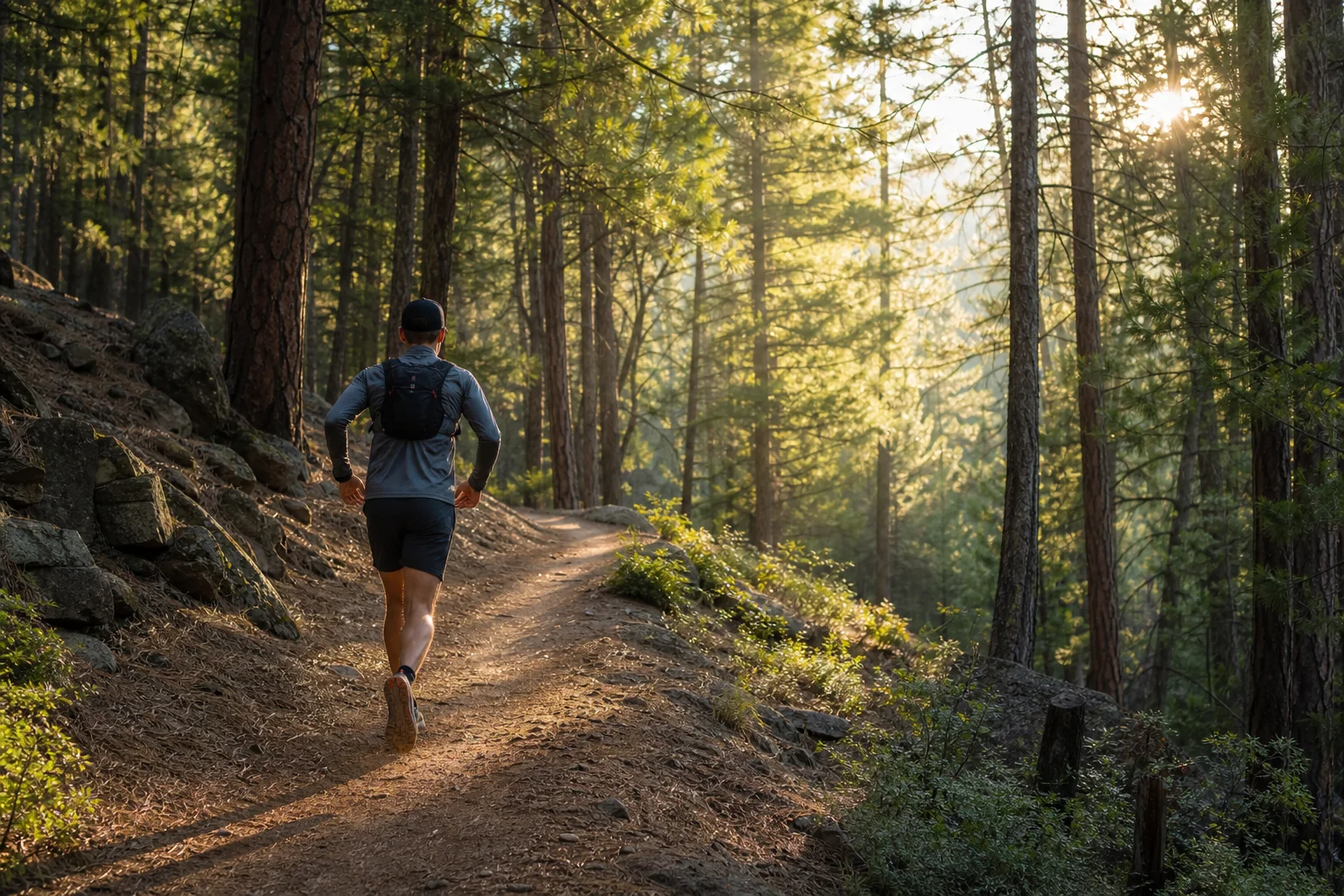
Light trail shoes are ideal if you’re transitioning from road running to unpaved surfaces. These shoes feature breathable uppers similar to road shoes but with light traction on the sole for hard-packed surfaces and gravel paths. They often include a transition zone to handle mixed road-and-trail running.
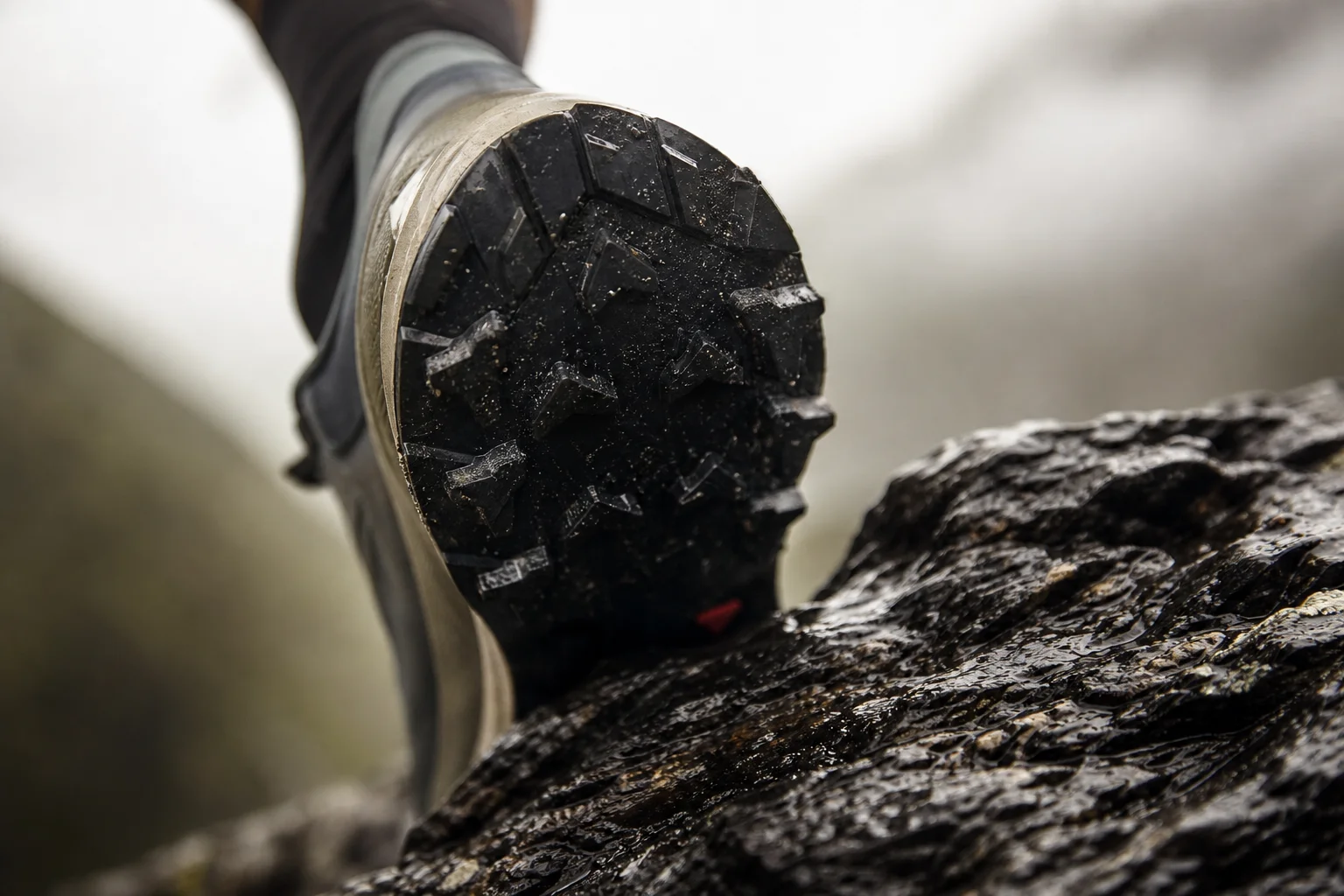
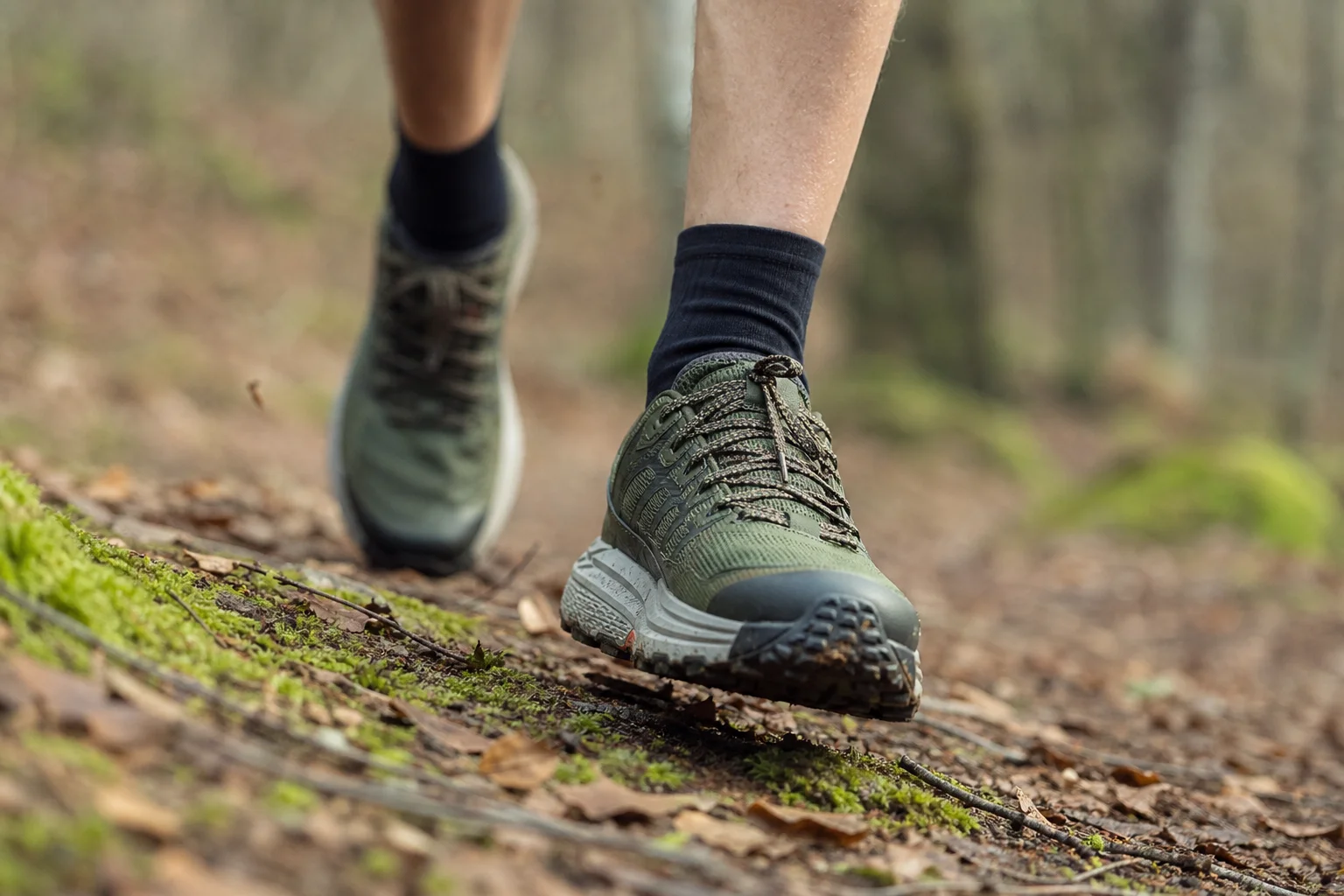
Rugged trail shoes are the most versatile option and suit runners tackling rougher terrain. These shoes prioritize protection and traction through reinforced toe guards, stability features in the midsole, and ballistic nylon rock plates. The aggressive lugs and sticky rubber provide secure footing on gnarly terrain while still shedding mud in wet conditions.
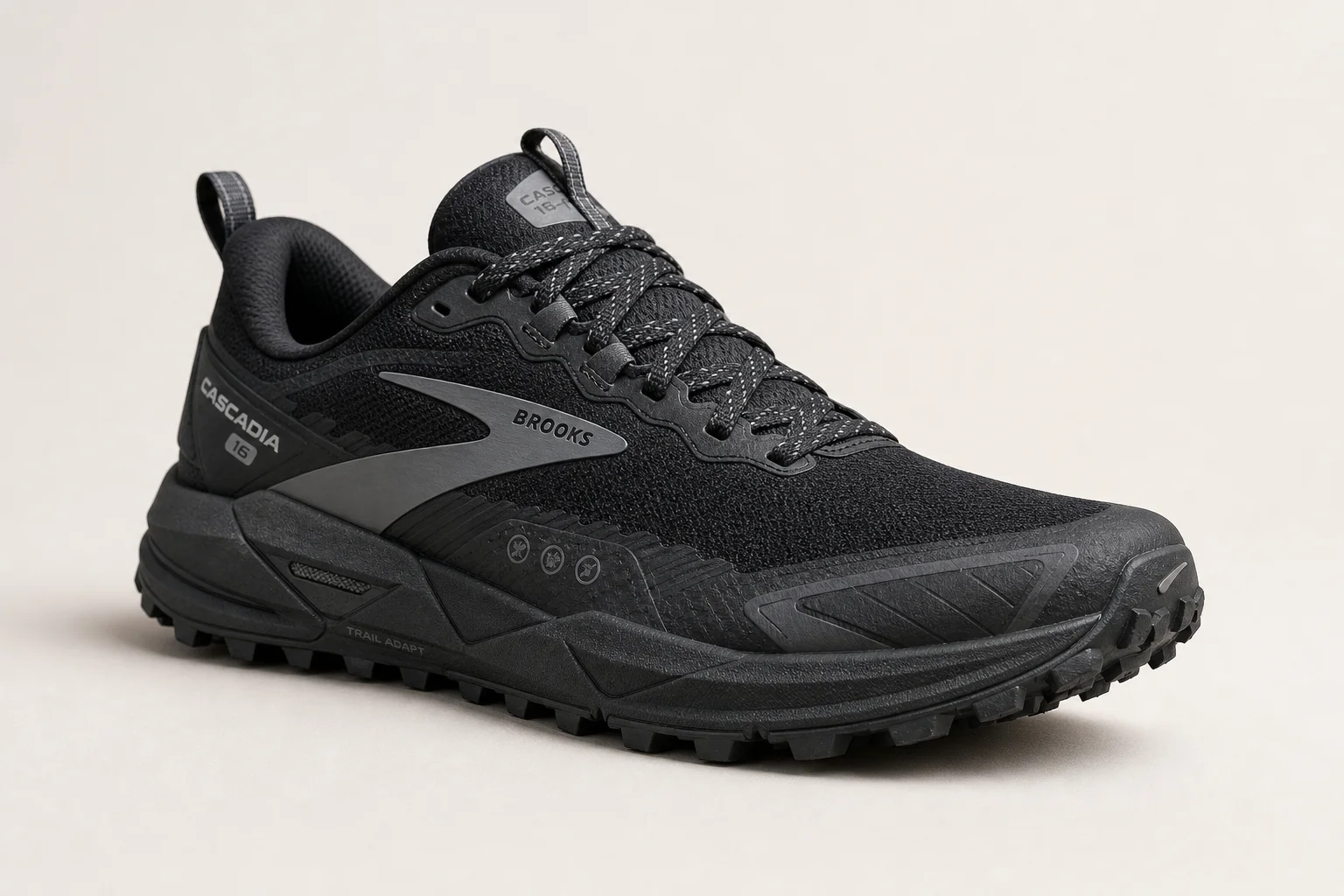
Off-trail shoes represent the most protective and stable option, designed for boulder hopping, bushwhacking, and backcountry running. They feature enhanced structure, reinforced protection across the upper, and maximum sticky traction. Many runners transitioning from backpacking find these shoes offer comparable support to low hiking boots while allowing faster movement.
Cushioning Options
Cushioning ranges from minimal to maximum, and your preference depends on your running style and distance goals.
Barefoot and minimalist shoes have the least cushioning, allowing you to feel the ground beneath your feet. Many runners enjoy this connected feeling during shorter, faster trail runs.
Moderate cushion shoes strike a balance, providing enough protection for longer distances while still letting you sense the terrain. These are often considered workhorse shoes that handle day-to-day trail running comfortably.
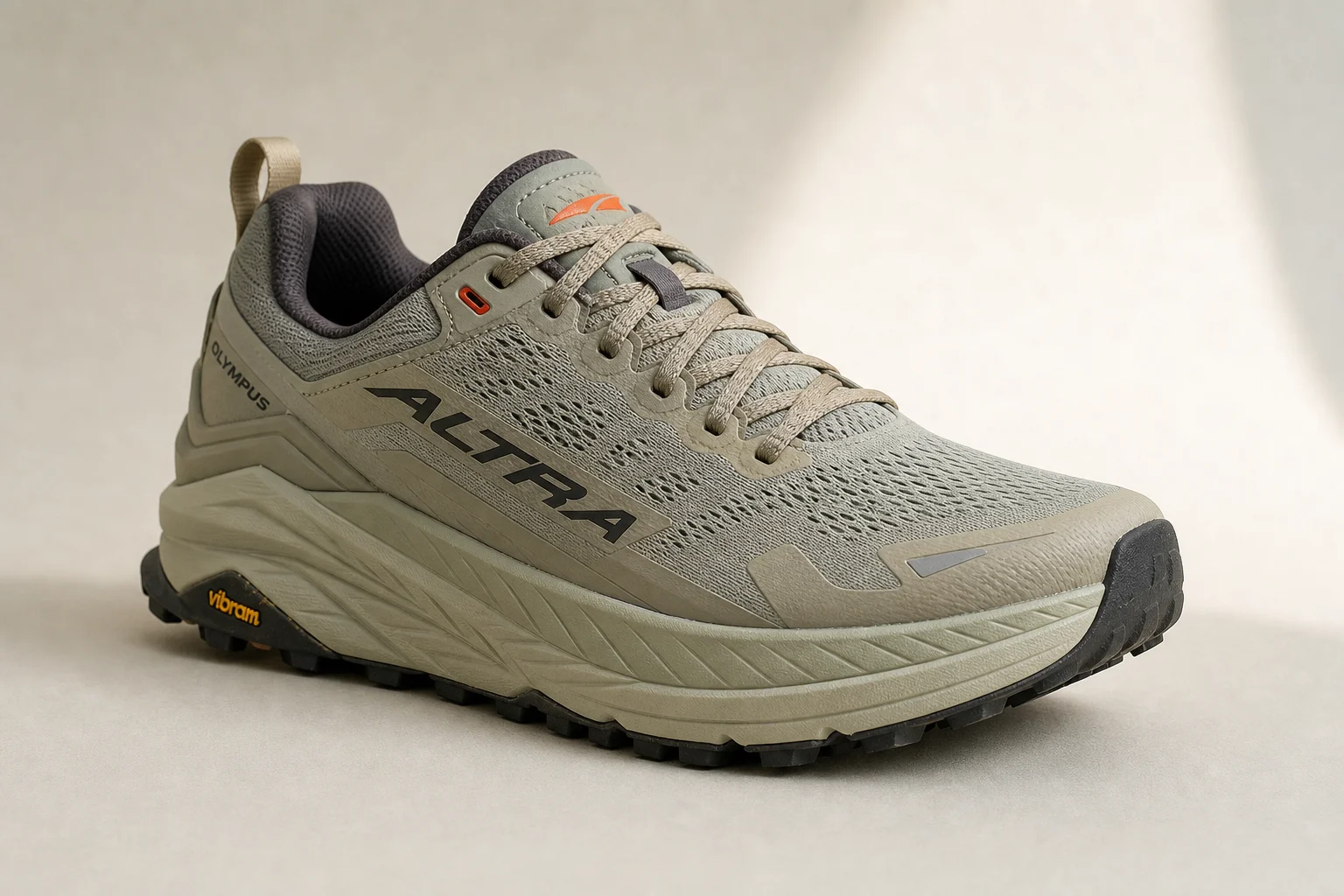
Max cushion shoes offer the most protection and comfort, ideal for longer distances or when you prefer a softer ride. Despite the extra cushioning, they still provide solid grip and protection underfoot.
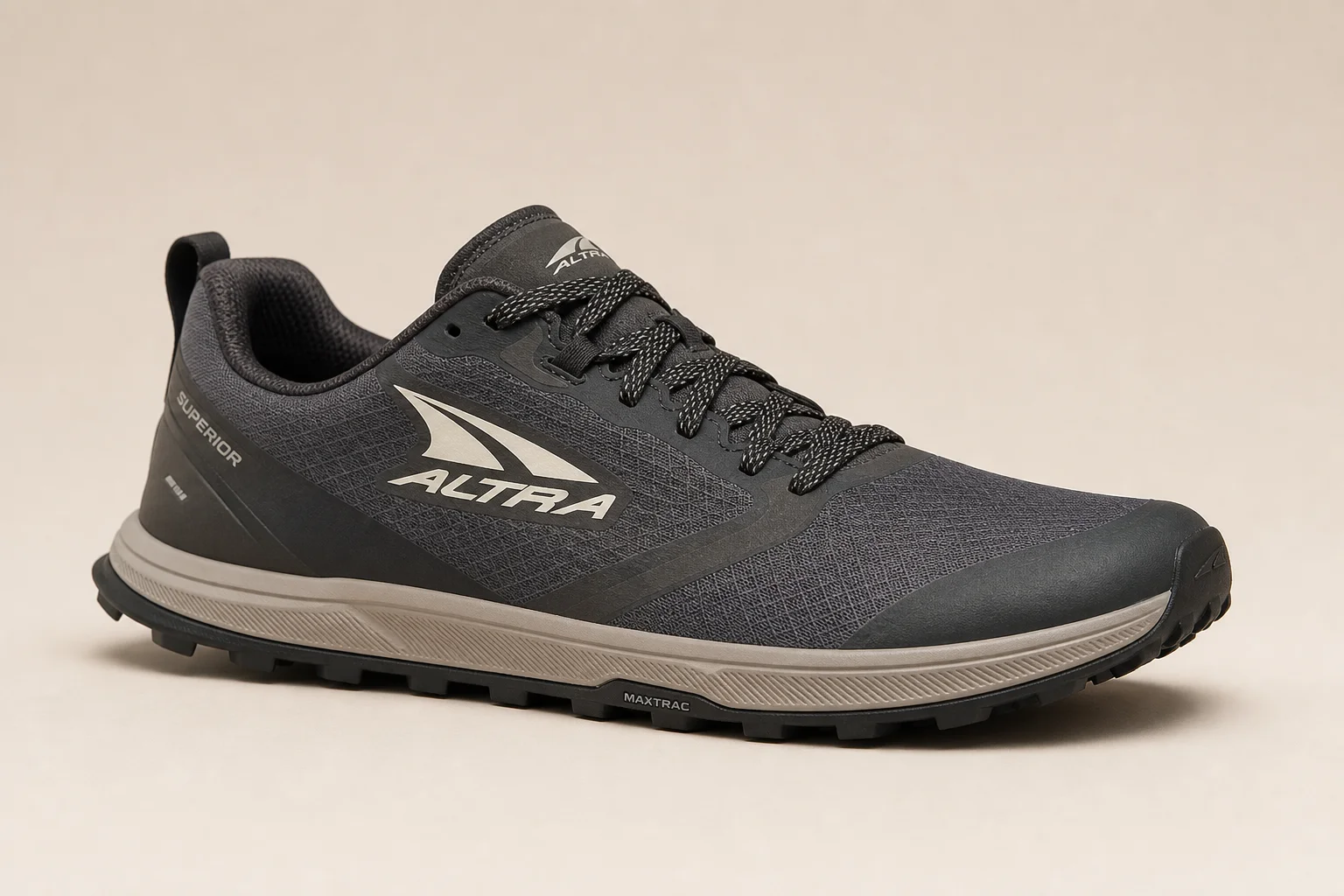
Heel-to-Toe Drop Explained
Heel-to-toe drop, or simply “drop,” is the height difference between the heel and forefoot of the shoe, measured in millimeters. This measurement ranges from zero to 12 or more millimeters and significantly influences your landing pattern.
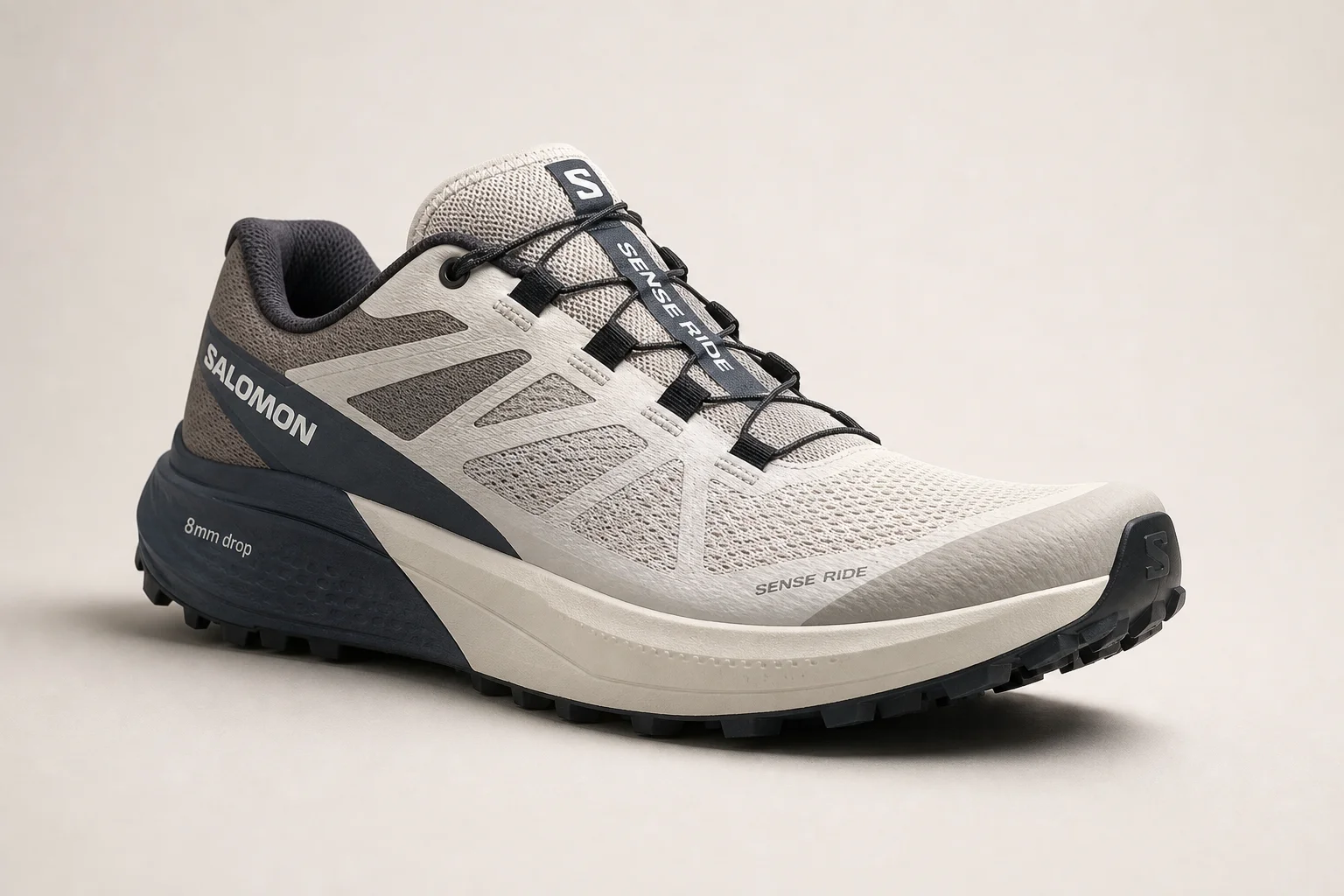
Shoes with higher drop, such as eight millimeters, tend to promote heel striking due to the weight difference between heel and forefoot. This can feel natural if you’re accustomed to traditional running shoes.
Shoes with lower drop, ranging from zero to six millimeters, promote a more natural midfoot or forefoot landing. Zero-drop shoes maintain uniform height throughout, allowing your foot to land as it naturally would.

If you’re transitioning between different drop levels, give your body time to adjust. You may feel like you’re working new muscles or experience minor strains in unfamiliar places, which is completely normal. Allow several weeks for adaptation, and consult a healthcare provider if you have concerns.
Conclusion
When shopping for your next trail running shoe, evaluate the terrain you’ll run on, choose a cushioning level that matches your distance and comfort preferences, and consider how drop affects your natural landing pattern. Remember that proper sizing and fit remain the most important factor before making your final purchase decision.
Further reading
Related Reviews
Trail Running
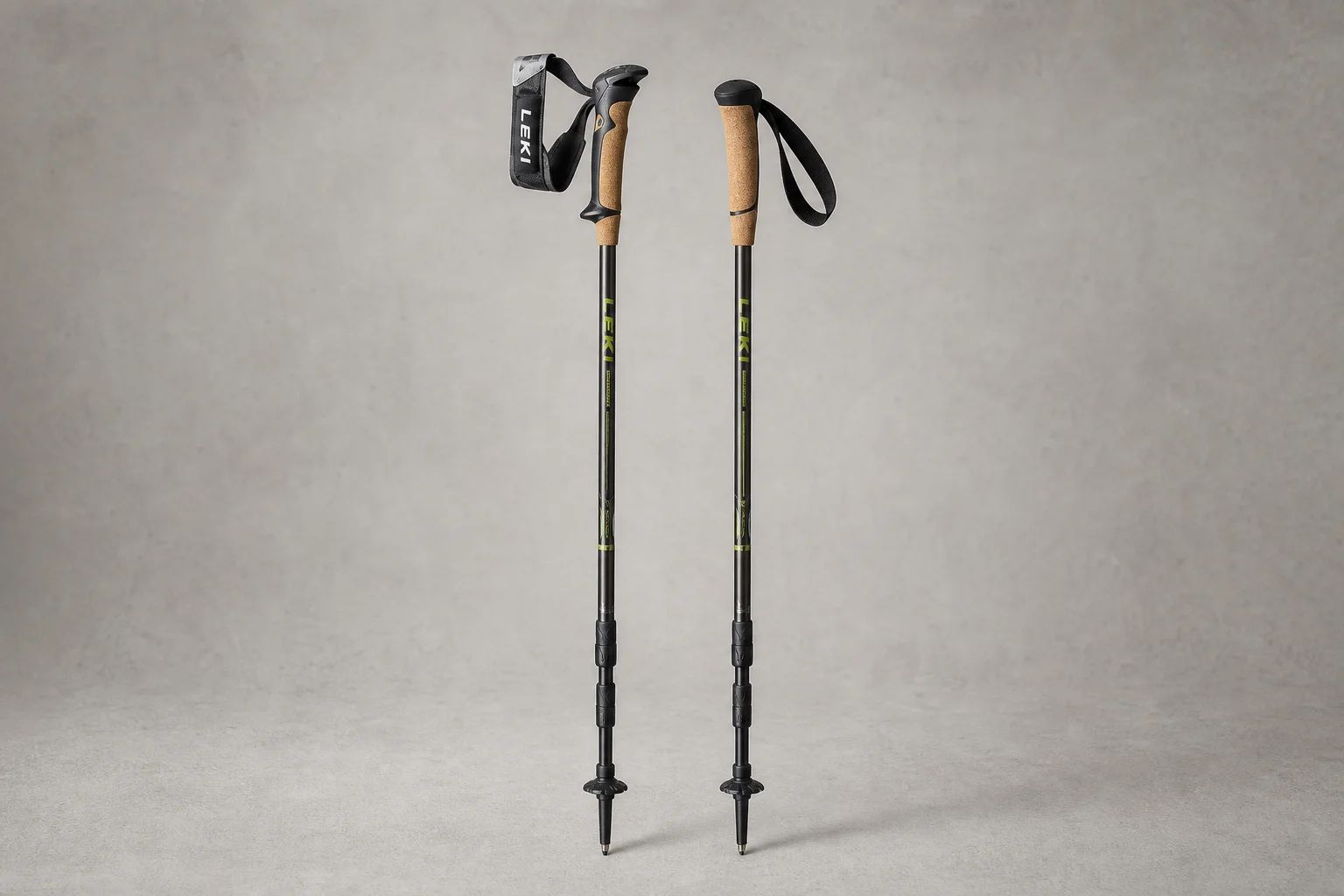
Trail Running Poles: A Complete Guide to Technique, Fit, and Use
Learn why trail running poles redistribute workload, how to choose the right length and strap system, and master three essential climbing techniques for longer races.
Trail Running Gear
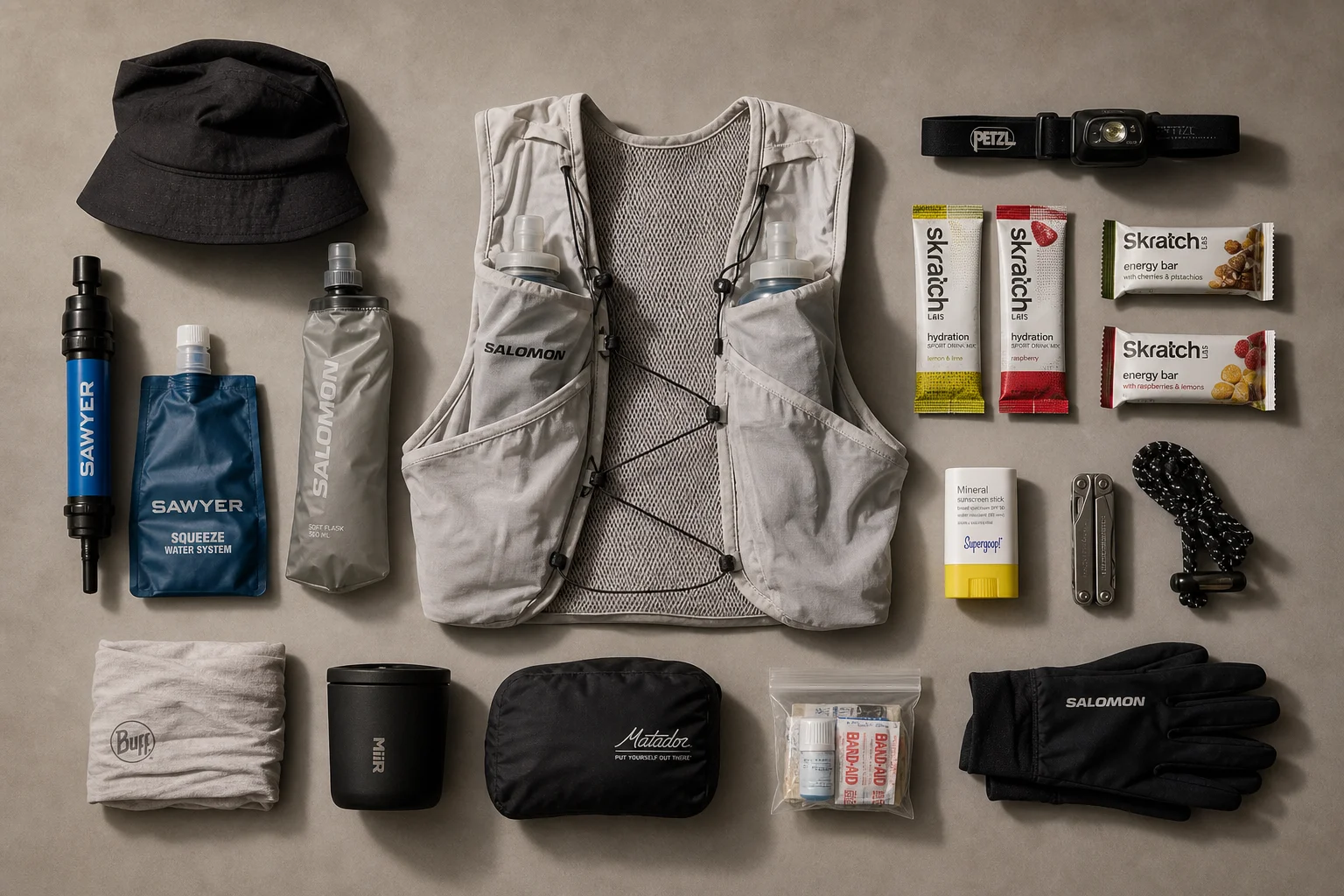
28-Mile Trail Run Pack Loadout: Ultralight Gear for High Alpine Self-Supported Running
A complete breakdown of gear, clothing, hydration, nutrition, and safety equipment for a 28-mile high alpine trail run with 7,800 feet of elevation gain.
Automotive Accessories
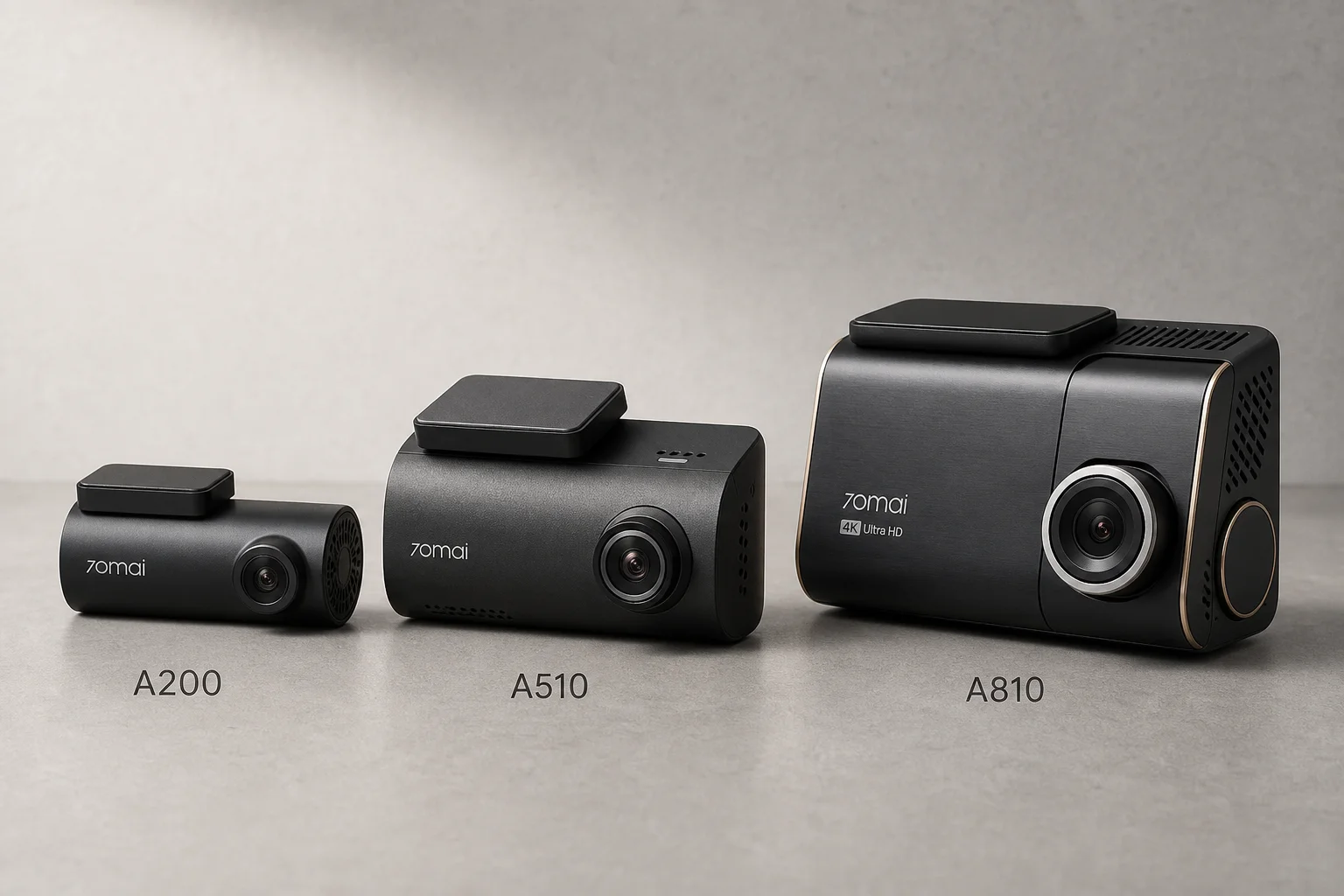
70mai Dash Cam Comparison: A200 vs A510 vs A810
Three dash cameras from 70mai across different price points reveal how resolution and sensor quality impact real-world footage clarity, especially for number plate visibility and low-light performance.