Trail Running
Trail Running Poles: A Complete Guide to Technique, Fit, and Use
Learn why trail running poles redistribute workload, how to choose the right length and strap system, and master three essential climbing techniques for longer races.
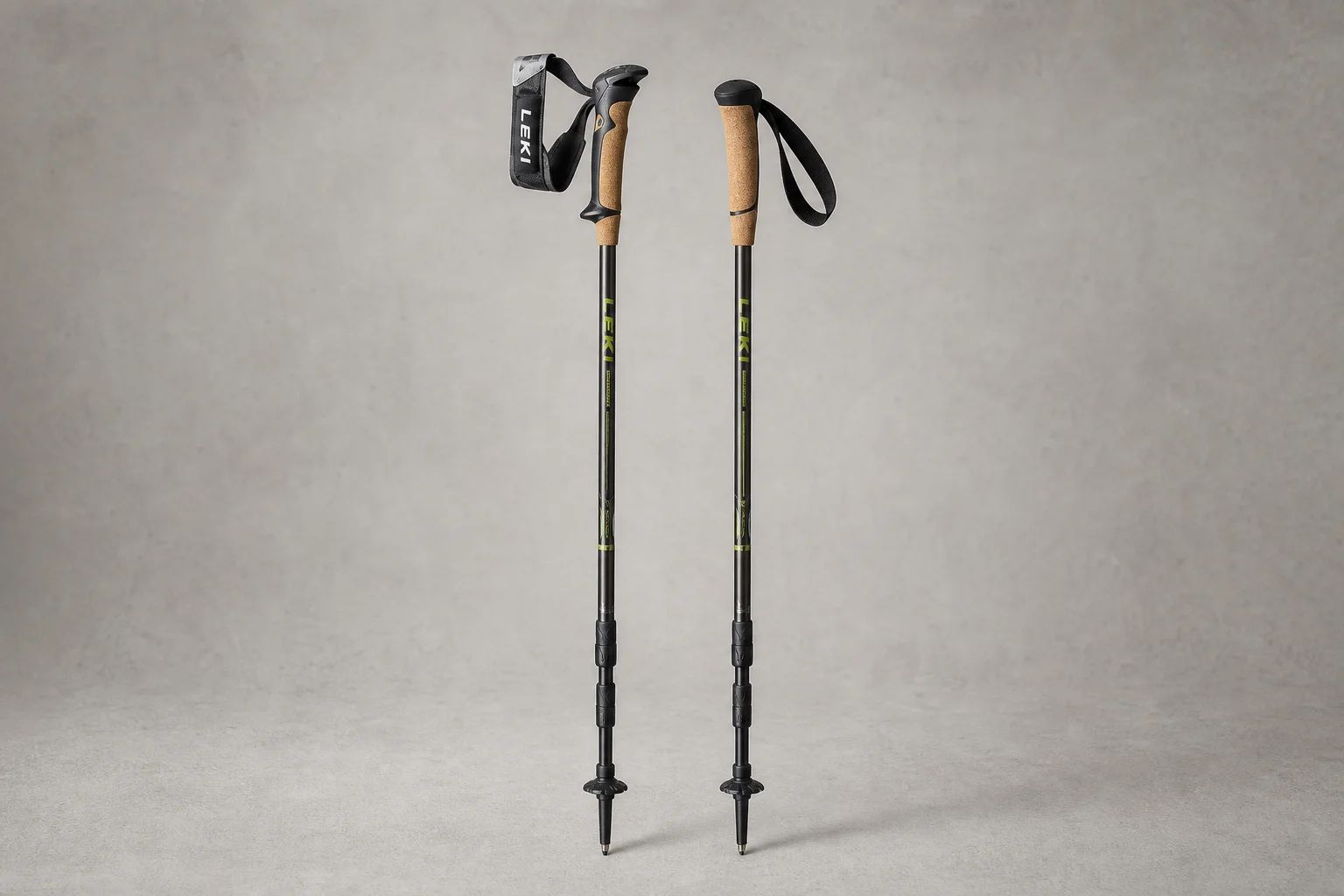
Why Use Trail Running Poles
Trail running poles redistribute workload from your legs to your upper body and core, allowing your legs to remain fresher for longer distances. This efficiency gain becomes especially noticeable on rocky or loose terrain, where the extra points of contact improve stability and movement through challenging ground.
Beyond the physical benefits, poles improve posture by encouraging a more upright position compared to the bent-over stance of hiking uphill. Better posture supports breathing patterns and digestion during extended efforts, both critical during multi-hour efforts. There is also a significant psychological benefit: breaking up a long race into segments where you deploy poles on climbs creates a mental reset that makes the overall effort feel more manageable.
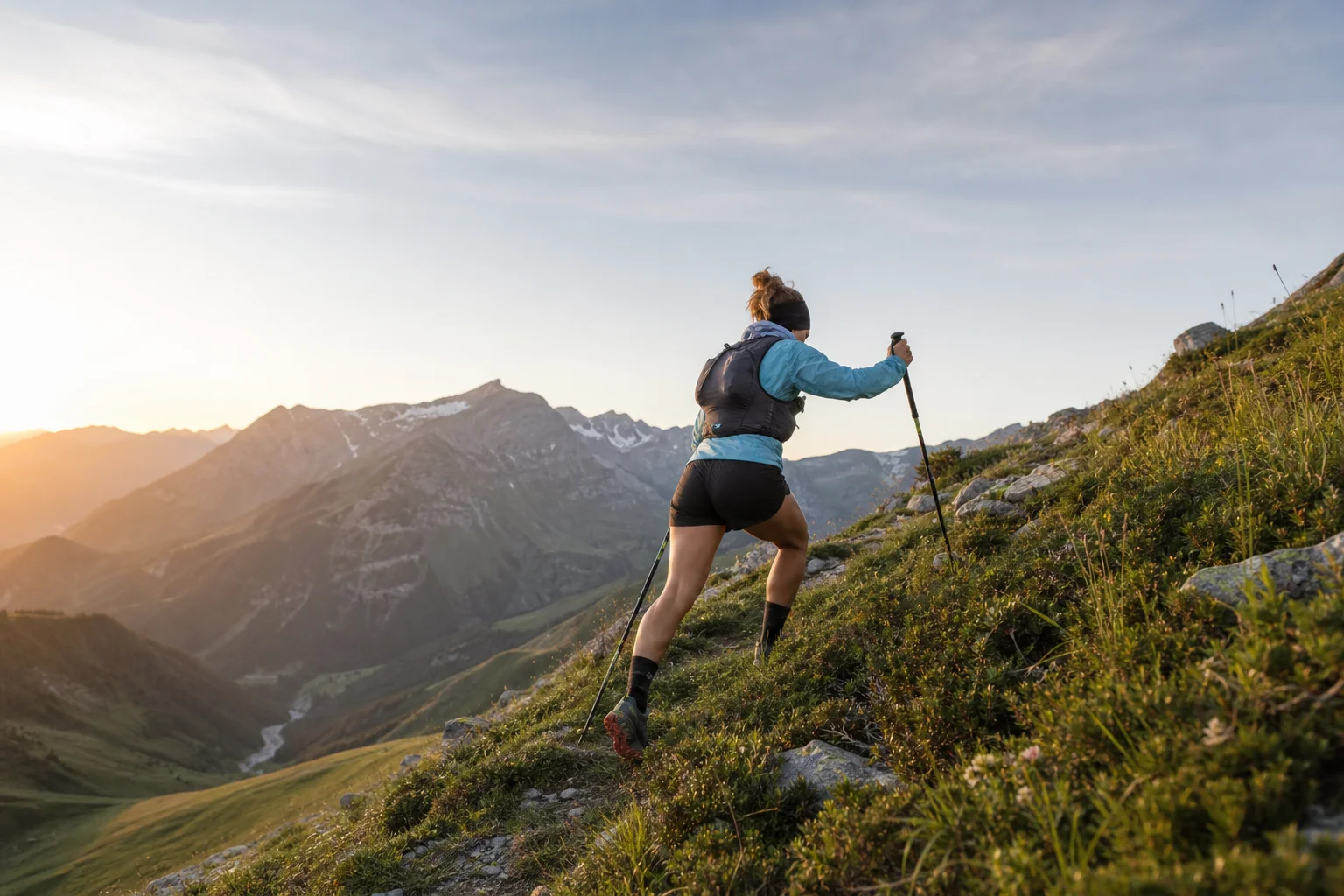
Poles are most valuable in longer races, hilly or mountainous terrain with sustained climbs, and when carrying a heavy pack. In ultra races where runners carry liquid, nutrition, and mandatory gear, poles distribute the load across four limbs instead of two, reducing fatigue and improving comfort.
Choosing the Right Pole Length
Pole length directly affects efficiency, technique, and comfort. A simple rule of thumb: if your elbow forms a 90-degree angle when holding the pole straight down to the ground, the length is approximately right. Alternatively, multiply your height by 0.68 to estimate the correct length. A 178 cm tall runner, for example, typically uses a 125 cm pole.
Personal preference and terrain type influence final choice. Steeper terrain may call for a slightly shorter pole to reduce the lifting distance, while gentler climbs benefit from a longer pole that maximizes technique. Testing different lengths across various terrain types helps identify what works best for your running style.
Understanding Strap Systems
Trail running poles offer several strap options, each suited to different conditions and preferences.
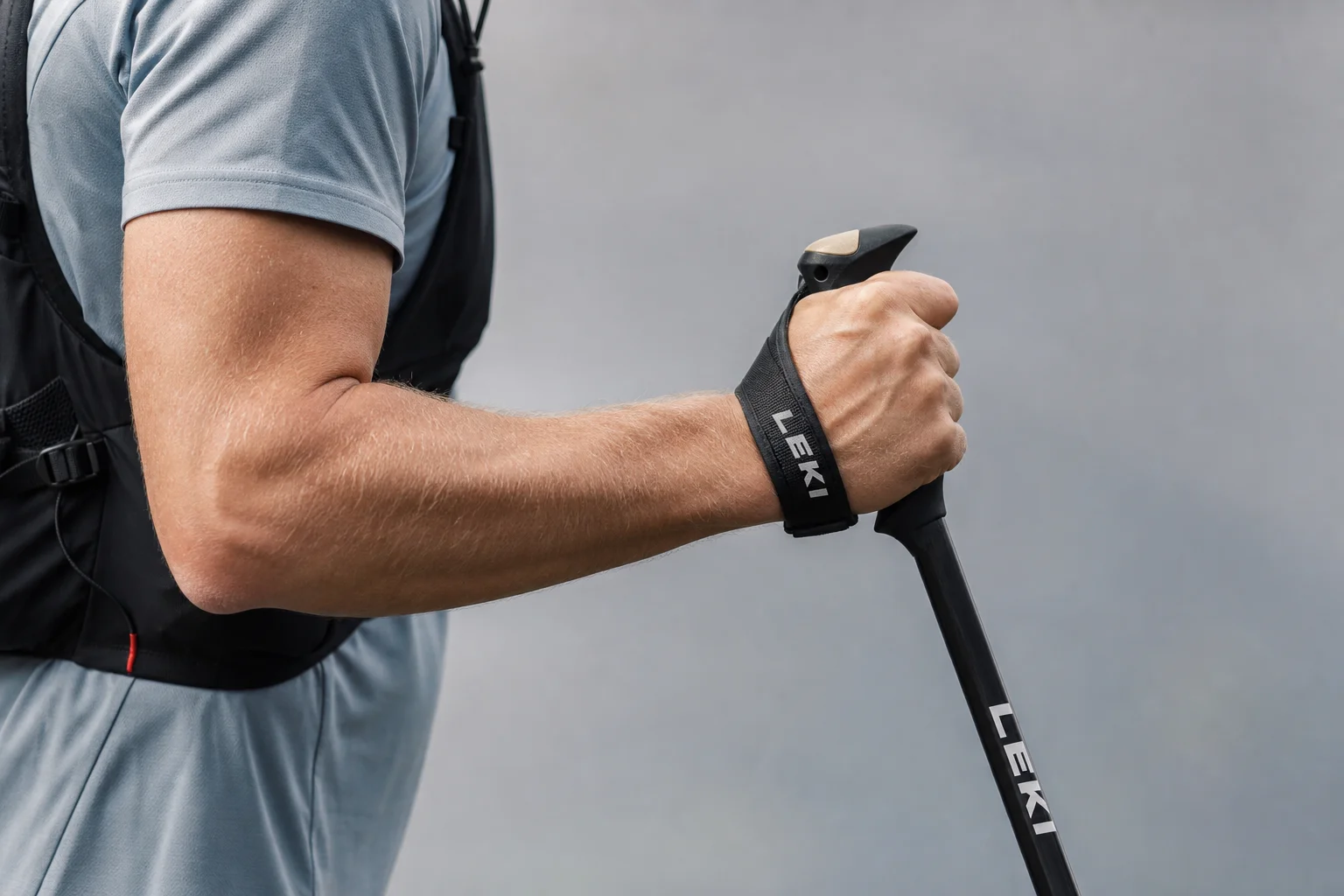
The basic hand strap is a simple loop of material attached to the pole’s top. It requires minimal grip strength, making it ideal for short runs or races. The basic strap excels in hot weather since it leaves your hand exposed and allows quick hand removal for technical terrain where you need both hands for balance.
The Trigger Shark strap system represents a more advanced option. You wear the strap on your hand and click it into the pole, allowing easy switching between modes while moving. By attaching the strap to your hand, you reduce reliance on grip strength, significantly lowering hand fatigue over many hours. This system also provides better power transfer from hand to pole and prevents accidental pole drops since your hand remains physically attached.
Trigger Shark straps come in two sizes and work well in hot conditions because they do not cover your entire hand, reducing chafing. In colder weather, gloves with integrated Trigger Shark straps offer hand protection while maintaining the strap’s efficiency benefits. Some gloves also feature integrated rain covers for added protection on windy, wet days. Testing different strap options helps you find the system that matches your conditions and preferences.
Assembling and Carrying Your Poles
Trail running poles break into three sections for easy packing. Assembly is straightforward: align the sections, give them a gentle wiggle, and listen for a click to confirm they are properly locked. Always test the connection before putting weight on the poles.
When using gloves with integrated straps, put the gloves on before assembling the poles to avoid fumbling with straps while running. To disassemble, press the button at the top, compress the sections, and pull them apart.
Two main carrying options exist: a running vest with a quiver, or a running belt. A running vest with quiver works well for longer distances because fueling is easier when wearing a vest, and you typically move uphill more slowly, allowing time to eat while climbing. To use the quiver, undo it so it can pivot, slide the poles in, and secure it so they do not bounce.
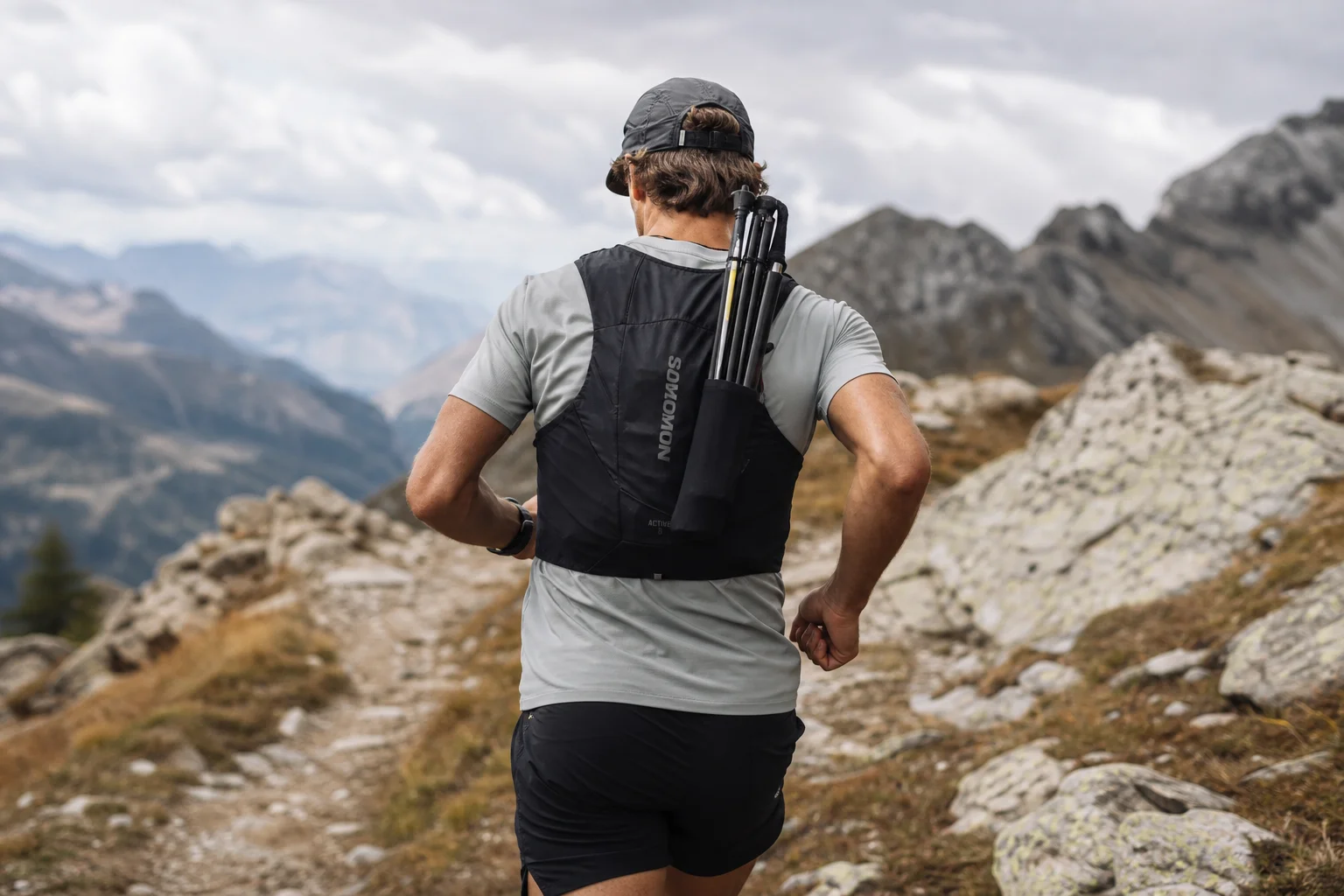
A running belt suits shorter races with minimal mandatory gear or nutrition. Fold both poles together, spin the belt around, align the poles so they are even, and slide them into the loops. Realign them once inserted to ensure they sit properly. Practice with whichever system you choose so you can stow and retrieve poles while moving, even on technical terrain.
Mastering Trail Running Techniques
Most pole techniques apply to uphill movement, where poles provide the greatest benefit. Three main techniques cover most climbing scenarios, and experienced runners cycle through all three depending on speed, steepness, and fatigue level.
Alternating (Nordic Walking): Poles move at the same cadence as your feet. As your left foot comes forward, your right pole strikes the ground at a slight angle, level with or slightly behind your foot. Press off and continue with the next pole. This technique works well early in a race when you have energy and are moving faster.
Gallop: A more advanced technique using a higher cadence for faster movement. You strike a pole to the ground every second or third step, keeping arm movement minimal and close to your body. This creates a fluid motion suited to slightly flatter terrain when you are running with poles at a quicker pace.
Double Plant: Used when fatigued or on very steep terrain. Plant both poles, take several steps upward to reach them again, plant them again, and repeat. This technique engages your core significantly more than the other two and provides maximum mechanical advantage on the steepest sections.
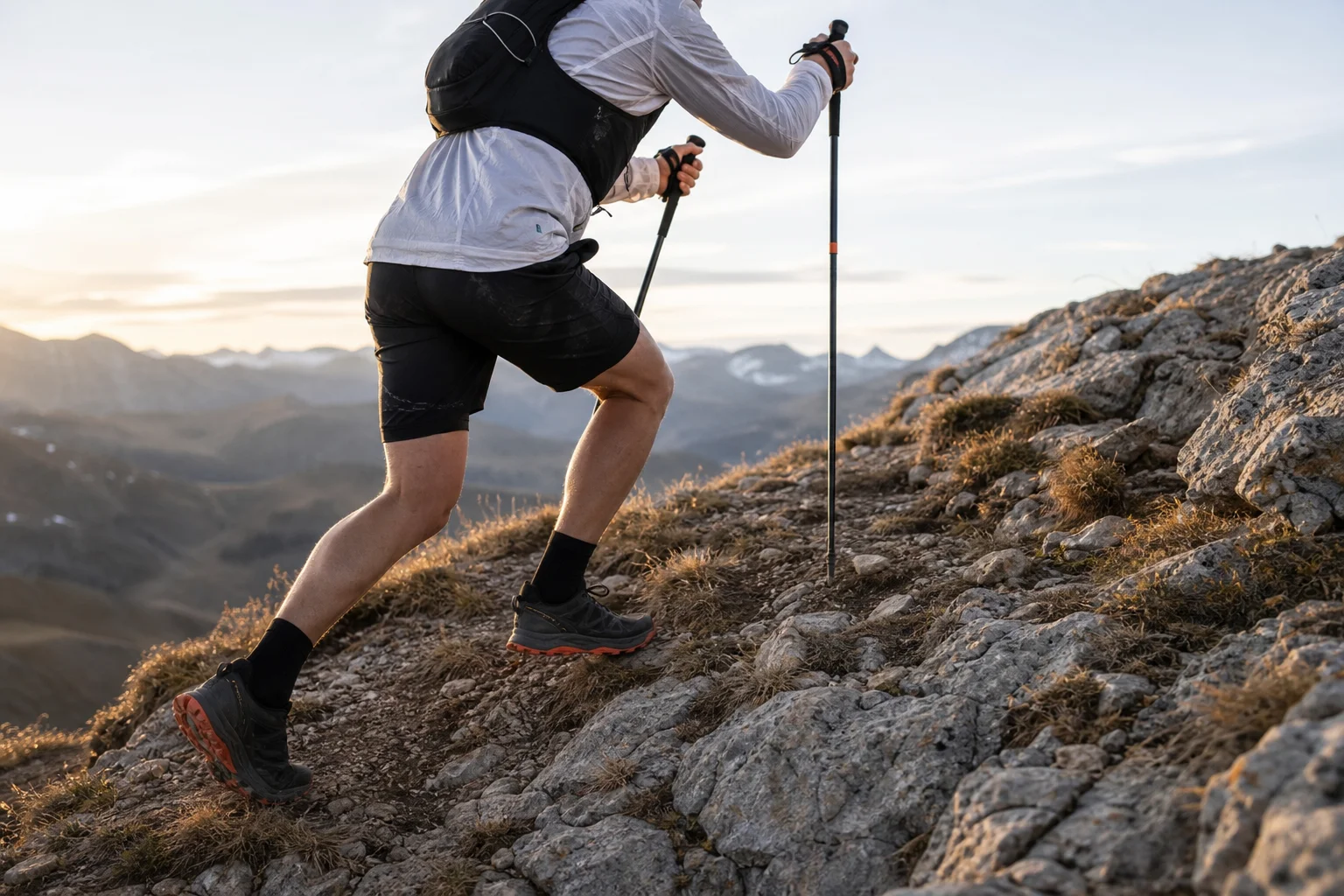
Practice all three techniques and remain conscious of which one you are using and when. Over time, you will naturally select the right technique for each section of terrain. Many runners find they rely more on certain techniques early in a race when fresh and shift to others as fatigue sets in.
Conclusion
Trail running poles are invaluable tools for longer races and mountainous terrain. Proper length, strap selection, and technique mastery transform poles from an accessory into a performance multiplier. Start with practice sessions to build confidence with assembly, carrying systems, and climbing techniques. Over time, poles become second nature, allowing you to run stronger for longer on the trails that matter most.
Product link
View more details for Leki Trigger Shark
This product is mentioned in the review. Check the specifications, options, and compatibility before buying.
View more details for Leki Trigger SharkFurther reading
Related Reviews
Trail Running
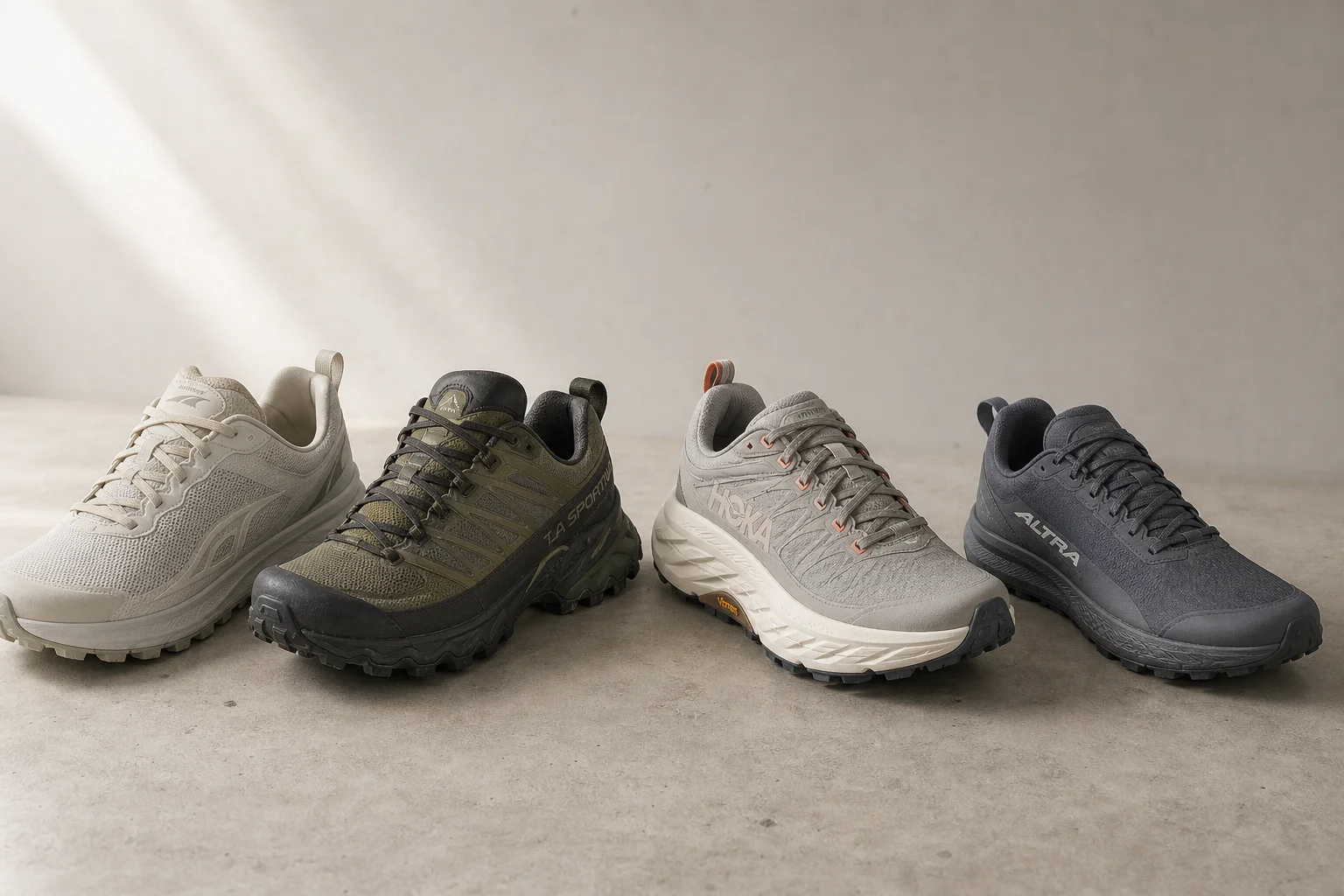
How to Choose Trail Running Shoes: A Guide to Shoe Type, Cushioning, and Drop
Learn the three most important factors when selecting trail running shoes: shoe type, cushioning level, and heel-to-toe drop.
Trail Running Gear
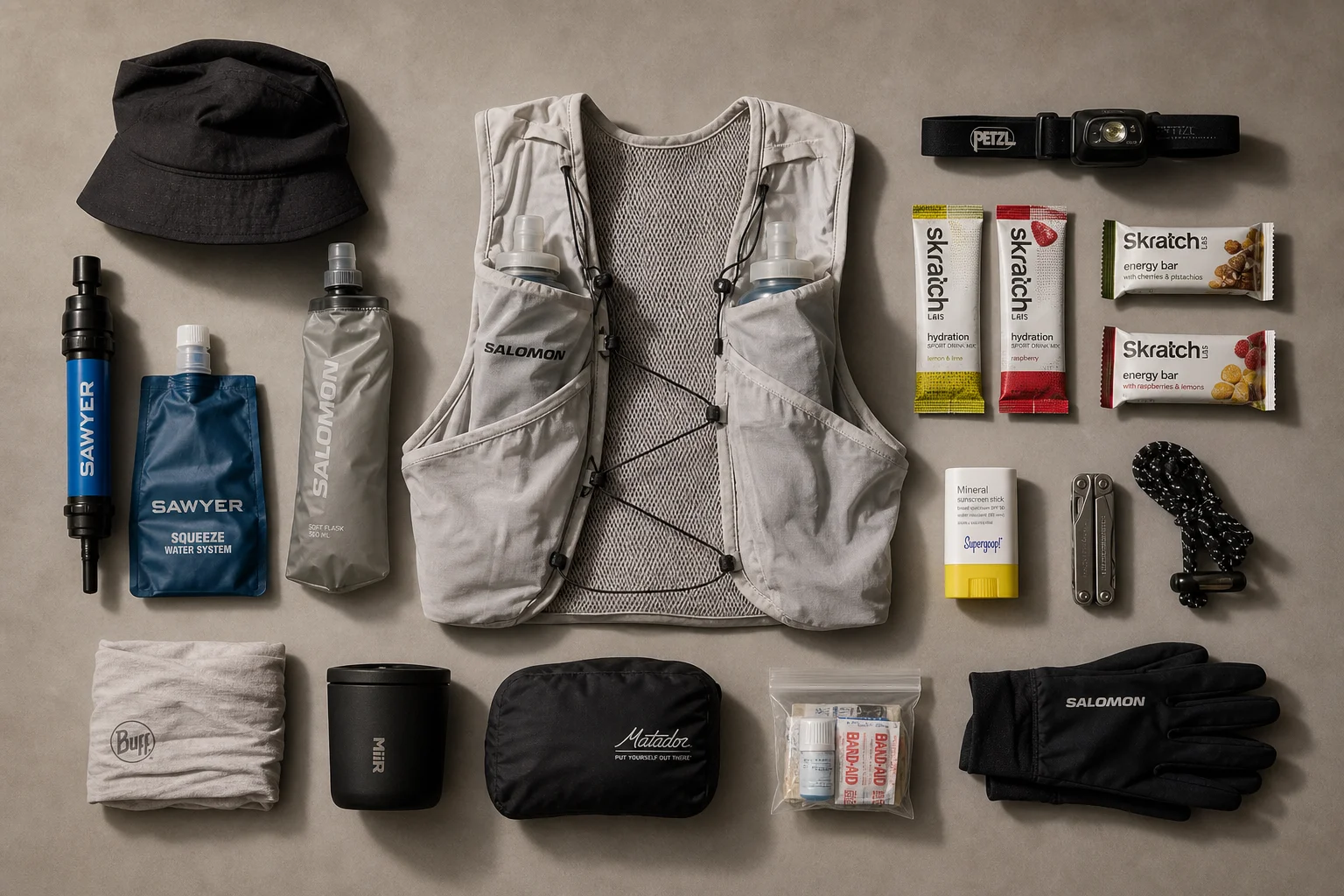
28-Mile Trail Run Pack Loadout: Ultralight Gear for High Alpine Self-Supported Running
A complete breakdown of gear, clothing, hydration, nutrition, and safety equipment for a 28-mile high alpine trail run with 7,800 feet of elevation gain.
Trail Running Shoes
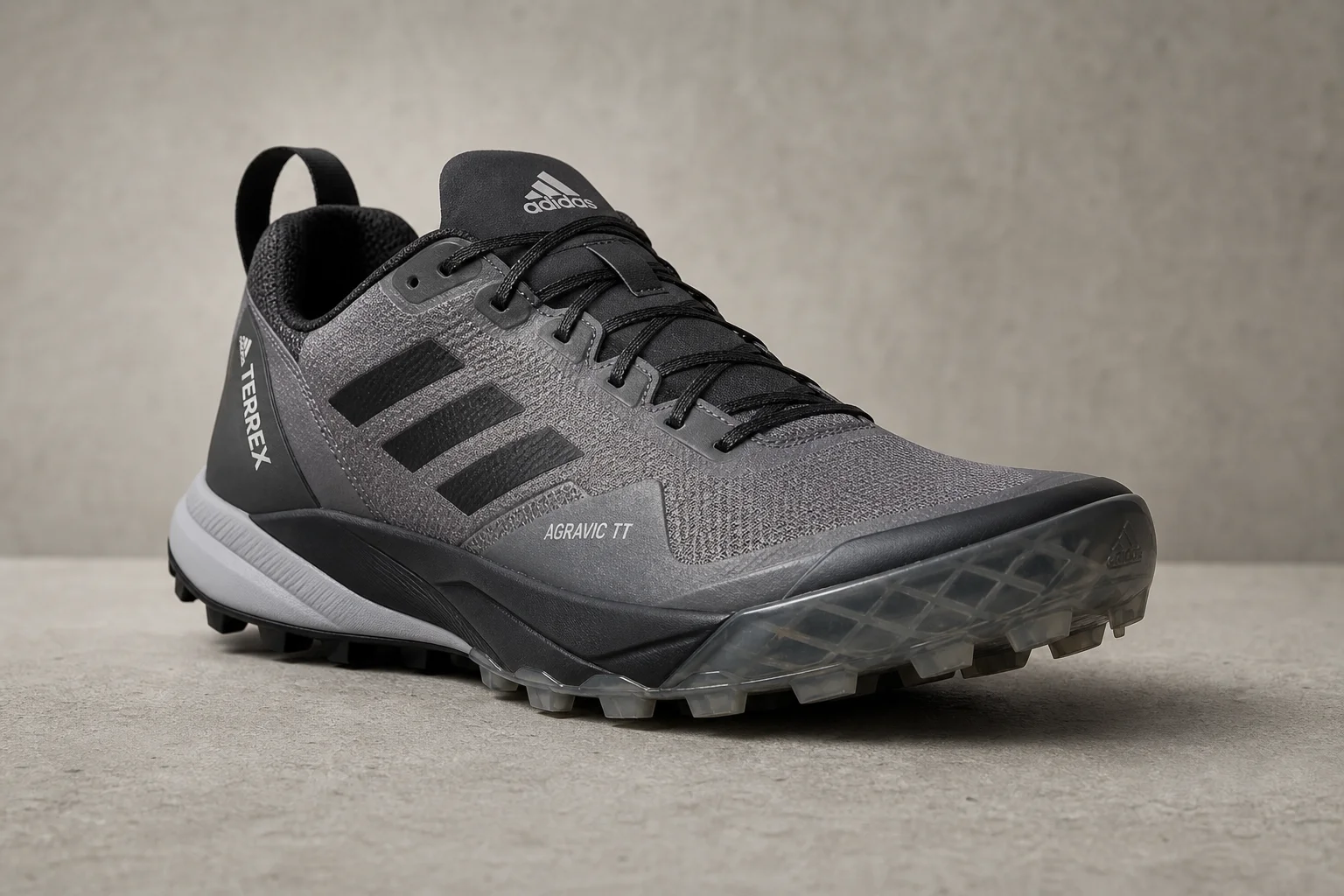
Adidas Terrex Agravic TT Review: A Technical Trail Shoe Built for Rocky Terrain
The Adidas Terrex Agravic TT combines a full-coverage rock plate with a firmer midsole to deliver protection and stability on technical, rocky trails. A capable choice for runners who prioritize underfoot defense over lightweight cushioning.