Skincare Technology
LED Light Therapy Masks for Skin: How They Work and What to Expect
LED light therapy masks use proven technology to boost collagen production and address wrinkles, acne, and dark spots. Learn how to use them effectively and what results are realistic.
Introduction
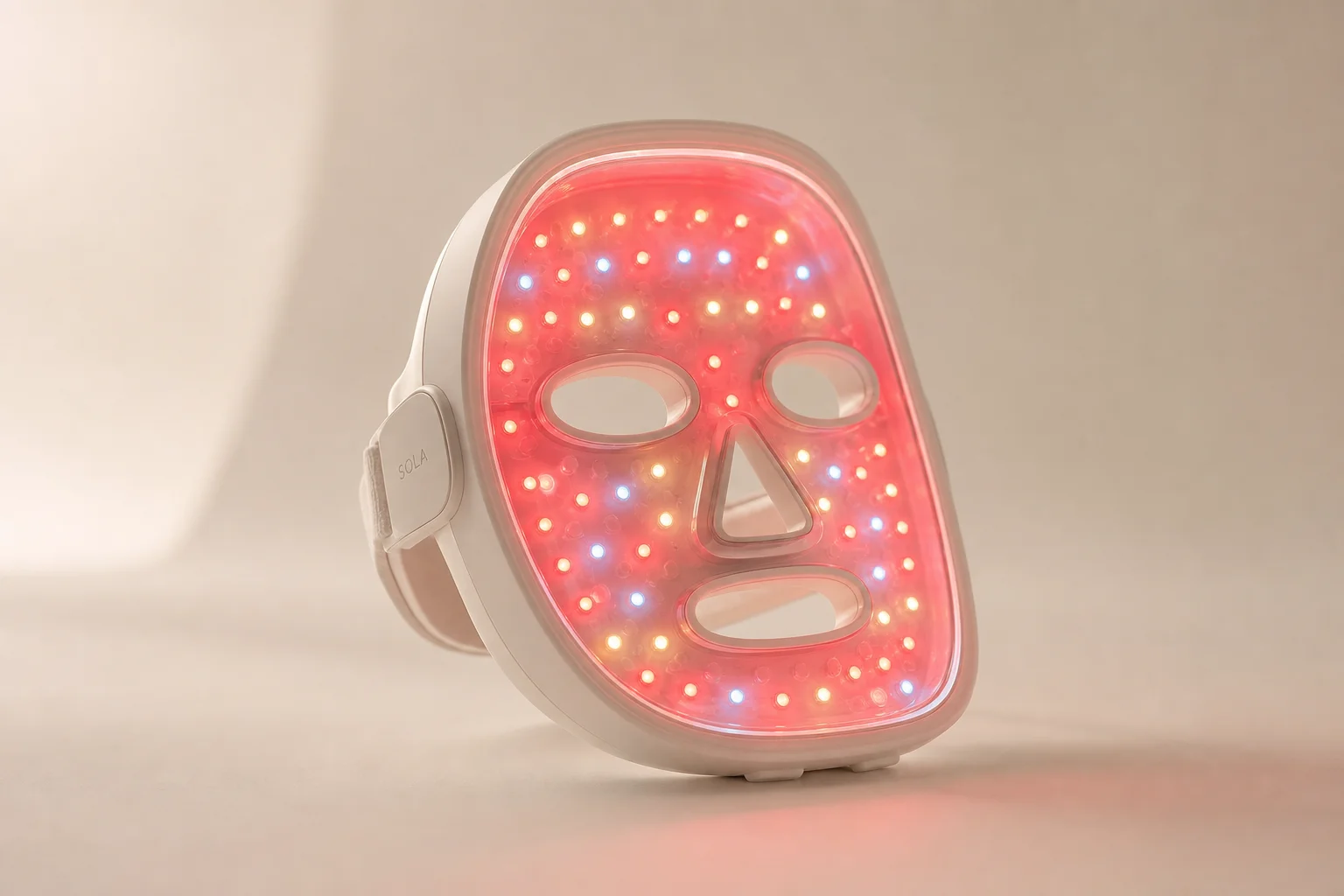
LED light therapy masks have moved from dermatology offices into home skincare routines. These devices use specific light wavelengths to address common skin concerns like wrinkles, acne, and dark spots. The technology is backed by research, and results are achievable with consistent use. Understanding how they work and what to expect helps you decide if one fits your routine.
How LED Light Therapy Masks Work
LED light therapy masks use different colored light wavelengths to penetrate deep into the skin. Red and near-infrared light stimulate collagen production and improve skin elasticity, which is the mechanism behind visible improvements in fine lines and skin texture. The light energy triggers cellular activity that supports natural skin repair processes.
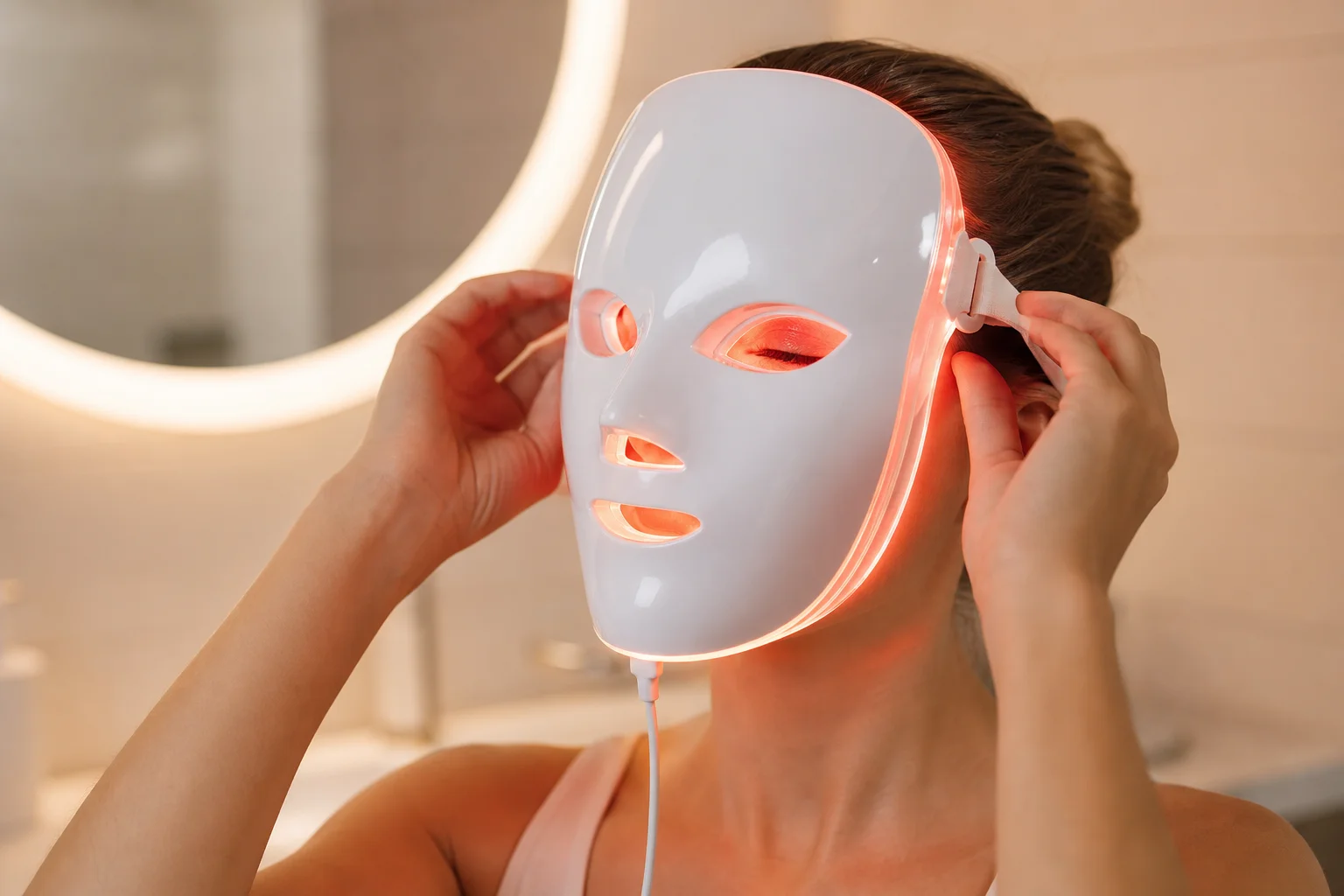
The key to results is consistency. Dermatologists recommend using these masks almost daily, typically for just three to fifteen minutes per session. This short time commitment makes them practical for morning or evening routines. Many users report noticing improvements in under-eye puffiness and skin firmness within weeks of regular use.
Consistency and Daily Use
Results from LED light therapy masks depend entirely on consistent application. Three minutes a day, done regularly, produces measurable changes over time. Skipping sessions or using the mask sporadically reduces effectiveness.

Building the mask into an existing routine, whether morning or evening, removes the friction of remembering to use it. Some masks include app-based tracking or built-in reminders to help you stay accountable. This accountability feature matters because consistency is where most people struggle with at-home skincare technology.
Flexible and Wearable Options
Modern LED masks come in different form factors. Some are rigid full-face masks with controllers and preset treatment regimens. Others are thin and flexible, designed to stay in place on specific areas like the chin or cheeks while you move around.

The flexible designs are particularly useful if you want to wear the mask while working, reading, or doing light tasks around the home. This flexibility removes the barrier of having to set aside dedicated time and makes daily use feel less like a chore. Thinner masks also tend to be lighter and more comfortable for extended wear.
Choosing the Right Mask for Your Needs
LED masks vary in price, features, and intended use. Budget options offer basic light therapy. Mid-range masks add features like cooling elements to reduce puffiness, app-based customization for spot treatment, or massage functions for tension relief. Premium options combine multiple technologies and often include FDA clearance.
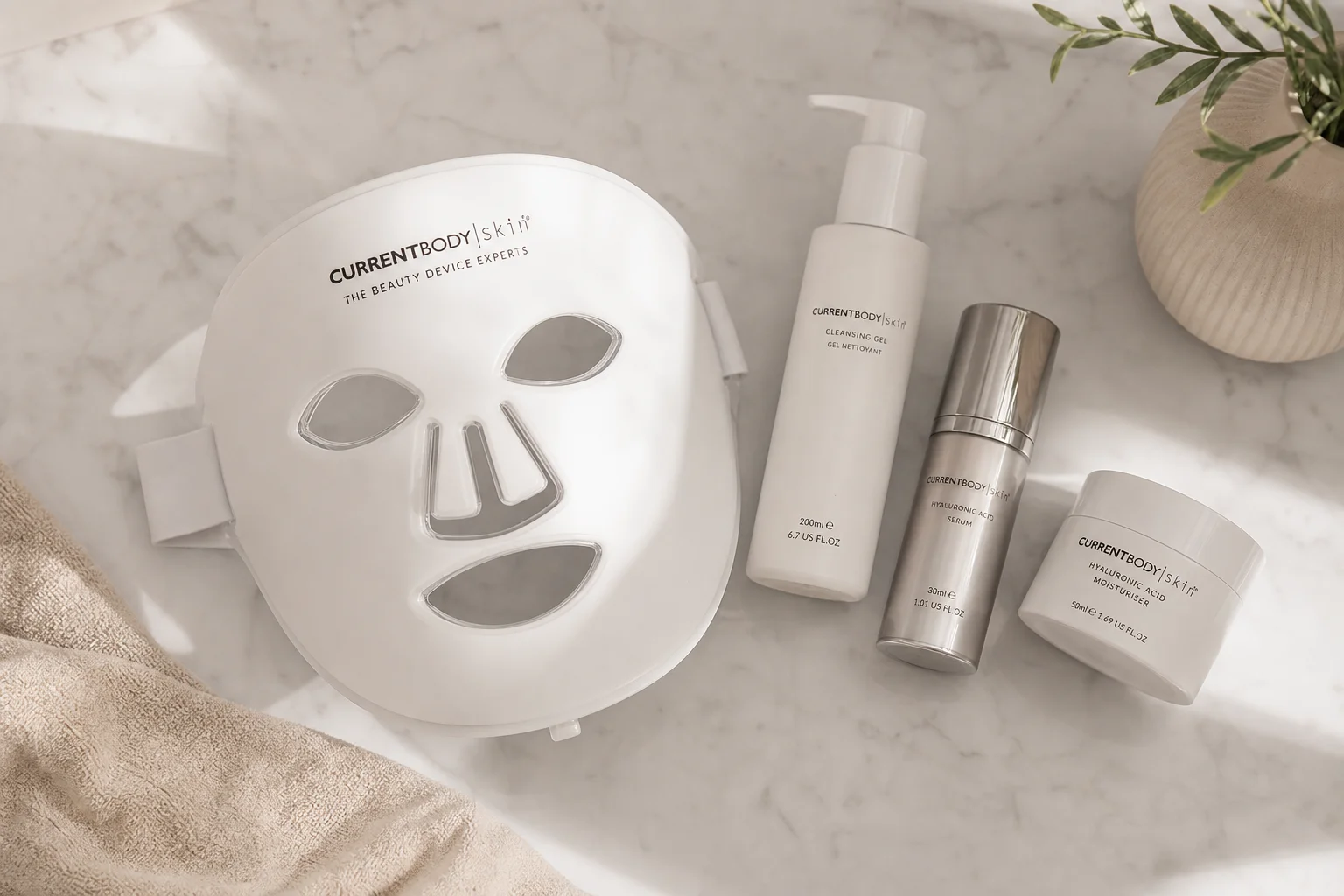
Some masks target specific concerns: red light for wrinkles and general skin health, blue light for acne, or combinations for broad benefits. A few specialized masks address hair regrowth by penetrating the scalp to stimulate follicles. Choosing depends on your primary skin goal and how much time you can realistically commit to daily use.
Conclusion
LED light therapy masks offer a practical way to bring professional-grade skin treatment into your home routine. Results are real when you use the mask consistently, typically three to fifteen minutes daily. The variety of options means you can find a mask that fits your budget, skin concerns, and lifestyle. Start with realistic expectations: visible improvements in fine lines, dark spots, and skin texture take weeks of consistent use, but the investment in time is minimal.
Product link
View more details for CurrentBody Skin LED Light Therapy Mask
This product is mentioned in the review. Check the specifications, options, and compatibility before buying.
View more details for CurrentBody Skin LED Light Therapy MaskFurther reading
Related Reviews
Skincare Technology
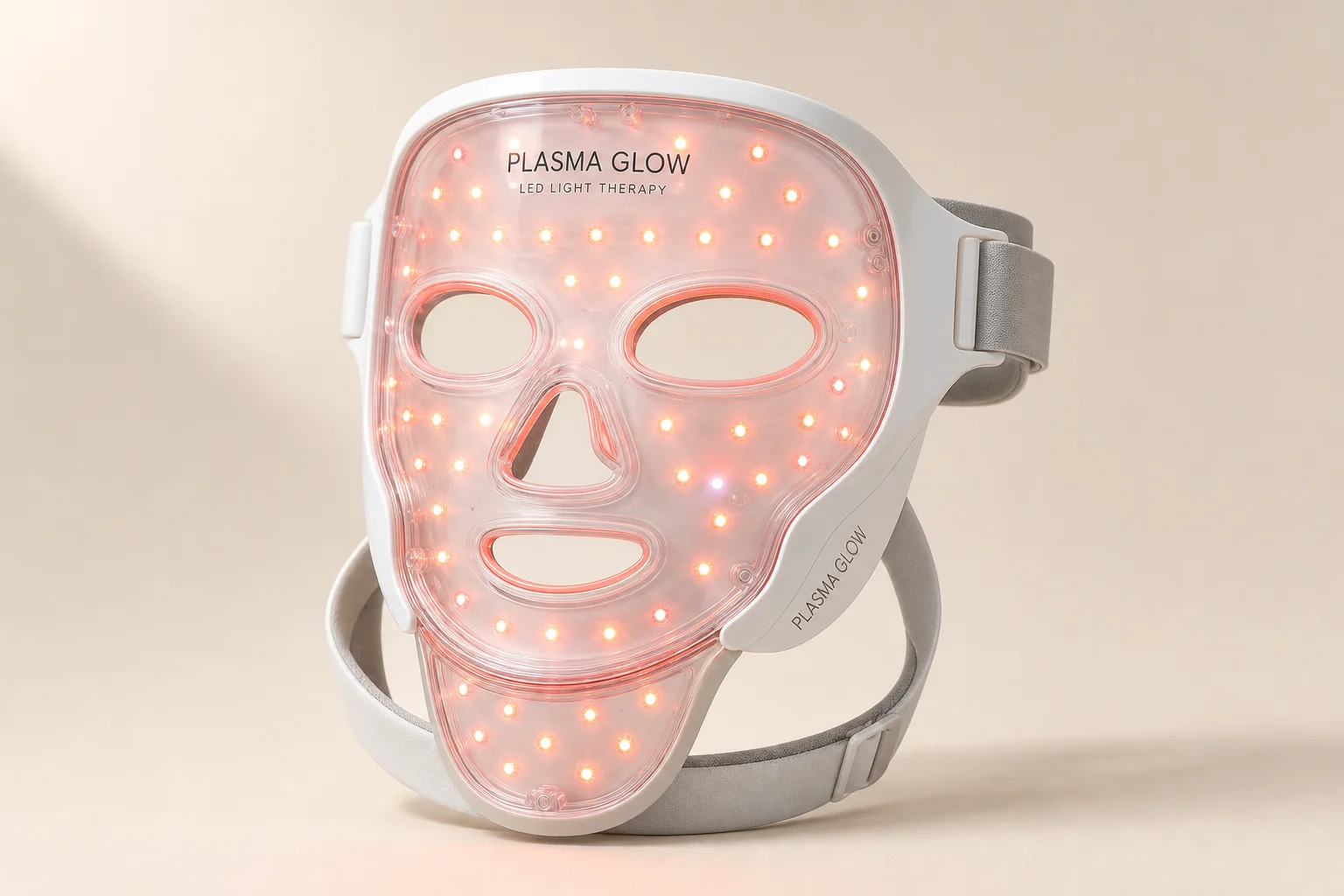
Plasma Glow LED Mask Review: Design Choices That Prioritize Real Results
A detailed look at the Plasma Glow LED mask, examining its chin strap, light placement strategy, and hairline coverage through the lens of clinical outcomes rather than technical specifications.
Skincare & Anti-Aging
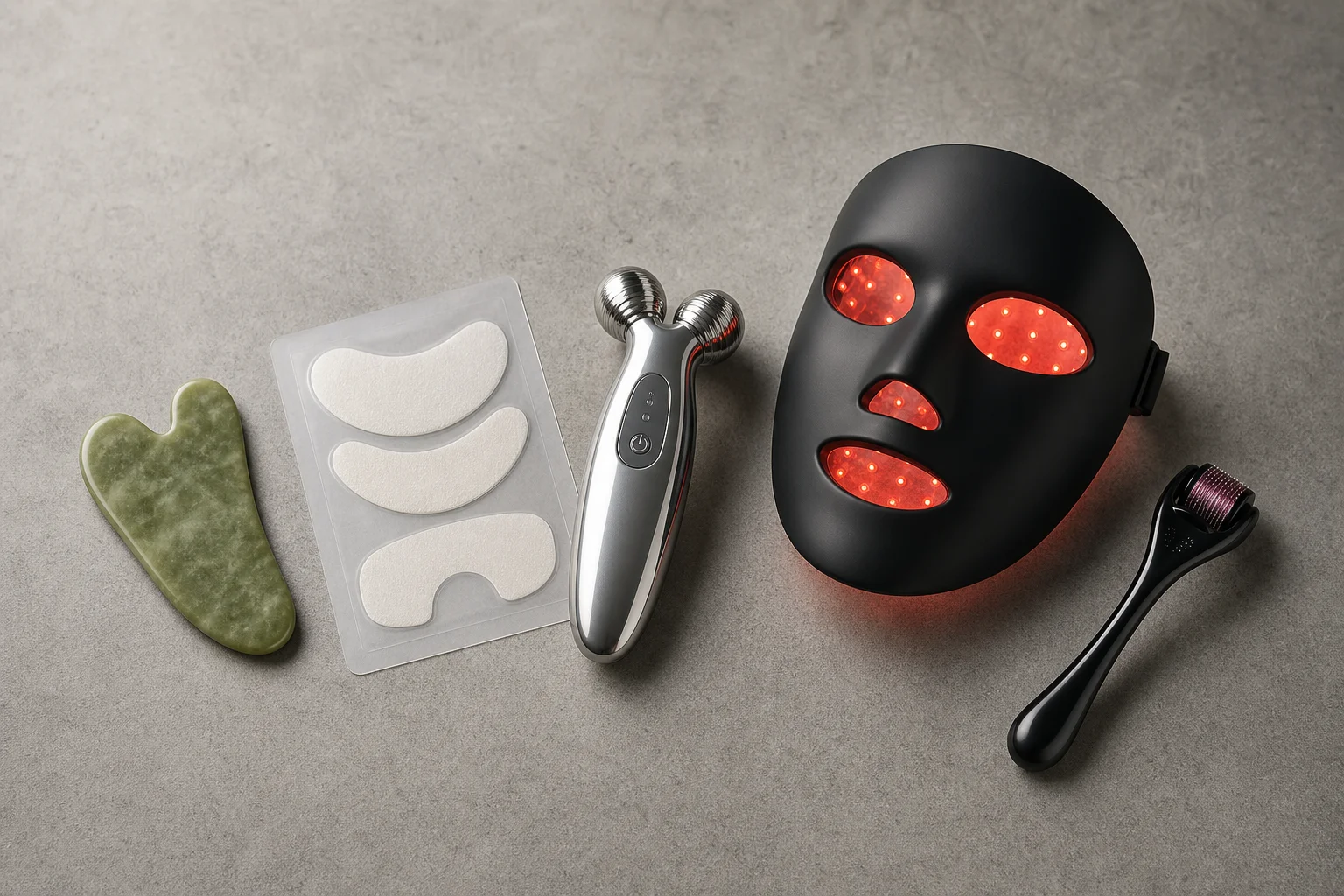
At-Home Anti-Aging Devices Rated: Which Actually Work and Which Waste Your Money
A board-certified facial plastic surgeon rates five popular at-home anti-aging devices, revealing which ones deliver results and which ones could damage your skin.
Skincare Devices
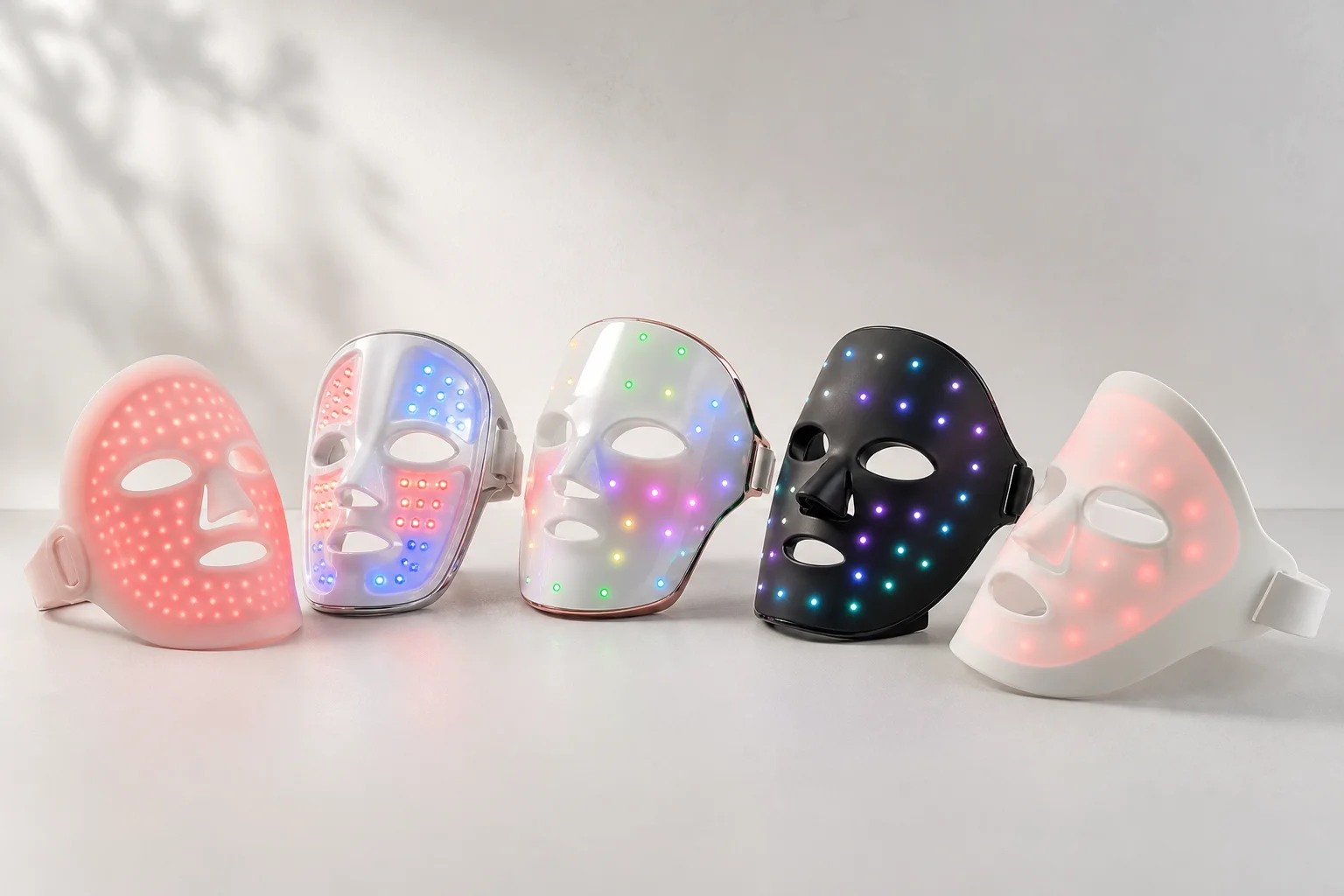
Best Facial LED Light Therapy Devices 2026: Five Masks Ranked
A comprehensive ranking of five red light therapy masks, from the CurrentBody Series 2 to the top-rated Solawave Wrinkle Retreat, with real strengths and trade-offs.