Skincare Technology
Plasma Glow LED Mask Review: Design Choices That Prioritize Real Results
A detailed look at the Plasma Glow LED mask, examining its chin strap, light placement strategy, and hairline coverage through the lens of clinical outcomes rather than technical specifications.
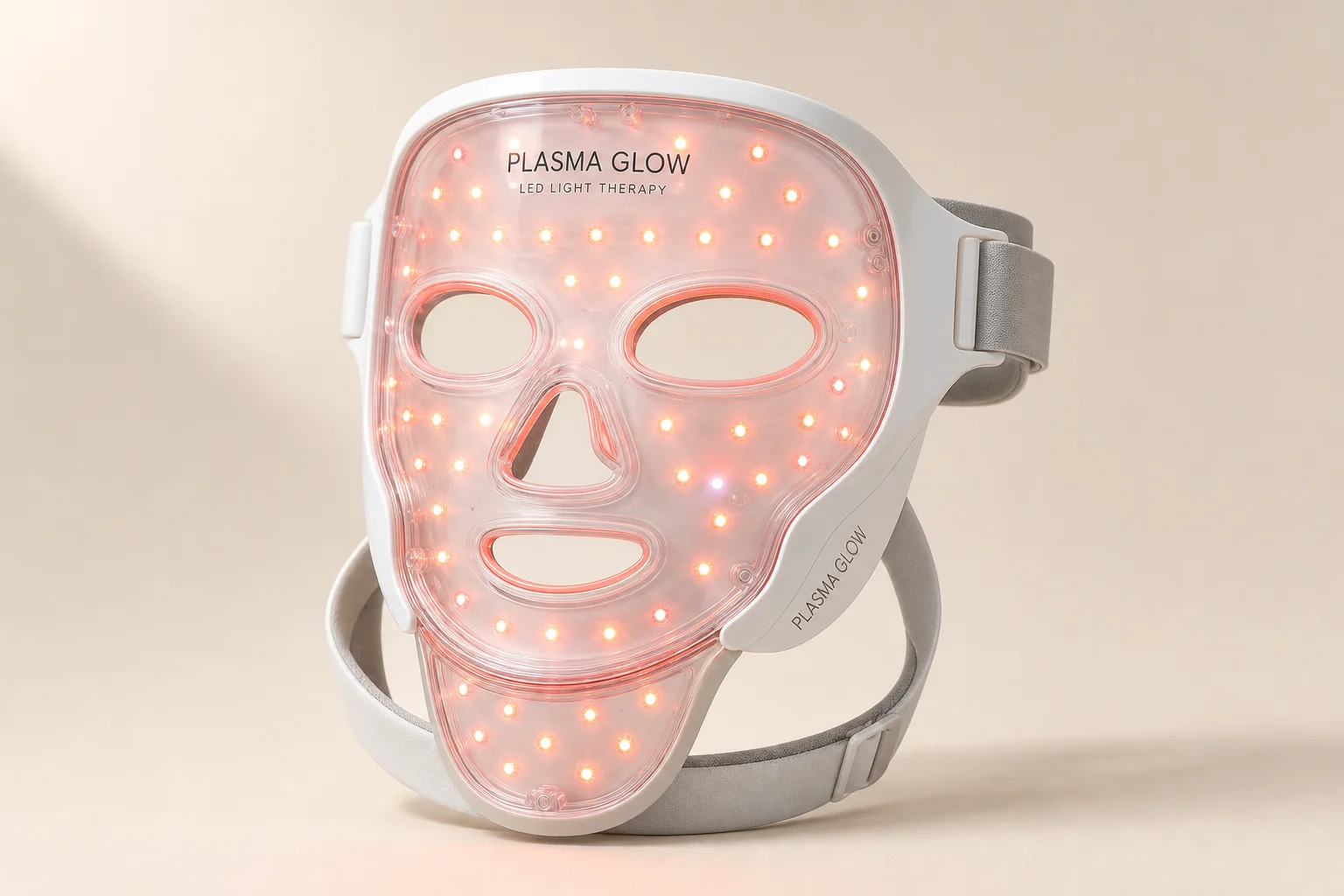
Introduction
LED masks have become a crowded category, with manufacturers claiming medical benefits and online reviews often contradicting each other. The Plasma Glow LED mask takes a different approach: rather than competing on light count or technical specifications, it prioritizes placement, fit, and the specific concerns that patients actually report in clinical settings.
This review examines the design logic behind three features that often confuse buyers: the integrated chin strap, the strategic light distribution, and the dedicated hairline coverage. Understanding why these choices matter requires looking at real skin concerns rather than marketing claims.
Why the Chin Strap Design Matters
The lower face and jawline represent one of the most common patient complaints in aesthetic practice. Sagging skin, loss of definition, and fullness under the chin are persistent concerns, particularly as skin loses elasticity with age.
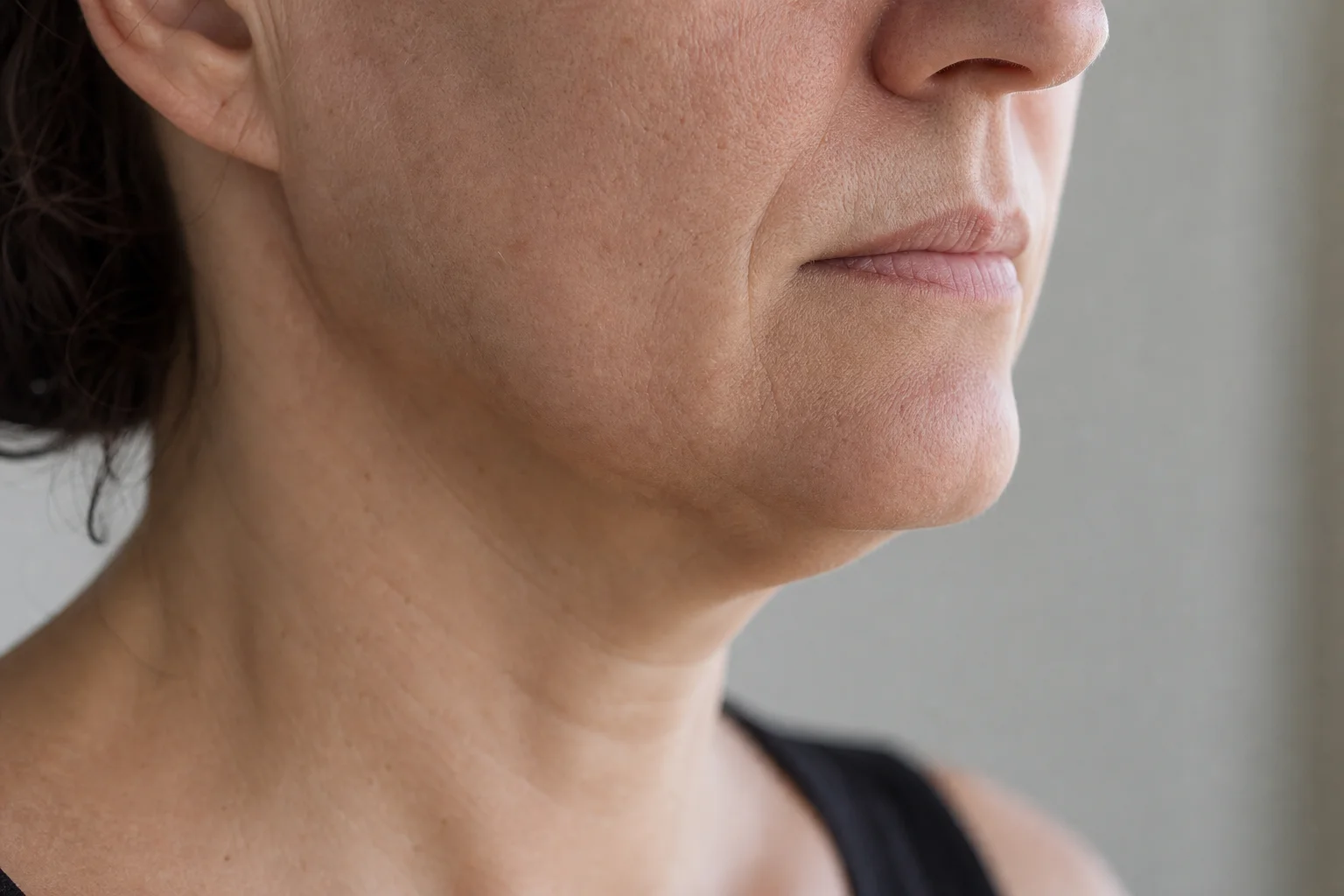
Most LED masks slip or float in this area, leaving gaps between the device and skin. Consistent contact is essential for reliable results. The Plasma Glow’s chin strap solves this by holding the lower face firmly in place, ensuring the light reaches the target area continuously. This is not a cosmetic addition; it addresses a genuine fitting problem that other masks struggle with.
The strap also allows the mask to treat the jawline and submental area—the region directly under the chin—where fat deposits and skin laxity are particularly resistant to change. Rather than spending additional money on separate devices, the integrated strap delivers light therapy exactly where it is needed most.
Light Placement Over Light Count
Marketing often emphasizes the total number of LEDs, suggesting that more lights automatically deliver better results. This logic does not translate to clinical outcomes.
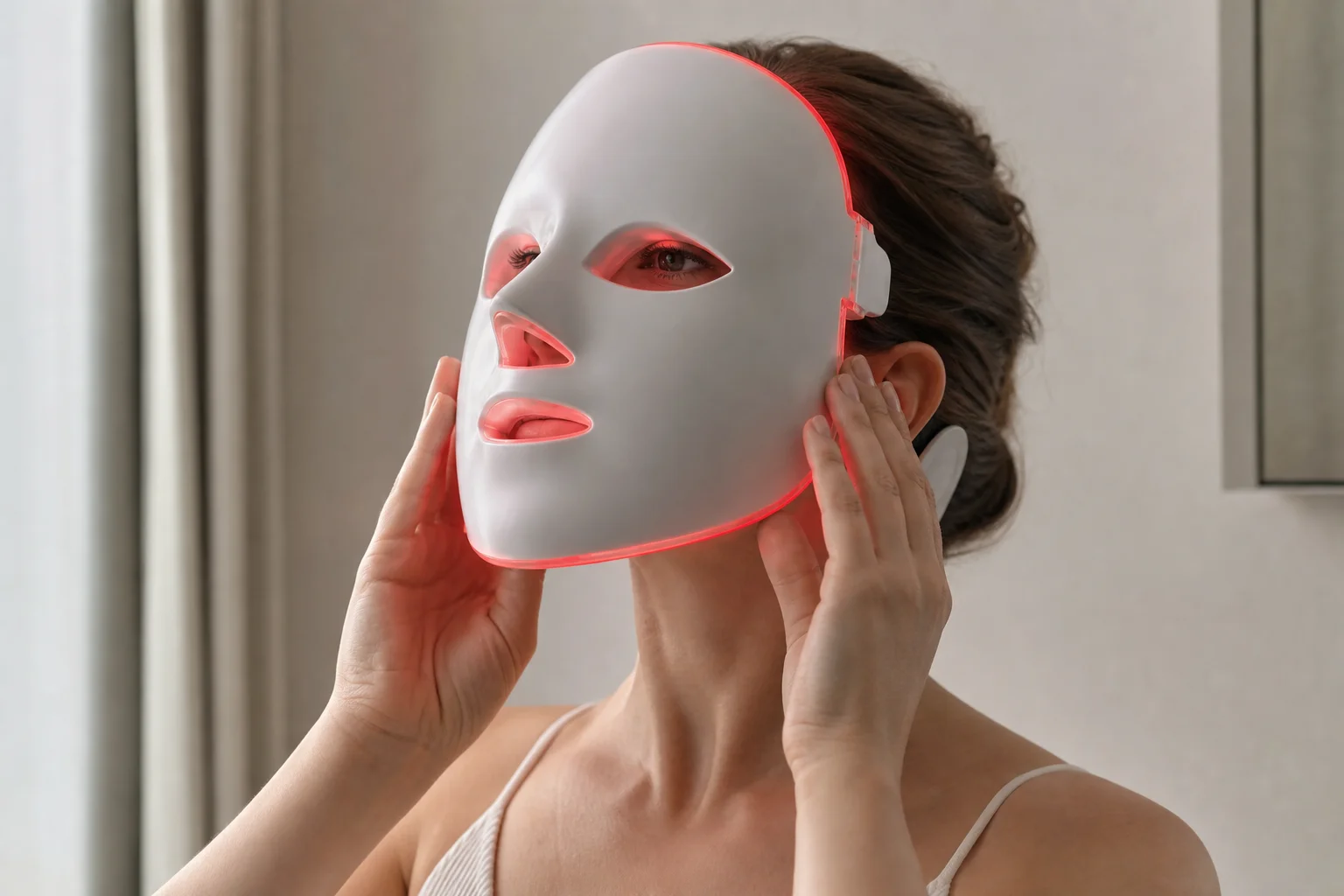
The areas that show aging first and cause the most concern are the eye region, the mouth area, and the lower face. Skin around the eyes is thinner and more delicate than cheek skin, which tends to be thicker and more resilient. Placing equal light intensity everywhere can create visual imbalance—a phenomenon called facial asymmetry—where one area appears over-treated compared to the rest of the face, paradoxically making the face look older.
The Plasma Glow prioritizes coverage in zones where patients actually seek treatment, rather than distributing light uniformly across the entire face. This targeted approach reflects clinical experience: precision placement matters more than raw light count.
Addressing Hairline Concerns
Hairline recession and thinning are significant concerns for many users. A survey of the community showed that 87% of respondents wanted hairline coverage as an option in their LED mask—either to address existing concerns or as a preventive measure.

Most manufacturers have not yet prioritized this feature, despite clear demand. The Plasma Glow includes dedicated light therapy for the hairline, responding to feedback that other masks overlook this area entirely. Whether addressing active hair loss or supporting hair health preventively, this addition reflects what users actually asked for.
Customization and Control
A small percentage of users—roughly 5%—may experience mild darkening or pigmentation changes with certain light wavelengths, particularly near-infrared light. While this represents a minority, it is significant enough to warrant individual control.
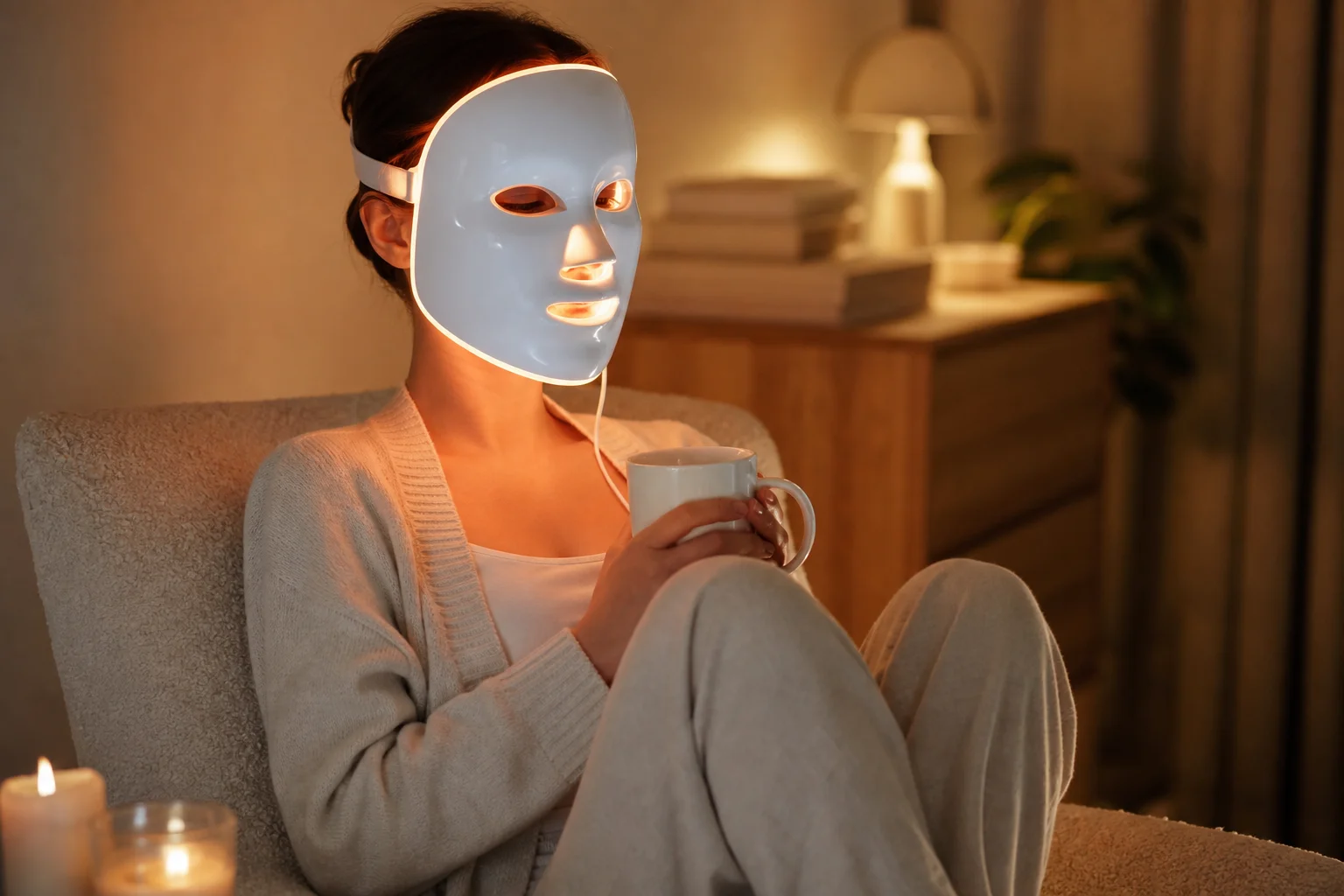
The Plasma Glow allows users to disable near-infrared output entirely, giving full control over light exposure. Rather than hoping you are not in the 5% affected, you can customize the mask to match your skin’s needs. This philosophy extends to the PEMF (pulsed electromagnetic field) technology integrated into the device, which supports recovery and inflammation response—a feature borrowed from medical rehabilitation settings and increasingly used in post-procedure skincare protocols.
The mask is designed for daily use without generating heat, a hallmark of quality LED devices. The combination of targeted light placement, adjustable wavelengths, and PEMF support reflects a commitment to results over specifications.
Conclusion
The Plasma Glow LED mask prioritizes clinical outcomes and real user feedback over marketing metrics. The chin strap ensures consistent contact in the area most prone to sagging, light placement targets zones of visible aging rather than covering the entire face equally, and hairline coverage addresses a frequently overlooked concern. Customizable wavelengths and PEMF technology add flexibility for different skin types and recovery needs.
Whether this mask is the right choice depends on your specific concerns—jawline definition, eye area treatment, hairline support, or a combination of these. The design reflects years of clinical observation rather than technical specifications alone.
Product link
View more details for Plasma Glow LED Mask
This product is mentioned in the review. Check the specifications, options, and compatibility before buying.
View more details for Plasma Glow LED MaskFurther reading
Related Reviews
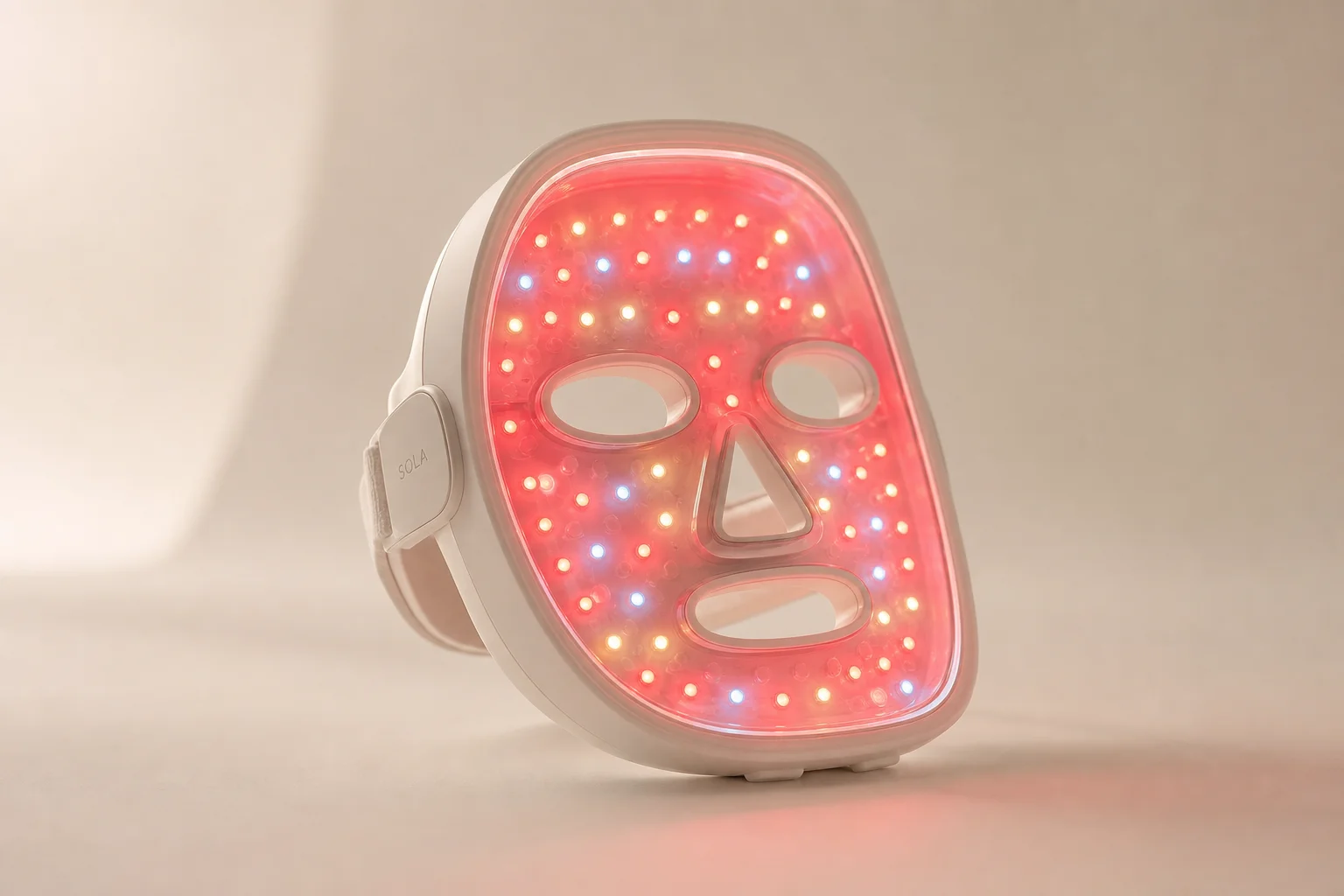
Skincare Technology
LED Light Therapy Masks for Skin: How They Work and What to Expect
LED light therapy masks use proven technology to boost collagen production and address wrinkles, acne, and dark spots. Learn how to use them effectively and what results are realistic.
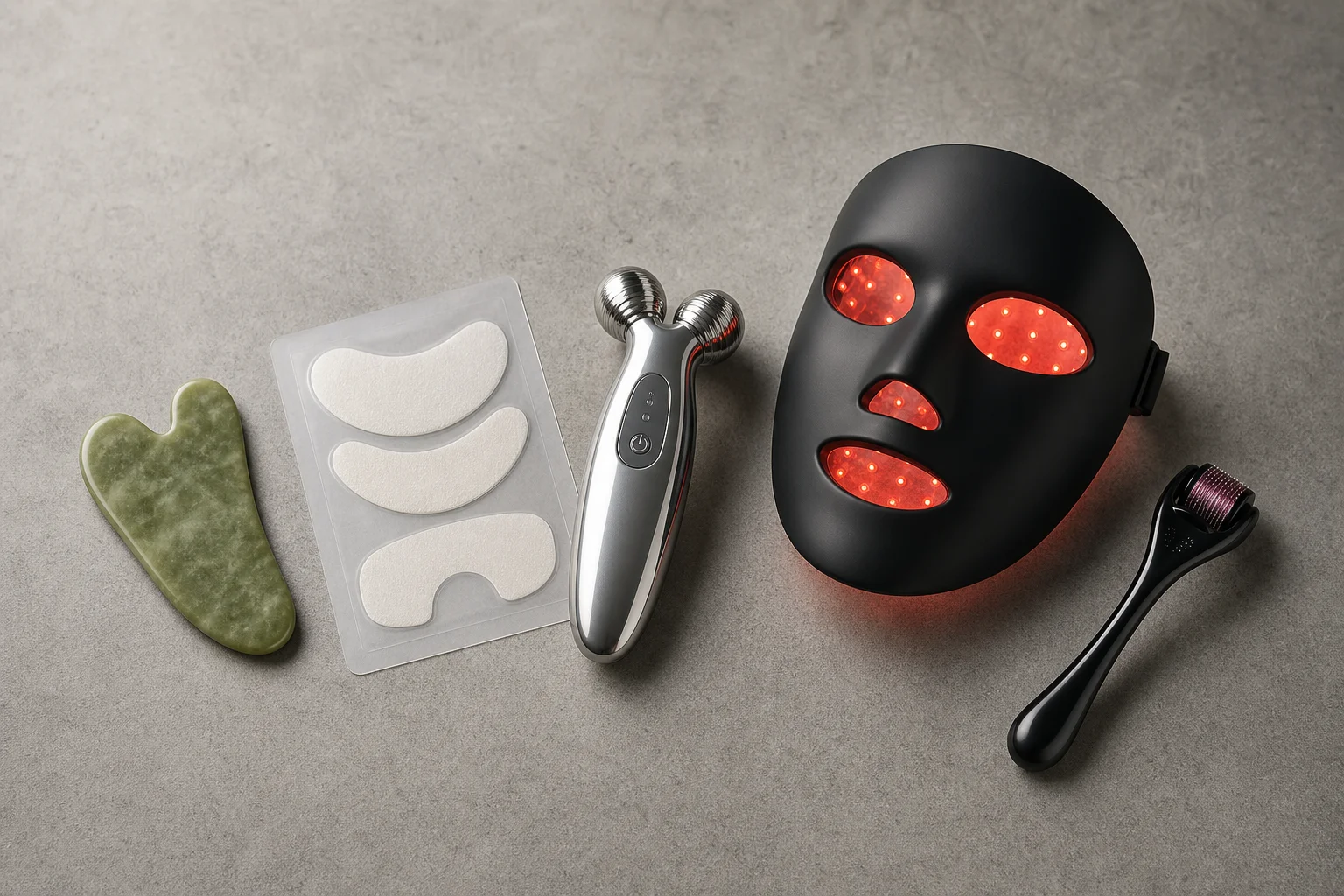
Skincare & Anti-Aging
At-Home Anti-Aging Devices Rated: Which Actually Work and Which Waste Your Money
A board-certified facial plastic surgeon rates five popular at-home anti-aging devices, revealing which ones deliver results and which ones could damage your skin.
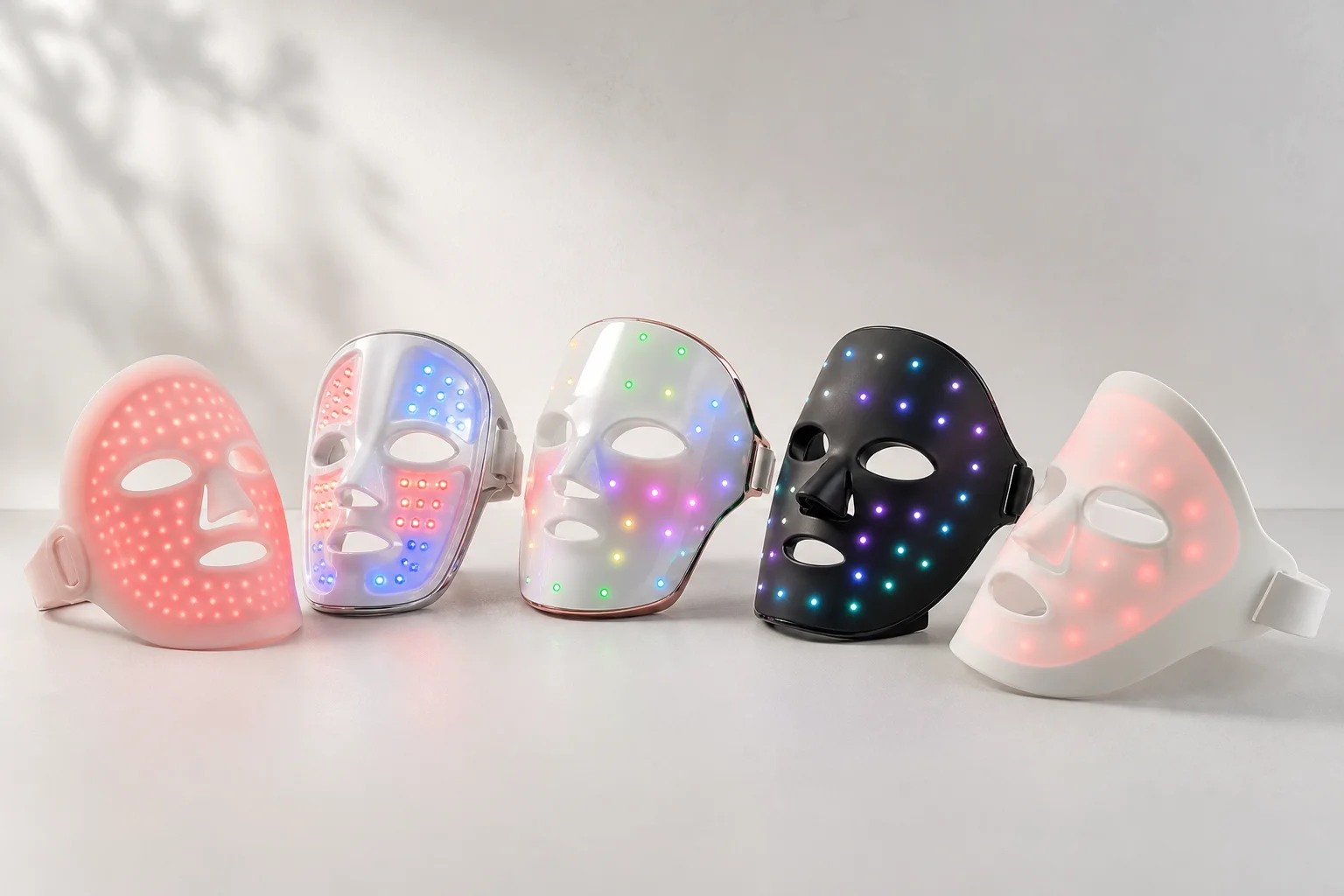
Skincare Devices
Best Facial LED Light Therapy Devices 2026: Five Masks Ranked
A comprehensive ranking of five red light therapy masks, from the CurrentBody Series 2 to the top-rated Solawave Wrinkle Retreat, with real strengths and trade-offs.