Product Reviews
Makita Coffee Maker Review: Battery-Powered Brewing on the Job Site
The Makita coffee maker brews fresh coffee using drill batteries, but the weight-to-output ratio and practical limitations make it a niche solution in search of a real problem.
Introduction
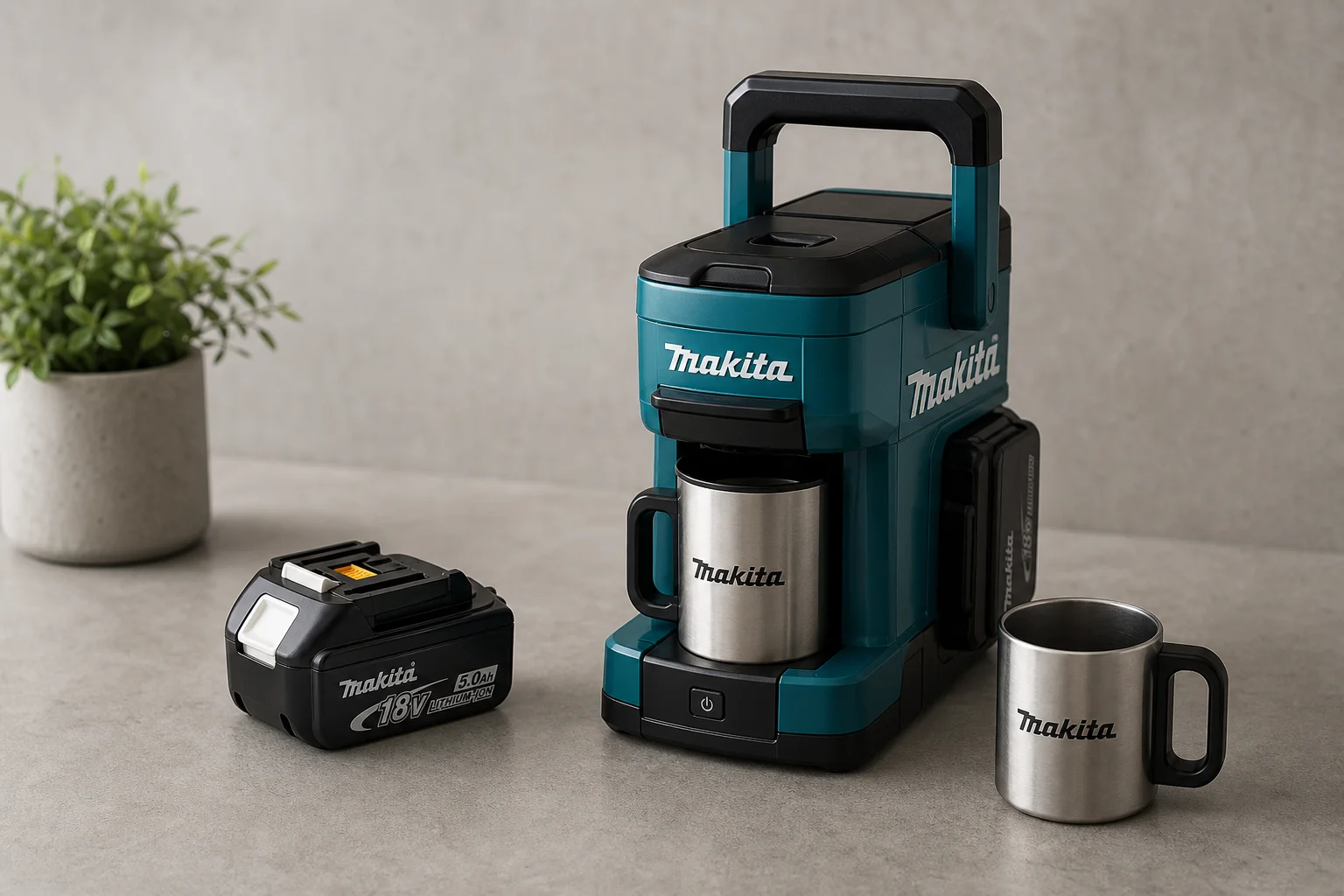
Makita, the power tool manufacturer, has ventured into coffee brewing with a battery-powered coffee maker designed for job sites and remote work environments. This device runs on the same batteries that power Makita drills and saws, promising fresh coffee wherever you are. The concept is undeniably creative, but the execution raises practical questions about whether this solution actually solves a real problem.
Who This Product Is For
The Makita coffee maker targets workers on building sites, outdoor projects, or any location where mains power is unavailable but fresh coffee is desired. The appeal is straightforward: use the same battery ecosystem you already carry for your tools to brew a cup of coffee during a break.

However, the reality of job site coffee culture suggests this is a niche product. Most construction sites have some form of power supply or rely on thermoses brought from home. The social friction of being the one person on site with a personal coffee maker is also worth considering, even if the tool itself is practical.
How It Works: Battery and Brew Mechanics
The coffee maker uses a sliding battery sled that accepts either Makita’s 18-volt or lower-voltage batteries, giving users flexibility depending on what they have available. The water tank holds 240 millilitres and is removable for easy filling. A reusable mesh brew basket sits beneath a shower screen, and the package includes a branded dual-wall stainless steel mug.
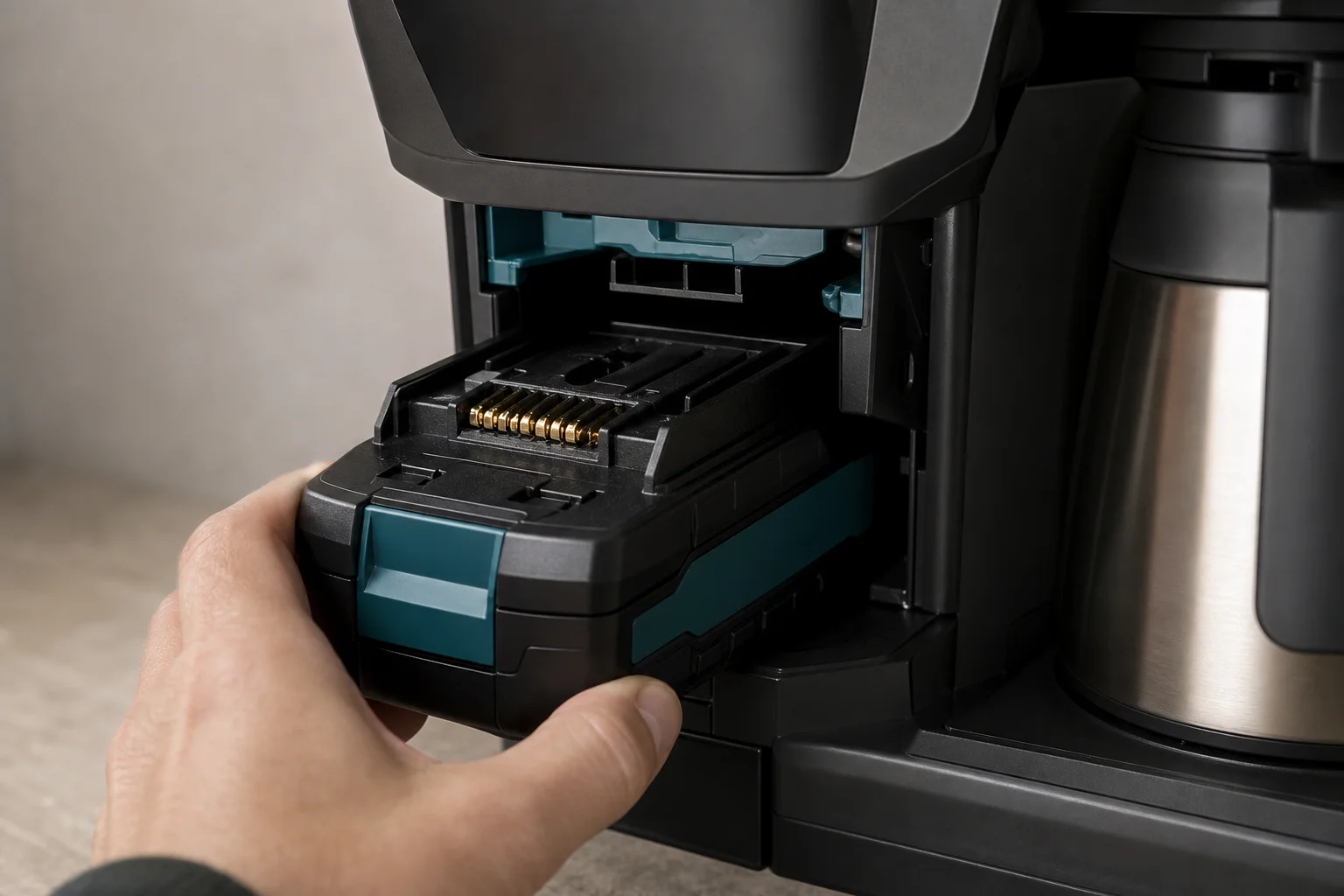
The battery mathematics reveal the core limitation. A smaller 22 watt-hour battery can theoretically deliver 22 watts for one hour, but the brewer draws 190 watts during operation. This high amperage draw means the battery discharges in approximately seven minutes, producing around 160 millilitres of coffee. To brew multiple cups throughout a workday, you would need to dedicate several batteries to coffee making rather than tools, which defeats the convenience argument.
Brew Quality and Taste
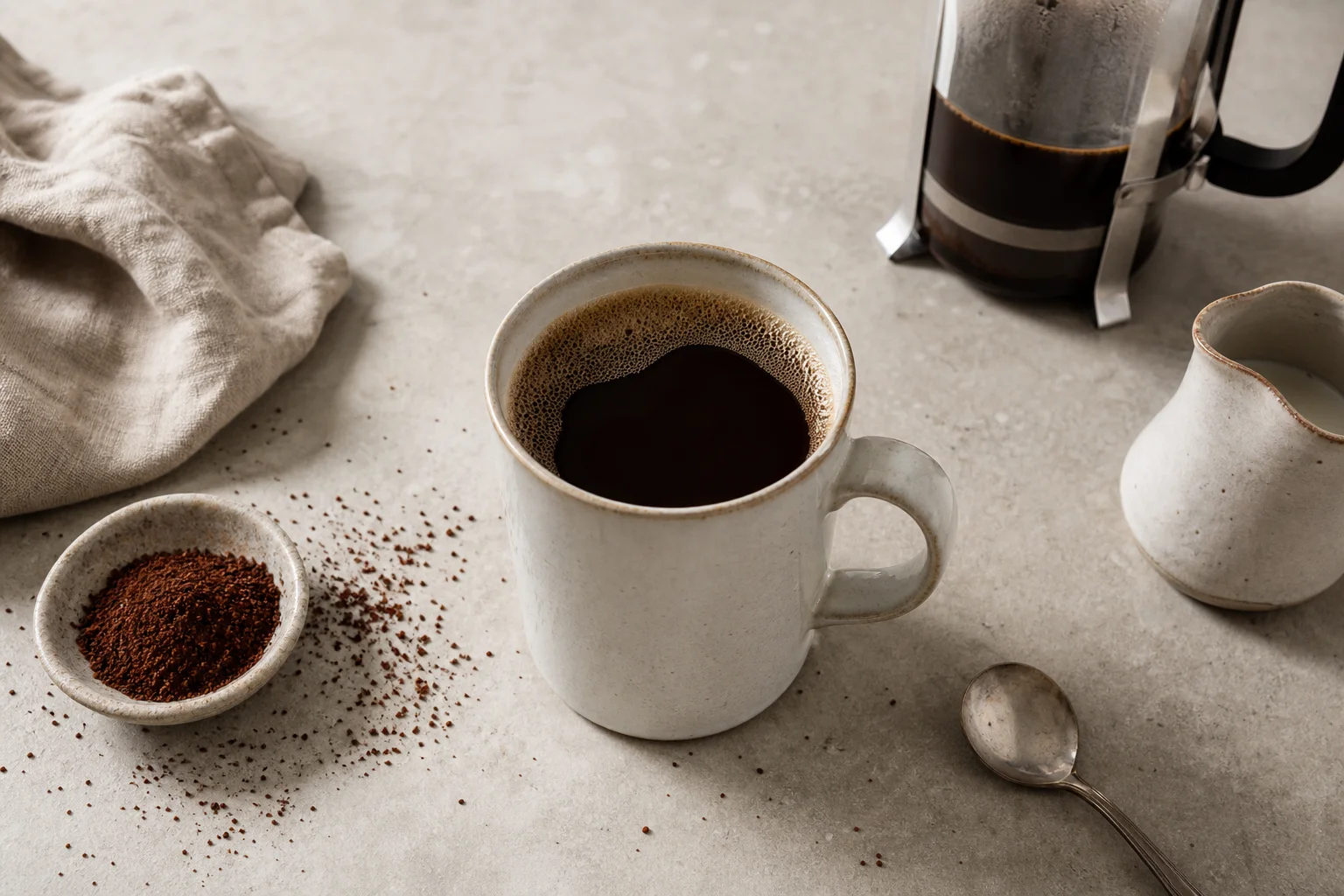
The water temperature during brewing matches that of a basic domestic filter coffee maker, starting slightly cool and warming toward the end. The brew itself is unremarkable: competent but uninspiring. Using 60 grams of coffee per litre produces a cup that tastes exactly as you would expect from a cheap consumer coffee maker, with good water and freshly ground coffee but imperfect temperature control.
The 160-millilitre serving is modest, and the total weight of the battery, water, coffee, and brewer itself exceeds what you would carry in a thermos of pre-brewed coffee from home. For the effort and weight involved, the quality does not justify the complexity.
The Kettle Alternative
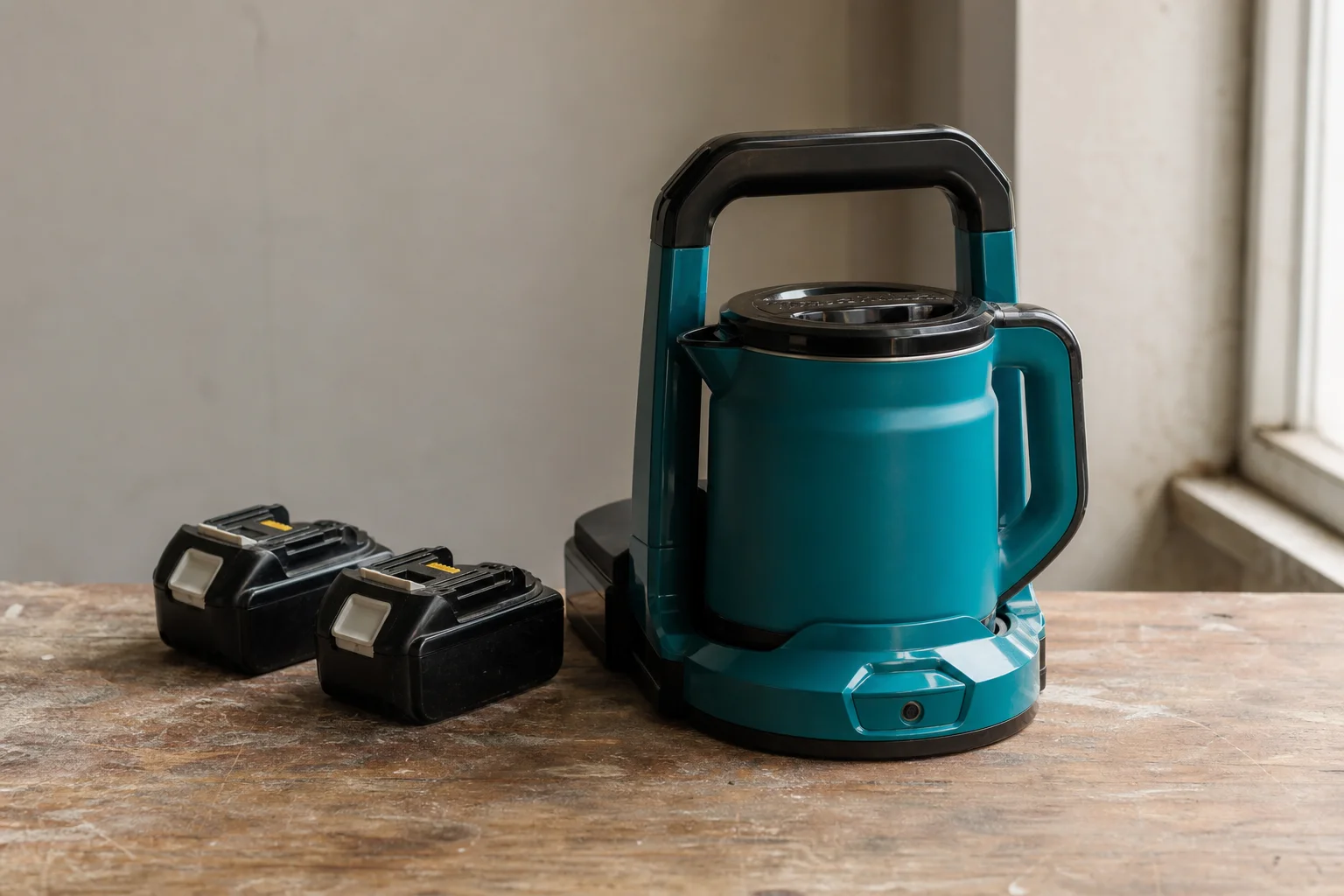
Makita also makes a battery-powered kettle that requires two of their larger batteries simultaneously to draw sufficient wattage. This kettle can boil water for an Aeropress or other manual brewing method, which produces noticeably better coffee than the dedicated brewer. However, two large batteries weigh over one kilogram, and the kettle itself weighs approximately one kilogram, meaning you are carrying around two kilograms of equipment to boil water.
If you are willing to carry a kettle and batteries, pairing them with a portable manual brewer from home yields superior results and more flexibility. The Makita kettle is a clever product, but it highlights the fundamental issue: the battery-to-output ratio is poor for any coffee-related task.
Buying Advice
The use cases where this product is the only viable option are vanishingly small. Most job sites have access to mains power or a way to heat water. If you already own Makita batteries and tools, the coffee maker is a novelty rather than a practical upgrade. A standard electric coffee maker plugged into site power, or a thermos brought from home, solves the problem more efficiently and with less weight.
If you are genuinely interested in brewing fresh coffee on a remote site without mains power, an Aeropress or similar manual brewer paired with a camping kettle or thermos of hot water is a better investment. The Makita coffee maker is a creative product that demonstrates engineering competence, but it is a solution in search of a genuine problem.
Conclusion
The Makita coffee maker is a curious product that blends the brand’s power tool ecosystem with a consumer appliance. While the engineering is sound and the coffee is drinkable, the battery weight, limited output, and charging requirements make it impractical for most real-world scenarios. Unless you have a very specific use case and already own multiple Makita batteries, this is a novelty rather than a practical purchase.
Product link
View more details for Makita Coffee Maker
This product is mentioned in the review. Check the specifications, options, and compatibility before buying.
View more details for Makita Coffee MakerFurther reading
Related Reviews
Product Reviews
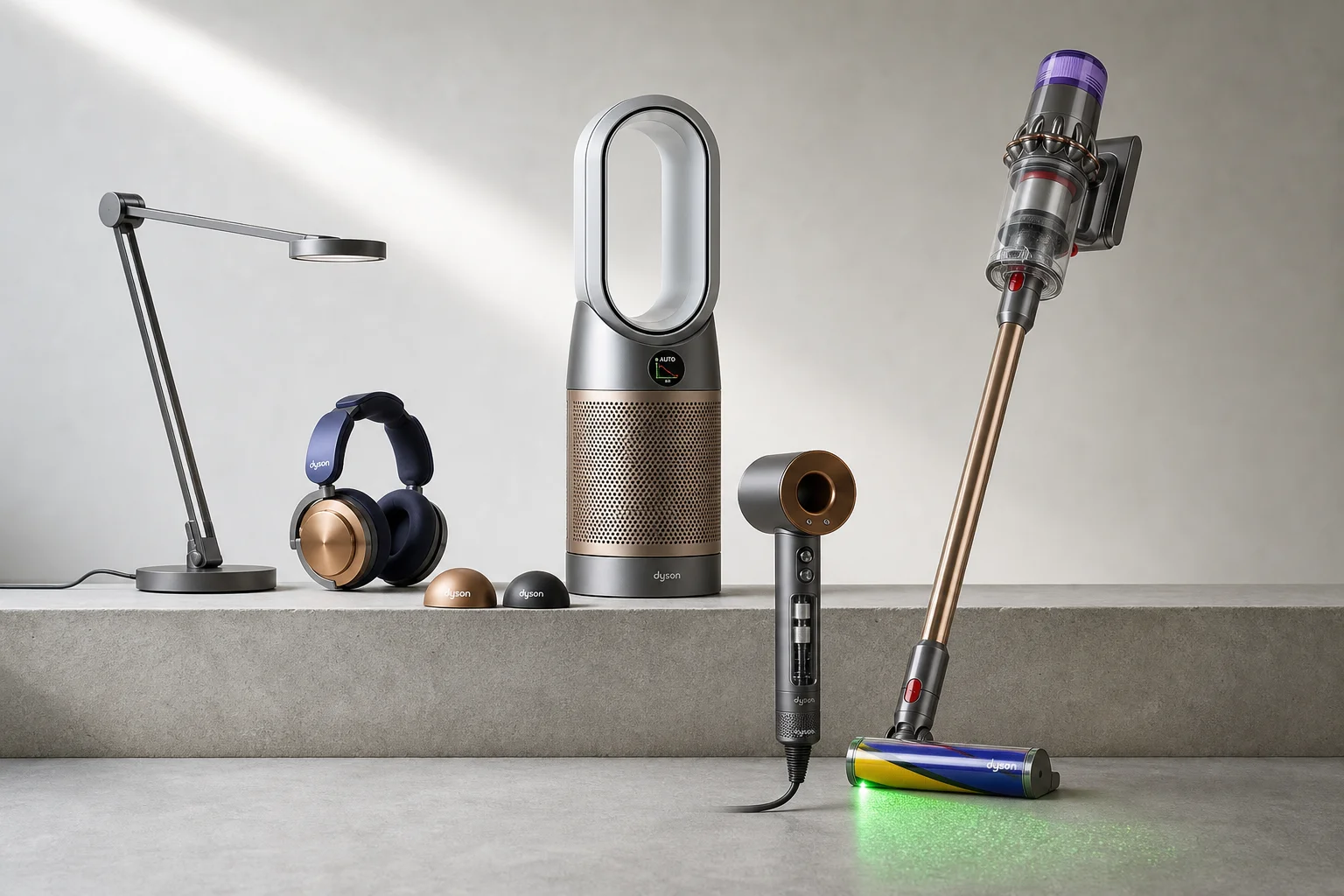
Dyson Product Review: Testing the Complete Lineup Across Five Categories
A comprehensive review of Dyson's beauty, air, cleaning, headphone, and lamp products, testing performance and value across the entire product range.
Coffee Equipment
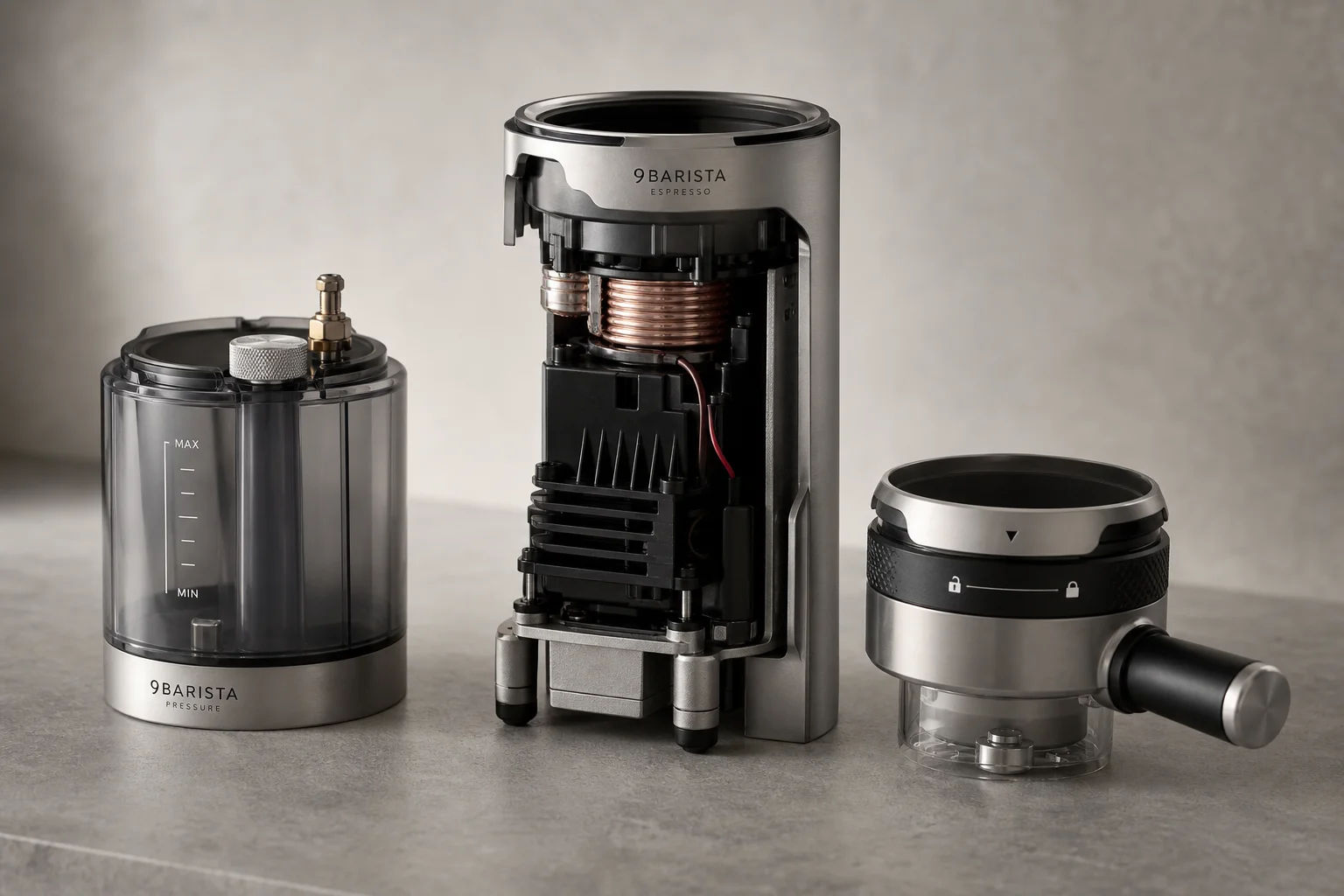
9Barista Espresso Machine Review: Stovetop Espresso for Single-Cup Enthusiasts
A cleverly engineered stovetop espresso maker that generates nine bars of pressure without electricity. Excellent coffee quality, but requires patience and suits solo drinkers only.
Coffee Brewing
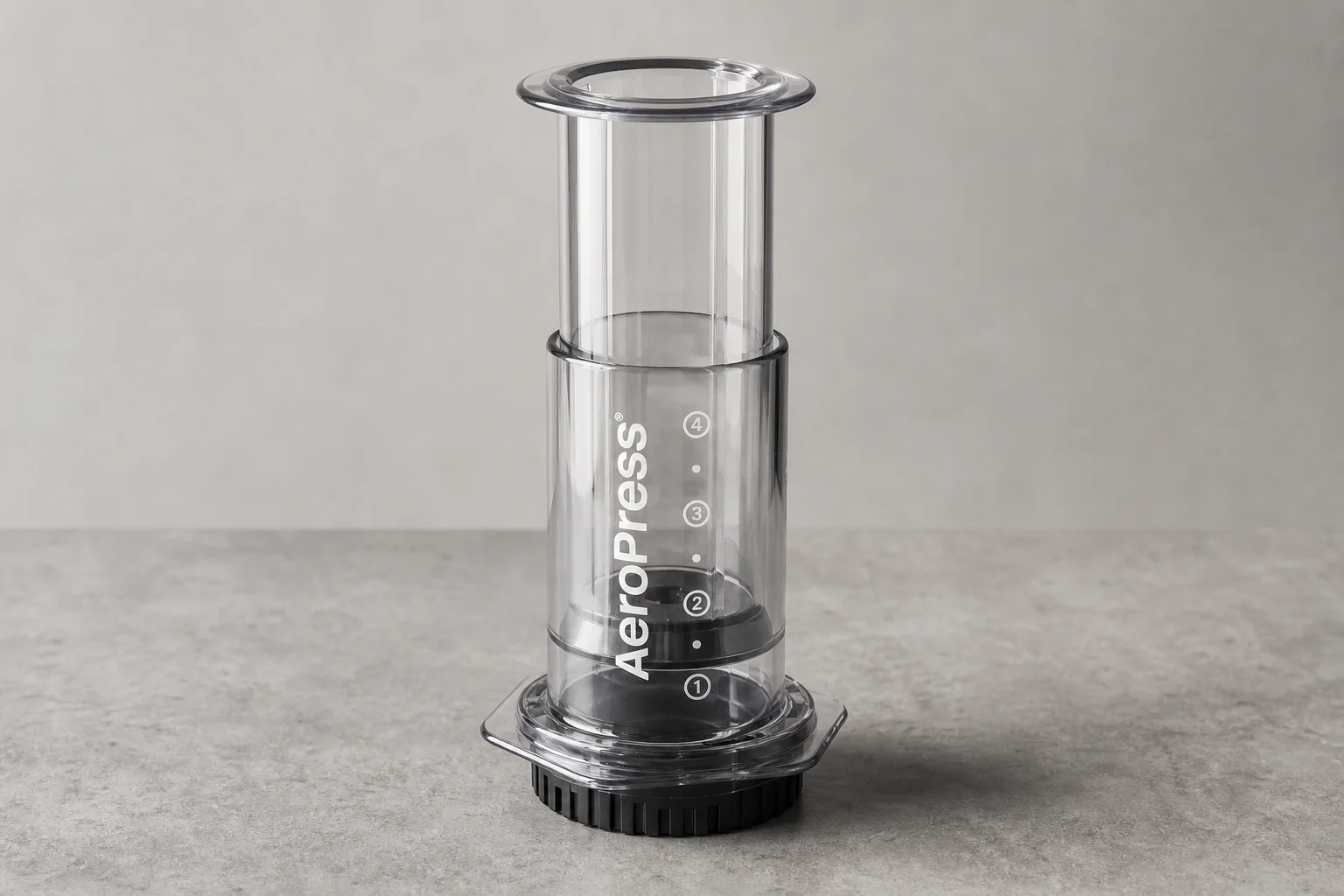
AeroPress Clear Review: A Transparent Upgrade With Caveats
The new AeroPress Clear uses Tritan material and costs $50, but doesn't brew better coffee than the original. We tested durability, staining, and what the price increase means for the brand's future.