Backpacking Tents
Naturehike Star River EXT Review: Budget Ultralight Two-Person Tent
A freestanding ultralight two-person backpacking tent that weighs under 3 lb and costs $250 less than premium competitors. We examine whether the savings come with real compromises.
Introduction
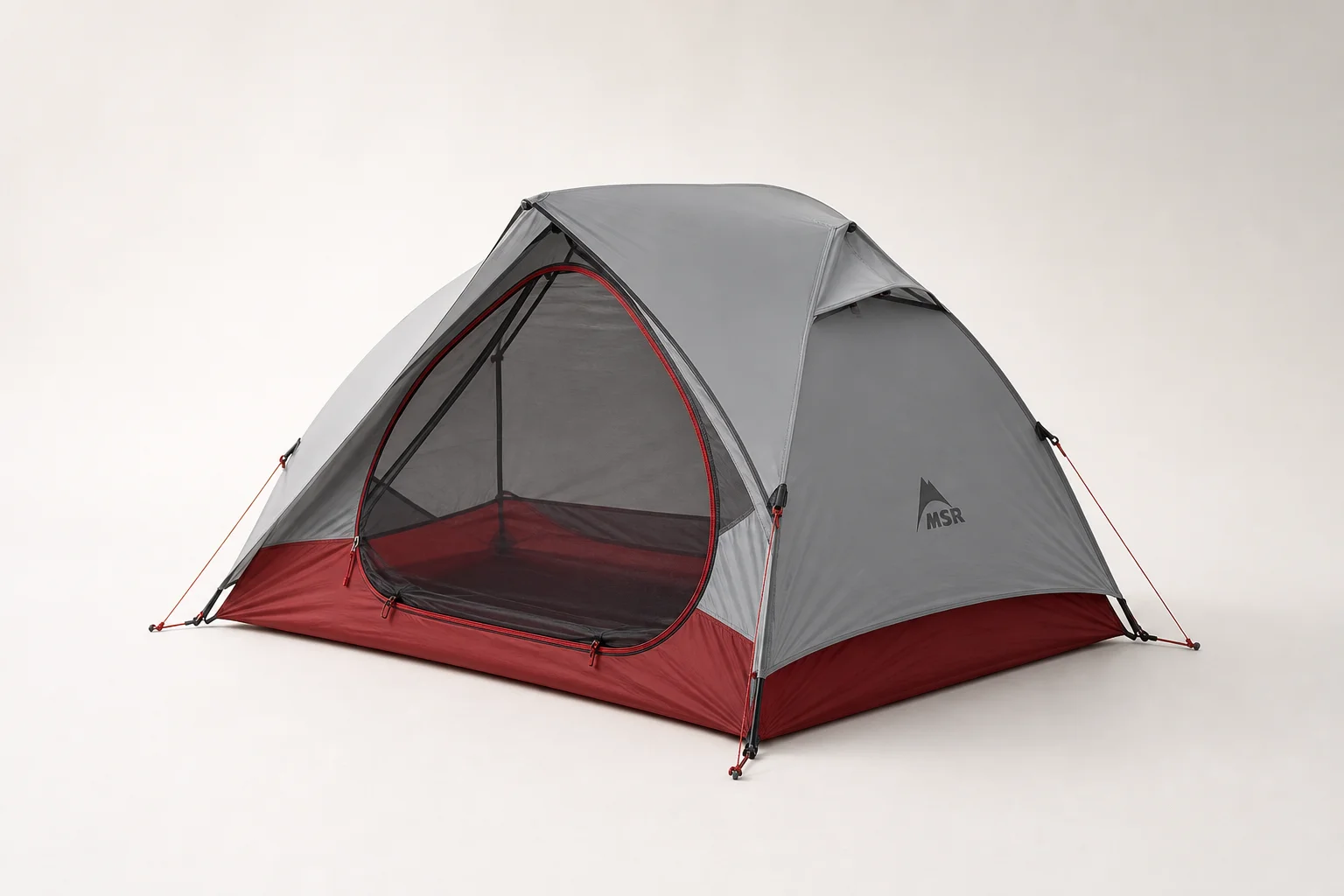
The Naturehike Star River EXT is a freestanding ultralight two-person backpacking tent designed for hikers who want to keep weight down without spending $600 on premium alternatives. At under 3 lb and a retail price around $299, it positions itself as a legitimate alternative to tents like the Nemo Osmo Hornet and Big Agnes Tiger Wall UL. This review examines whether the significant price savings come with real compromises or if this tent delivers genuine value for weekend warriors and section hikers building a lightweight kit.
What You Get in the Box
The Star River EXT arrives with a thoughtfully designed three-compartment stuff sack that separates the tent body and stakes, the fly, and the poles. The complete package weighs 2.98 lb (1.35 kg) and measures just 16 inches long by 5.5 inches wide when packed, making it genuinely compact for a two-person tent.
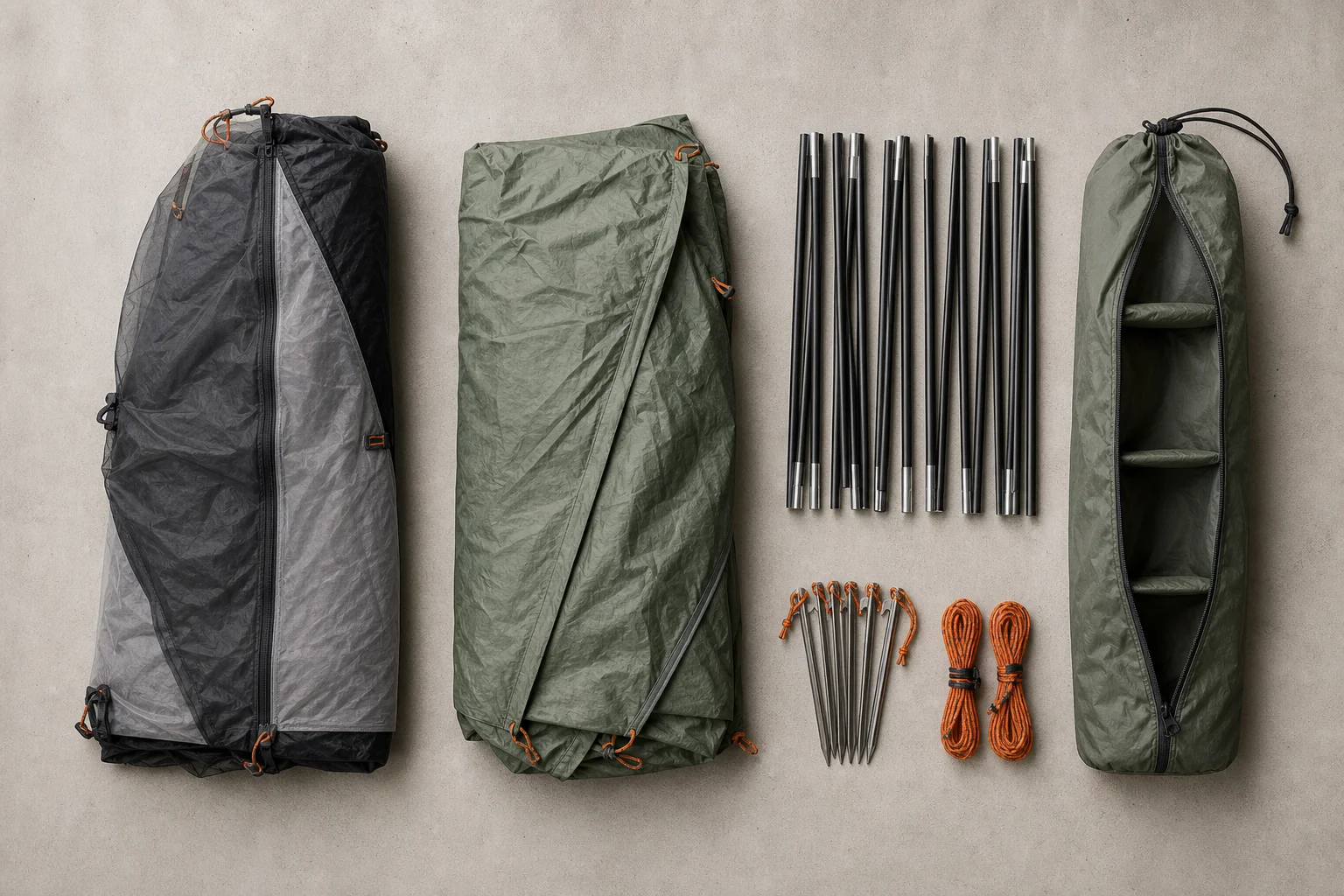
The kit includes a separate groundsheet made from 20D nylon with polyurethane coating and a 30,000 mm hydrostatic head rating. Twelve DAC J-stakes and six guy ropes (two pre-attached to the fly) round out the accessories. The double Y-pole is constructed from 8.7 mm DAC aluminum, a solid specification for an ultralight tent. One practical advantage: two people can easily divide the components, with each person carrying roughly 1.5 lb, making it genuinely shareable on longer trips.
Materials and Construction Quality
The fly uses 10D 500T nylon with polyurethane coating and a 1,500 mm hydrostatic head rating. The 500T thread count is notably dense compared to the 300-400T found on many budget tents, suggesting quality construction. The tent body floor is 20D 380T double ripstop nylon with a 30,000 mm hydrostatic head, and the mesh is 10-denier nylon. Double stitching on all seams and impeccably taped seams underneath indicate solid workmanship with no loose threads or visible defects.
The tent proved waterproof in real-world testing during a night of steady rain. While the fabric did wet out after prolonged exposure, no water penetrated the interior, a critical pass for any backpacking tent.
Interior Layout and Ventilation
The tent measures 82.7 inches long, 51.2 inches wide at the head and foot, and 41.3 inches tall. The rectangular floor plan is a genuine advantage: it accommodates two standard 25-inch sleeping pads side by side, a feature the Nemo Osmo Hornet (which tapers to 43 inches) and Big Agnes Tiger Wall UL (42 inches) cannot match. Those competing tents effectively force users to 20 or 23-inch pads, creating a cramped experience.
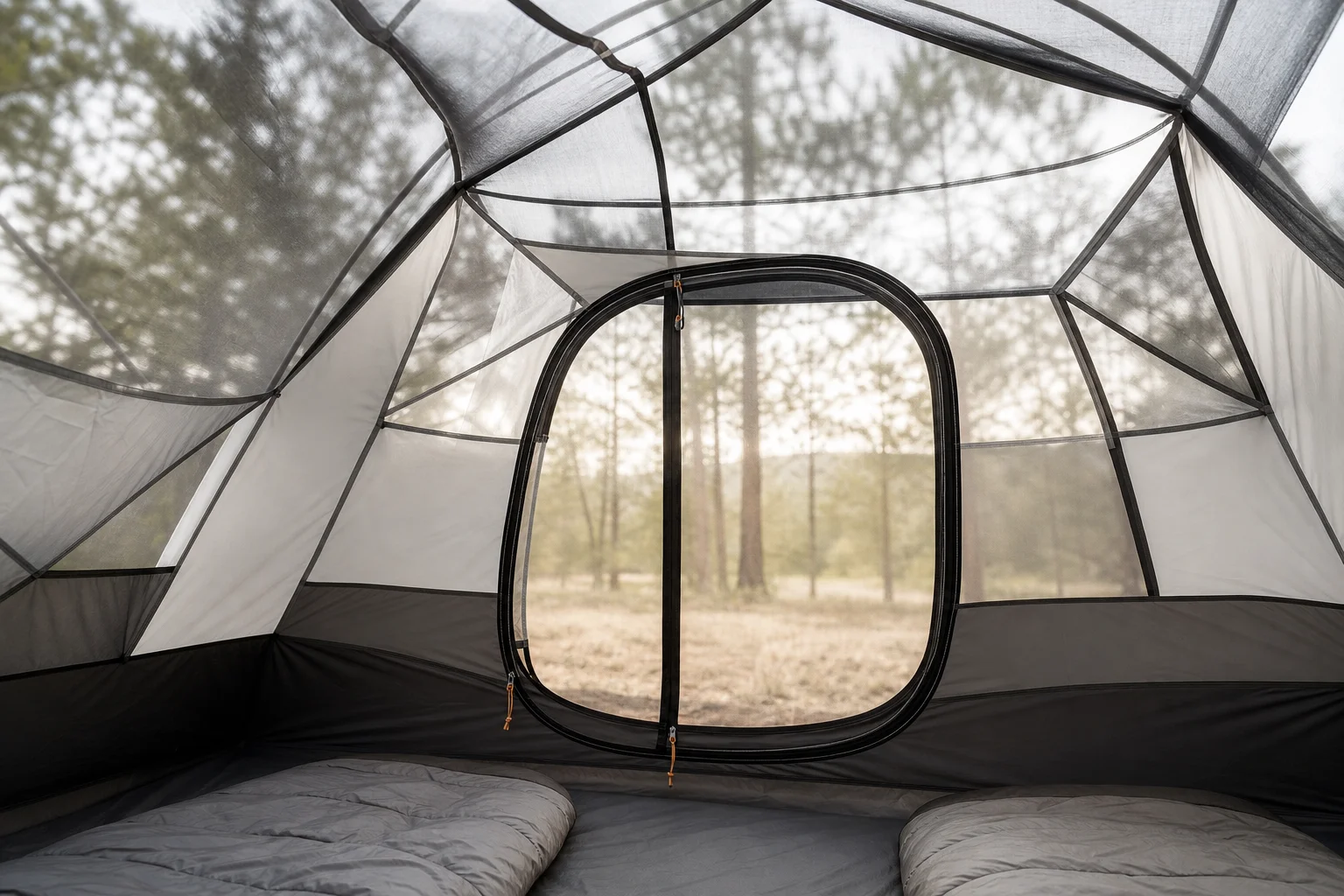
The tent features extensive mesh paneling, a hallmark of well-made ultralight designs. Mesh is expensive to manufacture but essential for ventilation on both warm and cool nights when condensation risk is high. The double-zipper door system allows one zipper to open downward and another to roll the fabric straight up, providing excellent flexibility for ventilation control. An extra-wide rain flap with velcro covers the zippers, and Y2K zippers throughout suggest durability.
However, the sloped sidewalls narrow significantly toward the head, creating roughly 2 feet of width at the top. Two people cannot sit upright simultaneously without shoulders touching the walls, a trade-off inherent to ultralight design but worth noting.
Innovative Door and Ventilation Design
A standout feature is the ability to roll the front panel completely up, creating an awning effect. Combined with trekking poles and the included guy ropes, users can create a covered cooking area or sun shelter while remaining partially inside the tent. This is genuinely clever engineering for a budget tent, though it requires clear weather or light rain to be practical.
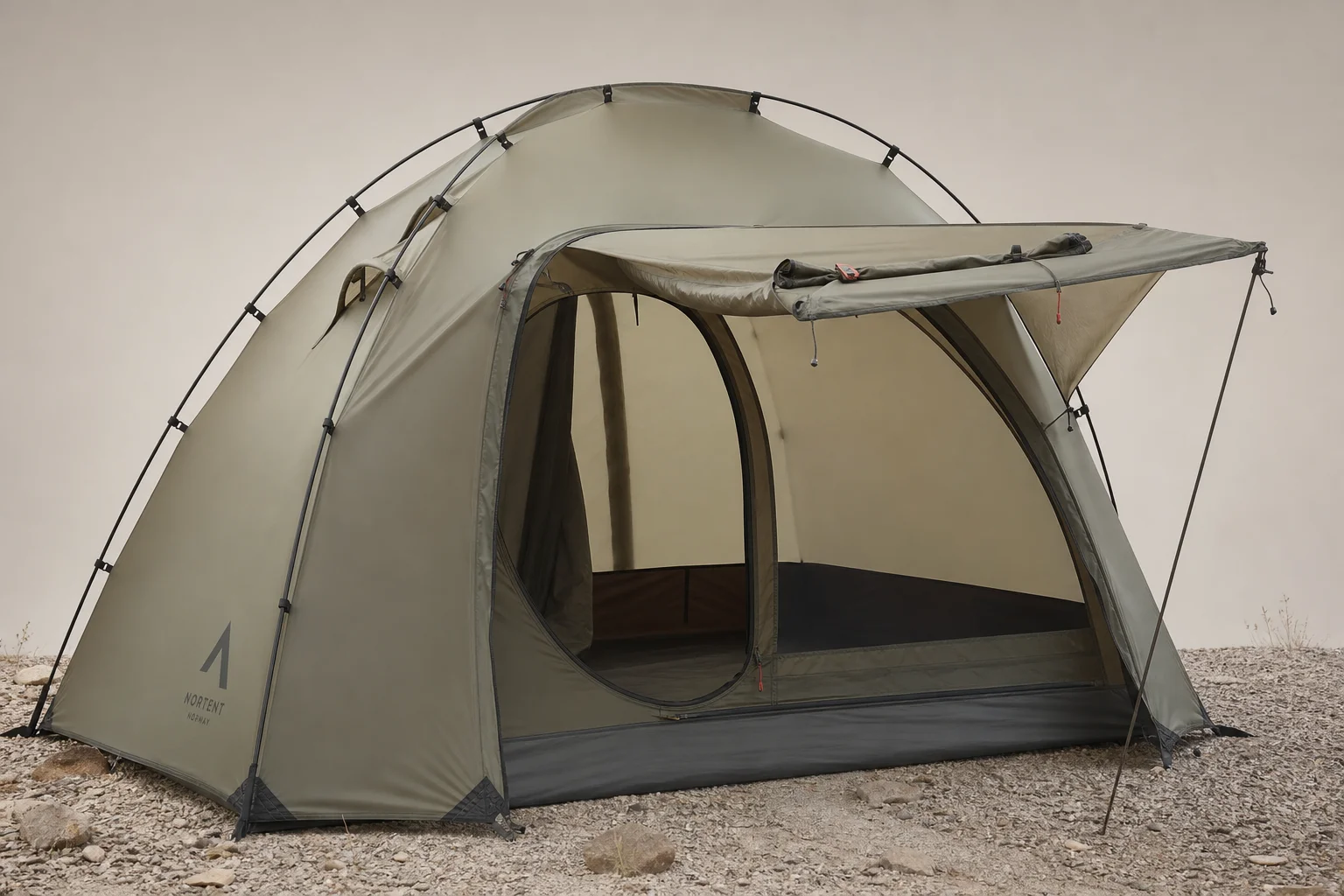
The vestibules are modest but functional, accommodating a 60-liter pack and shoes with room to spare. They are not cavernous, but adequate for most backpacking scenarios. The fly does not extend fully to the ground at the head and foot, which saves weight and improves ventilation while relying on the tent body’s extended material for weather protection.
Storage and Interior Features
A notable shortcoming is the lack of interior storage. Only one small pocket sits at the foot of the tent. For a 50-inch-wide floor plan, additional pockets at the head and a gear loft would significantly improve livability on multi-day trips. This is a missed opportunity for Naturehike, though not a deal-breaker for most backpackers given the price point.
A single hook at the apex allows hanging a lantern or light, a basic but useful feature.
Strengths and Value Proposition
The overall value is compelling. At a retail price of $299 (often available for $228), the Star River EXT undercuts the Nemo Osmo Hornet and Big Agnes Tiger Wall UL by $250 or more before accounting for groundsheets, which cost an additional $80-89 for those competitors. The included groundsheet eliminates that extra expense.
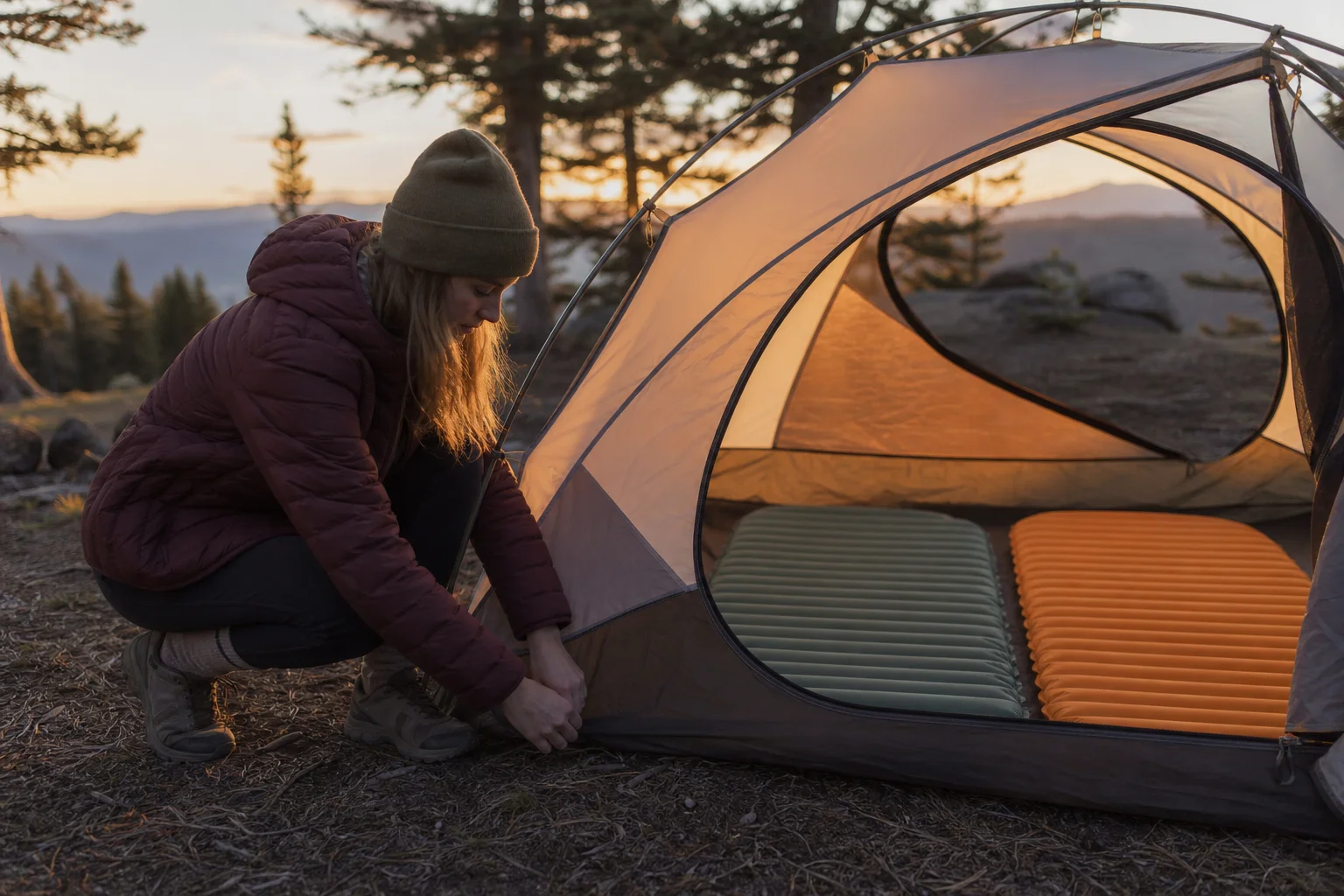
The rectangular 50-51 inch width at both head and foot is a genuine practical advantage over tapered competitors, enabling comfortable two-person sleeping pad configurations. Material quality is solid: quality aluminum poles, dense nylon fabrics, double stitching, and impeccable seam taping demonstrate real attention to construction. The three-compartment stuff sack is ingenious, allowing weight distribution between two hikers. Waterproofing held up in real-world testing, and the innovative door system adds versatility without adding significant weight.
Considerations Before Buying
The warranty situation is a meaningful difference. Big Agnes and Nemo offer lifetime warranties, a safety net that has proven valuable for users experiencing gear failure years into ownership. Naturehike’s warranty information is difficult to locate and verify, a disadvantage if long-term durability becomes an issue.
The tent weighs approximately 8 ounces more than the Hornet and Tiger Wall UL, a difference some ultralight enthusiasts may find unacceptable. However, Naturehike offers a lighter Star Trail variant that tapers to 43 inches at the foot if weight is the primary concern.
The sloped sidewalls are a compromise inherent to ultralight design, not unique to this tent. The lack of interior storage pockets and gear loft is the most legitimate interior design shortcoming.
Conclusion
The Naturehike Star River EXT delivers genuine value for backpackers prioritizing cost savings without sacrificing core functionality. The rectangular floor plan, solid material quality, waterproof construction, and included groundsheet make it a practical alternative to premium competitors. The warranty gap and modest interior storage are real trade-offs, but neither is a deal-breaker for most users. For weekend warriors and section hikers building a lightweight kit on a budget, this tent represents a legitimate choice worth considering.
Product link
View more details for Naturehike Star River EXT
This product is mentioned in the review. Check the specifications, options, and compatibility before buying.
View more details for Naturehike Star River EXTFurther reading
Related Reviews
Trail Running Gear
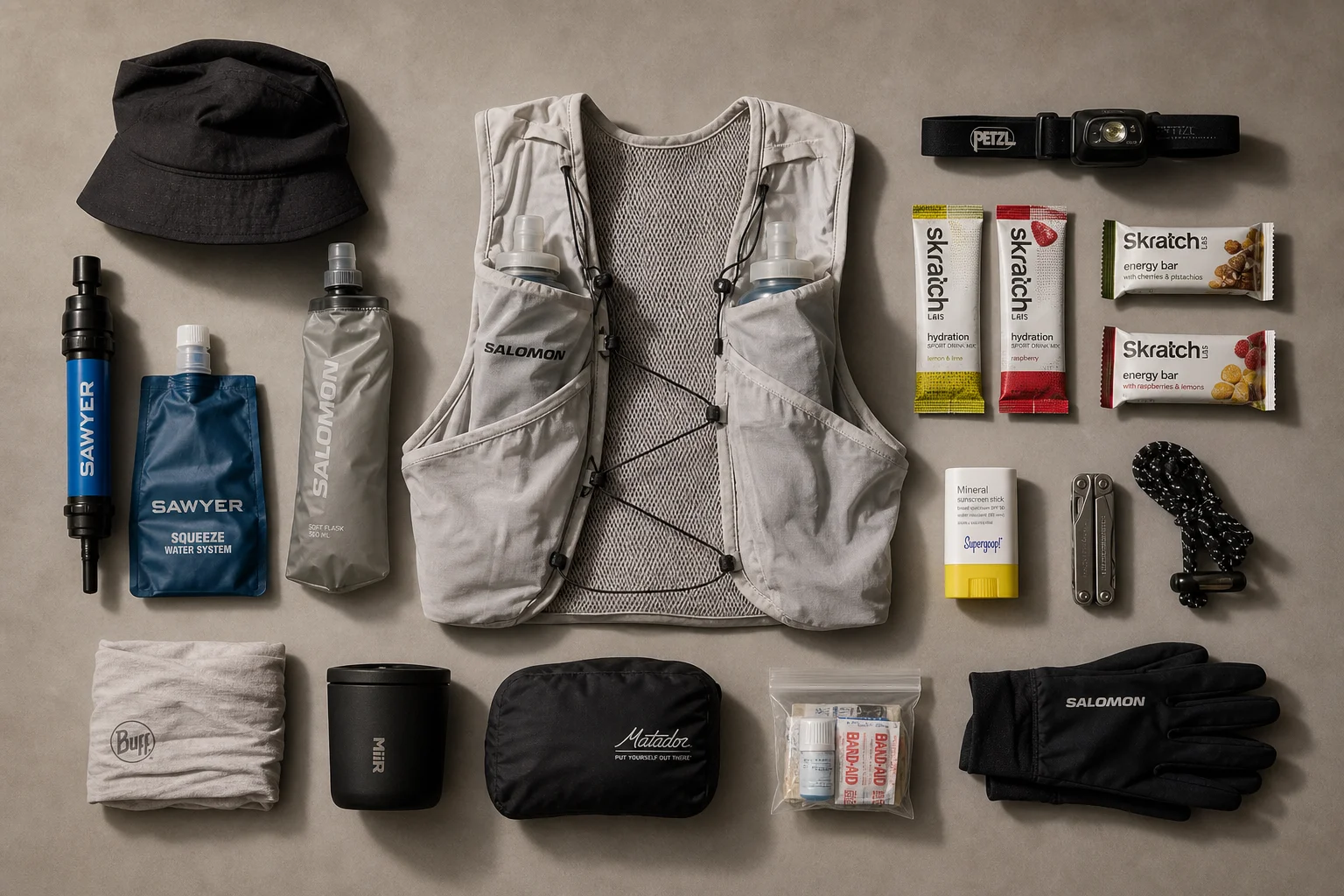
28-Mile Trail Run Pack Loadout: Ultralight Gear for High Alpine Self-Supported Running
A complete breakdown of gear, clothing, hydration, nutrition, and safety equipment for a 28-mile high alpine trail run with 7,800 feet of elevation gain.
Backpacking Gear
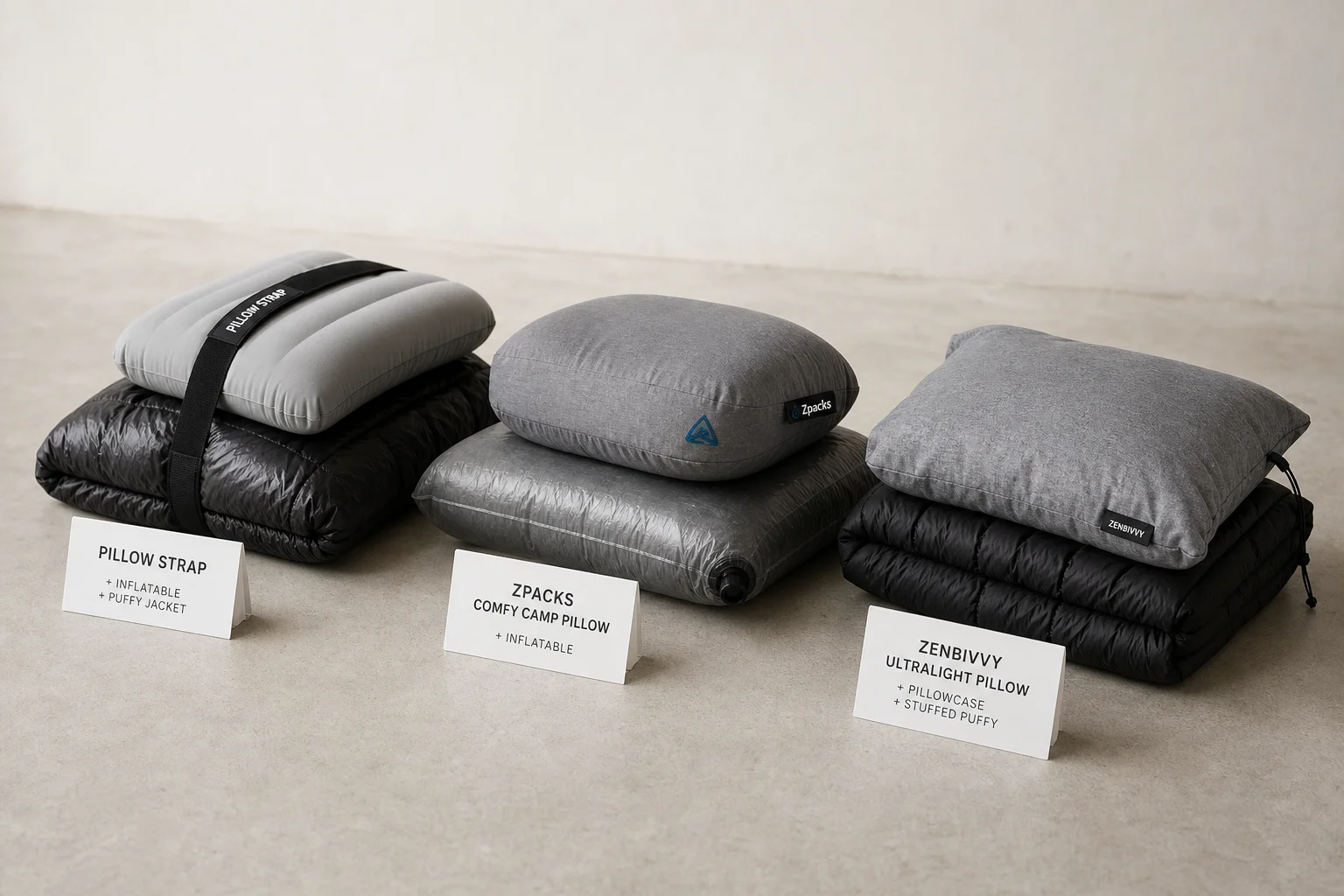
Best Backpacking Pillows: Hybrid Systems, Inflatables, and Stuff Sacks Tested
A comprehensive guide to backpacking pillows covering four main types, five key features that matter, and three top-performing hybrid systems tested in the field.
Backpacking Gear
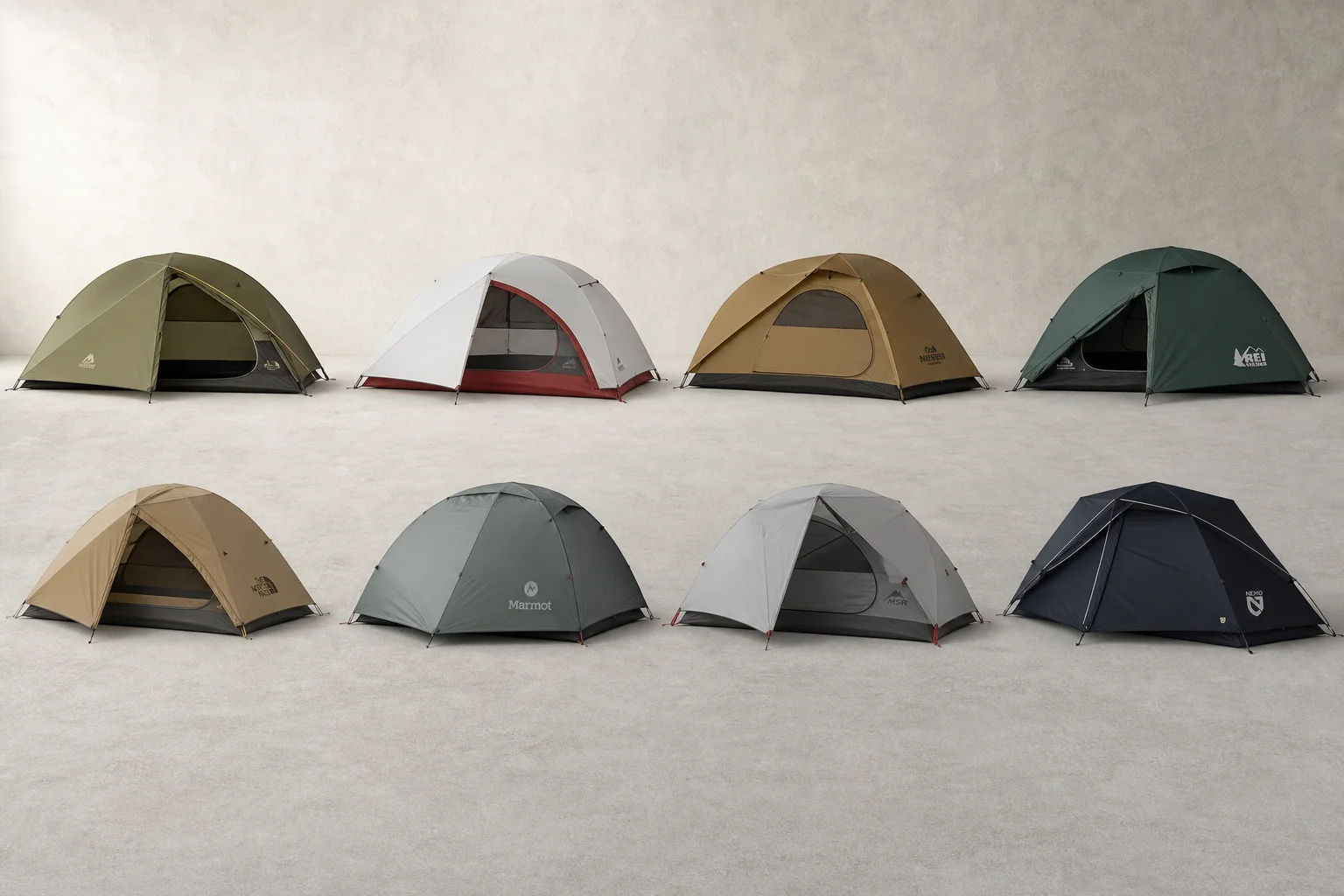
Best Budget Backpacking Tents 2026: Eight Models Tested for Spaciousness, Rain Protection, and Value
A comprehensive test of eight budget-friendly 2-person backpacking tents across spaciousness, setup ease, rain protection, ventilation, and portability. Find the best value in the $100 to $300 range.