3D Printing
Prusa MMU3: Multicolor Printing Without the Waste
The Prusa MMU3 delivers five-color printing with half the waste and twice the speed of competing systems like the Bambu Lab AMS, thanks to an ingenious filament-handling design.
Introduction
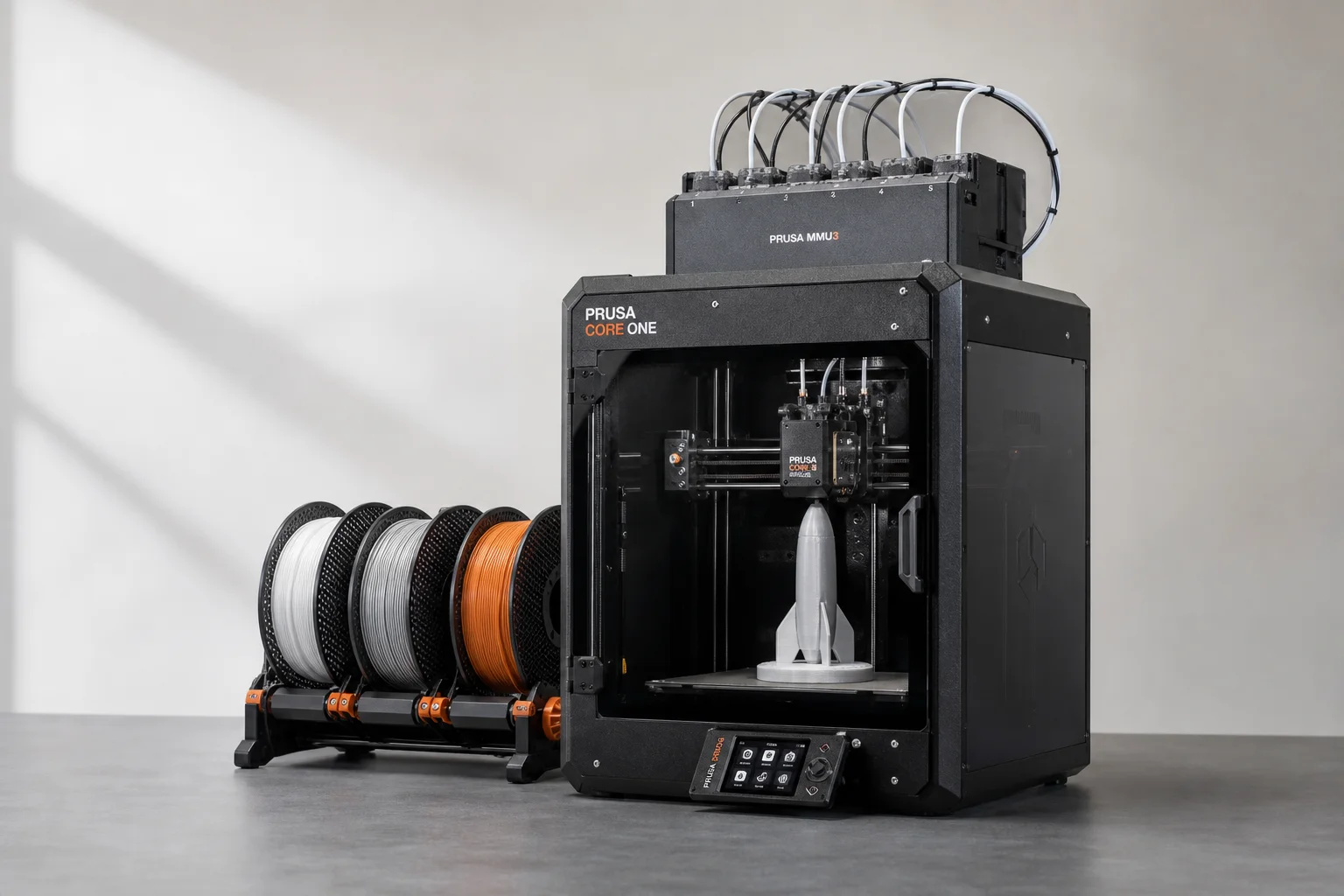
The Prusa MMU3 represents a fundamentally different approach to multicolor 3D printing. Unlike systems that store filaments in a closed box and wind them back after each color change, the MMU3 pulls filament only from the print head to the upgrade unit itself, sitting directly on the printer. This design choice eliminates the “poop” waste common to competing systems and cuts print time nearly in half. After over 50 hours of testing and three months of continuous use, the MMU3 proves that multicolor printing can be both efficient and practical.
How the MMU3 Reduces Waste
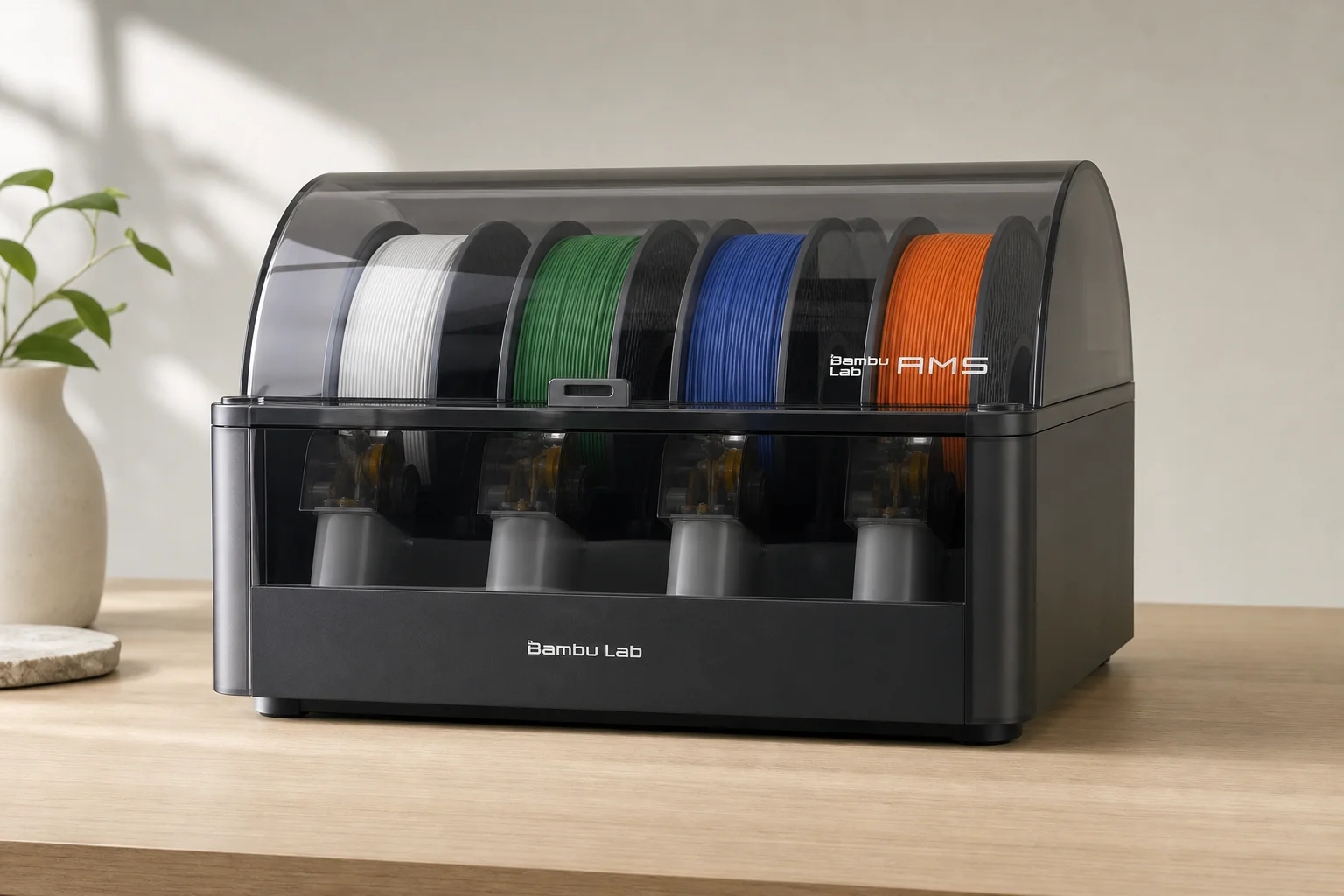
Most multicolor systems like the Bambu Lab AMS work by storing all filaments in a box, unwinding each spool with a small motor, and feeding filament through a PTFE tube to the print head. When changing colors, the old filament is cut, then the entire length is wound back into the box. This creates two problems: the pullback takes time, and a remnant of old filament remains in the hot end that must be flushed out with new material, producing significant waste.
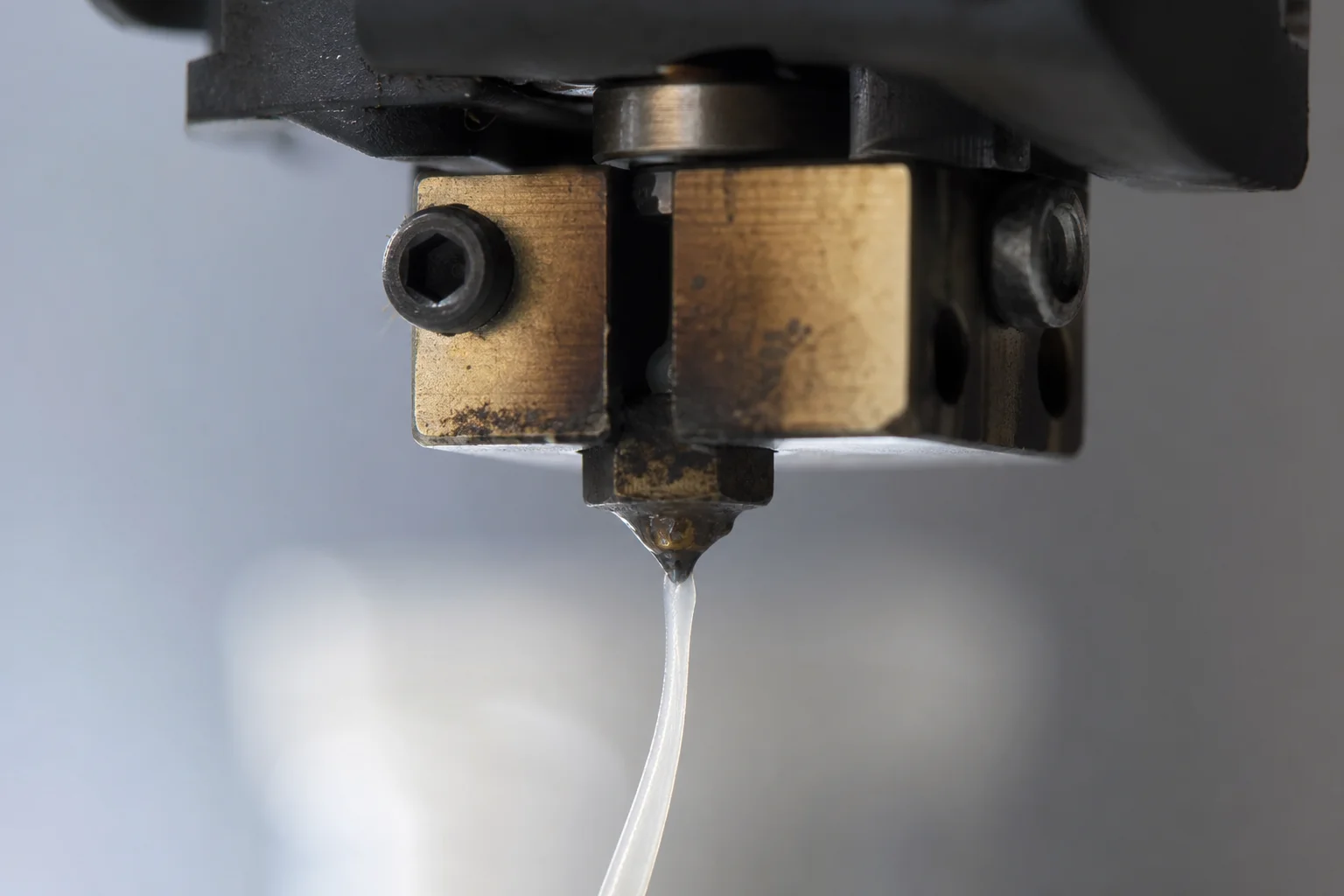
The MMU3 takes a completely different approach. Instead of cutting the filament, it pulls back only the roughly 40 centimeters between the print head and the MMU unit. This is faster and requires far less new filament to be pushed through the nozzle afterward. The key innovation is a carefully choreographed process where the filament is slightly cooled before unloading and moved back and forth in the nozzle to form a clean tip. Without this precision, pulling the filament completely out would create a thicker tip with a thin string that could catch in the PTFE tube during reloading.
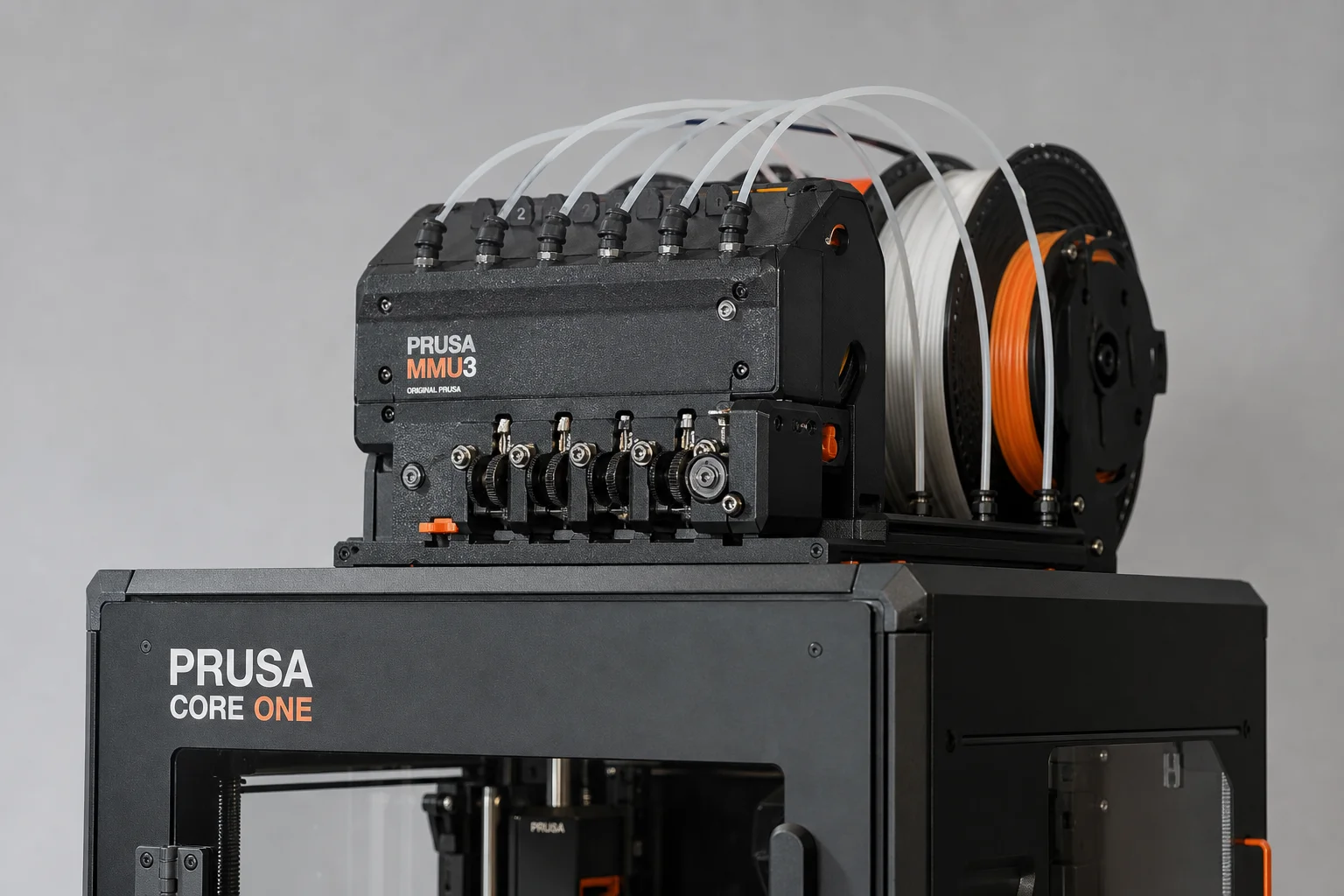
Real-World Performance: The Robo Alpaca Test
To stress-test the MMU3, a Robo Alpaca model was printed with colors distributed across the entire surface, forcing filament changes in nearly every layer. Over 24 hours, the system performed more than 1,500 color changes without intervention. The resulting purge tower weighed 225 grams, a fraction of what competing systems produce.
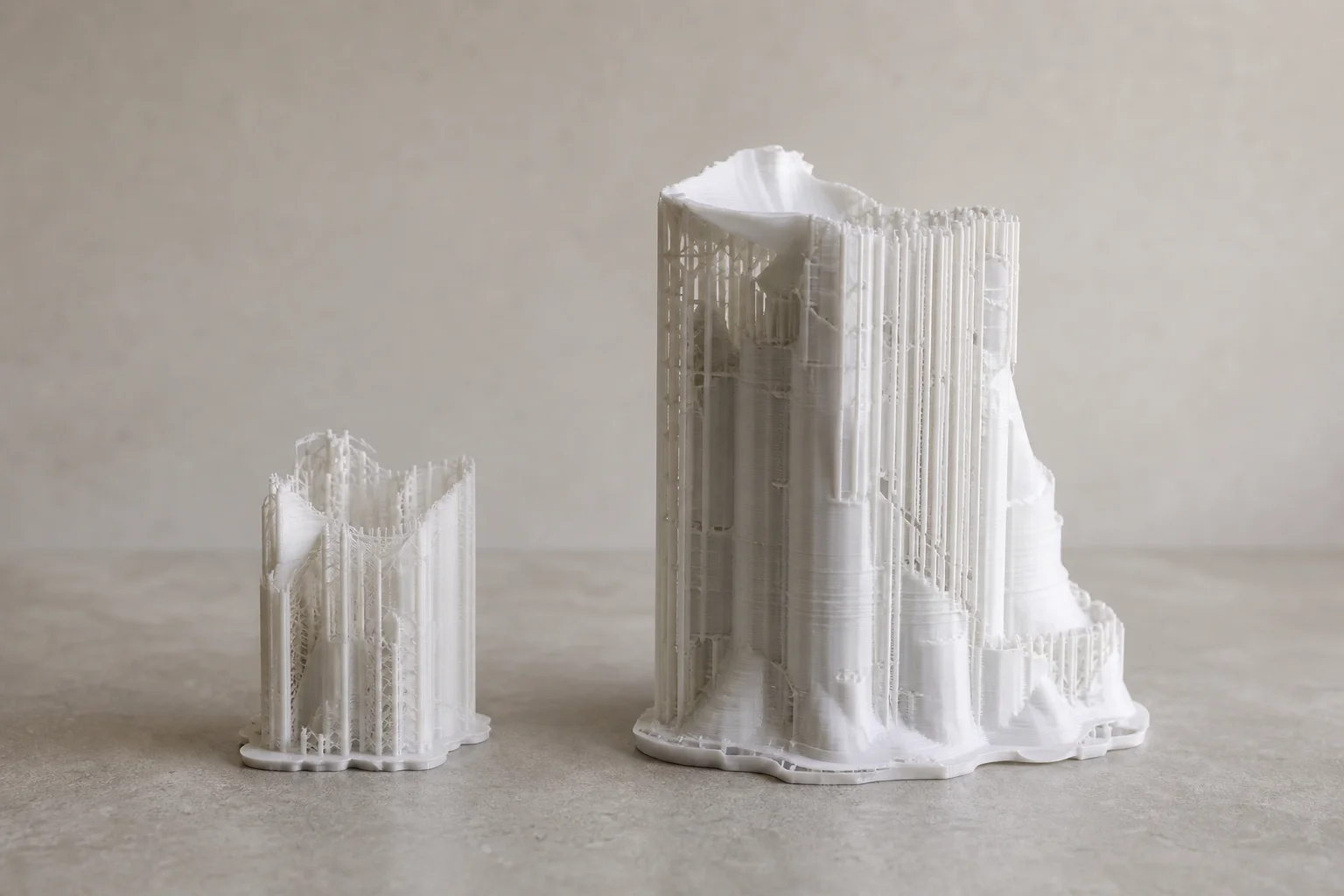
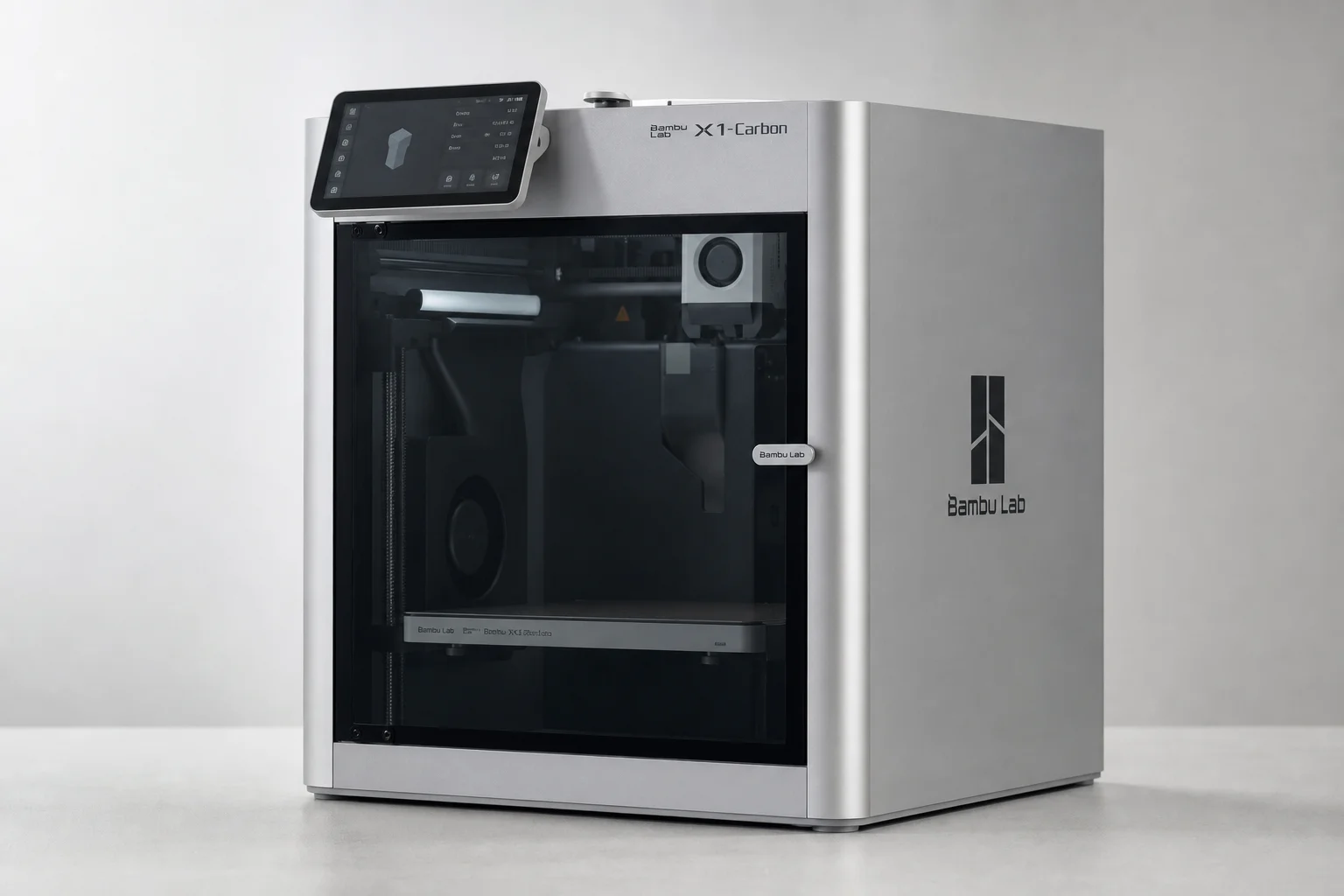
By comparison, the Bambu Lab X1C printing the same model with a single nozzle took nearly twice as long (almost 48 hours) and produced over 500 grams of waste. Even accounting for the model’s 55-gram weight, the MMU3’s waste ratio is dramatically lower. This efficiency gain comes from the fundamental design: less filament needs to be flushed, and the process is inherently faster.
Filament Storage and Setup
The MMU3 has no closed filament box, which means filaments sit on rollers beside the printer. This requires approximately 51 by 32 inches of floor space, a significant footprint compared to the Core One’s print volume. However, this open design offers flexibility: any spool type works, including cardboard spools and 2-kilogram bulk spools that closed systems cannot accommodate.
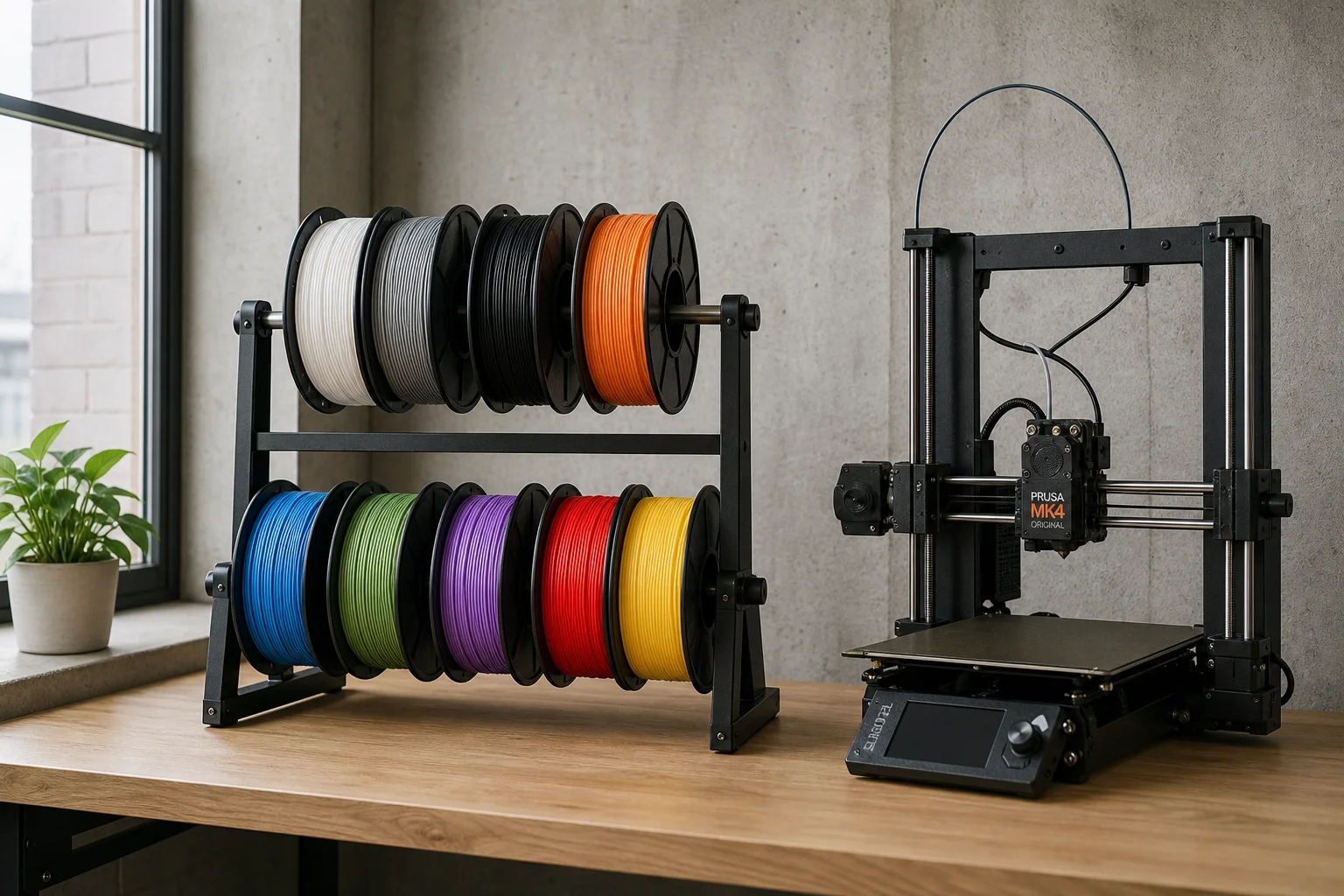
A magnetic buffer attaches to the side of the printer to hold filament between the spools and the MMU unit. The filament loading process is manual: you push filament through the PTFE tube to the buffer, swap the spool, pull the filament end, and push it into the MMU3, where a motor takes over. This is less convenient than the Bambu Lab AMS, which automates the entire process. For those with limited space, Prusa offers a community-designed enclosure available free on Printables, or you can integrate filament dryers for compact, organized storage.
Nozzle Compatibility and Maintenance
The MMU3 works more efficiently with a standard brass nozzle than the high-flow nozzle that comes standard on the Core One. The high-flow nozzle’s four fine channels complicate the tip-forming process, adding roughly 90 minutes to test prints and increasing purge tower waste from 224 grams to nearly 400 grams. Prusa includes a standard nozzle with the MMU3 kit, though this limits layer heights to 0.2 mm in PrusaSlicer, preventing faster prototyping modes.
Maintenance is a consideration: the main plate of the Nextruder (the drive mechanism) must be inspected and possibly replaced every 30,000 filament changes. A single Robo Alpaca print consumes about 1,500 changes, meaning the limit would be reached after roughly 20 such prints. Two O-rings are included in the package, and swapping the main plate requires removing the Nextruder gearbox and carefully seating the O-ring during reassembly.
Software Integration and Workflow
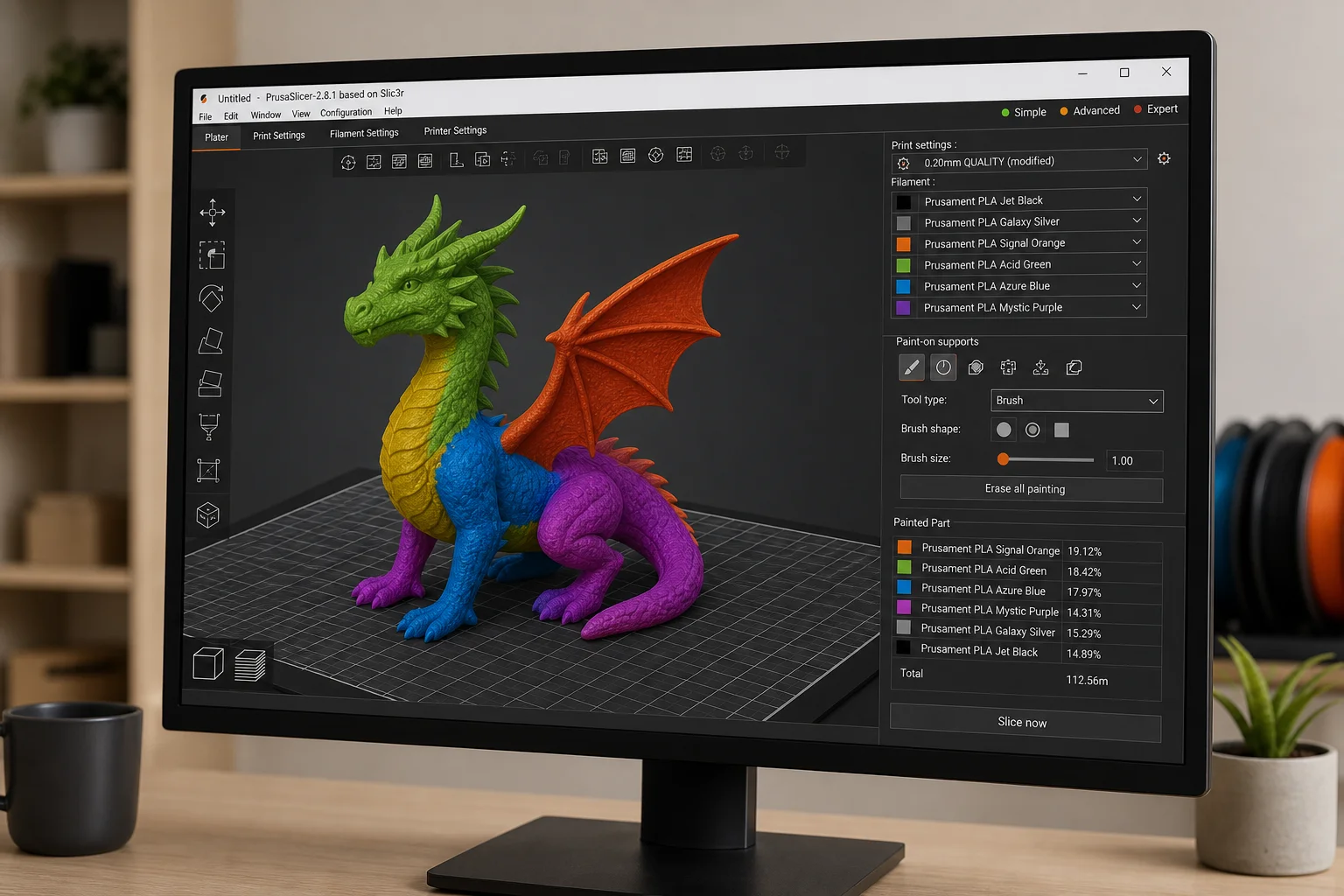
Coloring models in PrusaSlicer is straightforward and can even be done via the mobile app with EasyPrint. However, PrusaSlicer does not sync with Prusa Connect to know which filaments are currently loaded in the printer. If you have PETG in slot 1 and ASA in slot 5, simply changing the default filament to ASA in the slicer is not enough; the printer will still use slot 1 unless you explicitly assign the correct extruder for each object. Starting prints directly on the printer allows you to reassign filaments in the print job to match your loaded spools, but this adds a manual step.
Pricing and Variants
The MMU3 is available in three configurations: a Lite version without cover for self-assembly at $335, an Enclosed version with cover for self-assembly at $370, or a fully assembled Enclosed version at $410. The assembled version is recommended, as it saves 6 to 10 hours of build time. While the documentation is thorough, the effort required for self-assembly is disproportionate to the cost savings.
The Enclosed version includes ventilation slots and an optional powerful back fan that prevents unpleasant odors when printing ABS. The open design of the Lite version requires more floor space and offers less odor control.
Comparison with Competing Systems
Devices like the Bambu Lab H2D can print with up to 25 colors at a similar price point to a fully equipped Core One. However, Prusa’s philosophy prioritizes energy and resource efficiency over color count, along with complete freedom in filament choice. The MMU3 achieves this through its innovative design, though it requires more manual intervention and floor space than closed-box competitors.
Conclusion
The Prusa MMU3 is a technically sophisticated solution that delivers genuine advantages in waste reduction and print speed for multicolor work. The design is clever, the performance is measurable, and the efficiency gains are substantial. The trade-offs are real: you need more floor space, filament loading is manual, and the main plate requires periodic maintenance. For users who prioritize efficiency, filament flexibility, and are willing to manage a slightly more involved workflow, the MMU3 is a compelling choice. For those who value convenience and compact setups, closed-box systems like the Bambu Lab AMS remain simpler, even if they produce more waste and take longer to print.
Further reading
Related Reviews
3D Printing
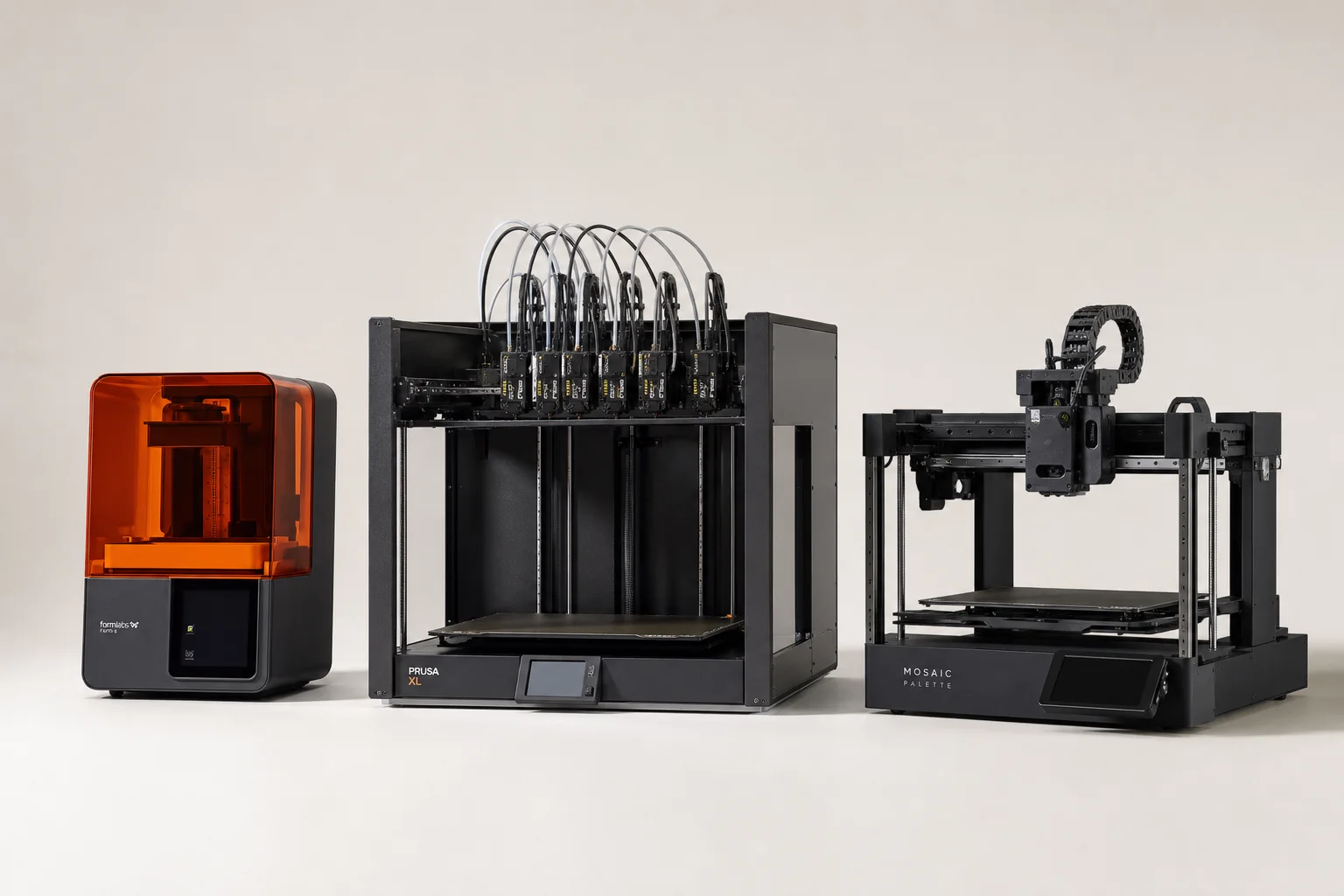
3D Printer Wishlist 2026: Industry Hopes and Manufacturer-Specific Improvements
A comprehensive review of what the 3D printing industry needs in 2026, from universal standards to manufacturer-specific feature requests across leading brands.
3D Printing
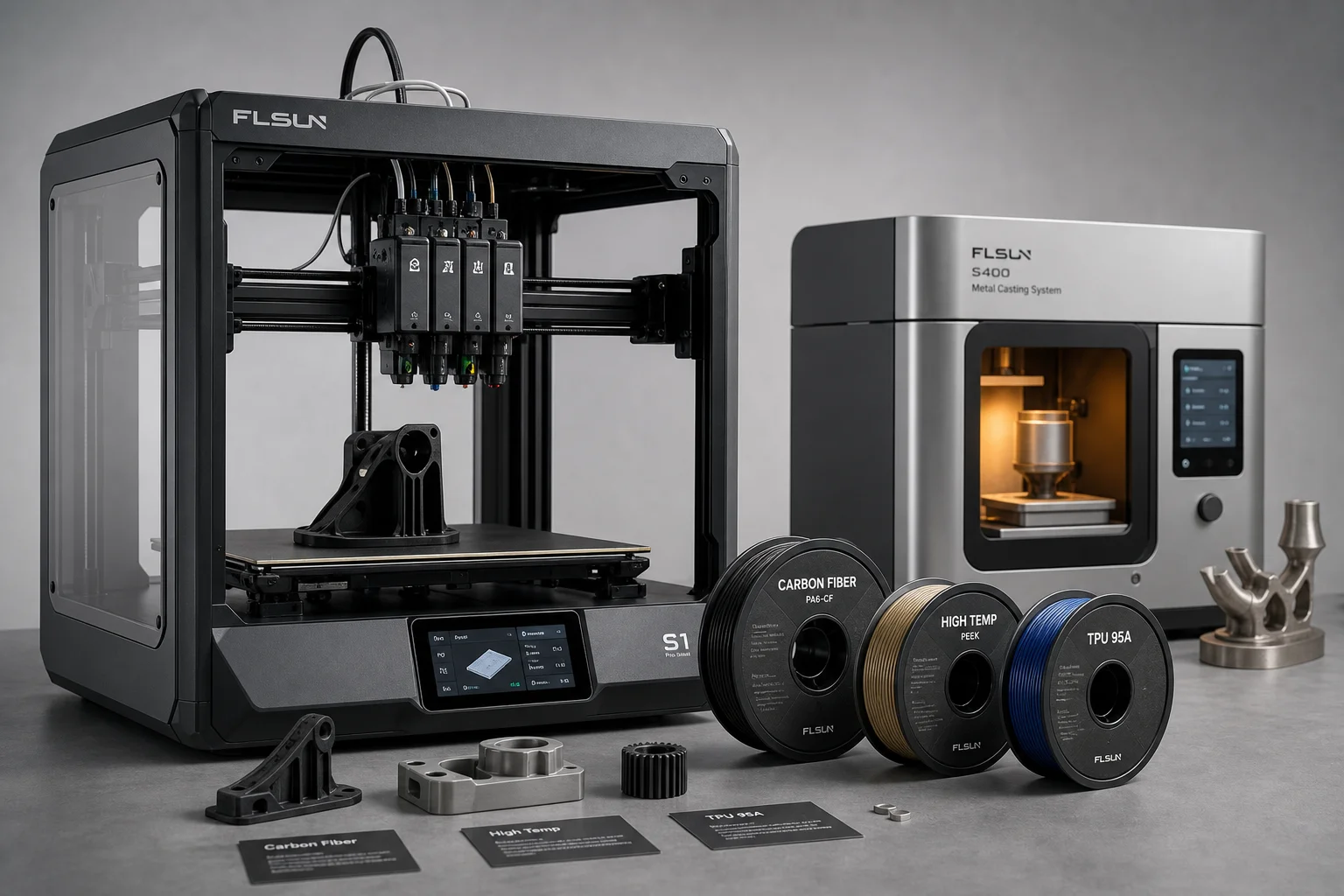
3D Printing Trends 2026: Multi-Material Systems, Stronger Filaments, and Desktop Metal Casting
FormNext 2025 revealed the direction of 3D printing in 2026: accessible multi-material printers, high-strength filaments, and innovative software solutions that bring industrial capabilities to the desktop.
3D Printing
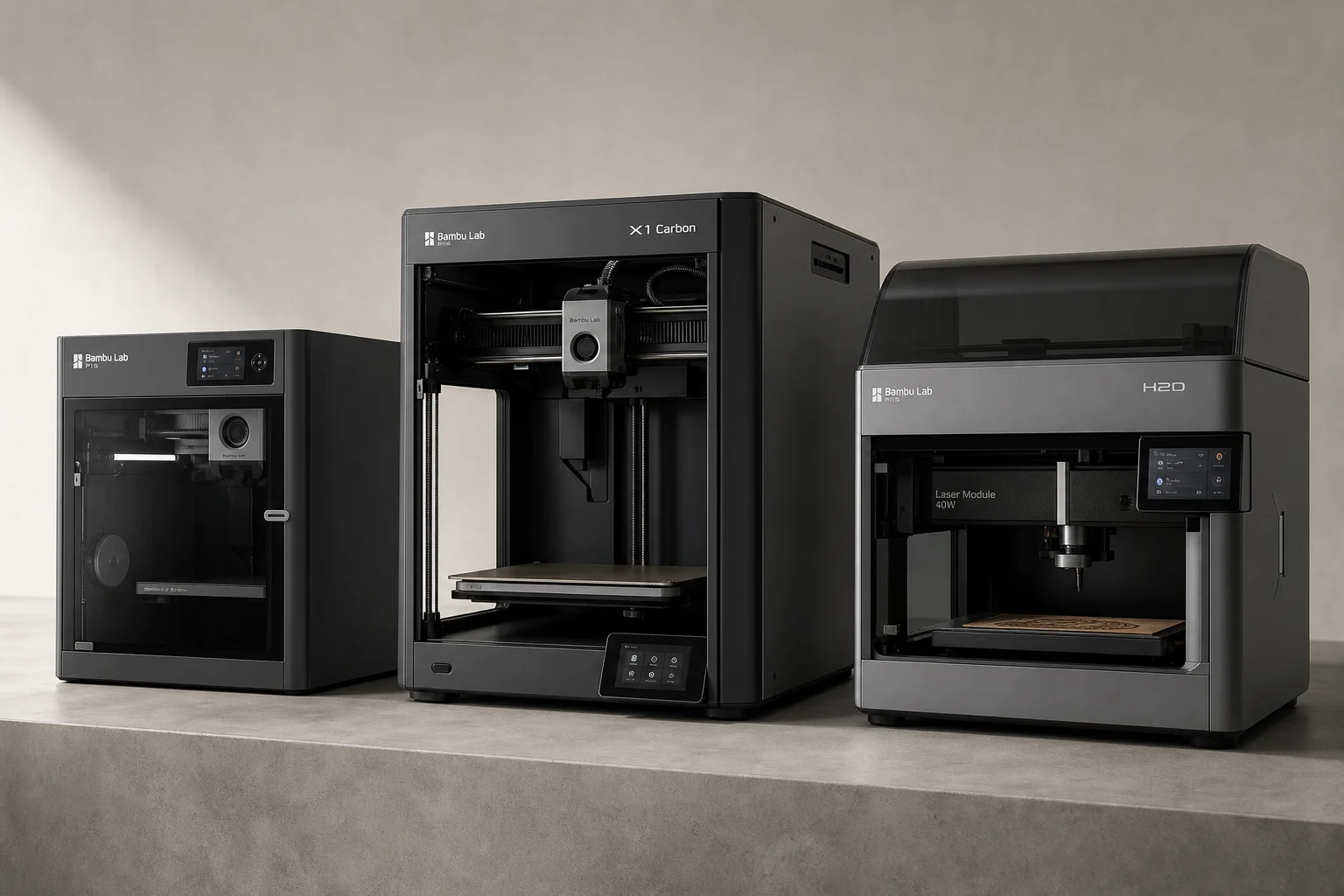
Bambu Lab 3D Printer Lineup 2025: Which Model Fits Your Needs
A comprehensive breakdown of Bambu Lab's current printer lineup, from mid-range workhorse models to flagship multifunction machines, with honest trade-offs for each.