3D Scanning
Revopoint Mini 3D Scanner Review: Budget-Friendly Detail Capture for Small Objects
The Revopoint Mini uses blue laser scanning to capture fine details on small objects and larger items. A practical budget 3D scanner for hobbyists and makers seeking workable scans without premium pricing.
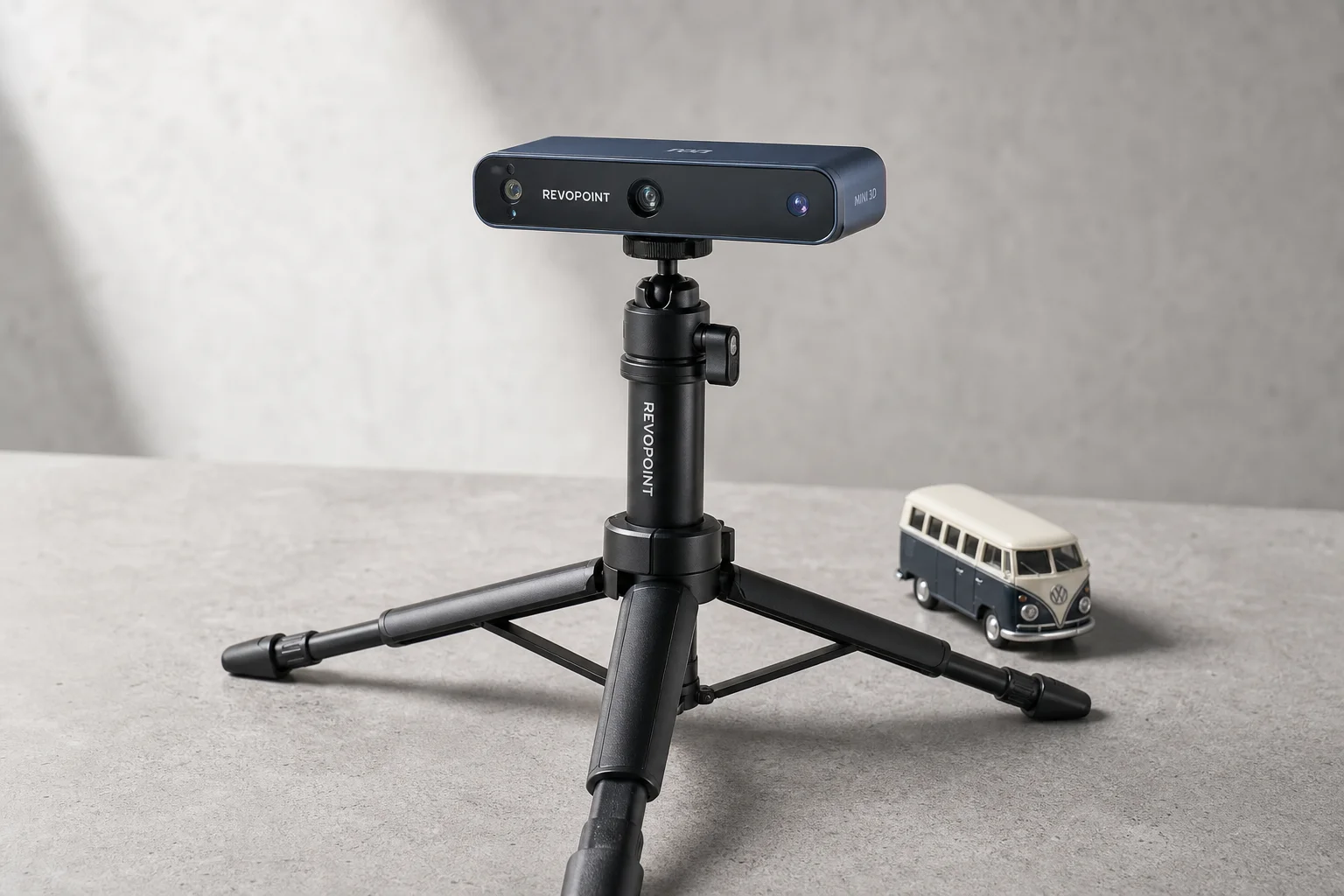
Introduction
The Revopoint Mini is a compact 3D scanner that uses blue laser technology to capture fine details from small objects and larger items alike. Unlike typical budget scanners, this device delivers workable scans suitable for hobbyists and makers who need practical 3D data without premium pricing. The scanner arrives with a sturdy tripod featuring extendable feet and integrates with the same software used by Revopoint’s larger Pop 2 model.
Scanning Small Objects with Precision
The Mini excels at capturing small objects with impressive detail. Using the included rotary table, the scanning workflow is straightforward: position the object, press play in the software, and let it complete a full rotation. After stopping the scan, you fuse the point cloud and can immediately preview the results. The point density is remarkable, with individual data points visible even when zoomed in closely.
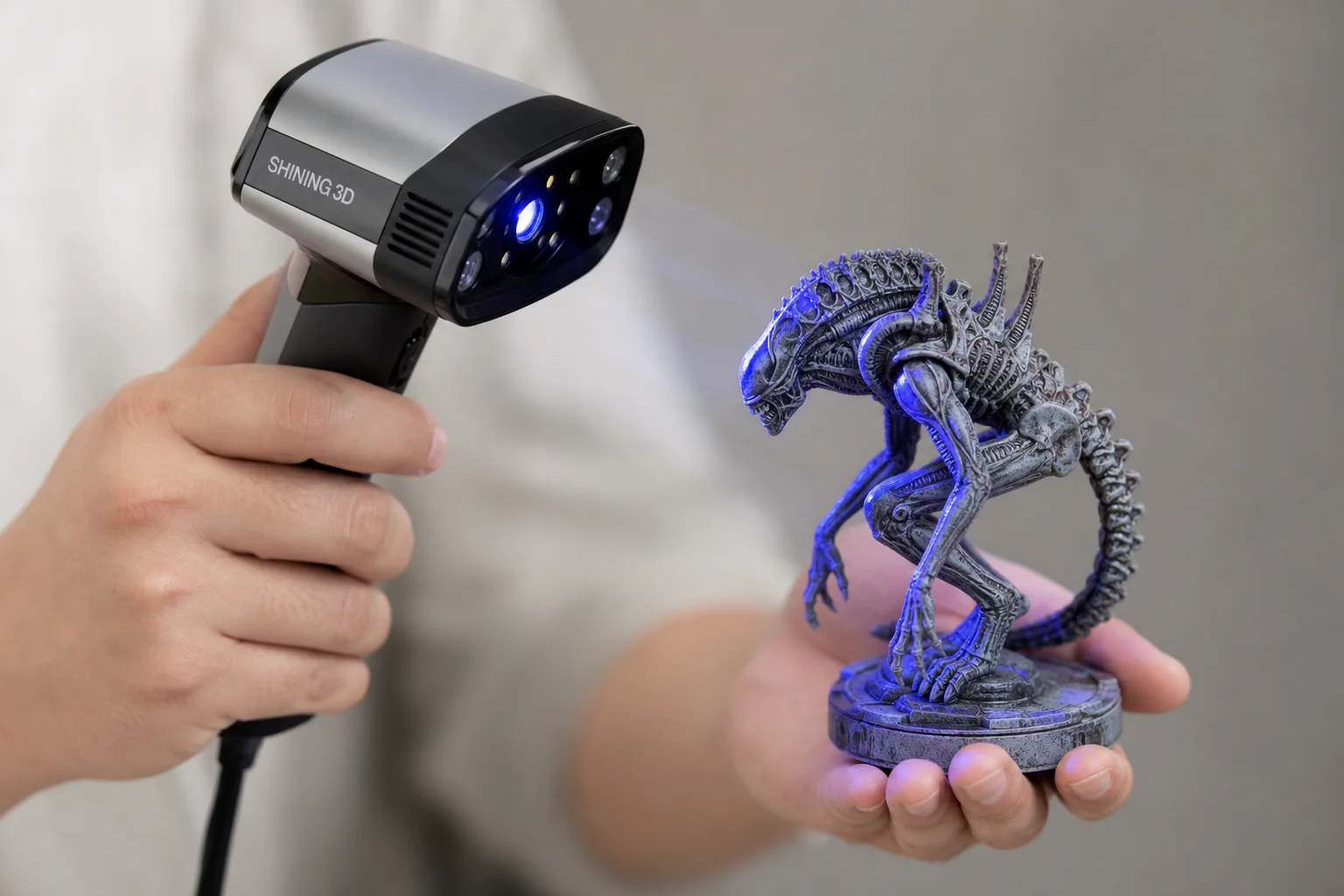
Building a complete 3D model requires multiple scans from different angles. The software automatically aligns each new scan to the previous data, allowing you to reposition the object and capture additional views. Once you have sufficient coverage, converting the point cloud to a solid mesh takes a few moments. The resulting geometry picks up nearly every detail, including minor surface flaws and imperfections on the original object.
From Scan to 3D Print
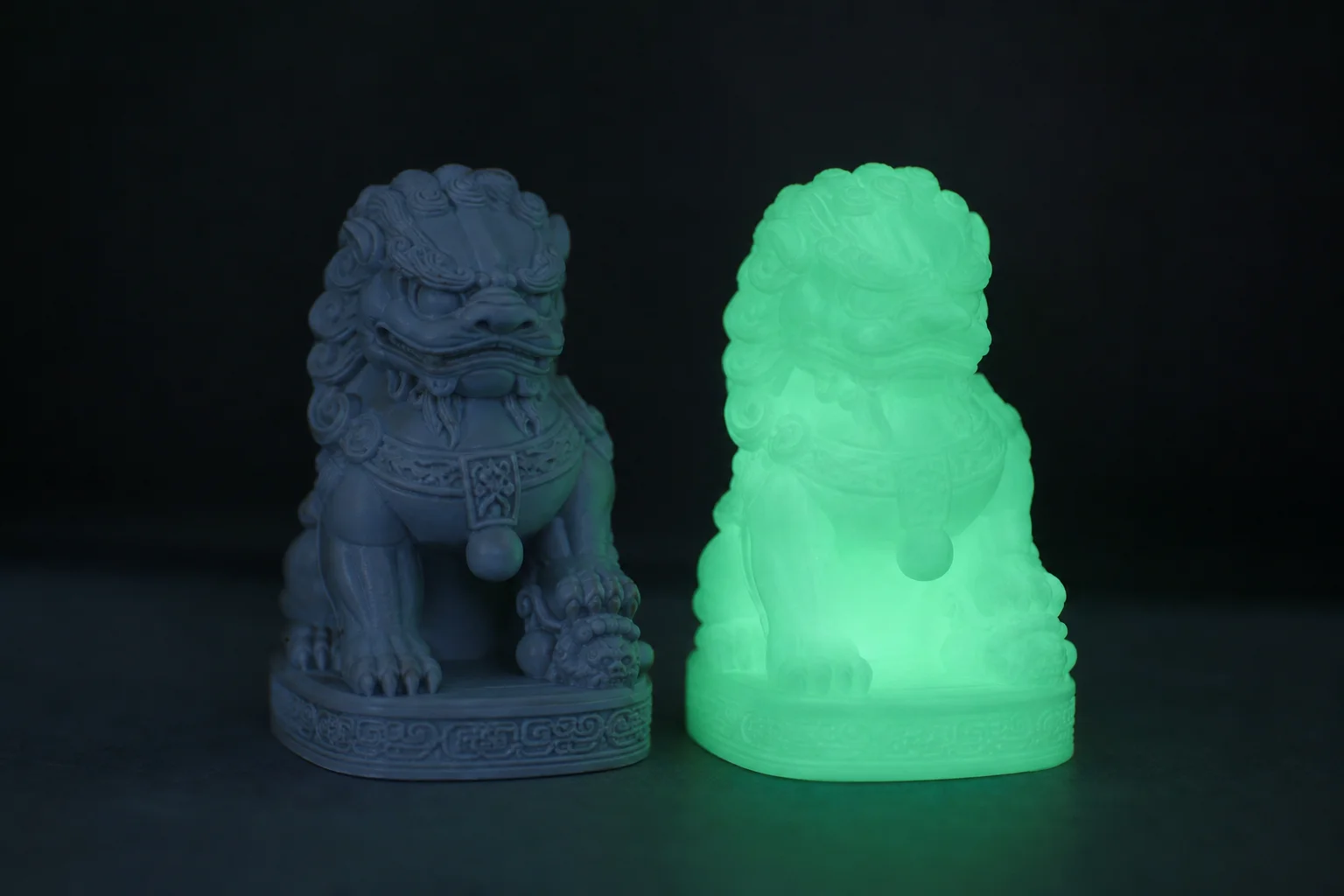
Scanned models export in multiple file formats, including STL for direct 3D printing. The Mini’s detail capture translates well to printed output. Using glow-in-the-dark filament on a consumer 3D printer produced a nearly perfect replica of the original object. After removing support material, the printed copy matched the scanned geometry closely, and the luminescent coating created an appealing visual effect in darkness.
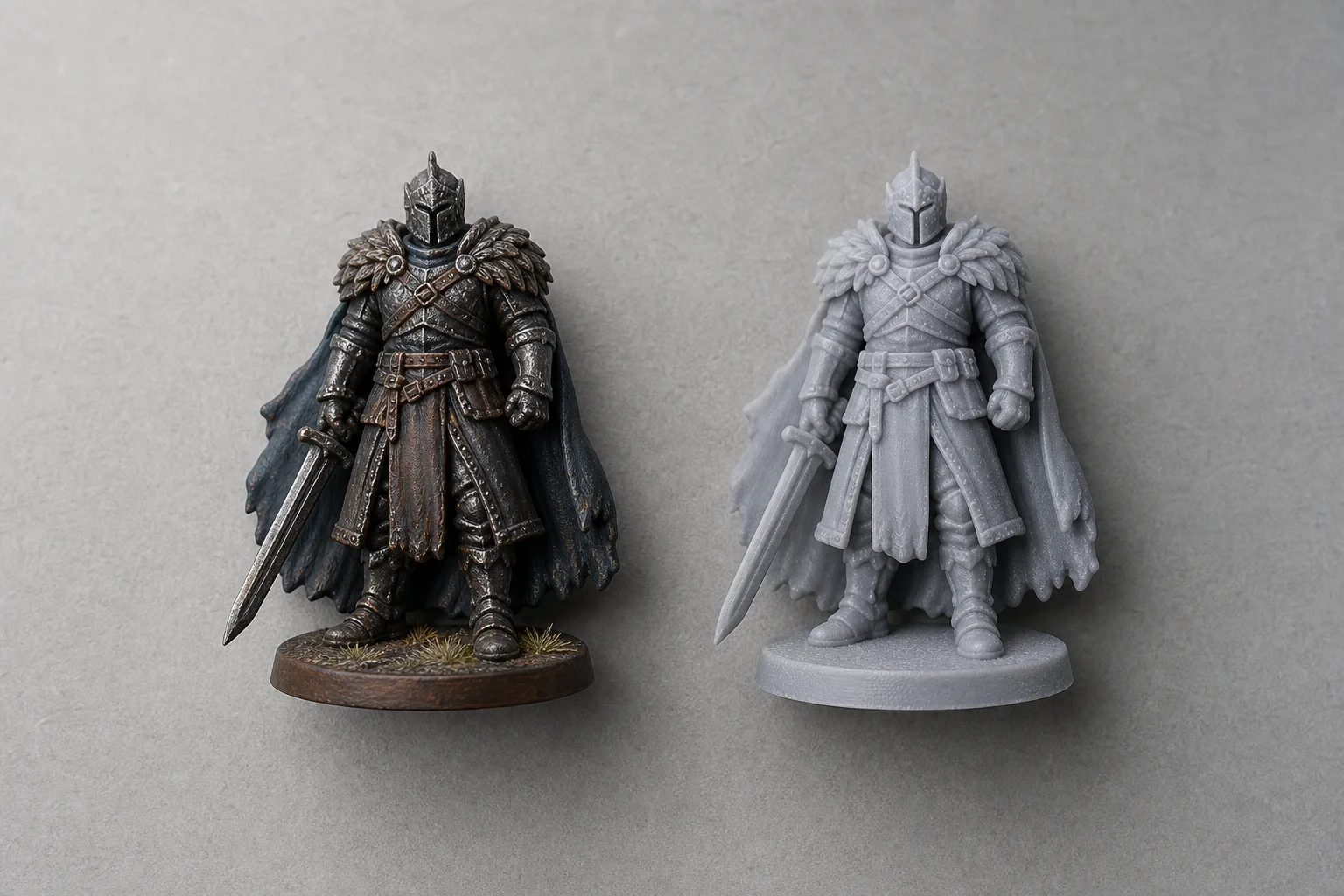
This workflow demonstrates the practical value of the scanner for makers: scanning an object, exporting the geometry, and printing a functional or decorative replica takes only a few hours from start to finish.
Handling Reflective and Shiny Objects
Shiny or highly reflective surfaces present a challenge for any 3D scanner. The Mini requires a matte coating spray to capture these objects effectively. A temporary spray coating dissolves within four hours, eliminating cleanup, though it is expensive. More affordable alternatives like washable matte spray work adequately if you are willing to accept slightly lower coverage quality.
When scanning reflective objects, care is needed during handling because the spray coating wipes off easily. The spray creates a matte finish that allows the blue laser to register surface geometry reliably. Testing on a reflective light fixture showed that with proper spray preparation, the scanner captured all major details, including chipped paint and small stickers, though some minor holes required manual cleanup in post-processing.
Scanning Larger Objects and Outdoor Use
The Mini supports handheld scanning mode for larger objects, powered by an external battery pack and controlled via smartphone over Wi-Fi or USB cable. This flexibility allows scanning anywhere, including outdoors. The scanner performed well on a larger object with reference markers placed nearby for alignment. Results captured fine details like surface texture and paint variation.
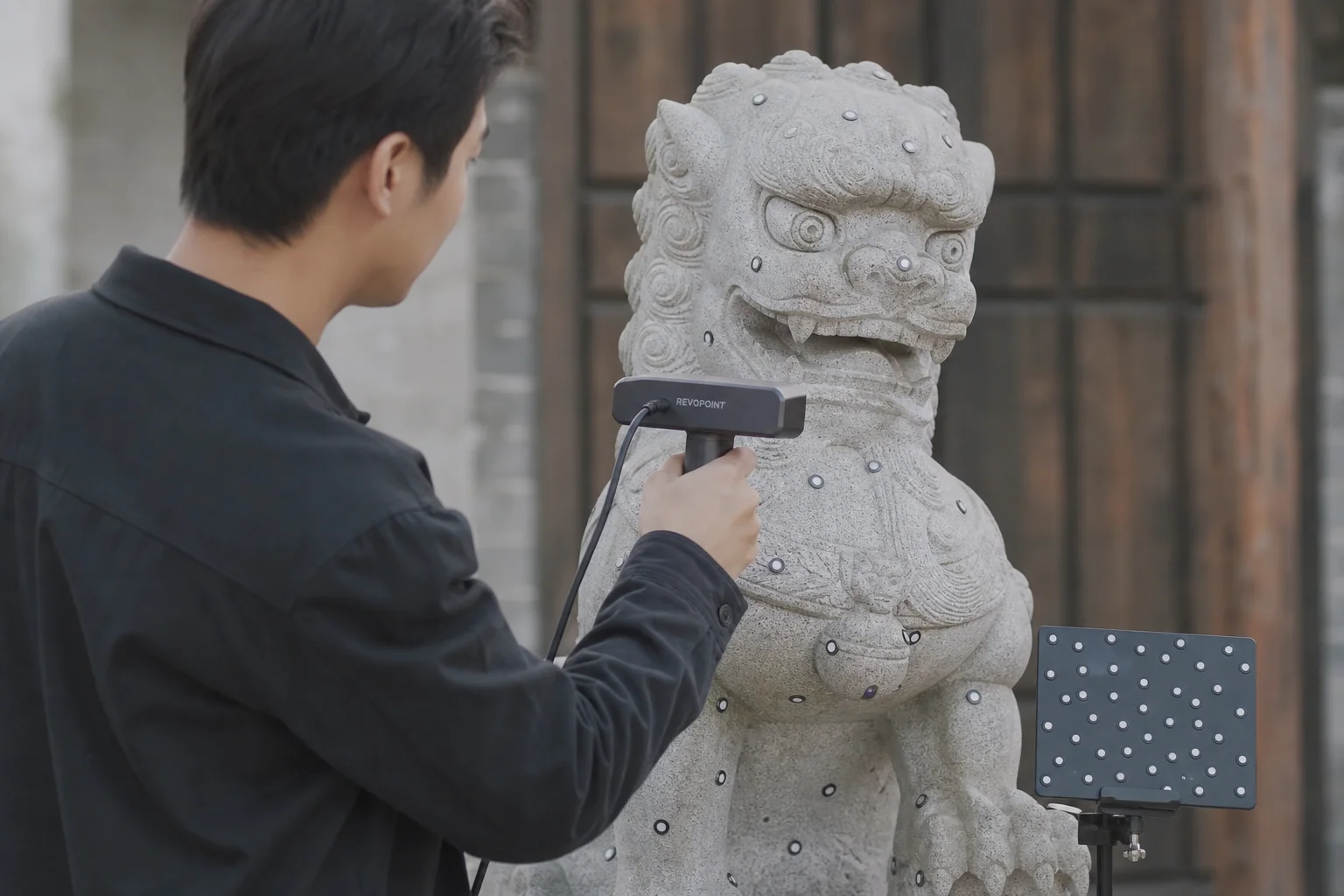
Direct harsh sunlight reduces performance, so overcast conditions or shaded areas work better for outdoor scanning. The handheld mode and mobile control make the Mini genuinely portable, a significant advantage over fixed tripod-only scanners.
Comparison to Other Scanners
Testing against a higher-end 6,000 USD scanner showed the Mini produces results that are not far behind, despite costing a fraction of the price. Scans lack the ultra-high detail of premium equipment, but the geometry is clean and workable. Compared to the Pop 2, the Mini’s blue laser approach captures noticeably finer detail on small objects, making it the better choice for precision work on miniatures and intricate items.
Conclusion
The Revopoint Mini is a capable budget 3D scanner that delivers practical results for hobbyists and makers. It handles small objects with impressive detail, supports larger items through handheld mode, and integrates seamlessly with standard 3D printing workflows. Scans are not perfect and lack the ultra-high fidelity of premium scanners, but they are entirely workable and can save significant time in design and reverse-engineering tasks. The device is currently available through Kickstarter, which introduces typical crowdfunding risk, though Revopoint’s track record suggests a solid product. For anyone seeking an affordable entry point into 3D scanning with genuine capability, the Mini merits serious consideration.
Product link
View more details for Revopoint Mini
This product is mentioned in the review. Check the specifications, options, and compatibility before buying.
View more details for Revopoint MiniFurther reading
Related Reviews
3D Scanning
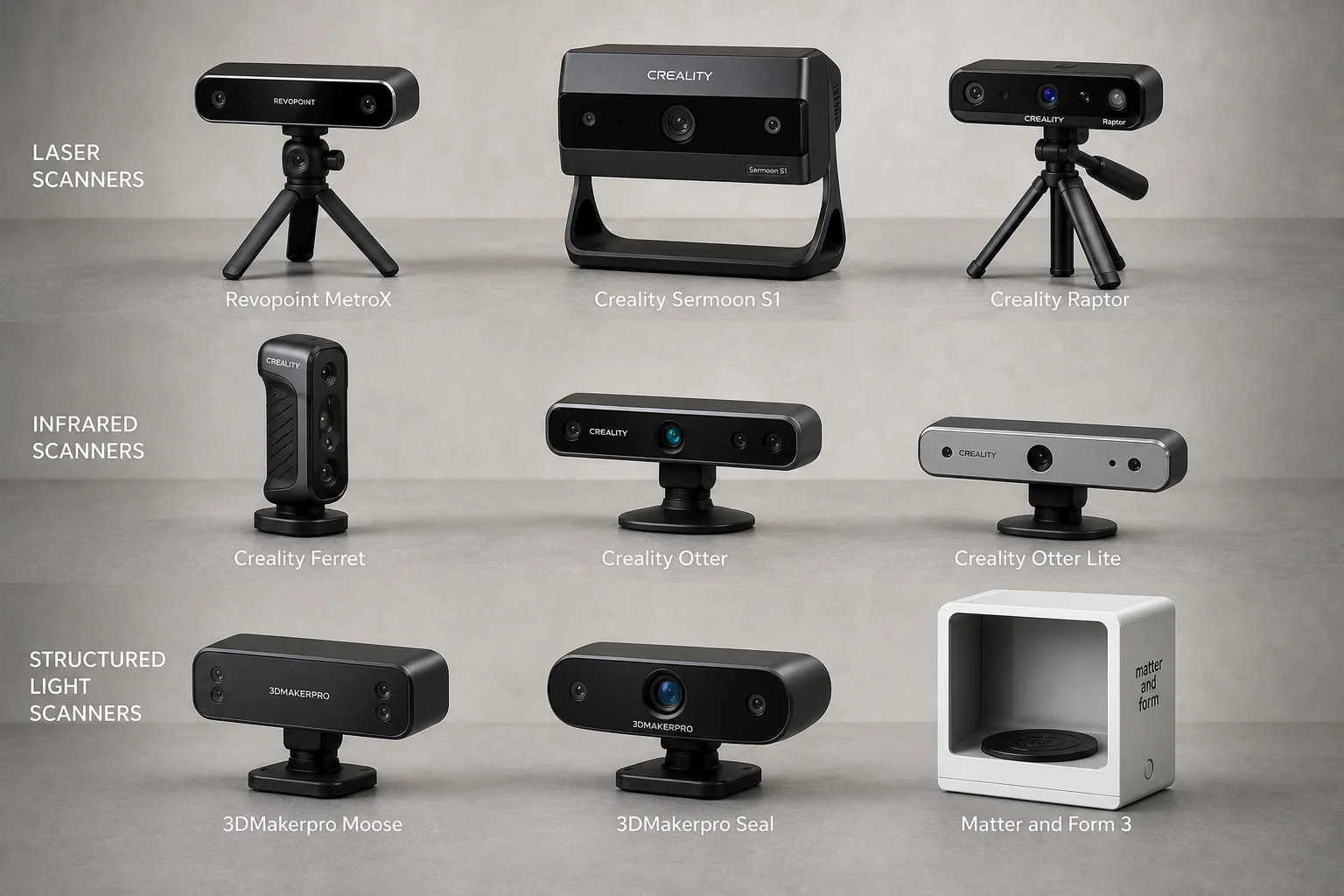
3D Scanner Comparison Test: Nine Models Scanned an Automotive Part
A detailed comparison of laser, infrared, and structured light 3D scanners tested on a challenging black automotive plastic part with deep pockets and thin walls.
3D Printing
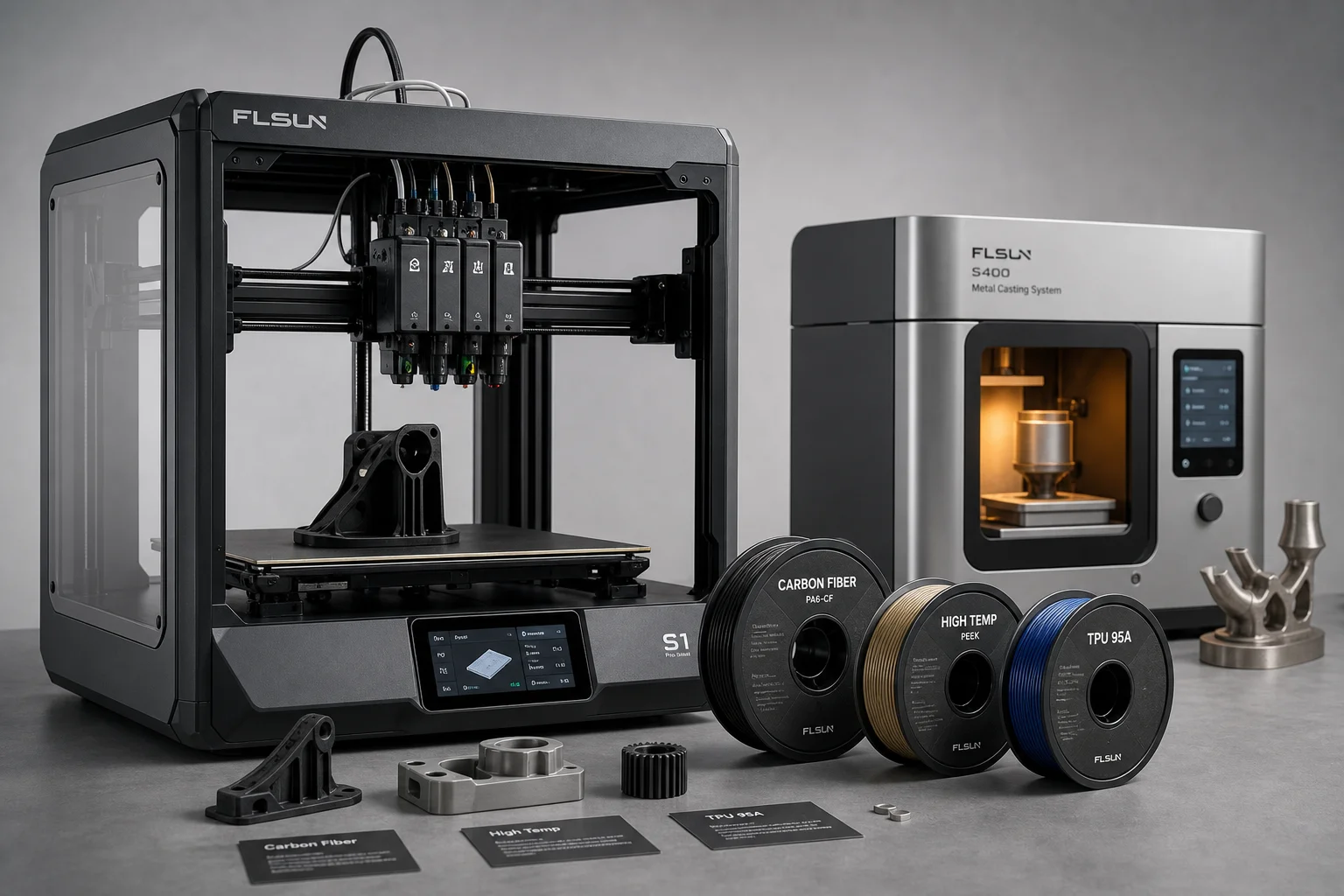
3D Printing Trends 2026: Multi-Material Systems, Stronger Filaments, and Desktop Metal Casting
FormNext 2025 revealed the direction of 3D printing in 2026: accessible multi-material printers, high-strength filaments, and innovative software solutions that bring industrial capabilities to the desktop.
3D Printing Materials
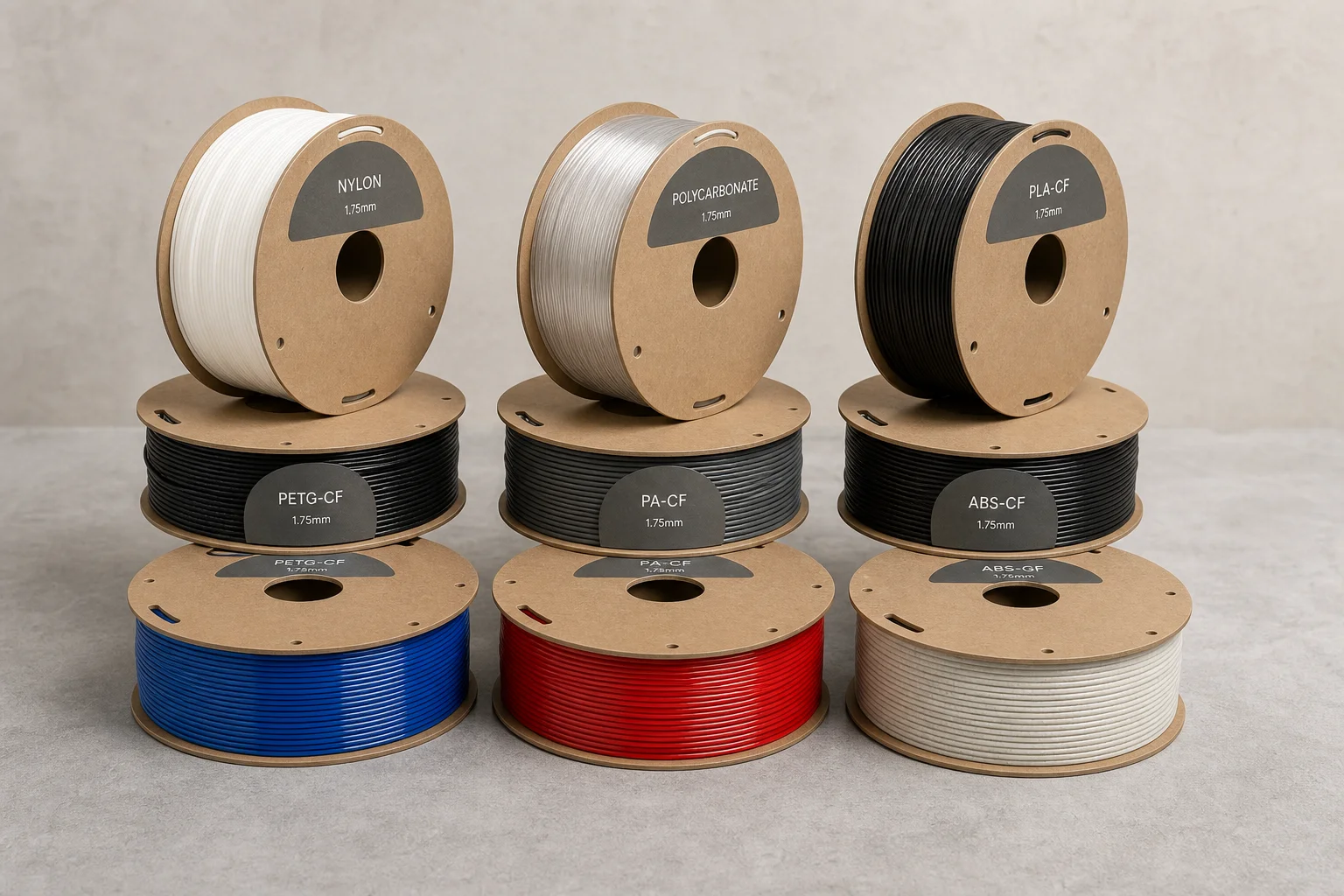
9 Advanced 3D Printer Filaments: A Practical Guide to Engineering-Grade Materials
Explore nine advanced filament types for 3D printing, from Nylon and polycarbonate to carbon fiber composites. Learn their strengths, trade-offs, and best applications.