E-Bike Helmets
Sena U1 Communication Helmet Review: Safety, Mesh Intercom, and Real-World Trade-offs
The Sena U1 brings NTA 8776 e-bike certification and reliable mesh intercom to group riding, but heavier weight and sizing quirks deserve consideration before buying.
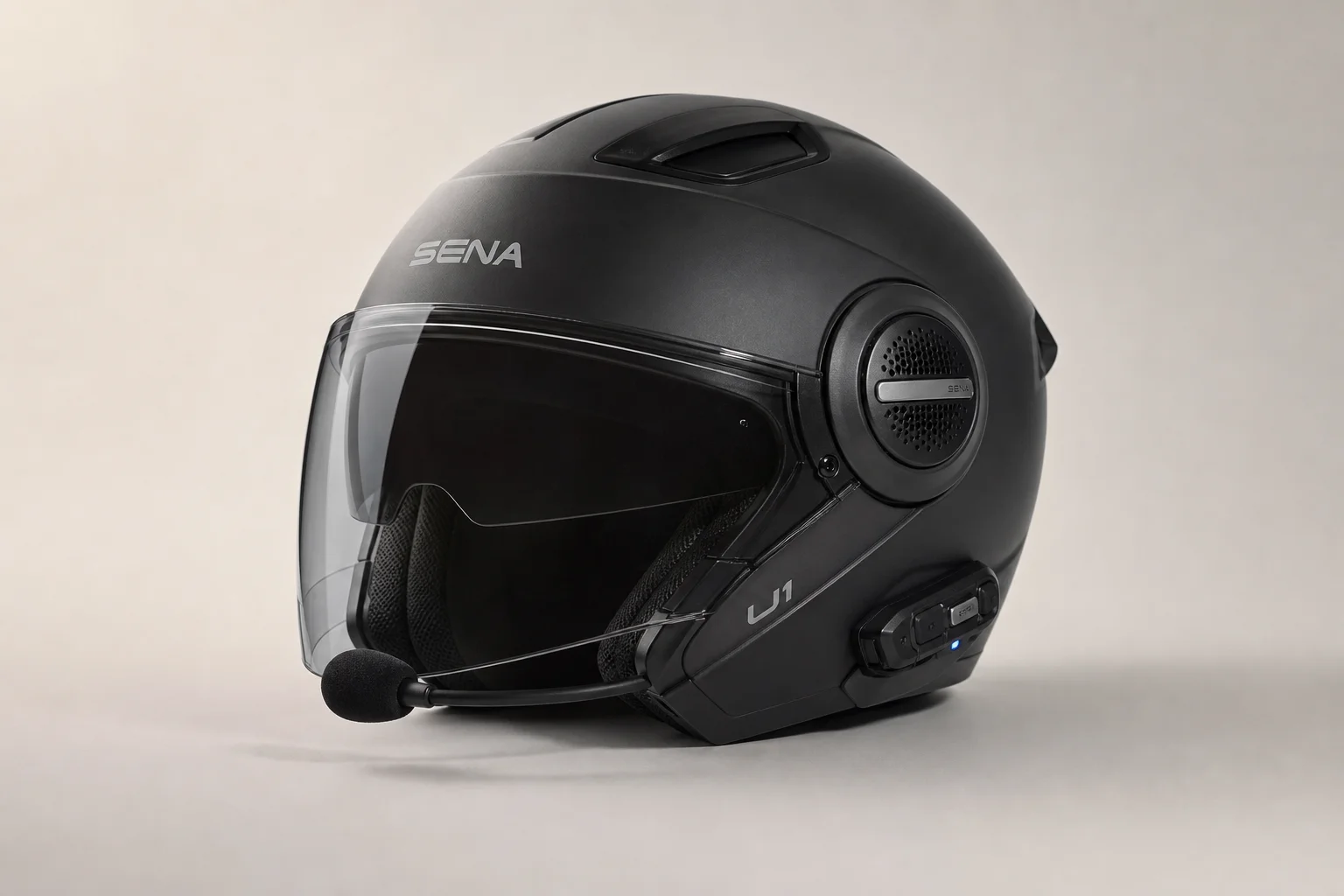
Introduction
The Sena U1 is a full-shell communication helmet designed specifically for e-bike riders. It brings the brand’s proven mesh intercom system to a new form factor, paired with NTA 8776 certification for speeds up to 28 mph. After extensive testing, this helmet delivers genuine safety benefits through group communication, but it also carries trade-offs in weight, fit, and price that deserve careful consideration before purchase.
Who This Helmet Is For
The U1 targets riders who prioritize group communication and e-bike-specific safety certification. If you ride regularly with a partner or group and want to maintain awareness of traffic and road conditions without shouting, this helmet makes sense. The mesh intercom system allows riders to talk clearly at distances up to half a mile with line of sight, making it particularly valuable for defensive riding on roads with vehicle traffic.

The NTA 8776 certification sets this helmet apart from Sena’s previous models, which carried only CPSC certification. This standard applies to speed pedelecs and e-bikes reaching up to 28 mph, offering enhanced protection for higher-speed riding. If you’re commuting on an e-bike or riding in mixed traffic, this certification adds a measurable safety advantage.
Communication and Noise Cancellation
The core appeal of any Sena helmet is the ability to communicate hands-free while riding. The U1 uses a front-mounted microphone and dual speakers positioned on each side of the helmet. The mesh intercom system pairs helmets directly without relying on Bluetooth connectivity between devices, which Sena reports as more reliable than their older Bluetooth-only models.
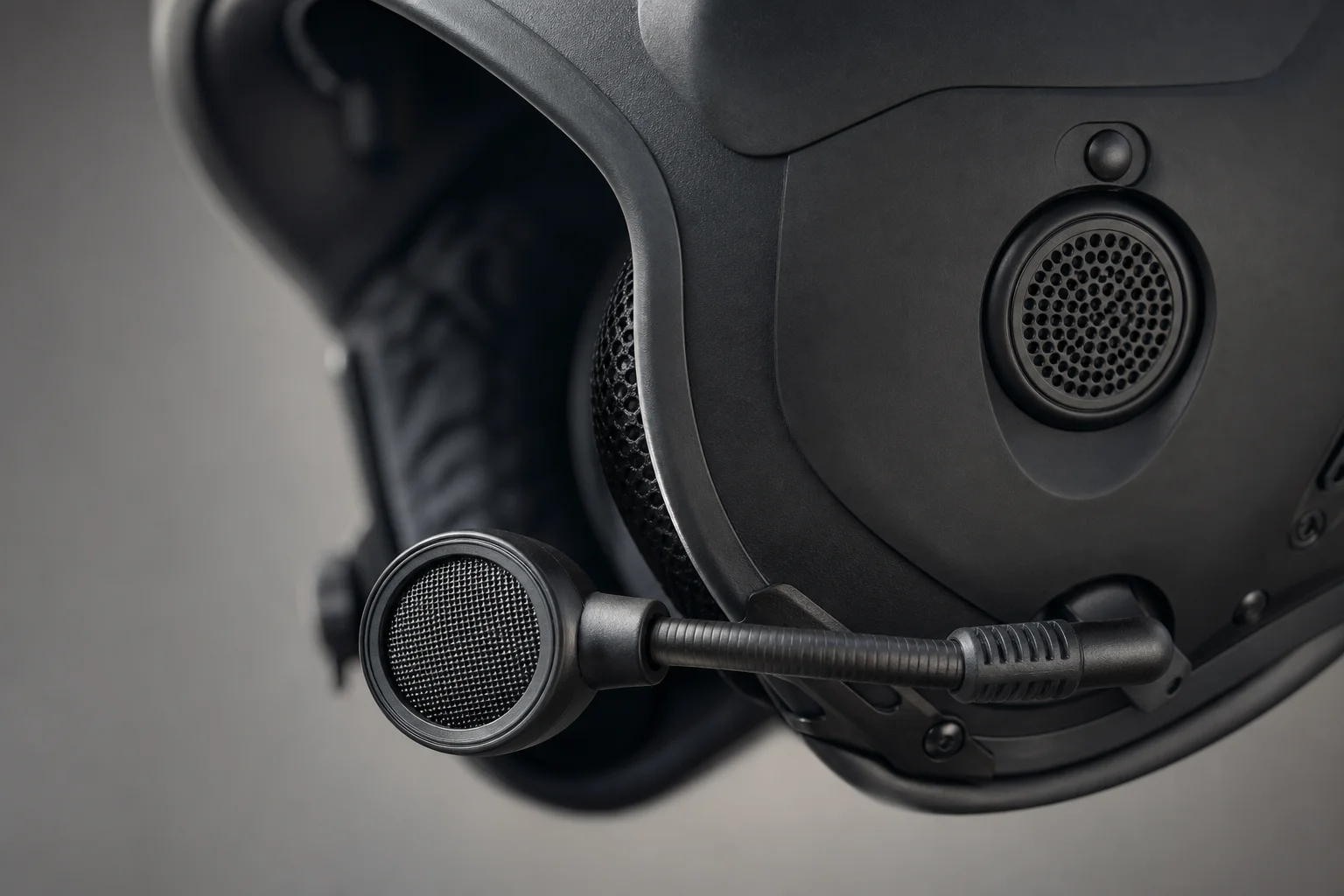
Wind noise management is notably effective. Testing in windy coastal conditions showed minimal wind noise reaching the speakers, and when wind does intrude, it does not significantly mask the other rider’s voice. This is a practical advantage for riders in exposed terrain or coastal areas.
The helmet supports music playback and phone calls when connected to your phone via Bluetooth, but it operates on a one-or-the-other basis: you cannot have music playing and then have an incoming call interrupt it, or vice versa. This is a functional limitation worth noting if you expect seamless audio switching during rides.
Design and Build Quality
The U1 adopts a full-shell design that differs visually from Sena’s road-focused R1 Evo and mountain-oriented M1 Evo models. The aesthetic leans toward the mountain bike category, though the design is purpose-built for e-bike use rather than off-road riding.
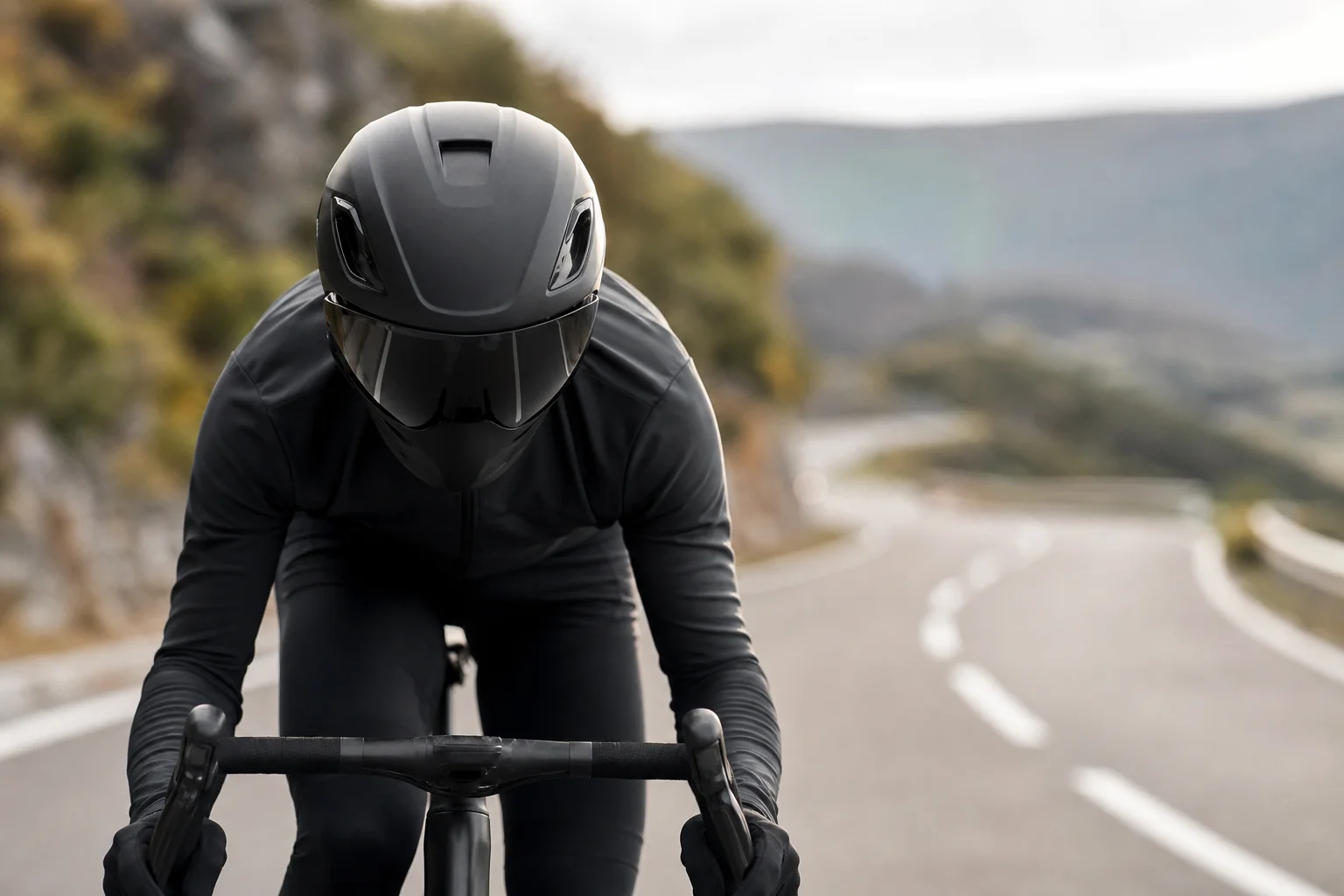
Several design choices reflect cost considerations rather than premium positioning. The button layout uses smaller, less tactile controls compared to the rubber buttons on older Sena models. The chin strap adjustment mechanism uses a plastic piece that slides more freely than the lift-and-cinch design on the R1 Evo, reducing security and comfort during adjustment. For a $200 helmet, the absence of premium touches like a magnetic FID Lock clasp or more robust strap hardware is noticeable.
The visor system offers two options: a transparent orange visor for sun protection and a smoke-tinted variant that attaches via a snap mechanism. Both are removable, allowing you to ride without a visor if preferred. The USB-C charging port is a practical upgrade over the micro-USB connectors on previous models.
Weight and Fit Considerations
The U1 is noticeably heavier than Sena’s other Evo models, approximately 23 percent heavier than the M1 Evo. For riders without neck sensitivity, this may go unnoticed, but those with existing neck issues should test the helmet before committing.
Sizing presents a more significant concern. Despite using the same size designations as other Sena helmets, the U1 fits differently. The medium size, which works well for head circumferences around 55-56 cm, may feel loose on smaller heads even when the rear adjustment is fully tightened. Riders with head circumferences below 55 cm may find better fit with the R1 Evo or M1 Evo. Conversely, heads measuring 57 cm and above should fit comfortably in the medium U1.
Real-World Performance and Reliability
Extended testing with a riding partner confirmed the mesh intercom system’s reliability. The system maintains clear audio at distances up to half a mile with line of sight, and performance remains consistent across multiple rides. Battery life aligns with the claimed 12-hour talk time, though leaving the helmet powered on between rides can drain the battery faster than expected. Charging after every three rides is a practical maintenance rhythm.

The removal of the “Hey Sena” voice command feature eliminates accidental activation during normal conversation, a genuine improvement over previous models. The IPX4 water resistance rating provides adequate protection for riding in light rain without concern.
One practical advantage emerges when riding with multiple helmets: the mesh system is cross-compatible across Sena’s helmet lineup. If one rider prefers the R1 Evo for fit and another chooses the U1 for certification, both can communicate seamlessly on the same mesh network.
Comparison with Other Sena Options
The R1 Evo remains a solid choice for road-focused riders who want communication at a lower price point and lighter weight. The M1 Evo suits mountain bike riders and offers the lightest option in Sena’s lineup. The Sena Pi is an affordable alternative that attaches to any helmet you already own, though it lacks the integrated design and full certification benefits of a dedicated communication helmet.
Conclusion
The Sena U1 delivers on its core promise: reliable group communication paired with e-bike-specific safety certification. The mesh intercom system works as advertised, noise cancellation is effective, and the NTA 8776 certification provides genuine protection benefits for higher-speed e-bike riding. However, the $200 price point, heavier weight, sizing quirks, and modest build quality for the cost mean this helmet is best suited for riders who prioritize communication and certification over aesthetics or premium feel. If you ride regularly with a partner and want the safest Sena option available, the U1 justifies its cost. If budget or weight are primary concerns, Sena’s other models remain capable alternatives.
Product link
View more details for Sena U1
This product is mentioned in the review. Check the specifications, options, and compatibility before buying.
View more details for Sena U1Further reading
Related Reviews
Coffee Brewing
AeroPress Clear Review: A Transparent Upgrade With Caveats
The new AeroPress Clear uses Tritan material and costs $50, but doesn't brew better coffee than the original. We tested durability, staining, and what the price increase means for the brand's future.
Coffee Equipment
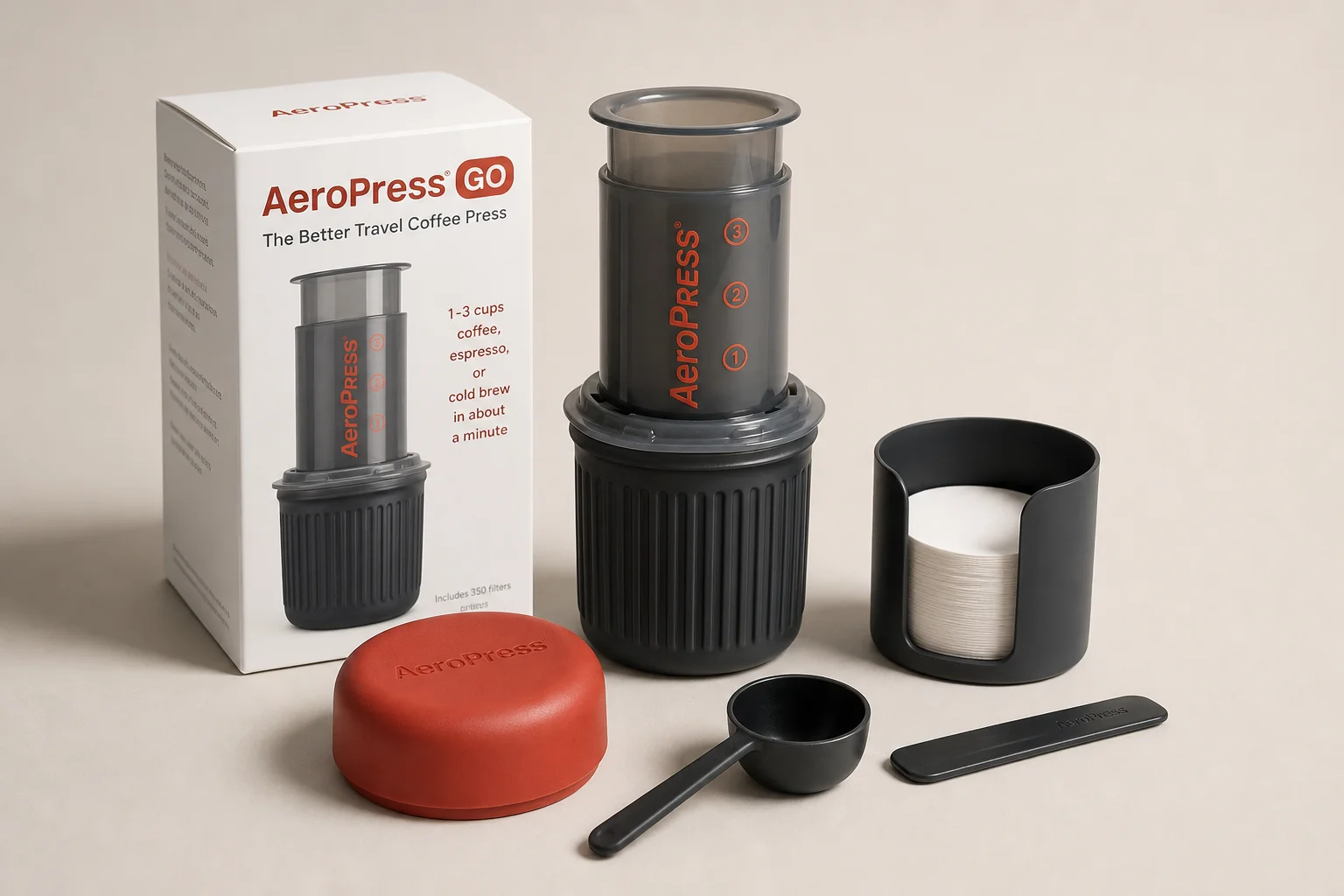
Aeropress Go Review: A Compact Travel Brewer That Solves One Specific Problem
The Aeropress Go shrinks the original design and adds an integrated cup, but it may not address the travel challenges most coffee enthusiasts actually face.
Tech
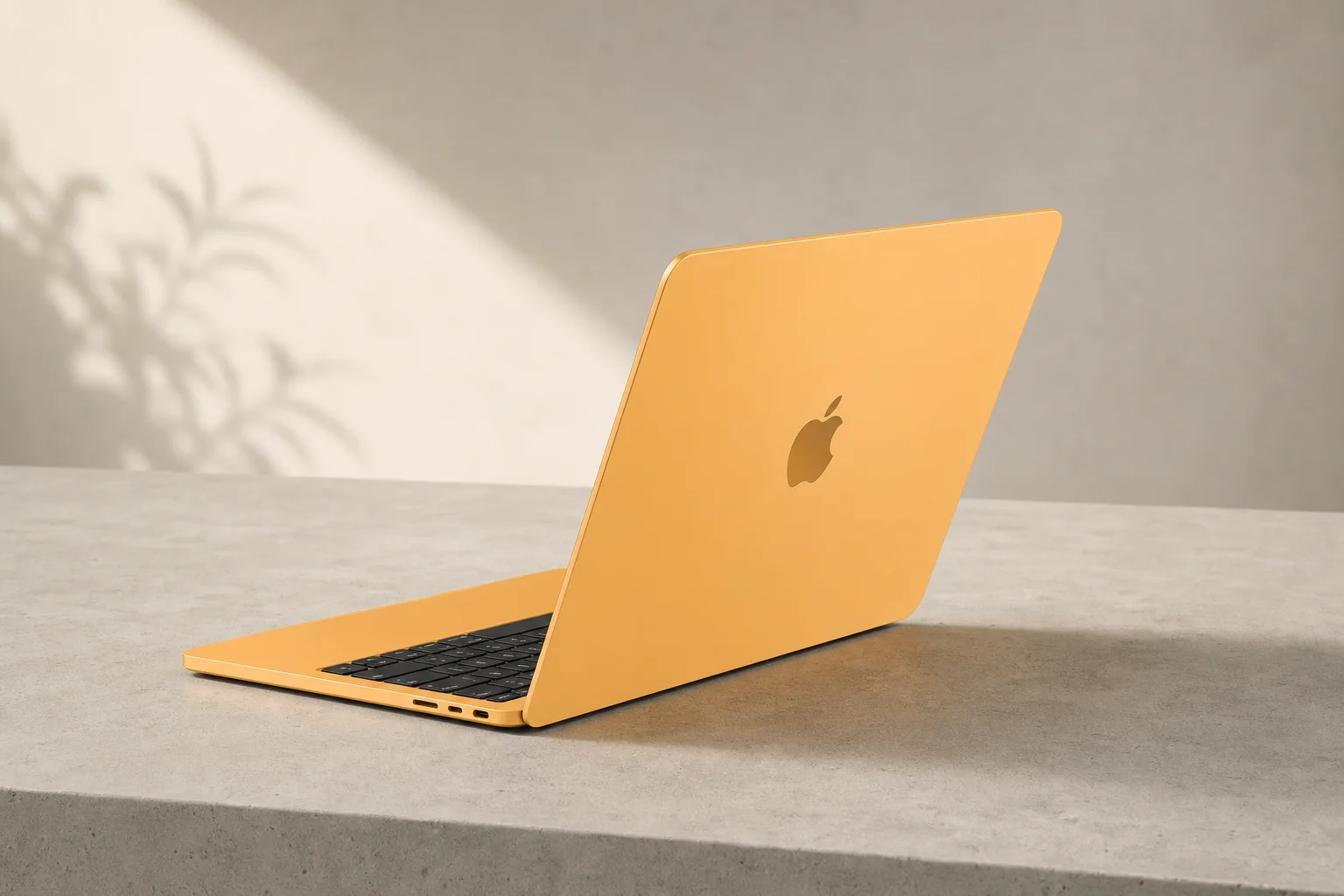
Apple MacBook Neo Review: A Surprisingly Capable Budget Laptop
The MacBook Neo brings M1-equivalent performance to a $599 entry-level laptop. We tested it across real workflows to see if it's worth considering over pricier alternatives.