Gaming Peripherals
TMR Sensors vs Hall Effect Keyboards: What Changed in Gaming Input Technology
TMR sensors represent a meaningful evolution in analog keyboard and controller technology, offering better accuracy, lower power consumption, and new design possibilities compared to Hall Effect.
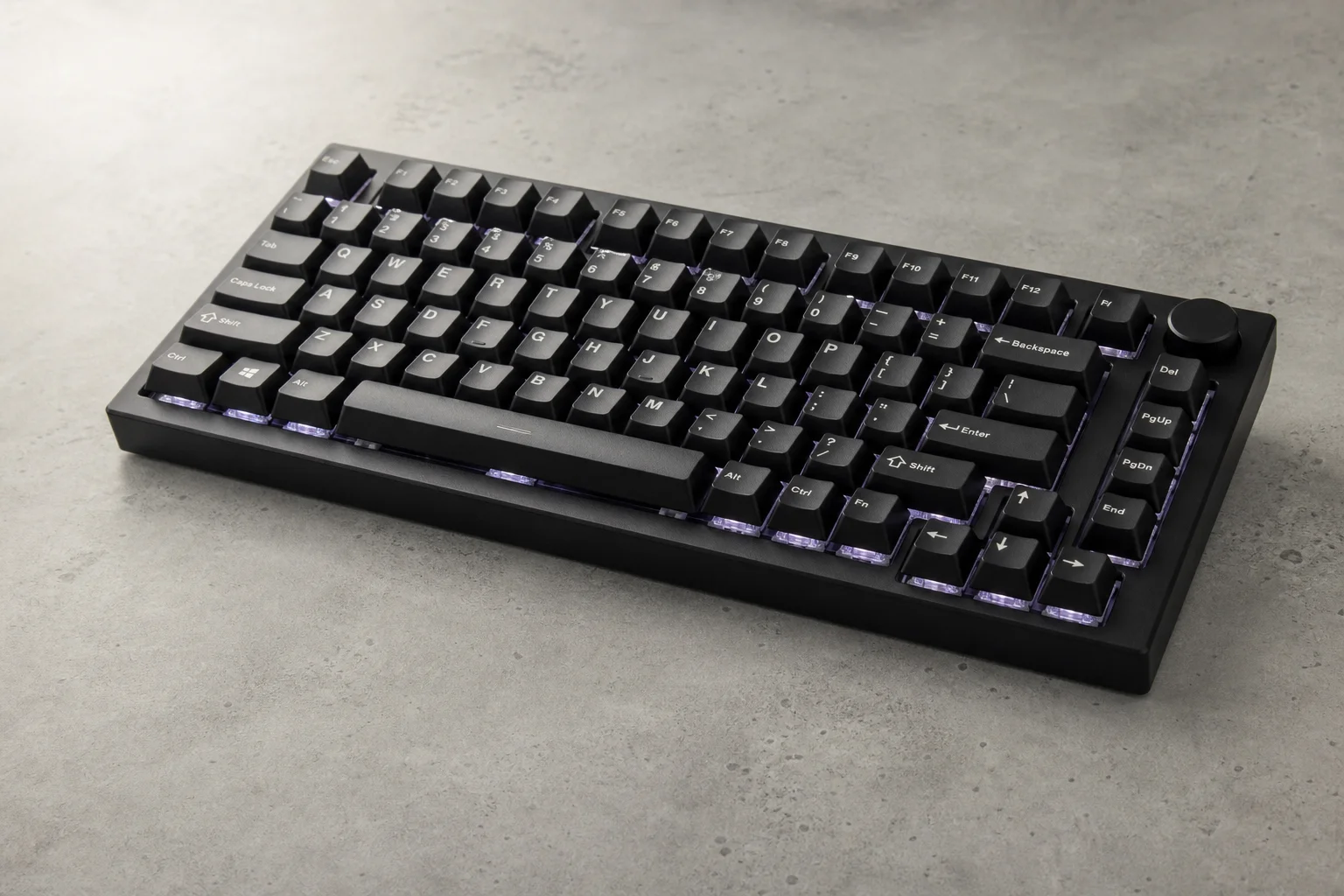
Introduction
Hall Effect sensors arrived in gaming keyboards in 2017 with the Wooting One, fundamentally changing how analog input worked in the gaming space. For nearly a decade, this technology dominated the market as manufacturers raced to replicate its success. Today, a new sensor technology called TMR (tunneling magneto-resistant) is beginning to displace Hall Effect as the preferred choice for both keyboards and controllers. Understanding the difference matters if you’re considering an upgrade or building a new gaming setup.
Understanding Hall Effect Sensors
Hall Effect sensors detect changes in magnetic fields by measuring voltage shifts in electrons as they deflect off a conductor. This approach is highly sensitive but works only along a single linear axis. If the magnetic field moves perpendicular to that axis, the sensor cannot detect it. This limitation has shaped keyboard design for years, requiring the sensor to sit precisely in the center of the switch to function properly.
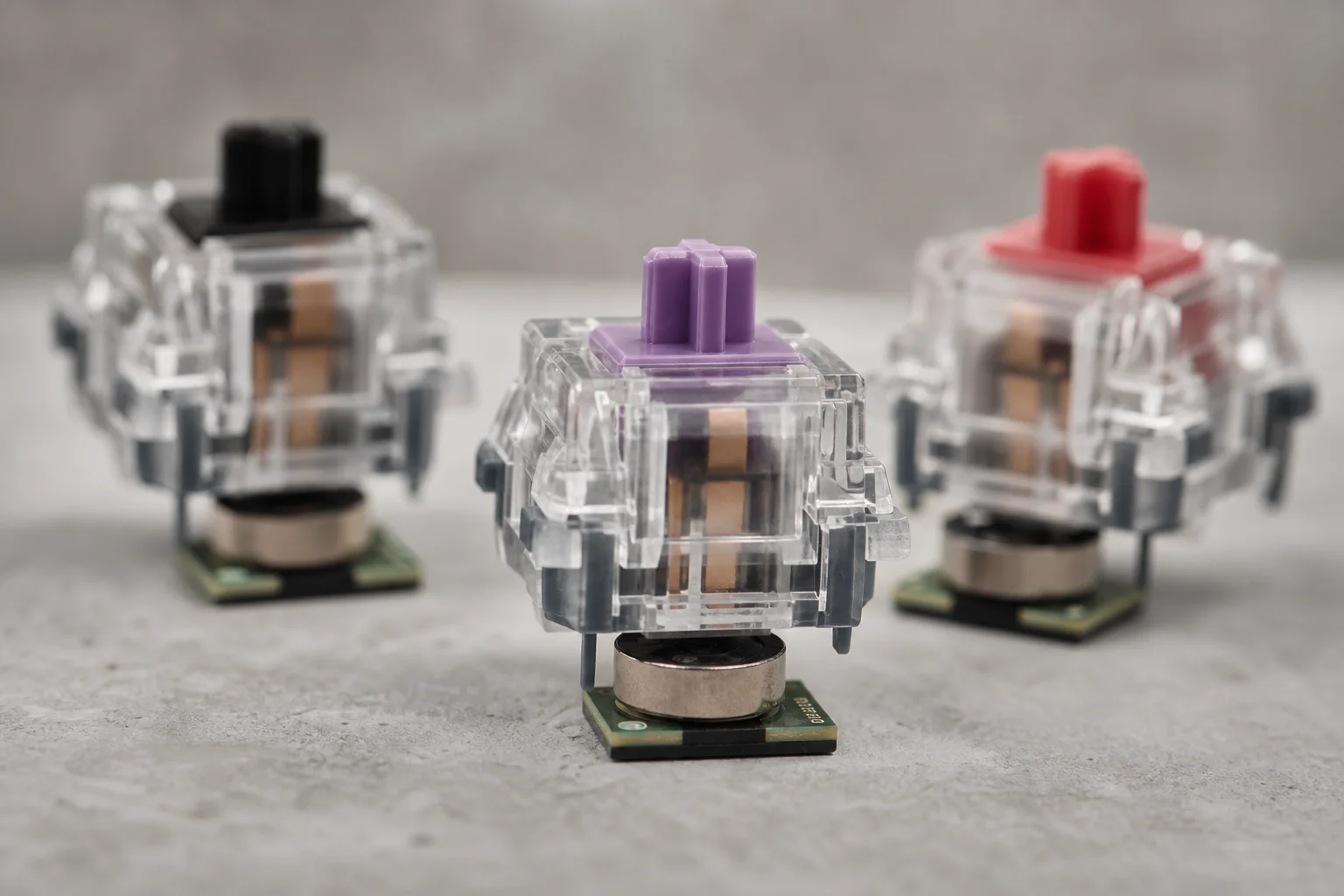
The Wooting 60HE exemplifies this design philosophy. It delivers genuine analog input for gaming, allowing variable actuation points and eliminating the binary on-off nature of traditional mechanical switches. For competitive gaming, this means smoother movement control and faster response times. However, the technology’s power demands have made wireless Hall Effect keyboards difficult to produce, and those that exist require large batteries to maintain reasonable battery life.
How TMR Sensors Work Differently
TMR sensors detect resistance changes caused by quantum tunneling effects, making them sensitive to magnetic fields that Hall Effect sensors would miss entirely. This superior sensitivity unlocks several practical advantages. First, TMR sensors require significantly less power than Hall Effect, solving the wireless keyboard problem almost entirely. Second, the sensor can be positioned off-axis from the switch, rather than requiring center placement.
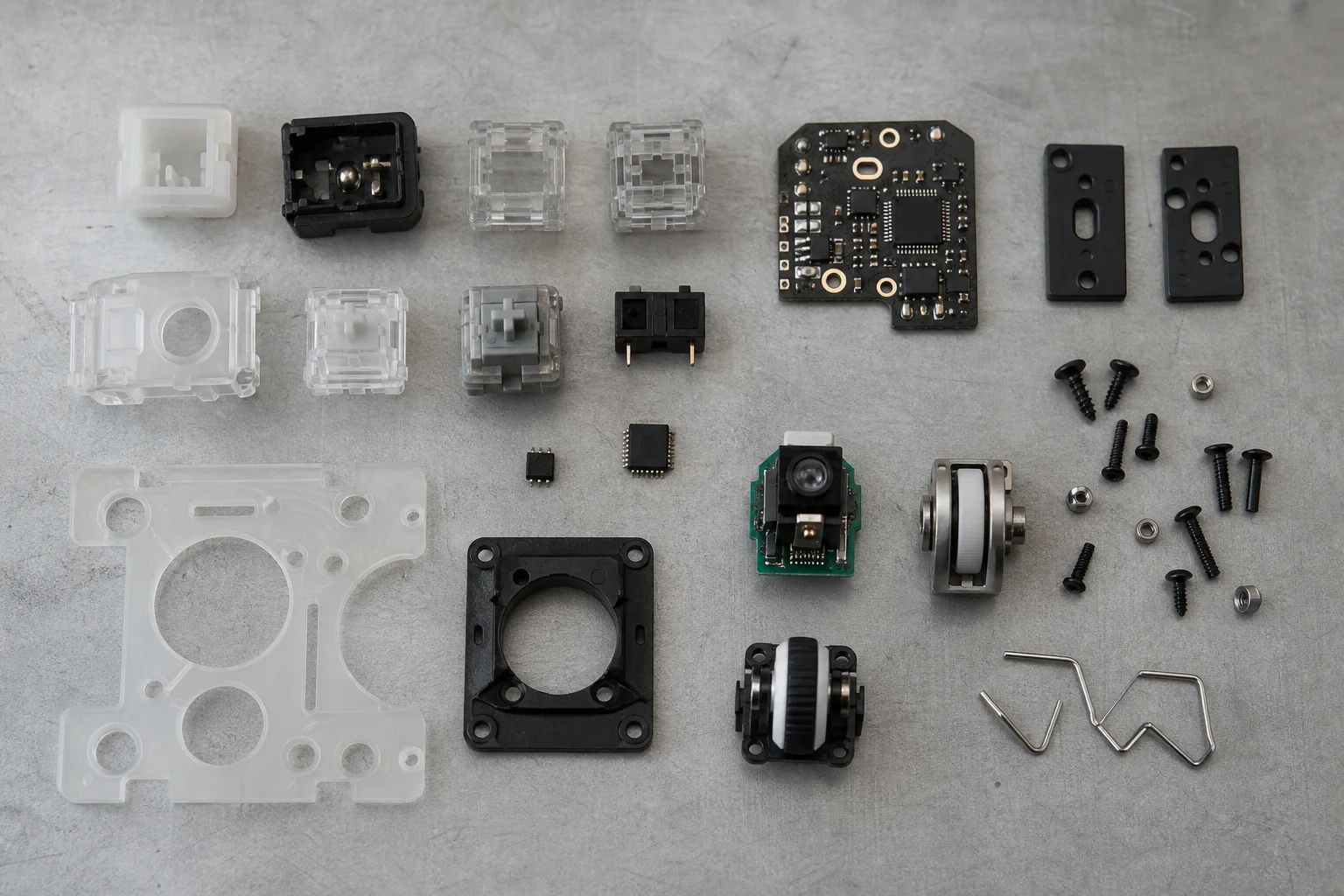
This off-axis placement opens new design possibilities. Because the sensor no longer needs to occupy the center of the switch housing, traditional hot swap sockets can now coexist with analog magnetic switches on the same board. The practical result is a keyboard that supports both technologies simultaneously.
Hybrid Keyboard Design and Hot Swap Compatibility
One of the most compelling features enabled by TMR is the hybrid keyboard. With Hall Effect, every switch must be a magnetic switch because the sensor placement requirement prevents traditional mechanical switches from fitting. TMR changes this equation entirely.
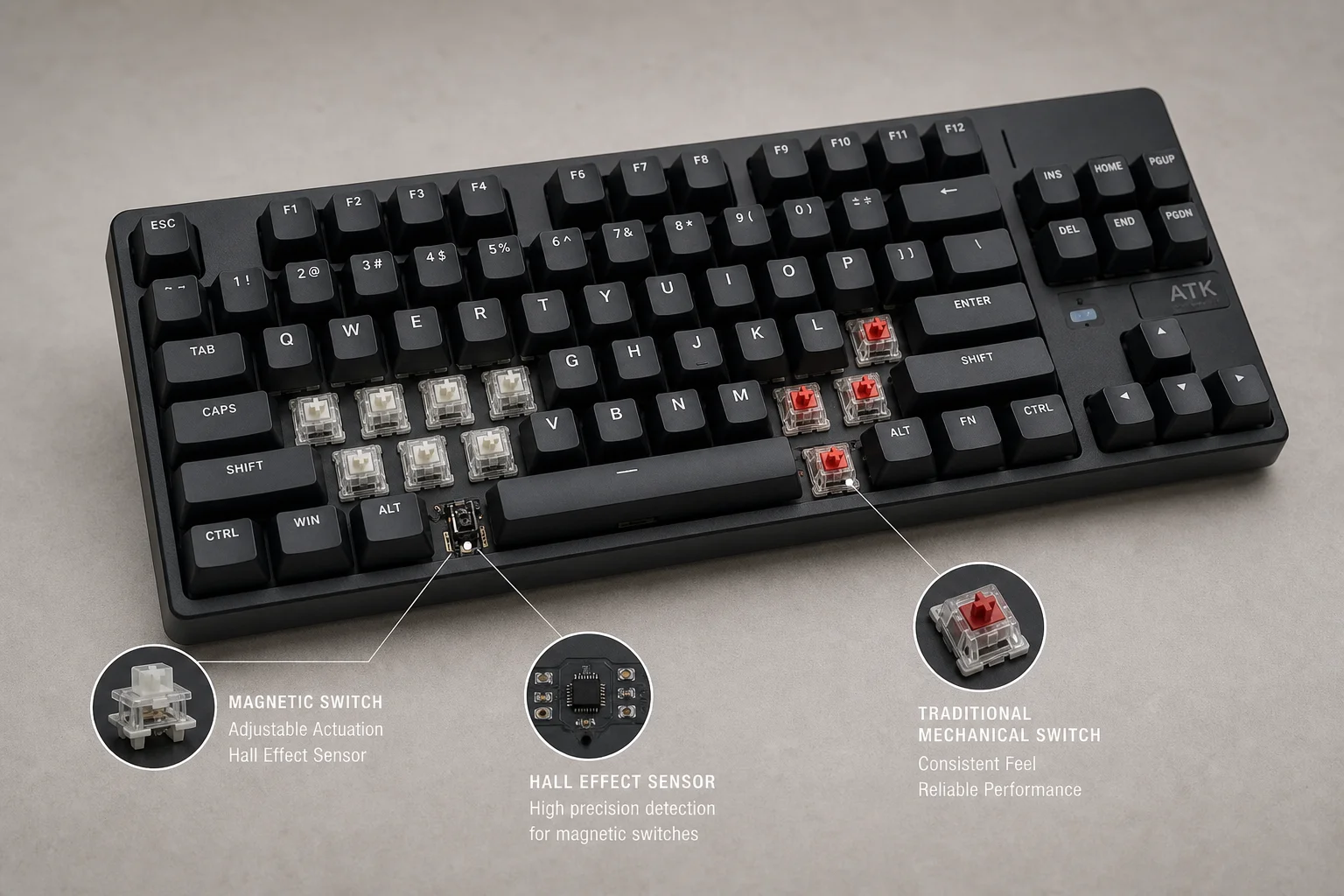
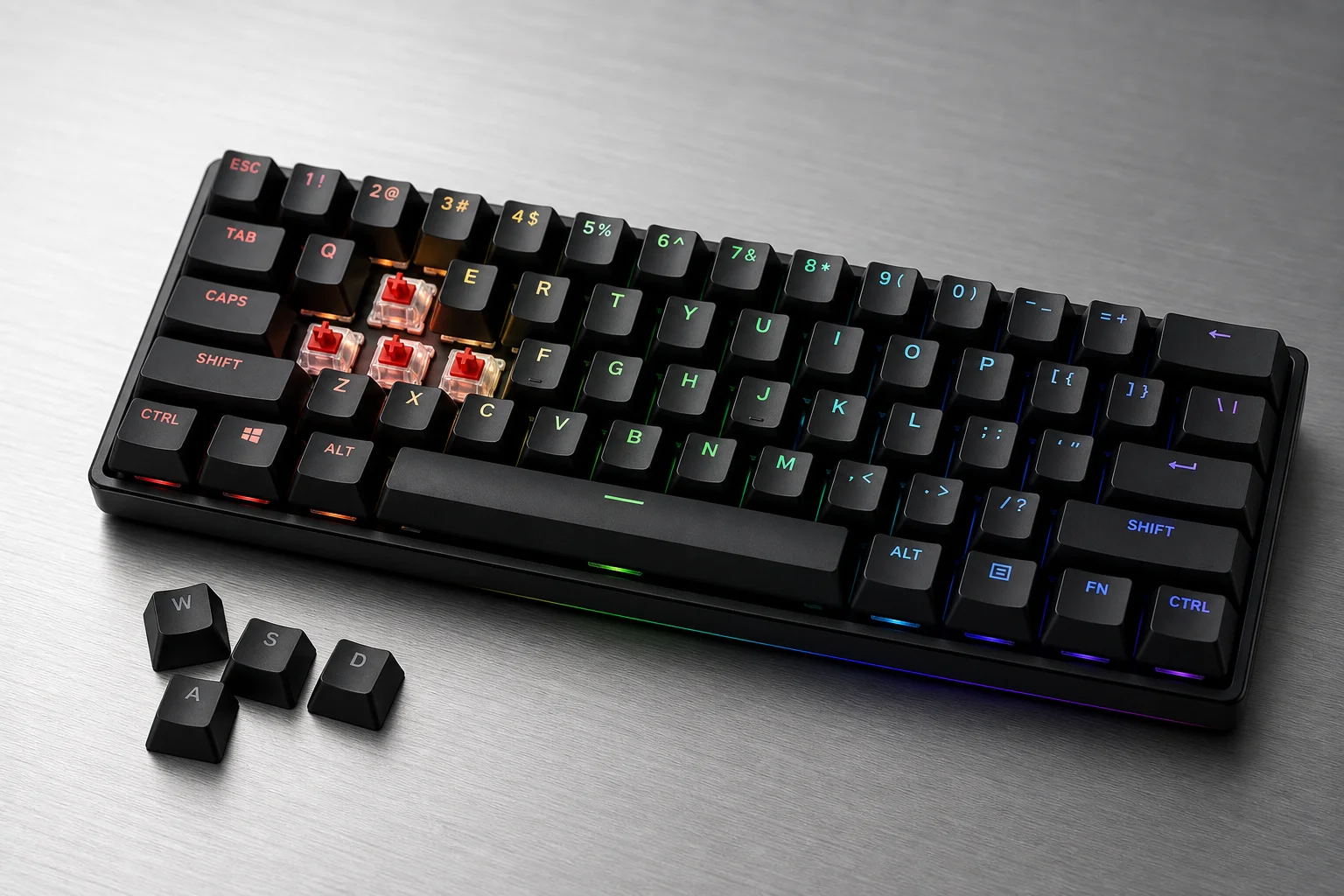
A hybrid TMR keyboard lets you install magnetic switches on keys where you want analog input, such as WASD or arrow keys, while using traditional mechanical switches elsewhere for their superior sound and tactile feel. This flexibility appeals to players who value the audio and haptic feedback of conventional switches but want analog precision where it matters most for gameplay. For non-gaming typing, a keyboard with traditional switches on most keys will sound and feel more like a standard mechanical board.
Wireless Capability and Power Efficiency
Hall Effect keyboards have struggled with wireless implementation because the sensor technology draws substantial power. The Wooting brand has not released a wireless Hall Effect keyboard, and only a handful of manufacturers like Asus and Fun have managed wireless versions, all requiring oversized batteries to maintain usable battery life.
TMR’s lower power consumption changes this constraint. The power draw is so minimal compared to Hall Effect that wireless TMR keyboards can operate on standard-sized batteries without sacrificing runtime. This makes wireless analog keyboards practical for the first time, expanding the appeal of the technology to players who prefer cable-free setups.
TMR Technology Beyond Keyboards
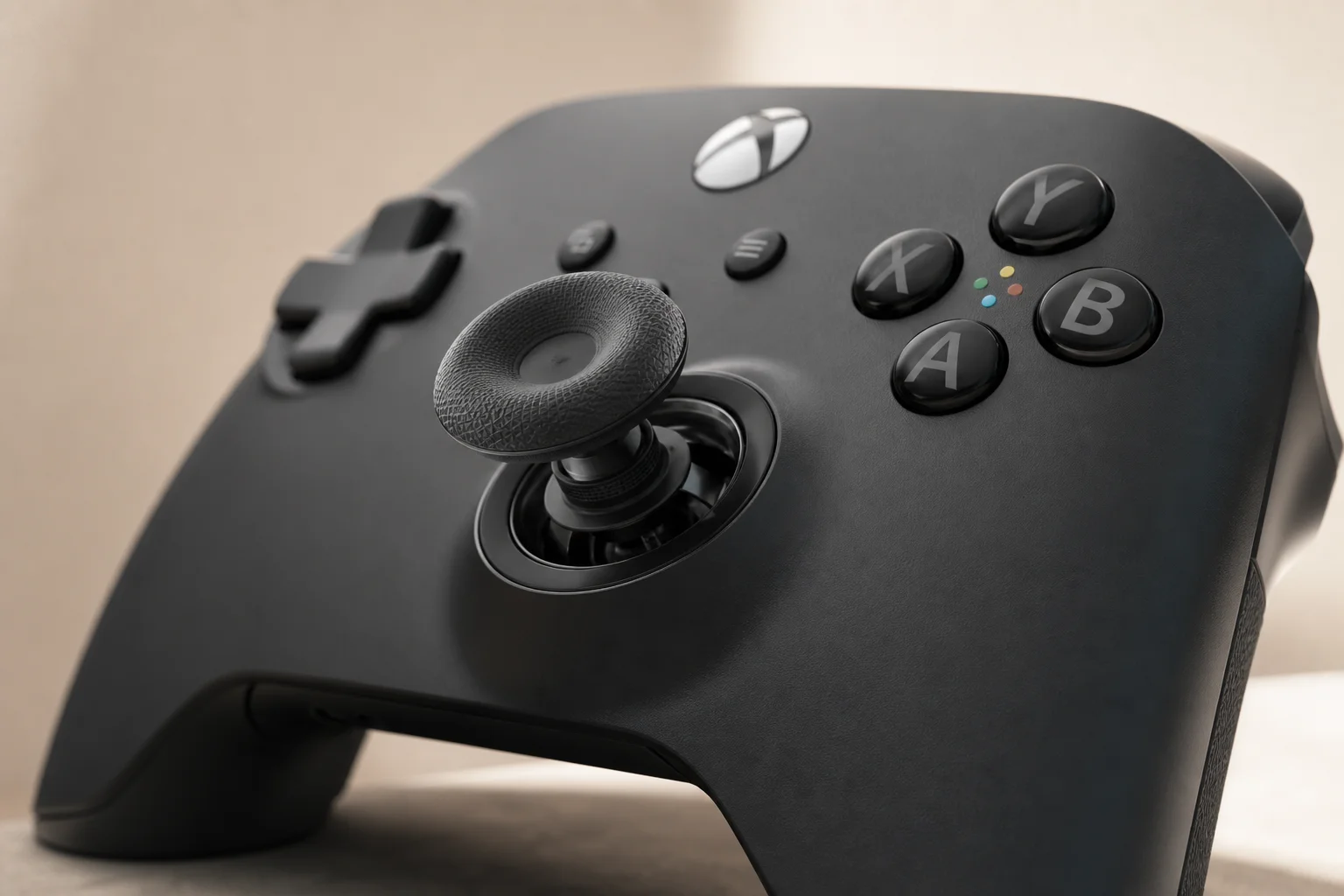
TMR is not new technology. The 8BitDo controller uses TMR sensors in its joysticks to deliver more accurate analog input and eliminate stick drift, a common failure mode in traditional joystick designs. Like Hall Effect, TMR sensors are contactless with theoretically infinite lifespan, but the superior sensitivity of TMR provides better real-world reliability and input fidelity.
Magnetic switches remain cross-compatible between Hall Effect and TMR keyboards, so your existing switch collection will work with either technology. This compatibility eases the transition as the market shifts toward TMR.
Will TMR Replace Hall Effect?
For most players, the practical difference between a Hall Effect keyboard and a TMR keyboard is imperceptible during actual use. Both deliver the core benefit of analog input: variable actuation points and faster response compared to traditional mechanical switches. If you already own a Hall Effect keyboard, upgrading immediately offers minimal gameplay advantage.
However, TMR is objectively superior technology with lower manufacturing costs than Hall Effect. This combination suggests that within the next year or so, most new analog keyboards will adopt TMR sensors. The technology solves real problems, particularly wireless capability and design flexibility, without significant cost penalty. For new purchases, TMR keyboards represent the safer long-term choice.
Conclusion
TMR sensors represent a meaningful evolution rather than a revolutionary leap. The technology delivers better accuracy, lower power consumption, and design flexibility that Hall Effect cannot match. For players building a new gaming setup or considering a wireless analog keyboard, TMR is the better choice. For existing Hall Effect keyboard owners, the upgrade is optional unless you specifically want hybrid switch capability or wireless functionality.
Product link
View more details for Wooting 60HE
This product is mentioned in the review. Check the specifications, options, and compatibility before buying.
View more details for Wooting 60HEFurther reading
Related Reviews
Gaming Peripherals
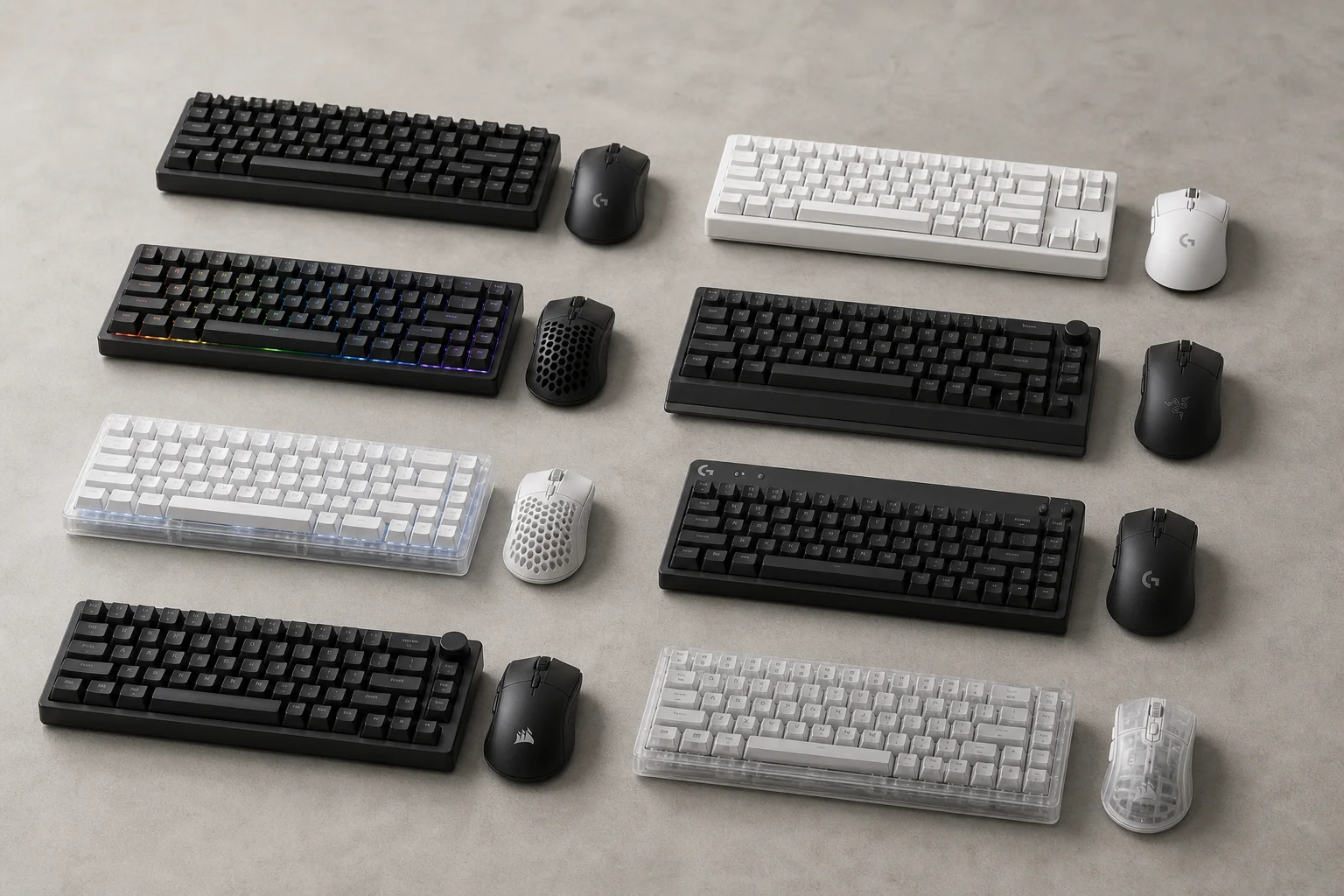
Budget Gaming Keyboard-Mouse Combos Under 1600: Which Ones Are Worth Buying
A practical review of eight affordable keyboard-mouse combos, identifying which deliver genuine value and which to skip when building a budget gaming setup.
Gaming Peripherals
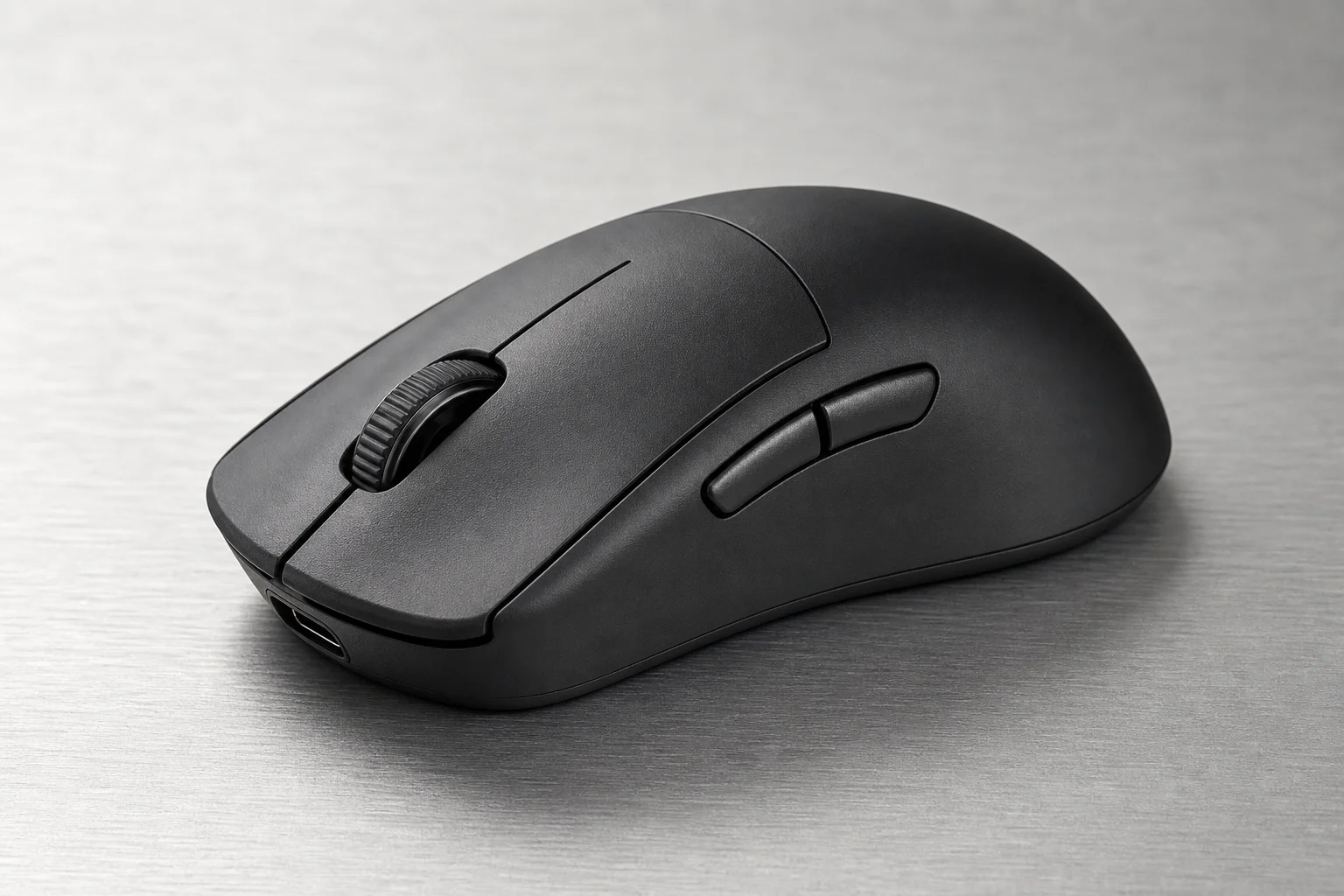
Logitech Pro X2 SUPERSTRIKE Gaming Mouse Review: Haptic Triggers and Rapid-Fire Precision
A lightweight esports mouse with haptic inductive triggers, adjustable actuation points, and rapid-trigger technology designed for competitive gaming.
Gaming Peripherals
TMR Sensors vs Hall Effect: The Next Generation of Gaming Keyboards
TMR sensors represent a meaningful evolution in gaming keyboard technology, offering better accuracy, lower power consumption, and hybrid switch compatibility. Here's what you need to know before upgrading.