Backpacking Gear
Water Bottle Greenwashing in Backpacking: Why You Don't Need to Buy New
A critical look at trending outdoor water bottles, their environmental claims, and why your existing bottles are likely the better choice.
Introduction
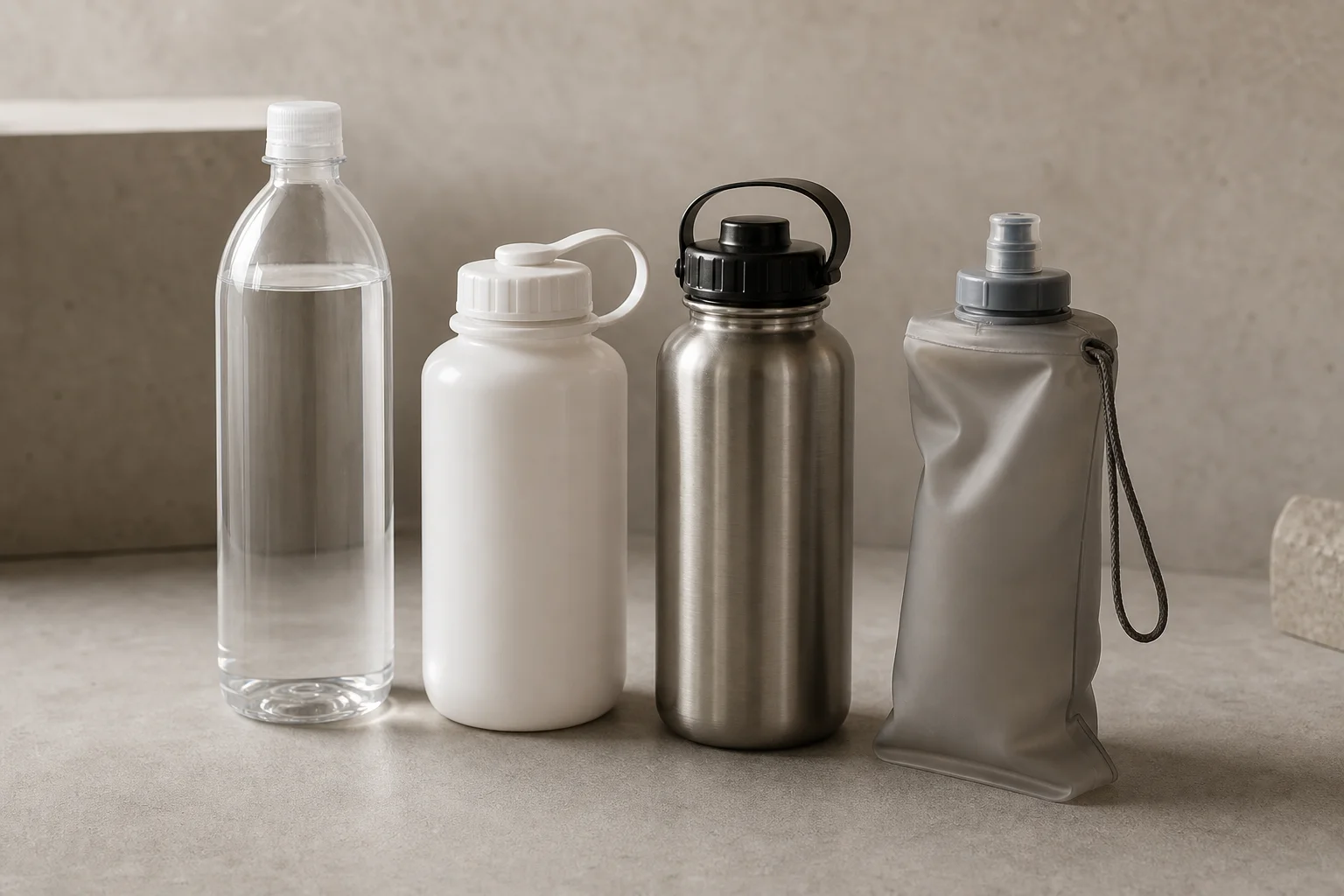
The outdoor industry has spent the last few years pushing a narrative that you need to replace your existing water bottles with newer, trendier models. The claim is that these bottles are more sustainable, better for your health, and worth the premium price. The reality is far more complicated, and the marketing behind these products relies heavily on greenwashing and influencer promotion rather than solid science.
If you own a water bottle already, you likely have everything you need. The idea that you must throw out perfectly functional bottles and spend significantly more money on replacements is not about environmental responsibility. It is about driving consumer spending in a multi-billion-dollar industry.
The Microplastics Argument
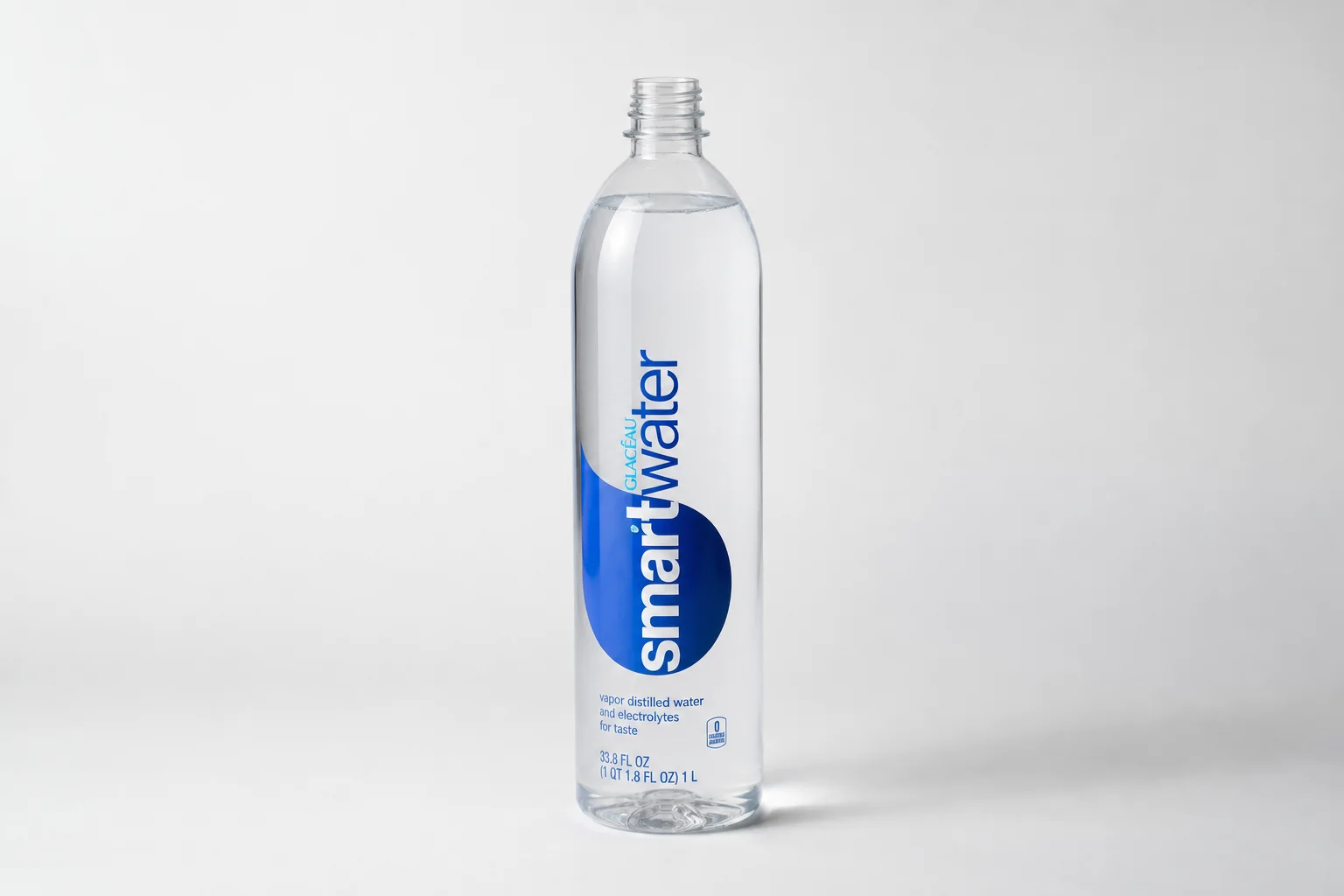
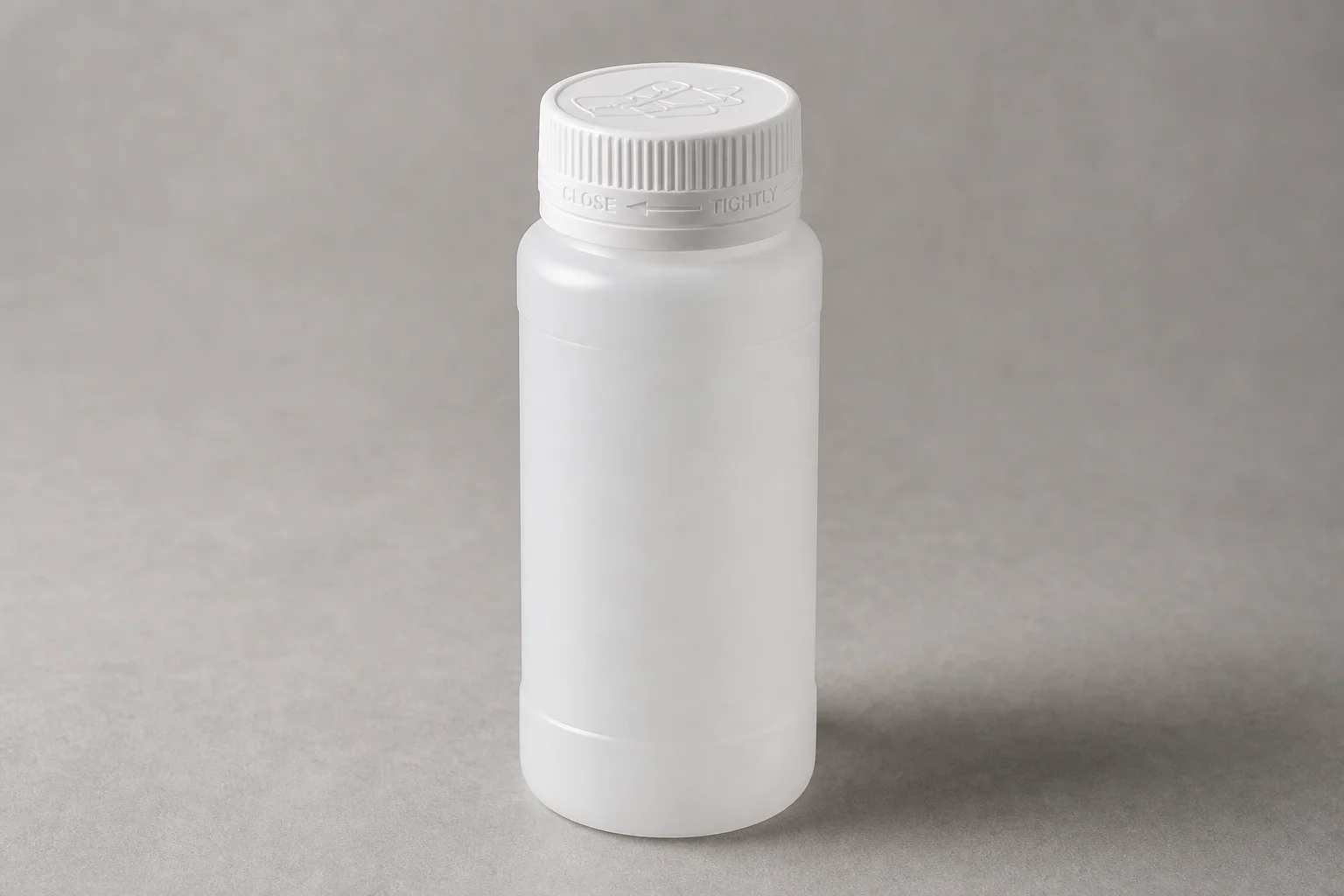
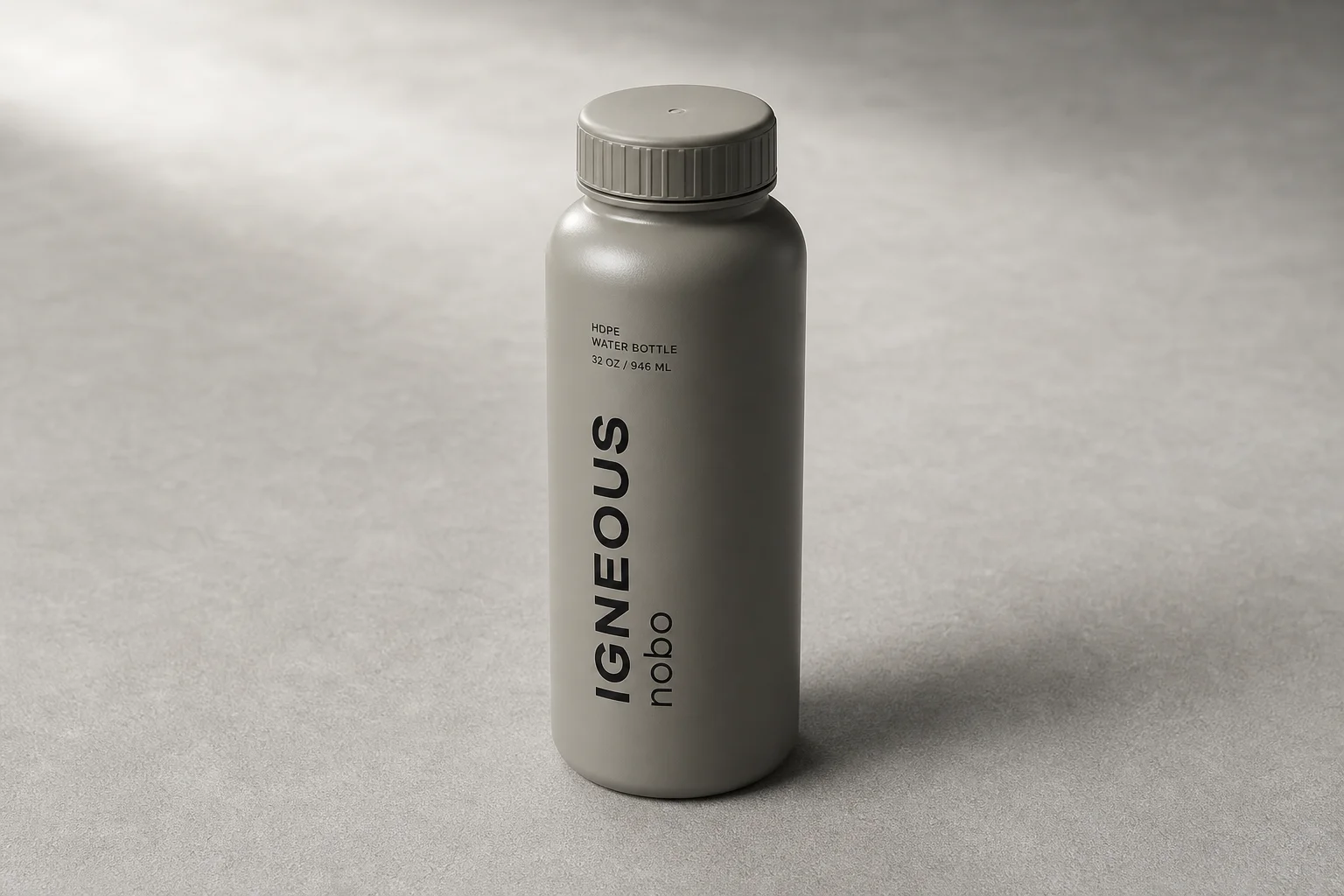
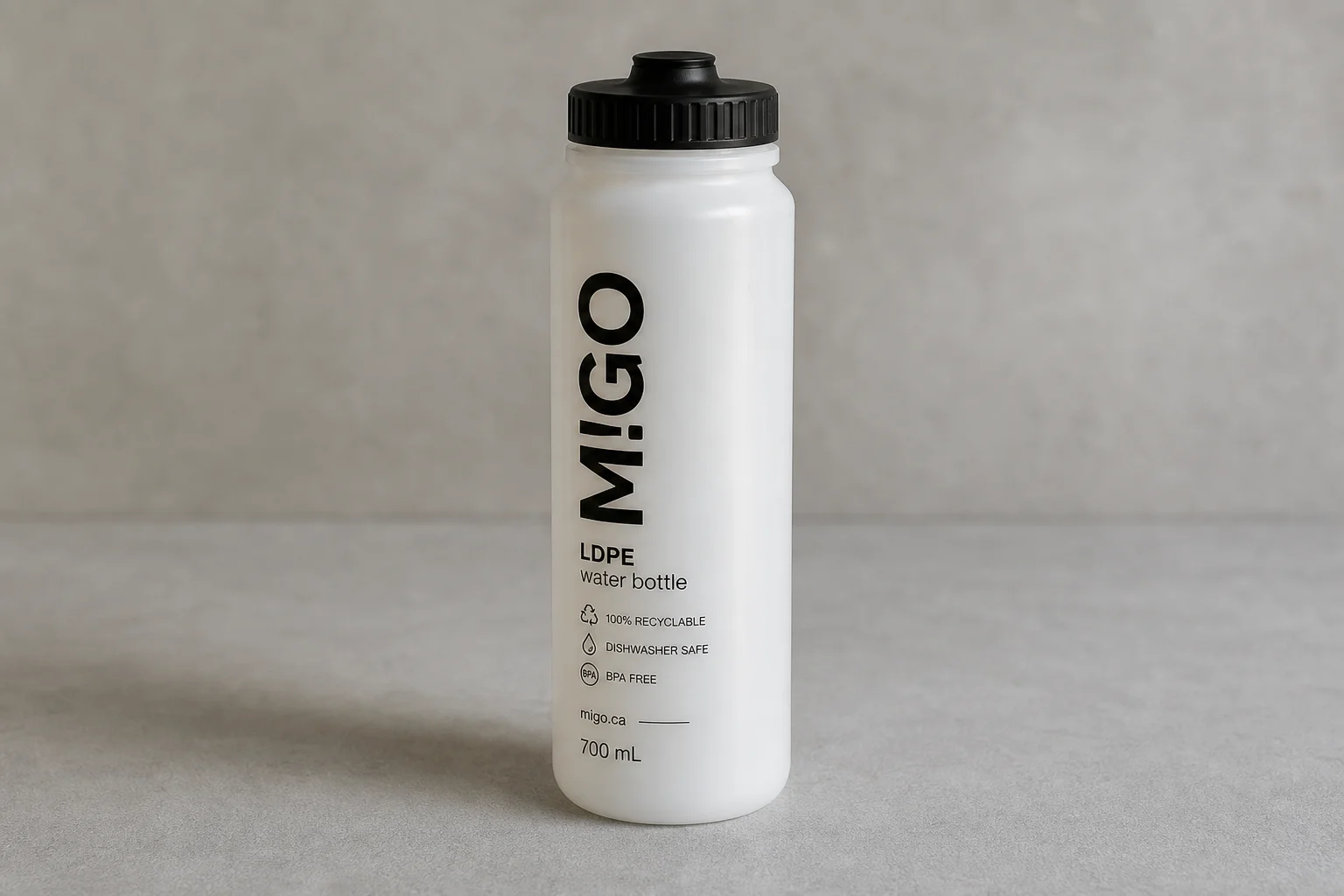
One of the most common claims made about newer water bottle materials is that they leach fewer microplastics than older plastic bottles. Specifically, the argument goes that PET plastic (used in SmartWater bottles) leaches more microplastics than HDPE or LDPE plastics (used in Cnoc Thrubottle, Igneous Nobo, and M!Go bottles).

The problem is that the research is inconclusive. Multiple scientific studies show conflicting results. Some suggest that PET is more susceptible to leaching at high temperatures, while others found that HDPE leaches more chemicals than PET at normal temperatures. The reality is that no one has definitive evidence that one type of plastic is significantly better or worse than the other for health purposes.
More importantly, there are zero studies examining the outdoor use of these bottles specifically. A health researcher on Reddit summarized the issue well: while we can measure plastics and understand how they might accumulate biologically, we do not yet know how dangerous they are compared to other risk factors. Studying this properly would take years of human trials and long-term health tracking, which has not been done.
The bottom line is that microplastics are everywhere. They have been found in clouds, in water filters, and in human blood. You will not avoid them by switching water bottles. If microplastic intake is your primary concern, the only real solution is to use a metal bottle made from stainless steel or titanium.
Recycling Rates and Material Reality
The reusable water bottle industry is worth nearly 9 billion dollars and is projected to grow to over 12 billion by 2030. This massive market creates strong incentives for companies to market their products as more sustainable than alternatives. However, the recycling claims often do not hold up to scrutiny.
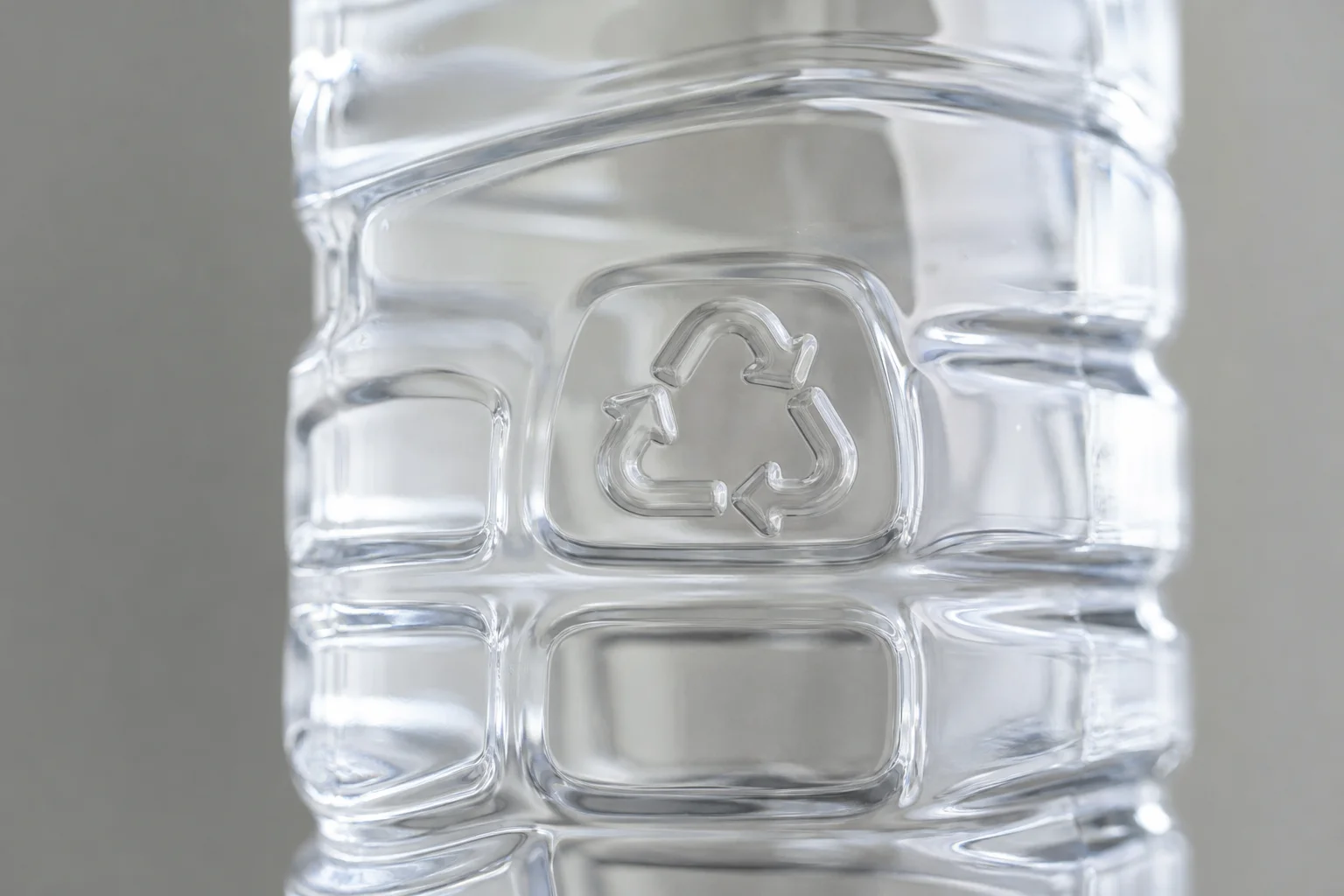
PET plastic, which is used in SmartWater bottles, has a recycling rate of around 35 percent. HDPE plastic, used in Cnoc and Igneous bottles, has a recycling rate of only 29 percent. LDPE plastic, used in M!Go bottles, has a recycling rate of just 6 percent. By comparison, 75 percent of all aluminum ever refined is still in circulation, and stainless steel and titanium are 100 percent recyclable indefinitely.
Here is where the marketing gets particularly misleading: none of these trendy outdoor water bottles contain any recycled material. They are 100 percent virgin petroleum products. SmartWater bottles, by contrast, contain 7 percent recycled material according to Coca-Cola, which owns the brand. It is not impressive, but it is more than the outdoor companies can claim.
Additionally, plastic cannot truly be recycled in the traditional sense. It can only be downcycled, meaning it is turned into a lower grade of plastic each time it is reused. After one or two cycles, it becomes unusable and ends up in landfills, incinerators, or the ocean. Calling this recycling is itself a form of greenwashing.
The Weight and Durability Myth
Backpackers care deeply about weight, and the SmartWater bottle is beloved because it weighs only 1.3 ounces. The Igneous Nobo weighs 2.3 ounces, the Cnoc Thrubottle weighs 3.2 ounces, and the M!Go weighs 4.7 ounces. None of these come close to matching the SmartWater’s weight advantage.
The companies selling these bottles claim they are more durable, which they interpret as a selling point. However, durability in the context of plastic actually means the material takes longer to decompose. A SmartWater bottle takes approximately seven years to decompose in ideal conditions. HDPE bottles take 75 years. LDPE bottles take 750 years. More durable simply means trash for longer.
The claim that these bottles are ultralight is also misleading. While a single bottle may weigh more than a SmartWater, the average water bladder holds two liters and weighs between 6 and 7.5 ounces. When you double up on these new bottles to carry the same amount of water, you end up with nearly the same weight or more. You are not saving anything.
The Cost Factor
A SmartWater bottle costs approximately three dollars. The trendy outdoor alternatives cost an average of twenty dollars each. That is more than six times the price for a product that does not perform better, is not demonstrably better for your health, and is arguably worse for the environment.
For a family of three going on a backpacking trip with five water bottles total, the cost difference is stark. Using SmartWater bottles costs fifteen dollars. Using the trendy alternatives costs one hundred dollars. This is not a small difference, and it is not justified by any meaningful performance or environmental advantage.
The Real Solution: What You Already Own
The most sustainable purchase is a non-purchase. Before buying anything new, check your own home. Reusable water bottles are everywhere, and most people have a collection gathering dust in a cabinet somewhere. These bottles arrived in your life through various means: promotional giveaways, gifts, purchases you forgot about. They are free, and they are already part of your household waste stream.
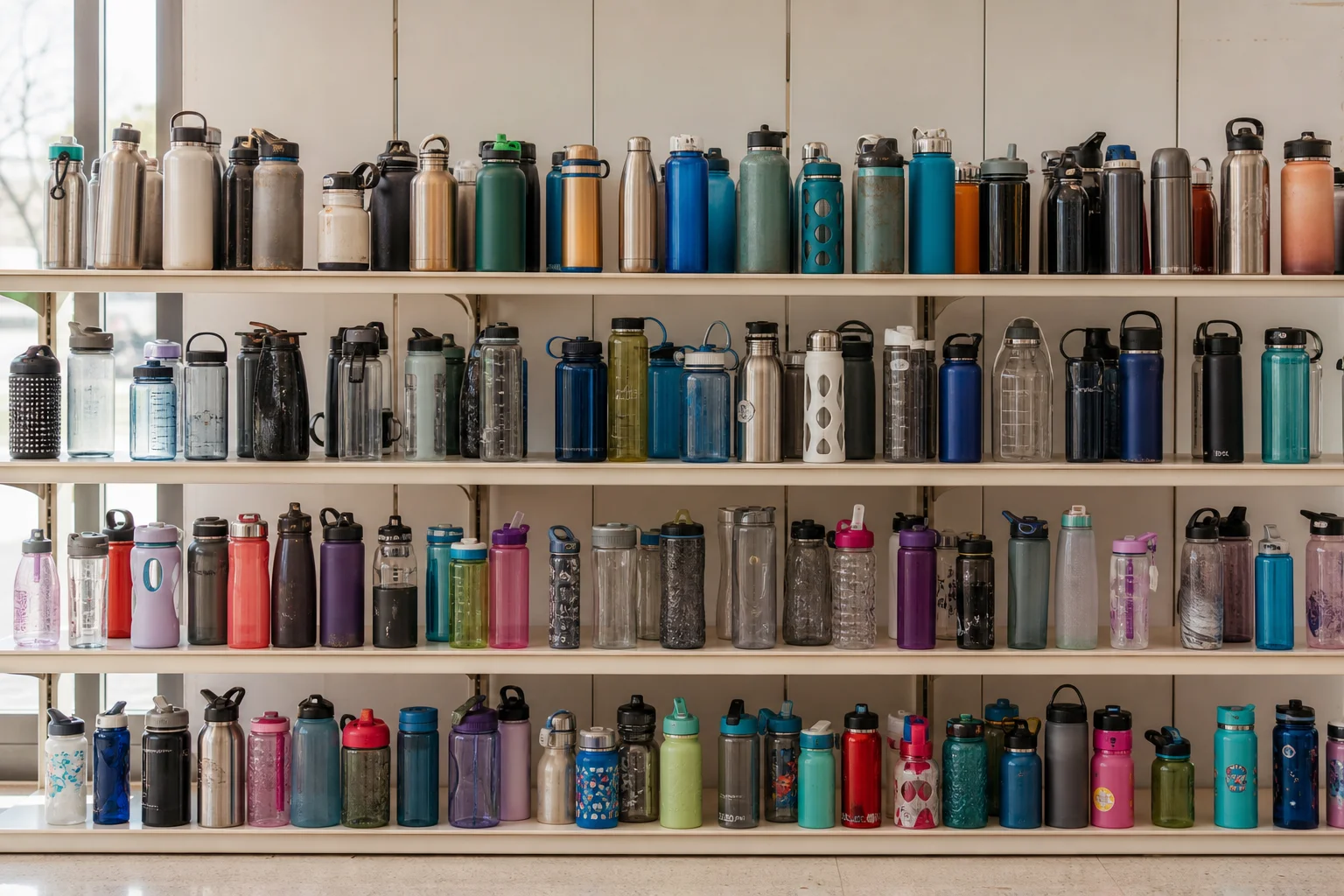
If your home collection does not have what you need, visit your local thrift store. Water bottles are common donations, and you will find a wide variety of styles and materials. You will spend roughly the same amount as a SmartWater bottle, and you will contribute zero percent of new plastic to the waste stream. You will be diverting an existing bottle from the landfill instead of creating demand for new virgin plastic production.
Thrift stores are full of stainless steel bottles that are infinitely durable and 100 percent recyclable. You can find lightweight sport bottles that weigh as little as 2.6 ounces and hold nearly a liter of water. Many of these bottles have adapters available that allow you to attach water filters, and these adapters cost less than buying any of the trendy new bottles.
Practical Alternatives Worth Considering
If you have backpacked with various bottles and filters, you know that none of them are difficult to clean or maintain. A bottle brush set is inexpensive, and most bottles can go in the dishwasher. You will not encounter quality issues or strange smells if you care for your gear properly.
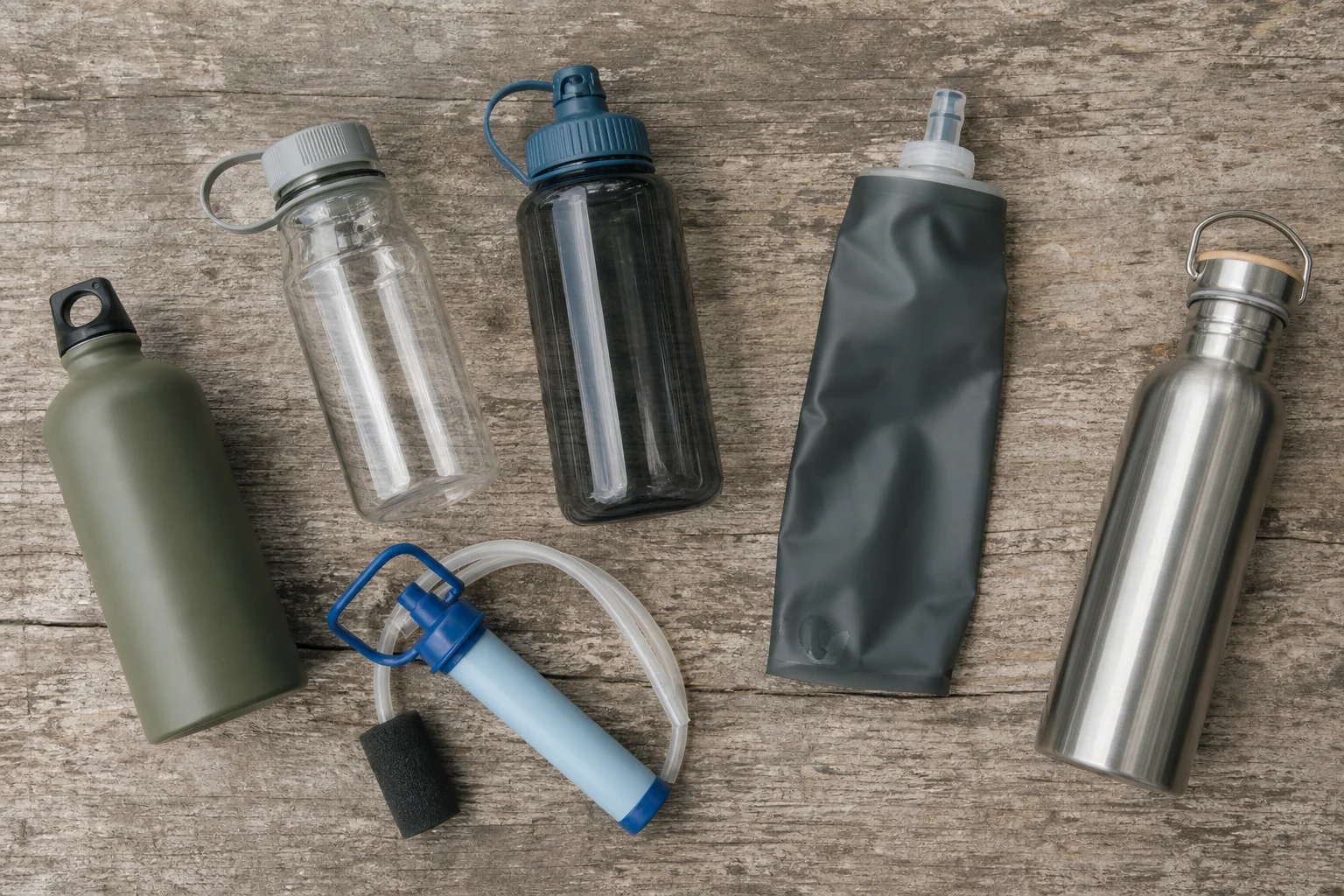
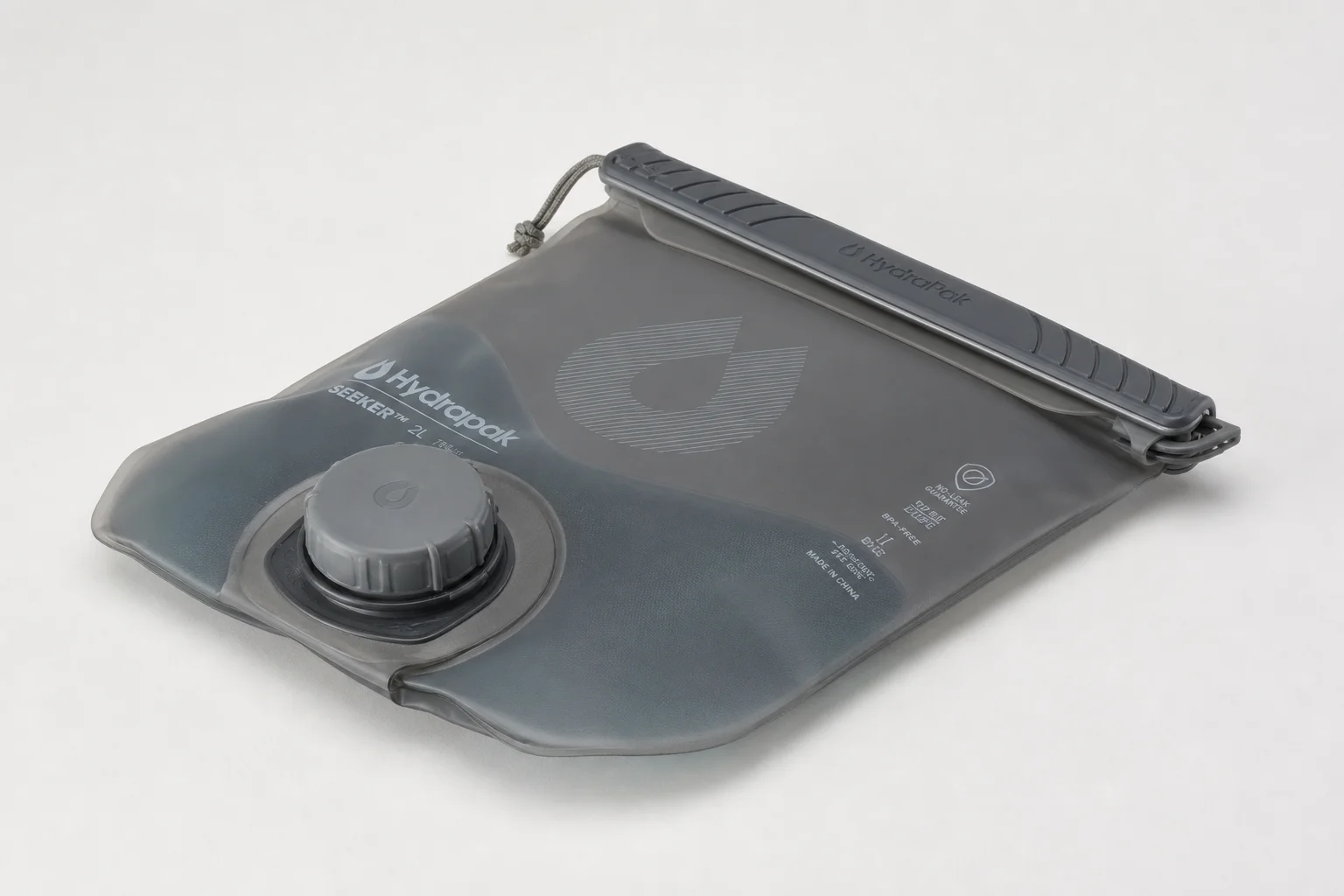
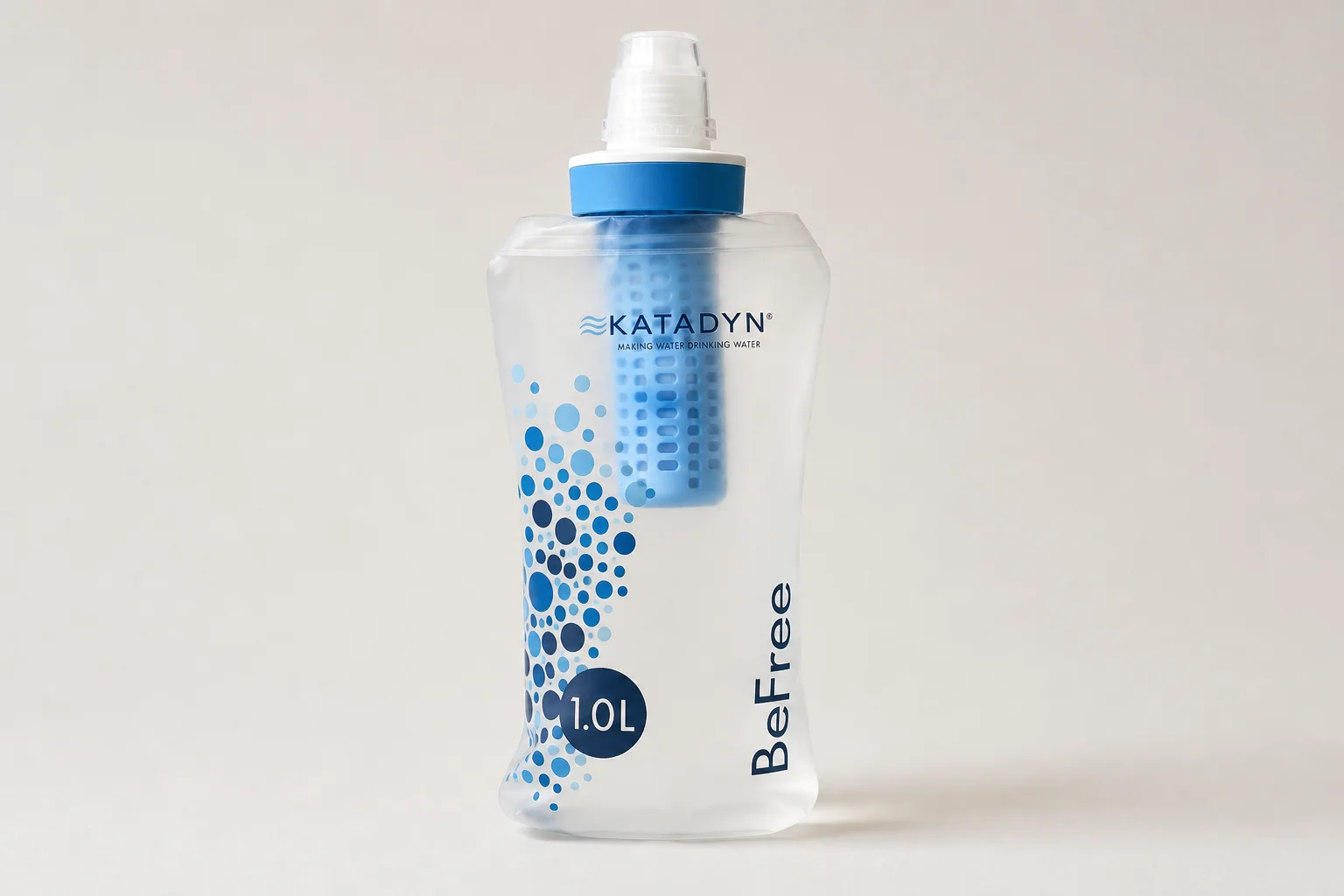
For those who want to haul larger quantities of water, a Hydrapak Seeker soft flask is a practical option. It weighs 2.9 ounces for two liters, which is only 0.6 ounces more than carrying two SmartWater bottles. The Katadyn BeFree filter is another option that eliminates the need for bottles altogether. You can collect water directly into a soft flask and filter it on the go. The filter itself weighs only one ounce.
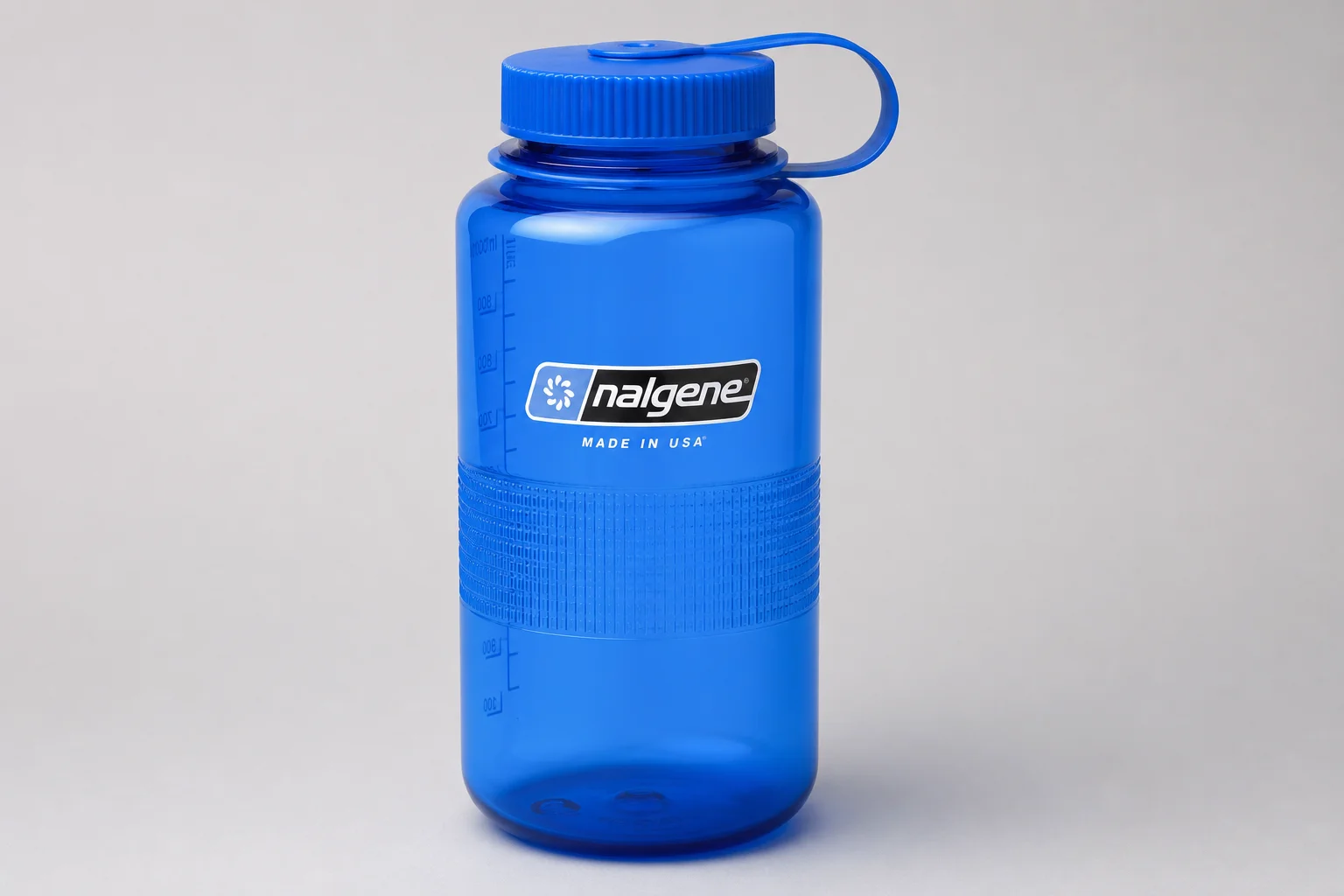
A Nalgene bottle, if you find one at a thrift store, is an excellent choice. These bottles are insanely durable and last for decades. A used Nalgene will cost you nothing to a few dollars and will serve you reliably for years of backpacking.
The key point is that none of these options require you to buy new products from outdoor influencers or companies trying to convince you that their bottle is a personality statement. A water bottle is a vessel for drinking. It is not complicated, and it does not need to be expensive or new.
Conclusion
The outdoor industry benefits when you feel compelled to replace perfectly functional gear with newer, more expensive alternatives. The marketing around water bottles relies on greenwashing, inconclusive science, and influencer endorsements to drive sales. The environmental and health claims do not hold up to scrutiny.
Your existing water bottles are likely sufficient for your needs. If you need something new, check your home first, then visit a thrift store. You will save money, reduce demand for new plastic production, and divert existing bottles from the waste stream. That is genuine sustainability, not marketing.
Stop buying things when you have something at home you can use. It is the simplest and most effective solution to the water bottle question.
Further reading
Related Reviews
Backpacking Gear
Bear-Proof Food Storage Methods: A Complete Guide to Backpacking Food Protection
Explore seven proven methods for protecting your food from bears and smaller wildlife while backpacking, from hard-sided bear cans to specialized desert rat sacks.
Backpacking Gear
Best Backpacking Chairs: Helinox Chair Zero vs REI Co-op Flexlite Air
Two lightweight backpacking chairs compared side by side. One is a proven classic; the other offers surprising comfort at half the price.
Backpacking Gear
Best Backpacking Chairs Tested: Five Options From Luxury to Budget
Five backpacking chairs tested on real trips. One is a gold standard, one is an underdog bargain, one is a classic, one is essential minimalism, and one to avoid.