Coffee Equipment
American Press Coffee Brewer Review: A Percolation Brewer That Trades Simplicity for Cleanliness
The American Press offers a unique take on manual coffee brewing, combining percolation mechanics with easier cleanup than a French press. But it demands more precision and costs significantly more.
Introduction
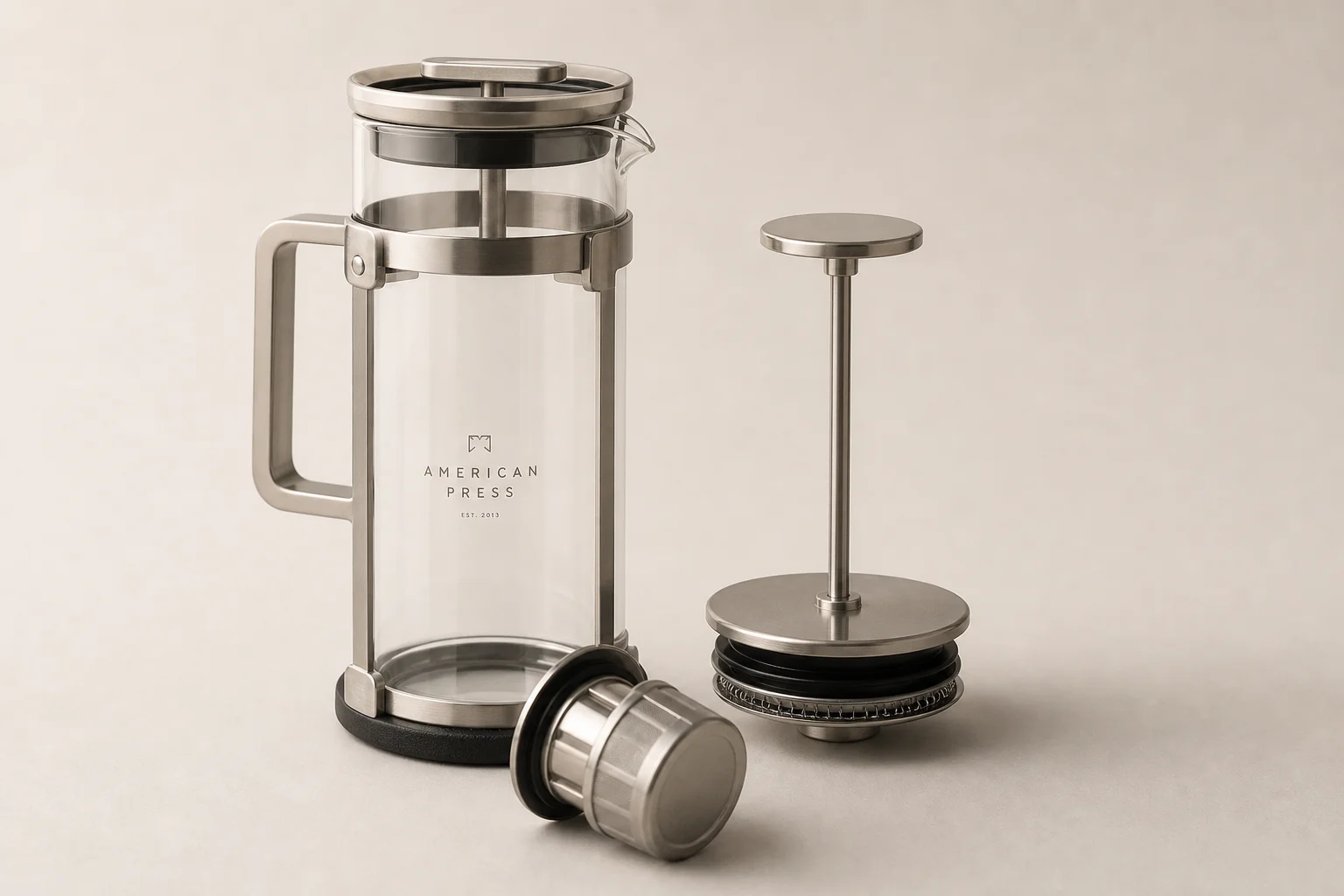
The American Press sits at an unusual intersection in the manual coffee brewing landscape. It looks like a French press, but it operates on entirely different principles. At approximately 60 British pounds (around 80 US dollars), it is positioned as a premium option in the manual brewer category. The key question is whether its design innovations justify the cost and added complexity.
How the American Press Works
Unlike a French press, which uses immersion brewing where coffee grounds steep in hot water for several minutes, the American Press employs a percolation method. Inside the brewer sits a small pod containing ground coffee, with mesh filters both above and below the grounds. When you add hot water and press the plunger downward, water flows through the coffee grounds under pressure, similar in principle to espresso extraction but without the extreme pressure.
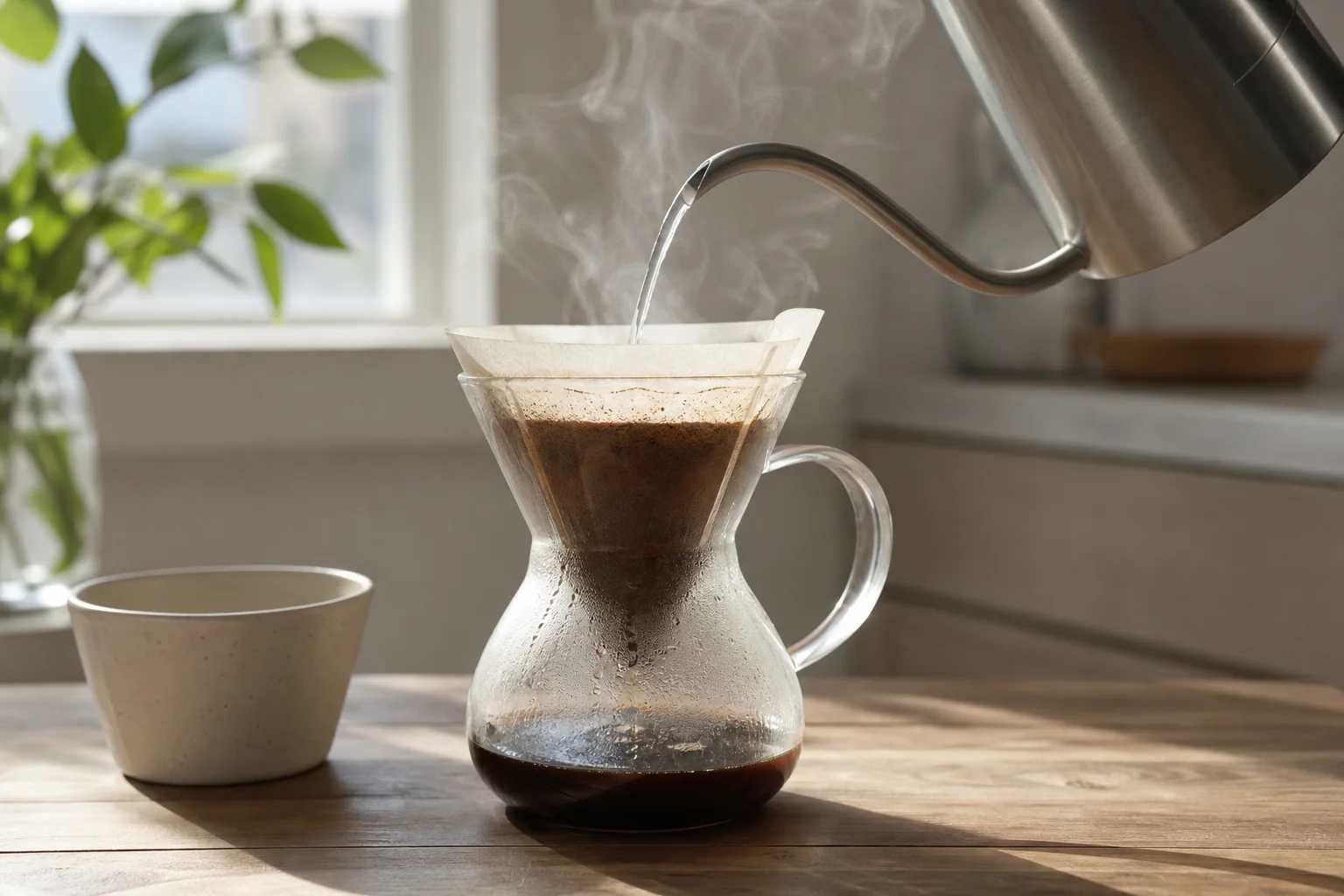
This fundamental difference in brewing mechanics means the American Press requires more precision than a traditional French press. The grind size becomes critical, as finer grounds create more resistance to water flow and can lead to channeling or uneven extraction. Coarser grounds may under-extract, producing weak, thin coffee.
Brewing Performance and Extraction
In initial testing with a medium-fine grind, the first brew produced noticeably weak coffee. This highlighted a key challenge with percolation brewers: small adjustments to grind size have outsized effects on the final cup. A second attempt with a finer grind yielded better results, though the process required more attention and experimentation than a French press would demand.
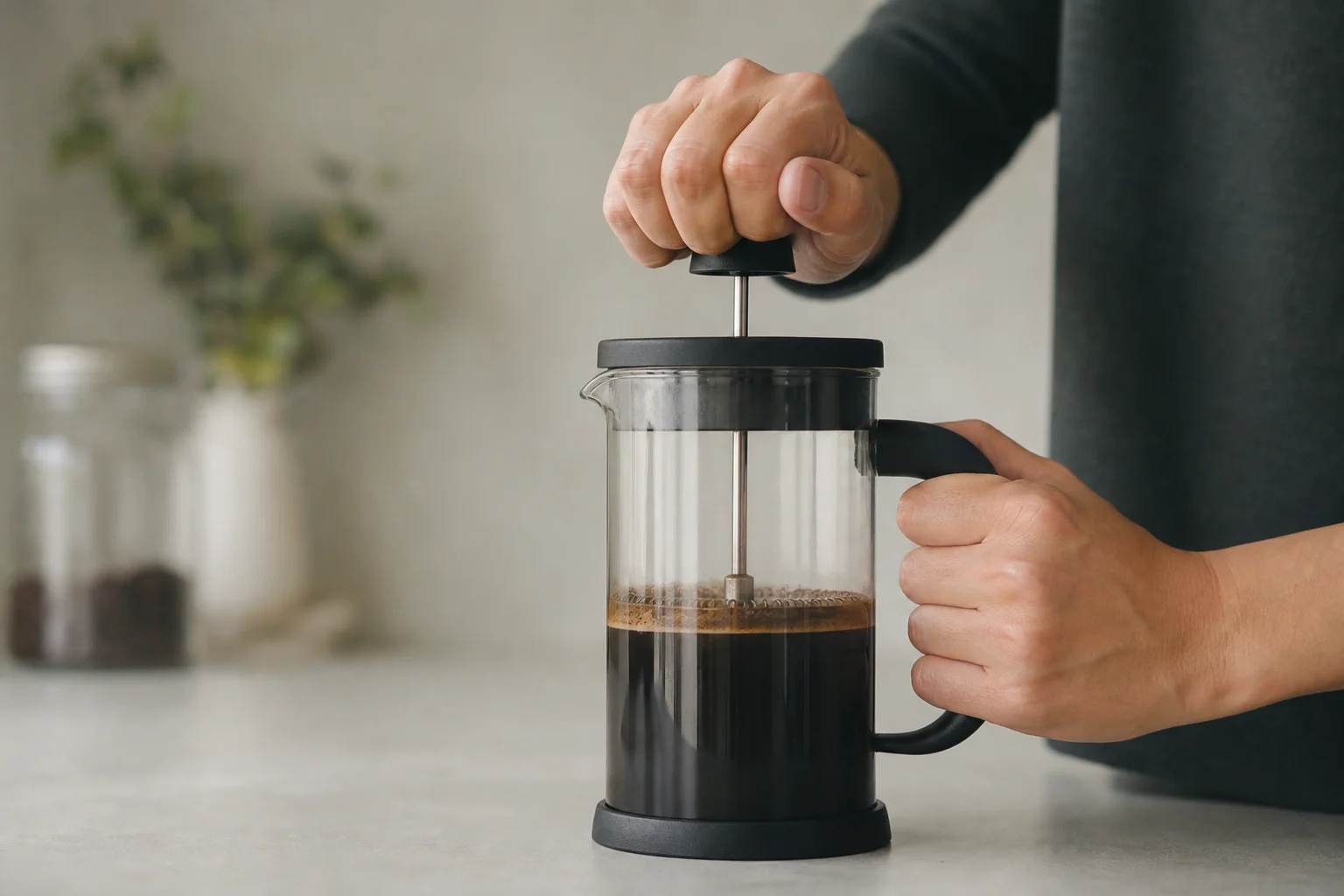
The brewer appears better suited to darker roasts, which are more forgiving during extraction and require less precise grinding. Lighter roasts demand finer grinding, which increases the risk of over-extraction or channeling. The contact time between water and grounds is shorter than with immersion brewing, typically around two minutes, which aligns with the brewer’s design intent but leaves less margin for error.
The coffee produced is clean and well-extracted when the variables align correctly. However, achieving that result requires more tweaking and adjustment than most people expect from a manual brewer. For those accustomed to the straightforward simplicity of a French press, the American Press introduces a learning curve.
Cleanup and Maintenance
Where the American Press distinguishes itself is in post-brew cleanup. The detachable coffee pod separates easily from the plunger assembly, and the contained grounds are simple to dispose of. There is no need to rinse out a large mesh filter or deal with residual grounds clinging to the sides of a glass vessel. The two mesh components clean quickly and thoroughly.
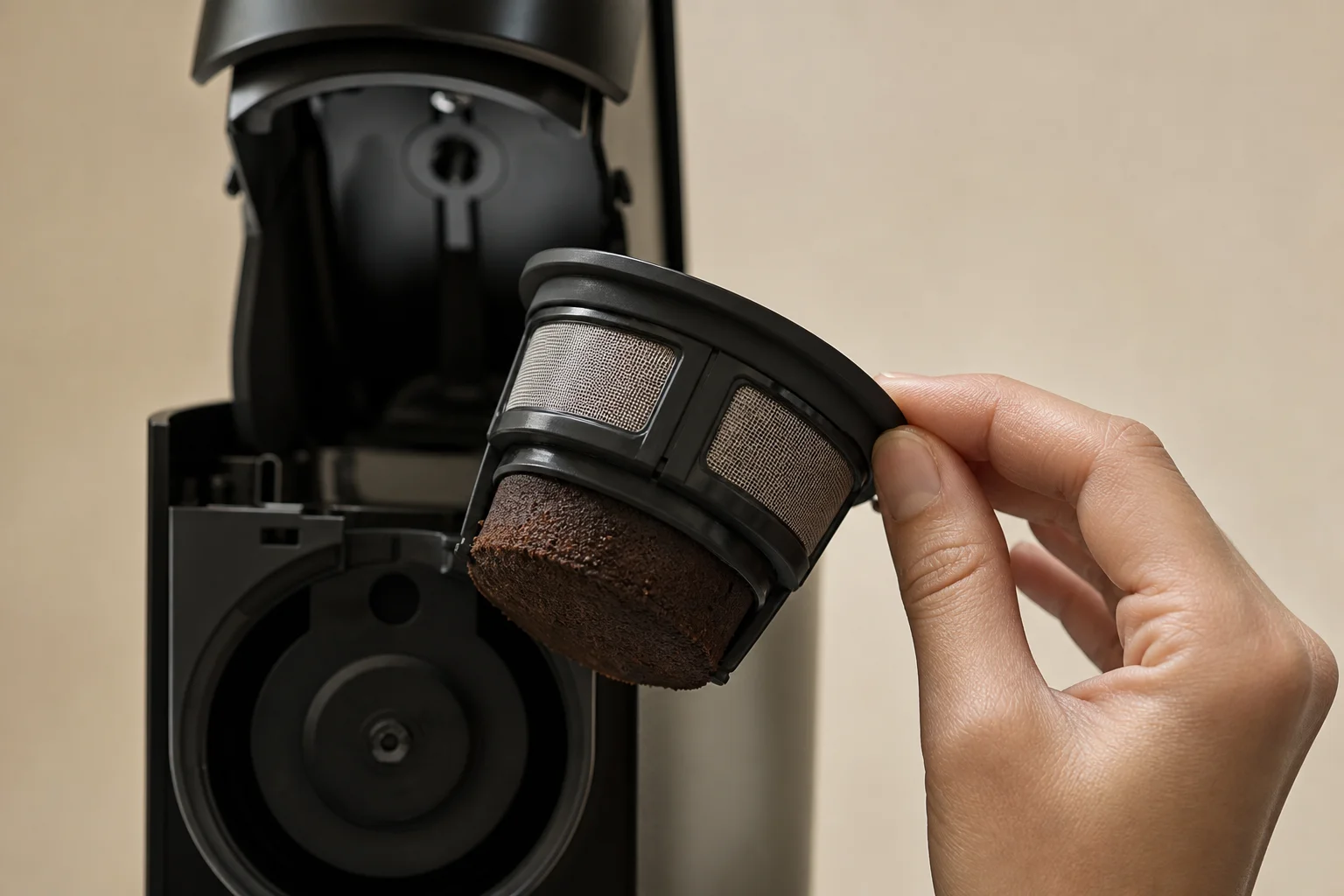
This ease of cleanup is genuinely convenient and addresses a legitimate pain point for French press users. However, the brewer’s longevity raises some concerns. The main mesh filter and the rubber gaskets that seal the pod assembly may have limited lifespans with regular use. Replacement parts should be available, but the overall build, while solid, does not feel indestructible.
Brewing Characteristics and Coffee Quality
The American Press produces a cup with a slightly heavier body than paper-filtered methods, due to the metal mesh filters allowing some fine particles to pass through. This creates a richer mouthfeel than a pour-over but cleaner than a full immersion brew. For those who prefer metal-filtered coffee with a bit of silty texture, this is a genuine advantage.
The brewer is capable of producing genuinely good coffee when conditions are right. The issue is not whether it can make quality coffee, but whether the effort required to dial in those conditions justifies the cost and complexity compared to simpler alternatives.
Who Should Consider This Brewer
The American Press makes the most sense for people who meet a specific set of criteria. If you prefer metal-filtered coffee with a heavier body, find the mess of a French press genuinely problematic, and enjoy tweaking and experimenting with brewing variables, this brewer may work well for you. It is also a reasonable choice if you primarily brew darker roasts, which are more forgiving and extract more easily.
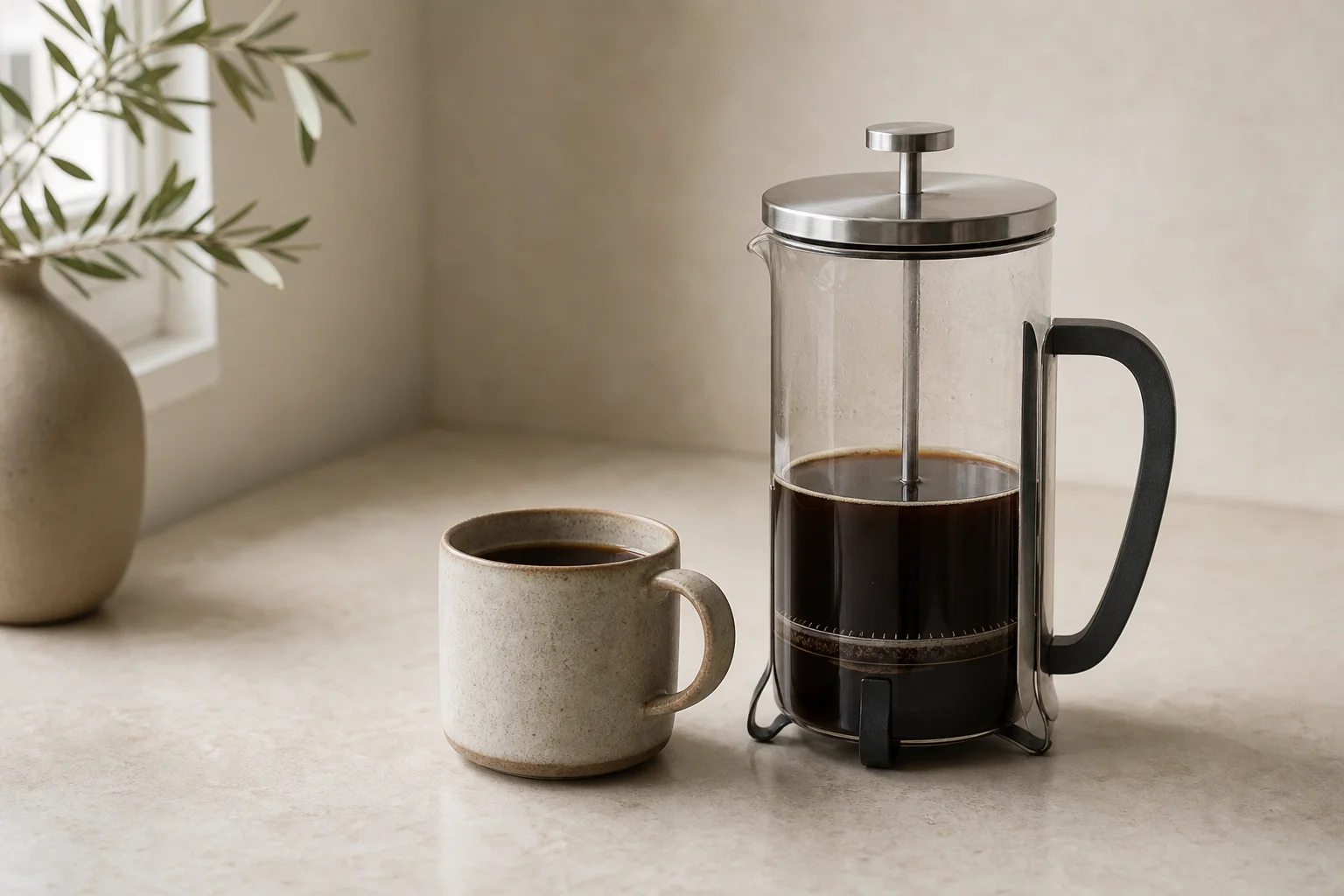
However, at 60 pounds, the price sits at the upper end of what feels reasonable for a simple manual brewer. For those seeking an easy morning brew, a traditional French press remains simpler and less expensive. For those wanting a percolation brew, a pour-over dripper or an AeroPress offers different trade-offs worth considering.
The American Press is not flawed, and it is well-built. It simply solves a specific set of problems that not everyone has. The convenience of cleanup is real, but it comes at the cost of increased brewing precision and a significantly higher price tag.
Conclusion
The American Press is an interesting and capable brewer that brings a fresh approach to manual coffee brewing. Its percolation mechanics and contained coffee pod offer genuine advantages in cleanup and mess reduction. However, it demands more attention to grind size and brewing technique than immersion brewers, and it costs considerably more than comparable alternatives.
Whether to buy depends on your priorities. If you value ease of cleanup, prefer a richer cup, and are willing to experiment with grind adjustments, it is worth considering. If you want simplicity and straightforward results, a French press or pour-over remains the better choice. The American Press occupies a middle ground that works well for a particular type of coffee enthusiast, but it is not the obvious choice for everyone.
Product link
View more details for American Press
This product is mentioned in the review. Check the specifications, options, and compatibility before buying.
View more details for American PressFurther reading
Related Reviews
Coffee Equipment
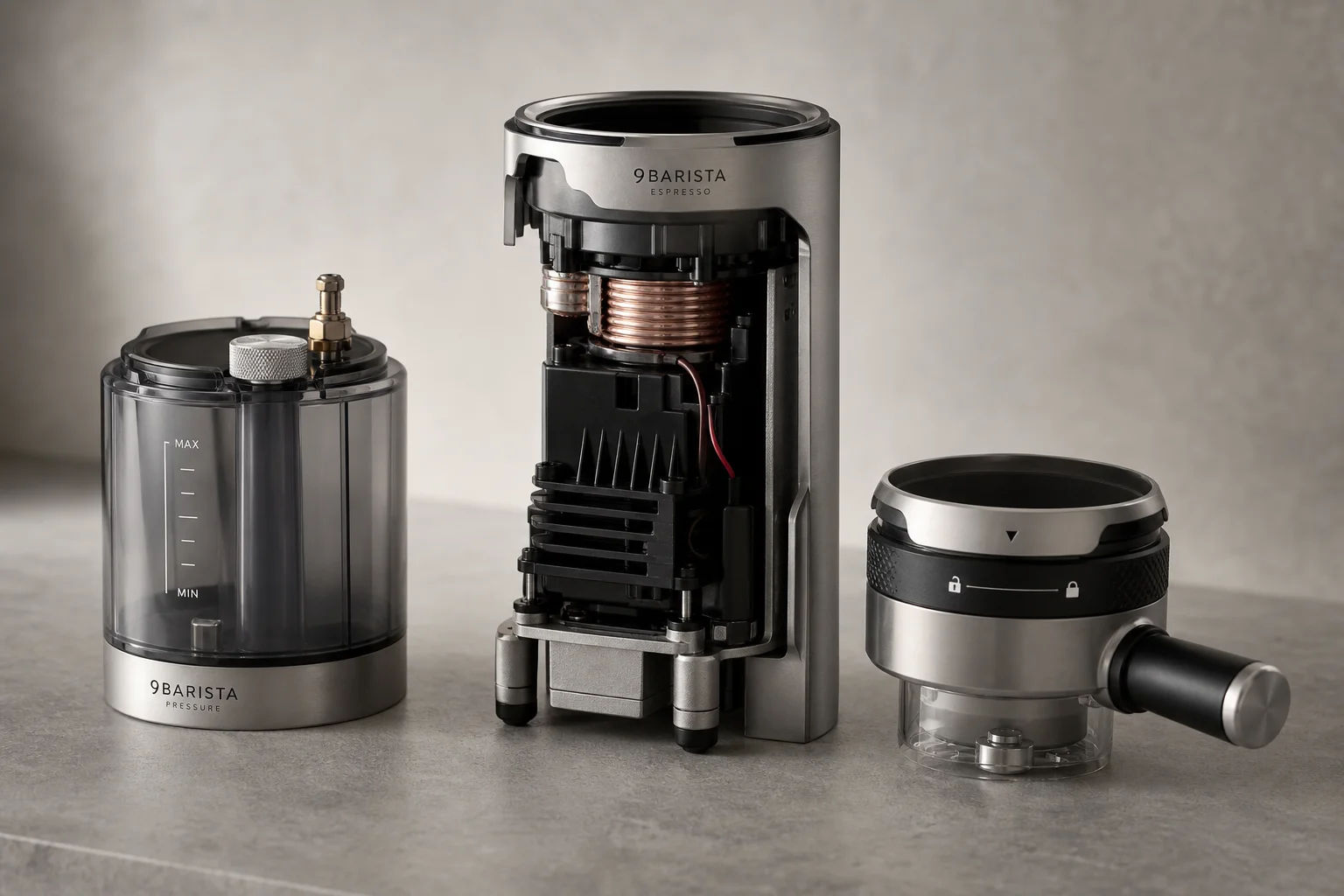
9Barista Espresso Machine Review: Stovetop Espresso for Single-Cup Enthusiasts
A cleverly engineered stovetop espresso maker that generates nine bars of pressure without electricity. Excellent coffee quality, but requires patience and suits solo drinkers only.
Coffee Equipment
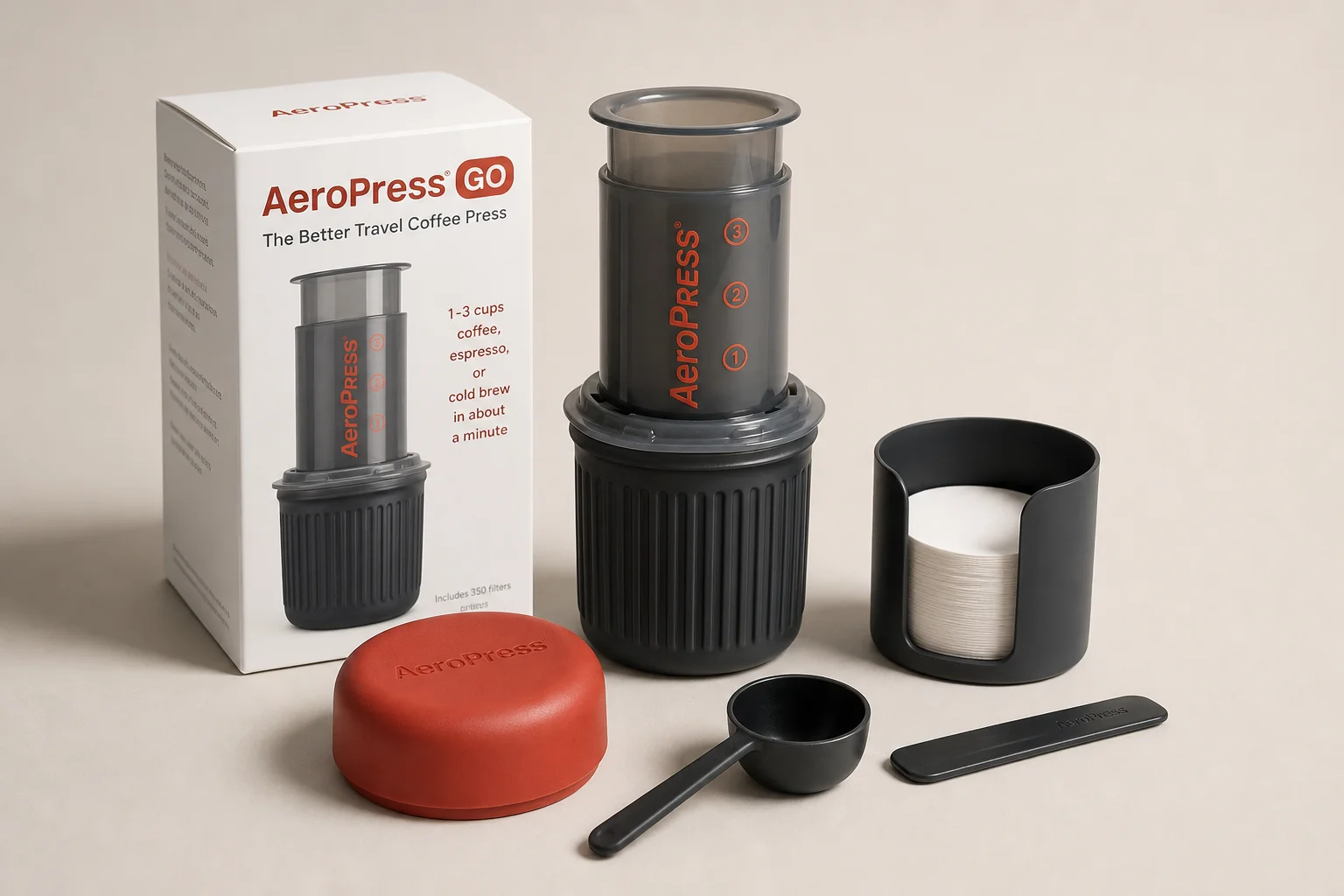
Aeropress Go Review: A Compact Travel Brewer That Solves One Specific Problem
The Aeropress Go shrinks the original design and adds an integrated cup, but it may not address the travel challenges most coffee enthusiasts actually face.
Coffee Equipment
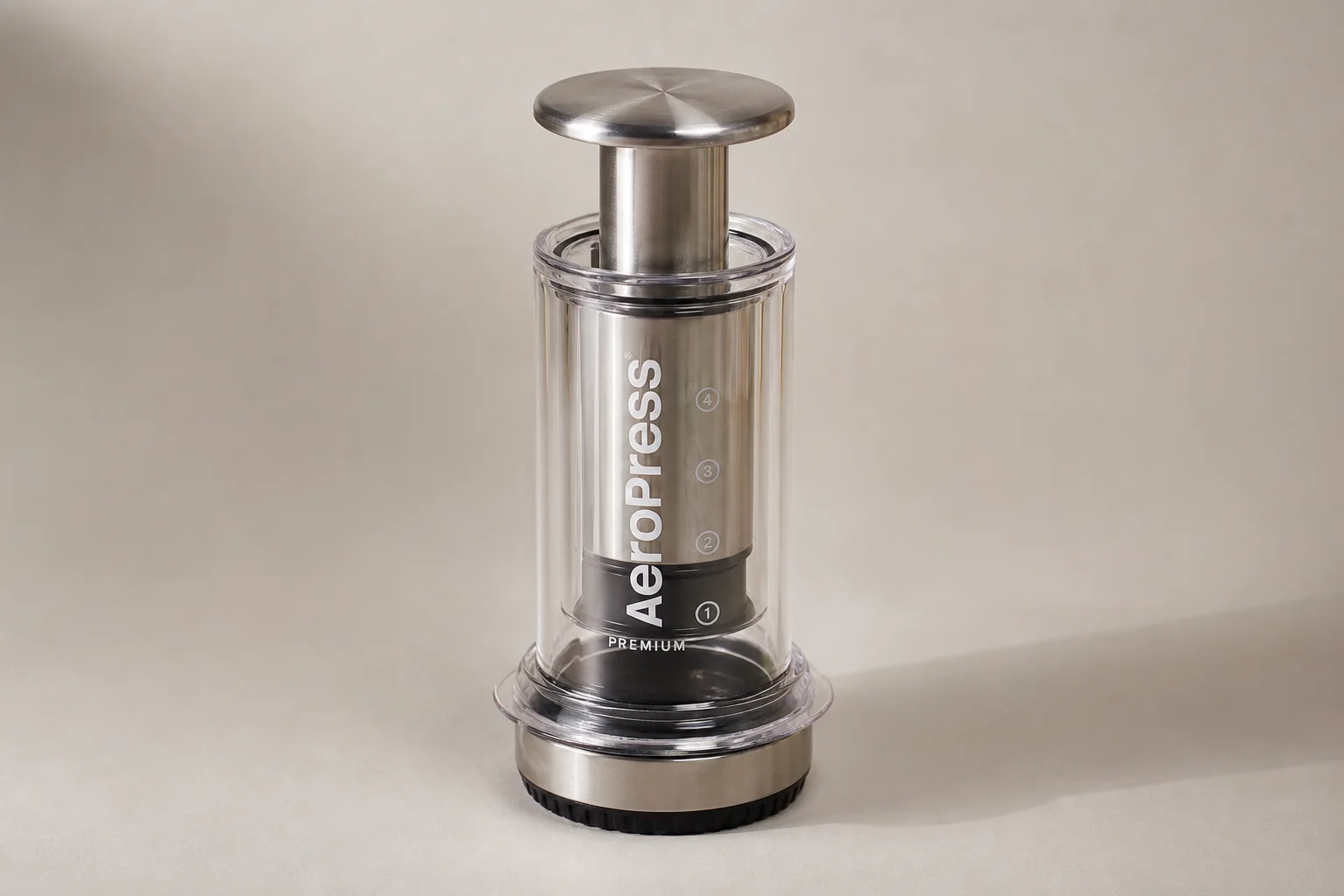
AeroPress Premium Review: Premium Materials, Practical Trade-offs
The AeroPress Premium brings glass and metal construction to a beloved brewer, but trades portability and durability for a more refined feel. Here's what changes in the cup and what matters before you buy.