Coffee Equipment
Best Espresso Machines Under $200: Five Practical Options for Home Brewing
A practical guide to five espresso machines and pod-based systems under $200, covering manual pump models and automatic capsule brewers with clear strengths and trade-offs.
Introduction
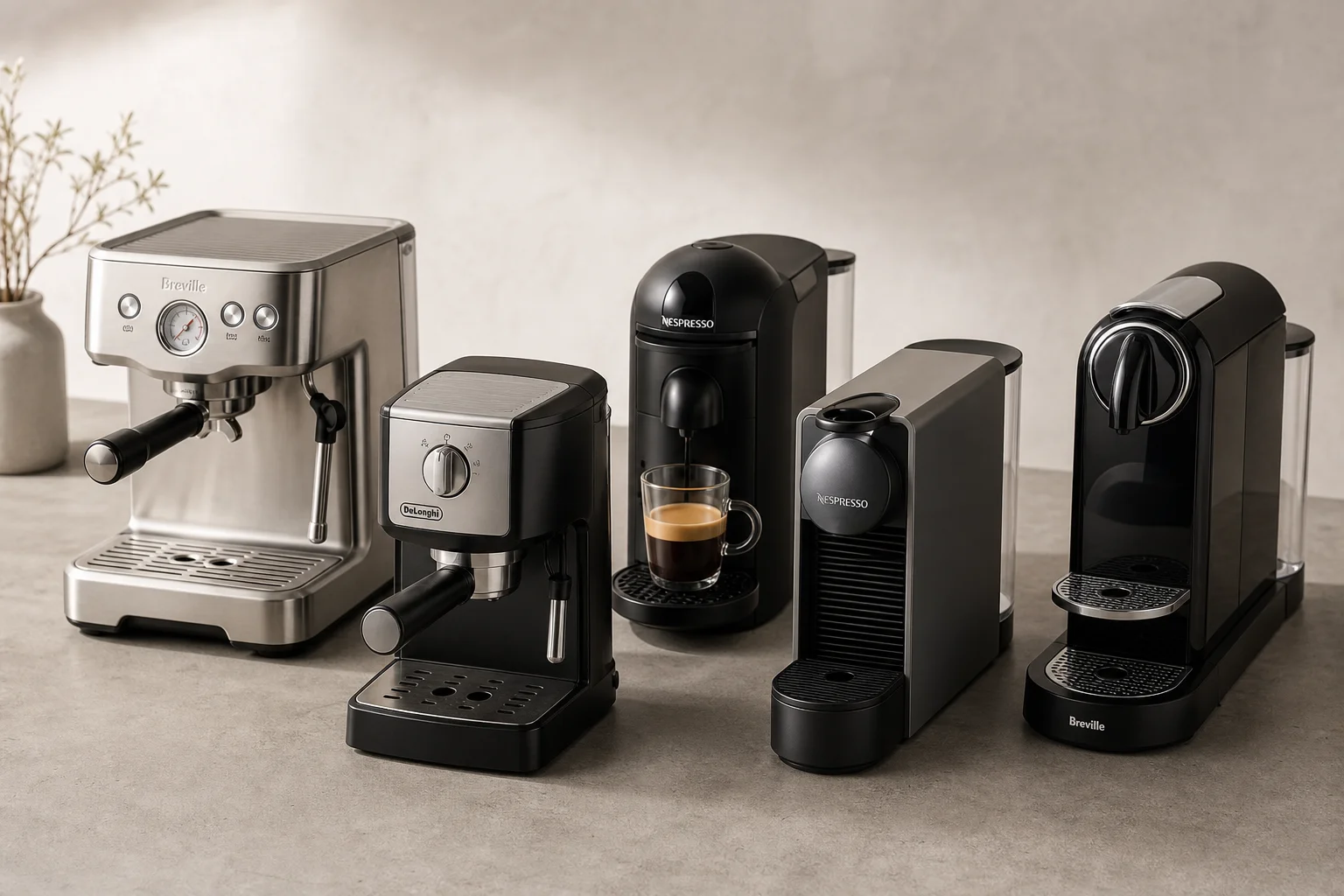
Espresso machines under $200 fall into two distinct categories: manual pump-driven models that require skill and attention, and automatic capsule-based systems that prioritize convenience. This guide covers five options across both approaches, each with clear use cases and real trade-offs to consider before purchasing.
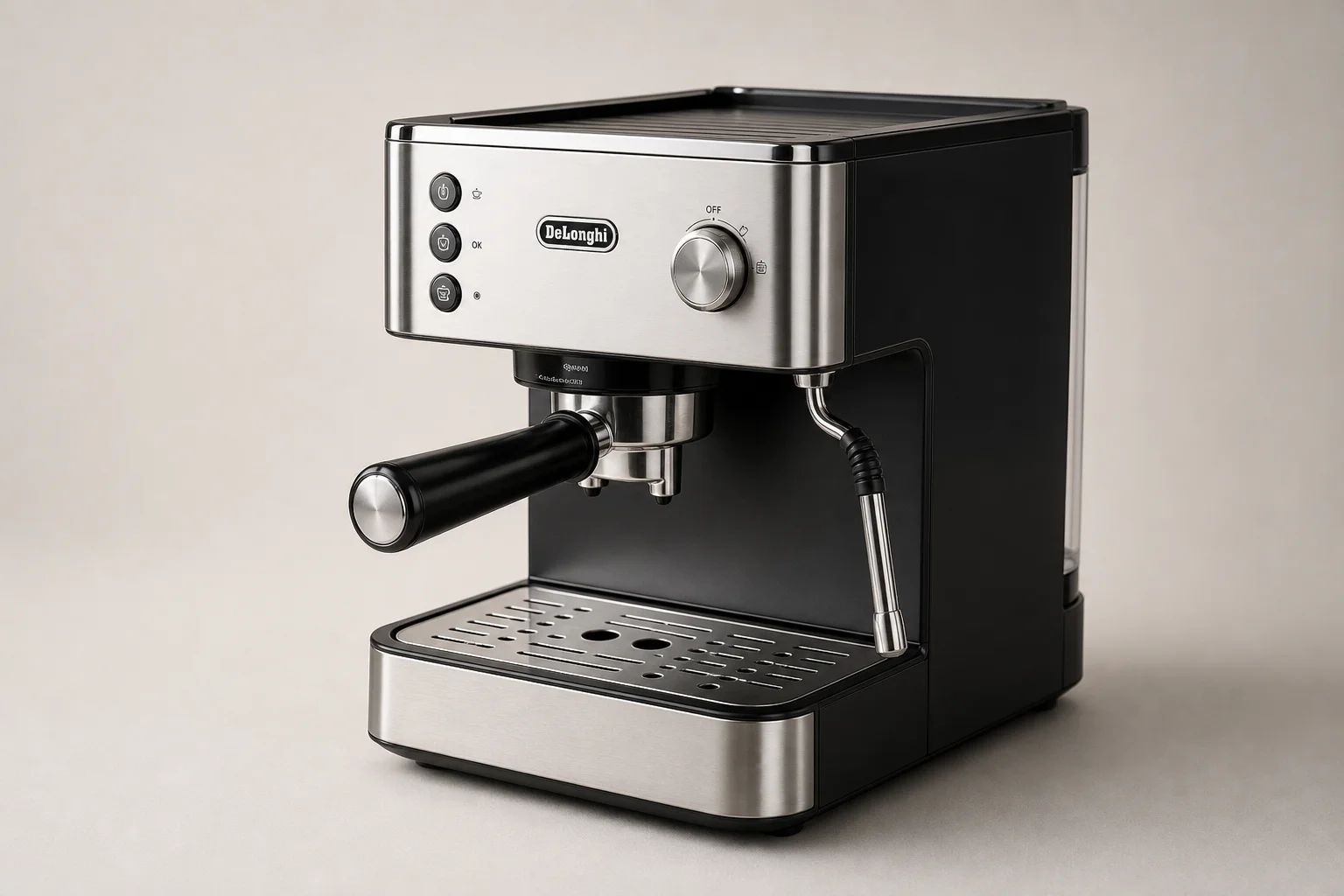
De’Longhi 15 Bar Pump Espresso Maker
The De’Longhi 15 Bar Pump Espresso Maker uses 15 bars of pressure to extract a crema-rich shot of espresso. The 15-bar pump is the core feature that produces the creamy layer of crema, which carries most of the flavor in an espresso shot.
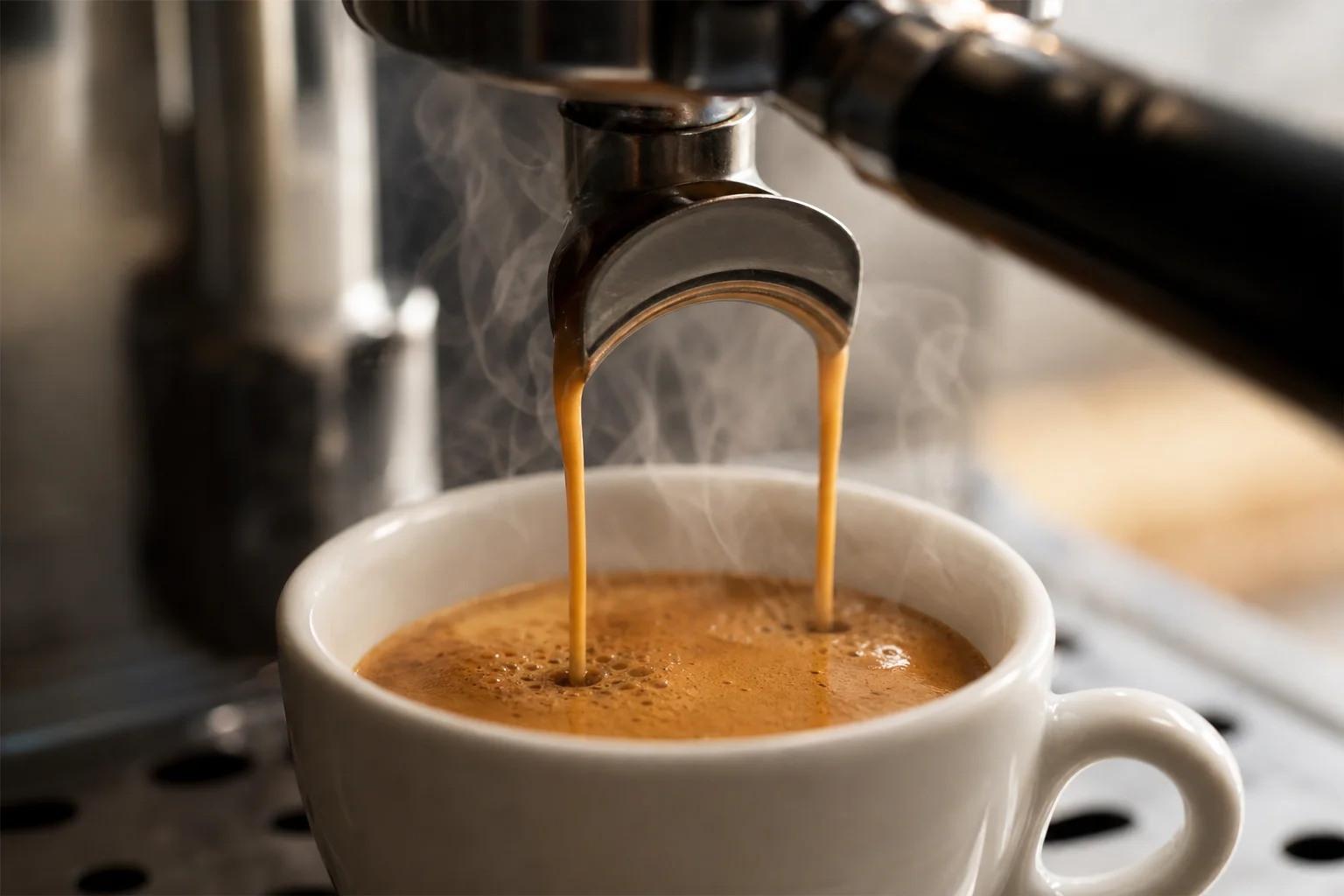
This machine accepts both pre-ground coffee and coffee pucks, though fresh ground coffee is recommended for better results. A steam wand is included for milk frothing, and it doubles as a cleaning tool by emitting hot steam. The machine features a 1.3-liter water tank and a removable 44-ounce milk reservoir that can be stored in the refrigerator, which is useful for keeping milk cold during preparation. The stainless steel construction represents a step up from plastic-bodied alternatives, though pricing fluctuates throughout the year and often dips below the $200 mark during sales.
De’Longhi Stilosa
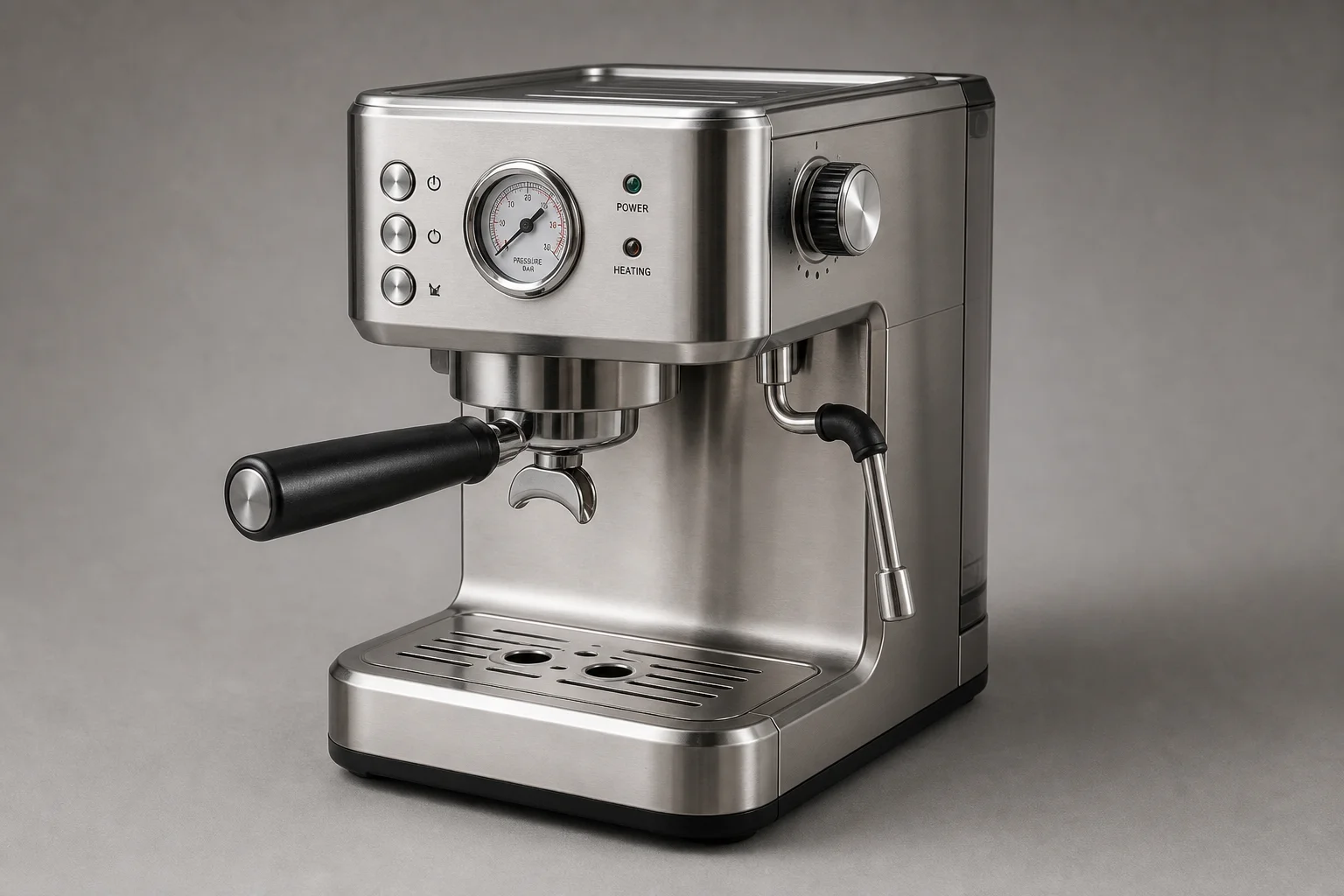
The De’Longhi Stilosa also delivers 15 bars of pressure and produces a quality espresso shot at a fraction of the cost of premium machines. Like the 15 Bar model, it includes a built-in milk steamer for making lattes, cappuccinos, and other milk-based drinks.
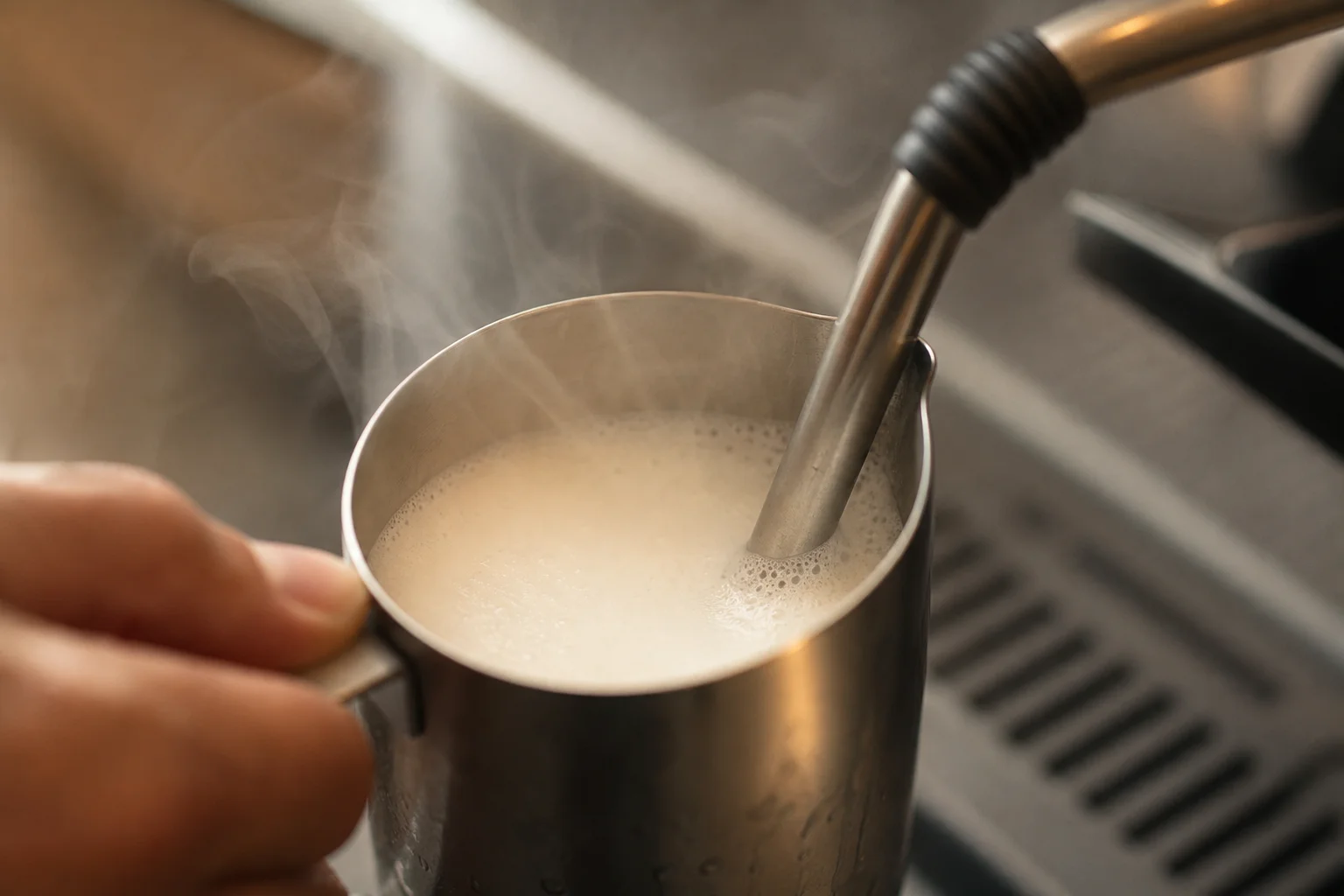
The Stilosa combines plastic and stainless steel construction, which keeps costs down while maintaining quality in the critical components. The matte black finish is available as a design option. This approach to materials makes it a practical choice for budget-conscious buyers who want core espresso functionality without unnecessary features.
Capresso Ultimate Pro
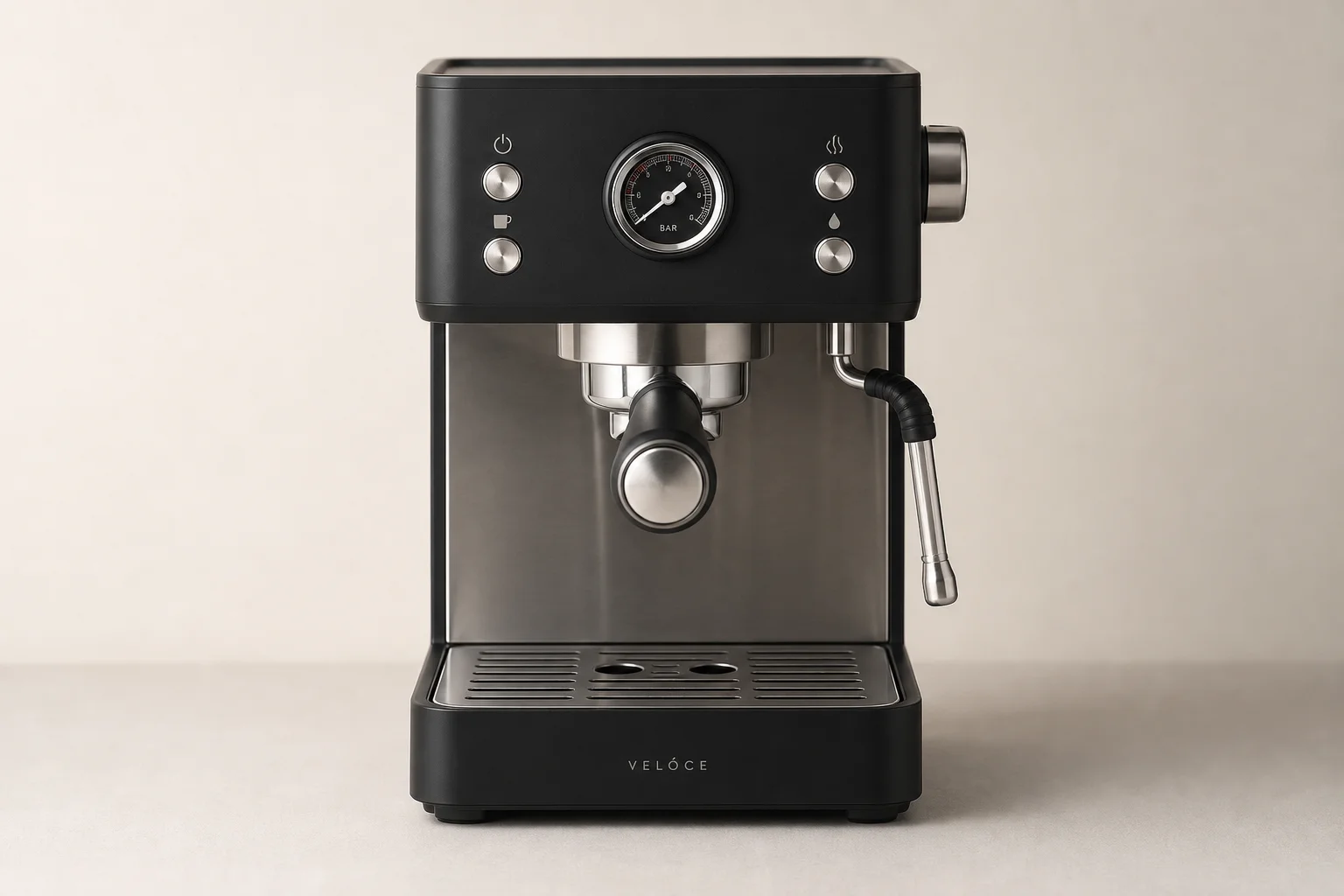
The Capresso Ultimate Pro is a black and silver pump espresso maker that uses 15 bars of pressure to produce single or double shots. It includes a high-powered steam wand for milk frothing, allowing you to create specialty drinks with a single button push for consistent microfoam.
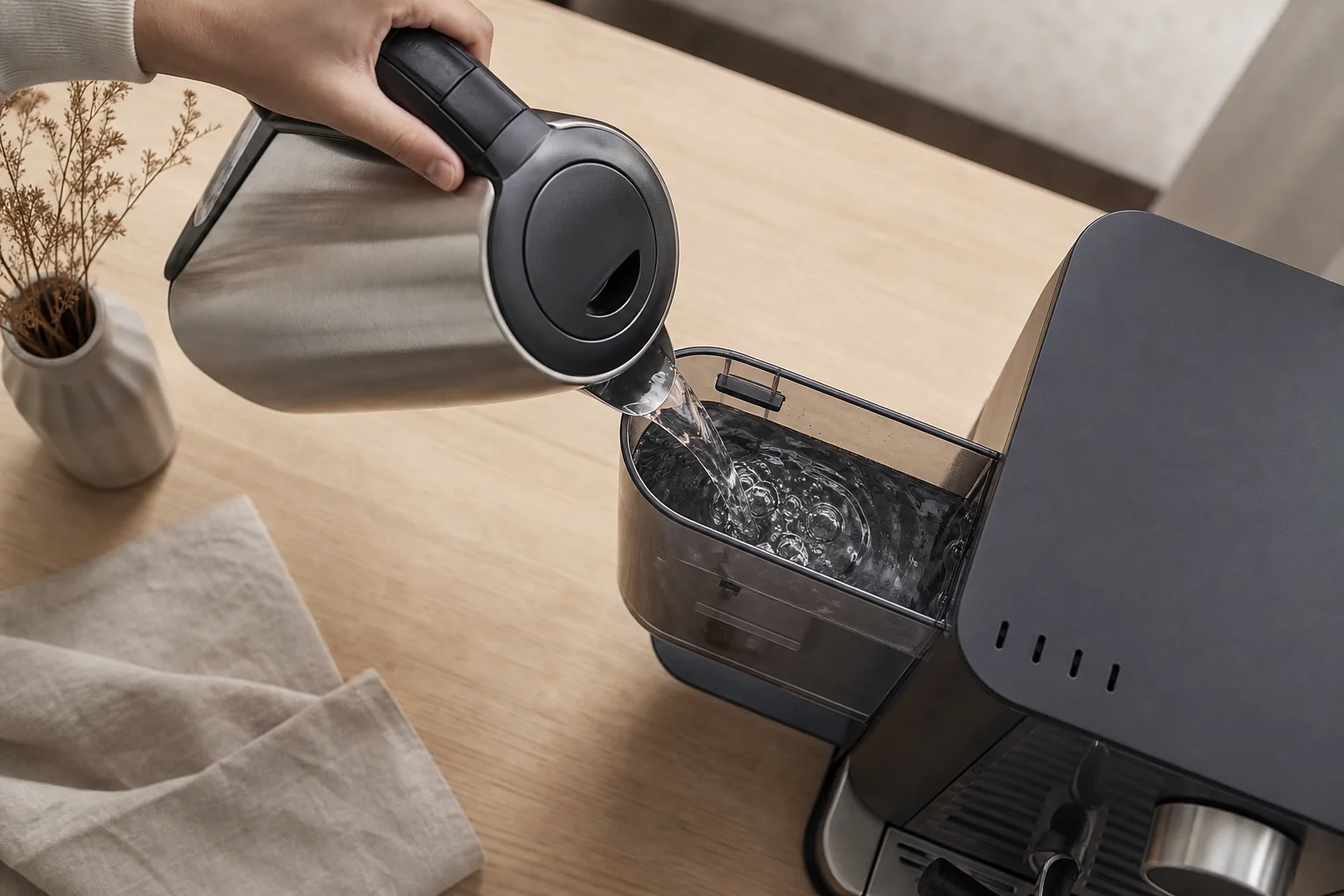
The machine has a replaceable 34-ounce water reservoir and a polished stainless steel exterior shell. The stainless steel finish shows fingerprints and smudges easily, but it cleans readily with a damp cloth. The straightforward design prioritizes ease of use and maintenance over advanced features.
Nespresso Vertuo
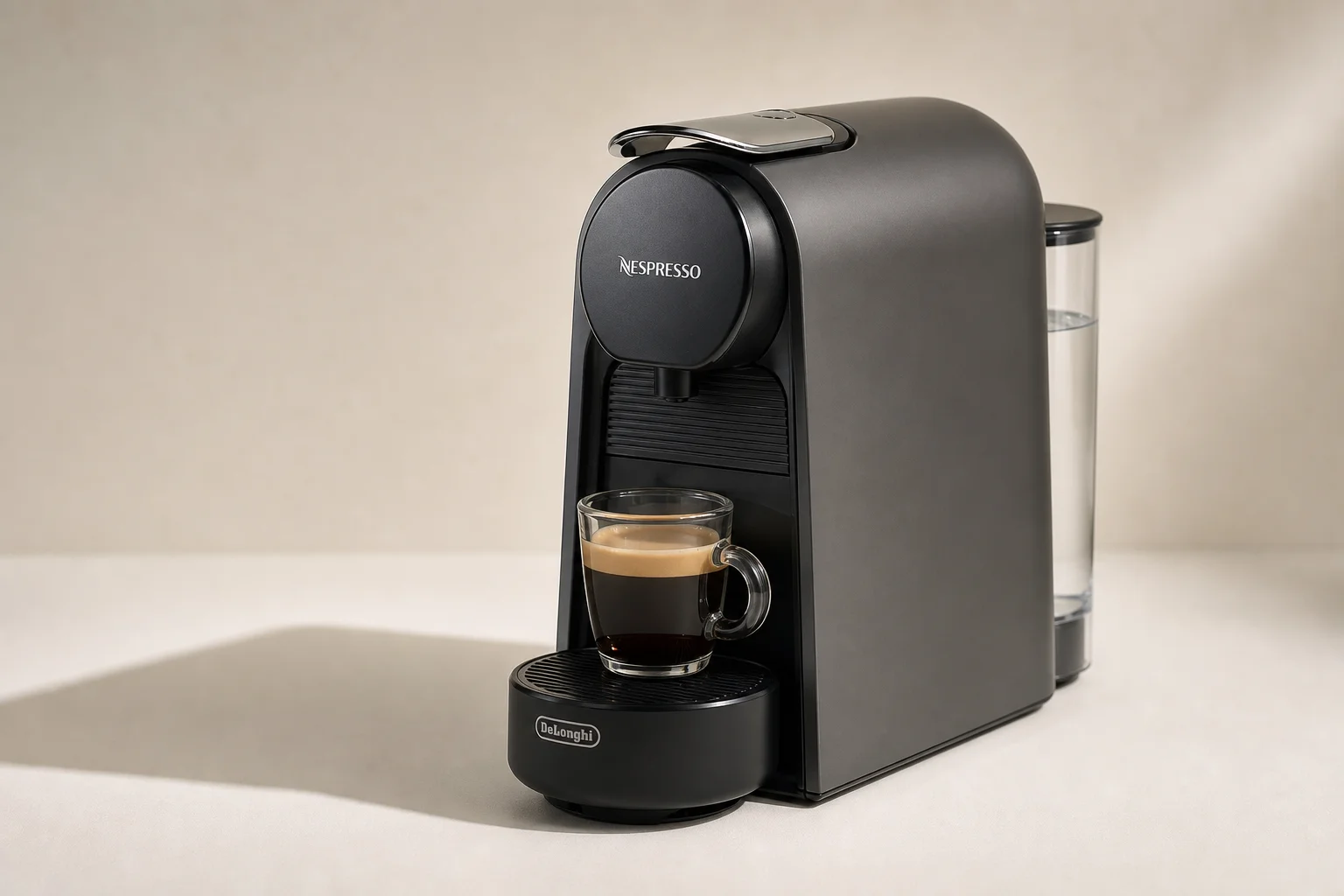
The Nespresso Vertuo is not a traditional espresso machine, but rather a capsule-based system that produces espresso-like coffee with minimal effort. A single button press brews a cup of coffee or espresso from a sealed capsule, with quality comparable to what a professional barista might produce.
The machine can brew five different cup sizes, making it flexible for single servings or larger quantities. It features intelligent technology that detects cup size and adjusts brewing accordingly, a capability uncommon in machines at this price point. The compact 40-ounce footprint, quick water heating, and detachable water tank make it convenient for daily use. New machines come with complimentary capsules for up to 12 cups of coffee. The trade-off is that you can only use Nespresso capsules, which adds ongoing cost, though they remain cheaper than commercial espresso drinks.
Nescafe Dolce Gusto
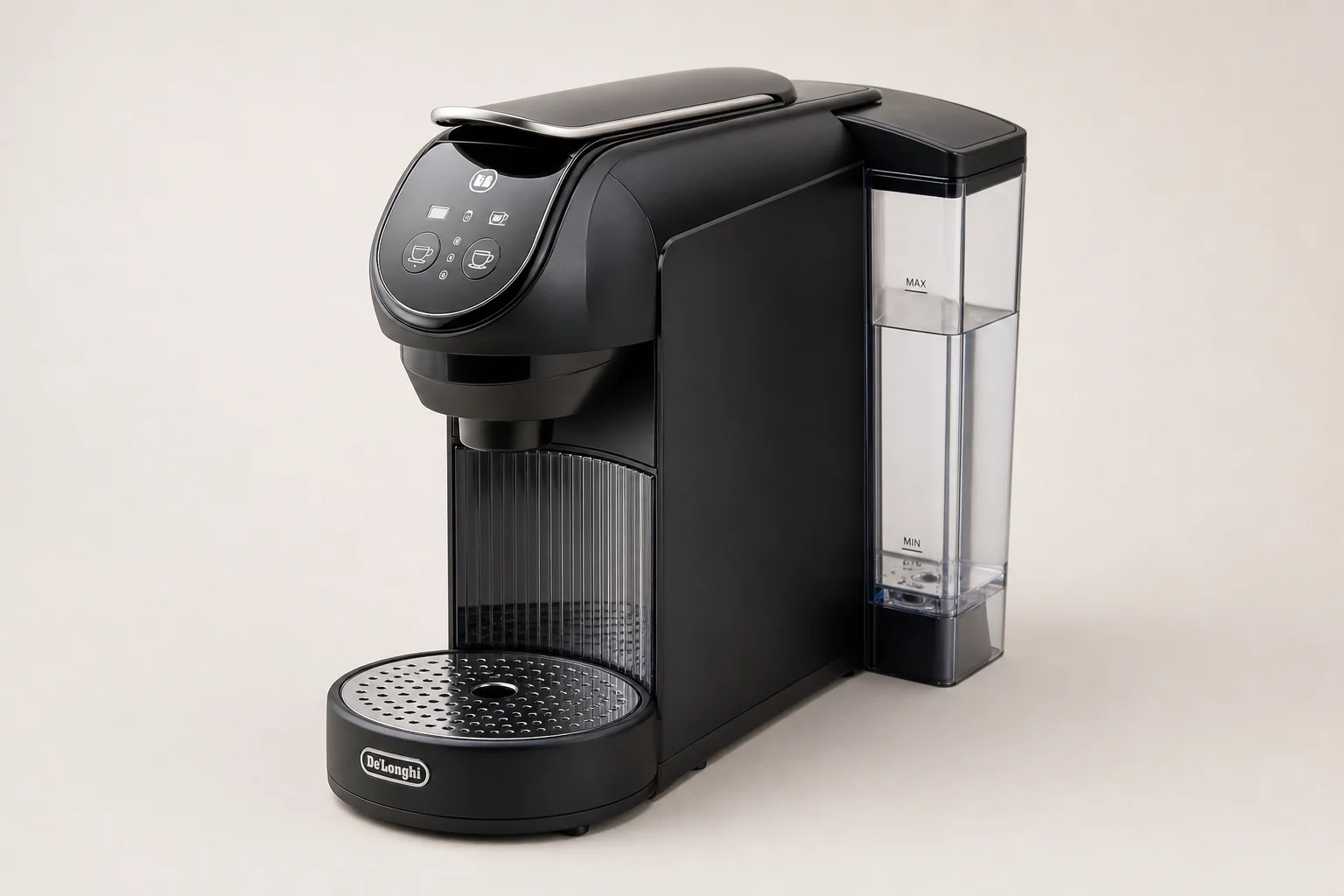
The Nescafe Dolce Gusto is another capsule-based system that applies pressure to sealed coffee pods to extract flavor and aroma. The machine can produce at least 15 different flavors and varieties of coffee, offering variety if you enjoy experimenting with different tastes.
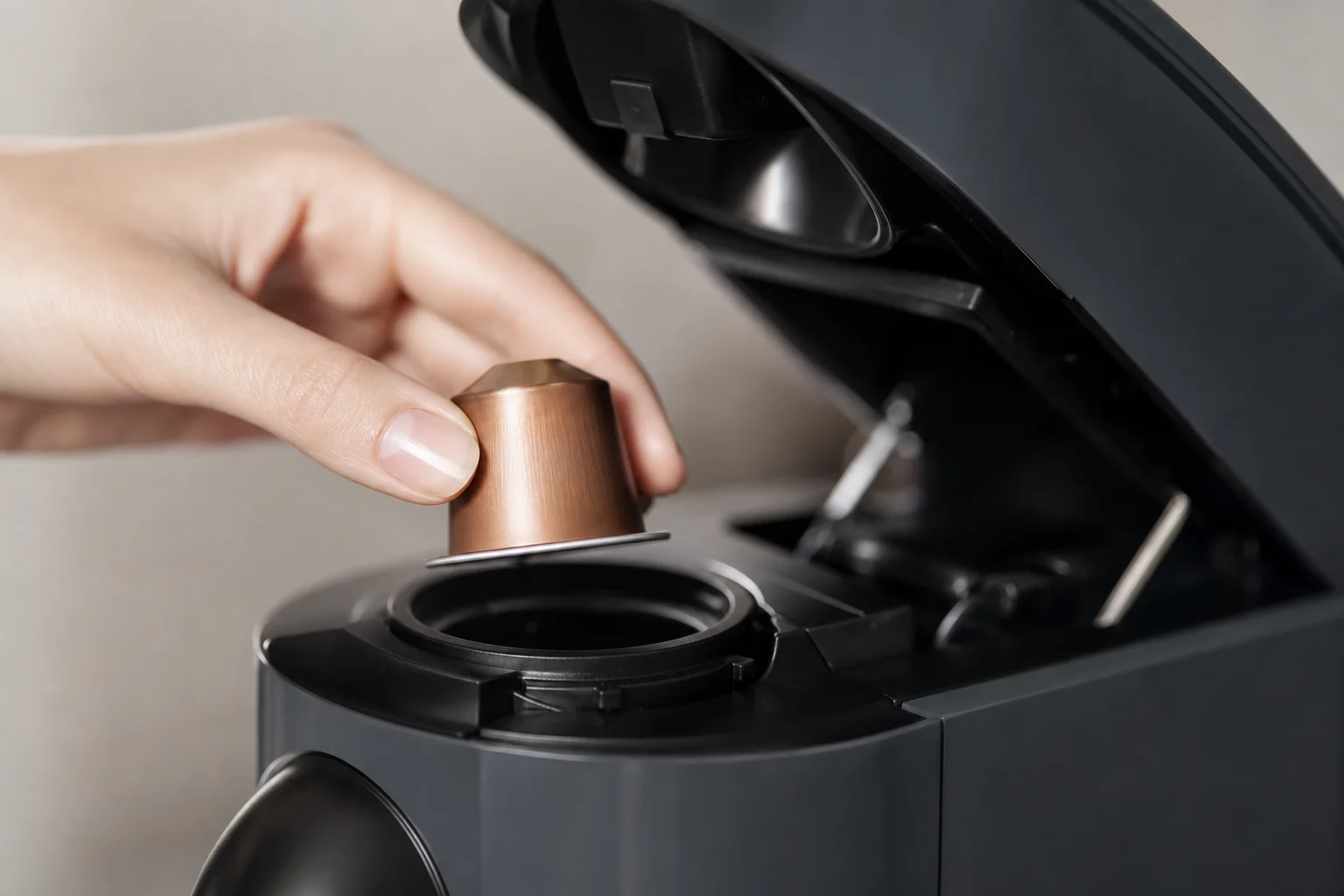
The machine is designed to be simple to use and learn. You control the strength of your coffee, and an LED light indicates brewing progress. The machine is built to meet US home circuit voltage requirements and automatically shuts off after five minutes of inactivity to save energy. While a single pull cannot produce a triple espresso, the short brewing time and generous space under the coffee spout make it easy to brew multiple shots in succession if needed. Like the Nespresso system, it requires proprietary capsules, which represents an ongoing cost consideration.
Choosing Between Manual and Capsule Systems
Manual pump machines like the De’Longhi and Capresso models require more skill and attention but offer flexibility with coffee type and grind. Capsule systems like Nespresso and Nescafe Dolce Gusto prioritize speed and consistency at the cost of capsule dependency and less customization. Budget around $200 for the machine itself, then factor in ongoing capsule or coffee costs when making your final decision.
Conclusion
The best espresso machine under $200 depends on whether you value hands-on control and flexibility or prefer the convenience of automated brewing. Manual pump models suit riders who enjoy the ritual of espresso preparation, while capsule systems work better for those prioritizing speed and consistency in their daily routine.
Further reading
Related Reviews
Coffee Equipment
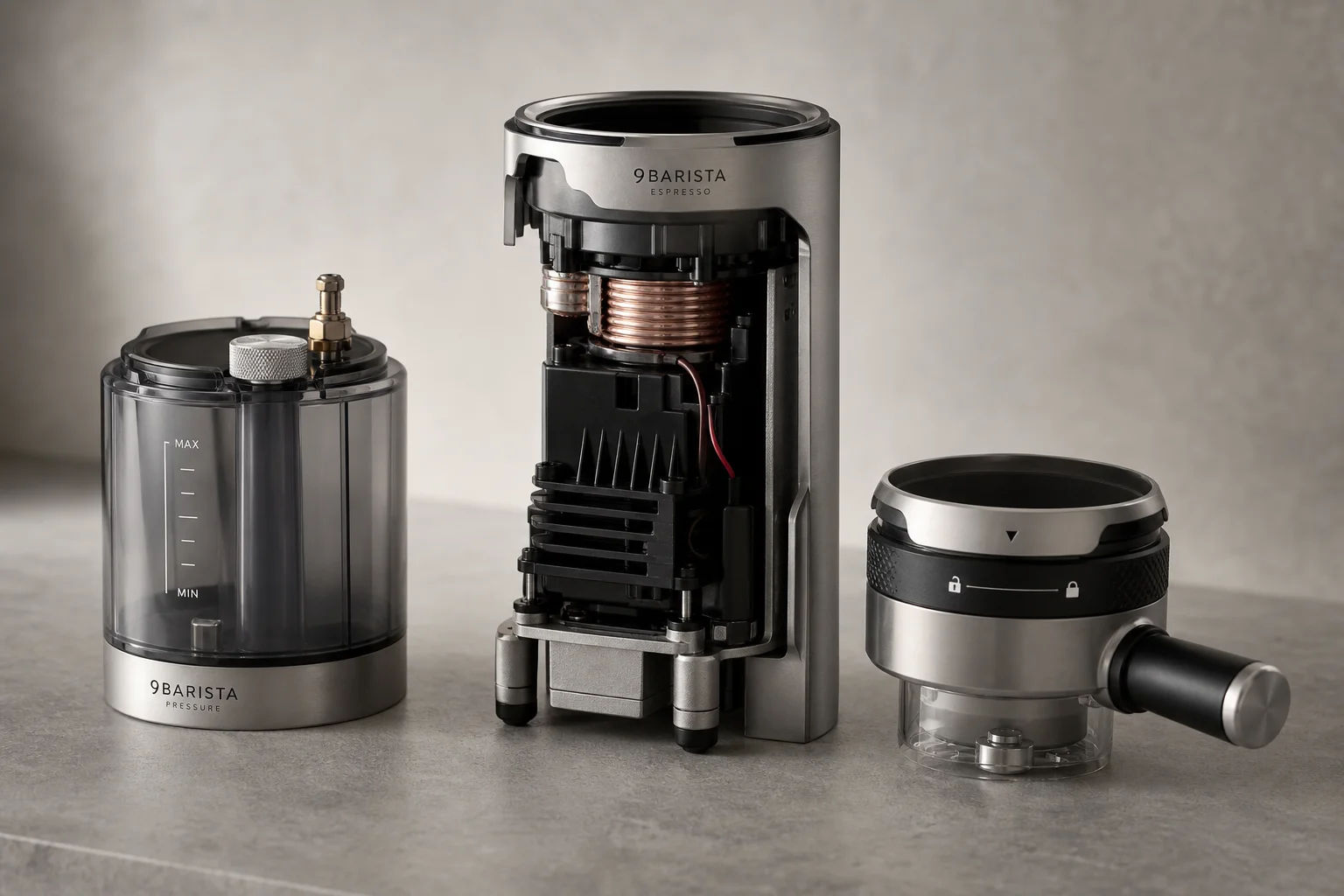
9Barista Espresso Machine Review: Stovetop Espresso for Single-Cup Enthusiasts
A cleverly engineered stovetop espresso maker that generates nine bars of pressure without electricity. Excellent coffee quality, but requires patience and suits solo drinkers only.
Coffee Equipment
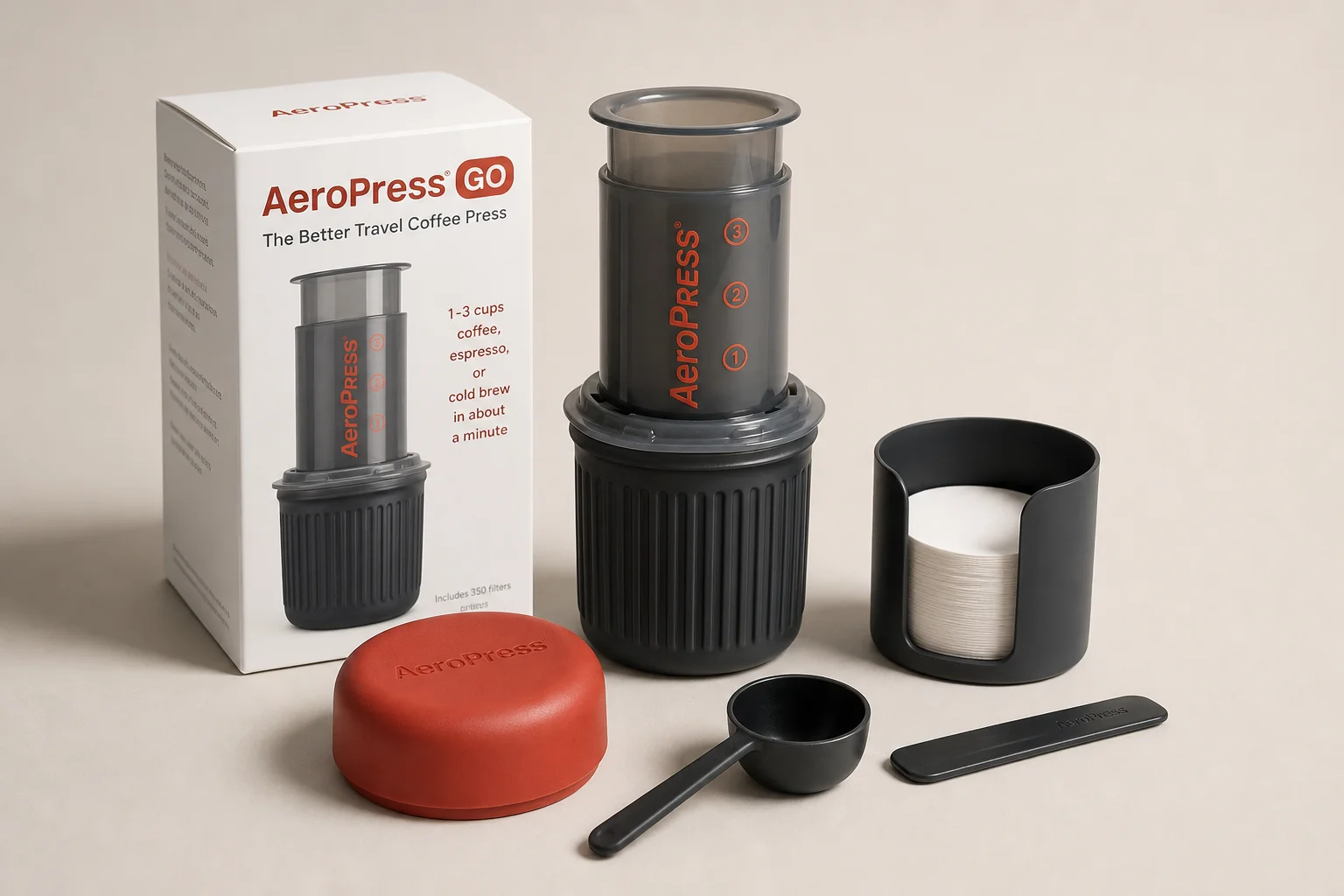
Aeropress Go Review: A Compact Travel Brewer That Solves One Specific Problem
The Aeropress Go shrinks the original design and adds an integrated cup, but it may not address the travel challenges most coffee enthusiasts actually face.
Coffee Equipment
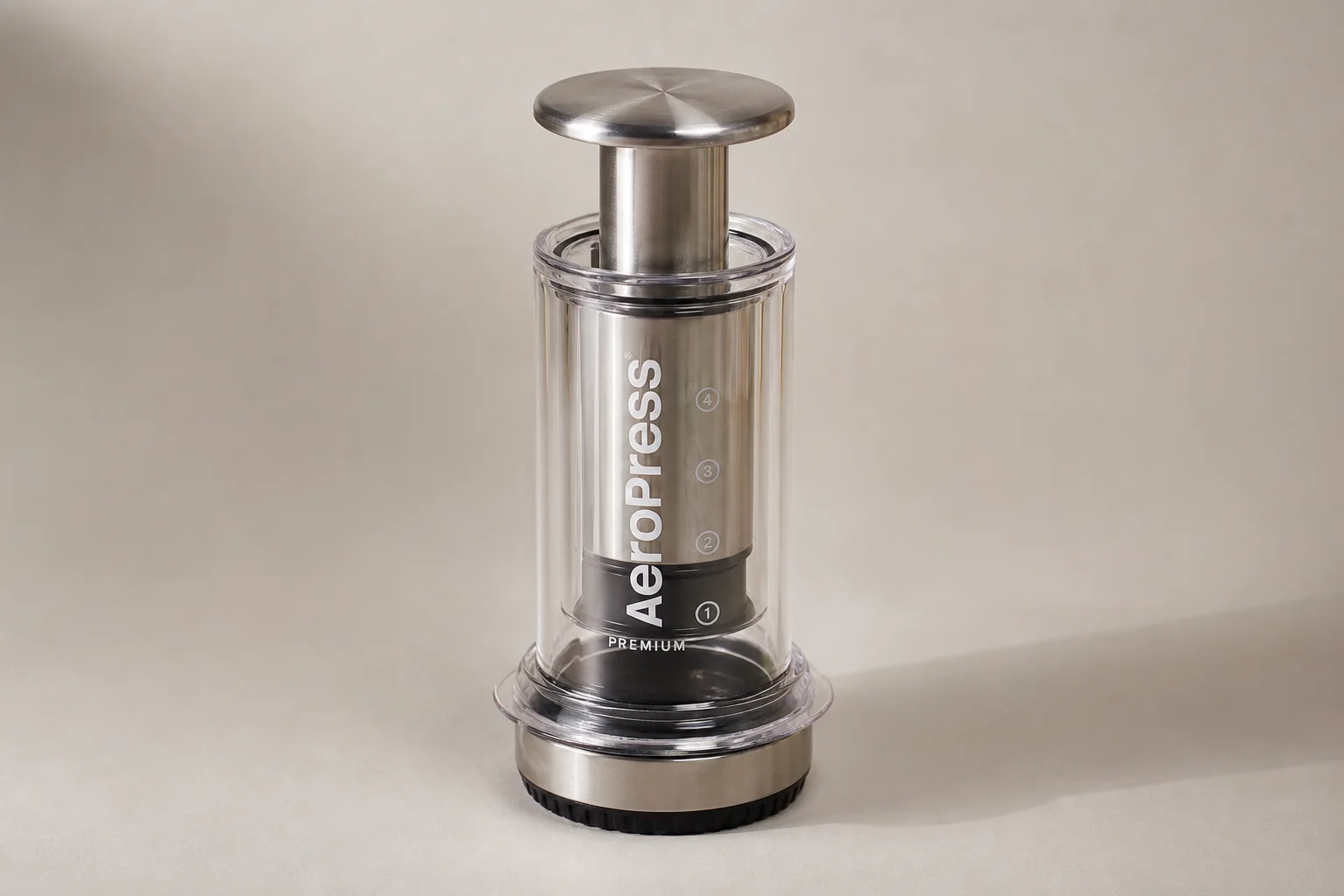
AeroPress Premium Review: Premium Materials, Practical Trade-offs
The AeroPress Premium brings glass and metal construction to a beloved brewer, but trades portability and durability for a more refined feel. Here's what changes in the cup and what matters before you buy.