Kitchen Equipment
Best Stand Mixers for Home Bakers: Four Tested Models for Every Budget
Four stand mixers tested across whipping, creaming, and heavy-duty dough kneading. Find the right mixer for your baking needs and budget.
Introduction
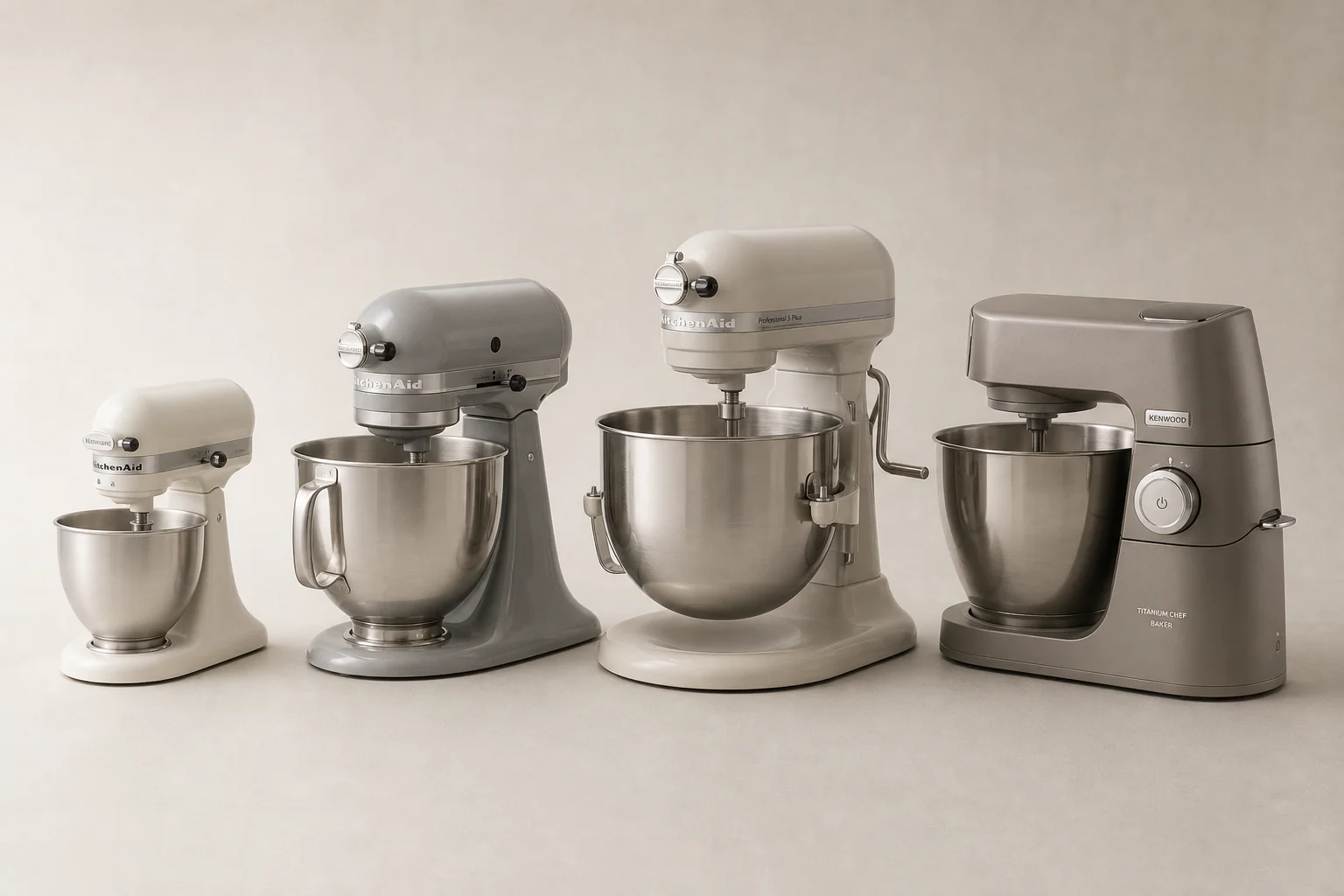
A good stand mixer is essential for serious home bakers. It should handle both small tasks, like whipping just two egg whites, and large jobs, such as kneading double batches of dough. Choosing the right mixer has become complicated, with options ranging from around one hundred dollars to seven hundred fifty dollars. This guide covers four tested models across a wide range of prices, each excelling in different scenarios.
Testing Methodology
We tested each mixer on three core tasks using their primary attachments: the whisk, the paddle, and the dough hook.
For whisk testing, we whipped just two egg whites to stiff peaks to see if each mixer could handle small volumes effectively. Most mixers performed adequately on this lightweight task.

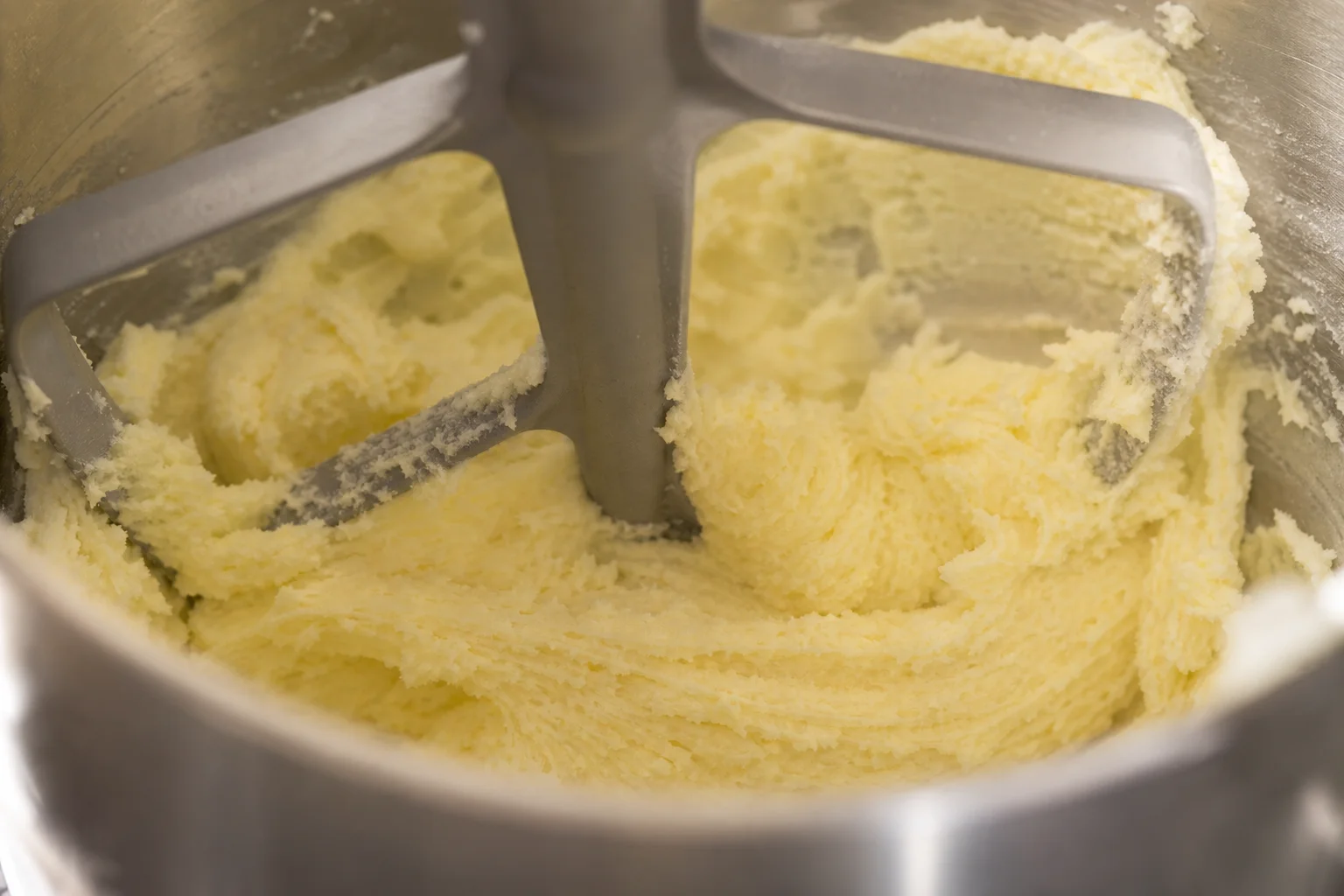
Next, we tested the paddle or beater attachments by creaming butter and sugar for cookie dough and by reverse-creaming butter into dry ingredients for cake batter. Here, differences emerged: some mixers left ingredients clinging to the bowl sides and bottom, requiring frequent scraping, while others mixed more thoroughly.
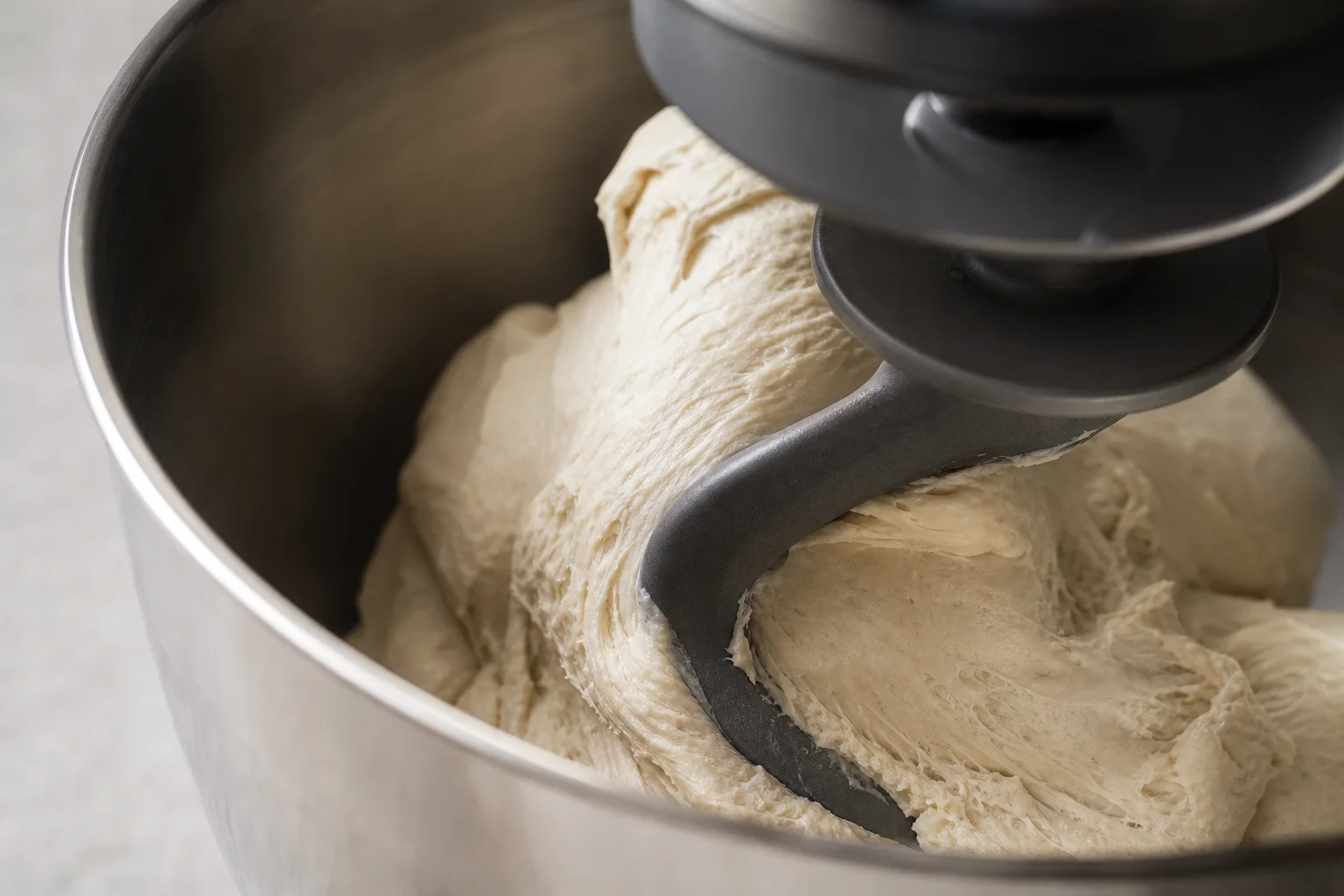
The most revealing test involved the dough hooks on heavy-duty bread doughs. This is where significant performance differences became apparent, separating truly capable machines from those that struggled under load.
Motor Power and Torque
Wattage alone is deceptive when evaluating mixer strength. The true measure of performance is torque, the rotational force that pushes batter or dough around the bowl. Hand mixers, for example, rotate quickly but lack torque to handle stiff dough. Stand mixers vary widely in torque output, and this directly affects their ability to knead demanding doughs without motor strain or burnout.
During testing, some mixers visibly struggled while others remained cool, quiet, and steady. If you plan heavy-duty kneading, torque capacity is critical. An underpowered mixer not only delivers under-mixed results but also risks motor damage when it slows or stalls under load.
One important caveat: KitchenAid has placed time and speed limits on all of its stand mixers for kneading. Do not exceed speed two when kneading dough with a dough hook, do not knead for more than two minutes at a time, and total mixing and kneading time should not exceed four to six minutes. Many dough recipes call for longer kneading times and higher speeds. Exceeding these limits will damage the mixer and void the warranty. If you need to knead large quantities of dough regularly, you may want to consider alternatives to KitchenAid.
Design Considerations: Tilt Head vs. Bowl Lift
Stand mixers come in two main styles: tilt head and bowl lift.
Tilt head models have the entire horizontal top of the mixer lift up from the bowl. This design requires less space overall but is limited in power and size, typically maxing out at five quarts. You need significant clearance overhead to lift the head, but accessing the bowl is easier because the top lifts out of the way.
Bowl lift models are larger and more powerful, ranging from five to eight quarts. They require no additional overhead space because only the bowl moves up and down. However, accessing the bowl’s contents is more difficult.
A third design, featured in European mixers like the Ankarsrum, places the motor in the base with the bowl on top. This offers excellent ingredient access and a different mixing dynamic altogether.
Best Heavy-Duty Option: Ankarsrum Original
The Ankarsrum Original is designed to handle everything, especially heavy-duty bread and pizza doughs. Its motor-base design with the bowl on top provides excellent access to ingredients and superior mixing performance for demanding tasks.
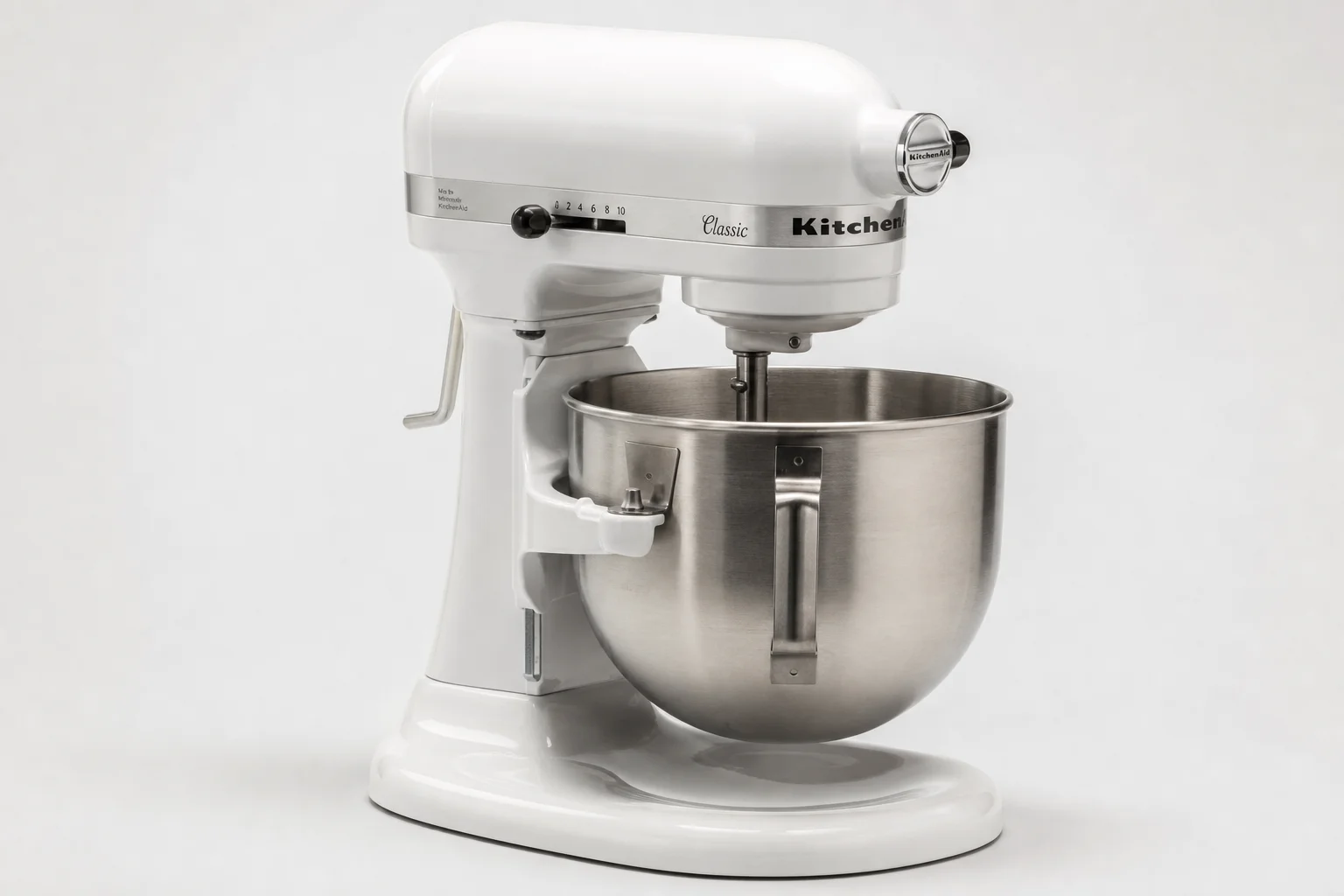
Best Mid-Range Option: KitchenAid Classic Series
The KitchenAid Classic Series four and a half quart stand mixer offers solid performance at a moderate price. It balances capability with affordability for home bakers who want reliable everyday mixing without premium pricing.
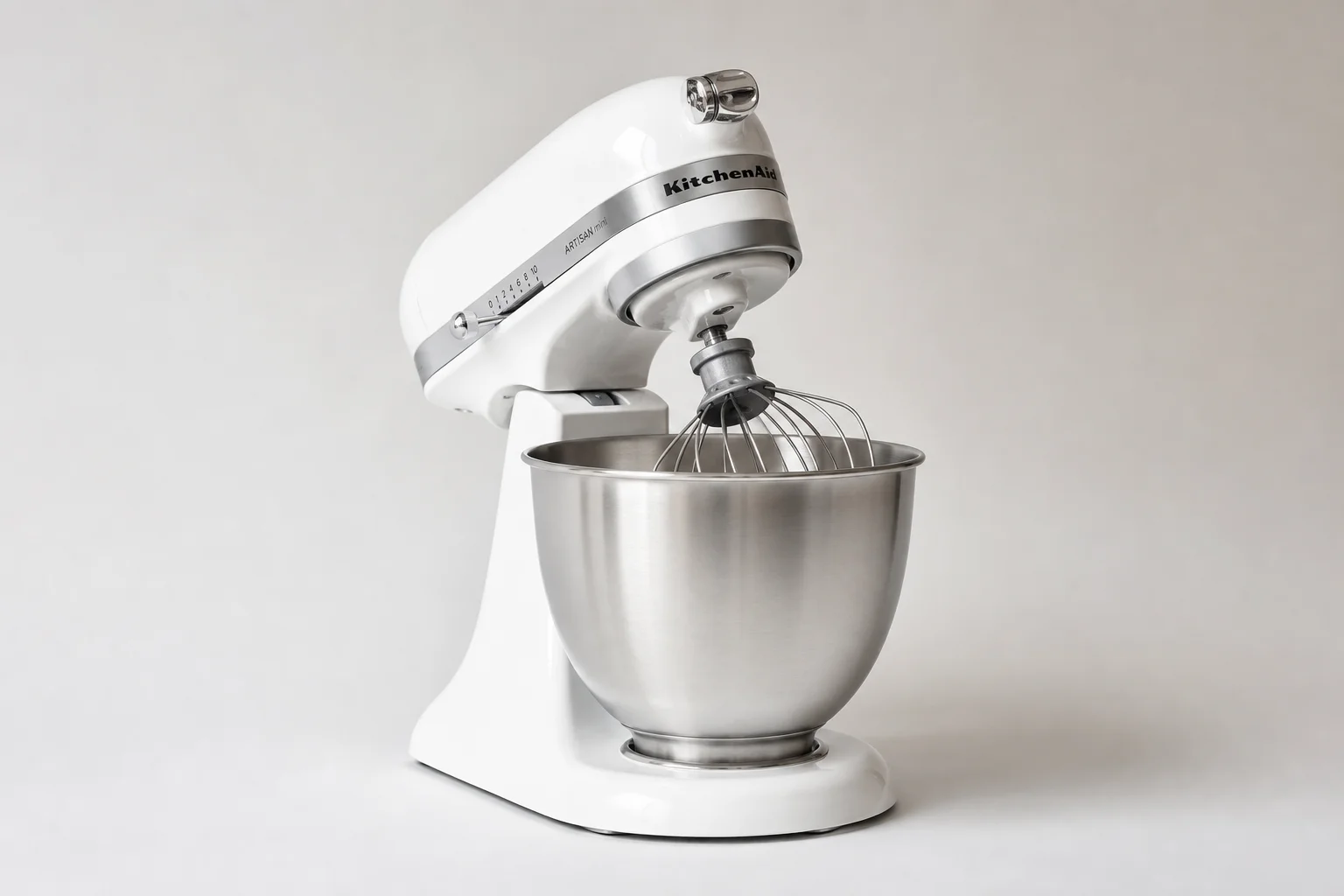
Best Compact Option: KitchenAid Artisan Mini
For bakers with space constraints, the petite KitchenAid Artisan Mini three and a half quart mixer delivers capable performance in a smaller footprint. It suits home bakers who prioritize countertop space over maximum capacity.
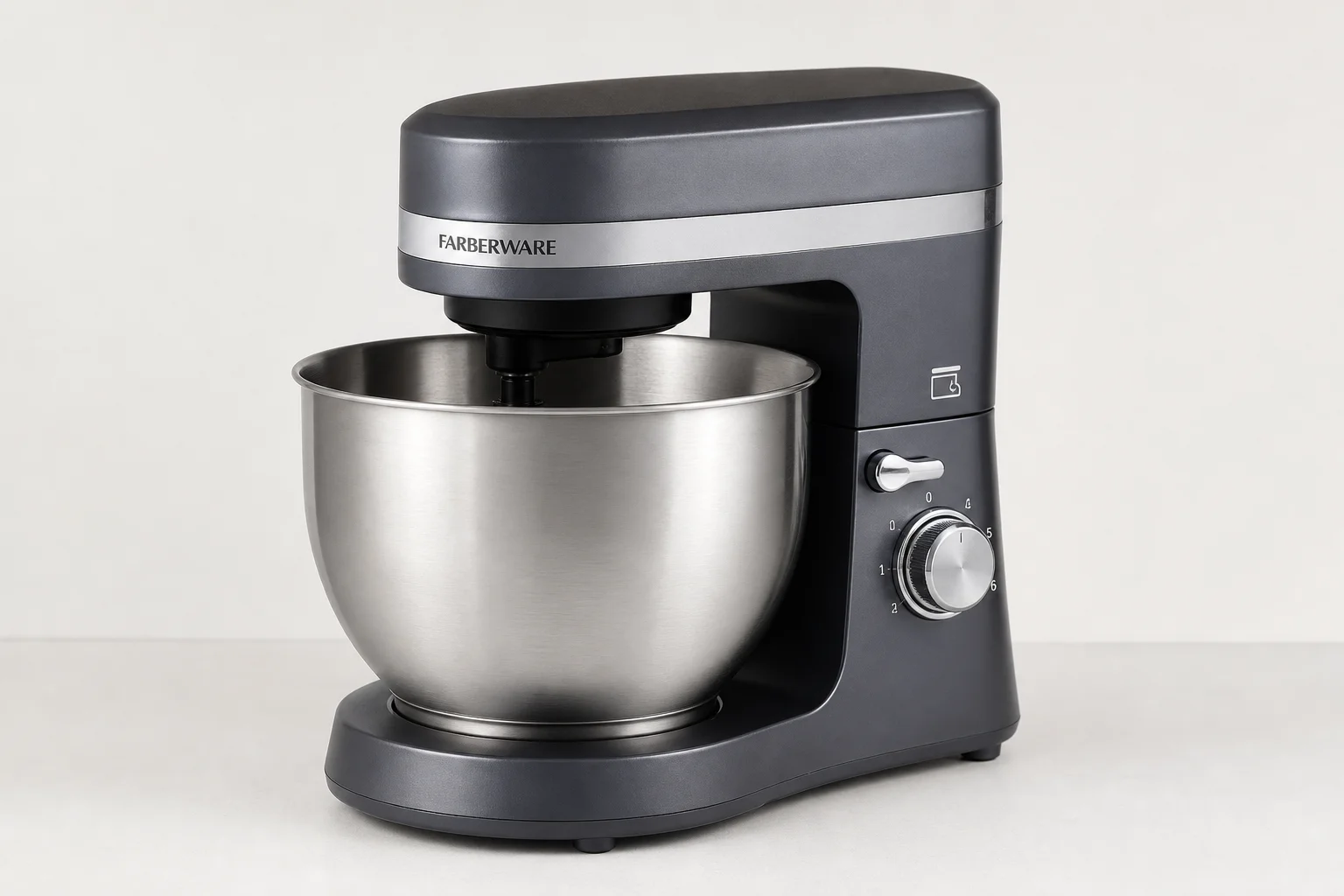
Best Budget Option: Farberware 6-Speed
The Farberware six-speed stand mixer is the most affordable option tested. While slightly underpowered on tough doughs, it performed well across most tasks at a fraction of the price of competing models. It suits budget-conscious bakers who do not regularly tackle heavy-duty kneading.
Material Quality and Durability
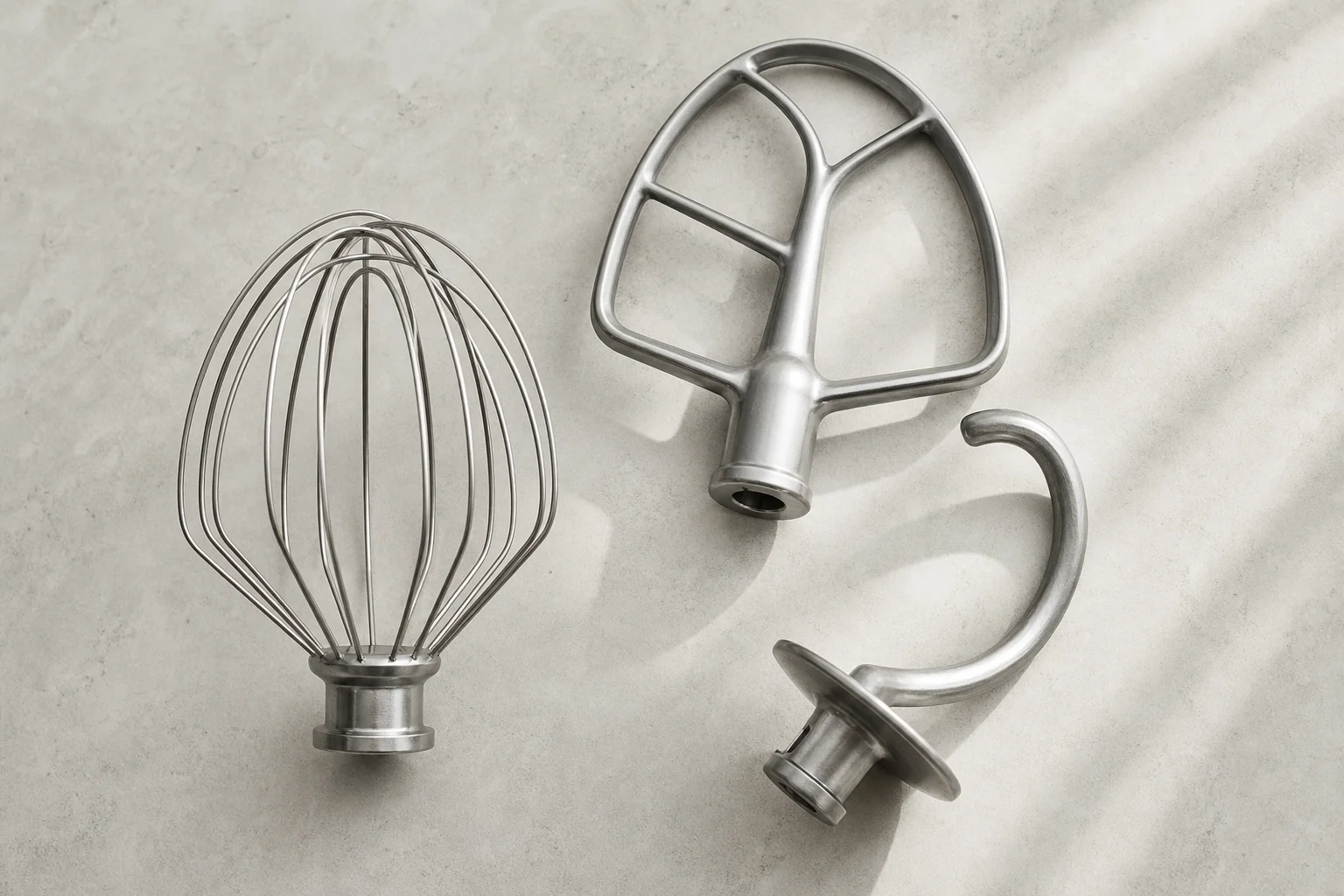
Uncoated stainless steel whisks, paddles, and hooks are ideal. Steel is non-reactive and durable, ensuring long-term reliability.
Coated aluminum parts often chip over time, risking contamination of baked goods. Uncoated aluminum tools oxidize if left wet, especially in the dishwasher, forming a grayish residue that transfers to food. Plastic parts are lighter and easier to handle, but thin plastic hubs that attach whisks raise durability concerns.
Capacity and Usable Volume
Stated capacity often misleads. A mixer sold as five or seven quarts would only reach that volume if filled to the rim, which is impractical for mixing. As a rough estimate, subtract about two quarts from any stated capacity to find realistic usable volume. Mixers with a stated capacity of four and a half to five quarts, which actually hold about three quarts, can tackle double batches of dough. Anything smaller cannot.
Weight and Stability
Heavier stand mixers rock and walk less during heavy-duty mixing. The motor power goes into moving the dough, not the machine itself. Suction feet can help anchor lighter mixers to the countertop, but suction cups often lose grip over time, causing the mixer to slide. Unless you specifically need a light, portable mixer, skip models that rely on suction feet.
Conclusion
The right stand mixer depends on your baking habits and space. The Ankarsrum Original suits bakers who tackle heavy doughs regularly. The KitchenAid Classic Series balances performance and price for everyday baking. The KitchenAid Artisan Mini fits compact kitchens. The Farberware 6-Speed works for budget-conscious bakers who avoid heavy-duty kneading. Evaluate your typical tasks, available space, and budget to find the mixer that fits your baking life.
Further reading
Related Reviews
Kitchen Equipment
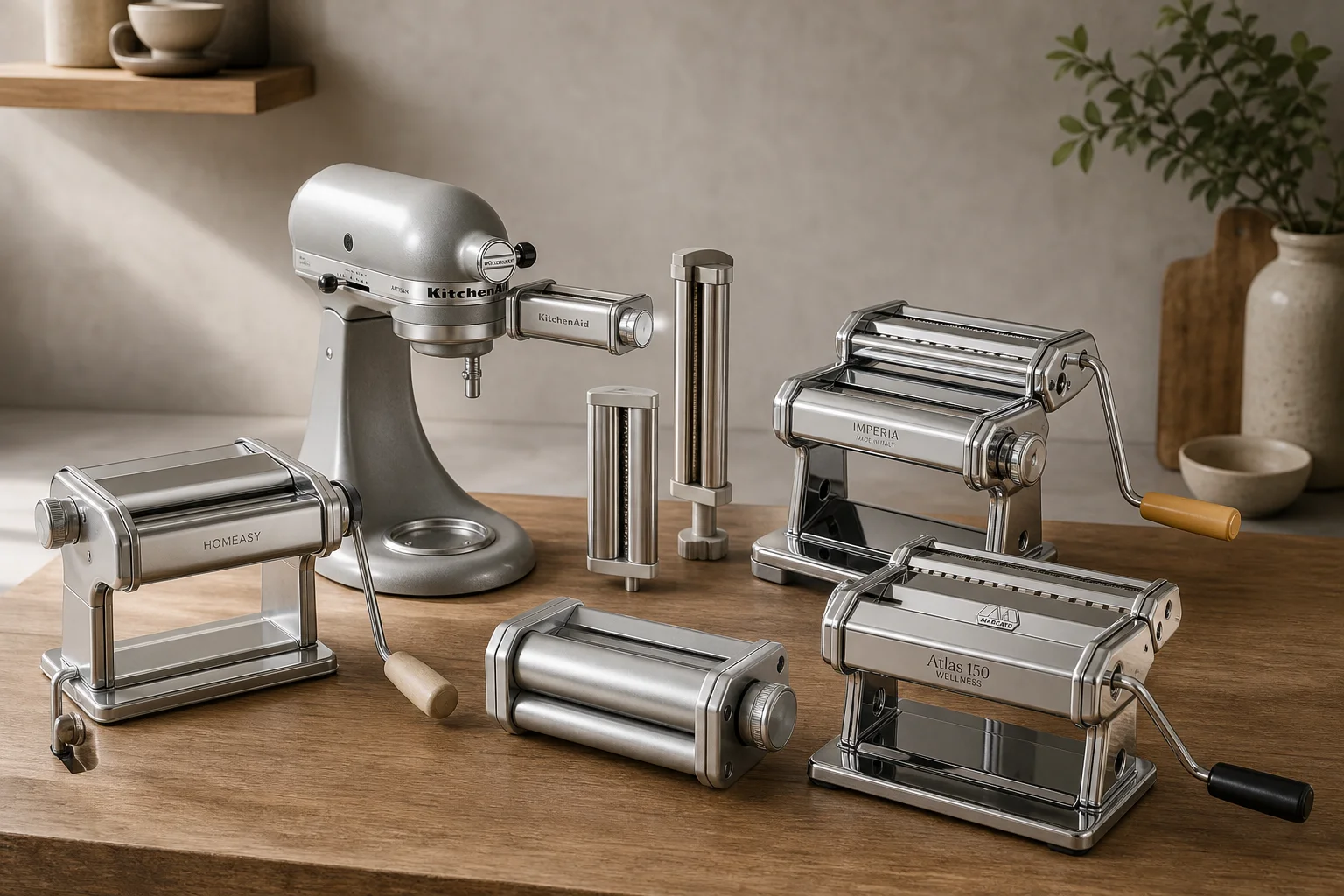
Best Pasta Makers for Home Kitchens: Five Machines Compared
Five pasta makers from manual hand-crank models to powered attachments, each with distinct strengths for different cooking styles and kitchen setups.
Kitchen Equipment
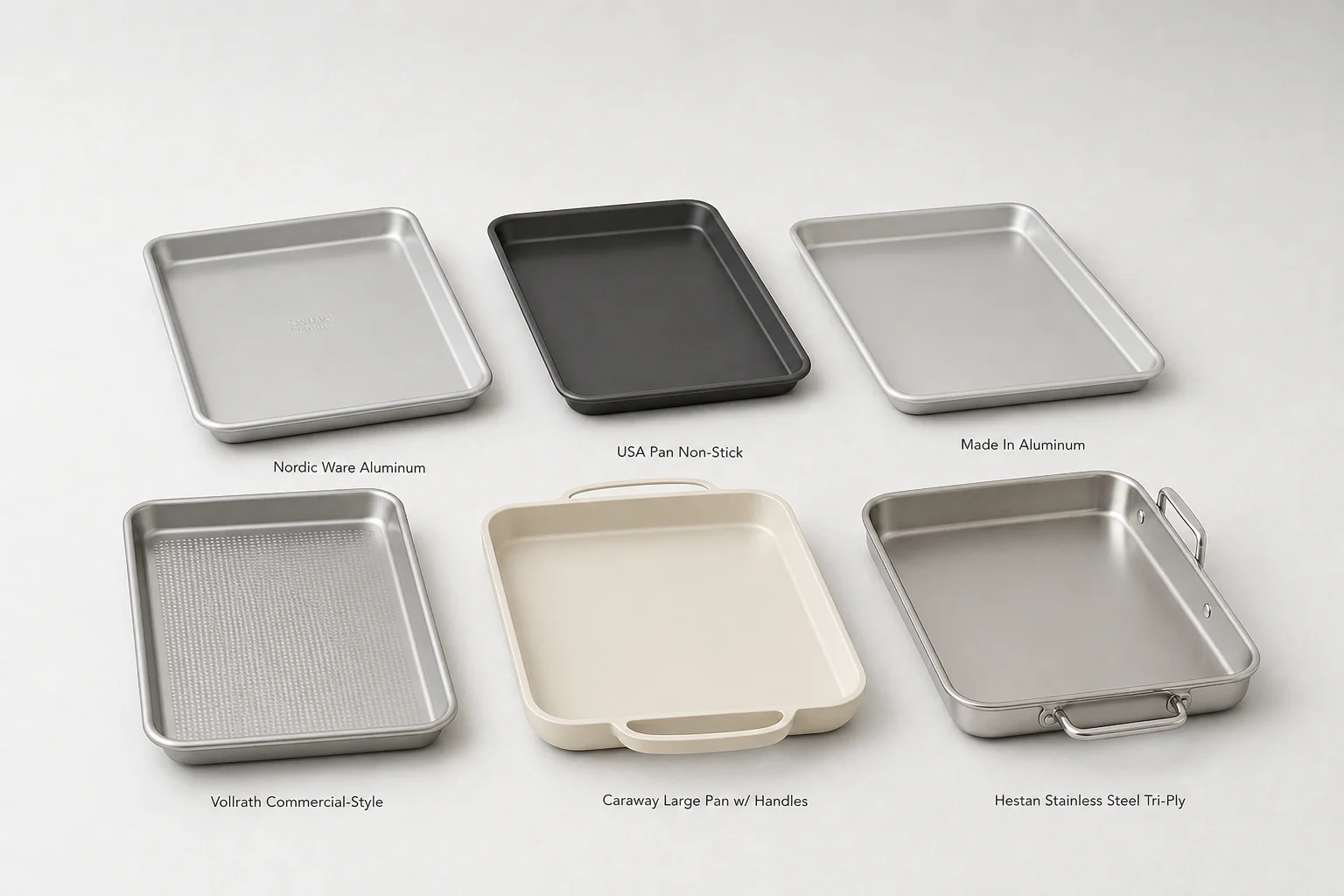
Best Sheet Pans Tested: Which Brands Resist Warping and Cook Evenly
Six popular sheet pans tested for warping resistance, roasting performance, and ease of cleaning. Find out which offers the best value and which to avoid.
Kitchen Equipment
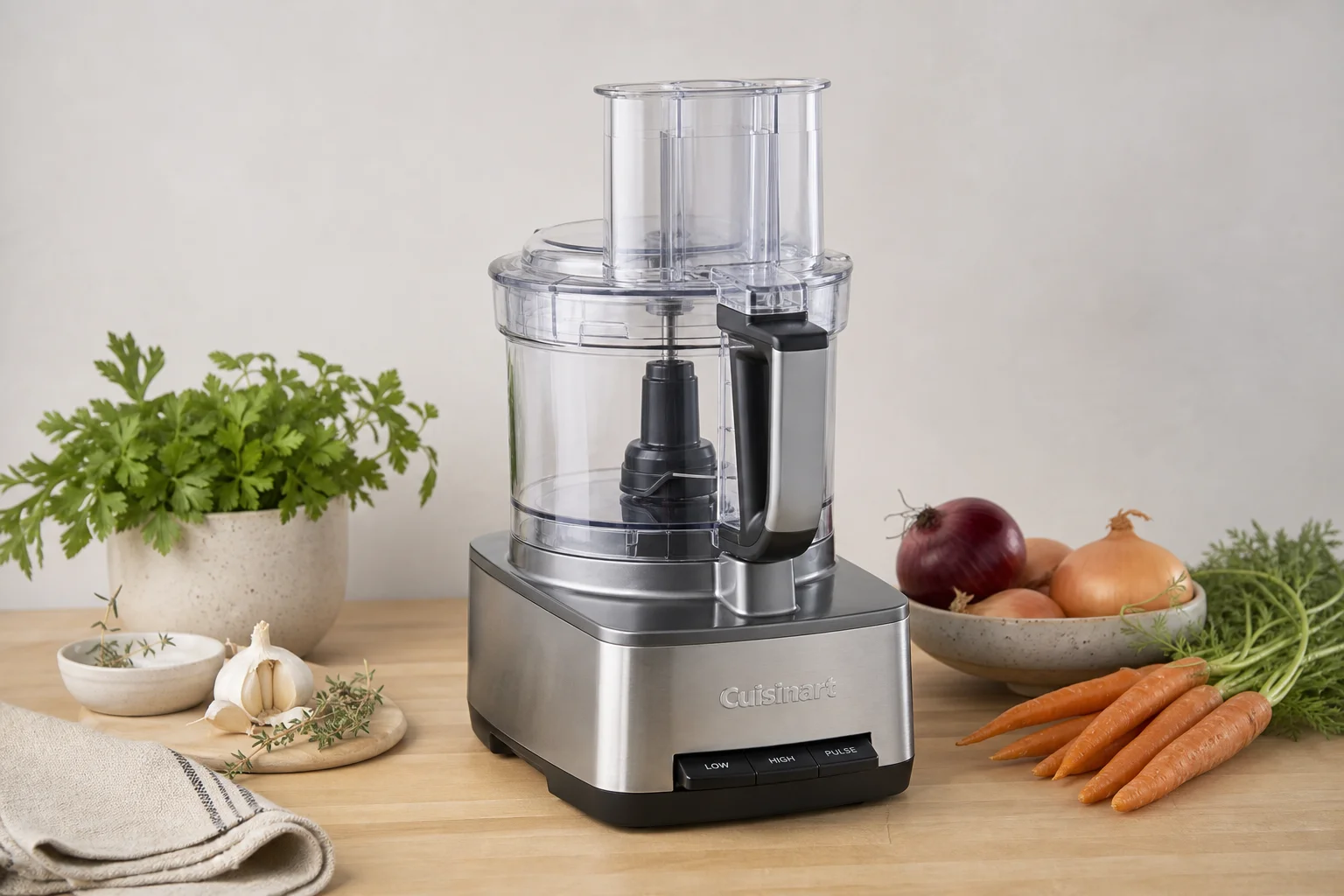
Food Processor Buying Guide: What to Look For and How to Use Them
A complete guide to choosing, using, and maintaining a food processor, with expert tips on features that matter and common mistakes to avoid.