Kitchen Equipment
Food Processor Buying Guide: What to Look For and How to Use Them
A complete guide to choosing, using, and maintaining a food processor, with expert tips on features that matter and common mistakes to avoid.
Introduction
Food processors are among the most versatile kitchen tools available. They excel at tasks ranging from shredding pounds of cheese and vegetables to grinding meat, making pesto, and preparing mayonnaise. However, choosing the right model and using it effectively requires understanding what features truly matter and which accessories are worth keeping.
How Food Processors Work
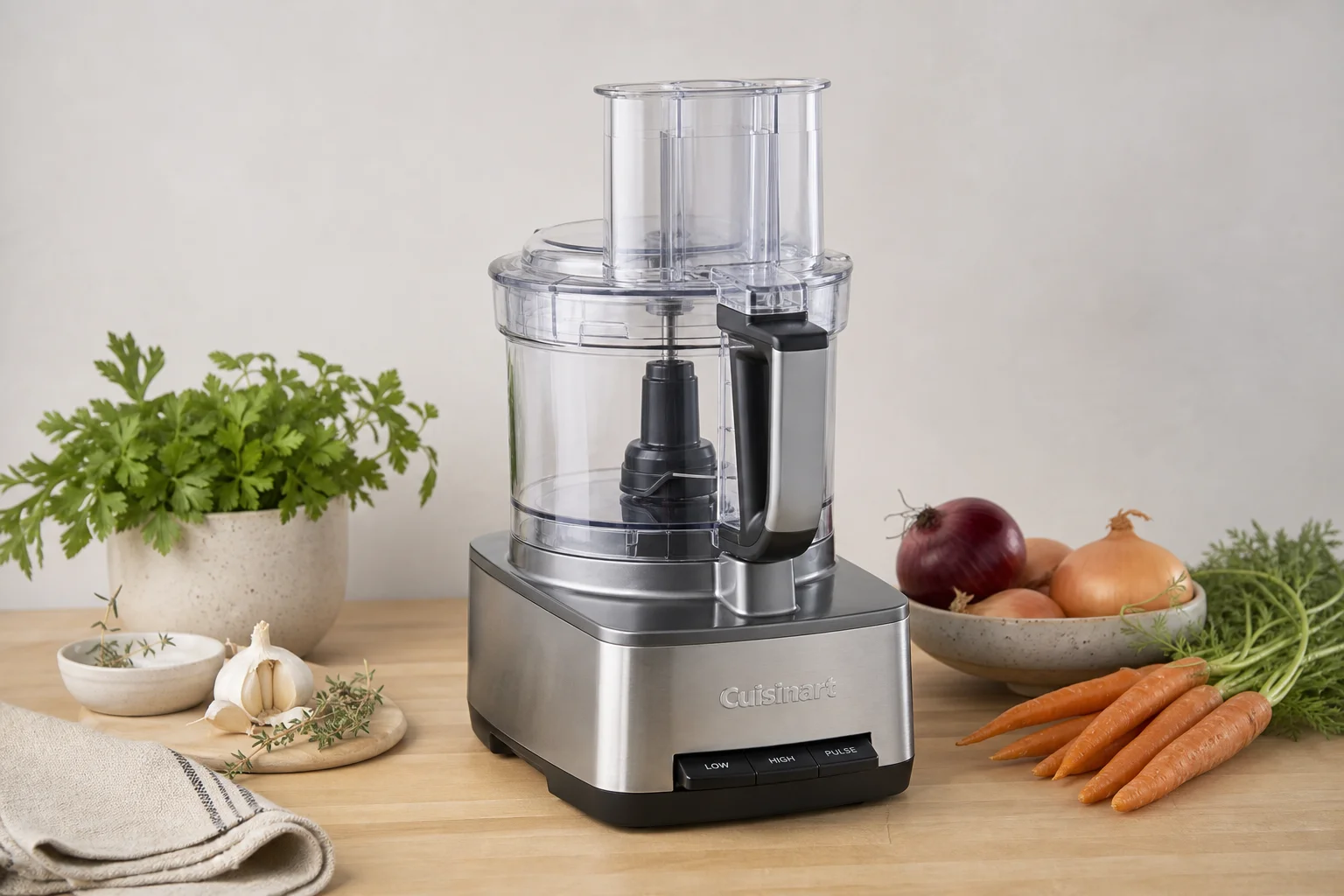
All modern food processors operate on the same basic principle. The work bowl sits on a motorized base, with a blade mounted on a central stem that passes through the bowl and connects to the motor. Safety features prevent the blade from spinning unless the lid is fully secured.
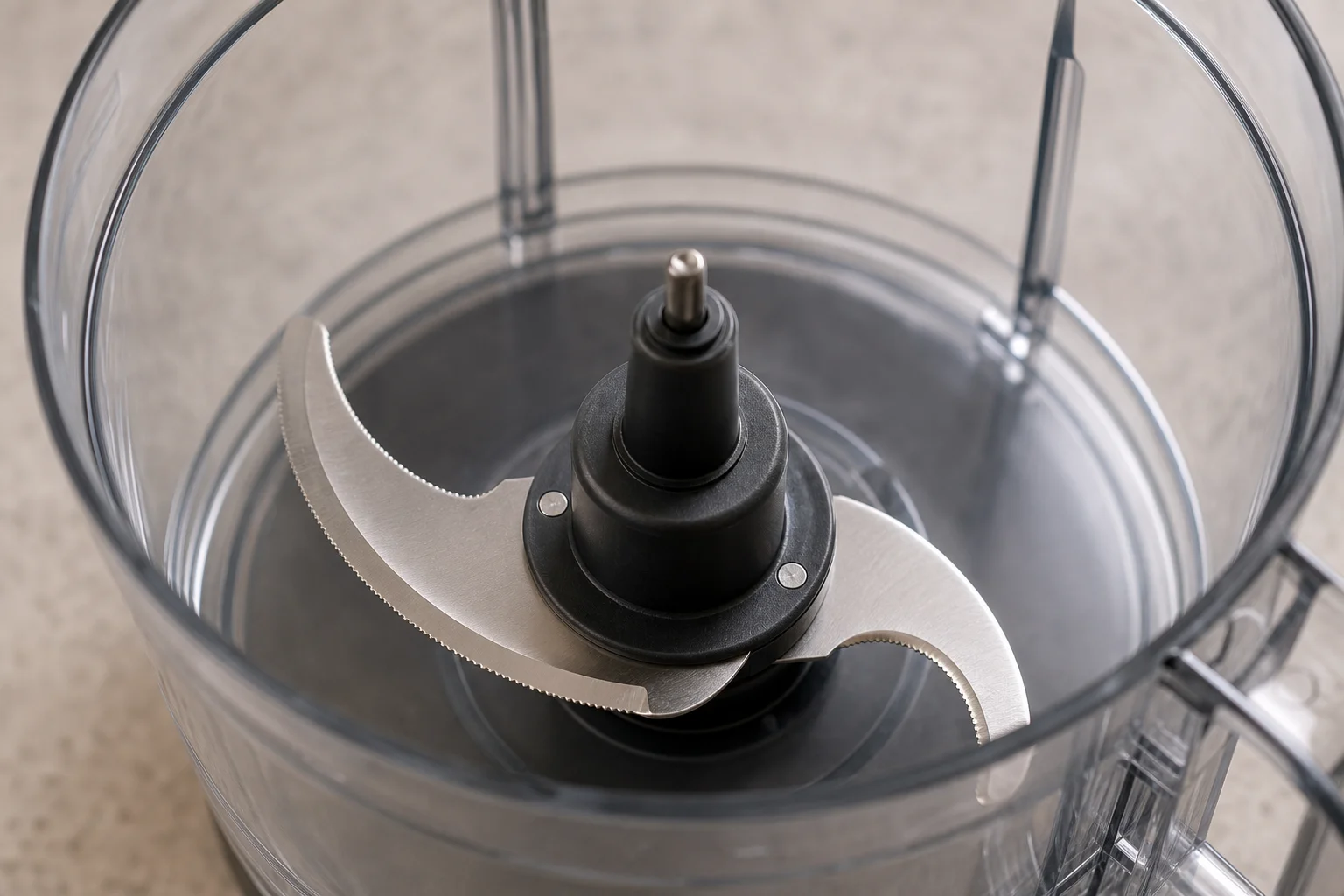
For chopping tasks, an S-shaped blade is positioned in the bowl. You add your ingredients, secure the lid, and the blade chops them as it rotates. For slicing and shredding, you attach a disc-shaped blade with either raised holes for shredding or a cutting edge for slicing. Food is then pushed down through the feed tube onto the blade.
Key Features to Look For
When evaluating a food processor, several design elements separate high-performing models from mediocre ones.
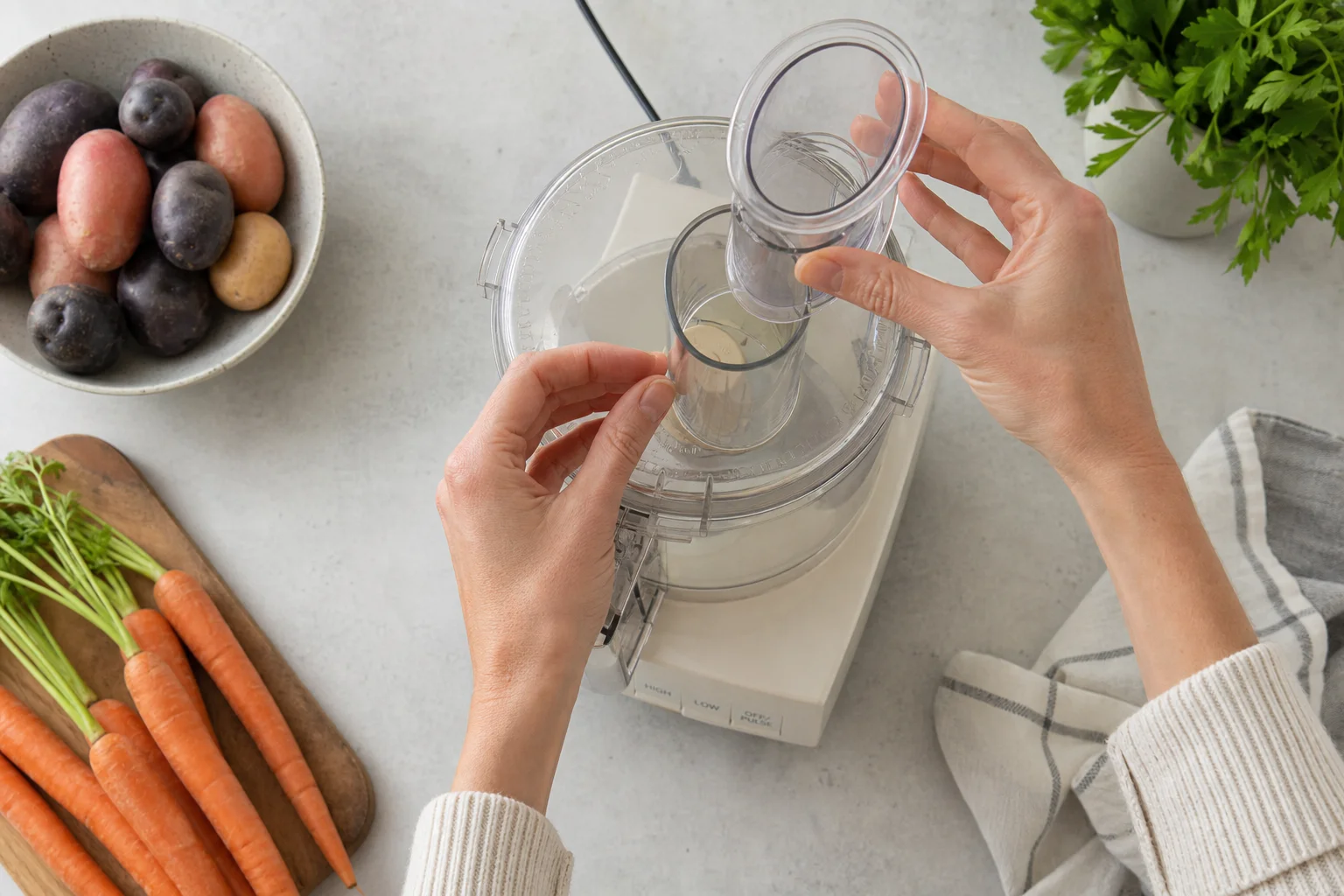
Feed Tube Design: A well-designed feed tube should be large enough to minimize pre-trimming and waste, yet narrow enough to hold food upright. Look for models that include different-sized inserts, which allow you to customize the fit for various foods. Some premium models feature a rear-mounted feed tube that gives you a clear view into the work bowl as you process.
Blade-to-Bowl Gaps: Minimal gaps between the blade and the sides and bottom of the bowl are critical. Larger gaps allow food to escape without being processed, resulting in uneven chopping. High-performing models keep these gaps significantly tighter than budget alternatives.
Base Weight and Stability: A weighty, compact base is essential. The base should be heavy enough to stay anchored during heavy mixing, typically around 12 to 13 pounds. Avoid lightweight models with suction cups, as they require constant repositioning and become frustrating to use.
Pulse Button Responsiveness: A responsive pulse button delivers a powerful burst of energy that tosses ingredients and then stops cleanly. Poor pulse buttons run gently for extended periods, causing food to ride on the blades and resulting in inconsistent texture, with some pieces oversized and others liquified.
Storage and Accessories: While many food processors come with numerous attachments and accessories, this abundance often creates more problems than solutions. Extra blades and attachments require dedicated storage space, and if that space isn’t readily available, they typically end up unused. Most recipes can be accomplished with just three core blades: the S-shaped chopper, a slicer, and a shredder. Look for models where all essential pieces store neatly inside the work bowl.
Ease of Cleaning: Simple, streamlined design makes cleaning significantly easier. Avoid models with complex multi-piece blade assemblies where food gets trapped between components. A single-piece blade that drops in cleanly is far preferable. The bowl and lid should be plain and simple, with no crevices where food accumulates.
Top Recommendations
Best Overall: Cuisinart Food Processor
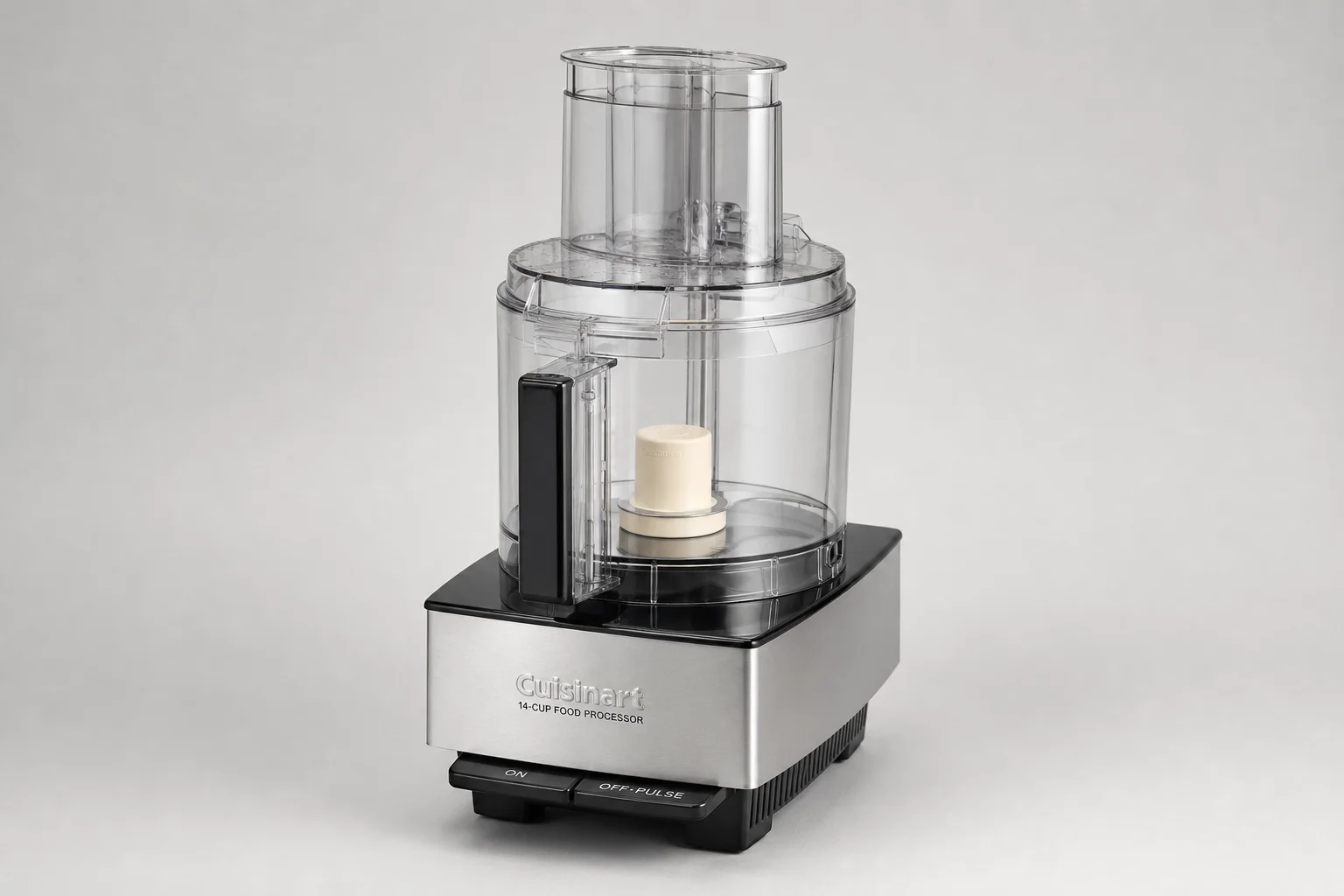
This long-standing test kitchen favorite has been periodically retested against newer competitors from Breville, KitchenAid, and Ninja, and it continues to outperform them all. It features a well-designed feed tube with adjustable inserts, minimal blade-to-bowl gaps, a responsive pulse button, and a heavy, stable base. All essential blades and attachments store inside the work bowl, making it genuinely convenient to use and store. The bowl includes a small hole in the central tube for drizzling oil when making mayonnaise.
Premium Alternative: Breville Sous Chef 16
For those who want every possible attachment and accessory, the Breville Sous Chef 16 delivers comprehensive versatility. However, it comes at a significantly higher price point and is more complex to maintain and store. The Cuisinart remains the better value and easier to live with daily.
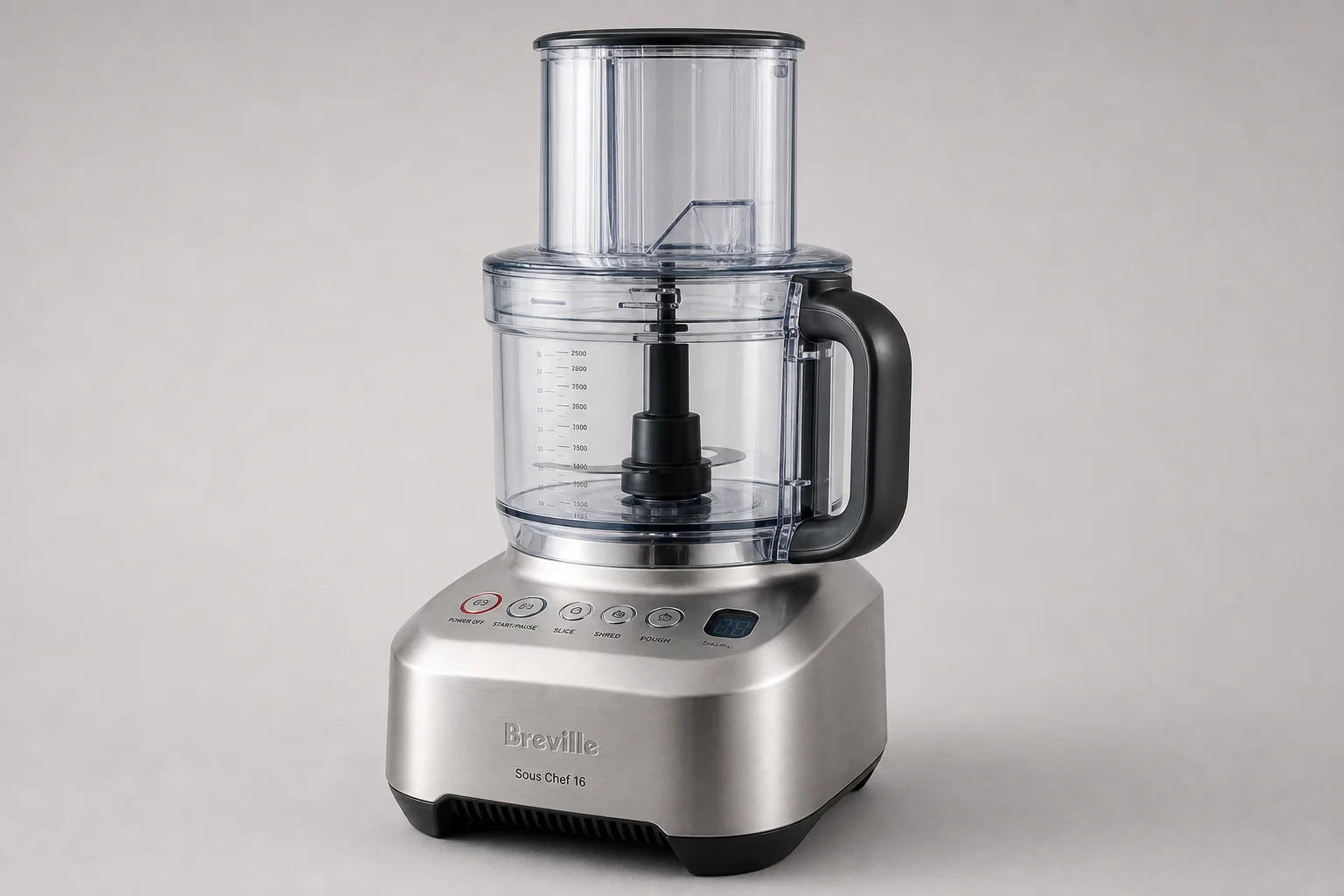
Small-Capacity Option: Cuisinart 4-Cup Food Processor
For quick jobs like chopping Parmesan, mincing herbs, or making small sauces, a compact 4-cup model is invaluable. This Cuisinart model includes a lid with an oil-drizzle hole, a feature most small food processors lack, making it suitable for preparing mayonnaise and emulsified sauces.
Food Processor vs. Blender
Food processors and blenders serve different purposes and are not interchangeable. A food processor excels at chopping and processing solid foods, but it will never achieve the fine puree consistency of a blender. Blenders have a narrow jar that directs all food toward the blades, producing smoother results for smoothies and purees. While food processors can handle some liquid, they have a maximum capacity around the central stem and will never produce the smooth liquid consistency of a blender. If you make frequent smoothies or purees, both tools are worth owning.
Getting the Most Out of Your Food Processor
Understanding how to use your food processor effectively ensures better results and prevents common mistakes.
Pre-cut Food to Size: Cut ingredients into halves or quarters before processing. This allows the blade to work more effectively and produces more even, finely chopped results.
Use the Pulse Button Carefully: The pulse button is your most important control. Hold it down briefly to allow the blade to reach full speed, then release. Never over-process. As the saying goes, you cannot un-puree food. Recipes that require precise texture, like shrimp burgers, often specify exact pulse counts to prevent over-processing and maintain the desired tender, juicy texture.
Leverage the Dough-Making Capability: Food processors are exceptional for making pizza dough, pie dough, and other doughs. The blade evenly chops fat and incorporates it into flour without excessive work, and it mixes everything efficiently. For extra-flaky pie dough, freeze your butter before processing it into the flour.
Freeze Ingredients When Appropriate: For grinding meat into burgers, freeze the meat first to firm up the surface and ensure even grinding. Similarly, freeze cheese for about 15 minutes before shredding to achieve better results.
Use All Three Blade Types: The shredding blade alone justifies keeping a food processor in your kitchen. Use the adjustable feed tube to keep ingredients standing upright and straight, ensuring even cutting across different food sizes.
Never Insert Utensils Down the Feed Tube: Keep fingers and utensils away from the feed tube while the processor is running. The blade can damage or destroy silicone spatulas and other tools.
Cleaning and Maintenance
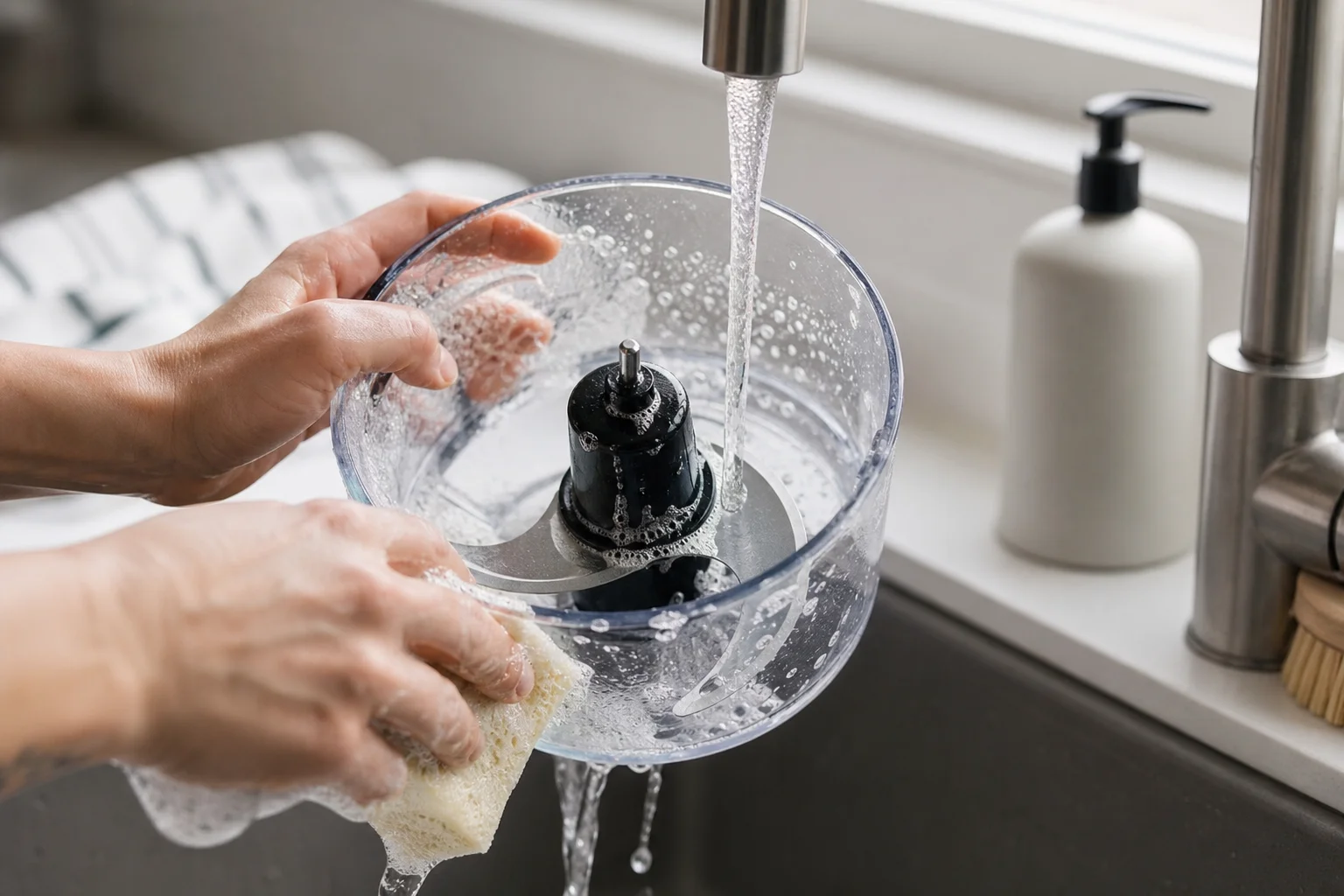
Proper cleaning extends the life of your food processor and maintains its performance.
Hand Wash the Bowl and Lid: Never place the work bowl or lid in the dishwasher. The dishwasher will make the bowl foggy, reducing visibility, and will dull the blade. Wash both by hand with hot soapy water.
Clean the Blade Effectively: For sticky or gluey residue, add a small amount of soap and hot water to the bowl, run the processor briefly to help clean the blade, then finish cleaning by hand. The bowl is too wide to fully clean by machine alone.
Maintain the Base: Wipe down the base with a damp cloth or use an all-purpose spray and cloth for spot cleaning. Always unplug the processor before cleaning to avoid any risk.
Conclusion
A quality food processor transforms everyday kitchen tasks, making them faster, easier, and more approachable. By focusing on essential features like feed tube design, blade-to-bowl gaps, base stability, and ease of cleaning, you can select a model that will serve you reliably for years. The Cuisinart Food Processor remains the best overall choice, balancing performance, value, and practicality for most home cooks.
Further reading
Related Reviews
Kitchen Equipment
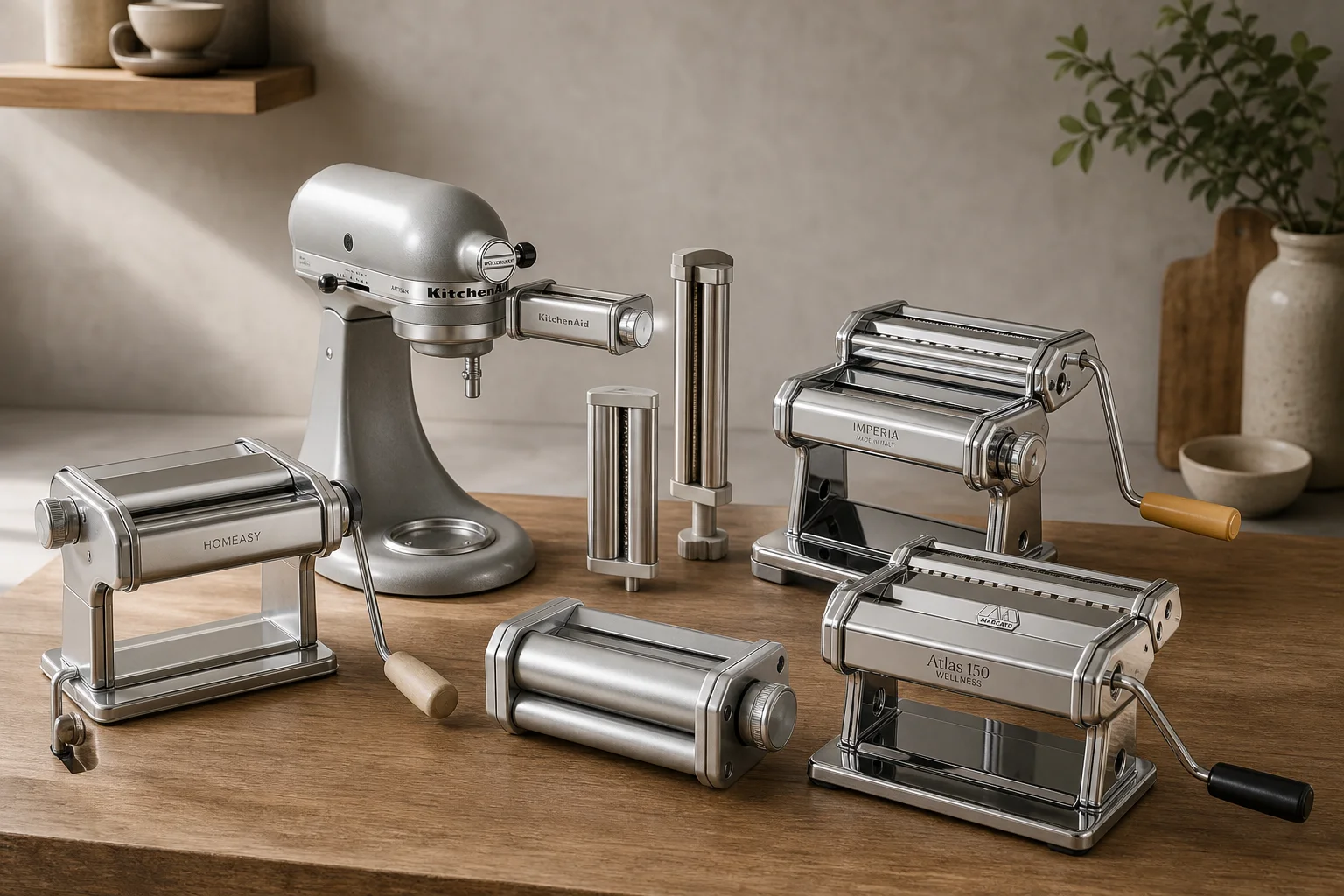
Best Pasta Makers for Home Kitchens: Five Machines Compared
Five pasta makers from manual hand-crank models to powered attachments, each with distinct strengths for different cooking styles and kitchen setups.
Kitchen Equipment
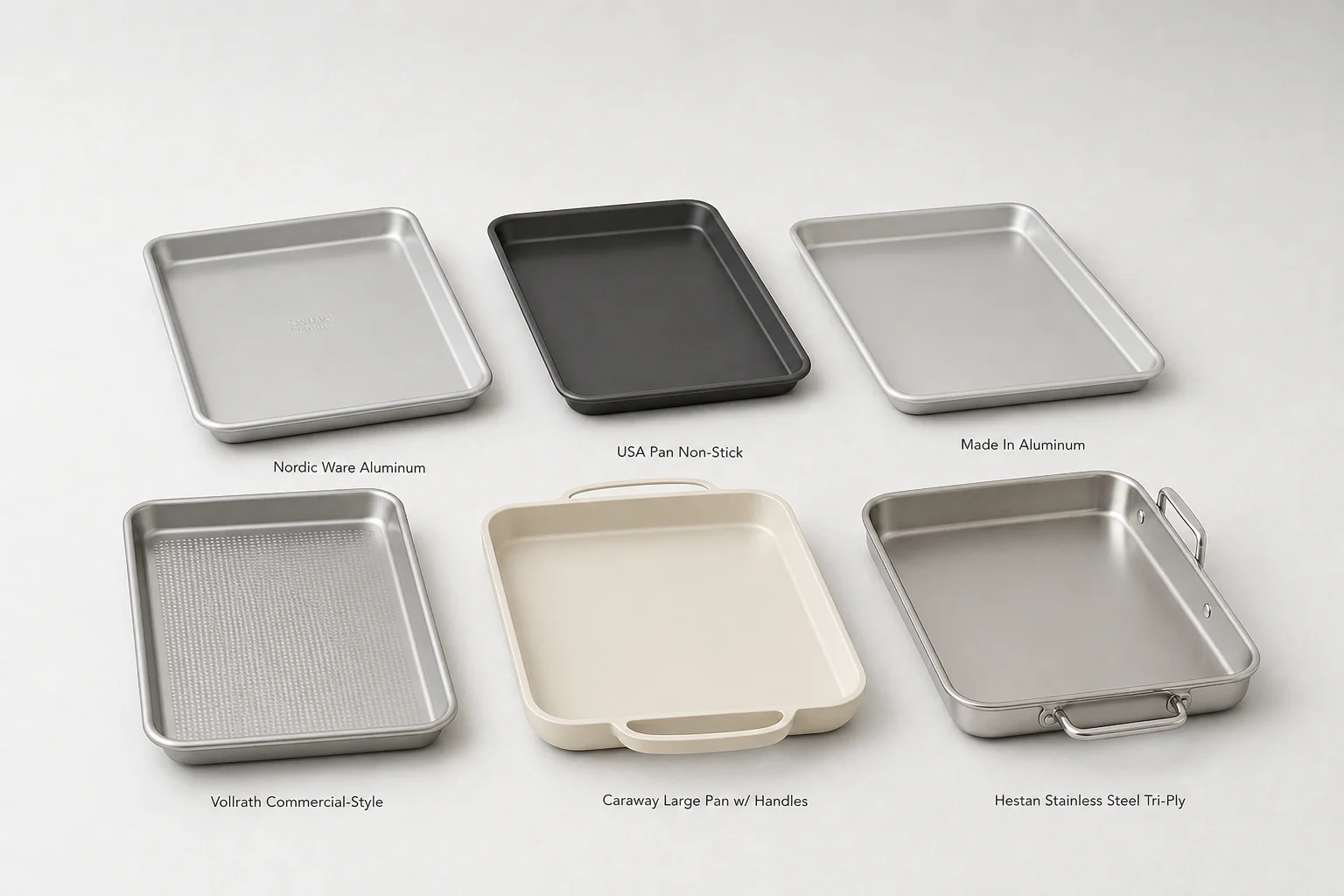
Best Sheet Pans Tested: Which Brands Resist Warping and Cook Evenly
Six popular sheet pans tested for warping resistance, roasting performance, and ease of cleaning. Find out which offers the best value and which to avoid.
Kitchen Equipment
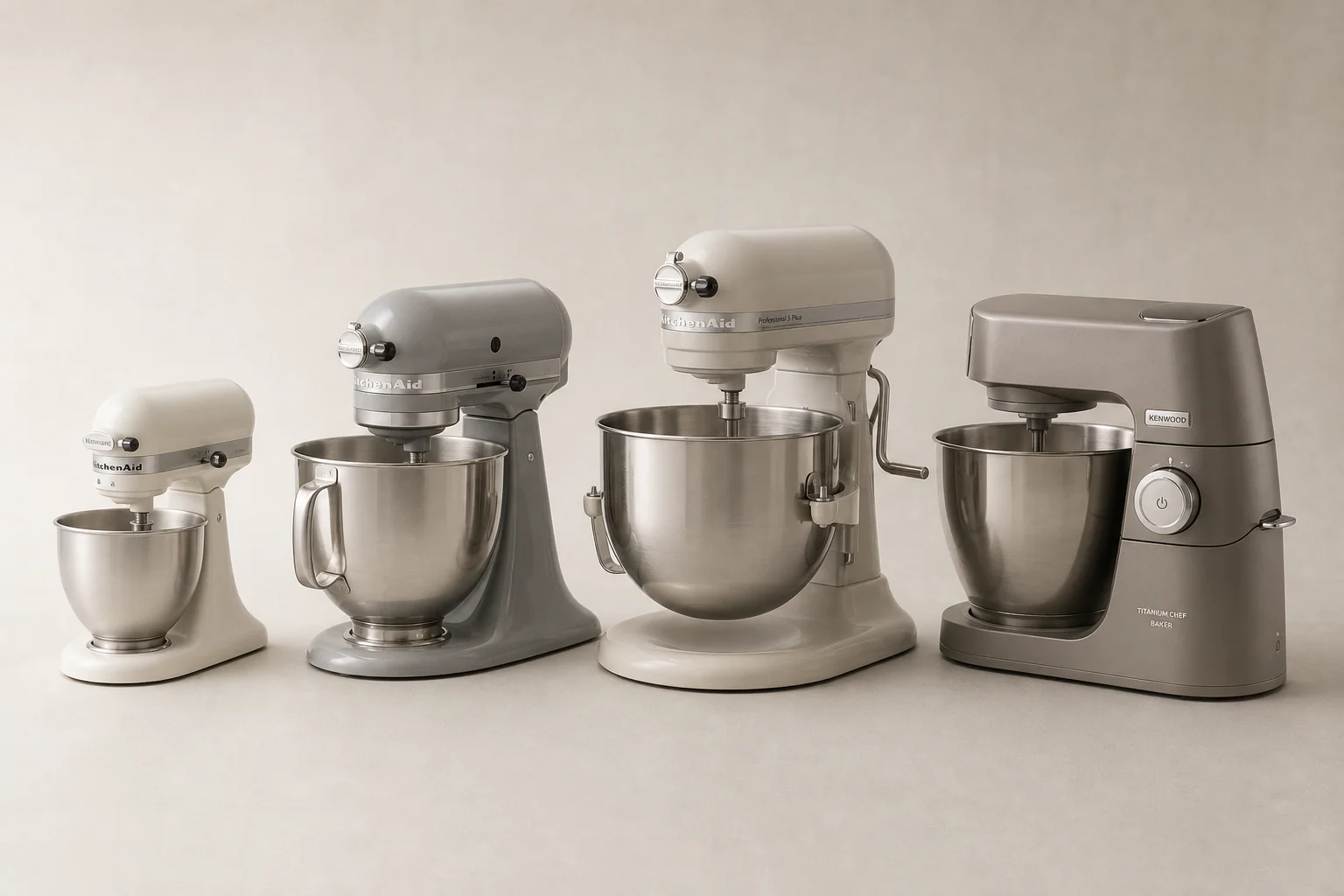
Best Stand Mixers for Home Bakers: Four Tested Models for Every Budget
Four stand mixers tested across whipping, creaming, and heavy-duty dough kneading. Find the right mixer for your baking needs and budget.