Coffee Equipment
Bialetti Moka Express: The Iconic Coffee Brewer That Defined a Generation
A deep dive into the Bialetti Moka Express, the stovetop coffee maker that became a global symbol of Italian coffee culture and remains one of the most recognizable brewers ever made.
Introduction
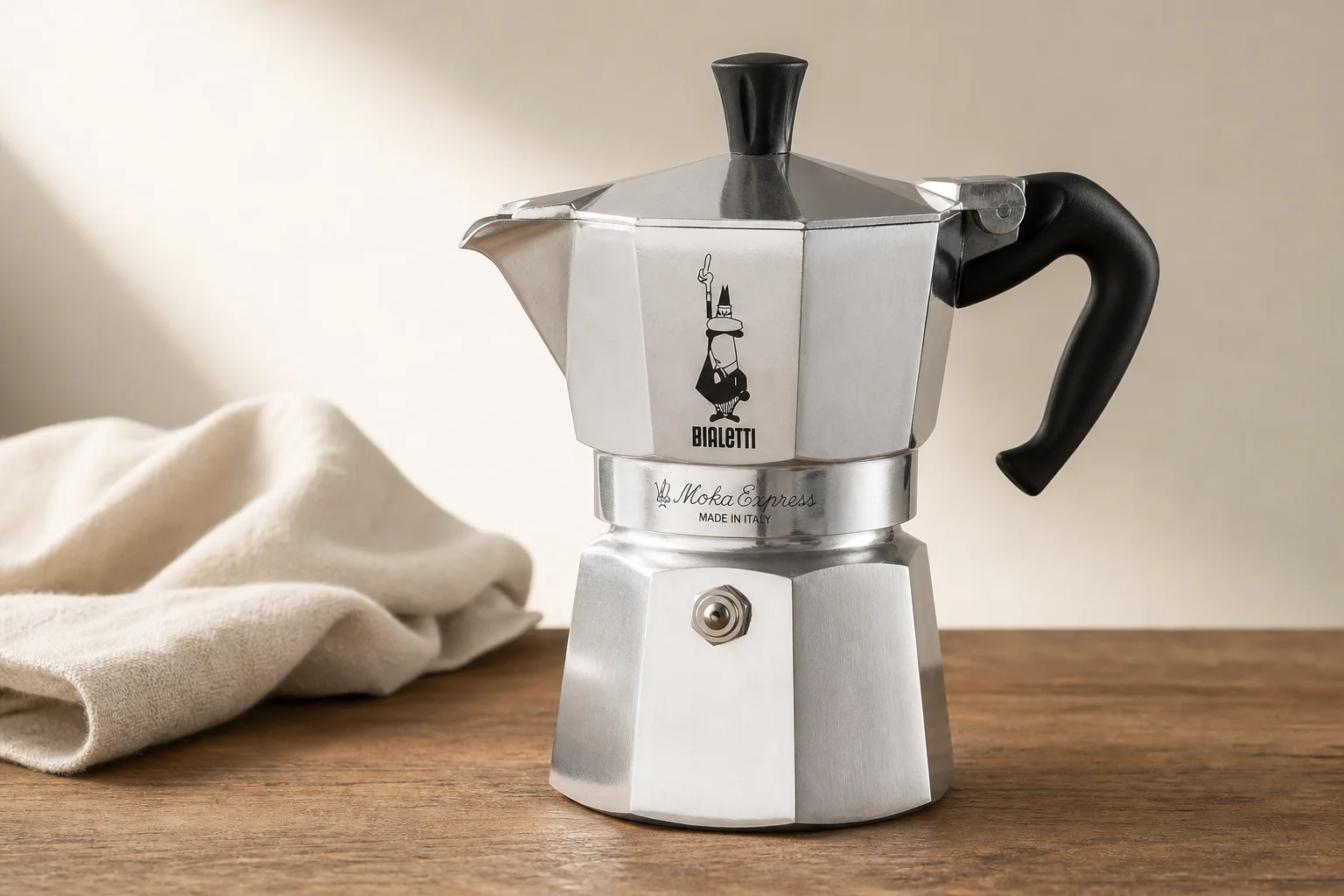
The Bialetti Moka Express stands as perhaps the most iconic coffee brewer ever created. Its distinctive octagonal silhouette is instantly recognizable from any angle, and its influence on global coffee culture remains unmatched. This stovetop brewer has become shorthand for coffee itself in countless households, transcending its function as a mere appliance to become a cultural symbol.
The Origins of an Innovation
The story of the Moka Express begins in 1933, though the exact details of its invention remain somewhat shrouded in history. Alfonso Bialetti, who had founded his aluminium company in 1919 after returning from an apprenticeship in France, is credited with the patent. However, historical records suggest that Luigi Deonte, an inventor working for Bialetti, may have played a significant role in the device’s development. The original 1933 patent is difficult to locate in its complete form, making it challenging to pinpoint the exact innovations that set this brewer apart.
What we do know is that steam-powered coffee makers existed before the Moka Express. Earlier brewers from the late 1800s and early 1900s used steam pressure to drive hot water over coffee, but they produced results more akin to a miniature pour-over. The real innovation of the Moka Express was in its design: stacking the brew chamber in such a way that steam pressure could drive water through the coffee grounds rather than above them. This approach allowed for faster brewing, which was increasingly important to consumers of the era.
The Rise of an Icon
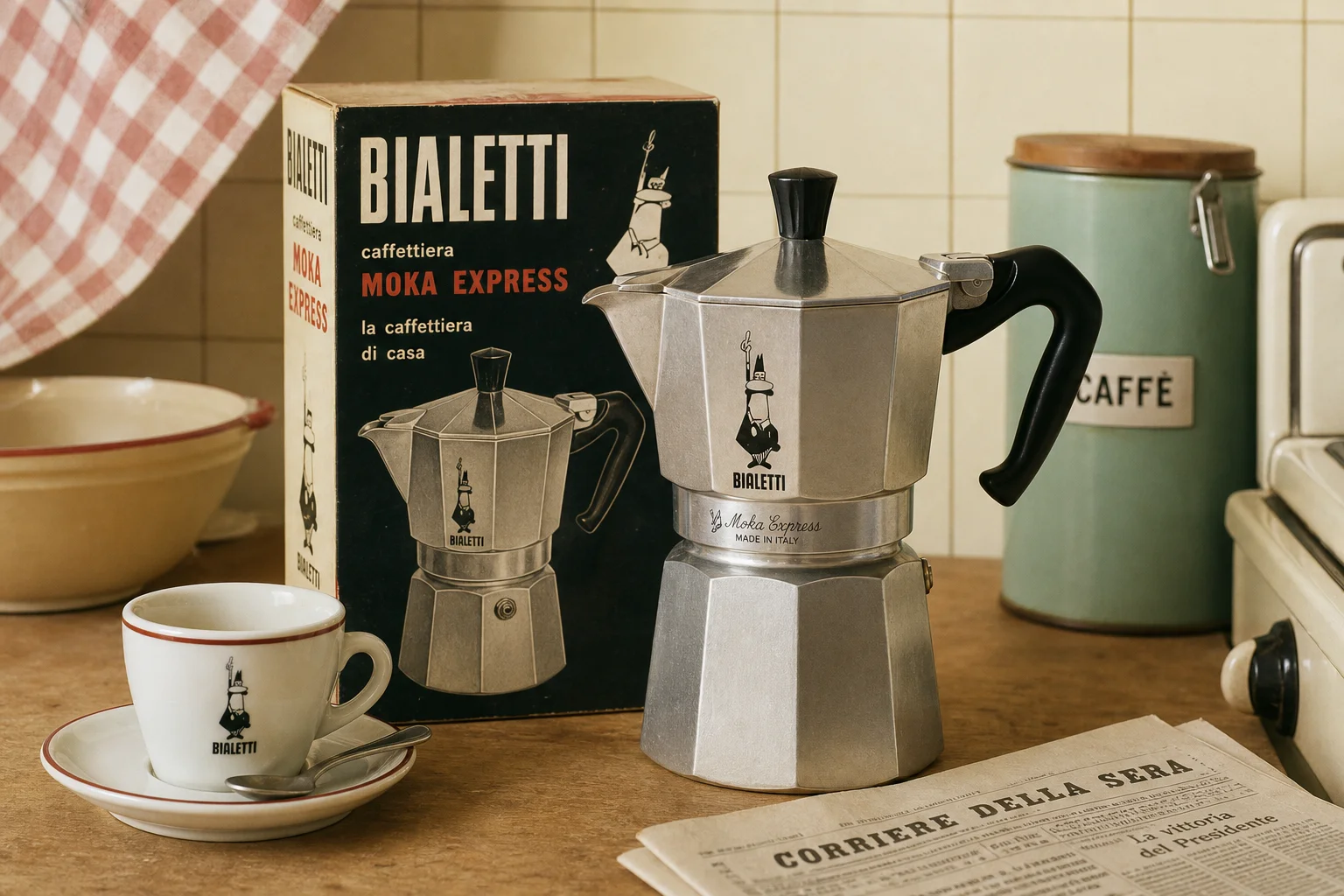
The true transformation of Bialetti came after World War II. When Alfonso’s son Renato returned from German prisoner-of-war camps in 1945, he took over the family business and made a pivotal decision: to focus the company entirely on the Moka Express. This strategic choice proved transformational. Renato turned the Moka Express into an iconic Italian and eventually global coffee brand.
In the 1950s, Bialetti hired a cartoonist to create the brand’s logo, resulting in the now-famous “Omino Caffè” (the man with the moustache), reportedly based on Renato himself. During this same period, the company filed patents that documented refinements to the original design. The base was widened to improve heat capture from the stovetop, and the bakelite handle and distinctive top lid handle became defining visual elements of the brewer we know today.
The company’s marketing efforts during the 1950s were remarkably effective. Bialetti advertisements were broadcast on a popular Italian television variety show called Carousel, which reached audiences of up to 10 million viewers. The messaging was consistent and compelling: you need coffee, water, and fire, but above all, you need care. These advertisements were instrumental in establishing the Moka Express as a household staple. Over the decades, Bialetti manufactured and sold between 200 and 300 million units, with countless additional pots produced by other manufacturers attempting to capture the market.
How the Moka Express Works
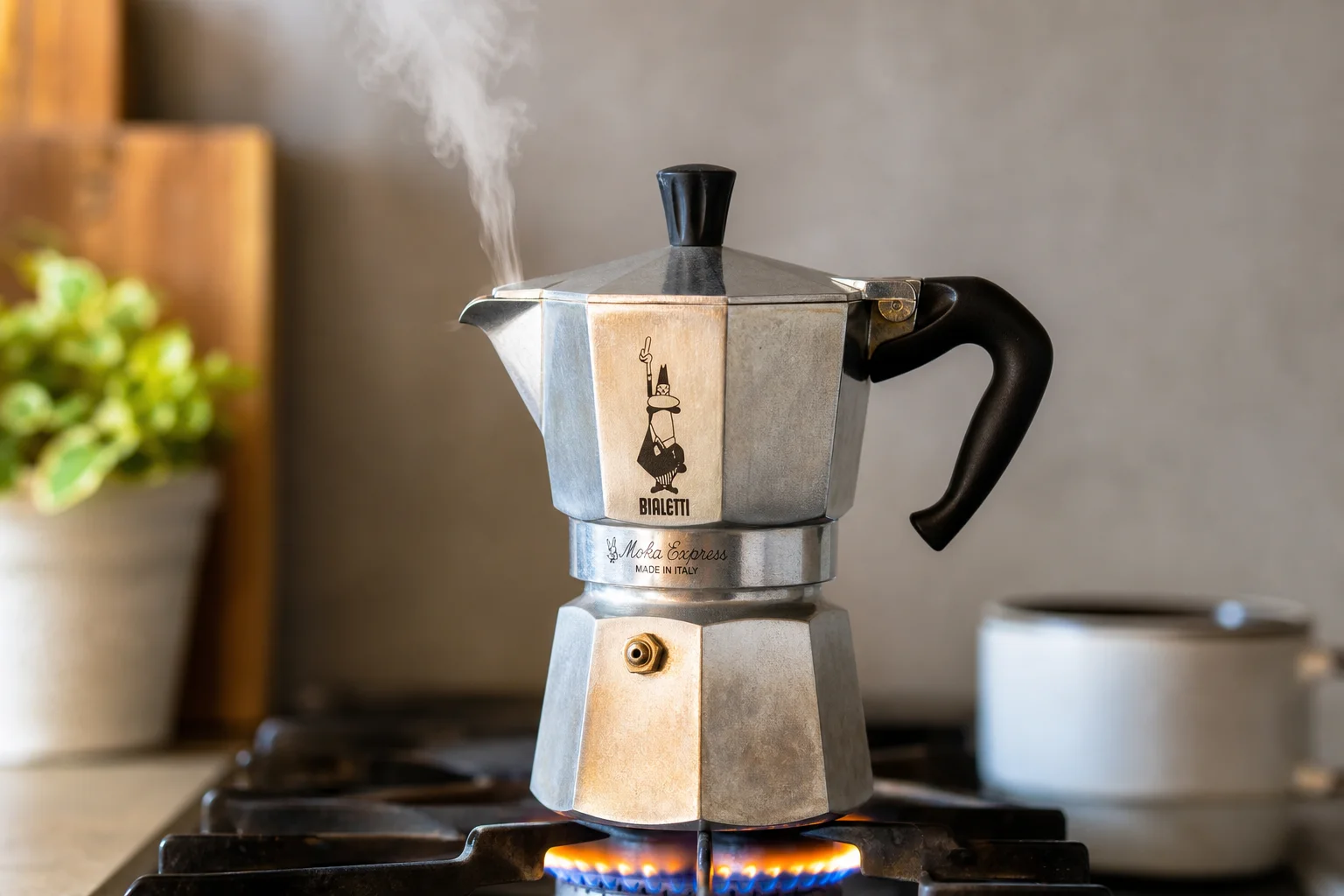
Understanding the Moka Express requires breaking it down into its three main sections. The base chamber holds water, which is heated by the stovetop. An early innovation, introduced in the 1950s, was the safety valve, which opens at approximately three bars of pressure to prevent dangerous pressure buildup if the filter becomes clogged.
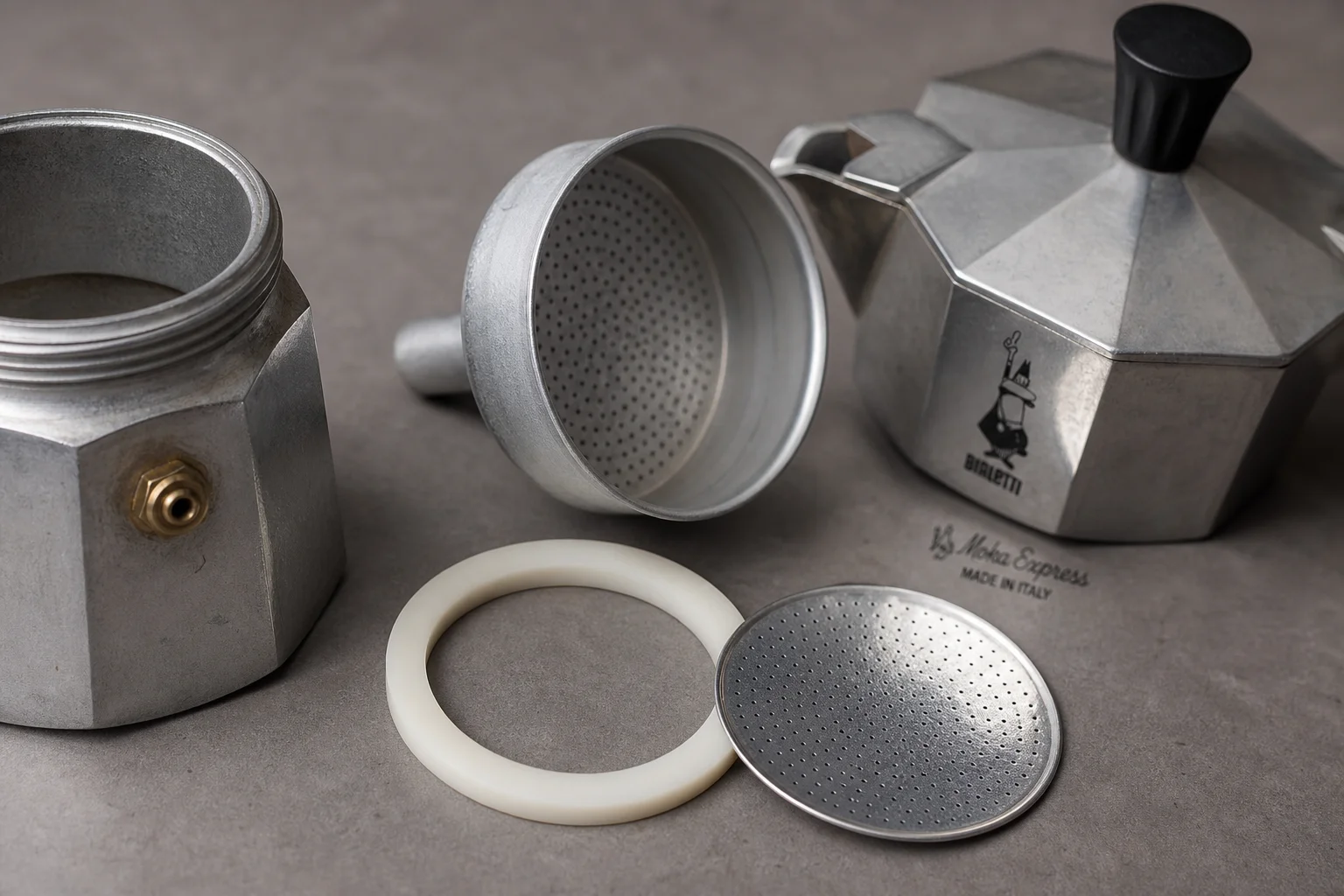
Above the base sits the filter basket, a funnel-shaped component that allows pressurized steam to force water upward through the coffee grounds. The filter basket holds a small mesh screen that helps distribute water evenly across the grounds. The top chamber is where the brewed coffee collects and from which you pour and drink.
One critical component that may occasionally require replacement is the rubber gasket that sits between the filter basket and the top chamber. This gasket creates the seal necessary for pressure to build and drive water through the grounds. The metal filter in the top chamber is fine enough to produce a relatively clean cup, comparable in clarity to espresso, though the metal mesh allows some fine particles through, contributing to the brewer’s characteristic thick mouthfeel.
Common Misconceptions
Three persistent myths surround the Moka Express that deserve clarification. First, many people believe that allowing a layer of old coffee residue to build up inside the brewer improves flavour. This is incorrect. Old coffee residue is simply dirt, regardless of whether it is romantically called a “patina.” Thorough cleaning after every use is essential for optimal taste.
Second, the Moka Express is frequently described as making espresso. It does not. While it produces a strong, textured cup of coffee, it operates at much lower pressures than true espresso machines, uses a coarser grind, and employs a higher coffee-to-water ratio. The result is a different beverage entirely. The Moka Express does not produce true crema, and its metal filtration gives it a thick mouthfeel similar to espresso, but it is a distinct brewing method with its own merits.
Third, a longstanding concern about aluminium use in these brewers and its potential link to Alzheimer’s disease has persisted despite being thoroughly debunked. Major Alzheimer’s organizations have confirmed that this connection is not supported by evidence. This myth, while understandable given historical health concerns, should not deter use of the Moka Express.
Cultural Impact and Market Dominance
The Moka Express became so deeply embedded in Italian culture that one study found nine out of every ten Italian households owned one. Bialetti’s relentless marketing, combined with the brewer’s genuine ability to produce good coffee, provided a compelling alternative to visiting a café for espresso. The brewer’s influence extended far beyond Italy, becoming a global symbol of coffee culture.
While other manufacturers, including the iconic Alessi company (founded in the same town as Bialetti around the same time), have produced similar brewers, none have captured the market share or cultural mindshare of Bialetti. The Moka Express remains the definitive stovetop coffee maker in the public imagination.
The Legacy and Future
The past decade has been challenging for Bialetti. In 1986, the company was sold to the FMA group, which manufactures espresso machines. In 1993, the brand was sold again to Rondi Italia, a cookware manufacturer. These two companies eventually merged into Bialetti Industries, which was traded on Italy’s stock market. The passing of Renato Bialetti in 2016 at age 93 marked the end of an era; in accordance with his wishes, his ashes were interred in a large Moka pot rather than a traditional urn.
By 2018, Bialetti Industries faced severe financial difficulties, accumulating over 70 million dollars in debt. The company declared bankruptcy but secured a loan of nearly 40 million dollars from the American hedge fund Sculptor Capital Management. While Bialetti continues to operate, it faces significant competition from coffee pods and other modern brewing methods, particularly within Italy itself.
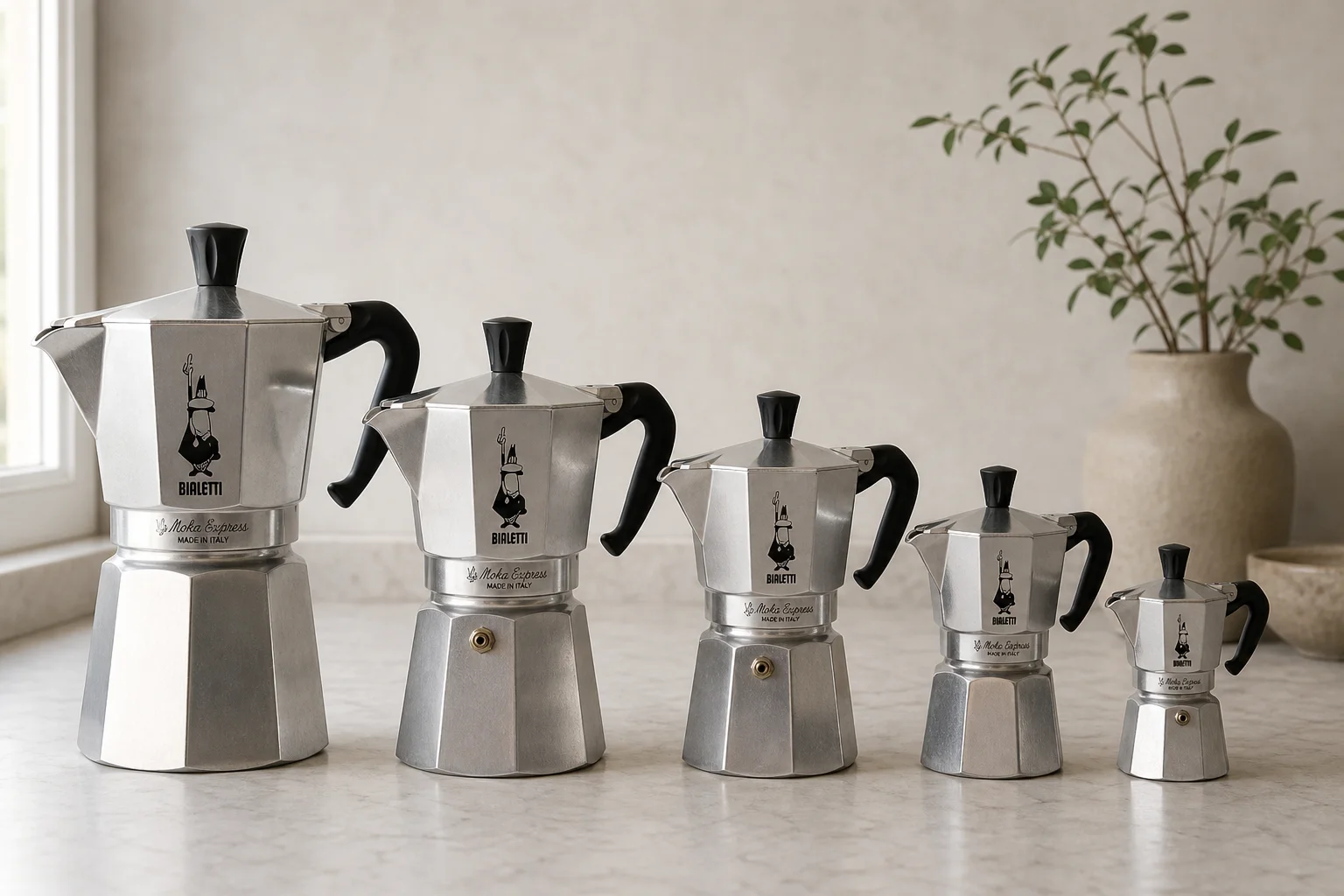
Despite these corporate challenges, the Moka Express itself appears destined to endure. Even if Bialetti as a company were to fail, the design, the shape, the idea, and the coffee it produces will likely persist for decades to come. The Moka Express has transcended its status as a commercial product to become a cultural artifact, woven into the family memories and daily rituals of millions of people worldwide.
Conclusion
The Bialetti Moka Express represents far more than a coffee brewer. It is a testament to thoughtful industrial design, effective marketing, and the power of a product to become embedded in cultural identity. Whether you view it as the pinnacle of stovetop brewing or simply as a reliable method for making strong coffee at home, the Moka Express has earned its place as one of the most iconic kitchen appliances ever created.
Product link
View more details for Bialetti Moka Express
This product is mentioned in the review. Check the specifications, options, and compatibility before buying.
View more details for Bialetti Moka ExpressFurther reading
Related Reviews
Coffee Equipment
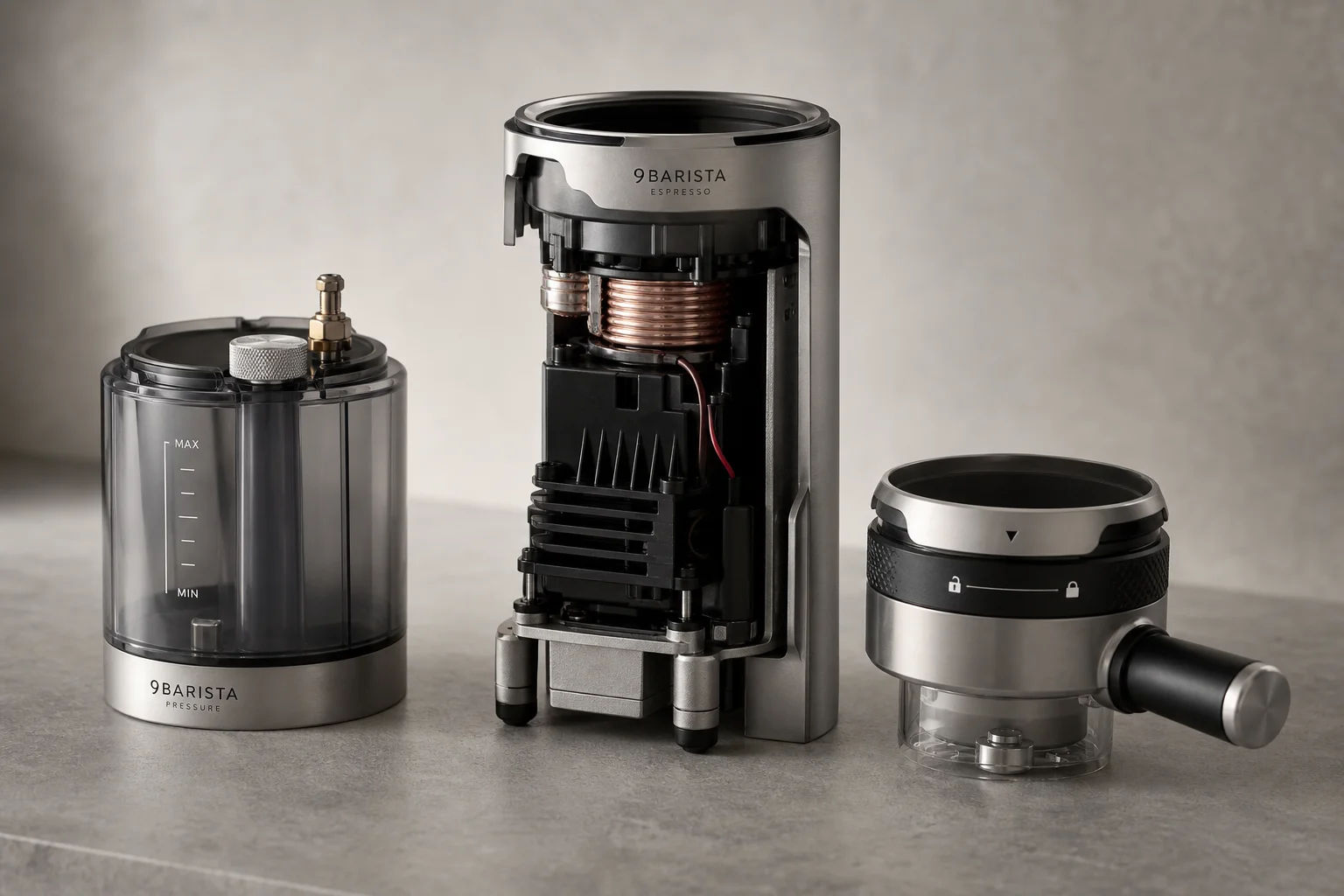
9Barista Espresso Machine Review: Stovetop Espresso for Single-Cup Enthusiasts
A cleverly engineered stovetop espresso maker that generates nine bars of pressure without electricity. Excellent coffee quality, but requires patience and suits solo drinkers only.
Coffee Equipment
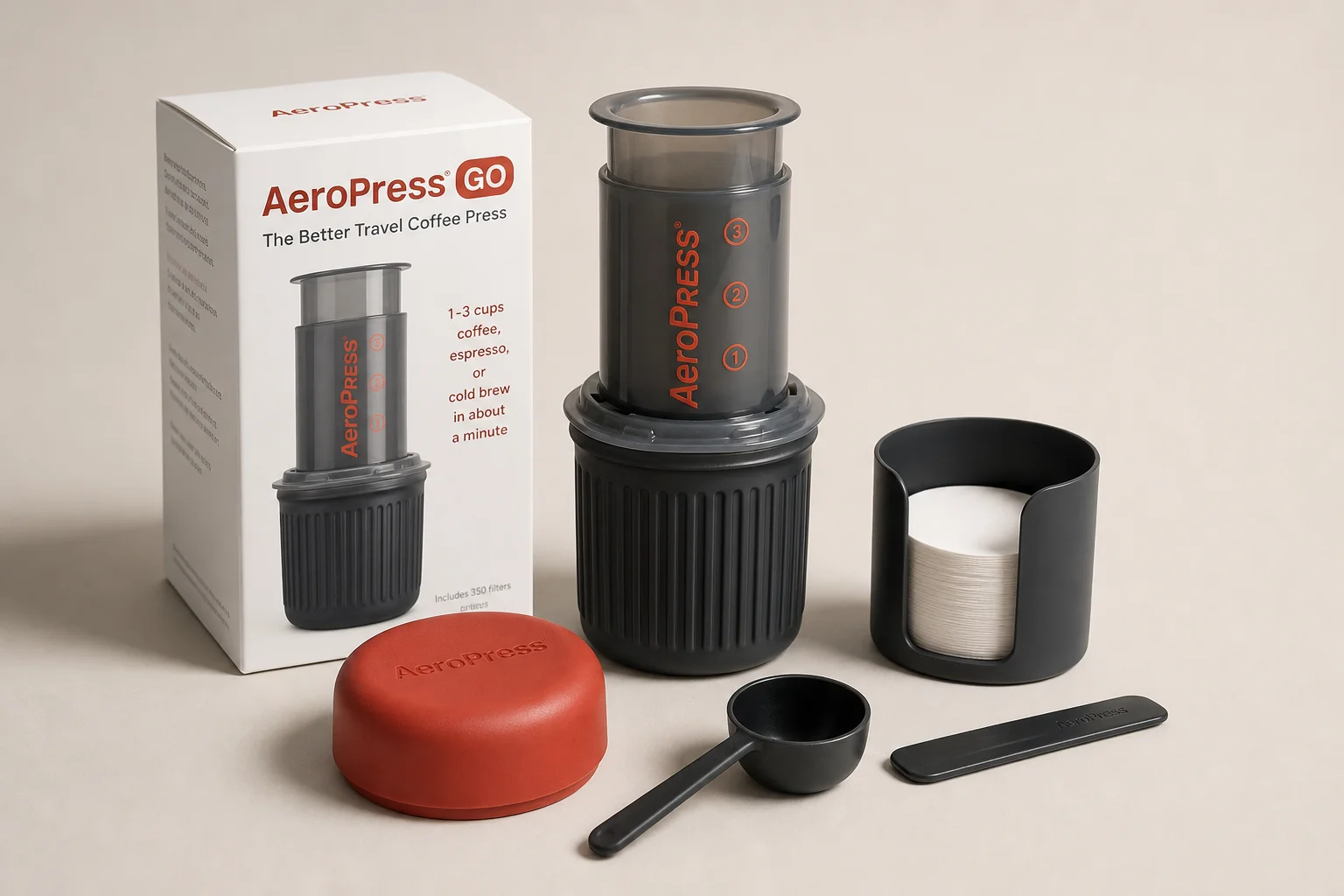
Aeropress Go Review: A Compact Travel Brewer That Solves One Specific Problem
The Aeropress Go shrinks the original design and adds an integrated cup, but it may not address the travel challenges most coffee enthusiasts actually face.
Coffee Equipment
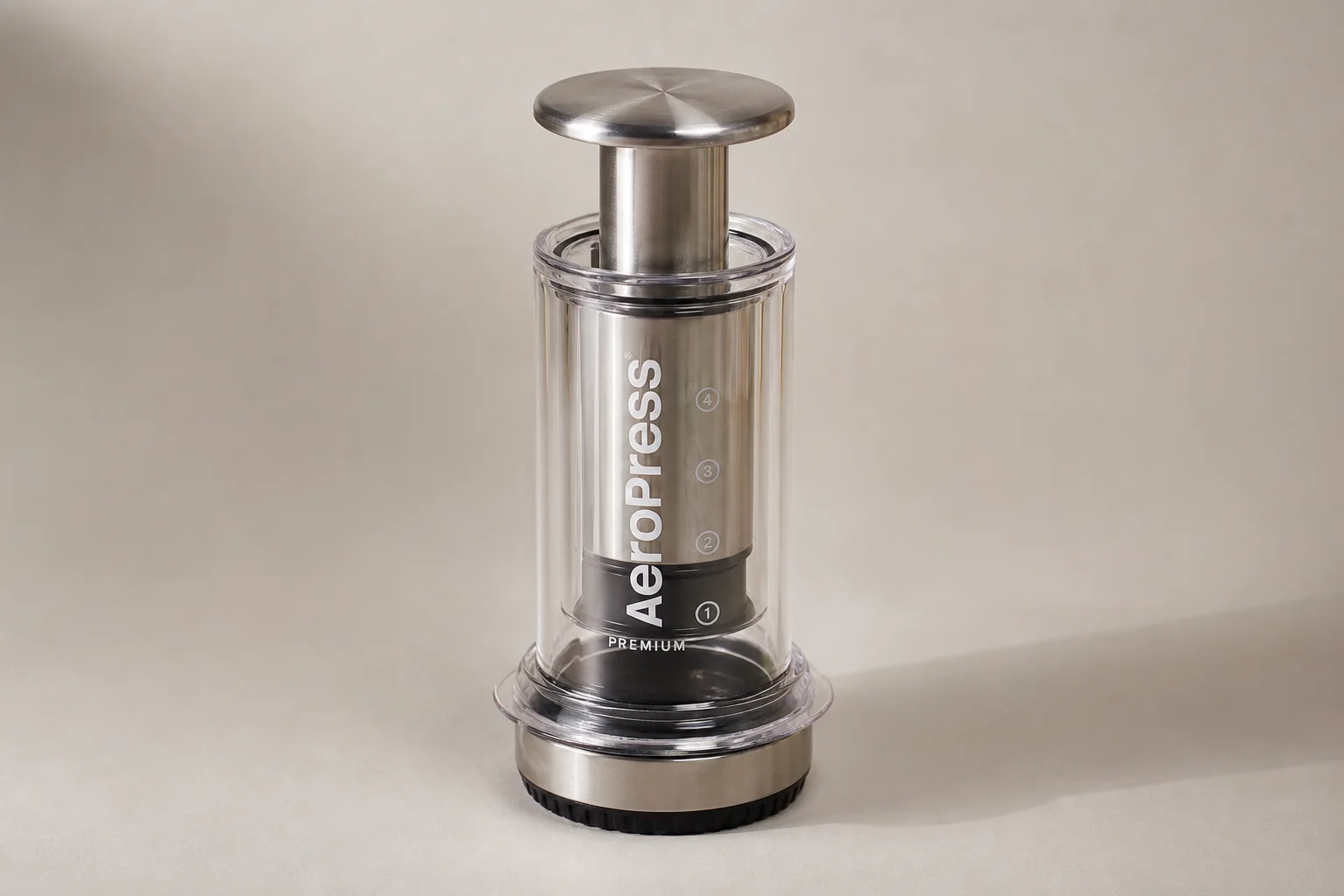
AeroPress Premium Review: Premium Materials, Practical Trade-offs
The AeroPress Premium brings glass and metal construction to a beloved brewer, but trades portability and durability for a more refined feel. Here's what changes in the cup and what matters before you buy.