Bikepacking
Bikepacking Setup for Hardtail Mountain Bikes: A Tested Golden Jack Rabbit Route Build
A complete bikepacking setup for hardtail mountain bikes, tested on the Golden Jack Rabbit route with practical bag placement, water carrying, and gear organization strategies.
Introduction
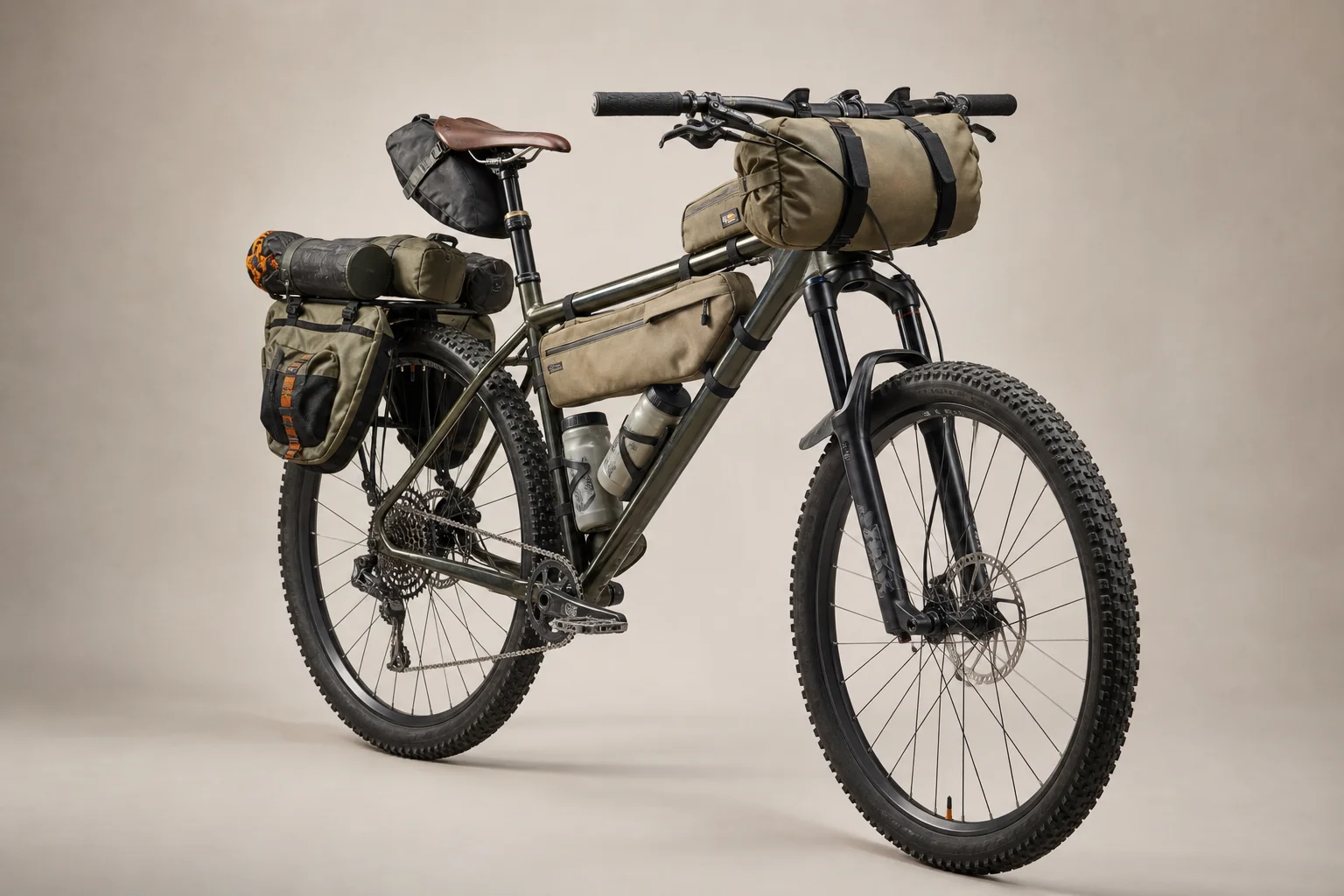
Bikepacking on a hardtail mountain bike requires careful planning of gear placement and weight distribution. This setup was tested on the Golden Jack Rabbit route in Southern California, an 80-mile route featuring sand, rocky terrain, and no water sources. The route demanded carrying four bottles on the bike plus two additional liters on the back, along with a complete sleep system and all necessary gear for a self-supported ride.
The Frame and Suspension
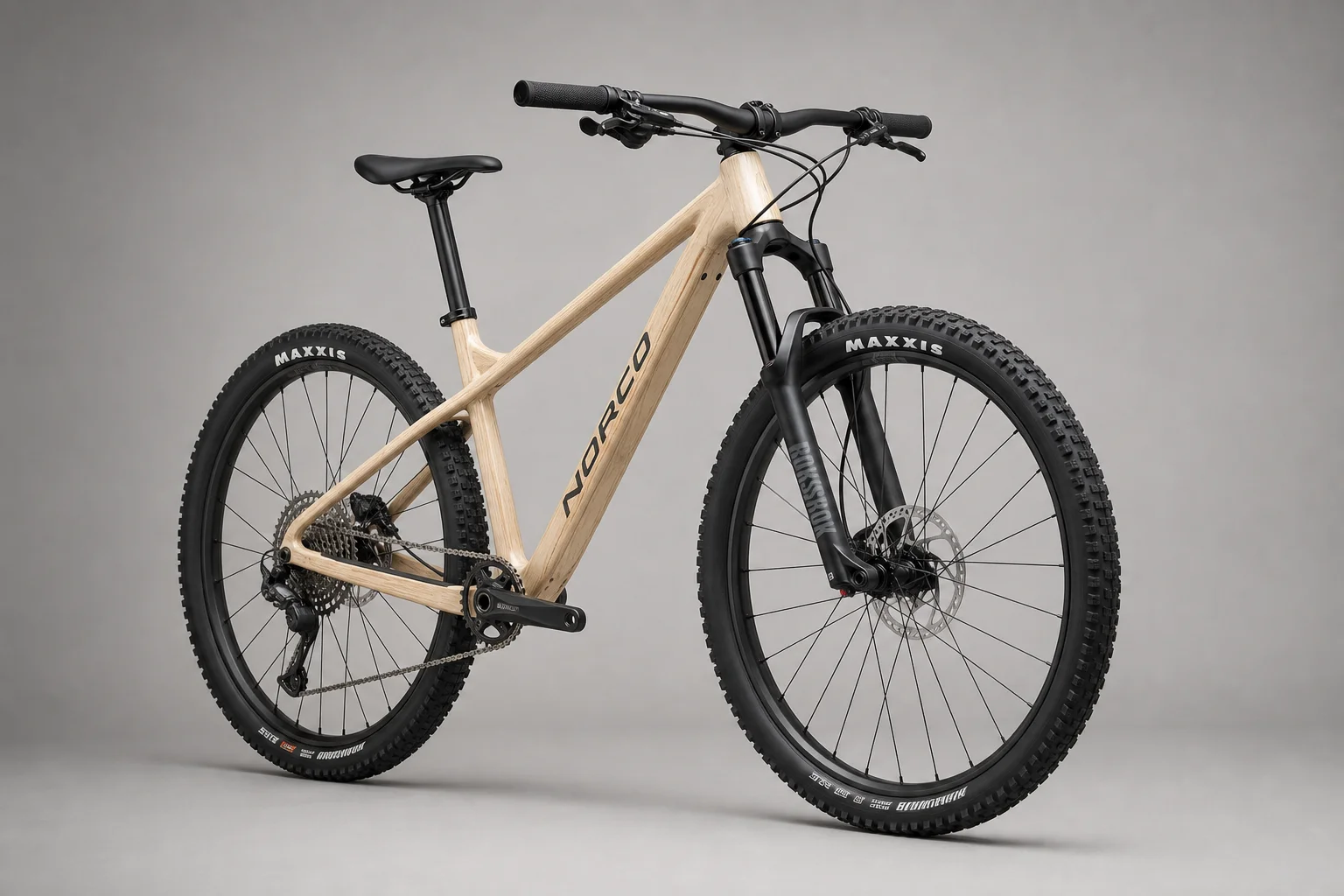
The foundation of this setup is the Ibis DV9, a 120mm front suspension hardtail mountain bike. The hardtail design keeps weight down while the front suspension handles the rough terrain without the complexity of a full-suspension system.
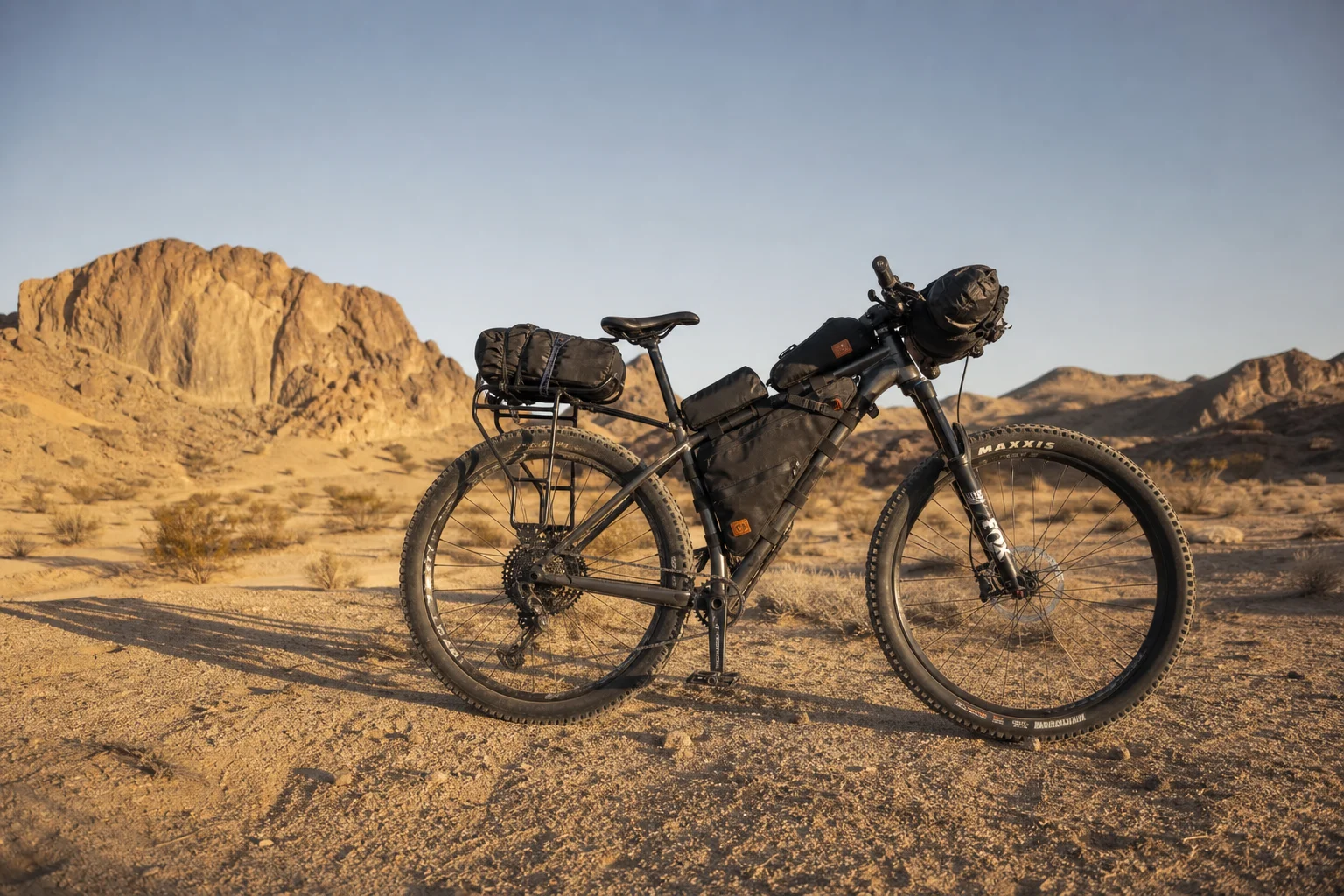
The bike’s geometry and frame design accommodate multiple bag attachment points, making it ideal for bikepacking without requiring a dedicated bikepacking frame. The 120mm travel fork absorbs impacts on rocky sections while maintaining efficiency on sandy flats.
Handlebar and Front Setup
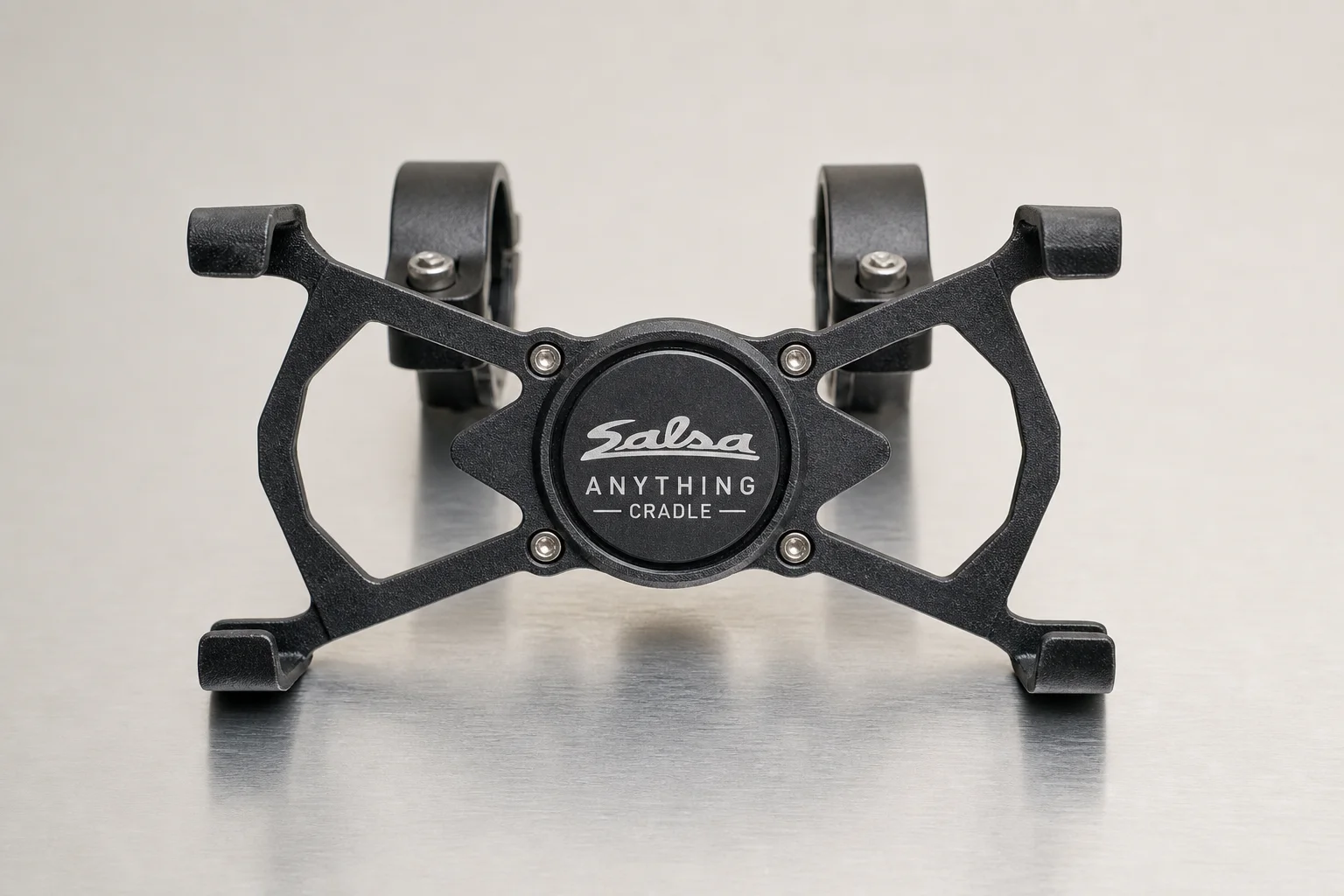
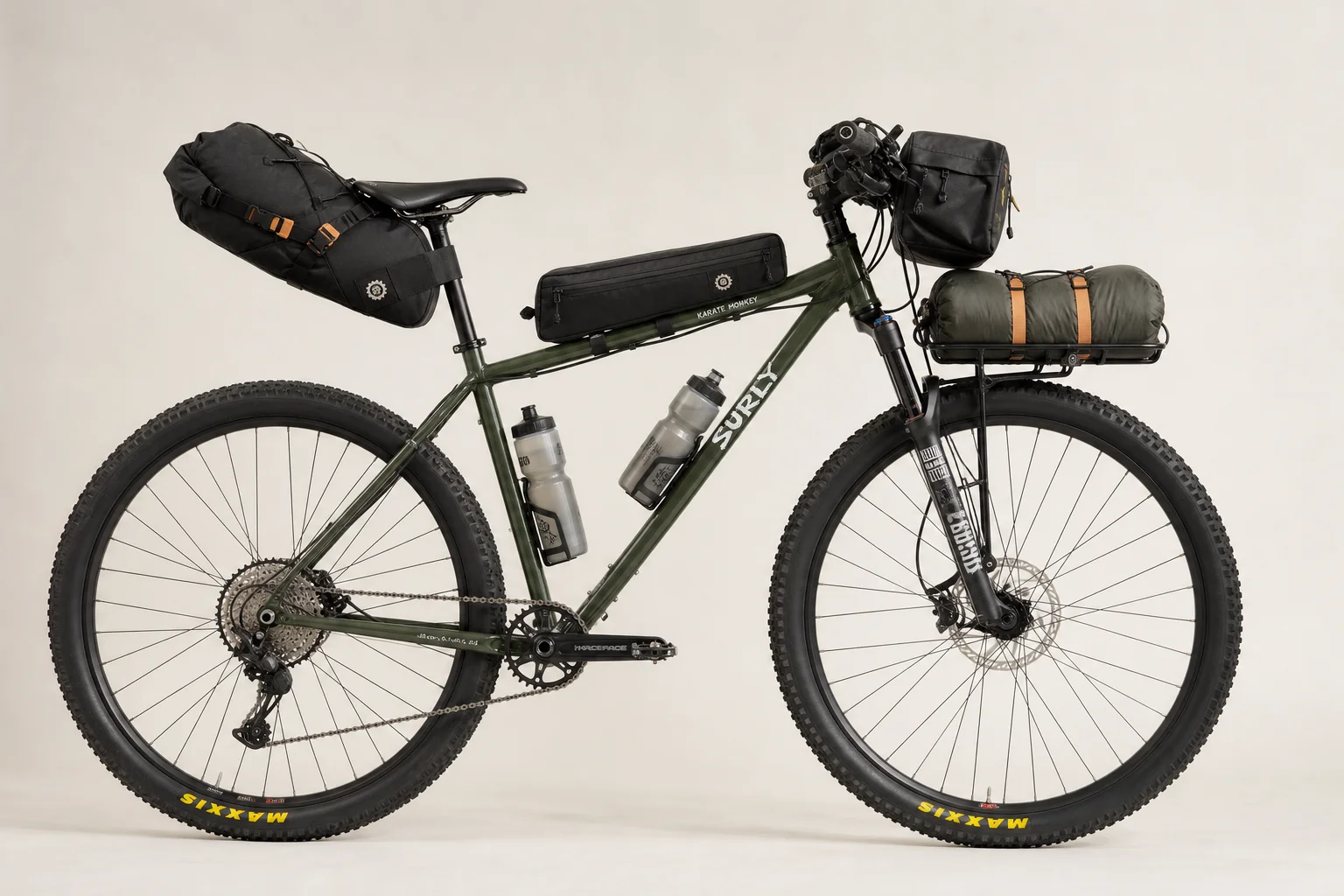
The front of the bike carries the sleep system and filming gear. A Salsa Anything Cradle holds the rolled sleep system, which combines the sleeping bag, sleep pad, and bivy bag into one compact bundle. In front of that sits a handlebar bag for drone, cameras, and battery storage.
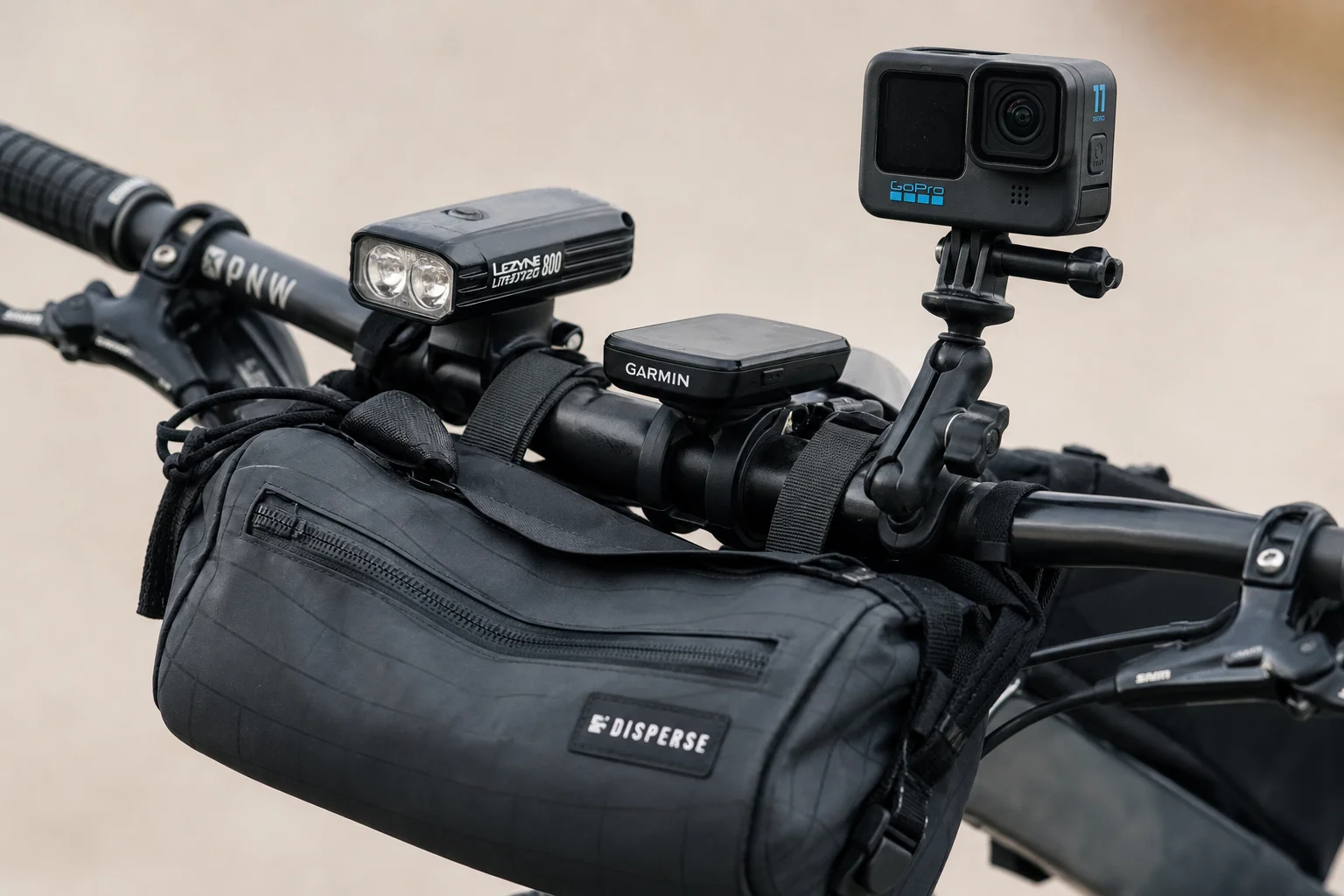
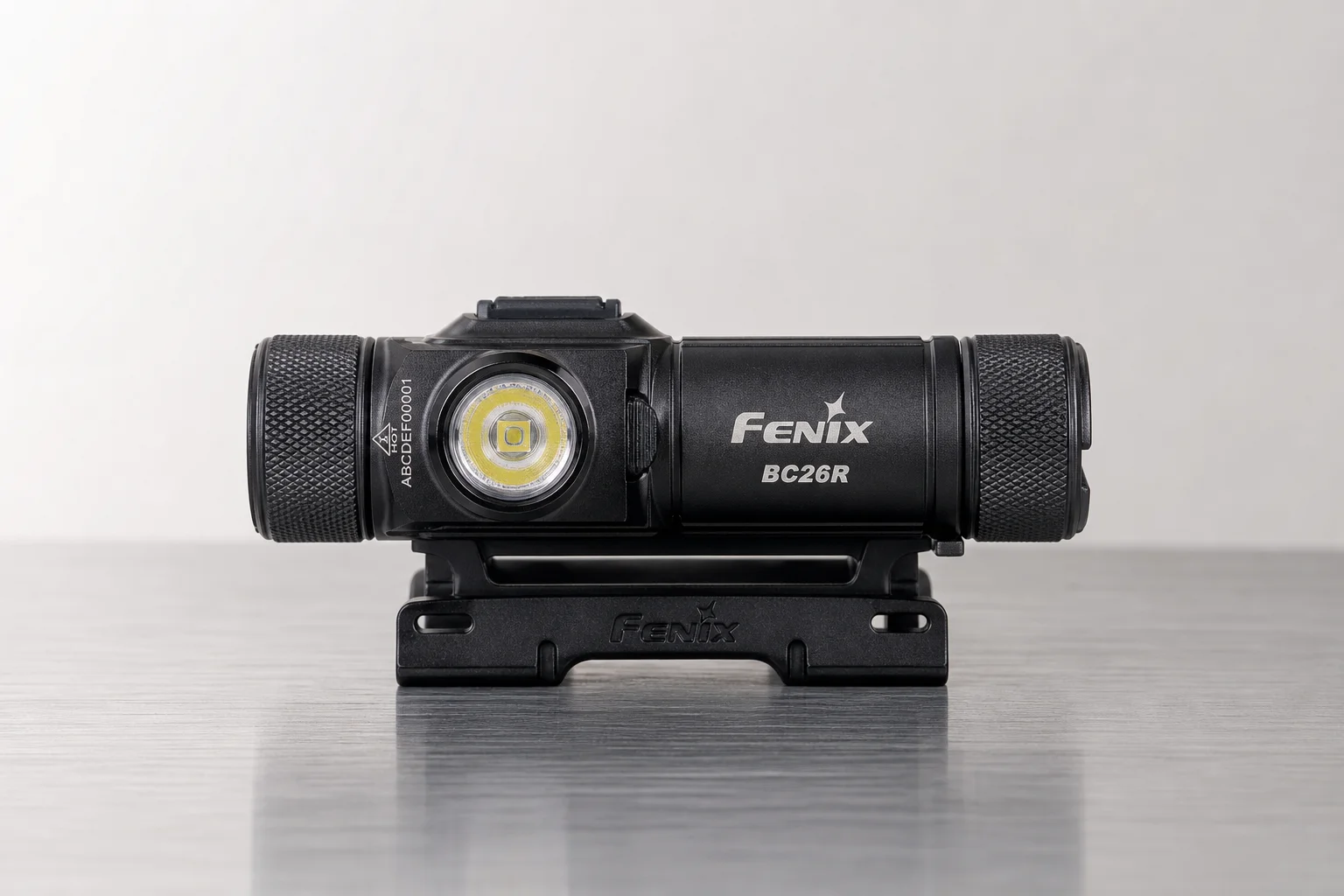
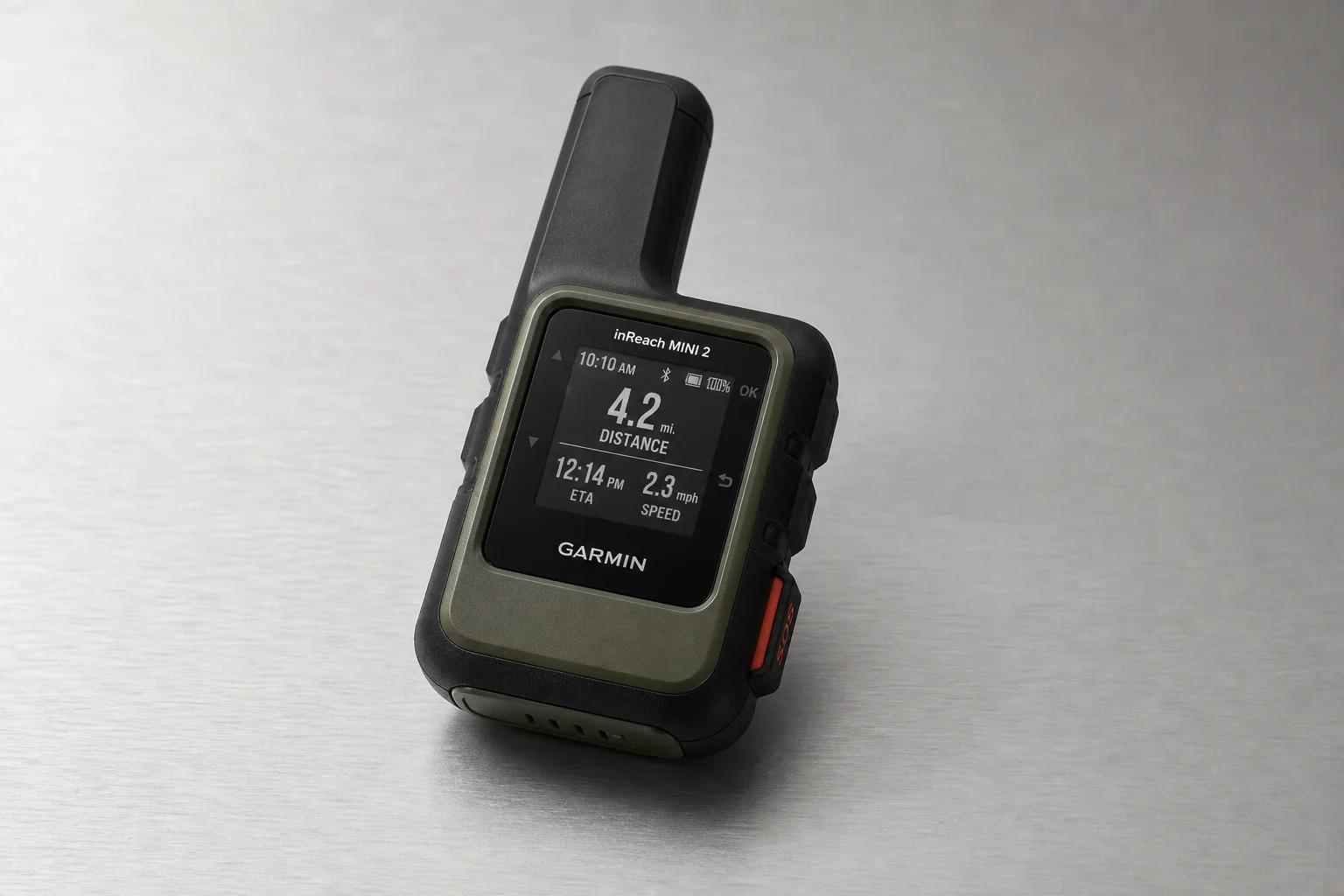
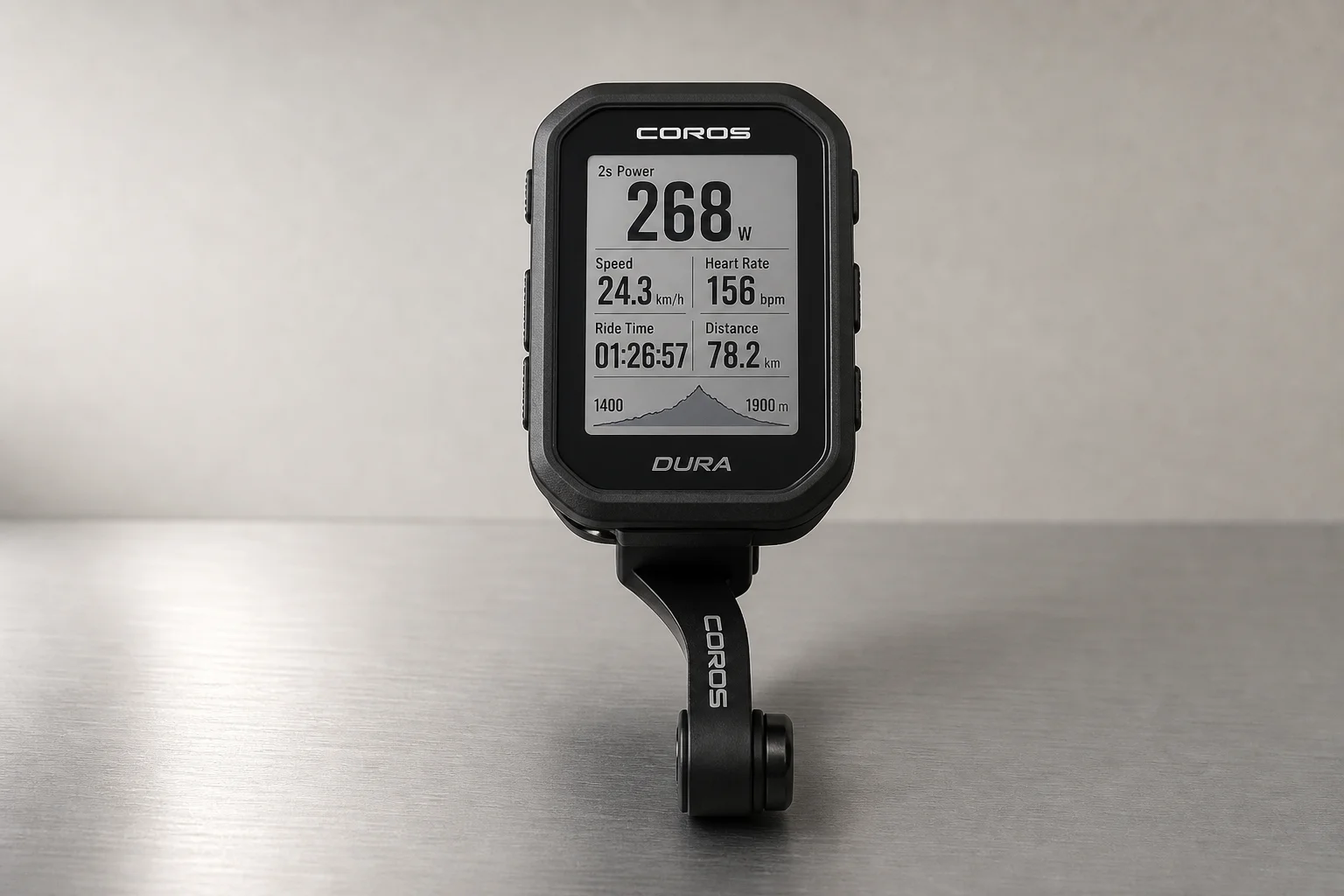
The handlebar area also features a Fenix BC26R headlight for visibility, a Garmin inReach tracker for navigation and emergency communication, and a Coros Dura cycling computer for route tracking. A camera mount is positioned for filming capability during the ride.
Frame Bags and Top Tube Storage
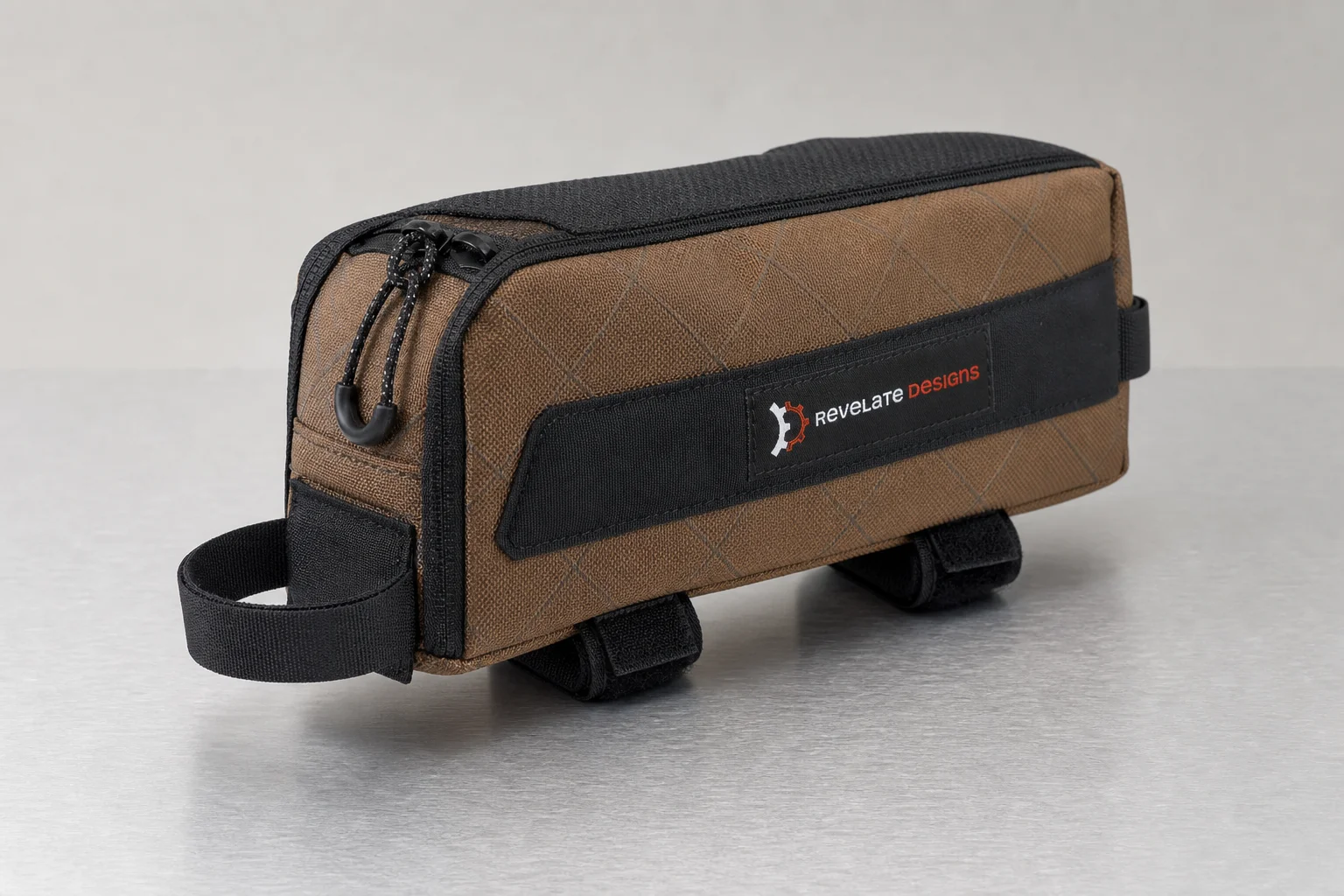
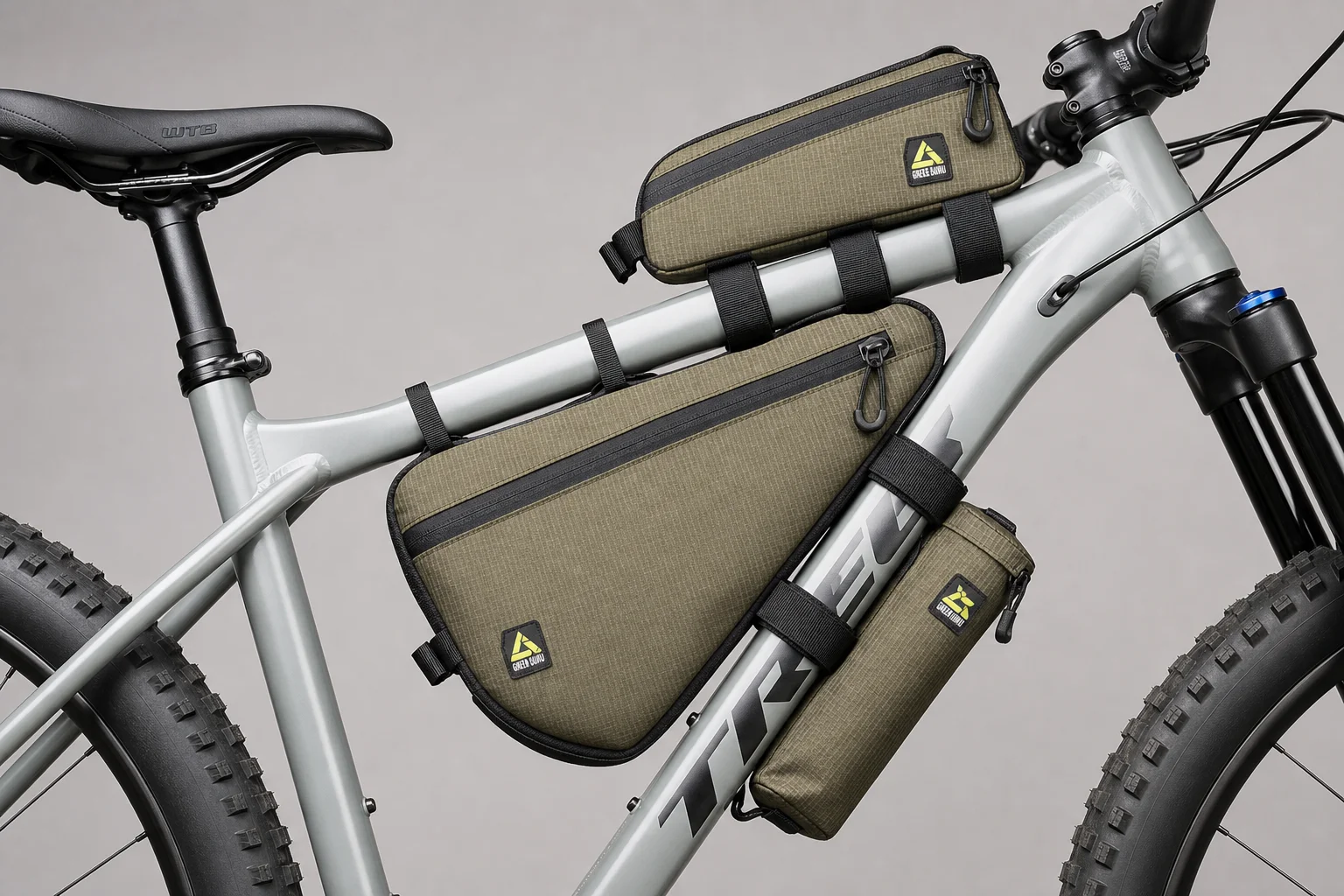
The frame area uses a Revelate Designs Feed Bag as a top tube bag for food storage. Because the Ibis DV9 lacks bolt-on mounts, this strap-on design works well without modification. A miscellaneous gear bag holds hoop poles, two bottles, a manual pump, and a small tool pouch.
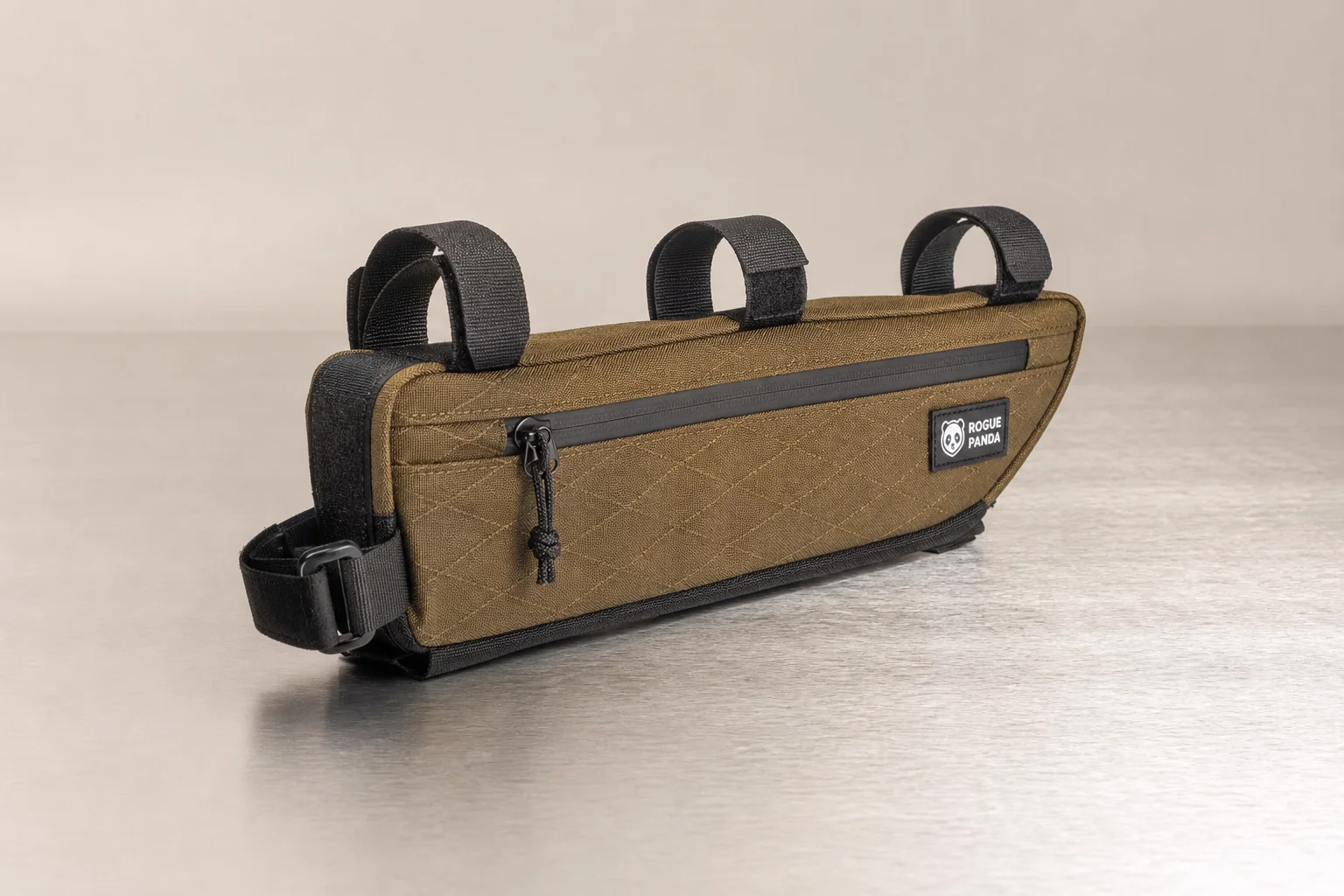
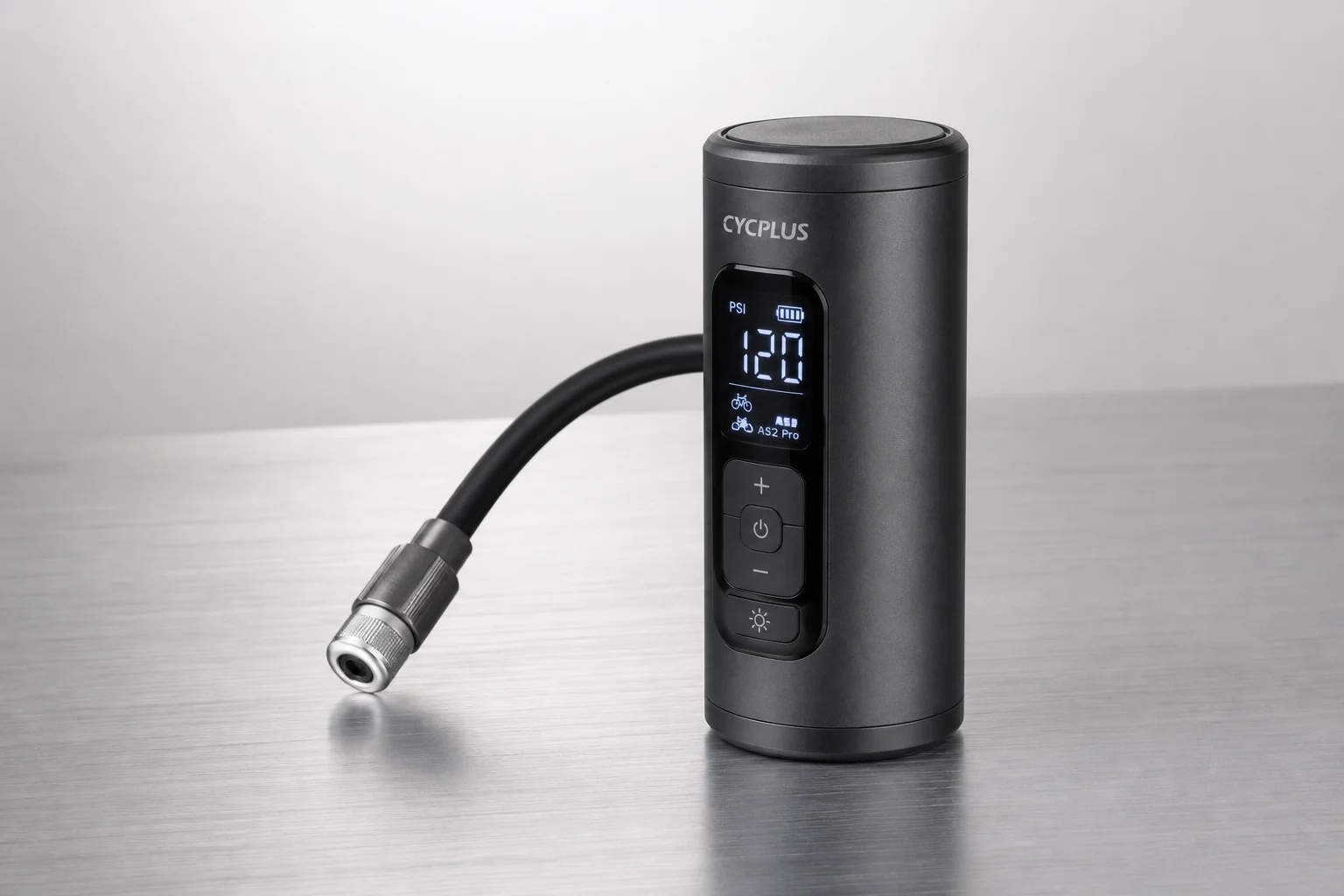
The Rogue Panda Gas Tank bag sits in the main triangle, storing tools, chain lube, spare tire sealant, and the Cycplus AS2 Pro electric pump. The electric pump is the primary inflation tool, with the manual pump serving as an emergency backup.
Rear Rack and Water Carrying
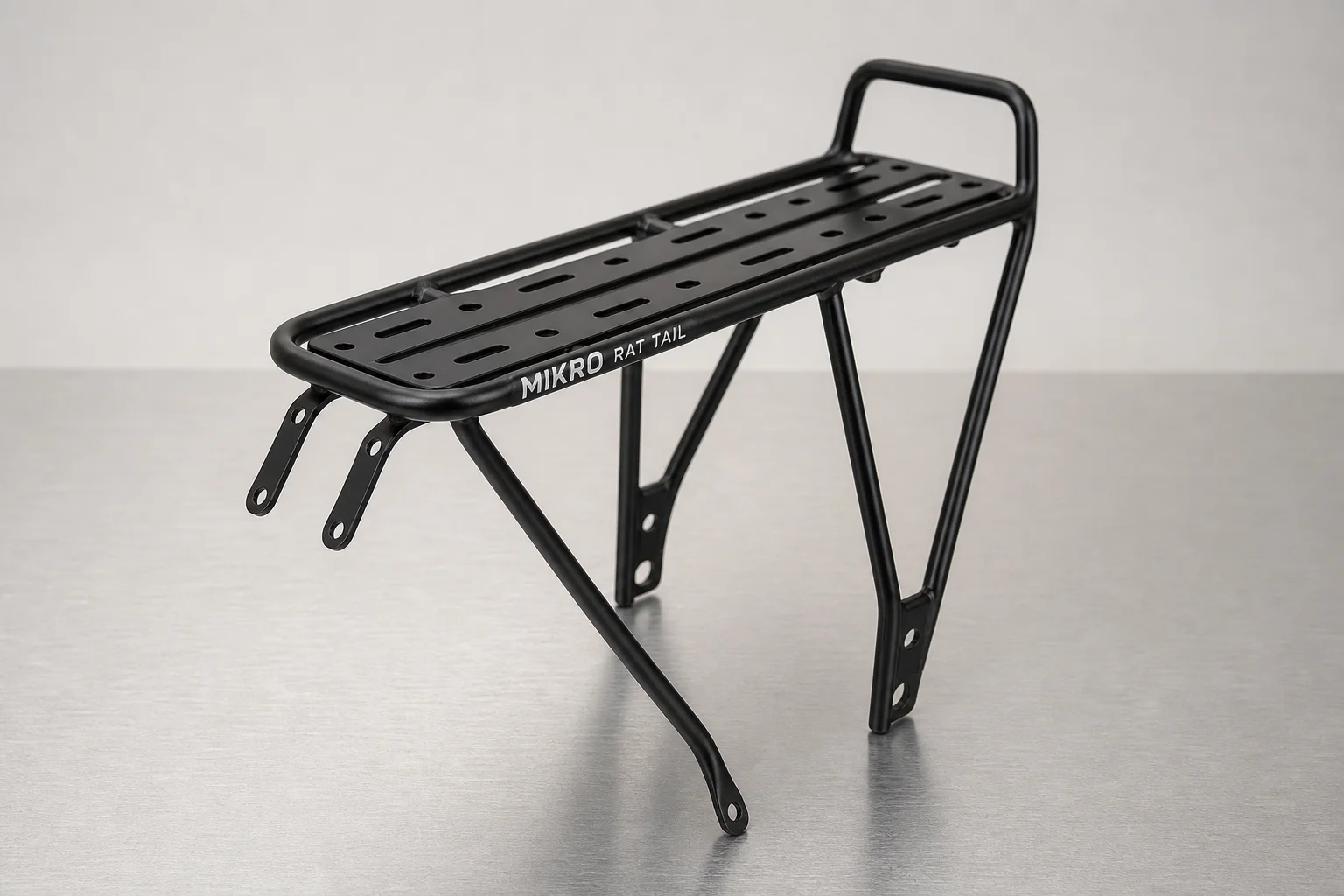
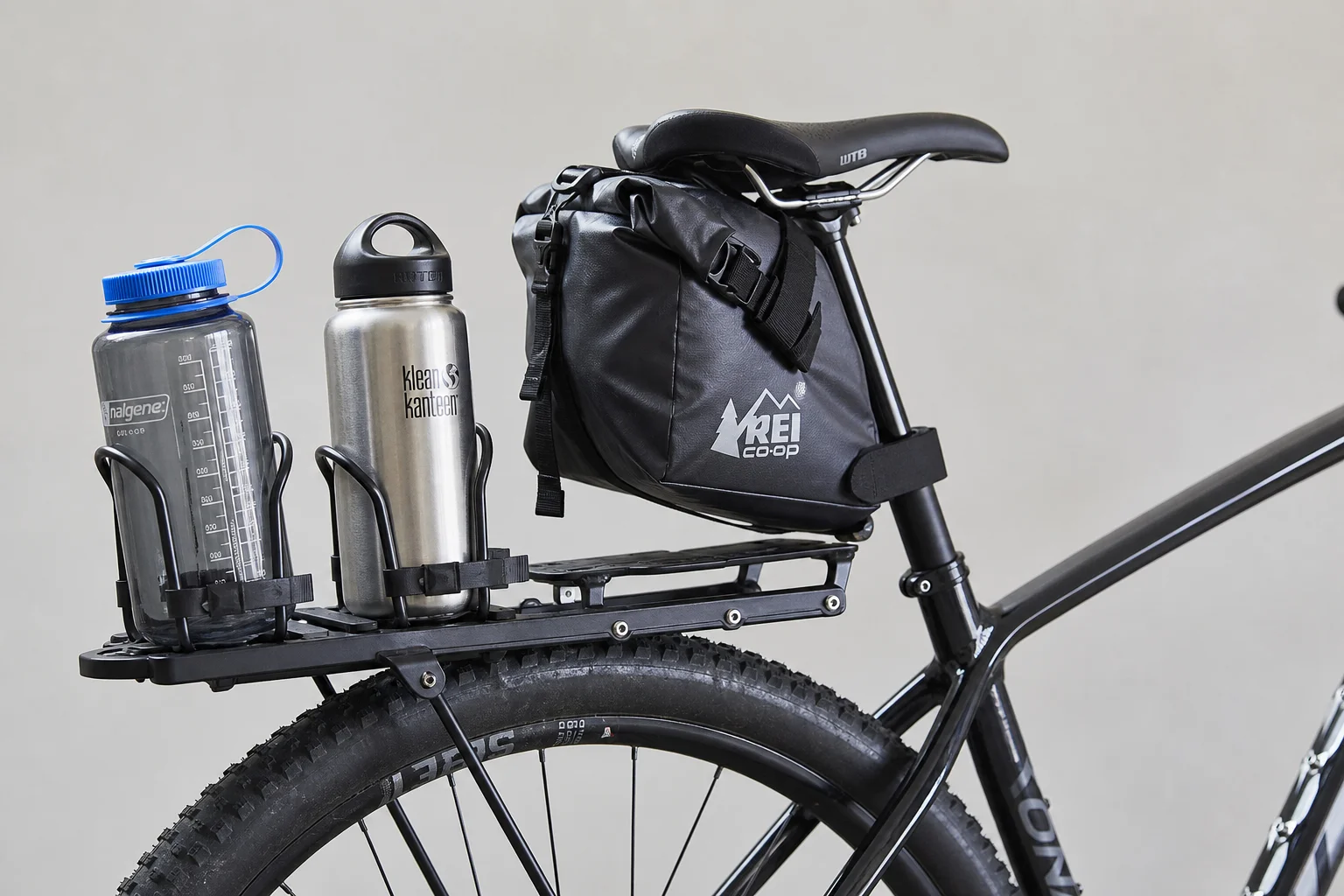
A Mikro Rat Tail Rack bolts to the rear, taking advantage of the dropper post. The rack accommodates bottle cages with three bolt holes, allowing flexible water carrying options. A dry bag from the Revelate saddle bag system straps to the rear rack for clothing and extra layers.
This rear setup carries additional water bottles and provides space for a puffy jacket, dry clothes for sleeping, extra gloves, and a rain jacket. Despite the desert location, the rain jacket serves double duty as an extra insulation layer for temperature regulation.
Additional Carrying Capacity
Beyond the bike-mounted bags, a discontinued Pedal Cycling vest provided additional water carrying capacity of 1.5 liters and space for snacks. A collapsible 1-liter bottle fit in a jersey pocket for emergency water access.
This multi-layer carrying approach distributes weight across the bike and body, preventing any single attachment point from becoming overloaded. The combination of frame bags, handlebar storage, rear rack, and body-worn capacity allowed carrying all necessary gear for an 80-mile self-supported ride through terrain with no water sources.
Conclusion
This hardtail bikepacking setup proved reliable on challenging terrain and will serve as the foundation for future trips. The combination of frame bags, handlebar storage, rear rack, and body-worn capacity creates a balanced, lightweight system that works well for mountain bike routes requiring self-sufficiency and rough terrain capability.
Further reading
Related Reviews
Bikepacking
Bikepacking Gear Updates 2026: What Changed After Two Years
A practical update on bikepacking setup changes, from new bikes and fork mounts to handlebar bags and dropper posts, with honest assessments of what worked and what didn't.
Bikepacking
Bikepacking Setup Comparison: Trail, Gravel, and Downhill Bikes Tested
We tested Old Man Mountain racks and bags on three different bike types to see which setup works best for bikepacking adventures.
Bikepacking
Complete Bikepacking Setup for Desert Routes: Tested on the Golden Jack Rabbit
A lightweight, practical bikepacking configuration for hardtail mountain bikes, tested on an 80-mile desert route with sand, rock, and zero water sources.