Bikepacking
Bikepacking Gear Updates 2026: What Changed After Two Years
A practical update on bikepacking setup changes, from new bikes and fork mounts to handlebar bags and dropper posts, with honest assessments of what worked and what didn't.
Introduction
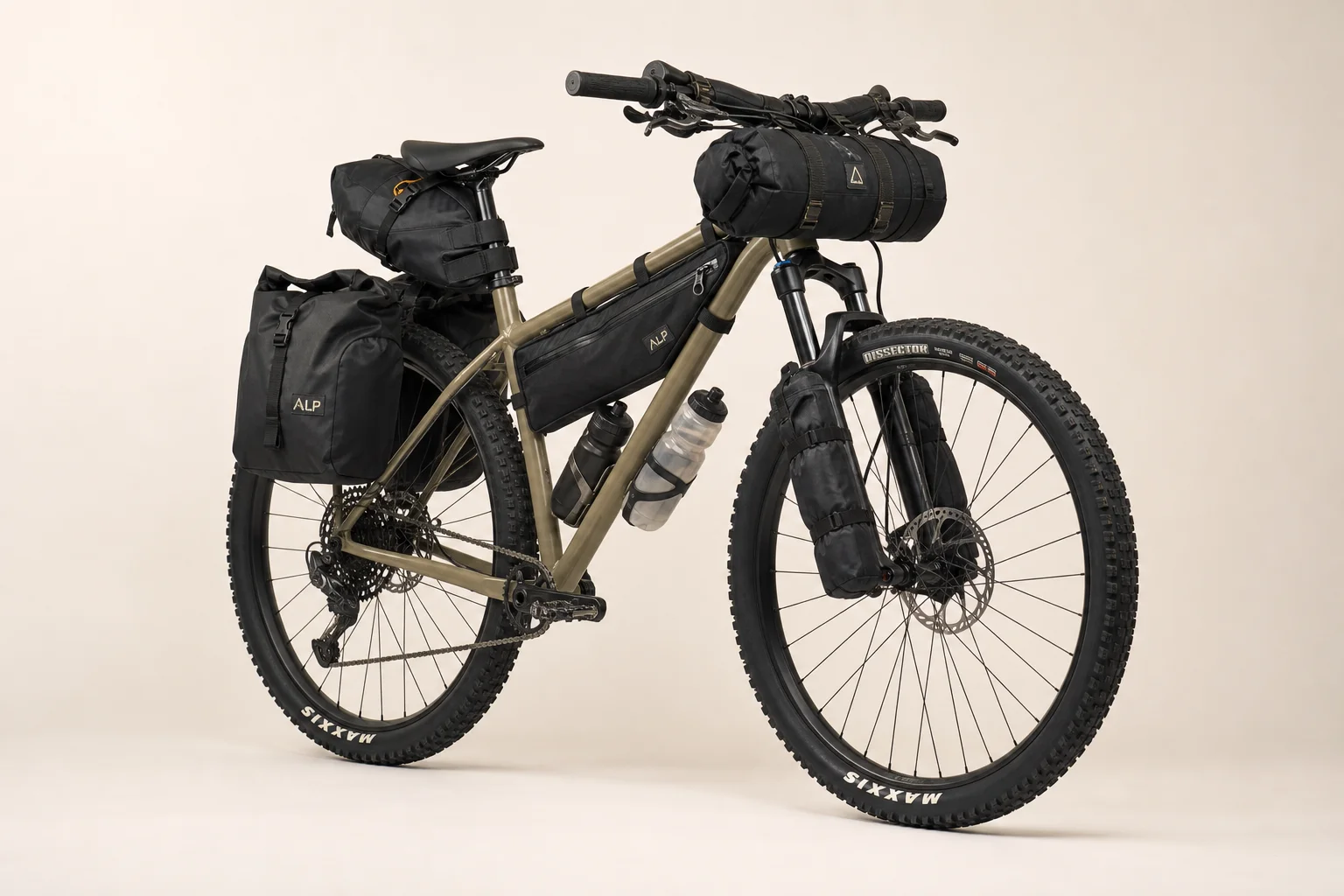
Two years after sharing our initial bikepacking gear list, we have learned from real trips and made meaningful changes. Some core items remain the same, but our bikes, bag configurations, and component choices have evolved significantly based on what actually works in the field.
Bike Changes: From Gravel to Hardtail
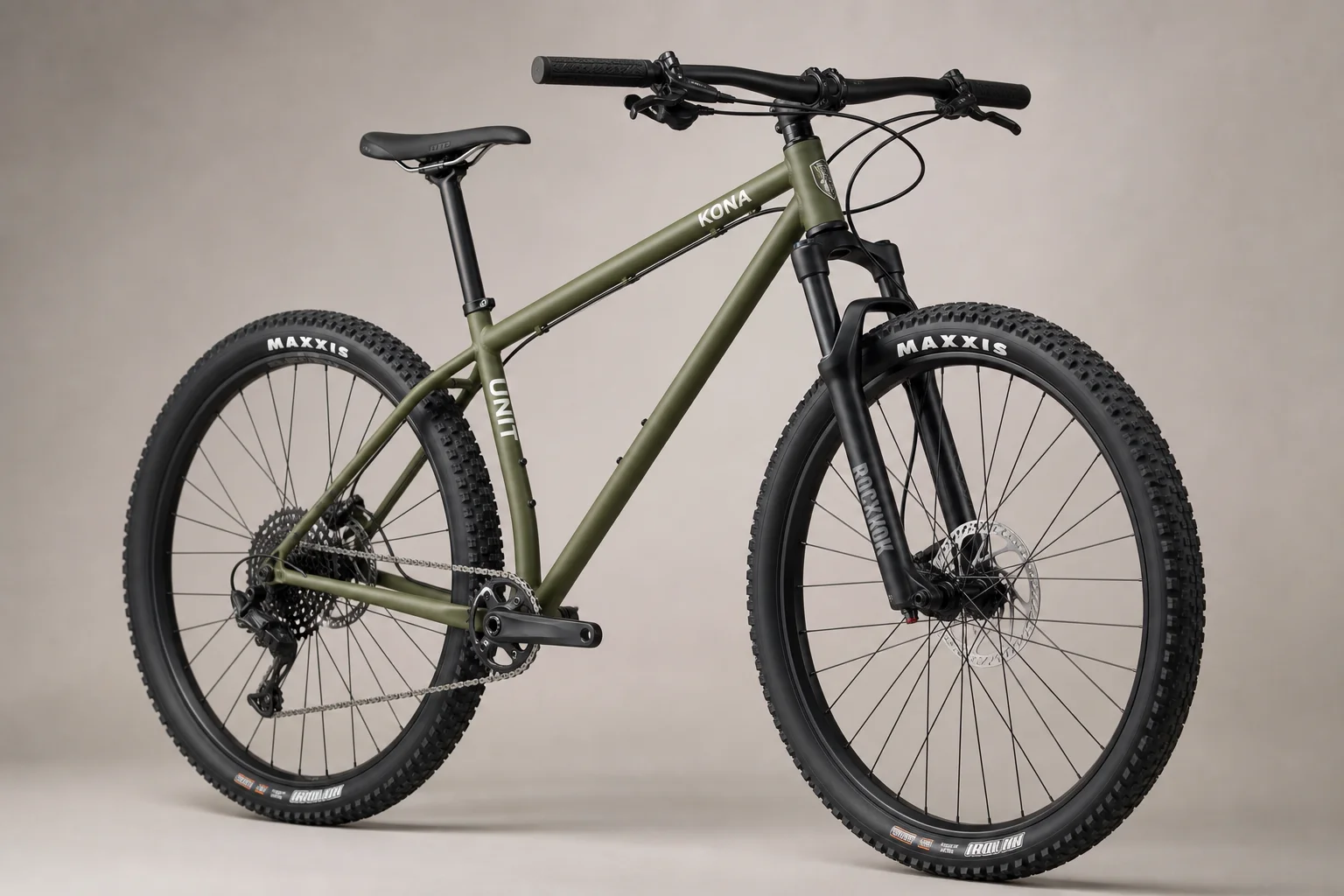
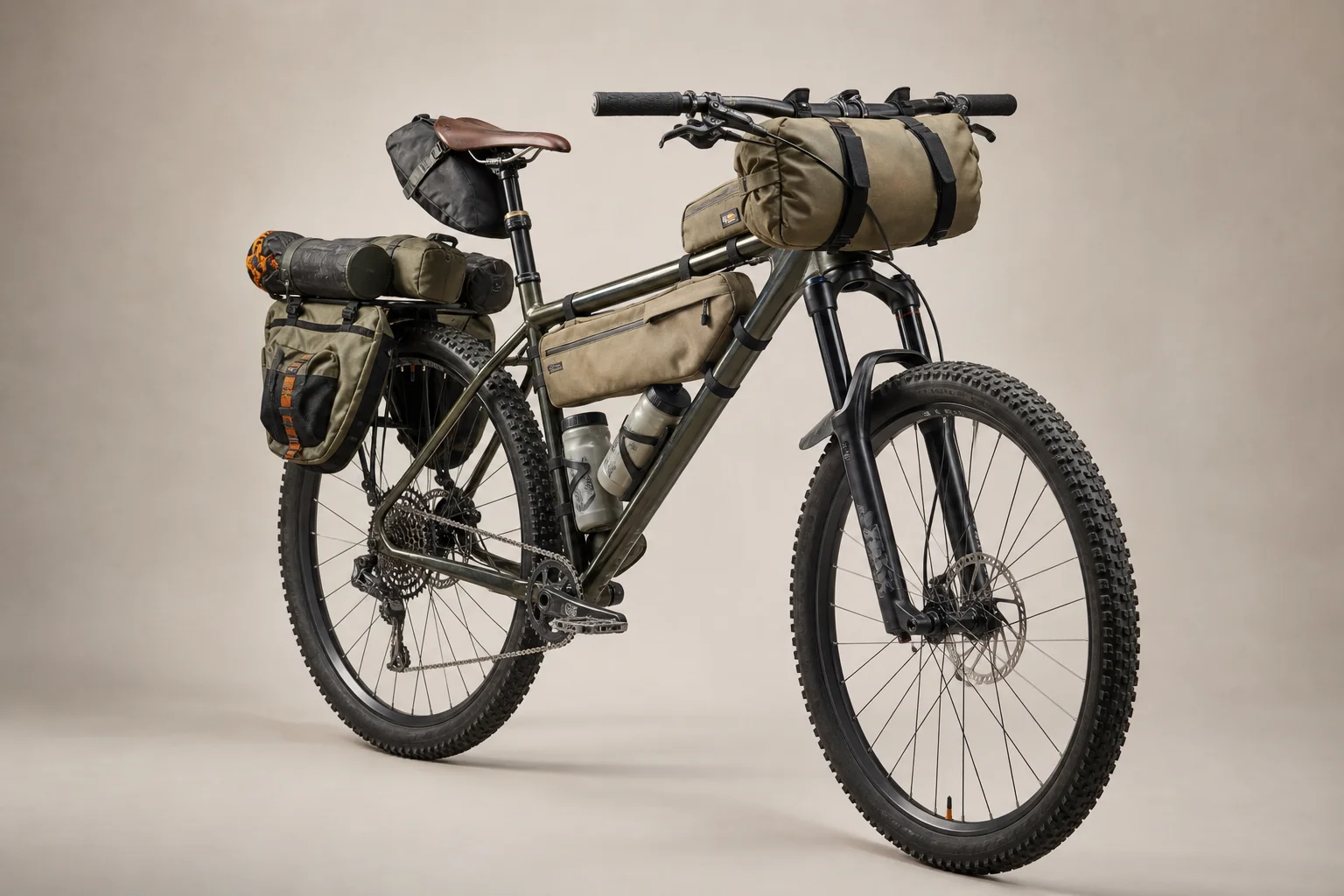
The biggest shift has been moving away from pure gravel bikes toward hardtail mountain bikes with more capability. One of us still uses a Panorama Boreal gravel bike, which fits well and has a steel fork that accepts mounting hardware. However, the need for more technical terrain capability led to purchasing a Salsa Timberjack hardtail.
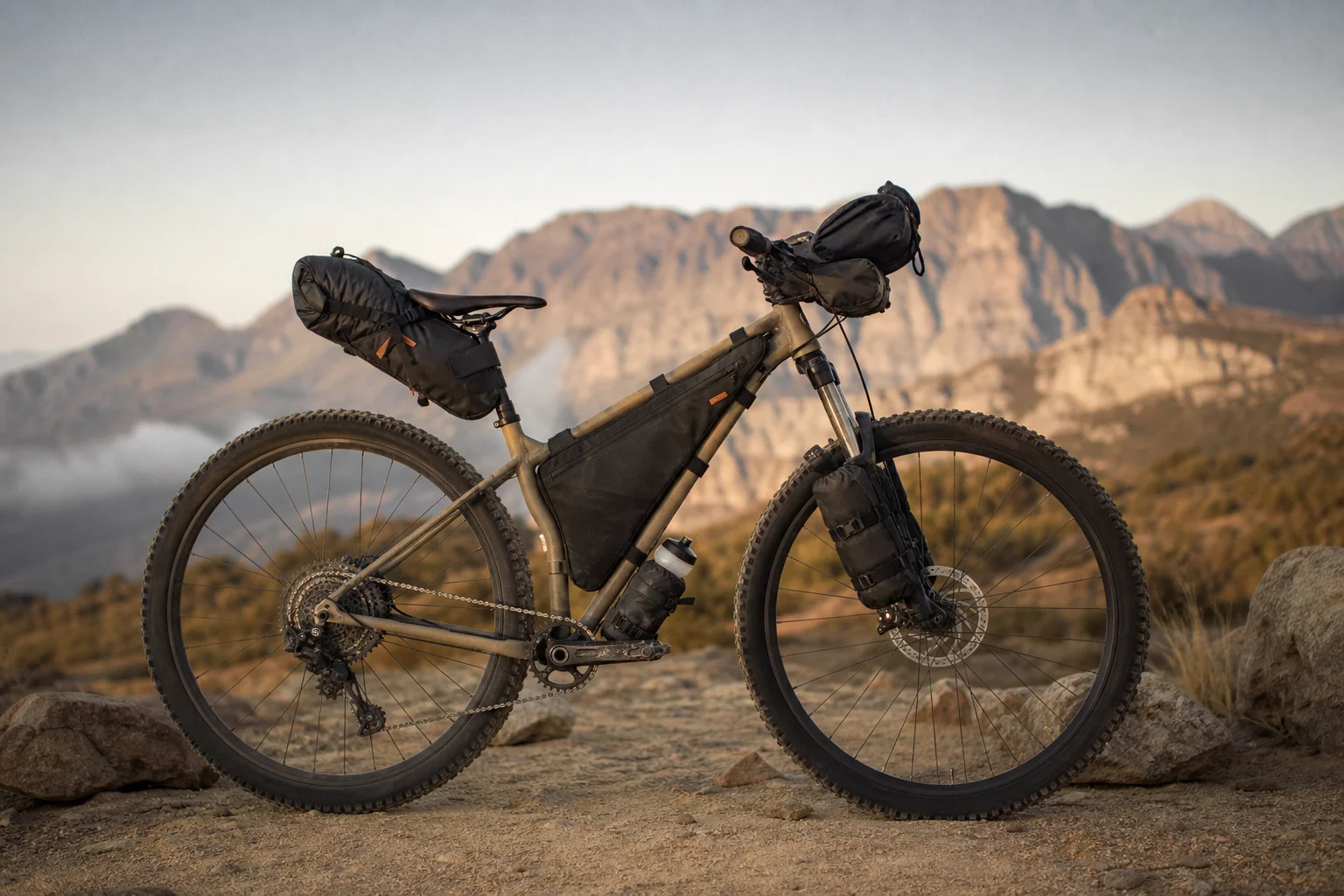
The Timberjack is smaller than previous bikes, which solved a persistent fit issue. It runs 27.5-inch wheels rather than the preferred 29-inch size, but the smaller frame size was necessary to achieve a low enough standover height. The bike feels playful and light, with front suspension that smooths out rough roads and single-track sections without being overly plush.
Fork Mounts and Sleeping Gear Storage
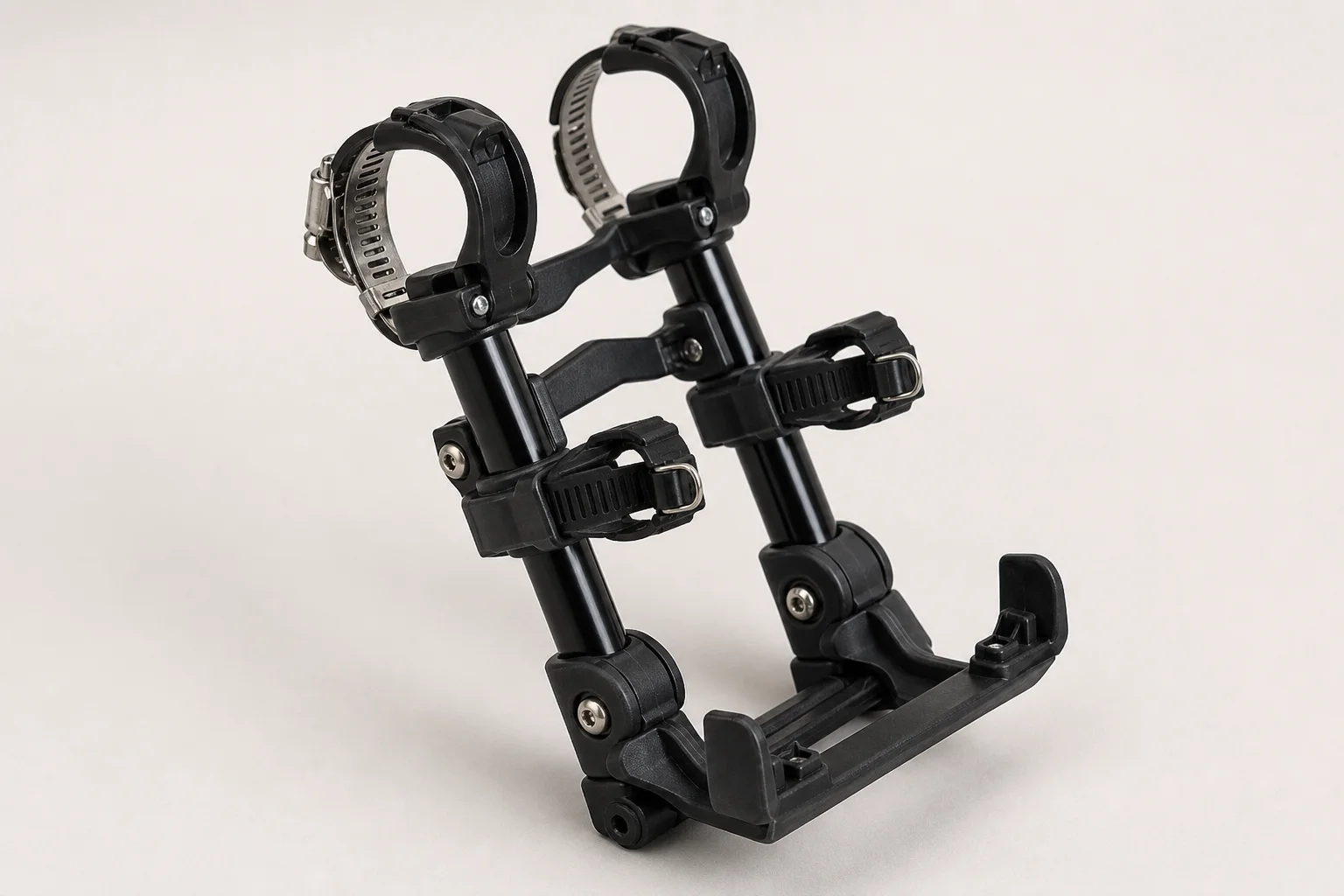
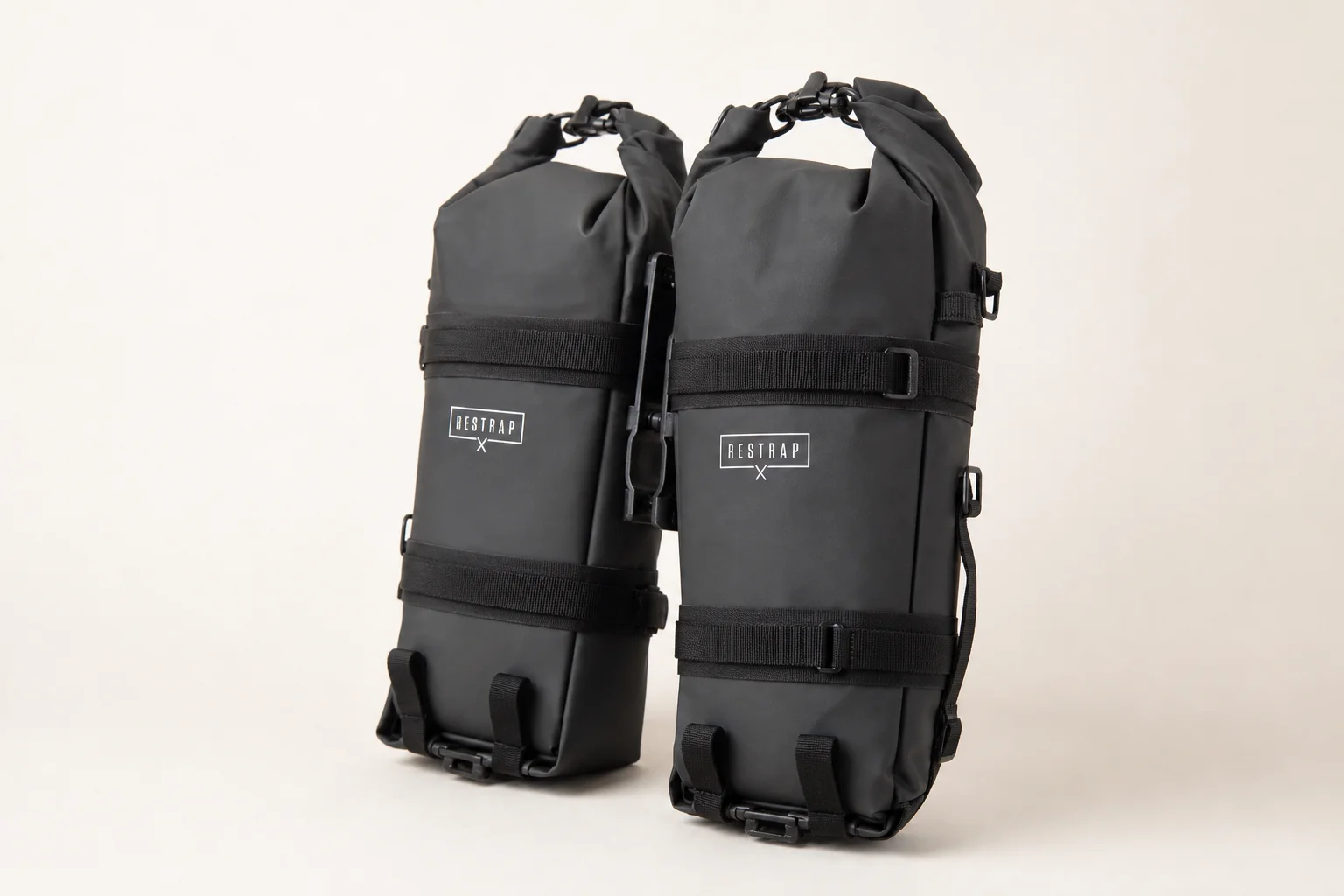
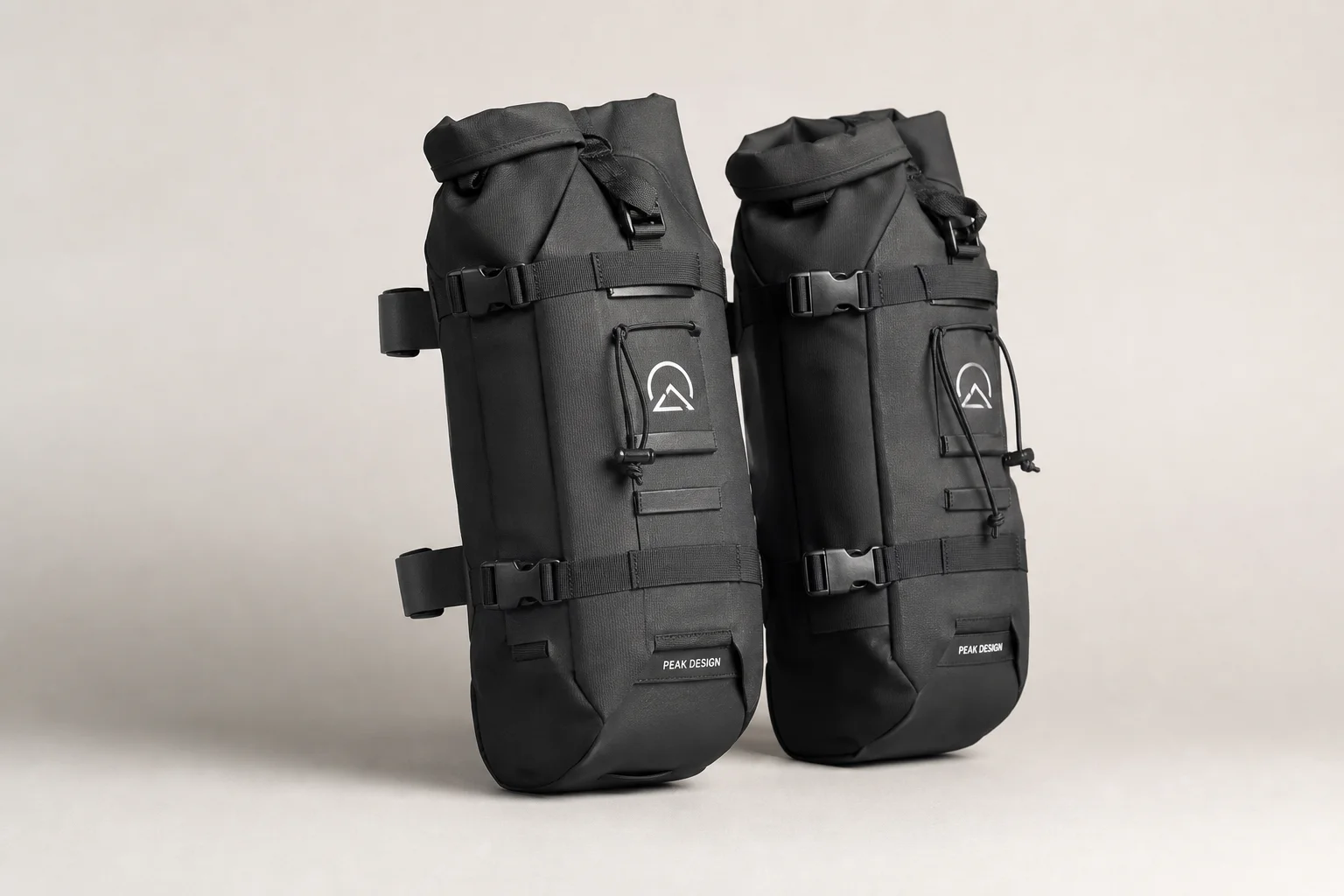
Without carbon forks on either current bike, traditional front racks are no longer an option. The solution evolved from using a single dry bag on the rear rack to a more distributed approach with fork-mounted bags.
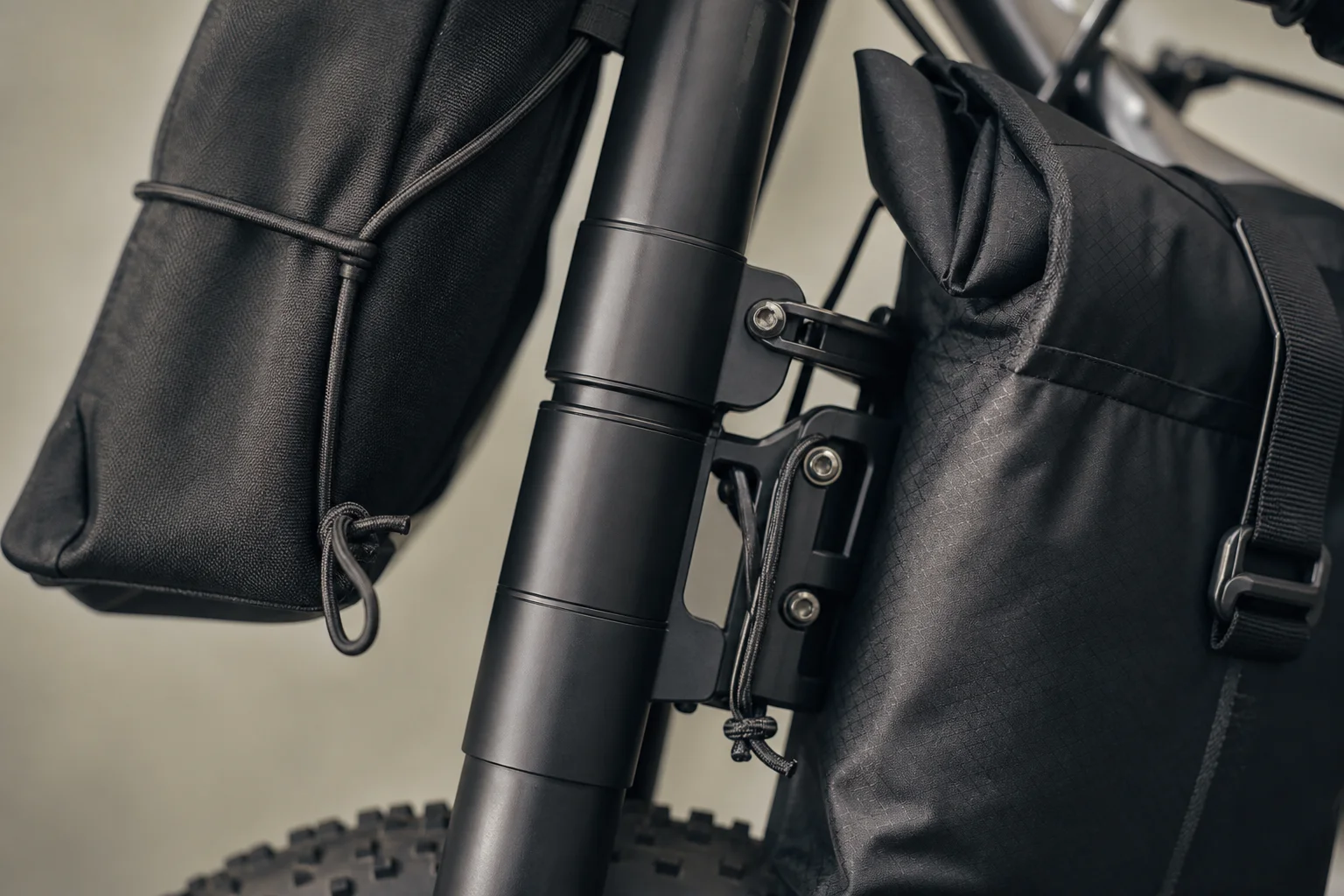
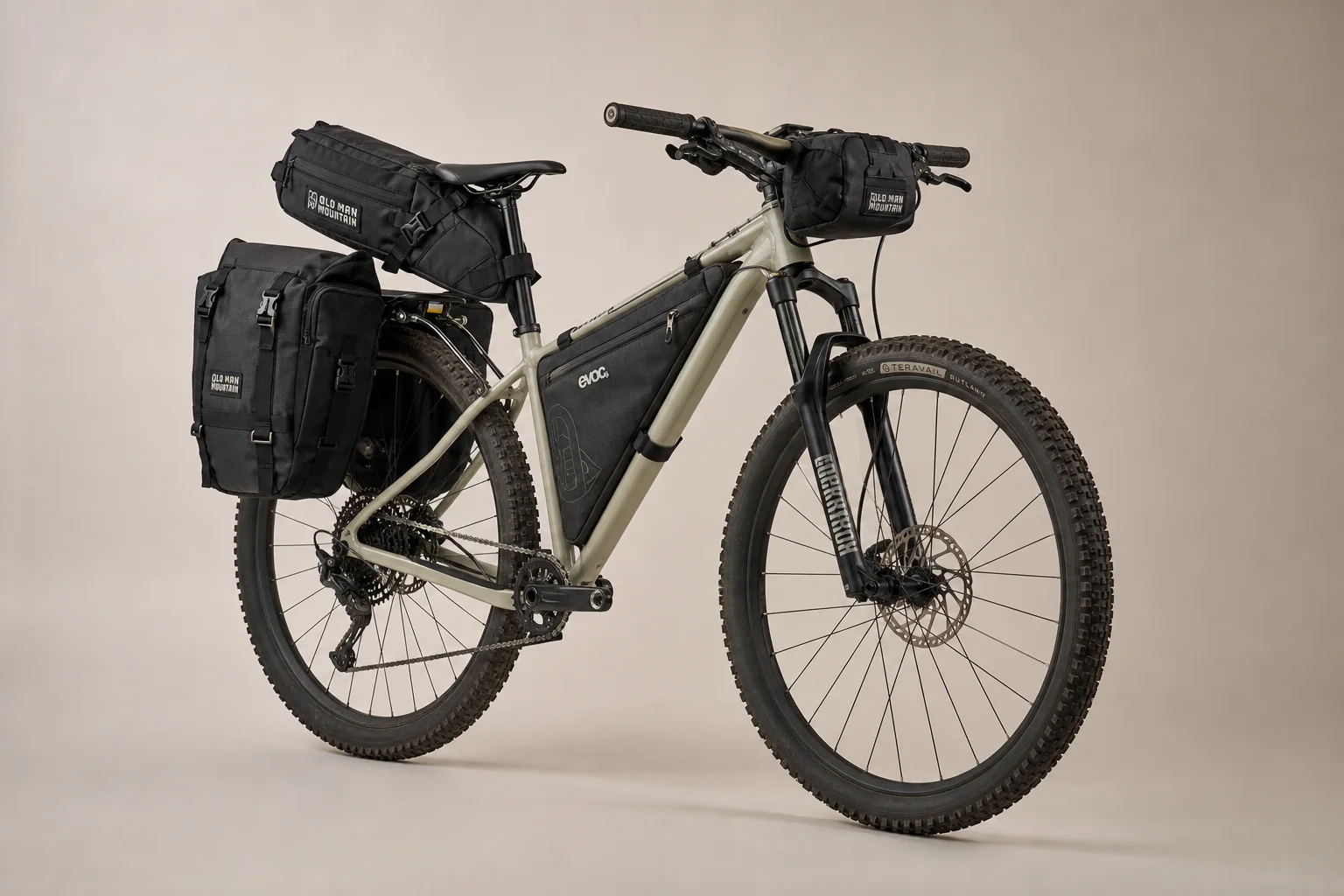
Initially, fork mounts were tested using Tailfin suspension fork mounts paired with Tailfin bags. While the system is secure and works well, a small rubber retention piece failed relatively quickly despite the premium price. As an alternative, Old Man Mountain offers axle pack fork mounts designed for suspension forks, paired with their Hemlock bags. These bags are easier to attach and detach than the Tailfin system, though they do shift slightly more on rough terrain. The Old Man Mountain approach has the added benefit of making their mounting hardware available to other small bag makers, creating more options for future upgrades.
Handlebar Bags and Front Storage
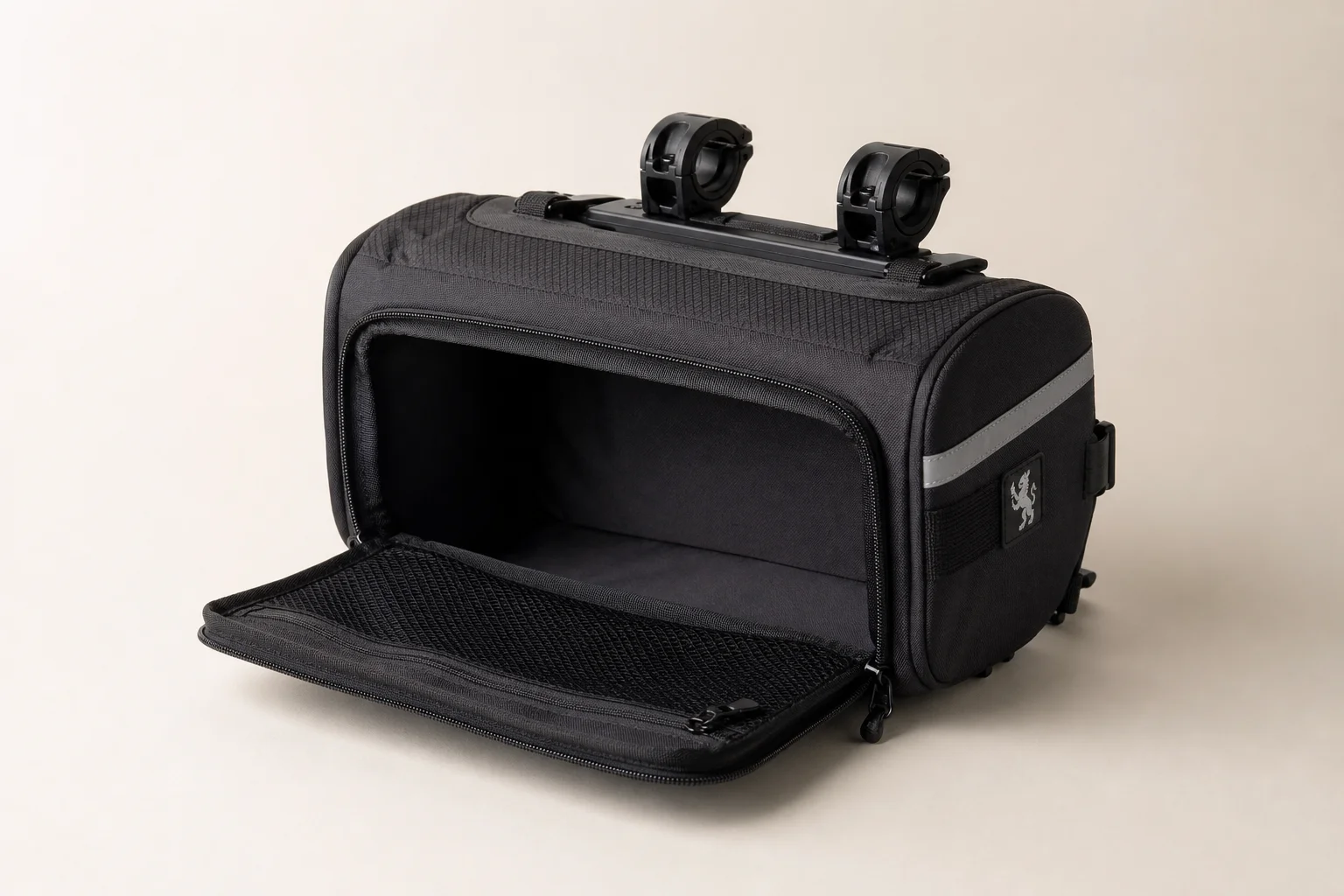
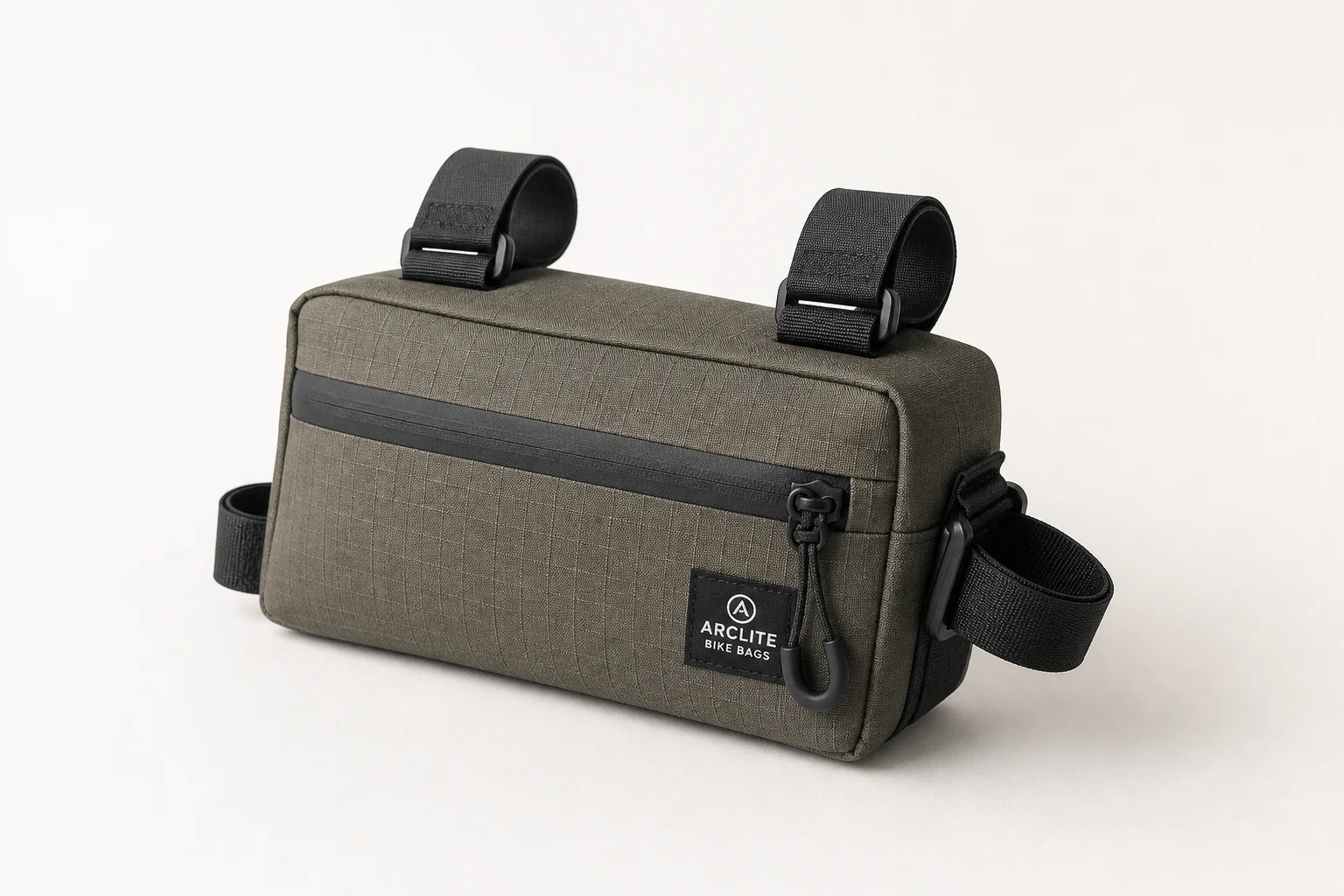
Camera storage presented a challenge after the Swift Industries Paloma handlebar bag showed wear from heavy use. The Swift Industries Catalyst is more secure on rough terrain but only opens from the front, making camera access difficult during quick stops.
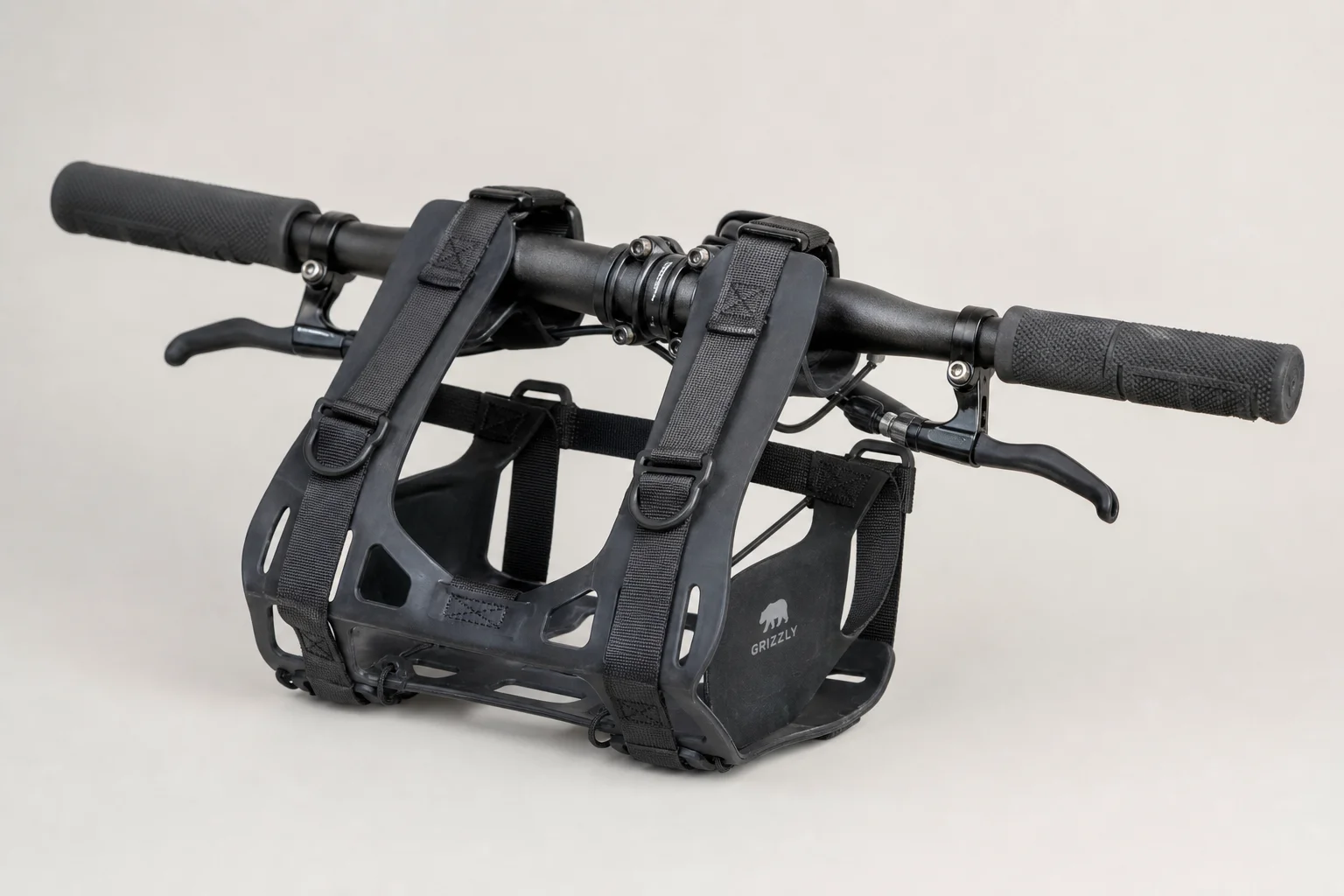
The solution came from a Dutch company called Meret, whose popcorn bag holds a full-size camera and lens with easy access. For those unable to source this bag, the Oveja Negra front end loader handlebar cradle paired with the Oveja Negra lunch box provides excellent front storage. The front end loader cradle accepts camp chairs and other gear, while the lunch box adds additional storage on top, though it lacks internal compartments. Both setups keep frequently accessed items within easy reach while riding.
Rear Rack and Water Carrying
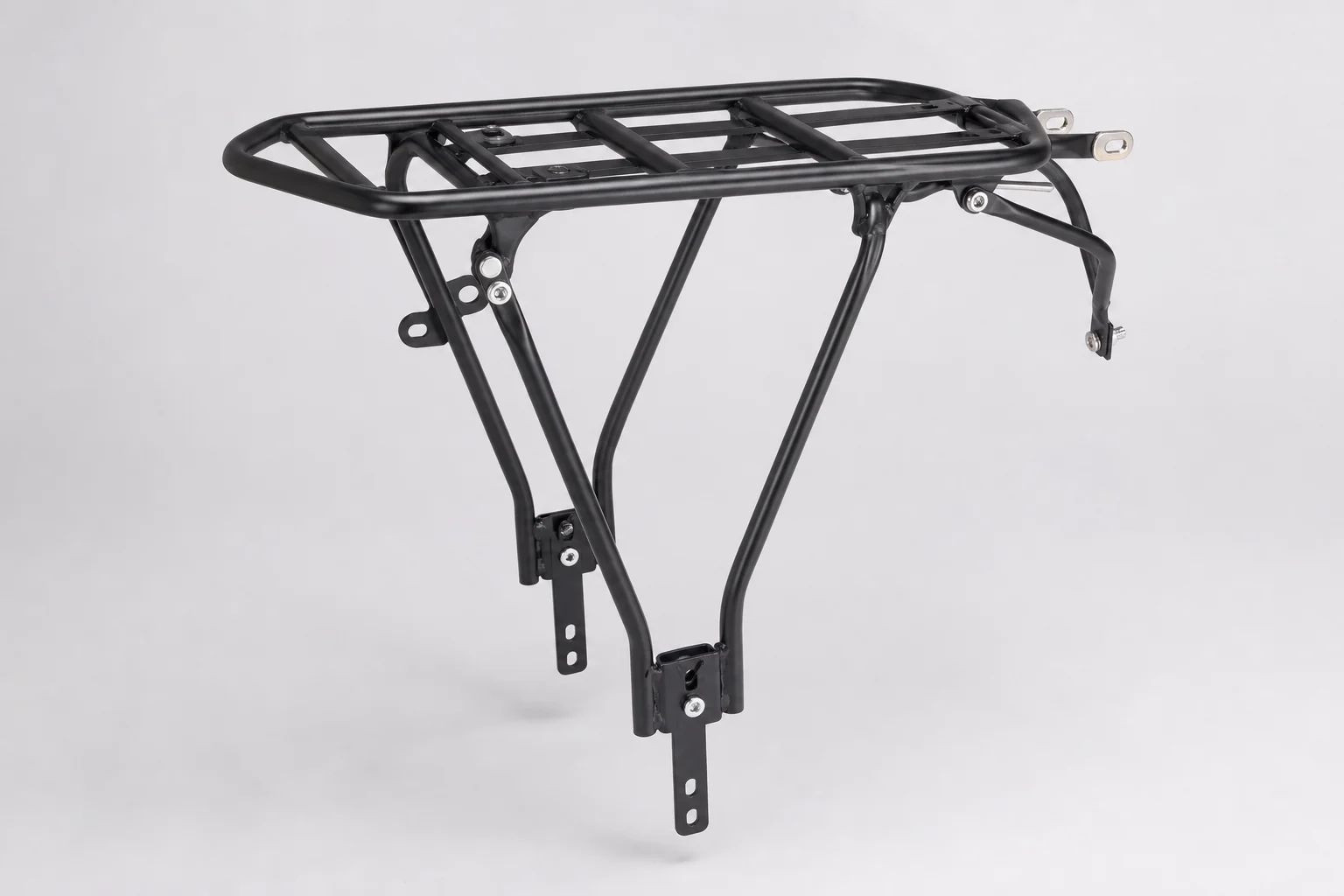
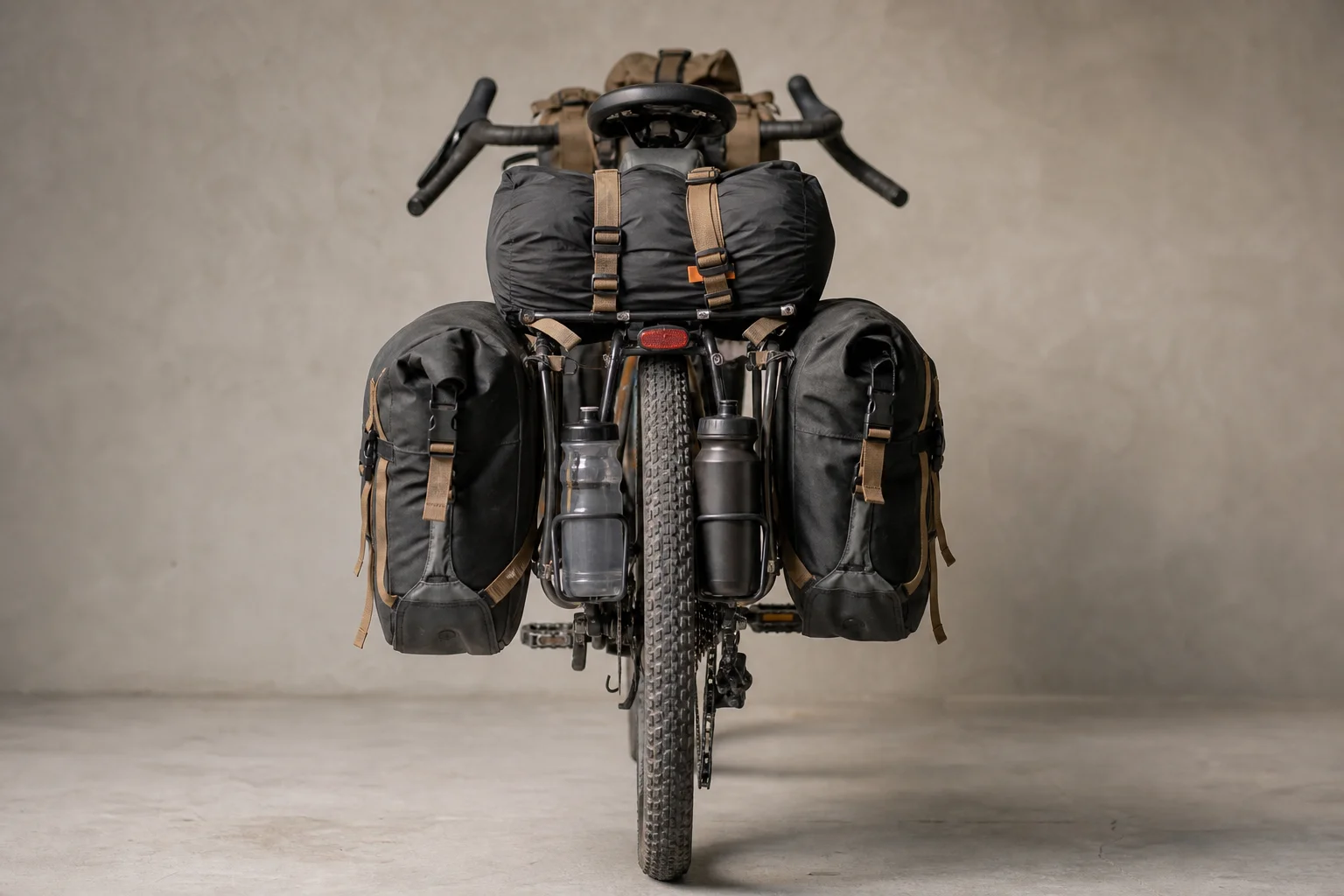
The Old Man Mountain Divide rear rack has proven stable and reliable for carrying water and keeping mud off the rider. It provides a solid platform for strapping large water containers and works well with standard panniers. For one bike, a lightweight Mike rack was tested as a seat post bag replacement, but heel strikes with small fork bags mounted low on the rack led to switching back to a traditional rear rack setup.
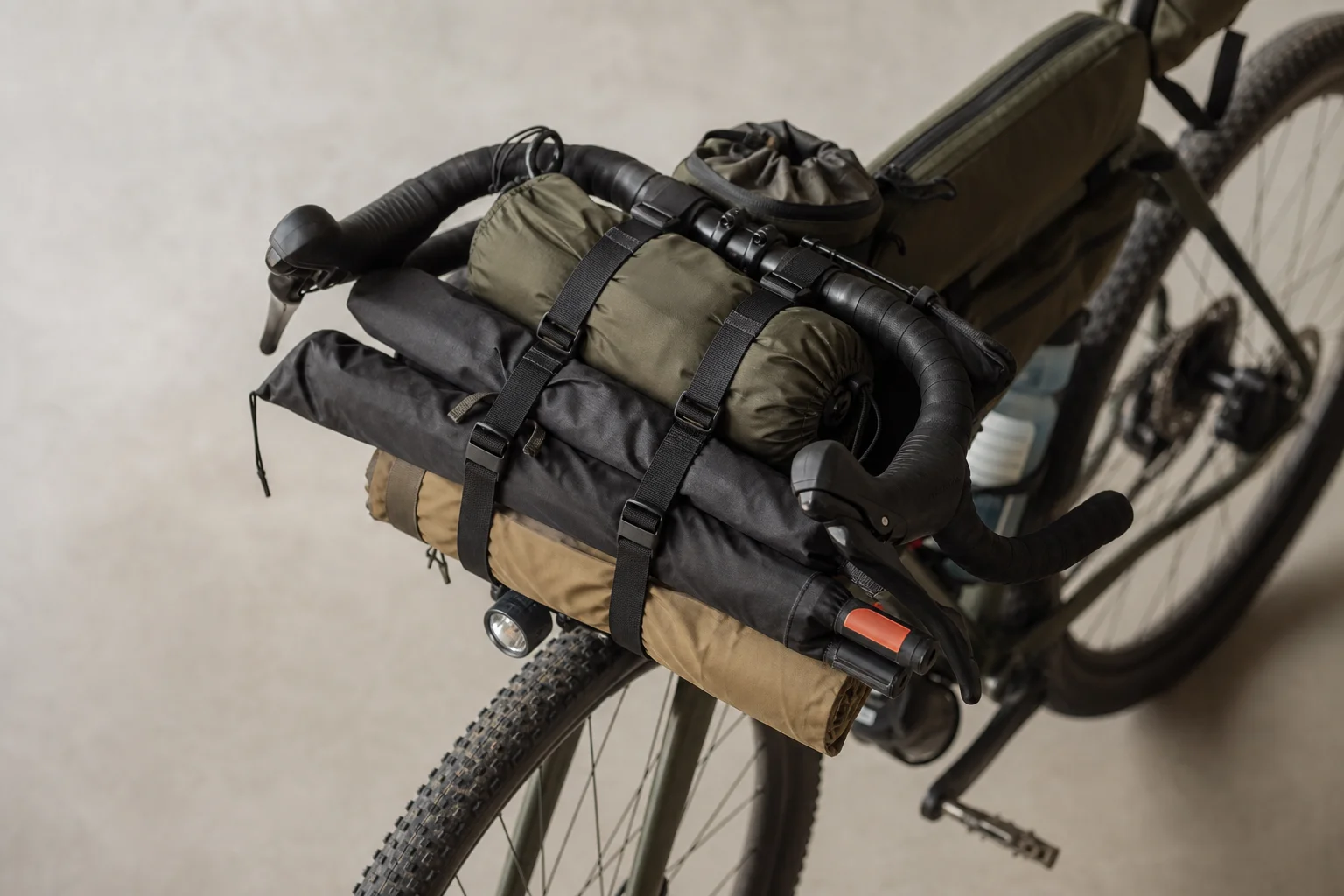
Water carrying capacity has increased significantly, with setups supporting 6 liters on the rear rack plus additional bottles on the frame. This level of capacity is essential for self-sufficiency on longer trips through arid terrain.
Dropper Posts and Handlebar Setup
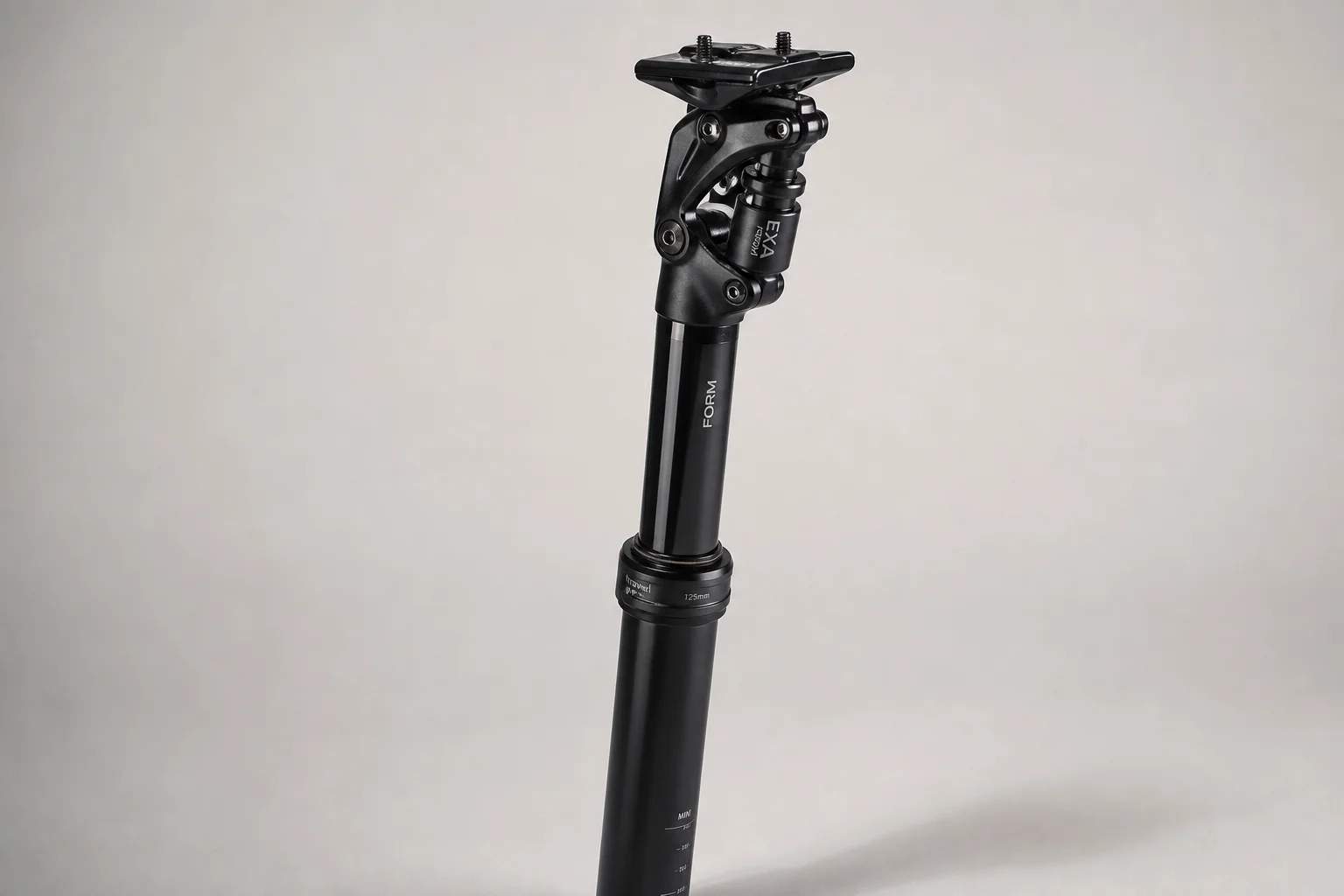
Using a dropper post for bikepacking was a new experience this year. The PNW Coast dropper post includes a small amount of suspension that provides cushioning when hitting bumps while climbing, without causing excessive bouncing during pedaling. This small amount of compliance makes a noticeable difference in comfort on rough terrain.
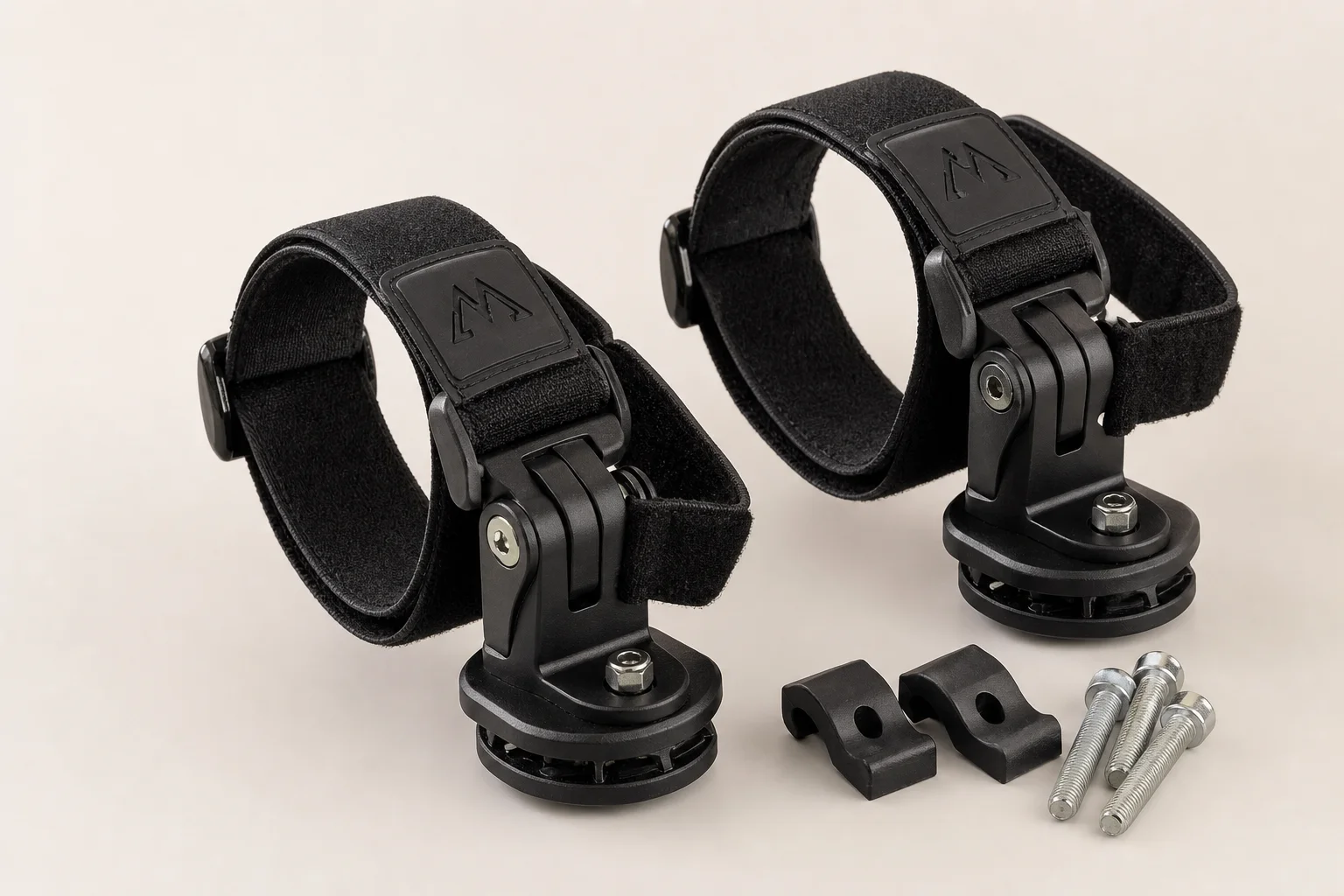
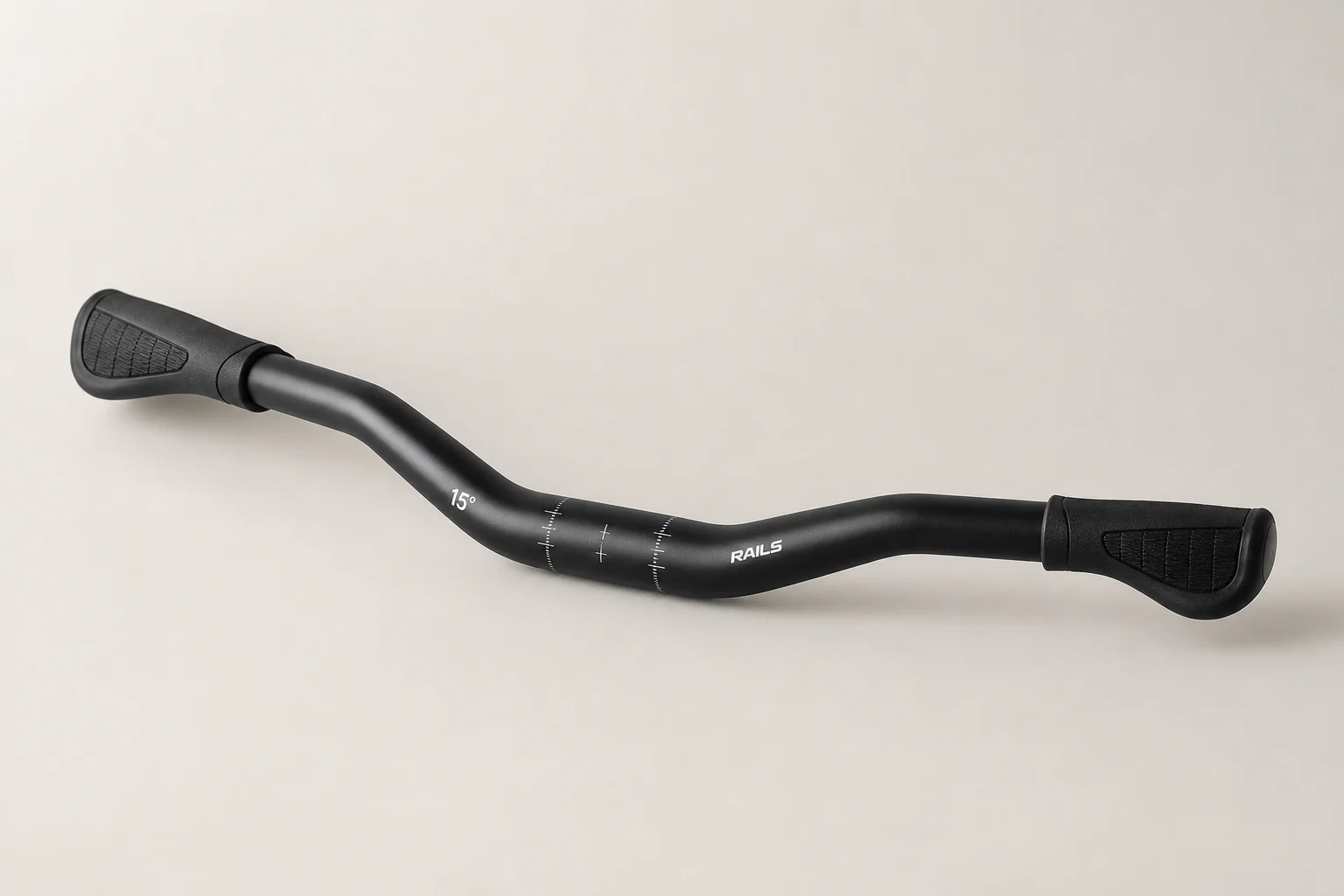
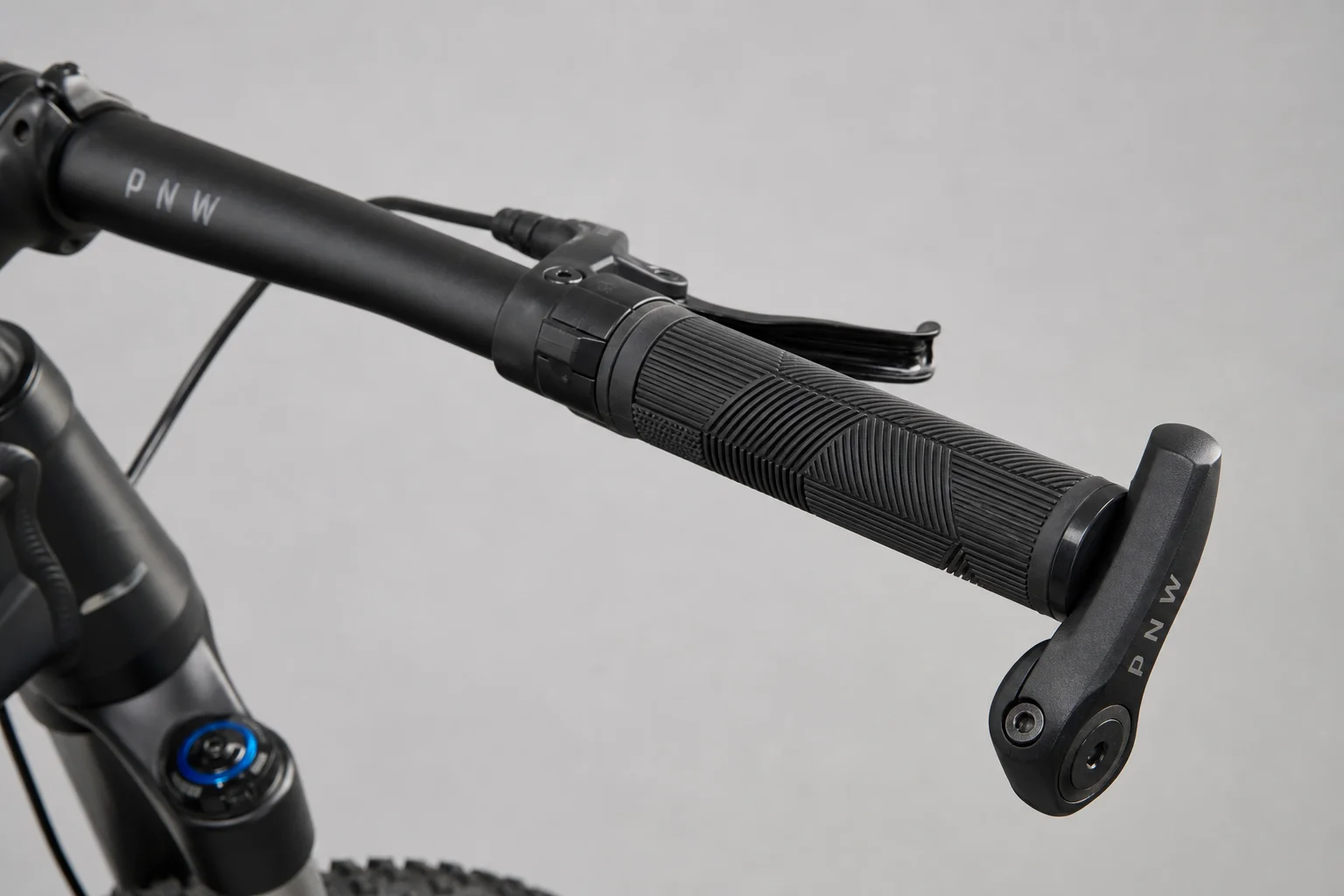
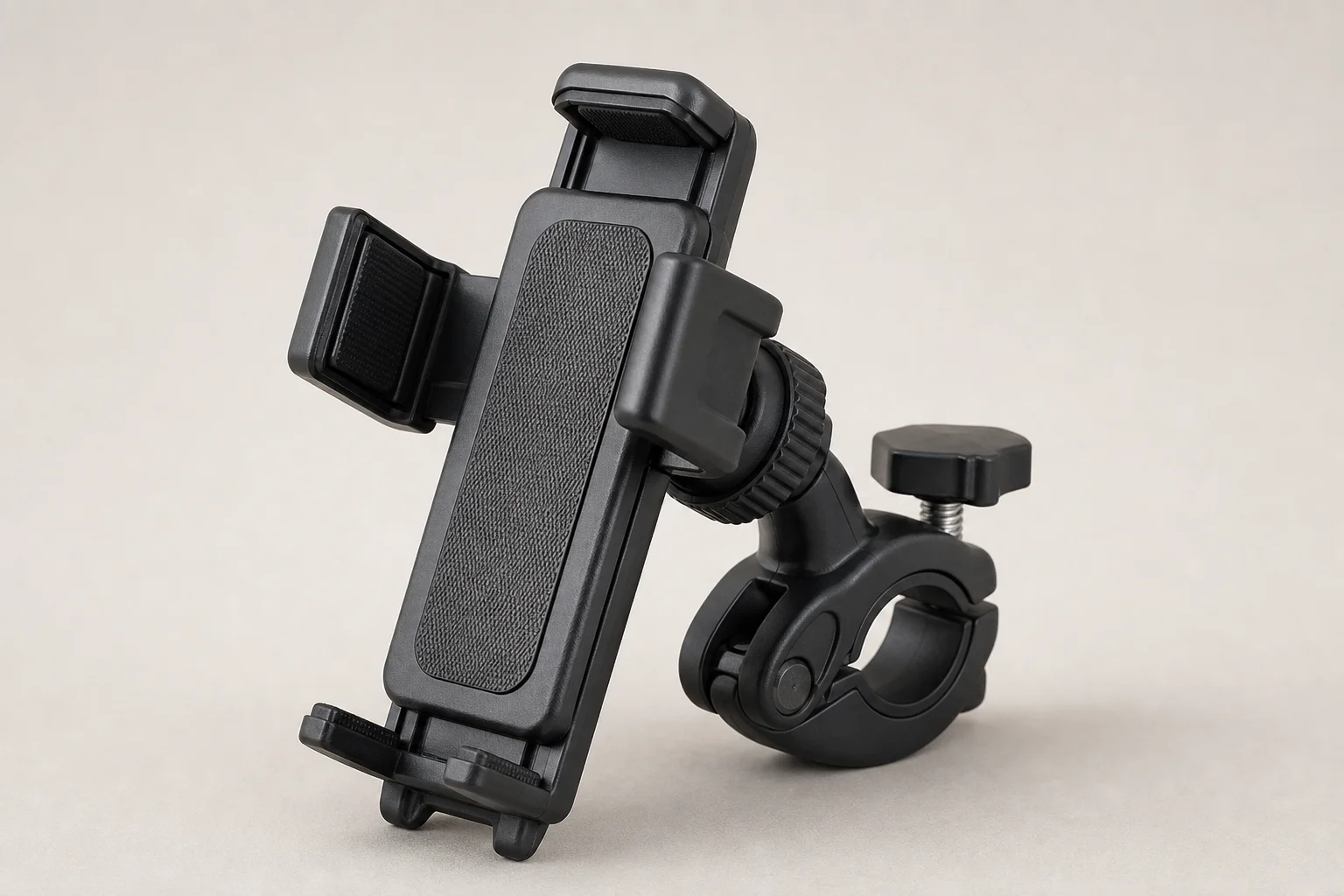
The SQlab 30x15 handlebars with 15-degree back sweep and slight rise have been comfortable for long days of riding, keeping wrists in a more neutral position. The SQlab inner bar ends provide an excellent alternative hand position for casual riding, with the main grips reserved for technical descents and climbing. The Peak Design phone mount remains an excellent choice for secure phone mounting on the handlebars.
Drivetrain and Tire Choices
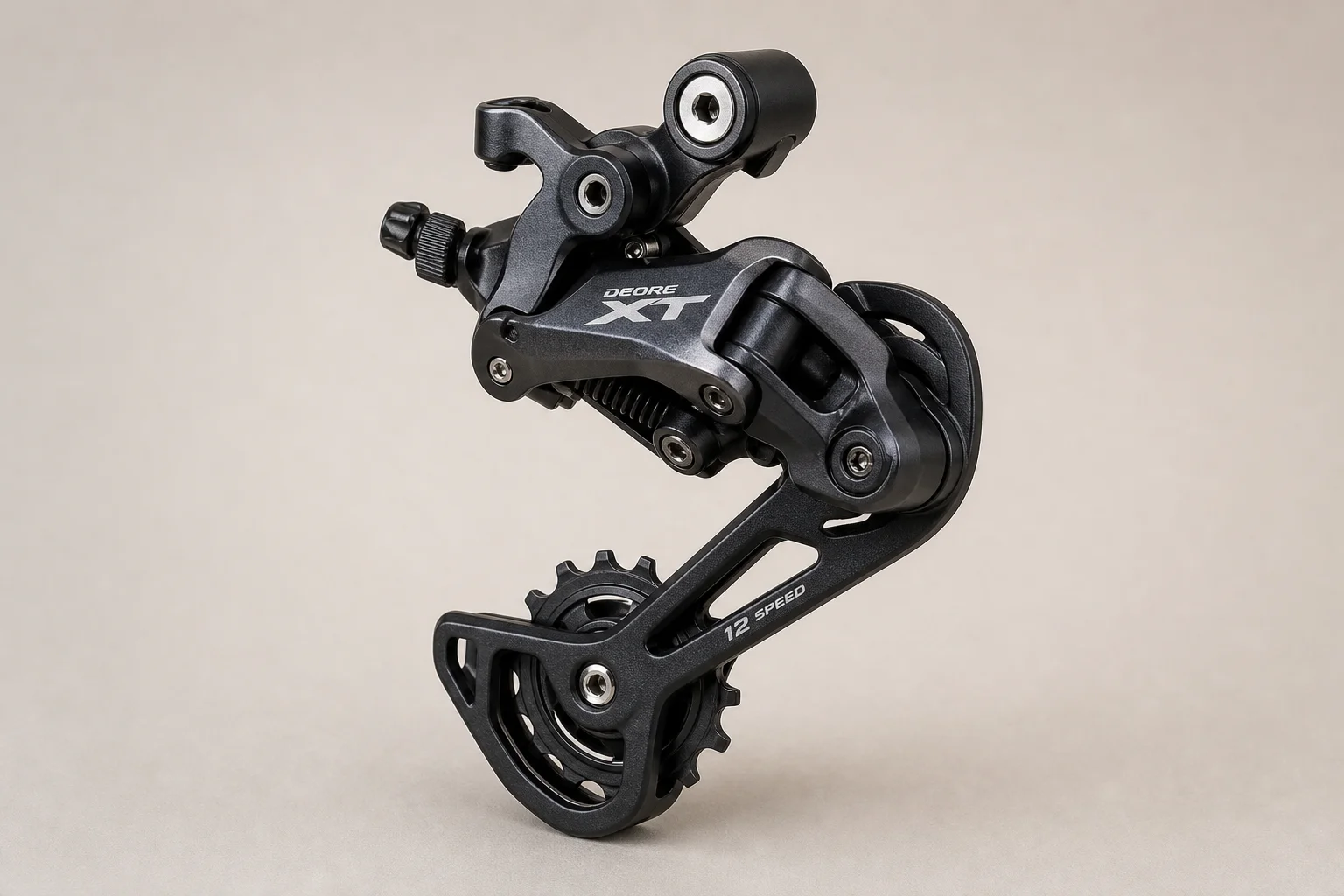
Both bikes now run Shimano 12-speed drivetrains with a 30-tooth front cog and wide-range rear cassettes. While the range is useful, the experience highlights the advantages of internally geared hubs like the Rohloff, which allow shifting while stationary and in a single hand movement. The Shimano SLX 12-speed derailleur is reliable but occasionally requires realignment and can shift out of sync with pedal strokes.
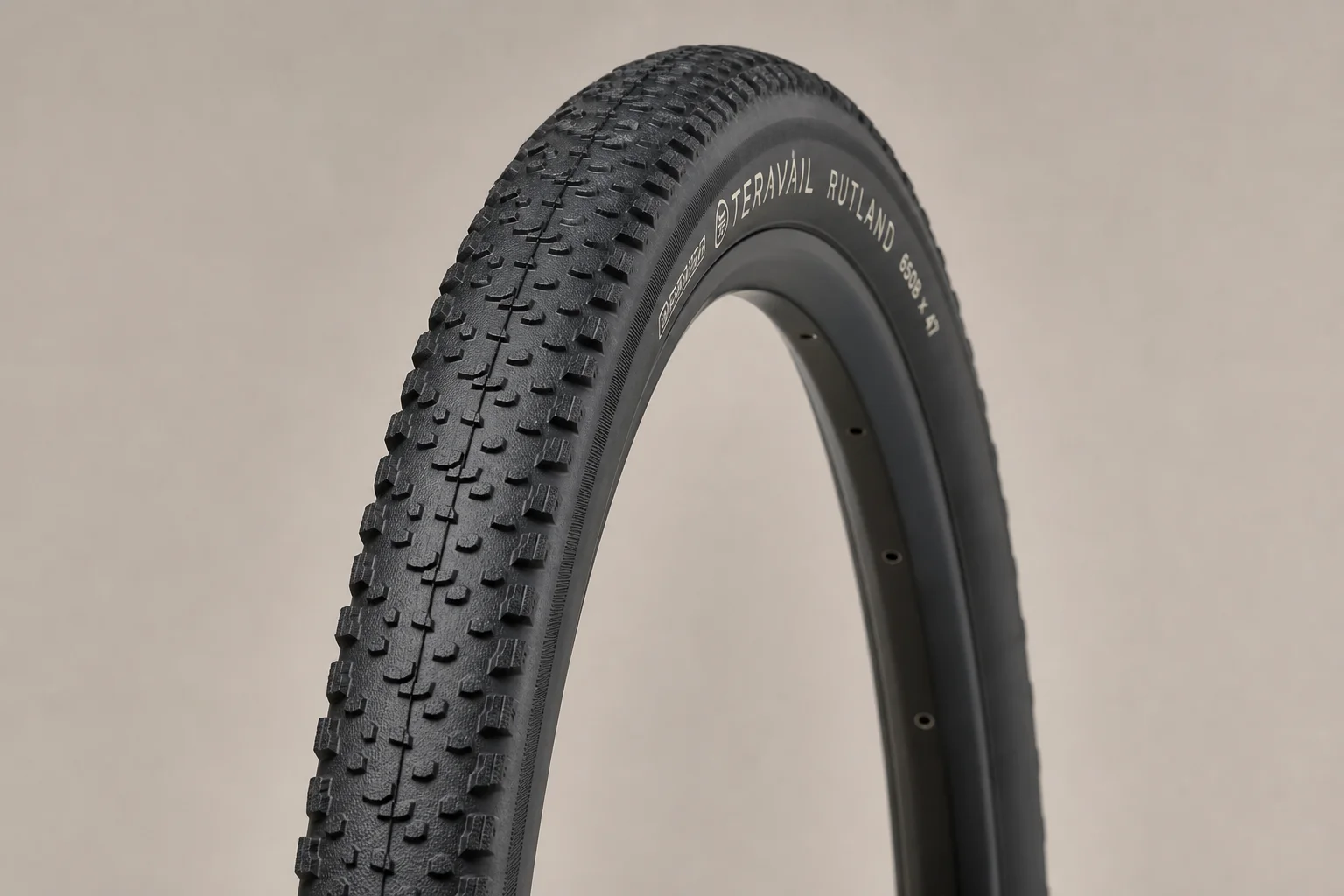
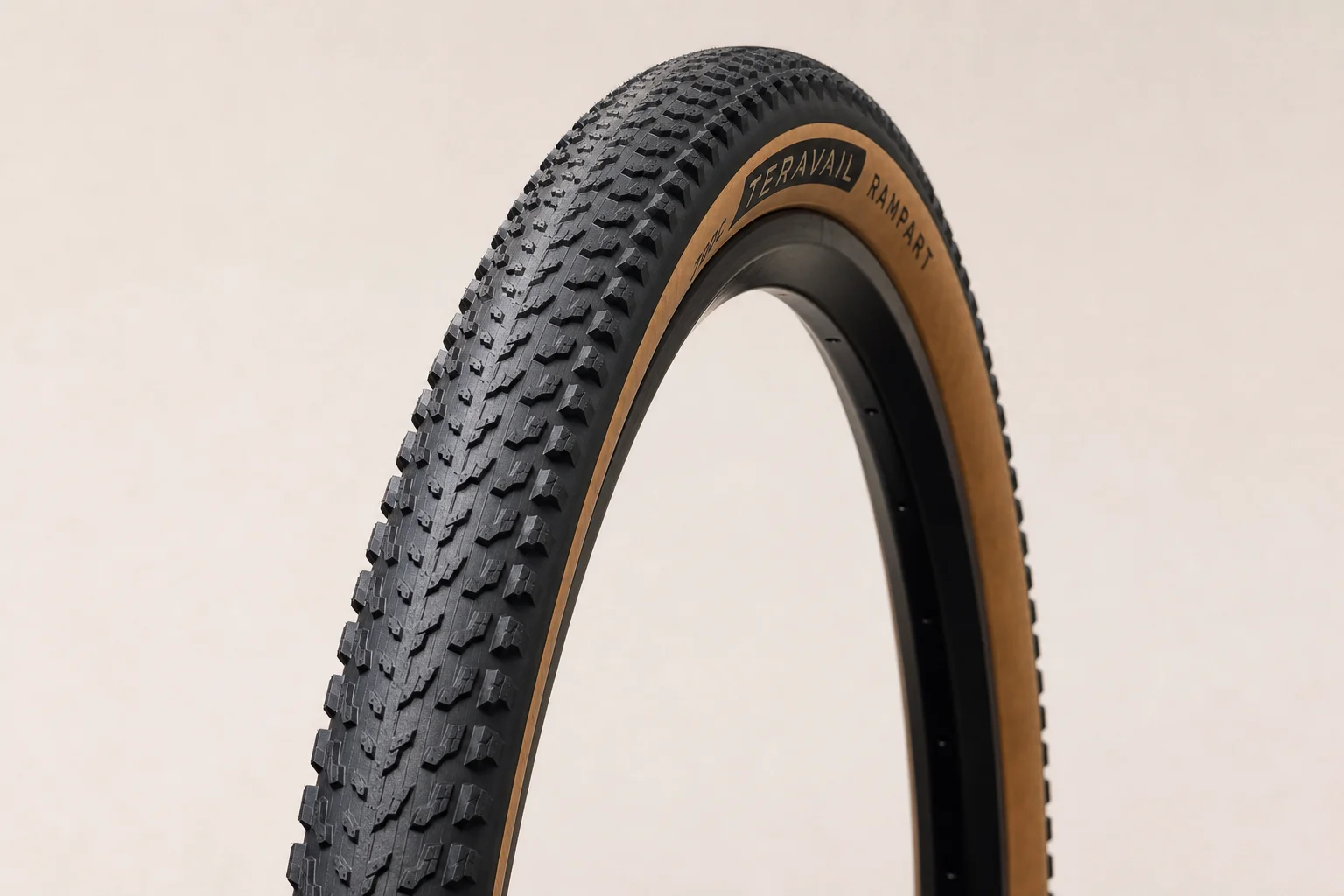
Tire choice has been refined through experimentation. The Vittoria Mezcal was a favorite for its secure cornering feel, light weight, and fast rolling speed. However, rim compatibility limited options, leading to the Teravail Honcho as a current choice. Once different wheel sets are acquired, narrower tire widths will be pursued to match the preferred Mezcal in smaller sizes with tan sidewalls.
Tent and Sleeping System
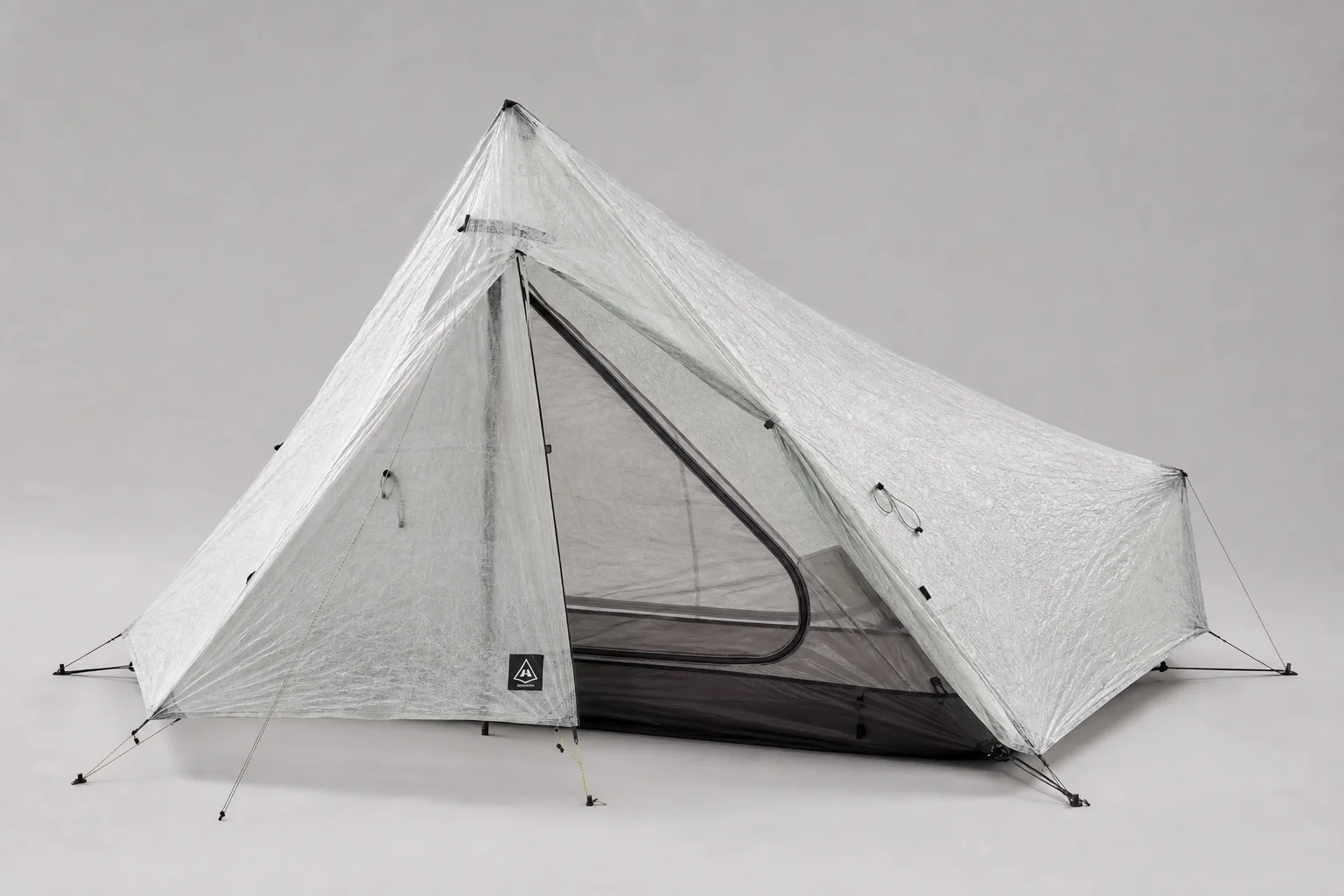
The Zpacks Triplex tent is used for backpacking trips rather than bikepacking, as it is not freestanding and requires staking on solid ground. For bikepacking, the sleeping system is distributed across fork-mounted bags and rear panniers, allowing flexibility in camp setup and terrain adaptation.
Conclusion
Two years of bikepacking experience has validated some original choices while revealing opportunities for refinement. The shift to hardtail bikes with suspension forks, adoption of fork-mounted bag systems, and integration of dropper posts represent meaningful improvements in capability and comfort. The gear list continues to evolve based on real-world use, and these updates complement the original recommendations for anyone building or refining their own bikepacking setup.
Further reading
Related Reviews
Bikepacking
Bikepacking Setup Comparison: Trail, Gravel, and Downhill Bikes Tested
We tested Old Man Mountain racks and bags on three different bike types to see which setup works best for bikepacking adventures.
Bikepacking
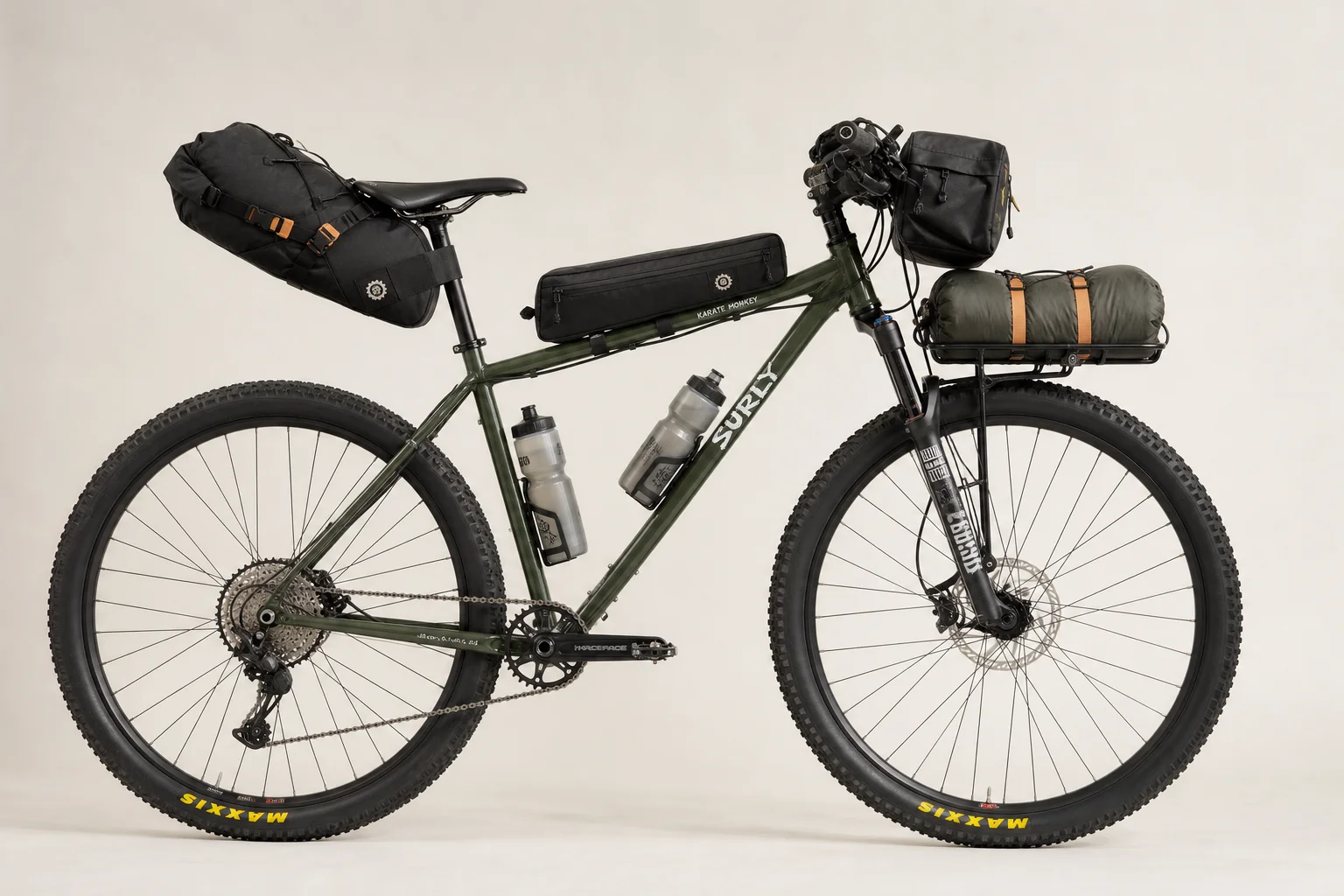
Complete Bikepacking Setup for Desert Routes: Tested on the Golden Jack Rabbit
A lightweight, practical bikepacking configuration for hardtail mountain bikes, tested on an 80-mile desert route with sand, rock, and zero water sources.
Bikepacking
Bikepacking Setup for Hardtail Mountain Bikes: A Tested Golden Jack Rabbit Route Build
A complete bikepacking setup for hardtail mountain bikes, tested on the Golden Jack Rabbit route with practical bag placement, water carrying, and gear organization strategies.