Fishing Gear
Budget Drone Fishing: Testing the Ruko Drone for Bait Delivery
Can a ultra-budget drone designed for casual flying work as a fishing drone? We tested the Ruko with a DIY bait release to find out.
Introduction
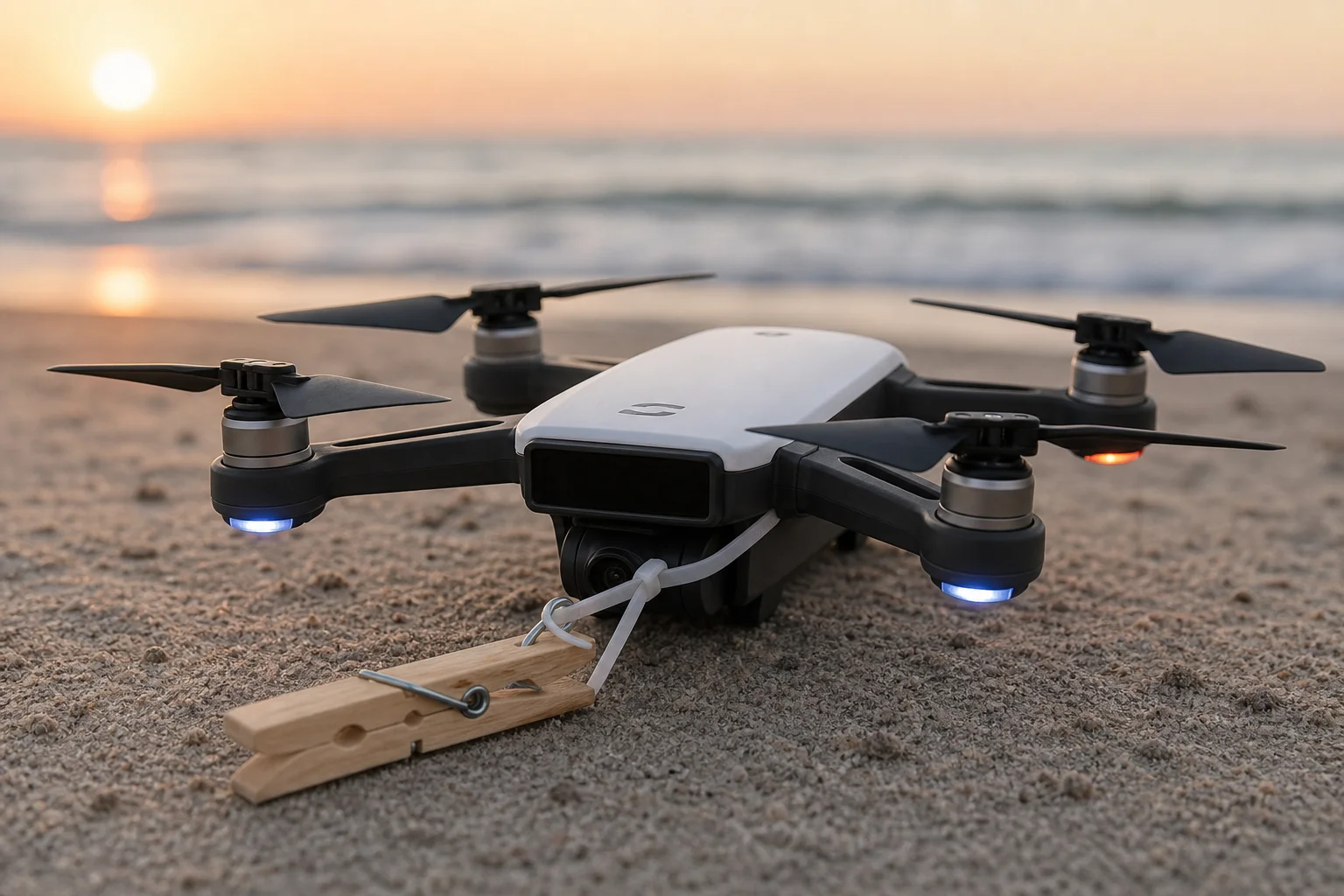
What if a budget drone designed for casual flying could work as a fishing drone? The Ruko is an ultra-affordable option that the manufacturer never intended for fishing, but it has the core features that matter: GPS, return-to-home, strong range, and enough lifting power to carry bait. We tested whether this tiny, inexpensive drone could deliver bait as effectively as purpose-built fishing drones that cost five times as much.
The Setup: Ruko Drone and DIY Bait Release
The Ruko drone comes standard with two batteries and costs around $180 to $250 depending on sales. For a fishing platform, we attached a simple clothespin release mechanism using a cable tie. The clothespin holds a loop of 200-pound monofilament that clips into the bait rig. When you close the bail arm on your reel, the tension pulls the line free and drops the bait.
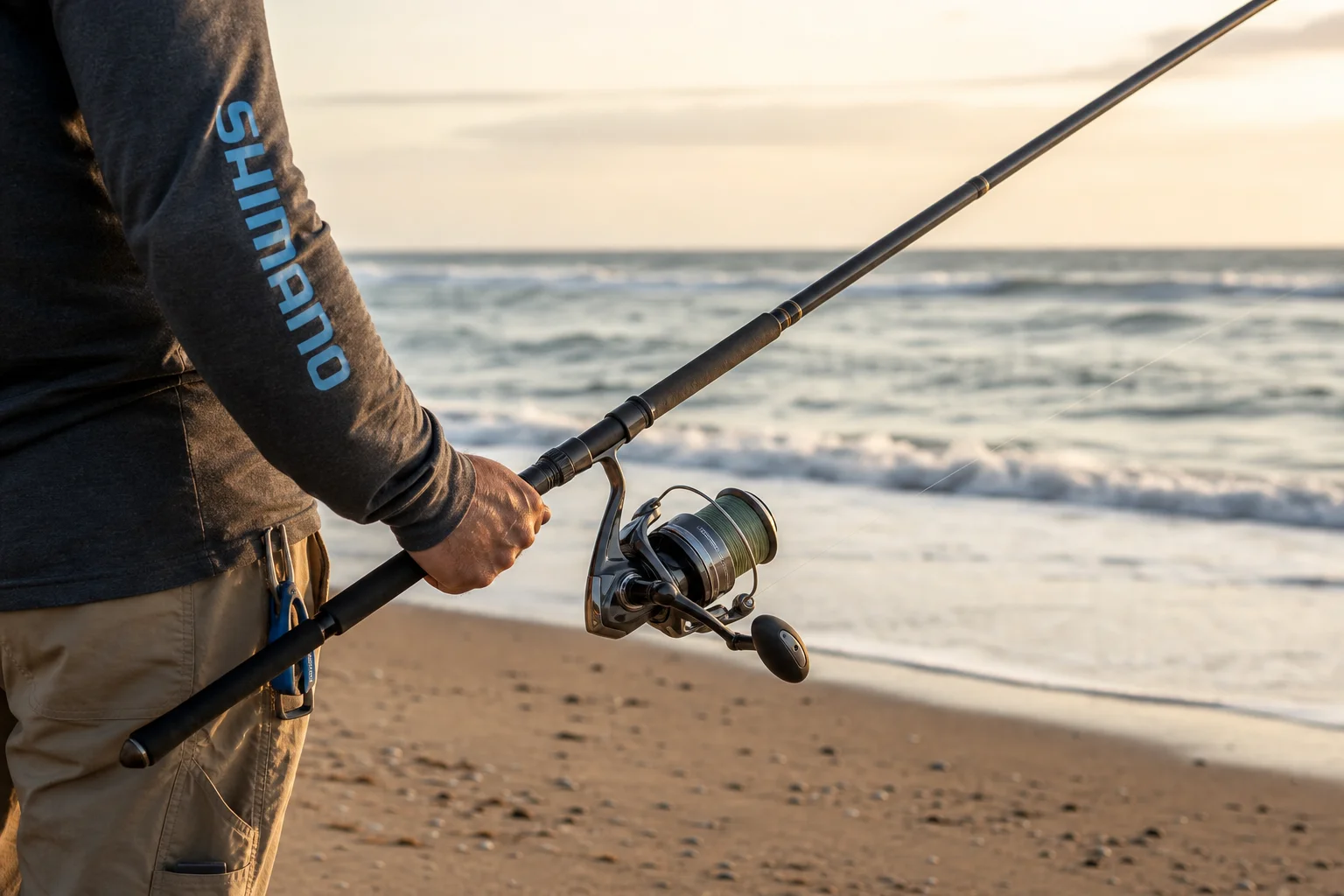
This approach is crude but effective. The drone has no built-in bait release, so we improvised with materials that cost almost nothing. The key question was whether the drone had enough power to pull the line free and maintain stable flight with the added weight.
First Cast: Testing Single-Hook Rig
For the initial test, we used a lightweight three-ounce sinker with a single hook. The drone handled the weight easily and flew out to approximately 200 meters. When we closed the bail arm, the bait released cleanly and the drone returned without issue. The battery showed minimal drain, still at nearly 100 percent after the first drop.
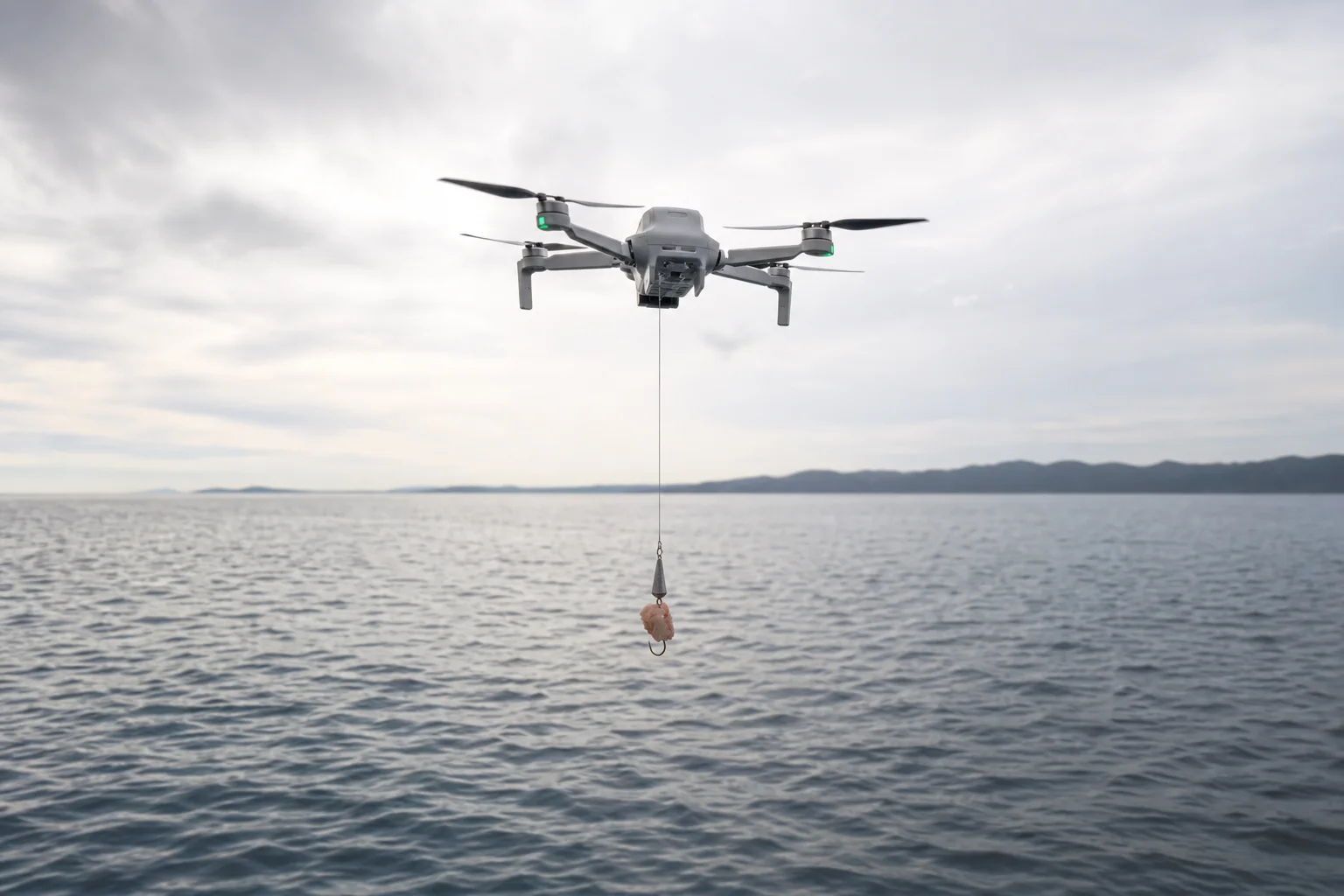
The drone’s GPS and return-to-home function worked reliably, and the transmission distance extended well beyond 300 meters without signal loss. The LED lights on the drone are bright enough to track in low light, which matters if you’re fishing at dawn or dusk.
Two-Hook Rig: Pushing the Weight Limit
Encouraged by the first success, we switched to a two-hook dropper rig with a four-ounce sinker. The drone still flew out smoothly, reaching approximately 280 meters. The release worked, and we recovered the drone without trouble. Battery consumption was noticeable but manageable, dropping from 100 percent to around 80 percent after two drops.
With two batteries included, you could realistically perform eight to ten bait drops before needing to recharge. That’s enough for a productive session if you’re fishing light scenarios with small baits and calm conditions.
Tension and Release: Learning the Limits
The critical lesson came when we added too much tension to the clothespin release. The drone simply was not strong enough to pull the line free. We had to fly back to shore with the bait still attached and manually release it. This revealed the Ruko’s main limitation: it requires very low tension on the release mechanism.
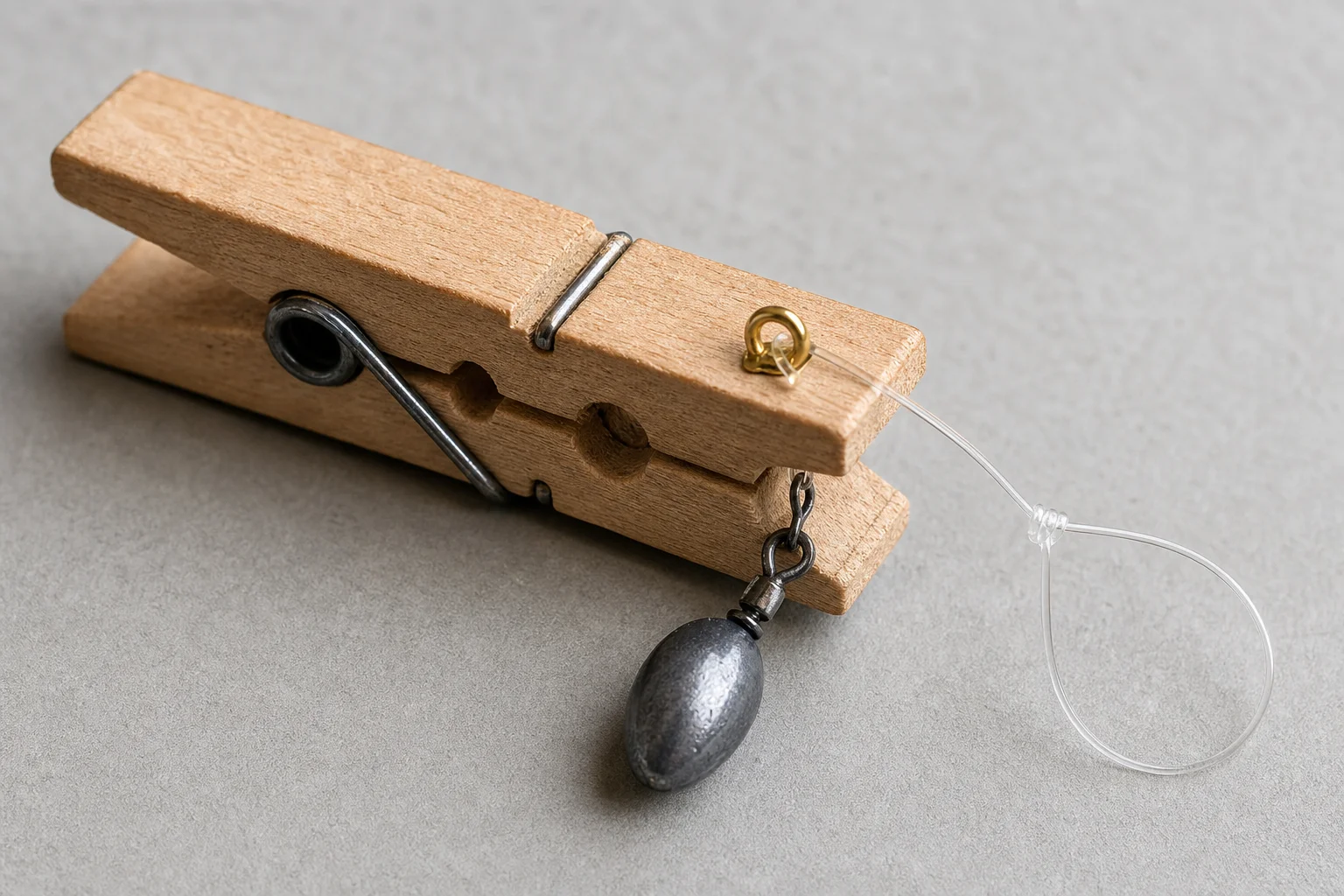
Unlike purpose-built fishing drones such as the Aeroo Pro, which have powerful motors that can handle high tension, the Ruko demands a delicate balance. The tension must be light enough that the drone can pull it free, but tight enough that the bait doesn’t slip during flight. Testing the release on the beach before each cast is essential.
The drone is not suitable for heavy multi-hook rigs or high-wind conditions. It works best for light fishing scenarios: single or two-hook setups, calm weather, and short to moderate casting distances of 200 to 300 meters.
Real-World Results: Successful Catch
Despite the learning curve, the Ruko delivered results. On one cast, we hooked a kahawai and successfully landed it on the beach. The drone performed its job: it carried the bait out, released it reliably, and returned safely. The catch proved the concept works.
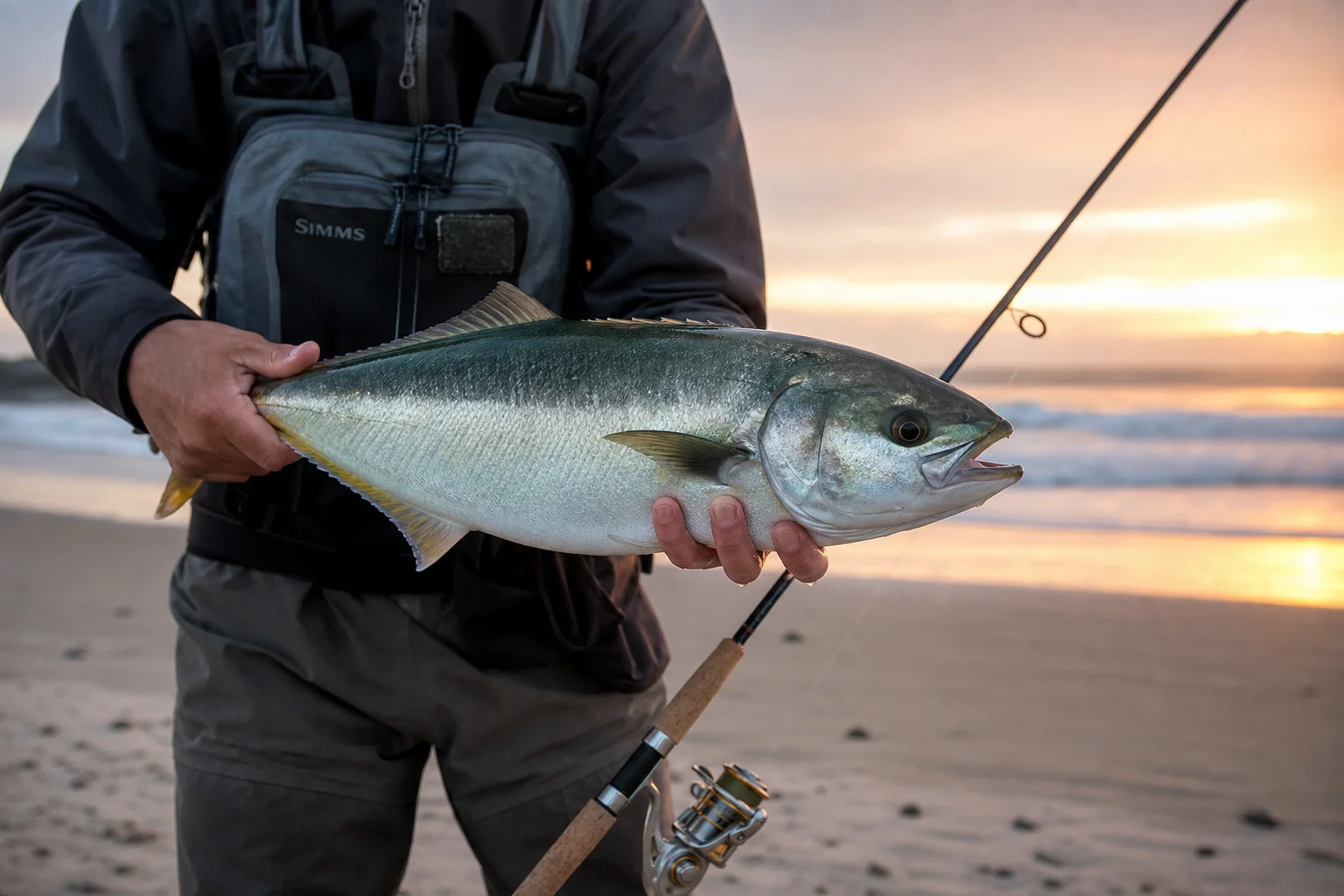
The Ruko is not a replacement for dedicated fishing drones. It lacks the power and precision of models designed specifically for bait delivery. But for anglers who want to experiment with drone fishing without spending thousands of dollars, it offers a genuine entry point. At $180 to $250, plus a few dollars in cable ties and a clothespin, you have a functional bait-drop system that fits in a tackle box.
Conclusion
The Ruko drone succeeds as a budget fishing platform for light-duty applications. It has enough range, stability, and battery life to deliver bait effectively in calm conditions with minimal rigs. The trade-off is that you must respect its weight limits and tension sensitivity. If you fish with heavy multi-hook setups or in windy conditions, you need a stronger drone like the Aeroo Pro. But if you want to try drone fishing affordably, the Ruko is worth considering.
Product link
View more details for Ruko Drone
This product is mentioned in the review. Check the specifications, options, and compatibility before buying.
View more details for Ruko DroneFurther reading
Related Reviews
Backpacking Gear
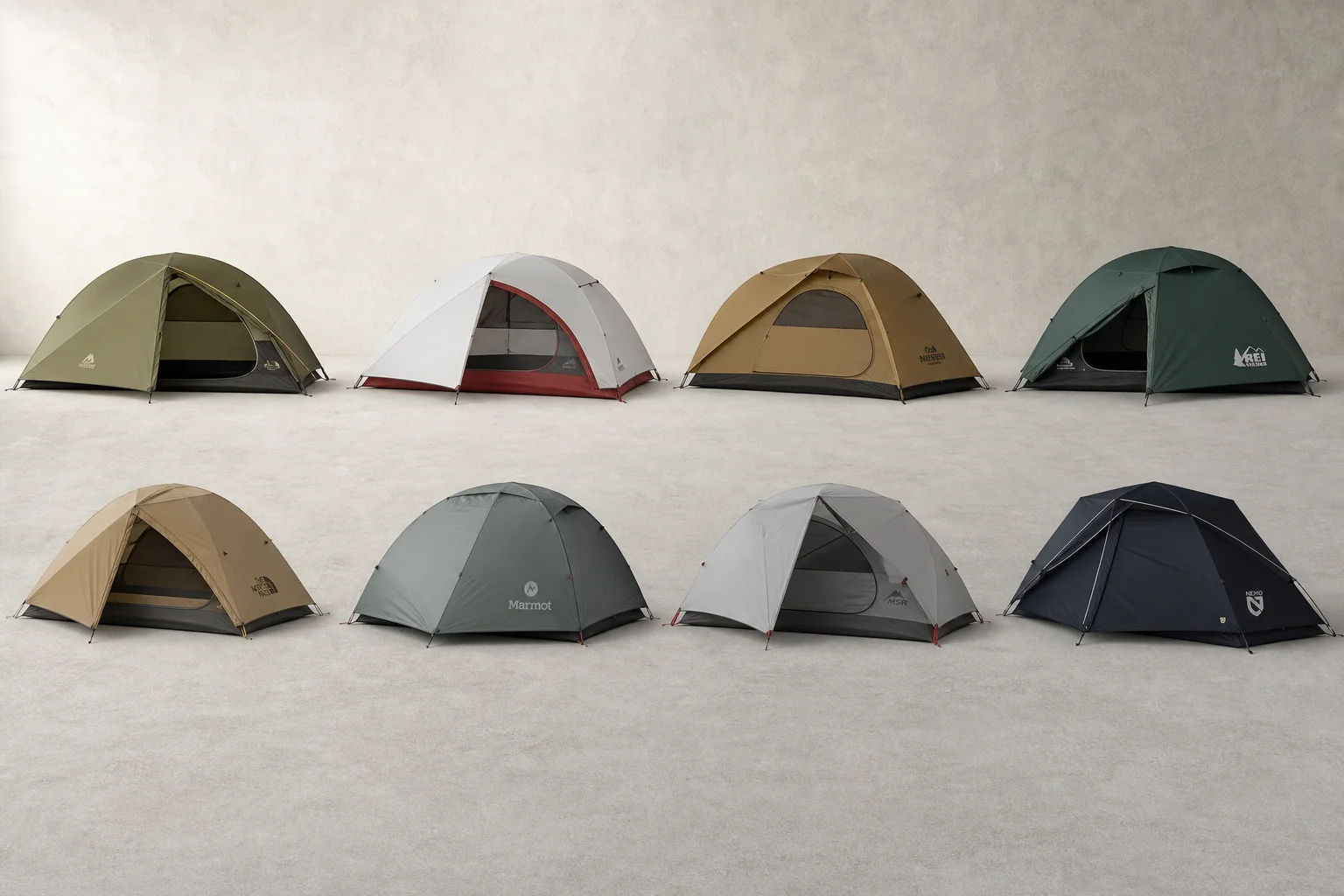
Best Budget Backpacking Tents 2026: Eight Models Tested for Spaciousness, Rain Protection, and Value
A comprehensive test of eight budget-friendly 2-person backpacking tents across spaciousness, setup ease, rain protection, ventilation, and portability. Find the best value in the $100 to $300 range.
Camera Gear
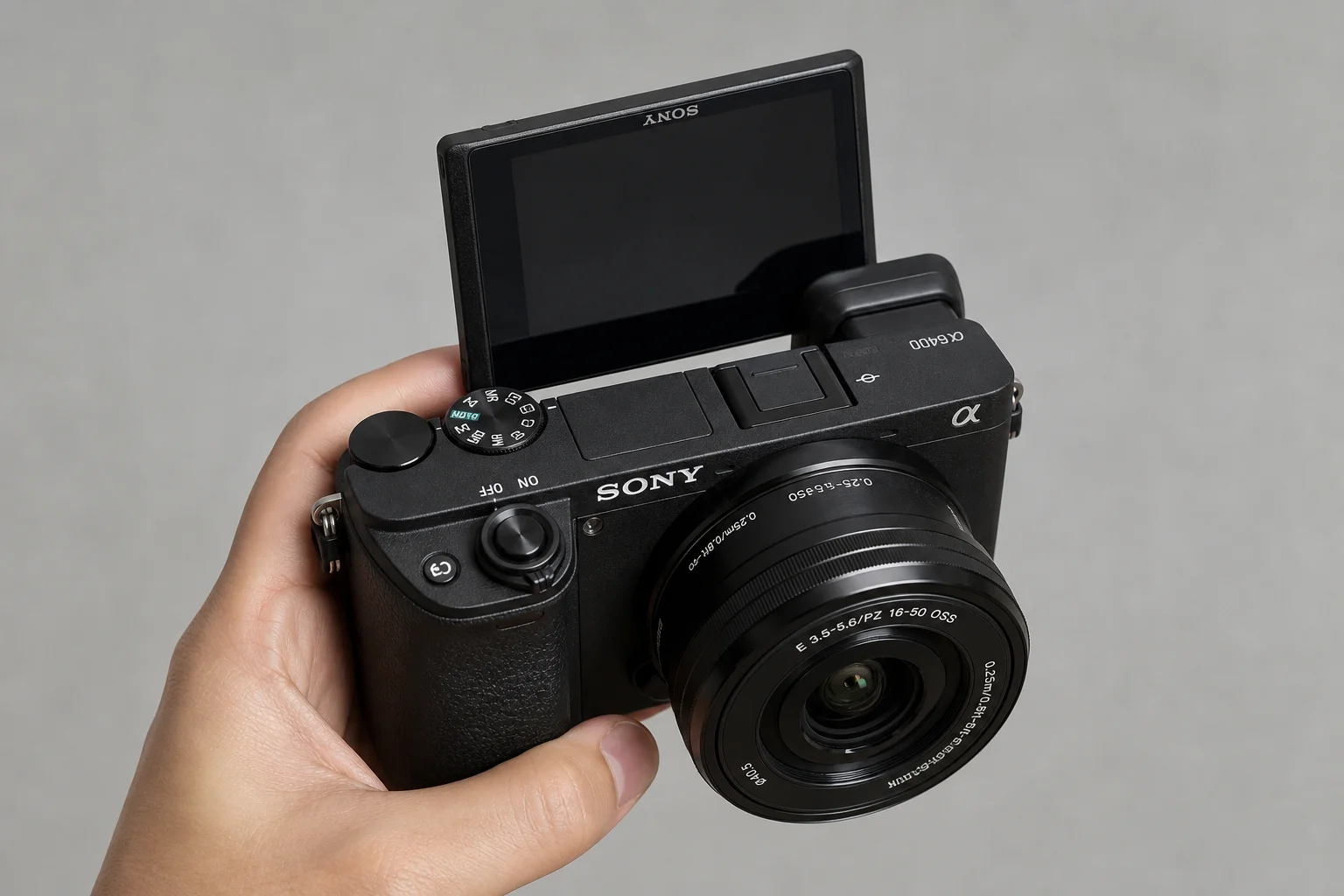
Best Budget Camera 2026: Why the Sony A6400 Stands Out for Beginners
The Sony A6400 delivers genuine value for entry-level photographers. Here's what makes it worth the investment over cheaper alternatives, and which lenses to pair it with.
Camping Gear
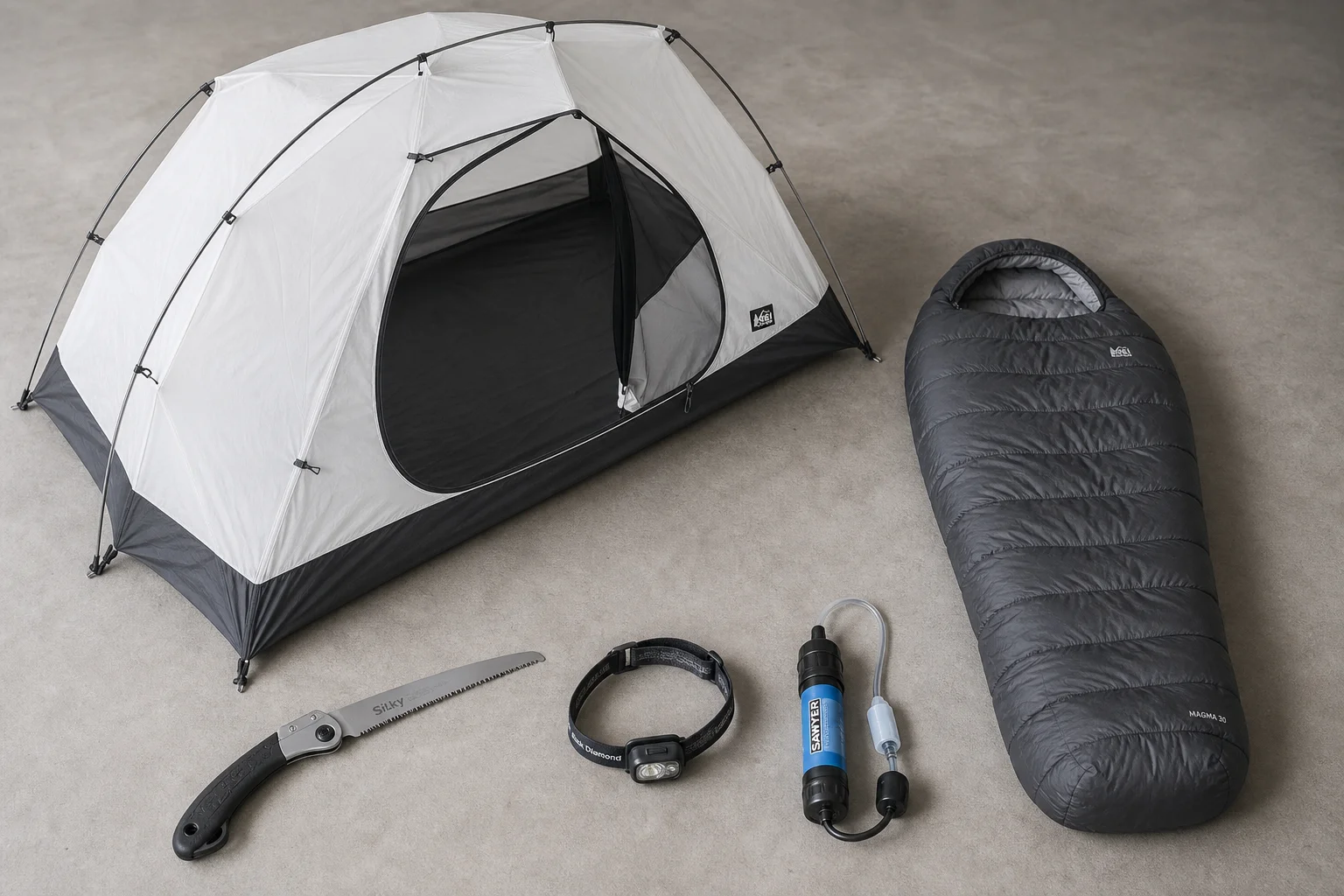
Best Moto Camping Gear on a Budget: Essential Shelter, Sleep, and Tools
Practical, affordable moto camping gear that delivers real durability and weather protection without premium price tags. Shelter, sleep systems, and tools tested on backcountry trips.