Coffee Equipment
Budget Espresso Machines for Small Cafes: Three Solid Two-Group Options
A practical guide to choosing an affordable espresso machine for a coffee trailer, small cafe, or office space, with detailed comparisons of three reliable two-group models.
Introduction
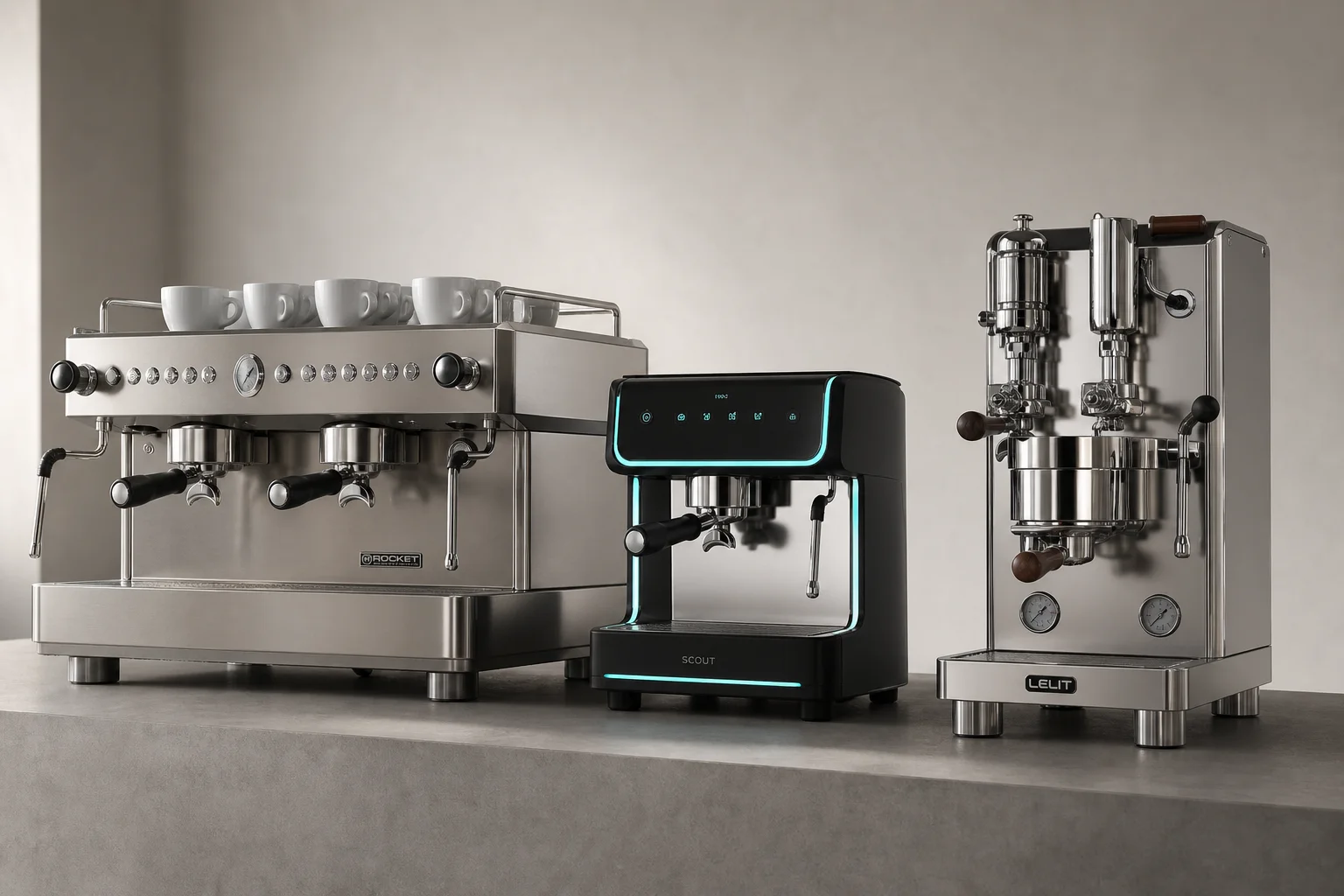
Choosing an espresso machine for a small cafe, coffee trailer, or office space is a significant decision that will affect your daily workflow and coffee quality for years to come. If you are adding coffee to an existing business without expecting high volume, you do not need to spend a fortune on a premium dual-boiler setup. This guide walks through the key factors to consider and compares three reliable two-group machines that deliver solid performance at reasonable prices: the Rocket Boxer, Sanremo Zoe, and Wega Polaris.
Understanding Machine Groups and Power Requirements
The first decision is how many group heads you need. One-group machines are generally too slow for any cafe workflow, even with a single operator. Three-group machines make sense only if you expect to produce 20 to 30 kilos of coffee per week with two people working the machine simultaneously. For most small businesses adding coffee service, a two-group machine offers the right balance of steam pressure, workflow speed, and footprint.
Power availability is equally critical. A standard three-group machine typically requires 32 amps, while some models like the Rocket Boxer three-group need 25 amps. If your coffee trailer or cafe has only 15 amps available, you will rule out many options. Compact machines like the Sanremo Zoe Compact can run on 10 amps and plug into a standard outlet, but they have slower recovery times. For reasonable performance without an electrician upgrade, aim for a machine that runs on 15 or 20 amps.
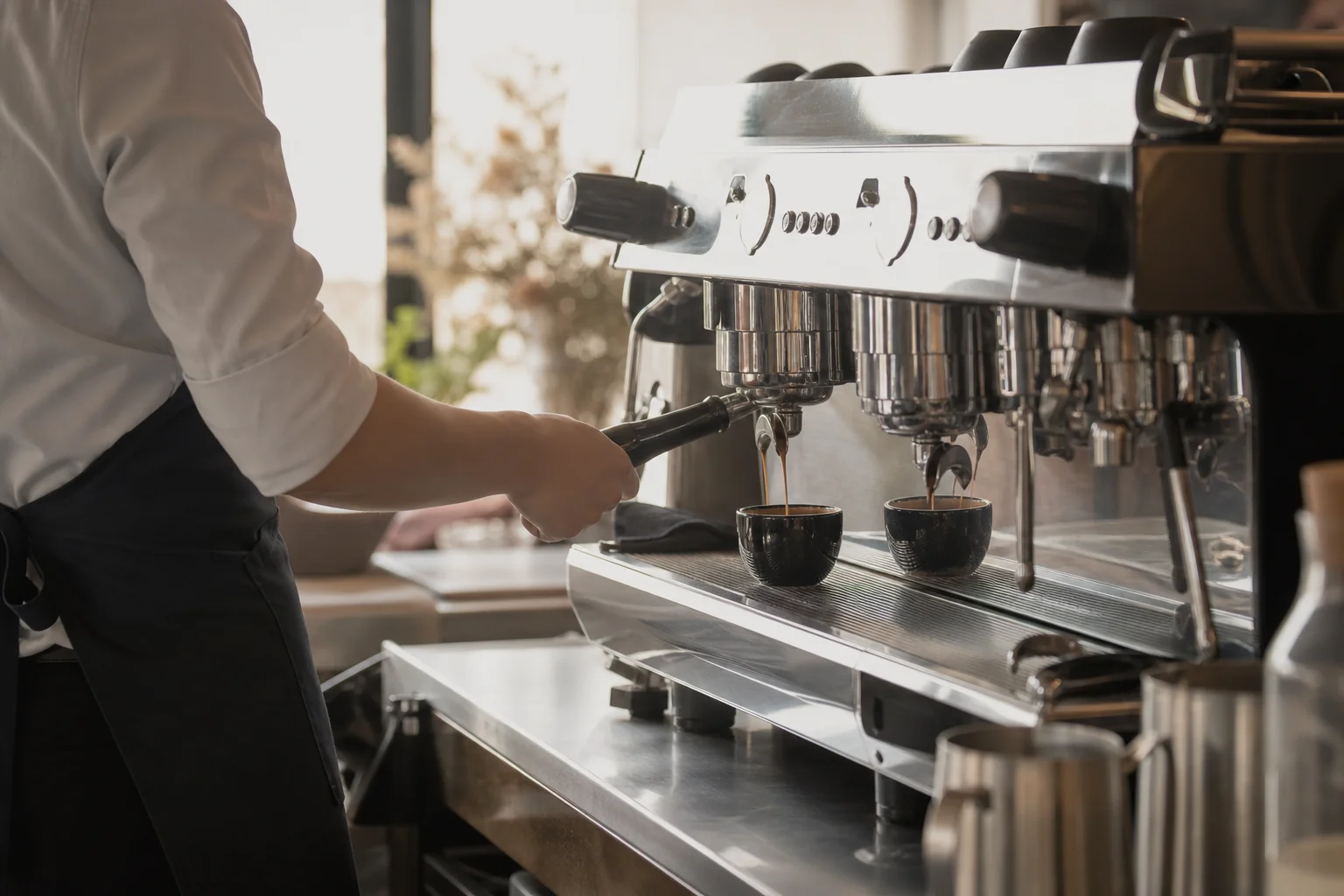
The difference between 15 and 20 amps is mainly the ability to pull back-to-back shots without losing steam pressure and consistency. A 15-amp machine is practical and easier to install, especially in a coffee trailer where generator power is limited.
Boiler Size and Recovery Time
Heat-exchange machines like these three options use a single boiler that serves both brewing and steaming. The boiler size directly affects how quickly the machine recovers between shots and how consistent your extractions remain under load.
The Rocket Boxer stands out with a 13.2-litre boiler, compared to the Wega Polaris at 12 litres and the Sanremo Zoe at 10 litres. A larger boiler means better thermal stability when pulling multiple shots in succession, which is especially important if you want consistent shot times without adjusting your technique between drinks.
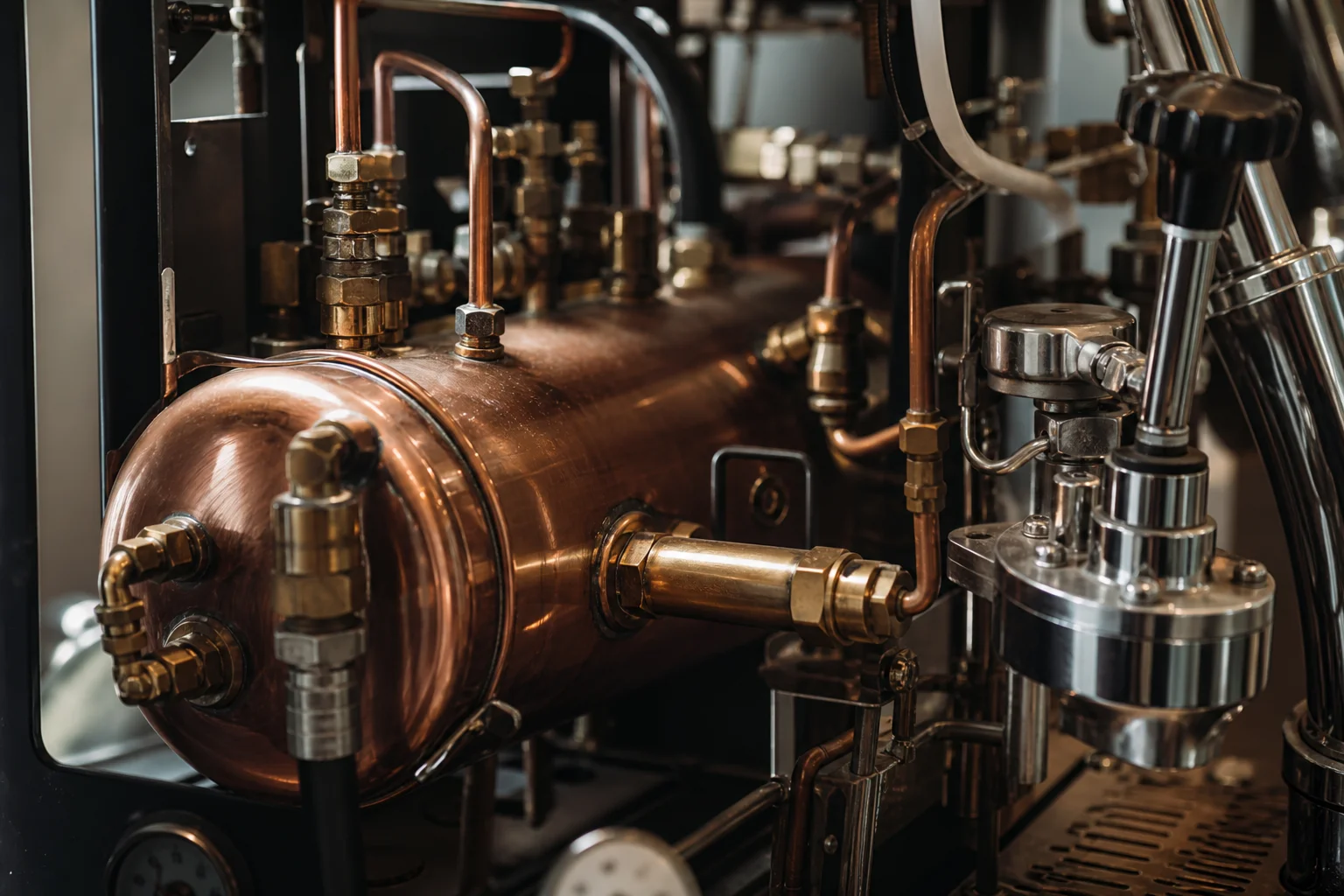
If absolute consistency is your priority, a dual-boiler machine with a PID controller will give you a dedicated brew boiler and eliminate the interaction between steam and espresso extraction. However, dual-boiler machines cost roughly twice as much. Heat-exchange machines require slightly more attention to technique and grinder adjustment, but they still produce excellent coffee when paired with a quality grinder and good workflow habits.
Budget and Value Considerations
Price is a major factor when choosing between these three machines. The Wega Polaris sits at over $10,000, the Sanremo Zoe is just over $8,000, and the Rocket Boxer is $7,600 for a two-group model. Before committing to the most expensive option, consider where your money will have the greatest impact.
A quality grinder will do more for your coffee than the espresso machine itself. Spending $3,000 on a grinder like the Anfim range and $7,600 on the Rocket Boxer is a smarter allocation than stretching to a $10,000 machine with a budget grinder. An auto-tamp and proper technique matter far more than incremental machine upgrades when you are starting out.
Build Quality and Durability
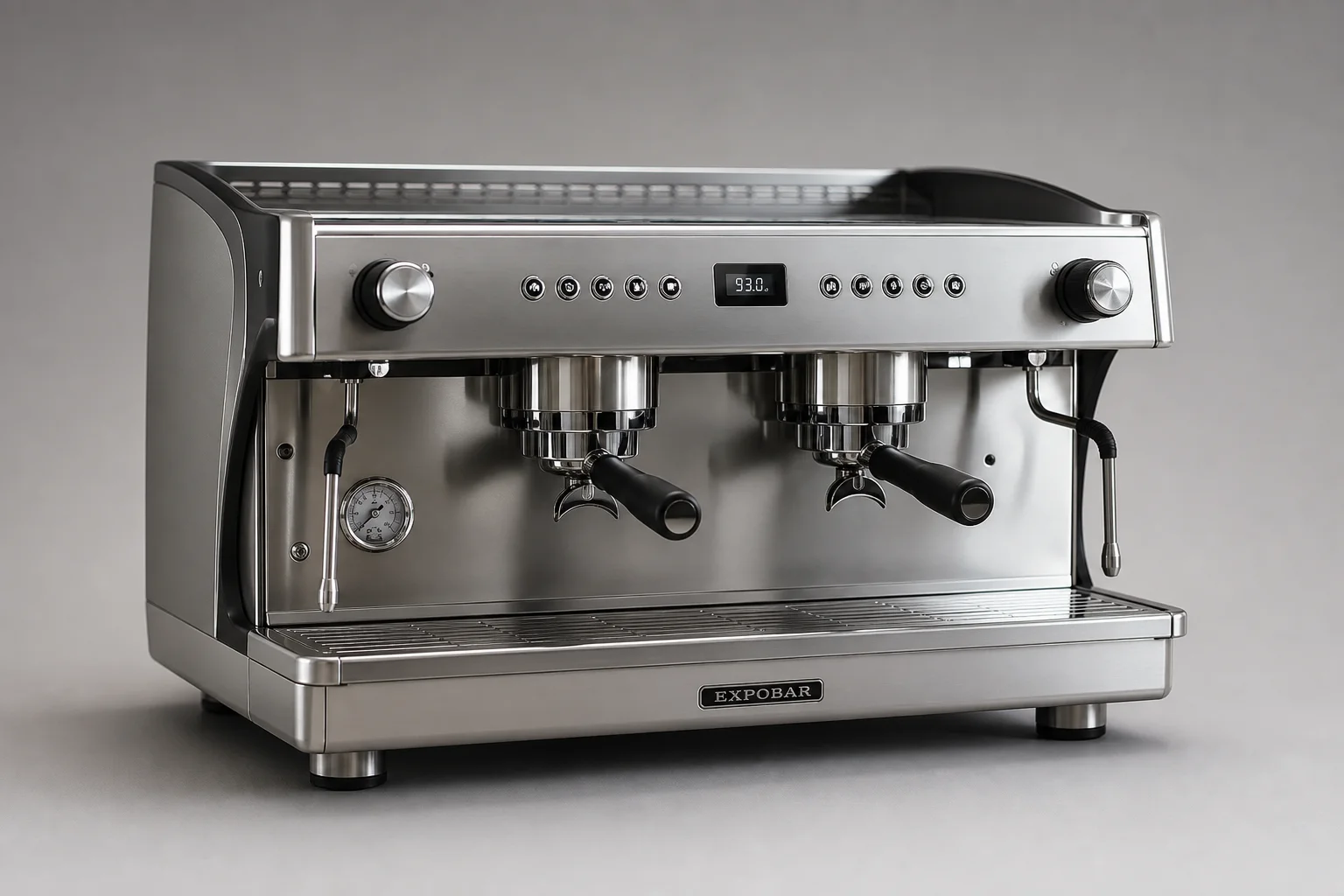
When spending your budget on a machine that will run daily for years, build quality is not a luxury. Some machines in this price range feel plasticky, with cheap handles, flimsy rails, or components that rust quickly. The Rocket Boxer, by contrast, features a cast-alloy frame, full stainless-steel panels, and well-finished internals that feel solid and durable.
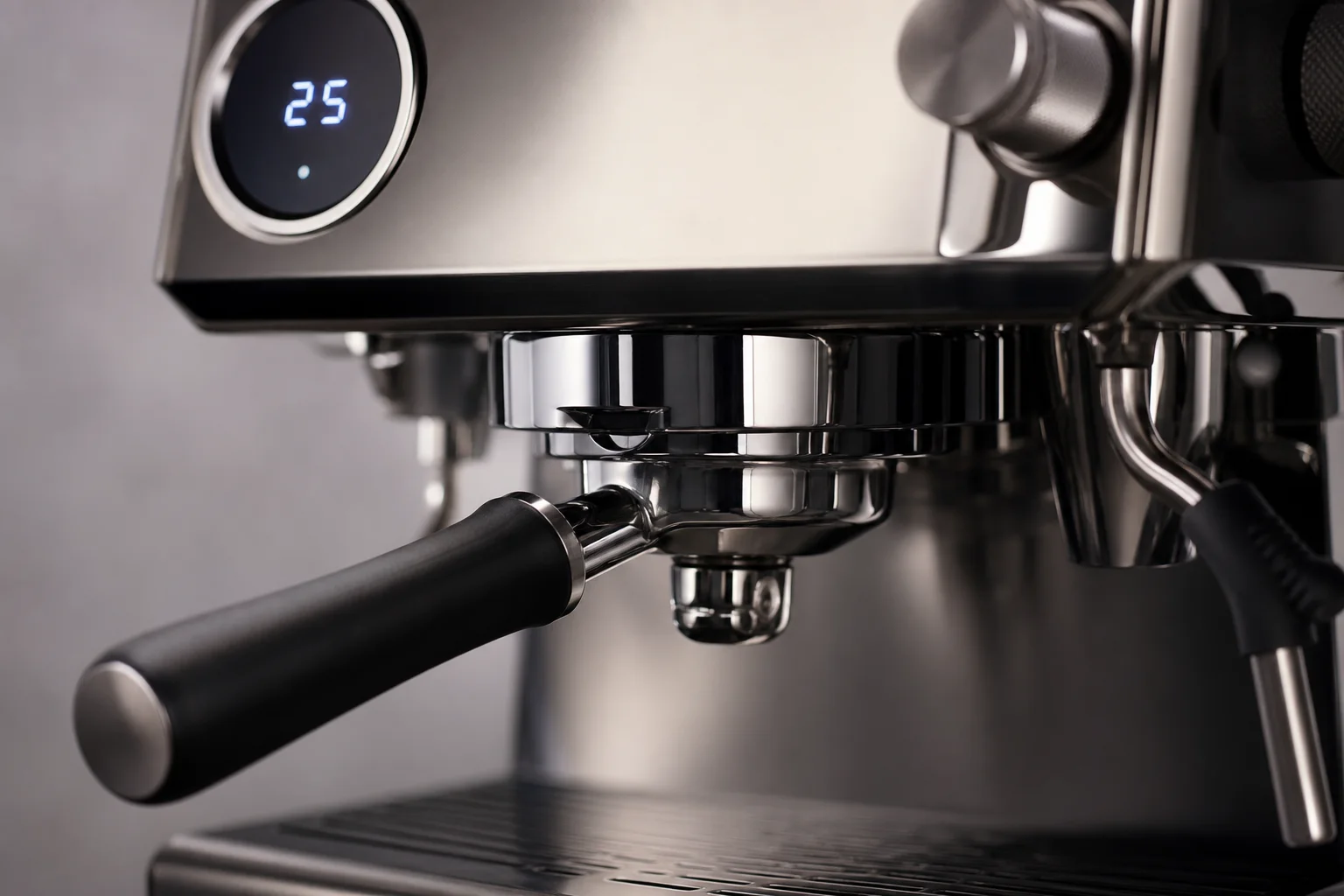
The details matter: the drip tray clips together firmly, the buttons feel nice to press, and the overall construction suggests a machine built to last. This sense of quality is often surprising in a budget machine and makes a real difference in how satisfied you feel with your purchase long-term. The Sanremo Zoe and Wega Polaris are also well-built, but the Rocket Boxer punches above its price point in terms of tactile quality.
Essential Features to Look For
Beyond the basics, several features separate a good budget machine from a mediocre one. Shot timers are essential; without them, you will be manually pulling shots, which slows your workflow and makes it harder to maintain consistency. All three machines have automatic backflush cycles, which is important for keeping the group clean without constant manual clicking.
A tempering water valve is a rare feature that the Rocket Boxer includes. This valve mixes cold and hot water at the hot-water tap, allowing you to serve long blacks without scalding yourself or the coffee. It is a small touch that shows thoughtful design.
Cool-touch steam wands are valuable if you are training amateur baristas or working with staff unfamiliar with espresso machines. Burn injuries are less likely with this feature.
All three machines are volumetric, meaning you program buttons to dispense a set volume of espresso. This removes the need to manually pull shots and keeps your workflow fast. Most machines come with 18-gram baskets, but upgrading to 21-gram baskets and custom handles is a worthwhile investment for consistency and feel.
Aesthetics and Footprint
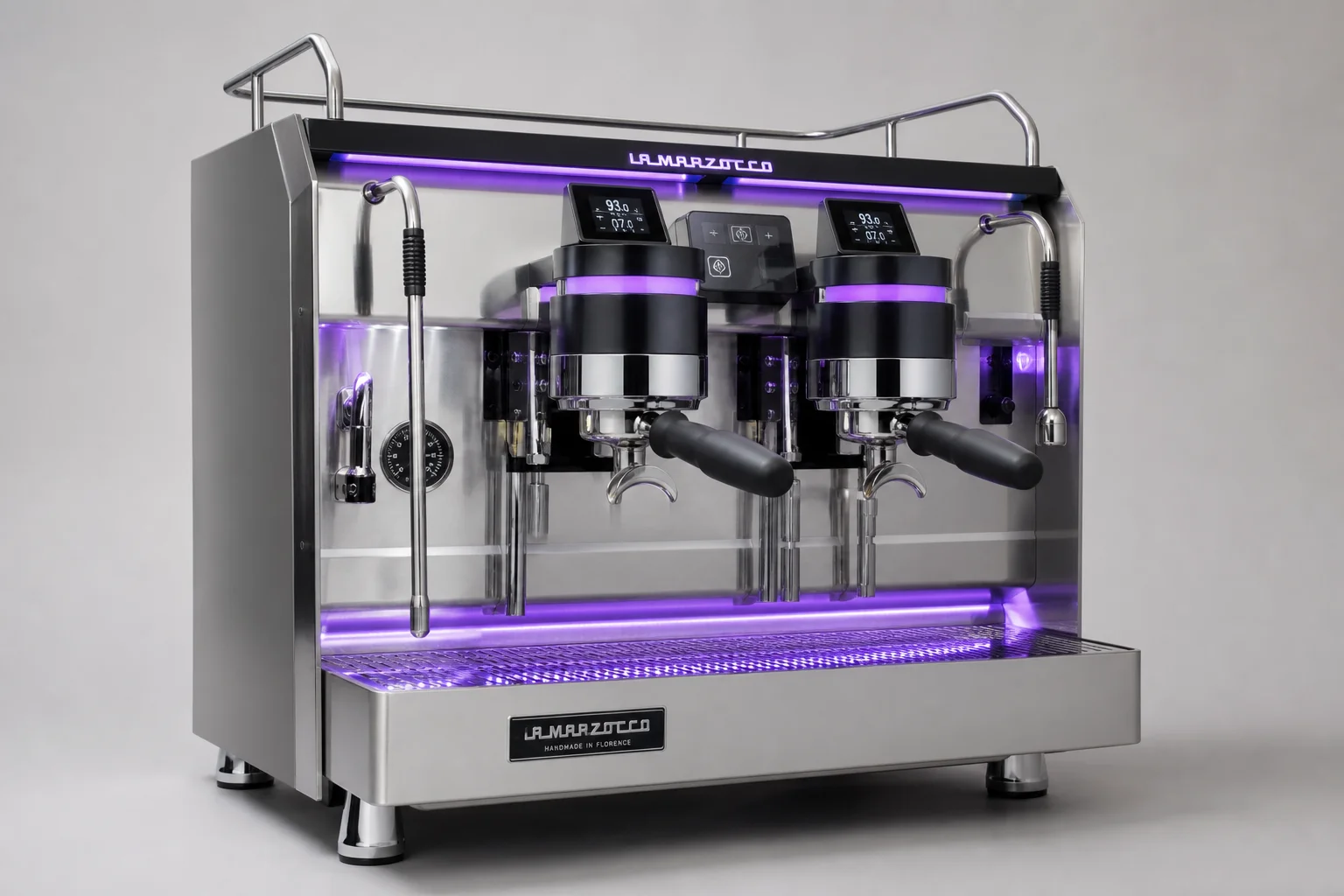
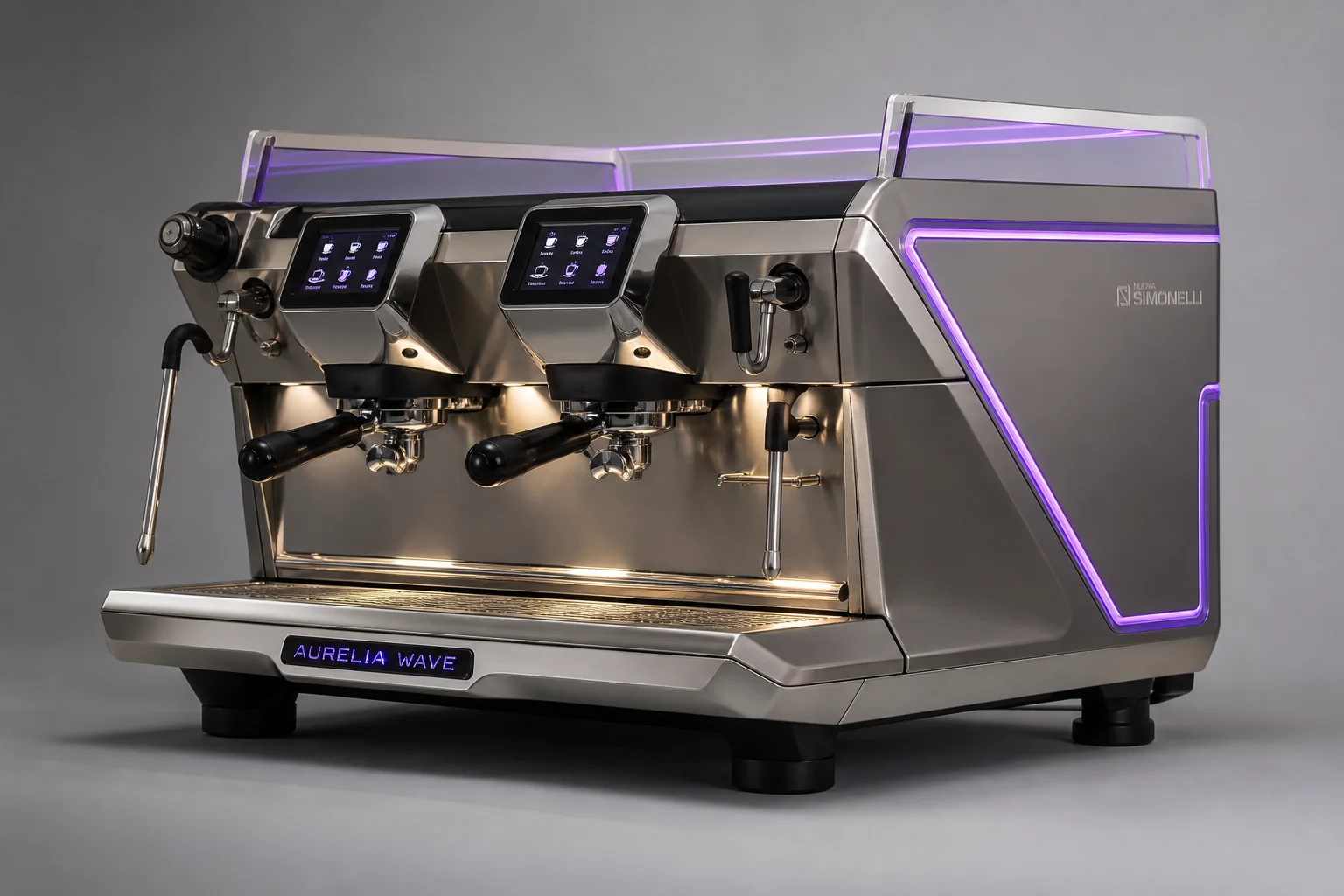
The Sanremo Zoe is a tall machine with impressive group heads and neon accent lighting that draws attention. The Wega Polaris features prominent barista lights and a striking presence on the bench. The Rocket Boxer is more understated but still beautiful, available in white, black, or stainless steel to match your cafe aesthetic.
All three machines fit comfortably on a standard cafe bench. The Rocket Boxer has a lower profile, which is useful if you want customers to see over the machine or if you have limited vertical space. The footprint is comparable to a La Marzocco Classic, so space is rarely a limiting factor with two-group machines.
Serviceability and Long-Term Support
Machines break down, and when they do, you need quick access to parts and a technician who knows the equipment. Avoid choosing a machine purely because it looks unique or cool; if no one in your area services it, you will struggle to get repairs done and reselling it later will be difficult.
The Rocket Boxer has accessible flow meters under the drip tray and uses steam taps and wands similar to top-tier brands, making parts easy to source and replace. It does not have isolator switches, so you will need to power it down for service, but the overall design is technician-friendly. The Sanremo and Wega machines are also well-supported and widely serviced.
Conclusion
For a small cafe, coffee trailer, or office space adding coffee service, the Rocket Boxer offers the best value in this segment. Its 13.2-litre boiler, solid build quality, tempering water valve, and accessible internals make it a machine you can rely on for years. The Sanremo Zoe and Wega Polaris are also capable machines, but they cost more without delivering proportionally better results for low-volume operations.
Prioritise spending on a quality grinder first, then choose a reliable two-group machine that fits your power budget and cafe aesthetic. With good technique and proper maintenance, any of these three machines will serve your customers excellent coffee and help your business grow.
Further reading
Related Reviews
Coffee Equipment
9Barista Espresso Machine Review: Stovetop Espresso for Single-Cup Enthusiasts
A cleverly engineered stovetop espresso maker that generates nine bars of pressure without electricity. Excellent coffee quality, but requires patience and suits solo drinkers only.
Coffee Equipment
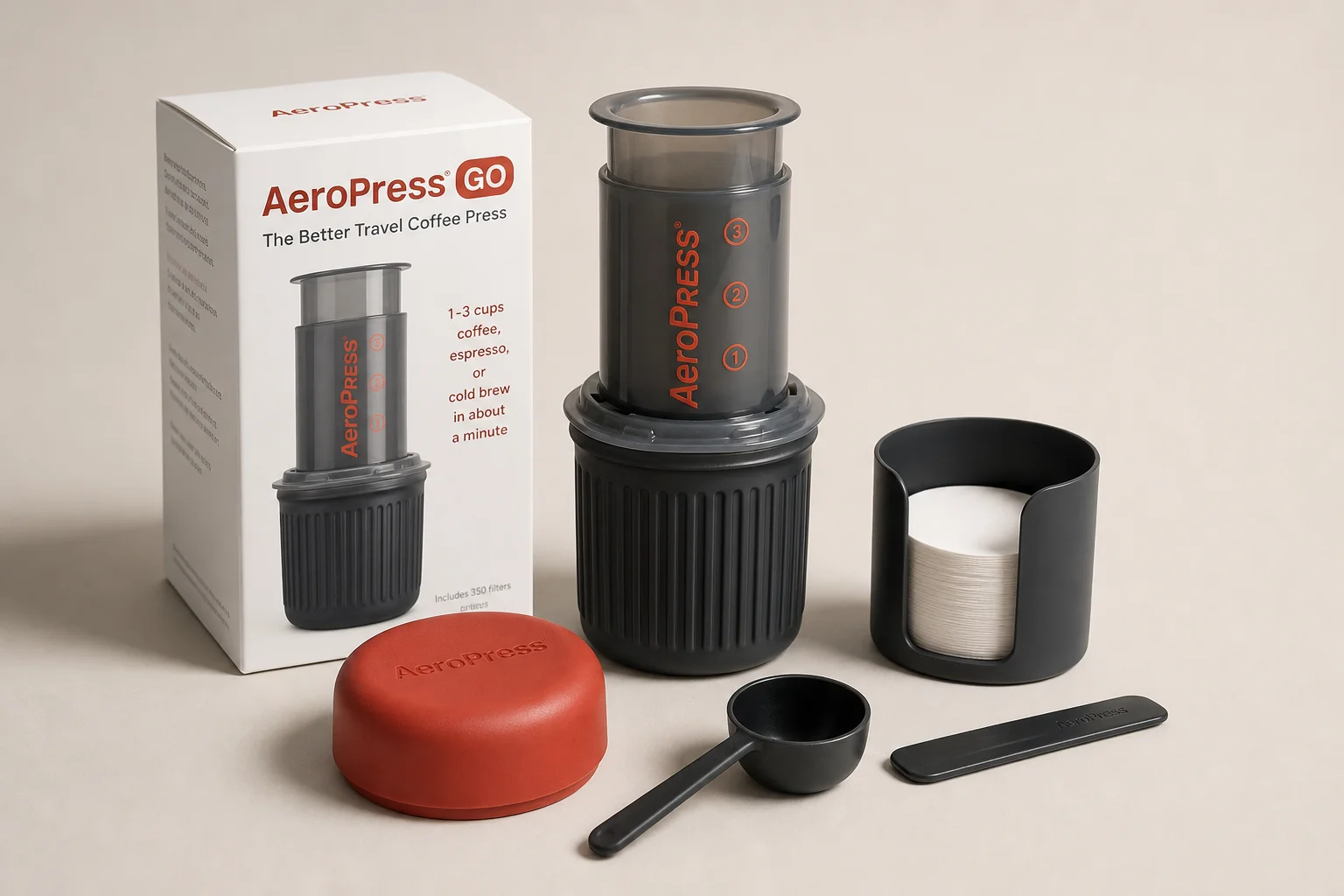
Aeropress Go Review: A Compact Travel Brewer That Solves One Specific Problem
The Aeropress Go shrinks the original design and adds an integrated cup, but it may not address the travel challenges most coffee enthusiasts actually face.
Coffee Equipment
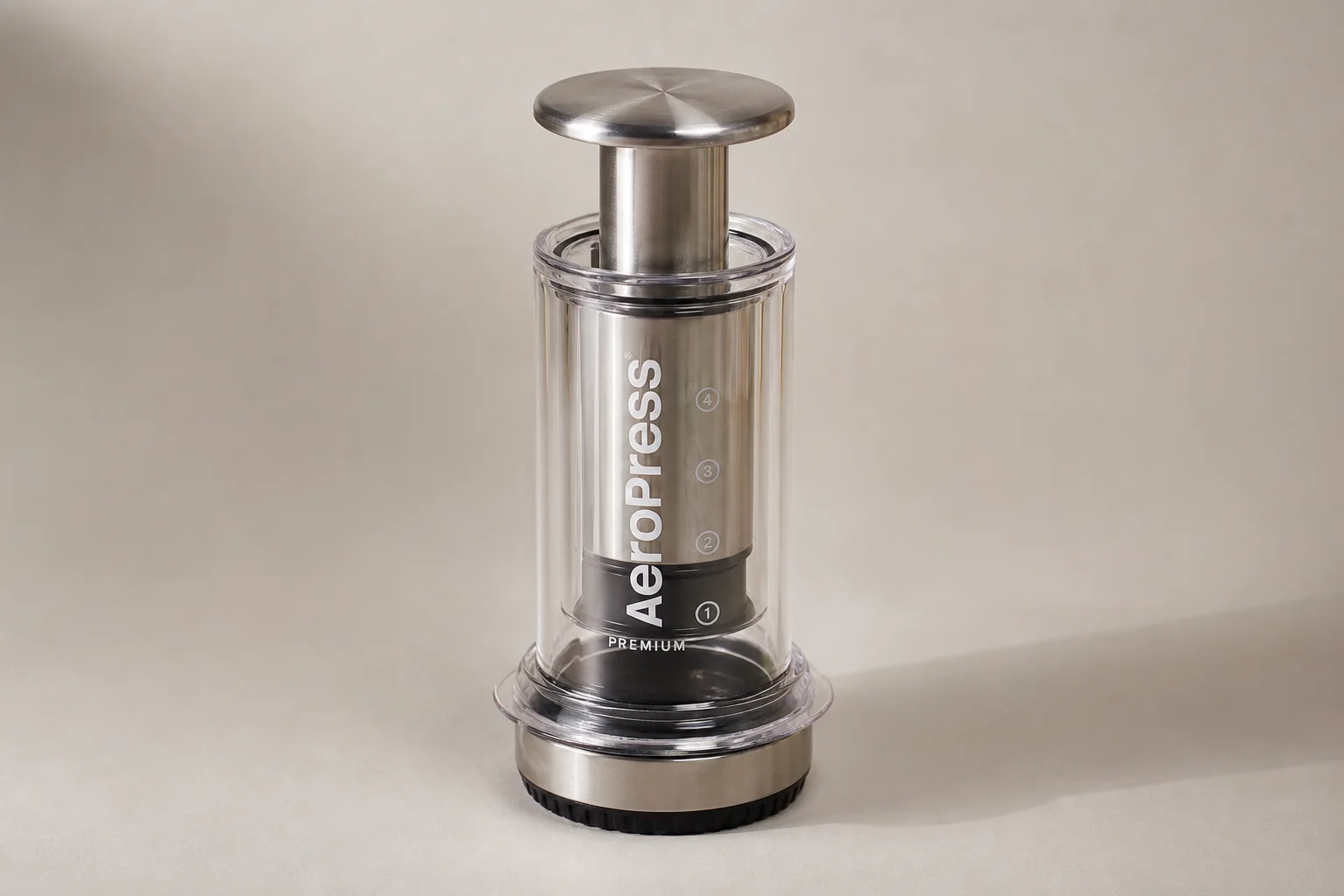
AeroPress Premium Review: Premium Materials, Practical Trade-offs
The AeroPress Premium brings glass and metal construction to a beloved brewer, but trades portability and durability for a more refined feel. Here's what changes in the cup and what matters before you buy.