Coffee Equipment
Espresso Distribution Techniques Tested: Do You Really Need a Special Tool?
A scientific comparison of popular coffee distribution methods reveals that consistency matters more than which technique you choose.
Introduction
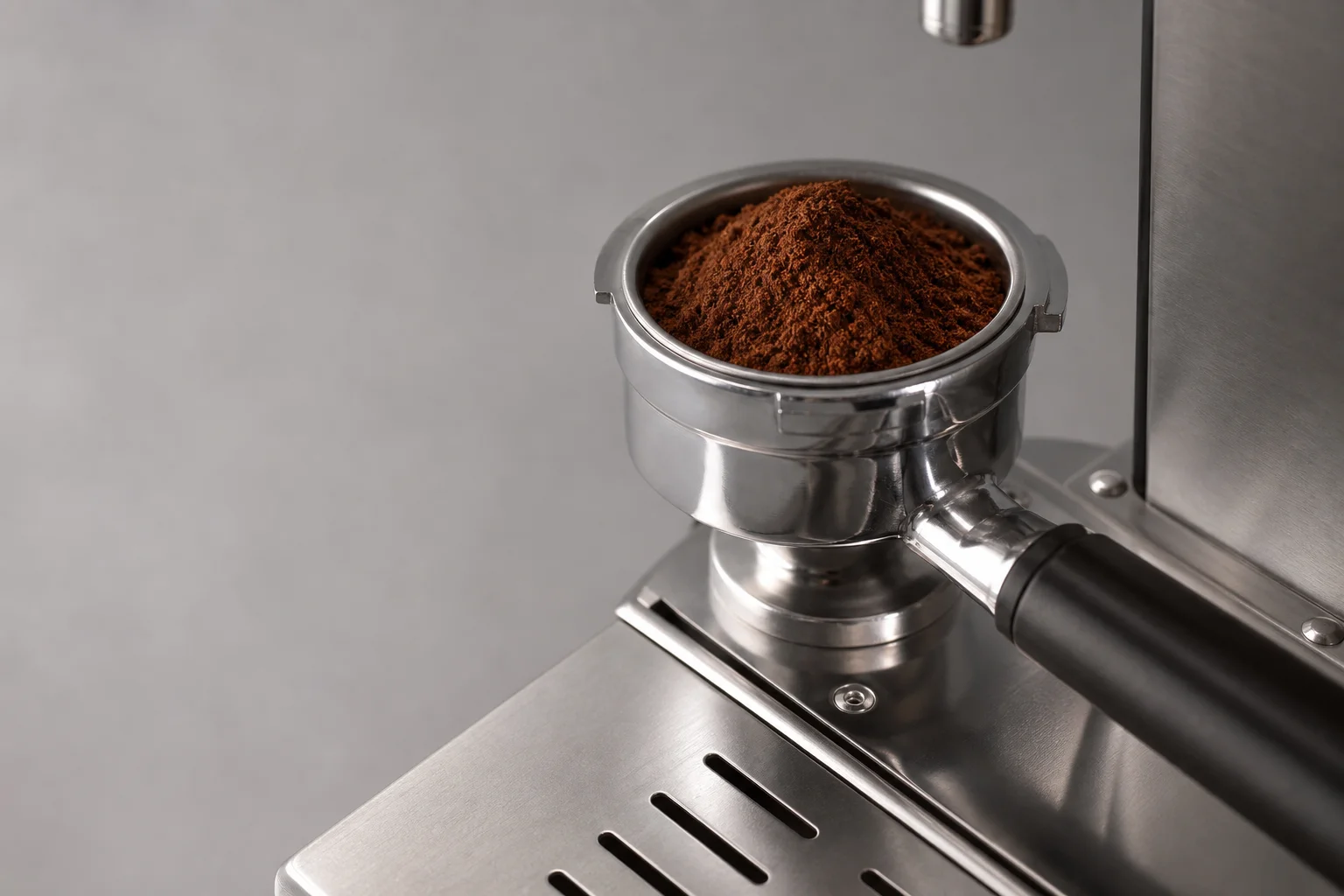
When people first start making espresso, they grind, tamp, and move on without realizing there is a deeper technical world waiting to be discovered. Then one day they see someone performing what looks like a deliberate ritual on the coffee grounds and wonder if that is what they have been missing. That ritual is called distribution, and it has become a point of obsession in specialty coffee culture. But does it actually matter, or is it just another rabbit hole?
Understanding Distribution
Distribution is the process of preparing ground coffee before tamping. The theory is straightforward: if coffee is not evenly distributed throughout the basket, water will find the path of least resistance through the less dense areas, causing uneven extraction. By ensuring the grounds are evenly distributed, you force water to work more uniformly through the entire coffee bed.
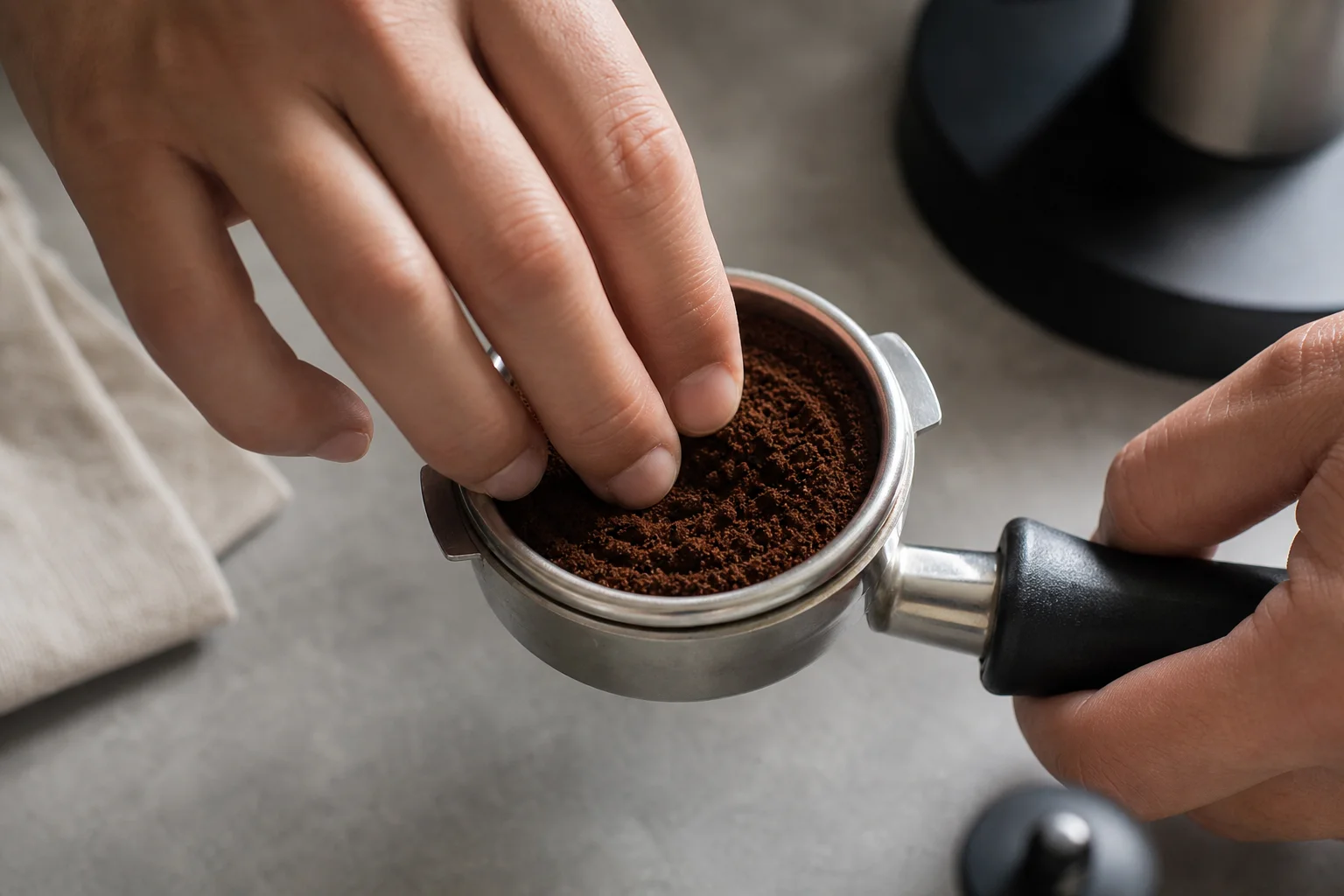
There are numerous tools and techniques available to baristas for distributing coffee. The most popular methods include vertical collapse (tapping the grinder handle or bench edge), palm tapping the side of the basket, the Stockfleth technique (moving grounds in a circular motion with your fingers), and specialized distribution tools. But which method actually produces the best results?
Testing Distribution Methods
To answer this question, a controlled test was designed to measure the impact of different distribution techniques on espresso extraction. The methods tested were:
- Vertical collapse (tapping downward)
- Palm tap (short version)
- Palm tap (longer version)
- Stockfleth technique
- OCD distribution tool
- No distribution (control)
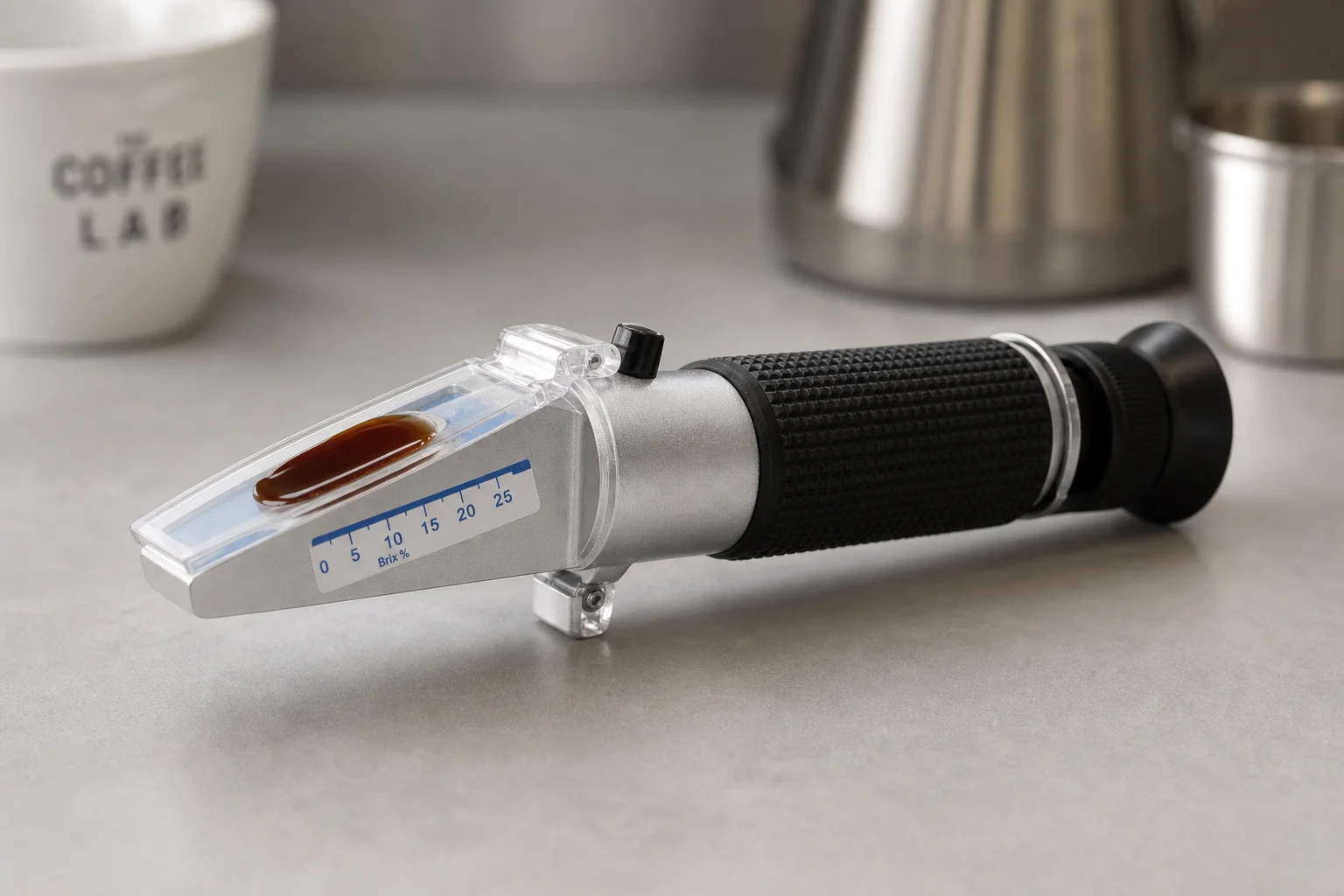
The measurements focused on extraction time and total dissolved solids (TDS), which indicates the overall strength of the espresso. A refractometer was used to measure TDS in liquid samples from each shot.
Measuring Extraction and Consistency
The results revealed that extraction time was remarkably similar across most methods. The simple palm tap and Stockfleth technique showed slightly more consistency than the OCD tool or undistributed method, but the differences were minimal.
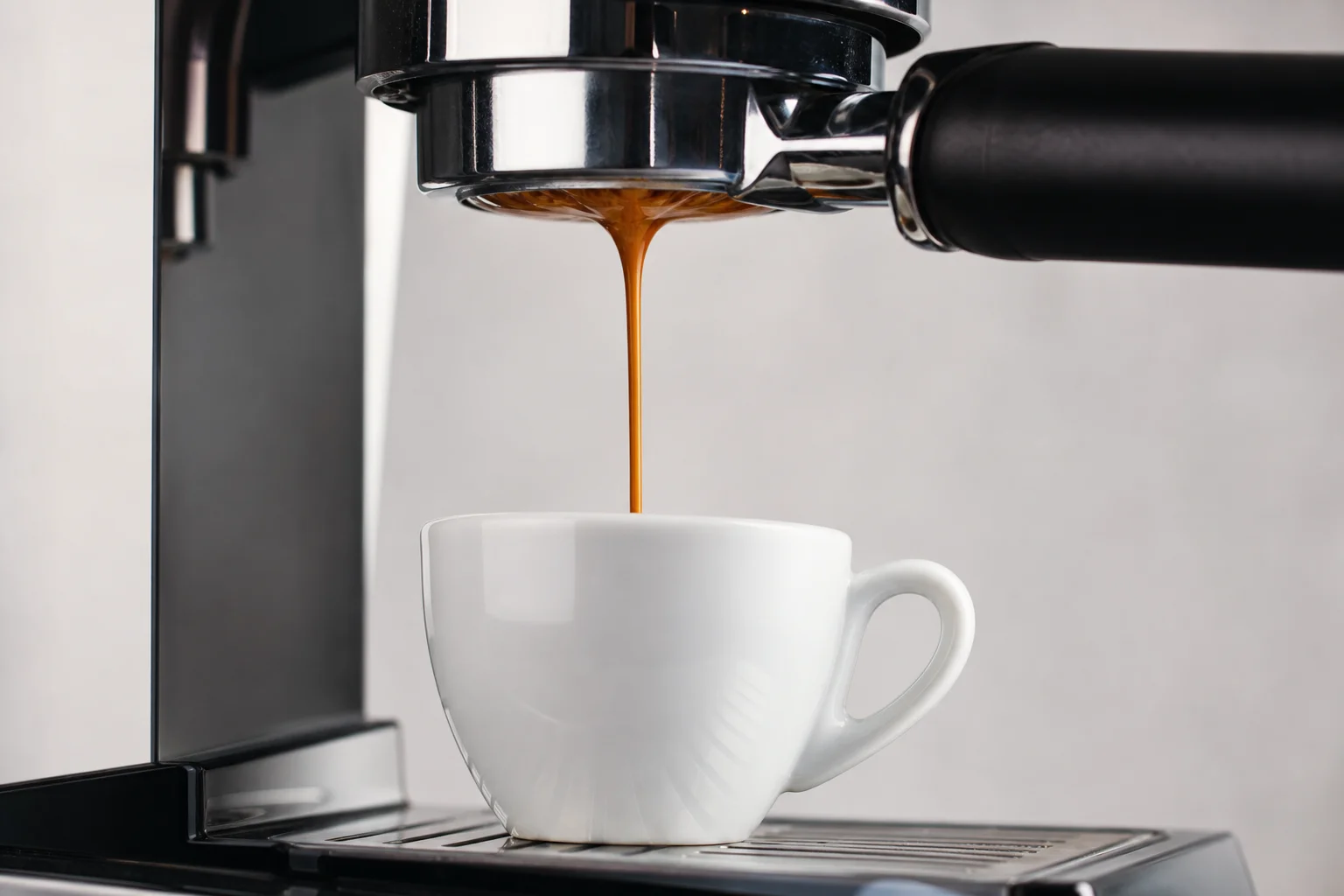
However, the vertical collapse and longer palm tapping techniques took noticeably longer to extract. This suggests that aggressive downward force moves finer particles lower in the basket, restricting water flow. Interestingly, despite the longer extraction time, these methods actually produced slightly weaker shots (lower TDS) than the undistributed control. This counterintuitive result indicates that restricted flow limited overall extraction rather than enhancing it.
The OCD distribution tool also showed slightly lower TDS than undistributed grounds, which aligns with previous research from other coffee laboratories. While lower TDS might seem negative, it does not necessarily mean worse flavor, since not all extracted compounds contribute positively to taste.
Consistency Over Perfection
The most significant finding was about consistency. While average extraction between distributed and undistributed grounds was similar, the undistributed method showed much greater shot-to-shot variation. This alone makes using some form of distribution worthwhile, even if the specific technique matters less than previously thought.
It is also worth noting that these tests used a high-end commercial espresso grinder, which produces more uniform grounds than smaller domestic grinders. This may have allowed undistributed grounds to perform better than they would with a less consistent grinder.
The Recommended Workflow
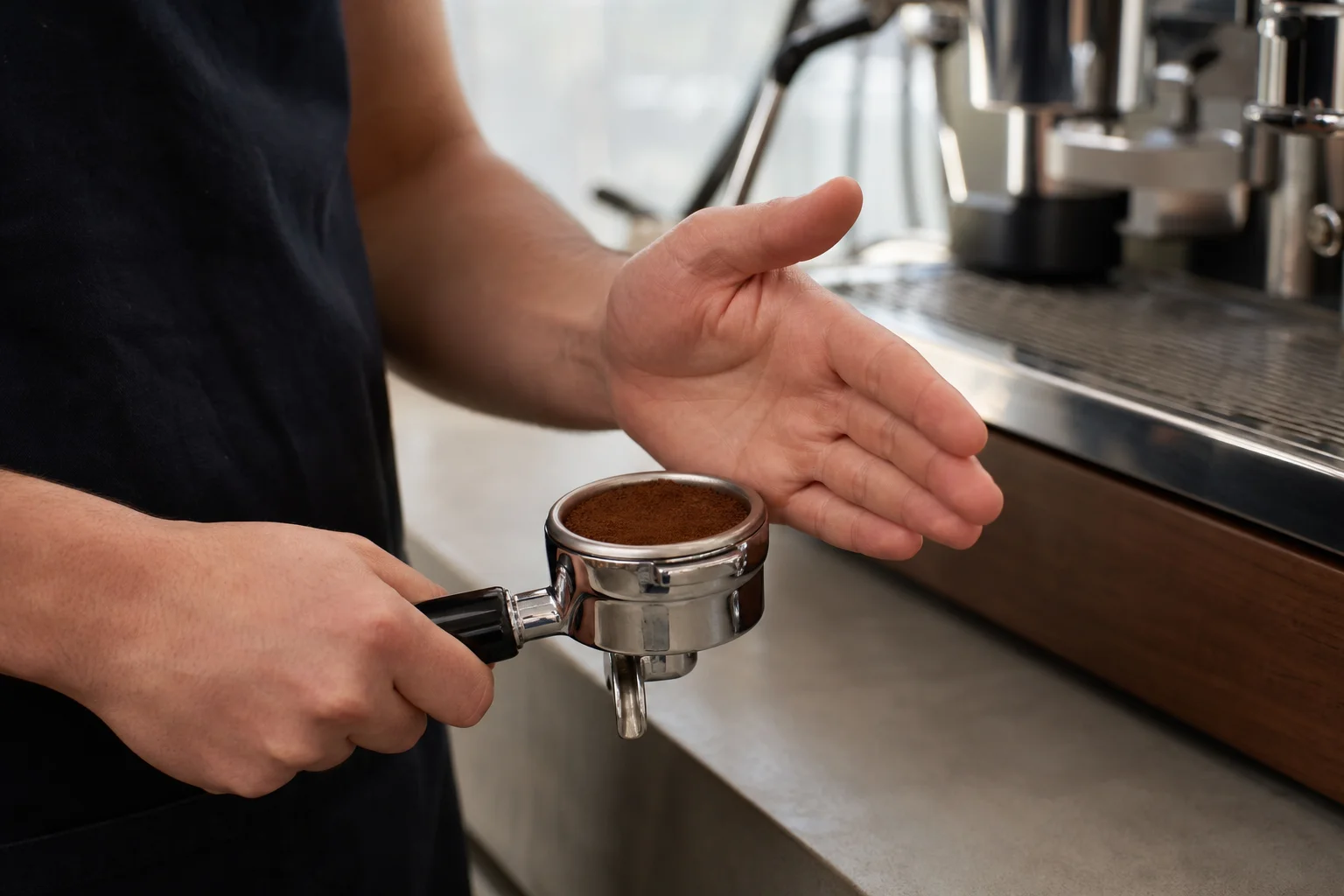
Rather than obsessing over the “perfect” distribution method, the key is choosing a simple technique and using it consistently. The recommended approach is:
- Grind coffee directly into the basket, settling it slightly before removing the grinder handle to minimize mess.
- Weigh your dose to ensure the correct amount of coffee for your recipe.
- Use the simplest distribution method: gently strike the side of the basket with the heel of your palm to settle and level the grounds.
- Tamp firmly and evenly, compressing the grounds and removing air pockets.
- Wipe and swipe the basket rim and lugs clean to ensure a good seal.
- Lock the portafilter into the group head and extract.
The palm tap method is recommended because it is quick, costs nothing, and minimizes unnecessary contact with the coffee.
Conclusion
Distribution techniques do not make as dramatic a difference as specialty coffee culture often suggests. The specific method matters far less than using one consistently. For those starting from scratch, the simple palm tap technique offers the best balance of effectiveness, speed, and hygiene. The real takeaway is that consistency in your workflow produces more reliable results than chasing the perfect distribution tool.
Product link
View more details for OCD Distribution Tool
This product is mentioned in the review. Check the specifications, options, and compatibility before buying.
View more details for OCD Distribution ToolFurther reading
Related Reviews
Coffee Equipment
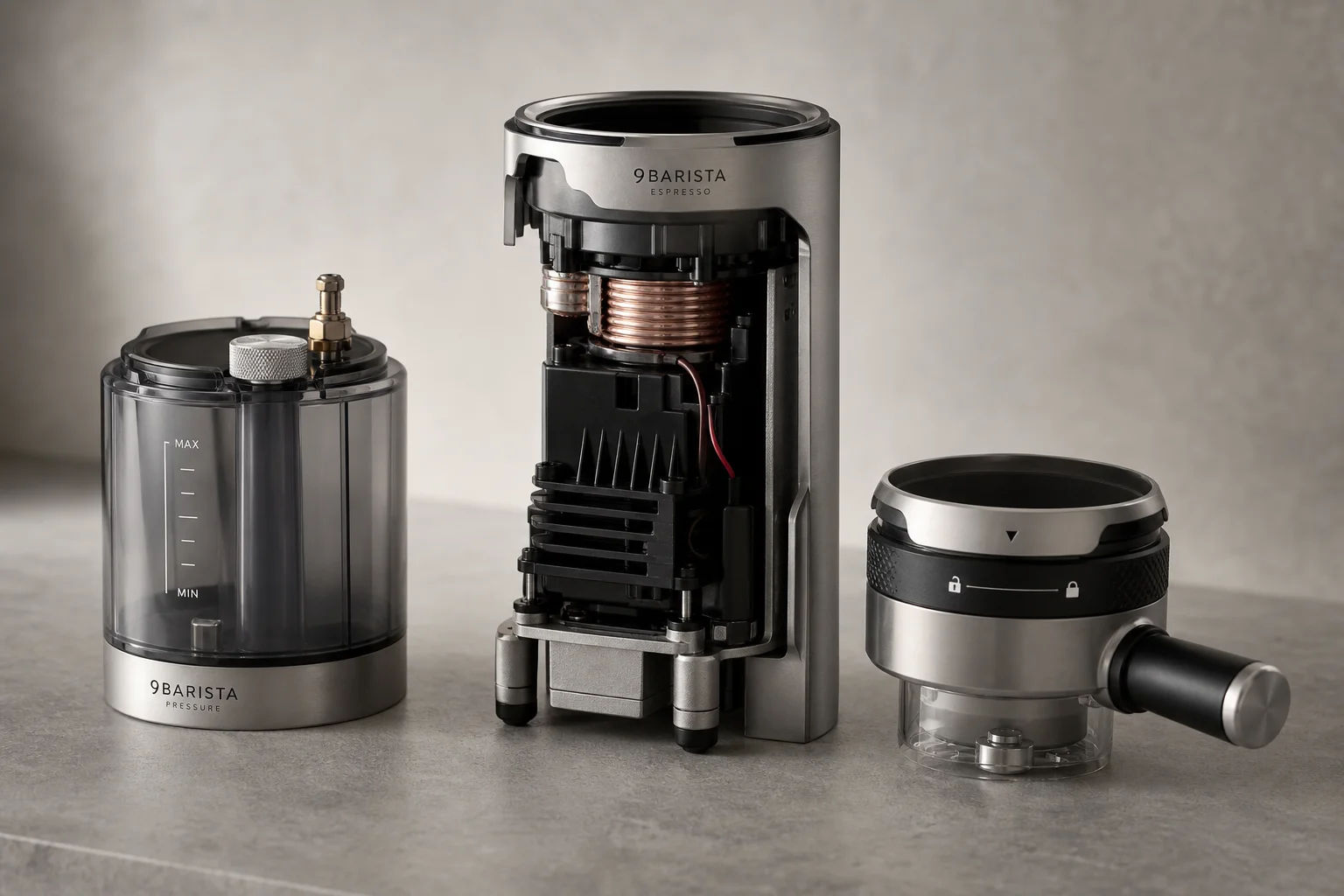
9Barista Espresso Machine Review: Stovetop Espresso for Single-Cup Enthusiasts
A cleverly engineered stovetop espresso maker that generates nine bars of pressure without electricity. Excellent coffee quality, but requires patience and suits solo drinkers only.
Coffee Equipment
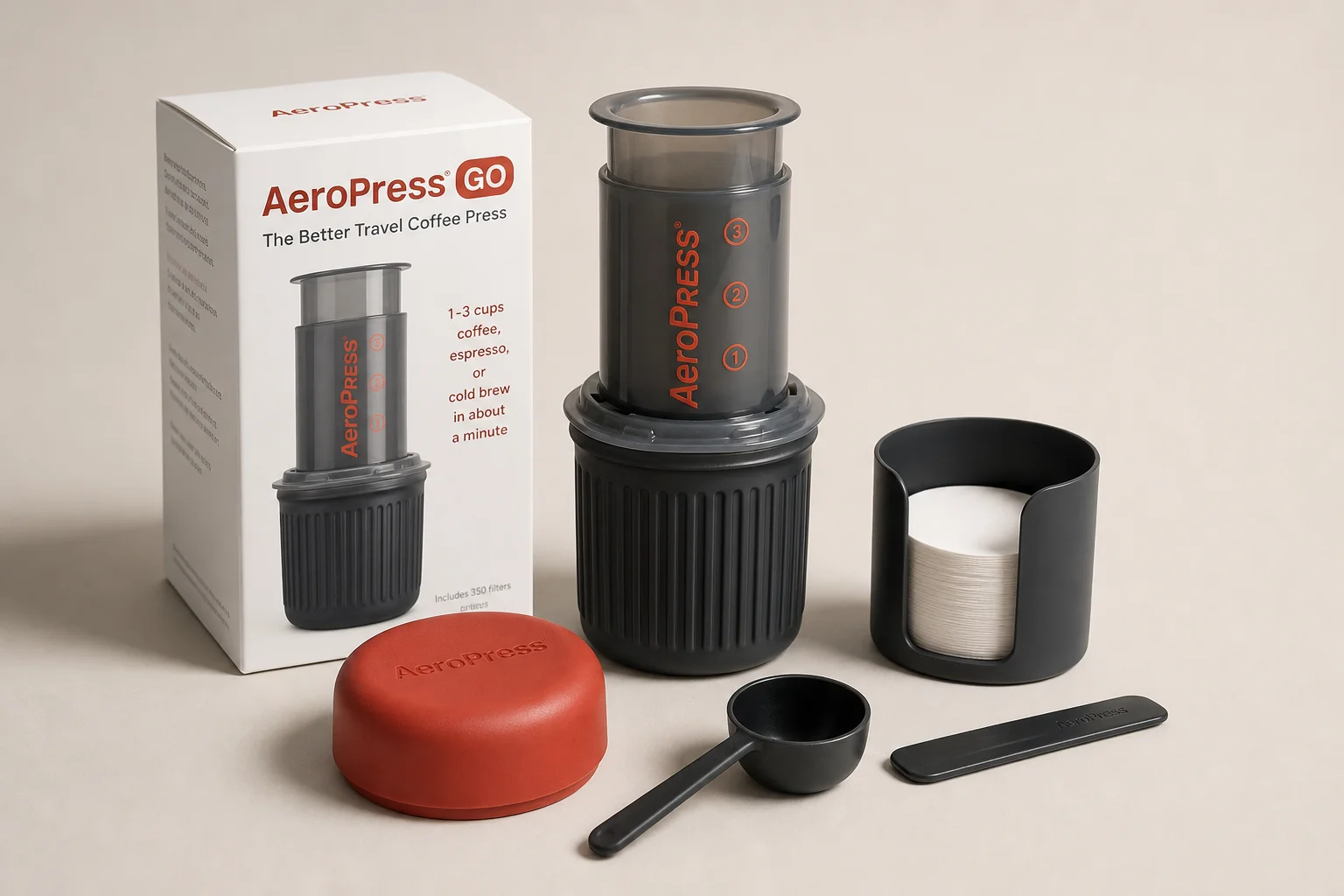
Aeropress Go Review: A Compact Travel Brewer That Solves One Specific Problem
The Aeropress Go shrinks the original design and adds an integrated cup, but it may not address the travel challenges most coffee enthusiasts actually face.
Coffee Equipment
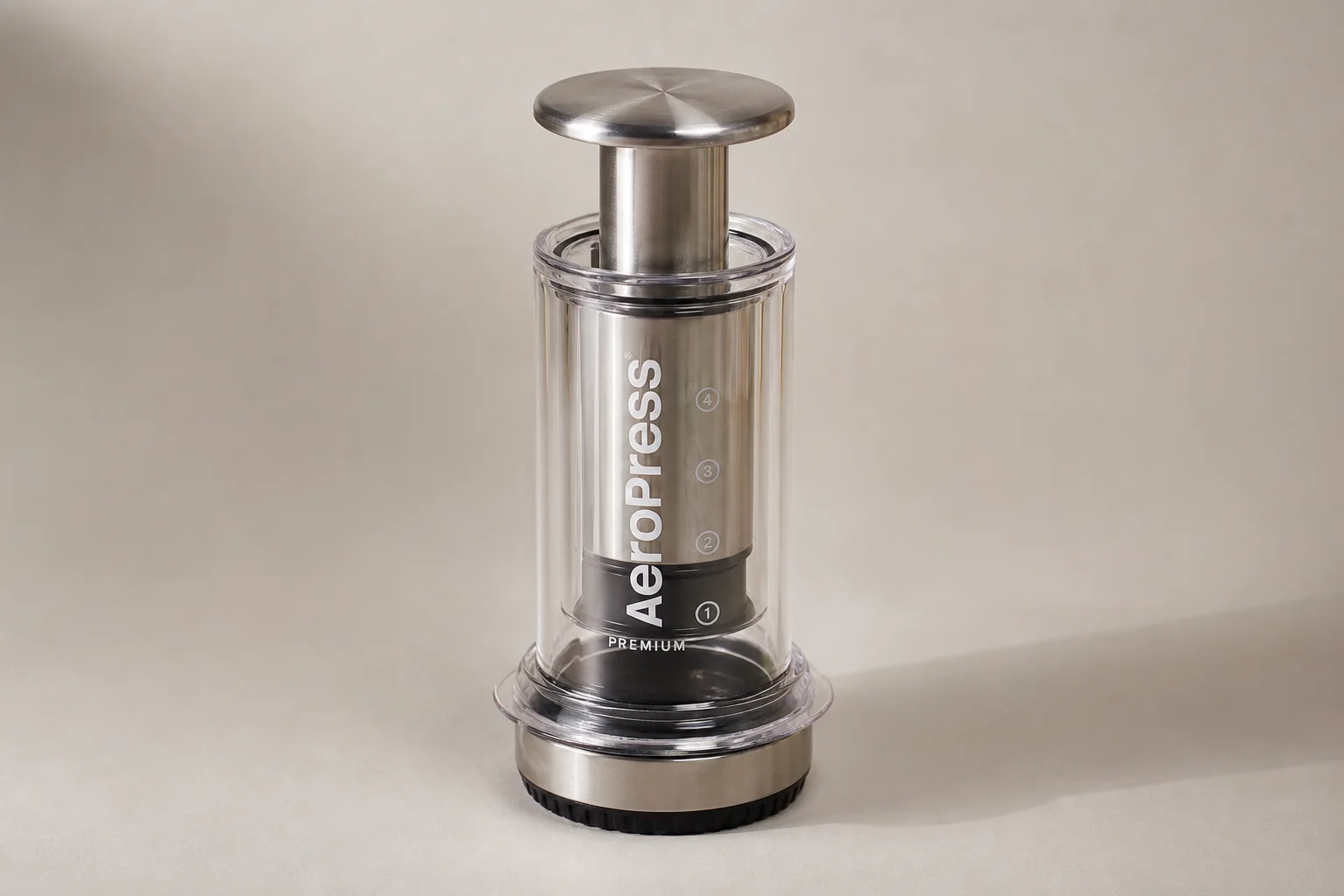
AeroPress Premium Review: Premium Materials, Practical Trade-offs
The AeroPress Premium brings glass and metal construction to a beloved brewer, but trades portability and durability for a more refined feel. Here's what changes in the cup and what matters before you buy.