Coffee Equipment
Espresso Extraction Guide for Beginners: Master the Fundamentals
Learn the essential techniques for pulling great espresso at home, from grinder selection to extraction recipes and machine maintenance.
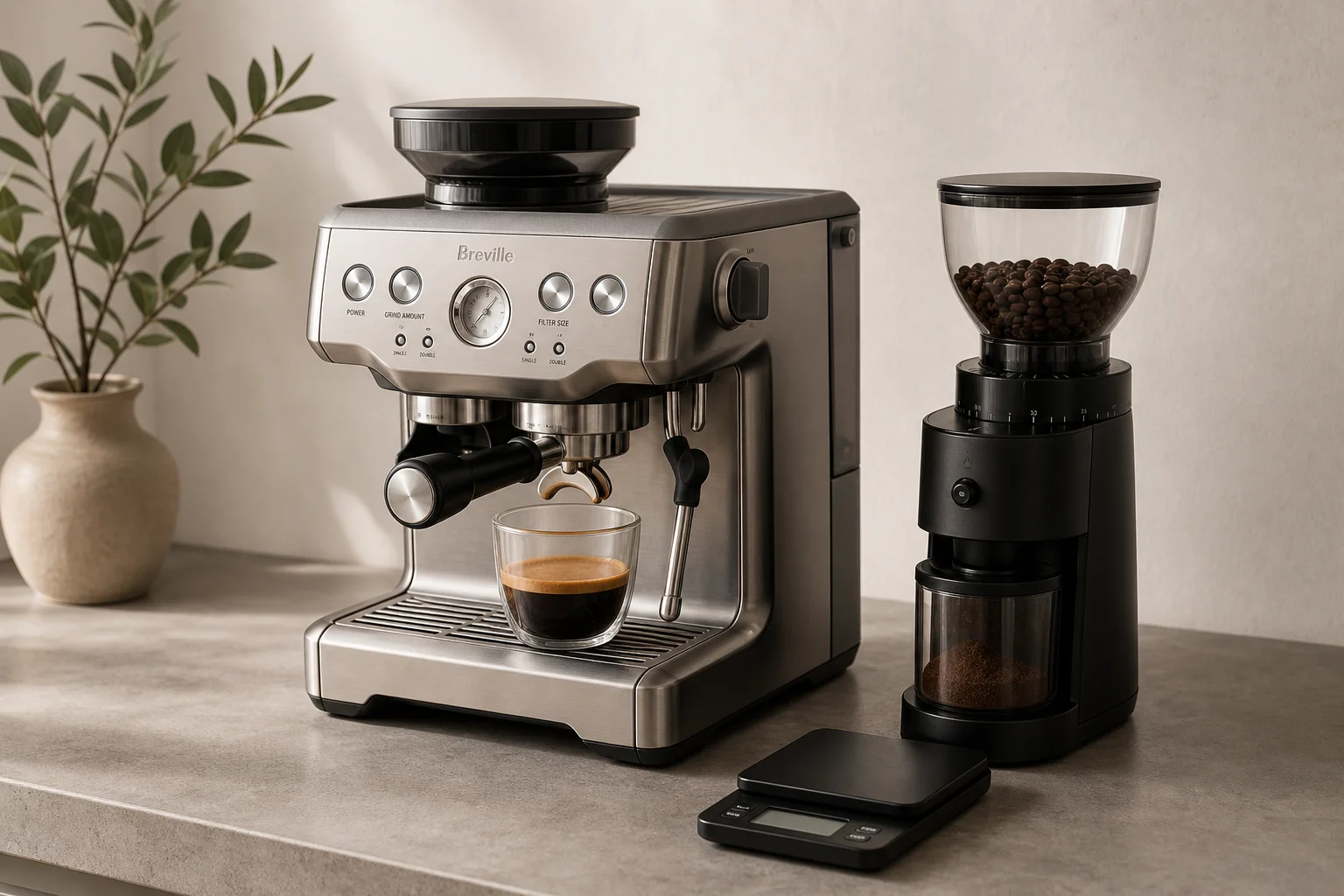
Introduction
Espresso is the foundation of nearly every specialty coffee drink, whether you are crafting a milk-based cappuccino or enjoying a black coffee. For beginners, the process can feel overwhelming, but understanding a few key principles will transform your home espresso experience from frustrating to rewarding. This guide covers the essential fundamentals: grinder selection, extraction recipes, common myths, and machine maintenance. Master these basics and you will be pulling cafe-quality shots at home.
The Foundation: Grinder Selection
The grinder is where espresso excellence begins. Pre-ground coffee from supermarkets is not suitable for espresso because the grounds lose freshness and flavour rapidly. You need a burr grinder that allows you to adjust grind size to match your beans, roast level, environmental humidity, and machine specifications.
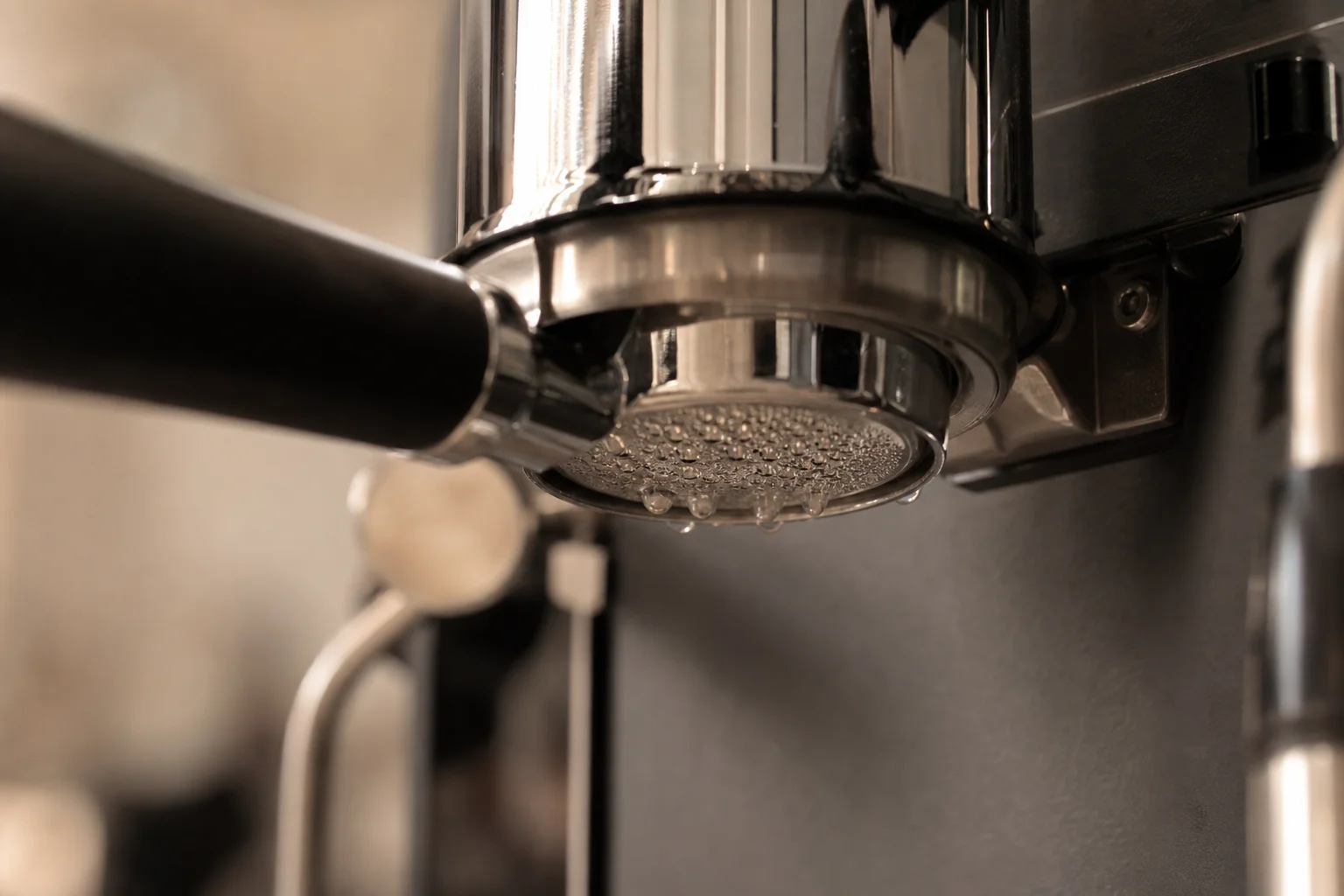
When water passes through your coffee bed, grind size determines extraction. Too coarse and water rushes through, leaving sour, under-extracted coffee. Too fine and water barely flows, risking bitter, over-extracted results. The ability to dial in the right grind is non-negotiable.
Flat Burr Versus Conical Burrs
Conical burrs grind quickly with lower motor power, delivering coffee faster. They tend to produce bolder, slightly more bitter flavours. Flat burr grinders spin faster, requiring more powerful motors, and deliver brighter, more floral and acidic notes with greater clarity. The trade-off: flat burrs generate more friction and heat, and may cause slight clumping. High-end flat burr grinders like the Fiorenzato AllGround Sense address this with larger burrs and premium coatings such as carbon or titanium, reducing friction while maintaining speed and minimising heat transfer to the grounds.
Hopper Versus Single Dose
A hopper grinder suits households where one person dials in a recipe while others are less particular. Single dose grinders work better if you regularly switch between different beans, roasts, or origins. Single dose grinders retain zero grounds after grinding, so every bean change starts fresh without residual flavours from the previous batch.
Time-Based Versus Weight-Based Delivery
Older grinders used time-based dosing: you set a duration (say, 10 seconds) and hoped the portafilter received the correct weight. Modern weight-based grinders like the Fiorenzato AllGround Sense deliver a precise dose by weight. You place the portafilter on the rest, and the grinder stops automatically when it reaches your target weight. This removes guesswork and ensures consistent dosing, which is critical for repeatable espresso.
Understanding Espresso Baskets and Recipes
Every espresso machine has a group head with a specific basket shape and depth. Understanding your basket is essential because it determines how water flows through the coffee bed and what dose you can achieve.
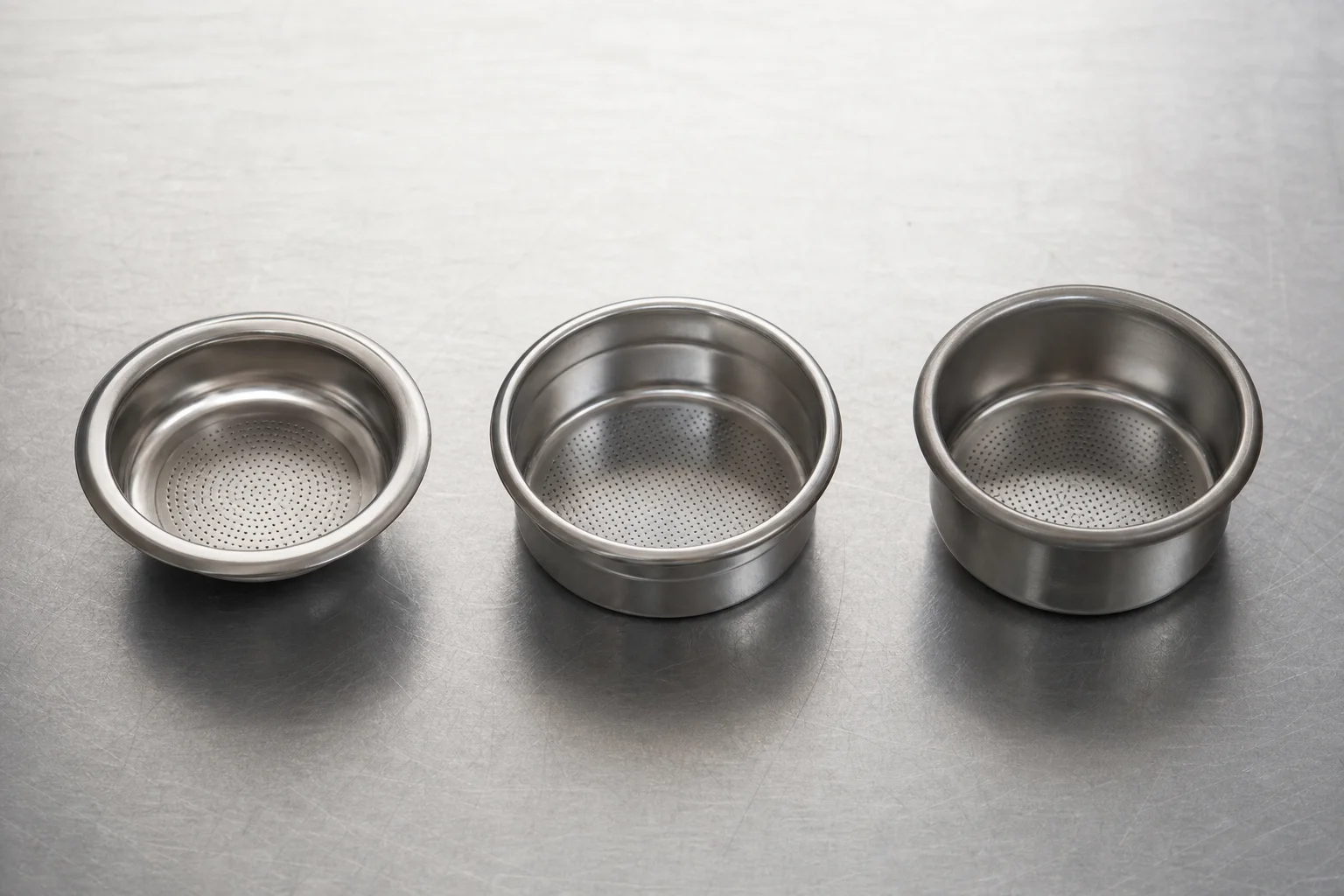
Traditional tapered Italian baskets for single shots hold 7-9 grams and narrow from 58mm at the top to 25mm at the bottom, creating uneven water distribution. Double baskets hold around 19.5 grams but still have a taper. Modern straight-wall baskets (18-19 grams) offer uniform water flow because the walls are parallel, allowing an extra gram or two of coffee and more consistent extraction. Deep straight-wall baskets (21-25 grams) work with deeper portafilters or naked portafilters, but check that your portafilter handle has a straight radius at the edge or the basket will not fit.
The Recipe: Dose, Yield, and Time
A repeatable espresso recipe has three components: dose (dry coffee weight), yield (liquid weight in the cup), and time (extraction duration).
Dose: Weigh your coffee every time. A 1-gram variance can shift extraction significantly. Use a small scale to measure the exact amount in your basket.
Yield and Ratio: The ratio compares dry coffee to liquid output. A 1:1 ratio (ristretto) uses equal weights: 20 grams of coffee yields 20 grams of liquid, creating an intense, sweet shot. A 1:2 ratio (normale) is more common: 20 grams of coffee yields 40 grams of liquid, offering balanced sweetness, acidity, and fruity notes. Experiment with both to find your preference.
Time: Aim for 30-32 seconds for a standard triple basket (22.5 grams dose to 45 grams yield). If extraction finishes in 10-15 seconds, grind finer to slow water flow and extract more flavour. Faster extractions are under-extracted and sour; slower ones risk bitterness.
Bean Consistency Matters
Stick with one bean for 3-4 months while dialling in your recipe. Switching beans weekly introduces too many variables: different roast dates, roast levels, and origins all require grind adjustments. Buy regularly to keep beans fresh (7-30 days post-roast is ideal). Too fresh and residual carbon dioxide creates an odd taste; past 30 days and floral and sweet notes fade, leaving only strong coffee flavour.
Dose, Yield, and Extraction Time
Once you have your basket and grind dialled in, consistency is everything. Do not change tamp pressure or dose to compensate for flow issues. Adjust only the grind. Tamp pressure should be firm and even every time, but not crushing. The goal is to create an even, level coffee bed that water can flow through uniformly.
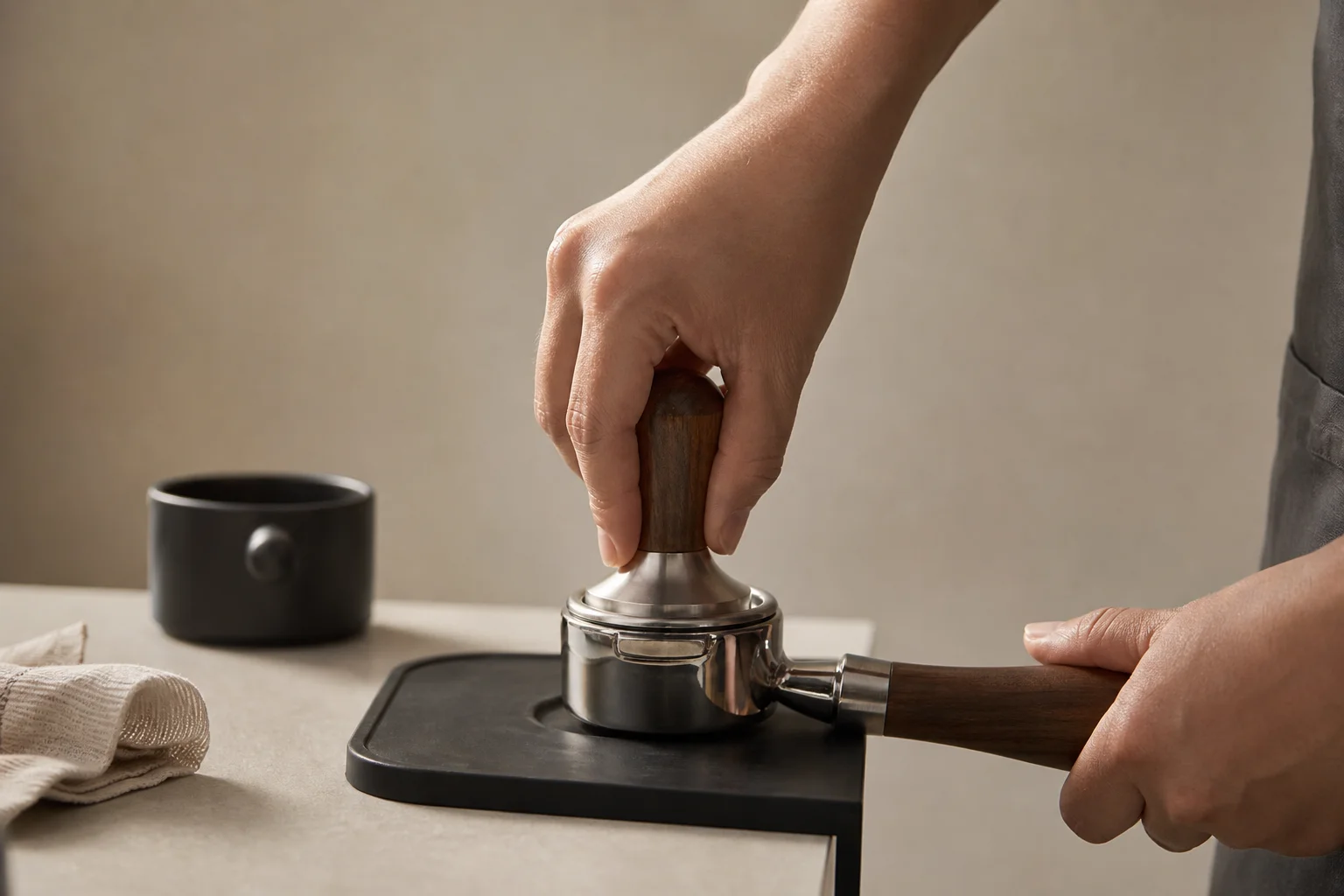
Document your recipe: dose, yield, time, and your tasting notes. Over time, you will build a personal flavour map and understand how grind adjustments affect your cup. You do not need to be a professional cupper; you simply need to know what you like and track what works.
Machine Maintenance and Cleanliness
Cleanliness is non-negotiable. Old coffee oils and residue taint every subsequent shot.
Daily cleaning: After each espresso, remove the basket and give it a scrub with a non-scratch scouring pad and espresso machine cleaner. Flush water through the group head to clear grounds from the shower screen. Use a blind basket (no holes) with water and backflush the group head and solenoid to purge excess coffee oils.
Weekly deep clean: Remove the shower screen (usually held by a centre screw or popped out with a screwdriver). You will see fine settlement or heavy buildup. Scrub it thoroughly. Inspect the group head for toffee-like tar buildup and clean it out. Your group brush should look shaggy like a toothbrush; if it does not, you are not cleaning enough.
Avoid soaking: Do not soak your portafilter handle in espresso machine cleaner. The chemical eats away at plastic or timber handles and damages the glue and threads holding the basket and spouts together. A few minutes of elbow grease with a brush is far better than risking permanent damage.
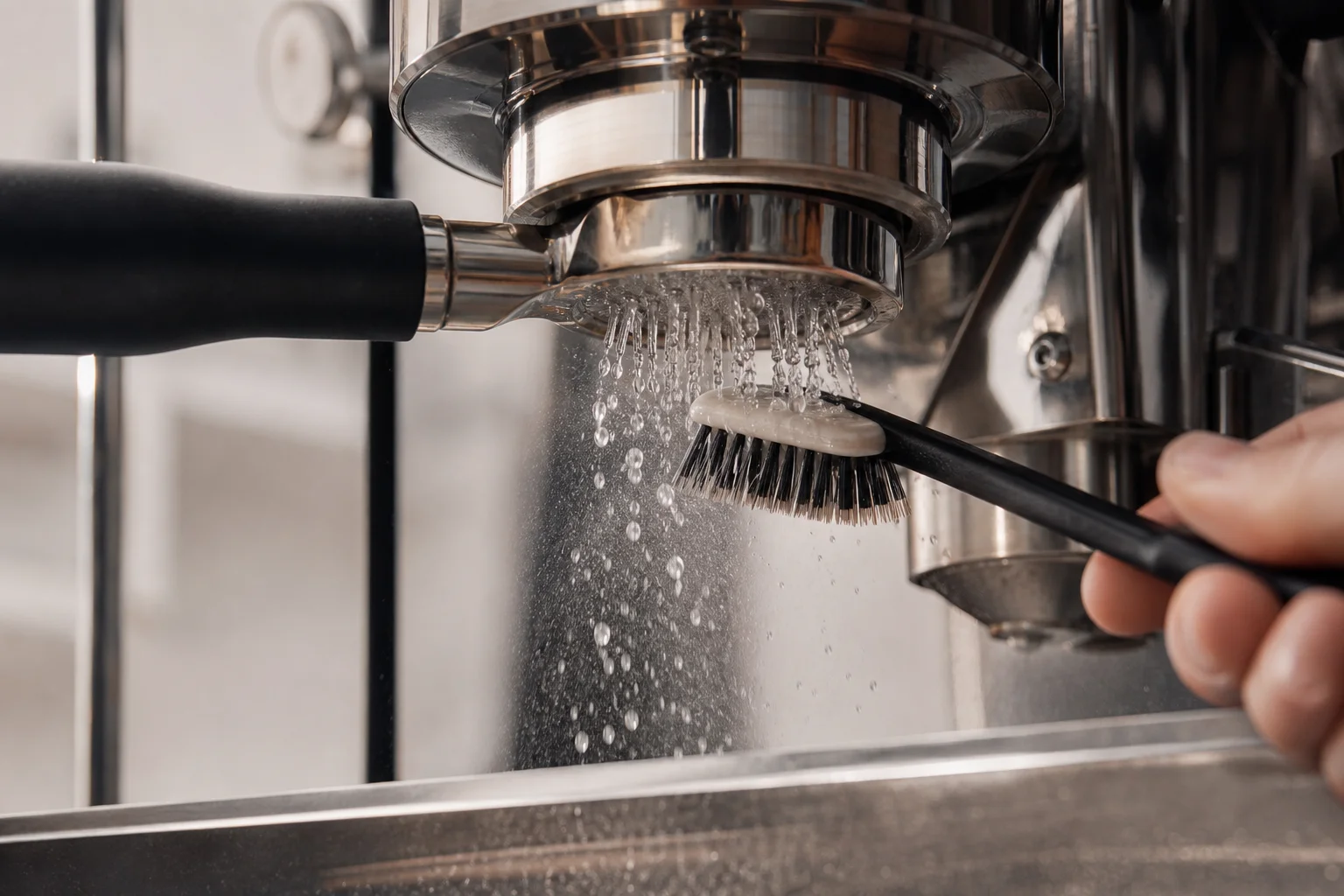
Filtered water: Use filtered or bottled water in your machine. Tap water contains chlorine, minerals, and salts that build up inside the machine and alter espresso flavour. An underbench filter system or quality bottled water protects your machine and improves taste.
Busting Common Espresso Myths
Myth 1: I do not need to adjust my grind if I buy the same beans. False. Grind adjustment is essential every day. Weather, humidity, bean age, and even whether you tamp lightly or firmly all require grind changes. Morning grind differs from afternoon grind.
Myth 2: Harder tamping makes stronger espresso. Incorrect. Strength comes from grind size and water flow, not tamp pressure. A hard tamp on coarse grounds still allows fast flow. A hard tamp on fine grounds blocks flow entirely. Tamp pressure only affects flow rate, not flavour.
Myth 3: Jamming the portafilter deeper into the group head makes stronger coffee. No. You are only damaging the machine by compressing the seal and pushing the coffee bed higher toward the shower screen. This disrupts the water distribution and damages the machine over time.
Myth 4: Filling the basket to the top with more coffee makes it stronger. Wrong. Overfilling forces you to grind coarser so water can flow, which under-extracts a larger amount of coffee and wastes beans. Use the correct dose, allow water to enter and saturate the bed, and brew with the right grind.
Final Barista Tips
- Buy fresh beans regularly and use them within 7-30 days of the roast date.
- Clean your machine before loading new beans so old flavours do not contaminate the new batch.
- If you use chemical cleaner, flush thoroughly and discard the first shot to remove any residue.
- Taste your espresso and make notes on what you liked or did not like. Build a personal flavour diary.
- Master the basics (dose, yield, time, grind) before exploring advanced techniques like WDT (Weiss Distribution Technique) or RDT (Ross Droplet Technique).
Conclusion
Espresso is a patience game, but the rewards are worth the effort. Start with a quality grinder, understand your basket and recipe, keep your machine clean, and taste every shot. Document what works and adjust based on your palate. Within weeks, you will be pulling cafe-quality espresso at home, impressing family and friends with every cup.
Product link
View more details for Fiorenzato AllGround Sense
This product is mentioned in the review. Check the specifications, options, and compatibility before buying.
View more details for Fiorenzato AllGround SenseFurther reading
Related Reviews
Coffee Equipment
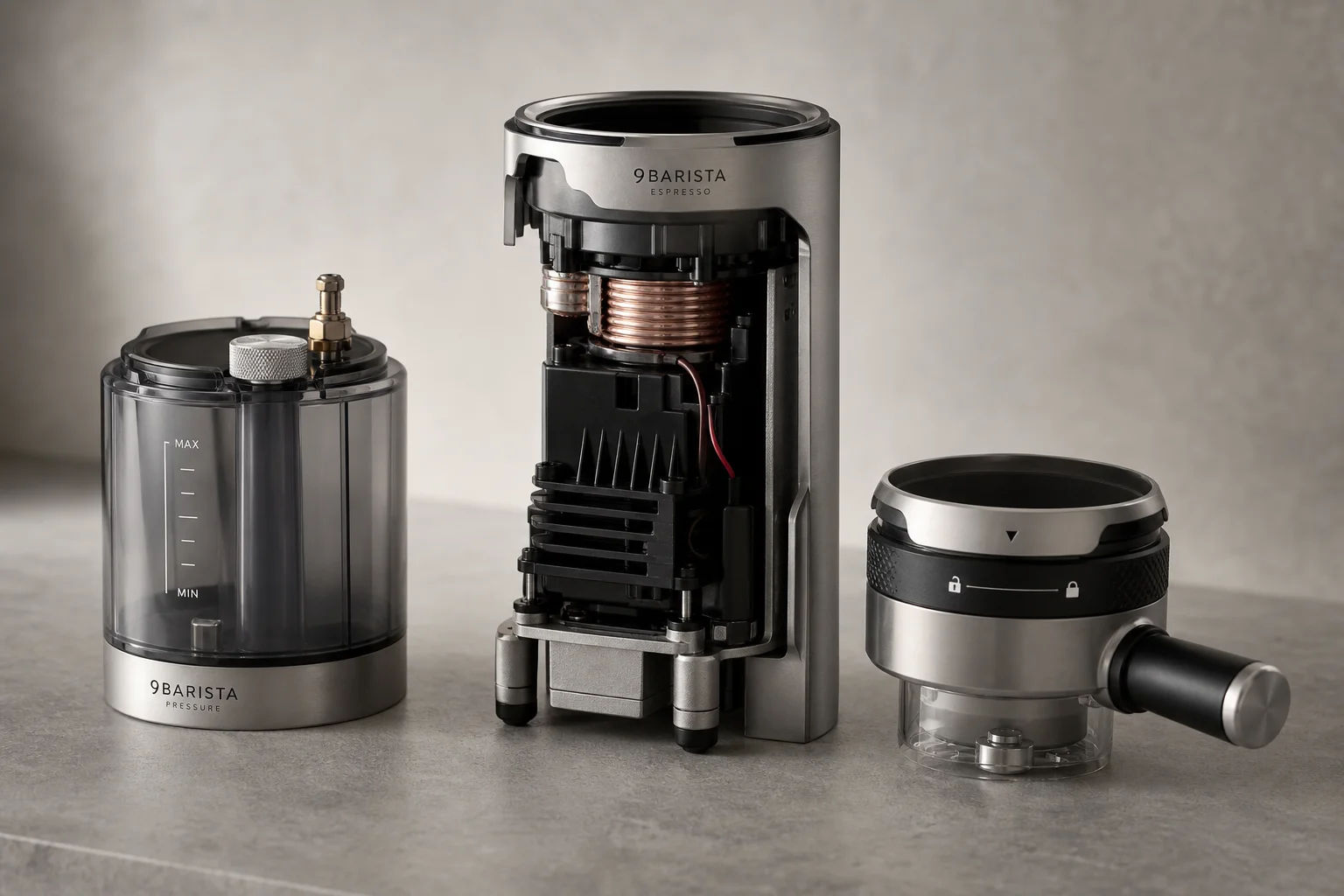
9Barista Espresso Machine Review: Stovetop Espresso for Single-Cup Enthusiasts
A cleverly engineered stovetop espresso maker that generates nine bars of pressure without electricity. Excellent coffee quality, but requires patience and suits solo drinkers only.
Coffee Equipment
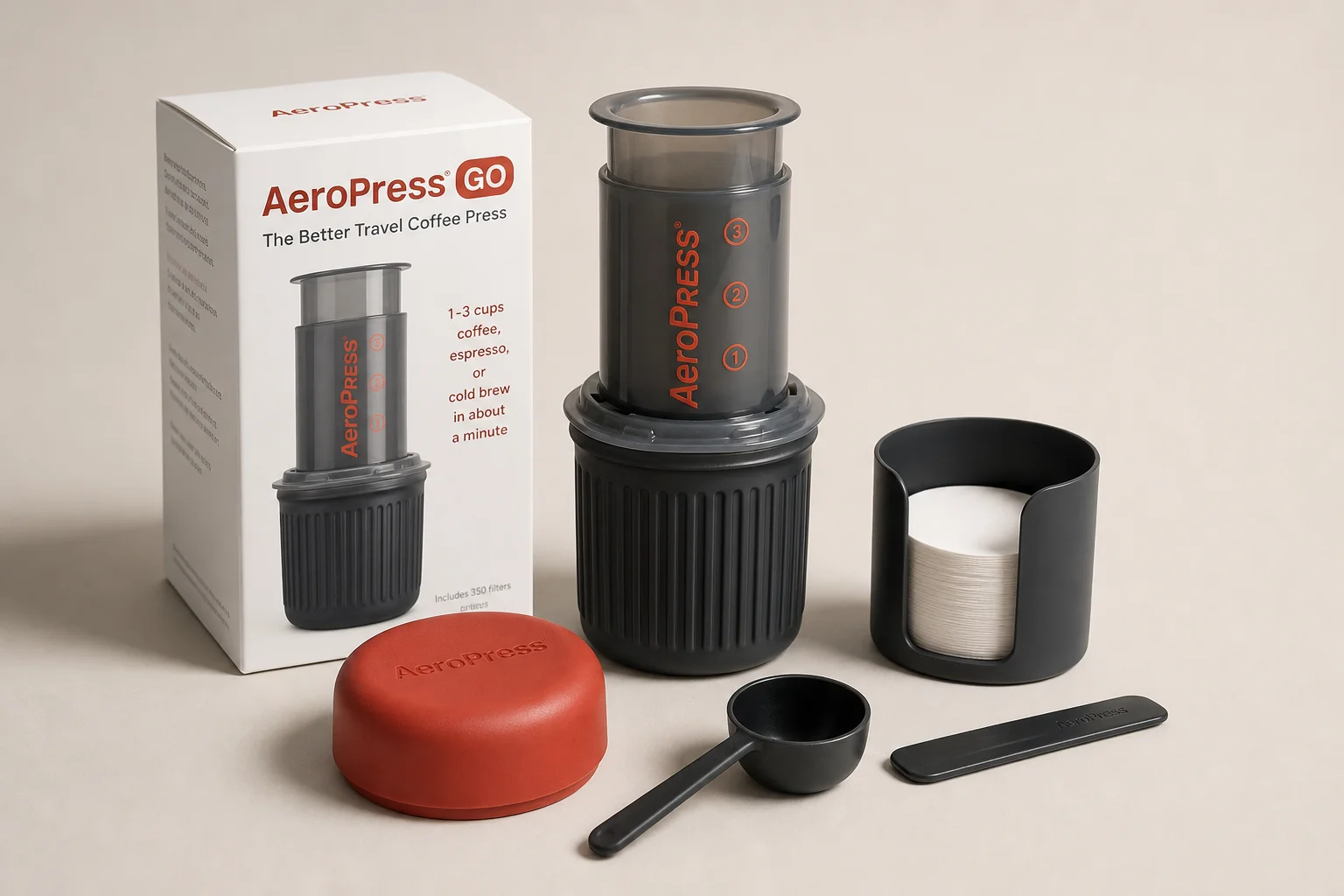
Aeropress Go Review: A Compact Travel Brewer That Solves One Specific Problem
The Aeropress Go shrinks the original design and adds an integrated cup, but it may not address the travel challenges most coffee enthusiasts actually face.
Coffee Equipment
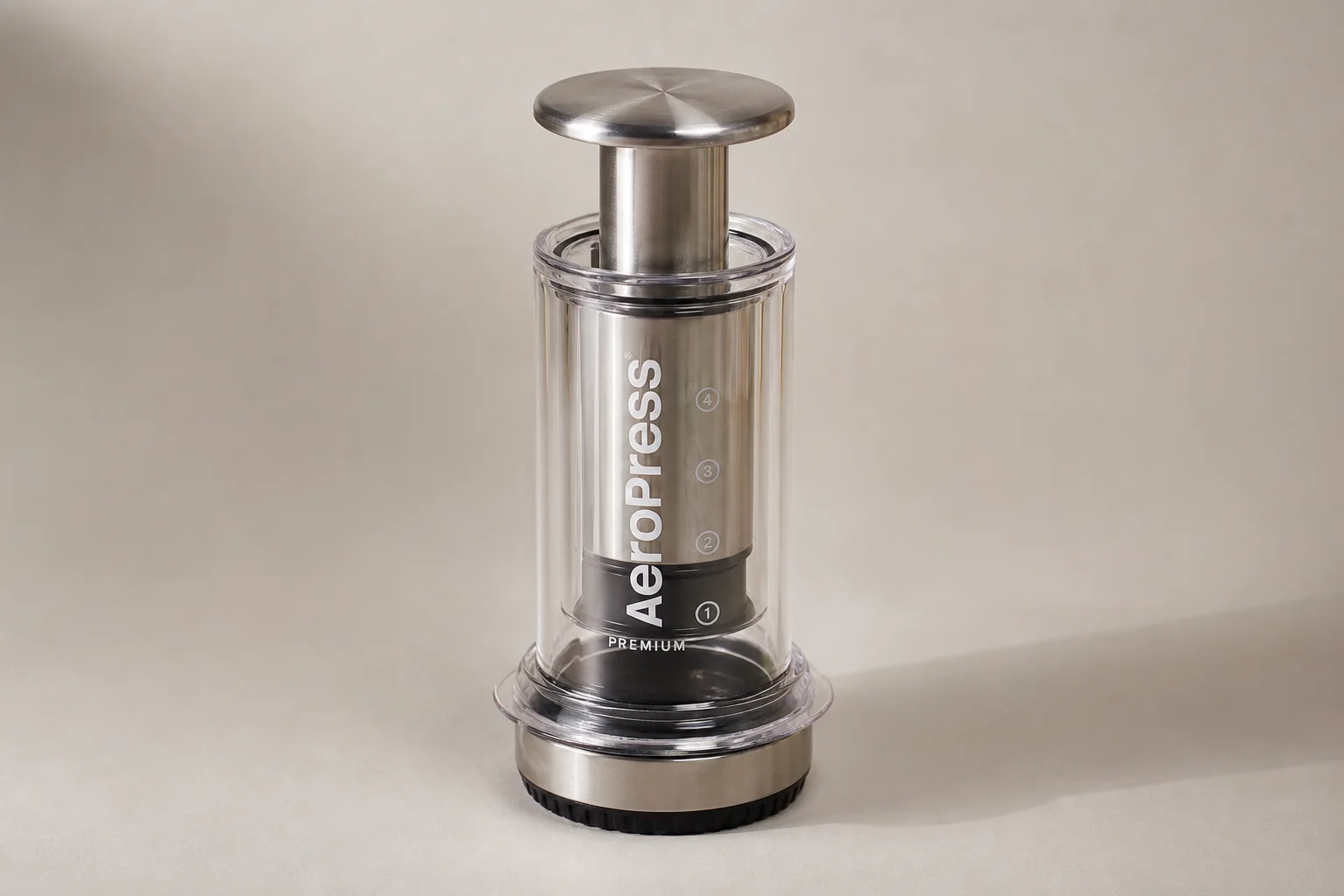
AeroPress Premium Review: Premium Materials, Practical Trade-offs
The AeroPress Premium brings glass and metal construction to a beloved brewer, but trades portability and durability for a more refined feel. Here's what changes in the cup and what matters before you buy.