3D Printers
FlashForge AD5X Review: Compact Multicolor 3D Printer Worth the Trade-offs
A budget-friendly multicolor 3D printer with solid print quality and a small footprint, but some software quirks and design frustrations to consider before buying.
Introduction
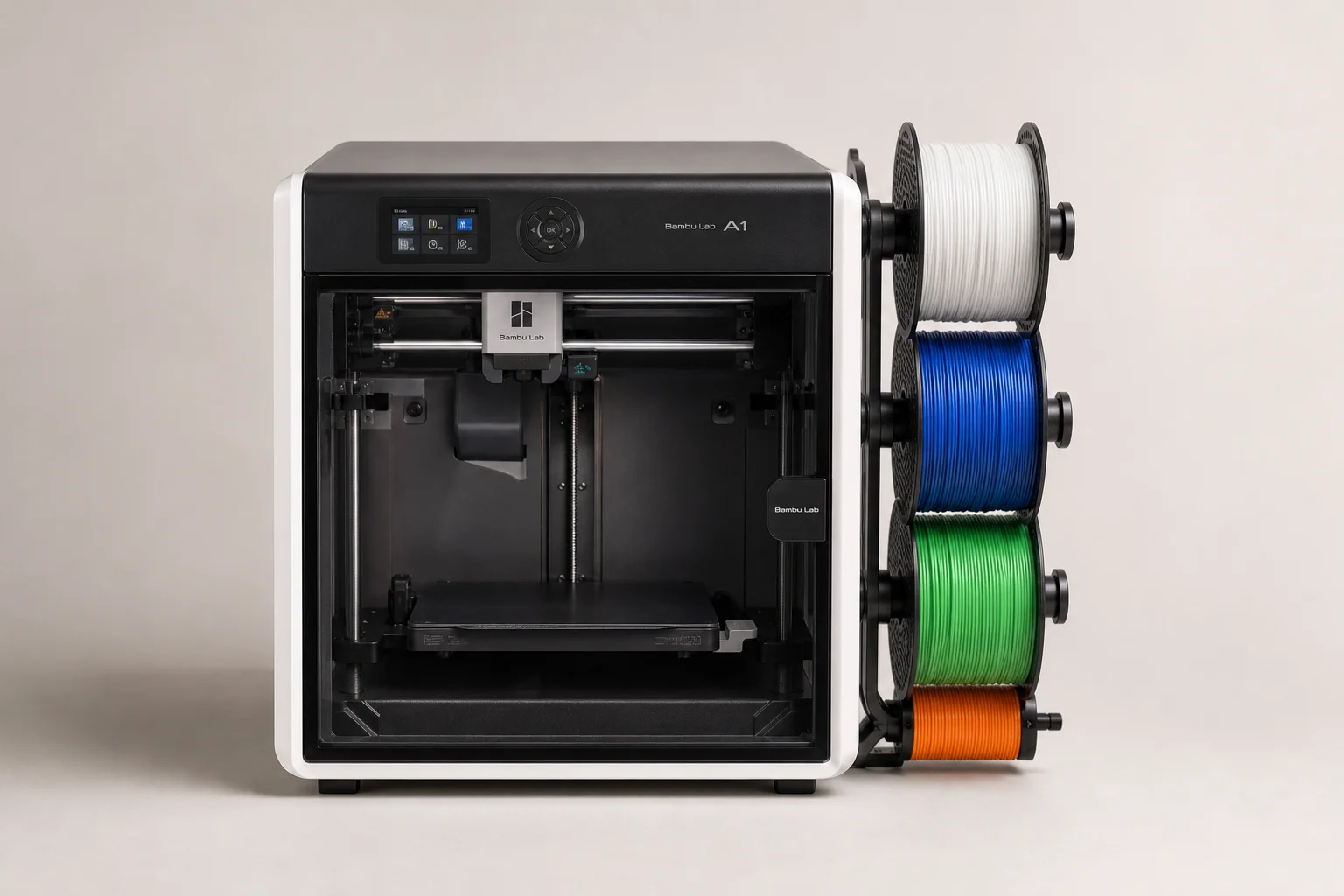
The FlashForge AD5X is a compact, budget-friendly multicolor 3D printer that brings affordable multicolor printing to a smaller footprint than many competitors. After testing it with a range of prints, including single-color and multicolor projects, this review breaks down four key areas: affordability, features, print quality, and repairability. The question is whether the lower price and compact design justify the trade-offs that come with it.
Affordability and Value Proposition
The AD5X’s main selling point is its price. Compared to multicolor systems from Bambu Lab or Prusa, it costs significantly less while still delivering a complete multicolor setup in a compact form factor. The printer itself is genuinely small for what it offers, taking up minimal desk or shelf space even with four filament spools mounted on the side.
However, there are some hidden costs to consider. A camera module costs an additional $40, and an enclosure kit runs about $49. Neither is included by default, which is understandable given the target price point, but worth factoring into the total investment if you want those features later.
Features and Design
The AD5X has several thoughtful design choices, though not all of them are executed perfectly. The compact footprint is genuinely impressive for a multicolor system. Compared to larger setups like the Bambu Lab A1, which requires a separate external module, the AD5X integrates everything into a single unit. The trade-off is a smaller build plate, which limits print size but is adequate for everyday projects.
The spool retention system is one of the printer’s best features. The magnetic clips are similar to Bambu Lab’s AMS Lite and work smoothly with most major filament brands, including Elegoo, Bambu Lab, and FlashForge spools. Anycubic filament also fits well. Sunlu rolls, however, require an adapter to mount properly, which is a minor inconvenience.
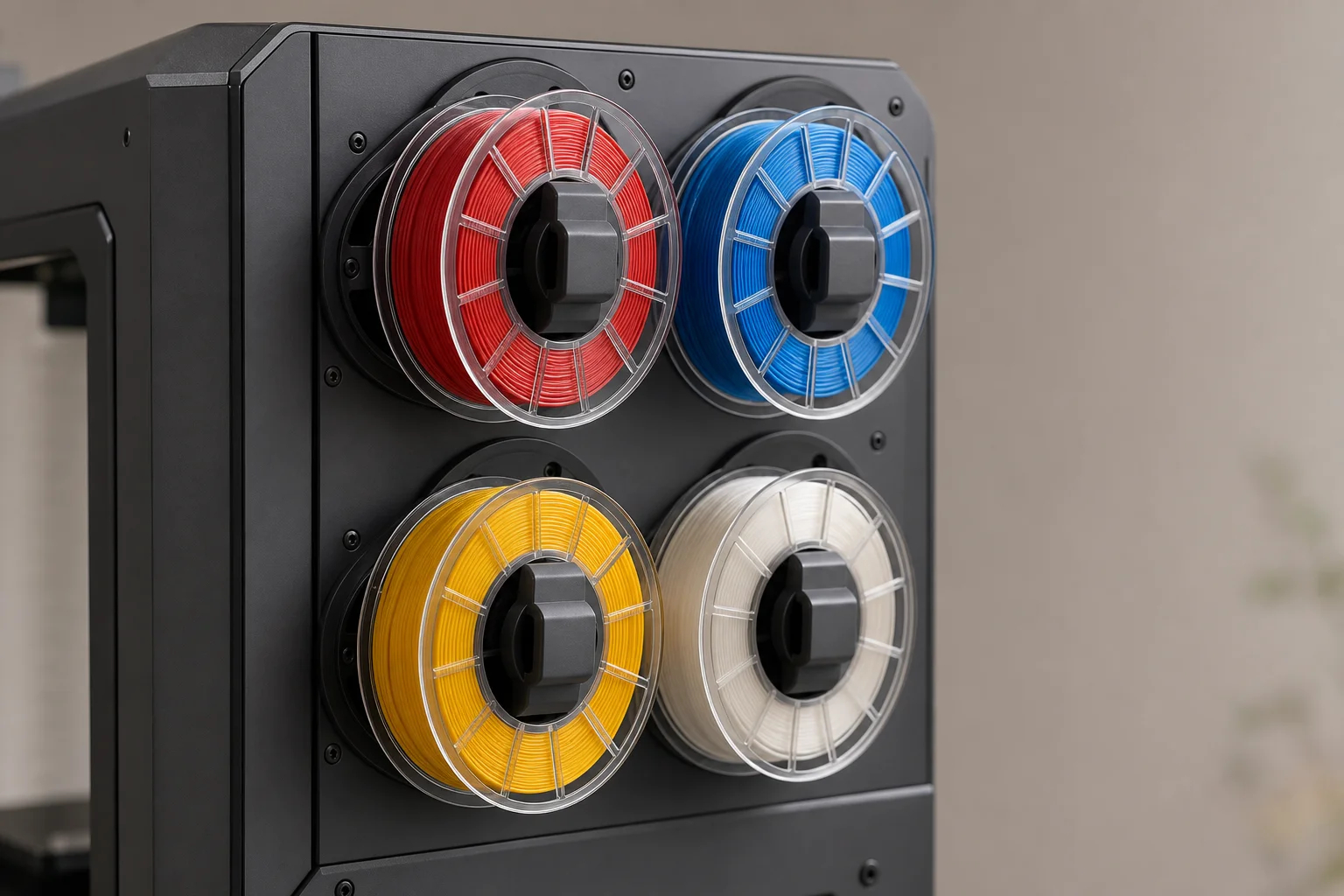
The multicolor system itself is handled by a compact feeder box with motors that drive filament from each slot through PTFE tubes. This design is functional but has a significant weakness: the PTFE tubes are difficult to remove, making filament jams a frustrating experience. If brittle or broken filament gets stuck inside, extracting it requires attacking the jam from multiple angles and can even damage the plastic housing in the process.
The tool head cover is a bright spot in the design. It uses magnetic attachment with wireless connectors, so there is no need to unplug cables every time you remove it. This is a small detail that makes a real difference in daily use and is something many other printers, including Bambu Lab models, could learn from.
Connectivity options are solid. The printer supports both Wi-Fi and Ethernet, with an Ethernet port on the back. The Wi-Fi setup process is slow, but once running, remote access through the cloud system works reliably. The Ethernet option is a welcome addition for users who want a wired connection.
Software and Connectivity
The AD5X uses FlashForge’s customized version of Orca Slicer. It is functional but has some frustrating limitations, particularly for multicolor workflows. The biggest issue is that color assignments do not sync automatically from the slicer to the printer. You must manually input colors for each filament slot, which is cumbersome when working with multicolor prints. This is a notable weakness for a printer marketed heavily on multicolor capabilities.
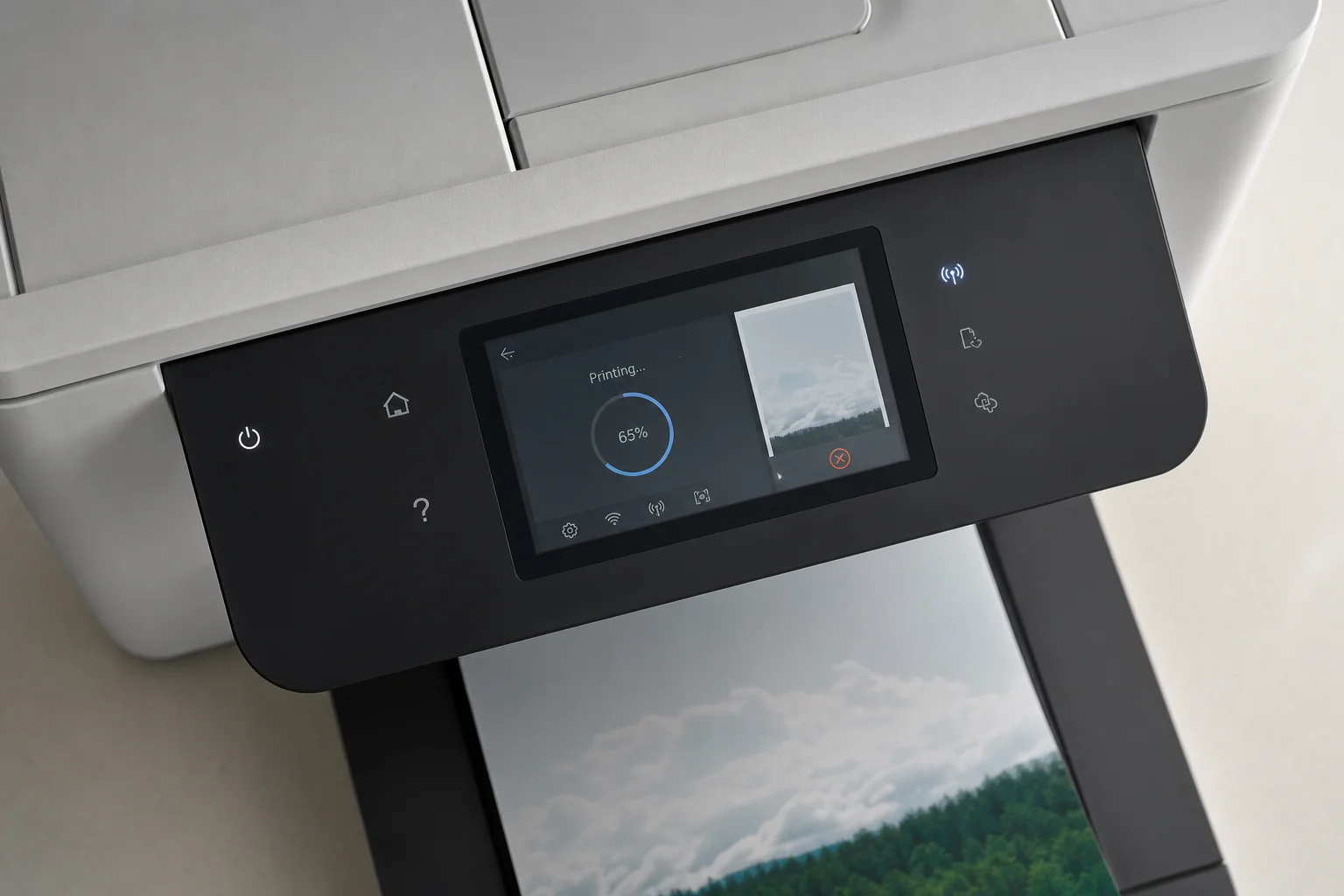
The mobile app includes an advertisement every time you open it, which is annoying when you just want to check on a print or send a file to the printer. The ads are for FlashForge products, so the reasoning is clear, but it still detracts from the user experience.
The printer’s screen is sluggish, and you must manually clear the job queue after every print before starting the next one. This is an unnecessary friction point that should be automated.
Print Quality and Multicolor Results
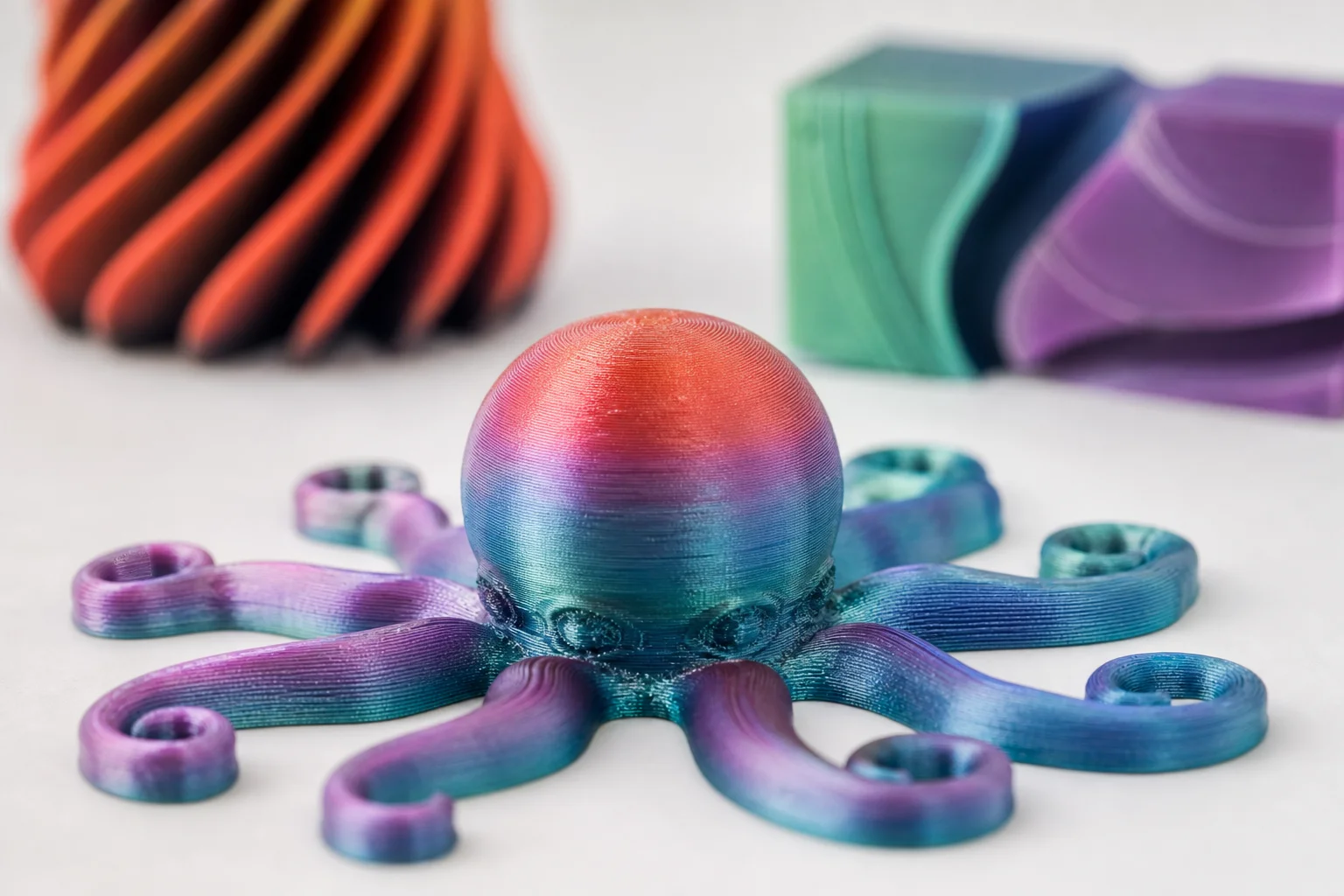
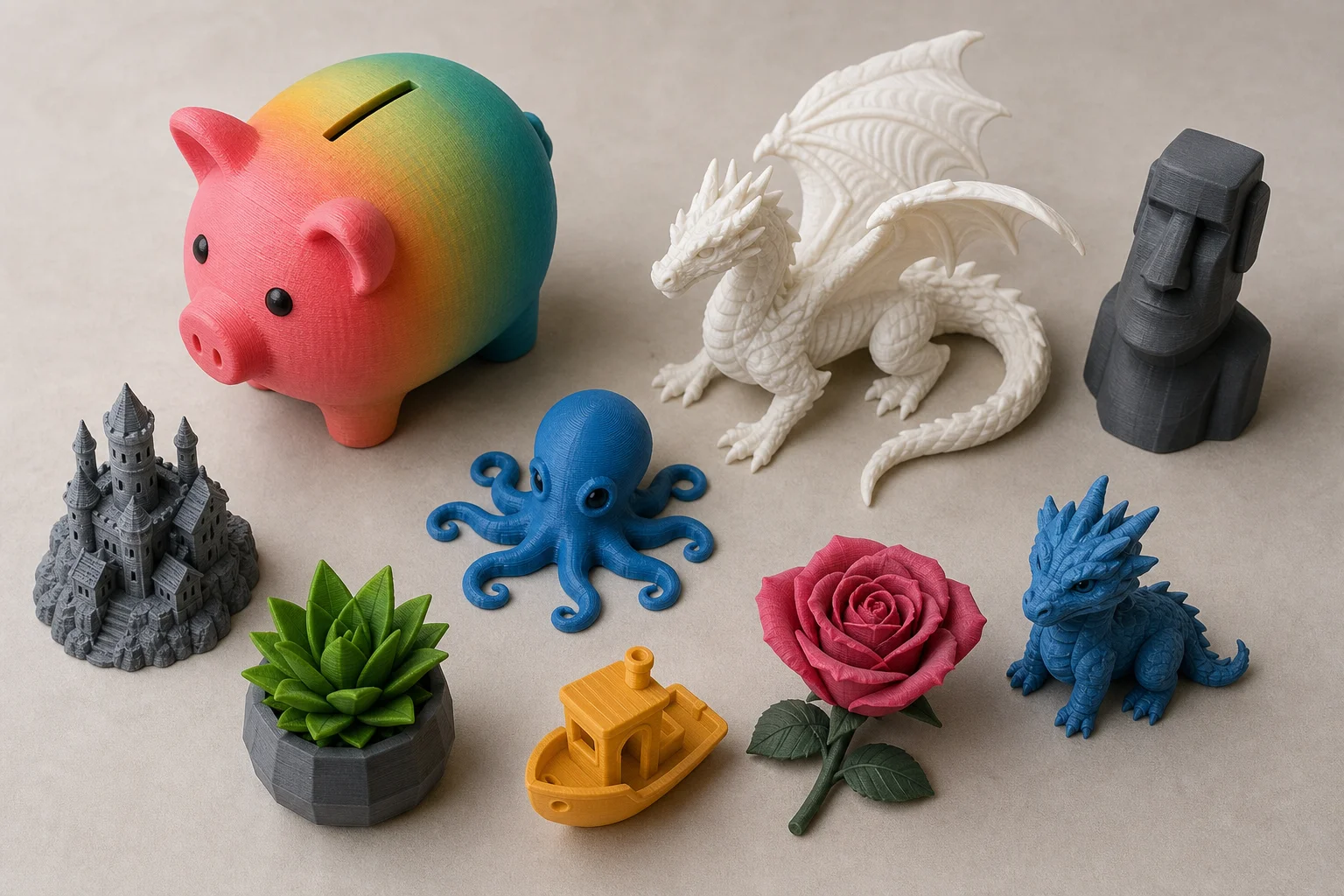
Print quality out of the box is solid. A range of test prints, including a detailed Duck of Darkness figurine, a Boba Fett statue, and a Lemming character, all came out with good detail and minimal layer lines. Overhangs and supports generally perform well, though some models showed minor imperfections that could be attributed to either the printer or filament preparation.
The multicolor capabilities work, but with expected trade-offs. Like all non-dual-nozzle printers, the AD5X must purge filament between color changes, which wastes material. An Iron Man piggy bank and a set of small witch dragon figurines demonstrated that multicolor prints are achievable and visually appealing, though the purge waste is substantial. Running multiple prints on the build plate at once helps offset this waste.
A Prusa rocket engine test print and a skull candy bowl both came out exceptionally well, showing that the printer handles complex geometry and fine details competently. The skull candy bowl, printed without supports, was particularly impressive.
One notable issue is noise. The Z-hop behavior creates a loud sound every time the nozzle moves up and around. While the printer is otherwise relatively quiet, this specific motion is surprisingly loud and could be annoying in a shared workspace.
Repairability and Long-Term Value
Parts availability is important in 3D printing, and FlashForge does a decent job here. The company stocks replacement parts on its website, which is better than some competitors like Elegoo or Anycubic. However, Prusa and Bambu Lab still set the standard for parts availability and repairability.
The PTFE tube system is the main repairability pain point. These tubes are difficult to work with, and clearing jams can require breaking or damaging the plastic housing. The printer is otherwise reasonably serviceable, but this design choice makes maintenance more frustrating than it should be.
Should You Buy It?
The FlashForge AD5X is a solid choice if you want an affordable multicolor 3D printer in a compact package. The print quality is good, the design is thoughtful in many ways, and the price is hard to beat for what you get.
However, you need to be comfortable with the trade-offs. The smaller build plate limits print size, the screen is slow, the software has quirks, and the PTFE tube system is annoying to work with. If you can accept these limitations and do not mind the occasional frustration, you will likely be happy with this printer. If you prioritize ease of use and a polished experience, spending more on a Bambu Lab or Prusa system may be worth it.
For budget-conscious makers who want multicolor printing without a huge footprint, the AD5X is hard to beat.
Conclusion
The FlashForge AD5X delivers on its promise of affordable, compact multicolor 3D printing. It prints well, has a thoughtful design in many areas, and costs significantly less than competing multicolor systems. The trade-offs in build size, software polish, and repairability are real, but manageable for the price. If multicolor printing is your goal and budget is a priority, this printer is worth serious consideration.
Product link
View more details for FlashForge AD5X
This product is mentioned in the review. Check the specifications, options, and compatibility before buying.
View more details for FlashForge AD5XFurther reading
Related Reviews
3D Printers
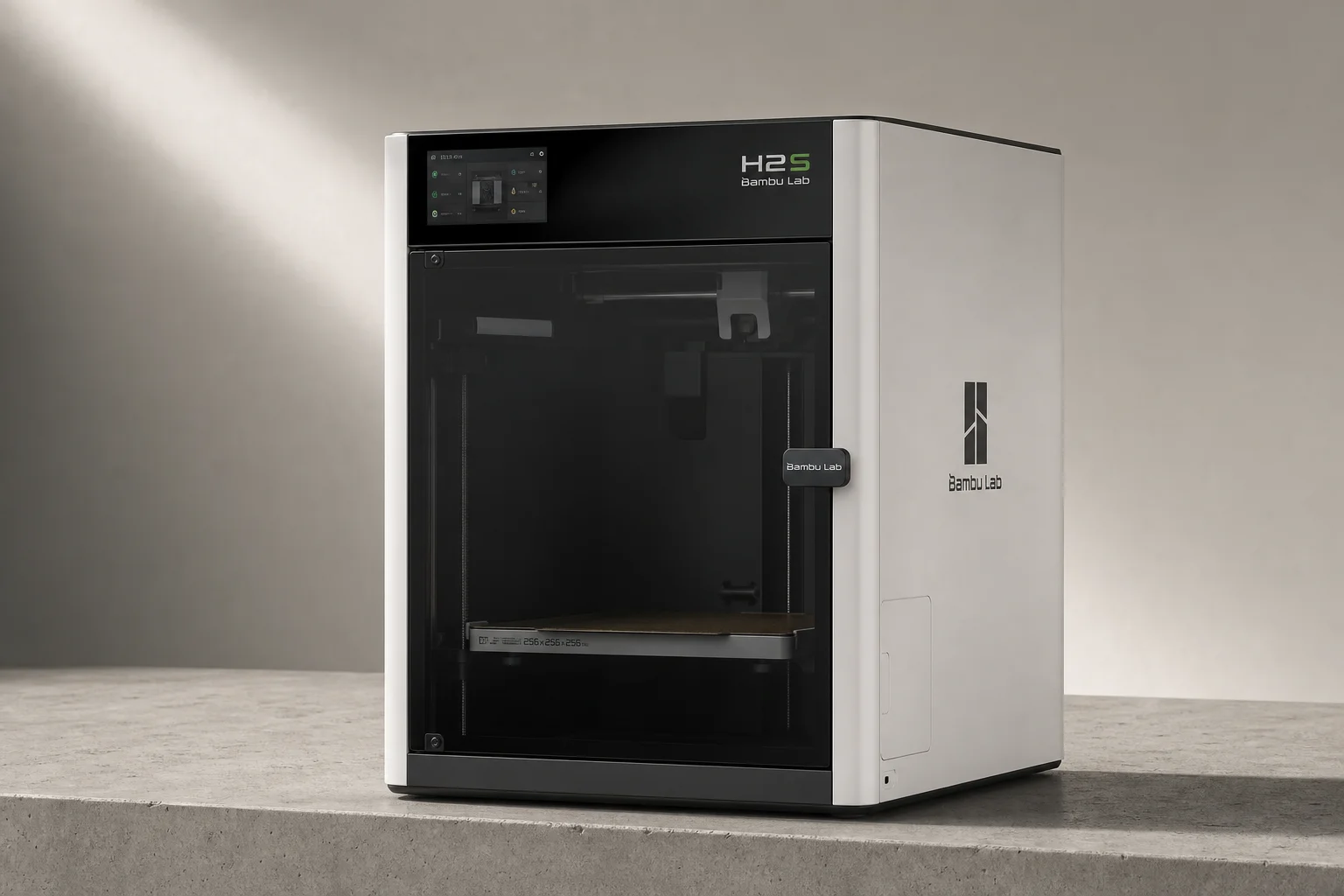
Bambu Lab H2S Review: Large-Format 3D Printing Without the Dual Extruder
The H2S strips away the H2D's dual-nozzle complexity for a simpler, cheaper large-format printer. Here's what that trade-off means for your prints.
3D Printers
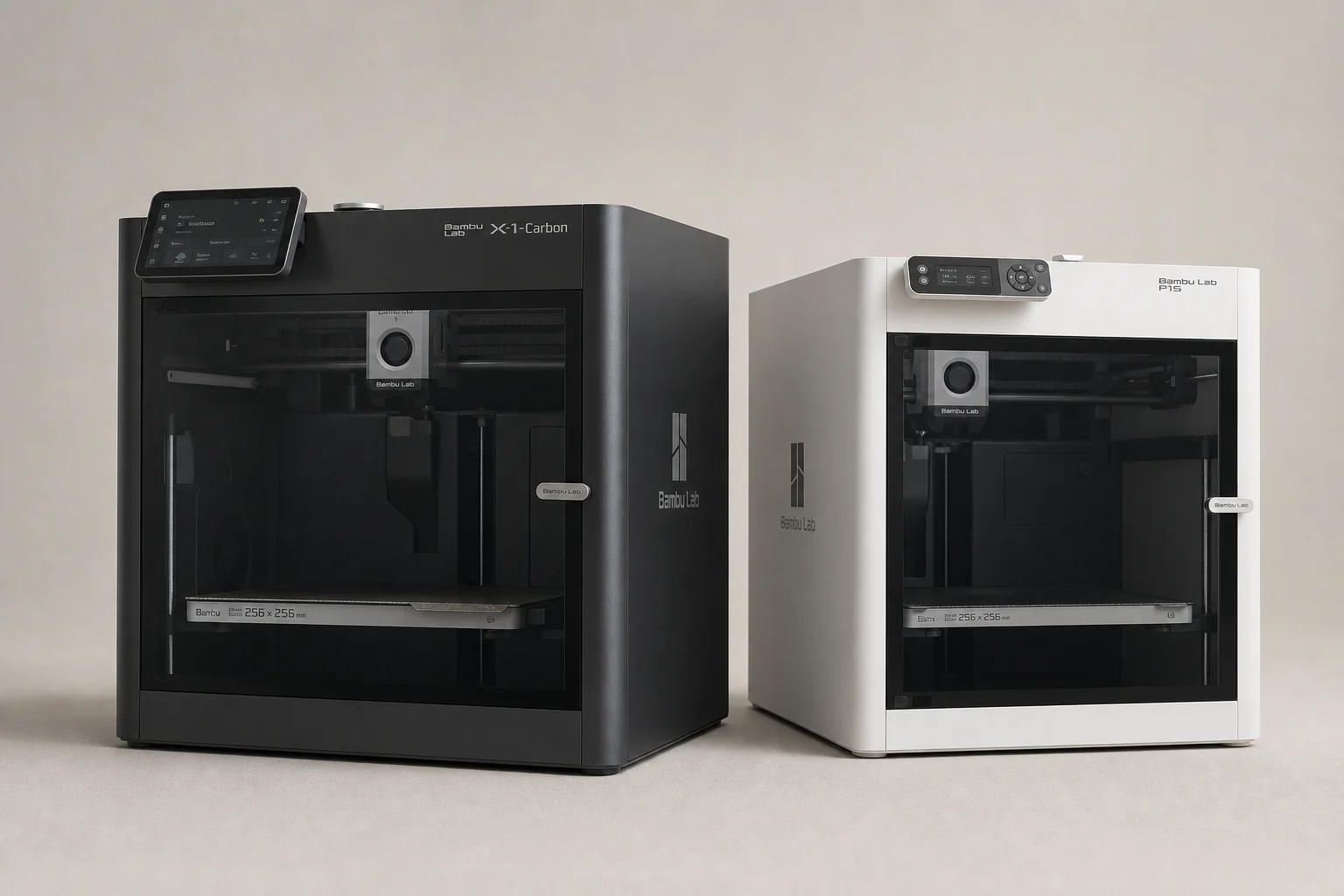
Bambu Lab P1S vs X1 Carbon: Why the Budget Option Wins
After testing both printers side by side, the P1S delivers nearly identical print quality at half the price. Here's what the premium features actually cost you.
3D Printers
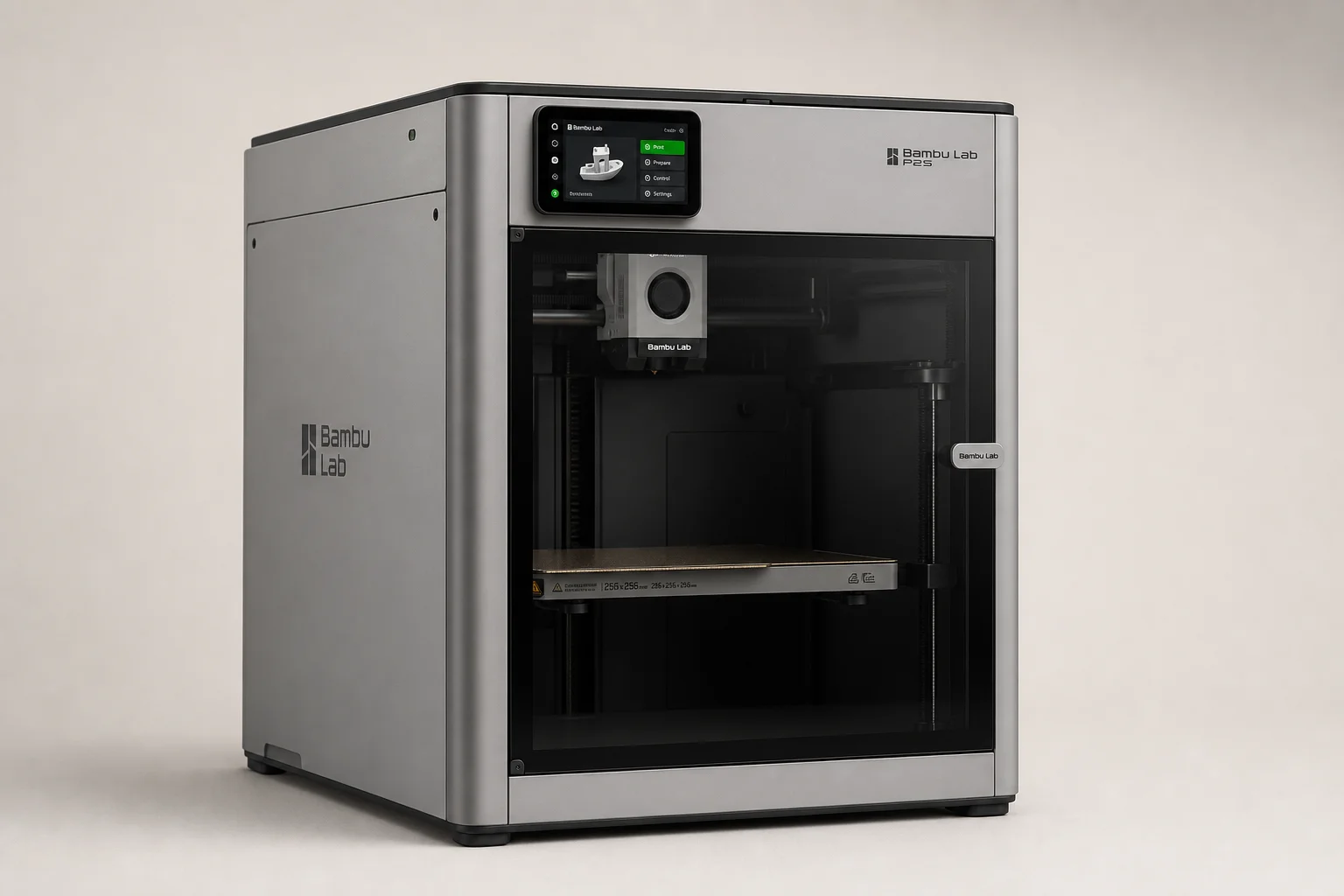
Bambu Lab P2S Review: A Strong Mid-Range 3D Printer Worth Considering
The Bambu Lab P2S brings significant upgrades over its predecessor, including a new touchscreen, improved cooling, and quick-swap nozzles. Here's what real-world use reveals about its strengths and trade-offs.