Coffee Equipment
MHW-3BOMBER Milk Pitcher Comparison: Which Model Suits Your Latte Art Level
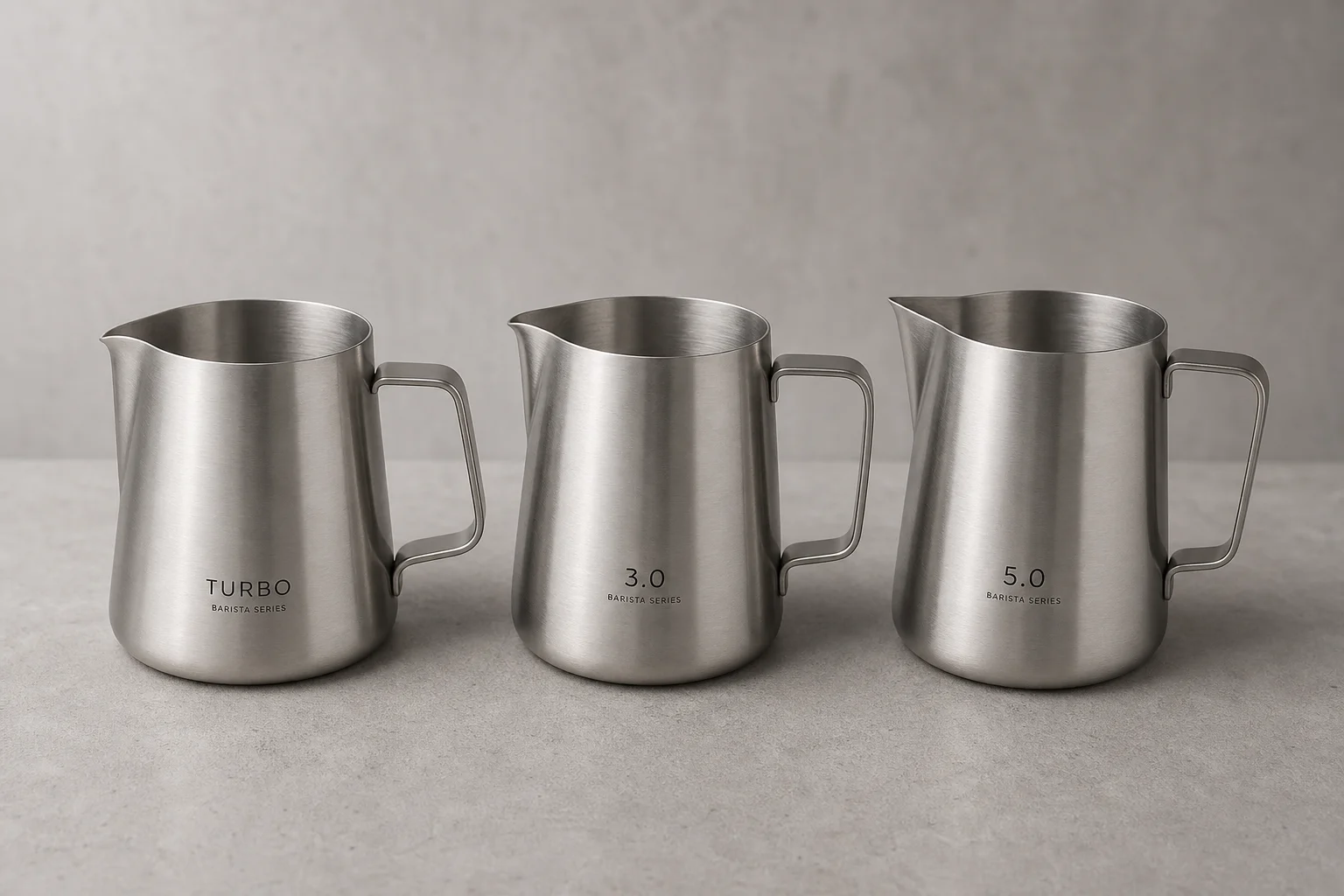
Three MHW-3BOMBER milk pitchers designed for different skill levels and purposes. Learn which model matches your steaming and pouring needs.
Introduction
Mastering milk steaming and latte art requires practice and the right tools. The pitcher you choose can significantly impact your ability to create microfoam and execute pour designs with confidence. MHW-3BOMBER offers three distinct models, each engineered for different stages of the latte art journey. Understanding their specific strengths helps you select the pitcher that matches your current skill level and long-term goals.
MHW-3BOMBER Turbo Milk Pitcher: For Steaming
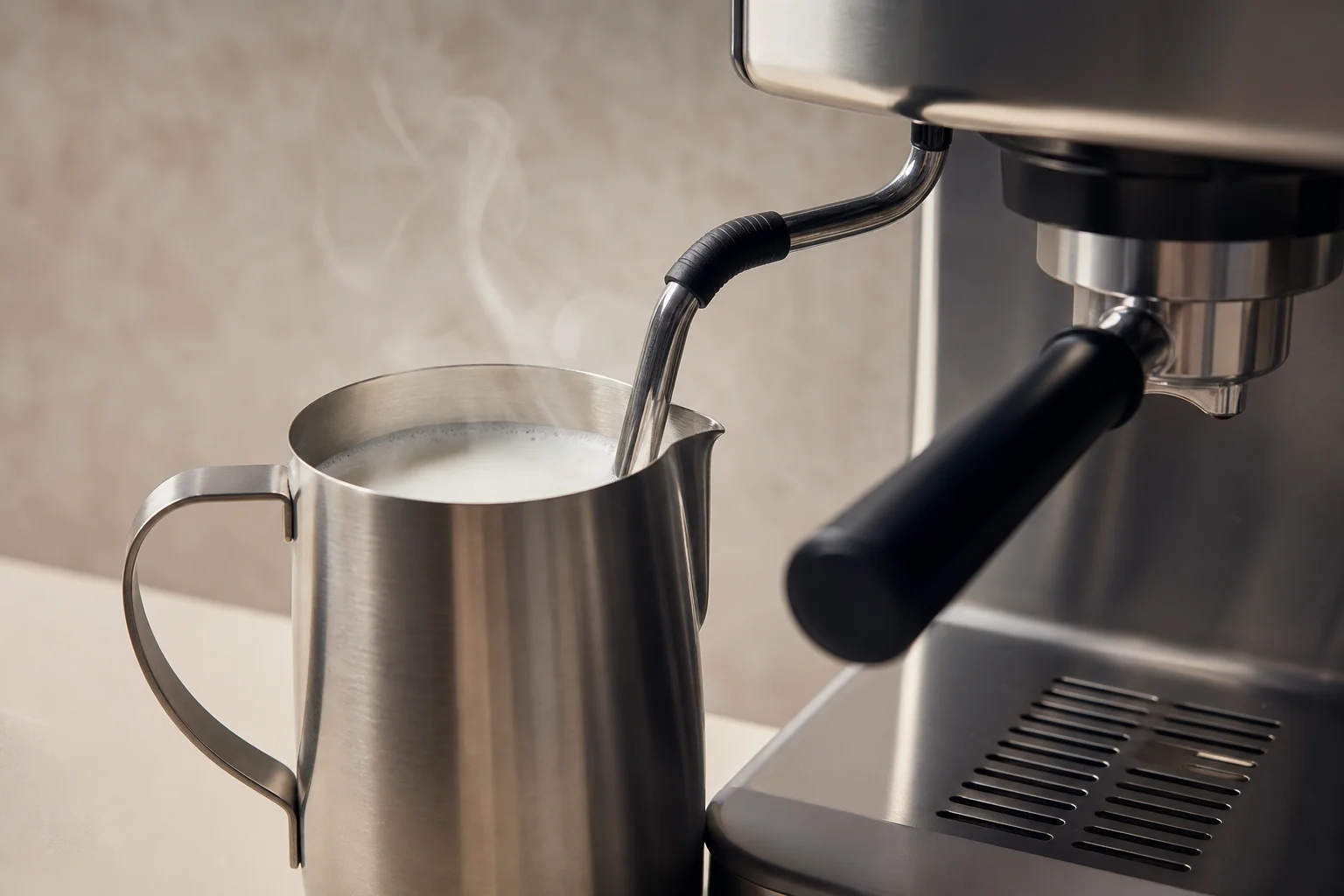
The Turbo Milk Pitcher is purpose-built for the steaming and texturizing phase of milk preparation. Its high-quality stainless steel construction maintains consistent milk temperature during steaming, which typically reaches around 70°C. A Teflon coating on the exterior concentrates heat inside the jug and protects your hands from burns.
The large base width is a key design feature, allowing for better aeration and creating the whirlpool effect necessary for producing microfoam. The rounded spout is designed for easy placement of the steam wand and smooth milk transfer to another pitcher.
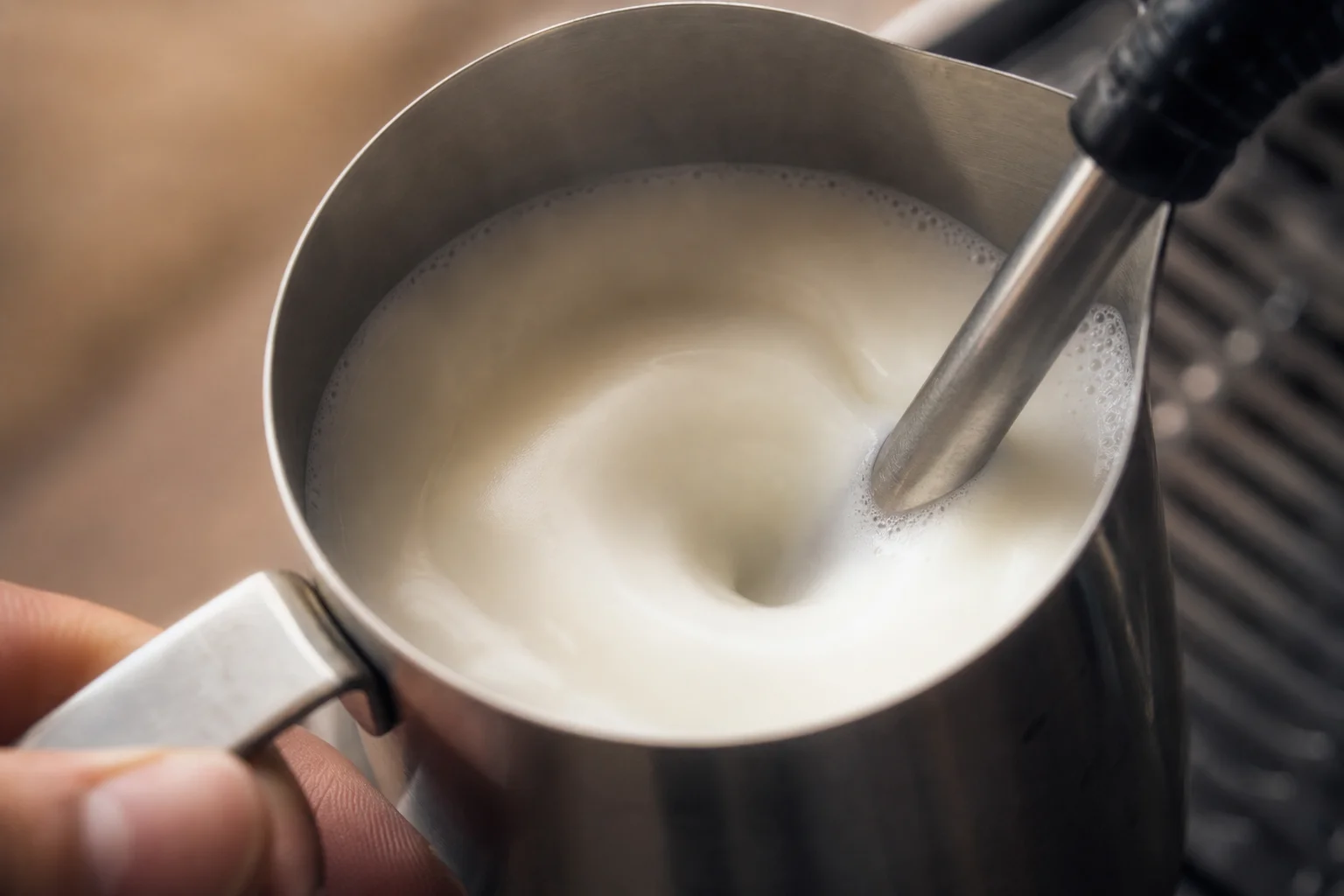
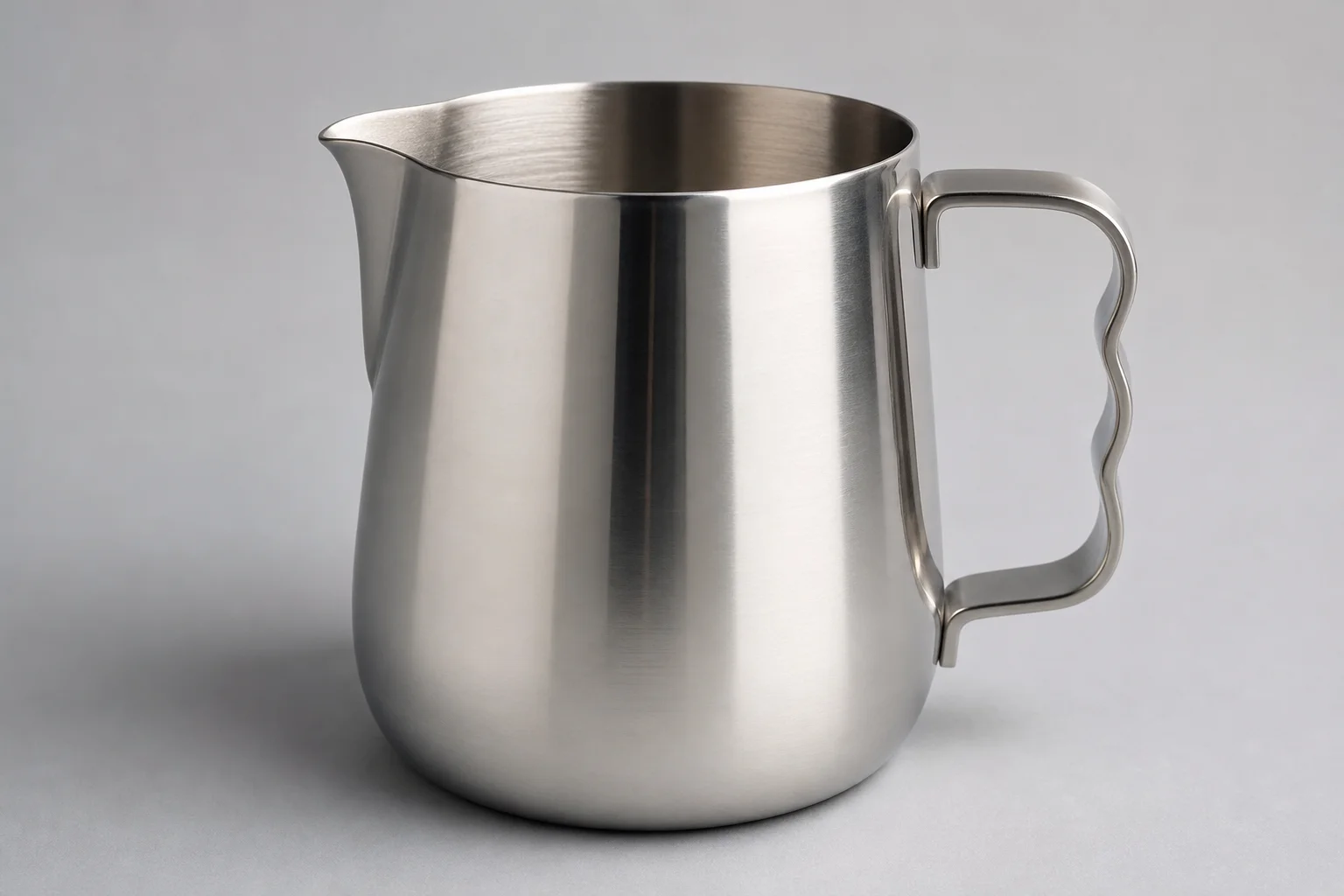
A standout feature is the handle design, which includes a dedicated space for your pinky finger. This ergonomic detail provides extra stability and control during the steaming process, reducing hand fatigue and improving consistency. The Turbo model excels when used exclusively for steaming, with the steamed milk then transferred to a second pitcher for pouring.
MHW-3BOMBER Milk Pitcher 3.0: For Beginners
The Milk Pitcher 3.0 is designed specifically for those learning simple latte art designs. Basic shapes like hearts or tulips are essentially rounded forms cut through the middle, and this pitcher’s forgiving spout helps produce these shapes during a free pour.
The handle is large enough to accommodate four fingers comfortably, making it convenient for “slow setta” pours where the pitcher hangs naturally in your hand. This design reduces the learning curve and builds foundational pouring confidence.
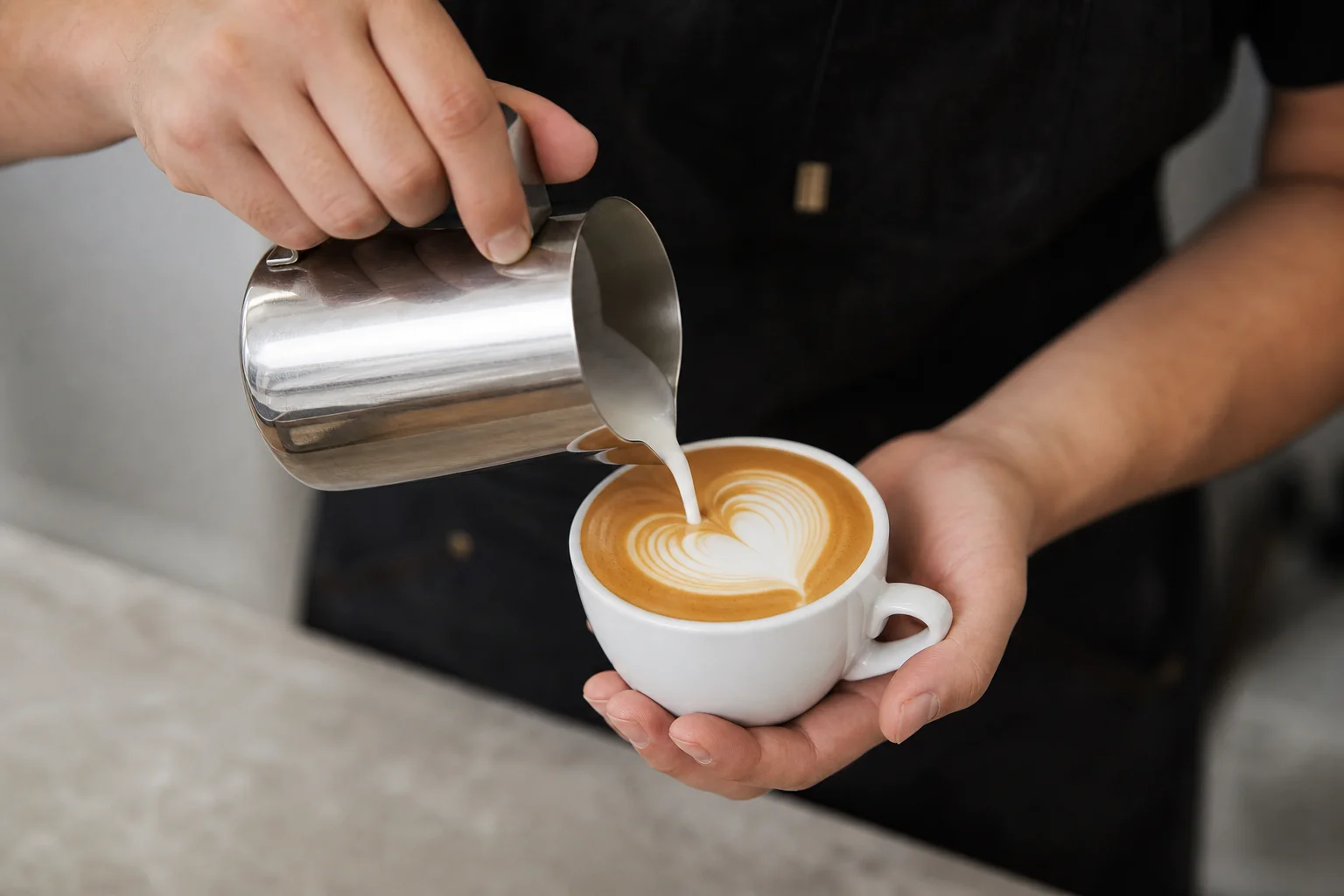
The 3.0 model is ideal for beginners who are still developing muscle memory and understanding milk flow dynamics. Its geometry encourages consistency in basic designs without requiring advanced technique.
MHW-3BOMBER Milk Pitcher 5.0: For Advanced Designs
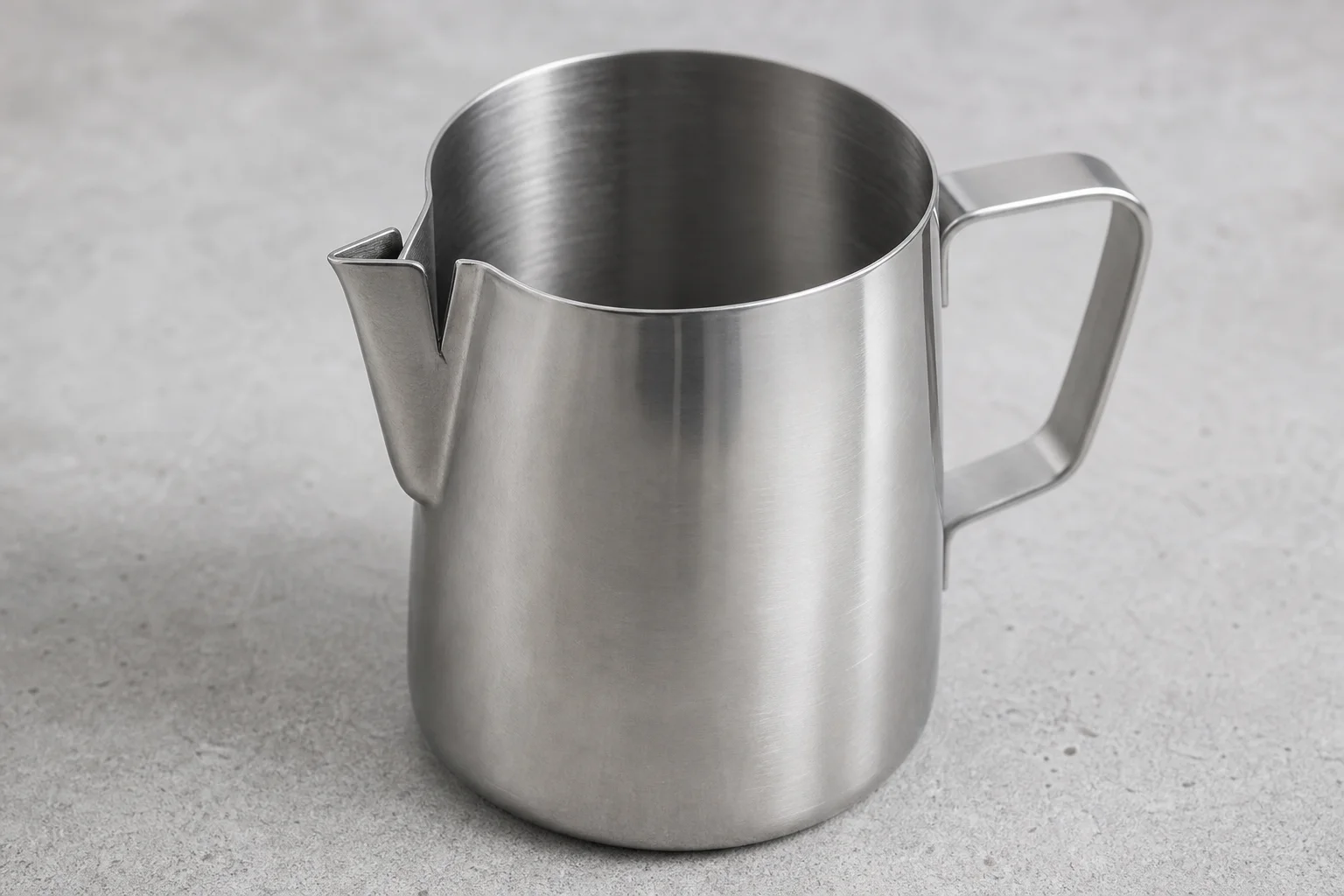
The Milk Pitcher 5.0 is a precision tool comparable to a fine brush used for painting intricate details. It is designed for complex designs such as rosettas or swans that require a narrower tool for accuracy.
The standout feature is the “crocodile mouth” spout design, which functions as two spouts in one. A larger spout helps control the overall flow rate of milk into the cup, while a tiny, narrow tip creates very thin lines for high-accuracy designs. This dual-function approach gives advanced artists the control needed for professional-level work.

However, the narrowness of the pour can make simple designs more difficult if you have not yet mastered the basics. The 5.0 is best reserved for those who have already developed solid foundational skills and are ready to move toward intricate, professional-level designs.
Choosing the Right Pitcher for Your Skill Level
The three models serve distinct purposes in your latte art progression. Many experienced baristas use a dedicated steaming pitcher like the Turbo model exclusively for milk preparation, then transfer the steamed milk to a second pitcher optimized for pouring. This two-pitcher approach improves consistency and allows each tool to excel at its specific function.
For beginners, the Milk Pitcher 3.0 provides the forgiving geometry and comfortable handle needed to build foundational skills without frustration. Once you have mastered basic shapes and developed consistent pouring technique, the Milk Pitcher 5.0 becomes a valuable upgrade for exploring advanced designs.
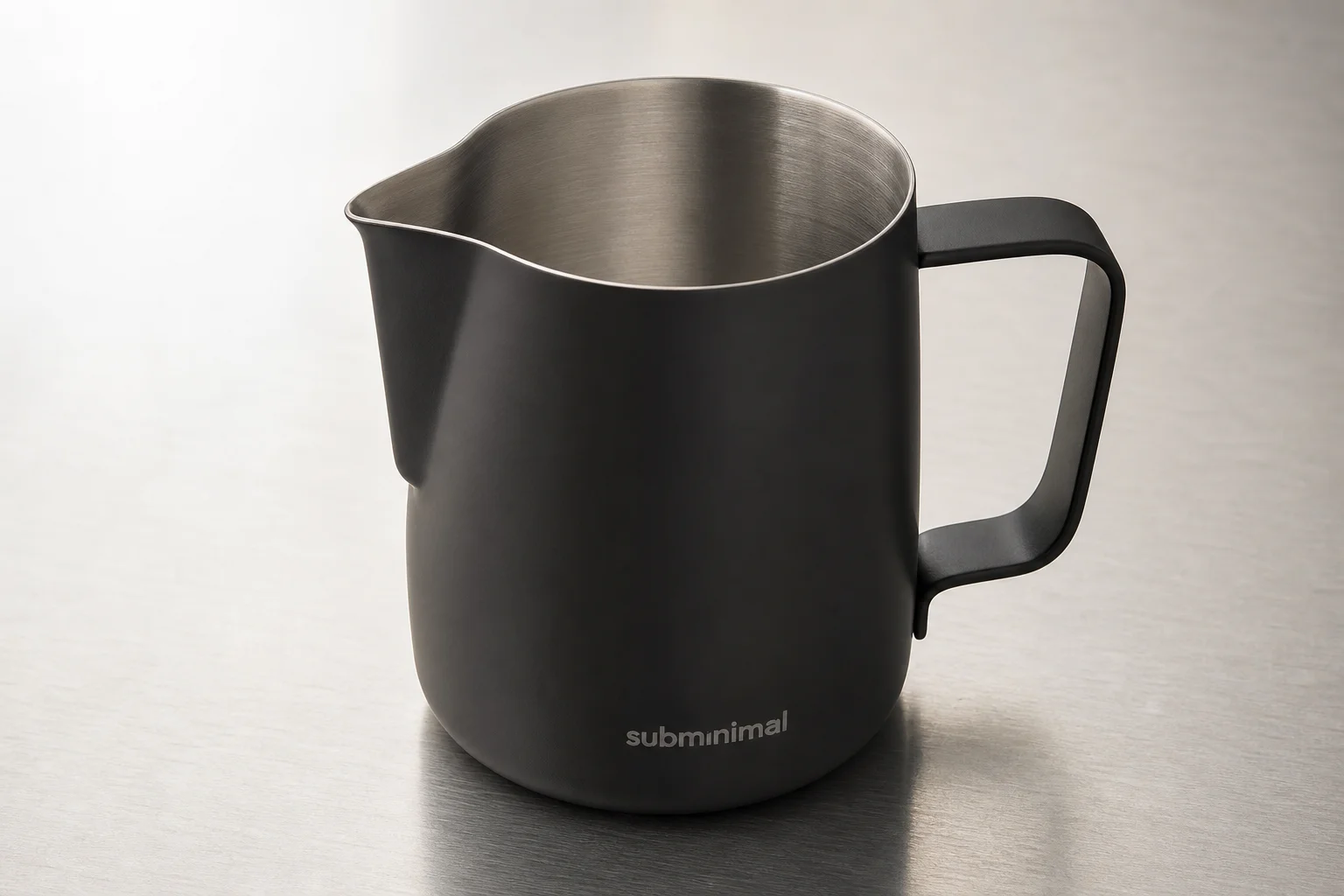
These pitchers are available in various colors and finishes, allowing you to choose a model that matches both your skill level and aesthetic preferences. Even without an espresso machine, it is possible to create milk suitable for latte art using a French press, making these pitchers versatile tools for any coffee setup.
Conclusion
Selecting the right milk pitcher accelerates your latte art development. The Turbo model specializes in steaming, the 3.0 supports beginner pouring, and the 5.0 enables advanced designs. Match the pitcher to your current skill level, and you will find the learning process more intuitive and rewarding.
Further reading
Related Reviews
Coffee Equipment
9Barista Espresso Machine Review: Stovetop Espresso for Single-Cup Enthusiasts
A cleverly engineered stovetop espresso maker that generates nine bars of pressure without electricity. Excellent coffee quality, but requires patience and suits solo drinkers only.
Coffee Equipment
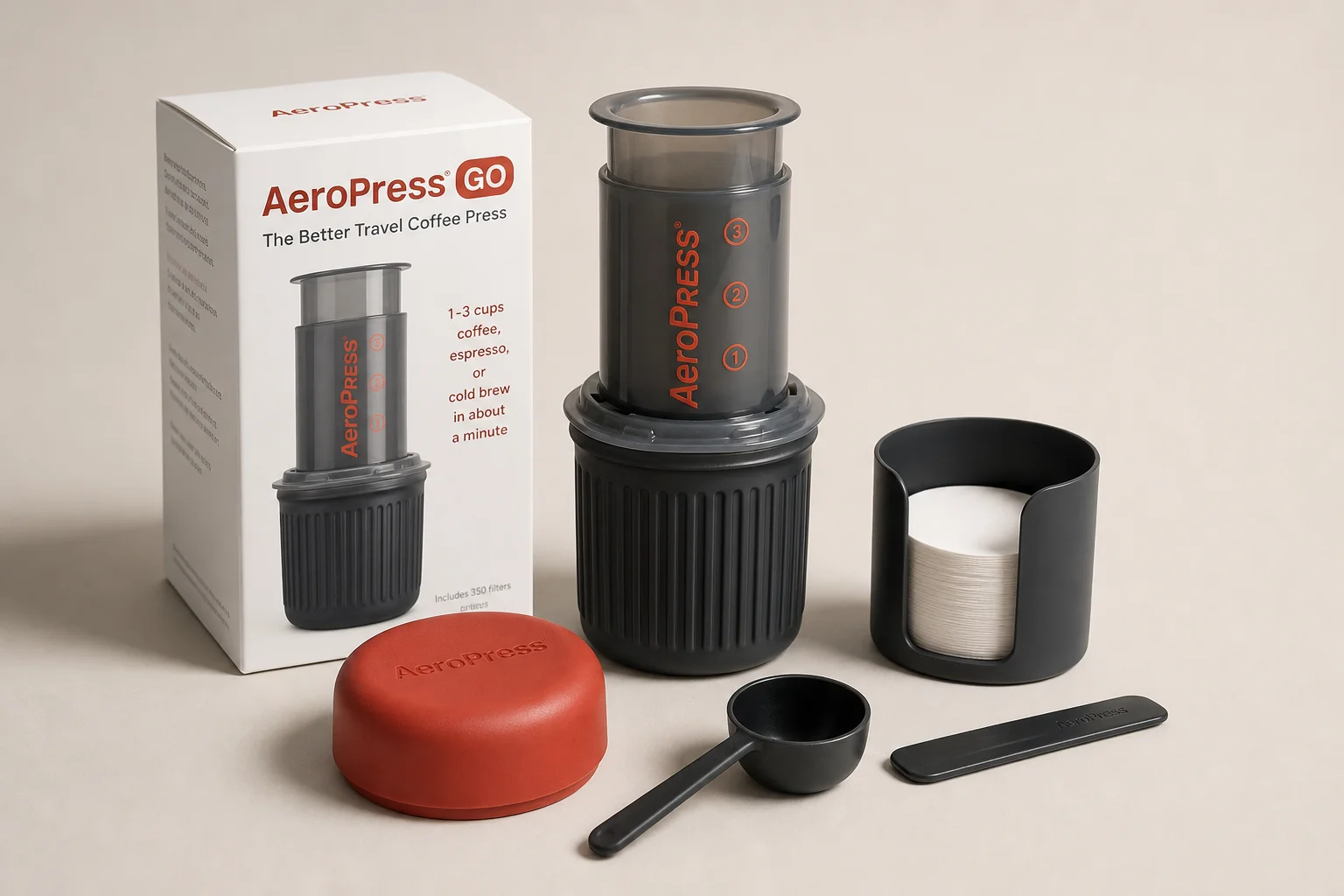
Aeropress Go Review: A Compact Travel Brewer That Solves One Specific Problem
The Aeropress Go shrinks the original design and adds an integrated cup, but it may not address the travel challenges most coffee enthusiasts actually face.
Coffee Equipment
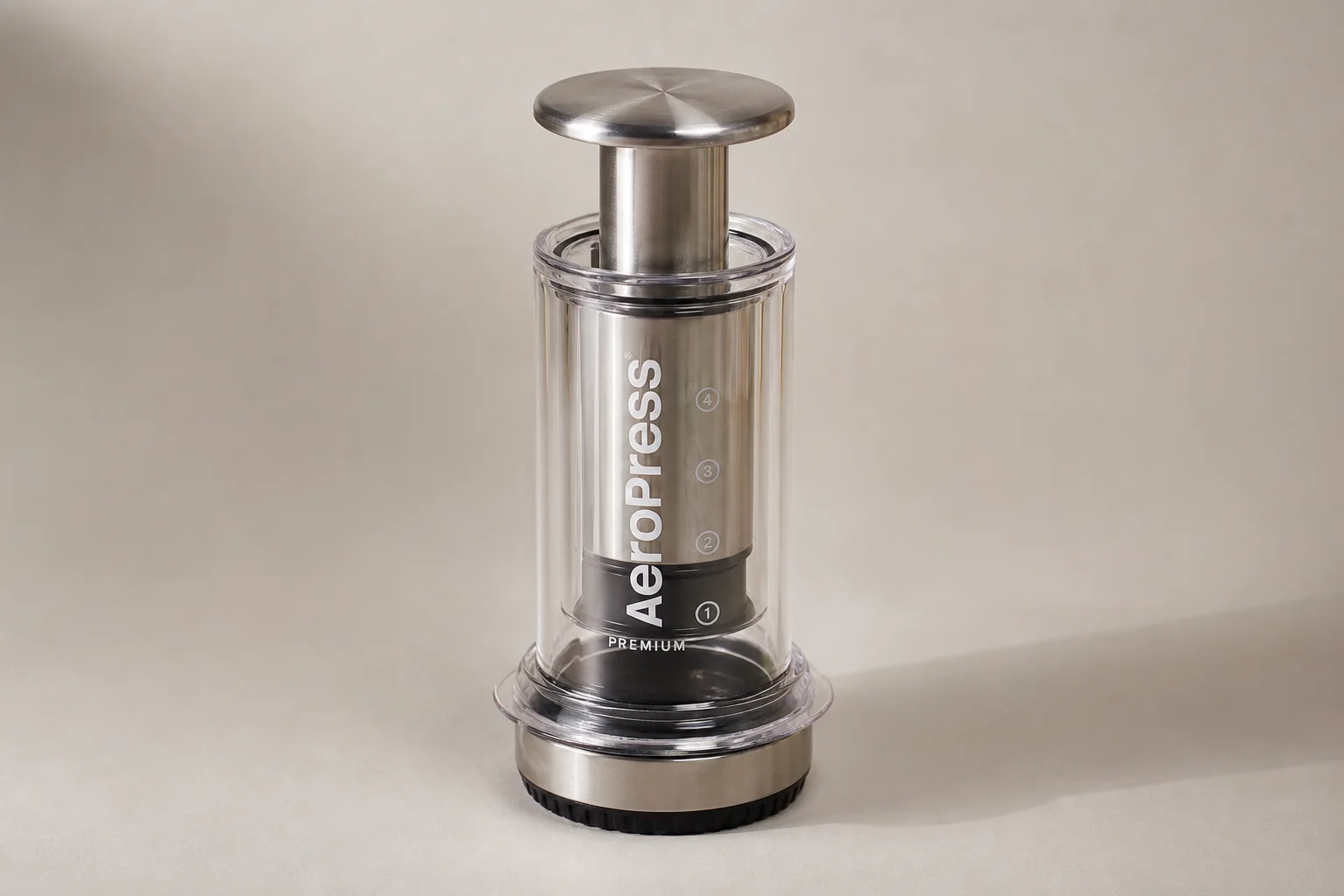
AeroPress Premium Review: Premium Materials, Practical Trade-offs
The AeroPress Premium brings glass and metal construction to a beloved brewer, but trades portability and durability for a more refined feel. Here's what changes in the cup and what matters before you buy.