Coffee Equipment
Moka Bot: A Smarter Electric Moka Pot That Changes How You Brew
An innovative electric moka pot prototype with PID temperature control and WiFi connectivity that delivers more consistent, flavorful coffee than traditional stovetop brewing.
Introduction
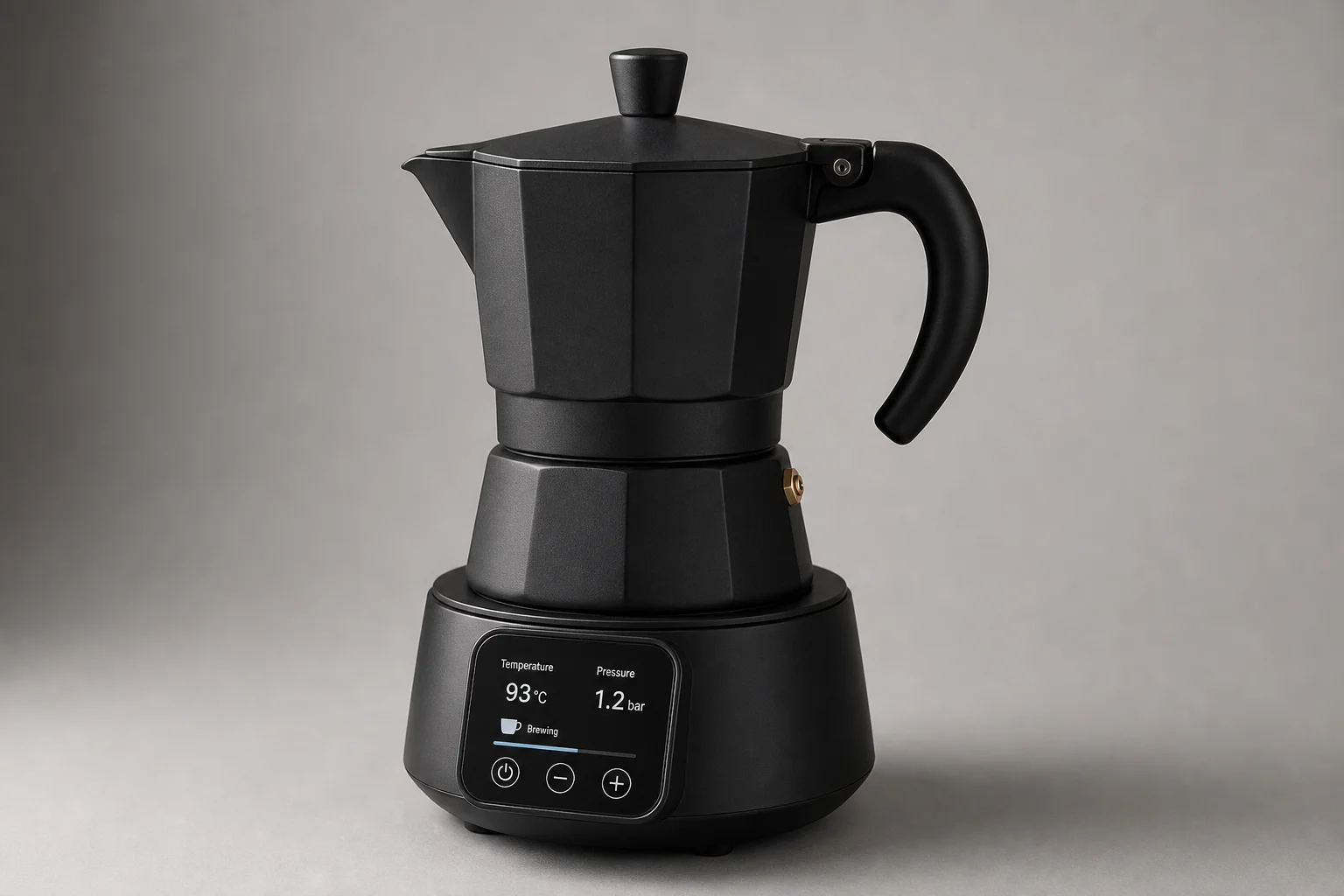
The traditional moka pot has remained largely unchanged for decades. It is cheap, widely available, and produces coffee that many people enjoy. Yet it has limitations, particularly when brewing specialty coffees that benefit from precise temperature control. The Moka Bot is a prototype electric moka pot that addresses these shortcomings through intelligent heating and real-time temperature monitoring, offering a glimpse into how this iconic brewer could evolve.
How the Moka Bot Works
The Moka Bot combines a conventional three-chamber moka pot with an electric kettle base and digital control system. At its core sits a PID (proportional-integral-derivative) controller, a technology used across professional coffee equipment to maintain precise temperatures. Rather than applying heat aggressively until a cutoff point, the PID system continuously monitors water temperature in the lower chamber and adjusts heating power accordingly, delivering a steady, controlled brew.
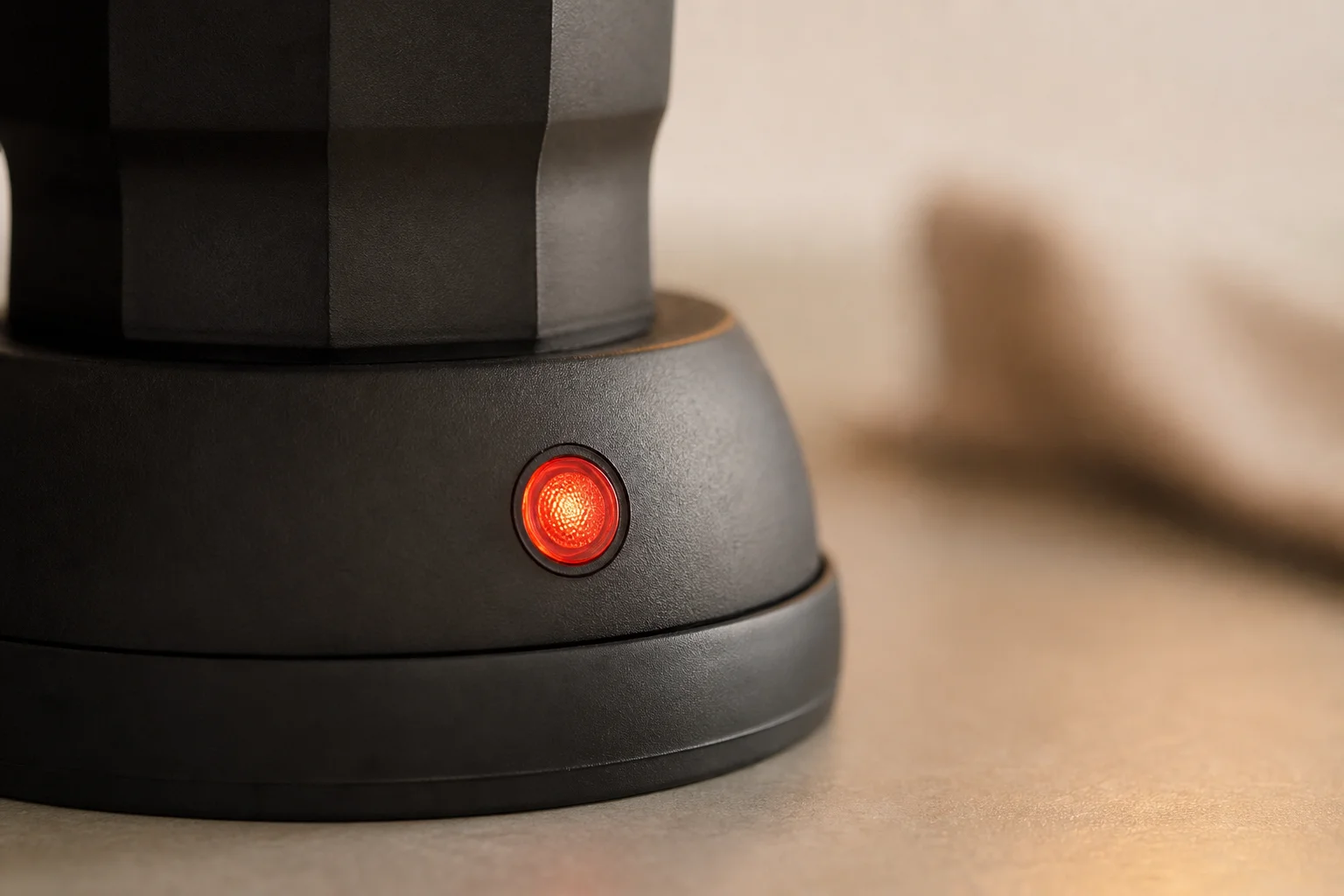
A temperature probe inserted into the lower chamber feeds real-time data to the control unit. The touchscreen interface displays current temperature, estimated pressure, and allows the user to set a target brewing temperature before starting. Three buttons control the main functions: off, preheat, and extract. The preheat mode heats water to approximately 91 degrees Celsius before coffee is added, a technique that improves flavor consistency.
Temperature Control and Precision
Traditional stovetop moka pots struggle with temperature consistency. Heat application depends on stove type and user attention, often resulting in temperatures that climb too high, extracting harsh, bitter flavors. The Moka Bot eliminates this variability by maintaining a precise target temperature throughout the brew cycle.
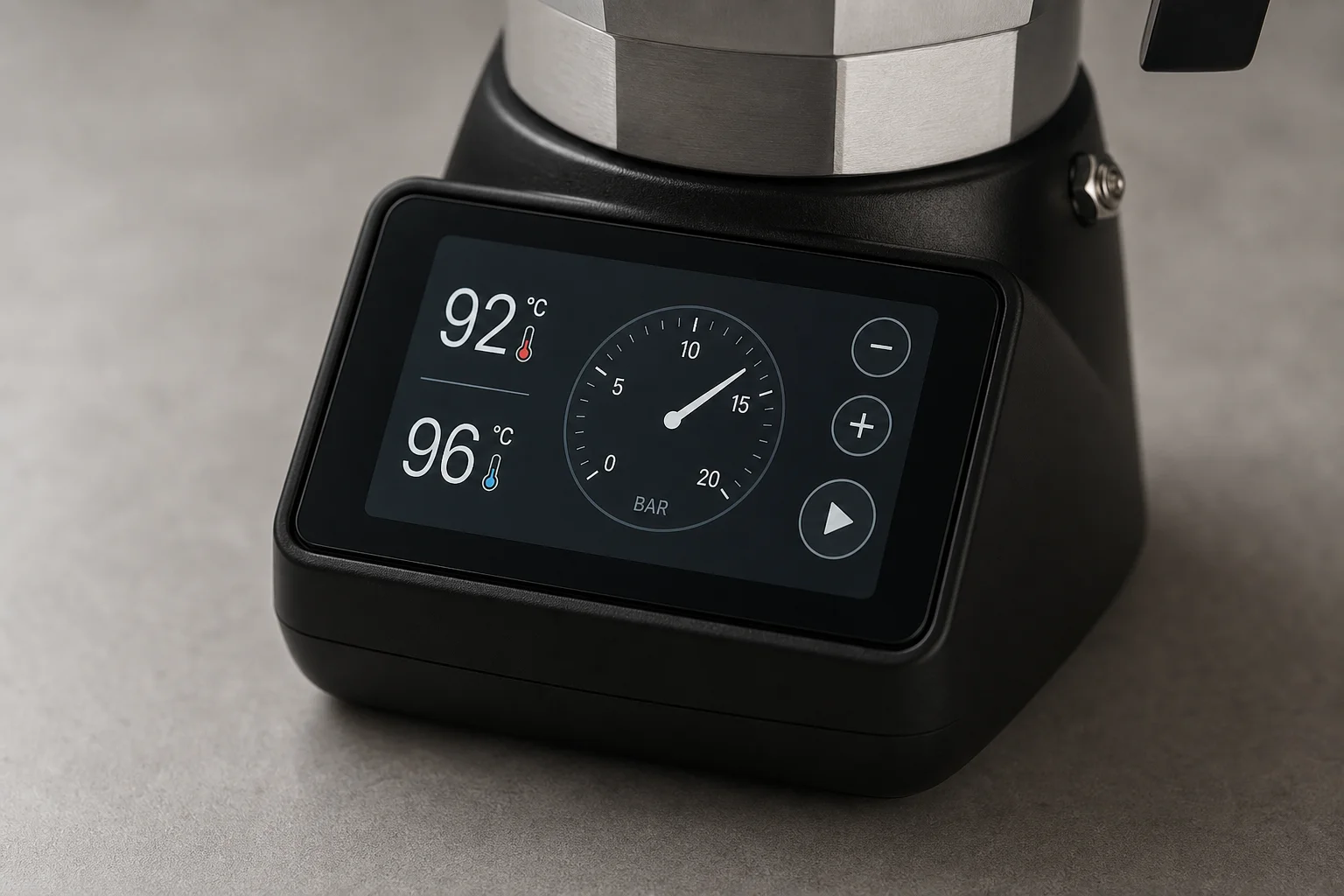
During testing, setting the target to 107 degrees Celsius produced a noticeably different result than conventional brewing. The coffee flowed steadily without the gurgling or hissing typical of stovetop moka pots, and the final cup showed improved clarity and balance. The system also includes a calibration function that accounts for altitude and atmospheric pressure, allowing consistent results whether brewing at sea level or at elevation.
The PID controller adjusts heating power based on how far the current temperature deviates from the target. If the temperature drops significantly, the element applies more heat; as it approaches the target, heating power reduces proportionally. This prevents overshoot and the temperature swings that degrade coffee quality.
Brew Results and Flavor Profile
Testing the Moka Bot revealed tangible improvements in cup quality compared to standard moka pot brewing. The first brew at 107 degrees produced coffee with good sweetness and texture, though with a slightly harsh finish. Adjusting the grind coarser and lowering the target temperature to 106 degrees on the second brew yielded noticeably smoother results, with balanced acidity and minimal bitterness.

A third brew, targeting 106 degrees with a planned temperature reduction during the cycle, produced 72 grams of coffee with complex flavor and minimal harshness. The brewer delivered results that rival or exceed what most home brewers achieve through manual technique alone. The consistency of the output suggests that even small adjustments to temperature and grind size produce predictable, measurable improvements in flavor.
WiFi Connectivity and Monitoring
The Moka Bot connects to WiFi, enabling a web application that logs brew data in real time. Users can watch a graph of temperature progression, pressure estimates, and brew duration on a laptop or mobile device. This transparency allows experimentation: changing the target temperature or grind size and immediately seeing how those variables affect the brew curve and final cup.
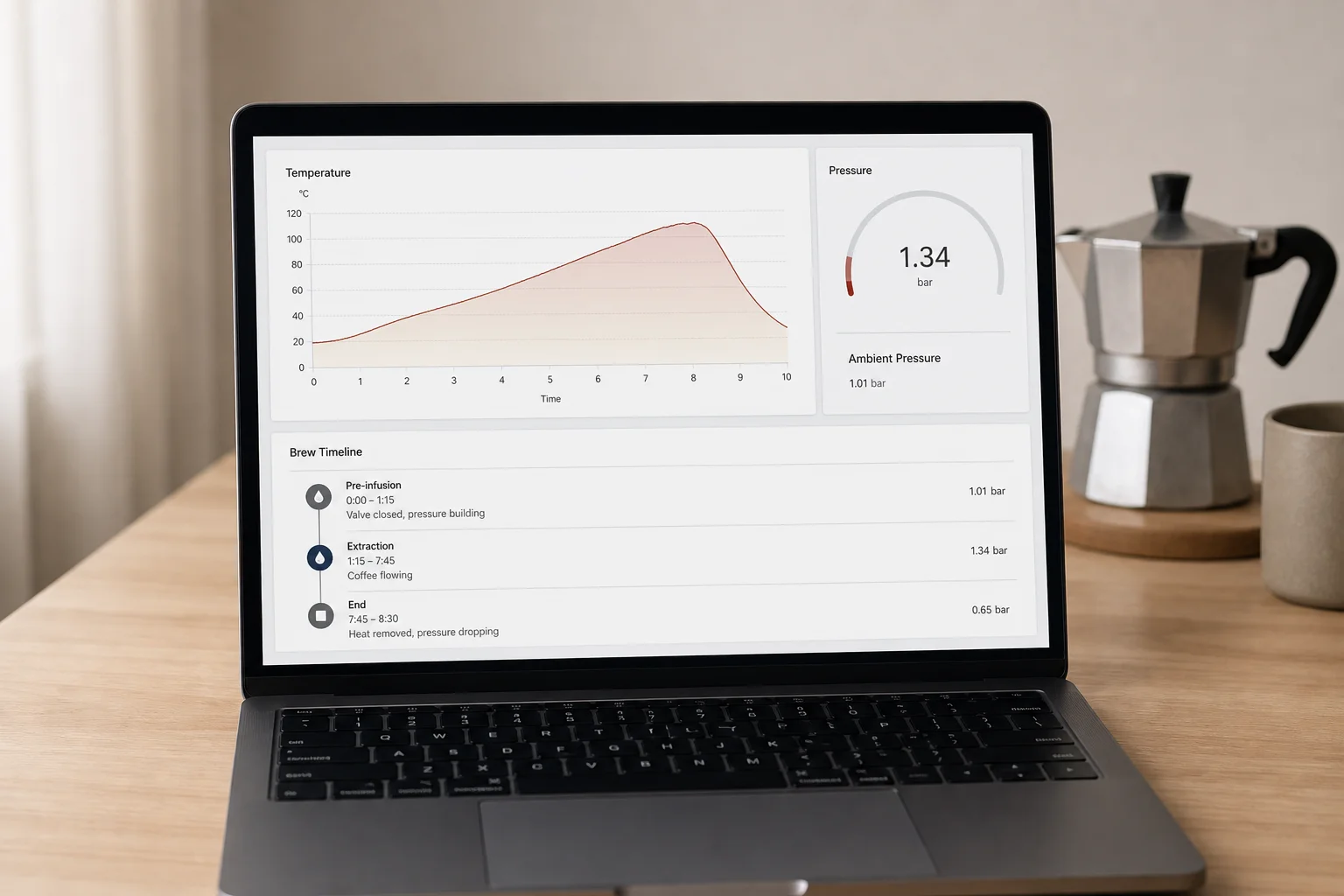
While WiFi connectivity may seem unnecessary for a simple brewer, it serves a practical purpose. Rather than guessing whether adjustments improved the coffee, users can review actual data and correlate it with taste. This transforms the moka pot from a device where success depends largely on intuition into one where intentional changes produce measurable, repeatable results.
The Future of Moka Pot Design
The Moka Bot demonstrates that meaningful innovation is possible within the moka pot category. The prototype suggests two potential product directions. A consumer version could offer automatic temperature control without user input, requiring only a button press to start a pre-programmed brew cycle. A more advanced version, similar to the prototype, would allow users to adjust temperature and monitor brewing in real time.
The remaining challenge is determining when to stop heating and allow residual pressure to finish the brew. Stopping too early leaves liquid in the lower chamber; stopping too late allows temperatures to climb into the harsh, bitter range. A declining temperature profile, similar to espresso machines, could solve this problem through software logic that detects when water mass in the lower chamber has diminished and automatically reduces heat accordingly.
Conclusion
The Moka Bot proves that the moka pot, despite its age and simplicity, can be meaningfully improved through intelligent heating control. It makes specialty coffee brewing more accessible by removing the guesswork and technique required to achieve consistent results. If manufacturers adopt similar technology, the moka pot could regain relevance among coffee enthusiasts who currently view it as a tool for traditional Italian coffee only. The innovation here is not radical, but it is genuine, and it suggests an exciting future for one of coffee’s most iconic brewers.
Product link
View more details for Moka Bot
This product is mentioned in the review. Check the specifications, options, and compatibility before buying.
View more details for Moka BotFurther reading
Related Reviews
Coffee Equipment
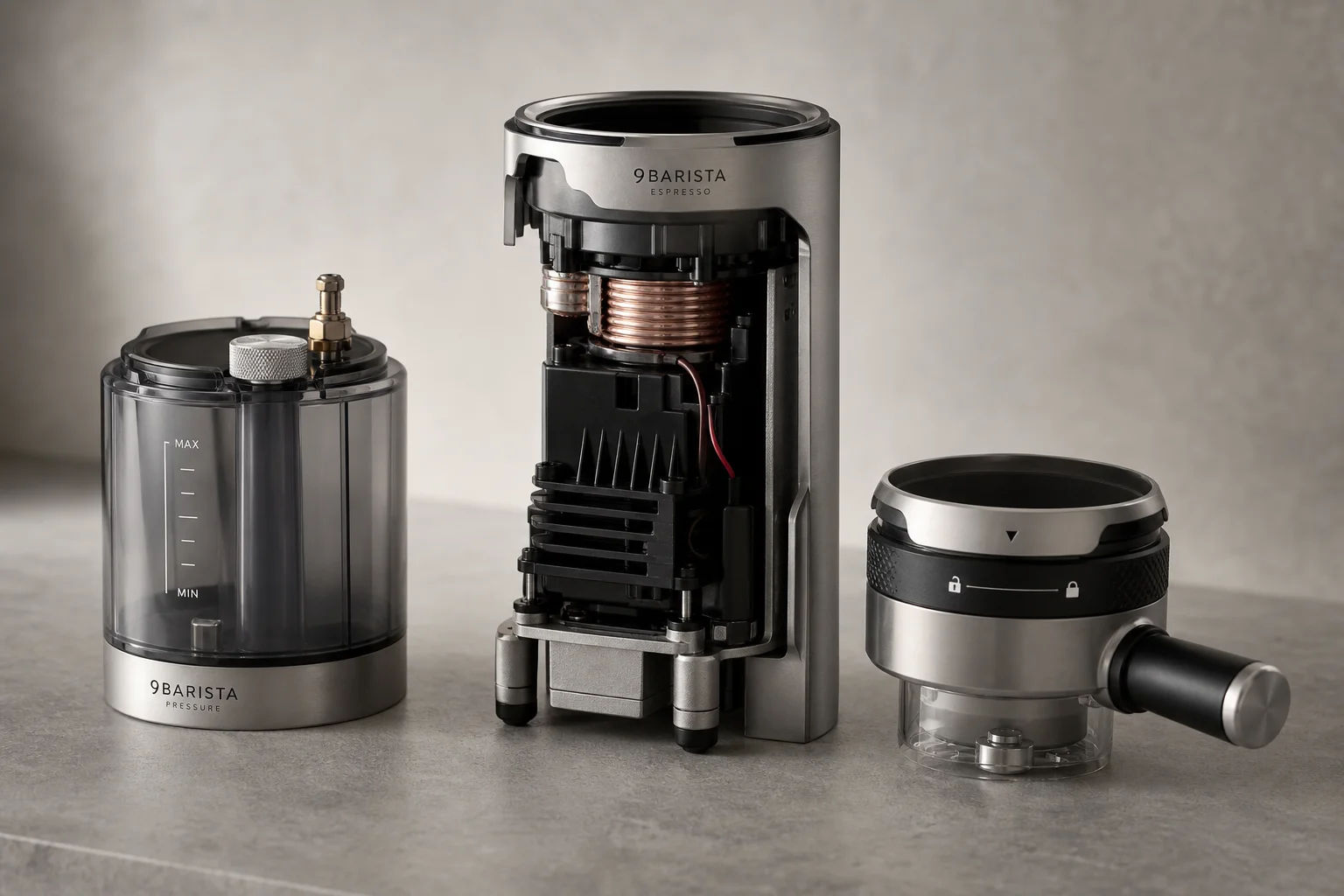
9Barista Espresso Machine Review: Stovetop Espresso for Single-Cup Enthusiasts
A cleverly engineered stovetop espresso maker that generates nine bars of pressure without electricity. Excellent coffee quality, but requires patience and suits solo drinkers only.
Coffee Equipment
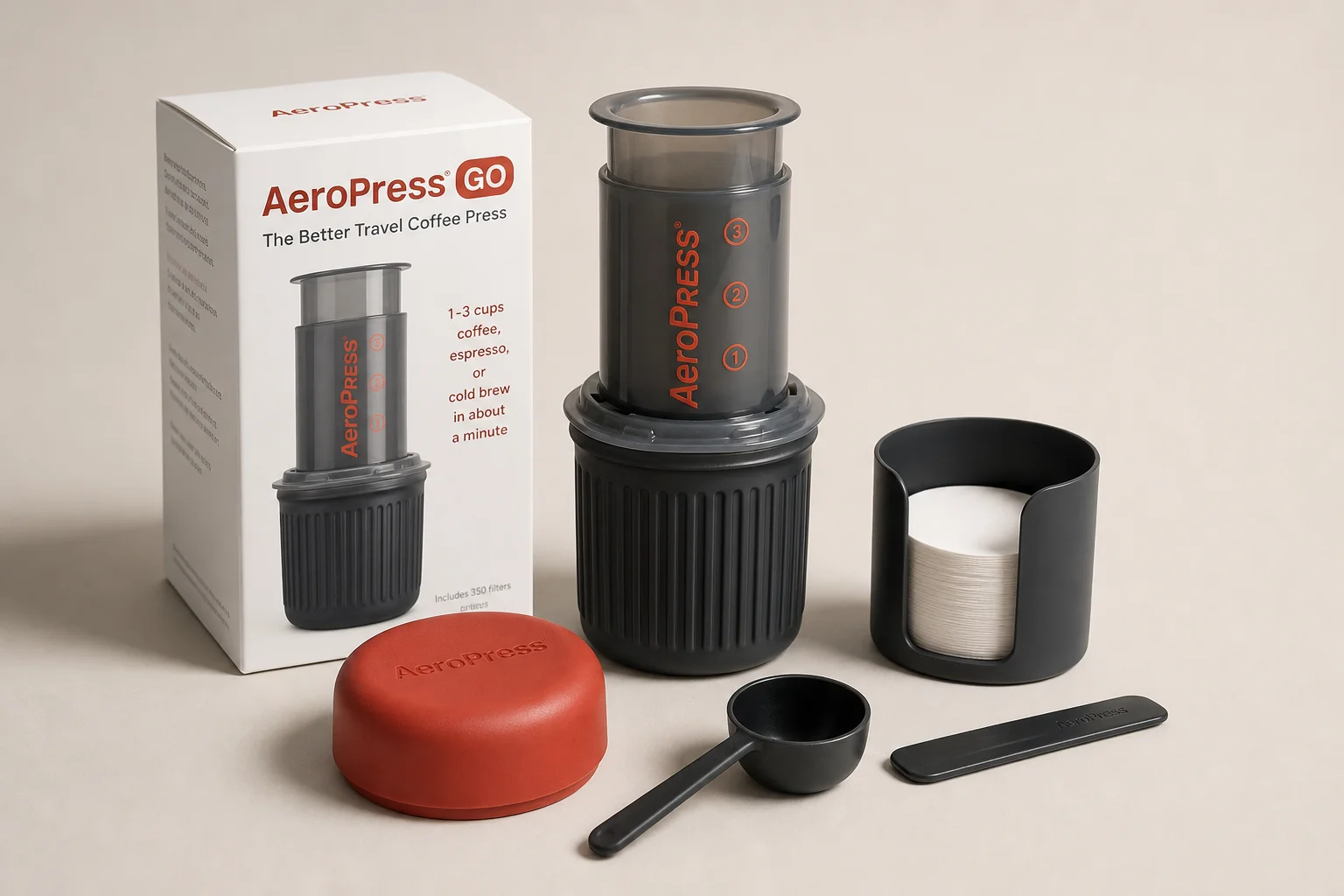
Aeropress Go Review: A Compact Travel Brewer That Solves One Specific Problem
The Aeropress Go shrinks the original design and adds an integrated cup, but it may not address the travel challenges most coffee enthusiasts actually face.
Coffee Equipment
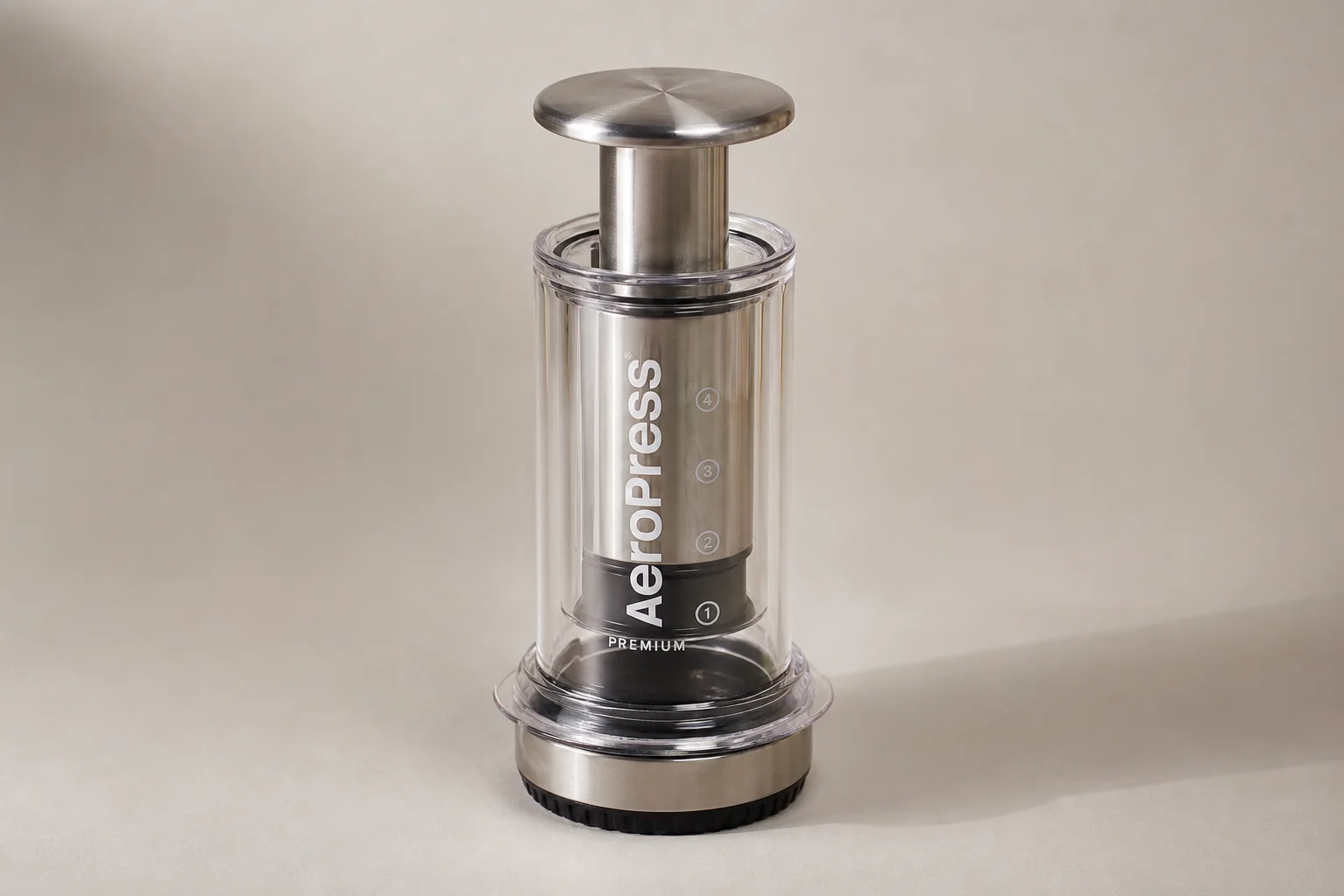
AeroPress Premium Review: Premium Materials, Practical Trade-offs
The AeroPress Premium brings glass and metal construction to a beloved brewer, but trades portability and durability for a more refined feel. Here's what changes in the cup and what matters before you buy.