Camera Reviews
Nikon Z5 II Review: A Serious Entry-Level Full-Frame Camera
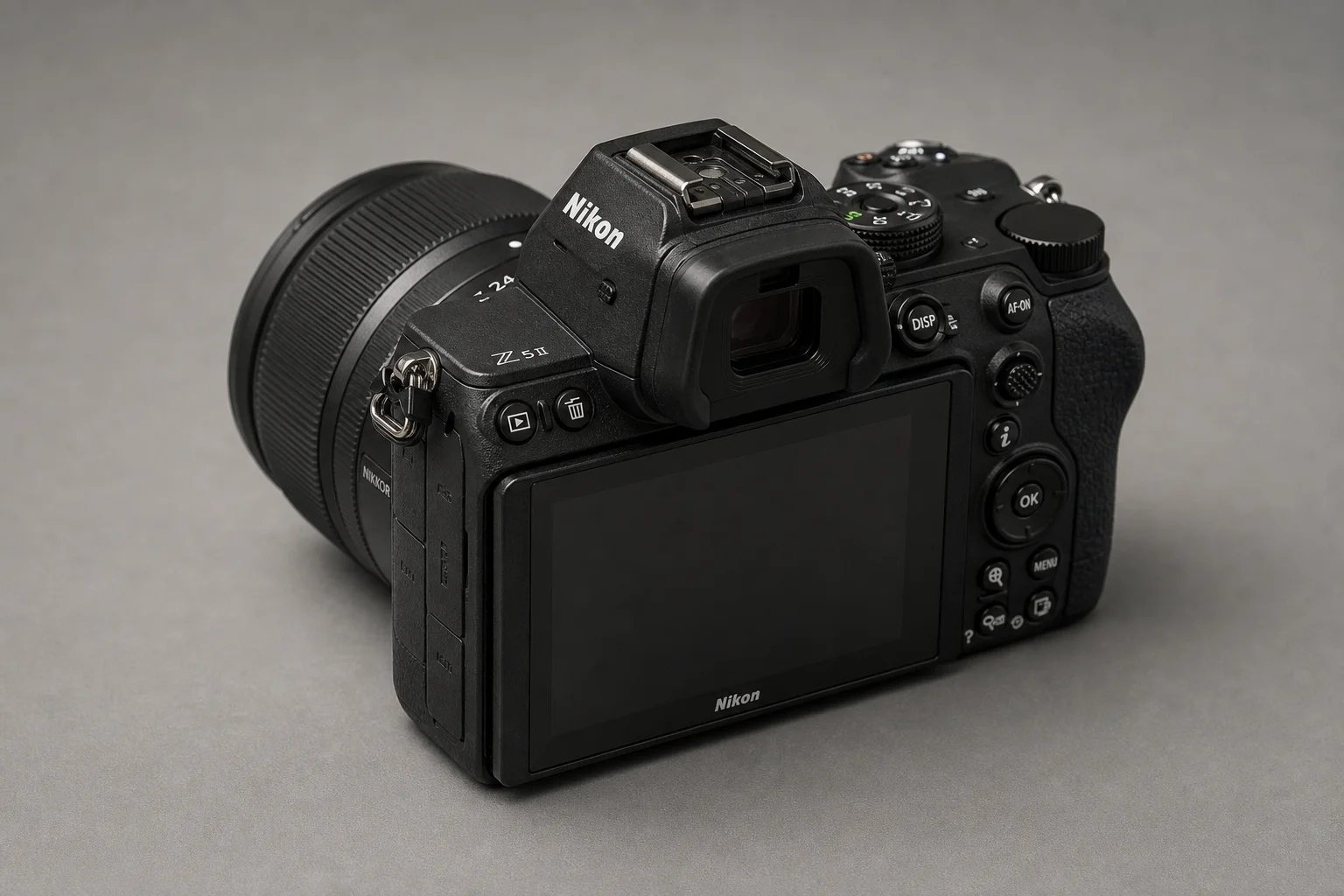
The Nikon Z5 II brings meaningful upgrades to the entry-level full-frame segment, with a competitive AF system, dual card slots, and raw video capabilities that challenge more expensive rivals.
Introduction
The Nikon Z5 II arrives in a crowded entry-level full-frame market where expectations have shifted. The original Z5 felt like a bare-bones compromise, but this successor brings a genuine upgrade in capability. The question is whether it justifies its position against rivals like the Canon R8 and Panasonic S9, or whether it simply catches up to where the competition already stands.
Price and Market Position
The Nikon Z5 II carries a suggested retail price of around USD 1,700, placing it squarely in the entry-level full-frame segment. For context, the Canon R8 sits at USD 1,500 and the Panasonic S9 also at USD 1,500. The Sony A7C II, positioned as Sony’s entry-level option, commands a significantly higher price and deserves less consideration for budget-conscious buyers.
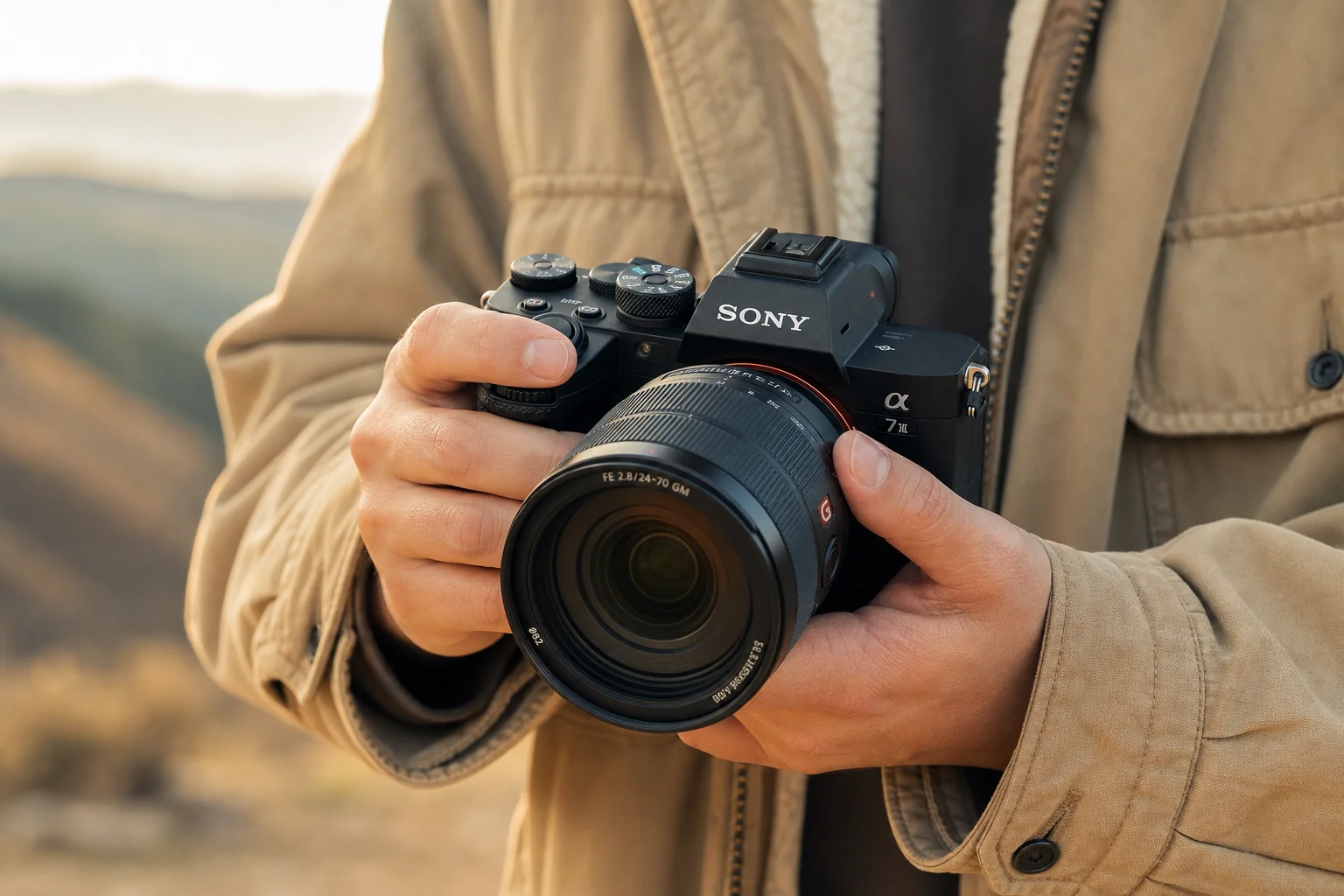
At USD 1,700, the Z5 II is only USD 200 more expensive than the R8, yet it includes features the Canon lacks entirely: in-body stabilization and dual card slots. The Panasonic S9 matches the R8’s price but sacrifices a viewfinder and offers weaker autofocus for stills. When comparing suggested retail prices rather than discounted street prices, the Z5 II’s positioning becomes more defensible. Older cameras naturally attract discounts; the Z5 II will follow the same trajectory over time.
Autofocus and Burst Performance
The Z5 II uses the same autofocus system found in Nikon’s flagship Z8 and Z9 cameras, featuring 3D matrix focusing with subject tracking. This is a significant advantage over the Z6 II, which lacks 3D tracking entirely. For an entry-level camera, this AF capability is genuinely impressive.
Burst performance requires careful reading of Nikon’s specifications. The camera can achieve 9.5 frames per second with raw files using the front curtain shutter, but drops to 7.8 fps with full mechanical shutter. Electronic shutter modes reach 10 fps for mechanical raw and 15 fps for silent mode, though the latter uses electronic shutter. For JPEG files, the camera manages 14 fps with mechanical shutter and 30 fps with electronic shutter.
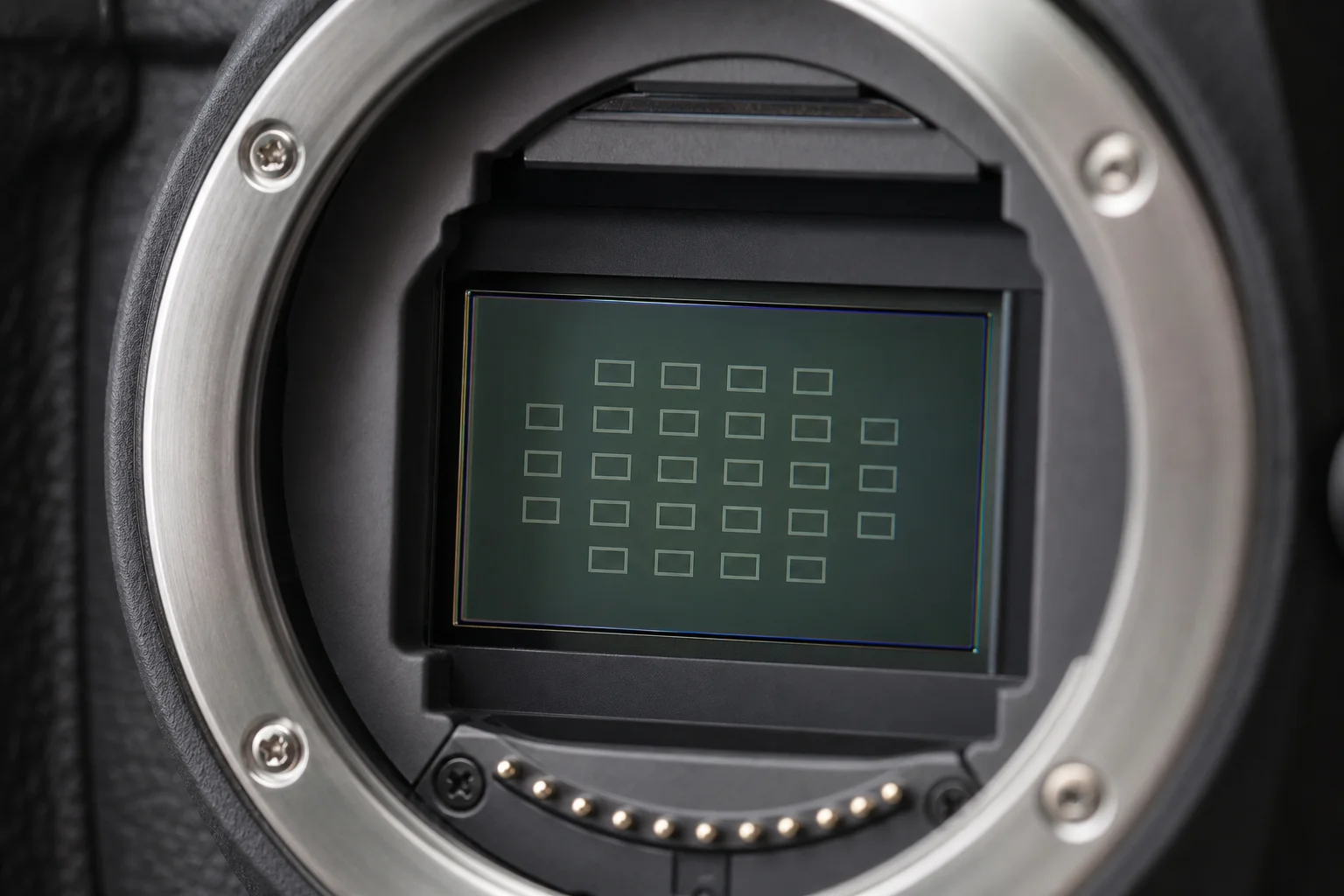
For an entry-level full-frame camera, 10 fps mechanical shutter raw is competitive and faster than the Canon R8. The R8 does offer 40 fps with electronic shutter raw, but that’s a different shooting mode entirely. For most entry-level users, 10 fps mechanical raw is more than sufficient for everyday work.
Video Capabilities and Dual Card Slots
Video recording is typical for this segment: 4K at 25p and 30p uses the full sensor width, but 4K at 50p and 60p applies an APS-C crop. The Canon R8 shoots 4K60 across the full sensor width, which is an advantage. However, the Panasonic S9 offers 6K recording, though that’s a less practical consideration for most users.
The Z5 II’s standout video feature is its dual SD card slot, allowing simultaneous recording to two cards. This redundancy is invaluable for professional work and peace of mind. More importantly, the Z5 II is likely the cheapest full-frame mirrorless camera capable of recording raw video internally to dual SD cards, a feature that would typically cost significantly more.

The dual card slot alone justifies the Z5 II’s price premium over single-slot competitors. For hybrid shooters who need both stills and video, this is a meaningful differentiator.
The Bigger Picture: Nikon’s Full-Frame Lineup
The original Z5 felt like a make-do camera, a compromise that didn’t quite satisfy any particular use case. The Z5 II changes that equation. While it’s still an entry-level camera and shouldn’t be expected to reinvent the category, it’s now a genuinely capable hybrid tool that could serve as a sole camera for many users.
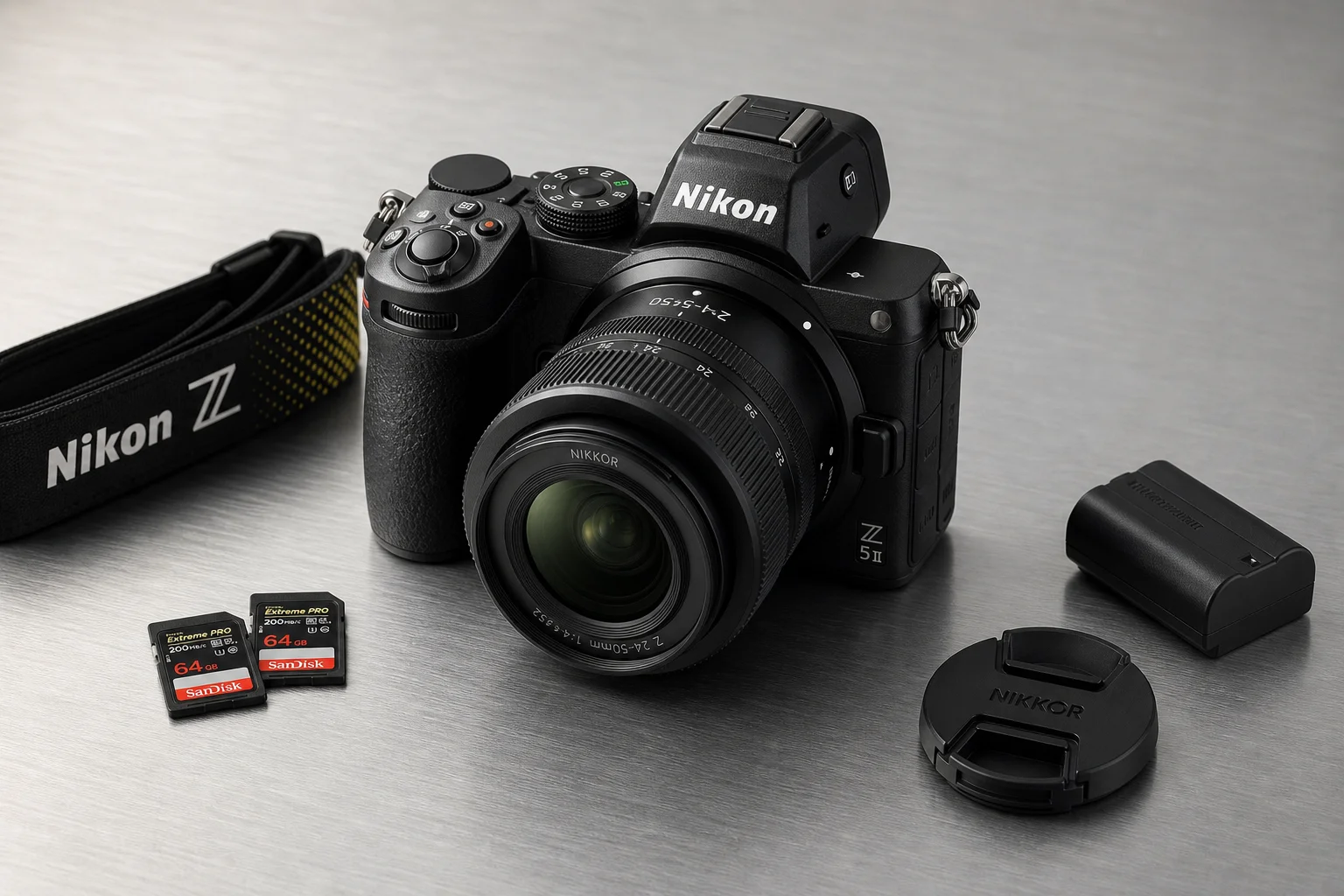
Nikon’s full-frame system has matured considerably. The lineup now offers a strong entry-level option in the Z5 II, compelling mid-range choices, and flagship performance at the top. This progression gives buyers real choices at each price tier, something that wasn’t true just a few years ago.
Conclusion
The Z5 II is a competitive entry-level full-frame camera that doesn’t feel cheap or compromised. Its autofocus system rivals cameras costing significantly more, dual card slots are rare at this price point, and raw video capability adds professional flexibility. Compared directly to the R8 and S9, it offers genuine advantages that justify its USD 1,700 price. For photographers stepping into full-frame mirrorless, the Z5 II deserves serious consideration.
Product link
View more details for Nikon Z5 II
This product is mentioned in the review. Check the specifications, options, and compatibility before buying.
View more details for Nikon Z5 IIFurther reading
Related Reviews
Camera Reviews
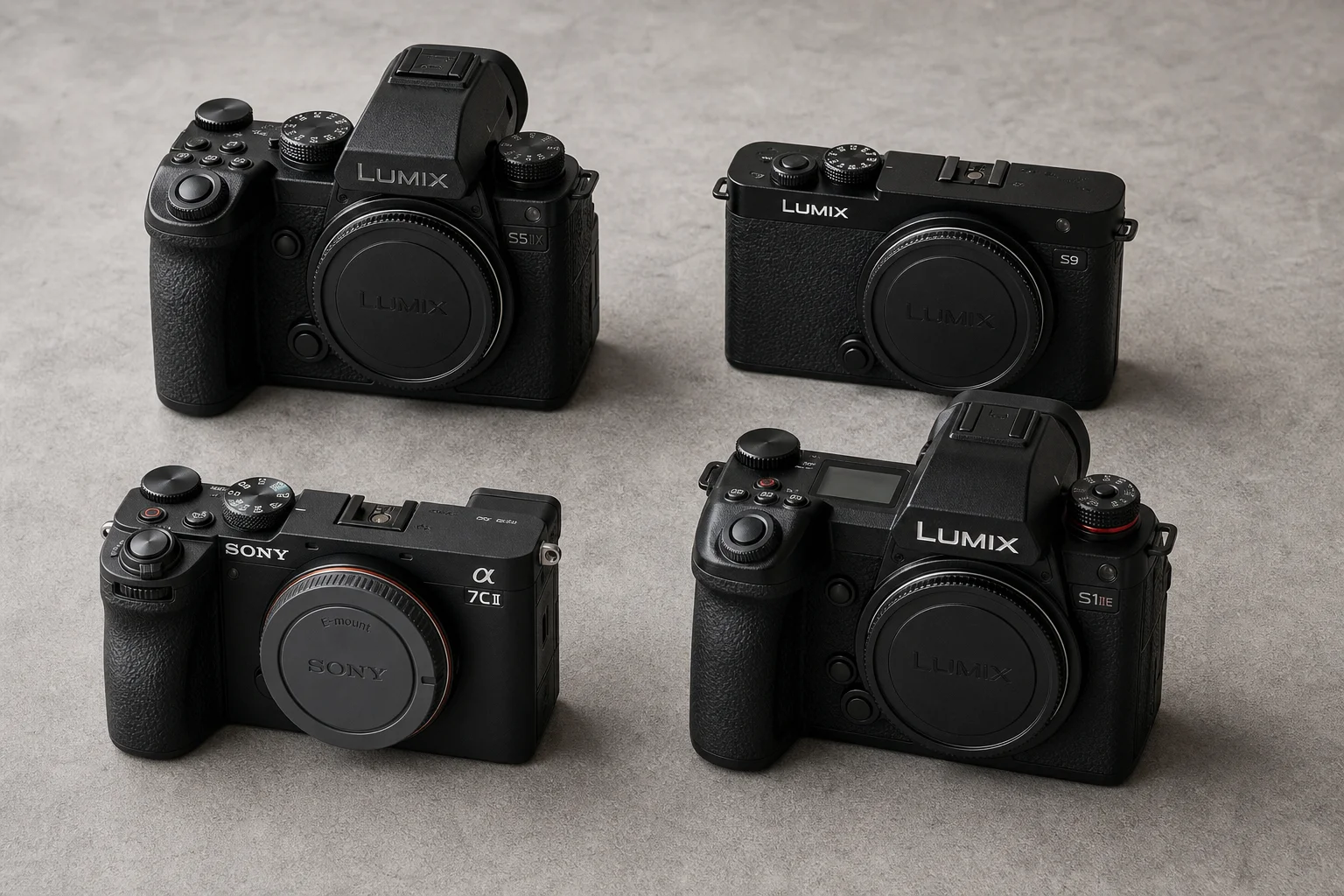
Best Budget Full-Frame Cameras for Video: Four Strong Options Compared
Four full-frame cameras that deliver excellent video capabilities without premium pricing. Lumix leads with unique features, while Sony offers strong autofocus for hybrid shooters.
Camera Reviews
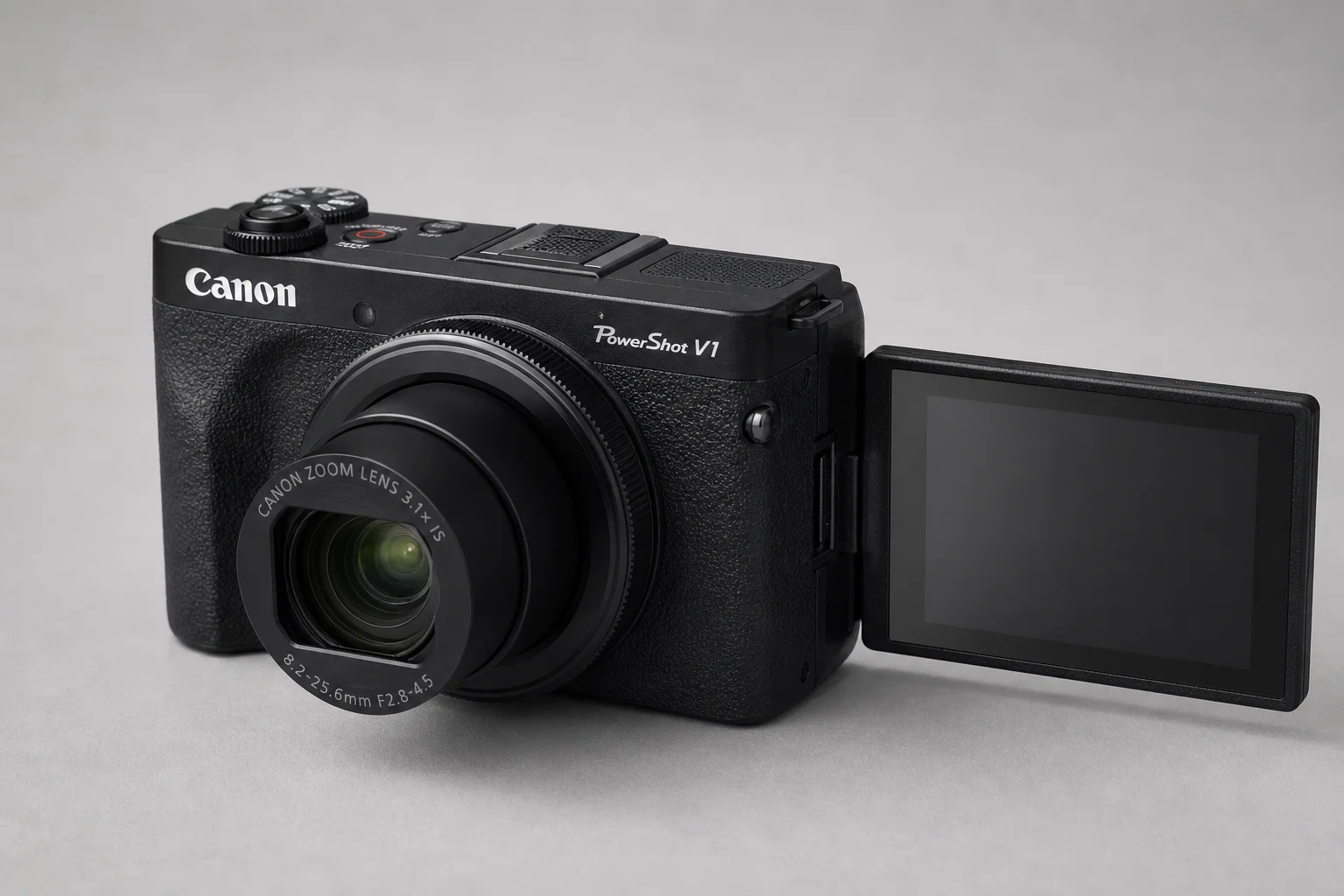
Canon PowerShot V1 Review: A Serious Vlogging Camera with Real Trade-offs
The Canon PowerShot V1 brings a larger sensor and optical stabilization to compact vlogging, but size, battery life, and dynamic range limitations deserve careful consideration.
Camera Reviews
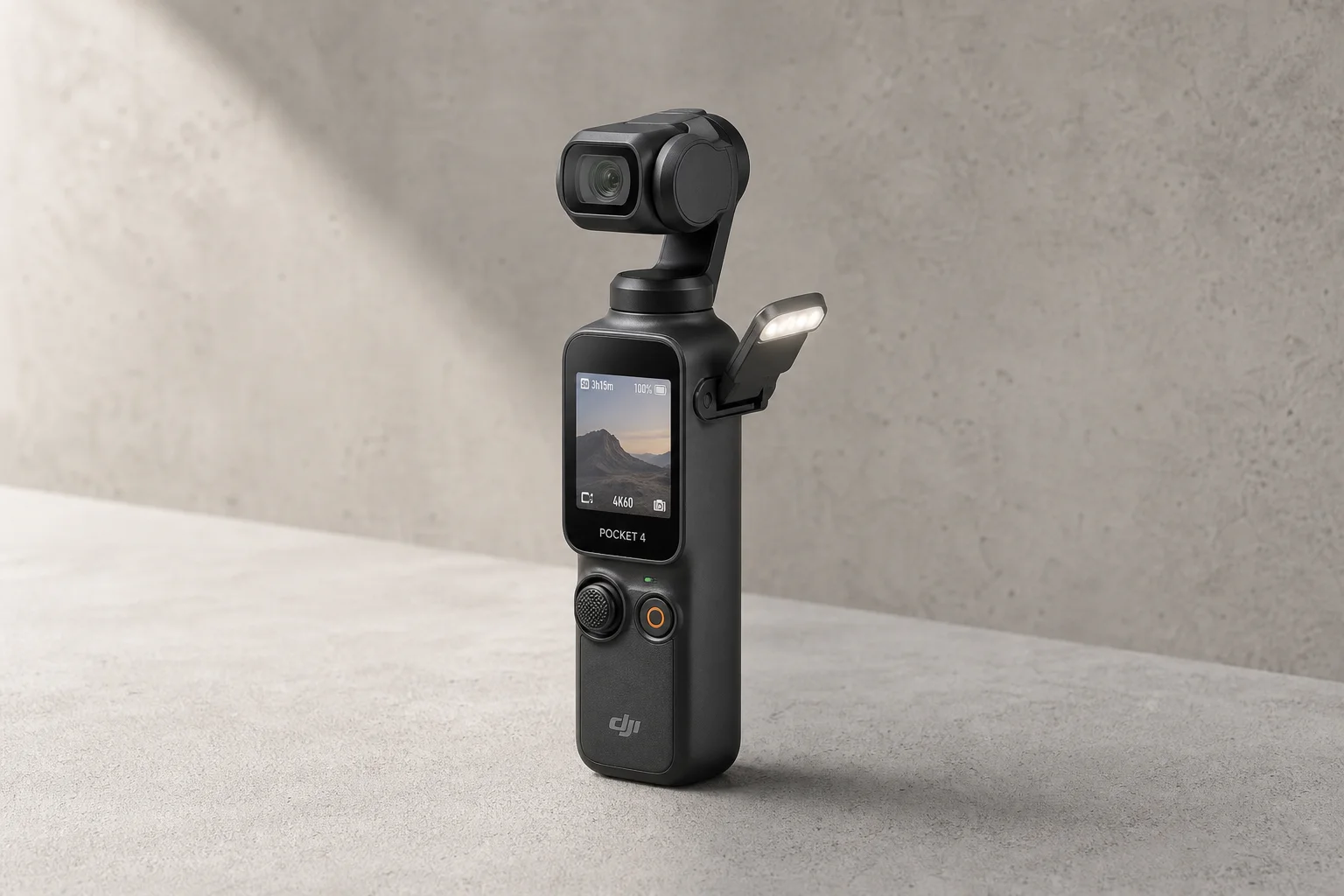
DJI Pocket 4 Review: Compact Gimbal Camera with 1-Inch Sensor and Fill Light
The DJI Pocket 4 brings a 37-megapixel 1-inch sensor, built-in fill light, 4K 240fps video, and 107GB internal storage to a single-handed stabilised camera. A detailed look at what's new and what remains unchanged.