Coffee Equipment
Sage Precision Brewer Review: Two Years of Daily Brewing
A detailed look at the Sage Precision Brewer after two years of daily use, covering its strengths, quirks, and whether it justifies the investment for home coffee enthusiasts.
Introduction
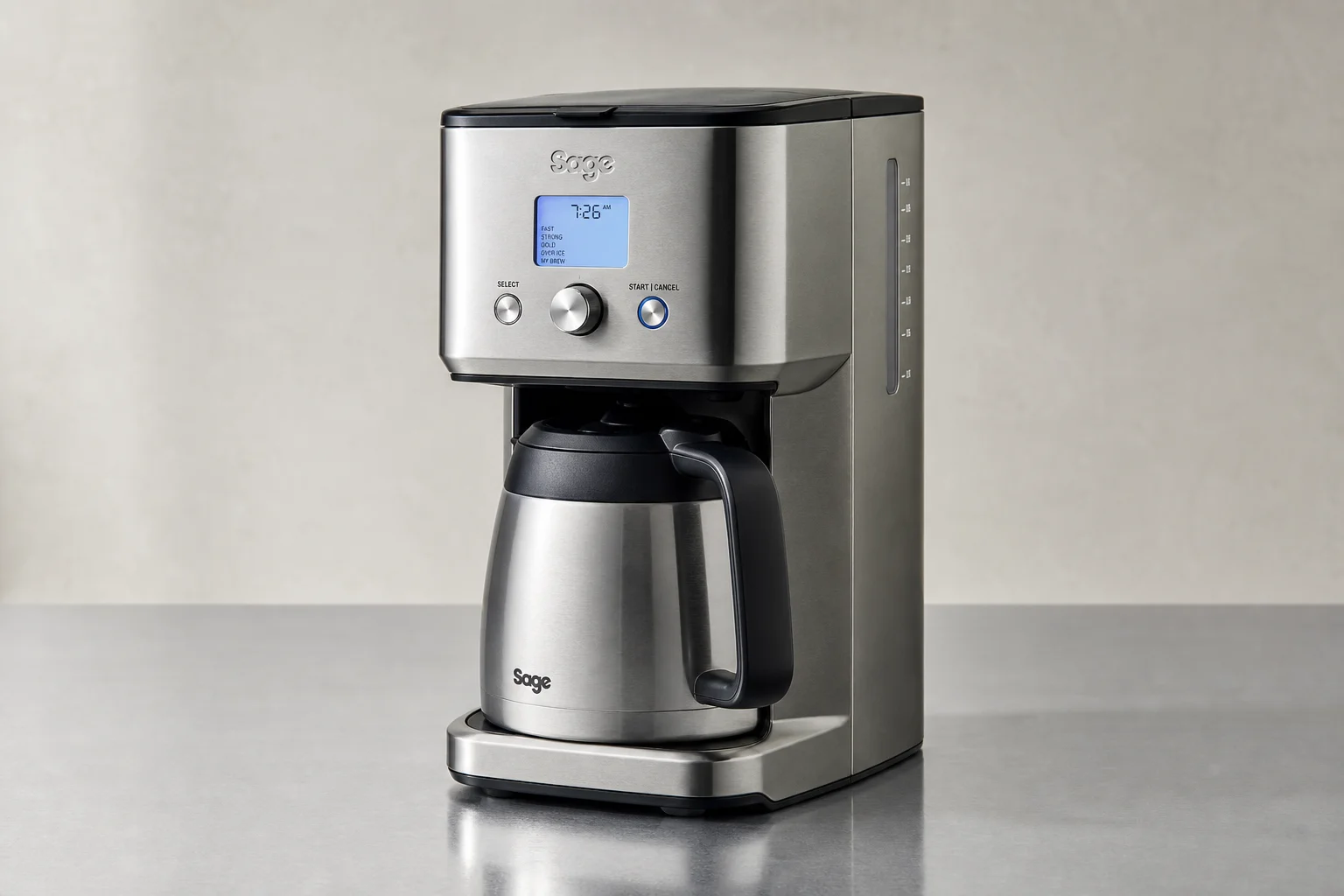
The Sage Precision Brewer has been my daily home brewer for two years. What began as a pre-release unit sent by the manufacturer evolved into a long-term test of reliability, consistency, and real-world usability. After two years of regular use, I can offer a thorough perspective on what this machine does well and where it falls short.
Design and Build Quality
The Precision Brewer carries Sage’s design language throughout: brushed metal accents, thoughtful plastic components, and a cohesive aesthetic that feels premium without being ostentatious. If you appreciate Sage’s industrial design, you’ll find this machine fits naturally into a kitchen. If you dislike the brand’s visual approach, this won’t change your mind.
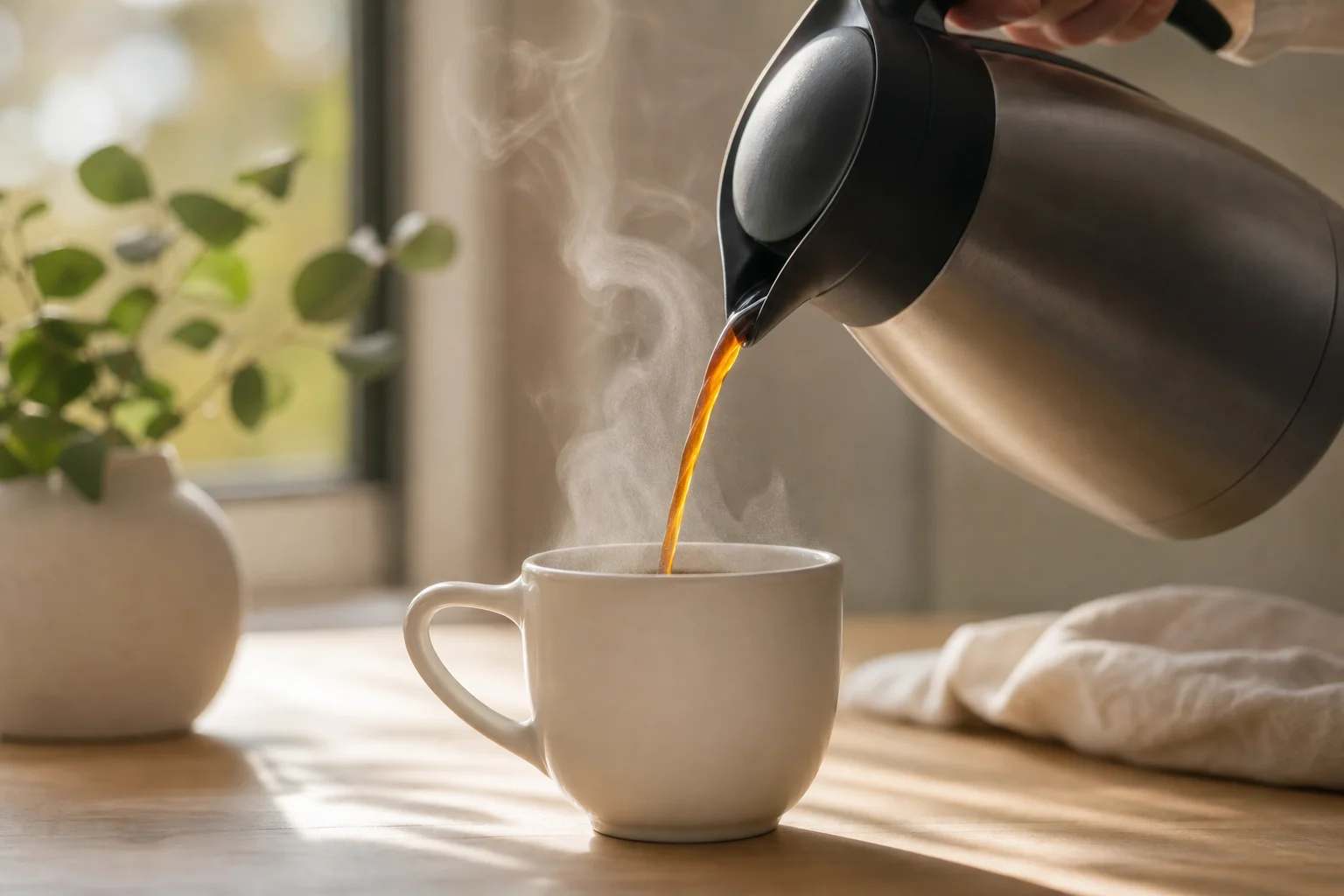
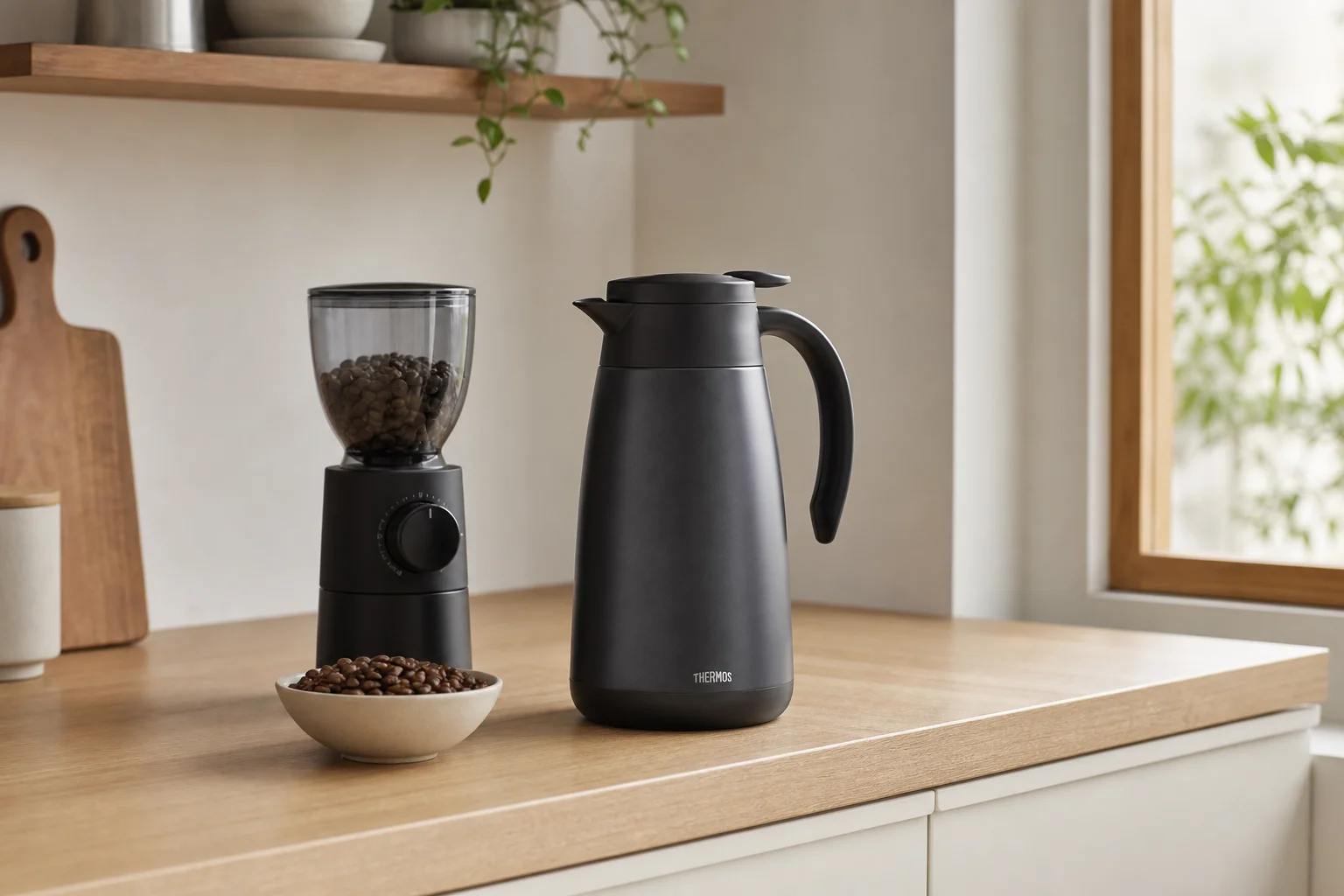
At 250 pounds in the UK, it sits at the upper end of the small-batch home brewer market, but not at the absolute top. The thermal carafe is a sensible choice, keeping coffee hot without a heating plate. The machine is substantial and requires dedicated counter space, which is worth considering before purchase.
Brew Basket Options and Flexibility
One of the Precision Brewer’s strongest features is its adaptability. The machine ships with two brew cones: a cone-shaped brewer designed for Melitta-style papers, and a flat-bottomed basket for larger volumes. A metal filter basket is also included for those who prefer zero-waste brewing.
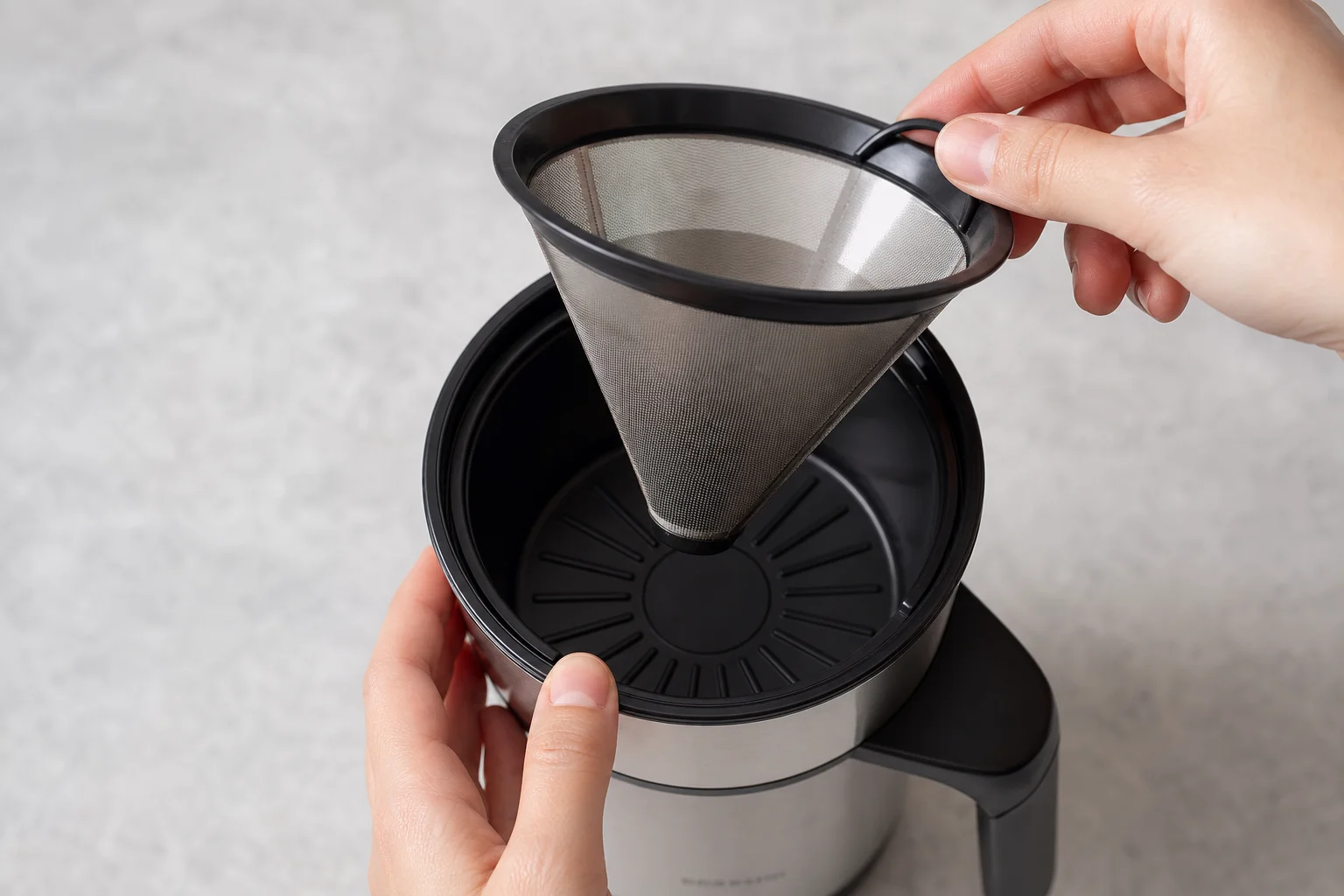
The cone-shaped brewer produces noticeably better results than the flat-bottomed option, likely due to the shower head design being optimized for cone geometry. The cone brewer handles up to 1.2 litres comfortably, which is substantial for home use. The flat-bottomed brewer reaches 1.8 litres but struggles to match the cup quality at those volumes, even with adjusted bed depth.
Beyond the included baskets, the machine accepts adapter sets that allow you to use your own V60, Kalita, or other flat-bottom pour-over brewers. This flexibility means you can automate your preferred manual brewing method, which is genuinely useful if you have a favourite dripper.
Programmable Brewing Control
The Precision Brewer justifies its “precision” name through genuine control over brewing variables. Three preset modes—Fast, Gold, and Strong—adjust flow rate for different brewing speeds. The Gold setting is my default; Fast feels unnecessary, and Strong often over-extracts for my taste.
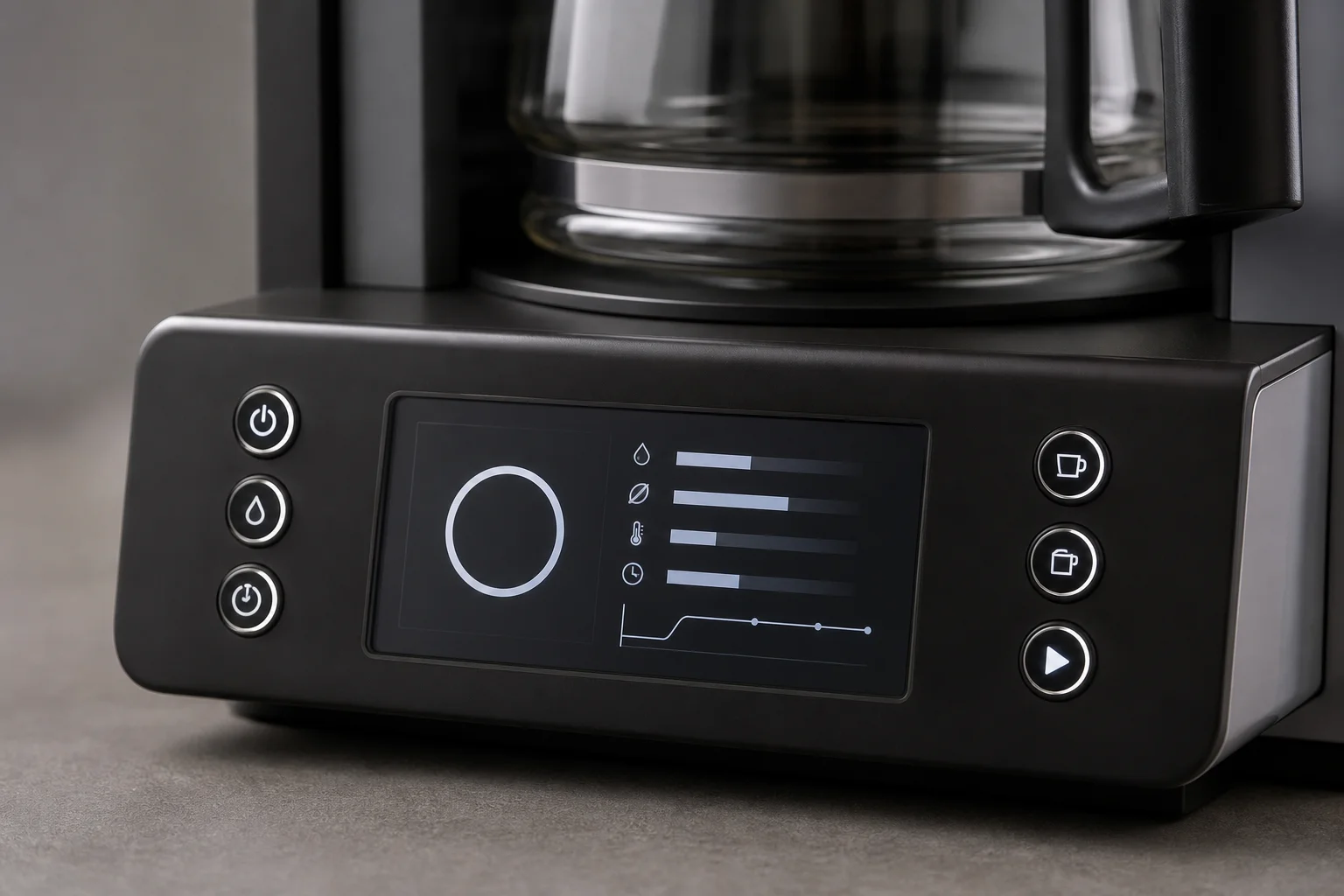
The custom “My Brew” mode offers granular control: bloom volume and time, overall flow rate from slow to fast, and brew temperature adjustable in single-degree Celsius increments. This level of accuracy is rare in home brewers and delivers consistent results. After two years, the machine maintains temperature stability reliably.
Additional features include a cold-brew function that runs overnight, though I find the resulting coffee lacks the clarity I prefer. The auto-start function is more useful: grinding coffee the night before and having the machine brew at 6 AM delivers fresh coffee without the ritual, though some aromatic complexity is lost over an eight-hour wait.
Water Quality and Softening
The UK version includes a water-softener filter lasting approximately three months. London’s hard water presented a challenge during testing, prompting this addition. The machine prompts you to set your water hardness on first use, then adjusts descaling intervals accordingly.
While this filter is a thoughtful inclusion, I still recommend using pre-softened or filtered water rather than relying on the machine to do the work. If you have no alternative, the softener is a genuine convenience.
Practical Considerations and Trade-offs
The water tank markings are a minor frustration. The UK version converted from imperial ounces to metric but kept the original line positions, resulting in awkward 900ml marks rather than intuitive half-litre or litre increments. It’s a small complaint but worth noting if you brew by volume.
The cone-shaped brew basket requires attention: coffee grounds can escape into the open basket area beneath the cone. If you rinse only the cone without removing the basket, residue accumulates underneath. Pulling out the basket for a thorough clean every brew prevents buildup and maintains hygiene.
The thermal carafe, like all carafes, cannot dispense every last drop of coffee, leaving a small amount behind. This is a universal carafe limitation rather than a machine-specific issue.
The machine’s size is substantial. It occupies meaningful counter space and isn’t portable. If you need to brew 1.5 to 2 litres regularly, a small commercial brewer might be more effective and not significantly more expensive. However, few commercial brewers at comparable price points offer the control and programmability of the Precision Brewer.
Comparison to Other Brewers
I’ve used both the Technivorm Moccamaster and high-end Wilfa brewers previously. Both produce excellent coffee, but neither offers the feature set, reliability, or control of the Sage. The Precision Brewer is a different category of machine: more automated, more adjustable, and more consistent. For someone who values control and consistency over simplicity, it’s a compelling choice.
Conclusion
The Sage Precision Brewer is a solid investment for home coffee enthusiasts who want reliable, consistent brewing with genuine control over variables. It’s not cheap, but the build quality, feature set, and two years of reliable daily performance justify the cost. The flexibility to use different brew baskets or adapt your own dripper adds long-term value. If you have the counter space and appreciate programmable precision, this machine is worth serious consideration.
Product link
View more details for Sage Precision Brewer
This product is mentioned in the review. Check the specifications, options, and compatibility before buying.
View more details for Sage Precision BrewerFurther reading
Related Reviews
Coffee Equipment
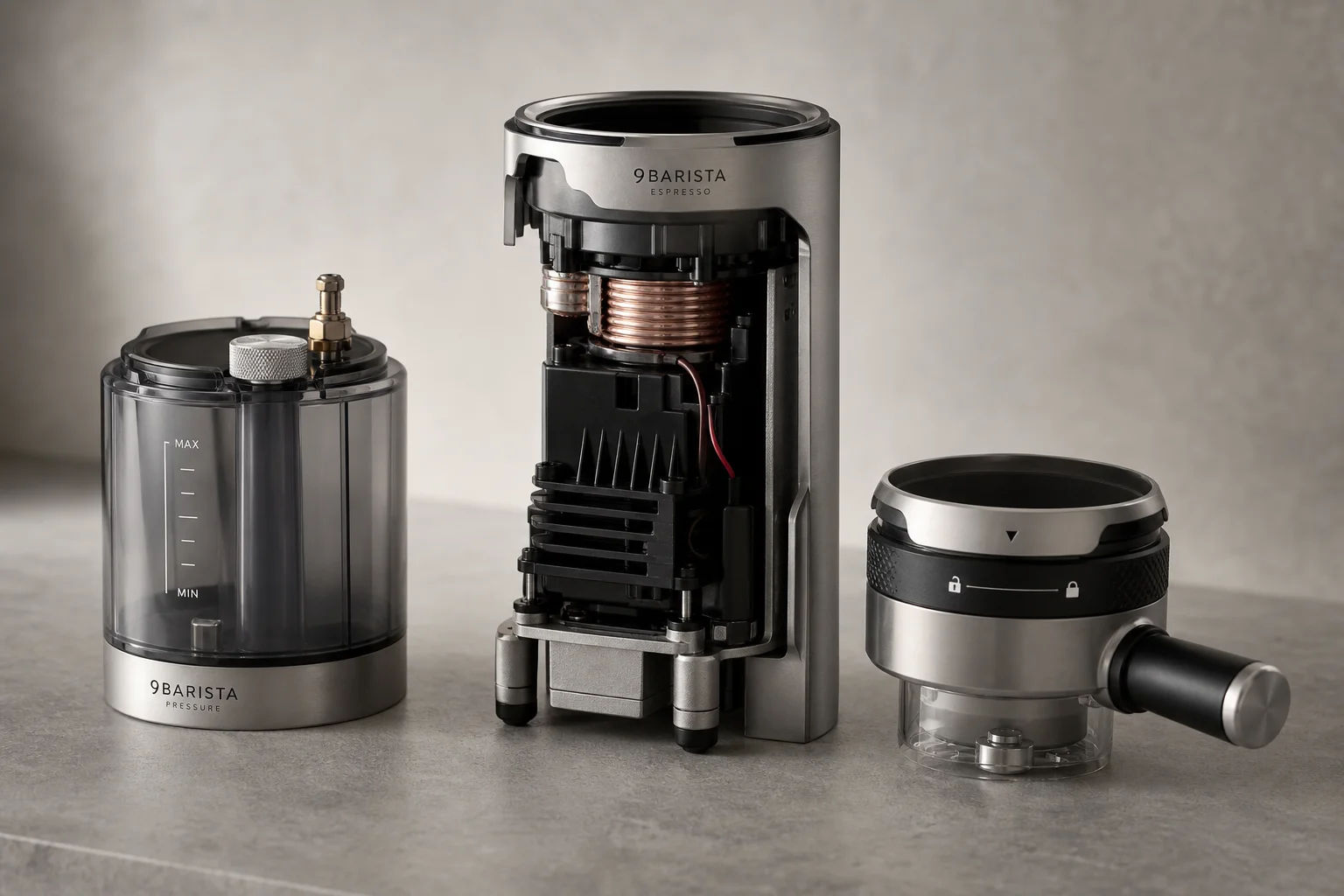
9Barista Espresso Machine Review: Stovetop Espresso for Single-Cup Enthusiasts
A cleverly engineered stovetop espresso maker that generates nine bars of pressure without electricity. Excellent coffee quality, but requires patience and suits solo drinkers only.
Coffee Equipment
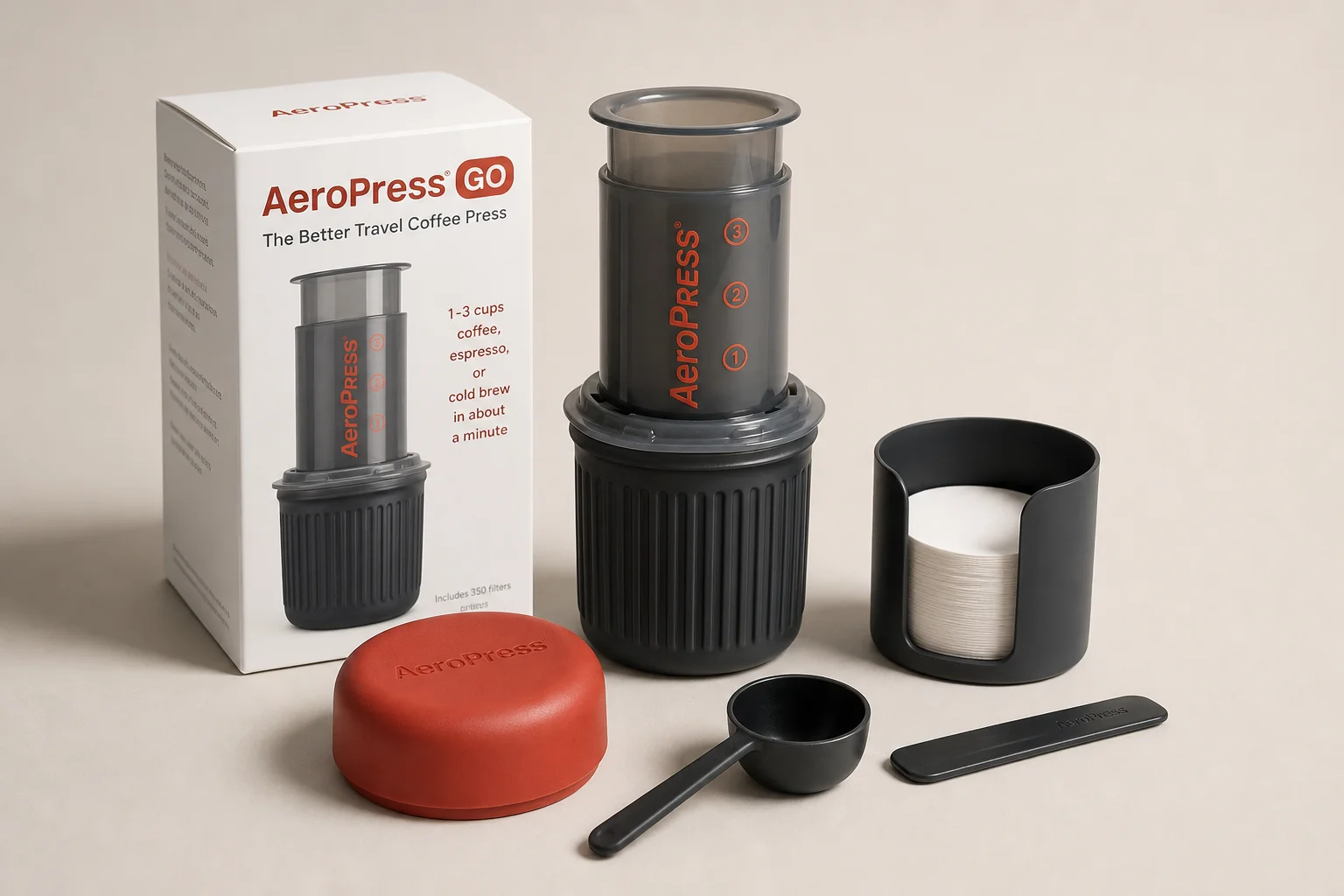
Aeropress Go Review: A Compact Travel Brewer That Solves One Specific Problem
The Aeropress Go shrinks the original design and adds an integrated cup, but it may not address the travel challenges most coffee enthusiasts actually face.
Coffee Equipment
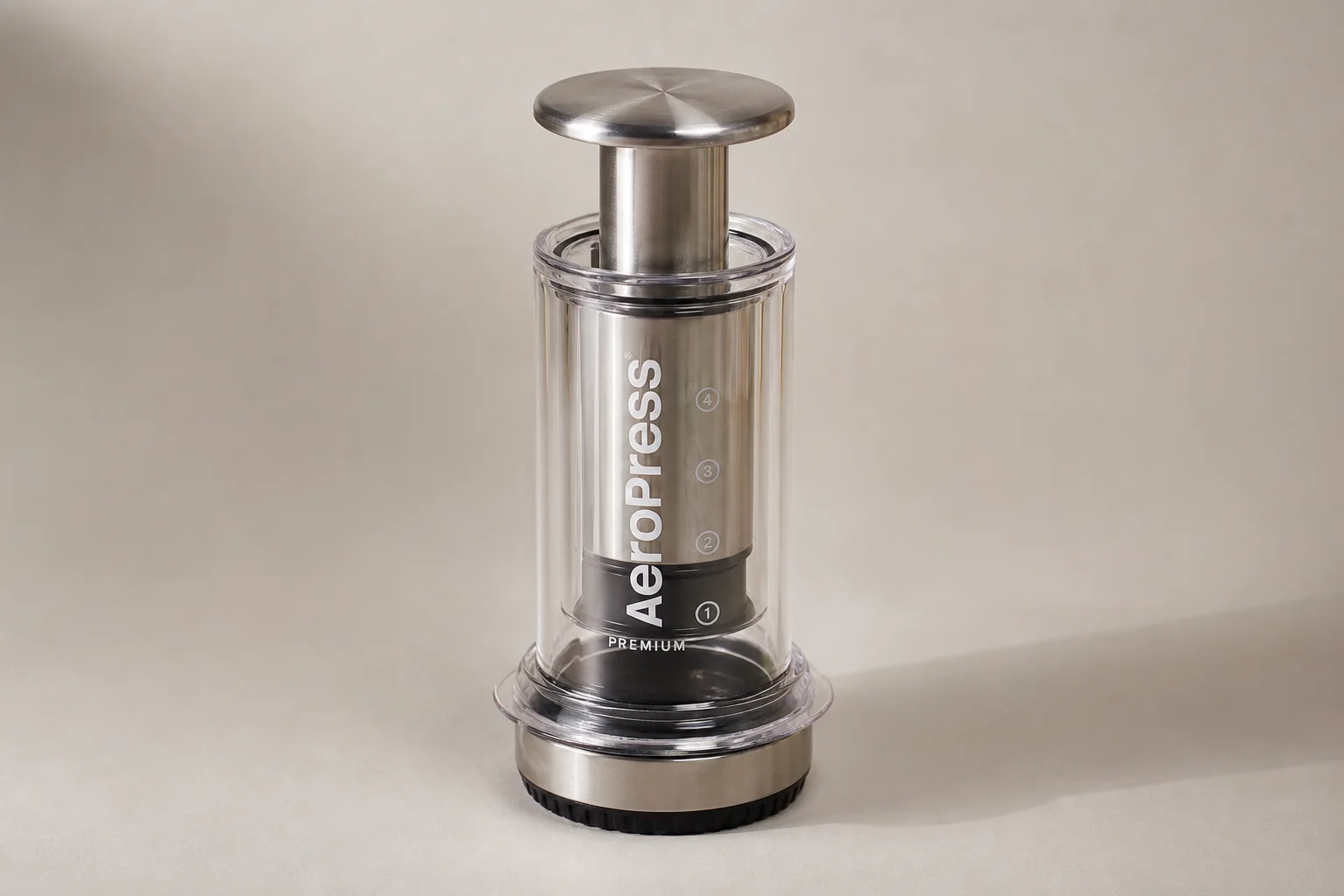
AeroPress Premium Review: Premium Materials, Practical Trade-offs
The AeroPress Premium brings glass and metal construction to a beloved brewer, but trades portability and durability for a more refined feel. Here's what changes in the cup and what matters before you buy.