Kitchen Appliances
Smart Oven Showdown: Breville Joule vs June vs Ninja Foodi
A detailed comparison of three leading countertop smart ovens, examining heating performance, convection design, sensor capabilities, and which model suits different cooking needs.
Introduction
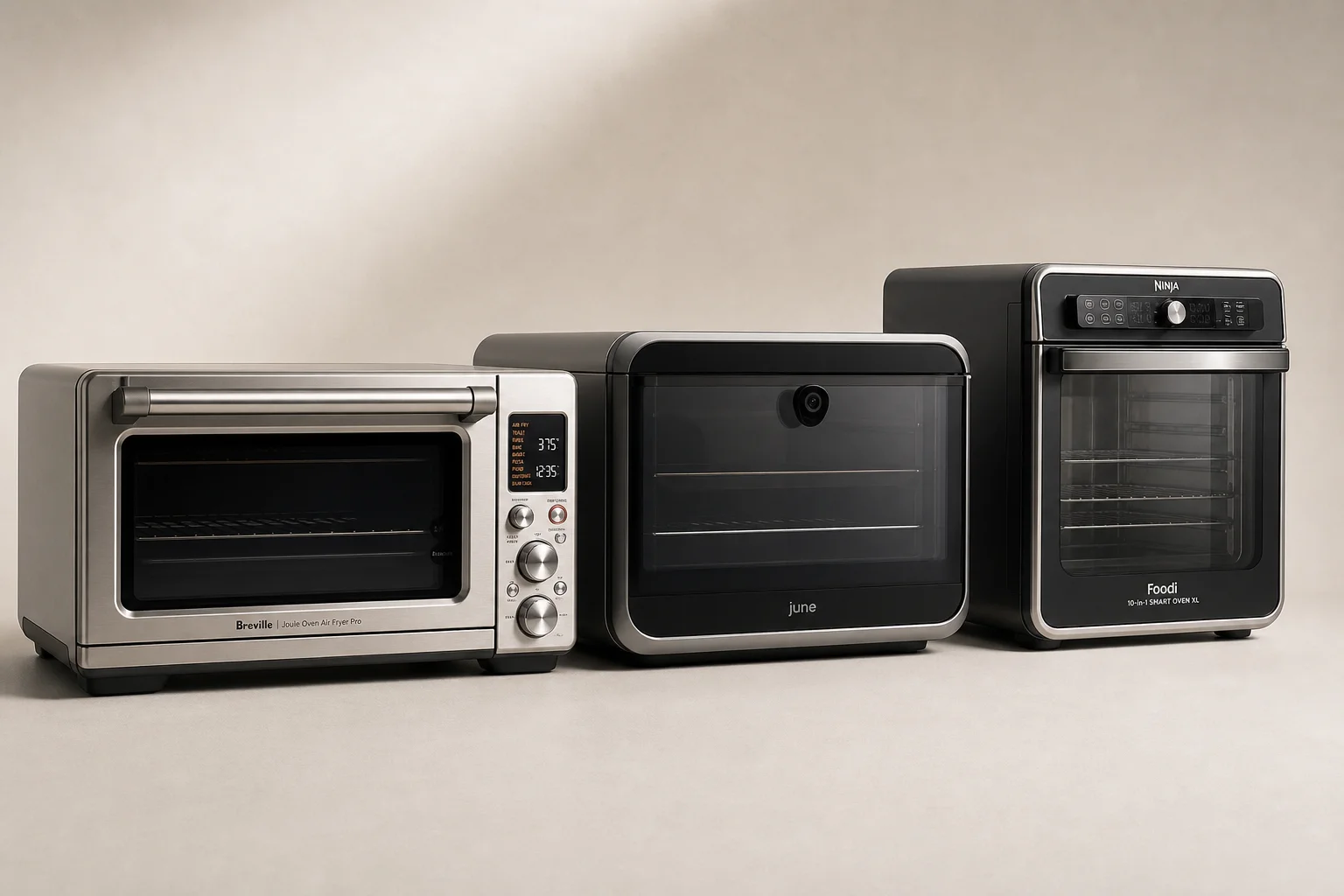
Three leading countertop smart ovens have emerged as top contenders for home cooks seeking versatile, connected cooking appliances. The Breville Joule Oven Air Fryer Pro, June Oven, and Ninja Foodi 10-in-1 Smart Oven XL each take different approaches to heating, convection, and smart features. This comparison examines their measured performance, design trade-offs, and which model best suits different cooking priorities.
Size and Countertop Footprint
Countertop space is often the first constraint when choosing an oven. The Breville Joule has the widest external footprint but the shallowest depth, making it ideal for shallow shelves or tight kitchen layouts. The June Oven matches the Joule’s internal usable space while minimizing external width by relocating fans to the back and controls into the door. The Ninja Foodi is significantly narrower than both competitors but adds approximately two inches of extra height, allowing you to cook a medium to large roast on one shelf while placing a casserole on a second shelf simultaneously.
For most kitchens, minimizing countertop width preserves space for other appliances and meal preparation. The Ninja’s design philosophy of minimizing width while maximizing height is a practical approach that deserves wider adoption in the countertop oven category.
Heating Performance and Temperature Accuracy
All three ovens carry an 1800-watt power rating, suggesting similar preheat speeds. Measured testing reveals significant differences. The Ninja Foodi reaches 400 degrees Fahrenheit in approximately 8 minutes 45 seconds, the Breville Joule in roughly 10 minutes 45 seconds, and the June Oven in nearly 12 minutes, making the June nearly 40 percent slower to preheat.
Temperature stability matters equally. At 400 degrees Fahrenheit, the Ninja Foodi’s temperature briefly overshoots then oscillates as heating elements cycle, but averages within five degrees of the set point, matching performance of expensive built-in ovens. The Breville Joule and June Oven both fall short of target temperature, running approximately 12 to 16 degrees Fahrenheit below the 400-degree set point and continuing to drift lower as they stabilize.
At maximum temperature, the Breville Joule falls 50 degrees short of its claimed 485-degree maximum, while the Ninja Foodi falls 20 degrees short of its claimed 450-degree maximum. Both effectively max out around 430 degrees Fahrenheit with food inside. The June Oven reaches 480 degrees, approximately 20 degrees below its claimed 500-degree limit, and maintains temperatures about 50 degrees higher than the other two ovens when cooking. Notably, the June Oven remains cool enough to touch at maximum temperature, while both the Breville Joule and Ninja Foodi become dangerously hot to the touch when fully cranked.
Convection Fan Design and Air Frying Performance
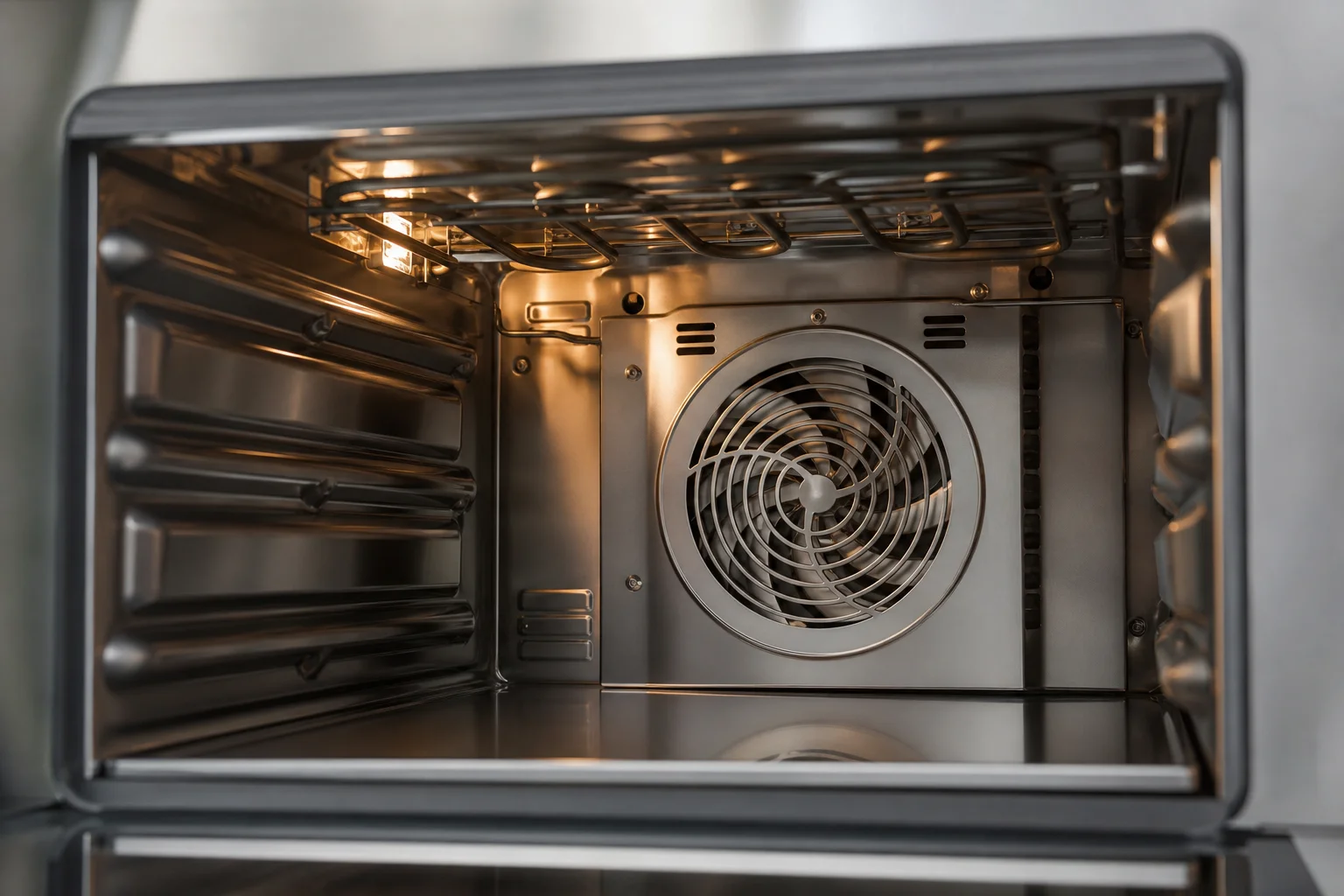
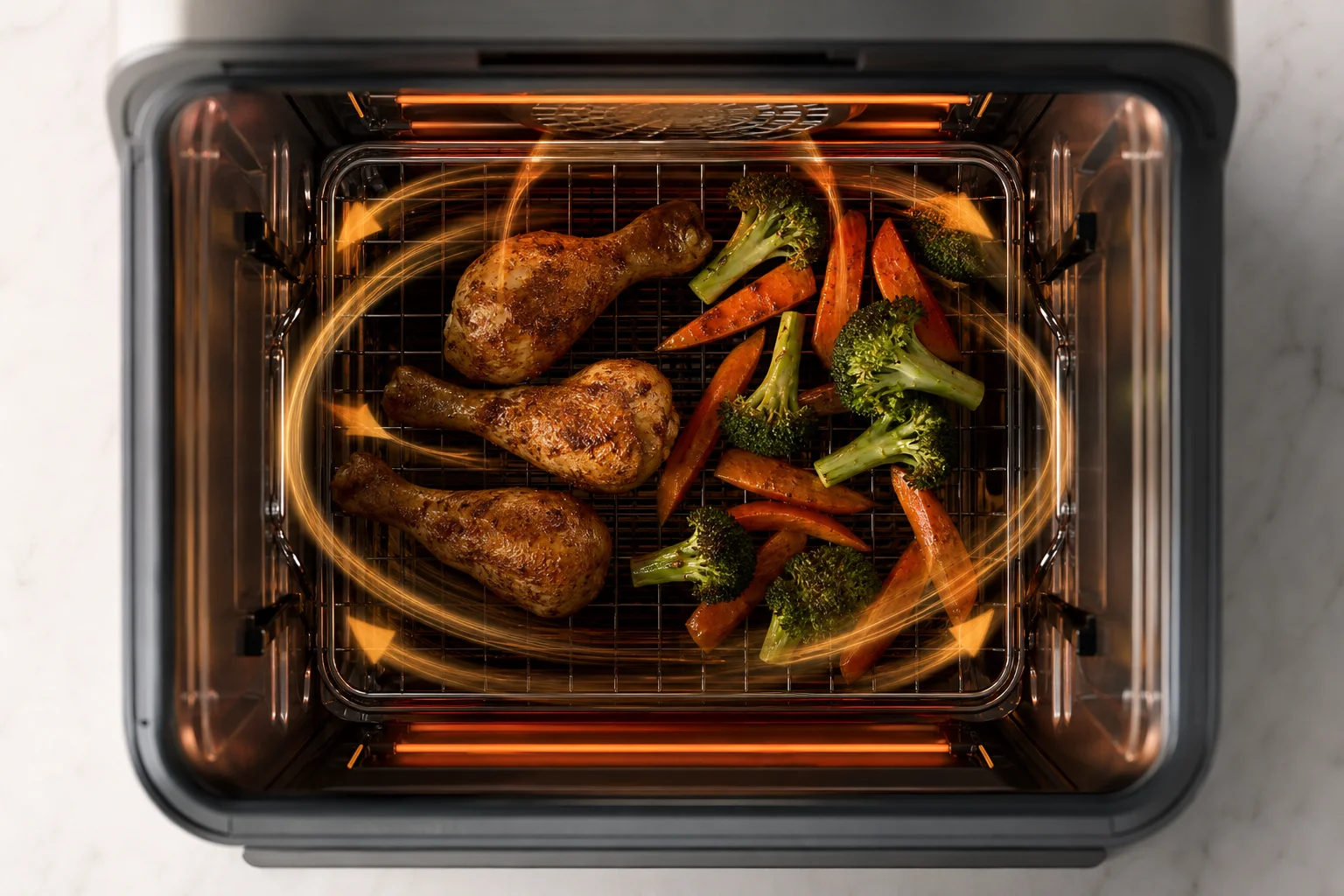
Convection performance separates these ovens most clearly. All three use centrifugal fans spinning at similar RPM, but fan size and exhaust design determine actual air velocity and cooking power. The Ninja Foodi features the largest fan with unrestricted exhaust, smoothly directing air along oven sidewalls to maintain velocity. Uniquely, it wraps a heating element around the fan to rapidly heat recirculated air before returning it to the cavity, a design borrowed from professional combi ovens costing tens of thousands of dollars.
The Breville Joule and June Oven both restrict airflow by forcing it through undersized slots in sheet metal, slowing air and creating turbulence before it reaches heating elements. The Breville’s single large fan is more powerful than the June’s dual smaller fans, but both designs compromise air velocity compared to the Ninja.
This makes the Ninja Foodi unquestionably the strongest air fryer of the three. However, the Ninja’s fan cannot be completely turned off, creating a significant limitation. Forced convection interferes with baking, particularly for delicate items like soufflés where a powerful fan becomes a liability. For most baking and roasting, high-temperature forced convection tends to overcook food rather than improve results.
Cooking Modes and Versatility
All three ovens market themselves as multi-purpose appliances. The Breville Joule is the “Air Fryer Pro,” the June positions itself as a “12-in-1,” and the Ninja claims “10-in-1” capability. These labels are largely marketing, as all three control only two variables: heating elements and fan speed. Pre-programmed modes help users select appropriate element and fan combinations for baking, broiling, roasting, air frying, and dehydrating.
The Breville Joule includes Element IQ, which provides granular control over power delivery to individual heating elements, making a measurable difference in programs like frozen pizza. The June Oven appears to have similar capability. The Ninja Foodi’s inability to disable its fan makes it mediocre for baking despite excelling at air frying. The June Oven’s polished interior reflects element heat uniformly, making its broiler function the strongest of the three, producing more even browning across the rack.
Smart Features and Connectivity
Sensors define what makes an oven “smart.” All three include temperature sensors for control, but only the June Oven and Ninja Foodi include wire thermometers that insert into food to measure doneness. The Breville Joule lacks this capability, leaving it unable to automatically detect when food reaches target temperature. This oversight caused the Joule to significantly overcook chicken when using its autopilot recipe feature in the otherwise excellent Joule mobile app.
The June Oven uniquely incorporates an internal camera that recognizes food and adjusts cooking programs when items risk burning. While not essential, this feature proves delightful in practice, automatically suggesting relevant presets when you load food into the oven.
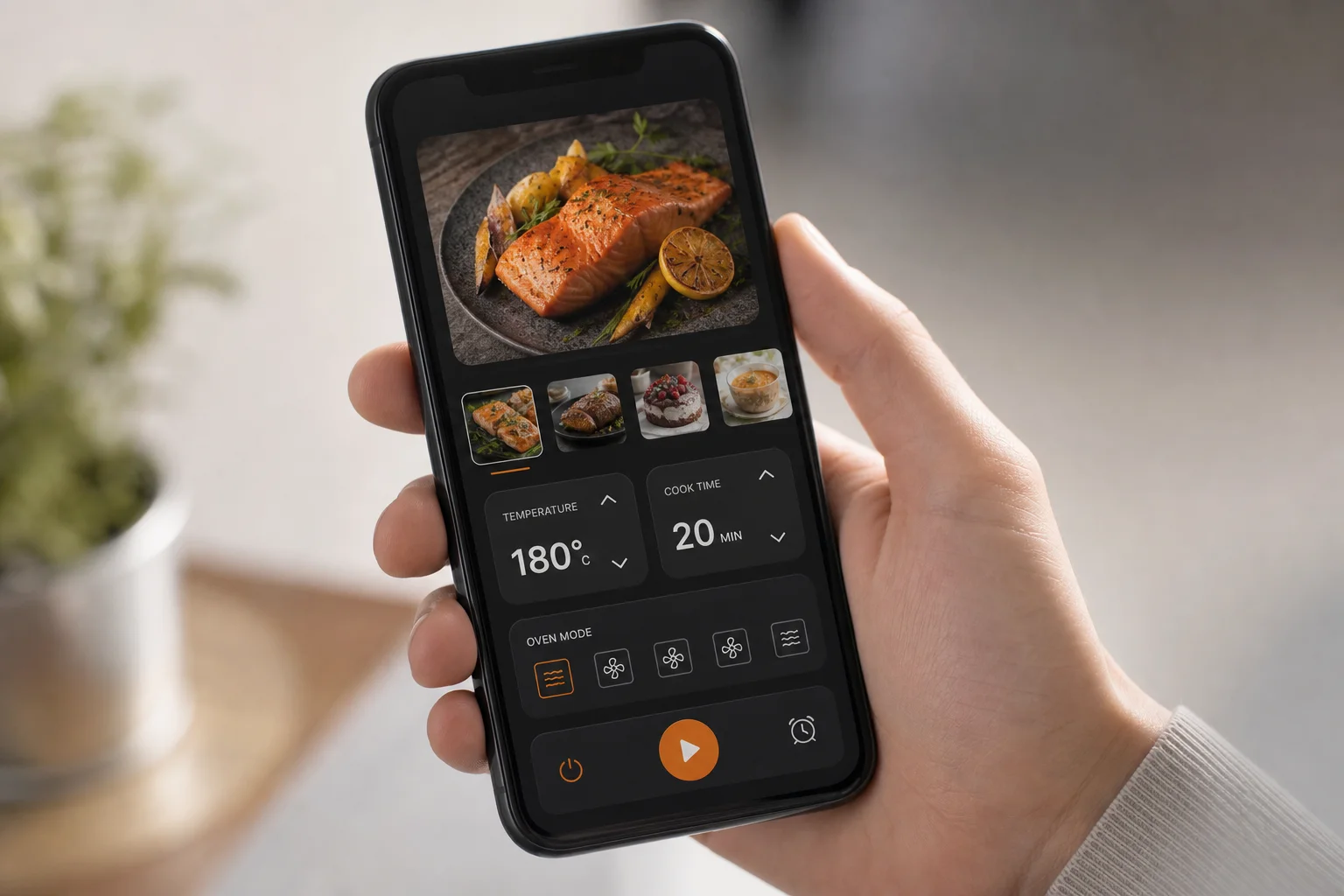
Only the June Oven and Breville Joule connect to the internet with associated mobile apps, allowing potential software improvements over time. The Breville app emphasizes recipe content licensed from premium sources including the New York Times, America’s Test Kitchen, Serious Eats, and Williams Sonoma, suggesting Breville is positioning the Joule as a content platform. The June app focuses on oven control and programmatic recipes from a curated selection, with tighter integration between app and hardware.
The June Oven emerges as the smartest of the three, effectively combining sensors and software to help achieve preferred food doneness. The Ninja Foodi’s integrated thermometer provides basic smart functionality without internet connectivity. The Breville Joule’s lack of food temperature sensing significantly limits its smart capabilities despite its content-rich app.
Which Oven Should You Choose
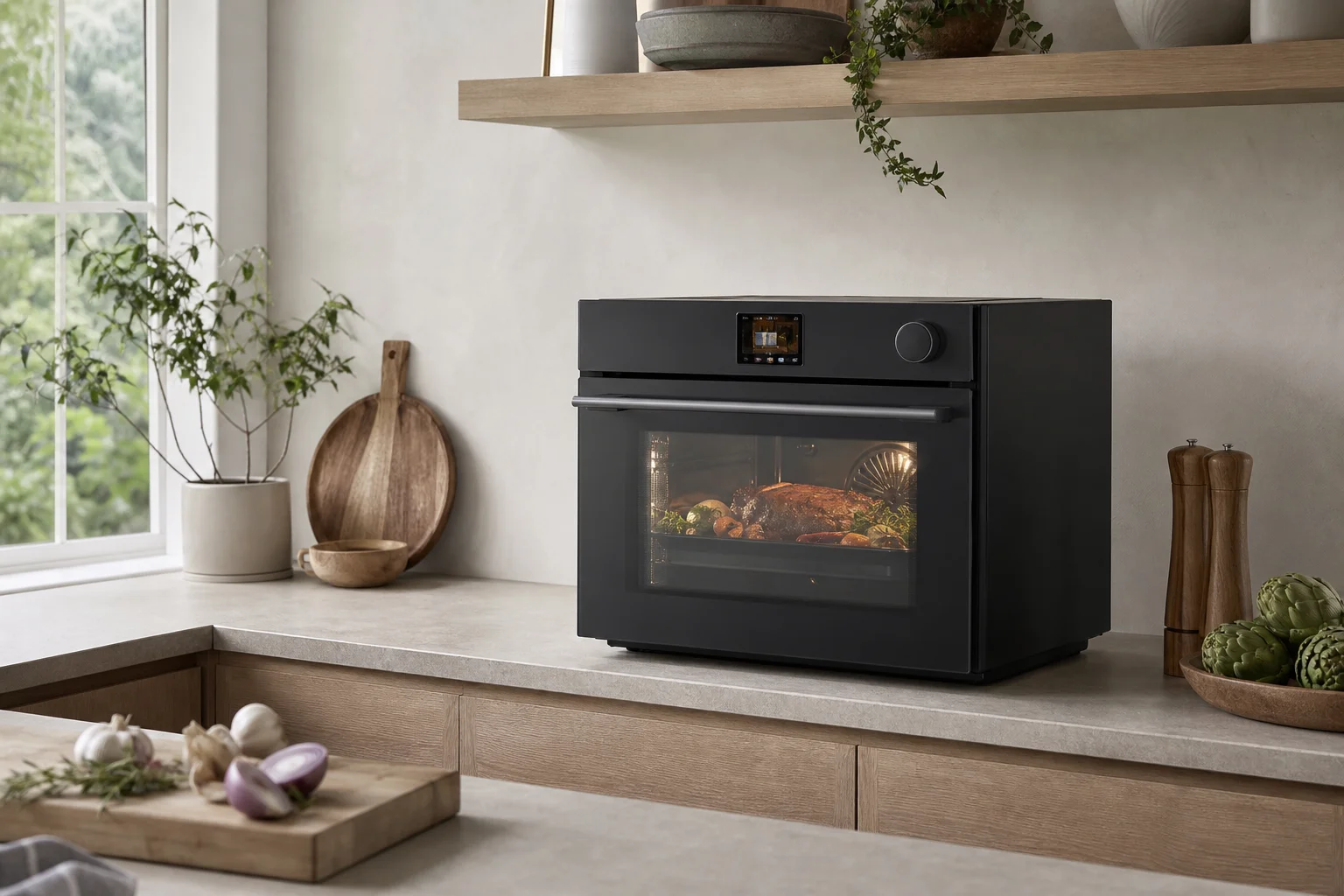
The right choice depends on your cooking priorities and budget. The Breville Joule at approximately $550 represents a time-tested, proven design evolved from Breville’s previous flagship model. It handles nearly any cooking task competently and benefits from Breville’s reputation for excellent customer support. The free Joule app offers valuable recipe content, though the lack of hardware-software integration via food temperature sensing is a significant limitation for most users.
The Ninja Foodi 10-in-1 Smart Oven XL offers exceptional value at a lower price point. Its extra height enables cooking two dishes simultaneously, something other countertop ovens struggle to accommodate. The integrated thermometer provides smart cooking capability, and its superior convection fan delivers the most powerful air frying and searing performance by a substantial margin. The primary drawback is its inability to disable the fan, making it unsuitable for serious bakers.
The June Oven at approximately $900 delivers beautiful minimalist industrial design, outstanding build quality, and hardware-software integration uncommon in kitchen appliances. It performs solidly across nearly all cooking tasks, with its broiler function and camera-assisted cooking standing out. Its convection fans are less powerful than the Ninja’s, making air frying its weakest capability. The June represents the most versatile option for cooks who value design, build quality, and smart features.
Conclusion
Each oven excels in different areas. The Breville Joule suits cooks who prioritize proven reliability and recipe content. The Ninja Foodi appeals to budget-conscious buyers seeking powerful air frying and practical height for multi-level cooking. The June Oven best serves those valuing design, smart integration, and versatile all-around performance. Consider your primary cooking needs, available countertop space, and budget when selecting among these three capable appliances.
Product link
View more details for Breville Joule Oven Air Fryer Pro
This product is mentioned in the review. Check the specifications, options, and compatibility before buying.
View more details for Breville Joule Oven Air Fryer ProFurther reading
Related Reviews
Kitchen Appliances
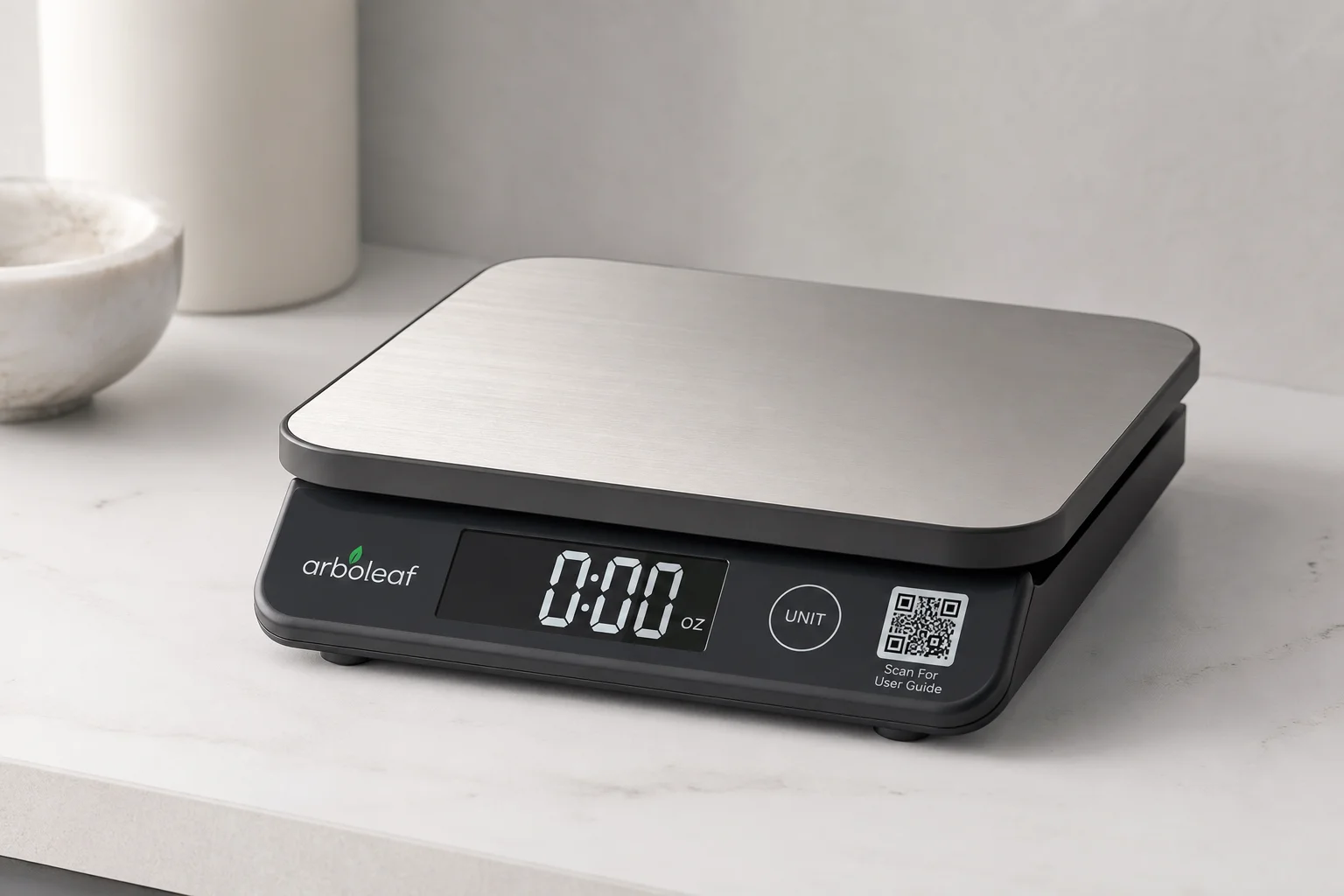
Arboleaf Smart Kitchen Scale Review: Connected Cooking Made Simple
A Bluetooth-enabled kitchen scale that syncs with a nutrition-tracking app, offering real-time weight monitoring and recipe guidance for home cooks.
Kitchen Appliances
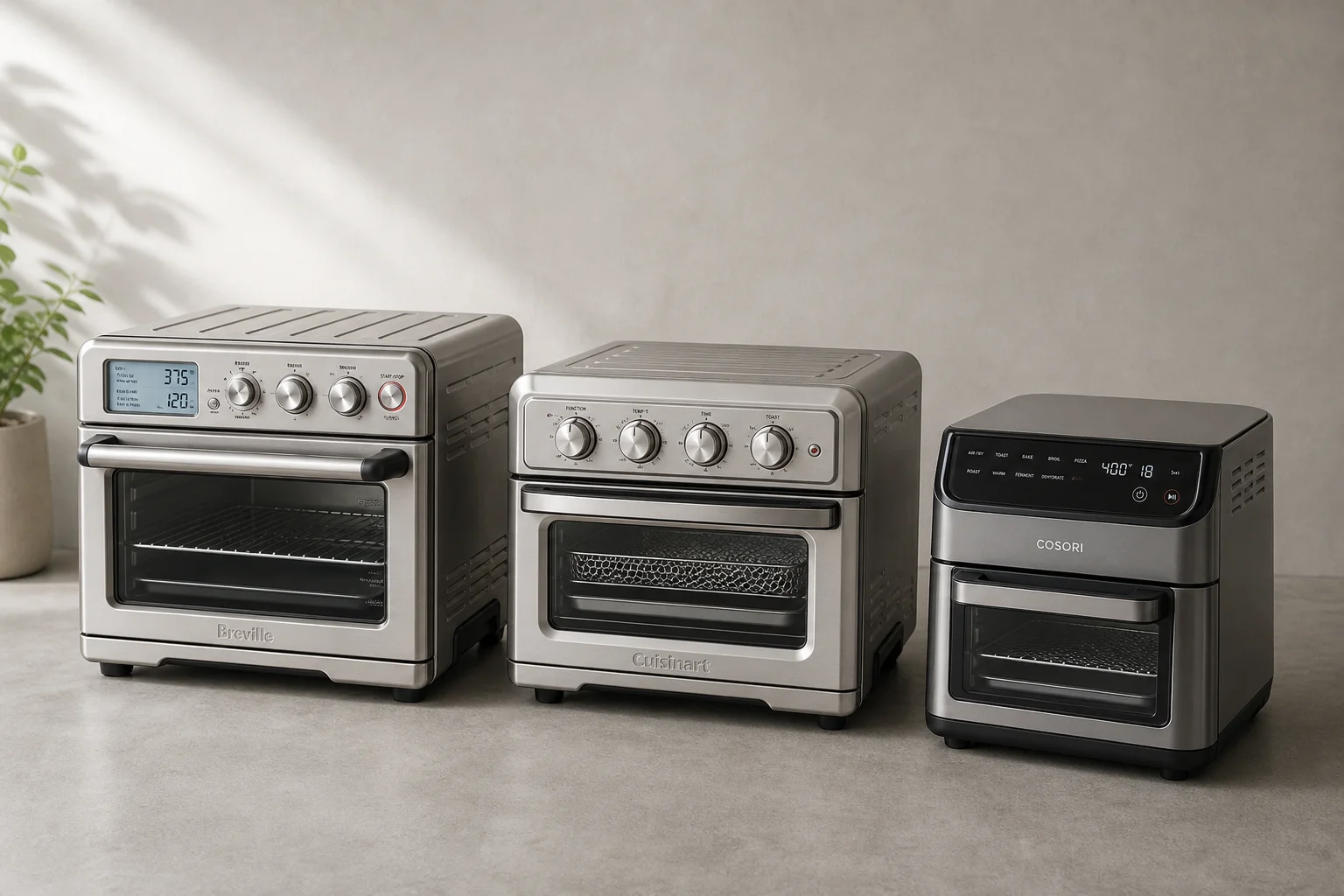
Best Air Fryer Toaster Ovens: Three Top Picks for Multi-Function Cooking
Three high-performing air fryer toaster ovens tested for versatility, ease of use, and real-world cooking results. Find the right fit for your kitchen.
Kitchen Appliances
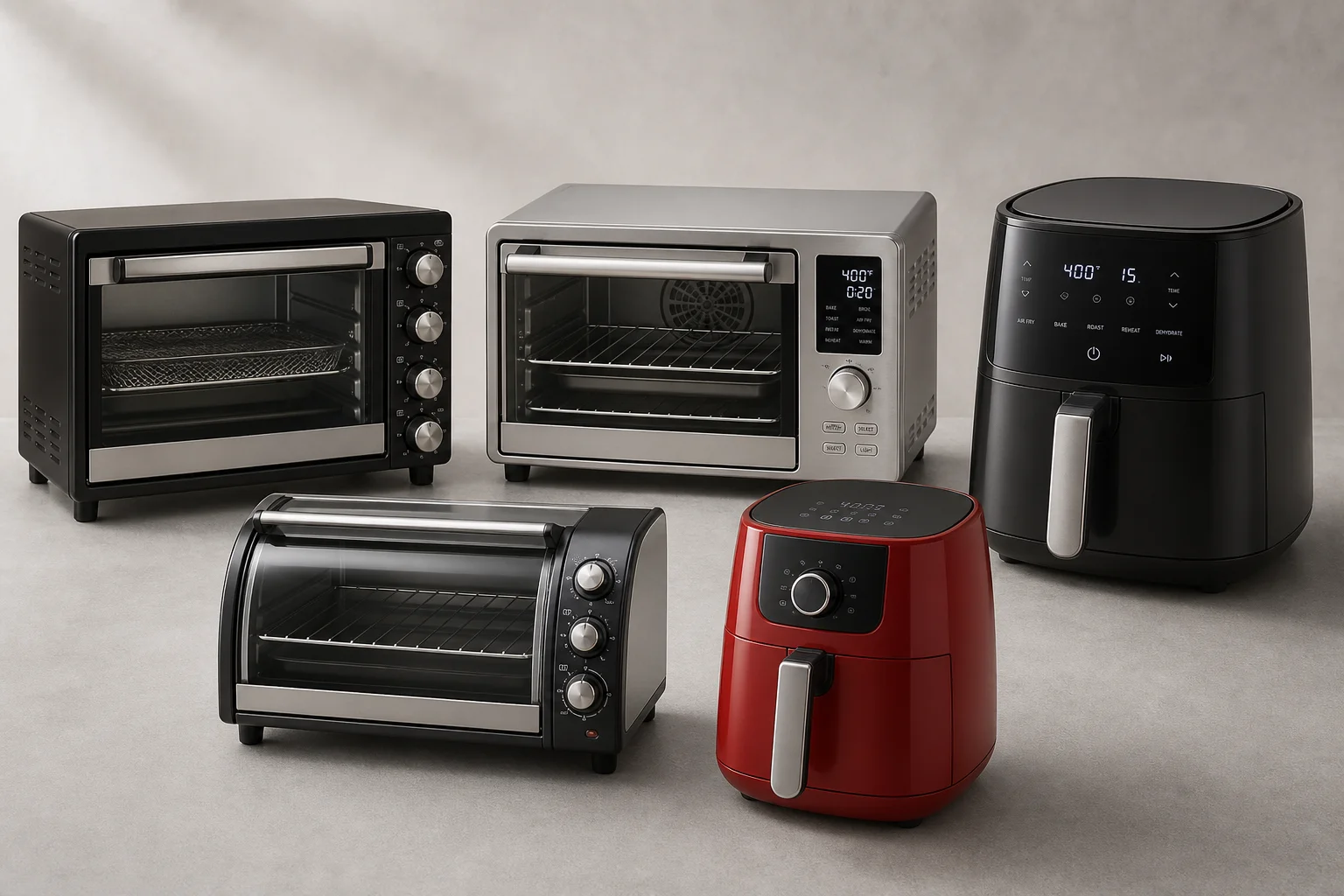
Best Air Fryer Toaster Ovens Under 100: Five Practical Options for Budget-Conscious Kitchens
Five air fryer and toaster oven combinations that deliver real cooking performance without breaking the bank, each with distinct strengths for different kitchen needs.